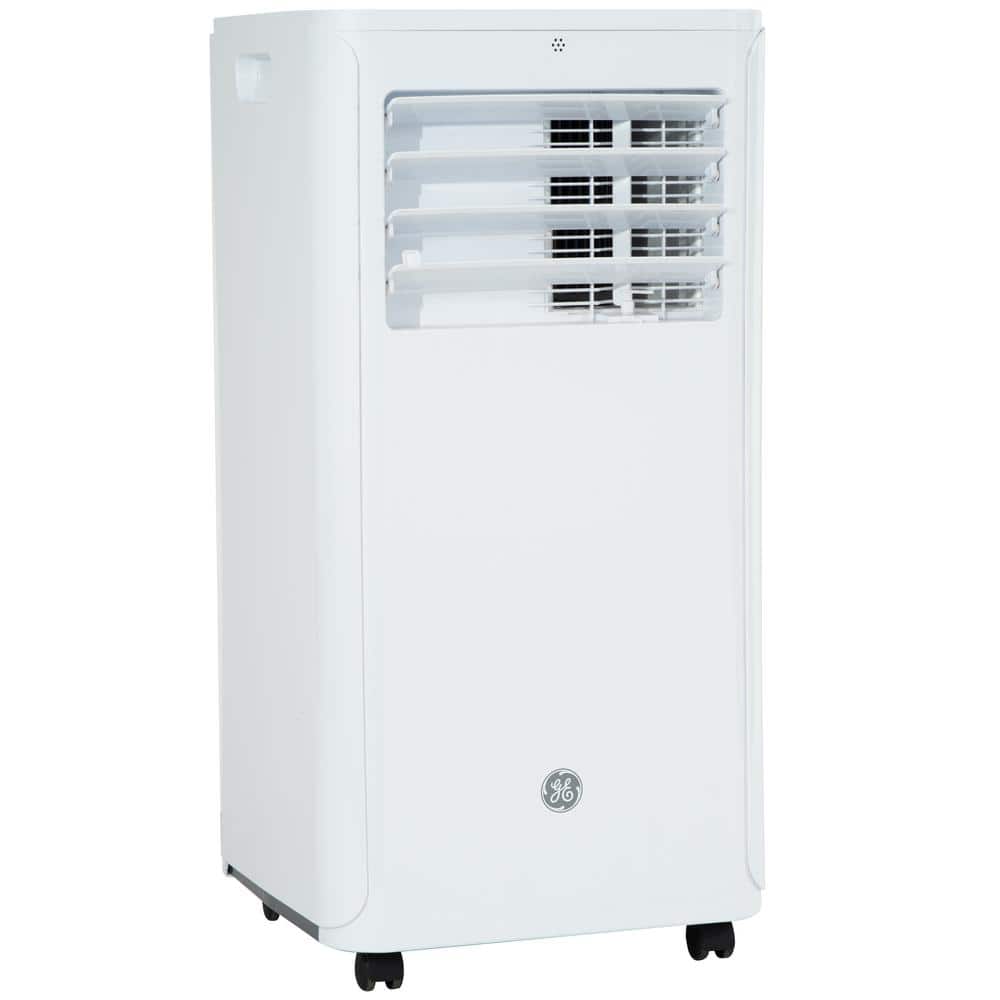
When summer heat becomes unbearable, a portable air conditioner GE unit offers an efficient cooling solution without the permanent installation requirements of traditional AC systems. General Electric has built a reputation for manufacturing reliable, user-friendly portable cooling units that combine cutting-edge technology with practical design features. This comprehensive resource will walk you through everything you need to know about selecting, installing, and maintaining your GE portable air conditioner to ensure maximum comfort and efficiency throughout the hottest months.
The beauty of a GE portable air conditioner lies in its flexibility and ease of use. Unlike window units that require structural modifications or central air systems that demand extensive ductwork, these mobile cooling solutions can be moved from room to room as needed. Whether you’re cooling a bedroom at night, a home office during work hours, or a living space during family gatherings, GE’s portable AC units deliver targeted cooling exactly where you need it most. The brand’s commitment to innovation means you’re getting advanced features like smart connectivity, energy-efficient operation, and whisper-quiet performance that makes living with portable cooling more comfortable than ever before.
Understanding GE Portable Air Conditioner Technology and Features
GE has invested decades into perfecting portable air conditioning technology, and their current lineup reflects this expertise through sophisticated engineering and thoughtful design elements. Modern portable air conditioner GE models incorporate inverter technology that adjusts compressor speed based on cooling demands, resulting in significant energy savings compared to older fixed-speed models. This variable-speed operation not only reduces electricity consumption but also maintains more consistent temperature control and produces less operational noise.
The refrigerant systems in GE portable AC units utilize environmentally responsible R-410A refrigerant, which provides excellent cooling capacity without the ozone-depleting properties of older refrigerants. The closed-loop cooling cycle draws warm air from your room, passes it over refrigerant-cooled evaporator coils, and expels the extracted heat through an exhaust hose. Meanwhile, the cooled air circulates back into your living space, creating a comfortable indoor environment. GE’s engineering team has optimized this process to maximize cooling efficiency while minimizing energy waste, ensuring that every watt of electricity translates into effective temperature reduction.
Smart features have become increasingly prevalent in GE’s portable air conditioner lineup, with many models offering WiFi connectivity and smartphone app control. Through the SmartHQ app, users can adjust temperature settings, modify fan speeds, set customized schedules, and monitor energy consumption from anywhere with an internet connection. Voice control compatibility with Amazon Alexa and Google Assistant adds another layer of convenience, allowing you to adjust cooling settings through simple voice commands. These smart capabilities transform your GE portable air conditioner into an integral component of your connected home ecosystem.
BTU Capacity Selection for Your GE Portable Air Conditioner
Choosing the correct BTU (British Thermal Unit) rating represents the single most important decision when purchasing a portable air conditioner GE model. BTU capacity determines how much heat the unit can remove from your space per hour, and selecting inadequate cooling power results in ineffective temperature control, excessive energy consumption, and premature equipment wear. GE manufactures portable air conditioners ranging from 8,000 BTU models suitable for small bedrooms to 14,000 BTU powerhouses capable of cooling larger living areas.
For rooms measuring 150-250 square feet, an 8,000 BTU GE portable air conditioner provides adequate cooling capacity. These compact units work exceptionally well in bedrooms, small offices, or studio apartments where space is limited. The 10,000 BTU models expand cooling capability to spaces between 250-400 square feet, making them ideal for master bedrooms, larger home offices, or modest living rooms. When dealing with areas exceeding 400 square feet, you’ll want to consider 12,000-14,000 BTU units that deliver the cooling power necessary for open-concept spaces, sunrooms, or areas with high ceilings.
Factors affecting BTU requirements include:
- Ceiling height (rooms with ceilings above 8 feet require additional capacity)
- Sun exposure (south and west-facing rooms absorb more heat)
- Insulation quality (poorly insulated spaces lose cool air rapidly)
- Number of occupants (each person generates approximately 400 BTU of heat)
- Heat-generating appliances (computers, televisions, and kitchen equipment add thermal load)
- Climate zone (regions with extreme summer temperatures need higher capacity)
GE provides detailed BTU calculators on their website to help consumers make informed decisions based on these variables. Remember that portable air conditioners typically have lower effective BTU ratings than window units with the same stated capacity due to heat generation from internal components. This phenomenon means a 10,000 BTU portable unit may cool similarly to an 8,000 BTU window unit, so consider sizing up if you’re between capacity levels.
Installation and Setup Process for GE Portable Air Conditioner Models
Setting up your portable air conditioner GE unit requires minimal technical knowledge and typically takes less than 30 minutes from unboxing to operation. The process begins with selecting an optimal location that balances cooling efficiency with practical considerations like proximity to windows and electrical outlets. Position your unit on a flat, stable surface with at least 20 inches of clearance around all sides to ensure proper airflow and prevent overheating. Avoid placing the unit on carpeted surfaces if possible, as hard flooring facilitates better drainage and stability.
The exhaust hose installation represents the most critical setup step for achieving maximum cooling efficiency. GE includes a window kit with every portable AC unit, featuring adjustable panels that fit both sliding and hung windows. Extend the exhaust hose to its full length (typically 5-6 feet), then attach one end to the unit’s exhaust port and the other to the window adapter. Install the window kit according to the included instructions, ensuring a snug fit that prevents hot air from leaking back into your room. The window panel should seal tightly against the window frame, and many users supplement the provided seals with weatherstripping or foam tape for enhanced insulation.
Step-by-step GE portable air conditioner installation:
- Remove all packaging materials and allow the unit to stand upright for 24 hours if it was transported horizontally
- Select a location within 5-6 feet of a suitable window and near a grounded electrical outlet
- Attach the exhaust hose to the unit’s rear exhaust port with a clockwise twisting motion
- Install the window adapter kit according to manufacturer instructions for your window type
- Connect the exhaust hose to the window adapter, ensuring all connections are secure
- Plug the unit into a dedicated electrical circuit (avoid extension cords or power strips)
- Power on the unit and select your desired cooling mode and temperature setting
Many newer GE portable air conditioner models feature dual-hose configurations that improve efficiency by drawing intake air from outside rather than depleting cooled indoor air. If you have a dual-hose model, you’ll install a second hose following the same process, connecting it to the designated intake port. This configuration significantly improves cooling performance and reduces the negative pressure that single-hose units create inside your home.
Energy Efficiency and Operating Cost Considerations
Energy consumption directly impacts both environmental sustainability and your monthly utility expenses, making efficiency a crucial consideration when evaluating portable air conditioner GE options. GE designs their portable AC units to meet or exceed Department of Energy efficiency standards, with many models earning ENERGY STAR certification for superior performance. The Energy Efficiency Ratio (EER) measures how effectively an air conditioner converts electricity into cooling power, with higher numbers indicating better efficiency. Premium GE portable air conditioners achieve EER ratings between 10 and 12, representing excellent efficiency for portable cooling equipment.
Calculating operating costs for your GE portable air conditioner requires understanding both the unit’s power consumption and your local electricity rates. A typical 10,000 BTU portable AC consumes approximately 1,200 watts when running at full capacity. If your electricity costs $0.13 per kilowatt-hour (the national average), running the unit for 8 hours daily would cost roughly $1.25 per day or $37.50 monthly. However, actual costs vary significantly based on usage patterns, temperature settings, and efficiency features like programmable thermostats and auto-mode operation that cycle the compressor on and off as needed.
Energy-saving strategies for GE portable air conditioners:
- Set the thermostat to 78°F (the recommended comfort temperature that balances cooling with efficiency)
- Use the programmable timer to cool rooms only when occupied
- Enable auto-mode to allow the unit to adjust fan speed and compressor operation automatically
- Clean or replace air filters every two weeks during heavy use periods
- Keep exhaust hoses as short and straight as possible to minimize efficiency losses
- Close blinds and curtains during peak sun hours to reduce thermal load
- Ensure proper insulation around the window kit installation to prevent hot air infiltration
- Consider using ceiling fans in conjunction with your AC to improve air circulation and perceived cooling
GE’s newer smart-enabled portable air conditioners provide real-time energy monitoring through their smartphone apps, allowing you to track consumption patterns and identify opportunities for additional savings. Some models feature eco-mode operation that prioritizes efficiency over maximum cooling power, automatically adjusting settings to minimize energy use while maintaining comfortable temperatures.
Maintenance Requirements for Long-Term Performance
Proper maintenance extends the lifespan of your portable air conditioner GE unit while ensuring optimal cooling performance and energy efficiency throughout its service life. Regular upkeep prevents common issues like reduced cooling capacity, increased energy consumption, and premature component failure. GE designs their portable AC units with user-serviceable components that make routine maintenance straightforward for homeowners without specialized technical knowledge.
Air filter maintenance represents the most critical and frequent maintenance task for GE portable air conditioner owners. The washable mesh filter captures dust, pet dander, pollen, and other airborne particles before they can accumulate on internal components. GE recommends cleaning the filter every two weeks during active cooling seasons, or more frequently in dusty environments or homes with pets. Remove the filter according to your model’s instructions (typically by releasing a clip or sliding a panel), rinse it thoroughly under running water, allow it to air dry completely, and reinstall it before resuming operation. Never run your portable AC without its filter installed, as this allows contaminants to damage delicate internal components.
Comprehensive GE portable air conditioner maintenance schedule:
| Maintenance Task | Frequency | Importance Level |
|---|---|---|
| Clean air filter | Every 2 weeks | Critical |
| Empty condensate tank | As needed (when full indicator lights) | Critical |
| Inspect exhaust hose for damage | Monthly | High |
| Clean exterior vents and grilles | Monthly | High |
| Check window kit seals | Seasonally | Medium |
| Vacuum internal components | Annually | Medium |
| Professional inspection | Every 2-3 years | Low |
Condensate management varies by model type, with some portable air conditioner GE units featuring self-evaporating technology that eliminates most manual drainage requirements. These innovative systems use waste heat from the condenser to evaporate collected moisture, automatically dispersing it through the exhaust hose. Models without this feature require periodic manual draining when the internal tank reaches capacity, typically indicated by an alert light or automatic shutdown. Connect a drain hose to the unit’s drainage port and direct it to a floor drain or suitable container, or manually empty the internal tank by removing it and pouring the water down a drain.
Suggested read: General Electric Air Conditioner Portable: Your Ultimate Buying Guide for 2025
End-of-season maintenance prepares your GE portable air conditioner for storage and ensures it’s ready for immediate use when temperatures rise again. Run the unit in fan-only mode for several hours to dry internal components and prevent mold growth during storage. Clean the filter thoroughly and allow all components to dry completely before storing. Drain any remaining water from the condensate tank and drainage system. Cover the unit with a breathable cloth or the original packaging materials, and store it in a climate-controlled environment away from temperature extremes and moisture. Avoid storing the unit on its side, as this can damage internal components and refrigerant lines.
Troubleshooting Common GE Portable Air Conditioner Issues
Even well-maintained portable air conditioner GE units occasionally experience operational issues that can typically be resolved through systematic troubleshooting. Understanding common problems and their solutions helps you restore cooling performance quickly without unnecessary service calls. GE provides comprehensive troubleshooting guides with each unit and offers technical support through their customer service channels for issues that require professional assistance.
Insufficient cooling represents the most frequent complaint among portable air conditioner owners, and several factors can contribute to this problem. If your GE portable air conditioner runs continuously but fails to adequately cool your space, first verify that the BTU capacity matches your room size and thermal load. Check that the exhaust hose remains properly connected and vented to the outside, as any disconnection or kinking reduces cooling efficiency dramatically. Inspect the air filter for excessive dirt accumulation that restricts airflow, and clean or replace it as needed. Ensure that doors and windows remain closed while the unit operates, and verify that the window kit installation prevents hot air infiltration.
Common GE portable air conditioner problems and solutions:
- Unit won’t power on: Check that the power cord is firmly connected to both the unit and a functioning outlet. Test the outlet with another device to confirm it’s receiving power. Examine the unit’s circuit breaker or reset button if equipped. Verify that all removable components like the water tank and filter are properly installed, as many models include safety interlocks that prevent operation when these items are missing.
- Unit cycles on and off frequently: This short-cycling behavior often indicates an oversized unit for the space, incorrect thermostat settings, or blocked airflow. Raise the temperature setpoint by a few degrees, ensure nothing obstructs the intake or exhaust vents, and clean the air filter. If short-cycling persists, the unit may be too powerful for your room size.
- Excessive noise during operation: While all portable air conditioners generate some operational sound, unusual or excessive noise suggests a problem. Rattling sounds typically indicate loose components or objects inside the unit, while grinding or squealing noises may signal bearing wear in the fan motor or compressor. Ensure the unit sits level on a stable surface, and check that nothing has fallen into the air intake or exhaust vents.
- Water leaking from the unit: Condensate leakage usually results from a full internal water tank, a clogged drainage system, or improper unit positioning. Empty the condensate tank if your model requires manual drainage, and ensure the unit sits level or tilts slightly backward to direct water toward the drainage system. Clean the drainage port and hose to remove any blockages.
- Error codes displayed: Modern GE portable air conditioner models display alphanumeric error codes when they detect operational problems. Consult your owner’s manual for code definitions, as each code corresponds to a specific issue. Common codes include temperature sensor failures, compressor protection activation, or full water tank alerts.
For persistent issues that basic troubleshooting cannot resolve, contact GE’s customer support team or schedule service with an authorized technician. Attempting complex repairs yourself may void your warranty and potentially cause additional damage. GE offers comprehensive warranty coverage on their portable air conditioners, typically including one year of parts and labor protection with extended coverage available through purchase.
Comparing GE Portable Air Conditioner Models and Specifications
GE’s diverse portable air conditioner lineup includes models engineered for various room sizes, budgets, and feature preferences. Understanding the distinctions between product lines helps you identify the optimal unit for your specific cooling requirements and lifestyle preferences. The company organizes their portable AC offerings into several tiers, from basic cooling-focused units to premium models packed with smart technology and advanced comfort features.
The GE 8,000 BTU portable air conditioner serves as the entry-level option, ideal for smaller spaces like bedrooms, home offices, or dorm rooms up to 250 square feet. These compact units typically measure around 16 inches wide and 28 inches tall, making them easy to position and move as needed. Despite their smaller size, these models still incorporate essential features like electronic controls with LED displays, 24-hour programmable timers, and three fan speeds for customized comfort. The 8,000 BTU units represent the most energy-efficient option in GE’s portable lineup, consuming approximately 900 watts at full capacity.
Mid-range portable air conditioner GE models in the 10,000-12,000 BTU range deliver enhanced cooling power for medium-sized rooms between 250 and 450 square feet. These units introduce additional features like remote controls for convenient operation from across the room, more sophisticated electronic control panels, and improved dehumidification capacity that can remove up to 3 pints of moisture per hour. Many models in this category include auto-restart functionality that remembers your settings after power interruptions, ensuring consistent comfort even during electrical disturbances. The built-in handles and smooth-rolling caster wheels make repositioning effortless despite their larger size.
GE portable air conditioner feature comparison:
| Feature | 8,000 BTU | 10,000 BTU | 12,000 BTU | 14,000 BTU |
|---|---|---|---|---|
| Cooling area | Up to 250 sq ft | 250-350 sq ft | 350-450 sq ft | 450-550 sq ft |
| Dehumidification | 1.5 pints/hour | 2.5 pints/hour | 3.0 pints/hour | 4.0 pints/hour |
| Power consumption | 900W | 1,150W | 1,200W | 1,350W |
| Smart connectivity | Select models | Most models | Most models | All models |
| Noise level | 52 dB | 53 dB | 54 dB | 54 dB |
| Weight | 55 lbs | 65 lbs | 75 lbs | 80 lbs |
Premium GE portable air conditioner models in the 14,000 BTU category represent the pinnacle of portable cooling technology, incorporating cutting-edge features and maximum cooling capacity. These powerful units cool spaces up to 550 square feet while maintaining exceptional energy efficiency through inverter compressor technology and advanced insulation. Smart home integration comes standard, with full WiFi connectivity, smartphone app control, and voice assistant compatibility. Enhanced air filtration systems in premium models capture smaller particles and some models include activated carbon filters that reduce odors. The superior build quality and components in these flagship models typically translate to longer service life and more reliable operation.
Real-World Performance and User Experience Insights
Understanding how portable air conditioner GE units perform in actual home environments provides valuable context beyond manufacturer specifications and marketing claims. User feedback from thousands of GE portable AC owners reveals consistent patterns in satisfaction levels, performance expectations, and common use cases that help prospective buyers make informed decisions. Independent testing by consumer organizations and HVAC professionals confirms that GE portable air conditioners deliver on their cooling capacity promises when properly sized and installed.
The cooling effectiveness of GE portable air conditioners receives overwhelmingly positive feedback from users who correctly match BTU capacity to room size and thermal load. Owners report that properly sized units quickly reduce room temperatures by 10-15 degrees Fahrenheit within 30-45 minutes of activation, with stable temperature maintenance once the desired setpoint is reached. The auto-mode function earns particular praise for its ability to balance cooling performance with energy efficiency, automatically adjusting fan speeds and compressor operation to maintain comfort without excessive energy consumption. Users appreciate that GE units maintain relatively consistent cooling output even during extreme heat waves, unlike some competitor models that struggle when ambient temperatures exceed 95 degrees Fahrenheit.
Case Study: Home Office Cooling Solution
Sarah, a freelance graphic designer in Phoenix, Arizona, transformed her spare bedroom into a home office but lacked dedicated cooling for the 300-square-foot space. Rather than invest in expensive ductwork extensions for her central AC system, she purchased a GE 10,000 BTU portable air conditioner based on BTU calculator recommendations. “The difference was immediate and dramatic,” Sarah reports. “My office went from uncomfortably warm to perfectly cool within about 30 minutes. I love that I can start cooling the room from my phone before I even get home, so it’s comfortable when I sit down to work.” Over the six months she’s owned the unit, Sarah’s electricity costs increased by approximately $45 monthly during peak summer months, which she considers reasonable given the comfort improvement. The smart scheduling features allow her to cool the office only during work hours, automatically shutting off in the evenings and weekends when the space isn’t occupied.
Noise levels generate mixed feedback depending on user sensitivity and model selection. Most portable air conditioner GE units operate between 52-54 decibels at maximum fan speed, comparable to normal conversation volume or a quiet office environment. Users describe the operational sound as a consistent white noise that many find soothing, particularly when using the units in bedrooms overnight. The fan-only mode operates significantly quieter than full cooling mode, and the sleep mode feature on newer models reduces fan speed at night for even quieter operation. However, noise-sensitive individuals or those with open-concept living spaces may find the compressor cycling and fan operation distracting during quiet activities like reading or watching television at low volumes.
Smart Features and Connectivity Options
Modern portable air conditioner GE models embrace smart home technology, transforming basic cooling appliances into sophisticated climate control systems integrated with your connected home ecosystem. The SmartHQ platform serves as the foundation for GE’s smart appliance strategy, providing a unified interface for controlling and monitoring compatible devices from smartphones, tablets, or web browsers. This connectivity delivers genuine convenience benefits beyond simple remote temperature adjustment, enabling automation, energy monitoring, and maintenance alerts that optimize both comfort and efficiency.
Setting up smart connectivity on your GE portable air conditioner requires minimal technical expertise and typically takes less than ten minutes. Download the SmartHQ app from the Apple App Store or Google Play Store, create an account or sign in with existing credentials, and follow the guided setup process to connect your portable AC unit to your home WiFi network. The app automatically discovers compatible GE appliances on your network, and once paired, your portable air conditioner appears in your device list with full control capabilities. The intuitive interface displays current room temperature, target temperature, operating mode, and fan speed, with simple touch controls for adjusting all settings remotely.
Smart features available on WiFi-enabled GE portable air conditioners:
- Remote operation: Adjust temperature, fan speed, and operating mode from anywhere with internet connectivity, ensuring your space is comfortable before you arrive home
- Custom scheduling: Create detailed weekly schedules that automatically adjust cooling based on your routines, reducing energy waste during unoccupied periods
- Energy monitoring: Track real-time and historical power consumption to understand operating costs and identify opportunities for efficiency improvements
- Voice control: Issue commands through Amazon Alexa or Google Assistant for hands-free operation, such as “Alexa, set the bedroom AC to 72 degrees”
- Maintenance reminders: Receive push notifications when filters need cleaning or when the condensate tank requires emptying
- Software updates: Automatic firmware updates deliver new features and performance improvements without manual intervention
- Multi-device coordination: Integrate your portable AC with other smart home devices for sophisticated automation scenarios, like automatically adjusting cooling when motion sensors detect occupancy
The automation capabilities of smart portable air conditioner GE models extend beyond basic scheduling to include sophisticated conditional rules that respond to changing circumstances. Create geofencing automations that power on your AC when your smartphone approaches home and shut it off when you leave, ensuring comfort without manual intervention. Integrate with smart thermostats to coordinate portable cooling with central HVAC systems, directing portable AC operation to supplement cooling in specific rooms while reducing the load on your main system. Connect with weather services to automatically adjust cooling intensity based on forecasted temperatures, preemptively increasing capacity before heat waves arrive.
Health and Air Quality Benefits
Beyond temperature control, portable air conditioner GE units contribute to improved indoor air quality and health outcomes through multiple mechanisms. The continuous air circulation and filtration process removes airborne contaminants, while the dehumidification function creates an environment less hospitable to allergens and irritants. For individuals with respiratory sensitivities, allergies, or asthma, the air quality improvements delivered by properly maintained portable air conditioners can significantly enhance comfort and reduce symptom severity.
The multi-stage filtration system in GE portable air conditioners captures a wide range of airborne particles that would otherwise circulate through your living space. The primary washable mesh filter traps larger particles like dust, pet hair, and lint before they can accumulate on internal components or recirculate into your room. Some premium models incorporate additional activated carbon filters that adsorb odors, volatile organic compounds (VOCs), and gaseous pollutants, creating fresher-smelling indoor air. While portable air conditioners lack the sophisticated HEPA filtration found in dedicated air purifiers, their high air exchange rates (cycling room air multiple times per hour) still deliver meaningful reductions in airborne particle concentrations.
Health benefits associated with GE portable air conditioner use:
Suggested read: 12 Volt Portable Air Conditioner: Your Complete Buying Guide for Mobile Cooling Solutions
- Reduced allergen exposure: Continuous filtration removes pollen, dust mites, mold spores, and pet dander that trigger allergic reactions
- Lower humidity levels: Dehumidification inhibits mold growth, dust mite proliferation, and bacterial colonization that thrive in moist environments
- Heat stress prevention: Maintaining comfortable temperatures protects vulnerable individuals from heat-related illnesses during extreme weather
- Improved sleep quality: Cooler bedroom temperatures facilitate better sleep onset and more restful sleep throughout the night
- Enhanced cognitive performance: Research demonstrates that cognitive function, productivity, and decision-making improve in optimally cooled environments compared to uncomfortably warm conditions
- Reduced respiratory irritation: Filtered, circulated air contains fewer irritants that can trigger coughing, wheezing, or asthma symptoms
Medical professionals increasingly recognize the health implications of indoor climate control, particularly for vulnerable populations including elderly individuals, young children, pregnant women, and those with chronic health conditions. The American Academy of Pediatrics recommends maintaining indoor temperatures between 68-72 degrees Fahrenheit for optimal infant health, while geriatric medicine specialists emphasize that older adults face elevated risk of heat-related complications due to reduced thermoregulatory capacity. A properly sized portable air conditioner GE unit enables targeted cooling in bedrooms and living spaces occupied by vulnerable family members without the expense of cooling the entire home.
Environmental Impact and Sustainability Considerations
Environmentally conscious consumers rightfully consider the ecological footprint of their cooling choices, and portable air conditioner GE models reflect the company’s commitment to sustainable manufacturing and operation. Modern portable AC units achieve dramatically improved efficiency compared to older equipment, translating directly to reduced greenhouse gas emissions from power generation. GE’s adoption of environmentally responsible refrigerants, recyclable materials in construction, and energy-efficient designs demonstrates that effective cooling need not come at the expense of environmental stewardship.
The R-410A refrigerant used in contemporary GE portable air conditioners represents a significant environmental improvement over older R-22 (Freon) systems that contributed to ozone layer depletion. While R-410A still possesses global warming potential if released into the atmosphere, it contains no chlorine and therefore doesn’t damage the stratospheric ozone layer that protects Earth from harmful ultraviolet radiation. GE engineers have optimized refrigerant charge quantities to minimize environmental impact while maintaining excellent cooling performance, and the sealed refrigerant systems prevent leakage during normal operation. At end-of-life, responsible disposal through certified HVAC recyclers ensures refrigerant recovery and proper recycling of metal components.
Sustainable practices for GE portable air conditioner ownership:
- Select appropriately sized units that match your actual cooling needs, as oversized equipment wastes energy through excessive cycling
- Utilize programmable scheduling and smart features to minimize unnecessary operation during unoccupied periods
- Maintain clean filters and proper exhaust installation to maximize efficiency and reduce energy consumption
- Set thermostats to the highest comfortable temperature (typically 78°F) rather than excessive cooling
- Combine portable AC use with passive cooling strategies like shade management, ventilation during cool periods, and ceiling fans
- Consider the unit’s entire lifecycle environmental impact, including manufacturing, operation, and disposal
- Properly recycle your old portable air conditioner through certified e-waste programs rather than discarding it in regular trash
- Choose ENERGY STAR certified models that meet strict efficiency guidelines
The manufacturing process for portable air conditioner GE units increasingly incorporates recycled materials and sustainable practices that reduce environmental burden. GE has implemented initiatives to reduce packaging waste, increase the recyclability of product components, and improve the energy efficiency of manufacturing facilities. While no air conditioning technology is entirely without environmental impact, choosing an efficient, properly sized unit from a manufacturer committed to sustainability represents a responsible approach to climate control that balances human comfort with ecological considerations.
Frequently Asked Questions About GE Portable Air Conditioners
Q: How long does a portable air conditioner GE unit typically last?
With proper maintenance and normal use, a GE portable air conditioner typically provides reliable service for 8-12 years before requiring replacement. Factors affecting lifespan include operating hours per year, maintenance consistency, environmental conditions, and whether the unit was correctly sized for its application. Regular filter cleaning, proper drainage management, and seasonal storage significantly extend equipment life. Units that run continuously for extended periods or operate in dusty, harsh environments may experience shorter service lives, while well-maintained units in moderate climates often exceed the expected lifespan.
Q: Can I use a portable air conditioner GE model in a room without windows?
A portable air conditioner GE unit requires venting hot exhaust air to function effectively, and this typically necessitates access to a window, sliding door, or other opening to the outside. Without proper venting, the unit will not cool your space since it exhausts heat into the same room it’s trying to cool. If your room lacks windows, you might be able to vent through a drop ceiling, wall penetration, or door using specialized adapters and ductwork. However, these installations require careful planning to ensure adequate airflow and proper sealing. For windowless spaces, consider alternative cooling solutions like through-wall air conditioners, mini-split systems, or evaporative coolers depending on your climate.
Q: Why does my portable air conditioner GE keep shutting off?
Frequent shutdowns typically indicate one of several common issues. The most common cause is a full condensate water tank triggering the automatic safety shutoff – simply empty the tank and restart the unit. Other potential causes include thermostat satisfaction (the room has reached the set temperature), blocked air filters restricting airflow and causing overheat protection activation, inadequate ventilation around the unit preventing proper heat dissipation, or electrical issues like an overloaded circuit. Check the display for error codes that can help identify the specific problem, and consult your owner’s manual for model-specific troubleshooting guidance.
Q: How much electricity does a portable air conditioner GE use?
Electricity consumption for a GE portable air conditioner varies by BTU capacity and operating conditions. An 8,000 BTU model typically consumes 900-1,000 watts when the compressor runs, a 10,000 BTU unit uses approximately 1,100-1,200 watts, and a 12,000-14,000 BTU model draws 1,200-1,400 watts at full capacity. Actual energy usage depends on how frequently the compressor cycles, which is influenced by room size, insulation quality, desired temperature setting, and outdoor conditions. Using the programmable timer, setting appropriate temperatures, and maintaining clean filters all help minimize energy consumption and operating costs.
Q: Do portable air conditioner GE models also work as dehumidifiers?
Yes, all portable air conditioner GE units provide dehumidification as an inherent part of the cooling process. As warm, humid air passes over the cold evaporator coils, moisture condenses and collects in the internal water tank or drains continuously depending on your model. Dehumidification capacity ranges from 1.5 to 4 pints per hour depending on unit size and environmental conditions. Some models offer a dedicated dehumidify-only mode that removes moisture without providing significant cooling, useful for managing humidity during milder weather when full cooling isn’t necessary. However, standalone dehumidifiers still outperform portable air conditioners for pure moisture removal applications.
Q: Can I run my portable air conditioner GE continuously?
While GE portable air conditioners can technically operate continuously, this approach isn’t recommended for several reasons. Continuous operation increases energy consumption and operating costs significantly, accelerates component wear and potentially shortens equipment lifespan, and may be unnecessary since most modern units effectively maintain temperatures through normal on-off cycling. Instead, use the programmable timer or smart scheduling features to cool your space only when occupied, set the thermostat to a reasonable temperature that allows for periodic compressor cycling, and ensure proper unit sizing so the AC isn’t constantly struggling to cool an oversized space. Most users find that strategic operation provides adequate comfort while optimizing efficiency and equipment longevity.
Q: Where is the best place to position my portable air conditioner GE unit?
Position your portable air conditioner GE for optimal performance by placing it near a window for exhaust venting while maintaining 20 inches of clearance on all sides for proper airflow. Choose a location centrally within the room when possible to promote even air distribution, keep the unit away from direct sunlight and heat sources that increase its workload, ensure access to a grounded electrical outlet without using extension cords, and position it on a hard, level surface rather than carpet for stability and drainage. Avoid corners and enclosed spaces that restrict air circulation, and consider room layout to ensure the cool air output reaches the areas where occupants spend time. The exhaust hose should be as short and straight as possible, as every additional foot of hose length reduces efficiency.
Q: Do I need to add water to my portable air conditioner GE?
No, GE portable air conditioners do not require water addition for operation – they are fully self-contained cooling systems. Some confusion arises because portable AC units produce condensate water as part of the cooling process, but this water is automatically collected or evaporated, not manually added. You may need to periodically empty the condensate collection tank on some models, but this involves removing water, not adding it. Evaporative coolers (swamp coolers) require water addition, but these are different devices from portable air conditioners and work on entirely different principles. If you’re uncertain about your specific model’s water management system, consult the owner’s manual for detailed information.
Where to Purchase Your GE Portable Air Conditioner
When you’re ready to invest in a portable air conditioner GE model, multiple purchasing channels offer different advantages depending on your priorities. Major home improvement retailers like Home Depot and Lowe’s stock extensive selections of GE portable AC units, allowing you to examine models in person, compare features, and receive assistance from knowledgeable sales associates. These brick-and-mortar stores often run seasonal promotions during spring and summer months that can deliver significant savings, and their generous return policies provide peace of mind for first-time portable AC buyers who might be uncertain about sizing or features.
Suggested read: Commercial Portable Air Conditioner: The Best Cooling Solutions for Your Business in 2026
Online marketplaces provide convenience and competitive pricing for portable air conditioner GE purchases, with platforms like Amazon, Walmart.com, and GE Appliances’ official website offering comprehensive product information, customer reviews, and home delivery options. Shopping online enables easy comparison of specifications across multiple models, access to detailed customer feedback from verified purchasers, and the ability to research independently without sales pressure. Many online retailers provide extended return windows and price matching guarantees that protect your investment while ensuring you receive the best available deal on your portable air conditioner purchase.
Additional
Maximizing Cooling Efficiency with Proper Room Preparation
Achieving optimal performance from your portable air conditioner GE unit extends beyond the device itself and encompasses comprehensive room preparation strategies that enhance cooling effectiveness while reducing energy consumption. The thermal characteristics of your space dramatically influence how well your portable AC can maintain comfortable temperatures, and implementing targeted improvements can boost efficiency by 20-40% without any additional equipment investment. Understanding the relationship between room conditions and cooling performance empowers you to create an environment where your GE portable air conditioner operates at peak effectiveness.
Sealing air leaks represents the single most impactful room preparation measure for improving GE portable air conditioner performance. Even small gaps around windows, doors, electrical outlets, and baseboards allow conditioned air to escape while permitting hot outdoor air to infiltrate your space. This constant air exchange forces your portable AC to work continuously just to maintain temperatures, dramatically increasing energy consumption and reducing comfort. Conduct a thorough inspection of your cooling space, paying particular attention to window frames, door thresholds, and any penetrations through exterior walls. Apply weatherstripping to door bottoms and window edges, use caulk to seal stationary gaps, and install foam gaskets behind outlet and switch plate covers on exterior walls.
Strategic room preparation checklist for optimal portable AC performance:
- Install reflective window film or blackout curtains on sun-exposed windows to reduce solar heat gain by up to 70%
- Ensure attic spaces above your cooling area have adequate insulation (minimum R-30 in most climates)
- Seal all air leaks around windows, doors, and wall penetrations with appropriate weatherstripping and caulking
- Remove or relocate heat-generating appliances (computers, televisions, lamps) from the cooling space when possible
- Use door draft stoppers to prevent conditioned air from escaping to adjacent uncooled rooms
- Close interior doors to create a defined cooling zone rather than attempting to cool your entire home
- Install programmable window coverings that automatically close during peak heat hours
- Position furniture to avoid blocking air intake or output vents on your portable AC unit
- Consider adding a ceiling fan to improve air circulation and create perceived temperature reductions of 3-5 degrees
- Minimize oven and stove use during the hottest parts of the day to reduce internal heat generation
The concept of creating distinct cooling zones within your home maximizes portable air conditioner GE effectiveness by concentrating cooling power in occupied spaces rather than dispersing it throughout your entire residence. Close doors to bedrooms, bathrooms, and other spaces you’re not actively using, allowing your portable AC to focus its capacity on maintaining comfort in your immediate living area. This zoned approach not only improves cooling performance but also reduces energy consumption since you’re conditioning less total air volume. When it’s time to cool a different space, simply relocate your portable unit to the new area – this flexibility represents one of the primary advantages of portable cooling equipment over fixed installation systems.
Solar heat gain through windows accounts for up to 40% of cooling load in many homes, and managing this heat source delivers tremendous efficiency improvements for GE portable air conditioner operation. South and west-facing windows receive the most intense solar exposure during afternoon hours when outdoor temperatures peak, creating a compounding challenge for your cooling equipment. Install exterior shading devices like awnings, pergolas, or shade screens that block sunlight before it reaches your windows, preventing heat from ever entering your space. Interior solutions like cellular shades, solar screens, and reflective window films provide more affordable alternatives that still deliver significant heat reduction. During extreme heat events, consider temporarily covering windows with reflective materials like aluminum foil or specialized window insulation kits designed for hot weather applications.
Integrating Your GE Portable Air Conditioner with Other Cooling Strategies
While your portable air conditioner GE unit provides powerful localized cooling, integrating it with complementary cooling strategies creates a comprehensive thermal comfort system that operates more efficiently than any single approach. This holistic perspective recognizes that different cooling methods excel in different circumstances, and strategic coordination optimizes both comfort and energy consumption. Understanding when to rely primarily on your portable AC versus when to supplement it with passive or alternative cooling approaches requires monitoring weather conditions, time of day, and occupancy patterns.
Natural ventilation offers completely free cooling during periods when outdoor temperatures drop below indoor levels, typically during early morning and evening hours. The GE portable air conditioner excels during daytime peak heat periods, but continuing to run it overnight when outdoor air is cooler wastes energy. Instead, shut off your portable AC when evening temperatures become comfortable, open windows to promote cross-ventilation, and use box fans or window fans to actively draw cool outdoor air through your space. This ventilation strategy flushes accumulated heat from your home’s thermal mass, creating a cooler baseline temperature that reduces the workload on your portable AC the following day. Smart thermometers and weather monitoring apps help you identify optimal times for transitioning between mechanical cooling and natural ventilation.
Integrated cooling strategies that complement GE portable air conditioner operation:
- Evaporative pre-cooling: In dry climates, use a portable evaporative cooler to reduce air temperature before it enters your air-conditioned space, lowering the thermal load on your portable AC
- Whole-house fans: Install an attic-mounted whole-house fan that exhausts hot air from your home during cool periods, reducing the starting temperature for your portable AC
- Radiant barriers: Apply radiant barrier sheathing in attics above cooling spaces to reflect heat away before it conducts into your living area
- Landscape shading: Plant deciduous trees on the south and west sides of your home to provide summer shade while allowing winter sun penetration
- Thermal mass cooling: Use nighttime ventilation to cool high-thermal-mass materials (concrete, tile, brick) that then absorb daytime heat gains
- Portable ice coolers: For extremely hot conditions, position containers of ice near your portable AC’s intake to provide additional cooling boost
- Heat recovery ventilators: These systems pre-condition incoming fresh air using outgoing conditioned air, reducing the load on your portable AC while maintaining indoor air quality
- Reflective roofing: If you’re cooling upper-floor spaces, cool roof coatings or reflective shingles dramatically reduce heat transmission from roof surfaces
The coordination between your portable air conditioner GE and your home’s central HVAC system (if present) deserves careful consideration for homes with both cooling options. Rather than viewing these systems as competing alternatives, strategic use of both can optimize comfort and efficiency. Use your central AC to maintain baseline temperatures throughout your home at moderate settings (around 78-80°F), then employ your portable unit to provide enhanced cooling in specific high-occupancy spaces like bedrooms at night or home offices during work hours. This hybrid approach costs less than cooling your entire home to sleeping temperatures while still ensuring comfort exactly where and when needed.
Seasonal Storage and Off-Season Maintenance
Proper seasonal storage protects your portable air conditioner GE investment during months when cooling isn’t required and ensures the unit remains ready for immediate use when temperatures rise again. The preparation process removes moisture that could foster mold growth, protects sensitive components from damage, and creates optimal storage conditions that prevent deterioration during extended periods of inactivity. Geographic location determines when to transition your portable AC into storage, with southern regions potentially using units year-round while northern climates may store equipment for six months or longer.
The end-of-season preparation for your GE portable air conditioner begins with thorough cleaning that removes accumulated dust, debris, and biological contaminants from all surfaces. Disconnect the unit from power and allow it to reach room temperature before beginning maintenance. Remove and wash the air filter according to manufacturer instructions, ensuring it dries completely before reinstalling or storing it separately. Wipe down the exterior cabinet with a damp cloth and mild detergent, paying attention to vents and grilles where dust accumulates. Clean the area around the exhaust port where lint and debris may have collected, and inspect the exhaust hose for any damage that should be addressed before next season.
Comprehensive pre-storage preparation steps:
- Run the unit in fan-only mode for 3-4 hours to thoroughly dry internal components and prevent mold growth
- Disconnect and drain all water from the condensate tank and drainage system
- Remove, clean, and completely dry the air filter before storage
- Coil the exhaust hose loosely to prevent kinking or permanent creasing
- Store all accessories including remote controls, window kits, and instruction manuals together with the unit
- Take photos of the window installation before disassembly to simplify reinstallation next season
- Cover the unit with a breathable cloth cover or the original box to protect from dust while allowing air circulation
- Choose a storage location with stable temperatures and low humidity, avoiding garages or sheds where temperature extremes occur
- Store the unit upright on a stable surface – never on its side, which can damage internal components
- Document the storage date and any maintenance performed for future reference
Climate-controlled storage environments provide ideal conditions for preserving your portable air conditioner GE during off-season periods. Basements, interior closets, or spare rooms maintain relatively stable temperatures and humidity levels that prevent component degradation. Avoid storing portable AC units in unheated garages, outdoor sheds, or attics where temperature swings between freezing and extreme heat can damage seals, electronic components, and refrigerant lines. If climate-controlled storage isn’t available, prioritize locations that at least avoid freezing temperatures, as refrigerant system components become particularly vulnerable to cold-related damage.
Pre-season inspection and preparation ensure your GE portable air conditioner delivers immediate reliable performance when you need cooling again. Approximately one month before anticipated first use, retrieve your unit from storage and perform a comprehensive inspection. Check the power cord for any damage or cracking that occurred during storage, examine the exhaust hose for splits or deterioration, and verify that all control buttons and displays function normally. Reinstall the clean filter, position the unit in its operating location, and reconnect the window kit installation. Run the unit through a complete test cycle, monitoring for unusual noises, vibrations, or error messages that might indicate problems requiring professional service before peak cooling season arrives.
Cost Analysis and Return on Investment
Understanding the complete financial picture surrounding portable air conditioner GE ownership helps you make informed decisions that balance upfront costs against long-term value. While portable AC units require higher initial investment compared to window units, they offer superior flexibility, eliminate permanent installation requirements, and provide cooling solutions for renters or situations where structural modifications aren’t feasible. Calculating total cost of ownership encompasses purchase price, installation expenses, operational costs, maintenance requirements, and expected lifespan to determine the true economic value of portable cooling equipment.
Initial purchase prices for GE portable air conditioners range from approximately $300 for basic 8,000 BTU models to $600-700 for premium 14,000 BTU units with smart connectivity and advanced features. This upfront investment significantly exceeds the $150-250 typical cost of comparably sized window air conditioners but remains substantially lower than the $3,000-5,000 required for ductless mini-split system installation. The absence of installation labor costs represents a significant advantage for portable units, as homeowners can complete setup independently in under an hour without specialized tools or HVAC expertise. This DIY-friendly approach eliminates the $200-500 installation fees that window units or mini-splits require when professional installation is necessary.
Five-year total cost of ownership comparison (300 sq ft room, moderate use):
| Cooling Option | Purchase Price | Installation | Annual Energy Cost | 5-Year Maintenance | Total 5-Year Cost |
|---|---|---|---|---|---|
| GE Portable AC (10,000 BTU) | $450 | $0 | $180 | $50 | $1,400 |
| Window AC (10,000 BTU) | $250 | $200 | $160 | $75 | $1,275 |
| Ductless Mini-Split | $3,500 | Included | $120 | $150 | $4,250 |
| Central AC (whole home) | $5,000 | Included | $500 | $250 | $7,750 |
Operating costs for your portable air conditioner GE vary based on local electricity rates, usage patterns, and unit efficiency characteristics. A typical 10,000 BTU portable AC operating 8 hours daily for four months annually consumes approximately 1,150 kWh of electricity. At the national average rate of $0.13 per kWh, this translates to roughly $150 in annual cooling costs for that single room. However, actual expenses fluctuate significantly based on regional electricity pricing (ranging from $0.08 to $0.30 per kWh across different areas), thermostat settings, room insulation quality, and climate severity. Utilizing programmable scheduling and smart features to minimize unnecessary operation can reduce these costs by 20-30% compared to continuous operation.
The return on investment calculation for GE portable air conditioners becomes particularly favorable when comparing against alternatives that require structural modifications or professional installation. Renters who cannot install window units or modify their dwelling find portable AC provides the only viable cooling option, making the investment decision straightforward despite higher operating costs. Homeowners who need cooling in spaces poorly served by central HVAC systems discover that portable units deliver targeted comfort at a fraction of the cost required for ductwork extensions. The flexibility to relocate portable AC equipment between different rooms, seasonal residences, or future homes provides additional value that fixed installation systems cannot match.
Resale value considerations further impact the long-term economics of portable air conditioner GE ownership. Well-maintained portable AC units retain 30-50% of their original purchase price when sold used after 2-3 years, providing partial cost recovery if your cooling needs change. This compares favorably to window units that typically retain only 20-30% of their value due to installation/removal complexity and higher risk of damage during handling. The local used appliance market, online marketplaces like Facebook Marketplace and Craigslist, and college community boards provide venues for selling used portable air conditioners to buyers seeking affordable cooling options.
Commercial and Specialized Applications
While residential cooling dominates portable air conditioner GE applications, these versatile units serve numerous commercial, industrial, and specialized purposes where temporary or supplemental cooling proves essential. The portability, ease of deployment, and absence of permanent installation requirements make these units ideal for situations where traditional HVAC solutions would be impractical or economically unfeasible. Understanding these alternative applications helps businesses and organizations solve cooling challenges efficiently while maintaining budget discipline.
Suggested read: Everstar Portable Air Conditioner: Your Complete Solution for Staying Cool Anywhere
Server room and data center cooling represents a critical application where GE portable air conditioners provide emergency backup or supplemental capacity for mission-critical equipment. Information technology infrastructure generates substantial heat loads that can cause catastrophic equipment failure if cooling systems malfunction. Having portable AC units on standby ensures that essential servers and networking equipment remain operational during HVAC system maintenance, repairs, or unexpected failures. The precise temperature control and continuous operation capability of GE portable units make them reliable emergency cooling solutions that protect expensive technology investments. Many IT managers maintain dedicated portable AC units specifically for this contingency purpose, viewing the investment as insurance against far more expensive downtime and equipment damage.
Commercial and specialized GE portable air conditioner applications:
- Construction site offices: Providing comfortable working conditions in temporary site trailers and construction offices lacking permanent HVAC infrastructure
- Special events: Cooling outdoor wedding tents, corporate event spaces, and festival vendor booths during summer months
- Healthcare facilities: Supplementing cooling in examination rooms, patient recovery areas, or medical equipment storage spaces with specific temperature requirements
- Retail pop-up shops: Maintaining comfortable shopping environments in temporary retail locations and seasonal kiosks
- Manufacturing process cooling: Providing temperature control for specific manufacturing processes, quality control areas, or equipment requiring precise thermal management
- Educational facilities: Cooling computer labs, music practice rooms, and other high-heat-load spaces in schools lacking adequate ventilation
- Emergency response: Supporting disaster relief operations, emergency command centers, and temporary medical facilities deployed during crises
- Laboratory environments: Maintaining controlled temperatures for sensitive research equipment, chemical storage, or biological specimens
- Residential rehabilitation: Providing temporary cooling during HVAC system replacement or major renovations that disrupt existing climate control
- Agricultural applications: Cooling seed storage facilities, processing areas, or livestock management buildings during heat events
The rental market for portable air conditioner GE units has expanded significantly as businesses recognize the economic advantages of renting cooling equipment for short-term needs rather than purchasing units that sit idle most of the year. Equipment rental companies stock commercial-grade portable AC units available for daily, weekly, or monthly rental periods, typically charging $50-150 per day depending on unit capacity and rental duration. For occasional cooling needs like special events, seasonal business activities, or emergency situations, rental arrangements provide cost-effective access to professional cooling equipment without the capital investment and storage requirements of ownership.
If you need portable solutions for waste management, consider exploring options for a portable rv dump tank to complement your mobile lifestyle needs. These specialized containers provide convenient waste handling for recreational vehicles and camping situations where permanent plumbing infrastructure isn’t available.
Advanced Troubleshooting and DIY Repairs
While many portable air conditioner GE issues require professional service, some problems can be safely diagnosed and resolved by knowledgeable owners with basic tools and technical aptitude. Understanding the boundaries between appropriate DIY troubleshooting and situations requiring professional intervention protects both your safety and your warranty coverage. Before attempting any repairs beyond basic maintenance, consult your owner’s manual to understand warranty implications and verify that your proposed actions won’t void coverage for future issues.
Airflow problems represent the most common DIY-repairable issue affecting GE portable air conditioner performance. If your unit runs but produces weak airflow or insufficient cooling, start by thoroughly examining the air filter for excessive dirt accumulation that restricts air passage. Even filters that appear relatively clean can impede airflow significantly when compared to pristine conditions. Remove the filter and hold it up to a light source – if you cannot see light passing through easily, the filter requires immediate cleaning or replacement. Rinse washable filters under warm running water, gently agitating to dislodge embedded particles, then allow complete air drying before reinstallation.
Advanced troubleshooting procedures for common issues:
- Frozen evaporator coils: If you notice ice formation on visible coils or severely reduced cooling despite the compressor running, shut off the unit immediately and allow several hours for complete thawing. Frozen coils typically result from restricted airflow (dirty filters), low refrigerant levels, or operating the unit in excessively cool ambient temperatures. After thawing, clean filters thoroughly and verify adequate airflow around the unit. If freezing recurs, refrigerant service from a licensed technician may be necessary.
- Drainage system blockages: Condensate water that doesn’t drain properly can trigger safety shutoffs or cause water leakage. Locate the drainage port and attempt to clear blockages using a flexible bottle brush or pipe cleaner. For units with continuous drain capability, ensure the drain hose slopes downward continuously without any low points where water can accumulate. Some models benefit from periodic flushing with a 50/50 vinegar-water solution that dissolves mineral deposits and organic buildup.
- Electronic control glitches: Modern GE portable air conditioners rely on sophisticated electronic control boards that occasionally experience software glitches or temporary malfunctions. Before assuming hardware failure, attempt a complete power reset by unplugging the unit for 5-10 minutes, then restoring power. This process allows capacitors to fully discharge and microprocessors to reset, often resolving mysterious operational issues without any physical repairs.
- Fan motor issues: Unusual noises, vibrations, or complete fan failure sometimes result from accumulated debris interfering with fan blade rotation rather than motor failure. Carefully access the fan assembly according to your model’s service procedures, and remove any foreign objects, dust accumulation, or debris preventing smooth operation. Apply a small amount of machine oil to fan bearings if your model features serviceable bearings (consult your manual first, as some modern motors use sealed bearings requiring no lubrication).
Safety considerations must always take precedence when performing any service on your portable air conditioner GE unit. Always disconnect power before opening any panels or accessing internal components, as dangerous voltage remains present at multiple points within the unit. Never attempt to service the sealed refrigerant system, as this work requires specialized equipment, environmental certification, and technical expertise that only licensed HVAC technicians possess. Working with refrigerant without proper certification violates federal environmental laws and poses serious safety hazards including frostbite, asphyxiation, and environmental damage. Similarly, avoid any repairs involving the high-voltage compressor circuit unless you possess appropriate electrical training and safety equipment.
Regional Climate Considerations and Performance Expectations
The effectiveness of your portable air conditioner GE varies significantly based on regional climate characteristics, and understanding these performance relationships helps set realistic expectations while optimizing operation for your specific environmental conditions. Portable AC technology excels in certain climate profiles while facing limitations in others, and recognizing these patterns ensures you deploy your cooling equipment in ways that maximize value and satisfaction. Geographic factors including humidity levels, temperature extremes, and seasonal weather patterns all influence how well your portable unit performs.
Dry, hot climates like those found in the southwestern United States provide ideal operating conditions for GE portable air conditioners, where low humidity levels and high temperatures allow these units to perform at peak efficiency. The absence of excessive moisture means the unit dedicates its full cooling capacity to temperature reduction rather than moisture extraction, and the dry air facilitates more effective heat dissipation through the exhaust system. Arizona, Nevada, New Mexico, and inland California residents consistently report excellent satisfaction with portable AC performance, with units reliably achieving 15-20 degree temperature reductions even during extreme heat events exceeding 110 degrees Fahrenheit.
Climate-specific performance expectations:
- Hot-Humid (Southeast, Gulf Coast): Portable AC units work effectively but must allocate significant capacity to dehumidification, potentially reducing temperature reduction capability. Expect 10-12 degree temperature drops and frequent condensate tank emptying in these regions. The combination of high heat and humidity creates challenging conditions that push equipment harder than dry climates.
- Hot-Dry (Southwest Desert): Optimal conditions for portable air conditioner GE operation, with units achieving maximum rated cooling capacity and temperature reductions of 15-20 degrees. Low humidity means minimal condensate production and maximum cooling efficiency.
- Moderate Humid (Mid-Atlantic, Midwest): Good portable AC performance during summer months, with effective cooling balanced against moderate dehumidification demands. Temperature reductions typically reach 12-15 degrees with manageable condensate production.
- Marine/Coastal (Pacific Northwest, New England Coast): Portable units may be oversized for actual needs due to mild summer temperatures, but excel during occasional heat waves. The moderate climate means seasonal usage is limited, potentially making portable AC less cost-effective than in regions requiring months of continuous cooling.
- Continental (Northern Plains, Mountain States): Strong daytime cooling needs during summer contrast with cool nighttime temperatures ideal for natural ventilation. Portable AC units work excellently for daytime cooling but should be supplemented with ventilation strategies during cool periods.
Altitude considerations affect GE portable air conditioner performance in mountain regions and high-elevation locations, as the reduced air density at higher altitudes slightly decreases cooling capacity and efficiency. The thinner air provides less effective heat transfer both inside the cooled space and during exhaust heat dissipation. For every 1,000 feet of elevation above sea level, portable AC units lose approximately 4% of their rated cooling capacity. Residents living above 5,000 feet elevation should consider sizing up to the next BTU category to compensate for this altitude-related performance reduction, ensuring adequate cooling despite the challenging atmospheric conditions.
Professional Installation Services and Consultation
While portable air conditioner GE units are designed for DIY installation by homeowners, certain situations benefit from professional installation services that ensure optimal performance and identify potential issues before they impact cooling effectiveness. HVAC professionals bring expertise in airflow dynamics, thermal load calculations, and efficiency optimization that can extract maximum value from your portable cooling investment. Understanding when professional consultation adds value versus when DIY installation suffices helps you allocate resources appropriately based on your specific situation’s complexity.
Complex architectural situations may warrant professional assistance with GE portable air conditioner installation even though the units themselves feature user-friendly setup procedures. Homes with unusual window configurations, historic architecture requiring preservation considerations, or spaces where standard exhaust venting proves challenging benefit from professional problem-solving and custom installation solutions. HVAC technicians can fabricate specialized window adapters for arched windows, casement windows, or other non-standard openings that don’t accommodate stock installation kits. They can also design through-wall venting solutions that permanently vent portable AC exhaust without visible window installations, maintaining aesthetic preferences while ensuring proper unit operation.
Professional services that enhance portable AC installation:
- Load calculations: Precise thermal load analysis accounting for insulation, sun exposure, occupancy, and equipment that determines optimal BTU sizing
- Electrical assessment: Verification that existing circuits can safely handle portable AC electrical demands without overloading or creating safety hazards
- Custom venting solutions: Design and installation of through-wall vents, drop-ceiling penetrations, or specialized window adapters for challenging installations
- Multi-unit coordination: Planning portable AC deployment across multiple rooms to optimize whole-home cooling strategy
- Ductwork optimization: For dual-hose models, professional duct routing that maximizes efficiency while maintaining aesthetic appeal
- Smart system integration: Configuration of portable AC units within comprehensive smart home automation systems
- Preventive maintenance programs: Scheduled professional maintenance ensuring long-term reliability and performance
- Warranty registration assistance: Ensuring proper product registration and documentation for warranty coverage
The cost of professional portable air conditioner GE installation services varies regionally but typically ranges from $150-300 for standard installations involving window kit setup, electrical verification, and performance testing. Complex installations requiring custom fabrication, through-wall venting, or significant troubleshooting can cost $400-600 depending on labor hours and materials required. While this represents additional expense beyond the unit purchase price, the investment often pays dividends through improved efficiency, extended equipment life, and immediate resolution of installation challenges that might otherwise require trial-and-error troubleshooting.
Making Your Final Purchase Decision
After evaluating all the factors surrounding portable air conditioner GE ownership, you’re prepared to make an informed purchase decision that aligns with your cooling needs, budget constraints, and lifestyle preferences. The selection process should prioritize matching BTU capacity to your space requirements, identifying essential features that enhance usability for your specific situation, and ensuring the unit’s physical dimensions accommodate your available floor space and window access. Taking time to carefully consider these elements before purchasing prevents the frustration and expense of returning improperly sized or feature-inadequate equipment.
Start your GE portable air conditioner selection by creating a detailed requirements checklist that documents your must-have features, nice-to-have capabilities, and absolute budget limits. Must-have features might include specific BTU capacity, remote control operation, or certain cooling coverage area, while nice-to-have elements could encompass smart connectivity, particularly quiet operation, or specific aesthetic preferences. Understanding the distinction between essential requirements and optional enhancements helps you navigate the inevitable tradeoffs between features and price, ensuring your final selection delivers the capabilities you truly need without paying premium prices for functions you won’t use.
Final selection criteria checklist:
- ✓ BTU capacity matches room size and thermal load calculations
- ✓ Physical dimensions fit available floor space and storage areas
- ✓ Exhaust hose length reaches appropriate window without excessive extension
- ✓ Electrical requirements compatible with available circuits
- ✓ Noise levels acceptable for intended usage location and timing
- ✓ Smart features align with your existing home automation ecosystem
- ✓ Warranty coverage meets your expectations for protection duration
- ✓ Price falls within established budget parameters
- ✓ Energy efficiency ratings support your sustainability and cost goals
- ✓ Brand reputation and customer service accessibility provide confidence
- ✓ Availability of replacement parts and accessories for long-term support
Ready to experience superior cooling comfort? Invest in a portable air conditioner GE model today and transform your living space into a comfortable oasis regardless of outdoor temperatures. With GE’s reputation for reliability, extensive feature sets, and user-friendly operation, you’re choosing cooling equipment engineered to deliver years of dependable service. Don’t let another summer pass in uncomfortable heat – take control of your indoor climate with a portable cooling solution that moves where you need it most.
For more information about GE portable air conditioners, replacement parts, and accessories, visit the official GE Appliances Parts website.