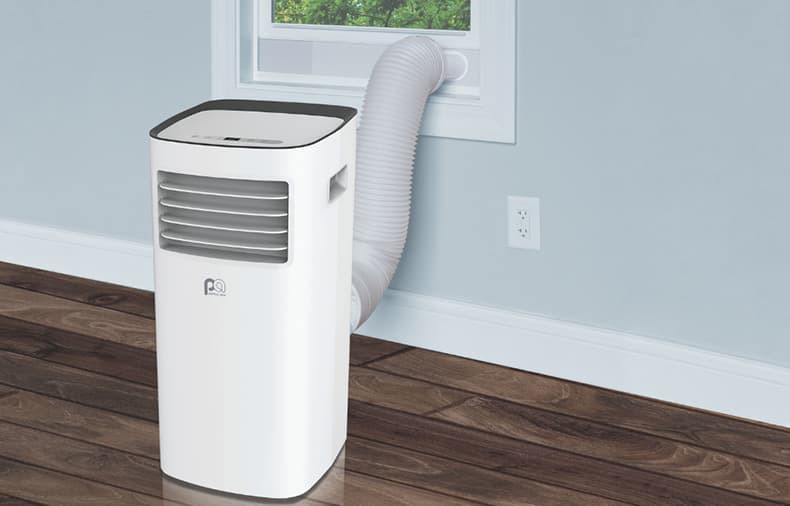
When summer temperatures soar and you need reliable cooling without the hassle of permanent installation, a general electric portable ac system offers the perfect solution. These versatile cooling units combine over a century of engineering expertise with modern technology to deliver exceptional comfort for homes, apartments, and offices. Whether you’re dealing with a sweltering bedroom, stuffy home office, or uncomfortably warm living space, GE’s portable air conditioners provide powerful, flexible cooling you can move from room to room as needed.
General Electric has maintained its reputation as a trusted household name by consistently delivering products that balance performance, reliability, and user-friendly design. Their portable air conditioning lineup continues this legacy with models ranging from compact 6,100 BTU units perfect for small bedrooms to robust 14,000 BTU systems capable of cooling spaces up to 550 square feet. Understanding what sets these units apart and how to choose the right model for your specific needs can transform your home comfort experience while potentially saving you hundreds of dollars compared to central air conditioning installation.
Understanding General Electric Portable AC Technology
The engineering behind a general electric portable ac unit goes far beyond simple cooling mechanics. GE brings over 100 years of experience in the home appliance industry to their portable AC designs, incorporating advanced features that distinguish their products from competitors. These systems utilize modern refrigerant technology combined with efficient compressor designs to maximize cooling output while maintaining reasonable energy consumption levels.
GE portable air conditioners come with Energy Efficiency Ratios (EERs) that typically fall in the 7.5 to 9.5 range, which positions them competitively within the portable AC market. Many models carry EnergyStar certification, indicating they meet strict energy efficiency guidelines set by the U.S. Environmental Protection Agency. This certification matters because it translates directly to lower electricity bills during those hot summer months when your AC runs continuously.
The brand’s commitment to innovation shows through their integration of smart home technology. Many of GE’s newer models are Wi-Fi enabled and compatible with the SmartHQ app, allowing you to control the temperature, fan speed, and mode from your smartphone—even when you’re away from home. Voice control compatibility with Amazon Alexa and Google Assistant adds another layer of convenience, letting you adjust settings without interrupting your activities.
Auto-Evaporation Technology: A Game-Changer
One of the most frustrating aspects of traditional portable air conditioners involves constantly emptying water collection tanks. The auto-evaporation technology in GE units evaporates any water the portable unit collects under most room conditions, eliminating the need to drain excess water. This feature alone saves significant time and hassle, allowing the unit to run continuously without manual intervention. The system works by using exhaust heat to evaporate condensate automatically, though a drain port remains available for extremely humid conditions.
Complete Range of General Electric Portable AC Models
Selecting the right cooling capacity for your space represents the most critical decision when purchasing a portable air conditioner. GE’s diverse product lineup ensures you’ll find a model perfectly matched to your room size and cooling requirements. Here’s a detailed breakdown of available options:
Small Room Solutions (150-250 Square Feet)
GE 6,100 BTU Portable Air Conditioner
This model efficiently cools small rooms up to 250 sq ft and features built-in air conditioning, two fan speeds, and dehumidifying capabilities. Perfect for bedrooms, home offices, or studio apartments, this compact unit delivers focused cooling without overwhelming smaller spaces. The 3-in-1 functionality means you’re getting three appliances in one package, which maximizes your investment value.
GE 8,000 BTU Portable Air Conditioner (Model: APFA08YBMW)
With 8,000 BTU cooling capacity, this model offers maximum comfort in rooms up to 150 square feet and includes two cooling modes, two fan speeds and a built-in dehumidifier. The LED display provides clear visibility of settings, while the included remote control lets you make adjustments from across the room. Four casters ensure effortless mobility between spaces.
Medium Room Coverage (350-450 Square Feet)
GE 11,000 BTU Portable Air Conditioner (Model: APCA11YBMW)
This 7,800 BTU SACC (11,000 BTU ASHRAE) unit handles medium rooms up to 350 sq ft with remarkable efficiency. Customer reviews consistently praise this model’s ability to cool connected spaces effectively. One reviewer noted the unit “makes my house ice cold” and expressed desire to purchase another unit, while another appreciated features like the swing top louver and easy operation.
GE 10,000 BTU Smart Portable Air Conditioner
This mid-range model balances power and efficiency for rooms approaching 450 square feet. The unit offers three cooling modes, three fan speeds, WiFi connectivity through the SmartHQ app, and auto-evaporation technology. The smart functionality allows you to monitor and adjust settings remotely, pre-cool rooms before arriving home, or set automated schedules that optimize energy usage.
Large Room Performance (500-550 Square Feet)
GE 14,000 BTU Portable Air Conditioner
This 115V unit cools medium to large rooms up to 550 square feet and integrates with the SmartHQ app for remote monitoring and control. The 3-in-1 functionality with dehumidify, fan, and cooling modes provides year-round utility. Customer feedback highlights that it “cools a larger area than it says it can” and includes quality casters that roll well, with the auto-evaporate feature preventing condensation build-up.
Premium Options: GE Profile Line
GE Profile Dual-Hose Systems
The Profile series represents GE’s premium tier, incorporating advanced dual-hose technology. Dual-hosed options use one hose to intake air from outside while the other exhausts hot air, which greatly improves maximum airflow and means more cold air in less time. This design addresses the primary efficiency complaint about single-hose portable units. One reviewer reported the Profile unit took no more than 10 minutes to bring down the temperature of a mid-sized room, and after just about 20 minutes actually became too chilly.
The Profile models feature well-designed intake and exhaust hoses that accordion in for compact storage, eliminating the hassle of loose hoses that drag behind units or must be removed and stored separately. This thoughtful design consideration reflects GE’s attention to real-world user experience.
Key Features That Set General Electric Portable AC Apart
Smart Home Integration Excellence
GE is one of the few window AC brands that fully embrace smart home integration via the SmartHQ app, with select models offering Wi-Fi connectivity and voice control capabilities using Amazon Alexa and Google Assistant. The geolocation feature particularly impresses tech-savvy users. Smart models have a Geolocation feature that pinpoints your smartphone location, then automatically adjusts the AC settings for when you’re home. This intelligent automation ensures you never waste energy cooling an empty space while guaranteeing a comfortable environment upon your arrival.
Multi-Functional Operating Modes
Most GE portable air conditioners are equipped with multiple functional modes including cooling, dehumidify, and fan modes, making them year-round comfort tools for varying climates. The dehumidify function proves particularly valuable in humid regions or during spring and fall when temperatures moderate but moisture levels remain high. Running the unit in fan-only mode during mild weather provides air circulation without engaging the compressor, reducing energy consumption significantly.
Installation Simplicity
Installation is refreshingly simple, with GE providing a complete window installation kit with all models, including an adjustable window bracket for double hung or sliding windows, exhaust hose, and connector, with setup usually taking 10–15 minutes with minimal tools required. The kits include foam weatherstripping that seals gaps around the window, preventing hot air infiltration and maintaining cooling efficiency. Unlike window-mounted units that require precise measurements and potentially heavy lifting, portable systems offer plug-and-play convenience.
Maintenance and Filter Accessibility
All general electric portable ac units feature washable, reusable filters that capture dust, pollen, and airborne particles. Models include removable and washable filters that require simple maintenance every few weeks during heavy use. This accessible filter design eliminates ongoing costs for replacement filters while ensuring optimal air quality and system efficiency. Regular filter cleaning also extends compressor life by preventing dust accumulation on cooling coils.
Comparing BTU Ratings and Room Size Requirements
Selecting appropriate cooling capacity prevents two common mistakes: purchasing an undersized unit that runs constantly without achieving desired temperatures, or buying an oversized system that cycles on and off too frequently, reducing dehumidification effectiveness and increasing wear on components.
BTU and Square Footage Guide
| BTU Rating | Recommended Room Size | Ideal Applications | Model Examples |
|---|---|---|---|
| 6,100 BTU | Up to 250 sq ft | Small bedrooms, home offices, studios | APFA06YBMW |
| 8,000 BTU | Up to 300 sq ft | Medium bedrooms, guest rooms | APFA08YBMW |
| 10,000-11,000 BTU | Up to 450 sq ft | Living rooms, master bedrooms, offices | APCA10YABW, APCA11YBMW |
| 14,000 BTU | Up to 550 sq ft | Large living areas, open concept spaces | APSA13YBMW |
Additional Factors Affecting Cooling Needs
Room size alone doesn’t tell the complete story. Several additional factors influence how much cooling power you’ll need:
Suggested read: The Ultimate Guide to Griddle Portable : Transform Your Outdoor Cooking Experience
Ceiling Height: Standard BTU calculations assume 8-foot ceilings. Rooms with vaulted or high ceilings require approximately 10-15% additional capacity for every extra foot of height beyond eight feet.
Sun Exposure: Rooms with large windows receiving direct afternoon sunlight need 10% more cooling capacity. South and west-facing spaces experience the most solar heat gain, particularly during summer afternoons.
Occupancy and Electronics: Add 600 BTU for each person regularly in the space beyond two people. Computers, televisions, and other electronics generate heat that your AC must offset. Home offices with multiple monitors or gaming setups may require capacity upgrades.
Insulation Quality: Older homes with poor insulation, single-pane windows, or inadequate weather stripping lose cool air rapidly, potentially requiring 20-30% additional capacity to maintain comfortable temperatures.
Installation Best Practices for Maximum Efficiency
Proper installation dramatically impacts your general electric portable ac performance and energy efficiency. Following manufacturer guidelines and implementing smart positioning strategies ensures optimal cooling with minimal electricity consumption.
Window Kit Setup and Sealing
The foam weatherstripping helps seal the window opening, preventing significant air leakage in either direction, with installation taking about 10 minutes including adding foam seals and closing the window tightly. Take extra time during installation to eliminate all gaps. Even small openings allow hot air infiltration that forces your unit to work harder. Use additional foam tape or removable caulk to seal persistent gaps around the window kit frame.
The exhaust hose should remain as straight as possible with minimal bends. Each 90-degree angle reduces airflow efficiency by approximately 10-15%. If you must route the hose around obstacles, use gradual curves rather than sharp bends. Keep the hose length at its minimum practical distance to the window, though most GE models include five-foot hoses providing reasonable flexibility.
Optimal Unit Placement
Position your portable AC away from heat sources like lamps, televisions, or appliances that generate warmth. Direct sunlight on the unit raises surface temperatures and forces the compressor to work harder. Place units in shaded areas when possible, or use curtains to block afternoon sun during peak cooling hours.
Maintain adequate clearance around the unit for proper airflow. GE’s Profile models feature accordion-style hoses that fit tightly on the back of the unit when not in use, making them easy to roll from room to room without dragging hoses. Ensure at least 12-18 inches of clear space on all sides for intake and exhaust ventilation. Positioning units near interior doorways allows cool air to flow into adjacent spaces naturally.
Maximizing Cooling Performance
Close doors and windows in the cooling zone to contain conditioned air. Open floor plans require more powerful units or strategic fan placement to circulate cool air effectively. Ceiling fans set to counterclockwise rotation help distribute cooled air throughout larger spaces without significantly increasing energy consumption.
Use window coverings during peak heat hours. Blackout curtains or reflective blinds can reduce solar heat gain by 50% or more, allowing your portable AC to cool spaces more quickly and maintain lower temperatures with less effort. This simple step often allows you to operate units at lower fan speeds, reducing noise and energy consumption.
Energy Efficiency and Operating Costs
Understanding the electricity consumption of your general electric portable ac helps you budget accurately and make informed decisions about usage patterns. While portable units consume more energy than window-mounted systems of equivalent capacity, their flexibility and convenience often justify the marginal cost difference.
Calculating Operational Expenses
Energy consumption varies by model capacity and usage patterns. A typical 10,000 BTU portable AC draws approximately 1,000-1,200 watts during operation. Running this unit for eight hours daily costs roughly $1.20-$1.80 per day at average U.S. electricity rates of $0.15 per kilowatt-hour. Monthly costs during peak summer months when the unit runs consistently range from $36-$54, significantly less than central air conditioning systems that cool entire homes rather than targeted spaces.
EnergyStar certified models reduce consumption by 10-15% compared to standard units. Many GE units are EnergyStar-certified, helping you save on power without compromising comfort. This certification becomes increasingly valuable during extended heat waves when air conditioners run continuously for days or weeks.
Smart Features That Reduce Energy Waste
The SmartHQ app provides energy monitoring capabilities that reveal actual usage patterns. Review this data weekly to identify opportunities for efficiency improvements. Schedule your unit to power down during work hours when spaces remain unoccupied, or program temperature increases during cooler morning and evening hours when natural ventilation provides adequate comfort.
The 24-hour timer function allows precise control over operating schedules. Program your unit to begin cooling 30 minutes before you arrive home, ensuring comfortable temperatures without running unnecessarily all day. Similarly, set automatic shutoff times that prevent the unit from running overnight once ambient temperatures drop naturally.
Real Customer Experiences and Performance Reviews
Genuine user feedback provides invaluable insights into long-term performance, reliability, and satisfaction with general electric portable ac systems. Customer reviews reveal both strengths and potential limitations that help set realistic expectations.
Positive Performance Feedback
Multiple reviewers described the GE 11,000 BTU model as “the best portable Air Conditioner I have owned,” with one user noting it made their 40-foot camper ice cold, while another appreciated the ability to keep window screens in place to prevent bugs. The consistent theme across positive reviews emphasizes powerful cooling output that exceeds expectations based on rated capacity.
One reviewer specifically loved the compact size, noting they run their expensive model 24/7 with excellent results, while another praised features like easy operation, mobility, and the swing top louver. These testimonials highlight the practical benefits that emerge through daily use rather than specifications alone.
Common Challenges and Solutions
Some users face challenges with the window kit and exhaust hose configuration during initial setup, though most report that once properly installed, systems operate reliably. Taking extra time during installation to ensure proper sealing and secure hose connections prevents these issues. Watch installation videos on GE’s website or YouTube before beginning setup to visualize the process completely.
Noise levels are noticeable, especially at higher settings, a characteristic common to all portable air conditioners due to internal compressor placement. Running units at medium fan speeds during sleeping hours reduces noise while maintaining adequate cooling for most applications. White noise apps or fans can mask operational sounds for particularly sensitive sleepers.
The unit weighs approximately 80 pounds in the box, so assistance may be necessary for smaller individuals or those with weight lifting restrictions. Once unboxed and positioned, the integrated caster wheels make movement between rooms manageable for most users. Plan delivery logistics accordingly if you live in an upstairs apartment or home with multiple levels.
Maintenance and Longevity Tips
Proper maintenance extends the operational life of your general electric portable ac while ensuring peak performance throughout its service years. GE designs these units for user-friendly maintenance that requires no specialized tools or technical knowledge.
Regular Cleaning Schedules
Clean the washable air filter every two weeks during heavy use periods, or monthly during moderate operation. Remove the filter according to your model’s instructions, rinse under lukewarm water, and allow it to air dry completely before reinstalling. Never operate the unit without its filter, as dust accumulation on internal components reduces efficiency and potentially damages the compressor.
Wipe exterior surfaces weekly with a damp cloth to remove dust and debris. Pay particular attention to air intake grilles where dust accumulates rapidly in high-traffic areas. Keep the area around your unit clear of curtains, papers, or other objects that could obstruct airflow or get drawn into the intake vent.
Seasonal Storage Best Practices
Proper off-season storage protects your investment and ensures reliable operation when warm weather returns. Run the unit in fan-only mode for several hours before storage to dry internal components thoroughly. Any residual moisture can promote mold or mildew growth during extended storage periods.
Suggested read: Vissani Portable AC: Your Smart Solution for Affordable Room Cooling in 2025
Empty the water collection tank if your model features manual drainage. If the AC model is not being used for a long time, water should be emptied from the internal water tank according to Care and Cleaning instructions in the Owner Manual. Most GE models self-evaporate under normal conditions, but checking before storage prevents potential issues.
Store the unit in a climate-controlled space when possible. Extreme temperature fluctuations or high humidity during storage can affect electronic components and refrigerant systems. Cover the unit with a breathable fabric cover rather than plastic, which can trap moisture. Keep the original packaging or invest in appropriate storage solutions that protect against dust and accidental impacts.
Smart Shopping: Where to Buy Your General Electric Portable AC
Strategic purchasing decisions maximize value while ensuring warranty coverage and reliable customer support. Several retailers offer competitive pricing and services worth considering when investing in your cooling system.
Authorized Retailers and Online Options
Major Appliance Stores: Stores like P.C. Richard & Son, Best Buy, and Home Depot maintain extensive GE portable AC inventory. P.C. Richard & Son offers several GE portable AC units at a variety of BTU levels, with their low price guarantee ensuring you’ll get everything in their inventory at the lowest possible price. Physical stores allow hands-on examination before purchase and typically offer delivery and installation services for additional fees.
Online Marketplaces: Amazon provides convenience, competitive pricing, and fast shipping on general electric portable ac units. Prime members benefit from free two-day shipping on eligible models, eliminating delivery charges that can add $50-$100 to appliance purchases. Customer reviews on these platforms provide additional insights from verified purchasers.
Direct from GE Appliances: Shopping through the official GE Appliances website ensures authentic products with full manufacturer warranty coverage. GE offers a range of portable room air conditioners great for cooling upstairs rooms, attics, garages, and can be easily moved from room to room on wheels. Direct purchasing often includes promotional financing options unavailable through third-party retailers.
Timing Your Purchase for Best Value
Air conditioner prices fluctuate seasonally, with optimal purchasing periods offering savings of 20-30% compared to peak season prices. Spring sales events from late March through early May provide excellent deals as retailers clear winter inventory and stock summer merchandise. Many manufacturers offer rebates or promotional pricing during this window to capture early-season buyers.
End-of-season sales from late August through October represent another strategic purchasing opportunity. Retailers discount remaining inventory aggressively to make room for holiday merchandise. While selection may be limited compared to spring, determined shoppers can find exceptional deals on current-year models.
Comparing General Electric Portable AC to Competitors
Understanding how GE stacks up against other major brands helps justify your purchasing decision with objective performance and feature comparisons.
GE vs. Frigidaire
Frigidaire portable units typically cost $50-$100 less than comparable GE models, but customer reviews reveal more frequent reliability issues and less sophisticated smart features. GE’s SmartHQ app integration and voice control capabilities surpass Frigidaire’s offerings across most model comparisons. The established reputation and extensive service network provide additional peace of mind that justifies the modest price premium.
GE vs. LG
LG portable air conditioners compete directly with GE in the smart features category, offering comparable WiFi connectivity and app control. LG models generally feature slightly lower noise levels, while GE units often deliver stronger cooling output per BTU rating. Price points remain similar across equivalent models. The decision between these brands often comes down to personal preference and existing smart home ecosystems.
GE vs. Black+Decker
Black+Decker positions itself as the budget-friendly option, with models priced 30-40% below GE equivalents. However, GE has been a trusted name for generations and was one of the first to invent the window AC, with their portable air conditioners continuing this legacy with excellent cooling performance and long-lasting reliability. The established track record and superior build quality typically justify the investment for buyers prioritizing longevity over initial cost savings.
Troubleshooting Common Issues
Even the most reliable general electric portable ac systems occasionally experience operational hiccups. Understanding basic troubleshooting procedures helps resolve minor issues without service calls.
Unit Not Cooling Effectively
Check for obstructed exhaust hoses or kinked ventilation lines first. Restricted airflow represents the most common cause of reduced cooling performance. Ensure the hose extends fully and features minimal bending. Verify window seals remain intact with no visible gaps allowing hot air infiltration.
Examine the air filter for excessive dust buildup. A clogged filter restricts airflow so severely that cooling capacity can drop by 50% or more. Clean or replace filters immediately when you notice reduced air movement from the unit.
Confirm the selected temperature setting is appropriate for current conditions. If the room temperature already matches your target setting, the compressor won’t engage. Lower the temperature setting by 5-10 degrees and wait several minutes to assess whether the cooling cycle initiates.
Excessive Noise or Vibration
Portable air conditioners generate operational noise, but sudden increases or unusual sounds warrant investigation. Ensure the unit sits on level flooring without rocking or instability. Uneven surfaces cause vibrations that amplify normal operational sounds. Place a rubber mat or foam pad under the unit to dampen vibrations transmitted to flooring.
Check for loose panels or access doors that might rattle during operation. Tighten any accessible screws and ensure all exterior panels seat properly in their mounting positions. Interior components shifting during transport sometimes create new noise sources that simple adjustments can eliminate.
Water Leakage Issues
While GE’s auto-evaporation technology eliminates drainage requirements under most conditions, extremely humid environments can overwhelm the system’s capacity. Water should be emptied from the internal water tank if the unit is not being used for a long time or if operating in extremely humid conditions. Locate the drainage port according to your owner’s manual and attach appropriate drainage tubing if continuous operation in high humidity becomes necessary.
Condensation on the exhaust hose indicates warm, moist air isn’t being expelled efficiently. This often results from inadequate window sealing allowing humid outdoor air to contact cool surfaces. Improve sealing around the window kit installation to eliminate this issue.
Advanced Tips for Portable Steps to Maximum Comfort
Integrating your general electric portable ac into a comprehensive cooling strategy delivers superior comfort compared to relying on the unit alone. Combine these approaches with your air conditioner for optimal results.
Strategic Air Circulation
Position fans to work in conjunction with your portable AC. Place a box fan in doorways to push cool air into adjacent rooms, extending the effective cooling zone beyond the primary space. This approach allows smaller BTU units to cool larger areas effectively. Ceiling fans complement portable ACs perfectly when set to counterclockwise rotation, creating a wind-chill effect that makes rooms feel 5-7 degrees cooler without additional energy consumption.
For comprehensive cooling solutions throughout your home, explore additional portable cooling options that complement your GE air conditioner. Multiple smaller units often provide more flexible and efficient cooling than a single large system attempting to condition an entire floor.
Temperature Management Strategies
Set your general electric portable ac 3-5 degrees warmer than your instinctive preference when first turning it on. Many people overcool spaces initially, then adjust up after becoming uncomfortable. Starting at a moderate temperature setting and allowing 20-30 minutes for stabilization reduces energy waste while achieving comfortable conditions.
Use night setback strategies when outdoor temperatures drop after sunset. Many regions experience 10-20 degree temperature decreases overnight. Program your unit to shut off or increase temperature settings during these periods, allowing natural ventilation to maintain comfort while conserving electricity.
Humidity Control Optimization
Run your unit in dehumidify mode during shoulder seasons when cooling isn’t necessary but humidity creates discomfort. This mode removes moisture without engaging full cooling capacity, making spaces feel more comfortable while consuming 30-40% less electricity than cooling mode. The reduced energy consumption makes the dehumidify function ideal for spring and fall use.
Warranty Coverage and Customer Support
Understanding warranty terms and available support resources protects your investment and provides peace of mind throughout ownership.
Suggested read: Saker Portable Welding Machine Reviews: Performance Testing and Real-World Results for 2025
Standard Warranty Terms
GE typically provides one-year limited warranties covering parts and labor for manufacturing defects. This coverage includes compressor components, electrical systems, and structural elements. Extended warranty options are available through retailers or third-party providers for additional fees. Evaluate these options based on your comfort with potential repair costs versus the warranty premium.
Register your product immediately after purchase to activate warranty coverage and receive important updates. Maintain your purchase receipt and model information in an accessible location. Serial numbers become essential when requesting service or ordering replacement parts years after purchase.
Accessing Customer Support
GE Appliances maintains comprehensive support resources through their website, including owner’s manuals, troubleshooting guides, and video tutorials. The SmartHQ app for compatible models includes diagnostic features that identify common issues and suggest solutions. Phone support remains available for problems requiring direct assistance from technical specialists.
Local authorized service centers provide repair services under warranty and for out-of-warranty units. Schedule maintenance appointments early in cooling season when technician availability is highest. Waiting until peak summer months often results in extended appointment times when systems fail during heat waves.
Making the Smart Choice: Is a General Electric Portable AC Right for You?
Determining whether a general electric portable ac fits your specific situation requires honest assessment of your cooling needs, living circumstances, and budget considerations.
Ideal Scenarios for Portable AC Selection
Rental properties where permanent installations aren’t permitted benefit tremendously from portable units. The non-invasive installation preserves security deposits and lease compliance while delivering powerful cooling. Seasonal users who need cooling only during summer months appreciate the storage flexibility portable units offer compared to permanent systems occupying window space year-round.
Homes with challenging window configurations benefit from portable AC adaptability. Casement windows, sliding glass doors, and architectural windows often can’t accommodate traditional window units. Portable systems adapt to virtually any window type through creative kit modifications and flexible hose positioning.
Multi-room cooling needs without central air benefit from portable unit mobility. Moving your AC between a home office during work hours and bedroom at night maximizes value from a single unit. This flexibility eliminates the need to purchase multiple window units for different spaces.
When Other Options Might Be Better
Extremely large spaces exceeding 600 square feet require professional HVAC solutions rather than portable units. While the most powerful portable ACs handle 550 square feet adequately, larger areas demand central air conditioning or ductless mini-split systems for effective temperature control. Attempting to cool oversized spaces with undersized portable units results in continuous operation, excessive electricity consumption, and marginal comfort improvements.
Permanent residences where window units can be installed might benefit from the superior efficiency window-mounted systems provide. Fixed installations eliminate flexible hose connections where efficiency losses occur, potentially reducing operational costs by 15-20% for equivalent cooling capacity. However, the convenience and mobility of portable units often outweigh these modest efficiency advantages for many homeowners.
Frequently Asked Questions About General Electric Portable AC
How many square feet can a general electric portable ac cool?
GE portable air conditioners cool spaces ranging from 150 to 550 square feet depending on the model. The 6,100 BTU model efficiently cools small rooms up to 250 sq ft, while the 14,000 BTU unit cools medium to large rooms up to 550 square feet. Select capacity based on your specific room dimensions and usage requirements for optimal performance.
Do general electric portable ac units need to be drained?
Under most room conditions, the AC will evaporate any water the unit collects while cooling through auto-evaporation technology, so there is no need to drain excess water. However, if the AC model is not being used for a long time or operating in extremely humid conditions, water should be emptied from the internal water tank according to owner’s manual instructions.
Can I control my general electric portable ac with my smartphone?
Many of GE’s newer models are Wi-Fi enabled and compatible with the SmartHQ app, allowing you to control the temperature, fan speed, and mode from your smartphone—even when you’re away from home. Voice control via Amazon Alexa or Google Assistant is also supported in select models, providing multiple convenient control options beyond the included remote.
How much electricity does a general electric portable ac use?
Electricity consumption varies by model capacity and operating conditions. A typical 10,000 BTU unit draws approximately 1,000-1,200 watts during operation, costing $1.20-$1.80 per day for eight hours of use at average electricity rates. GE portable air conditioners come with Energy Efficiency Ratios (EERs) that typically fall in the 7.5 to 9.5 range, with many units EnergyStar-certified to help save on power without compromising comfort.
How long does it take to install a general electric portable ac?
Setup usually takes 10–15 minutes with minimal tools required, with GE providing a complete window installation kit including an adjustable window bracket for double hung or sliding windows, exhaust hose, and connector. Installation involves pulling out the hoses, fixing the panel across the bottom of the window sill, adding foam seals and closing the window tightly.
What’s the difference between single-hose and dual-hose general electric portable ac models?
Single-hosed portable models draw air from inside, cool it off, and expel hot air through one exhaust hose, which works fine but limits airflow, while dual-hosed options use one hose to intake air from outside while the other exhausts hot air, greatly improving maximum airflow which means more cold air in less time. The GE Profile series offers dual-hose configurations for premium performance.
Are general electric portable ac units noisy?
Noise levels are noticeable, especially at higher settings, which is characteristic of portable air conditioners with internal compressors. However, GE smart portable air conditioners are designed to provide exceptional comfort with quiet operation relative to comparable units. Operating at medium fan speeds during sleeping hours reduces noise while maintaining adequate cooling.
How do I maintain my general electric portable ac for best performance?
Clean the washable air filter every two weeks during heavy use by rinsing under lukewarm water and allowing complete air drying before reinstalling. Models feature removable and washable filters that require simple maintenance to ensure optimal air quality and system efficiency. Wipe exterior surfaces weekly, keep clearance around the unit for proper airflow, and run the unit in fan-only mode before seasonal storage to dry internal components thoroughly.
What warranty comes with a general electric portable ac?
GE typically provides one-year limited warranties covering parts and labor for manufacturing defects, including compressor components, electrical systems, and structural elements. Extended warranty options are available through retailers or third-party providers. Register your product immediately after purchase to activate warranty coverage and maintain your purchase receipt for service requests.
Where can I buy a general electric portable ac at the best price?
P.C. Richard & Son offers several GE portable AC units at a variety of BTU levels with their low price guarantee ensuring the lowest possible price. Other authorized retailers include Best Buy, Home Depot, and Amazon for general electric portable ac units with competitive pricing and fast shipping. Shopping during spring sales events from late March through early May or end-of-season sales from late August through October provides savings of 20-30% compared to peak season prices.
Can a general electric portable ac cool multiple rooms?
GE portable air conditioners excel at cooling single rooms within their rated square footage capacity. Four casters ensure effortless mobility between spaces, allowing you to move the unit from room to room as needed. However, attempting to cool multiple rooms simultaneously proves ineffective due to cool air containment requirements. Strategic fan placement can extend cooling to adjacent spaces, but optimal performance requires closing doors and windows in the primary cooling zone.
How does the SmartHQ app enhance my general electric portable ac experience?
The SmartHQ app provides remote temperature control, fan speed adjustment, and mode selection from anywhere with internet connectivity. Smart models have a Geolocation feature that pinpoints your smartphone location, then automatically adjusts the AC settings for when you’re home, eliminating energy waste while ensuring comfort upon arrival. Energy monitoring capabilities reveal actual usage patterns, helping identify efficiency improvement opportunities and schedule optimization.
Understanding SACC vs. ASHRAE BTU Ratings
When researching general electric portable ac specifications, you’ll encounter two different BTU measurements that can create confusion during the purchasing process. Understanding the distinction between these ratings helps set realistic performance expectations and ensures you select adequate cooling capacity.
ASHRAE BTU Ratings Explained
ASHRAE (American Society of Heating, Refrigerating and Air-Conditioning Engineers) ratings measure cooling capacity under ideal laboratory conditions with minimal heat load and optimal airflow. This traditional measurement standard appeared on portable AC specifications for decades. For example, a unit rated at 11,000 BTU ASHRAE produces this cooling output under perfect testing conditions.
SACC BTU: The Real-World Standard
SACC (Seasonally Adjusted Cooling Capacity) ratings reflect actual cooling performance in typical home environments accounting for factors like heat infiltration through exhaust hoses, humidity levels, and realistic room conditions. The Federal Trade Commission now requires manufacturers to display SACC ratings prominently, as they provide more accurate performance predictions.
The same unit rated at 11,000 BTU ASHRAE might show 7,800 BTU SACC, representing its genuine cooling capacity in real-world applications. This significant difference explains why some consumers felt disappointed with portable AC performance when basing expectations solely on ASHRAE ratings. Always reference SACC values when comparing cooling capacity to your room size requirements.
Suggested read: Transform Your Outdoor Space: Why Portable Patio Heaters Are Essential for Year-Round Comfort
Seasonal Versatility Beyond Summer Cooling
Your general electric portable ac investment delivers value beyond summer heat waves through multi-seasonal functionality that addresses various comfort challenges throughout the year.
Spring and Fall Dehumidification
Moisture control during transitional seasons prevents mold growth, eliminates musty odors, and creates more comfortable indoor environments without full cooling engagement. Running your GE unit in dehumidify mode during humid spring days removes excess moisture that makes 65-degree temperatures feel clammy and uncomfortable. The dehumidifier function extracts moisture from the air, maintaining optimal humidity levels between 30-50% for maximum comfort and health.
Many homeowners discover their portable AC becomes their primary humidity management tool during shoulder seasons, with the cooling function serving as a secondary benefit. Basements, laundry rooms, and bathrooms particularly benefit from portable dehumidification capabilities that prevent moisture damage to stored items, building materials, and furnishings.
Fan-Only Mode for Air Circulation
Engaging fan-only mode during mild weather provides air circulation and ventilation without compressor operation, consuming as little as 50-75 watts compared to 1,000+ watts during cooling mode. This energy-efficient operation makes the unit practical for spring and fall days when outdoor temperatures remain comfortable but indoor air feels stagnant.
Use fan mode during morning hours in summer to circulate naturally cooler air throughout your space before temperatures rise. This strategy reduces the cooling burden during afternoon heat, as pre-circulated spaces require less energy to maintain comfortable temperatures once the compressor engages.
Winter Storage and Year-Round Protection
Proper winter storage protects your investment and ensures reliable operation when cooling needs return. The GE Profile models feature accordion-style hoses that fit tightly on the back of the unit when not in use, making them easy to roll from room to room without dragging hoses and simplifying storage in closets or utility areas. This thoughtful design consideration separates GE products from competitors using rigid or awkwardly detachable hose systems.
Store your unit in climate-controlled spaces away from freezing temperatures that could damage refrigerant systems or electronic components. Cover the unit with breathable fabric rather than plastic sheeting to prevent moisture accumulation while protecting against dust. Maintain the original packaging materials if possible, as factory foam inserts provide optimal protection during storage and potential moves.
Environmental Considerations and Eco-Friendly Operation
Modern general electric portable ac systems incorporate environmentally responsible refrigerants and energy-efficient technologies that minimize environmental impact while delivering powerful cooling performance.
Refrigerant Evolution and Environmental Impact
GE portable air conditioners utilize R32 or R410A refrigerants that offer significantly reduced global warming potential compared to older R22 refrigerants. These modern refrigerants cool efficiently while complying with international environmental agreements designed to protect atmospheric ozone layers. The transition to eco-friendly refrigerants represents one way GE demonstrates corporate environmental responsibility without compromising product performance.
Proper disposal at end-of-life ensures refrigerants get recovered and recycled rather than released into the atmosphere. Contact local waste management authorities or appliance retailers about responsible disposal programs when replacing your unit. Many jurisdictions offer free appliance recycling that includes proper refrigerant recovery as part of the service.
Reducing Your Carbon Footprint Through Smart Usage
Strategic operation patterns significantly reduce the environmental impact of air conditioning. Every degree you raise your temperature setting reduces energy consumption by approximately 3-5%. Setting your general electric portable ac to 78°F instead of 72°F during daytime hours cuts electricity usage substantially while maintaining reasonable comfort levels through strategic fan use and humidity control.
Take advantage of programmable features and smart scheduling to avoid cooling empty spaces. The SmartHQ app’s geolocation features automatically reduce cooling when you leave home and resume operation before your return, eliminating hours of unnecessary runtime. This intelligent automation reduces your carbon footprint while lowering electricity costs without sacrificing comfort or convenience.
Energy Efficiency Certifications Matter
EnergyStar certification indicates GE units meet strict energy efficiency guidelines established by the Environmental Protection Agency and Department of Energy. Many GE units are EnergyStar-certified, helping you save on power without compromising comfort while supporting environmental sustainability. These certified models typically consume 10-15% less electricity than standard portable air conditioners, with the energy savings accumulating significantly over years of operation.
When comparing models, prioritize EnergyStar certified options even if they carry slight price premiums. The reduced operational costs typically recover any additional upfront investment within 2-3 cooling seasons, with continued savings throughout the unit’s 8-10 year typical lifespan.
Maximizing Your Investment Value
Getting the most from your general electric portable ac purchase extends beyond initial selection to encompass strategic usage, proper maintenance, and understanding the total cost of ownership.
Total Cost of Ownership Analysis
While portable air conditioners cost more initially than window units, their versatility and convenience often provide superior value. A quality GE portable AC priced at $400-$600 delivers 8-10 years of reliable service with proper maintenance. This translates to $50-75 annually in depreciation, comparable to replacing budget window units every 3-4 years due to premature failure or inadequate performance.
Factor operational costs into your value assessment. An EnergyStar certified 10,000 BTU unit costing $450 that consumes $45 monthly in electricity during peak season outperforms a $300 standard unit consuming $55 monthly. The $150 initial savings disappears within three summers, after which the efficient model delivers ongoing savings that compound throughout ownership.
Protecting Your Investment Through Proper Use
Avoid operating your portable AC in extreme conditions that accelerate wear. Don’t attempt to cool spaces significantly larger than rated capacity, as continuous operation without rest cycles dramatically shortens compressor lifespan. Units designed for 350 square feet shouldn’t be expected to cool 500+ square foot spaces effectively or reliably.
Use surge protectors to guard against electrical damage from power fluctuations or lightning strikes. Air conditioners draw substantial current during compressor startup, creating opportunities for electrical issues if power quality is poor. Quality surge protection costing $25-40 provides inexpensive insurance against repairs or replacement due to electrical damage.
When to Repair vs. Replace
Major component failures after 5-6 years of service often warrant replacement rather than repair. Compressor replacement costs $300-500 plus labor, approaching the price of new units with updated features, improved efficiency, and full warranty coverage. Minor repairs like fan motors or control boards prove economical, typically costing $100-200 and extending useful life several additional years.
GE’s established service network provides parts availability and qualified technicians even for older models, unlike budget brands where discontinued parts make repairs impossible. This long-term support adds significant value for consumers prioritizing longevity and repairability over lowest initial cost.
Take Action: Find Your Perfect General Electric Portable AC Today
After exploring the comprehensive features, benefits, and considerations surrounding general electric portable ac systems, you’re equipped to make an informed purchasing decision that delivers years of comfortable, reliable cooling. GE’s century-plus legacy of household appliance excellence translates directly to their portable air conditioner lineup, offering proven performance backed by accessible support and service.
Whether you need compact cooling for a small bedroom, powerful temperature control for a large living area, or smart-enabled convenience for tech-integrated homes, GE’s diverse model range includes the perfect solution. The combination of user-friendly installation, low-maintenance operation, and multi-seasonal versatility makes these units outstanding investments for renters, homeowners, and anyone seeking flexible climate control without permanent installation commitments.
Don’t let another uncomfortable summer pass or allow excessive humidity to compromise your indoor air quality. Browse available general electric portable ac models today and discover how easily you can transform your living space into a consistently comfortable environment. Compare specifications, read customer reviews, and select the capacity that matches your specific cooling requirements. Your journey to superior home comfort begins with choosing the reliability, innovation, and performance that only General Electric delivers.
Ready to experience the cooling power and convenience of a general electric portable ac? Explore top-rated models now and enjoy comfortable temperatures all season long. Shop today and discover why thousands of satisfied customers trust GE for their portable cooling needs.
Sources and Citations:
- GE Appliances Official Website – Product Specifications and Features
- P.C. Richard & Son – GE Portable AC Retail Information
- Customer reviews from verified purchasers across major retail platforms
- EnergyStar.gov – Energy Efficiency Standards and Certifications
- Federal Trade Commission – SACC Rating Requirements and Standards