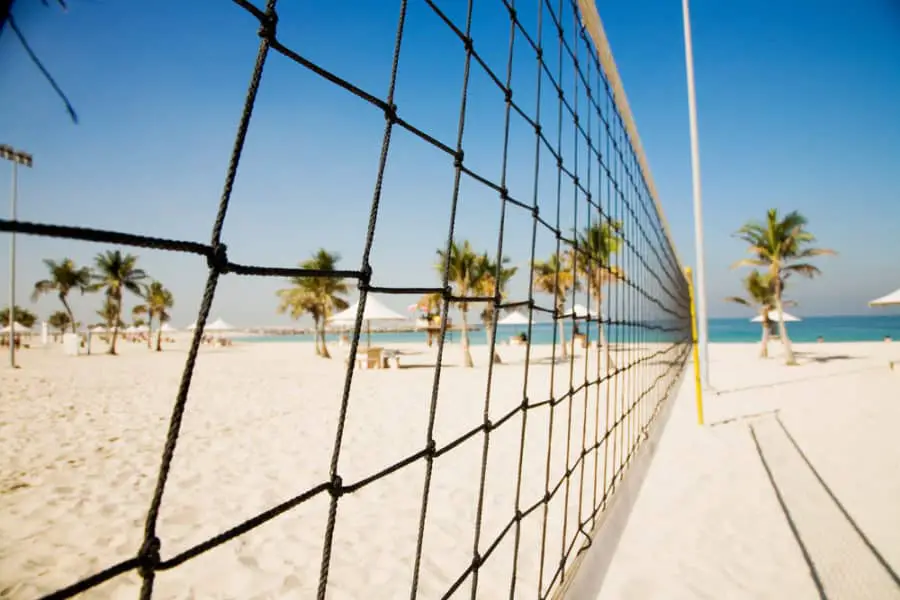
When summer arrives and the warm weather beckons you outdoors, there’s nothing quite like gathering friends and family for an energetic game of volleyball. Whether you’re planning a beach day, organizing a backyard tournament, or setting up recreational activities at your local park, having the right equipment makes all the difference. A portable volleyball net transforms any open space into an instant volleyball court, offering the flexibility to play wherever and whenever the mood strikes. Unlike permanent installations that require professional setup and significant investment, portable systems provide the freedom to take your game on the road while maintaining competitive standards that serious players demand.
The beauty of modern portable volleyball equipment lies in its remarkable versatility and engineering sophistication. Today’s portable volleyball net systems have evolved far beyond the flimsy recreational sets of the past, incorporating weather-resistant materials, adjustable height mechanisms, and stability features that rival permanent installations. These innovations mean you’re no longer forced to choose between portability and performance—you can have both. The market now offers solutions for every scenario imaginable, from lightweight beach setups that fit in a backpack to professional-grade tournament systems complete with tension adjustments and referee stands. Understanding the landscape of available options empowers you to make an informed decision that aligns perfectly with your playing style, frequency of use, and budgetary considerations.
Understanding Portable Volleyball Net Systems
The fundamental design of a portable volleyball net system consists of several interconnected components that work together to create a stable, regulation-compliant playing surface. At its core, every system includes vertical support poles or posts, a horizontal net suspended between them, and some form of base or anchoring mechanism to keep everything secure during play. The sophistication of these components varies dramatically across different price points and intended use cases, but the underlying principles remain consistent across all quality systems.
Quality portable volleyball nets distinguish themselves through thoughtful engineering that addresses the unique challenges of temporary installations. Unlike permanent posts set in concrete, portable systems must achieve stability through alternative means—whether that’s weighted bases, ground stakes, tensioned guy-lines, or innovative mechanical solutions. The net itself must be durable enough to withstand repeated impacts from serves and spikes while maintaining proper tension throughout extended play sessions. Premium systems incorporate adjustment mechanisms that allow fine-tuning of net height to accommodate different game formats, from men’s regulation height at 7 feet 11⅝ inches to women’s standard at 7 feet 4⅛ inches, and recreational variations for younger players or casual games.
The portability factor introduces additional design considerations that permanent installations never face. Every component must balance strength with weight, durability with packability, and performance with ease of assembly. Engineers developing these systems carefully select materials that offer optimal strength-to-weight ratios—often incorporating aerospace-grade aluminum alloys for poles, marine-grade stainless steel for hardware, and advanced polymer composites for base components.
The best portable volleyball net designs can be assembled by two people in under ten minutes without requiring specialized tools, yet they provide the rigidity and stability necessary for competitive play. This engineering challenge explains why premium portable systems command significantly higher prices than basic recreational sets, as the materials science and mechanical design required to achieve this balance represents substantial research and development investment.
Types of Portable Volleyball Net Systems
Beach Volleyball Portable Nets
Beach volleyball portable nets represent a specialized category designed specifically for sandy environments where traditional anchoring methods prove impractical. These systems typically feature lightweight aluminum or fiberglass poles that minimize the burden of transportation across soft sand, along with specialized base systems engineered to provide stability without requiring ground penetration. The most common beach volleyball portable net configurations use auger-style anchors that screw into the sand, creating holding power through displaced sand volume rather than mechanical advantage against solid ground. Premium beach systems often include supplementary guy-lines that extend outward from the poles at angles, distributing load across a wider footprint and dramatically improving wind resistance.
The materials used in beach-specific portable volleyball nets must withstand unique environmental challenges that indoor or grass court equipment never encounters. Salt spray, intense UV exposure, abrasive sand particles, and constant moisture create a hostile environment for many materials. Manufacturers address these challenges through careful material selection and protective treatments—using marine-grade stainless steel hardware that resists corrosion, UV-stabilized synthetic net materials that won’t degrade in sunlight, and anodized aluminum components that shed sand and resist oxidation. The net material itself often features slightly larger mesh openings than indoor nets, allowing wind to pass through more easily and reducing the sail effect that can destabilize lighter beach systems during breezy conditions.
Setup considerations for beach volleyball portable nets differ significantly from other environments. The soft, shifting nature of sand means that anchoring depth becomes critical—most systems require augers to penetrate at least 18 to 24 inches below the surface to achieve adequate holding power. Players setting up beach systems quickly learn that sand moisture content dramatically affects stability, with damp sand near the waterline providing superior holding power compared to dry, loose sand higher on the beach. Many experienced beach volleyball enthusiasts supplement manufacturer-provided anchors with additional weight, filling bags with sand and securing them to guy-line anchor points to create a hybrid system that maximizes stability even in challenging wind conditions.
Backyard and Grass Court Systems
Backyard portable volleyball nets cater to homeowners seeking the convenience of on-demand volleyball without permanent court installation. These systems generally employ ground stake anchoring mechanisms that penetrate soil to provide stability, making them ideal for lawns, parks, and other natural grass surfaces. The stakes typically feature aggressive threading or barbed designs that resist pullout forces when the net experiences impact during play. Quality backyard systems include multiple stake points—usually four to eight total—that distribute anchoring forces and prevent the wobbling or tipping that plague inferior designs.
The structural engineering of backyard portable volleyball net systems often incorporates telescoping poles that allow height adjustment to accommodate different player skill levels and age groups. These adjustment mechanisms range from simple pin-and-hole systems that offer discrete height settings to more sophisticated collar-based systems that enable infinite adjustment within a specified range. The poles themselves are typically constructed from powder-coated steel or aluminum alloys chosen to provide excellent rigidity while maintaining reasonable weight for one or two-person setup. Premium backyard systems feature poles with built-in tension adjustment systems—often using ratchet mechanisms or turnbuckles—that allow players to achieve and maintain optimal net tension throughout the playing session.
Portability in backyard systems exists on a spectrum, with some designs prioritizing ease of setup and takedown for users who store equipment between uses, while others emphasize semi-permanent installation with simplified assembly procedures for seasonal use. The most portable backyard volleyball nets break down into compact carrying cases measuring three to four feet in length and weighing between 25 and 45 pounds complete. These designs sacrifice some structural robustness in exchange for superior portability, making them excellent choices for players who frequently transport equipment to different locations.
Conversely, semi-permanent backyard systems may weigh 60 pounds or more and require more substantial storage space, but they offer enhanced stability and typically include features like built-in boundary lines, padding for poles, and professional-grade nets that better serve serious players practicing regularly.
Tournament-Grade Portable Systems
Tournament-grade portable volleyball nets represent the pinnacle of portable volleyball equipment, engineered to meet official competition standards while maintaining the transportability that defines the portable category. These premium systems incorporate heavy-duty construction throughout, with poles often fabricated from 3-inch diameter steel or aluminum tubing that provides the rigidity necessary to maintain consistent net height and tension during aggressive play. The bases typically feature wheeled designs that allow repositioning without disassembly, with each base unit weighing 200 pounds or more when properly ballasted to ensure absolute stability.
The net components in tournament-grade portable volleyball net systems adhere strictly to international competition specifications, featuring precise cable tension systems, padded top tapes, and side-band indicators that mark the boundaries of legal play. Many tournament systems incorporate quick-tension mechanisms that allow officials to make fine adjustments between games, ensuring consistent playing conditions throughout multi-match events. The hardware throughout these systems receives upgrades over recreational equipment—using forged steel components rather than cast alternatives, incorporating corrosion-resistant treatments, and employing mechanical fasteners designed for thousands of assembly cycles rather than dozens.
Transportation and storage considerations for tournament-grade systems reflect their semi-professional nature. While these systems remain technically portable, they typically require vehicle transportation rather than hand-carrying, with complete systems often shipped on wheeled carts or breaking down into multiple heavy cases. The setup time for tournament systems extends beyond simpler recreational alternatives, generally requiring 20 to 30 minutes for experienced crews to properly assemble, tension, and verify measurements. Despite these practical limitations, tournament-grade portable volleyball nets serve an essential niche for organizations that host competitive events across multiple venues—sports complexes, schools, recreation departments, and volleyball clubs all rely on these systems to bring regulation playing conditions to locations lacking permanent volleyball infrastructure.
Key Features to Consider When Choosing a Portable Volleyball Net
Height Adjustability and Regulation Compliance
Height adjustability stands as one of the most critical features in any portable volleyball net system, directly impacting the equipment’s versatility and long-term value. Volleyball regulations specify different net heights for various categories of play: men’s competition requires nets at 7 feet 11⅝ inches (2.43 meters), women’s regulation mandates 7 feet 4⅛ inches (2.24 meters), and recreational or youth play often uses lower settings ranging from 6 to 7 feet. A truly versatile portable volleyball net accommodates all these height requirements through adjustment mechanisms that are both precise and user-friendly, ensuring the system serves multiple constituencies rather than limiting use to a single demographic.
The engineering approaches to height adjustability vary significantly across different portable volleyball net systems. Basic recreational sets often employ simple pin-and-hole systems where poles feature pre-drilled holes at standard intervals, allowing users to insert pins to lock the net at discrete height positions. While these systems offer adequate precision for casual play, they lack the fine-tuning capability that competitive players demand. Mid-range systems frequently incorporate collar-based adjustment mechanisms where sleeves slide along the poles and lock in position using set screws or compression collars, providing infinite adjustment within the system’s range. Premium portable volleyball nets often feature sophisticated ratchet systems or winch mechanisms that allow micro-adjustments to net tension and height simultaneously, enabling officials to achieve exact regulation specifications.
Measurement verification becomes essential when using adjustable systems for competitive play, as even small deviations from regulation height can affect gameplay fairness and player safety. Quality portable volleyball net systems include integrated measuring devices—often permanent markings on poles or built-in measuring tapes—that eliminate guesswork during setup. Tournament organizers typically supplement these built-in measurements with independent verification using measuring tapes or specialized height gauges, ensuring compliance before competition begins.
The stability of height settings during play represents another consideration, as inferior adjustment mechanisms can slip or settle under the repeated impacts of competitive volleyball, gradually lowering net height throughout extended play sessions. Premium systems address this concern through positive locking mechanisms that prevent unintended adjustment, maintaining consistent net height regardless of play intensity.
Stability and Anchoring Systems
Stability defines the functional quality of any portable volleyball net system, as even the most beautifully engineered net becomes useless if it wobbles, shifts, or tips during play. The anchoring approach employed by a portable system fundamentally determines its stability characteristics, with each method offering distinct advantages and limitations depending on the installation surface and environmental conditions. Understanding these anchoring approaches helps buyers select systems appropriate for their primary use environments while recognizing situations where their chosen system may require supplementary stabilization.
Ground stake systems work exceptionally well on natural surfaces like grass or sand where penetration is possible, relying on friction and mechanical advantage against surrounding material to resist movement. Quality stake systems include multiple anchor points—typically four or more—that distribute forces and prevent the pole tilting or rotation that single-point anchors cannot adequately address. The stakes themselves vary in design, with spiral auger types offering superior holding power in sandy conditions, while straight stakes with aggressive barbs excel in firm soil. Premium portable volleyball net systems include stakes manufactured from hardened steel that resist bending when driven into challenging ground, along with extraction tools that simplify removal without damaging the stakes or surrounding turf.
Weighted base systems provide stability without ground penetration, making them ideal for hard surfaces like concrete, asphalt, or indoor flooring where stakes cannot be used. These systems typically consist of hollow bases that users fill with sand, water, or other ballast materials to achieve the mass necessary for stability. The physics of weighted bases are straightforward—greater mass requires greater force to displace, meaning heavier bases provide superior stability.
However, practical considerations limit base weight, as excessively heavy systems become difficult to transport and position. Most weighted portable volleyball net systems balance these competing concerns by designing bases that hold 150 to 300 pounds of ballast per pole, providing adequate stability for recreational and intermediate competitive play while remaining manageable for small setup crews.
Suggested read: GE Portable A/C: Your Complete 2025 Buying Guide for Cooling Any Space
Guy-line systems represent a third stabilization approach, using tensioned cables extending from pole tops to ground anchors positioned around the court perimeter. This methodology distributes vertical and lateral loads across multiple anchor points, dramatically improving stability while allowing lighter pole construction. However, guy-line systems introduce setup complexity and create trip hazards around the court periphery, making them less popular for recreational applications despite their engineering advantages. Professional portable volleyball net installations frequently employ guy-lines as supplementary stabilization, particularly in windy conditions where lateral forces could compromise systems relying solely on base weight or ground stakes.
Material Quality and Durability
The materials comprising a portable volleyball net system directly influence its longevity, performance consistency, and maintenance requirements over years of use. Understanding material properties and their real-world implications helps buyers differentiate between systems that will provide seasons of reliable service versus those destined for premature failure. The material quality hierarchy in portable volleyball equipment correlates strongly with price, as superior materials command premium costs both for raw materials and for the specialized manufacturing processes they require.
Pole materials represent the structural foundation of any portable volleyball net system, with aluminum alloys and steel dominating the market. Aluminum offers exceptional strength-to-weight ratios, making it the preferred choice for truly portable systems where transportation weight matters. Quality aluminum poles use 6061 or 7075 alloys that provide excellent rigidity while resisting the work-hardening and fatigue failures that plague inferior aluminum grades. Steel poles offer superior absolute strength and often cost less than aluminum alternatives, making them popular for semi-permanent installations where weight concerns are secondary. Premium steel portable volleyball nets use powder-coated finishes that resist corrosion and impact damage, maintaining appearance and structural integrity through years of outdoor exposure.
Net materials range from basic polyethylene in recreational systems to sophisticated synthetic blends in competition equipment. The best portable volleyball net systems use UV-stabilized polyethylene or polypropylene netting that resists degradation from sunlight exposure, maintaining strength and appearance through multiple seasons of outdoor use. The mesh construction method affects durability significantly, with knotless nets offering superior longevity compared to knotted alternatives, as knots create stress concentration points where failures initiate. Net edging and reinforcement receive special attention in quality systems, with double-stitched perimeter seams, steel cable top lines, and reinforced corner grommets preventing the premature wear that typically occurs at these high-stress locations.
Hardware components including turnbuckles, tensioning devices, height adjustment mechanisms, and fasteners determine whether a portable volleyball net system maintains functionality or succumbs to mechanical failure. Stainless steel hardware resists corrosion in outdoor environments, particularly in coastal areas where salt exposure rapidly degrades carbon steel alternatives. Premium systems use forged rather than cast components at critical stress points, as forged hardware exhibits superior strength and fatigue resistance. The mechanical design of adjustment mechanisms significantly impacts long-term reliability, with simple proven designs generally outlasting complex alternatives that introduce additional failure modes and maintenance requirements.
Portability and Storage Considerations
The portability promise embedded in the “portable volleyball net” category varies dramatically across different systems, with some designs genuinely enabling one-person transportation while others require vehicle support and multiple people for setup. Understanding the practical reality of portability helps buyers select systems matching their transportation capabilities and storage constraints, avoiding disappointment when equipment proves less portable than marketing materials suggested.
True portability requires attention to both weight and packaged dimensions, as even relatively lightweight systems become impractical if they don’t fit in vehicle trunks or closets. The most portable volleyball net systems break down into carrying cases measuring 36 to 48 inches in length, 8 to 12 inches in diameter, and weighing 25 to 40 pounds complete. These systems typically sacrifice some stability and adjustability features in exchange for superior portability, making them excellent choices for beach volleyball enthusiasts, casual players, and anyone who regularly transports equipment to different playing locations.
The breakdown and reassembly process for highly portable systems generally takes 10 to 15 minutes once users become familiar with the procedure, though first-time setup may require significantly longer as users reference instructions and familiarize themselves with components.
Semi-portable systems occupy a middle ground where equipment remains transportable but requires vehicle support and potentially multiple trips or multiple people for efficient movement. These portable volleyball net designs typically weigh 50 to 80 pounds complete and may not break down into single convenient packages. The trade-off for reduced portability comes in enhanced stability, greater adjustability, and typically superior durability compared to ultra-lightweight alternatives. Semi-portable systems serve well for homeowners installing equipment seasonally, organizations that transport equipment between facilities occasionally, and serious players who prioritize performance over ultimate portability.
Storage requirements extend beyond physical dimensions to include environmental considerations, as many portable volleyball net components suffer damage when stored improperly. Net materials particularly vulnerable to moisture-related degradation should be thoroughly dried before storage to prevent mildew growth that weakens fibers and creates unpleasant odors. Metal components benefit from light oil coatings before extended storage, preventing surface oxidation that leads to cosmetic degradation and mechanical binding. Quality storage solutions include ventilated cases or bags that protect components from physical damage during transport while allowing moisture dissipation, along with organizational features like compartments or pockets that prevent small parts like stakes, pins, or adjustment tools from becoming separated from the main system.
Top Portable Volleyball Net Options by Category
Best Budget-Friendly Option
Budget-conscious buyers seeking functional volleyball capability without premium pricing find excellent value in entry-level portable volleyball net systems that prioritize essential features while eliminating unnecessary complexity. The recreational category typically includes complete systems priced between $50 and $150, delivering basic functionality sufficient for casual backyard games, beach outings, and youth recreational programs. These systems generally feature steel or basic aluminum poles, polyethylene nets, and simple pin-based height adjustment mechanisms that accommodate the most common playing heights.
The Spalding Tournament Volleyball Net System exemplifies this category, offering a complete package including poles, net, boundary lines, and ground stakes for under $100 at most retailers. The system uses 1.5-inch diameter steel poles that provide adequate rigidity for recreational play, with three height settings covering youth, women’s, and men’s regulation specifications. The net material consists of weather-resistant polyethylene that withstands occasional outdoor use, though users should not expect multiple-season durability with continuous exposure. Setup requires approximately 15 minutes once users become familiar with the process, and the complete system packs into a carrying case measuring 42 inches long and weighing 35 pounds.
Budget portable volleyball net systems impose certain limitations that buyers should understand before purchase. The poles in these systems often lack the rigidity of premium alternatives, resulting in noticeable wobble during aggressive play and gradual settling that may require net retensioning during extended sessions. The anchoring systems typically provide adequate stability in ideal conditions but may struggle in wind or with particularly aggressive play styles. Net durability represents another compromise area, with budget systems generally delivering one to two seasons of regular use before showing significant wear. Despite these limitations, budget portable volleyball nets serve their target market well—providing families, casual players, and occasional users with functional volleyball capability at accessible price points.
Best Overall Portable Volleyball Net
Mid-range portable volleyball net systems deliver the optimal balance of features, quality, and value for most buyers, incorporating meaningful upgrades over budget alternatives while avoiding the premium pricing of professional equipment. Systems in the $200 to $400 range typically feature aluminum alloy construction, professional-grade netting, sophisticated adjustment mechanisms, and comprehensive accessory packages that eliminate the need for supplementary purchases.
The Park & Sun Sports Tournament Flex 1000 represents the gold standard in this category, consistently earning top ratings from volleyball players and coaches across skill levels. This portable volleyball net system features heavy-duty aluminum poles with 2.5-inch diameters that provide excellent rigidity while maintaining reasonable portability—the complete system weighs 55 pounds. The adjustment mechanism uses a sophisticated ratchet system that enables infinite height adjustment between 6 feet 6 inches and 8 feet, with clear measurement markings ensuring precise regulation compliance. The net itself consists of professional-grade knotless polyethylene with steel cable top and bottom lines, duplicating the feel and performance of permanent court installations.
Stability features in the Tournament Flex 1000 include a four-point ground stake system with hardened steel stakes and a supplementary guy-line system for use in challenging wind conditions. The base components use cast aluminum construction that resists damage from repeated assembly cycles and impacts during transportation. Users consistently praise the system’s setup efficiency, with experienced crews achieving complete installation in under 15 minutes and first-time users typically succeeding within 30 minutes. The included carrying case features wheels and an extending handle, improving transportation convenience significantly compared to systems requiring carrying.
The Tournament Flex 1000 delivers performance approaching much more expensive tournament systems while maintaining genuine portability that professional equipment often sacrifices. Volleyball clubs, serious recreational players, schools, and recreation departments find this system provides the sweet spot of capability, durability, and value. The street price typically hovers around $300 to $350, representing significant value given the system’s feature set and build quality. Customer reviews consistently mention the system’s stability even during aggressive competitive play, the convenience of the height adjustment mechanism, and the durability of all components through multiple seasons of regular use.
Best Premium Tournament System
Premium tournament-grade portable volleyball net systems cater to organizations and players demanding competition compliance and professional performance without permanent installation commitment. These systems typically command prices from $600 to $2,000 or more, reflecting their sophisticated engineering, premium materials, and compliance with official competition specifications. The investment in premium equipment pays dividends for organizations hosting competitive events, elite training programs, and players whose skill level demands the consistency that only professional-grade equipment provides.
The Jaypro PVB-7000 Portable Volleyball System stands at the apex of portable volleyball equipment, incorporating features typically found only in permanent installations. This portable volleyball net system uses 3-inch square aluminum poles with wall thicknesses exceeding 0.125 inches, providing exceptional rigidity that eliminates the flex and vibration characteristic of lighter systems. The poles mount to wheeled steel base carts that each accommodate 300 pounds of sand or water ballast, ensuring stability that rivals permanent posts set in concrete. The net package includes an official competition net with steel cable tensioning systems, padded top tape, and vertical side tapes marking antenna positions.
Tournament-specific features differentiate premium systems from recreational alternatives, with the PVB-7000 incorporating details that serious players immediately recognize. The height adjustment mechanism uses a precision threaded collar system with built-in measuring tape, allowing officials to achieve exact regulation heights and verify compliance without supplementary measuring equipment. The net tension system features independent adjustment at multiple points along the net span, enabling officials to create the perfectly uniform tension that competitive play demands. Padding options include bolt-on pole pads that protect players during aggressive play near the net, while optional referee stand attachments accommodate FIVB-sanctioned competition requirements.
The practical realities of premium portable volleyball net systems include transportation and storage requirements exceeding most recreational equipment. The PVB-7000 complete system weighs approximately 350 pounds when fully ballasted, requiring either vehicle transportation with multiple crew members or deflating water ballast and draining sand before moving. Setup time extends to 30 to 45 minutes for thorough assembly including ballast filling, net tensioning, and measurement verification. Despite these logistical considerations, tournament organizers and elite programs find premium systems indispensable for delivering consistent playing conditions across multiple venues and ensuring compliance with competition regulations that inferior equipment cannot meet.
Best Portable Volleyball Net for Beach Use
Beach volleyball imposes unique requirements on equipment that grass court and indoor systems need not address, making purpose-built beach portable volleyball net systems essential for anyone regularly playing in sandy environments. Beach-specific systems prioritize corrosion resistance, lightweight construction, and anchoring solutions optimized for sand, while often sacrificing some features appropriate for other playing surfaces. Prices for quality beach volleyball portable nets range from $100 for basic recreational systems to $500 for professional-grade equipment.
The BVAS Portable Beach Volleyball Net exemplifies purpose-built beach design, incorporating material selections and engineering approaches specifically addressing sandy environments. The pole system uses aircraft-grade aluminum with anodized finishes that resist corrosion from salt spray while maintaining the light weight necessary for transportation across soft sand—the complete system weighs just 28 pounds. The anchoring system employs specialized sand augers that screw into sand to depths of 24 inches, creating holding power through displaced sand volume rather than mechanical advantage. Each auger attachment point includes adjustable guy-lines that extend the stability footprint and dramatically improve wind resistance.
Material specifications in the BVAS system reflect the hostile beach environment, with all hardware fabricated from marine-grade stainless steel that resists corrosion even with continuous salt water exposure. The net consists of UV-stabilized polyethylene with slightly larger mesh openings than indoor nets, allowing wind to pass through more easily and reducing sail effect during breezy conditions. The adjustment mechanism uses a simple pin system with three height settings, eliminating complex mechanical components that would accumulate sand and bind. The entire system packs into a backpack-style carrying case with padded shoulder straps, enabling one-person transportation from parking areas to beach locations.
Beach volleyball enthusiasts consistently rate the BVAS portable volleyball net among the best available options for sandy play environments, praising its corrosion resistance, lightweight portability, and superior stability compared to general-purpose systems. The system’s design particularly shines during windy beach days when heavier general-purpose equipment might provide superior baseline stability but lacks the guy-line system that makes beach-specific designs more wind-resistant. The price point of approximately $200 positions the BVAS system as a mid-range option that delivers professional features without approaching tournament-grade pricing, making it accessible for serious recreational players and beach volleyball clubs alike.
Suggested read: 12 Volt Portable Air Conditioner: Your Complete Buying Guide for Mobile Cooling Solutions
Setting Up Your Portable Volleyball Net: Step-by-Step Guide
Preparation and Site Selection
Successful portable volleyball net installation begins long before actual assembly, with thoughtful site selection and preparation dramatically impacting both the setup experience and subsequent playing quality. The ideal volleyball court location provides level ground measuring at least 30 feet by 60 feet to accommodate the regulation court dimensions of 29 feet 6 inches by 59 feet, with additional safe zone perimeter of 6 to 10 feet on all sides preventing player collisions with obstacles. While perfectly level terrain remains the ideal, most portable volleyball net systems tolerate minor grade variations of 1 to 2 inches across the court span, though greater deviations require site preparation or equipment shimming to achieve level net installation.
Ground composition significantly affects both the setup process and the stability of the installed system, with different anchoring approaches performing better on particular surface types. Natural grass provides excellent ground stake anchoring with minimal setup effort, though very dry conditions or extremely loose soil may compromise holding power. Sandy surfaces require specialized auger-style anchors that create holding power through displaced volume rather than mechanical advantage, with installation success depending heavily on sand moisture content and compaction. Hard surfaces including concrete, asphalt, or indoor flooring necessitate weighted base systems since ground penetration is impossible, though these surfaces often provide the most level playing conditions once equipment is positioned.
Environmental factors beyond ground conditions deserve consideration during site selection, as wind exposure, sun position, and proximity to obstacles all affect playing experience. Portable volleyball net installations in exposed locations benefit from natural windbreaks like buildings or tree lines that reduce lateral loads on the system, though adequate clearance from overhead obstacles remains essential. Sun position throughout the playing day affects player comfort and competitive fairness, with optimal court orientation placing the long axis north-south to minimize direct sun advantage for either team. Safety considerations mandate clear zones extending beyond court boundaries, keeping spectators, equipment, and obstacles sufficiently distant to prevent collision injuries during aggressive play.
Assembly Process
The assembly sequence for portable volleyball net systems follows a logical progression that minimizes wasted effort and ensures proper installation, though specific procedures vary somewhat across different equipment designs. Most systems benefit from organizing all components before beginning assembly, verifying that nothing is missing, and familiarizing yourself with the instruction manual’s diagrams and terminology. Quality portable volleyball nets include clearly labeled components and intuitive assembly sequences that new users can successfully navigate, though enlisting a helper makes the process significantly faster and less frustrating.
Pole assembly typically begins the installation process, with most systems requiring users to join multiple pole sections using pin-based connections or threaded collars. The assembly sequence usually works from bottom to top, with base sections installed first and progressively smaller upper sections added sequentially. Threading guy-lines or tension cables during pole assembly proves much easier than attempting to add them after poles are vertical, so consult your instruction manual for the correct sequence. Once poles are fully assembled but still horizontal, attach any bases, stands, or anchoring hardware that connects to pole bottoms, as these components become difficult to install after poles are raised.
Net attachment procedures vary across different portable volleyball net designs, with some systems requiring net installation while poles remain horizontal and others accommodating easier installation after poles are positioned. Systems using top cable tension typically install most easily while horizontal, allowing users to thread the steel cable through the net top tape and attach it to pole-mounted tensioning devices without working at height. The bottom tape or rope connects to pole bases using hooks, clips, or similar fastening systems, with most designs incorporating some adjustment capability to accommodate slight variations in pole spacing. Side tapes or boundary indicators attach to vertical elements on the poles, marking the official playing area boundaries and antenna positions.
Positioning and stabilization complete the assembly process, with proper execution at this stage determining system stability throughout subsequent play. For ground stake systems, mark exact pole positions before beginning stake installation, ensuring court dimensions and net positioning meet regulation specifications. Drive stakes to their full depth—typically 18 to 24 inches—at the angle specified in system instructions, usually 30 to 45 degrees away from poles. For weighted base systems, position bases at proper spacing before filling with ballast, as fully loaded bases become extremely difficult to reposition. Fill bases completely with the specified ballast material—usually sand or water—and verify that caps or plugs seal properly to prevent spillage during play.
Tensioning and Height Adjustment
Proper net tension represents the difference between professional playing conditions and frustrating amateur setups, with correctly tensioned portable volleyball net systems exhibiting minimal sag at net center and drum-tight feel throughout the playing surface. The tensioning process typically begins after poles are vertical and secured, working from top to bottom to systematically remove slack and achieve uniform tension. Most systems incorporate tensioning mechanisms at multiple points—typically including top cable or strap tension, bottom rope or strap tension, and pole separation adjustment—that must work together to achieve optimal results.
Top line tension affects the net’s overall geometry more than any other adjustment, determining whether the net hangs properly or develops excessive center sag. Systems with steel cable top lines typically use turnbuckle tensioning devices mounted on one or both poles, allowing users to incrementally increase tension by rotating the turnbuckle body. Proper technique involves increasing tension gradually while monitoring net shape, avoiding the temptation to overtighten which can damage net material or create excessive loads on poles.
Strap-based top tension systems use ratchet mechanisms similar to cargo straps, allowing users to incrementally increase tension through repeated ratchet action. The appropriate tension leaves the top line drum-tight with minimal deflection when pressed firmly, without pulling poles together or creating visible net material distortion.
Bottom line tension works in concert with top tension to create proper net geometry, with most portable volleyball net systems requiring significantly less bottom tension than top. The bottom rope or strap should exhibit gentle tension that removes obvious slack without pulling the net downward or creating scalloped appearance along the bottom edge. Many experienced installers work iteratively between top and bottom tension adjustments, gradually increasing both until the net exhibits proper geometry throughout. The vertical side tapes should hang straight when tension is correct, indicating uniform vertical net dimension from top to bottom.
Height verification and adjustment ensure regulation compliance and fair playing conditions, with careful measurement preventing disputes and ensuring proper game dynamics. Most portable volleyball net systems include measurement indicators built into poles or adjustment mechanisms, though independent verification using a measuring tape remains advisable for competitive play. Official volleyball rules specify net height at the center point directly over the centerline, where proper tension creates 1 to 2 inches of downward sag compared to pole-mounted height. Adjustment procedures vary across different systems, but generally involve loosening locking mechanisms, sliding adjustment collars to appropriate heights, and re-securing locks before rechecking measurements.
Maintenance and Care for Long-Term Durability
Regular Cleaning and Inspection
Consistent maintenance significantly extends portable volleyball net lifespan while ensuring safe, reliable performance throughout the equipment’s service life. A systematic maintenance approach addresses both immediate post-use care and periodic deep maintenance, preventing the accumulated damage that typically necessitates premature equipment replacement. The maintenance intensity required varies with use frequency and environmental exposure, with equipment subjected to harsh conditions or heavy use demanding more rigorous care protocols.
Post-session cleaning begins immediately after play concludes, addressing contaminants before they bond to surfaces or penetrate components. Beach volleyball portable nets require particularly thorough cleaning, as salt and sand create hostile environments that rapidly degrade equipment if not promptly removed. Rinse all metal components with fresh water to remove salt deposits, paying special attention to adjustment mechanisms, hardware, and pole joints where salt accumulation causes binding and corrosion. Brush sand from nets using soft-bristled brushes, working from top to bottom to avoid driving particles deeper into mesh. For grass court systems, remove any embedded vegetation or soil from components, and inspect stakes for bent sections or damaged threads that could complicate future installations.
Net inspection should occur at least monthly during active use periods, identifying developing problems before they cause failures during play. Examine the net mesh for broken strands, particularly at high-stress locations including corners, antenna attachment points, and areas near the top cable. Check all stitching and reinforcement for separation or fraying, as these represent common failure initiation points in net systems. Inspect the steel cable or synthetic top rope for rust, fraying, or kinking that indicates developing failure. Document any identified issues and address them promptly through repair or component replacement, preventing minor problems from cascading into major failures requiring complete system replacement.
Mechanical component inspection focuses on adjustment mechanisms, tensioning devices, locking systems, and any moving parts within the portable volleyball net system. Examine height adjustment collars for wear, ensuring locking mechanisms still engage positively without excessive play. Check turnbuckles and tensioning devices for smooth operation, replacing any that bind or show visible thread damage. Inspect all pins, clips, and fasteners for bending, corrosion, or wear that could allow unintended disconnection during use. Test guy-line attachment points and any hardware subject to cyclical loading, replacing questionable components before they fail unexpectedly.
Seasonal Storage and Winterization
Proper storage procedures during off-season periods dramatically extend portable volleyball net equipment life, protecting components from environmental damage and mechanical degradation. The storage approach should match both the equipment type and the local climate, with harsh winter conditions demanding more rigorous protective measures than temperate climates. Investment in appropriate storage supplies—including waterproof bags or containers, desiccants, and protective coatings—pays dividends through extended equipment life and reduced maintenance costs.
Pre-storage preparation begins with thorough cleaning that removes all contaminants that could cause damage during storage periods. Wash net material with mild soap and water, thoroughly rinsing to remove all residue before allowing complete drying—damp nets develop mildew during storage that weakens fibers and creates unpleasant odors.
Clean all metal components with fresh water, followed by thorough drying and application of light oil or corrosion preventative coating to exposed metal surfaces. Pay particular attention to threaded connections, adjustment mechanisms, and any hardware that showed corrosion tendency during the use season. Remove any sand, soil, or vegetation from ground stakes, augers, or other anchoring components, as organic materials trapped during storage can promote corrosion and create stubborn deposits that complicate future installations.
Disassembly for storage should follow a logical sequence that protects components while minimizing storage volume, with careful organization preventing the frustrating parts searches that plague carelessly stored equipment. Most portable volleyball net systems break down into several major component groups—poles, net, bases or anchoring hardware, and accessories including guy-lines and adjustment tools. Bundle pole sections together using straps or ties, avoiding methods that could create pressure points causing deformation. Fold nets loosely rather than creating tight rolls that stress corner reinforcements and create permanent creases in mesh material. Store all small parts including pins, stakes, clips, and tools in labeled containers or bags secured to major components, preventing the losses that necessitate expensive replacement part orders.
Storage environment selection significantly impacts equipment condition after extended storage periods, with climate-controlled indoor spaces providing ideal conditions that outdoor storage cannot match. The optimal storage location maintains moderate temperatures without dramatic fluctuations, provides protection from direct sunlight that degrades synthetic materials, and offers low humidity preventing metal corrosion and mildew growth. Avoid storing portable volleyball net equipment directly on concrete floors that can trap moisture against components, instead using pallets, shelving, or hanging systems that promote air circulation. If indoor storage isn’t available, invest in high-quality waterproof covers or containers that seal against moisture intrusion, adding desiccant packets to combat humidity within sealed storage containers.
Repair and Replacement Guidelines
Even well-maintained portable volleyball net systems eventually require repairs or component replacement, with systematic approaches to these interventions extending overall system life and maintaining performance standards. Understanding which problems justify repair versus replacement helps equipment owners make economically rational decisions, avoiding both premature disposal of repairable equipment and futile repair attempts on components beyond salvation. Many manufacturers offer replacement parts for quality systems, making component-level repairs feasible when problems remain localized rather than systemic.
Net repairs address the most common failure mode in portable volleyball net systems, as nets endure repeated impacts and environmental exposure that gradually degrade even premium materials. Small holes or separated mesh sections often yield to field repairs using nylon zip ties or specialized net repair kits available from sporting goods retailers. Thread ties through intact mesh sections surrounding the damage, creating a patch that restores structural continuity without requiring net replacement. For larger damaged areas or problems involving top cable or bottom rope attachment points, professional repair services or manufacturer replacement becomes necessary, as improper repairs can create weak points that fail during play causing injury or game interruption.
Pole damage typically manifests as bending, cracking, or failure of adjustment mechanisms, with repair feasibility depending on damage severity and location. Minor bends in straight pole sections sometimes yield to careful straightening using appropriate tools and techniques, though severely kinked poles generally require replacement to prevent progressive failure. Cracks or fractures in any pole section mandate immediate replacement regardless of size, as these defects create catastrophic failure risk that endangers players. Adjustment collar problems including worn locking mechanisms or stripped threads often respond to component replacement, with many manufacturers offering replacement collars, pins, or related hardware for popular systems.
Suggested read: Used Portable Toilets For Sale: Your 2025 Buying Guide
Replacement timing balances equipment condition against performance requirements and available budget, with different scenarios justifying different approaches. Recreational users might reasonably continue using equipment with minor defects that don’t affect safety or basic functionality, accepting somewhat degraded performance in exchange for extended service life. Competitive programs and organizations should maintain stricter replacement standards, retiring equipment that shows significant wear even if still technically functional, as the performance consistency demanded by serious players requires excellent equipment condition. Economic analysis sometimes favors complete system replacement over extensive component repairs, particularly when multiple components need attention simultaneously or when replacement parts approach the cost of new complete systems.
Maximizing Your Portable Volleyball Net Investment
Accessories and Upgrades
Strategic accessory additions transform basic portable volleyball net systems into comprehensive volleyball solutions, addressing limitations in base configurations while customizing equipment to match specific use cases and preferences. The accessory market offers solutions for every common pain point, from stability enhancements to convenience features to performance upgrades. Thoughtful accessory selection provides better value than purchasing the most expensive base system, as targeted upgrades address your specific priorities without paying for features you won’t use.
Boundary line systems dramatically improve gameplay experience by clearly defining court dimensions, eliminating disputes about whether balls land in or out. Quality boundary line sets include heavy-duty webbing in regulation court dimensions, with corner anchors and line tensioners ensuring lines remain flat and properly positioned throughout play. Some systems integrate directly with portable volleyball net anchoring points, while others employ independent stakes or weights. The convenience of permanent boundary markers particularly benefits competitive play where line accuracy affects scoring, though recreational players also appreciate the visual court definition that enhances gameplay organization.
Weighted base supplements or alternatives address the most common portable volleyball net limitation—inadequate stability in windy conditions or during aggressive play. Aftermarket weight bags specifically designed for volleyball poles typically hold 50 to 100 pounds of sand or alternative ballast material, with mounting systems that secure directly to pole bases without requiring system modification. Some manufacturers offer dedicated base plate systems with integrated weight cavities, providing more elegant solutions than bolt-on weight bags though requiring greater investment. For systems using ground stakes, supplementary anchoring products including auger-style stakes with greater length or diameter, or rock anchor systems for exceptionally firm soil, enhance stability beyond factory-provided anchoring hardware.
Performance upgrade components including professional-grade nets, advanced tensioning systems, and padding accessories transform capable portable volleyball net systems into excellent ones. Replacement nets manufactured to tournament specifications often fit recreational systems with minor modifications, delivering improved feel and durability justifying their premium costs for serious players. Cable tension systems retrofitted to systems originally equipped with rope or strap provide superior tension control and longevity, with installation typically requiring basic tools and modest mechanical skills. Pole padding improves player safety during aggressive net play, with foam pads wrapped around poles preventing injuries from player-pole contact while adding professional appearance.
Multi-Sport and Alternative Uses
Creative thinking reveals that portable volleyball net systems deliver value beyond standard volleyball applications, with minor adaptations enabling multiple sports and recreational activities. This versatility multiplies the return on equipment investment, particularly for families, recreation programs, and organizations seeking maximum utility from limited equipment budgets. Many adaptations require no modifications to volleyball equipment, relying instead on adjusted net height, modified playing rules, or supplementary equipment like different balls.
Badminton conversion represents the most obvious alternative use for portable volleyball net systems, as badminton court dimensions (20 by 44 feet) fit comfortably within volleyball boundaries and the net height (5 feet 1 inch at edges, 5 feet at center) falls within the adjustment range of most systems. Lower the net to badminton height using standard adjustment mechanisms, mark badminton court boundaries using temporary chalk or tape, and you have a regulation badminton court requiring only shuttlecocks and rackets to begin play. This dual-use capability particularly appeals to families and recreation programs serving diverse interests, as the same portable volleyball net investment provides two distinct activities.
Tennis-related adaptations including pickleball, paddle tennis, and youth tennis benefit from portable volleyball net systems adjusted to appropriate heights and supplemented with court boundary markers. Pickleball, the rapidly growing paddle sport, uses nets at 36 inches high at sidelines and 34 inches at center—heights achievable with any adjustable volleyball system. The court dimensions (20 by 44 feet) match badminton, making the same boundary markings serve both sports. Youth tennis programs increasingly use shortened courts with lowered nets to introduce tennis fundamentals to young players, with portable volleyball nets providing economical infrastructure for these scaled programs.
Recreational modifications including volleyball variations like nine-square, four-square volleyball, and sitting volleyball adapt standard equipment to alternative play formats. These variations often require minimal modifications—perhaps lowering net height or using different balls—while providing fresh experiences that maintain player interest and accommodate different skill levels. Some families create custom backyard games incorporating their portable volleyball net as one element within larger activity circuits or obstacle courses, demonstrating that equipment value extends well beyond its originally intended purpose when users apply creativity and imagination.
Community and Club Use Strategies
Organizations including schools, recreation departments, churches, and community groups achieve exceptional value from portable volleyball net equipment through systematic approaches that maximize usage while distributing costs across large user populations. The portability that defines this equipment category enables sharing arrangements, mobile programming, and temporary installations that permanent courts cannot accommodate, expanding volleyball access to underserved populations and locations. Strategic planning ensures that equipment investment delivers community impact justifying the expenditure of limited organizational resources.
Shared equipment programs allow multiple organizations or user groups to collectively purchase and maintain portable volleyball net systems, dramatically reducing per-organization costs while ensuring sufficient equipment availability. A typical arrangement might involve three to five organizations contributing toward purchase of a tournament-grade system, with a reservation calendar coordinating usage and preventing conflicts. Maintenance responsibilities rotate among participating organizations or get centralized with a designated custodian receiving small equipment access fees. These cooperative approaches work particularly well in geographic areas where multiple small organizations each need occasional access but cannot individually justify complete system purchases.
Mobile volleyball programming brings the sport to locations lacking permanent infrastructure, with portable volleyball net systems enabling temporary court setup in parks, parking lots, school yards, and community spaces. Recreation departments increasingly employ this strategy to pilot volleyball programming in neighborhoods before committing to permanent court construction, testing demand and optimal locations using portable equipment. Church and youth groups use mobile volleyball for special events, camps, and outreach activities where temporary setup supports short-duration programming. The logistics involve reliable transportation, systematic setup and breakdown procedures, and designated equipment custodians ensuring proper care and storage between uses.
Tournament hosting using portable volleyball net equipment allows communities to capture economic and recreational benefits of volleyball events without permanent venue infrastructure. Local businesses, tourism organizations, and recreation departments increasingly partner to host beach volleyball tournaments, grass court competitions, and recreational leagues that attract participants from regional areas. The portable volleyball net equipment enables court setup in optimal locations—perhaps downtown areas during festivals, beach locations during summer, or park spaces during pleasant weather—that permanent courts could never access. Tournament revenue through entry fees, vendor agreements, and spectator spending often exceeds equipment costs within several events, making portable systems financially attractive even before considering recreational value they provide between tournaments.
Common Mistakes to Avoid
Setup and Installation Errors
Even experienced volleyball players and coaches occasionally make setup errors that compromise portable volleyball net performance, safety, or longevity. Understanding these common mistakes helps new users avoid problems while reminding veterans about best practices that sometimes get forgotten during rushed installations. Many setup errors create situations that seem adequate initially but develop into problems during extended play, making systematic setup procedures worthwhile even when time pressure tempts shortcuts.
Inadequate ground preparation represents perhaps the most common setup mistake, with users positioning portable volleyball net systems on unsuitable surfaces or failing to address obvious ground irregularities. Sloped terrain that seems “close enough” during setup creates frustrating playing conditions and potentially dangerous situations where net height varies significantly across the court width. Take time to identify the most level available area, even if this requires moving your intended court location by several feet.
Remove rocks, sticks, and other debris from the playing surface before installing equipment, as these create tripping hazards and potentially damage volleyballs during play. In grassy areas, mowing before setup improves both playing conditions and equipment stability, as shorter grass allows better stake penetration and reduces trip hazards.
Insufficient anchoring or base weighting creates dangerous situations where portable volleyball net systems tip or shift during play, potentially causing equipment damage or player injury. Many users underestimate the forces generated during competitive volleyball, assuming that base systems filled halfway or stakes driven to partial depth provide adequate stability. Follow manufacturer specifications exactly regarding ballast amounts and stake penetration depths, erring toward greater stability if any doubt exists. In windy conditions, add supplementary stabilization even if not typically necessary, as lateral wind loads dramatically exceed forces experienced during calm weather play. Test system stability before play begins by applying significant lateral force to poles, ensuring equipment remains firmly planted rather than rocking or shifting.
Improper tensioning creates playing conditions ranging from merely annoying to potentially dangerous, with both under-tensioned and over-tensioned nets causing problems. Under-tensioned portable volleyball net systems exhibit excessive center sag that alters game dynamics and creates situations where balls hit the net but bounce back into play rather than dropping cleanly. Over-tensioned systems stress equipment beyond design limits, potentially causing net material damage, hardware failure, or pole bending.
Achieve proper tension by working systematically from top to bottom, gradually increasing tension while monitoring net geometry and stopping when drum-tight feel is achieved without obvious material distortion or pole deflection. Allow nets to “settle” for several minutes after initial tensioning, then make minor adjustments to compensate for stretch that occurs as materials reach equilibrium under load.
Maintenance and Storage Mistakes
Maintenance neglect represents the primary cause of premature portable volleyball net equipment failure, with simple oversights creating progressive damage that eventually necessitates expensive repairs or complete system replacement. The maintenance mistakes causing greatest harm often stem from simple omission rather than incorrect procedures—users simply forget or deprioritize care activities until accumulated damage becomes apparent. Establishing maintenance routines and documenting completion helps ensure that necessary care occurs consistently rather than sporadically.
Storing equipment while wet invites mildew growth, corrosion, and material degradation that dramatically shortens portable volleyball net lifespan. Many users, eager to finish cleanup after play sessions, pack equipment while components remain damp from dew, rain, or humidity. This moisture gets trapped within carrying cases or storage containers, creating ideal conditions for mildew on nets and corrosion on metal components.
Always allow nets to dry completely before storage, hanging them in well-ventilated areas if necessary to achieve thorough drying. Wipe moisture from metal components using absorbent cloths, then allow several hours of air drying before packing. If immediate storage is unavoidable due to weather or logistical constraints, unpack equipment as soon as possible for thorough drying before returning to storage.
Neglecting regular cleaning allows contaminants to cause cumulative damage that proper maintenance would prevent. Salt spray on beach volleyball portable nets creates corrosion that begins immediately upon contact, with damage progressing rapidly if salt remains on components. Sand particles work into adjustment mechanisms and threaded connections, causing binding and accelerated wear. Grass stains and soil contain organic acids that attack some materials. Even seemingly harmless dust and dirt trap moisture against metal surfaces, promoting corrosion. Establish post-use cleaning routines appropriate to playing conditions—thorough freshwater rinsing after beach use, brushing and wiping after grass court play, and periodic deep cleaning regardless of apparent contamination.
Ignoring small problems until they become major failures costs far more than addressing issues promptly when first identified. A small net tear that could be field-repaired with a zip tie becomes a large hole requiring professional repair if ignored. A slightly bent stake that could be straightened progresses to a kinked, unusable component if continued use stress concentrates at the weak point. A turnbuckle that binds slightly due to corrosion becomes completely seized and unusable if not cleaned and lubricated. Conduct regular inspections documenting equipment condition, then immediately address any identified problems through repair, part replacement, or professional service. The minutes invested in prompt repairs prevent the hours and dollars required to address major failures resulting from maintenance neglect.
Portable Volleyball Net Safety Considerations
Player Safety During Setup and Play
Volleyball equipment safety encompasses both proper installation that prevents equipment-related injuries and appropriate use that minimizes inherent sport risks. While volleyball generally ranks as a relatively safe sport compared to contact alternatives, portable volleyball net systems introduce specific hazards that permanent installations do not present. Awareness of these risks and systematic approaches to hazard mitigation ensure that volleyball remains an enjoyable, safe activity for participants of all skill levels.
Suggested read: Best Portable Lamps for Every Need: Your 2024 Buying Guide
Setup-related injuries occur surprisingly frequently as users strain muscles, drop components, or experience pinch injuries during portable volleyball net assembly. The repetitive bending, lifting, and reaching required during setup creates injury risk, particularly for users working alone or attempting rushed installations. Use proper lifting mechanics when handling heavy components like weighted bases or pole sections, bending at knees rather than waist and avoiding twisting motions while carrying loads. Request assistance for any lifting task that challenges your capability, as attempting to handle heavy components alone creates high injury risk. Wear work gloves during setup to prevent pinch injuries from stakes, pins, and adjustment mechanisms, and wear closed-toe shoes protecting feet from dropped components or misdirected stake driving attempts.
Guy-line systems and boundary lines create tripping hazards extending beyond the immediate portable volleyball net area, with individuals not actively playing volleyball particularly vulnerable. These hazards prove especially dangerous during events with spectators, children, or individuals focused on activities other than volleyball who may not notice lines or cables crossing their paths. Use high-visibility colors for guy-lines and boundary markers, making these hazards obvious to anyone in the area. Consider traffic patterns around your court when positioning equipment, routing guy-lines away from natural walking paths whenever possible. Post warning signs or temporary barriers directing foot traffic around guy-line areas, particularly during events with significant spectator populations.
During-play safety considerations include pole padding, adequate safe zones around court boundaries, and equipment inspection ensuring nothing has loosened or shifted during early play. Pole padding dramatically reduces injury severity when players contact poles during aggressive net play, with even basic foam padding preventing many of the cuts, bruises, and more serious injuries that unpadded poles cause.
Maintain clear safe zones extending at least 6 feet beyond court boundaries on all sides, keeping spectators, equipment bags, and other obstacles sufficiently distant to prevent collisions when players pursue balls outside court bounds. Conduct mid-session equipment checks, particularly during the first 30 minutes of play, ensuring that stakes haven’t loosened, base weights haven’t shifted, and net tension remains appropriate, as settling during initial play sometimes compromises properly completed setup.
Weather-Related Precautions
Weather conditions significantly affect portable volleyball net safety and performance, with several weather scenarios demanding either equipment modifications or play cessation to maintain safe conditions. Unlike indoor volleyball where environmental factors remain controlled, outdoor portable volleyball net users must continuously assess changing conditions and respond appropriately to maintain safety. Establishing weather monitoring protocols and decision guidelines prevents the pressure of eager players from overriding safety considerations.
Wind conditions represent the most common weather-related safety concern for portable volleyball net systems, as lateral wind loads can exceed equipment design limits causing tip-over or component failure. Most manufacturers specify maximum wind conditions for safe operation—typically 15 to 25 mph sustained winds depending on system design and installation quality. Monitor wind conditions using portable anemometers or smartphone weather apps, discontinuing play and potentially disassembling equipment when winds approach unsafe levels.
Supplement normal anchoring with additional guy-lines and weights when borderline wind conditions exist but play continuation seems reasonable, recognizing that added stabilization increases equipment’s wind tolerance. Never leave portable volleyball net systems installed unattended during windy conditions, as unmanned equipment poses hazards to passersby and sustained wind exposure can cause progressive damage even if immediate failure doesn’t occur.
Lightning presents extreme danger to volleyball players on open courts, as the tall poles of portable volleyball net systems can attract strikes while players become the highest objects in flat playing areas. Cease play immediately when thunder is heard or lightning is visible, moving indoors or to vehicles regardless of apparent storm distance. The “30-30 rule” provides good guidance—seek shelter when the time between lightning flash and thunder reaches 30 seconds, and remain sheltered for 30 minutes after the last thunder.
Never attempt to continue play “until the storm arrives,” as lightning can strike miles ahead of main storm cells. Avoid the temptation to disassemble equipment during lightning activity, as working with tall metal poles during electrical storms creates obvious electrocution risk—equipment can be replaced, while human lives cannot.
Temperature extremes affect both equipment performance and player safety, with cold conditions making materials brittle and hot conditions accelerating fatigue. In cold weather, metal components become more prone to brittle fracture, particularly if equipment has pre-existing stress concentrations from previous damage. Plastic and synthetic components lose flexibility in cold, making them vulnerable to cracking during setup or play. Very hot conditions soften some materials, potentially allowing deformation under loads that would normally be acceptable. Adjust installation and play appropriately for temperature extremes, handling components more carefully in cold conditions and increasing rest breaks during hot weather to prevent heat-related illness.
Frequently Asked Questions About Portable Volleyball Nets
How much does a good portable volleyball net cost?
Quality portable volleyball net systems span a wide price range depending on features, materials, and intended use. Budget recreational sets suitable for casual backyard play start around $50 to $100, providing basic functionality with steel or basic aluminum poles, polyethylene nets, and simple height adjustment. Mid-range systems offering better materials, enhanced stability, and features approaching competitive standards typically cost $200 to $400, representing the sweet spot for serious recreational players and organizations needing reliable equipment. Premium tournament-grade portable volleyball nets command $600 to $2,000 or more, incorporating professional materials, sophisticated engineering, and competition compliance justifying their costs for elite programs and tournament organizers.
What is the best portable volleyball net for home use?
The best portable volleyball net for home use balances quality, features, and value while matching your specific playing style and frequency. The Park & Sun Sports Tournament Flex 1000 consistently earns recommendations as the best overall home volleyball system, offering excellent stability, professional-grade net quality, and comprehensive height adjustment for $300 to $350. Families primarily playing recreationally might prefer the Spalding Tournament System at under $100, providing adequate functionality without premium pricing. Serious players practicing regularly should consider the investment in tournament-grade systems like the Jaypro PVB-7000, as the superior performance and durability justify higher costs through enhanced practice quality and extended lifespan.
Can I leave my portable volleyball net outside permanently?
While technically possible, leaving a portable volleyball net installed permanently outdoors dramatically reduces equipment lifespan and creates safety hazards through weather exposure and deterioration. Manufacturers design portable systems for periodic setup and takedown, selecting materials and construction methods appropriate for intermittent outdoor exposure rather than continuous use. Permanent outdoor installation subjects equipment to 24/7 weather exposure including UV radiation degrading synthetic materials, precipitation causing corrosion, and wind creating stress cycles leading to fatigue failures. If permanent outdoor volleyball is desired, invest in permanent court equipment specifically engineered for continuous outdoor exposure, reserving portable systems for their intended periodic use.
How long does it take to set up a portable volleyball net?
Setup time for portable volleyball net systems varies significantly based on system complexity, user experience, and crew size. Basic recreational systems typically require 10 to 15 minutes once users become familiar with assembly procedures, though first-time setup may extend to 30 minutes as users reference instructions. Mid-range systems offering enhanced features usually need 15 to 25 minutes for experienced crews of two people to complete proper installation including anchoring and tensioning. Premium tournament-grade portable volleyball nets require 30 to 45 minutes for thorough setup including ballast filling, precise height adjustment, and measurement verification. Working alone approximately doubles these timeframes, while larger experienced crews can reduce them by 25% to 40%.
What surface can I use a portable volleyball net on?
Portable volleyball nets adapt to various surfaces through appropriate anchoring methods matching ground conditions. Natural grass and soil accommodate ground stake systems providing excellent stability with straightforward installation. Sand requires specialized auger anchors creating holding power through displaced volume, working best in moist, compacted sand. Hard surfaces including concrete, asphalt, and indoor flooring necessitate weighted base systems since ground penetration is impossible. Gravel surfaces present challenges for any anchoring method, often requiring custom solutions combining stakes where possible with weighted bases supplementing stability. Choose portable volleyball net systems with anchoring appropriate for your primary playing surface, or select versatile systems including multiple anchoring options accommodating various surfaces.
Do I need a special net for beach volleyball?
While standard portable volleyball nets can function at beaches, beach-specific systems offer significant advantages in sandy environments. Beach volleyball portable nets feature corrosion-resistant materials including anodized aluminum poles and stainless steel hardware resisting salt water damage. The specialized sand auger anchors create holding power in loose sand where standard ground stakes fail. Lightweight construction facilitates transportation across soft sand to optimal playing locations. The nets often feature slightly larger mesh allowing wind to pass through more easily, reducing sail effect during breezy conditions. If beach volleyball represents occasional recreational play, a versatile general-purpose portable volleyball net with accessory auger anchors may suffice, but dedicated beach players benefit substantially from beach-specific equipment.
Can portable volleyball nets be used for other sports?
Yes, portable volleyball net systems adapt excellently to multiple sports through height adjustment and modified playing boundaries. Badminton represents the most obvious alternative, using nets lowered to 5 feet height on 20 by 44-foot courts fitting within volleyball boundaries. Pickleball requires 36-inch nets on identical court dimensions to badminton, making the same setup serve both sports. Youth tennis programs increasingly use scaled courts with lowered nets that portable volleyball systems provide economically. Some recreational volleyball variations including nine-square volleyball and sitting volleyball use modified net heights accommodating different play styles. This versatility multiplies portable volleyball net investment value, particularly for families, recreation programs, and organizations serving diverse sporting interests.
How do I maintain my portable volleyball net?
Proper portable volleyball net maintenance extends equipment life while ensuring safe, reliable performance. Clean equipment after each use, rinsing beach systems with fresh water to remove salt and sand, and brushing grass court equipment to remove vegetation and soil. Allow nets to dry completely before storage, preventing mildew growth that weakens fibers. Apply light oil to metal components before seasonal storage, protecting against corrosion during extended idle periods.
Inspect equipment monthly during active use, identifying problems including net tears, bent stakes, binding adjustment mechanisms, or corrosion before failures occur. Store equipment in climate-controlled environments when possible, protecting from temperature extremes and weather exposure. Address any identified problems immediately through repair or component replacement, preventing minor issues from progressing to major failures.
Make Your Next Game Unforgettable
Whether you’re organizing weekend beach tournaments, hosting backyard competitions, or simply enjoying recreational volleyball with friends and family, the right equipment transforms good times into great memories. A portable volleyball net represents an investment in active outdoor recreation that pays dividends through years of enjoyment, bringing people together for healthy competition and shared experiences. From lightweight beach systems perfect for spontaneous seaside games to tournament-grade equipment serving serious competitive players, today’s portable volleyball market offers solutions for every need and budget.
Don’t let another summer pass wishing you had proper volleyball equipment. The perfect portable volleyball net awaits to transform your favorite outdoor spaces into instant volleyball courts. Browse our complete selection of portable volleyball equipment at The Portable Shop and discover systems matching your playing style, budget, and performance requirements. Whether you’re a beginner taking your first steps in volleyball or an experienced player demanding professional-grade performance, we offer expert guidance helping you select equipment that exceeds expectations.
Take action today and bring volleyball to your backyard, beach, or favorite park. Your portable volleyball net purchase creates opportunities for countless future memories, building fitness, friendships, and fun through one of the world’s most accessible and enjoyable sports. Visit us now to explore options, compare features, and find the perfect system launching your volleyball adventures. Need additional portable equipment for your outdoor activities? Check out our comprehensive selection including cost of portable bathroom rental options for extended outdoor events and tournaments.
Citations:
- National Federation of State High School Associations (NFHS) Volleyball Rules
- FIVB (International Volleyball Federation) Official Regulations
- American Volleyball Coaches Association (AVCA) Equipment Guidelines
- Consumer Reports Sports Equipment Testing Standards
- Sporting Goods Manufacturers Association Industry Data
This comprehensive guide to portable volleyball nets provides expert information to help you make informed equipment decisions. Always follow manufacturer instructions and safety guidelines when installing and using volleyball equipment.