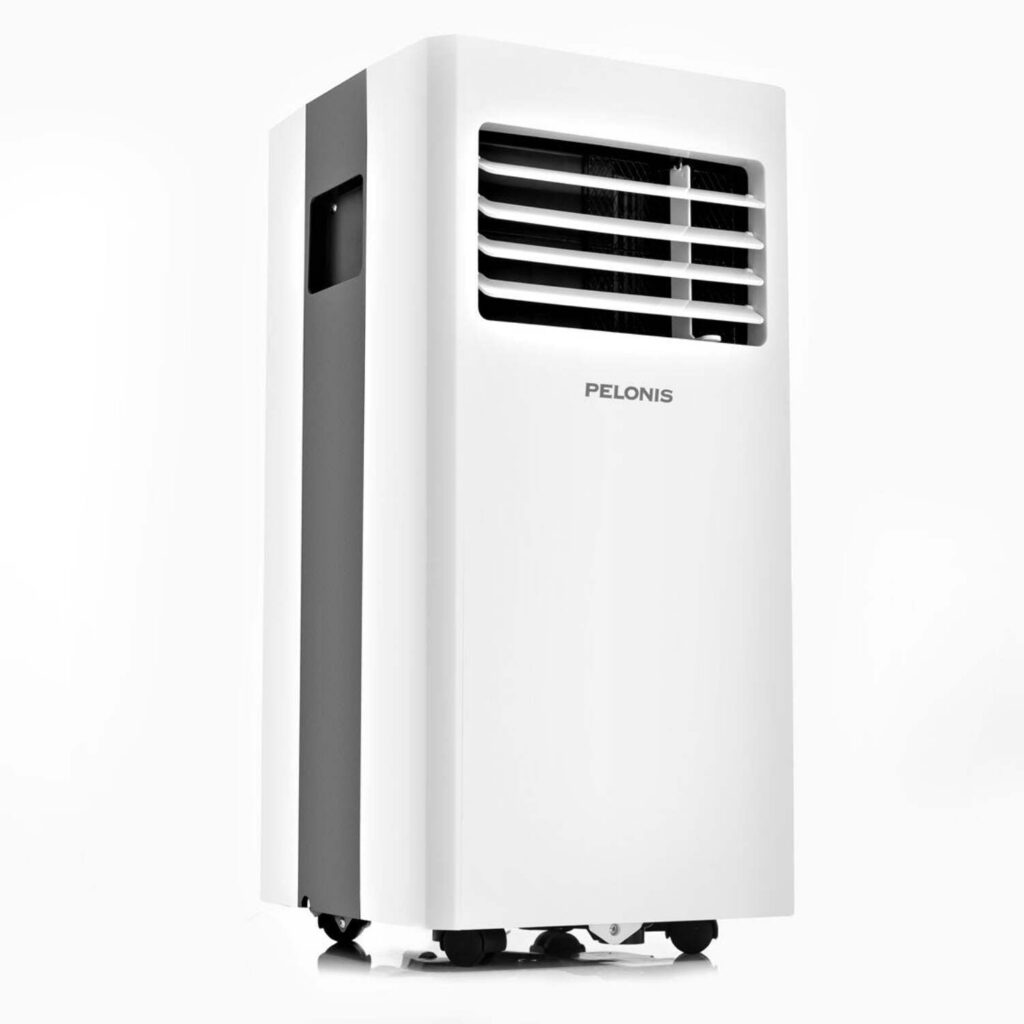
When summer heat becomes unbearable, finding an effective cooling solution becomes a priority for homeowners and renters alike. The Pelonis portable air conditioner has emerged as a popular choice for those seeking flexible, affordable cooling without the commitment of permanent installation. This comprehensive guide explores everything you need to know about Pelonis portable AC units, from their technical specifications to real-world performance, helping you make an informed decision for your cooling needs.
What Makes the Pelonis Portable Air Conditioner Stand Out?
The Pelonis portable air conditioner represents a convergence of affordability and functionality in the personal cooling market. Unlike traditional window units or central air conditioning systems, these portable cooling devices offer remarkable flexibility for apartment dwellers, homeowners, and anyone seeking targeted climate control without extensive installation requirements.
Pelonis, a brand with decades of experience in home comfort appliances, has developed their portable air conditioning line with specific attention to the needs of modern consumers. These units typically range from 8,000 to 14,000 BTU (British Thermal Units), providing adequate cooling capacity for rooms between 150 and 500 square feet depending on the model selected. The portable air conditioner from Pelonis incorporates multiple operational modes, including cooling, dehumidification, and fan-only settings, making them versatile solutions for year-round comfort management.
What distinguishes these units in a crowded marketplace is their emphasis on user-friendly operation combined with energy-conscious design. Most Pelonis portable AC models feature digital controls with LED displays, remote control operation, and programmable timers that allow users to customize their cooling schedules according to their daily routines. The units typically operate on standard 115V household electrical circuits, eliminating the need for specialized wiring that some high-capacity air conditioners require. This accessibility makes the Pelonis portable air conditioner an attractive option for renters who cannot modify their living spaces or homeowners seeking supplemental cooling for specific areas without investing in whole-home system upgrades.
Understanding BTU Ratings and Cooling Capacity
British Thermal Units serve as the standard measurement for air conditioning cooling power, and understanding this metric is essential when selecting a Pelonis portable air conditioner appropriate for your space. One BTU represents the amount of energy required to raise the temperature of one pound of water by one degree Fahrenheit, and in air conditioning terms, higher BTU ratings indicate greater cooling capacity.
The relationship between BTU ratings and room size follows specific guidelines established by the Department of Energy and air conditioning manufacturers. For spaces approximately 150-250 square feet, an 8,000 BTU unit typically provides adequate cooling. Medium-sized rooms ranging from 250-350 square feet benefit from 10,000 BTU capacity, while larger spaces up to 450-550 square feet require 12,000-14,000 BTU units to maintain comfortable temperatures. However, these calculations assume standard ceiling heights of eight feet and normal insulation levels.
Several environmental factors significantly impact the effective cooling capacity of any portable air conditioner Pelonis offers. Rooms with high ceilings require additional cooling power, as the increased air volume demands more energy to maintain desired temperatures. Similarly, spaces with extensive window exposure, particularly south or west-facing windows that receive direct afternoon sunlight, need higher BTU ratings to compensate for solar heat gain. The number of occupants regularly using the space also affects cooling requirements, as each person generates approximately 400 BTU of body heat per hour. Kitchen installations require special consideration, as cooking appliances generate substantial heat that the air conditioner must overcome.
BTU Selection Guide for Pelonis Units
Room Size and BTU Requirements:
- 100-150 sq ft: 5,000-6,000 BTU (small bedrooms, home offices)
- 150-250 sq ft: 7,000-8,000 BTU (average bedrooms, studios)
- 250-350 sq ft: 9,000-10,000 BTU (large bedrooms, living rooms)
- 350-450 sq ft: 11,000-12,000 BTU (master bedrooms, open concept spaces)
- 450-550 sq ft: 13,000-14,000 BTU (large living areas, converted garages)
Additional BTU Adjustments:
- Add 10% BTU capacity for rooms with high sun exposure
- Add 15% for kitchens or spaces with heat-generating appliances
- Add 600 BTU for each additional person regularly occupying the space
- Reduce by 10% for heavily shaded rooms with minimal sun exposure
Key Features of Pelonis Portable Air Conditioners
Modern Pelonis portable air conditioner models incorporate an impressive array of features designed to maximize user comfort while maintaining reasonable energy consumption levels. Understanding these features helps consumers identify which models best align with their specific cooling needs and lifestyle preferences.
The three-in-one functionality represents one of the most valuable features across the Pelonis portable AC line. Air conditioning mode provides active cooling by removing heat and moisture from indoor air, while dehumidification mode specifically targets excess humidity without aggressive temperature reduction—ideal for humid climates where moisture control proves as important as temperature management. Fan-only mode circulates air without engaging the compressor, offering energy-efficient air movement during moderate weather conditions. This versatility means a single Pelonis portable air conditioner can serve multiple comfort needs throughout different seasons and weather patterns.
The self-evaporative technology incorporated into many Pelonis models represents a significant convenience advantage over traditional portable air conditioners. Conventional portable units collect condensation in internal buckets requiring frequent manual emptying, sometimes multiple times daily in humid conditions. Pelonis’s self-evaporative system recycles most collected moisture to cool the condenser coils, dramatically reducing the frequency of drainage needs. While some condensate removal may still be necessary during extended use in extremely humid environments, this feature eliminates one of the most inconvenient aspects of portable air conditioner ownership.
Digital controls with LED displays provide intuitive operation and precise temperature management. Most Pelonis units feature easy-to-read displays showing current room temperature, selected target temperature, operational mode, and fan speed settings. The included remote controls allow users to adjust settings from across the room, eliminating the need to approach the unit physically—particularly convenient during nighttime use when leaving bed to adjust settings would disrupt sleep. Twenty-four-hour programmable timers enable automated operation, allowing users to pre-cool spaces before arriving home or automatically shut off units during sleeping hours to reduce energy consumption.
Multiple fan speeds typically include low, medium, and high settings, allowing users to balance cooling power against noise levels and energy usage. Lower fan speeds operate more quietly and consume less energy but provide gentler cooling, while higher speeds deliver more aggressive temperature reduction at the cost of increased noise and power consumption. This adjustability proves particularly valuable for bedroom installations where quiet operation becomes paramount during sleeping hours.
Installation and Setup Process
One of the primary advantages distinguishing the Pelonis portable air conditioner from permanent cooling solutions is the straightforward installation process that requires no professional assistance or permanent structural modifications. However, proper installation remains critical for optimal performance and energy efficiency, and understanding the setup process helps users maximize their investment.
The window kit installation represents the most critical setup component, as the exhaust hose must effectively vent hot air outside while maintaining a proper seal to prevent warm outdoor air from entering the cooled space. Pelonis units include adjustable window kits designed to fit most standard sliding windows, typically accommodating window widths between 26 and 48 inches. The kit consists of plastic window panels with pre-cut openings for the exhaust hose connector, allowing the window to close securely against the panel while the exhaust hose vents through the opening.
Installation begins by measuring your window opening to determine the necessary panel extension length. The adjustable panels slide to match your window width, and the included brackets secure them in place. Most users find that horizontal sliding windows provide the easiest installation, though vertical sliding windows work equally well with slight modifications to the setup approach. The exhaust hose, typically constructed from flexible foil-covered insulation, attaches to the unit’s rear exhaust port and connects to the window kit panel, creating a complete ventilation pathway for hot air expelled during the cooling process.
Sealing and insulation around the window installation significantly impacts operational efficiency. Even small gaps allowing outdoor air infiltration force the portable air conditioner Pelonis to work harder, consuming more energy while delivering less effective cooling. Many users enhance their installations with weatherstripping foam tape applied around window kit panel edges, creating airtight seals that prevent air exchange. Some installations benefit from clear plastic sheeting or window insulation film applied over the entire window opening around the exhaust panel, providing additional insulation barriers while maintaining visibility.
Step-by-Step Installation Guide
Preparation Phase:
- Select the optimal window location near an electrical outlet, ideally in the room’s center for balanced air distribution
- Clear the area around the selected window, ensuring at least 20 inches of clearance on all sides of where the unit will be positioned
- Verify that the window opens and closes smoothly, as you’ll need to adjust the window position during installation
- Unpack all components and verify you have the unit, exhaust hose, window kit panels, and mounting hardware
Window Kit Assembly:
- Extend the adjustable window panel to match your window width, typically by sliding the two-piece panel to the appropriate length
- Secure the panel sections together using the provided connectors or screws, ensuring the panel maintains rigidity
- Insert the exhaust hose connector into the pre-cut opening in the window panel, securing it according to manufacturer instructions
- Attach one end of the exhaust hose to the connector in the window panel, ensuring a snug, secure fit
Unit Positioning and Connection:
- Position the Pelonis portable air conditioner near the window, leaving sufficient space for air intake vents (typically 20 inches minimum)
- Attach the free end of the exhaust hose to the unit’s rear exhaust port, twisting to lock it in place
- Open the window and position the window kit panel in the opening
- Close the window against the panel, securing it tightly to create an effective seal
- Plug the unit into a grounded electrical outlet—avoid extension cords or power strips, as portable air conditioners draw significant current
Energy Efficiency and Operating Costs
Understanding the energy consumption characteristics of your Pelonis portable air conditioner enables accurate cost projections and informed decisions about operational patterns that balance comfort against utility expenses. While portable air conditioners generally consume more energy per BTU of cooling compared to central air systems or mini-split installations, their ability to cool specific zones rather than entire homes can result in overall energy savings for many households.
The Energy Efficiency Ratio (EER) serves as the primary metric for comparing air conditioner efficiency, calculated by dividing the cooling capacity in BTUs by the power consumption in watts. Higher EER values indicate more efficient operation, meaning the unit delivers more cooling per unit of electricity consumed. Most Pelonis portable air conditioner models achieve EER ratings between 8.5 and 11.0, which falls within the typical range for portable air conditioning units. While these ratings don’t match the efficiency of high-end ductless mini-split systems (which can exceed EER 13), they represent reasonable efficiency for the portable air conditioner category.
Actual operating costs depend on several variables including your local electricity rates, the specific model’s power consumption, and usage patterns. A typical 10,000 BTU Pelonis portable air conditioner consumes approximately 900-1,100 watts during active cooling operation. At the U.S. average electricity rate of $0.14 per kilowatt-hour, operating such a unit for eight hours daily costs approximately $1.00-$1.25 per day, or $30-$38 monthly. However, electricity rates vary significantly by region, with some areas paying as little as $0.10 per kWh and others exceeding $0.30 per kWh, dramatically affecting operational costs.
Suggested read: Sharp Portable Air Conditioner: Everything You Need to Know Before Buying in 2026
Energy-saving operational strategies can substantially reduce consumption without sacrificing comfort. The programmable timer function allows users to cool spaces only when occupied, eliminating energy waste when rooms remain empty during work hours. Setting the thermostat to 78°F rather than more aggressive temperatures like 72°F reduces compressor runtime, as the unit reaches the target temperature faster and cycles off more frequently. Using fan-only mode during evening hours when outdoor temperatures drop provides air circulation and modest cooling without engaging the energy-intensive compressor. Ensuring proper window kit sealing and closing blinds or curtains on sun-exposed windows reduces solar heat gain, allowing the portable air conditioner Pelonis to maintain comfortable temperatures with less energy expenditure.
Monthly Operating Cost Comparison
| Unit Capacity | Power Consumption | Daily Cost (8hrs) | Monthly Cost (30 days) | Annual Cost (4 months) |
|---|---|---|---|---|
| 8,000 BTU | 750-850W | $0.84-$0.95 | $25-$29 | $100-$116 |
| 10,000 BTU | 900-1,100W | $1.00-$1.23 | $30-$37 | $120-$148 |
| 12,000 BTU | 1,200-1,400W | $1.34-$1.57 | $40-$47 | $160-$188 |
| 14,000 BTU | 1,350-1,550W | $1.51-$1.73 | $45-$52 | $180-$208 |
Based on $0.14/kWh average electricity rate and 8 hours daily operation
Maintenance Requirements for Optimal Performance
Regular maintenance ensures your Pelonis portable air conditioner operates efficiently throughout its service life while maintaining optimal cooling performance and air quality. Unlike central air conditioning systems requiring professional maintenance, portable units need only basic user-performed care that takes minimal time and requires no specialized tools or technical knowledge.
Air filter cleaning represents the most critical and frequent maintenance task. The washable filter typically located behind a front or side panel catches dust, pet hair, pollen, and other airborne particles before they enter the unit’s internal components. A clogged filter restricts airflow, forcing the compressor to work harder while delivering reduced cooling capacity. Most manufacturers, including Pelonis, recommend inspecting and cleaning the filter every two weeks during active use periods, though households with pets or in dusty environments may require weekly cleaning.
The cleaning process involves removing the filter panel, rinsing the filter under lukewarm running water, and allowing it to air dry completely before reinstallation. Some users prefer washing filters with mild dish soap to remove stubborn residue, but harsh chemicals or hot water should be avoided as they can damage the filter material. Installing a damp filter invites mold growth within the unit, so ensuring complete dryness before reinstallation remains crucial. Keeping a spare filter allows continuous operation while the primary filter dries, eliminating downtime during the cleaning cycle.
Condensate management varies depending on your specific Pelonis portable air conditioner model and local humidity conditions. Units with self-evaporative technology require less frequent attention, but all portable air conditioners eventually accumulate condensation requiring removal. Most models include indicator lights alerting users when internal water reservoirs reach capacity and require draining. The drainage process typically involves removing a rubber plug from the unit’s lower rear section and directing water into a shallow pan or directly into a floor drain if available. Some users install permanent drainage solutions using vinyl tubing connected to the continuous drain port found on many models, directing condensate to nearby drains and eliminating manual drainage needs entirely.
Exterior cleaning maintains appearance and prevents dust accumulation that can eventually infiltrate the unit’s interior. Wiping the unit’s exterior surfaces with a damp cloth weekly removes dust and maintains aesthetic appeal. The exhaust hose should be inspected periodically for damage, ensuring no tears or disconnections have developed that would compromise venting efficiency. At season’s end, thorough cleaning before storage prevents odors and prepares the unit for next season’s service. This end-of-season maintenance includes running the fan-only mode for several hours to dry internal components, preventing mold growth during storage periods.
Comparing Pelonis to Other Portable Air Conditioner Brands
The portable air conditioning market includes numerous manufacturers offering competing products across various price points and feature sets. Understanding how the Pelonis portable air conditioner compares to alternatives helps consumers make informed purchasing decisions aligned with their specific needs and budget constraints.
Price positioning places Pelonis firmly in the budget-friendly to mid-range category, with most models priced between $250 and $450 depending on capacity and features. This positioning makes Pelonis more affordable than premium brands like LG, Frigidaire, or Whynter, which often exceed $500 for comparable BTU ratings, while offering more features and better build quality than ultra-budget options sometimes found at discount retailers. The value proposition centers on delivering reliable cooling performance with essential features at accessible price points, appealing to cost-conscious consumers who prioritize functionality over premium aesthetics or advanced smart home integration.
Build quality and durability of Pelonis units generally receives favorable reviews from long-term users, though they don’t quite match the robust construction of premium-tier brands. The plastic housing, while functional, lacks the premium feel of higher-end competitors using heavier-gauge plastics or partial metal construction. However, most users report satisfactory durability through multiple cooling seasons with proper maintenance and care. The compressors in Pelonis portable air conditioner models typically carry shorter warranty periods (1-2 years) compared to premium brands offering 3-5 year compressor warranties, reflecting the budget-oriented market positioning.
Noise levels represent a common consideration when comparing portable air conditioners, as these units operate in living spaces where noise impacts comfort and sleep quality. Pelonis units typically operate at 52-58 decibels on high fan settings, which falls within the average range for portable air conditioners but noticeably louder than premium models achieving 45-50 decibel operation. For reference, 55 decibels approximates the noise level of a normal conversation at close range—not overwhelming but audible enough to affect light sleepers or those sensitive to background noise. Lower fan speed settings reduce noise output, though at the cost of reduced cooling capacity.
When compared to similar products in the same price range, such as Black+Decker, Honeywell, or SereneLife portable units, the portable air conditioner Pelonis offers comparable performance with slightly better reliability ratings based on aggregate customer review analysis. While none of these budget-tier brands match the refinement of premium options, Pelonis distinguishes itself through better customer service responsiveness and more comprehensive user manuals that help first-time portable air conditioner owners navigate setup and operation successfully.
Real-World Performance: What Users Report
Analyzing feedback from thousands of Pelonis portable air conditioner owners reveals consistent patterns regarding performance strengths and limitations that prospective buyers should understand before purchasing. These real-world experiences provide valuable context beyond manufacturer specifications and marketing claims.
Cooling effectiveness receives generally positive feedback from users whose installations match appropriate BTU ratings to room sizes. Owners consistently report that properly sized units successfully maintain comfortable temperatures in specified square footage ranges, typically achieving target temperatures within 30-45 minutes of initial startup in moderately warm rooms. However, several users note that published BTU ratings assume ideal conditions that don’t always reflect reality. Rooms with poor insulation, extensive window exposure, or locations in particularly hot climates may require units rated for larger square footage than technical specifications suggest. A pattern emerges where satisfied users typically purchased units with BTU ratings 10-20% higher than minimum recommendations for their room sizes, providing cooling headroom for challenging conditions.
Humidity removal capabilities earn strong praise, particularly from users in humid climates where moisture control proves as important as temperature reduction. The dehumidification function effectively reduces indoor humidity levels, eliminating that sticky, uncomfortable feeling even when the air conditioning mode isn’t actively running. Several users specifically purchased their Pelonis portable air conditioner primarily for dehumidification rather than cooling, using it in basements, bathrooms, or storage areas where moisture control prevents mold growth and musty odors. The self-evaporative technology generally performs as advertised, with most users reporting drainage requirements only once or twice weekly during normal operation, compared to daily drainage with older portable air conditioner designs lacking this feature.
Noise concerns appear frequently in user feedback, particularly from those who purchased units for bedroom use expecting whisper-quiet operation. While Pelonis units don’t exceed noise levels typical for portable air conditioners, they’re also not exceptionally quiet compared to competitors. Light sleepers or noise-sensitive individuals sometimes express disappointment, noting that the compressor cycling and fan operation create enough ambient noise to interfere with sleep, especially at higher fan speeds. However, many users report successful bedroom use by running units on lower fan settings, using white noise machines to mask operational sounds, or running the unit before bedtime to pre-cool rooms and then switching to fan-only mode during sleeping hours.
Durability and reliability experiences vary, with most users reporting trouble-free operation through multiple seasons while a minority encounter failures within the first year or two. Common issues include compressor failures after 1-2 years of regular use, electronic control board malfunctions, and refrigerant leaks developing in the sealed cooling system. These failures appear at rates consistent with budget-tier air conditioning products generally—higher than premium brands but not alarmingly so. The limited warranty coverage means out-of-warranty repairs often prove uneconomical, leading users to replace rather than repair failed units. However, the affordable purchase price means even users facing premature failures often feel they received reasonable value if the unit provided 2-3 cooling seasons before failing.
Troubleshooting Common Issues
Understanding how to diagnose and resolve common problems extends the useful life of your Pelonis portable air conditioner while avoiding unnecessary service calls or premature replacement. Many issues users encounter stem from installation or operational errors rather than equipment defects, and simple corrections often restore full functionality.
Insufficient cooling represents the most frequently reported problem, but the root cause varies considerably between situations. If your portable air conditioner Pelonis runs continuously without achieving target temperatures, first verify that the BTU rating appropriately matches your room size and conditions. Undersized units simply cannot cool spaces exceeding their capacity regardless of how long they operate.
Check that all doors and windows remain closed, as even small openings allow conditioned air to escape while warm outdoor air infiltrates. Inspect the exhaust hose for proper connection at both ends and verify it hasn’t developed holes or tears compromising the venting system. A disconnected or damaged exhaust hose essentially vents hot air back into the room you’re attempting to cool, creating a futile cycle that prevents temperature reduction.
Dirty air filters cause gradual cooling performance degradation that users sometimes attribute to equipment failure. When filters accumulate dust and debris, restricted airflow prevents the unit from moving sufficient air across the evaporator coils, reducing cooling capacity even though the compressor operates normally. Cleaning or replacing the filter often immediately restores lost performance. Similarly, blocked air intakes or exhausts prevent proper airflow—ensure furniture, curtains, or other objects don’t obstruct the unit’s ventilation openings. Most Pelonis portable air conditioner models require minimum clearances of 20 inches around air intake and exhaust areas for unrestricted airflow.
Water leakage from the unit’s base alarmed many users, but this symptom usually indicates straightforward issues rather than serious defects. If your model lacks self-evaporative technology, the internal condensate reservoir may have reached capacity, causing overflow. Drain the reservoir according to your model’s instructions and establish a more frequent drainage schedule. For self-evaporative models, leakage may indicate exceptionally humid conditions overwhelming the evaporative capacity, requiring supplemental manual drainage. Ensure the unit sits level on the floor, as tilting can cause internal water to pool and escape through unintended openings. Some leakage around the condensate drain plug indicates improper insertion or a worn gasket requiring replacement.
Operational freezing where ice forms on the evaporator coils prevents cooling and indicates several possible issues. Running the unit in excessively cool environments (below 60°F) can cause freezing, as the system design assumes warm ambient temperatures. Operating continuously for extended periods without allowing defrost cycles may cause ice buildup—running fan-only mode for 30-60 minutes allows accumulated ice to melt. Restricted airflow from dirty filters or blocked vents creates conditions promoting freezing, making regular filter maintenance important for preventing this issue. If freezing occurs despite adequate airflow and appropriate ambient temperatures, low refrigerant levels from a leak may be responsible, requiring professional service to diagnose and repair.
Quick Diagnostic Guide
Problem: Unit runs but doesn’t cool
- Check exhaust hose connections and verify window seal integrity
- Clean or replace air filter
- Confirm BTU rating matches room size
- Verify all windows and doors are closed
- Inspect for adequate clearance around unit (20 inches minimum)
Problem: Unit won’t turn on
Suggested read: Portable Stairs with Handrail: Everything You Need to Know Before Buying
- Verify electrical outlet has power (test with another device)
- Check circuit breaker hasn’t tripped
- Ensure unit is plugged directly into wall outlet, not extension cord
- Verify internal condensate reservoir isn’t full (check indicator light)
- Wait 3-5 minutes after power interruption before attempting restart
Problem: Unit shuts off unexpectedly
- Confirm target temperature hasn’t been reached (normal cycling)
- Check for overheating due to blocked vents
- Verify room isn’t below 60°F (auto-shutoff protection)
- Inspect for condensate overflow triggering auto-shutoff
- Test electrical outlet for consistent power supply
Seasonal Storage and Winterization
Properly storing your Pelonis portable air conditioner during off-season months protects your investment and ensures reliable operation when cooling season returns. The storage process requires minimal effort but significantly impacts equipment longevity and prevents common issues that arise when units sit idle for months.
Pre-storage preparation begins with thorough cleaning to remove accumulated dust, debris, and moisture that could cause problems during storage. Run the unit in fan-only mode for 3-4 hours to completely dry the internal components, evaporating condensation that would otherwise create musty odors or encourage mold growth. This drying step proves especially critical in humid climates where moisture retention presents significant concerns. After the drying cycle completes, clean the exterior surfaces with a damp cloth, remove and wash the air filter one final time, and inspect all components for signs of wear or damage requiring attention before next season.
Exhaust hose and window kit storage requires specific attention, as these components typically suffer the most storage-related damage. Carefully disconnect the exhaust hose from both the unit and window kit, ensuring you don’t tear the flexible material or damage the connection fittings. Many users prefer storing the hose fully extended rather than compressed to prevent permanent creasing that could restrict airflow during future use. The window kit panels should be wiped clean, dried thoroughly, and stored flat to prevent warping. Keep all small components like mounting brackets, screws, and hose connectors together in a labeled bag attached to the window kit to prevent loss during the storage period.
Storage location selection significantly impacts how well your portable air conditioner Pelonis survives the off-season. Choose climate-controlled indoor spaces like basements, closets, or garages that remain above freezing throughout winter months. Extreme cold can damage internal components, particularly the compressor and electronic controls. Avoid storage in areas with high humidity or temperature fluctuations, as these conditions promote condensation and potential mold growth despite pre-storage drying efforts. If possible, store the unit upright in its normal operating position rather than on its side or back, as prolonged storage in non-standard positions can allow compressor oil to migrate, potentially causing startup issues when returned to service.
Cover protection using breathable fabric covers, old sheets, or original packaging materials shields the unit from dust accumulation while allowing residual moisture to escape rather than becoming trapped. Avoid plastic covers that seal completely, as these trap moisture and create ideal conditions for mold growth. Some users store units in their original cardboard boxes, which provide excellent protection while maintaining breathability. If original packaging wasn’t retained, loosely draped fabric covers achieve similar results.
Where to Buy Your Pelonis Portable Air Conditioner
Purchasing your Pelonis portable air conditioner from the right retailer ensures authentic products, competitive pricing, and reliable warranty support. Multiple purchasing channels offer these units, each with distinct advantages and considerations that may influence your buying decision.
Online retailers provide the broadest selection and often the most competitive pricing. Major platforms like Amazon, Walmart.com, and Home Depot’s website carry extensive Pelonis portable air conditioner inventories with detailed specifications, customer reviews, and competitive pricing. Amazon’s selection of Pelonis portable air conditioners typically includes the full model range with customer reviews providing valuable real-world performance insights. Online purchasing offers convenience with home delivery, though shipping costs for these heavy appliances can be substantial—typically $50-100 unless free shipping promotions apply. Some retailers offer installation services for additional fees, though portable air conditioners’ simple setup makes professional installation unnecessary for most users.
The primary advantage of brick-and-mortar stores lies in the ability to physically inspect units before purchasing and immediate possession without shipping delays. Home improvement chains like Home Depot and Lowe’s stock Pelonis models during cooling season, allowing customers to compare sizes, examine build quality, and consult with sales representatives before committing. Big-box retailers like Walmart and Target carry limited selections, typically focusing on mid-range models priced for mass-market appeal. Physical retail purchases eliminate shipping costs and delays while enabling same-day installation and operation. However, in-store pricing often exceeds online rates, and selection limitations may require compromising on preferred models or features.
Manufacturer direct purchasing through Pelonis’s official website guarantees authentic products with full warranty coverage, though pricing typically matches or slightly exceeds major retailers. The primary advantage centers on access to the complete model lineup including new releases that may not yet be widely distributed through retail channels. Direct purchasing also provides access to Pelonis customer service without intermediary retailers, potentially streamlining warranty claims or technical support requests. However, most consumers find better value through established retailers offering competitive pricing, flexible return policies, and the convenience of consolidated ordering when purchasing other household items simultaneously.
Seasonal timing dramatically impacts pricing, with the best deals typically appearing during shoulder seasons. Purchasing in early spring (March-April) often yields discounts as retailers prepare inventory for peak summer demand, while late summer and fall (September-October) bring clearance pricing as stores liquidate seasonal inventory. Peak summer months command full retail pricing due to maximum demand, making patience valuable for budget-conscious shoppers who can wait for seasonal price reductions.
Maximizing Comfort with Strategic Usage
Operating your Pelonis portable air conditioner strategically rather than simply running it continuously maximizes comfort while minimizing energy costs. Understanding how to optimize performance through thoughtful usage patterns and environmental controls delivers superior results compared to simply setting a temperature and walking away.
Zone cooling strategies represent one of portable air conditioners’ greatest advantages over central air systems. Rather than cooling an entire home to maintain comfort in one or two occupied rooms, strategic placement of your portable air conditioner Pelonis allows targeted cooling where needed most. Many households find that a single properly sized unit moving between primary living areas during daytime hours and bedrooms during evening hours provides adequate comfort at a fraction of central air conditioning costs. This approach requires units with caster wheels for easy movement, but the mobility that defines portable air conditioners makes this usage pattern practical for many families.
Supplemental cooling arrangements prove particularly effective in homes with inadequate central air conditioning or uneven cooling distribution. Many older homes with central air suffer from upstairs areas remaining uncomfortably warm despite adequate cooling on main floors. Positioning a portable unit in the warmest bedroom significantly improves comfort without the expense of HVAC system upgrades or additional ductwork installation. Similarly, home additions, converted garages, or renovated basements often lack connections to central air systems, making portable units ideal solutions for extending climate control to these spaces without extensive modification of existing HVAC infrastructure. Just as you might use a portable water softener for targeted water treatment, a portable AC unit provides focused cooling where traditional systems fall short.
Circulation enhancement through strategic fan placement amplifies your portable air conditioner’s effectiveness. Positioning a standard oscillating fan opposite the air conditioner helps distribute cooled air throughout the room rather than allowing it to pool near the unit. This circulation strategy allows lower fan speed settings on the air conditioner itself, reducing noise and energy consumption while maintaining even temperature distribution. Ceiling fans running in their summer setting (counterclockwise) work synergistically with portable air conditioners, creating downward air movement that enhances the sensation of coolness and allows thermostat settings 2-3 degrees higher than otherwise required while maintaining equivalent comfort levels.
Environmental controls outside the air conditioning unit itself dramatically impact cooling effectiveness and energy efficiency. Closing blinds, curtains, or shades on sun-exposed windows during peak daylight hours significantly reduces solar heat gain, sometimes cutting cooling requirements by 20-30%. Window treatments with light-colored exteriors reflect solar radiation before it enters living spaces, offering superior performance compared to interior curtains that absorb heat after it penetrates the glass. Weather stripping around doors and windows prevents conditioned air from escaping while blocking hot outdoor air infiltration. These passive measures reduce the burden on your Pelonis portable air conditioner, allowing it to reach target temperatures faster and cycle off more frequently, extending equipment life while reducing energy consumption.
Technical Specifications Worth Understanding
Comprehending the technical specifications beyond basic BTU ratings helps consumers make more informed purchasing decisions and set realistic performance expectations for their Pelonis portable air conditioner. While manufacturers provide extensive specification sheets, certain metrics prove more relevant to real-world satisfaction than others.
Power requirements determine whether your existing electrical infrastructure supports your chosen unit. Most Pelonis portable air conditioner models operate on standard 115V/60Hz electrical systems with current draws between 7-13 amperes depending on capacity. This amperage falls within the typical 15-amp household circuit capacity, but users must remember that portable air conditioners should not share circuits with other high-draw appliances. Attempting to operate an air conditioner on the same circuit as a microwave, hair dryer, or space heater will likely trip the circuit breaker. Dedicated circuits for air conditioner operation prevent annoying interruptions and potential electrical issues. Some larger models exceeding 12,000 BTU require 20-amp circuits or 230V power, necessitating verification of electrical compatibility before purchase.
Refrigerant types used in modern portable air conditioners reflect environmental regulations and efficiency considerations. Most current Pelonis portable air conditioner models utilize R-410A refrigerant, which replaced older R-22 refrigerant due to environmental concerns. R-410A doesn’t deplete stratospheric ozone and offers better energy efficiency compared to its predecessor. However, R-410A remains a hydrofluorocarbon with global warming potential, prompting the industry to transition toward even more environmentally friendly refrigerants in coming years. From a practical standpoint, the refrigerant type rarely impacts user experience except when servicing becomes necessary—R-410A requires different equipment than older refrigerants, potentially affecting repair costs if leaks develop.
Dehumidification capacity specifications indicate how much moisture the unit removes from air per 24-hour period, typically measured in pints. Pelonis units generally remove 2-4 pints daily depending on model size, with larger BTU ratings correlating to higher dehumidification capacity. This specification matters particularly in humid climates where moisture removal often proves as important as temperature reduction for achieving comfort. Units with higher dehumidification capacity ratings provide more comprehensive humidity control, though they may fill internal reservoirs faster when not using continuous drain setups.
Thermostat range and accuracy determine how precisely you can control room temperature. Most Pelonis portable air conditioner models offer thermostat settings between 61°F and 89°F in one-degree increments, providing adequate granularity for most preferences. However, the displayed temperature represents the target rather than current room temperature, and thermostat accuracy varies between units. Budget-tier portable air conditioners, including Pelonis models, typically maintain temperatures within 2-3 degrees of target settings—acceptable for most applications but less precise than premium units achieving within one degree. The thermostat sensor location within the unit means displayed temperatures may not accurately reflect temperatures across the entire room, particularly in large spaces with poor air circulation.
Airflow specifications measured in cubic feet per minute (CFM) indicate the volume of air the unit circulates. Higher CFM ratings generally correlate with faster cooling, as more air passes across the evaporator coils per minute. Pelonis units typically deliver between 180-280 CFM depending on model and fan speed settings. While higher airflow accelerates initial cooling, it also generates more noise and consumes additional energy. The multiple fan speed settings allow users to balance airflow against noise levels according to their priorities for any given situation.
Key Specification Comparison Table
| Feature | 8,000 BTU Models | 10,000 BTU Models | 12,000 BTU Models | 14,000 BTU Models |
|---|---|---|---|---|
| Coverage Area | 150-250 sq ft | 250-350 sq ft | 350-450 sq ft | 450-550 sq ft |
| Power Draw | 750-850W | 900-1,100W | 1,200-1,400W | 1,350-1,550W |
| Amperage | 7-8A | 8-10A | 11-13A | 12-14A |
| Voltage | 115V | 115V | 115V | 115V/230V |
| Dehumidification | 2.0-2.5 pints/day | 2.5-3.0 pints/day | 3.0-3.5 pints/day | 3.5-4.0 pints/day |
| Airflow (High) | 180-200 CFM | 210-240 CFM | 250-270 CFM | 270-290 CFM |
| Noise Level | 52-54 dB | 54-56 dB | 56-58 dB | 57-59 dB |
| Weight | 50-55 lbs | 60-65 lbs | 70-75 lbs | 75-80 lbs |
| Dimensions | 14″W x 28″H x 15″D | 15″W x 29″H x 16″D | 16″W x 31″H x 17″D | 17″W x 32″H x 18″D |
Environmental Impact and Sustainability Considerations
As climate awareness increases, understanding the environmental footprint of your Pelonis portable air conditioner helps contextualize the environmental costs of personal comfort. While air conditioning provides undeniable quality-of-life benefits, especially during dangerous heat waves, conscious consumers increasingly consider the ecological implications of their cooling choices.
Energy consumption represents the primary environmental concern associated with air conditioning operation. The electricity powering your portable air conditioner Pelonis typically comes from power plants burning fossil fuels, with each kilowatt-hour consumed generating approximately 0.92 pounds of CO2 emissions according to EPA calculations using the national average energy mix. A 10,000 BTU unit running eight hours daily for a four-month cooling season consumes roughly 1,100 kilowatt-hours annually, generating approximately 1,000 pounds of CO2 emissions. However, this impact varies dramatically based on your regional electrical grid composition—areas relying heavily on coal-fired generation create higher per-kilowatt emissions, while regions with substantial renewable or nuclear generation significantly reduce the carbon footprint of air conditioning use.
Refrigerant environmental impact extends beyond operational energy consumption. While modern R-410A refrigerant doesn’t deplete the ozone layer like older refrigerants, it possesses significant global warming potential—approximately 2,088 times that of CO2 over a 100-year timeframe. A typical portable air conditioner contains 1-2 pounds of refrigerant, representing a substantial greenhouse gas load if released during disposal or due to leaks. Proper end-of-life disposal through authorized recyclers who recover and reclaim refrigerants prevents this environmental damage, though many consumers unfortunately dispose of air conditioners improperly through regular waste streams, allowing refrigerant atmospheric release.
Suggested read: Portable Stairs with Handrail: Everything You Need to Know Before Buying
Manufacturing and disposal impacts encompass the complete lifecycle environmental footprint. Producing a portable air conditioner requires raw material extraction, manufacturing energy consumption, and global transportation—collectively generating 300-500 pounds of CO2 equivalent emissions before the unit ever operates. The predominantly plastic construction means most components won’t biodegrade if landfilled, though metals within the compressor and electrical components retain recycling value if properly processed. Extended product lifespan through proper maintenance and responsible disposal through electronics recycling programs minimize per-year environmental costs by amortizing manufacturing impacts over longer service periods.
Mitigation strategies allow environmentally conscious consumers to reduce their Pelonis portable air conditioner environmental footprint without sacrificing essential comfort. Operating units only during peak heat hours rather than continuously reduces energy consumption dramatically—many climates allow comfortable evening and night conditions with fans alone. Setting thermostats to 78°F rather than aggressive temperatures like 72°F cuts energy use by 20-30% while maintaining reasonable comfort for most individuals. Supplementing air conditioning with passive cooling techniques like strategic window ventilation during cool morning hours, heat-blocking window treatments, and minimizing internal heat generation from cooking and lighting further reduces runtime requirements. When replacement becomes necessary, trading in old units through retailer programs ensures proper refrigerant recovery and responsible recycling rather than careless disposal.
Smart Features and Modern Conveniences
While Pelonis portable air conditioner models generally focus on core functionality rather than cutting-edge technology, many modern units incorporate convenience features that enhance usability and operational flexibility. Understanding these features helps consumers identify models matching their lifestyle preferences and technological expectations.
Remote control operation appears as standard equipment across most Pelonis portable air conditioner models, providing convenient adjustment capability from anywhere within the room. These handheld remotes typically include buttons for power on/off, temperature adjustment, mode selection (cooling, dehumidifying, fan-only), fan speed control, and timer programming. The operational range generally extends 15-20 feet with direct line-of-sight, adequate for typical room dimensions though walls and obstacles may reduce effectiveness. Remote batteries (usually AAA or AA) typically last several months with normal usage, and most units include battery installation in the packaging. This feature proves particularly valuable for bedroom installations, allowing temperature adjustments without leaving bed, and for elderly or mobility-limited users who benefit from avoiding physical interaction with the unit.
Programmable timer functions enable automated operation scheduling aligned with daily routines, maximizing convenience while optimizing energy efficiency. Most Pelonis portable air conditioner units offer 24-hour timers programmable in one-hour increments, allowing users to specify delayed startup or automatic shutoff times. Common usage patterns include programming units to activate 30-60 minutes before arriving home from work, ensuring comfortable temperatures upon arrival without all-day operation, or scheduling automatic shutoff several hours after bedtime once rooms reach comfortable sleeping temperatures. These timer functions prevent unnecessary energy consumption during unoccupied periods while eliminating concerns about manually turning units on or off.
Sleep mode functionality adjusts operational parameters for nighttime comfort, gradually increasing target temperature by small increments throughout the night. This feature recognizes that human comfort temperature preferences typically rise slightly during sleep, and that body temperature naturally decreases during deep sleep phases. By gradually increasing the thermostat setting 1-2 degrees over several hours, sleep mode maintains comfort while reducing compressor runtime and energy consumption. Additionally, sleep mode often includes automatic fan speed reduction to minimize noise levels conducive to undisturbed rest. Users who initially felt their portable air conditioner Pelonis operated too loudly for comfortable sleeping often find sleep mode addresses these concerns through reduced fan speeds and less frequent compressor cycling.
LED display brightness controls allow dimming or complete deactivation of the digital display panel, addressing complaints from users who find bright displays disruptive during nighttime use. Many people maintain completely dark bedrooms for optimal sleep, and even modest LED brightness can prove bothersome when trying to fall asleep or during middle-of-night awakenings. Display dimming functions typically offer multiple brightness levels or complete deactivation, allowing customization according to individual preferences. Some models automatically dim displays after several minutes of inactivity, balancing visibility for intentional adjustment against minimal light intrusion during extended operation.
Auto-restart functionality preserves user settings through power interruptions, automatically resuming operation with previous settings when electrical service restores after outages. Without this feature, power interruptions require manual restart and reconfiguration—inconvenient when away from home during outages. Auto-restart ensures your Pelonis portable air conditioner continues protecting your home from heat automatically after brief power disruptions common during summer storms. However, users should understand that this feature means units resume drawing power immediately when electrical service restores, potentially contributing to grid stress during post-outage periods when numerous appliances simultaneously restart.
Addressing Common Misconceptions
Several persistent misconceptions about portable air conditioners in general, and Pelonis portable air conditioner models specifically, lead to unrealistic expectations or inappropriate usage decisions. Clarifying these misunderstandings helps consumers make better-informed choices and achieve satisfaction with their purchases.
Misconception: “Portable air conditioners don’t require any installation” leads some buyers to expect truly plug-and-play operation requiring zero setup effort. While portable units certainly require dramatically less installation effort than window units or ductless systems, the exhaust hose must be properly vented through a window or alternative opening for functional operation. Running a portable air conditioner without exhaust venting creates a closed-loop system where the unit simultaneously cools and heats the same air, resulting in net warming rather than cooling. Some novice users genuinely attempt operation without exhaust venting, then complain about inadequate cooling performance that stems entirely from improper installation rather than equipment defects.
Misconception: “Portable air conditioners are as efficient as window units” overlooks fundamental design differences affecting efficiency. Portable units inherently operate less efficiently than window air conditioners of equivalent BTU ratings because they exhaust hot air through a hose rather than directly outside, and because the entire unit resides within the conditioned space. Window units position the hot condenser section entirely outside, eliminating concerns about heat infiltration from the warm side of the cooling cycle. The efficiency gap means portable units typically cost 10-25% more to operate than comparably rated window units, though the convenience and installation flexibility often justify this premium for users who cannot install window units or value portability.
Misconception: “Portable air conditioners cool as effectively as central air” sets unrealistic performance expectations that doom users to disappointment. Central air conditioning systems provide comprehensive whole-home cooling through ducted distribution, while portable units deliver targeted zone cooling for specific rooms. A Pelonis portable air conditioner rated for 350 square feet will indeed cool that space adequately, but expecting it to maintain comfortable temperatures throughout a 2,000 square foot home while doors remain open demonstrates fundamental misunderstanding of the equipment’s intended application. Portable units excel at focused cooling for occupied spaces, not comprehensive home conditioning.
Misconception: “All portable air conditioners are extremely noisy” causes some consumers to avoid the category entirely, though noise levels vary substantially between models and settings. While portable units certainly generate operational noise from both the compressor and fan, characterizing all models as unacceptably loud oversimplifies reality. Many users successfully operate portable air conditioner Pelonis models in bedrooms by using lower fan speeds, positioning units strategically to minimize sound impact, or utilizing white noise to mask operational sounds. Individuals accustomed to whisper-quiet ductless mini-splits or central air may find portable units noticeably louder, but those upgrading from window units or no air conditioning typically consider noise levels reasonable.
Misconception: “Portable air conditioners don’t need maintenance” contributes to performance degradation and premature failures. While maintenance requirements remain modest compared to central systems requiring professional service, portable units absolutely require regular filter cleaning and occasional condensate drainage. Users who never clean filters or drain accumulated condensate inevitably experience declining performance and potential equipment damage from ice formation or water overflow. The self-evaporative technology in many Pelonis portable air conditioner models reduces maintenance frequency but doesn’t eliminate it entirely, and neglecting basic upkeep voids warranties while shortening equipment lifespan.
Making the Final Purchase Decision
Synthesizing all relevant factors into a confident purchase decision requires evaluating your specific cooling needs, spatial constraints, budget limitations, and operational priorities. The Pelonis portable air conditioner serves certain use cases exceptionally well while proving less suitable for others, and honest assessment of your situation guides appropriate model selection.
Ideal candidates for Pelonis portable air conditioners include apartment renters prohibited from installing window units, homeowners seeking supplemental cooling for specific rooms without investing in HVAC system expansion, and individuals requiring flexible cooling solutions that move between spaces. Students in dormitories, residents of older homes lacking central air, and people living in moderate climates where air conditioning needs only exist during brief annual heat waves particularly benefit from the affordable, flexible cooling these units provide. Anyone valuing the ability to take their cooling system with them during moves finds portable units vastly more practical than permanent installations requiring abandonment or complex removal processes.
Less suitable applications include attempts to cool extremely large spaces, primary cooling for entire homes in hot climates, or situations where noise sensitivity presents critical concerns. While technically possible to operate multiple portable units throughout a home, the cumulative operating costs and management complexity usually make alternative solutions more practical for whole-home cooling needs. Spaces exceeding 550 square feet require either multiple units or alternative cooling approaches, as even the highest-capacity Pelonis portable air conditioner models cannot effectively condition such large areas. Light sleepers extremely sensitive to ambient noise may find even the quietest portable units disruptive during sleep unless positioned in adjacent rooms with doors closed or unless they employ sound masking strategies.
Budget considerations extend beyond purchase price to encompass operational costs throughout the unit’s service life. A portable air conditioner Pelonis priced at $350 might initially seem more affordable than a $600 premium brand model, but if the premium unit operates 20% more efficiently, it could recover the price difference through reduced electricity costs within 3-4 cooling seasons. However, budget-conscious consumers must balance theoretical lifecycle costs against immediate affordability—spending $250 more upfront for eventual energy savings proves impractical if that $250 isn’t currently available. For many buyers, Pelonis represents the optimal balance point between initial affordability and reasonable operational efficiency, delivering functional cooling at accessible price points.
Model selection within the Pelonis lineup should prioritize appropriate BTU rating for your space, followed by consideration of desired features like remote control, programmable timers, and specific operational modes. Resist temptation to undersized units to save money, as inadequate capacity results in continuous operation without achieving comfort, negating any purchase price savings through excessive energy consumption and rapid equipment wear. Conversely, significantly oversizing units wastes money on unnecessary capacity while potentially causing excessive humidity due to rapid cooling cycles that don’t run long enough to remove moisture effectively. Select the BTU rating matching your specific room dimensions and conditions, then choose the specific model offering your preferred feature set within that capacity range.
Warranty Coverage and Customer Support
Understanding warranty terms and available customer support resources protects your investment in a Pelonis portable air conditioner while providing recourse if defects or performance issues arise. Warranty coverage varies between models and purchase sources, making careful review of specific terms important before finalizing purchases.
Standard warranty coverage for Pelonis portable air conditioners typically includes one year of comprehensive coverage for defects in materials or workmanship, with some models offering extended two-year warranties on specific components like the compressor. This coverage period falls slightly below premium brands offering 2-3 year comprehensive warranties but matches or exceeds many budget-tier competitors. The warranty covers manufacturing defects and component failures under normal use conditions but specifically excludes damage from improper installation, unauthorized modifications, neglect, or operation outside specified parameters. Transportation damage, cosmetic issues not affecting functionality, and normal wear items like filters typically fall outside warranty coverage.
Warranty claim processes generally require contacting Pelonis customer service with proof of purchase, detailed problem description, and often photographic or video documentation of the issue. Some problems can be resolved remotely through troubleshooting guidance from support representatives, while others necessitate product return for evaluation and repair. Shipping costs for warranty returns sometimes fall on consumers, though policies vary—clarify this detail before initiating returns to avoid unexpected expenses. Processing timelines typically span 2-4 weeks from return shipment to receiving repaired or replacement units, meaning consumers may face extended periods without air conditioning during peak summer if failures occur.
Extended warranty options become available through some retailers, offering additional coverage beyond manufacturer warranties for annual fees typically ranging from $30-$60 depending on unit value. These extended plans sometimes include benefits like free shipping for warranty claims, expedited processing, and coverage for accidental damage excluded from standard warranties. However, the statistical reliability of budget-tier portable air conditioners and relatively low replacement costs mean extended warranties provide questionable value for many consumers. Carefully evaluate whether paying potentially $100-$150 over three years for extended coverage makes sense when replacement units cost $250-$400, considering that most failures either occur during the initial warranty period or after so many years that replacement rather than repair becomes preferable.
Customer service accessibility through Pelonis includes phone support during business hours, email support with slower response times, and limited online resources including user manuals and basic troubleshooting guides. User experiences with Pelonis customer service vary considerably, with some consumers reporting helpful, responsive assistance while others describe frustrating communication difficulties and prolonged resolution timelines. The inconsistency suggests support quality may depend significantly on which representative handles your case. Purchasing through established retailers with generous return policies provides alternative recourse if Pelonis support proves unsatisfactory, allowing returns or exchanges through the retailer rather than navigating manufacturer warranty processes.
Frequently Asked Questions About Pelonis Portable Air Conditioners
Q: How long do Pelonis portable air conditioners typically last?
Suggested read: GE Portable Air Conditioning: Everything You Need to Know Before You Buy
A: With proper maintenance including regular filter cleaning and appropriate usage conditions, most Pelonis portable air conditioner units provide 5-8 years of reliable service. Some users report longer lifespans exceeding 10 years, while others experience failures within 2-3 years, often correlating with environmental conditions and maintenance diligence. The compressor represents the most critical component, and its lifespan largely determines overall unit longevity. Heavy usage in extremely hot climates or dusty environments may shorten service life, while moderate use in controlled conditions extends it. Budget-tier portable air conditioners generally demonstrate shorter average lifespans than premium brands, reflecting lower-cost component selection and manufacturing processes.
Q: Can I use my Pelonis portable air conditioner in a room without windows?
A: Technically yes, but it requires alternative exhaust venting arrangements since the hot air must be expelled somewhere outside the conditioned space. Some users vent exhaust hoses through drop ceilings into return air plenums, through exterior walls via custom installations, or into adjacent rooms if temperature transfer proves acceptable. However, these workarounds often prove impractical or violate building codes. Truly windowless rooms generally require alternative cooling solutions like ductless mini-split systems that use small-diameter refrigerant lines rather than large exhaust hoses. Operating a portable air conditioner Pelonis without any exhaust venting will warm rather than cool the space, making proper venting absolutely essential for functional operation regardless of the specific exhaust pathway used.
Q: How much electricity does a Pelonis portable air conditioner use per month?
A: Monthly electricity consumption depends on unit capacity, operating hours, and efficiency. A typical 10,000 BTU Pelonis portable air conditioner draws approximately 1,000 watts (1 kW) during operation. Running eight hours daily for 30 days consumes 240 kWh monthly. At the U.S. average electricity rate of $0.14 per kWh, this equals roughly $34 monthly. Actual costs vary with local electricity rates, specific model efficiency, operating duration, and how frequently the compressor cycles based on thermostat settings and environmental conditions. Smaller 8,000 BTU units typically cost $25-$30 monthly for similar usage, while larger 14,000 BTU models may reach $45-$50 monthly during heavy use periods.
Q: Do Pelonis portable air conditioners need to be drained regularly?
A: Most modern Pelonis portable air conditioner models feature self-evaporative technology that recycles condensation to cool the condenser, dramatically reducing drainage frequency compared to older designs. Under moderate humidity conditions, these units may only require manual drainage once every week or two, and sometimes less frequently. However, operation in extremely humid environments can overwhelm the self-evaporative system, necessitating more frequent drainage potentially every few days. The unit will typically indicate when drainage becomes necessary through warning lights or automatic shutdown. Models with continuous drain ports allow permanent drainage solutions using vinyl tubing directed to nearby floor drains, completely eliminating manual drainage requirements for users willing to install such arrangements.
Q: Are Pelonis portable air conditioners loud enough to disturb sleep?
A: Noise sensitivity varies significantly between individuals, making this question somewhat subjective. Pelonis portable air conditioner units typically operate at 52-58 decibels on high settings, comparable to normal conversation volume at close range. Many users successfully operate these units in bedrooms by using lower fan speeds (reducing noise by 3-5 decibels), positioning units farther from beds, or employing white noise machines to mask operational sounds.
Light sleepers or individuals particularly sensitive to background noise sometimes find even quieter settings disruptive, while others report no sleep interference whatsoever. Sleep mode functions that reduce fan speeds after achieving target temperatures help minimize nighttime noise. If noise presents serious concerns, consider pre-cooling bedrooms before sleep then switching to fan-only mode, or position the unit in an adjacent room with the door partially open.
Q: Can I run my Pelonis portable air conditioner continuously 24/7?
A: While technically possible, continuous 24/7 operation isn’t recommended for optimal equipment longevity and energy efficiency. Portable air conditioners benefit from periodic rest periods allowing compressor oil to settle and internal components to equalize. Most units will naturally cycle on and off as they maintain target temperatures, providing these rest periods automatically during normal thermostat-controlled operation.
However, if environmental conditions prevent the unit from ever reaching target temperature, forcing continuous operation, consider whether the BTU rating appropriately matches your space—inadequate capacity causing non-stop operation indicates undersizing. Continuous operation also dramatically increases energy costs and accelerates wear on mechanical components. Using programmable timers to shut units off during cooler nighttime hours or unoccupied periods extends equipment life while reducing operational costs without significantly compromising comfort.
Q: What size room can a 10,000 BTU Pelonis portable air conditioner cool effectively?
A: A 10,000 BTU portable air conditioner Pelonis effectively cools spaces ranging from 250-350 square feet under typical conditions with standard 8-foot ceilings and moderate insulation. This capacity suits average bedrooms, small living rooms, home offices, or studio apartments. However, several factors may require adjustment upward or downward from this baseline. Rooms with high ceilings, extensive window exposure receiving direct sunlight, poor insulation, or located in exceptionally hot climates may require stepping up to 12,000 BTU capacity even if square footage technically falls within the 10,000 BTU range.
Conversely, well-insulated rooms with minimal sun exposure in moderate climates might achieve adequate cooling with 8,000 BTU capacity despite slightly larger dimensions. When uncertain, selecting higher capacity provides cooling headroom ensuring comfort even during heat waves.
Q: How does the Pelonis portable air conditioner compare to window units?
A: Pelonis portable air conditioner models offer superior installation flexibility and portability compared to window units, requiring no permanent installation and easily moving between rooms or residences. However, window units typically provide 15-25% greater energy efficiency at equivalent BTU ratings because they position the hot condenser section entirely outside, whereas portable units exhaust heat through hoses that may leak thermal energy back into conditioned spaces.
Window units also generally operate more quietly since the loudest components (compressor and condenser fan) sit outside, while portable units contain all components within the living space. Portable units prove ideal for renters, those unable to install window units due to window types or building restrictions, and anyone valuing flexibility over maximum efficiency. Window units better serve those seeking optimal efficiency and lower operating costs who have suitable windows and permission for installation.
Q: Will my Pelonis portable air conditioner work during power outages?
A: No, Pelonis portable air conditioner units require continuous electrical power and will not operate during outages. Unlike some battery-powered fans or evaporative coolers, compressor-based air conditioners draw too much power for practical battery operation. However, many models feature auto-restart functions that automatically resume operation with previous settings when power restores after outages, eliminating the need for manual restarting and reconfiguration. During extended outages in hot weather, consider alternative cooling strategies like battery-powered fans, opening windows for ventilation if outdoor temperatures moderate overnight, using cooling towels or ice packs, and seeking air-conditioned public spaces like libraries or shopping centers if conditions become dangerous.
Take Action: Find Your Perfect Pelonis Portable Air Conditioner Today
Ready to beat the heat with reliable, affordable cooling? The Pelonis portable air conditioner offers an excellent balance of performance, features, and value for homeowners and renters seeking flexible climate control solutions. Whether you need targeted cooling for a bedroom, supplemental capacity for an undersized central air system, or a complete cooling solution for a small apartment, Pelonis provides options suited to diverse needs and budgets.
Don’t wait until the next heat wave arrives to secure your comfort. Browse available models today, compare specifications against your specific room dimensions and cooling requirements, and invest in the climate control that transforms unbearable heat into comfortable living spaces. With proper selection based on the guidance provided throughout this comprehensive review, your Pelonis portable air conditioner will deliver years of reliable service, making hot summer days manageable and ensuring your home remains a comfortable refuge regardless of outdoor temperatures.
Remember to register your warranty immediately after purchase, establish a regular maintenance schedule including filter cleaning every two weeks, and optimize your installation with proper window sealing for maximum efficiency. Your investment in comfortable indoor climate control begins with choosing the right equipment and continues with conscientious operation and care that extends service life while minimizing operational costs.