Understanding Portable Toilet Seats and Why You Need One
A portable toilet seat is a lightweight, collapsible or foldable sanitation solution designed for situations where traditional bathroom facilities are unavailable or unsuitable. These innovative products have become essential gear for outdoor enthusiasts, travelers, parents with young children, elderly individuals, and emergency preparedness kits. Unlike bulky portable toilets that include waste containment systems, a portable toilet seat focuses primarily on providing a comfortable, hygienic seating surface that can be used with disposable bags, over existing facilities, or in conjunction with portable waste systems. The market for these products has grown significantly, with an estimated 3.2 million units sold annually in North America alone, reflecting the increasing demand for practical sanitation solutions in mobile lifestyles.
The functionality of a portable toilet seat extends far beyond simple camping trips. Medical professionals recommend these devices for post-surgery patients who struggle with low toilet heights, while occupational therapists frequently prescribe them for individuals with mobility limitations. The Centers for Disease Control and Prevention (CDC) emphasizes the importance of proper sanitation in preventing disease transmission, particularly in emergency situations where conventional plumbing may be compromised.
Modern designs incorporate antimicrobial materials, ergonomic contouring, and weight capacities exceeding 300 pounds, making them suitable for diverse user populations. Whether you’re embarking on a cross-country road trip, preparing for natural disasters, or seeking dignity and comfort in healthcare scenarios, understanding the features and benefits of portable toilet seats can significantly enhance your quality of life during challenging circumstances.
Types of Portable Toilet Seats Available
Folding Portable Toilet Seats
Folding portable toilet seats represent the most compact and travel-friendly category in the market. These units typically feature hinged construction that allows them to collapse into a flat profile, occupying minimal space in backpacks, car trunks, or storage compartments. Premium folding models utilize aircraft-grade aluminum frames combined with reinforced plastic seating surfaces, achieving weight specifications as low as 1.5 pounds while maintaining structural integrity for users up to 350 pounds. The folding mechanism employs spring-loaded locks or snap-fit connectors that enable deployment in under 10 seconds, a critical feature during urgent situations. Many folding designs incorporate adjustable leg heights ranging from 14 to 18 inches, accommodating various user preferences and ground conditions.
The versatility of folding portable toilet seats makes them ideal for multi-purpose applications including camping expeditions, festival attendance, construction site work, and vehicle-based travel. Consumer reports indicate that folding models account for approximately 45% of all portable toilet seat purchases, with satisfaction ratings averaging 4.3 out of 5 stars across major retail platforms. Advanced folding designs feature non-slip rubber feet that provide stability on uneven terrain, while integrated storage pouches hold toilet paper, wet wipes, and disposal bags.
The compact nature of these products doesn’t compromise comfort, as manufacturers have developed contoured seating that distributes body weight evenly, reducing pressure points during extended use. When selecting a folding portable toilet seat, consider the fold-to-storage ratio, which should ideally compress to less than 3 inches thick for optimal portability.
Raised Portable Toilet Seats
Raised portable toilet seats address specific accessibility needs for elderly individuals, post-operative patients, and people with mobility impairments. These elevated designs add 3 to 6 inches of height to existing toilet fixtures or can function as standalone units with reinforced legs. The American Occupational Therapy Association recommends raised toilet seats for patients recovering from hip replacement surgery, knee arthroscopy, or individuals experiencing arthritis-related mobility restrictions. Medical-grade raised seats feature molded plastic construction with textured surfaces that prevent slipping, while some models incorporate armrests that provide additional support during sitting and standing transitions. Weight capacities for raised units typically range from 250 to 400 pounds, with bariatric versions available for higher weight requirements.
Clinical studies demonstrate that raised portable toilet seats reduce strain on lower extremity joints by approximately 35% compared to standard-height toilets, significantly decreasing fall risk in vulnerable populations. Installation mechanisms vary from simple placement over existing toilet bowls to secure clamp systems that lock the raised seat firmly in position. Portable raised seats designed for travel feature detachable legs with telescoping adjustments, allowing customization to different toilet bowl sizes and floor heights.
The healthcare market for these products has expanded considerably, with insurance providers increasingly covering portable raised toilet seats as durable medical equipment under Medicare Part B guidelines. When evaluating raised options, prioritize products with antimicrobial coatings, easy-clean surfaces, and certifications from organizations like the FDA or International Organization for Standardization (ISO) to ensure quality and safety standards.
Compact Travel Toilet Seats for Children
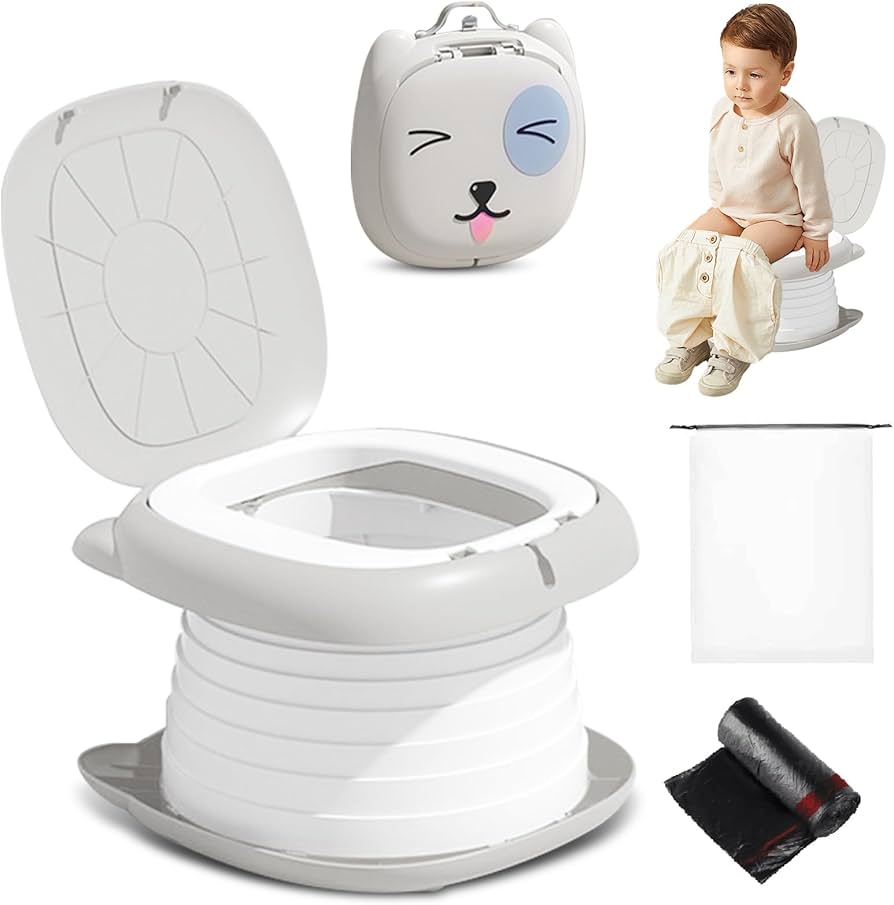
Children’s portable toilet seats solve the common challenge of public restroom anxiety and hygiene concerns that many families encounter during travel. These specialized designs feature smaller seating dimensions, typically 8 to 10 inches in diameter, perfectly sized for toddlers and young children aged 18 months to 6 years. The compact format includes folding capabilities that allow parents to carry the seat in diaper bags, purses, or attach to stroller handles using integrated loops or carabiner clips. High-quality children’s models incorporate soft cushioning with wipeable vinyl or silicone surfaces that provide comfort while maintaining easy sanitization between uses. Bright colors and character designs help reduce bathroom-related stress for children, with popular themes featuring animals, vehicles, and favorite cartoon characters.
Pediatricians note that familiar portable toilet seats can accelerate potty training success rates by up to 40% when traveling, as children feel more secure using a consistent seating surface in unfamiliar environments. The portability factor encourages parents to maintain consistent bathroom routines regardless of location, reinforcing positive habits during the critical training period. Safety features in children’s designs include non-slip bottom surfaces that grip various toilet rim materials, splash guards for boys, and rounded edges that prevent pinching or discomfort.
Market analysis shows that parents typically purchase 2-3 portable toilet seats per child, keeping units in vehicles, daycare bags, and home storage for immediate accessibility. When shopping for children’s portable seats, verify that products meet Consumer Product Safety Commission (CPSC) standards and contain no harmful chemicals like BPA, phthalates, or lead-based materials.
Key Features to Consider When Buying a Portable Toilet Seat
Weight Capacity and Durability
The structural integrity of a portable toilet seat directly impacts user safety and product longevity, making weight capacity the primary specification to evaluate. Standard portable models support 250 to 300 pounds, while heavy-duty versions accommodate users up to 500 pounds through reinforced frame construction and upgraded materials. Engineering tests reveal that quality portable toilet seats maintain structural stability even when subjected to dynamic loading conditions that exceed stated capacities by 25%, providing an essential safety margin. Materials selection significantly influences durability, with options ranging from basic polypropylene plastic to commercial-grade ABS polymers and reinforced composite materials. Frame components manufactured from steel alloy or powder-coated aluminum offer superior strength-to-weight ratios compared to hollow plastic alternatives.
Durability considerations extend beyond initial weight support to include fatigue resistance over repeated use cycles. Premium portable toilet seats undergo rigorous testing protocols that simulate 10,000+ sitting and standing motions, ensuring joint integrity and preventing sudden failures. Connection points where legs attach to seating platforms represent critical stress areas that benefit from metal reinforcement brackets or injection-molded ribbing that distributes forces effectively. UV resistance becomes particularly important for outdoor applications, as prolonged sun exposure can degrade plastic components, reducing load-bearing capacity by up to 30% over a single season without proper treatment.
Review manufacturer specifications for weight limits, but also examine user reviews that document real-world performance across diverse body types and usage scenarios. Investment in products from established brands typically costs 20-40% more than generic alternatives but delivers 3-5 times longer service life through superior engineering and quality control.
Portability and Storage Dimensions
The practical value of a portable toilet seat depends heavily on its collapsed dimensions and overall weight, factors that determine whether the product genuinely enhances mobility or becomes burdensome to transport. Truly portable designs should fold or compress to occupy less than 350 cubic inches of space, roughly equivalent to a thick hardcover book, allowing storage in standard backpack compartments, vehicle glove boxes, or under-seat storage areas. Weight specifications for optimal portability range from 1 to 3 pounds, striking a balance between substantial construction and ease of carrying. Ultralight models utilizing carbon fiber or advanced polymers achieve weights below 1 pound but typically command premium prices exceeding $75 compared to standard models priced between $25-$45.
Storage efficiency involves more than just size reduction; the deployment and refolding process should require minimal effort and complete in under 30 seconds. Complex folding mechanisms with multiple locking points may promise compact storage but often frustrate users during urgent situations when rapid setup becomes essential. The best portable toilet seats incorporate intuitive designs that collapse through simple pressing motions or single-button releases, eliminating fumbling with intricate clasps or adjustments.
Consider the storage environment when selecting products, as units kept in hot vehicle interiors need temperature-resistant materials that won’t warp or become brittle, while those stored in damp conditions require corrosion-resistant hardware. Protective carrying cases or integrated storage bags add minimal bulk while preventing damage during transport and keeping the toilet seat clean between uses. Measure your intended storage locations before purchasing to ensure the collapsed unit fits comfortably with adequate clearance.
Hygiene and Cleaning Capabilities
Sanitation maintenance represents a critical factor in portable toilet seat selection, as improper cleaning can create bacterial breeding grounds and unpleasant odors. The most hygienic designs feature seamless construction with minimal crevices where waste particles or moisture can accumulate, utilizing smooth-surface materials that resist bacterial adhesion. Medical-grade plastics infused with antimicrobial additives containing silver ions or copper compounds actively inhibit bacterial growth by up to 99.9% according to independent laboratory testing. Removable components facilitate thorough cleaning, allowing users to disassemble seats for deep sanitization after particularly messy incidents or before extended storage periods. Some advanced models incorporate quick-release mechanisms that enable complete separation of seating surfaces from frames in seconds.
Cleaning compatibility with various disinfectant solutions varies significantly across products, with lower-quality materials potentially degrading when exposed to bleach-based cleaners or alcohol concentrations above 70%. Premium portable toilet seats specify chemical resistance ratings that indicate safe cleaning agents, ensuring long-term material integrity while achieving effective sanitization. Textured surfaces designed to prevent slipping can paradoxically trap dirt and bacteria if the texture pattern includes deep grooves or sharp angles; optimal designs balance slip resistance with smooth profiles that wipe clean easily.
Suggested read: Best Portable Toilet Bags: Top Picks for Camping, Travel & Emergencies
Drainage features like perforated seating or slightly angled surfaces help liquid waste flow away rather than pooling, significantly improving hygiene between cleanings. For users requiring maximum sanitation assurance, consider models that support disposable seat covers or paper liners that create a physical barrier between the body and reusable surfaces, eliminating direct contact concerns in public or shared-use scenarios.
Top Portable Toilet Seat Products Reviewed
Best Overall: Cleanwaste Portable Toilet Seat
The Cleanwaste Portable Toilet Seat stands as the industry benchmark, combining robust construction with thoughtful design features that address real-world usage challenges. This model utilizes a patented folding frame constructed from powder-coated steel tubing with a 500-pound weight capacity, significantly exceeding competitors’ 250-300 pound standards. The seat assembly incorporates high-density polyethylene with antimicrobial treatment, measuring 16 inches in diameter to accommodate diverse user sizes comfortably. When deployed, the unit reaches a comfortable 17-inch sitting height, closely approximating standard residential toilet dimensions. The folding mechanism collapses the entire assembly to 2.5 inches thick and 18 inches long, easily fitting into a provided nylon carrying bag with shoulder strap for effortless transport.
Distinctive features include a waste bag attachment system that securely holds disposable bags (compatible with any brand) using elastic retention bands, preventing embarrassing spills or slippage during use. The portable toilet seat legs terminate in large-diameter rubber feet measuring 3 inches across, distributing weight effectively on soft ground like sand or grass while preventing sinking. User testimonials consistently praise the stability provided by the wide stance, with measurements showing a 22-inch footprint that rivals permanent fixtures. Cleanwaste backs this product with a 5-year manufacturer warranty covering defects in materials and workmanship, demonstrating confidence in long-term durability.
Retail pricing typically ranges from $45-$55 depending on bundle options that include compatible waste bags, positioning this as a mid-premium option that delivers exceptional value. Consumer advocacy organizations have recognized this model with multiple awards, including recognition from outdoor recreation publications for reliability across thousands of usage cycles.
Best Budget Option: Reliance Products Fold-To-Go Portable Toilet Seat
Budget-conscious consumers seeking reliable functionality without premium pricing find excellent value in the Reliance Products Fold-To-Go model, consistently priced between $18-$25 at major retailers. Despite the economical positioning, this portable toilet seat delivers surprising performance through clever engineering that maximizes material efficiency. The frame utilizes reinforced polypropylene plastic with strategic ribbing that achieves a 300-pound weight capacity while maintaining a total product weight of just 1.8 pounds. The seating surface measures 15 inches in diameter with ergonomic contouring that prevents pressure concentration, a feature often absent in budget alternatives. Folding operation requires simple pinching of side release buttons that allow the seat to collapse flat, reducing thickness to 2 inches for storage in compact spaces.
The Fold-To-Go design accommodates standard 8-gallon trash bags or proprietary waste bags through an integrated bag retention groove molded into the seat perimeter. This portable toilet seat includes four adjustable leg extensions that adapt to uneven ground, each independently adjustable across a 2-inch range to level the seat on slopes up to 15 degrees. While lacking the antimicrobial treatments found in premium models, the smooth plastic surfaces clean efficiently with standard household disinfectants and resist staining from repeated use.
Customer reviews indicate satisfaction ratings of 4.1 out of 5 stars across more than 8,000 verified purchases, with common praise focusing on the value proposition and adequate performance for occasional camping or emergency use. The primary compromise involves slightly less rigid construction compared to steel-frame alternatives, resulting in minor flexing under maximum weight loads that doesn’t compromise safety but may feel less substantial. For individuals requiring a backup sanitation solution or infrequent travelers, this budget option provides essential functionality at half the cost of premium alternatives.
Best for Camping: Luggable Loo Portable Toilet Seat
Outdoor enthusiasts consistently rank the Luggable Loo as the optimal portable toilet seat for extended camping trips and remote location activities, thanks to its unique bucket-integrated design. Unlike minimalist folding seats, this model combines a 5-gallon capacity bucket with a snap-on toilet seat lid, creating a self-contained waste management system. The bucket construction utilizes thick-wall polyethylene that resists impacts, temperature extremes, and UV degradation, essential qualities for gear subjected to harsh outdoor conditions. The attached toilet seat measures 14 inches in diameter with comfortable contouring and built-in splash guard, while the snap-lock lid mechanism creates an odor-resistant seal when not in use. With a 300-pound weight capacity and 16-inch sitting height, the system accommodates most adult users comfortably.
The bucket format offers distinct advantages for camping scenarios where digging catholes proves impractical due to rocky terrain, high-traffic areas, or leave-no-trace requirements in sensitive ecosystems. Users line the bucket with double-bag systems using biodegradable inner bags and heavy-duty outer bags, containing waste securely until proper disposal at designated facilities. The 5-gallon capacity serves 2-3 adults for approximately 3-4 days before requiring emptying, depending on usage patterns. The bucket’s versatility extends beyond sanitation, serving as a gear storage container during transport, a water carrier for camp cleaning tasks, or even a makeshift seat around the campfire when sealed.
Retail pricing of $35-$42 includes the complete system with initial waste bags, representing moderate investment that eliminates the need for separate bucket purchases. The Luggable Loo’s 3-pound weight and 13-inch height when closed allow easy packing in vehicle trunks or RV storage compartments. For established campsites or base camp scenarios, this portable toilet seat system provides unmatched convenience and dignity in wilderness bathroom experiences.
How to Properly Use a Portable Toilet Seat
Setup and Installation Process
Proper setup of a portable toilet seat ensures safety, stability, and effective waste containment, beginning with careful site selection. Choose level ground whenever possible, clearing away rocks, sticks, or debris that could create an unstable foundation or puncture waste collection bags. For folding models, extend the frame fully until audible clicks confirm that locking mechanisms have engaged, then test stability by applying downward pressure before sitting. Uneven terrain requires leg adjustment features when available, or strategic placement of flat rocks or wooden boards under shorter legs to achieve level positioning.
Outdoor locations should offer reasonable privacy through natural barriers or temporary privacy shelters, while maintaining adequate distance from water sources as specified by Leave No Trace principles recommending minimum 200-foot separation.
Waste bag installation requires attention to ensure secure attachment that prevents spills during use. Most portable toilet seats utilize elastic retention systems or bag gripping grooves that hold liner bags in place; ensure bags extend completely over these retention features before pressing them firmly into position. Double-bagging provides extra security and odor control, with the inner bag functioning as the primary waste container and the outer bag serving as backup protection.
For bucket-style systems, line the interior completely with bags extending over the rim before snapping the seat lid into position. When using portable toilet seats over existing facilities like pit toilets or squat toilets at parks, verify that the seat edges rest securely on the toilet structure without gaps that could allow shifting. Test the installation before full commitment by sitting briefly and shifting weight side to side, confirming that all components remain stable. Keep toilet paper within easy reach but protected from ground moisture using plastic bags or waterproof containers, and position hand sanitizer or wet wipes for immediate post-use hygiene.
Waste Management and Disposal
Responsible waste management differentiates conscientious portable toilet seat users from those who create environmental hazards or public health risks. After use, carefully remove waste bags by grasping the outer edges and lifting upward, avoiding contact with the interior contents. Twist the bag top multiple times before tying a secure knot, then wrap this package in the outer bag layer following the same twisting and knotting procedure to create a double-sealed waste parcel.
For added odor control and sanitation, commercial products like WAG bags include chemical treatments that solidify liquid waste and neutralize odors, particularly valuable for extended trips where immediate disposal isn’t possible. Store sealed waste bags in designated containers with tight-fitting lids, keeping them separate from food storage and ideally in vehicle exteriors or specialized gear compartments.
Disposal regulations for portable toilet seat waste vary by location, with many jurisdictions prohibiting disposal in regular trash receptacles. Research parks, campgrounds, and recreation areas often provide RV dump stations or designated waste disposal facilities that accept bagged human waste when properly sealed. Some regions require packing out all waste, necessitating transport to approved disposal sites at trailheads or municipal facilities. Never bury waste bags, as plastic materials don’t biodegrade and animals may excavate them, creating contamination and unsightly messes.
For eco-conscious users, biodegradable bag systems combined with composting toilet chemicals allow disposal in home composting systems after extended curing periods, though municipal regulations must be verified before implementing this approach. Commercial disposal services in popular recreation areas sometimes charge $2-$5 per bag for waste management, a small price for environmental responsibility. Maintain a waste log documenting disposal locations and dates, particularly valuable for extended trips or when traveling through multiple jurisdictions with varying regulations regarding human waste management.
Cleaning and Maintenance Between Uses
Regular cleaning and maintenance extend the functional lifespan of portable toilet seats while preventing the buildup of odor-causing bacteria and unsightly stains. After each use, wipe all surfaces that contacted the body with disinfectant wipes or spray cleaners, paying particular attention to the seat top, underside, and front guard areas where splashing may occur. For deeper cleaning after camping trips or emergency use periods, disassemble components when possible and wash with warm soapy water containing antibacterial dish soap.
A soft-bristled brush reaches textured surfaces and joint areas where debris accumulates, while avoiding abrasive scrubbers that scratch plastic surfaces and create bacterial hiding places. Rinse thoroughly with clean water and air-dry completely before storage to prevent mildew growth in enclosed carrying bags.
Suggested read: Best Portable Vocal Booth Options for Professional Home Recording in 2025
Periodic inspections identify developing issues before they compromise safety or functionality. Check all connection points and joints for cracks, especially on folding mechanisms that endure repeated stress during deployment and collapse cycles. Portable toilet seats with metal components require examination for rust or corrosion, particularly around ground-contact points exposed to moisture. Apply silicone-based lubricants to hinges and folding joints annually to maintain smooth operation and prevent binding.
Replace worn rubber feet when tread depth reduces to less than 1/8 inch, as diminished traction increases slipping risks on smooth surfaces. Store portable toilet seats in climate-controlled environments when possible, avoiding extreme temperature fluctuations that accelerate material degradation. For units stored in vehicles or garages experiencing temperature swings, inspect more frequently for stress cracks or brittleness. Antimicrobial treatments gradually lose effectiveness over time; consider retreating surfaces annually using commercial antimicrobial sprays designed for plastic materials to maintain maximum hygiene protection.
Portable Toilet Seats for Special Needs and Medical Use
Portable Toilet Seats for Elderly and Disabled Users
Elderly and disabled populations face unique toileting challenges that specialized portable toilet seats address through accessibility-focused engineering. Raised designs elevate sitting height by 4-6 inches, reducing the distance users must lower and raise themselves, which decreases strain on knees, hips, and back muscles by approximately 40% according to geriatric therapy research. Integrated armrests provide essential support during transitions, with optimal designs positioning arms 26-28 inches apart to accommodate wheelchair transfers while offering substantial gripping surfaces. Bariatric models engineered for users exceeding 300 pounds incorporate reinforced steel frames with cross-bracing that distributes loads across multiple support points, achieving weight capacities up to 600 pounds while maintaining stability.
Safety features distinguish medical-grade portable toilet seats from recreational camping models, including anti-slip surfaces created through textured molding or rubberized coatings that prevent sliding on wet surfaces. Visual indicators like color-contrasting seats help users with limited vision identify the toilet boundary clearly, reducing misalignment risks. Some advanced designs incorporate handles that fold down from armrests, providing additional gripping options during use.
The portable toilet seat category for medical use includes travel-specific models that meet TSA carry-on requirements, allowing patients to maintain dignity and independence during air travel. Occupational therapists recommend portable raised toilet seats for post-operative recovery periods following hip replacement, knee surgery, or abdominal procedures where bending restrictions apply. Medicare and private insurance increasingly cover these devices when prescribed by physicians with appropriate diagnostic codes, typically classifying them as durable medical equipment with E0244 billing codes for raised toilet seats with arms.
Portable Toilet Seats for Potty Training
Parents navigating potty training challenges discover that portable toilet seats create consistency and confidence for children learning bathroom independence. Child-sized portable toilet seats measure 8-10 inches in diameter compared to standard 14-16 inch adult seats, providing secure positioning that prevents the frightening sensation of potentially falling into the toilet bowl. This size-appropriate design addresses one of the most common potty training obstacles, as studies show that 67% of children experience anxiety related to large toilet openings.
Portable models allow parents to bring familiar equipment to daycare facilities, relatives’ homes, and public restrooms, maintaining consistent training environments that accelerate skill acquisition. Developmental pediatricians note that training consistency improves success rates by up to 55% when children use the same toilet seat across multiple locations.
Hygiene concerns drive many parents toward portable solutions, particularly in public restrooms where cleanliness varies dramatically. A personal portable toilet seat eliminates direct contact with potentially contaminated surfaces, reducing exposure to bacteria like E. coli, Staphylococcus aureus, and various viruses that commonly inhabit public facilities. Folding designs fit easily into diaper bags weighing just 6-8 ounces, with quick-deploy mechanisms allowing installation in under 10 seconds, critical timing when young children announce urgent bathroom needs.
Premium children’s portable seats feature splash guards for boys, slip-resistant bottom grips that work on various toilet materials, and wipeable surfaces that clean in seconds between siblings. Some innovative designs include reward stickers or progress charts integrated into carrying cases, leveraging positive reinforcement to encourage bathroom success. When selecting portable toilet seats for potty training, prioritize products that will accommodate the child’s growth, ideally supporting weights up to 60 pounds to remain useful through age 5-6, maximizing the investment value across multiple training years.
Portable Toilet Seats vs Other Sanitation Solutions
Comparing Portable Toilet Seats to Full Portable Toilets
The distinction between portable toilet seats and full portable toilets significantly impacts functionality, cost, and practical usability across different scenarios. Full portable toilets integrate waste containment systems, often including chemical treatment reservoirs, flushing mechanisms, and substantial waste holding tanks ranging from 2.6 to 5.8 gallons. These comprehensive units typically weigh 10-18 pounds and cost $80-$200, providing self-contained sanitation that requires no additional equipment. However, their bulk makes them practical only for car camping, RV use, or stationary emergency preparedness rather than backpacking or mobile activities. Portable toilet seats by contrast focus solely on seating comfort and stability, relying on separate waste management solutions like disposable bags, requiring users to purchase bags as ongoing expenses averaging $0.50-$1.50 per use.
Feature comparison reveals that full portable toilets excel in established campsite scenarios where weight and volume don’t constrain selection, offering privacy, odor control, and waste capacity for multiple days without disposal requirements. Portable toilet seats dominate in mobility-prioritized situations including backpacking, festival attendance, vehicle-based camping, or emergency preparedness kits where space limitations make compact solutions essential. Maintenance requirements differ substantially, with full toilets necessitating periodic emptying through RV dump stations, thorough cleaning of holding tanks using specialized brushes and cleaning solutions, and potential repairs to flush pumps or valve seals.
Portable seats require only surface cleaning and bag replacement, though users must handle waste bags directly during disposal, a task some find objectionable. Environmental impact considerations favor portable toilet seats when paired with biodegradable waste bags, as full toilets often use chemical treatments containing formaldehyde or bronopol that require special disposal and can’t enter standard waste treatment systems.
Portable Toilet Seats versus Disposable Solutions
Disposable sanitation options including catheter bags, disposable urinals, and single-use toilet systems compete with reusable portable toilet seats in specific use cases. Disposable solutions offer ultimate convenience for one-time events or emergency vehicle kits, requiring no cleaning and ensuring fresh, hygienic equipment for each use. Products like Travel John disposable urinal bags contain polymer crystals that absorb up to 28 ounces of liquid waste, transforming it into odorless gel within seconds.
These single-use items cost approximately $2-$4 each, making them practical for occasional use but economically prohibitive for regular applications. Disposable portable toilet systems resembling cardboard boxes with integrated plastic bag liners support weights up to 250 pounds and cost $8-$12 per unit, positioned as temporary solutions for disaster scenarios or construction sites.
Reusable portable toilet seats present superior economics for regular users, with quality units costing $25-$55 initially then requiring only $0.50-$1.50 per use for replacement bags, breaking even after approximately 20-40 uses compared to fully disposable alternatives. Environmental considerations strongly favor reusable systems, as single-use products generate significant plastic and cardboard waste that strain disposal systems and contribute to landfill accumulation. A family camping four weekends annually would generate approximately 96 disposable units yearly versus maintaining one reusable seat indefinitely.
Durability and reliability comparisons show disposable products occasionally fail through cardboard softening when exposed to moisture or bag tearing under stress, while quality reusable seats function consistently across hundreds of use cycles. Hygiene perceptions vary among users, with some preferring the psychological assurance of fresh disposable equipment while others find properly cleaned reusable seats equally acceptable and more practical to maintain on hand.
Where to Buy Portable Toilet Seats and Pricing Guide
Online Retailers and Marketplaces
E-commerce platforms dominate portable toilet seat distribution, offering extensive selection, competitive pricing, and convenient home delivery that traditional brick-and-mortar retailers struggle to match. Amazon leads the market with over 200 distinct portable toilet seat models available, featuring robust review systems averaging 1,500+ customer ratings per popular product that help buyers make informed decisions. Prime membership provides free two-day shipping on most items, particularly valuable when preparing for imminent trips or addressing sudden medical needs.
Pricing on Amazon spans from budget options at $15 to premium medical-grade units exceeding $100, with algorithms frequently adjusting prices based on demand fluctuations and competitor monitoring. Regular shoppers can optimize savings through Subscribe & Save programs offering 15% discounts on compatible waste bags and cleaning supplies when purchased on recurring schedules.
Walmart.com and Target.com provide mid-range portable toilet seat selections emphasizing family-friendly options and established brand names, with prices typically 5-10% higher than Amazon but offering free in-store pickup that enables same-day acquisition. REI.com specializes in outdoor recreation models engineered for camping and backpacking, featuring expert product descriptions and compatibility information for waste bag systems.
Their member co-op structure returns annual dividends averaging 10% on purchases, effectively reducing long-term costs for outdoor enthusiasts making regular gear investments. Medical supply specialists like Allegro Medical and Vitality Medical stock accessibility-focused portable toilet seats with raised heights and armrests, often accepting insurance claims and HSA/FSA payment that traditional retailers don’t process.
Direct manufacturer websites sometimes offer exclusive models not available through third-party retailers, along with factory-second discounts reducing prices 25-40% on cosmetically blemished units that function perfectly. Comparison shopping tools like CamelCamelCamel track Amazon price histories, revealing optimal purchasing windows when products hit cyclical lows, typically during off-season periods in fall and winter when camping demand decreases.
Suggested read: The Best Hairdresser Sink Portable Options for Mobile Stylists in 2025
Physical Store Options
Brick-and-mortar retailers provide immediate portable toilet seat acquisition and hands-on evaluation opportunities that online shopping cannot replicate, particularly valuable when users need to assess size, weight, and build quality directly. Sporting goods chains including Dick’s Sporting Goods, Bass Pro Shops, and Cabela’s stock camping-oriented portable toilet seats in their outdoor recreation departments, typically offering 8-12 models ranging from basic folding seats at $20 to comprehensive bucket systems around $45. Store associates with outdoor experience can provide practical usage recommendations based on specific trip types, weight requirements, and group sizes. Seasonal availability peaks during spring and early summer when camping equipment receives prominent floor space and expanded inventory, while selection diminishes significantly during winter months in many regions.
Home improvement warehouses like Home Depot and Lowe’s carry portable toilet seats primarily in emergency preparedness and plumbing sections, focusing on disaster readiness applications rather than recreation. Medical supply stores and pharmacies including Walgreens, CVS, and local medical equipment providers stock raised portable toilet seats designed for elderly and disabled users, with staff trained to identify appropriate products based on mobility limitations and insurance coverage parameters.
These locations often maintain relationships with physical therapists and occupational therapists who recommend specific models, streamlining the prescription and insurance claim process. Prices at physical retailers typically run 10-20% higher than online equivalents due to overhead costs, but stores frequently match online prices when customers present evidence of lower pricing, particularly from major competitors.
Clearance sales and seasonal promotions can yield exceptional values, with post-camping season sales in September-October offering discounts reaching 30-50% on remaining inventory. For those seeking portable wheelchair ramps for stairs and other mobility equipment alongside toilet seats, medical supply stores provide comprehensive one-stop shopping for accessibility needs.
Emergency Preparedness and Portable Toilet Seats
Building Emergency Kits with Portable Toilet Seats
Natural disasters, infrastructure failures, and public health emergencies frequently disrupt municipal water and sewage systems, making portable toilet seats essential components of comprehensive emergency preparedness kits. FEMA recommends that every household maintain sanitation supplies sufficient for a minimum 72-hour period without services, though preparedness experts increasingly advocate for 7-14 day supplies given the reality that disaster response times often extend beyond initial estimates. A basic emergency sanitation kit should include at least one portable toilet seat, 20-30 heavy-duty waste bags (calculating 3-4 uses per person daily), toilet paper sufficient for the preparation period, hand sanitizer or disinfectant wipes, and a designated waste storage container with tight-fitting lid to hold sealed bags until disposal becomes possible.
Advanced emergency preparedness incorporates sanitation supplies addressing entire household needs, calculating one portable toilet seat per four family members to prevent bottlenecks during peak usage periods. Consider that stress and dietary changes during disasters often increase bathroom frequency, making generous supply estimates prudent. Chemical treatments like calcium hypochlorite powder or specialized solidifying agents convert liquid waste into gel consistency, reducing odor and preventing spills even if bags tear, representing worthwhile additions costing $15-$25 for supplies lasting multiple events. Privacy considerations matter significantly during extended emergency periods, with solutions ranging from indoor closet conversion to outdoor privacy tents costing $40-$80 that fold compactly when not needed.
Store emergency sanitation supplies in waterproof containers located accessibly rather than in basements prone to flooding or attics requiring ladder access during emergencies. Rotate waste bags annually to prevent degradation, and inspect portable toilet seats semiannually for any deterioration that might compromise functionality when actually needed.
Disaster Scenario Planning
Different disaster types create distinct sanitation challenges that informed portable toilet seat selection addresses proactively. Earthquake scenarios often rupture underground sewer lines while leaving structures habitable, creating situations where households can remain in homes but cannot flush toilets for weeks during infrastructure repairs. This scenario favors bucket-style portable toilet seat systems that accommodate waste accumulation in secure containers stored in garages or outdoor storage sheds, keeping living spaces sanitary.
Hurricane and flood preparations require elevation strategies that keep sanitation supplies above anticipated water levels, with sealed plastic storage bins protecting equipment from moisture contamination. Extended power outages affecting well pumps create immediate sanitation challenges in rural areas regardless of disaster type, making portable solutions essential for properties dependent on electric water systems.
Pandemic scenarios differentiate portable toilet seat needs based on whether household members become ill, requiring dedicated sanitation equipment to minimize cross-contamination. Designating specific portable toilet seats for sick room use, cleaned separately with enhanced disinfection protocols, helps contain infectious agents and protect healthy household members. Winter emergencies including extended blizzards can freeze outdoor plumbing while snowdrifts block access to outhouses or external facilities, making indoor portable toilet solutions critical for cold-climate residents. Urban apartment dwellers face unique challenges during sewage system failures, as communal plumbing problems can render entire buildings uninhabitable without individual sanitation solutions.
These situations require portable toilet seats optimized for discreet indoor use, with sealed bucket systems providing odor containment superior to open-frame folding models. Planning should account for vulnerable household members including elderly individuals, disabled persons, or young children whose mobility limitations make improvised outdoor facilities impracical or dangerous, ensuring appropriate specialized equipment meets their accessibility needs during emergencies.
Environmental Considerations and Sustainable Use
Eco-Friendly Portable Toilet Seat Options
Environmental consciousness increasingly influences portable toilet seat purchasing decisions, with manufacturers responding through sustainable materials and reduced-impact design approaches. Recycled plastic construction represents the most common eco-friendly innovation, utilizing post-consumer HDPE and polypropylene that diverts plastic waste from landfills while achieving material properties nearly identical to virgin plastics. Products manufactured from recycled materials typically cost 5-10% more than conventional alternatives but appeal to environmentally conscious consumers willing to accept modest price premiums for reduced ecological footprints. Some manufacturers achieve carbon-neutral production through renewable energy utilization and carbon offset purchases, with third-party certifications from organizations like Climate Neutral providing verification of environmental claims.
Biodegradable portable toilet seats remain rare due to durability requirements that conflict with decomposition characteristics, though research into advanced bioplastics derived from corn starch and cellulose shows promise for future products. Current eco-focus emphasizes longevity over disposability, with quality portable toilet seats providing 10+ years of service that prevents the waste generation inherent in cheap units requiring frequent replacement. Modular designs featuring replaceable components extend product lifespans further, allowing users to swap worn seating surfaces or damaged legs rather than discarding entire units.
Some companies implement take-back programs accepting used portable toilet seats for recycling, disassembling products into material streams for reprocessing into new goods. These programs remain limited but represent important steps toward circular economy models in outdoor recreation equipment. When evaluating eco-friendly claims, examine specific certifications and data rather than vague marketing terminology, prioritizing products with transparent supply chains and quantified environmental impact metrics.
Sustainable Waste Management Practices
Responsible waste disposal practices separate conscientious portable toilet seat users from those who create lasting environmental damage through careless sanitation habits. Biodegradable waste bag systems represent the most significant advancement in sustainable portable sanitation, utilizing materials that fully decompose within 90-180 days under proper conditions. These bags typically contain polyvinyl alcohol (PVA) or plant-based polymers that break down through microbial action, allowing disposal through composting systems where regulations permit. However, users must recognize that biodegradable bags require specific conditions to decompose, including adequate moisture, oxygen, and microbial activity found in commercial composting facilities but not necessarily in landfills, where anaerobic conditions may preserve materials for decades despite biodegradable claims.
Proper disposal through designated waste management systems represents the most environmentally responsible approach for portable toilet seat waste in most scenarios. RV dump stations and marina pumpout facilities contain waste streams directed to municipal treatment plants equipped with filtration, biological treatment, and disinfection processes that protect water quality.
Some national parks and recreation areas implement human waste composting programs that transform properly managed toilet waste into stable humus suitable for non-edible landscaping applications, closing nutrient loops while reducing landfill burdens. DIY composting of human waste requires careful management including 12-24 month curing periods, temperature monitoring to ensure pathogen destruction, and dedicated systems separate from food waste composters, making it practical only for established homesteads with appropriate space and expertise.
Zero-waste advocates promote portable bidet attachments that reduce toilet paper consumption by 75-90%, significantly decreasing the waste volume generated per bathroom visit. When traveling internationally, research local waste management infrastructure and regulations, as improper disposal practices that might generate minor problems domestically can create serious environmental and public health issues in regions with limited sanitation infrastructure.
FAQs About Portable Toilet Seats
What is a portable toilet seat?
A portable toilet seat is a lightweight, collapsible sanitation device designed to provide comfortable seating in situations where traditional bathroom facilities are unavailable, unsuitable, or inaccessible. These products typically feature folding frames constructed from plastic or metal that support ergonomically contoured seating surfaces, with designs accommodating disposable waste bags for collection.
Portable toilet seats serve diverse applications including camping and outdoor recreation, emergency preparedness during natural disasters, medical and accessibility support for elderly or disabled individuals, travel convenience for families with young children, and temporary sanitation at construction sites or outdoor events.
Weight capacities range from 250 to 500+ pounds depending on model specifications, while collapsed dimensions typically measure 2-3 inches thick for compact storage and transport. Unlike full portable toilets that integrate waste holding tanks and flushing mechanisms, portable toilet seats focus specifically on seating comfort and stability, requiring separate waste management solutions through bagging systems, existing toilet facilities, or portable waste containers.
How much does a portable toilet seat cost?
Portable toilet seat pricing varies significantly based on construction quality, features, and intended applications, with budget models starting around $15-$20 for basic folding plastic designs suitable for occasional emergency use. Mid-range options priced $25-$45 represent the sweet spot for most consumers, offering durable construction with 300-pound weight capacities, comfortable seating, and convenient folding mechanisms that balance affordability with reliable performance.
Premium portable toilet seats cost $50-$75, featuring heavy-duty steel frames, antimicrobial seating surfaces, enhanced weight capacities exceeding 400 pounds, and thoughtful design refinements like bag retention systems and carrying cases. Medical-grade raised portable toilet seats designed for accessibility needs range from $60-$150, with higher prices reflecting specialized features including armrests, bariatric reinforcement, and regulatory compliance for insurance reimbursement.
Bucket-integrated systems like the Luggable Loo typically cost $35-$45 for complete units including initial waste bag supplies. Ongoing costs include replacement waste bags averaging $0.50-$1.50 per use for standard disposable liners, or $2-$4 per use for specialized biodegradable or chemical treatment bags, making the total cost of ownership significantly dependent on usage frequency over the product’s 5-10 year typical lifespan.
Are portable toilet seats sanitary?
When properly maintained, portable toilet seats provide sanitary solutions comparable to or exceeding public restroom facilities through personal ownership and controlled cleaning practices. Antimicrobial treatments incorporated into premium seating materials actively inhibit bacterial growth, with testing showing 99.9% reduction in common pathogens including E. coli, Staphylococcus aureus, and Salmonella within two hours of surface contact.
The personal nature of ownership eliminates exposure to waste from strangers, addressing primary public restroom concerns while allowing users to implement preferred cleaning protocols using disinfectants meeting their standards. Smooth, non-porous plastic surfaces resist bacterial adhesion better than porous materials, while regular cleaning with EPA-registered disinfectants ensures consistently hygienic conditions. However, sanitation ultimately depends on user diligence in cleaning after each use, properly handling waste bags to prevent contamination, and storing equipment in clean, dry environments between uses.
Portable toilet seats actually improve hygiene in many scenarios by providing barriers between bodies and potentially contaminated public toilet surfaces, creating controlled sanitary conditions in wilderness settings where improper waste disposal might otherwise contaminate environments, and enabling proper handwashing through planned sanitation setups that include water and soap.
Can portable toilet seats support heavy adults?
Quality portable toilet seats accommodate heavy adults through engineered designs that meet or exceed weight capacity specifications ranging from 300 to 600 pounds depending on model selection. Standard recreational models typically support 300-350 pounds, adequate for most adult users and incorporating safety margins that allow structural integrity even under dynamic loading conditions.
Heavy-duty and bariatric portable toilet seats feature reinforced construction using steel frames, cross-bracing for load distribution, and upgraded plastic formulations that achieve 400-600 pound capacities specifically engineered for larger individuals. Real-world testing demonstrates that premium units maintain stability under loads 25% above stated capacities, though manufacturers obviously recommend selecting products with official ratings exceeding user weight for optimal safety margins.
Frame geometry significantly impacts weight support, with wider leg stances measuring 20-24 inches across providing superior stability compared to narrow 14-16 inch footprints that concentrate forces on smaller areas. Users approaching or exceeding 300 pounds should prioritize products explicitly marketed as heavy-duty or bariatric with published weight specifications, avoiding budget models using hollow plastic frames that may fail catastrophically under stress.
How do you clean a portable toilet seat?
Proper portable toilet seat cleaning involves systematic sanitization after each use combined with periodic deep cleaning to maintain hygiene and prevent odor development. For routine cleaning, spray all surfaces that contacted the body with EPA-registered disinfectant cleaners or 70% isopropyl alcohol, allowing the solution to remain wet for at least 30 seconds before wiping with disposable paper towels or dedicated cleaning cloths. Pay particular attention to the seating top, underside rim, front splash guard, and any textured surfaces where waste particles might lodge.
For deeper periodic cleaning recommended after camping trips or weekly for medical use scenarios, disassemble removable components and wash with hot soapy water using antibacterial dish soap, employing soft-bristled brushes to reach crevices and joint areas. Rinse thoroughly with clean water, as soap residue can create sticky surfaces that attract dirt, then air-dry completely in well-ventilated areas before storage to prevent mildew formation.
Avoid using abrasive scrubbing pads that scratch plastic surfaces and create microscopicgrooves where bacteria colonize. For stubborn stains or odors, create a solution of one part white vinegar to one part water, spray affected areas, allow 5-10 minutes contact time, then scrub and rinse, as vinegar’s acidity breaks down mineral deposits and neutralizes odors naturally. Store cleaning supplies dedicated to portable toilet maintenance separately from kitchen items to prevent cross-contamination concerns.
Where can I buy a portable toilet seat?
Portable toilet seats are available through diverse retail channels including online marketplaces, sporting goods stores, medical supply companies, and home improvement warehouses, each offering distinct selection advantages. Amazon provides the most extensive variety with 200+ models ranging from $15 budget options to $100+ medical-grade units, featuring comprehensive customer reviews averaging 1,500+ ratings for popular products that inform purchasing decisions.
Sporting goods chains like REI, Dick’s Sporting Goods, Bass Pro Shops, and Cabela’s stock outdoor recreation focused portable toilet seats in camping departments, offering hands-on inspection opportunities and expert staff advice for wilderness applications. Medical supply retailers including Allegro Medical, Vitality Medical, local mobility equipment stores, and major pharmacy chains carry raised portable toilet seats designed for accessibility needs, often processing insurance claims and HSA/FSA payments for qualifying medical purchases.
Home improvement stores like Home Depot and Lowe’s maintain emergency preparedness focused selections emphasizing disaster readiness applications. Direct manufacturer websites sometimes offer exclusive models and factory-second discounts reducing prices 25-40% on cosmetically blemished but fully functional units. Price comparison tools help identify optimal purchasing timing, with seasonal sales during fall and winter offering discounts up to 50% as camping demand decreases and retailers clear inventory before new model introductions.
Take Action: Get Your Portable Toilet Seat Today
Don’t wait until an emergency strikes or your next camping trip to address sanitation needs—invest in a quality portable toilet seat now and enjoy peace of mind knowing you’re prepared for any situation. Whether you need a lightweight folding model for backpacking adventures, a raised accessibility seat for medical purposes, or a bucket system for established campsite comfort, the right portable toilet seat transforms challenging bathroom situations into manageable experiences. Modern designs combine durability, comfort, and convenience in compact packages that store easily until needed, making them among the most practical investments in outdoor gear or emergency preparedness equipment.
Start by assessing your specific needs: outdoor recreation enthusiasts should prioritize lightweight folding models weighing under 3 pounds, families with children benefit from dedicated child-sized seats that reduce public restroom anxiety, elderly or mobility-limited individuals require raised seats with armrests for safe transitions, and emergency preparedness focuses on stable bucket systems with substantial waste capacity. Research customer reviews from verified purchasers who share real-world experiences across various usage scenarios, providing insights beyond manufacturer marketing claims. Compare weight capacities against your requirements plus 50-pound safety margins, evaluate collapsed dimensions against available storage spaces, and verify that antimicrobial treatments meet your hygiene standards.
Shop portable toilet seats now and experience the freedom that proper sanitation planning provides, whether you’re exploring wilderness backcountry, navigating urban emergencies, or simply seeking comfort and dignity during life’s unpredictable moments. Quality portable toilet seats from reputable manufacturers deliver years of reliable service, making them among the best value-for-money investments in personal comfort and family preparedness. Don’t compromise on sanitation—secure your portable toilet seat today and face tomorrow’s adventures with confidence.
Sources:
- Centers for Disease Control and Prevention (CDC) – Emergency Sanitation Guidelines
- Federal Emergency Management Agency (FEMA) – Disaster Preparedness Recommendations
- American Occupational Therapy Association – Mobility Equipment Standards
- Consumer Product Safety Commission – Safety Standards for Personal Care Products
- Leave No Trace Center for Outdoor Ethics – Waste Disposal Principles