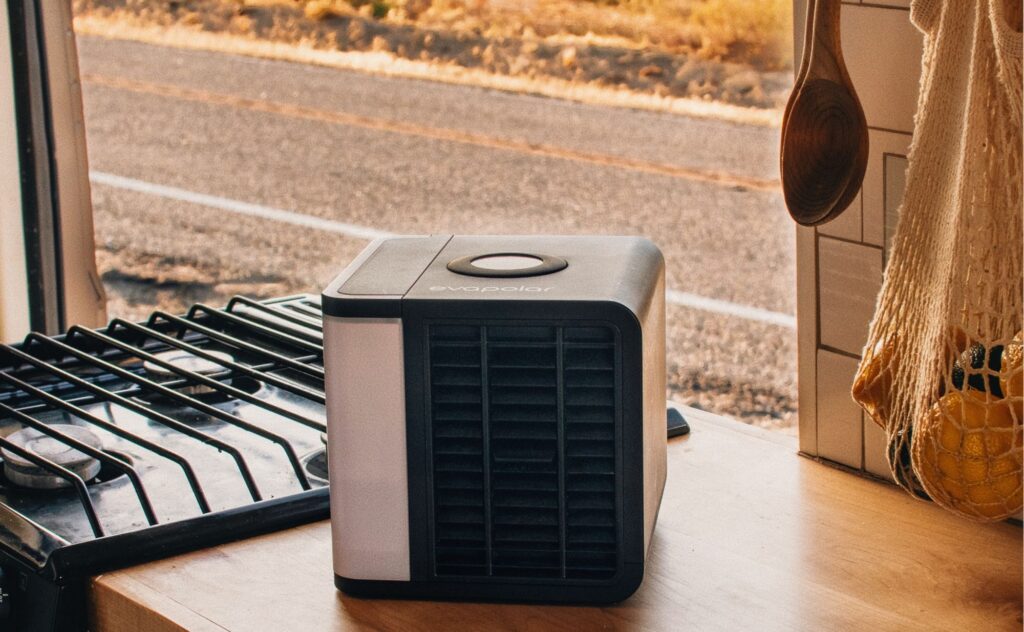
Traveling in a motorhome offers unparalleled freedom and adventure, but dealing with sweltering heat can quickly turn your dream trip into an uncomfortable ordeal. A portable air con for motorhome use has become an essential piece of equipment for modern travelers who refuse to compromise on comfort. Unlike traditional rooftop units that require professional installation and significant modifications to your vehicle, portable cooling solutions offer flexibility, affordability, and ease of use.
These compact units can be moved between different areas of your motorhome, stored away when not needed, and even used in other settings like tents or cabins. The market has evolved dramatically in recent years, with manufacturers developing increasingly efficient models specifically designed for the unique challenges of mobile living. Understanding your cooling needs, power requirements, and available space will help you select the perfect portable air conditioning solution for your motorhome adventures.
Understanding Portable Air Conditioning Options for Motorhomes
The world of portable air con for motorhome applications encompasses several distinct types of cooling systems, each with unique advantages and limitations. Evaporative coolers, also known as swamp coolers, work by drawing warm air through water-saturated pads, producing a cooling effect through evaporation. These units are extremely energy-efficient, often consuming as little as 75-150 watts, making them ideal for boondocking scenarios where power conservation is critical.
However, their effectiveness diminishes significantly in humid climates, as they actually add moisture to the air during operation. Traditional portable air conditioners use refrigerant-based cooling cycles similar to household AC units, providing powerful cooling regardless of humidity levels but requiring substantially more power, typically 900-1400 watts
These units also need to vent hot air outside through a window kit or specially designed port. Split portable systems offer another option, with an indoor evaporator unit and outdoor condenser connected by refrigerant lines, providing quieter operation and more efficient cooling but requiring more complex installation. Battery-powered portable ACs represent the latest innovation, utilizing lithium battery technology to provide off-grid cooling for several hours, though their cooling capacity tends to be limited compared to AC-powered alternatives.
Power Requirements and Electrical Considerations
Managing power consumption ranks among the most critical factors when selecting a portable air con for motorhome installations. Most recreational vehicles operate on a combination of 12-volt DC battery power, 120-volt AC shore power, and generator power, each presenting different capabilities and limitations for running air conditioning equipment. A typical portable air conditioner drawing 1000-1200 watts will require approximately 10 amps at 120 volts, which falls within the capacity of most motorhome electrical systems when connected to shore power or running a generator.
However, attempting to run such a unit on battery power through an inverter creates significant challenges, as the continuous draw would deplete even large battery banks within 2-3 hours. Many motorhome travelers invest in solar panel arrays ranging from 400-800 watts combined with lithium battery banks of 200-400 amp-hours to support air conditioning needs during off-grid camping. Soft-start technology has emerged as a game-changer for portable AC units, reducing the initial power surge during startup by up to 70%, allowing operation on smaller generators and reducing strain on electrical systems.
Generator sizing requires careful consideration, with most experts recommending at least a 2000-watt inverter generator for reliable operation of a single portable air conditioning unit. Modern units often include multiple power modes, with eco or energy-saving settings that cycle the compressor on and off to reduce overall power consumption while maintaining comfortable temperatures.
Key Features to Consider When Choosing Your System
Portable air con for motorhome buyers should evaluate cooling capacity measured in British Thermal Units (BTUs), with most motorhomes requiring between 5,000-14,000 BTUs depending on vehicle size and insulation quality. A 20-foot motorhome with good insulation typically needs 8,000-10,000 BTUs, while larger 30-40 foot models may require 12,000-14,000 BTUs for adequate cooling. Physical dimensions become critically important in the confined spaces of motorhomes, with many owners prioritizing vertical units that minimize floor space consumption.
Weight considerations matter significantly for vehicles with strict weight limits, with portable AC units ranging from 40-80 pounds for most models. Noise levels, measured in decibels, can make or break the camping experience, with quieter units operating at 50-55 dB compared to louder models reaching 65+ dB. Dual-hose configurations typically offer superior efficiency compared to single-hose models, as they draw intake air from outside rather than creating negative pressure inside the motorhome.
Modern units increasingly include smart features like WiFi connectivity, smartphone app control, programmable timers, and sleep modes that adjust temperature throughout the night. Air filtration capabilities vary widely, with premium models incorporating HEPA filters, activated carbon, and ionizers to improve indoor air quality beyond simple cooling. Drainage systems require attention, as portable ACs produce condensate that must be managed through continuous drain hoses, internal evaporation systems, or manual tank emptying every few hours.
Top-Rated Portable Air Conditioners for Motorhome Use
Several models have earned particular recognition within the motorhome community for their performance and reliability. The Zero Breeze Mark 2 stands out as a battery-powered portable air con for motorhome applications, delivering 2,300 BTU cooling capacity while running on its integrated battery for 3-5 hours. Weighing just 16.5 pounds with a compact 10 x 8 x 13-inch footprint, this unit perfectly suits smaller motorhomes and van conversions, though its limited cooling power restricts effectiveness to spaces under 50 square feet.
Suggested read: Best AC Portable for Truck: Stay Cool on Every Road Trip in 2024
The SereneLife SLPAC10 offers 10,000 BTU cooling at a budget-friendly price point, featuring a single-hose design with window kit, digital display, remote control, and 24-hour programmable timer. Operating at 52-56 dB, it provides reasonable noise levels while consuming approximately 900 watts during operation.
For serious cooling power, the Whynter ARC-14S delivers 14,000 BTU capacity through its dual-hose configuration, making it suitable for larger motorhomes and hot climate operation. This unit includes a patented auto-drain technology that recycles condensate water to cool the condenser, minimizing manual draining requirements while improving efficiency.
The Black+Decker BPACT14WT combines 14,000 BTU cooling with 11,000 BTU heating capability, extending usability into shoulder seasons when nighttime temperatures drop. Its included window kit adapts to vertical and horizontal sliding windows commonly found in motorhomes, while casters enable easy repositioning throughout the vehicle.
Installation and Setup Strategies
Successfully installing a portable air con for motorhome requires thoughtful planning beyond simply positioning the unit and plugging it in. Venting hot exhaust air represents the primary installation challenge, with most travelers utilizing window kits that seal around partially opened windows using sliding panels and adjustable brackets. Some motorhome owners create permanent vent ports by installing through-wall fittings that accept standard vent hoses while maintaining weatherproof seals when not in use.
Proper hose routing minimizes heat exchange, with experts recommending keeping vent hoses as short and straight as possible, ideally under 5 feet with no more than one 90-degree bend. Securing the unit during travel prevents damage from road vibrations and sudden movements, with many owners building custom platforms with retention straps or bungee cords. Strategic placement affects cooling efficiency dramatically, with optimal locations providing clear airflow paths throughout the living space while remaining accessible to windows or vent ports.
Avoid positioning units directly under cabinets or in corners where airflow becomes restricted, reducing cooling efficiency by 20-30%. Supplementing portable AC with reflective window covers, vent fans, and awnings creates a comprehensive cooling strategy that reduces the workload on your air conditioning unit. Creating dedicated storage solutions for your portable AC when not in use protects the investment while freeing up valuable living space during cooler weather.
Maximizing Cooling Efficiency in Your Motorhome
Improving your vehicle’s thermal envelope significantly reduces the burden on your portable air con for motorhome and extends comfortable operating hours on battery power. Adding thermal insulation to walls, ceiling, and floor can reduce cooling requirements by 30-50%, with products like Reflectix radiant barriers, rigid foam panels, and spray foam insulation all offering benefits. Window treatments rank among the most cost-effective efficiency improvements, with reflective shades blocking up to 80% of solar heat gain when properly installed.
Opening roof vents and running exhaust fans creates cross-ventilation that helps distribute cool air while expelling hot air that naturally rises to the ceiling. Parking strategy impacts interior temperatures dramatically, with shade-seeking and positioning the motorhome to minimize direct sun exposure on windows and walls reducing daytime heat by 10-20 degrees. Pre-cooling your motorhome before the hottest part of the day allows your AC unit to maintain comfortable temperatures rather than fighting to lower temperatures from uncomfortable highs.
Sealing air leaks around doors, windows, and penetrations prevents cooled air from escaping while keeping hot exterior air out, improving efficiency by 15-25%. Regular maintenance including cleaning or replacing air filters every 2-4 weeks ensures optimal airflow and cooling performance. Consider upgrading to a portable air conditioner in rv systems specifically designed for mobile applications for enhanced reliability.
Real-World Performance and User Experiences
Motorhome travelers report varied experiences with portable air con for motorhome applications depending on climate conditions, vehicle size, and power availability. According to user reviews on RV forums and social media groups, portable units effectively cool spaces under 200 square feet in moderate climates (temperatures below 90°F), maintaining comfortable interior temperatures of 72-76°F. However, performance suffers noticeably in extreme heat above 100°F or high humidity conditions, with many users reporting their portable ACs struggle to maintain temperatures more than 20-25 degrees below exterior temperatures.
Battery life remains a consistent challenge, with most travelers finding that running portable ACs on battery power through inverters depletes their systems in 2-4 hours, necessitating generator use or shore power for extended cooling. Noise levels generate frequent complaints, particularly in smaller motorhomes where the unit sits close to sleeping areas, with many users noting that even “quiet” models at 52-54 dB sound louder in the confined space. Success stories typically come from users who combine their portable AC with comprehensive efficiency improvements, strategic parking, and realistic expectations about cooling capacity versus power consumption.
Cost Analysis and Return on Investment
The financial investment in a portable air con for motorhome extends beyond the initial purchase price to include ongoing operational costs and supporting infrastructure. Entry-level evaporative coolers start around $150-300, offering minimal upfront investment but limited effectiveness in humid regions. Mid-range portable ACs with 8,000-10,000 BTU capacity typically cost $350-550, providing reasonable cooling for most small to medium motorhomes.
Suggested read: Commercial Portable Air Conditioner: The Best Cooling Solutions for Your Business in 2026
Premium models with 12,000-14,000 BTU output, dual-hose designs, and advanced features command $600-900, justified by improved efficiency and cooling performance. Supporting equipment adds significant costs, with quality inverters for battery operation ranging from $1,000-2,500 for 2000-3000 watt pure sine wave models. Solar panel systems capable of supporting AC operation require investments of $1,500-4,000 for 400-800 watts of panels plus charge controllers and mounting hardware. Lithium battery banks providing sufficient capacity for several hours of AC operation cost $1,000-3,000 depending on amp-hour rating.
Generator expenses range from $500-1,500 for 2000-3000 watt inverter models capable of running portable ACs. Operating costs include electricity when on shore power, estimated at $2-5 per night of continuous operation, and fuel for generators at approximately $3-6 per night depending on generator efficiency and fuel prices.
Maintenance and Troubleshooting Guide
Proper maintenance ensures your portable air con for motorhome delivers reliable performance throughout its lifespan, typically 5-8 years with good care. Air filter cleaning ranks as the most important regular maintenance task, requiring inspection every two weeks during heavy use and cleaning or replacement when visibly dirty or restricted. Most filters can be washed with mild soap and water, then thoroughly dried before reinstallation. Condensate drainage systems need regular attention to prevent overflow and water damage, with internal tanks requiring emptying every 8-12 hours during operation in humid conditions.
Cleaning the evaporator and condenser coils annually removes accumulated dust and debris that reduces cooling efficiency by 15-25%. Inspecting and cleaning drain pans prevents mold and mildew growth that can create unpleasant odors and potential health concerns. Testing all electrical connections and power cords before each season identifies wear or damage that could create safety hazards. Common problems include inadequate cooling often caused by dirty filters, blocked vents, or undersized units for the space.
Unusual noises typically indicate loose components, debris in the fan, or worn bearings requiring attention. Water leakage usually results from clogged drain lines, overfilled condensate tanks, or damaged seals. Failure to start often traces to electrical issues, tripped breakers, or faulty capacitors requiring professional repair.
Comparing Portable vs. Built-In RV Air Conditioners
Deciding between a portable air con for motorhome and traditional rooftop or built-in units involves weighing multiple factors specific to your travel style and vehicle. Built-in rooftop ACs offer superior cooling capacity (13,500-15,000 BTUs), professional installation with integrated ducting, and permanent mounting that frees interior space. However, they require professional installation costing $500-1,000, add 80-120 pounds of rooftop weight affecting vehicle dynamics, and increase overall vehicle height potentially limiting underpass clearance.
Portable units provide flexibility to move between locations, easier installation requiring no vehicle modifications, lower upfront costs, and potential use in other settings beyond your motorhome. Limitations include floor space consumption, visible vent hoses requiring window or wall penetrations, and generally lower cooling capacity compared to built-in systems. Power requirements favor built-in units that typically operate more efficiently due to superior compressor design and optimized refrigerant systems. Noise levels tend to be lower with rooftop units as the compressor sits outside on the roof, while portable units position all components inside the living space.
Maintenance accessibility strongly favors portable systems that can be easily moved for servicing, compared to rooftop units requiring ladder access and roof work. Resale value considerations suggest built-in systems add value to motorhomes, while portable units provide no vehicle value enhancement despite their utility.
Advanced Cooling Strategies and Hybrid Systems
Experienced motorhome travelers increasingly employ sophisticated portable air con for motorhome strategies that combine multiple cooling methods for optimal comfort and efficiency. Hybrid systems might include a portable AC unit for powerful cooling during extreme heat, supplemented by roof vent fans for natural ventilation during moderate temperatures, and evaporative coolers for ultra-efficient operation in dry climates. Zone cooling focuses portable AC output on occupied areas rather than attempting to cool the entire motorhome, reducing power consumption by 30-40% while maintaining comfort in living and sleeping areas.
Night-time cooling strategies take advantage of lower temperatures by running portable ACs during evening hours to super-cool the motorhome interior, then relying on insulation to maintain comfortable temperatures into the following day. Smart power management systems monitor battery levels and available solar generation, automatically adjusting AC operation to match available resources and prevent battery depletion. Some travelers install multiple smaller portable units rather than one large system, distributing cooling capacity while reducing the power surge from starting a single large compressor.
Thermal mass strategies incorporate cooling elements like frozen water bottles or ice packs that absorb heat throughout the day, supplementing mechanical cooling with passive temperature regulation. Advanced users integrate their portable ACs with home automation systems, using temperature sensors and programmable controllers to optimize operation based on occupancy, time of day, and power availability.
Environmental Impact and Energy Efficiency Considerations
The environmental footprint of operating a portable air con for motorhome varies significantly based on power sources and usage patterns, making informed choices increasingly important for environmentally conscious travelers. Portable ACs powered by solar energy with battery storage represent the most sustainable option, producing zero direct emissions while operating and reducing reliance on fossil fuel generators.
Suggested read: Everstar Portable Air Conditioner: Your Complete Solution for Staying Cool Anywhere
Traditional generator-powered operation produces approximately 2-4 pounds of CO2 per hour of runtime, depending on generator efficiency and fuel type, with extended cooling seasons generating substantial cumulative emissions. Shore power sourcing determines environmental impact based on regional electricity generation, with areas utilizing renewable energy sources like hydro, wind, or solar providing cleaner power compared to coal or natural gas grids. Refrigerant considerations matter environmentally, with modern R-410A and R-32 refrigerants offering lower global warming potential compared to older R-22 systems, though proper disposal and leak prevention remain critical. Energy efficiency improvements to your motorhome deliver environmental benefits beyond reduced operating costs, decreasing overall power consumption and associated emissions regardless of power source.
Alternative cooling technologies like evaporative coolers consume 75-90% less electricity than refrigerant-based ACs, dramatically reducing environmental impact in appropriate climates. Carbon offset programs enable environmentally conscious travelers to compensate for cooling-related emissions through investments in renewable energy projects or reforestation initiatives.
Safety Considerations and Best Practices
Operating a portable air con for motorhome safely requires attention to electrical systems, ventilation requirements, and proper installation techniques to prevent hazards. Electrical safety begins with ensuring your motorhome’s wiring and circuit breakers can handle the AC unit’s amperage draw, typically requiring a dedicated 15-20 amp circuit. Ground fault circuit interrupter (GFCI) protection should protect all AC outlets in motorhomes, providing crucial protection against electrical shock in the moisture-prone environment.
Extension cords should never be used with portable air conditioners due to voltage drop and overheating risks, with units always plugged directly into appropriate outlets. Proper ventilation of exhaust hoses prevents hot air recirculation that reduces cooling efficiency and creates potential carbon monoxide hazards if combustion equipment operates nearby. Securing portable units during travel prevents tip-overs and damage, with units always positioned on stable, level surfaces during operation. Fire safety considerations include maintaining clearance around the unit per manufacturer specifications, keeping flammable materials away from hot exhaust vents, and ensuring adequate airflow around electrical components.
Carbon monoxide detectors become essential when operating generators to power AC units, with properly functioning detectors in sleeping areas potentially saving lives. Moisture management prevents mold growth and water damage, with condensate properly routed outdoors or into appropriate drainage systems rather than allowing accumulation inside living spaces.
Future Trends in Portable Motorhome Cooling Technology
The portable air con for motorhome market continues evolving rapidly with innovative technologies promising improved performance, efficiency, and user experience. Lithium battery technology advances enable longer runtime portable ACs with faster charging cycles, with next-generation systems promising 6-8 hours of operation on battery power alone. Solid-state cooling technologies using thermoelectric principles eliminate refrigerants and compressors entirely, offering silent operation, reduced weight, and improved reliability, though current models struggle to match traditional AC cooling capacity. DC-powered air conditioning systems designed specifically for 12-volt operation eliminate inverter losses and improve battery efficiency by 15-25% compared to AC units with inverters.
Smart climate control systems incorporating artificial intelligence learn usage patterns and optimize cooling strategies automatically, predicting temperature changes and adjusting operation proactively. Solar-integrated portable ACs with built-in panels promise truly off-grid operation, though current technology limits practical applications to supplementary power rather than primary operation. Heat pump technology enabling both cooling and heating in a single portable unit gains popularity for year-round climate control, with some models delivering efficient heating down to 40°F outdoor temperatures. Improved insulation materials and techniques specifically designed for motorhome applications reduce cooling loads, enabling smaller, more efficient portable ACs to maintain comfort in larger spaces.
FAQs About Portable Air Con for Motorhome
What size portable air con for motorhome do I need?
Most motorhomes require 8,000-10,000 BTU for spaces up to 200 square feet, while larger motorhomes over 30 feet need 12,000-14,000 BTU units. Calculate approximately 20-25 BTU per square foot of interior space, then add 10% for poor insulation or extreme climates. Consider your typical camping locations and climate conditions when sizing your unit.
Can I run a portable air con for motorhome on battery power?
Yes, but battery operation requires substantial power capacity with most portable ACs drawing 900-1400 watts continuously. A 200 amp-hour lithium battery bank with a 2000-watt pure sine wave inverter can typically run a 10,000 BTU portable AC for 2-3 hours. Solar panels help extend runtime by recharging batteries during operation in sunny conditions.
How do I vent a portable air con for motorhome properly?
Most portable ACs include window kits that adapt to standard motorhome windows using sliding panels and adjustable brackets. Keep vent hoses as short and straight as possible, ideally under 5 feet with minimal bends. Some owners install permanent vent ports through walls for cleaner appearance and better sealing when not in use.
Are portable air conditioners better than rooftop RV units?
Portable units offer flexibility, lower cost, and easier installation without vehicle modifications, while rooftop units provide superior cooling capacity, don’t consume interior space, and operate more quietly. Choose portable for occasional cooling needs and flexibility, or rooftop systems for full-time use and maximum cooling power in extreme climates.
How much power does a portable air con for motorhome use?
Typical portable ACs consume 900-1400 watts depending on BTU rating and efficiency, drawing 8-12 amps at 120 volts. This requires at least a 2000-watt generator for reliable operation. Energy-saving modes and cycling operation reduce average consumption by 30-40% compared to continuous full-power operation during moderate temperature conditions.
Can evaporative coolers replace portable air conditioners in motorhomes?
Evaporative coolers work excellently in dry climates below 30% humidity, using 75-150 watts while providing significant cooling through evaporation. However, they become ineffective in humid conditions and actually add moisture to interior air. Consider climate conditions in your typical travel destinations when deciding between evaporative and refrigerant-based cooling.
Take Action: Stay Cool on Your Next Motorhome Adventure
Investing in the right portable air con for motorhome transforms your travel experience from merely tolerable in hot weather to genuinely comfortable and enjoyable. Research current models, read user reviews from fellow motorhome travelers, and carefully assess your power infrastructure before making your purchase. Consider starting with efficiency improvements to your motorhome’s insulation and window treatments, maximizing the effectiveness of whatever cooling solution you choose.
Visit specialized RV retailers or outdoor recreation stores to see units in person, ask questions about warranty coverage and customer support, and compare features across multiple models. Don’t overlook the importance of proper electrical system evaluation, potentially consulting with a qualified RV technician to ensure your vehicle can safely operate your chosen portable air conditioning unit.
Many experienced travelers recommend purchasing slightly larger capacity units than minimum calculations suggest, providing cooling headroom during extreme heat waves and reducing compressor cycling for improved longevity. Take advantage of off-season sales typically occurring in fall and winter months when demand drops, potentially saving 20-30% compared to peak summer prices. Join online motorhome communities and forums to learn from others’ experiences, discover creative installation solutions, and get recommendations for reliable models that perform well in real-world conditions. Remember that comfort in your motorhome directly impacts your ability to enjoy extended trips and explore destinations during hot weather that might otherwise be avoided.
Ready to upgrade your motorhome comfort? Explore our selection of portable air con for motorhome solutions and find the perfect cooling system for your adventures today. Don’t let another summer pass suffering in the heat – take control of your climate and enjoy comfortable travels year-round with the right portable air conditioning solution for your needs.
Disclaimer: This article contains general information about portable air conditioning options for motorhomes. Always consult manufacturer specifications, follow installation guidelines, and consider professional assistance for electrical system modifications. Individual results may vary based on vehicle size, insulation, climate conditions, and usage patterns.