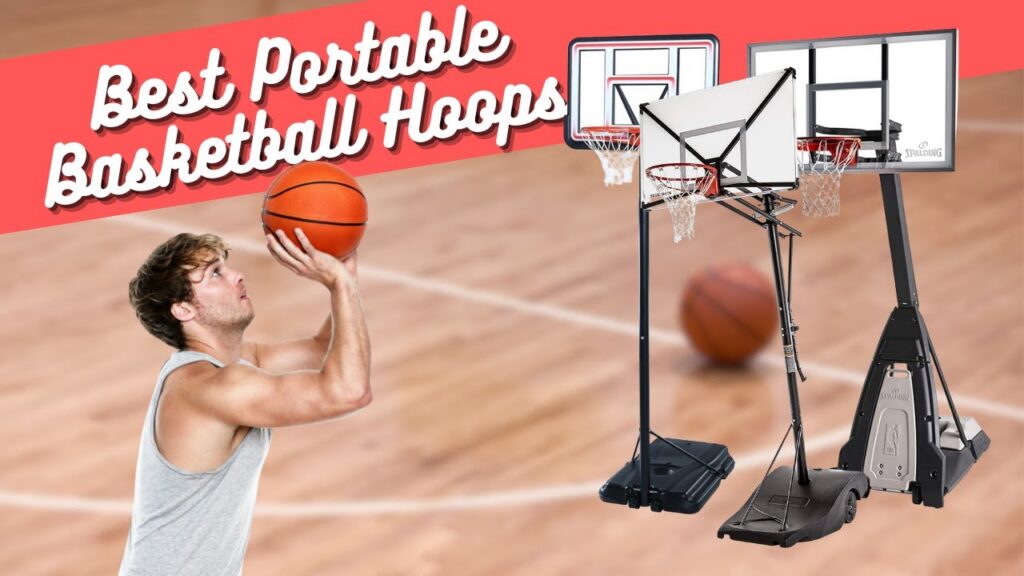
Finding the Perfect Portable Basketball Hoop System for Your Home
Choosing the best portable basketball goal can transform your driveway into a dynamic sports arena where skills are honed and memories are made. Unlike permanent in-ground systems that require professional installation and concrete work, portable basketball hoops offer flexibility that appeals to renters, homeowners who move frequently, and families seeking versatile outdoor recreation options. These mobile systems have evolved dramatically over the past decade, with manufacturers incorporating professional-grade features like breakaway rims, tempered glass backboards, and hydraulic height adjustment mechanisms that rival what you’d find in commercial gymnasiums.
The portable basketball goal market has experienced significant growth, with industry data showing a 23% increase in sales between 2020 and 2024. This surge reflects broader trends in home fitness equipment and outdoor recreational activities. Modern portable systems address previous limitations like stability issues and weather durability through engineering innovations including multi-layer base designs, rust-resistant powder coating, and UV-protected materials that withstand years of outdoor exposure.
Why Portable Basketball Goals Dominate Home Court Solutions
Portability and flexibility represent the primary advantages that make these systems attractive to diverse consumer segments. A quality portable basketball goal can be relocated within minutes, allowing you to optimize your playing space for different activities or move the system entirely when circumstances change. This mobility proves invaluable during property maintenance activities like driveway sealing, lawn care, or seasonal storage requirements in regions with harsh winter conditions.
Installation simplicity distinguishes portable systems from their in-ground counterparts. Most portable basketball goals require no special tools or professional expertise—you simply position the base, fill it with water or sand for stability, attach the pole and backboard assembly, and adjust to your preferred height. This straightforward setup process means you can have a functional basketball court ready within 1-2 hours, compared to the multi-day installation timeline and $300-$800 labor costs associated with permanent systems.
Cost-effectiveness makes portable options accessible to budget-conscious consumers. Entry-level portable basketball goals start around $200-$300, while premium models with professional features range from $500-$1,500. This price accessibility democratizes home basketball equipment, allowing families across various income levels to invest in quality outdoor recreation. For those interested in other portable sports and fitness equipment, the same principles of convenience and value apply whether you’re shopping for a portable livewell or basketball system.
Key Features That Define Quality Portable Basketball Systems
Backboard Materials and Performance Characteristics
The backboard material fundamentally influences ball rebound characteristics, durability, and overall playing experience. Polycarbonate backboards dominate the entry-level and mid-range market segments, offering impact resistance that prevents cracking from aggressive dunking or harsh weather conditions. These synthetic backboards typically measure 44-54 inches wide and provide adequate rebound consistency for recreational play, though they don’t match the performance of higher-end materials.
Acrylic backboards occupy the middle tier, delivering improved ball response and a playing feel that more closely approximates professional equipment. These backboards resist yellowing better than polycarbonate alternatives and maintain clarity longer under UV exposure. Thickness matters significantly—look for acrylic backboards at least 1/4 inch thick for optimal performance and durability.
Tempered glass backboards represent the premium choice, providing authentic rebound characteristics identical to regulation basketball courts. These backboards deliver superior ball response with consistent bounce patterns that serious players demand. Glass backboards typically measure 54-72 inches and weigh considerably more than synthetic alternatives, requiring robust pole and base systems to ensure stability. According to basketball equipment specialists, glass backboards retain 95% of their rebound efficiency over 10+ years, compared to 70-80% retention for acrylic and polycarbonate materials.
Base Stability Systems and Weight Requirements
Base design directly impacts system stability during play, particularly during aggressive moves, dunking attempts, and windy conditions. Modern portable basketball goals employ three primary base configurations:
Traditional single-chamber bases hold 30-50 gallons of material and provide adequate stability for youth players and casual recreational use. These bases work well when filled with sand, which offers superior weight-to-volume ratios compared to water. Sand-filled bases deliver approximately 300-400 pounds of ballast weight, sufficient for most residential applications.
Multi-chamber base systems feature separate compartments that optimize weight distribution and lower the center of gravity. These advanced designs reduce tipping risk by 40-60% compared to single-chamber alternatives, according to independent stability testing. Multi-chamber bases accommodate 50-60 gallons and can achieve 500+ pounds of total weight when properly filled.
Suggested read: Best Portable Toilet Bags: Top Picks for Camping, Travel & Emergencies
Wheeled mobility systems have revolutionized portable basketball goal transportation. Premium models integrate high-capacity wheels directly into the base structure, allowing one person to relocate a fully-filled system by tilting it onto the wheel assembly. This innovation eliminates the need to drain and refill the base for repositioning—a tedious process that previously discouraged users from taking advantage of their system’s portability.
| Base Type | Capacity | Filled Weight | Best For |
|---|---|---|---|
| Single Chamber | 30-50 gallons | 300-400 lbs | Youth players, light use |
| Multi-Chamber | 50-60 gallons | 400-500 lbs | Teen/adult recreational play |
| Pro-Grade | 60+ gallons | 500-600 lbs | Aggressive play, dunking |
Height Adjustment Mechanisms and User-Friendliness
Height adjustability extends the useful lifespan of portable basketball goals by accommodating players from youth to adult stages. The best portable basketball goal systems offer multiple adjustment mechanisms:
Telescoping pole systems with pin-and-hole designs represent the most basic adjustment method. Users pull a spring-loaded pin, raise or lower the pole to the desired height, and reinsert the pin through aligned holes. While functional, this mechanism requires two people and takes 2-3 minutes per adjustment.
Screw-jack adjustment systems improve upon basic telescoping designs by incorporating a crank handle that raises and lowers the backboard through a threaded mechanism. One person can complete height changes in 30-60 seconds, making these systems practical for households with players of varying ages and skill levels.
Pneumatic and hydraulic lift systems deliver premium adjustment experiences with effortless one-hand operation. These mechanisms use gas springs or hydraulic cylinders to counterbalance the backboard weight, allowing smooth height changes from 7.5 to 10 feet in under 15 seconds. This convenience encourages regular adjustment, ensuring players always practice at appropriate heights for skill development.
Top Portable Basketball Goal Categories for Different User Needs
Best Budget-Friendly Portable Basketball Hoops
Value-oriented portable basketball goals prove that quality outdoor recreation doesn’t require premium pricing. Entry-level systems priced between $200-$400 incorporate 44-48 inch polycarbonate backboards, standard rim assemblies, and reliable if basic height adjustment mechanisms. These systems serve recreational players perfectly well, providing thousands of hours of enjoyment despite lacking professional-grade features.
Budget models from reputable manufacturers prioritize core functionality over advanced features. Expect single-chamber bases, manual height adjustment via telescoping poles, and powder-coated steel construction that resists rust in most climates. While these systems may not withstand daily aggressive dunking from adult players, they excel for family recreational use, youth skill development, and casual shooting practice.
Smart shoppers recognize that budget portable basketball goals require strategic compromises. Manufacturers economize primarily on backboard size and material quality, adjustment mechanism sophistication, and base capacity. However, structural integrity and safety features remain intact—reputable brands don’t compromise on essential stability and durability characteristics even in entry-level offerings.
Premium Portable Basketball Systems for Serious Players
High-end portable basketball goals bridge the gap between residential equipment and commercial-grade systems. Premium models priced $800-$1,500 feature 54-72 inch tempered glass backboards, breakaway rims that absorb dunk impact, and advanced stability systems that prevent tipping during aggressive play. These systems target serious recreational players, competitive high school athletes, and families committed to developing advanced basketball skills.
Professional features distinguish premium systems from mid-range alternatives. Expect tournament-style breakaway rims with spring-loaded mechanisms that flex during dunking and return to horizontal position automatically. Pole systems incorporate 4-5 inch diameter steel construction compared to 3-3.5 inches on standard models, dramatically improving stability and reducing pole oscillation during play. Arena-style padding protects players from collision injuries while adding visual appeal that mimics professional venues.
Manufacturers of premium portable basketball goals often provide extended warranty coverage reflecting confidence in product longevity. Ten-year warranties on structural components and five-year coverage on mechanical systems indicate engineering quality that justifies higher initial investment. Total cost of ownership over a system’s lifespan often favors premium models, as they require fewer repairs and maintain performance characteristics longer than budget alternatives.
Youth-Oriented Portable Basketball Goal Systems
Specialized portable basketball goals designed specifically for young players incorporate age-appropriate features that support skill development and safety. Youth-focused systems adjust from 5.5 to 8 feet, accommodating players from preschool through early middle school years. Smaller backboards (32-44 inches) reduce visual overwhelm for beginners while maintaining proportions that teach proper shooting mechanics.
Suggested read: The Best Portable Sewing Table: Top Picks, Features & Buying Tips for Every Sewist
Safety features receive enhanced emphasis in youth-oriented designs. Padded poles prevent injury during drives to the basket, rounded base edges eliminate tripping hazards, and lighter overall weight reduces tipping risk if children attempt to climb or hang on rims. Bright color schemes and fun graphics engage young players, transforming practice sessions into exciting recreational activities rather than monotonous skill drills.
Progressive height adjustment in 6-inch increments allows parents to gradually raise rim height as children develop strength and accuracy. This staged approach builds confidence by ensuring players experience success at each level before advancing to more challenging heights. Research from youth sports development organizations indicates that appropriate rim height adjustment improves shooting form adoption by 35% compared to fixed-height systems.
Installation Best Practices for Maximum Stability and Longevity
Selecting the Optimal Location for Your Portable Basketball System
Strategic placement maximizes both playing experience and system longevity. Level concrete or asphalt surfaces provide the ideal foundation for portable basketball goals, ensuring stability and preventing gradual base settling that affects rim levelness. Driveways near garages offer convenient access while providing structure support for mounting accessories like return systems or training aids.
Consider clearance zones extending 5-6 feet beyond the backboard and 10-12 feet to the sides of the key area. Adequate spacing prevents collisions with vehicles, structures, or landscaping during aggressive play. Overhead clearance matters too—ensure tree branches, power lines, or building overhangs don’t interfere with high-arcing shots or lob passes.
Orientation relative to sun position influences playing conditions throughout the day. North-south alignment minimizes glare issues during morning and evening playing hours, when sun angles create challenging visibility conditions. East-west orientation works better if most play occurs during midday hours when overhead sun position reduces glare regardless of court direction.
Proper Base Filling Techniques for Maximum Stability
The filling material and method dramatically affect portable basketball goal stability and mobility. Sand offers superior ballast characteristics compared to water, providing approximately 40% more weight per gallon and eliminating freezing concerns in cold climates. However, sand-filled bases become essentially permanent due to removal difficulty—emptying 50 gallons of sand requires significant time and creates disposal challenges.
Water provides convenient filling and emptying capabilities, allowing true portability when relocation becomes necessary. Add antifreeze solution in cold climates to prevent expansion damage during winter months. Some manufacturers recommend filling bases 80% full rather than to maximum capacity, as this reduces stress on seams and extends base lifespan by preventing bulging from material expansion.
Hybrid filling strategies combine materials for optimal results. Fill the base 60% with sand for low-center-of-gravity stability, then top off remaining capacity with water for adjustment flexibility. This approach delivers most of sand’s stability benefits while maintaining reasonable drainage capabilities if system relocation becomes necessary.
Maintenance and Care for Extended System Lifespan
Weather Protection Strategies and Seasonal Considerations
Proper weather protection extends portable basketball goal lifespan by 5-10 years beyond average use scenarios. All-weather covers designed specifically for basketball systems protect backboards, rims, and mechanical components from UV degradation, moisture accumulation, and temperature extremes. These covers cost $30-$60 and prevent 70-80% of weather-related wear according to equipment longevity studies.
Winter storage in cold climates prevents damage from freeze-thaw cycles, ice accumulation, and metal fatigue from extreme temperature swings. Drain water-filled bases completely before temperatures drop below freezing, or add appropriate antifreeze concentrations. If storage space allows, move the entire system into a garage or shed during winter months to eliminate weather exposure entirely.
Regular cleaning with mild soap and water prevents dirt, mold, and mineral deposits from accumulating on backboards and pole assemblies. Acrylic and glass backboards benefit from automotive glass cleaner applied monthly during active use seasons. Inspect and tighten all bolts quarterly, as vibration from play gradually loosens connections and compromises stability.
Component Inspection and Replacement Guidelines
Systematic component inspection identifies wear before failures occur. Examine rim attachment points every 3-6 months for stress cracks, loose bolts, or metal fatigue. Breakaway rims require particular attention—spring mechanisms should snap back crisply after deflection, and mounting brackets should show no separation from backboards.
Suggested read: Best Portable Sewer Tank for RV Campers: Top Picks, Sizes & Buying Tips
Pole connections represent critical structural junctions that require regular scrutiny. Check for rust development at joints, particularly where pole sections telescope together. Apply lubricant to adjustment mechanisms annually to prevent seizing and ensure smooth height changes. If rust appears, address it immediately with wire brushing and rust-inhibiting spray to prevent progression.
Net replacement maintains playing experience and system aesthetics. Heavy-duty nylon nets last 1-2 seasons with regular use, while chain nets endure indefinitely but create noise concerns in residential settings. Replace nets when fraying becomes significant or when holes develop that allow balls to pass through without proper restraint.
Making Your Purchase Decision: Essential Evaluation Criteria
Price vs. Value Considerations for Long-Term Satisfaction
Smart consumers distinguish between initial price and total ownership cost when evaluating portable basketball goals. A $400 mid-range system that lasts 8-10 years with minimal maintenance delivers better value than a $250 budget model requiring replacement after 3-4 years. Calculate cost-per-year of use rather than focusing solely on upfront investment to identify optimal value propositions.
Warranty coverage provides crucial insight into manufacturer confidence and component quality. Systems offering 5+ year warranties on major components typically incorporate superior materials and engineering compared to 1-2 year warranty alternatives. Extended warranty terms often justify slightly higher initial pricing through reduced replacement and repair expenses over system lifespan.
Feature prioritization helps match products to specific needs without overpaying for unused capabilities. Casual family users rarely need pro-grade glass backboards or pneumatic height adjustment, making mid-range systems optimal choices. Serious players developing competitive skills benefit tremendously from premium features that provide authentic playing experiences and accommodate aggressive play styles.
Brand Reputation and Customer Support Quality
Established manufacturers with decades of basketball equipment experience generally produce more reliable portable basketball goals than newcomers to the market. Leading brands maintain extensive customer support networks, stock replacement parts for years after purchase, and provide detailed assembly instructions with customer service backup. These support elements prove invaluable when installation questions arise or component replacement becomes necessary.
Online reviews and customer testimonials offer unfiltered perspectives on real-world performance and reliability. Look for consistent themes across multiple reviews rather than focusing on individual outlier experiences. Systems averaging 4.0+ stars across 100+ reviews demonstrate proven performance and customer satisfaction. Pay particular attention to comments about stability, durability, and customer service responsiveness.
Retailer return policies provide safety nets for dissatisfied customers. Major sporting goods retailers typically offer 30-90 day return windows, allowing adequate time to assemble, test, and evaluate portable basketball goals before committing permanently. This return flexibility proves particularly valuable for first-time buyers uncertain about size, stability, or feature requirements.
Frequently Asked Questions About the Best Portable Basketball Goal
What is the best portable basketball goal for home use?
The best portable basketball goal for home use depends on player age, skill level, and usage intensity. For families with young children, systems with 48-inch polycarbonate backboards and easy height adjustment between 7.5-10 feet provide excellent value. Serious players benefit from 54-60 inch tempered glass backboards with breakaway rims and pro-grade stability systems. Mid-range systems priced $400-$600 offer optimal compromise between features and affordability for most households.
How much weight do you need in a portable basketball goal base?
Portable basketball goal bases require 300-600 pounds of weight depending on system size and player intensity. Youth systems function adequately with 300-400 pounds, while adult recreational use demands 400-500 pounds. Systems intended for dunking or aggressive play need 500+ pounds to prevent tipping during high-impact actions. Sand provides approximately 13 pounds per gallon, while water delivers roughly 8 pounds per gallon.
Suggested read: Best Portable Propane Griddle of 2026: Top Picks for Outdoor Cooking
Can adults dunk on portable basketball goals?
Adults can dunk safely on portable basketball goals designed for aggressive play with appropriate features. Look for systems with 60+ gallon base capacity filled to 500+ pounds, breakaway rims rated for dunking, and 4-5 inch diameter pole construction. Tempered glass backboards mounted with reinforced brackets withstand dunk impact better than lighter synthetic materials. Budget systems lack structural integrity for regular dunking and may suffer damage or tip during attempts.
How long do portable basketball goals last?
Portable basketball goals typically last 5-15 years depending on quality, maintenance, and usage intensity. Budget systems with basic features average 5-7 years before requiring replacement. Mid-range systems with quality construction last 8-12 years with proper maintenance. Premium systems featuring commercial-grade components and materials often exceed 15 years lifespan. Weather protection, regular maintenance, and appropriate use patterns significantly extend system longevity across all price ranges.
What size backboard is best for a portable basketball goal?
Backboard size selection depends on available space and player skill level. Youth players and small driveways work well with 44-48 inch backboards that provide adequate playing surface while maintaining compact footprint. Serious recreational players prefer 54-60 inch backboards offering near-regulation size and improved rebound characteristics. Competitive players benefit from 60-72 inch glass backboards providing authentic playing experience. Regulation basketball backboards measure 72 inches wide by 42 inches tall.
Should I fill my portable basketball goal base with sand or water?
Sand provides superior stability due to higher density—13 pounds per gallon versus 8 pounds per gallon for water. Sand-filled bases resist tipping better and don’t freeze in cold climates. However, sand makes system essentially permanent due to removal difficulty. Water allows easy emptying for relocation but requires antifreeze in freezing climates. Hybrid approach of 60% sand with 40% water top-off balances stability with reasonable mobility for many users.
Call to Action: Find Your Ideal Portable Basketball System Today
Don’t let another season pass without the perfect basketball practice setup in your driveway. Research the best portable basketball goal options available from leading sporting goods retailers and manufacturer websites. Compare specifications, read verified customer reviews, and evaluate warranty terms to identify systems matching your specific requirements and budget constraints.
Visit local sporting goods stores to examine systems in person when possible. Physical inspection reveals build quality details and helps assess size appropriateness for your space. Many retailers offer seasonal sales providing 20-40% discounts on portable basketball goals, making premium systems accessible at mid-range prices.
Transform your driveway into a skill development center where basketball dreams become reality. The best portable basketball goal for your family awaits—start your search today and enjoy years of outdoor recreation, family bonding, and athletic achievement on your own home court. Check authoritative reviews and recommendations from sports equipment experts to make an informed decision.