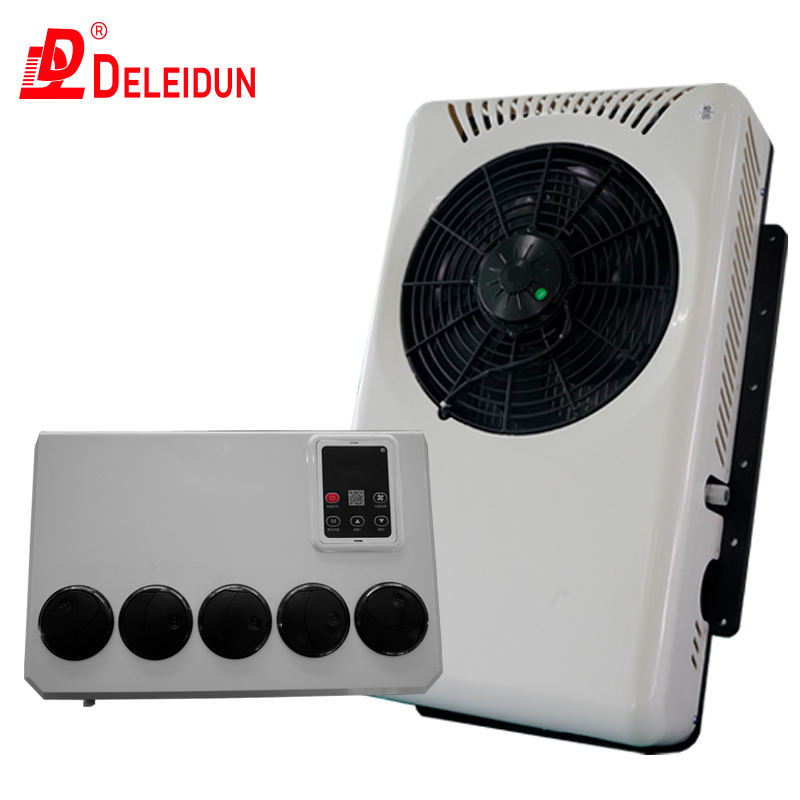
What is a 12 Volt Portable Air Conditioner?
A 12 volt portable air conditioner is a compact cooling device designed to operate directly from your vehicle’s DC power system. Unlike traditional AC units that require standard household electricity, these innovative cooling solutions plug into cigarette lighter sockets or connect directly to 12V battery systems. They’re specifically engineered for mobile applications where conventional air conditioning isn’t available or practical.
These portable cooling units have revolutionized comfort for travelers, outdoor enthusiasts, and mobile workers. The technology behind a 12 volt portable air conditioner utilizes efficient compressor systems or evaporative cooling methods to reduce ambient temperatures. Most models draw between 4 to 15 amps of power, making them compatible with standard automotive electrical systems without overloading circuits.
The primary advantage of choosing a 12 volt portable air conditioner over traditional units lies in their mobility and energy efficiency. They’re perfect for trucks, RVs, boats, camping trips, and even emergency situations. Modern designs incorporate features like adjustable fan speeds, directional vents, and digital temperature controls to maximize user comfort while minimizing power consumption.
How Does a 12 Volt Portable Air Conditioner Work?
Understanding the mechanics behind your 12 volt portable air conditioner helps you make informed purchasing decisions. These devices employ two primary cooling technologies: compressor-based systems and evaporative cooling methods. Compressor units function similarly to household air conditioners but on a smaller scale, using refrigerant to extract heat from the air and expel it outside the cooled space.
Evaporative coolers, also known as swamp coolers, work by pulling warm air through water-saturated pads. As water evaporates, it absorbs heat from the air, producing a cooling effect. This method consumes significantly less power than compressor systems, typically requiring only 3-5 amps. However, evaporative models work best in dry climates with low humidity levels, as they add moisture to the air during operation.
The electrical requirements for a 12 volt portable air conditioner vary based on cooling capacity and technology. Compressor models generally need 10-15 amps and produce 2,000-5,000 BTU of cooling power. They require proper ventilation to expel hot air, usually through exhaust hoses. Battery capacity becomes crucial when running these units, as continuous operation can drain vehicle batteries within 2-4 hours without the engine running.
Top Benefits of Using a 12 Volt Portable Air Conditioner
Investing in a 12 volt portable air conditioner provides numerous advantages for mobile cooling needs. First and foremost, these units offer energy independence from shore power or generators. You can enjoy cool comfort anywhere your vehicle takes you, whether parked at remote campsites, job sites, or overnight rest stops. This freedom makes them indispensable for long-haul truckers, van lifers, and outdoor adventurers.
Cost savings represent another compelling benefit. Running a 12 volt portable air conditioner consumes significantly less energy than idling your vehicle’s engine for climate control. Truck drivers can save hundreds of dollars monthly on fuel costs by switching from engine idling to portable AC units. The typical power consumption ranges from 50-180 watts, compared to thousands of watts for engine-driven systems.
These portable cooling solutions also provide installation flexibility that built-in systems cannot match. Most 12 volt portable air conditioner models require no permanent mounting or complex installation procedures. Simply plug them into your power outlet, position them appropriately, and enjoy instant cooling relief. This portability means you can move units between vehicles or use them in various locations as needed.
Health and safety benefits shouldn’t be overlooked. Maintaining comfortable temperatures reduces heat-related illnesses, improves sleep quality, and enhances overall well-being during travel. For individuals with medical conditions sensitive to heat, a reliable 12 volt portable air conditioner becomes more than a luxury—it’s a necessity for safe travel.
Best Types of 12 Volt Portable Air Conditioners
Compressor-Based Units
Compressor-style 12 volt portable air conditioner models deliver the most powerful cooling performance available for mobile applications. These units utilize traditional refrigeration cycles with eco-friendly refrigerants to achieve temperature drops of 20-40°F below ambient conditions. They excel in humid climates where evaporative coolers struggle and can effectively cool spaces up to 150 square feet.
The typical compressor-based 12 volt portable air conditioner weighs between 25-45 pounds and measures approximately 15x12x18 inches. They require dedicated battery systems or solar panel arrays for extended off-grid operation. Popular brands include Zero Breeze, EcoFlow Wave, and IcyBreeze, with prices ranging from $400 to $1,200 depending on cooling capacity and features.
Performance specifications matter significantly when selecting compressor units. Look for models offering 2,500+ BTU cooling capacity, dual-stage fan speeds, and energy-efficient operation drawing under 12 amps maximum. The best units include built-in battery packs allowing 3-8 hours of autonomous operation without external power sources.
Evaporative Coolers
Evaporative 12 volt portable air conditioner options provide budget-friendly cooling solutions ideal for dry climates. These units cost between $100-$400 and consume only 3-6 amps of power, making them extremely energy-efficient. They work by drawing air through water-saturated filter pads, reducing temperatures through natural evaporation while adding beneficial humidity to dry environments.
The cooling effectiveness of evaporative models depends heavily on ambient humidity levels. In desert conditions with humidity below 30%, these units can reduce temperatures by 15-25°F. However, performance diminishes significantly when humidity exceeds 50%. They’re perfect for southwestern US travel, Australian outback adventures, and Middle Eastern climates.
Key features to seek include large water tank capacity (2+ gallons), adjustable louvers for directional airflow, and multiple fan speeds. Quality evaporative 12 volt portable air conditioner models offer 8-12 hour run times per tank fill and include convenient features like ice compartments for enhanced cooling performance.
Thermoelectric Coolers
Thermoelectric 12 volt portable air conditioner technology uses Peltier effect principles to transfer heat without moving parts or refrigerants. These ultra-quiet units operate at whisper-soft noise levels below 40 decibels, making them ideal for sleeping environments. They’re compact, lightweight (10-20 pounds), and extremely reliable due to the absence of compressors or motors.
Cooling capacity for thermoelectric models typically ranges from 1,000-2,000 BTU, suitable for personal cooling in small spaces like truck cabs or tent setups. They draw 4-8 amps and work best for maintaining comfortable temperatures rather than aggressive cooling in extreme heat. Prices range from $150-$500 for quality units.
The main limitation involves cooling differential—most thermoelectric 12 volt portable air conditioner units can only reduce temperatures 15-25°F below ambient. In 100°F weather, expect interior temperatures around 75-85°F. However, their reliability, quiet operation, and low maintenance requirements make them excellent choices for noise-sensitive applications.
Suggested read: Commercial Portable Air Conditioner: The Best Cooling Solutions for Your Business in 2026
Key Features to Consider When Buying a 12 Volt Portable Air Conditioner
Cooling Capacity (BTU Rating)
The British Thermal Unit (BTU) rating indicates how much heat your 12 volt portable air conditioner can remove per hour. For truck cabs and small RV spaces (50-100 sq ft), seek units offering 2,500-4,000 BTU. Larger spaces up to 150 square feet require 5,000+ BTU capacity for effective temperature control.
Calculate your cooling needs by considering space volume, insulation quality, and climate extremes. A poorly insulated vehicle in desert conditions needs significantly more cooling power than a well-insulated camper in moderate climates. As a general rule, budget 40-50 BTU per square foot for adequate cooling performance with a 12 volt portable air conditioner.
Don’t confuse BTU ratings with power consumption. A 3,000 BTU unit might consume 150 watts while delivering substantial cooling. Always verify both specifications to understand the efficiency ratio—higher BTU output per watt indicates better energy performance and longer battery run times.
Power Consumption and Efficiency
Understanding amperage draw helps determine whether your electrical system can support a 12 volt portable air conditioner safely. Most vehicle cigarette lighter outlets provide 10-15 amps maximum. Units requiring more than 15 amps need direct battery connections with appropriate fusing to prevent electrical fires or system damage.
Energy Efficiency Ratio (EER) measures cooling output versus power input. Higher EER numbers indicate more efficient operation. A quality 12 volt portable air conditioner should achieve EER ratings above 8.0, meaning it produces 8+ BTU of cooling per watt consumed. Premium models reach EER values of 10-12, significantly extending battery life during off-grid operation.
Solar compatibility becomes crucial for extended boondocking or off-grid adventures. Calculate total watt-hours needed for desired run time, then size solar panels and battery banks accordingly. For example, running a 120-watt 12 volt portable air conditioner for 8 hours requires 960 watt-hours of battery capacity plus solar charging to replenish during daylight.
Portability and Size
Weight and dimensions significantly impact usability for mobile cooling applications. The ideal 12 volt portable air conditioner balances cooling power with manageable size and weight. Units exceeding 50 pounds become difficult to move between locations, while ultra-compact models may sacrifice cooling performance.
Measure your available space carefully before purchasing. Consider height clearance, width restrictions, and depth requirements in your intended installation location. Many truck sleeper cabs have limited floor space, making slim tower-style units preferable to bulky box designs. RV owners often prefer units that fit within existing cabinet spaces or under dinette seats.
Built-in handles, recessed wheels, and compact dimensions enhance portability significantly. The best 12 volt portable air conditioner models feature ergonomic carrying handles and weight distributions that allow single-person transportation. Folding or telescoping components reduce storage footprints when units aren’t in active use.
Noise Levels
Decibel ratings determine whether your 12 volt portable air conditioner provides comfortable cooling or disruptive noise pollution. Units producing over 55 decibels at operating speed create sleep disturbances and daily annoyance. Look for models specifying noise levels below 50 decibels on low-speed settings for nighttime use.
Compressor-based units typically generate 50-65 decibels depending on fan speed and compressor cycling. Evaporative coolers run quieter at 40-50 decibels, while thermoelectric models achieve whisper-quiet operation below 40 decibels. Test units in person when possible, as manufacturer specifications sometimes differ from real-world performance.
Variable fan speeds allow noise reduction when maximum cooling isn’t necessary. A quality 12 volt portable air conditioner offers at least three speed settings, enabling users to balance cooling power against acceptable noise levels. Night modes or sleep settings automatically reduce fan speeds after set time periods for undisturbed rest.
Build Quality and Durability
Mobile environments subject equipment to constant vibration, temperature fluctuations, and occasional impacts. Your 12 volt portable air conditioner must withstand these challenges without premature failure. Look for units featuring reinforced plastic housings, protected fan grilles, and shock-mounted compressors designed specifically for mobile applications.
Component quality directly affects longevity. Premium models use copper coils instead of aluminum, sealed bearings in motors, and automotive-grade electrical connections. These superior materials justify higher initial costs through extended service life and reduced maintenance requirements. Expect quality 12 volt portable air conditioner units to deliver 5-10 years of reliable operation with proper care.
Warranty coverage indicates manufacturer confidence in product durability. Seek models backed by minimum 2-year warranties covering parts and labor. Extended warranties up to 5 years protect your investment against premature failure. Read warranty terms carefully—some exclude damage from improper installation or inadequate power supply protection.
Top-Rated 12 Volt Portable Air Conditioner Models Compared
| Model | Type | BTU Rating | Power Draw | Weight | Price Range | Best For |
|---|---|---|---|---|---|---|
| Zero Breeze Mark 2 | Compressor | 2,300 | 240W | 16.5 lbs | $900-$1,100 | RVs, Camping |
| EcoFlow Wave 2 | Compressor | 5,100 | 600W | 34 lbs | $1,099-$1,299 | Large Vehicles |
| IcyBreeze Platinum | Compressor | 2,000+ | 150W | 35 lbs | $599-$699 | Outdoor Events |
| Hessaire MC18M | Evaporative | 1,300 | 85W | 22 lbs | $189-$249 | Dry Climates |
| Frigidaire Cool Connect | Thermoelectric | 1,500 | 95W | 18 lbs | $299-$379 | Truck Cabs |
Zero Breeze Mark 2
The Zero Breeze Mark 2 represents cutting-edge 12 volt portable air conditioner technology with integrated battery power and compact dimensions. This compressor-based unit weighs only 16.5 pounds while delivering 2,300 BTU cooling capacity. The built-in 240Wh battery provides 3-5 hours of autonomous operation, expandable to 12+ hours with additional battery packs.
Key specifications include dual-hose design for efficient heat exchange, smartphone app control, and ultra-quiet operation at 52 decibels. The unit measures 20.5 x 10.2 x 11.8 inches, fitting easily in most vehicle storage compartments. Solar charging compatibility makes it perfect for off-grid adventures where traditional power sources aren’t available.
Users praise the Zero Breeze for exceptional cooling performance in temperatures up to 110°F, reducing cabin temperatures by 25-30°F in spaces up to 50 square feet. The premium price reflects advanced engineering and superior component quality. This 12 volt portable air conditioner excels for serious outdoor enthusiasts demanding reliable cooling in remote locations.
EcoFlow Wave 2
The EcoFlow Wave 2 dominates the high-capacity 12 volt portable air conditioner segment with impressive 5,100 BTU cooling power. This compressor unit can cool spaces up to 150 square feet effectively, making it suitable for larger RVs and camper vans. The integrated 1,159Wh battery delivers 4-8 hours of operation depending on temperature settings and ambient conditions.
Advanced features include dual-zone cooling, heating capability (up to 6,100 BTU), and smart energy management that optimizes power consumption. The unit connects via WiFi for remote control through smartphone apps, allowing temperature adjustments from anywhere. Multiple charging options include AC input, solar panels, and vehicle alternator charging during driving.
Suggested read: General Electric Air Conditioner Portable: Your Ultimate Buying Guide for 2025
At 34 pounds, the EcoFlow Wave 2 requires dedicated installation space but rewards users with professional-grade climate control. Customer reviews highlight exceptional build quality, reliable performance in extreme heat, and excellent customer support. This premium 12 volt portable air conditioner justifies its higher price point for full-time RV residents and serious overlanders.
IcyBreeze Platinum
The IcyBreeze Platinum offers unique hybrid functionality combining a 12 volt portable air conditioner with a cooler chest design. This innovative unit uses ice-based cooling technology, circulating air through ice-filled chambers to produce 2,000+ BTU of cooling power. The 38-quart insulated cooler holds up to 40 pounds of ice, providing 6-10 hours of cooling per fill.
Power efficiency stands out as a major advantage—the unit draws only 150 watts (12.5 amps) while delivering effective cooling for spaces up to 75 square feet. The rugged construction features marine-grade materials, sealed drainage systems, and heavy-duty wheels for easy transport across rough terrain. It’s equally effective for tailgating, camping, job sites, and emergency cooling applications.
Users appreciate the dual-purpose functionality, using it as a standard cooler when cooling isn’t needed. The unit includes USB charging ports, LED lighting, and Bluetooth speakers for added convenience. While ice replenishment requirements may inconvenience some users, the IcyBreeze Platinum delivers exceptional value as a versatile 12 volt portable air conditioner and cooler combination.
Installation and Setup Tips for Your 12 Volt Portable Air Conditioner
Proper installation maximizes performance and prevents electrical system damage when using your 12 volt portable air conditioner. Begin by identifying appropriate power sources—cigarette lighter outlets work for units drawing under 12 amps, while higher-power models require direct battery connections. Never exceed the rated capacity of wiring and fuses, as overloading creates fire hazards and system failures.
Direct battery connections demand proper electrical safety measures. Install inline fuses rated 20% above your unit’s maximum draw within 18 inches of the battery positive terminal. Use appropriately sized wire—10 AWG minimum for 15-amp loads, 8 AWG for 20+ amps. Secure all connections with heat-shrink terminals and protective loom covering to prevent chafing and shorts.
Position your 12 volt portable air conditioner for optimal airflow and drainage. Compressor units need unobstructed exhaust hose routing to expel hot air outside your vehicle. Leave 6-12 inches clearance around air intake and discharge vents. Evaporative coolers require level placement and regular water refills. Ensure condensation drainage routes away from electrical components and doesn’t accumulate inside your vehicle.
Ventilation requirements vary by cooling technology. Compressor-based 12 volt portable air conditioner models absolutely must vent exhaust air outside—routing hot air into your living space negates cooling benefits. Use insulated exhaust hoses to minimize heat transfer and secure them tightly to prevent air leaks. Consider permanent window or wall-mounted exhaust ports for frequently used installations.
Power Solutions for Running a 12 Volt Portable Air Conditioner
Battery Bank Sizing
Calculating adequate battery capacity ensures uninterrupted operation of your 12 volt portable air conditioner throughout desired periods. Determine total watt-hours needed by multiplying unit power consumption by planned run time. For example, a 120-watt cooler running 8 hours requires 960 watt-hours (120W × 8h = 960Wh) minimum battery capacity.
Depth of discharge limitations affect usable capacity—never discharge lead-acid batteries below 50% to preserve lifespan, while lithium batteries safely discharge to 80-90%. A 960Wh requirement actually needs 1,920Wh of lead-acid capacity (960 ÷ 0.5) or 1,067Wh of lithium capacity (960 ÷ 0.9). Always include 20% overhead for efficiency losses and future capacity degradation.
Quality deep-cycle batteries designed for sustained discharge outperform automotive starting batteries significantly. Lithium iron phosphate (LiFePO4) batteries offer superior performance for 12 volt portable air conditioner applications—they’re lighter, discharge deeper, recharge faster, and last 3,000+ cycles versus 500-1,000 for lead-acid alternatives. Initial cost premiums pay dividends through extended service life and better performance.
Solar Panel Integration
Solar charging enables truly independent operation for your 12 volt portable air conditioner during extended off-grid adventures. Size solar arrays by calculating daily energy consumption plus 30% efficiency buffer for weather variability and charging losses. A unit consuming 960Wh daily requires approximately 1,250Wh solar production minimum, achievable with 300-400 watts of quality solar panels.
MPPT charge controllers optimize solar charging efficiency compared to basic PWM controllers, capturing 20-30% more energy from available sunlight. They’re essential for 12 volt portable air conditioner systems requiring maximum solar harvest. Program controllers for correct battery chemistry (AGM, gel, lithium) to ensure proper charging profiles and prevent premature battery degradation.
Panel placement significantly impacts charging performance. Flat-mounted RV roof panels generate 60-70% of rated capacity on average, while adjustable panels tilted toward the sun achieve 85-95% efficiency. Portable solar panels offer flexibility to chase sunlight throughout the day, maximizing energy harvest for running your 12 volt portable air conditioner longer on battery power.
Generator Backup Options
Portable generators provide reliable backup power for running 12 volt portable air conditioner units when solar charging proves insufficient. Modern inverter generators deliver clean, stable power suitable for sensitive electronics while operating quietly at 50-65 decibels. Models producing 1,000-2,000 watts handle most portable AC units comfortably with capacity for additional devices.
Fuel efficiency varies dramatically between generator technologies. Quality inverter generators consume 0.1-0.2 gallons per hour at 25% load, providing 10-20 hours operation per gallon when running low-power 12 volt portable air conditioner models. This efficiency makes them cost-effective for supplementing solar systems during cloudy periods or extremely hot conditions requiring continuous cooling.
Connect generators through appropriate charging systems rather than running AC units directly. Use battery chargers or inverter/chargers to replenish battery banks, then power your 12 volt portable air conditioner from batteries. This approach reduces generator run time, minimizes noise disturbance, and enables nighttime cooling without continuous generator operation.
Maintenance Requirements for 12 Volt Portable Air Conditioners
Regular maintenance extends service life and maintains optimal performance for your 12 volt portable air conditioner. Compressor units require filter cleaning every 2-4 weeks during heavy use—dirty filters restrict airflow, reducing cooling capacity by 20-40% while increasing power consumption. Remove washable filters, vacuum loose debris, then rinse with mild soap and water before reinstalling completely dry.
Condenser coil cleaning prevents efficiency losses from dust and debris accumulation. Carefully vacuum exterior coils monthly using soft brush attachments to avoid damaging delicate fins. Compressed air blasts dislodge stubborn dirt but direct airflow away from electronics. Severely clogged coils may require professional cleaning with specialized coil cleaner chemicals for your 12 volt portable air conditioner.
Evaporative coolers demand water system maintenance to prevent mineral buildup and microbial growth. Drain and rinse water tanks weekly, scrubbing away visible deposits with diluted vinegar solutions. Replace cooling pads seasonally or when they become hardened with mineral scale. Use distilled water in hard-water regions to minimize maintenance requirements and extend pad lifespan significantly.
Suggested read: GE Portable A/C: Your Complete 2025 Buying Guide for Cooling Any Space
Electrical connection inspections catch potential problems before they cause failures. Check power cords for fraying, test voltage at connection points, and verify secure terminal attachments quarterly. Loose connections increase resistance, generating heat that damages components and reduces your 12 volt portable air conditioner performance. Tighten terminals and replace damaged wiring immediately upon discovery.
Common Problems and Troubleshooting Solutions
Insufficient Cooling Performance
When your 12 volt portable air conditioner fails to cool adequately, systematic troubleshooting identifies causes. First, verify adequate power supply—voltage drops below 11.5V significantly impair compressor operation. Use multimeters to measure voltage at the unit under load, not just at the battery. Undersized wiring, poor connections, or depleted batteries commonly cause voltage sag.
Airflow restrictions rank among the most frequent cooling problems. Inspect intake and exhaust paths for obstructions—blocked vents reduce cooling capacity by 30-50%. Clean filters, remove nearby obstacles, and ensure exhaust hoses aren’t kinked or crushed. Your 12 volt portable air conditioner requires unimpeded air movement to function properly.
Refrigerant leaks in compressor units manifest as gradually declining cooling performance over weeks or months. Low refrigerant levels prevent proper heat exchange, resulting in minimal temperature reduction despite normal operation sounds. Professional refrigerant recharging may restore performance, but finding and repairing leaks proves essential for long-term reliability with your 12 volt portable air conditioner.
Excessive Power Consumption
Abnormally high power draw indicates problems requiring immediate attention with your 12 volt portable air conditioner. Dirty condenser coils force compressors to work harder, increasing amperage consumption by 20-40%. Regular coil cleaning restores efficiency and reduces electrical demand. Failing fan motors also draw excessive current while providing diminished airflow.
Thermostat malfunctions cause continuous operation rather than cycling on and off as temperatures reach set points. Your 12 volt portable air conditioner should cycle regularly, running 50-70% of the time in moderate conditions. Continuous operation suggests stuck thermostats, failed temperature sensors, or incorrectly calibrated controls requiring adjustment or replacement.
Compare actual power consumption against manufacturer specifications using clamp-on ammeters. Readings exceeding rated values by more than 10% signal problems needing professional diagnosis. Compressor failures typically present as high current draw with minimal cooling output. Address electrical issues promptly—operating defective 12 volt portable air conditioner units risks battery damage and potential fire hazards.
Water Leakage Issues
Condensation management challenges commonly affect compressor-based 12 volt portable air conditioner systems operating in humid conditions. These units extract moisture from air during cooling, producing several pints of water daily. Ensure condensate drains flow freely and discharge outside your vehicle. Blocked drains cause water backup into living spaces, potentially damaging floors and furnishings.
Evaporative cooler leaks usually result from cracked water tanks, damaged pump seals, or overflow from excessive filling. Inspect tanks for stress cracks, particularly at corners and mounting points. Replace damaged components promptly—continued leakage causes rust, mold growth, and electrical hazards with your 12 volt portable air conditioner.
Position units level to prevent water pooling in unintended locations. Tilted installations may cause water to spill from tanks or bypass drainage systems. Use bubble levels during setup to ensure proper orientation. Vibration isolation mounts reduce stress on water systems during vehicle movement, minimizing leak development in mobile 12 volt portable air conditioner applications.
Cost Analysis: Is a 12 Volt Portable Air Conditioner Worth It?
Initial purchase prices for quality 12 volt portable air conditioner units range from $200-$1,300 depending on technology and features. While significant upfront investments, these costs compare favorably against alternative cooling solutions. Professional built-in RV air conditioner installations cost $1,500-$3,000 including labor, offering less flexibility than portable units you can move between vehicles or use in multiple locations.
Operating costs heavily favor portable solutions over engine idling for climate control. Running your vehicle engine for cooling consumes 0.5-1.0 gallons of fuel hourly at current diesel prices of $3.50-$4.50 per gallon, costing $1.75-$4.50 per hour. A efficient 12 volt portable air conditioner powered by solar and batteries operates essentially free after initial system setup.
Long-haul truck drivers achieve substantial savings switching from idling to portable cooling systems. Eliminating 8 hours of nightly idling saves approximately $14-$36 daily in fuel costs. Monthly savings of $420-$1,080 quickly offset initial equipment investments. Annual fuel savings exceed $5,000 for many professional drivers who previously relied on engine idling for sleeper berth climate control.
Health and comfort value proves difficult to quantify but significantly impacts quality of life. Quality sleep in temperature-controlled environments improves alertness, reduces stress, and enhances overall well-being. For individuals spending extensive time in vehicles, a reliable 12 volt portable air conditioner transitions from luxury to essential equipment supporting health and productivity.
Environmental Considerations and Eco-Friendly Options
Modern 12 volt portable air conditioner technology offers significantly reduced environmental impact compared to traditional vehicle idling for climate control. Eliminating 8 hours of engine idling prevents approximately 6-10 pounds of CO2 emissions daily. Over one year, a single vehicle avoiding idling through portable AC use prevents 2-3 tons of greenhouse gas emissions annually.
Refrigerant selection affects environmental sustainability in compressor-based units. Premium models utilize R134a or R410A refrigerants with lower global warming potential than older R12 alternatives. Some cutting-edge 12 volt portable air conditioner designs incorporate natural refrigerants like R290 (propane) offering near-zero environmental impact while maintaining excellent cooling performance.
Solar-powered operation represents the ultimate eco-friendly cooling solution. Combining your 12 volt portable air conditioner with adequate solar panels and battery storage creates zero-emission climate control systems perfect for environmentally conscious travelers. Quality 300-watt solar arrays generate sufficient daily energy for running efficient portable AC units 4-8 hours without fossil fuel consumption.
Energy efficiency directly correlates with environmental impact. High-EER 12 volt portable air conditioner models extract maximum cooling from minimum energy input, reducing total power generation requirements. Choose units with EER ratings above 10.0 to minimize resource consumption while maximizing cooling comfort during mobile adventures.
Safety Precautions When Using 12 Volt Portable Air Conditioners
Electrical safety takes priority when installing and operating any 12 volt portable air conditioner system. Always install proper fusing on positive power leads—fuses protect against short circuits that could ignite vehicle fires. Size fuses at 125% of maximum unit current draw and position within 18 inches of the battery connection point for effective protection.
Carbon monoxide hazards arise from operating portable generators in enclosed spaces for powering AC units. Never run gasoline generators inside vehicles, garages, or enclosed areas—deadly CO accumulates rapidly in poor ventilation. Position generators minimum 20 feet from occupied spaces with exhaust directed away from windows and air intakes when supporting your 12 volt portable air conditioner.
Suggested read: Everstar Portable Air Conditioner: Your Complete Solution for Staying Cool Anywhere
Prevent battery over-discharge by monitoring voltage levels during extended 12 volt portable air conditioner operation. Deep discharging batteries below 10.5V causes permanent damage, significantly reducing service life. Install low-voltage disconnect switches that automatically shut off loads when battery voltage drops to protective thresholds, typically 11.5V for lead-acid or 12.4V for lithium batteries.
Ventilation requirements prevent dangerous heat buildup in enclosed spaces. Compressor-based units generate substantial exhaust heat requiring proper venting outside your vehicle. Blocked or inadequate exhaust routing causes interior temperatures to rise despite AC operation. Ensure exhaust hoses remain unobstructed and seal penetrations to prevent hot air re-circulation when using your 12 volt portable air conditioner.
Where to Buy the Best 12 Volt Portable Air Conditioner Deals
Online retailers offer extensive selection and competitive pricing for 12 volt portable air conditioner products. Amazon provides customer reviews, detailed specifications, and convenient return policies for most major brands. Manufacturer direct websites like Zero Breeze and EcoFlow frequently offer exclusive promotions, bundle deals, and extended warranties not available through third-party sellers.
Specialty RV and camping retailers stock units specifically designed for mobile applications. Camping World, Gander RV, and similar stores employ knowledgeable staff who can recommend appropriate models for specific vehicle types and usage patterns. These retailers often provide installation services and technical support for your 12 volt portable air conditioner purchase.
Seasonal sales provide significant savings opportunities—spring and fall shoulder seasons offer clearance pricing as retailers transition inventory. Black Friday, Prime Day, and end-of-summer sales frequently feature 20-40% discounts on portable cooling equipment. Subscribe to manufacturer newsletters and price tracking services to receive alerts when your desired 12 volt portable air conditioner drops to target price points.
Consider certified refurbished units for budget-conscious buyers willing to accept cosmetic imperfections. Manufacturer-refurbished models undergo thorough inspection and testing, often including new warranties comparable to fresh products. Savings of 30-50% off retail prices make refurbished 12 volt portable air conditioner units attractive options for first-time buyers testing portable cooling solutions.
For other portable equipment needs including luxury portable restrooms for sale, explore comprehensive catalogs offering diverse mobile comfort solutions for various applications.
Frequently Asked Questions About 12 Volt Portable Air Conditioners
Can a 12 volt portable air conditioner run off my car battery?
Yes, a 12 volt portable air conditioner can operate from your vehicle battery, but run time depends on battery capacity and unit power consumption. A typical 100Ah battery provides approximately 1,200 watt-hours of usable energy (50% depth of discharge for lead-acid). A 120-watt AC unit would run approximately 10 hours on this capacity without engine running or recharging. However, discharging below 50% damages lead-acid batteries and reduces lifespan. For extended operation, add auxiliary battery banks or solar charging systems to your 12 volt portable air conditioner setup.
How long will a 12 volt portable air conditioner run on a battery?
Runtime for a 12 volt portable air conditioner varies based on battery capacity, unit efficiency, and ambient conditions. A 100Ah lithium battery provides approximately 1,280 usable watt-hours (80% depth of discharge). A efficient 100-watt unit runs approximately 12-13 hours on this capacity. Higher-power 200-watt models run 6-7 hours on the same battery. Calculate runtime by dividing battery watt-hours by unit power consumption, then multiply by 0.85 to account for conversion losses. Solar panels significantly extend runtime by recharging batteries during daytime operation of your 12 volt portable air conditioner.
Do 12 volt portable air conditioners actually work?
Yes, properly sized 12 volt portable air conditioner units effectively cool small spaces when matched to appropriate applications. Compressor-based models producing 2,500+ BTU can reduce temperatures 20-30°F in spaces up to 100 square feet with adequate insulation. Evaporative coolers work exceptionally well in dry climates, achieving 15-25°F temperature drops in low humidity. However, these units cannot match whole-vehicle cooling of built-in RV systems. They excel for targeted cooling of sleeping areas, truck cabs, and small campers. Realistic expectations based on unit specifications and space requirements ensure satisfaction with your 12 volt portable air conditioner purchase.
What size solar panel do I need to run a 12 volt portable air conditioner?
Solar panel requirements for a 12 volt portable air conditioner depend on unit power consumption and desired daily runtime. Calculate daily watt-hours by multiplying power draw by operating hours, then divide by average daily sun hours in your location (typically 4-6 hours). For example, a 120-watt unit running 8 hours daily needs 960Wh, requiring 160-240 watts of solar panels (960Wh ÷ 4-6 sun hours). Add 30% buffer for cloudy days and charging inefficiencies, totaling 200-300 watts minimum. Combine solar with adequate battery storage for running your 12 volt portable air conditioner during nighttime and cloudy periods.
Are 12 volt air conditioners better than evaporative coolers?
Choosing between compressor 12 volt portable air conditioner units and evaporative coolers depends on climate and requirements. Compressor systems work in all humidity conditions, providing true cooling that removes heat and moisture from air. They’re essential for humid climates where evaporative coolers fail. However, compressor units consume 2-3X more power and cost significantly more initially. Evaporative coolers excel in dry climates (under 40% humidity), using 60-70% less energy while adding beneficial moisture to air. They cost $100-$300 versus $500-$1,200 for compressor systems. For southwestern desert travel, evaporative models offer excellent value; humid regions require compressor-based 12 volt portable air conditioner technology.
Can I run a 12 volt portable air conditioner while driving?
Yes, most 12 volt portable air conditioner units operate safely while driving when properly installed. Vehicle alternators continuously recharge batteries during engine operation, providing unlimited runtime without depleting reserves. Ensure units are securely mounted to prevent shifting during vehicle movement—loose equipment becomes dangerous projectiles during sudden stops or accidents. Route exhaust hoses through windows or dedicated ports, securing them to prevent disconnection. Monitor electrical system voltage periodically to confirm your alternator adequately supports the 12 volt portable air conditioner load plus other vehicle electrical demands without overheating or premature failure.
What’s the difference between 12V and 110V portable air conditioners?
12 volt portable air conditioner units operate directly from DC battery systems, while 110V models require AC power from shore connections, generators, or inverters. 12V units offer greater energy efficiency for mobile applications—no conversion losses from inverting DC to AC power. However, 110V models typically provide higher cooling capacity (8,000-14,000 BTU) compared to 12V systems (2,000-5,000 BTU). Running 110V units from batteries requires inverters rated 20% above unit wattage, adding cost, weight, and efficiency losses. For vehicles with robust inverter systems or frequent shore power access, 110V units offer more cooling power; off-grid travelers benefit from native 12 volt portable air conditioner efficiency.
How do I maintain my 12 volt portable air conditioner?
Regular maintenance maximizes performance and extends your 12 volt portable air conditioner lifespan. Clean or replace air filters every 2-4 weeks during heavy use—clogged filters reduce cooling capacity by 30-40%. Vacuum condenser coils monthly to remove dust and debris restricting airflow. Inspect electrical connections quarterly, tightening loose terminals and replacing damaged wiring. For evaporative models, drain and clean water tanks weekly, replacing cooling pads seasonally. Check refrigerant levels annually if cooling performance gradually declines. Store units in climate-controlled environments during off-season to prevent moisture damage. Following manufacturer maintenance schedules ensures reliable cooling from your 12 volt portable air conditioner for many years.
Take Action: Find Your Perfect 12 Volt Portable Air Conditioner Today
Don’t suffer through another sweltering summer in your vehicle. Investing in a quality 12 volt portable air conditioner transforms mobile living comfort while providing independence from shore power and generators. Whether you’re a full-time RVer, professional truck driver, outdoor adventurer, or weekend camper, portable cooling solutions match your specific needs and budget.
Start by assessing your cooling requirements—calculate space volume, consider typical climate conditions, and determine available power resources. Research top-rated 12 volt portable air conditioner models that match your specifications, reading customer reviews and comparing features across brands. Take advantage of seasonal sales and promotional pricing to maximize value on your purchase.
Ready to experience comfortable, climate-controlled mobile living? Explore the comprehensive selection of 12 volt portable air conditioner options available today. Compare specifications, verify compatibility with your electrical system, and select the model that best meets your cooling needs. Order now to ensure availability during peak summer demand and start enjoying cool comfort wherever your travels take you!
Citations:
- 12 Volt Portable Air Conditioner Options on Amazon
- Zero Breeze Official Product Specifications
- EcoFlow Technical Documentation
- RV Industry Association Mobile Cooling Guidelines