“The single most impactful change I made for my flock’s health was switching to a portable chicken coop on wheels. My egg production went up 30% in the first month.” — Sarah M., backyard farmer, Vermont
What Is a Portable Chicken Coop on Wheels?
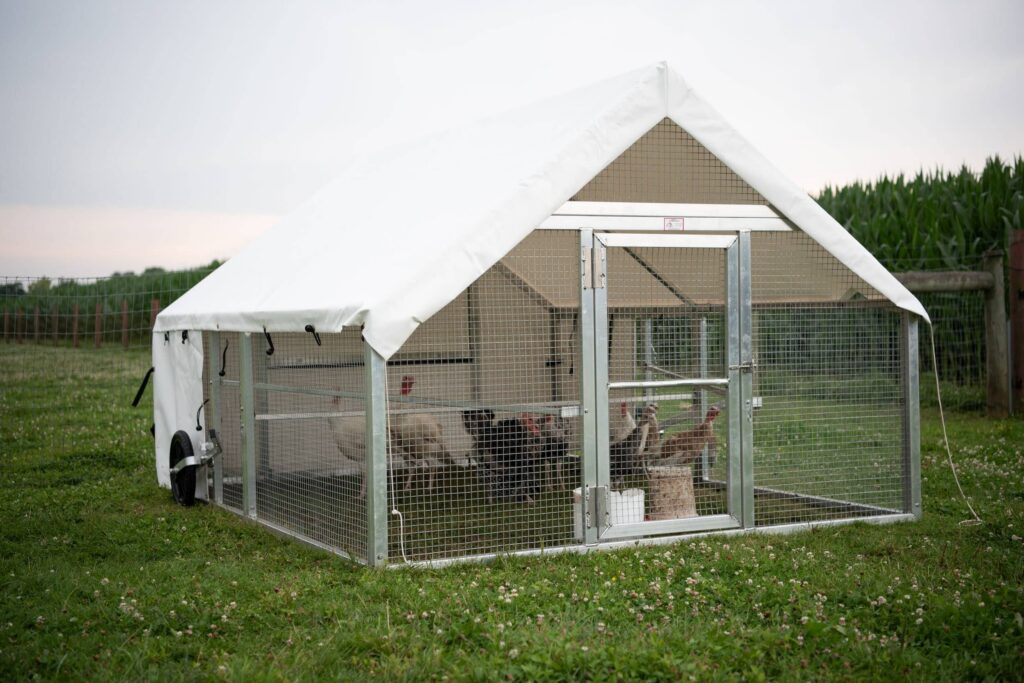
A portable chicken coop on wheels — also called a “chicken tractor” — is a movable housing unit designed for backyard or small-farm chickens. Unlike fixed coops, these mobile structures can be relocated easily across your yard or pasture. They combine a sheltered sleeping area with an enclosed run, giving chickens access to fresh grass without the risk of predators.
The concept has grown dramatically in popularity. According to the American Pet Products Association (APPA), backyard chicken keeping increased by over 400% between 2010 and 2023, with mobile coop sales growing alongside that trend.
Why Choose a Portable Chicken Coop on Wheels Over a Fixed Coop?
Choosing between a stationary and a wheeled portable chicken coop comes down to your land size, flock size, and farming goals. But the advantages of a mobile coop are hard to ignore for most small-scale keepers.
Key benefits at a glance:
- ✅ Rotates chickens to fresh pasture regularly
- ✅ Naturally fertilizes your lawn or garden
- ✅ Reduces parasite and disease buildup in soil
- ✅ No permanent structure permits required in most areas
- ✅ Easier to clean than fixed coops
- ✅ Ideal for urban and suburban backyards
Pasture rotation is one of the biggest reasons farmers choose wheeled coops. Moving the coop every 2–3 days prevents overgrazing and manure accumulation, which dramatically reduces fly infestations and coccidiosis risk.
Top Benefits of Using a Portable Chicken Coop on Wheels
1. Natural Pasture Rotation for Healthier Chickens
When chickens stay in one spot too long, the ground becomes compacted and contaminated. A rolling chicken coop solves this by letting you move the flock every few days. Fresh grass gives birds access to bugs, seeds, and nutrients not found in commercial feed — boosting egg yolk color, shell strength, and overall vitality.
Studies from Penn State Extension show that pasture-raised hens produce eggs with 2x more vitamin E and 3x more omega-3 fatty acids compared to confined hens. That’s a huge nutritional advantage, and a mobile coop makes it easy to achieve.
2. Natural Lawn Fertilization
Your chickens double as a free lawn fertilization service. As they peck and scratch, they deposit nitrogen-rich manure directly onto your pasture. Moving the coop regularly distributes this fertilizer evenly, preventing burn spots and actually improving your soil’s organic matter content over time.
Many small homesteaders use their wheeled chicken coop in vegetable garden rotation — letting chickens prep and fertilize a new bed before planting season. It’s a highly efficient, zero-cost approach to soil management that benefits both your flock and your garden.
3. Predator Protection on the Go
A well-designed portable chicken coop on wheels includes a fully enclosed run with hardware cloth (not chicken wire, which predators can break through). Many models feature lockable doors, predator-proof latches, and skirts that prevent digging.
Common predators portable coops protect against:
| Predator | Common Entry Method | Coop Defense Feature |
|---|---|---|
| Fox | Digging under | Ground skirt / apron |
| Raccoon | Unlatching doors | Double-latch locks |
| Hawk | Aerial attack | Solid or wire roof |
| Weasel | Small gaps | Fine hardware cloth |
| Coyote | Pushing/tearing wire | Heavy-gauge wire frame |
Moving the coop regularly also disrupts predator patterns — animals that learn a coop’s location won’t find it in the same spot the next night.
4. Easy Cleaning and Maintenance
One of the most underrated advantages of a mobile chicken coop is how much easier it is to clean. Because the coop moves off the old patch of ground regularly, manure doesn’t accumulate to the same degree as in a fixed coop. Many wheeled coops feature pull-out trays, slide-out floors, or lift-off roofs for quick and easy cleaning.
Experts recommend spot-cleaning the interior daily and doing a full deep clean every 4–6 weeks. With a mobile coop design, the ground itself handles much of the waste naturally. This reduces labor and makes backyard chicken keeping far more manageable for beginners and busy homeowners.
Who Should Buy a Portable Chicken Coop on Wheels?
Not every chicken keeper needs a mobile coop — but for many, it’s the best investment they can make. Here’s a breakdown of who benefits most.
Backyard Hobby Farmers
If you’re keeping 3–8 chickens in a suburban or semi-rural backyard, a small portable chicken coop on wheels is almost always the better choice over a fixed structure. It requires no concrete foundation, no permanent permit, and can be stored or repositioned as your yard layout changes. Plus, your lawn stays healthier.
Homesteaders with Larger Flocks
For homesteaders with 10–30 birds, larger tractor-style wheeled coops — or custom-built units on trailer frames — offer flexibility without sacrificing capacity. These can be pulled by a riding mower or ATV to rotate across larger pastures, functioning more like commercial pastured poultry systems scaled for the home.
Urban Chicken Keepers
Cities and towns with backyard chicken ordinances often restrict permanent structures. A wheeled portable coop typically avoids these restrictions because it’s classified as a movable item rather than a permanent fixture. Always check your local zoning codes, but in many cases, a mobile chicken coop on wheels is the only legal option for urban keepers.
Gardeners and Market Growers
If you grow vegetables or run a market garden, a portable coop lets you use your chickens as living cultivators. Chickens scratch, weed, and fertilize before you plant. Rotate the coop through empty beds in fall and winter, and you’ll have beautifully prepped, fertilized soil ready for spring planting — with no extra effort from you.
Suggested read: The Best Hairdresser Sink Portable Options for Mobile Stylists in 2025
What to Look for When Buying a Portable Chicken Coop on Wheels
Shopping for the right chicken coop on wheels requires careful attention to several key factors. Don’t let price alone guide your decision — durability, predator security, and ease of movement matter just as much.
Size and Capacity
Overcrowding is the #1 mistake new chicken keepers make. Standard guidelines recommend:
- 4 square feet per bird inside the coop
- 10 square feet per bird in the run
If a manufacturer says a coop holds 8 chickens, assume it comfortably fits 4–5. Always buy bigger than you think you need. Chickens are social and you’ll likely want to expand your flock within the first year.
Wheel Quality and Mobility
The whole point of a rolling chicken coop is that you can move it. Check the wheel specifications carefully:
- Wheel diameter: Larger wheels (8–12 inches) roll more easily over uneven terrain
- Wheel material: Pneumatic tires handle rough ground better than hard plastic
- Handle placement: Ergonomic handles at a comfortable height reduce back strain
- Weight: Lightweight materials like cedar or coated aluminum are easier to move
Some premium models include tow hitches compatible with riding mowers, making it easy to move large coops across acreage.
Materials and Weatherproofing
The best portable chicken coops on wheels are built from weather-resistant materials that hold up through rain, snow, and UV exposure. Here’s what to look for:
| Material | Pros | Cons |
|---|---|---|
| Cedar wood | Natural insulator, rot-resistant | Heavier, higher cost |
| Fir/pine (treated) | Affordable, widely available | Can warp over time |
| Galvanized steel frame | Very durable, predator-proof | Conducts heat/cold |
| Coated aluminum | Lightweight, rust-proof | Higher upfront cost |
| Composite/PVC | Easy to clean, waterproof | Less natural insulation |
Look for asphalt shingles or metal roofing rather than thin plywood tops. The roof is the most exposed part of the coop and the first to deteriorate in bad weather.
Ventilation and Airflow
Poor ventilation is the leading cause of respiratory illness in backyard chickens. Your portable coop needs adequate vents near the roofline to allow ammonia and moisture to escape without creating direct drafts on roosting birds.
Look for coops with adjustable vents so you can close them partially in winter while still maintaining airflow. Mesh windows with sliding covers are ideal. The interior should never feel stuffy or smell strongly of ammonia — if it does, ventilation is inadequate.
Security Features
Predator-proofing is non-negotiable. Raccoons are extraordinarily clever and can defeat simple latches in seconds. Look for:
- Double-action or carabiner-style latches on all doors
- Hardware cloth (not chicken wire) with 1/2″ or smaller openings
- Fully enclosed runs — not just a fence panel
- Skirts or aprons to prevent digging underneath
Don’t assume that because a coop is portable it’s safer. Predators find coops quickly, especially in rural areas. Security features should be identical to what you’d expect on a permanent structure.
Best Types of Portable Chicken Coops on Wheels
There are several distinct styles of wheeled portable chicken coop, and each suits different situations. Understanding the differences helps you pick the right one for your flock and setup.
A-Frame Chicken Tractor
The A-frame tractor is the classic mobile coop design. It’s triangular in cross-section, with a covered sleeping area at one end and an open-bottomed run making up most of the length. It’s lightweight, easy to build or buy, and ideal for small flocks of 2–6 birds.
Best for: Suburban backyards, small gardens, beginner chicken keepers
Typical size: 4 ft x 8 ft or 4 ft x 12 ft
Average weight: 80–150 lbs
Flock capacity: 3–6 hens
Hoop-Style Portable Coop on Wheels
The hoop coop uses bent PVC pipe or metal conduit covered with wire and a tarp or greenhouse plastic. It’s one of the most affordable and lightweight options, and the rounded shape sheds rain and snow effectively. Many homesteaders build these DIY for under $150.
Best for: Budget-conscious keepers, large pasture rotation, DIY builders
Typical size: 6 ft x 12 ft or larger
Average weight: 60–120 lbs
Flock capacity: 6–20 hens depending on size
Box-Style Wheeled Coop
The box-style coop looks more like a traditional chicken house on a wheeled frame. It offers more headroom for the keeper, better insulation, and a more secure structure. These tend to be heavier but offer superior weather protection and more interior features like nesting boxes and roost bars.
Best for: Year-round use, harsh climates, medium flocks of 6–15 hens
Typical size: 4 ft x 6 ft interior coop + 8 ft run
Average weight: 200–400 lbs
Flock capacity: 6–15 hens
Trailer-Mounted Portable Chicken Coop
For larger homesteads and commercial pastured poultry operations, trailer-mounted coops are the gold standard. Built on a proper trailer frame with highway-rated wheels, these can be towed behind a truck or tractor across large acreage. They often house 50–200+ birds.
Suggested read: The Best Portable Sewing Table: Top Picks, Features & Buying Tips for Every Sewist
Best for: Pastured poultry production, large homesteads, market farmers
Typical size: 8 ft x 16 ft to 10 ft x 20 ft
Average weight: 1,000–3,000 lbs
Flock capacity: 50–200+ hens
How to Move a Portable Chicken Coop on Wheels Safely
Moving your chicken tractor on wheels correctly protects both your birds and your body. Done properly, the whole process takes less than 5 minutes.
Step-by-Step Moving Process
- Choose the new location — check for level ground, fresh grass, and shade access
- Move early morning or evening — chickens are calmer and less likely to pile in doorways
- Open the coop door — let birds move naturally; don’t force them
- Check for eggs — don’t forget to collect before moving
- Tilt or lift the coop — for lighter models, one person can tilt and roll
- Use the handles — position yourself to walk backward toward the new spot
- Settle and check — make sure all wheels are stable and the coop is level
- Refill water and feed — stress from moving makes hydration extra important
Most rolling chicken coops under 200 lbs can be moved by one person comfortably. Heavier models benefit from a second person or a simple rope-and-pulley system attached to a vehicle.
How Often Should You Move Your Coop?
The answer depends on your flock size, coop footprint, and grass condition. As a general rule:
| Flock Size | Coop Footprint | Move Frequency |
|---|---|---|
| 3–5 hens | 4×8 ft | Every 2–3 days |
| 6–10 hens | 4×12 ft | Every 1–2 days |
| 11–20 hens | 6×16 ft | Daily |
| 20+ hens | Large tractor | 1–2x daily or larger footprint |
During hot, dry summer months, move more frequently to prevent bare patches and fly breeding grounds. In winter, you may slow rotation down and add extra bedding inside the coop for insulation.
DIY vs. Pre-Built Portable Chicken Coop on Wheels
Should you build your own portable chicken coop on wheels or buy one ready-made? Both options have genuine advantages. Your choice depends on your budget, skills, and time.
Pre-Built Portable Coops
Buying a ready-made wheeled chicken coop is the fastest and most predictable route. Quality varies enormously by manufacturer, so read reviews carefully. Well-known brands like Omlet, OverEZ, and Pets Imperial offer models with strong customer satisfaction ratings.
Pros of buying:
- Ready in hours, not days
- Manufacturer warranty
- No tools or building skills needed
- Predictable size and capacity
Cons of buying:
- Higher upfront cost ($300–$2,000+)
- Limited customization
- Some flat-pack models have flimsy construction
DIY Portable Chicken Coop on Wheels
Building your own homemade mobile chicken coop gives you full control over size, materials, and features. It’s also significantly cheaper if you have basic carpentry skills. Plans are widely available free online or for purchase.
Pros of building:
- 40–60% cheaper than buying equivalent quality
- Fully customizable to your flock and yard
- Stronger construction possible with quality lumber
- Deep satisfaction and pride of ownership
Cons of building:
- Time investment (a weekend or more)
- Requires tools and some skill
- Mistakes can be costly or unsafe
Average DIY cost breakdown:
| Component | Estimated Cost |
|---|---|
| Lumber (cedar or pine) | $80–$150 |
| Hardware cloth (25 ft roll) | $40–$80 |
| Wheels (set of 4) | $20–$60 |
| Roofing material | $30–$60 |
| Hinges, latches, screws | $20–$40 |
| Nesting box materials | $10–$30 |
| Total | $200–$420 |
Compare that to a pre-built coop of similar size and quality at $600–$1,200, and the DIY savings are substantial.
Case Study: Switching to a Portable Chicken Coop on Wheels
Background: Tom and Lisa Garfield, small-scale homesteaders in rural Tennessee, had kept 12 hens in a fixed 8×10 ft coop for 3 years. They struggled with muddy runs, recurring mites, and declining egg production.
The Switch: In spring 2022, they built a custom portable chicken coop on wheels — a box-style tractor measuring 5×10 ft interior with a 5×14 ft attached run, all on a welded steel frame with 10-inch pneumatic wheels.
Results after 6 months:
- 🥚 Egg production increased 28%
- 🦟 Mite infestations dropped to zero (no more accumulated litter in one spot)
- 🌿 Lawn improved noticeably — thicker grass, better color
- 💰 Feed costs dropped ~15% as chickens foraged more on fresh pasture
- 😀 Bird behavior improved — less pecking, more foraging activity
“We should have made the switch years ago. The mobile coop changed everything about how we manage our flock.” — Tom Garfield, Tennessee
This case study reflects the typical outcome reported by keepers who transition from fixed to wheeled portable chicken coops. The combination of pasture rotation, improved hygiene, and natural foraging produces measurable gains in both bird health and egg output.
Best Accessories for Your Portable Chicken Coop on Wheels
Getting the right accessories makes managing a mobile chicken coop faster, easier, and more effective. Here are the essentials worth investing in.
Suggested read: Portable Electric Winch: The Best Buying Guide for Maximum Pulling Power in 2026
Automatic Chicken Coop Door
An automatic door opener uses a timer or light sensor to open and close the coop door at dawn and dusk. This protects birds from predators without requiring you to be home at sunset. Most units run on battery and are compatible with portable coop designs. Brands like Omlet, ChickenGuard, and Run-Chicken are highly rated.
Nipple Waterers
Traditional open waterers get dirty fast, especially in mobile setups where the coop moves over fresh soil. Horizontal nipple waterers stay cleaner longer and reduce water waste significantly. Look for systems with a hanging bucket or PVC pipe design that attaches easily to the coop frame. Some keepers connect these to a portable gravity-fed tank for larger flocks.
Wheel Blocks / Chocks
Even on flat ground, wheel chocks prevent your coop from rolling in wind or if a chicken bumps into the structure. Simple rubber chocks similar to those used for RVs and trailers work perfectly. This is a small but important safety accessory that many first-time mobile coop owners overlook.
Portable Fencing Extensions
Adding a portable electric fence or temporary netting around your coop dramatically increases the grazing area your flock has access to each day. Premier 1 and Gallagher make excellent poultry netting that’s lightweight, easy to move, and effective against foxes, coyotes, and dogs. Combined with a wheeled coop, this creates a large, flexible, totally mobile pasture system.
Predator Deterrent Lights
Solar-powered predator deterrent lights flash at irregular intervals through the night, mimicking the eyes of a larger animal and discouraging foxes, raccoons, and coyotes from approaching. Devices like the Nite Guard Solar are inexpensive, maintenance-free, and highly effective. Mount them to the coop frame on all four sides for maximum coverage.
Portable Chicken Coop on Wheels for Different Climates
Not every portable coop is suitable for every climate. Choosing a design suited to your weather conditions is critical for keeping your flock comfortable and productive year-round.
Hot and Humid Climates
In the American South, Florida, or Gulf Coast regions, heat stress is the primary concern. Your portable chicken coop on wheels should prioritize:
- Open-wire construction on sides of the run for maximum airflow
- Shade cloth or solid roof over the run to block direct sun
- Light-colored exterior to reflect heat
- Elevated floor design to allow air circulation underneath the coop
- Strategic placement in morning shade during summer months
Breeds like Leghorns, Andalusians, and Minorcas are better adapted to heat. Ensure waterers are in shade and check them multiple times daily in summer.
Cold and Snowy Climates
In northern states, Canada, or high-altitude areas, insulation and draft protection become priorities. Your wheeled coop should feature:
- Solid wood walls at least 3/4 inch thick
- Insulated nesting boxes (foam board or rigid insulation behind panels)
- Adjustable vents that can be partially closed in extreme cold
- Deep bedding (straw or pine shavings) for warmth inside
- South-facing windows to capture passive solar heat on clear winter days
Consider skipping seasonal moves in deep snow — keep the coop in a sheltered spot near a windbreak during the coldest months, then resume rotation when the ground thaws.
Rainy and Wet Climates
The Pacific Northwest, UK-style climates, and high-rainfall regions require coops that shed water aggressively. Look for:
- Metal or asphalt shingle roofing with adequate overhang
- Treated wood or composite materials that resist moisture and rot
- Raised floor design to keep birds off wet ground
- Solid skirt along the lower run walls to block rain splash
Moving the coop to fresh ground is even more important in wet climates — muddy, waterlogged soil breeds Clostridium bacteria and increases disease risk significantly.
Portable Chicken Coop on Wheels Pricing Guide
Understanding what to expect to pay helps you set a realistic budget and avoid overpaying for features you don’t need.
| Coop Type | Price Range | Best For |
|---|---|---|
| Small A-frame (2–4 hens) | $150–$350 | Beginners, small flocks |
| Mid-size box tractor (4–8 hens) | $400–$800 | Suburban keepers |
| Large wheeled coop (8–15 hens) | $800–$1,500 | Growing flocks, homesteaders |
| Premium/custom build (15–30 hens) | $1,500–$3,500 | Serious small farms |
| Trailer-mounted (50+ hens) | $3,000–$15,000+ | Commercial pastured poultry |
| DIY build (any size) | $200–$600 | Budget keepers, builders |
Pro tip: Avoid the cheapest flat-pack coops under $200. These typically use thin plywood and stapled wire that won’t withstand predators or weather after the first season. A quality coop is a long-term investment — buy once, buy right.
How to Maintain Your Portable Chicken Coop on Wheels
Proper maintenance extends the life of your mobile chicken coop and keeps your flock healthy. Here’s a simple maintenance schedule to follow.
Daily Tasks
- Collect eggs morning and evening
- Check and refill feed and water
- Spot clean any wet or soiled bedding
- Confirm all latches are secure
Weekly Tasks
- Move the coop to a fresh patch of ground
- Add fresh bedding if needed
- Check wheels and axles for wear or debris
- Inspect wire for damage or gaps
Monthly Tasks
- Deep clean interior — remove all bedding, scrub surfaces
- Check wood for rot or water damage
- Oil hinges and latches
- Inspect roof for leaks or lifted panels
- Treat wood with a non-toxic preservative if needed
Annual Tasks
- Replace bedding materials entirely
- Sand and re-treat exposed wood surfaces
- Check wheel bearings and replace if necessary
- Evaluate whether coop size still suits your flock
A well-maintained portable chicken coop on wheels built from quality materials can last 10–20 years with regular care.
Where to Buy a Portable Chicken Coop on Wheels
Buying locally from a feed store, farm supply retailer, or local craftsperson is often the best option. You can inspect the product, ask questions, and support your local economy. However, online options offer a wider selection.
Top retailers and platforms to explore:
- Tractor Supply Company — Wide selection of mobile coops at various price points, available in-store and online
- Amazon — Large inventory with customer reviews; read carefully and prioritize verified reviews
- Omlet.us — Premium designer coops with strong build quality and excellent warranties
- Chewy.com — Good selection of small to mid-size portable coops with fast shipping
- Etsy — Custom-built handcrafted coops from independent artisans; great for unique or high-quality builds
- Local Craigslist / Facebook Marketplace — Often the best deals on used or handmade coops; inspect before buying
Explore a portable chicken coop on wheels and other portable solutions at ThePortableShop.com.
If you’re looking for other versatile portable products, check out the portable dance pole collection and more at ThePortableShop.com.
Suggested read: Commercial Portable Air Conditioner: The Best Cooling Solutions for Your Business in 2026
Common Mistakes to Avoid With a Portable Chicken Coop on Wheels
Even experienced chicken keepers make avoidable mistakes with mobile coops. Knowing these in advance saves you time, money, and heartbreak.
Mistake 1: Buying Too Small
This is the most common error. Manufacturers regularly overstate capacity. A coop marketed for 8 hens realistically fits 4–5 comfortably. Overcrowding causes stress, aggression, feather pecking, and disease. Always size up — you’ll likely want more chickens eventually anyway.
Mistake 2: Not Moving Often Enough
A portable coop on wheels provides its benefits only when you actually move it. Many owners set it up and leave it in one spot for weeks. The ground becomes fouled, parasites build up, and you lose all the advantages of a mobile system. Move it at least every 3 days, ideally every 1–2 days for flocks of 6+ birds.
Mistake 3: Using Chicken Wire Instead of Hardware Cloth
Chicken wire keeps chickens in — it does not keep predators out. Raccoons tear through chicken wire easily. Always use galvanized hardware cloth with openings no larger than 1/2 inch. This single upgrade dramatically improves your coop’s predator resistance.
Mistake 4: Skipping the Automatic Door
Forgetting to close the coop door at dusk is how most chicken losses happen. A $70–$150 automatic door opener eliminates this risk entirely. It’s one of the highest-value investments you can make for any coop setup, but especially for mobile setups where you may be moving the coop and lose track of routines.
Mistake 5: Placing the Coop on Slopes
Even gently sloping ground can cause stress for roosting chickens, as they prefer to roost on a level surface. It also makes the coop more likely to roll or settle unevenly. Always level the ground or use wheel chocks to stabilize your mobile chicken coop before letting birds back inside.
🛒 Ready to Buy? Shop Portable Chicken Coops on Wheels Today
Don’t wait to give your flock the healthier, happier lifestyle they deserve. A portable chicken coop on wheels is one of the smartest investments any backyard chicken keeper can make — for your birds, your garden, and your quality of life as a keeper.
➡️ Browse the best portable chicken coop on wheels options at ThePortableShop.com and find the perfect mobile coop for your flock today.
Whether you keep 3 hens in a suburban backyard or 30 on a homestead, there’s a wheeled chicken coop designed for your needs and budget. Start your search, compare options, and make the move toward a better backyard flock.
Frequently Asked Questions About Portable Chicken Coops on Wheels
What is a portable chicken coop on wheels?
A portable chicken coop on wheels is a movable poultry housing unit — also known as a chicken tractor — that combines a sleeping area and enclosed run on a wheeled frame. It allows chicken keepers to regularly relocate the coop to fresh pasture, improving flock health, fertilizing lawns, and reducing disease risk without a permanent structure.
How often should I move a portable chicken coop on wheels?
For most backyard flocks of 4–8 hens, move the coop every 2–3 days. Larger flocks on smaller coop footprints may need daily moves. The key indicator is the state of the ground — once you see bare, scratched-up dirt and significant manure buildup, it’s time to move. In hot weather, move more frequently to prevent fly breeding.
How many chickens can a portable chicken coop on wheels hold?
Standard guidelines recommend 4 square feet per bird inside the coop and 10 square feet per bird in the run. Always assume manufacturer capacity ratings are 30–50% higher than the comfortable maximum. A coop listed for 8 chickens works best for 4–5. If in doubt, choose the larger size.
Are portable chicken coops on wheels predator-proof?
Quality wheeled portable chicken coops can be highly predator-resistant, but not all models are equal. Look for hardware cloth (not chicken wire) with 1/2-inch openings, double-action latches on all doors, a fully enclosed run including the top, and ground skirts or aprons to prevent digging. Moving the coop regularly also disrupts predator learning patterns.
Can I use a portable chicken coop on wheels in winter?
Yes — with the right setup. Choose a box-style or heavily insulated coop, add deep bedding (straw or pine shavings), partially close vents to reduce drafts, and position the coop in a sheltered, south-facing spot. You may slow or pause rotation during deep snow, but most cold-hardy breeds handle winter in mobile coops perfectly well when shelter is adequate.
How much does a portable chicken coop on wheels cost?
Prices range widely: small A-frame models start around $150–$350, mid-size box tractors run $400–$800, and premium or large coops cost $800–$3,500+. DIY builds typically cost $200–$420 depending on size and materials. Trailer-mounted coops for 50+ birds can exceed $10,000. Always prioritize quality over the lowest price — cheap coops rarely last more than 1–2 seasons.
Do I need a permit for a portable chicken coop on wheels?
In most jurisdictions, a portable mobile coop on wheels is not classified as a permanent structure and does not require a building permit. However, local zoning laws regarding the keeping of chickens — number of birds, proximity to property lines, roosters, etc. — still apply. Always check your local municipality’s ordinances before purchasing a coop or acquiring birds.
Where can I buy a portable chicken coop on wheels?
You can purchase a portable chicken coop on wheels from farm supply retailers like Tractor Supply Company, online at Amazon, Chewy, or Omlet, from local craftspeople on Etsy, or through Facebook Marketplace and Craigslist for used options. You can also browse a curated selection at ThePortableShop.com for portable coop options and more.
Citation: For more information on portable chicken coop on wheels options, mobility features, and specifications, visit ThePortableShop.com.
Sources & References:
- American Pet Products Association (APPA) — 2023 National Pet Owners Survey
- Penn State Extension — “Eggs from Pasture-Raised Hens: Nutritional Differences”
- University of Kentucky Cooperative Extension — “Backyard Poultry Production”
- USDA Agricultural Research Service — Pastured Poultry Production Systems