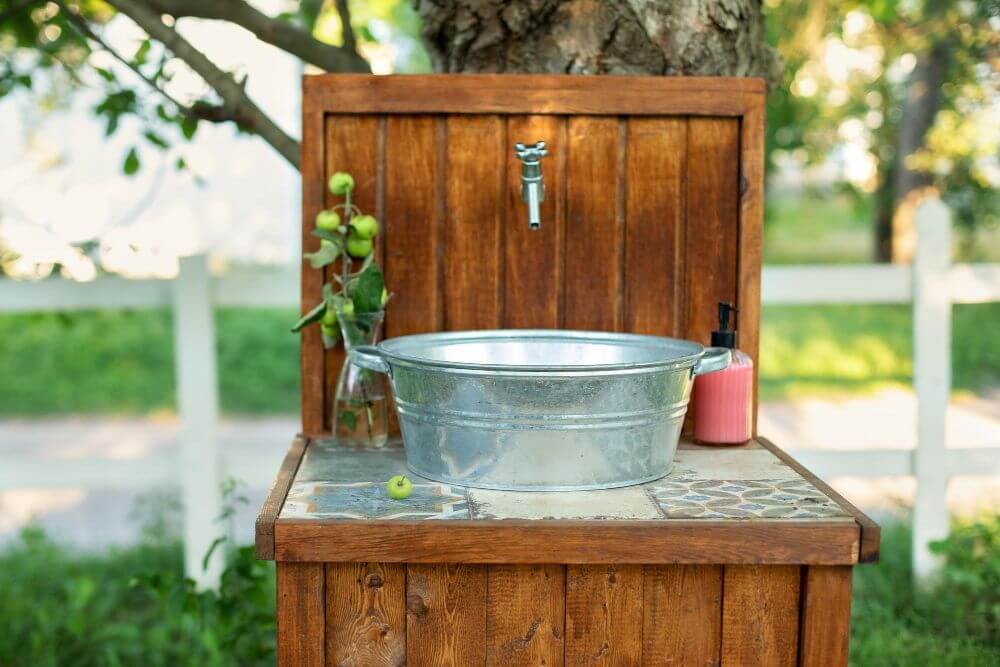
Maintaining proper hand hygiene away from permanent plumbing is no longer a challenge. A portable hand wash station is the modern solution for events, job sites, schools, and outdoor gatherings where running water simply isn’t available. Whether you’re a contractor, event planner, or campground owner, investing in the right unit can save lives, meet health codes, and keep your operations running smoothly.
What Is a Portable Hand Wash Station?
A portable hand wash station is a self-contained, freestanding unit designed to provide handwashing access without a fixed plumbing connection. It typically includes a freshwater tank, a wastewater collection basin, a soap dispenser, and a paper towel holder — all built into one mobile structure.
These units are engineered for maximum portability. Most feature wheels or handles for easy repositioning, and many are made from high-density polyethylene (HDPE) or stainless steel for durability. They range from compact single-basin models to large multi-user commercial stations, depending on your application.
Why a Portable Hand Wash Station Is Essential
The CDC reports that handwashing with soap can reduce respiratory illnesses by up to 21% and diarrheal disease by up to 31%. Access to a proper handwashing facility is not a luxury — it’s a public health necessity. When permanent sinks aren’t an option, a portable hand wash station fills that critical gap.
“Access to handwashing facilities is one of the most cost-effective public health interventions available.” — World Health Organization (WHO)
From construction sites to food festivals, the absence of handwashing stations creates liability risks, health code violations, and reputational damage. A portable unit eliminates all of that risk quickly and affordably.
Who Needs a Portable Hand Wash Station?
The demand for a portable hand wash station spans across many industries and settings. Here’s a breakdown of the most common users:
| User Type | Common Setting | Key Reason |
|---|---|---|
| Event Planners | Outdoor festivals, weddings | Health code compliance |
| Construction Managers | Job sites, remote locations | OSHA requirements |
| Food Vendors | Farmers markets, food trucks | FDA food safety rules |
| Schools & Daycares | Field trips, outdoor classrooms | Child hygiene protocols |
| Campground Owners | Campsites, national parks | Guest sanitation needs |
| Disaster Relief Teams | Emergency shelters | Public health response |
| Healthcare Workers | Mobile clinics, field hospitals | Infection control |
| Agricultural Operations | Farms, orchards | Worker safety standards |
Types of Portable Hand Wash Stations
Not all portable hand wash stations are built the same. Understanding the different types helps you choose the unit that best fits your specific needs and budget.
1. Standalone Portable Hand Wash Station
This is the most common type. It stands independently, requires no wall mounting, and is ideal for outdoor events and job sites. The standalone portable hand wash station usually holds between 5 and 25 gallons of fresh water, making it suitable for moderate to high-traffic situations.
These units are self-draining into an integrated waste tank, making sanitation management easy. They’re widely used at festivals, construction zones, and school events. Many come with foot-pump or sensor-activated faucets to promote touchless hygiene.
2. Wall-Mounted Portable Handwashing Station
Designed for semi-permanent installation, the wall-mounted version attaches to trailers, site offices, or temporary structures. It’s popular in food service and medical settings where hand hygiene frequency is extremely high.
These models are typically more compact and are built with heavy-duty brackets for stability. They often feature stainless steel basins and commercial-grade soap dispensers that can handle high-volume use over extended periods.
Suggested read: Portable Loading Dock: Best Options, Prices & What to Know Before You Buy
3. Trailer-Mounted Portable Hand Washing Station
For large-scale events or disaster relief, trailer-mounted units offer the highest capacity. These can serve dozens of users simultaneously and are often equipped with hot water heaters, multiple sinks, and large freshwater tanks (up to 100+ gallons).
They’re towable by standard pickup trucks or vans and are favored by municipalities, large event companies, and military operations. The investment is higher but the per-use cost over time is significantly lower compared to rentals.
4. ADA-Compliant Portable Hand Wash Station
Accessibility matters. An ADA-compliant portable hand wash station is designed at the correct height for wheelchair users and individuals with mobility limitations. These units meet the Americans with Disabilities Act standards for sink height, knee clearance, and faucet operation.
If your event or worksite serves people with disabilities, this type is not optional — it’s legally required. Pair these with accessible infrastructure like portable handicap ramps to ensure full compliance and a welcoming environment for all users.
5. Foot-Pump Portable Hand Wash Station
The foot-pump version is the most economical and environmentally friendly option. Users press a floor pedal to activate water flow, keeping their hands completely free from contact with the faucet during the entire process.
This touchless operation significantly reduces cross-contamination risk, especially at high-traffic events. These units are lightweight, often under 15 lbs when empty, and easy to transport in the back of a car or van.
Key Features to Look for in a Portable Hand Wash Station
When shopping for the best portable hand wash station, evaluating the right features ensures you get a unit that truly delivers long-term value. Here’s what to prioritize:
✅ Tank Capacity
- Small (5–10 gallons): Suitable for 1–3 hours of moderate use
- Medium (15–25 gallons): Ideal for full-day events with up to 100 users
- Large (50–100+ gallons): Best for multi-day events or construction sites
✅ Water Heating Capability
Cold water handwashing is effective, but warm water improves soap lathering and user compliance. Look for units with built-in electric or propane water heaters if your use case demands extended outdoor operation in cold climates.
✅ Soap and Towel Dispensers
A quality portable hand wash station should come with a lockable soap dispenser to prevent tampering and a paper towel holder or roll dispenser. Some premium units include no-touch automatic soap dispensers powered by batteries, reducing surface contact.
✅ Waste Water Tank
The wastewater tank should be at least equal in size to the fresh water tank. Look for units with leak-proof seals and easy-access drain ports for quick emptying and cleaning. A gray water capacity mismatch leads to overflow issues during events.
✅ Portability and Mobility
Weight, wheel quality, and handle design directly impact ease of transport. Heavy-duty swivel casters with locking mechanisms are essential for units used on uneven terrain. Look for telescoping handles for ergonomic movement.
✅ Material and Durability
| Material | Pros | Cons |
|---|---|---|
| High-Density Polyethylene (HDPE) | Lightweight, corrosion-proof | Less premium appearance |
| Stainless Steel | Hygienic, professional look | Heavier, more expensive |
| Fiberglass | Durable, lightweight | Can crack under impact |
| Powder-coated Steel | Strong, weather-resistant | May rust if coating chips |
Portable Hand Wash Station Regulations and Compliance
Compliance isn’t optional. Federal, state, and local regulations govern when and where a portable hand wash station is required. Understanding these standards protects your business and your guests.
OSHA Requirements
The Occupational Safety and Health Administration (OSHA) mandates handwashing facilities on construction sites under 29 CFR 1926.51. Specifically, OSHA requires:
Suggested read: Best Portable Potty for Kids: Top Picks, Tips & What to Buy in 2026
- One washing facility for every 100 employees
- Access to clean water, soap, and single-use towels
- Proximity to toilet facilities on all job sites
Failure to comply with these standards can result in fines up to $15,625 per violation for serious infractions.
FDA Food Code Standards
Under the FDA Food Code, food handlers must have access to a handwashing sink that is separate from food prep areas. Mobile food vendors and outdoor caterers must provide a portable handwashing unit that meets this standard. Units must have:
- Hot and cold or warm running water
- Soap and paper towels
- A catch basin for wastewater
Event Permit Requirements
Most city and county health departments require one portable hand wash station per 150–200 attendees at permitted outdoor events. Requirements vary by location, so always confirm local codes with your health department before purchasing or renting.
How to Use a Portable Hand Wash Station Properly
Owning a portable hand wash station is only effective if it’s used correctly. Train staff and educate users on proper handwashing technique for maximum hygiene benefit.
Step-by-Step Proper Handwashing Process:
- Wet hands thoroughly with clean, running water
- Apply soap — at least 1–2 pumps of liquid soap
- Lather and scrub for a minimum of 20 seconds, including between fingers and under nails
- Rinse completely under running water
- Dry hands with a single-use paper towel
- Use the towel to turn off the faucet if it’s not touchless
The CDC confirms that the 20-second scrubbing rule is the most critical step most people skip. Post this guide near your station using a laminated sign for visible reminders at busy events.
Portable Hand Wash Station: Cost Breakdown
Understanding the cost of a portable hand wash station helps you budget appropriately and choose between buying and renting.
Purchase Cost
| Unit Type | Price Range |
|---|---|
| Basic foot-pump station | $80 – $200 |
| Mid-range standalone unit | $200 – $600 |
| Commercial-grade station | $600 – $1,500 |
| Trailer-mounted multi-sink | $2,500 – $8,000+ |
| ADA-compliant unit | $400 – $1,200 |
Rental Cost
Renting a portable hand wash station typically costs between $75 and $250 per day, depending on the unit size and delivery distance. For events occurring more than 2–3 times per year, purchasing is almost always the more cost-effective option.
Operating Costs
- Water refills: Minimal — standard tap water
- Soap: $10–$30 per gallon of liquid soap (bulk)
- Paper towels: $30–$50 per case (bulk)
- Sanitizing solution: $15–$40 per unit per season
- Maintenance: Minimal with proper cleaning after each use
Top Benefits of Owning a Portable Hand Wash Station
Investing in a portable hand wash station delivers measurable returns across health, legal, and business dimensions.
- 🧼 Reduces illness spread by up to 31% (CDC data)
- 📋 Ensures OSHA and health department compliance
- 💰 Eliminates repeat rental costs over time
- 🌍 Eco-friendly models reduce water waste vs. running hoses
- 🏗️ Improves worksite productivity by reducing worker sick days
- 🎉 Boosts event reputation and guest experience ratings
- 🏅 Demonstrates duty of care to employees, guests, and clients
- ♿ Supports accessibility when paired with portable handicap ramps
Case Study: How a Food Festival Operator Improved Compliance
Background: A regional food festival in Texas with 5,000 attendees was cited by the county health department for insufficient handwashing facilities. The organizer had only 4 portable toilets with small handwashing attachments.
Solution: The organizer purchased 8 standalone portable hand wash stations with 20-gallon tanks and foot-pump faucets. They were strategically placed near food vendor rows and high-traffic areas.
Results:
- Zero health code violations in subsequent events
- Hand hygiene compliance observed in 73% of food-area visitors (up from ~22%)
- Reduced foodborne illness complaints from 11 to 0 over two years
- Increased vendor satisfaction scores by 34% in post-event surveys
This case illustrates that a one-time investment in portable hand wash stations directly impacts public health outcomes and business reputation at scale.
Suggested read: Used Portable Restrooms for Sale: What to Know Before You Buy
Best Practices for Maintaining Your Portable Hand Wash Station
Proper maintenance extends the life of your unit and ensures it performs hygienically every time.
Daily Maintenance Checklist:
- [ ] Refill freshwater tank before use
- [ ] Empty and clean wastewater tank after use
- [ ] Refill soap dispenser
- [ ] Restock paper towels
- [ ] Wipe down exterior surfaces with disinfectant
- [ ] Inspect faucet, pump, and drain for clogs or leaks
Weekly/Post-Event Deep Cleaning:
- Flush tanks with a diluted bleach solution (1 tablespoon per gallon of water)
- Scrub the basin with a non-abrasive cleaner
- Inspect seals and gaskets for wear
- Dry all components before storage to prevent mold growth
Winter Storage Tips:
Cold climates require special attention. Always fully drain both tanks before freezing temperatures arrive. Store units indoors or in insulated spaces. Apply food-safe lubricant to faucet O-rings to prevent cracking during the off-season.
Eco-Friendly Portable Hand Wash Stations
Sustainability is increasingly important in event and construction planning. Several manufacturers now offer eco-friendly portable hand wash stations designed to minimize water and soap waste.
Key Eco-Friendly Features:
- Sensor-activated faucets that dispense only when hands are detected
- Low-flow aerators that reduce water use by up to 40%
- Biodegradable soap options compatible with gray water systems
- Solar-powered heating elements for warm water without propane
These units are especially popular for outdoor music festivals, eco-resorts, and green-certified construction projects. They deliver the same handwashing performance while dramatically reducing your environmental footprint.
Portable Hand Wash Station vs. Hand Sanitizer Stations: Which Is Better?
Many event organizers and site managers debate whether to use a portable hand wash station or simply deploy hand sanitizer dispensers. The data is clear:
| Feature | Portable Hand Wash Station | Hand Sanitizer Dispenser |
|---|---|---|
| Removes dirt and debris | ✅ Yes | ❌ No |
| Effective against norovirus | ✅ Yes | ❌ No |
| Required by food safety codes | ✅ Yes | ❌ Not a substitute |
| Cost per use | Moderate | Lower |
| User compliance rate | Higher | Lower |
| Meets OSHA standards | ✅ Yes | ❌ Not always |
| Works with no power | ✅ Yes | ✅ Yes |
The CDC explicitly states that soap and water are more effective than hand sanitizer against certain pathogens, including Clostridioides difficile (C. diff) and norovirus. For food handlers, healthcare workers, and construction workers, a portable hand wash station is not interchangeable with sanitizer.
Where to Buy a Portable Hand Wash Station
Finding the right supplier ensures you get quality, warranty coverage, and reliable after-sale support. Here are your main purchasing channels:
Online Retailers
Major platforms like Amazon, Walmart.com, and specialty portable equipment retailers carry a wide range of portable hand wash stations. Online purchasing offers competitive pricing and customer reviews for comparison.
Specialty Portable Equipment Stores
Dedicated portable product retailers often carry a broader selection, including ADA-compliant models, trailer-mounted units, and commercial-grade options that general retailers don’t stock. They also typically offer expert product guidance.
Direct from Manufacturers
Buying directly from manufacturers like Ozark River, PolyJohn, and Crown Verity often unlocks bulk pricing, custom configurations, and extended warranty terms — ideal for large fleets or commercial operators.
Suggested read: Best Portable Winches to Buy in 2026: Top Picks, Features & Expert Advice
Local Rental Suppliers
Some rental companies sell off their used units at a significant discount. These can be a cost-effective entry point, though you should inspect them carefully for tank integrity and faucet function before purchase.
🛒 Ready to Buy? Shop the Best Portable Hand Wash Station Today
Don’t compromise on hygiene at your next event, job site, or outdoor operation. Browse our full selection of portable hand wash stations — from compact foot-pump units to large-capacity commercial stations — all built for durability, compliance, and ease of use.
Whether you need a single unit or a fleet, we have options to fit every budget and use case. Shop now and get the right portable hand wash station delivered to your door.
Frequently Asked Questions About Portable Hand Wash Stations
What is a portable hand wash station used for?
A portable hand wash station is used to provide handwashing access in locations without permanent plumbing. Common uses include outdoor events, construction sites, food service operations, emergency relief, and recreational facilities like campgrounds and sports fields.
How much water does a portable hand wash station hold?
Tank capacities vary widely. Small units hold 5–10 gallons, which supports roughly 50–75 handwashes. Medium units (15–25 gallons) handle 150–250 washes, while large commercial units can hold 50–100+ gallons for high-traffic or multi-day applications.
Are portable hand wash stations required by law?
Yes, in many scenarios. OSHA requires portable handwashing facilities on construction sites (one per 100 workers). The FDA Food Code mandates them for mobile food vendors. Local health departments often require them for outdoor events with food service.
How do I empty and clean a portable hand wash station?
Drain the wastewater tank into an approved drain or sanitation disposal point — never into storm drains or the ground. Flush both tanks with a diluted bleach solution, scrub the basin, rinse thoroughly, and allow to air dry before storage or refilling.
Can a portable hand wash station use hot water?
Yes. Many mid-range and commercial portable hand wash stations include electric or propane water heaters that provide warm or hot water. Some use solar-powered heating for eco-friendly operation. Basic foot-pump models typically offer cold water only.
How many portable hand wash stations do I need for an event?
A general rule is one portable hand wash station per 150–200 attendees for general events. For events with significant food service, increase that to one per 75–100 attendees near food preparation and consumption areas to comply with health department standards.
What is the difference between a portable hand wash station and a portable toilet sink attachment?
A portable hand wash station is a standalone, dedicated handwashing unit with its own tanks, basin, and dispensers. A portable toilet sink attachment is a small add-on mounted to a portable toilet unit with very limited water capacity. Dedicated stations are far more hygienic, have greater capacity, and are required under food service and OSHA regulations.
Where can I buy a portable hand wash station?
You can purchase a portable hand wash station from specialty portable equipment retailers, major online marketplaces, or directly from manufacturers. For the best selection of compliant, durable units, shop with a dedicated portable products retailer.
Sources:
- Centers for Disease Control and Prevention (CDC) — Handwashing: Clean Hands Save Lives
- World Health Organization (WHO) — Hand Hygiene: Why, How & When?
- OSHA Standard 29 CFR 1926.51 — Sanitation in Construction
- FDA Food Code — Chapter 6: Physical Facilities
- Portable Hand Wash Station — The Portable Shop