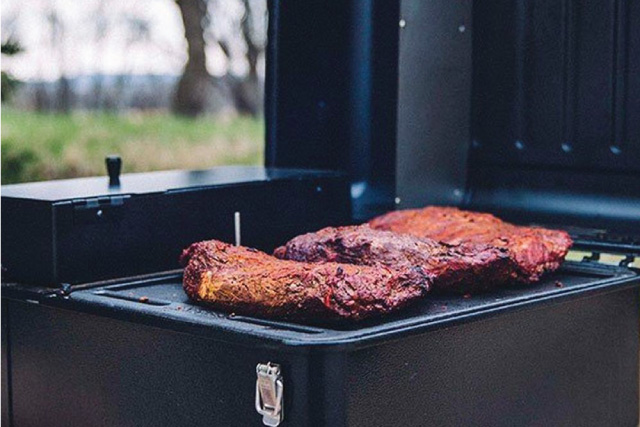
Imagine pulling up to your campsite and within minutes, filling the air with the rich aroma of slow-smoked brisket. Or picture yourself at a tailgate party, impressing fellow fans with perfectly smoked ribs that rival any steakhouse. This isn’t a fantasy—it’s the reality that portable smoker technology has made accessible to outdoor cooking enthusiasts everywhere. The market for compact smoking solutions has exploded in recent years, driven by consumers who refuse to compromise on flavor just because they’re away from home. Whether you’re a weekend warrior who travels from campground to campground or a backyard chef with limited space, understanding the landscape of portable smoking equipment will revolutionize how you approach outdoor cooking.
What Makes a Smoker Truly Portable?
The term “portable smoker” gets thrown around liberally in the BBQ world, but not all compact units deserve this designation. A genuinely portable smoking device needs to meet several critical criteria that separate weekend-warrior gear from equipment that merely takes up less space. Weight becomes the first consideration—if you can’t lift it into your truck bed or carry it a reasonable distance without assistance, it fails the portability test. Most legitimate portable options weigh between 15 and 50 pounds, striking a balance between sturdy construction and manageable transport.
Size dimensions matter just as much as weight when evaluating portable smoker options. The unit needs to fit comfortably in your vehicle alongside camping gear, coolers, and other equipment without requiring Tetris-level packing skills. Collapsible or modular designs offer advantages here, allowing you to break down the smoker into components that nest together efficiently. The cooking chamber should provide enough capacity for practical meals—typically 200 to 400 square inches of cooking surface—without becoming unwieldy. Think about what you’ll actually smoke: a family dinner requires different capacity than feeding just yourself or a partner.
Fuel flexibility dramatically impacts true portability. Electric models tether you to power sources, limiting where you can set up shop. Propane-powered units offer more freedom but require carrying heavy tanks. Charcoal and wood pellet portable smokers provide the most authentic smoke flavor and work anywhere, though they demand more hands-on management. The best portable options either use readily available fuel sources or feature efficient designs that maximize cooking time per fuel load. Nothing ruins a camping trip faster than running out of propane 20 miles from the nearest refill station.
Setup speed and operational simplicity define whether a portable smoker enhances your outdoor experience or becomes a frustrating burden. Premium portable units assemble in under 10 minutes without tools, with intuitive temperature controls that don’t require a engineering degree to understand. Look for features like built-in temperature gauges, adjustable venting systems, and ash removal systems that function smoothly in field conditions. The smoker should heat to cooking temperature within 15-20 minutes and maintain steady heat without constant babysitting.
Key Features That Define Quality Portable Smokers
Temperature control and consistency separate amateur-grade portable smoker equipment from professional-caliber tools that deliver restaurant-quality results. The ability to maintain temperatures between 225°F and 275°F for extended periods—the sweet spot for most smoking applications—requires excellent insulation, well-designed airflow systems, and quality construction materials. Double-wall construction with air gaps provides superior heat retention compared to single-wall designs, reducing fuel consumption while protecting external surfaces from becoming dangerously hot. Built-in thermometers should be accurate within 5 degrees and positioned at grate level where your food actually cooks, not in the lid where readings can mislead you by 25 degrees or more.
Construction materials and durability determine whether your portable smoking investment lasts multiple seasons or falls apart after a handful of uses. Stainless steel offers the gold standard for longevity, resisting rust and corrosion even in harsh outdoor environments. Powder-coated steel provides a more budget-friendly alternative with decent weather resistance when properly maintained. Avoid thin, lightweight metals that warp under heat stress or develop hot spots that create uneven cooking zones. Pay special attention to welds, joints, and connection points—these stress areas reveal manufacturing quality and predict long-term reliability.
The cooking chamber configuration impacts both food capacity and smoke circulation patterns that affect flavor development. Vertical portable smokers stack food on multiple racks, maximizing capacity in a small footprint while allowing smoke to rise naturally through all levels. Horizontal barrel designs provide easier access to food and typically offer more even heat distribution across the cooking surface. Offset fireboxes separate the heat source from the cooking chamber, producing cleaner smoke and more gentle, indirect heat perfect for low-and-slow cooking. Consider what proteins you’ll smoke most frequently—large briskets need horizontal space while chickens and ribs work well in vertical configurations.
Fuel efficiency becomes increasingly important during extended smoking sessions where you’re committing 6-12 hours to a single cook. Premium portable smoker models incorporate design elements that minimize fuel consumption without sacrificing temperature stability. Look for thick insulation, tight-sealing doors with quality gaskets, and adjustable dampers that give you precise control over oxygen flow and combustion rates. Some advanced units feature water pans that stabilize temperature while adding moisture to the cooking environment. The best portable smokers should maintain 225°F for at least 4-6 hours on a single load of charcoal or 3-4 hours on a small propane tank.
Types of Portable Smokers Available
Charcoal Portable Smokers
Charcoal-fueled portable smokers deliver the most authentic, traditional BBQ flavor that purists demand. The combination of charcoal heat and wood chunks produces complex smoke profiles that gas alternatives struggle to replicate. These units range from simple bullet-style designs to sophisticated kamado-inspired ceramics that excel at heat retention. Charcoal models typically cost between $80 and $400, offering excellent value for serious smoking enthusiasts who don’t mind the hands-on fuel management these units require.
The learning curve with charcoal portable smokers rewards patience and practice. Mastering fire management—building the right size coal bed, adding fuel at proper intervals, and adjusting airflow to control temperature—takes several cooking sessions before it becomes intuitive. Once you develop these skills, charcoal units provide unmatched flexibility for creating different smoke intensities and flavor profiles by combining various wood species with your charcoal base. Hickory, apple, cherry, mesquite, and oak each contribute distinct flavors that you can blend to match specific proteins.
Cleanup and maintenance requirements tend to be higher with charcoal options compared to gas or electric alternatives. Ash accumulates throughout long smoking sessions and needs removal before it restricts airflow or creates mess during transport. Quality portable charcoal smokers incorporate ash catchers or removable pans that simplify this process. After each use, you’ll need to brush cooking grates, wipe down interior surfaces to remove creosote buildup, and occasionally season the cooking chamber to prevent rust. Budget an extra 15-20 minutes after each cook for proper maintenance.
Pellet Portable Smokers
Wood pellet technology brings set-it-and-forget-it convenience to portable smoker equipment without completely sacrificing authentic wood smoke flavor. These units feature electric augers that automatically feed compressed hardwood pellets into a small firebox, maintaining consistent temperatures with minimal user intervention. Digital controllers monitor chamber temperature and adjust pellet feed rates accordingly, making them ideal for beginners or situations where you can’t hover over your smoker all day. Pellet models typically occupy the premium price range, starting around $300 and climbing to $800 or more for feature-rich portable versions.
The flavor profile from pellet portable smokers falls somewhere between gas convenience and charcoal authenticity. You get genuine wood smoke since pellets are 100% compressed hardwood with no fillers or binders, but the combustion process produces cleaner, lighter smoke compared to charcoal and chunk wood combinations. This works beautifully for poultry, pork, and fish where you want smoke presence without overwhelming delicate flavors. For beef applications where robust smoke is desirable, some pitmasters find pellet smoke a bit subtle and supplement with smoke tubes filled with pellets for additional flavor intensity.
Power requirements present the main limitation for true portability with pellet systems. The auger motor and digital controller need electricity, traditionally requiring 110V AC power that ties you to campground hookups or necessitates portable generators. Some manufacturers now offer battery-powered pellet portable smokers that operate 6-8 hours on rechargeable power packs, dramatically expanding where you can use these convenient units. Factor in pellet storage too—a long smoking session might consume 1-2 pounds of pellets per hour, so you’ll need to pack accordingly for extended trips.
Propane and Gas Portable Smokers
Gas-powered portable smokers bridge the gap between electric simplicity and charcoal flavor, offering reasonable smoke production without the mess of ash cleanup. These units use propane burners to heat wood chips or chunks placed in smoking trays, generating smoke while maintaining steady temperatures through precise gas valve control. Propane models range from $150 to $500, with higher-end versions featuring multiple burners, larger cooking capacities, and better insulation for fuel efficiency. The convenience factor appeals to casual smokers who prioritize ease of use over absolutely maximum smoke flavor intensity.
Temperature management becomes almost effortless with quality gas portable smoker equipment. Turn a dial to your target temperature, wait 10-15 minutes for preheat, and you’re ready to load food. Most units maintain temperatures within 10-15 degrees of your setting once properly adjusted, eliminating the constant monitoring that charcoal demands. This predictability proves invaluable when you’re juggling multiple dishes or want to enjoy camping activities instead of babysitting your smoker all afternoon. The trade-off comes in smoke production—you’re limited by how much wood you can fit in the chip tray, and these units generally produce lighter smoke than charcoal alternatives.
Fuel availability and cost considerations favor propane portable smokers for frequent users. Standard 1-pound camping bottles provide 1-2 hours of smoking time, while 20-pound tanks deliver all-day cooking sessions. You can find propane virtually anywhere that sells camping supplies, and per-hour operating costs typically run lower than charcoal or pellets. The tanks themselves add weight and bulk to your packing load—something to remember when calculating total portability. Some models accept both small and large tanks through adapter hoses, giving you flexibility based on trip length and cooking plans.
Electric Portable Smokers
Electric units represent the most convenient portable smoker option for situations where power access isn’t an issue. These plug-in models use heating elements to generate heat while wood chips smolder in a dedicated tray, producing surprisingly decent smoke flavor despite their humble technology. Prices start around $100 for basic models and top out near $400 for insulated, digital-controlled versions with remote monitoring capabilities. Electric smokers excel at maintaining rock-steady temperatures without any user input, making them foolproof choices for smoking rookies or set-and-forget convenience lovers.
The smoke production in electric portable smokers tends toward the lighter end of the spectrum since chips smolder rather than burn vigorously. This characteristic works wonderfully for cold smoking applications like cheese, fish, and bacon where you want gentle smoke infusion without excessive heat. For hot smoking applications, the flavor profile remains noticeably less intense compared to charcoal or pellet alternatives. Many experienced smokers view electric units as training wheels—excellent for learning the basics of temperature and timing before graduating to fuel-based systems that require more skill but deliver better results.
Portability with electric models depends entirely on power availability, making them best suited for RV camping with hookups, backyards with outdoor outlets, or tailgating near buildings with accessible electricity. Some crafty campers pair small electric portable smokers with portable power stations or modified vehicle inverters, though you need to carefully calculate wattage requirements and battery capacity. Figure 600-800 watts for most electric smokers, which drains portable batteries faster than you might expect. For true off-grid camping, electric options simply don’t work—save them for semi-portable applications where convenience matters more than complete location independence.
Top Portable Smoker Models Reviewed
Weber Smokey Mountain Portable
The Weber Smokey Mountain series has earned legendary status among serious smoking enthusiasts who demand consistent results in a relatively compact package. This portable smoker utilizes a vertical bullet design that stacks two cooking grates above a water pan and charcoal chamber, creating natural convection that circulates smoke evenly through the cooking zone. The 14-inch model weighs just 38 pounds and provides 286 square inches of cooking space—enough for 4 racks of ribs or 2 small briskets—while remaining light enough for one person to load into a vehicle. Build quality exceeds what you’d expect at this price point, with porcelain-enameled steel construction that resists weathering and cleans up easily after messy smoking sessions.
Temperature control on the Weber Smokey Mountain portable smoker impresses even veteran pitmasters who’ve worked with equipment costing three times as much. Three adjustable vents on the base and one on the lid provide precise airflow management, allowing you to dial in specific temperatures and hold them steady for 8-10 hours without adding fuel. The large water pan stabilizes cooking chamber temperatures while adding moisture that keeps meat surfaces receptive to smoke adhesion throughout long cooks. A built-in thermometer monitors dome temperature, though many users supplement with grate-level probe thermometers for more accurate readings where food actually sits.
Masterbuilt Portable Propane
Masterbuilt revolutionized backyard smoking when they introduced affordable propane models that actually work, and their portable line brings that same reliability to camping and tailgating scenarios. This gas portable smoker measures 20 x 19 x 33 inches and weighs 47 pounds—manageable for two people but challenging for solo transport. The 528 square inches of cooking space across two chrome-plated racks handles serious capacity, easily accommodating whole chickens, multiple pork shoulders, or a dozen racks of ribs. Porcelain-coated wood chip tray generates respectable smoke from a 3-burner propane system that heats quickly and adjusts precisely through a simple control dial.
The convenience factor with this portable smoker makes it ideal for beginners or situations where you can’t dedicate hours to fire management. Light the burner, add wood chips, set your temperature, and walk away—the Masterbuilt maintains heat automatically for as long as propane and wood chips last. A built-in thermostat-controlled burner adjusts flame intensity to hold your target temperature within 10 degrees, delivering predictability that charcoal can’t match. The push-button ignition starts reliably even in cold weather, and the viewing window lets you check food without opening the door and losing heat.
Suggested read: Best Deck Portable Options to Buy in 2026: Transform Any Space Instantly
Camp Chef Smoke Vault
Camp Chef built their reputation on rugged outdoor cooking equipment, and their Smoke Vault portable smoker exemplifies that heritage with overbuilt construction designed for abuse. This 18-inch propane model weighs 60 pounds with three adjustable cooking racks providing 549 square inches of space—serious capacity in a footprint that still fits in most truck beds. Heavy-gauge steel construction with high-temperature powder coating withstands years of outdoor use, while the seamless welded design eliminates common failure points found in cheaper alternatives. Removable racks and slide-out grease tray make cleanup considerably easier than fixed-rack designs.
What sets this portable smoker apart is the adjustable smoke control system that gives you more influence over smoke intensity than typical gas units. A dedicated wood chip pan sits directly above the burner, and you control how much oxygen reaches smoldering chips through a precision damper. More air creates hotter, lighter smoke while restricted airflow produces heavier, more traditional smoking characteristics. This flexibility lets you match smoke profiles to specific proteins—light smoke for chicken and fish, heavier smoke for beef and pork. The built-in temperature gauge proves reasonably accurate, and the piezo igniter fires consistently even after hundreds of lighting cycles.
Traeger Ranger Pellet Grill
Traeger pioneered the pellet grill revolution, and their Ranger model shrinks that technology into genuinely portable dimensions without compromising core functionality. This pellet portable smoker weighs just 60 pounds and folds down to 20 x 16 x 18 inches for transport, with collapsible legs that lock securely into cooking position. The 184 square inches of cooking surface seems modest compared to backyard models but proves adequate for 2-4 people, handling 8 burgers, 3 racks of ribs, or a 12-pound turkey. Digital temperature control maintains settings within 5 degrees through a sophisticated controller that monitors temps and adjusts pellet feed rates automatically.
The Ranger portable smoker operates on 12V DC power, making it uniquely suited for true off-grid smoking adventures. You can run it from your vehicle battery, a portable power station, or even a marine battery, achieving 4-5 hours of smoking on a single charge depending on ambient temperature and target heat. The pellet hopper holds about 8 pounds of pellets—enough for most day-long smoking sessions—and side-loading access lets you refill without disturbing food. Cleanup takes minutes thanks to the grease management system that channels drippings to a removable bucket, and the porcelain grill grates simply need a quick brush after cooling.
Pit Barrel Cooker
The Pit Barrel Cooker takes a radically different approach to portable smoker design, using a drum-style vertical configuration where meat hangs from hooks rather than sitting on grates. This unconventional method promotes even cooking through 360-degree heat and smoke exposure while maximizing capacity—you can hang 8 racks of ribs or 6 chickens in the 30-gallon barrel. The entire unit weighs just 46 pounds and breaks down into components that nest together for compact storage. Charcoal-fueled operation delivers authentic smoke flavor, and the simple design means almost nothing can break or require replacement over years of use.
Operating this unique portable smoker couldn’t be simpler despite its unconventional design. Fill the charcoal basket, light it, hang your meat from the rods, place the lid on top, and walk away for 4-5 hours. The barrel’s tall, narrow profile creates exceptional natural draft that maintains steady 250-275°F temperatures without fussing with vents or dampers. The hanging method keeps meat above dripping fat, preventing flare-ups while producing incredibly even results with less attention than horizontal smokers demand. Many competition teams have started using Pit Barrels for practice and small events, testament to the surprising performance this simple design delivers.
Essential Features Comparison Table
| Feature | Weber Smokey Mountain | Masterbuilt Propane | Camp Chef Smoke Vault | Traeger Ranger | Pit Barrel Cooker |
|---|---|---|---|---|---|
| Fuel Type | Charcoal | Propane | Propane | Wood Pellets | Charcoal |
| Weight | 38 lbs | 47 lbs | 60 lbs | 60 lbs | 46 lbs |
| Cooking Area | 286 sq in | 528 sq in | 549 sq in | 184 sq in | 380 sq in (approx) |
| Temperature Range | 225-275°F | 200-350°F | 160-400°F | 180-450°F | 250-275°F |
| Fuel Duration | 8-10 hours | 6-8 hours | 6-8 hours | 4-5 hours | 4-5 hours |
| Setup Time | 10 minutes | 5 minutes | 5 minutes | 8 minutes | 5 minutes |
| Price Range | $299-$349 | $199-$249 | $249-$299 | $399-$449 | $299-$329 |
| Best For | Serious enthusiasts | Beginners | Family cooking | Tech-savvy users | Simplicity lovers |
Choosing the Right Portable Smoker for Your Needs
Your intended use cases should drive portable smoker selection more than any other factor because different scenarios demand different capabilities. Weekend camping trips where you’ll smoke dinner once or twice favor lightweight, simple units that set up quickly and don’t demand constant attention. Competitive tailgating where presentation matters might justify heavier, more capable models that can handle larger cuts and impress crowds. Full-time RV living requires compact designs with excellent fuel efficiency since you’ll use them regularly and space comes at a premium. Backyard use with occasional transport to friends’ houses opens up larger models that prioritize capacity over minimal weight.
Cooking capacity requirements flow directly from your typical group size and menu ambitions. A couple who smoke salmon and chicken for themselves needs far less space than a family of six or someone who regularly cooks for neighborhood gatherings. Be honest about actual usage patterns rather than theoretical maximums—that massive portable smoker that could handle a whole pig sounds appealing until you realize you’ll use it twice a year and struggle to transport it everywhere else. As a general guideline, figure 50-75 square inches of cooking surface per person for mixed menus, or 100+ square inches per person if you’re smoking large items like briskets or pork shoulders.
Budget considerations extend beyond initial purchase price to include ongoing fuel costs and maintenance requirements. Charcoal portable smokers offer low entry costs but consume relatively expensive fuel compared to propane or pellets on a per-hour basis. Pellet units command premium purchase prices but deliver exceptional fuel efficiency and minimal waste. Electric models cost least upfront but tie you to locations with power access. Calculate total cost of ownership across your expected usage timeline—someone who smokes weekly will quickly recoup the higher initial investment in a efficient pellet portable smoker, while occasional users should stick with affordable charcoal options.
Climate and weather conditions in your region influence which portable smoker technologies work best and require least frustration. Windy environments punish units with poor insulation or weak structural integrity, while humid coastal areas accelerate corrosion on models with inadequate protective coatings. Cold weather smoking demands excellent heat retention since maintaining temperature in 30°F ambient conditions consumes significantly more fuel than summer smoking. Propane performance degrades noticeably below freezing, while charcoal becomes harder to light and maintain in damp conditions. Consider where and when you’ll actually use your smoker, then choose technology that handles those conditions gracefully.
Setting Up Your Portable Smoker Successfully
Location selection for your portable smoker impacts both safety and results more than many novices realize. Position the unit on level, stable ground away from flammable materials like dry grass, wooden decks, or overhanging tree branches. Maintain at least 10 feet of clearance from structures, tents, or vehicles since radiant heat and floating embers pose fire risks. Avoid completely enclosed spaces like garages or screened porches where carbon monoxide can accumulate to dangerous levels. Light breezes actually help smoke production and temperature control, but strong winds require windbreaks to maintain steady heat without excessive fuel consumption.
Initial seasoning prepares your new portable smoker for actual cooking use while burning off manufacturing residues and establishing a protective patina on interior surfaces. Coat all interior metal surfaces with high-temperature cooking oil, then run the smoker at 250-275°F for 2-3 hours without food inside. Add wood chips or chunks to generate smoke throughout this process, which helps seal pores in metal and begins building the dark, flavorful coating that improves over time. This seasoning layer protects against rust while contributing subtle flavor notes to future cooking sessions. Skip this step and you’ll taste metallic flavors and deal with rust problems sooner.
Fuel preparation techniques vary by portable smoker type but universally benefit from attention to detail. Charcoal users should choose lump charcoal over briquettes for cleaner burn characteristics and easier temperature control, lighting coals in a chimney starter rather than dousing them with lighter fluid that imparts chemical flavors. Wood chunks sized 2-4 inches deliver better smoke than chips in most applications, and soaking them 30 minutes before use extends smoldering time. Pellet and propane models need less preparation but check that hoppers are filled and connections are secure before starting. Always have backup fuel on hand—running out mid-cook ruins expensive meat.
Temperature preheating establishes stable conditions before adding food to your portable smoker, dramatically improving consistency and final results. Bring the cooking chamber to your target temperature 20-30 minutes before loading meat, allowing time for metal surfaces to heat thoroughly and smoke production to stabilize. Most smoking happens between 225-275°F depending on recipe, with lower temperatures for tough cuts that need extended cooking and higher heat for poultry where crispy skin matters. Use a reliable thermometer to verify actual cooking temperature rather than trusting built-in gauges that can read 25+ degrees off. Adjust vents or fuel gradually since smokers respond slowly to control inputs.
Maintaining Optimal Temperature Control
Understanding airflow dynamics separates competent portable smoker operators from frustrated amateurs who can’t figure out why temperatures swing wildly. Combustion requires three elements—fuel, heat, and oxygen—and you control the third element through intake and exhaust vents. More open vents increase oxygen supply, causing fuel to burn hotter and faster while more closed vents restrict oxygen and lower temperatures. The intake vent (usually at the base) has greater impact on temperature than the exhaust vent (typically in the lid), which should stay mostly open to allow smoke and gases to escape rather than becoming acrid and stale.
Temperature swings happen in even the best portable smokers, but understanding causes helps you correct problems quickly. Opening the cooking chamber door floods the firebox with oxygen while releasing heat, often creating 25-50 degree spikes that take 15-20 minutes to stabilize. Avoid unnecessary door opening by using probe thermometers that monitor meat temperature without lifting the lid. Wind gusts have similar effects, which is why positioning matters so much. Adding fuel introduces cooler material that temporarily drops temperatures before catching fully. Anticipate these fluctuations and adjust vents preemptively rather than constantly chasing temperature with reactive corrections.
Water pans serve multiple purposes in portable smoker operation beyond simply adding moisture to the cooking environment. The large thermal mass of water stabilizes temperature by absorbing and releasing heat slowly, buffering against sudden fluctuations. Evaporating water molecules create a humid environment that keeps meat surfaces moist and receptive to smoke adhesion throughout long cooking sessions. Some pitmasters add aromatics like apple juice, beer, or herbs to water pans, though there’s debate about whether these actually flavor meat or just smell nice. Refill the water pan when levels drop below halfway to maintain these benefits.
External conditions require adjustments to your normal portable smoker operation to maintain target temperatures. Cold weather demands more fuel since heat loss through smoker walls increases with greater temperature differentials between inside and outside. Wind strips away heat through convection, requiring windbreaks or positioning changes. Rain and snow cool exterior surfaces while moisture in the air affects combustion chemistry. Hot weather seems easier but can make achieving low temperatures challenging, especially with charcoal units that generate substantial heat. Track how your specific model performs across seasons and maintain notes about vent settings and fuel consumption patterns under different conditions.
Smoking Techniques for Different Foods
Beef brisket represents the ultimate portable smoker challenge due to its size and the precision required to transform tough meat into tender perfection. Plan 1-1.5 hours of smoking time per pound at 225-250°F, meaning a 12-pound brisket requires 12-18 hours from start to finish. Apply a simple rub of salt, pepper, and garlic powder 12-24 hours before smoking, allowing time for the seasoning to penetrate surface tissues. Position brisket fat-side up so rendering fat bastes meat throughout the cook. Wrap in butcher paper or foil when internal temperature hits 165°F (the “stall” point) to push through this plateau more quickly. Target 203°F internal temperature for sliceable brisket or 205°F for pull-apart texture.
Pork ribs deliver impressive results even for portable smoker beginners since the cooking time remains manageable and there’s more room for error than with expensive briskets. Remove the membrane from the bone side of the rack, then coat with your preferred rub—brown sugar-based rubs create beautiful caramelization and complement pork’s natural sweetness. The 3-2-1 method works reliably: 3 hours unwrapped at 225°F, 2 hours wrapped in foil with a little liquid (apple juice or beer), then 1 hour unwrapped to firm up the bark. This produces tender ribs with slight pull from the bone—adjust timing if you prefer more or less tender results. Apple or cherry wood pairs beautifully with pork’s mild flavor.
Chicken and poultry cook relatively quickly in portable smokers but require attention to food safety since bacteria loves the 40-140°F danger zone. Brine whole chickens 4-8 hours before smoking to add moisture that prevents drying during cooking. Run your portable smoker at 275-300°F rather than typical low-and-slow temperatures to crisp skin while cooking meat through safely. Target 165°F internal temperature in the thickest part of the thigh, checking with a probe thermometer. Avoid heavy smoke woods like mesquite that overpower delicate poultry flavors—stick with fruit woods or mild pecan. Spatchcocking (removing the backbone) creates flat birds that cook more evenly and finish in 2-3 hours versus 4-5 for whole birds.
Fish and seafood shine in portable smokers where you can exercise precise control over gentle heat and light smoke application. Cold smoking at 80-90°F preserves raw texture while infusing smoke flavor, perfect for salmon, trout, or tuna that you’ll slice thin. Hot smoking at 180-200°F cooks fish through while adding smoke character, creating flaky, ready-to-eat results. Brine fish 4-8 hours using 1/4 cup salt and 1/4 cup sugar per quart of water, which firms flesh and enhances moisture retention. Form a pellicle by air-drying brined fish 1-2 hours before smoking—this tacky surface layer helps smoke adhere. Use mild alder or apple wood and smoke just 1-2 hours since thin fish fillets take on flavor quickly.
Wood Selection and Smoke Flavor Profiles
Hickory wood stands as the most traditional choice for smoking in American BBQ traditions, producing strong, bacon-like smoke that pairs naturally with pork and beef. This assertive wood dominates when used heavily, so many pitmasters blend it with milder woods or use it sparingly for lighter proteins. Hickory works beautifully in portable smokers for ribs, pork shoulder, and brisket where you want pronounced smoke presence. The dense wood burns long and steady, producing consistent smoke over extended cooking periods. Start with small amounts if you’re new to hickory—you can always add more wood but can’t remove smoke flavor once it’s in the meat.
Fruit woods like apple, cherry, and peach deliver sweeter, milder smoke perfect for poultry, pork, and fish where you want flavor enhancement without overwhelming natural tastes. Apple wood produces light, slightly sweet smoke that complements everything from chicken to salmon, making it the most versatile fruit wood option. Cherry contributes beautiful mahogany color alongside subtle fruity notes, while peach offers delicate sweetness ideal for mild white fish. These woods work wonderfully in portable smokers where you might smoke different proteins and want flexibility without stocking multiple wood varieties.
Mesquite burns hot and fast while producing the most intense, earthy smoke of any common smoking wood. Popular in Texas BBQ traditions, mesquite matches beef’s robust flavor but easily overwhelms pork, chicken, and especially fish. Use mesquite cautiously in portable smokers since the concentrated smoke in smaller chambers can turn bitter if overdone. Blend mesquite with milder woods to temper intensity while maintaining that distinctive Southwestern character. The quick burn rate makes mesquite less ideal for all-day smoking sessions unless you’re prepared to tend the fire frequently, though it excels for hot-and-fast cooks under 4 hours.
Suggested read: Best Fish Finder Portable Devices That Will Transform Your Fishing in 2024
Oak serves as BBQ’s neutral workhorse, producing medium-intensity smoke that enhances without dominating in any direction. Red oak burns clean and steady for hours, making it perfect for long smoking sessions in portable smokers where you don’t want to constantly add fuel. White oak provides similar characteristics with slightly sweeter notes. Many competition teams use oak as their base wood, adding small amounts of specialty woods for specific flavor accents. The mild character means you can’t really oversmoke with oak, providing insurance for beginners still learning their equipment.
Safety Considerations and Best Practices
Carbon monoxide poisoning represents the most serious risk with any portable smoker, yet many users remain dangerously unaware of this invisible threat. Incomplete combustion of charcoal, wood pellets, or propane produces carbon monoxide gas that displaces oxygen in your bloodstream. Never operate any combustion-based smoker in enclosed spaces like garages, tents, campers, or covered porches regardless of how well-ventilated they seem. Maintain at least 10 feet of clearance from structures and ensure smoke can dissipate freely. Early symptoms of CO exposure include headache, dizziness, and nausea—if anyone feels unwell near your smoker, move to fresh air immediately and seek medical attention if symptoms persist.
Fire safety protocols prevent the property damage and personal injury that can result from treating your portable smoker as a benign cooking appliance. Keep a fire extinguisher rated for grease fires (Class K or ABC) within easy reach whenever smoking. Never leave a hot smoker unattended for extended periods—if you need to leave for more than 30 minutes, shut down the unit properly.
Clear at least 10 feet of space around the smoker from dry grass, leaves, or other flammable materials. Hot grease dripping onto heat sources can ignite suddenly, so empty grease traps before they overflow. After cooking, let charcoal ash cool completely for 24 hours before disposing in metal containers, never plastic bins where residual embers could start fires.
Food safety demands more attention when smoking than other cooking methods because meat spends hours in temperature ranges where bacteria multiply rapidly. The USDA defines 40-140°F as the “danger zone” where foodborne pathogens thrive. Get meat from refrigerator to smoker quickly rather than letting it sit at room temperature. Use calibrated thermometers to verify internal temperatures reach safe minimums: 145°F for whole cuts of pork and beef, 160°F for ground meats, and 165°F for all poultry. When smoking large cuts that spend hours below 140°F, bacteria on exterior surfaces becomes a concern—sear meat surfaces first to kill surface bacteria, or follow the USDA’s recommendation to smoke at higher temperatures above 225°F.
Personal protective equipment seems excessive for backyard cooking until you’ve burned yourself handling a 400-degree portable smoker or suffered smoke inhalation from a poorly positioned unit. Wear heat-resistant gloves rated to at least 500°F when handling hot surfaces, cooking grates, or metal component. Regular oven mitts offer inadequate protection and can catch fire when contacting extremely hot surfaces. Safety glasses prevent ash and debris from entering eyes when opening the smoker or cleaning out fireboxes. Long-handled tools keep hands away from heat sources while allowing you to manage food and adjust components. Position yourself upwind when opening the smoker door to avoid inhaling concentrated smoke, which can cause coughing fits and respiratory irritation even from food-safe wood smoke.
Troubleshooting Common Portable Smoker Problems
Temperature fluctuations plague inexperienced operators who struggle to maintain the steady heat required for quality smoking results. If temperatures climb too high, first check that intake vents are properly adjusted—close them partially to restrict oxygen flow and reduce combustion intensity. Remove excess fuel if you’ve overfilled the firebox, as too much charcoal or too many pellets generate more heat than your portable smoker can regulate effectively.
Wind can dramatically increase combustion rates by forcing additional oxygen into the fire chamber, requiring windbreaks or repositioning to calmer locations. For temperatures running too low, ensure adequate fuel supply and verify vents are open enough to sustain combustion. Cold weather demands more open vents and additional fuel to overcome heat loss through smoker walls.
Excessive or insufficient smoke production indicates combustion problems that affect both flavor development and cooking efficiency. Thick, white smoke billowing from your portable smoker signals incomplete combustion producing creosote and bitter flavors that ruin meat. This usually results from smothering fires with too much wood, insufficient airflow from closed vents, or wet wood that steams rather than burns cleanly. Correct by opening vents to increase oxygen supply and removing some wood to reduce fuel load. Thin, wispy blue-gray smoke represents the ideal you’re targeting—barely visible smoke that indicates complete combustion and clean flavor development. No visible smoke suggests your wood has burned completely and needs replenishing, or your smoking chips/chunks have finished smoldering.
Uneven cooking temperatures within the cooking chamber frustrate users who find some portions of meat perfectly done while others remain undercooked. Most portable smokers have hot spots—areas that run 20-30 degrees hotter than others—typically near the firebox or where heat enters the chamber. Map your specific unit’s hot zones by placing bread slices across all cooking surfaces and noting which toast fastest during a test run. Rotate food positions during cooking to ensure even exposure to heat and smoke, swapping items from hot zones to cooler areas halfway through. Position larger, thicker cuts in hotter zones where they need more heat penetration, reserving cooler spots for smaller or more delicate items that cook quickly.
Rust and corrosion attack portable smokers aggressively since they’re exposed to moisture from both weather and cooking processes that generate steam. After each use, allow the smoker to cool, then brush away ash and food debris before they absorb moisture and accelerate oxidation. Wipe interior surfaces with paper towels dipped in cooking oil, creating a protective barrier against moisture. Store your portable smoker under cover using weatherproof tarps or in protected locations like sheds or garages. If rust appears, remove it immediately using wire brushes or sandpaper, then re-season affected areas with high-temperature cooking oil. Models with porcelain or powder-coated finishes resist rust better than bare steel but still require proper storage and maintenance.
Advanced Portable Smoking Techniques
The reverse sear method combines smoking’s flavor benefits with high-heat searing that creates steakhouse-quality crusts on thick steaks and chops. Smoke meat in your portable smoker at 225°F until internal temperature reaches 10-15 degrees below your target doneness—around 115°F for medium-rare. This slow cooking develops smoke flavor throughout while gently raising temperature, leaving enzymes active that tenderize meat. Transfer meat to a searingly hot grill, cast iron pan, or propane torch and sear 60-90 seconds per side, developing dark crust while raising internal temperature those final degrees to 130°F for perfect medium-rare. This technique produces edge-to-edge pink meat with just a thin seared exterior rather than the gray overcooked band traditional grilling creates.
Cold smoking extends your portable smoker’s versatility beyond traditional hot smoking applications, infusing smoke flavor into cheese, butter, salt, nuts, and even cocktail ingredients without cooking them. Achieving temperatures below 90°F requires specialized equipment or modifications since normal smoking generates too much heat. Smoke generators or pellet tubes placed in your smoker produce smoke without significant heat, or you can create maximum distance between fire and food using offset configurations. Cold smoke products 2-6 hours depending on desired intensity, checking frequently since soft cheeses and delicate items take on smoke quickly. This technique works best in cool weather when ambient temperatures help maintain low chamber temps.
Smoking with water pans deserves deeper exploration beyond basic moisture management since strategic water pan usage impacts both temperature control and final meat texture. Placing the water pan directly above the heat source creates a thermal buffer that absorbs temperature spikes and radiates gentle, even heat throughout the portable smoker. The evaporating water increases humidity to 60-70%, keeping meat surfaces moist and sticky so smoke particles adhere better throughout long cooking sessions. Some pitmasters add beer, apple juice, or wine to water pans for aromatic benefits, though scientific evidence suggests these flavors don’t penetrate meat significantly. Experiment with and without water pans on the same recipe to understand how your specific portable smoker responds.
Creating custom smoke blends elevates your portable smoking from basic to restaurant-caliber by matching wood species to specific proteins and flavor profiles. Start with 70-80% base wood (oak or hickory) for consistent burn characteristics, then add 20-30% specialty woods for flavor accents. Apple and cherry pair beautifully with pork, while pecan complements beef’s richness. Maple adds subtle sweetness perfect for poultry and game birds. Some adventurous pitmasters experiment with wine barrel staves, whiskey barrel chips, or even herbs like rosemary and sage wrapped in foil pouches with holes punched for smoke release. Keep detailed notes about wood combinations and resulting flavors so you can refine your signature smoke profile.
Accessories That Enhance Portable Smoking
Digital probe thermometers rank as the single most important accessory investment for serious portable smoker users who demand consistent results. Built-in dome thermometers measure air temperature at the top of the cooking chamber—often 25+ degrees hotter than actual food-level temperature where your meat sits. Quality probe thermometers with remote displays let you monitor both chamber temperature and internal meat temperature simultaneously without opening the smoker and losing heat. Look for models with multiple probes so you can track different cuts or verify temperature consistency across the cooking surface. Wireless thermometers with smartphone connectivity alert you when meat reaches target temperature, letting you relax rather than hovering nervously over your smoker.
Heat-resistant gloves specifically designed for smoking and grilling protect hands during the countless hot-surface interactions that long smoking sessions require. Standard oven mitts lack the dexterity needed for tasks like adjusting vents, moving grates, or repositioning food, while their fabric construction absorbs grease and becomes fire hazards near open flames. Quality BBQ gloves rated to 500°F+ use silicone or aramid fiber construction that resists heat, grease, and flames while maintaining flexibility. Many pitmasters keep two types—insulated gloves for maximum protection when handling extremely hot components, plus food-safe disposable gloves worn underneath for meat handling that prevents cross-contamination.
Smoke generators and tubes expand the capabilities of gas and electric portable smokers that struggle to produce heavy smoke flavor. These devices burn pellets or chips independent of your main heat source, generating additional smoke without raising temperatures. Perforated tubes 6-12 inches long filled with pellets burn for 2-4 hours, perfect for supplementing light-smoking gas units. A-Maze-N and similar maze-design smoke generators burn for 8-12 hours, ideal for cold smoking applications or overnight cooks where you can’t tend the fire constantly. These accessories cost $20-40 and dramatically improve smoke production in units where thin smoke remains the primary limitation.
Drip pans and grease management systems prevent messy cleanup while protecting against grease fires that can ruin meat and endanger safety. Disposable aluminum pans placed below cooking grates catch dripping fat before it reaches the firebox where it could ignite. Line drip pans with foil for even easier cleanup—just remove the foil pouch and dispose after cooking. Some portable smoker models include integrated grease management with channels that direct drippings away from heat sources into removable containers. Fill drip pans with water, sand, or even cat litter to prevent collected grease from igniting if you’re smoking particularly fatty cuts during extended sessions.
Cleaning and Maintaining Your Portable Smoker
Post-cook cleaning immediately after each session prevents buildup that becomes exponentially harder to remove once it cools and hardens. While the portable smoker remains warm (but not dangerously hot), brush cooking grates with a stiff wire brush to remove food particles and grease. Wipe interior walls with wadded paper towels to collect loose ash and creosote before they cement to surfaces. Empty ash catchers and grease pans while contents remain pourable rather than waiting for them to solidify into difficult messes. Scrape flaking buildup from the firebox area where combustion creates the heaviest deposits. This 10-minute investment after each cook saves hours of deep cleaning later.
Deep cleaning your portable smoker every 5-10 cooking sessions maintains performance and prevents creosote buildup that creates bitter flavors and fire hazards. Remove all internal components including cooking grates, water pans, and heat deflectors for individual cleaning. Soak grates in hot, soapy water while you scrub interior surfaces with a paste made from baking soda and water—avoid harsh chemical cleaners that can contaminate food during future cooks. Use plastic scrapers or putty knives to remove stubborn deposits without scratching protective coatings. Rinse thoroughly and dry completely before reassembling to prevent rust formation. Apply a light coat of cooking oil to interior surfaces to re-season and protect against moisture.
Seasonal maintenance before and after heavy use periods extends your portable smoker’s lifespan dramatically while ensuring reliable performance when you need it. Before storage for winter or extended non-use, perform thorough cleaning as described above, then coat all metal surfaces liberally with cooking oil or purpose-made smoker protectant. Store in dry locations protected from weather, or use weatherproof covers if outdoor storage is unavoidable.
Check gaskets and seals for damage, replacing worn components before they fail during cooking sessions. Inspect paint or coating for chips and touch up with high-temperature paint to prevent rust from starting. Before your first cook after storage, run the empty portable smoker at 250°F for an hour to verify everything works and burn off any musty odors.
Component replacement becomes necessary as portable smokers age and parts wear from repeated heat cycles and weather exposure. Cooking grates eventually develop rust spots or coating damage that makes them difficult to clean and potentially unsafe for food contact—replace them when damage becomes significant rather than trying to salvage compromised surfaces. Gaskets and door seals lose their sealing capability over time, allowing heat and smoke to escape while destroying temperature control. Most manufacturers sell replacement gasket kits for $15-30 that restore like-new performance. Thermometers lose accuracy through repeated heating and cooling cycles; verify yours against a calibrated reference thermometer and replace if readings differ by more than 10 degrees.
Portable Smoking Recipes to Get Started
Classic Smoked Pulled Pork
This portable smoker staple delivers crowd-pleasing results with minimal complexity, making it perfect for beginners building confidence. Select a 6-8 pound pork shoulder (also called pork butt) with good marbling throughout. Create a simple rub combining 1/4 cup brown sugar, 2 tablespoons paprika, 1 tablespoon each of salt, black pepper, garlic powder, and onion powder. Apply rub generously 12-24 hours before cooking, wrapping meat tightly in plastic wrap and refrigerating. Bring pork to room temperature 1 hour before smoking.
Preheat your portable smoker to 225°F using hickory or apple wood. Place pork shoulder fat-side up on the grate and insert a probe thermometer into the thickest part without touching bone. Smoke undisturbed for 5-6 hours until the exterior develops dark, crusty bark. When internal temperature reaches 165°F, wrap the shoulder tightly in aluminum foil with 1/4 cup apple juice to push through the stall. Continue cooking until internal temperature hits 203°F—the pork should feel like soft butter when probed. Rest wrapped for 30 minutes, then pull apart with gloved hands or forks, mixing bark into the meat. Serve with your favorite BBQ sauce or vinegar-based slaw.
Suggested read: Best Portable Smoker Grill Options for Outdoor Cooking in 2026
Competition-Style Baby Back Ribs
These ribs emerge from your portable smoker with competition-worthy bark and tenderness that impresses even barbecue snobs. Remove the membrane from the bone side of 2 racks of baby back ribs using a butter knife to lift one corner, then grip with paper towels and pull across the entire rack. Mix a rub from 1/2 cup brown sugar, 1/4 cup paprika, 2 tablespoons each of chili powder, garlic powder, onion powder, plus 1 tablespoon each of salt, black pepper, and cumin. Coat ribs generously with yellow mustard as a binder, then apply rub thoroughly on all surfaces. Let ribs sit 30 minutes while preheating your smoker.
Set your portable smoker to 225°F using cherry or apple wood for sweeter smoke that complements pork. Smoke ribs bone-side down for 3 hours, spritzing with apple juice every hour to keep surfaces moist. After 3 hours, place each rack on large sheets of heavy-duty aluminum foil. Add 1/4 cup apple juice, 2 tablespoons butter, and 2 tablespoons brown sugar to each packet, wrapping tightly to seal. Return to smoker for 2 hours. Unwrap ribs, brush with your favorite BBQ sauce, and smoke for a final hour to set the glaze. The meat should pull back 1/4 inch from bones and tear easily but not fall completely off. Rest 10 minutes before slicing between bones.
Maple-Bourbon Smoked Salmon
This elegant preparation showcases how portable smokers excel with delicate proteins that benefit from gentle heat and nuanced smoke. Select a 2-pound salmon side with skin on, checking carefully for pin bones and removing any you find with clean pliers. Mix a brine from 4 cups water, 1/2 cup kosher salt, 1/2 cup brown sugar, 1/4 cup maple syrup, and 2 tablespoons bourbon. Submerge salmon in brine for 6-8 hours refrigerated. Rinse salmon thoroughly under cold water and pat completely dry with paper towels.
Place brined salmon on a wire rack skin-side down and refrigerate uncovered for 2-4 hours to form a pellicle—the tacky surface layer that helps smoke adhere. Preheat your portable smoker to 180°F using alder or apple wood for mild smoke that won’t overpower fish. Smoke salmon for 2-3 hours until internal temperature reaches 145°F and flesh flakes easily. The surface should develop a glossy sheen and beautiful copper color. Brush with additional maple syrup during the final 30 minutes for extra gloss and sweetness. Cool to room temperature, then refrigerate. Smoked salmon keeps 5-7 days refrigerated or several months frozen.
Texas-Style Beef Brisket
The ultimate portable smoker challenge tests patience and technique while delivering legendary results when executed properly. Select a 10-12 pound whole packer brisket with the fat cap intact. Trim the fat cap to 1/4 inch thickness, removing any hard fat or silver skin from the lean side. Apply a simple rub of equal parts coarse black pepper and kosher salt—traditional Texas style lets beef flavor shine through. Some pitmasters add garlic powder and a touch of paprika. Rub 12-24 hours before cooking, wrapping tightly in plastic wrap.
Preheat your portable smoker to 250-275°F using oak wood for clean, traditional smoke flavor. Place brisket fat-side up (fat-side down if your heat comes from below) and insert probe thermometers into both the thick point end and thinner flat section. Smoke for 6-8 hours until the bark sets and internal temperature reaches 165-170°F. Wrap tightly in unwaxed butcher paper to preserve bark texture, or use foil if you prefer softer bark. Return to smoker until probe slides into the thickest part with butter-like resistance and internal temperature reads 203-205°F—usually another 4-6 hours. Rest wrapped in towels in a cooler for 1-2 hours minimum. Slice against the grain, separating the point and flat to cut each properly.
Portable Smoker Storage and Transport Tips
Protecting your investment during storage prevents weather damage and rust that can destroy a quality portable smoker in just one season of neglect. If possible, store indoors in garages, sheds, or basements where temperature and humidity stay relatively stable. For outdoor storage, invest in a high-quality, waterproof cover specifically sized for your model—generic tarps bunch up and trap moisture rather than protecting. Elevate the smoker slightly off the ground using bricks or blocks to prevent water from pooling underneath where it accelerates rust. Position stored smokers away from sprinklers and drainage areas where water accumulates. Apply a coat of food-safe oil to all interior surfaces before long-term storage to create a moisture barrier.
Transporting your portable smoker requires securing it properly to prevent damage during transit while protecting your vehicle from grease and soot transfer. Clean the exterior thoroughly before transport to avoid transferring carbon residue to upholstery or cargo areas. Place cardboard, old blankets, or tarps underneath and around the smoker to catch any remaining grease or debris. Secure the smoker using ratchet straps, bungee cords, or cargo nets so it can’t shift during sudden stops or turns. Close and latch all doors and vents to prevent them flopping open. Remove loose components like cooking grates and thermometers, packing them separately to prevent loss or damage. If your model disassembles, breaking it down to components makes transport easier and more secure.
Packing for camping trips with your portable smoker requires planning beyond just throwing it in the truck. Create a dedicated checklist covering the smoker itself, fuel supply, wood chunks or chips, cleaning tools, cooking utensils, thermometers, and food storage. Pack fuel conservatively—bring 50% more than you calculate needing since poor weather, altitude, or inefficient technique can increase consumption dramatically. Store wood in dry, sealed containers since damp wood creates terrible smoke.
Bring backup thermometers in case your primary fails. Pack heat-resistant gloves, long-handled tongs, basting brushes, and spray bottles in a dedicated container that travels with the smoker. Don’t forget basics like fire starters, matches, drip pans, foil, and butcher paper that you’d normally grab from your home kitchen.
Pre-trip testing ensures your portable smoker works properly before you’re hours from home without backup options. A week before your trip, conduct a complete test run as if camping—set up the smoker outside, bring it to temperature, and smoke something simple like chicken thighs. This reveals any issues with damaged gaskets, broken thermometers, or operational quirks you’ve forgotten since last use. Verify you have all necessary tools and accessories, noting anything missing on your packing list. Check fuel systems thoroughly—ensure propane connections don’t leak using soapy water test, verify pellet augers feed smoothly, and confirm electrical components function if applicable. Finding problems during a test run prevents ruined trips and wasted food.
Comparing Portable Smokers to Traditional Models
Size and capacity represent the most obvious trade-offs when choosing portable over traditional stationary smokers. Full-size models offer 700-1200 square inches of cooking space—enough for multiple briskets, several pork shoulders, or dozens of racks of ribs simultaneously. This capacity suits serious competition teams, caterers, or anyone regularly cooking for crowds. Portable smokers typically provide 200-550 square inches, adequate for family meals or small gatherings but insufficient for large-scale production. The compact size also limits what physically fits—whole briskets or large pork shoulders might not fit portable units designed for camping and tailgating rather than feeding the neighborhood.
Fuel efficiency and burn time favor larger traditional units that better retain heat through thicker walls, heavier construction, and superior insulation. A quality offset smoker might maintain 225°F for 12-16 hours on a single coal load, while most portable smokers require refueling every 4-8 hours. The smaller fireboxes in portable units simply can’t hold enough fuel for marathon cooking sessions without intervention. This makes portable options less suitable for overnight brisket cooks unless you’re willing to set alarms for middle-of-the-night fuel additions. However, the faster heat-up times and lower fuel requirements for shorter cooks can actually favor portable models when smoking chicken, fish, or ribs that finish in 2-6 hours.
Temperature control sophistication typically favors traditional smokers designed around precision rather than portability constraints. High-end offset smokers feature large fireboxes with precise damper controls, tuning plates that even out heat distribution, and massive thermal mass that buffers against temperature swings. Kamado-style ceramic cookers maintain rock-steady temperatures through exceptional insulation and minimal air leakage. Most portable smokers sacrifice some temperature stability for lighter weight and compact dimensions, though premium portable models like pellet grills with digital controllers rival traditional units for ease and precision. Experienced operators can achieve excellent results with basic portable equipment through technique and attention, but beginners typically find traditional units more forgiving.
Price points span similar ranges for both categories, with quality options available from $200 budget-friendly units to $800+ premium equipment. However, you typically get more cooking capacity per dollar with traditional models since they don’t require the engineering compromises that portability demands. A $400 traditional offset smoker provides dramatically more cooking space than a $400 portable smoker, though it weighs 150-200 pounds and essentially becomes a permanent backyard installation. Ultimately, the question isn’t whether traditional or portable is objectively better—it’s which design philosophy aligns with your specific use cases, storage constraints, and cooking ambitions. Looking for other portable equipment? Check out our selection of portable pitching mounds.
Cost Analysis and Value Considerations
Initial purchase prices for quality portable smokers range from $100 for basic electric models to $800+ for premium pellet grills with digital controls and Wi-Fi connectivity. Charcoal bullet smokers occupy the value sweet spot at $200-350, delivering excellent performance without breaking budgets. Propane models typically run $150-400 depending on size and features. When evaluating costs, consider build quality indicators like wall thickness, material grade, welding quality, and component durability. A $150 portable smoker with thin metal that warps after three uses costs more in the long run than a $300 model that lasts ten years. Read reviews specifically mentioning long-term durability and check manufacturer warranties—companies backing products with 3-5 year warranties demonstrate confidence in construction quality.
Operating costs vary dramatically by fuel type and usage frequency, potentially exceeding initial equipment costs over several seasons. Lump charcoal costs $15-25 for a 20-pound bag that fuels 3-5 smoking sessions averaging 6 hours each. Wood pellets run $15-20 for a 20-pound bag providing roughly 20 hours of smoking at 225°F. Propane costs approximately $3 per hour with a 20-pound tank costing $15-20 for refills. Electric portable smokers prove most economical at around $0.50-1.00 per hour depending on local electricity rates. Calculate your expected annual usage—someone smoking weekly will quickly notice fuel costs adding up, potentially justifying investment in fuel-efficient models or bulk fuel purchases that reduce per-use expenses.
Accessory investments add another layer to total ownership costs but dramatically improve results and convenience. Budget $50-100 for essential accessories including a quality probe thermometer ($40-60), heat-resistant gloves ($20-30), and long-handled tools ($20-30). Optional but valuable additions include chimney starters ($20), smoke generators ($30-50), wireless thermometers with smartphone connectivity ($80-150), and high-quality covers ($30-60). Many beginners skimp on accessories initially, then gradually accumulate them after frustrating experiences with inaccurate temperatures or burned hands. Starting with proper equipment reduces the learning curve and prevents ruined expensive meat during early smoking attempts.
Maintenance and replacement costs remain relatively low for properly maintained portable smokers but can spike with neglected equipment. Replacement cooking grates cost $20-50 depending on size and material. New gaskets and seals run $10-30. Thermometer replacements cost $15-40 for analog versions or more for digital units. Pellet grills require occasional auger motor or controller replacements ($50-150). Proper cleaning and storage prevent most premature failures, making maintenance costs minimal for careful owners. Set aside roughly 5-10% of your initial purchase price annually for maintenance and replacement parts as a conservative planning estimate.
Environmental and Health Considerations
Smoke composition varies significantly based on fuel type, with important implications for both environmental impact and food safety. Clean-burning wood and quality charcoal produce primarily carbon dioxide, water vapor, and aromatic compounds from wood lignin breakdown—relatively benign emissions when burned efficiently. Incomplete combustion creating thick white smoke releases more particulate matter, carbon monoxide, and potentially harmful polycyclic aromatic hydrocarbons (PAHs) that both pollute air and deposit on food surfaces. Using your portable smoker with proper airflow settings that maintain thin, blue smoke minimizes formation of these compounds while producing better-tasting food. Avoid lighter fluid and chemical fire starters that introduce petroleum-based compounds into smoke and ultimately your food.
Sustainable fuel sourcing allows conscientious portable smoker users to minimize environmental footprints while supporting responsible forestry. Look for wood pellets and chunks certified by the Forest Stewardship Council (FSC), indicating harvest from sustainably managed forests rather than clear-cutting operations. Many pellet manufacturers use sawmill waste products, turning lumber industry byproducts into useful fuel rather than filling landfills. Lump charcoal from responsible producers uses sustainable hardwoods without chemical binders found in briquettes. Propane burns cleaner than most solid fuels from an emissions perspective, though its fossil fuel origins raise different environmental concerns. No perfect solution exists, but researching your fuel sources and choosing responsibly reduces impact.
Food safety in smoked products requires attention beyond simply reaching safe internal temperatures since smoke introduces its own considerations. The same PAHs mentioned earlier can accumulate on food surfaces during extended smoking, particularly when using excessive smoke or burning fuel inefficiently. Limit exposure by using moderate smoke rather than heavy, billowing clouds, and trim heavily charred exterior surfaces before eating. Nitrosamines form when curing salts used in some smoking recipes interact with proteins under certain conditions—another reason to source quality ingredients and follow tested recipes rather than improvising with unknown chemical interactions. Refrigerate smoked foods promptly after cooling, and consume within recommended timeframes since low-temperature smoking doesn’t preserve food indefinitely despite slowing spoilage.
Respiratory health concerns arise from repeated exposure to smoke and combustion byproducts, particularly for frequent portable smoker users or those with underlying lung conditions. Position yourself upwind of your smoker and avoid leaning directly over the unit when opening it, which exposes you to concentrated smoke clouds. Consider respiratory protection like N95 masks if you’ll be tending a smoker for extended periods in windy conditions where smoke blows toward you repeatedly. Asthmatics and individuals with COPD should take extra precautions and may prefer electric or gas smokers that produce minimal smoke compared to charcoal alternatives. Long-term exposure to wood smoke, even from outdoor cooking, warrants the same precautions you’d take around any combustion source.
Frequently Asked Questions About Portable Smokers
What is the best portable smoker for beginners?
The Masterbuilt Portable Propane smoker represents the ideal entry point for newcomers to smoking. The propane fuel system eliminates the steep learning curve associated with charcoal fire management, while the large 528-square-inch capacity provides enough space to cook for families without feeling cramped. Built-in temperature controls maintain steady heat automatically, and the simple operation doesn’t require mastering complex airflow dynamics. At around $200-250, the price point won’t break the bank if you decide smoking isn’t your passion. The combination of user-friendly operation, reliable performance, and reasonable cost makes this portable smoker perfect for learning fundamentals before potentially upgrading to more advanced charcoal or pellet models.
Suggested read: Best Pellet Smoker Portable Options for Outdoor Cooking EnthusiastsOptions for Outdoor Cooking Enthusiasts
How long does a portable smoker last?
Quality portable smoker equipment typically lasts 5-10 years with proper maintenance and care, though lifespan varies dramatically based on construction quality, usage frequency, and storage conditions. Premium stainless steel models from reputable manufacturers can exceed 15 years when properly maintained, while budget units with thin metal and poor coatings might fail after 2-3 seasons of regular use.
The key factors affecting longevity include protecting the smoker from weather during storage, cleaning thoroughly after each use to prevent corrosive buildup, and addressing rust spots immediately before they spread. Units stored outdoors year-round without covers age rapidly compared to equipment stored in dry, protected locations. Expect to replace gaskets, thermometers, and cooking grates periodically even with well-maintained smokers, but the core structure should last many years with proper care.
Can you use a portable smoker in cold weather?
Yes, portable smokers function in cold weather with some adjustments to compensate for increased heat loss and longer heating times. Cold air surrounding the smoker creates larger temperature differentials that pull heat through the walls more aggressively, requiring additional fuel to maintain target temperatures. Preheat times double or triple when ambient temperatures drop below freezing compared to summer operation. Use windbreaks to protect against wind chill that accelerates heat loss even further.
Add 25-50% more fuel than recipes specify for warm-weather cooking, and expect cooking times to extend slightly due to cooler conditions. Insulated models perform significantly better in cold weather compared to thin-walled designs. Propane systems may struggle below 20°F since propane vapor pressure drops and tanks can freeze, requiring tank warming or switching to winter-blend propane designed for low-temperature operation.
What meats work best in portable smokers?
Pork products excel in portable smokers since their natural fat content keeps them moist during long cooking times while readily accepting smoke flavor. Pork shoulder, spare ribs, and baby back ribs rank among the most forgiving options for beginners. Beef brisket represents the ultimate challenge but delivers incredible results when executed properly in portable equipment. Chicken and turkey cook relatively quickly while developing beautiful smoke flavor and crispy skin when done at slightly higher temperatures.
Fish and seafood shine in portable smokers where you can precisely control gentle heat and light smoke application—salmon, trout, and catfish prove particularly popular. Even non-traditional options like smoked cheese, nuts, vegetables, and mac and cheese work beautifully. Start with forgiving cuts like pork shoulder or chicken thighs while learning your equipment, then progress to more challenging brisket and fish as skills develop.
Do I need to soak wood chips before smoking?
The wood chip soaking debate divides smoking communities, with compelling arguments on both sides. Traditional advice recommends soaking chips 30-60 minutes before use, theoretically extending smolder time by requiring water to evaporate before wood ignites. However, recent testing suggests soaked wood primarily creates steam rather than extending smoke production significantly, and the temperature drop from wet wood can destabilize your carefully managed fire.
For portable smoker applications, experiment with both approaches to see what works best in your specific unit. Gas and electric models with dedicated chip trays benefit more from soaking since chips sit directly on heat sources and dry chips can combust too quickly. Charcoal smokers perform fine with dry chips or chunks placed directly on coals. If using soaked wood, drain thoroughly and pat dry before adding to avoid excessive steam production that dilutes smoke flavor.
How much does it cost to run a portable smoker per hour?
Operating costs vary by fuel type and market prices in your region. Charcoal portable smokers typically cost $3-5 per hour including lump charcoal plus wood chunks for smoke production. Pellet units run approximately $1-2 per hour at 225°F since they burn fuel very efficiently. Propane systems cost roughly $2-4 per hour depending on propane prices and smoker efficiency. Electric models prove most economical at $0.50-1.50 per hour based on local electricity rates and wattage requirements.
These estimates assume steady 225-250°F smoking temperatures—higher temperatures increase consumption proportionally. Bulk fuel purchases, efficient smoker operation that minimizes waste, and proper temperature management all reduce per-hour costs. Track your actual consumption across several cooks to calculate precise costs for your specific equipment and techniques.
Can you leave a portable smoker unattended?
Portable smokers should never be left completely unattended for extended periods due to fire risks and the need for occasional temperature monitoring. However, modern units with good temperature stability allow you to pursue other activities nearby rather than hovering over your smoker continuously. Check temperatures every 30-60 minutes and glance periodically to ensure nothing looks amiss—unusual smoke patterns, flames from the firebox, or temperature spikes merit immediate investigation. Pellet grills with digital controllers require less attention than charcoal units that need manual fire management.
Never leave any smoker unattended overnight or while sleeping. If you need to leave your property for more than 30 minutes, shut down the smoker properly rather than abandoning an active fire. Install smoke detectors and keep fire extinguishers nearby as additional safety measures for any outdoor cooking equipment.
Ready to Start Your Portable Smoking Journey?
The world of portable smoking opens up incredible flavor possibilities whether you’re camping deep in the wilderness, tailgating at the big game, or simply cooking in your own backyard with space constraints. Understanding the different portable smoker types, mastering essential techniques, and choosing equipment that matches your specific needs sets the foundation for years of delicious outdoor cooking experiences. From entry-level propane models that make smoking accessible to beginners, to sophisticated pellet systems that combine convenience with authentic wood flavor, today’s portable smoking technology delivers restaurant-quality results in genuinely transportable packages.
Remember that becoming proficient with any portable smoker requires patience and practice. Your first few attempts might not rival championship-level barbecue, but each cooking session builds knowledge about your specific equipment’s quirks, ideal vent settings for different conditions, and how various wood species affect flavor profiles. Keep detailed notes about temperatures, cooking times, and results so you can refine techniques rather than starting from scratch each time. Don’t hesitate to experiment with different woods, rubs, and proteins as you develop confidence—some of the best smoking discoveries happen through creative experimentation. Investment in quality equipment and accessories pays dividends through consistent results and years of reliable service. While budget
Safety and proper maintenance practices protect both your investment and your wellbeing throughout years of smoking adventures. Always operate your portable smoker in well-ventilated outdoor areas with proper clearances from structures and flammable materials. Clean thoroughly after each use, store properly during off-seasons, and address minor issues before they escalate into equipment-destroying problems. Following food safety guidelines ensures the delicious food emerging from your smoker remains safe for consumption, particularly when smoking at low temperatures that require extended time in bacterial danger zones.
The smoking community welcomes newcomers with enthusiasm and readily shares knowledge accumulated through countless cooking sessions. Online forums, local BBQ clubs, and competitions provide opportunities to learn from experienced pitmasters who remember their own early struggles and genuinely want to help others succeed. Don’t hesitate to ask questions, share your results (both successes and failures), and contribute your own discoveries as you develop expertise. The camaraderie and shared passion for smoke-kissed meats creates lasting friendships built around outdoor cooking traditions.
Whether you’re drawn to the authentic charcoal experience, the set-and-forget convenience of pellet technology, the reliability of propane systems, or the simplicity of electric units, the right portable smoker awaits to transform how you approach outdoor cooking. Start with equipment that matches your skill level and intended uses, invest time mastering fundamentals before chasing advanced techniques, and prioritize food safety and operational best practices from day one. The journey from smoking novice to confident pitmaster rewards every step with increasingly delicious results that earn praise from family and friends.
The memories created around your portable smoker—camping trips where perfectly smoked ribs become the trip’s highlight, tailgate parties where your brisket outshines everything else, quiet weekend afternoons tending fire while enjoying the outdoors—justify the equipment investment many times over. These aren’t just cooking tools; they’re vessels for creating experiences and traditions that define how we gather, celebrate, and nourish those important to us. Every rack of ribs, every pulled pork shoulder, every smoked salmon side represents hours of patient craftsmanship that honors ancient cooking methods while embracing modern convenience.
Ready to transform your outdoor cooking game? Explore our complete selection of portable smoker options and find the perfect model for your adventures today. Whether you’re a beginner taking first steps into smoking or an experienced pitmaster seeking portable alternatives to backyard rigs, the right equipment awaits to elevate your BBQ experience anywhere life takes you.