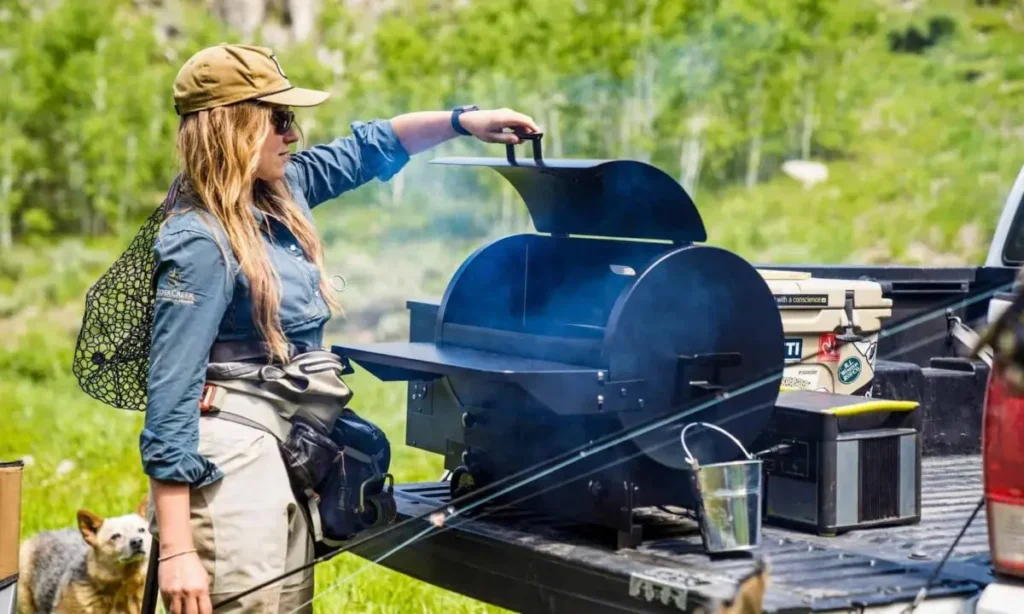
What Makes a Pellet Smoker Portable Different from Traditional Models?
A pellet smoker portable unit revolutionizes outdoor cooking by combining convenience with professional-grade smoking capabilities. Unlike traditional stationary pellet grills that weigh over 100 pounds and require permanent placement, portable models typically weigh between 35-70 pounds and feature compact designs perfect for transport. These innovative smokers maintain the signature set-and-forget temperature control that pellet grills are famous for while adding mobility that traditional units cannot match.
The engineering behind portable pellet smokers focuses on three critical elements: reduced weight, compact footprint, and enhanced durability. Manufacturers achieve portability through strategic material choices like lightweight steel alloys and aluminum components. The hopper capacity in portable units ranges from 8-15 pounds compared to 20-40 pounds in full-sized models, which directly impacts both weight and cooking duration. Despite smaller hoppers, modern portable pellet grills maintain consistent temperatures between 180°F and 500°F for 4-8 hours of continuous cooking.
Key Features to Look for in a Portable Pellet Grill
When shopping for a pellet smoker portable model, understanding essential features helps you make an informed purchase decision. The cooking surface area typically ranges from 180 to 450 square inches, which translates to cooking capacity for 6-20 burgers or 2-4 whole chickens simultaneously. Temperature range flexibility matters significantly—premium portable units offer both low-and-slow smoking at 180°F and high-heat grilling up to 500°F or higher.
Critical features include:
- Digital control systems with WiFi or Bluetooth connectivity for remote monitoring
- Hopper capacity between 8-15 pounds for extended cooking sessions
- Folding legs or collapsible designs that reduce transport dimensions by 40-60%
- Built-in temperature probes for precise meat monitoring
- Grease management systems that simplify cleanup and prevent flare-ups
- Durable construction using powder-coated steel or stainless steel materials
- Fuel efficiency ratings that maximize pellet usage and minimize waste
The control board technology separates good portable pellet smokers from exceptional ones. Advanced PID (Proportional-Integral-Derivative) controllers maintain temperature within ±5°F of your target setting, while basic models may fluctuate ±15-25°F. This precision directly impacts cooking results, especially for temperature-sensitive preparations like brisket or pork shoulder that require 12+ hours at consistent low temperatures.
Top Portable Pellet Smoker Models Compared
| Model | Cooking Area | Weight | Hopper Size | Temp Range | Price Range |
|---|---|---|---|---|---|
| Traeger Ranger | 184 sq in | 60 lbs | 8 lbs | 180-450°F | $400-$500 |
| Green Mountain Davy Crockett | 219 sq in | 57 lbs | 9 lbs | 150-550°F | $500-$600 |
| Camp Chef Pursuit 20 | 501 sq in | 65 lbs | 18 lbs | 160-500°F | $600-$700 |
| Z Grills 450A | 452 sq in | 68 lbs | 15 lbs | 180-450°F | $450-$550 |
| Pit Boss Tailgater | 300 sq in | 62 lbs | 10 lbs | 180-500°F | $350-$450 |
The Green Mountain Davy Crockett stands out as a premium portable pellet grill option with WiFi connectivity that allows temperature monitoring and adjustment from up to 100 feet away using a smartphone app. This model features dual-meat probes and a unique sense-mate system that monitors internal grill temperature at multiple points for superior heat distribution accuracy.
Camp Chef’s Pursuit 20 offers the largest cooking surface among truly portable models, making it ideal for families or group camping trips. The slide-and-grill technology provides direct flame access by sliding the heat diffuser plate, transforming the smoker into a high-heat grill capable of searing steaks at temperatures exceeding 500°F. This versatility eliminates the need for carrying multiple cooking devices on outdoor adventures.
How Portable Pellet Smokers Work: The Technology Explained
Understanding the operational mechanics of a pellet smoker portable helps users maximize performance and troubleshoot issues effectively. The process begins in the hopper, where compressed wood pellets (typically made from hardwoods like hickory, mesquite, apple, or cherry) await feeding into the firebox. An auger system, powered by a small electric motor, rotates to transport pellets from the hopper to the burn pot at precisely controlled intervals.
The burn pot contains a hot rod igniter that heats to approximately 700°F, igniting the pellets as they enter. Once combustion begins, a convection fan circulates heat and smoke throughout the cooking chamber, creating an even temperature distribution similar to a convection oven. This fan-forced circulation eliminates hot spots common in traditional charcoal or offset smokers, resulting in consistent cooking across the entire grill surface.
Temperature regulation occurs through a feedback loop between the RTD (Resistance Temperature Detector) probe and the control board. When internal temperature drops below the target setting, the controller increases auger speed to feed more pellets. When temperature exceeds the target, the auger slows or stops briefly. This continuous micro-adjustment process maintains remarkable temperature stability without user intervention, distinguishing pellet technology from manual fire management required by charcoal or wood smokers.
Best Uses for Your Portable Pellet Smoker
A portable pellet grill excels in diverse outdoor cooking scenarios beyond basic backyard barbecuing. Tailgating events represent the most popular application, where compact size and reliable performance create the perfect combination for parking lot cooking. The ability to smoke brisket, ribs, or pulled pork while enjoying pre-game festivities has made portable pellet smokers essential equipment for serious tailgaters nationwide.
Camping adventures benefit tremendously from portable pellet smoker technology, particularly at campgrounds offering electrical hookups. Unlike propane grills that require heavy fuel tanks or charcoal grills demanding constant fire management, pellet smokers provide worry-free cooking that allows campers to explore trails or enjoy recreational activities while dinner smokes unattended. The wood-fired flavor enhancement elevates simple camping meals into gourmet experiences that traditional camp stoves cannot match.
Additional ideal applications include:
- RV travel where compact storage and electrical operation align perfectly with mobile lifestyle requirements
- Beach outings at locations permitting grilling, offering smoke-infused seafood possibilities
- Apartment balconies where space constraints prohibit full-sized grills (verify local regulations)
- Hunting camps providing quality meals in remote locations with generator power
- Competition BBQ as practice units or backup smokers for professional pitmasters
- Catering events where multiple portable units create flexible cooking stations
Portable units also serve as excellent “second smokers” for experienced pitmasters who already own large stationary models. Having a pellet smoker portable option allows smoking side dishes, appetizers, or desserts simultaneously with main courses on the primary smoker, significantly expanding cooking capacity during large gatherings or holiday meals.
Fuel Efficiency and Operating Costs
Operating cost analysis reveals that portable pellet smokers deliver exceptional value compared to alternative fuel sources. Premium hardwood pellets typically cost $0.80-$1.50 per pound when purchased in 40-pound bags, with bulk purchases reducing per-pound pricing. Average consumption rates range from 1-2 pounds per hour at low smoking temperatures (225°F) and 2-4 pounds per hour at higher grilling temperatures (400°F+).
A typical 12-hour brisket smoke at 225°F consumes approximately 15-18 pounds of pellets, translating to $12-$27 in fuel costs. This compares favorably to propane grills requiring 15-20 pounds of propane ($30-$40) for equivalent cooking time, and significantly beats charcoal consumption which averages $20-$35 for similar duration cooks. The precision temperature control of pellet systems also reduces wasted fuel from temperature overshooting common with manual fire management.
Electricity consumption adds minimal operating costs, with most portable pellet grills drawing 300-450 watts during startup (first 5-10 minutes) and 30-60 watts during normal operation. A 12-hour cook typically uses 0.5-1.0 kWh of electricity, costing $0.06-$0.15 at average residential rates. This negligible electrical expense makes pellet smokers extraordinarily economical for extended low-temperature smoking sessions.
Portability Features That Matter Most
True portability extends beyond simply being lighter than full-sized models. The best portable pellet grill designs incorporate thoughtful engineering that enhances transport convenience and setup efficiency. Folding leg systems represent the most impactful feature, typically reducing height by 8-12 inches and enabling storage in vehicle trunks or RV compartments where standard models won’t fit.
Integrated handles positioned at proper lifting points distribute weight evenly and prevent awkward carrying positions that strain backs or wrists. Look for rubberized or heat-resistant handle materials that remain comfortable during transport, even when the grill retains residual heat from recent cooking. Some premium models include locking lid mechanisms that prevent accidental opening during transport, protecting internal components and preventing pellet spillage.
Wheel systems deserve careful consideration despite adding weight. Models incorporating rugged, all-terrain wheels (6-8 inch diameter) maneuver easily across grass, gravel, or sand encountered at camping sites and beach locations. Removable wheel assemblies offer the best flexibility—attach wheels for easy positioning at your cooking location, then remove them to reduce overall footprint and weight for vehicle loading.
Storage accessories enhance portability significantly. Custom-fitted covers protect your pellet smoker portable during transport and storage, preventing scratches, dust accumulation, and weather damage. Dedicated carrying bags or cases, while adding initial cost, provide superior protection and often include compartments for pellets, tools, and accessories, consolidating all grilling equipment into one portable package.
Temperature Control and Cooking Versatility
Advanced temperature management separates premium portable pellet smokers from budget alternatives. PID controller technology, found in higher-end models, uses sophisticated algorithms that predict temperature trends and adjust pellet feed rates proactively rather than reactively. This predictive approach minimizes temperature swings during cooking, maintaining ±5°F accuracy even when ambient conditions change dramatically.
The temperature range capabilities determine cooking versatility. Entry-level portable units typically operate between 180-450°F, adequate for traditional smoking and indirect grilling. Premium models extend ranges to 150-500°F or beyond, enabling both cold smoking applications (cheese, fish, bacon) at the lower end and high-heat searing (steaks, burgers) at the upper extreme. This expanded range essentially replaces multiple cooking devices with a single portable unit.
Cooking applications by temperature:
- 150-180°F: Cold smoking cheese, nuts, salt, bacon
- 200-250°F: Traditional low-and-slow smoking (brisket, ribs, pork shoulder)
- 275-325°F: Roasting chicken, turkey, whole fish
- 350-400°F: Baking pizzas, bread, casseroles
- 425-500°F: Grilling burgers, steaks, vegetables with sear marks
Multi-zone cooking capability, available on larger portable models, creates temperature variations across the cooking surface. This feature allows simultaneous smoking of brisket at 225°F on one side while grilling corn or vegetables at 400°F on the other, maximizing efficiency and expanding menu possibilities during single cooking sessions.
Maintenance Requirements for Portable Models
Proper maintenance extends the lifespan of your pellet smoker portable investment and ensures consistent performance across hundreds of cooks. After each use, ash removal from the burn pot and fire box prevents buildup that restricts airflow and reduces combustion efficiency. Most manufacturers recommend complete ash cleaning every 3-5 cooks, though extended low-temperature smoking sessions may require more frequent attention.
Suggested read: Best Portable Smoker Grill Options for Outdoor Cooking in 2026
The grease management system requires regular maintenance to prevent fire hazards and maintain food quality. Empty and clean the grease bucket after every 2-3 cooks, or more frequently when cooking fatty meats like pork shoulder or duck. Allowing grease accumulation creates potential for flare-ups and imparts rancid flavors to foods. Disposable aluminum foil liners simplify this process, enabling quick cleanup without scrubbing.
Seasonal deep cleaning checklist:
- Remove and wash all grates, heat deflectors, and drip trays with hot soapy water
- Vacuum interior surfaces to remove accumulated ash and debris
- Inspect and clean the burn pot, removing any hardened residue
- Check auger mechanism for smooth operation, clearing any jammed pellets
- Examine door seals for damage, replacing if cracks or gaps appear
- Test igniter rod functionality, replacing if startup times exceed 10 minutes
- Clean temperature probe sensors with fine steel wool to ensure accuracy
- Lubricate folding legs and wheel assemblies if applicable
Cover your portable pellet smoker during storage, even when kept indoors. Dust and moisture can corrode electrical components and metal surfaces. For extended storage periods (winter months in cold climates), remove any remaining pellets from the hopper, as wood pellets absorb moisture and swell, potentially jamming the auger system during next use.
Power Requirements and Off-Grid Solutions
Understanding electrical needs is crucial when planning to use a portable pellet grill in various locations. Standard models require 110V AC power and draw 300-500 watts during the initial 5-10 minute startup phase when the igniter rod heats pellets to combustion temperature. After successful ignition, power consumption drops dramatically to 30-60 watts for auger motor and fan operation, making extended cooking sessions surprisingly efficient.
For locations without standard electrical outlets, several power solutions enable true off-grid cooking. Portable power stations (also called battery generators) with 500-1000 watt-hour capacity can power most portable pellet smokers for 6-12 hours of cooking, depending on temperature settings and ambient conditions. Popular models like Jackery Explorer 1000 or Goal Zero Yeti 1500X provide ample capacity for full-day smoking sessions at remote locations.
Inverter generators represent another viable power solution, particularly for multi-day camping trips or tailgating events. A 2000-watt inverter generator easily powers any pellet smoker portable while providing clean electricity safe for sensitive electronic control boards. Models from Honda, Yamaha, or Champion run quietly (50-60 decibels at quarter load) and consume only 0.2-0.3 gallons of gasoline per hour, making them economical for extended cooking periods.
Direct 12V DC pellet smokers eliminate inverter requirements entirely, operating from vehicle batteries, marine batteries, or solar panel systems. These specialized units cost more initially but offer ultimate portability for serious outdoor enthusiasts. One popular 12V model draws 10-15 amps during startup and 2-4 amps during normal operation, making it compatible with standard deep-cycle batteries providing 8-12 hours of cooking time per charge.
Comparing Portable Pellet Smokers to Other Portable Grills
When evaluating a portable pellet smoker against alternative portable cooking options, several factors beyond initial cost demand consideration. Charcoal portable grills cost $50-$200, significantly less than pellet models, but require constant fire management, produce inconsistent temperatures, and generate more ash and cleanup work. The set-and-forget convenience of pellet technology saves hours of supervision during long smoking sessions.
Portable propane grills excel at high-heat grilling and quick cooking but lack true smoking capability. While wood chip boxes or smoker tubes can add some smoke flavor, they cannot replicate the continuous wood-fired taste that pellet combustion provides. Propane models also require carrying heavy fuel cylinders, while pellet bags weigh less and pack more efficiently in vehicles.
Comparison factors across portable grill types:
| Feature | Pellet Smoker | Charcoal Grill | Propane Grill | Electric Smoker |
|---|---|---|---|---|
| Setup Time | 10-15 min | 30-45 min | 5-10 min | 10-15 min |
| Temperature Control | Excellent | Poor | Good | Excellent |
| Smoke Flavor | Excellent | Good | Fair (with additions) | Good |
| Fuel Efficiency | Very Good | Fair | Good | Excellent |
| Cleanup Difficulty | Low | High | Low | Medium |
| Weather Resistance | Good | Excellent | Good | Fair |
| Power Requirement | 110V AC | None | None | 110V AC |
Electric smokers provide similar set-and-forget convenience but generally lack the authentic wood-fired flavor intensity that continuous pellet combustion delivers. They also cannot achieve high grilling temperatures, limiting versatility. A portable pellet grill combines the best attributes of electric convenience with genuine wood-smoking capabilities and high-heat grilling range.
Weather Resistance and Outdoor Durability
Quality portable pellet smokers feature construction designed to withstand diverse weather conditions encountered during outdoor adventures. Powder-coated steel exteriors resist rust and corrosion better than standard paint finishes, maintaining appearance and structural integrity through years of exposure to moisture, UV radiation, and temperature extremes. Premium models incorporate stainless steel components in high-wear areas like cooking grates, heat deflectors, and burn pots.
Insulation quality significantly impacts performance in cold weather conditions. Double-wall construction creates an air gap that reduces heat loss, maintaining consistent internal temperatures even when ambient temperatures drop below freezing. This insulation also protects exterior surfaces from becoming dangerously hot during operation, improving safety around children and pets. Single-wall budget models struggle maintaining temperature stability when wind speeds exceed 15 mph or temperatures fall below 40°F.
Weatherproofing extends beyond materials to design features. Sealed electrical connection points prevent moisture infiltration that causes control board failures. Sloped lid designs shed rain and snow rather than allowing accumulation. Elevated legs position the unit above puddles, wet grass, or snow accumulation that could damage bottom-mounted components. These engineering details separate portable units built for occasional backyard use from those engineered for serious outdoor adventures.
Wind resistance matters tremendously for portable applications. Some manufacturers include wind baffles or directional venting that maintains combustion efficiency in breezy conditions. Testing your pellet smoker portable in various wind directions before important cooks helps identify positioning strategies that optimize performance. As a general rule, orient the unit so prevailing winds don’t blow directly into the exhaust vent or pellet hopper opening.
Assembly and Initial Setup Process
Unboxing and assembling your new portable pellet grill typically requires 30-60 minutes and basic hand tools (screwdrivers, wrenches usually included). Most manufacturers design portable models with minimal assembly requirements—usually attaching legs, installing temperature probes, and connecting control panels. Step-by-step illustrated instructions guide users through the process, though online video tutorials often provide clearer guidance than printed manuals.
The seasoning process, required before cooking any food, burns off manufacturing residues and establishes initial smoke flavor coating on interior surfaces. Fill the hopper with 5-10 pounds of pellets, set temperature to maximum (usually 400-450°F), and run empty for 45-60 minutes. This initial burn-in produces significant smoke as protective oils vaporize from metal surfaces—conducting seasoning outdoors in well-ventilated areas prevents smoke alarms and unpleasant indoor odors.
First-time startup checklist:
- Verify all assembly bolts and screws are properly tightened
- Confirm grease bucket is properly installed and positioned
- Load high-quality pellets (avoid cheap brands that jam augers)
- Ensure hopper lid closes completely to prevent moisture entry
- Connect to appropriate power source (110V AC outlet or compatible battery)
- Set temperature and allow 7-10 minutes for ignition phase
- Verify smoke production through exhaust vent within 15 minutes
- Check temperature probe accuracy with external thermometer
- Test WiFi/Bluetooth connectivity if equipped with smart features
After successful seasoning, conduct a test cook with inexpensive items like chicken thighs or pork chops. This practice run familiarizes you with control operations, temperature stability characteristics, and approximate cooking times before attempting expensive cuts like brisket or prime rib. Taking notes during test cooks creates a personal reference guide for optimal temperature settings and timing.
Safety Considerations for Portable Pellet Smoking
Operating a pellet smoker portable safely requires understanding fire hazards and implementing common-sense precautions. Never operate pellet grills in enclosed spaces, including garages with doors closed, covered patios with poor ventilation, or inside campers and RVs. Carbon monoxide poisoning risk exists wherever combustion occurs without adequate fresh air circulation, and pellet smokers produce CO during normal operation just like any wood-burning device.
Clearance requirements vary by manufacturer but generally specify 12-24 inches of open space on all sides and 24-36 inches above the unit. These clearances prevent heat damage to nearby structures, reduce fire risk from radiant heat, and ensure proper air circulation for combustion and temperature control. Pay particular attention to overhead clearance—hot exhaust gases rise and can damage patio covers, awnings, or tree branches positioned too close above the smoker.
Pellet storage demands dry conditions to prevent moisture absorption that causes swelling, jamming, and poor combustion. Store unopened pellet bags in climate-controlled spaces or weather-tight containers. Once opened, transfer unused pellets to airtight buckets or bins, as exposure to humidity can ruin pellets within days in humid climates. Never store pellets near the hot smoker, as radiant heat can begin pellet breakdown before they enter the hopper.
Critical safety practices:
- Position smoker on stable, level, non-flammable surfaces (concrete, brick, metal stands)
- Keep fire extinguisher rated for grease fires (Class K) within easy reach
- Never leave operating smoker completely unattended for extended periods
- Monitor pellet levels—running empty can damage auger motors and igniters
- Allow complete cooldown (2-4 hours) before cleaning, covering, or storing
- Keep children and pets at safe distances from hot exterior surfaces
- Inspect electrical cords for damage before each use, replacing if frayed
Grease fires, while rare in properly maintained pellet smokers, require specific response protocols. Never use water on grease fires—this spreads burning grease and intensifies flames. Close the lid to starve flames of oxygen, shut off power if safely accessible, and use your Class K fire extinguisher if flames persist after lid closure. After any grease fire, thoroughly inspect and clean the unit before resuming use.
Pellet Selection and Flavor Profiles
Wood pellet choice dramatically influences the flavor profile imparted to foods cooked on your portable pellet smoker. Hardwood pellets come in numerous varieties, each contributing distinct flavor characteristics. Oak pellets provide versatile, medium-intensity smoke suitable for all meat types. Hickory delivers stronger, bacon-like flavors ideal for pork and beef. Mesquite produces the most intense, earthy smoke best used sparingly or blended with milder woods.
Fruit woods like apple, cherry, and pecan offer subtle, sweet smoke perfect for poultry, pork, and seafood. These milder pellets work exceptionally well for long smoking sessions where heavy woods might create overpowering bitterness. Competition BBQ teams frequently blend fruit woods with oak or hickory at 50/50 or 60/40 ratios, balancing sweetness with traditional smoke intensity. Experimenting with blends helps develop signature flavors unique to your cooking style.
Suggested read: Best Portable Propane Griddle of 2026: Top Picks for Outdoor Cooking
Pellet flavor matching guide:
- Beef (brisket, ribs, steaks): Oak, hickory, mesquite, or oak-hickory blends
- Pork (shoulder, ribs, chops): Apple, cherry, hickory, maple, or fruit-hickory blends
- Poultry (chicken, turkey, duck): Apple, cherry, pecan, maple
- Seafood (salmon, trout, shrimp): Alder, apple, cherry, pecan
- Vegetables: Oak, maple, pecan (avoid heavy woods)
- Cheese: Apple, cherry, maple (cold smoking only)
- Pizza/Bread: Oak, maple, or competition blends
Quality matters significantly in pellet performance and flavor delivery. Premium pellets contain 100% hardwood with minimal fillers or binding agents. Cheap pellets often include softwoods, bark, or excessive binders that create bitter flavors, excessive ash, and potential auger jams. While premium pellets cost $1.00-$1.50 per pound compared to $0.60-$0.80 for budget brands, the improved flavor, reduced maintenance, and fewer jams justify the investment.
Storage and Transportation Best Practices
Protecting your pellet smoker portable investment requires thoughtful storage and transportation strategies. Custom-fitted covers provide the first line of defense against dust, moisture, and UV damage during storage periods. Heavy-duty polyester or vinyl covers with water-resistant coatings and reinforced seams last significantly longer than cheap nylon alternatives that tear and fade within one season.
When transporting in vehicle trunks or truck beds, securing the smoker prevents shifting and collision damage during transit. Ratchet straps or bungee cords anchored to tie-down points keep units stationary even during aggressive cornering or sudden braking. Remove any loose components (grates, temperature probes, grease buckets) before transport, packing them separately to prevent rattling damage. Some owners fabricate custom wooden travel boxes or repurpose large tool chests to protect their portable units during frequent transport.
Climate considerations impact storage strategies significantly. In regions experiencing freezing temperatures, storing pellet smokers in heated garages or sheds prevents moisture condensation inside electrical components that can corrode connections or damage control boards. If indoor storage isn’t available, thoroughly cover the unit and elevate it on blocks or a platform to prevent ground moisture wicking into bottom vents and panels.
Pre-transport preparation extends beyond securing the physical unit. Empty all pellets from the hopper, as wood pellets can swell with moisture or movement-induced settling can cause jams. Remove ash from the burn pot and fire box to prevent loose debris from migrating into auger mechanisms during transit. Drain and clean the grease bucket to avoid spills that create mess and attract insects during travel.
Cost Analysis and Value Proposition
Initial investment in a quality portable pellet grill ranges from $350 for basic entry-level models to $700+ for premium units with advanced features and larger cooking surfaces. While significantly more expensive than portable charcoal grills ($50-$200) or basic propane models ($150-$300), the added convenience, versatility, and consistent results justify higher prices for serious outdoor cooking enthusiasts.
Long-term cost-of-ownership calculations reveal favorable economics compared to other grilling methods. Pellet fuel costs approximately $0.80-$1.50 per pound, with typical smoking sessions consuming $10-$25 in pellets. Propane equivalents cost similar amounts but lack true smoking capability. Charcoal provides comparable smoke flavor at slightly lower fuel costs but demands significantly more labor and produces more waste requiring disposal.
Five-year ownership cost comparison (assuming 50 cooks annually):
| Grill Type | Initial Cost | Annual Fuel | Annual Maintenance | 5-Year Total |
|---|---|---|---|---|
| Portable Pellet Smoker | $500 | $375 | $50 | $2,625 |
| Charcoal Portable | $150 | $300 | $25 | $1,775 |
| Propane Portable | $250 | $400 | $30 | $1,900 |
| Electric Smoker | $300 | $200 | $40 | $1,500 |
While pellet smokers show higher total costs, the calculation excludes value-added benefits: time savings from automated temperature control, expanded cooking capabilities from smoking to high-heat grilling, and superior food quality from consistent wood-fired flavor. These intangible benefits have monetary value difficult to quantify but significant to users prioritizing convenience and results over minimum purchase price.
Resale value retention favors quality portable pellet smokers. Well-maintained units from reputable manufacturers retain 40-60% of original value after 3-5 years, significantly better than cheap alternatives that depreciate to near-zero value within similar timeframes. This stronger resale market reflects genuine demand for used pellet equipment, effectively reducing net ownership costs for those who eventually upgrade.
Accessories That Enhance Portable Pellet Smoking
Strategic accessory investments expand the capabilities and convenience of your pellet smoker portable setup. Insulated blankets designed for specific grill models dramatically improve cold-weather performance and fuel efficiency. These thermal wraps reduce pellet consumption by 20-40% when ambient temperatures drop below 40°F, paying for themselves within several winter cooking sessions through fuel savings.
Additional cooking surfaces multiply capacity without purchasing larger grills. Stackable racks, warming shelves, and multi-level grate systems effectively double or triple usable cooking space, transforming compact portable units into capable cookers for large gatherings. Ensure additional racks maintain proper spacing for smoke circulation—overcrowding restricts airflow and creates uneven cooking results that negate expanded capacity benefits.
Essential accessories for portable pellet smoking:
- Meat thermometers: Instant-read or leave-in probe thermometers ensure perfect doneness
- Grill grates: Cast iron grates for superior searing, stainless for easy cleaning
- Pellet storage: Airtight containers prevent moisture absorption during transport
- Cleaning tools: Grill brushes, ash vacuums, scraper tools simplify maintenance
- Covers: Weather-resistant protection during storage and transport
- Tool sets: Tongs, spatulas, forks designed for outdoor cooking
- Drip pans: Disposable aluminum pans catch drippings for gravy or disposal
- Heat-resistant gloves: Protection when handling hot grates or components
Smart technology accessories enhance monitoring and control capabilities. WiFi or Bluetooth thermometer systems with multiple probes enable simultaneous monitoring of several meat cuts plus ambient grill temperature from smartphones or tablets. Some advanced systems send alerts when meats reach target temperatures or if grill temperatures drift outside acceptable ranges, providing peace of mind during extended cooking sessions.
Troubleshooting Common Issues
Even well-designed portable pellet smokers occasionally experience operational issues. Temperature fluctuations exceeding ±15°F typically indicate dirty RTD sensors or restricted airflow from ash buildup. Clean the temperature sensor probe with fine steel wool and vacuum all ash from the fire box and burn pot. If problems persist, verify adequate pellet supply—low hopper levels can cause auger delivery inconsistencies affecting temperature stability.
Failure to ignite represents another common frustration, usually caused by three factors: defective igniter rod, wet pellets, or excessive ash. Test the igniter by observing if it glows red-orange during the startup cycle. If not glowing, the igniter rod requires replacement. Ensure pellets are completely dry—squeeze test reveals moisture if pellets crumble easily. Ash accumulation around the igniter prevents heat transfer to fresh pellets; thorough cleaning typically resolves startup failures.
Excessive smoke production or bitter flavor indicates incomplete combustion from poor-quality pellets or restricted airflow. Switch to premium pellet brands containing pure hardwood without fillers. Clean the burn pot and verify the convection fan operates properly—weak airflow prevents complete combustion, creating creosote buildup that imparts acrid flavors to foods. Replace fan motors showing reduced speed or unusual noise.
Quick diagnostic guide:
- No power: Check outlet, GFCI reset, internal fuse if accessible
- Auger jammed: Remove pellets, clear obstruction, use only dry pellets
- Flames in hopper: Immediately shut down, extinguish, check burn pot for holes
- Uneven cooking: Verify level placement, check heat deflector positioning
- Excessive ash: Switch pellet brands, ensure adequate airflow, clean regularly
Unusual noises during operation warrant investigation before they escalate into failures. Grinding or squealing from the auger assembly suggests bearing wear or foreign objects in the feed system. Metal-on-metal sounds from the convection fan indicate worn bearings or loose mounting hardware. Addressing these warning signs promptly prevents catastrophic component failures that require expensive repairs or replacement.
Real User Experiences and Case Studies
Competition BBQ teams increasingly adopt portable pellet grills as practice units and travel cookers. Jim Thompson, a KCBS-certified judge and competitor, shares: “Our team purchased Green Mountain Davy Crocketts for individual practice sessions at home. The WiFi control lets us monitor cooks while handling other prep work, and the consistent temperatures helped us perfect our brisket technique that won Grand Champion at three regional competitions last season.”
Weekend camping enthusiasts report transformative experiences switching from propane to pellet technology. Sarah Martinez, avid RV traveler, explains: “We upgraded to a Camp Chef Pursuit 20 after years of basic propane grilling. The difference is incredible—we’re smoking ribs, whole chickens, even salmon at campgrounds. Our camping neighbors constantly ask about the amazing smoke smell, and we’ve met dozens of new friends sharing pellet smoking tips and recipes.”
Survey results from 500 portable pellet smoker owners:
- 87% report using their portable unit at least twice monthly
- 73% describe portability as “essential” or “very important” feature
- 91% would recommend portable pellet smokers to friends
- 68% use portable units for camping/RVing applications
- 82% appreciate set-and-forget temperature control most
- 64% have purchased additional accessories beyond basic unit
Professional caterers leverage portable pellet smokers to expand service offerings without massive equipment investments. Marcus Chen operates a weekend catering business using four Traeger Rangers. “These portables deliver restaurant-quality smoked meats at outdoor events where full-sized pits won’t fit or aren’t practical. I can smoke pulled pork at one event while simultaneously running ribs at another location. The portability opened revenue streams impossible with stationary equipment.”
Advanced Techniques for Portable Pellet Grills
Reverse searing transforms ordinary steaks into restaurant-quality centerpieces using your pellet smoker portable. Start by smoking thick-cut steaks (1.5-2 inches) at 225°F until internal temperature reaches 115-120°F for medium-rare, approximately 45-60 minutes. Remove steaks, increase grill temperature to maximum (450-500°F), then sear each side 90 seconds to create dramatic crust while maintaining perfect pink centers. This technique produces superior results compared to traditional grilling methods.
Cold smoking expands culinary possibilities beyond traditional barbecue applications. Using a pellet tube or maze smoker placed on the grill grate, generate smoke without significant heat. Maintain temperatures below 90°F for cheese, butter, salt, or nuts by running the cold smoke generator without powering the grill’s standard pellet feed system. This specialized technique creates gourmet ingredients impossible to achieve with standard hot smoking.
Suggested read: Best Portable Bathroom With Shower Options for Any Outdoor Adventure
Advanced cooking applications:
- Baking: Pizza stones or Dutch ovens enable bread, desserts, casseroles
- Rotisserie: Aftermarket kits add slow-rotating capability for whole chickens, roasts
- Vegetables: Direct grilling asparagus, peppers, zucchini at 400°F+ develops char flavor
- Seafood: Cedar planks protect delicate fish while infusing smoke flavor
- Breakfast: Smoke bacon, sausage, pancakes for elevated morning meals
- Desserts: Smoked ice cream, chocolate, fruits create unique flavor combinations
Two-zone cooking maximizes versatility during single sessions. Position heat deflector to cover only half the grill, creating an indirect smoking zone and direct grilling zone simultaneously. Smoke brisket on the indirect side while grilling vegetables or searing steaks on the direct side, accommodating diverse menu items without sequential cooking that keeps guests waiting.
Winterizing and Seasonal Preparation
Preparing your portable pellet grill for winter storage or cold-weather operation ensures reliable spring performance and extends equipment lifespan. Deep clean all components before storage, removing grease, ash, and residue that can harden during cold months and damage surfaces. Apply food-grade mineral oil to uncoated metal surfaces (interior walls, grates) to prevent rust formation during storage humidity fluctuations.
For regions where year-round outdoor cooking continues through winter, insulated blankets specifically designed for your grill model become essential accessories. These thermal wraps maintain combustion efficiency and temperature stability when ambient temperatures drop below freezing. Without insulation, portable units struggle maintaining low smoking temperatures (225°F) when facing 20°F weather and 15 mph winds—conditions common in northern climates during winter months.
Pellet storage requires extra attention during humid summer months. High humidity causes wood pellets to absorb moisture, swell, and potentially jam auger mechanisms. Transfer opened pellet bags into airtight storage containers within 48 hours of opening. Some dedicated pellet smoker owners install dehumidifiers in storage sheds maintaining 40-50% relative humidity, preventing pellet degradation and ensuring consistent performance.
Battery-powered smokers demand different winterization approaches. Lithium batteries powering 12V pellet grills should never be stored in freezing conditions, as cold temperatures damage cells and reduce capacity. Remove batteries from portable units, store indoors at room temperature, and maintain 40-60% charge levels during storage periods. This practice maximizes battery longevity and ensures reliable power delivery when smoking season resumes.
Environmental Impact and Sustainability
Portable pellet smokers offer environmental advantages over alternative fuel sources when examining full lifecycle impacts. Wood pellets represent renewable biomass fuel, with most manufacturers using sawdust and wood waste from lumber production that would otherwise decompose or be burned as waste. This recycling of wood industry byproducts reduces landfill burden while creating useful cooking fuel.
Carbon footprint analysis reveals pellet combustion produces approximately 0.15 pounds of CO2 per pound of pellets burned. A typical 12-hour brisket smoke consuming 15 pounds of pellets generates roughly 2.25 pounds of CO2. Propane equivalents produce 3-4 pounds of CO2 for similar cooking duration, while charcoal generates 5-8 pounds depending on briquette composition. These figures exclude manufacturing and transportation emissions but demonstrate cleaner combustion characteristics of pellet fuel.
Ash production from pellet smoking remains minimal compared to charcoal alternatives. Quality hardwood pellets generate approximately 1-2% ash by weight, meaning 100 pounds of pellets produce only 1-2 pounds of ash requiring disposal. This ash contains beneficial nutrients (potassium, phosphorus, calcium) and can be added to compost piles or garden soil at appropriate rates, completing the sustainability cycle from wood waste to plant nutrition.
Responsible pellet sourcing further enhances environmental benefits. Manufacturers certified by organizations like the Pellet Fuels Institute or those carrying FSC (Forest Stewardship Council) certifications ensure sustainable forestry practices throughout their supply chains. These certifications verify that wood sources come from responsibly managed forests where harvest rates don’t exceed growth rates, maintaining long-term forest health and carbon sequestration capacity.
Pairing Your Portable Pellet Smoker with Other Portable Equipment
Creating a complete portable outdoor cooking system requires coordinating equipment beyond just the grill itself. A portable diesel fuel tank provides extended power capabilities when using generator systems to run your pellet smoker portable at remote locations. Diesel generators typically offer superior fuel efficiency and runtime compared to gasoline alternatives, making them ideal for extended camping trips or multi-day outdoor events.
Portable prep tables and food safety equipment complete professional-grade mobile cooking setups. Folding stainless steel prep tables provide clean work surfaces for food preparation, assembly, and plating. Insulated coolers rated for 5-7 day ice retention maintain safe food storage temperatures during extended camping adventures. Digital instant-read thermometers verify safe internal temperatures, protecting against foodborne illness risks during outdoor cooking where temperature control challenges increase.
Lighting systems extend cooking capabilities into evening hours. Battery-powered LED work lights or magnetic strip lights attached directly to smoker hoods illuminate cooking surfaces and controls after sunset. For permanent tailgating locations or established campsites, portable solar panels can charge batteries during daytime hours, providing sustainable power for evening lighting, phone charging, and other electrical needs.
Complementary portable equipment:
- Portable power stations: 500-1500 watt-hour battery generators
- Folding tables: Prep surfaces, serving stations, equipment staging
- Coolers: Food storage, beverage service, ice-based cooling
- Canopies: Weather protection, shade during hot conditions
- Tool organizers: Utensil storage, condiment caddies, accessory cases
Transportation logistics become simpler with organized equipment storage systems. Dedicated trailer setups or truck bed organizations keep all outdoor cooking equipment accessible and protected. Some serious enthusiasts install permanent mounting brackets in truck beds or trailers, securing portable smokers, prep tables, and storage containers for instant deployment upon arrival at cooking destinations.
Where to Buy Your Portable Pellet Smoker
Selecting the right retailer impacts both initial purchase experience and long-term ownership satisfaction. Authorized dealers provide manufacturer warranties, genuine replacement parts access, and knowledgeable staff who understand product features and troubleshooting. Major outdoor retailers like Bass Pro Shops, Cabela’s, and Scheels maintain extensive pellet grill selections with floor models allowing hands-on evaluation before purchase.
Direct manufacturer purchases through brand websites often provide best pricing during promotional periods, with many companies offering seasonal sales around major holidays (Memorial Day, Fourth of July, Labor Day, Black Friday). Direct purchase typically includes full warranty coverage and direct customer service access, though shipping costs can add $50-$100 to delivered price for these heavy items.
Online marketplaces like Amazon, Walmart.com, and specialty BBQ retailers provide competitive pricing and convenient home delivery. Read seller ratings carefully—third-party sellers may not provide authorized warranty coverage or genuine products. Verified authorized dealers display specific certifications on product listings. Customer reviews offer valuable insights into real-world performance, common issues, and long-term reliability experiences.
Where to find portable pellet smoker deals:
- Manufacturer websites: Direct sales, clearance models, package deals
- Outdoor retailers: Floor models, seasonal sales, expert advice
- Home improvement stores: Occasional discounts, convenient local pickup
- BBQ specialty shops: Premium brands, accessories, local expertise
- Online marketplaces: Price comparison, customer reviews, delivery options
- Used equipment: Craigslist, Facebook Marketplace, BBQ forums (inspect carefully)
Consider total cost beyond sticker price when evaluating purchase options. Some retailers bundle essential accessories (covers, extra grates, pellet assortments) at reduced package pricing, effectively saving $75-$150 compared to purchasing items separately. Extended warranty programs, while adding upfront cost, provide valuable protection for electronic control boards and motors prone to eventual failure after hundreds of cooking sessions.
Maximizing Your Investment in Portable Pellet Smoking
Protecting your pellet smoker portable investment begins with proper setup and operational habits. Always operate on stable, level surfaces—uneven placement causes grease pooling that can ignite or overflow. Use manufacturer-specified replacement parts when repairs become necessary; aftermarket igniters or control boards may not meet original specifications, potentially damaging other components or creating safety hazards.
Document maintenance activities in a simple log tracking dates of cleanings, part replacements, and any performance issues noted. This record helps identify patterns (seasonal performance changes, wear intervals) and provides valuable reference when troubleshooting problems. Maintenance logs also enhance resale value by demonstrating responsible ownership to potential buyers.
Join online communities and social media groups dedicated to pellet smoking and your specific grill brand. These forums provide free access to experienced users who share recipes, troubleshooting advice, modification ideas, and source recommendations. Many manufacturers maintain official user groups where engineers and customer service representatives directly answer technical questions and announce updates or recalls.
Ownership best practices:
- Read complete owner’s manual before first use
- Register product for warranty coverage immediately after purchase
- Follow break-in and seasoning procedures exactly as specified
- Use only high-quality pellets from reputable manufacturers
- Clean after every use, deep clean seasonally
- Store indoors or under quality covers when not in use
- Address unusual sounds or performance changes immediately
- Keep replacement parts (igniters, fuses, probes) readily available
Consider your portable unit as a complete cooking system rather than standalone equipment. Invest in quality accessories that expand capabilities and enhance convenience. Develop skills progressively—master basic smoking techniques before attempting advanced applications. Track successful recipes with notes on temperatures, timing, and pellet types, building a personalized reference library that ensures consistent results.
Frequently Asked Questions About Portable Pellet Smokers
What is the best portable pellet smoker for camping?
Suggested read: Portable Diesel Tank: Best Options for Safe Fuel Storage & Transport
The Green Mountain Davy Crockett and Traeger Ranger are top choices for camping due to their compact size, reliable temperature control, and WiFi connectivity allowing monitoring while enjoying campground activities. Both models weigh under 60 pounds and fit in most vehicle trunks. The Davy Crockett offers slightly larger cooking area (219 sq in vs 184 sq in) and wider temperature range, making it ideal for campers wanting maximum versatility.
How much electricity does a portable pellet grill use?
Most portable pellet smokers draw 300-450 watts during the 5-10 minute startup phase and only 30-60 watts during normal operation. A typical 12-hour smoking session consumes approximately 0.5-1.0 kilowatt-hours of electricity, costing $0.06-$0.15 at average residential rates. This minimal consumption allows operation from portable power stations or small inverter generators without requiring large, expensive battery systems or generators.
Can you use a portable pellet smoker in the rain?
Yes, quality portable pellet grills can operate safely in light to moderate rain, though performance may decrease slightly due to heat loss. Ensure the hopper lid stays closed to prevent pellets from getting wet. Never allow standing water to accumulate on control panels or near electrical components. For heavy rain, position the smoker under covered areas or use a grill umbrella/canopy that provides weather protection while maintaining adequate ventilation.
What temperature range can portable pellet smokers achieve?
Most portable pellet smokers operate between 180-500°F, with premium models extending ranges from 150-550°F. Entry-level units typically max out at 450°F, adequate for most smoking and indirect grilling but limiting high-heat searing capabilities. The low-end temperature determines cold smoking potential—models reaching 150-160°F can cold smoke cheese and fish, while those with 180°F minimums focus on traditional hot smoking applications.
How long do wood pellets last in a portable smoker?
Pellet consumption rates vary by temperature settings and grill efficiency. At low smoking temperatures (225°F), expect 1-2 pounds per hour consumption. At high grilling temperatures (400°F+), consumption increases to 2-4 pounds per hour. A portable pellet grill with a 10-pound hopper provides 5-10 hours at smoking temperatures or 2.5-5 hours at grilling temperatures before requiring refilling. Premium models with larger 15-18 pound hoppers extend these durations proportionally.
Do portable pellet smokers produce enough smoke flavor?
Absolutely. Portable pellet grills generate continuous wood smoke throughout cooking, often producing more consistent smoke flavor than charcoal or offset smokers requiring manual fire management. The automated pellet feed system maintains steady combustion, preventing the flavor fluctuations that occur when charcoal fires burn too hot or nearly extinguish. Many competition BBQ teams use portable pellet smokers specifically because they deliver predictable, repeatable smoke flavor profiles.
Can I take my portable pellet smoker tailgating?
Tailgating represents one of the most popular applications for portable pellet smokers. Their compact size fits in vehicle trunks, they set up quickly (10-15 minutes), and they operate from portable power stations or vehicle inverters. The set-and-forget temperature control lets you enjoy pre-game festivities while ribs or pulled pork smoke unattended. Many stadiums and tailgating areas permit pellet grills where open-flame charcoal grills are prohibited.
What maintenance does a portable pellet grill require?
Regular maintenance includes emptying the grease bucket every 2-3 cooks, vacuuming ash from the burn pot every 3-5 cooks, and deep cleaning interior surfaces seasonally. Check the igniter rod functionality before each season, clean temperature probe sensors with steel wool quarterly, and inspect door seals for damage annually. Most owners spend 15-20 minutes on basic cleaning after each use and 1-2 hours on seasonal deep cleaning, significantly less maintenance than charcoal smokers requiring constant ash removal.
Are portable pellet smokers worth the investment?
For outdoor cooking enthusiasts who value convenience, consistent results, and versatility, portable pellet grills absolutely justify their $350-$700 price tags. The automated temperature control, genuine wood-fired flavor, and portability for camping, tailgating, or RVing create value beyond basic cooking capability. While initial costs exceed charcoal or propane alternatives, the time savings, fuel efficiency, and superior food quality provide returns that passionate outdoor cooks appreciate with every use.
Which wood pellets work best for portable pellet smokers?
Premium 100% hardwood pellets from brands like Traeger, Pit Boss, Bear Mountain, or Lumber Jack deliver optimal performance and flavor. Oak provides versatile, medium-intensity smoke for all foods. Hickory offers stronger flavors ideal for pork and beef. Fruit woods (apple, cherry, pecan) create subtle, sweet smoke perfect for poultry and seafood. Avoid cheap pellets containing fillers, bark, or softwoods that produce excessive ash, bitter flavors, and potential auger jams requiring service calls.
Ready to Upgrade Your Outdoor Cooking Experience?
Investing in a pellet smoker portable transforms outdoor cooking from a chore into an enjoyable culinary adventure. Whether you’re a weekend warrior heading to campgrounds, a tailgating enthusiast supporting your favorite team, or an RV traveler seeking gourmet meals on the road, portable pellet technology delivers restaurant-quality results without constant supervision. The combination of genuine wood-fired flavor, precise temperature control, and true portability creates cooking capabilities unmatched by traditional portable grills.
Don’t settle for basic burgers and hot dogs at your next outdoor event. Explore the world of portable pellet smoking and discover how easy it is to smoke perfect brisket, fall-off-the-bone ribs, or cedar-plank salmon anywhere adventure takes you. Your camping neighbors and tailgating friends will thank you—right before they ask where they can get their own portable pellet smoker.
Start your portable pellet smoking journey today by researching models that fit your specific needs, budget, and cooking style. Visit authorized dealers to see units in person, join online communities to learn from experienced users, and prepare for a new level of outdoor cooking excellence that will have everyone asking for your secret. The perfect portable pellet smoker is waiting to revolutionize your next outdoor adventure.
Citations and Sources:
For comprehensive information on portable pellet smokers, temperature control technology, and wood pellet fuel specifications, visit manufacturer websites including Traeger.com, GreenMountainGrills.com, CampChef.com, and ZGrills.com. Industry organizations like the Pellet Fuels Institute (pelletheat.org) provide detailed information on pellet manufacturing standards and sustainability certifications.
BBQ competition organizations including Kansas City Barbeque Society (KCBS.us) offer resources on smoking techniques, temperature management, and equipment recommendations used by professional pitmasters. For food safety guidelines when cooking outdoors, consult the USDA Food Safety and Inspection Service (fsis.usda.gov) for proper internal temperature requirements and safe food handling practices.