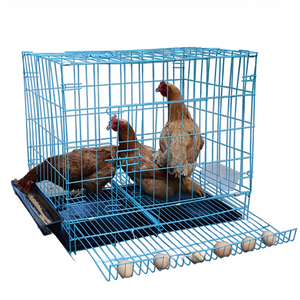
Understanding the Portable Chicken Cage Revolution
The chicken cage portable market has transformed how backyard farmers and commercial poultry keepers manage their flocks. These mobile housing solutions offer unprecedented flexibility, allowing chickens to access fresh grass while maintaining security and comfort. Unlike traditional stationary coops, portable chicken cages combine the benefits of free-range farming with the protection and organization of confined housing systems. The growing interest in sustainable agriculture and self-sufficient living has propelled portable poultry housing from a niche product into a mainstream solution for both hobbyists and serious farmers.
Modern portable chicken cage designs address multiple challenges that traditional coops cannot solve efficiently. They enable rotational grazing, which prevents soil depletion and parasite buildup while giving chickens access to insects, fresh vegetation, and natural foraging opportunities. The mobility factor means you can move your flock away from muddy areas during wet seasons, position them strategically for garden fertilization, or relocate them to protect vulnerable landscaping. This adaptability makes portable cages particularly valuable for small-scale operations where every square foot of property serves multiple purposes throughout the year.
The evolution of portable chicken housing reflects broader shifts in agricultural practices and consumer preferences. As more people seek organic eggs, ethically raised poultry, and connections to their food sources, portable chicken cages provide a practical pathway to these goals. These structures bridge the gap between industrial-scale chicken operations and completely free-range setups, offering a middle ground that prioritizes animal welfare while maintaining biosecurity and management efficiency. Whether you’re raising laying hens for eggs, meat birds for your table, or ornamental breeds for exhibition, understanding portable cage options helps you make informed decisions that benefit both your flock and your farming objectives.
Key Benefits of Using a Chicken Cage Portable System
Improved Pasture Management and Soil Health
Portable chicken cages excel at distributing the fertilizing benefits of chicken manure across your entire property rather than concentrating waste in one location. When chickens remain in fixed coops, their droppings create nitrogen-rich hotspots that can actually damage soil and grass through over-fertilization. Moving a portable chicken cage every few days spreads this valuable resource evenly, transforming your flock into an effective land management tool. The chickens consume insects, weed seeds, and excess vegetation while their manure enriches the soil with nitrogen, phosphorus, and potassium. This natural fertilization cycle reduces or eliminates the need for chemical inputs, creating healthier pastures and more sustainable farming practices.
The rotational grazing enabled by portable systems gives vegetation time to recover between chicken visits. Grass and other plants that chickens have grazed or scratched return stronger because the brief, intensive grazing stimulates growth without destroying root systems. This mimics natural patterns where wild birds move across landscapes rather than staying in one place. Studies from agricultural extension services show that properly managed rotational grazing with poultry can increase pasture productivity by 25-40% compared to continuous grazing or no grazing at all. The improved soil structure, increased organic matter, and enhanced microbial activity create a virtuous cycle where each grazing rotation leaves the land more productive than before.
Disease Prevention and Parasite Control
One of the most compelling health advantages of portable chicken cage systems involves breaking parasite life cycles and reducing disease transmission. Chickens that remain in fixed locations inevitably build up populations of coccidia, roundworms, and other parasites in the soil and bedding. These parasites can survive for extended periods, continuously reinfecting your flock and requiring medication or causing production losses. Moving chickens to fresh ground regularly interrupts this cycle because most poultry parasites cannot survive without immediate access to hosts. By the time you return to a previously grazed area (typically after several weeks), environmental conditions and lack of hosts have significantly reduced parasite loads.
Portable systems also minimize the concentration of ammonia and bacteria that develop in permanent coops with deep bedding. High ammonia levels stress chickens’ respiratory systems and create conditions favorable for respiratory diseases. Fresh air circulation around portable cages, combined with regular moves to clean ground, keeps ammonia at negligible levels. The reduced disease pressure means healthier chickens, lower mortality rates, decreased veterinary expenses, and less need for antibiotics or other medications. For organic producers, this disease prevention through management rather than medication is essential for maintaining certification and meeting consumer expectations.
Flexibility and Space Optimization
A chicken cage portable design provides unmatched versatility in how you utilize your property throughout the year. During spring and summer, you might position cages in orchards where chickens control pests and fertilize fruit trees. In fall, move them across garden beds to clean up crop residue, consume insect larvae, and prepare soil for next season’s planting. Winter positioning might prioritize sheltered areas with southern exposure, while rainy periods call for higher, well-drained ground. This seasonal flexibility allows you to adapt to changing conditions and integrate chickens into diverse farming activities rather than treating them as separate from other agricultural elements.
Space optimization extends beyond seasonal considerations to include temporary uses and project-based chicken keeping. Portable cages work exceptionally well for raising meat birds that you’ll only keep for 8-12 weeks before processing. Rather than dedicating permanent infrastructure to a short-term project, portable systems let you raise a batch of broilers, then repurpose that ground for vegetables, additional laying hen rotation, or other uses. Small property owners particularly benefit from this flexibility because they can keep chickens without permanently allocating scarce space to poultry housing. Even apartment dwellers with access to community gardens or friends’ properties have successfully used portable chicken cages for seasonal egg production.
Types of Portable Chicken Cage Designs
Chicken Tractors
Chicken tractors represent the most common portable chicken cage style, named for their ability to “till” soil as chickens scratch and forage. These bottomless frames, typically constructed from wood or PVC pipe with wire mesh sides and weather-resistant roofing, rest directly on the ground. Designs range from simple A-frame structures that house 3-4 chickens to larger models accommodating 20 or more birds. The absence of flooring gives chickens direct access to grass, insects, and soil while their scratching naturally aerates and fertilizes the ground. Most chicken tractors include a small enclosed roosting area where chickens sleep safely at night, protected from predators and weather.
The primary advantage of chicken tractors lies in their simplicity and effectiveness for pasture-based systems. You can build basic models with minimal carpentry skills using readily available materials, keeping initial costs low. Daily or every-other-day moves prevent overgrazing and maintain fresh foraging opportunities. However, chicken tractors have limitations in wet conditions where they may sink into soft ground, and very heavy models can be difficult to move alone. Security varies considerably by design; predators can dig under lightweight tractors or tear through inadequate wire mesh. Despite these considerations, chicken tractors remain the first choice for many backyard flocks because they deliver excellent value and performance with straightforward construction and operation.
Mobile Coops on Wheels
For those seeking easier mobility and more substantial construction, mobile coops with wheels offer significant advantages over tractors. These elevated structures feature wheels or skids that allow one or two people to move considerable weight across the property with much less effort than dragging a chicken tractor. The raised floor design provides several benefits including improved drainage, easier cleaning, and better protection from burrowing predators like foxes and rats. Many mobile coops include integrated nesting boxes, roosting bars at comfortable heights, and human-accessible doors for egg collection and maintenance without entering the chicken area.
Commercial mobile coops often feature sophisticated designs with galvanized steel frames, corrugated metal roofing, multiple access points, and thoughtful details like removable dropping boards and integrated storage. These premium models can cost $500-$3000 but offer durability and convenience that justify the investment for serious chicken keepers. DIY builders frequently repurpose livestock panels, recycled materials, and salvaged components to create custom mobile coops at a fraction of retail costs. Whether purchased or homemade, wheeled coops work particularly well for larger flocks (15-30 birds) and situations where you need to move chickens greater distances across varied terrain. The elevation also makes them suitable for areas with high groundwater or frequent rainfall where ground-contact systems would become muddy and unsanitary.
Modular and Expandable Systems
Modular portable chicken cage systems take flexibility to another level by allowing you to adjust size and configuration as your flock grows or your needs change. These designs typically use standardized panels that connect together, enabling you to start with a small unit for a few chickens and add sections as you acquire more birds. Some modular systems separate daytime run areas from nighttime housing, giving you options to use different configurations for different purposes. This expandability proves valuable for beginners who want to start small without committing to infrastructure that may prove inadequate or excessive as they gain experience.
The modular approach also facilitates maintenance and seasonal adjustments. You can disassemble sections for thorough cleaning, repair damaged panels without replacing entire structures, and reconfigure layouts to suit different locations on your property. Some chicken keepers maintain multiple small modular units rather than one large cage, distributing chickens across separate groups to manage breeding projects, isolate new birds during quarantine periods, or separate aggressive individuals from the main flock. While modular systems typically cost more per square foot than simple chicken tractors, their versatility and longevity often provide better long-term value, especially for those who anticipate changing their poultry operation over time.
Choosing the Right Portable Chicken Cage for Your Needs
Flock Size Considerations
Determining appropriate sizing for your portable chicken cage begins with understanding space requirements per bird. Standard-sized laying hens need minimum 2-3 square feet per bird inside the enclosed roosting area and 8-10 square feet per bird in outdoor run space. Bantam chickens require less, while larger meat breeds need more. These minimums ensure adequate roosting space, reduce aggressive behavior from overcrowding, and maintain sanitary conditions. However, providing more space than minimum recommendations results in healthier, happier chickens with better production and fewer behavioral problems.
Consider not just current flock size but anticipated growth over the next 2-3 years. Chickens are addictive, and most keepers expand their flocks as they gain confidence and experience. Building or buying a portable cage that accommodates 12 chickens when you currently have 6 prevents the need for immediate upgrades and gives you flexibility to take advantage of opportunities like acquiring new breeds or increasing egg production. On the other hand, dramatically oversizing for a small flock creates inefficiency because you’re moving more structure than necessary and chickens won’t adequately utilize the available space. A good rule of thumb suggests planning for 1.5-2 times your current flock size when selecting portable chicken cage dimensions.
Material Selection and Durability
Wood remains popular for DIY portable chicken cage construction because of its workability, availability, and relatively low cost. Untreated lumber, sealed with exterior-grade paint or stain, provides adequate durability for frames and structural components. However, wood in ground contact deteriorates quickly, so chicken tractor designs should use treated lumber for bottom frames or plan for periodic replacement of ground-contact components. Cedar and redwood offer natural rot resistance but cost significantly more than pine or fir. The main disadvantage of wood construction involves weight—wooden portable cages can become surprisingly heavy, especially when incorporating adequate predator protection and weather resistance.
Metal construction, particularly galvanized steel or aluminum tubing, offers superior durability and lighter weight for comparable strength. Professionally manufactured portable coops often use metal frames because they won’t rot, can be welded or bolted for easy repair, and maintain structural integrity for decades. PVC pipe provides another lightweight option suitable for smaller chicken tractors, though it lacks the strength for large structures and can become brittle in cold climates.
Wire mesh quality critically impacts both chicken safety and cage longevity—hardware cloth with 1/2-inch or smaller openings provides the best predator protection, while chicken wire (despite its name) offers inadequate security against raccoons, weasels, and other determined predators. Investing in quality materials for critical components like wire mesh and roofing pays dividends through longer service life and fewer losses to predators or weather damage.
Climate and Weather Protection
Your local climate significantly influences portable chicken cage design requirements. In hot regions, ventilation becomes paramount—chickens suffer heat stress above 90°F and need adequate airflow, shade, and potentially misters or fans for extreme conditions. Designs for hot climates should maximize open-air ventilation while providing shaded areas where chickens can escape direct sun. Light-colored roofing materials reflect heat better than dark colors, and elevated designs allow air circulation underneath the coop. Some builders incorporate removable panels that provide enclosed protection during cool seasons but open up for maximum ventilation during summer heat.
Suggested read: Lightweight Portable Security: Essential Solutions for Mobile Protection in 2025
Cold climate considerations focus on wind protection and insulation while maintaining adequate ventilation to prevent moisture buildup and respiratory problems. Portable coops in northern regions benefit from solid walls on north and west sides (prevailing winter wind directions), with ventilation high on south and east sides to prevent drafts while allowing moisture escape.
However, completely sealing a chicken coop causes worse problems than cold temperatures—chickens tolerate cold quite well but suffer respiratory disease when moisture from their breathing and droppings creates damp, ammonia-filled air. Heavy precipitation requires secure roofing that doesn’t leak and adequate roof pitch to shed snow rather than collecting weight that could collapse the structure. Ground conditions in wet climates favor elevated or wheeled designs over chicken tractors that sit directly on muddy soil.
Essential Features for Effective Portable Chicken Cages
Security and Predator Protection
Predator pressure varies dramatically by location, but every portable chicken cage requires security measures appropriate to local threats. In rural areas with coyotes, foxes, and large raptors, your flock faces different challenges than suburban settings where raccoons, opossums, and neighborhood dogs pose primary threats. Regardless of location, several security principles apply universally. First, any wire mesh must resist determined predators—hardware cloth provides far better protection than chicken wire, which raccoons easily tear. Second, all access points need secure latches because raccoons can open simple hooks or lifting panels. Multiple securing points on doors and access panels prevent predators from forcing gaps.
The mobility of portable systems actually enhances security in some ways while creating vulnerabilities in others. Moving to different locations prevents predators from learning routines and planning attacks based on observed patterns. However, portable cages often lack the substantial construction and secured foundations of permanent coops, potentially making them easier targets for diggers or climbers. Burying wire mesh aprons extending 12-18 inches outward from the cage perimeter prevents digging predators from tunneling underneath.
For chicken tractors moved daily, heavy-gauge wire mesh around the bottom edge that lies flat on the ground provides adequate digging protection. Electric poultry netting surrounding the portable cage area offers excellent protection against a wide range of predators while remaining easy to move with your cage.
Roosting and Nesting Accommodations
Even in portable systems, chickens need proper roosting bars where they sleep at night. Roosting instinct runs deep in chickens—they feel vulnerable sleeping on the ground and consistently seek elevated perches for nighttime rest. Portable chicken cage designs should incorporate roosting bars positioned 2-3 feet off the ground, using rounded edges (1.5-2 inch diameter) that chickens can comfortably grip. Allow 8-10 inches of roosting space per bird to prevent overcrowding and nighttime squabbles. Removable roosting bars simplify cleaning and allow configuration changes as your flock evolves.
Laying hens require nesting boxes for egg production, ideally providing one box per 3-4 hens. Portable coop nesting areas should offer semi-enclosed spaces about 12×12 inches with clean bedding material where hens feel secure laying eggs. External access designs let you collect eggs without entering the chicken area, reducing stress on birds and keeping your clothes cleaner. Some portable cage designs use removable nesting boxes that you can take to a separate location for cleaning, while others incorporate built-in boxes with flip-up lids for access.
For chicken tractors focused on meat birds or temporary housing, elaborate nesting accommodations aren’t necessary, but even short-term housing benefits from simple roosting provisions since chickens prefer elevated sleeping regardless of how long they’ll occupy the space.
Ease of Movement and Portability
The core purpose of a chicken cage portable system centers on regular movement, so design must facilitate easy relocation by available labor. A structure requiring three people and 20 minutes to move will likely remain stationary more often than intended, defeating the purpose of portability. Single-person mobility represents the ideal, though achieving this becomes challenging with larger coops housing 15+ birds. Wheel designs that balance weight properly make even substantial structures manageable, while skids work well for dragging across smooth pasture but struggle in rough terrain or uphill.
Weight distribution critically affects movability—concentrating weight toward the wheels or drag points reduces effort, while poorly balanced designs resist movement and strain backs. Some builders incorporate removable sections like feeders, waterers, and roosting bars that you remove before moving, significantly reducing weight and bulk. Handles at comfortable heights and locations enable proper lifting posture, preventing injury during frequent moves. Testing mobility during initial setup reveals design flaws before they become ongoing frustrations. Consider seasonal variations too—a cage that moves easily across dry summer grass may become immovably stuck in spring mud or snow. Skids or wheels suited to your worst expected ground conditions ensure year-round functionality.
Setting Up Your Portable Chicken Cage System
Site Selection and Rotation Planning
Strategic placement of your portable chicken cage maximizes benefits while minimizing problems. Begin by mapping your property and identifying zones suitable for chickens. Level ground obviously makes moving easier, but gentle slopes offer better drainage than flat areas that collect water. Avoid low spots that flood during rain or snow melt. Tree cover provides beneficial shade during hot months but can make predator protection more challenging since tree branches offer aerial predators perches and obscure your view of the flock. Balance these factors based on your climate and specific circumstances—in hot regions, shade access outweighs most other considerations, while cold climates prioritize wind protection.
Rotation planning determines how frequently you move the cage and where it goes next. A common schedule involves daily moves for chicken tractors with smaller flocks, advancing the cage one full length forward each day. This creates a strip-grazing pattern where chickens thoroughly work an area before moving to fresh ground. Larger mobile coops might move every 3-5 days depending on flock size and pasture condition. The key involves moving before chickens destroy vegetation or create muddy, bare ground. Grass should look “mowed” rather than “destroyed” when you advance the cage.
Plan routes that eventually return to starting points after sufficient rest periods—most pastures need 3-4 weeks minimum before re-grazing, though longer rest periods produce better results. Mapping rotation routes prevents confusion and ensures you don’t inadvertently skip areas or overuse others.
Integration with Existing Farm Systems
Portable chicken cages integrate beautifully with gardens, orchards, and pasture-based livestock systems when planned thoughtfully. In gardens, position chickens over finished beds in fall to clean up residue, consume insect larvae, and fertilize for next season. Keep them away from active beds unless you want aggressive soil aeration and complete vegetation removal. Chickens in orchards control insects, eat dropped fruit that harbors pests, and fertilize trees, but their scratching can damage shallow feeder roots if left too long in one spot. Limit orchard grazing to short periods (3-5 days per location) with extended rest before returning.
Integration with other livestock creates synergistic relationships. Cattle or sheep graze pastures first, taking down taller grass that chickens struggle to utilize. Following with chickens allows them to consume insects attracted to manure, spread cow pies that would otherwise create “poop spots” where cattle won’t graze, and add their own higher-nitrogen fertilizer to the mix. This multi-species rotation, called “mob grazing” or “rotational grazing,” builds soil health faster than any single species can achieve.
Even if you don’t have other livestock, planning chicken movements around composting areas, brush piles awaiting chipping, or other farm projects increases their utility beyond simple egg or meat production. Just like similar portable solutions such as the pelonis portable air conditioner offers flexibility in climate control, portable chicken systems provide adaptable solutions for diverse agricultural needs.
Feeding and Watering Logistics
Feed and water management in portable systems requires different approaches than permanent coops. Automatic waterers designed for stationary installations obviously won’t work when you’re moving daily or every few days. Portable waterers should be lightweight, prevent spillage during moves, and provide adequate capacity between refills. Hanging waterers suspend from the cage frame, keeping water clean and allowing easy removal for cleaning or moving. Five-gallon bucket waterers with nipple drinkers offer good capacity for small flocks and remain relatively portable, though they’re heavy when full.
Feeding options range from simple ground feeding (scattering grain on pasture) to hanging feeders that protect feed from moisture and contamination. While chickens naturally forage in portable systems, supplemental feeding remains necessary for optimal health and production. Layer hens need complete feed providing proper calcium and protein levels regardless of how much foraging they do.
Calculate feed storage and delivery logistics—will you carry feed buckets from a distant barn multiple times daily, or does it make sense to store several days’ feed near the current cage location? Weather-resistant feed containers near the portable cage reduce labor while protecting feed from moisture and pests. Winter considerations become critical when water freezes—heated waterers require electricity, which portable systems typically lack. Some keepers bring fresh water multiple times daily during freezing weather, while others reduce watering frequency and provide water during warmest parts of the day.
Building vs. Buying a Portable Chicken Cage
DIY Construction Benefits and Challenges
Building your own portable chicken cage offers significant cost savings and customization opportunities. Materials for a basic chicken tractor housing 4-6 birds typically cost $100-$200, compared to $300-$600 for comparable commercial units. Skilled builders using salvaged materials can reduce costs further, sometimes creating functional portable coops for under $50. Beyond money, DIY construction lets you optimize for your specific needs—building extra-tall structures if you’re tall, incorporating specialized features for your climate or management style, or sizing precisely for your flock and property. The building process itself teaches valuable skills in carpentry, problem-solving, and understanding what makes housing work well for chickens.
However, DIY projects demand time, tools, and abilities that not everyone possesses. A weekend project can stretch into weeks for inexperienced builders, and mistakes during construction may create security vulnerabilities that cost chickens to predators. Homemade portable cages often end up heavier and less weatherproof than anticipated, requiring modifications after initial use reveals shortcomings. Tools required for competent construction—circular saw, drill, measuring tools, fasteners—represent additional investment if you don’t already own them. Plans available online vary wildly in quality, from excellent detailed instructions with materials lists to vague sketches requiring extensive interpretation. Realistic assessment of your skills, available time, and access to tools helps determine whether building makes sense for your situation.
Suggested read: Portable Sewage Containers for RV: Essential Waste Management Solutions for Your Mobile Adventures
Commercial Portable Cage Options
Manufactured portable chicken coops provide immediate solutions with warranty protection and designs tested across thousands of installations. Quality commercial units feature thoughtful details that DIY builders often overlook—properly sized ventilation, secure latching systems, weather seals, and structural engineering that balances weight, strength, and portability. Premium manufacturers offer models ranging from compact chicken tractors for suburban backyards to large mobile coops suitable for 30+ birds. Prices range accordingly from $200 for basic models to $4000+ for professional-grade systems with advanced features.
When evaluating commercial options, distinguish between chicken housing companies that specialize in poultry equipment and general outdoor storage or pet housing companies that treat chicken coops as sideline products. Specialists understand chicken behavior, predator threats, and the specific requirements for healthy, productive flocks. Read reviews carefully, paying particular attention to comments about durability, actual capacity compared to advertised numbers, and company responsiveness to problems. Many commercial portable cage designs prioritize appearance over function—cute cottage-style coops with decorative shutters may look great but offer poor ventilation, inadequate space, or security vulnerabilities. Focus on functional features rather than aesthetics, though well-designed products often achieve both.
Cost-Benefit Analysis
Financial considerations extend beyond initial purchase or construction costs to include longevity, maintenance, and opportunity costs. A $150 DIY chicken tractor that lasts 3 years before requiring major repairs costs more over time than a $400 commercial unit that functions for 10 years with minimal maintenance. Factor in your time value—40 hours building a coop represents significant opportunity cost if you earn decent wages or have limited free time. Conversely, if you enjoy building projects and possess necessary skills, DIY construction provides satisfaction beyond mere economics.
Consider your commitment level and timeline for chicken keeping. Someone starting with chickens experimentally might prefer inexpensive commercial or simple DIY options that require minimal investment if the hobby doesn’t stick. Serious homesteaders planning decades of poultry production benefit from quality construction that will serve multiple generations of birds. Scale matters too—managing 6 backyard chickens for eggs allows budget flexibility, while operating a 100-bird pastured poultry business requires cost-effective solutions that can multiply across many units. Calculate costs per square foot of usable space and per bird capacity, then evaluate durability factors, to compare options fairly. Remember that the cheapest chicken cage portable solution rarely delivers the best value over time.
Management Practices for Portable Chicken Systems
Daily and Weekly Maintenance Routines
Consistent maintenance determines success with portable chicken cage systems. Daily tasks include checking water availability and cleanliness, ensuring adequate feed, collecting eggs from layers, and observing flock health and behavior. Visual health checks identify problems early—lethargic birds, unusual droppings, respiratory symptoms, or injuries require immediate attention. Count birds during morning release or evening return to roosting areas because missing chickens often indicate predator problems. These daily routines typically require 15-30 minutes depending on flock size and cage complexity.
Weekly or bi-weekly tasks involve more thorough cleaning, bedding changes, and system evaluation. Remove accumulated droppings from roosting areas, refresh nesting box bedding, and check all latches, hinges, and structural components for damage or wear. Inspect wire mesh carefully for tears or weak spots that predators might exploit. Clean and disinfect waterers to prevent algae and bacterial growth. Evaluate movement patterns and pasture condition—if grass recovery seems slow, extend rest periods or adjust rotation speed. Seasonal tasks like winterizing for cold weather, repairing damage from storms, or applying wood preservative to weathered lumber require scheduling around weather and management workload. Well-maintained portable chicken cages last dramatically longer than neglected systems while providing better living conditions for your flock.
Seasonal Adjustments and Weather Preparation
Winter management of portable chicken cages requires preparation for cold temperatures, snow accumulation, and frozen water. While chickens tolerate cold surprisingly well, they need wind protection, dry bedding, and adequate roosting space to huddle together for warmth. Some keepers transition to stationary coops during extreme winter, while others continue portable systems with modifications. Additional bedding, temporary wind blocks, and reduced movement frequency help chickens remain comfortable. Snow complicates movement, so clearing paths or using skids that slide over snow maintains mobility. Water freezing challenges portable systems more than stationary coops because they typically lack electricity for heated waterers. Bringing fresh water multiple times daily or using deep-litter composting bedding that generates heat offers partial solutions.
Summer concerns center on heat stress and parasite pressure. Maximize ventilation, ensure shade availability throughout the day, and watch for signs of heat stress like panting, wing spreading, or lethargy. Multiple water sources reduce competition during high water consumption periods. Parasite populations explode in warm weather, making rotation even more critical to prevent reinfestation. Spring and fall offer optimal conditions for portable systems but require different management—spring mud may limit mobility until ground firms, while fall’s shorter days affect egg production and require earlier evening lockup to prevent predator access. Year-round success with portable chicken cage systems depends on adapting practices to seasonal realities rather than expecting one management approach to work across all conditions.
Record Keeping and Performance Tracking
Systematic records improve management decisions and help identify patterns that affect flock productivity and health. Track basic production data like eggs collected daily, feed consumption, mortality events, and medical treatments. This information reveals whether management changes improve or harm performance. Location records showing where you grazed each pasture area and when you returned to previously grazed spots ensure adequate rest periods and even property utilization. Weather correlations often emerge—egg production drops during extreme heat, certain areas seem healthier than others, or predator problems concentrate during specific moon phases or seasons.
Financial tracking separates profitable chicken keeping from expensive hobbies. Record all expenses including feed, bedding, veterinary care, equipment purchases, and repairs. Calculate feed costs per dozen eggs or per pound of meat produced. Compare against retail prices for equivalent products (farm-fresh eggs, pasture-raised chicken) to understand your true costs and value created. Many small-scale chicken keepers discover their home production actually costs more than store-bought equivalents, but provides non-financial benefits like superior quality, food security, and enjoyment that justify continuation.
Others find profitable niches selling eggs, started pullets, or specialty breeds. Records enable these insights and support decision-making about flock size, breed selection, and management intensification. Simple notebooks work fine, though spreadsheets or specialized poultry management apps offer better analysis capabilities.
Health and Biosecurity in Mobile Chicken Systems
Preventing Common Diseases Through Movement
The inherent disease prevention advantages of portable chicken cage systems stem from environmental sanitation through rotation. Many poultry diseases require specific exposure times or parasite load thresholds before causing clinical problems. Coccidiosis, a common intestinal disease, develops when chickens consume oocysts from feces in their environment. In stationary systems, these oocysts accumulate to infectious levels, especially in damp bedding and soil. Portable systems that move before oocyst buildup reaches critical mass essentially prevent coccidiosis through environmental management rather than medication. Similarly, worm burdens remain low when chickens don’t constantly reingest eggs from their own feces.
However, mobility doesn’t eliminate all disease risks. Respiratory diseases transmit bird-to-bird regardless of housing system. New bird introduction without quarantine protocols can import diseases into previously healthy flocks. Wild bird contact, rodent access, and shared equipment between flocks create disease transmission pathways that management must address. Good biosecurity practices include quarantining new birds for 30 days before flock introduction, using separate tools for different chicken groups if you maintain multiple flocks, controlling rodent populations that carry diseases, and restricting visitor contact with chickens. The combination of portable housing benefits and solid biosecurity practices creates robust disease prevention that minimizes health problems and medication needs.
Parasite Management Strategies
External parasites like mites and lice live on chickens’ bodies, making them less affected by housing mobility than internal parasites. Regular chicken inspections identify infestations before they cause severe damage. Check under wings, around the vent, and on the head where parasites concentrate. Dust bathing opportunities—dry soil, sand, or wood ash areas where chickens roll and “bathe”—provide natural parasite control as dust suffocates parasites and eggs. Many portable cage designs incorporate dedicated dust bathing areas, or you can provide separate boxes with fine sand or diatomaceous earth that chickens access readily.
Internal parasites including roundworms, tapeworms, and cecal worms affect chickens through lifecycle stages involving environmental contamination. Portable systems break these cycles by moving chickens away from contaminated ground before larval stages complete development. Most poultry worms require 2-3 weeks in the environment before becoming infectious, so weekly moves prevent reinfection. Fecal egg counts performed by veterinarians determine whether your flock has significant worm burdens requiring treatment. Many portable chicken keepers successfully maintain chickens for years without deworming medications by relying on rotation and management alone. However, having deworming products available for use if needed provides backup when environmental conditions or management lapses allow parasite problems to develop.
Portable Chicken Cage Solutions for Different Scales
Small Backyard Flocks (3-8 Birds)
Urban and suburban chicken keepers with limited space benefit enormously from compact portable chicken cage designs. Small flocks of 3-6 hens provide sufficient eggs for typical household consumption (2-4 dozen weekly) while remaining manageable for beginners and those with limited time. Compact chicken tractors measuring 4’x8′ or smaller work well for these situations, offering sufficient space while remaining light enough for one person to move daily. Many municipalities that allow backyard chickens impose limits on flock size, making small-scale portable solutions particularly appropriate for legal compliance and neighbor relations.
Small portable systems excel for multi-purpose use—rotate them through garden beds, position them under fruit trees, or use them to reclaim overgrown areas. The modest infrastructure investment and space requirements let people try chicken keeping without major commitment, making these an excellent entry point for new poultry keepers. Even if your flock eventually grows, small portable units remain useful for separating broody hens, quarantining sick birds, or housing special needs chickens. Prioritize predator protection and weather resistance over elaborate features when selecting or building small portable cages—simple, secure, and functional designs serve backyard flocks better than cute but poorly constructed coops.
Medium-Scale Operations (15-30 Birds)
Pastured egg production for modest sales or large family consumption requires more substantial portable chicken cage infrastructure. Flocks of 15-30 hens produce 10-20+ dozen eggs weekly, sufficient for CSA shares, farmers market sales, or feeding multi-generational families. Mobile coops on wheels work better than chicken tractors at this scale because they provide adequate space without becoming impossible to move. Professionally manufactured units designed for this size range typically cost $800-$2000, while DIY builds using livestock panels and salvaged materials might run $300-$600.
At this scale, management efficiency becomes important. Design systems that minimize daily labor through automatic waterers (gravity or nipple systems), large feeders requiring less frequent filling, and efficient egg collection. Plan routes that allow towing with ATVs or small tractors if available, extending the practical size and weight of portable housing. Some mid-scale operators use multiple smaller units rather than one large coop, distributing chickens across the property simultaneously or maintaining age-segregated groups.
This approach increases predator risk (more units to secure nightly) but provides management flexibility and reduces disease transmission if one group develops problems. Financial viability at this scale requires careful attention to feed costs, production rates, and marketing efficiency—track numbers diligently to ensure the operation generates value proportional to your investment and labor.
Commercial Pastured Poultry Production
Professional pastured chicken operations raising 100-1000+ birds require purpose-built portable chicken cage systems designed for efficiency and durability. Commercial meat bird production typically uses floorless shelters (sometimes called “Salatin coops” after pastured poultry pioneer Joel Salatin) housing 50-100 broilers each, moved daily across pasture. These units maximize stocking density while maintaining welfare and providing the fresh forage that defines pastured meat. Multiple units in production simultaneously create harvest-ready birds every 1-2 weeks during production season, supporting consistent market supply.
Suggested read: Portable Septic Tank for Camper: Essential Waste Management Solutions for Your RV Adventures
Commercial layer operations use larger, more substantial mobile coops that house 50-100 hens each with nesting boxes, roosting, and weather protection. Egg collection efficiency becomes critical at commercial scales—designs that allow collection without entering the chicken area save substantial time when gathering hundreds of daily eggs. Some operations use electric poultry netting to create large paddock areas around stationary or slowly-moved coops, combining predator protection with extensive ranging space. This approach reduces the need to move heavy housing daily while still providing pasture rotation benefits. Commercial portable systems require significant capital investment—$2000-$5000 per unit for professional-grade construction—but durability and labor efficiency justify costs when amortized across years of production and hundreds or thousands of birds.
Regulatory compliance adds complexity at commercial scales. Most jurisdictions require inspections, certifications, and permits for selling eggs or meat commercially. Processing facilities for meat birds must meet USDA or state standards, significantly impacting business models and profitability. Successful commercial pastured poultry operations typically develop direct marketing relationships through farmers markets, CSA programs, restaurants, or on-farm sales where premium pricing justifies the higher production costs compared to industrial systems. The chicken cage portable approach at commercial scale represents a complete farming methodology requiring expertise in animal husbandry, pasture management, marketing, and business operations rather than simply a housing choice.
Troubleshooting Common Portable Chicken Cage Problems
Mobility and Movement Issues
Difficulty moving your portable chicken cage defeats its fundamental purpose and represents one of the most common frustrations owners experience. Weight problems often emerge after construction when you discover the fully-equipped, bird-loaded cage weighs far more than anticipated. Solutions include removing heavy components like full feeders and waterers before moving, adding larger wheels that roll more easily over rough ground, or recruiting additional help for movement. Some builders retrofit skids or wheels onto existing structures, though this requires careful engineering to maintain stability and prevent tipping.
Ground conditions dramatically affect mobility. Wet soil, steep slopes, or rough terrain challenges even well-designed portable systems. Strategic planning that avoids moving during muddy conditions and routes that follow contours rather than climbing straight uphill reduces problems. Wider wheels distribute weight better on soft ground compared to narrow wheels that sink. Some operators create semi-permanent paths using wood chips, gravel, or moving boards that provide stable surfaces for cage movement. In extreme cases, repositioning goals may need adjustment—moving every three days instead of daily, or accepting stationary placement during problematic seasons while maintaining rotation during favorable conditions.
Predator Breaches and Security Failures
Losing chickens to predators devastates both emotionally and practically, especially when preventable security failures cause losses. Common breach points include inadequate wire mesh that predators tear or bend, gaps around doors and access panels, or bottom edges where diggers tunnel underneath. After a predator attack, conduct thorough inspections identifying exactly how entry occurred. Predators that succeed once typically return repeatedly, so immediate repairs become critical. Upgrade wire mesh to hardware cloth, add additional latches to doors, install wire aprons or dig barriers around the perimeter, and consider electric fencing for persistent predator pressure.
Different predators require different countermeasures. Raccoons possess dexterous paws that manipulate simple latches and reach through wire mesh to grab chickens—use secure latches and hardware cloth with maximum 1/2-inch openings. Weasels squeeze through incredibly small gaps and kill multiple birds in single attacks—seal any opening larger than one inch. Raptors attack during daylight hours, requiring covered run areas or supervision during ranging time. Dogs kill through shaking and chasing rather than eating, often devastating entire flocks if they gain access. Portable systems’ mobility helps by creating unpredictability, but persistent predators adapt to routines. Varying movement times, using motion-activated lights or alarms, and maintaining vigilant observation helps protect vulnerable portable flocks.
Weather Damage and Structural Failures
Storm damage to portable chicken cages ranges from minor roof leaks to complete structural collapse. Lightweight construction that facilitates easy movement also creates vulnerability to high winds unless properly secured. Ground anchors, stakes, or weights prevent portable systems from tumbling or blowing away during storms. However, permanent anchoring defeats mobility purposes, so temporary anchoring systems using removable stakes or sand-filled buckets that add ballast provide better solutions. Monitor weather forecasts and move cages to protected locations before severe storms arrive.
Water damage from leaking roofs or inadequate drainage causes wood rot, creates slippery surfaces where chickens slip and injure themselves, and promotes respiratory disease from damp conditions. Regular inspections catch small problems before they become major failures. Resealing roof penetrations, replacing damaged roofing material, and ensuring adequate drainage around and inside the cage prevents most water-related problems. Structural failures including broken frames, collapsed roofs, or failed wheels typically result from design inadequacies, material degradation, or damage that went unrepaired. Keeping replacement parts available and making repairs immediately prevents cascade failures where one problem causes additional damage. Quality construction using appropriate materials for your climate and predator pressure ultimately proves more cost-effective than constant repairs to inadequate systems.
Chicken Behavior and Management Challenges
Chickens refusing to roost inside the portable cage at night creates nightly chaos catching and placing birds manually. This usually indicates inadequate roosting provisions, insufficient space, or uncomfortable conditions inside the housing. Ensure roosting bars sit at appropriate heights (2-3 feet) with adequate space per bird. Some chickens develop preferences for trees or other structures near the portable cage, requiring temporary confinement (several days inside the cage) to break these habits. Young chickens learning to roost may need placement on roosting bars for several consecutive nights before instinct fully engages.
Aggressive behaviors including pecking, feather pulling, or bullying often intensify in portable systems if space proves inadequate or if management places incompatible birds together. Overcrowding causes most behavioral problems—provide more space or reduce flock size. Boredom also contributes to problem behaviors; portable systems naturally offer more enrichment than stationary coops, but ensuring chickens have foraging opportunities, varied terrain, and interesting elements like perches or dust baths reduces boredom-driven aggression. Separate aggressive individuals or victims who sustain repeated attacks before injuries become severe. Sometimes incompatible personalities require permanent separation or rehoming to maintain flock harmony.
Cost Analysis and Return on Investment
Initial Investment Breakdown
Starting costs for portable chicken cage systems vary enormously based on size, construction quality, and whether you build or buy. Budget DIY chicken tractors for 4-6 birds might cost $100-$200 in materials, mid-range commercial units run $300-$800, while premium mobile coops for larger flocks reach $1500-$4000. Beyond housing, startup costs include chickens themselves ($3-$30 per bird depending on age and breed), feeders and waterers ($20-$100), initial feed and bedding supplies ($50-$100), and basic tools or equipment for management ($50-$200). Realistic total startup investment for a backyard flock of 6 chickens in a portable system ranges from $400-$1200.
Additional considerations include predator protection enhancements like electric fencing ($150-$400 for basic systems), automatic doors ($100-$300), or covers for run areas ($50-$200). Some expenses remain optional but significantly improve convenience or security. Calculate realistic startup budgets including these secondary expenses rather than assuming minimum housing costs represent total investment. Commercial operations obviously require substantially higher investment—$5000-$15000 for housing, equipment, and initial stock isn’t uncommon for operations planning to raise 100-300 birds annually. These expenses need comparison against projected revenue and payback periods to evaluate financial viability.
Ongoing Operating Costs
Feed represents the largest ongoing expense for any chicken operation, typically accounting for 60-80% of total costs. Layer hens consume approximately 1/4 pound of feed daily, costing $0.15-$0.35 per bird per day depending on feed quality and local prices. Annual feed costs per layer run $55-$130, while meat birds consuming feed for only 8-12 weeks cost $8-$15 each to feed. Portable systems reduce feed costs somewhat through foraging opportunities, though supplemental feeding remains necessary for optimal production. Bedding materials, health supplies, equipment replacement, and miscellaneous expenses add another $10-$30 per bird annually.
Calculate cost per dozen eggs or per pound of meat produced to understand production efficiency. Typical backyard layers produce 200-280 eggs annually depending on breed, age, and management, creating production costs of $2.50-$4.50 per dozen eggs including all expenses. Commercial pastured egg operations achieving higher efficiency through scale might reach $2.00-$3.00 per dozen production costs. Compare these figures against selling prices (farm-fresh eggs commonly sell for $5-$8 per dozen) to evaluate profitability. Remember that owner labor typically goes uncompensated in small operations—assigning value to your time often eliminates paper profits. However, many chicken keepers consider non-financial benefits like food quality, security, and enjoyment more valuable than pure financial returns.
Long-term Value and Sustainability
Durability and longevity dramatically affect long-term value propositions. A $400 portable chicken cage lasting 10 years costs $40 annually, while a $150 unit requiring replacement after 3 years costs $50 annually despite lower initial investment. Quality construction, appropriate materials, and regular maintenance extend service life and reduce long-term costs. Some well-built portable systems serve for 15-20+ years with periodic refurbishment, delivering excellent value despite higher upfront costs. Factor in resale value too—quality portable coops retain significant resale value if you decide to exit chicken keeping, while cheaply constructed units have essentially zero resale value.
The sustainability benefits of chicken cage portable systems extend beyond individual operations to broader environmental impacts. Pastured poultry produces eggs and meat with superior nutrition profiles, reduced environmental contamination compared to industrial systems, and better animal welfare. These benefits don’t necessarily appear in financial calculations but represent real value in reduced healthcare costs, environmental protection, and ethical consumption. Carbon sequestration from improved pasture management, reduced transportation emissions from local food production, and elimination of industrial agriculture externalities create societal value that individual operators may not capture financially but contribute to through management choices. Long-term sustainable agriculture requires systems that work economically, environmentally, and socially—portable chicken systems often achieve this balance better than alternatives at small to medium scales.
Advanced Techniques and Innovations
Integration with Permaculture Systems
Permaculture principles emphasize creating productive systems that mimic natural patterns, stack functions, and generate multiple benefits from single elements. Portable chicken cages fit naturally into permaculture designs because chickens provide numerous functions beyond egg or meat production. They control insects and weeds, fertilize soil, prepare planting beds, process kitchen scraps into valuable manure, and create entertainment and education opportunities. Strategic placement cycles chickens through different zones of your property—spending time in food forests where they control pests without destroying crops, rotating through annual gardens during off-seasons, and working edges and transitional areas that benefit from intensive biological activity.
Some permaculture practitioners use chickens to establish new growing areas by placing portable cages over weedy or compacted ground for extended periods. The intensive scratching, fertilization, and vegetation removal creates clean, enriched soil ready for planting without tillage or herbicides. This technique, sometimes called “chicken tractoring” after the implement chickens replace, achieves remarkable results transforming challenging sites into productive growing space. Designing portable systems that integrate with swales, ponds, tree guilds, and other permaculture elements creates synergies where each component enhances others. Water management, for instance, can direct runoff through chicken areas where filtration and fertilization occur before water enters storage or irrigation systems.
Technology Integration and Automation
Modern technology offers numerous opportunities to enhance portable chicken cage management. Automatic doors that open at sunrise and close at dusk eliminate the requirement for rigid schedules or early morning/late evening trips to tend chickens. These units typically cost $100-$300 and provide excellent value for people with irregular schedules or who occasionally travel. Solar-powered models work perfectly with portable systems that lack electrical infrastructure. Motion-activated cameras let you monitor flock behavior, identify predator threats, and observe patterns without physically visiting the cage multiple times daily.
Temperature and humidity sensors connected to smartphone apps alert you to dangerous conditions like heat stress or ventilation problems. Some commercial operations use GPS tracking on mobile coops to maintain accurate grazing records and ensure proper rotation. Water level monitors prevent the common problem of discovering empty waterers during afternoon checks—early warning lets you refill before chickens experience stress. While purists might resist technology in traditional farming systems, practical integration of appropriate technologies reduces labor, improves animal welfare, and provides data supporting better management decisions. Balance high-tech tools with basic observation skills and animal husbandry knowledge for optimal results.
Breeding and Selection in Portable Systems
Genetic selection takes on particular importance in portable chicken keeping because certain traits become more valuable than in conventional housing. Birds that range actively, efficiently convert forage into production, exhibit strong predator awareness, and tolerate varying weather conditions thrive in portable systems. Heritage breeds often excel in these areas compared to industrial hybrids selected for confinement production. Breeds like Rhode Island Reds, Barred Rocks, Australorps, and Orpingtons combine good production with hardiness and ranging ability suitable for portable systems.
Suggested read: RV Sewer Portable Holding Tank: Essential Solutions for Extended Freedom on the Road
Maintaining closed flocks and selecting breeding stock from your best performers allows gradual adaptation to your specific conditions and management style. Select for birds that consistently return to roosting areas without coaxing, show alertness to predator threats, maintain good feather condition despite outdoor exposure, and produce reliably under your management. This selective pressure over multiple generations creates a flock particularly suited to your portable system and local environment. Some operators maintain separate breeding groups in dedicated portable cages, raising chicks to replacement age in other units. This stratified approach allows specialization where different portable structures serve breeding, growing, and production functions with appropriate designs and management for each life stage.
Resources and Further Learning
Recommended Books and Publications
Educational resources for portable chicken keeping range from comprehensive guides to specialized publications focusing on pastured poultry production. “Pastured Poultry Profits” by Joel Salatin remains the foundational text for commercial-scale portable chicken systems, detailing practical techniques and business models. “The Small-Scale Poultry Flock” by Harvey Ussery offers excellent coverage of backyard systems with emphasis on sustainable management and breed selection. “Storey’s Guide to Raising Chickens” provides comprehensive information applicable to all chicken keeping approaches, including portable systems.
Trade magazines and online publications offer current information on innovations, problem-solving, and market trends. “Backyard Poultry” magazine covers hobby-scale operations extensively, while “Acres USA” and “Growing for Market” address commercial pastured poultry topics. University agricultural extension services publish research-based bulletins and guides covering poultry health, nutrition, housing, and management—these free resources provide scientifically sound information without commercial bias. Online forums and social media groups dedicated to portable chicken keeping offer peer support, troubleshooting advice, and community knowledge sharing, though quality varies and recommendations should be evaluated critically against established best practices.
Workshops and Hands-on Training
Direct learning from experienced practitioners accelerates your development and helps avoid common mistakes. Many farms offering pastured poultry products also conduct workshops teaching their methods, allowing you to see functional systems and ask specific questions. Some agricultural organizations host field days or tours visiting multiple operations in one day, providing exposure to diverse approaches and scales. These events typically cost $25-$100 and deliver value far exceeding the modest investment through networking, inspiration, and practical knowledge.
Consider working as a volunteer or intern on an established farm using portable chicken systems. Even a few days of hands-on experience reveals insights that months of reading cannot provide—how portable cages actually move across real terrain, what daily management truly entails, how chickens respond to different handling, and the countless small details that separate successful operations from struggling ones. Many farmers welcome volunteers, especially during intensive periods like chick season or harvest time. This exchange of labor for learning benefits both parties and potentially opens doors to ongoing mentorship relationships that support your development as a chicken keeper.
Online Communities and Support Networks
Virtual communities provide ongoing support, problem-solving assistance, and shared learning opportunities. Facebook groups dedicated to backyard chickens, pastured poultry, or specific breeds host thousands of members sharing experiences and advice. While these communities vary in expertise levels, they offer immediate responses to urgent questions and diverse perspectives on management challenges. Forum-style websites like BackYard Chickens maintain extensive archives of discussions covering virtually every conceivable chicken-keeping topic, providing searchable resources for researching specific issues.
YouTube channels and podcasts focusing on sustainable agriculture, homesteading, or permaculture frequently feature portable chicken system content. Video demonstrations particularly help understand construction techniques, movement methods, and management practices that written descriptions struggle to convey clearly. However, online information requires critical evaluation—verify advice against multiple sources, consider the experience level and context of advice givers, and recognize that what works in one climate or situation may fail in different circumstances. Build a network of trusted sources, both digital and local, that you can consult when facing decisions or problems beyond your current expertise.
Real-World Success Stories and Case Studies
Small-Scale Urban Success
Maria’s backyard flock in Portland, Oregon demonstrates how portable chicken systems work in urban environments with limited space. Her 400-square-foot backyard initially seemed too small for chickens until discovering a 4’x6′ chicken tractor design suitable for 4 hens. Daily moves around her small lawn keep grass healthy while her hens provide 2-3 dozen eggs weekly—more than her household consumes. She sells the excess to neighbors for $6 per dozen, generating $30-$40 monthly that covers feed costs with surplus. The portable system allows positioning chickens over garden beds in fall and winter, where they clear plant residue and fertilize for spring planting without expensive amendments.
Maria reports that neighbors who initially questioned chickens now request positioning the tractor near fence lines where chickens consume weeds on both properties. This community-building aspect surprised her more than the egg production or garden benefits. Her experience illustrates how thoughtfully managed portable chicken systems can succeed even in constrained urban settings where fixed coops would be impractical. The key involved matching flock size to available space, maintaining diligent daily movement, and integrating chickens into multiple property functions rather than treating them as standalone elements.
Mid-Scale Farm Integration
Green Valley Farm in Virginia operates a diversified 20-acre property where portable chicken systems integrate with vegetables, orchards, and beef cattle. They maintain 50 laying hens in mobile coops following cattle through pasture rotation. The chickens break up manure patties, consume fly larvae and other pests, and add high-nitrogen fertilizer to the cattle’s lower-nitrogen contributions. This multi-species grazing improved pasture quality measurably—soil organic matter increased from 3.2% to 4.7% over five years, and forage production increased by approximately 30% compared to cattle-only pastures.
The egg enterprise generates meaningful revenue ($15,000-$18,000 annually) from farmers market and CSA sales while requiring modest labor and infrastructure investment. Their three mobile coops cost approximately $3,500 combined (DIY construction using livestock panels and recycled materials), and feed expenses run $4,000-$5,000 annually. The integration with existing cattle operations minimizes additional labor since they’re already moving electric fencing and checking livestock daily. This case demonstrates how portable chicken systems can become profitable components of diversified farms when designed to complement rather than complicate existing operations.
Commercial Pastured Poultry Operation
Pasture Prime Farms in Pennsylvania represents successful commercial-scale portable chicken production. They raise 3,000 broiler chickens annually in batches of 300 birds using portable shelters moved daily across leased pasture. Each shelter houses 75 birds for an 8-week growing period, with four shelters in production simultaneously during the 20-week season. Initial investment included $12,000 for shelters and equipment, $8,000 for initial stock and feed, and $5,000 for processing equipment and licensing—total startup capital of $25,000. Annual operating costs run approximately $35,000-$40,000 including feed, chicks, processing, marketing, and lease payments.
Revenue from direct sales averages $60,000-$75,000 annually, generating $20,000-$35,000 net income for approximately 15-20 hours weekly during production season. The operators maintain other employment during off-season months, treating the chicken enterprise as substantial side income rather than sole livelihood. Their success factors include strong direct marketing through established farmers market relationships, efficient production systems minimizing labor, and attention to quality that justifies premium pricing ($6.50-$7.50 per pound compared to $3-$4 for conventional chicken). This demonstrates that chicken cage portable systems can support commercially viable operations at appropriate scales with sound business planning and execution.
Frequently Asked Questions About Portable Chicken Cages
How often should I move my portable chicken cage? Movement frequency depends on flock size, cage size, and pasture condition. Small chicken tractors with 4-6 birds typically move daily, advancing one full cage length to fresh grass. Larger mobile coops housing 15-20 chickens might move every 2-4 days. The key indicator involves grass condition—move before chickens create bare, muddy ground. Grass should look grazed but not destroyed when you relocate. Slower movement during winter when grass isn’t growing and faster movement during lush spring growth adapts to seasonal variations.
What size portable chicken cage do I need for my flock? Plan for 2-3 square feet per bird in enclosed roosting areas and 8-10 square feet per bird in outdoor run space as minimums. For a flock of 6 standard-sized laying hens, this means roughly 12-18 square feet of enclosed space and 48-60 square feet of run area. However, more space improves behavior and health—consider planning for future flock growth and providing generous space rather than minimum requirements. Bantam chickens need less space while large breeds like Jersey Giants require more.
Can portable chicken cages protect against predators? Well-designed portable chicken cages offer excellent predator protection through quality materials and construction. Use hardware cloth with 1/2-inch or smaller openings rather than chicken wire. Secure all access points with predator-proof latches. Install wire aprons or dig barriers around the perimeter to prevent tunneling. The mobility of portable systems actually enhances security by creating unpredictability, though you must maintain vigilance. Electric poultry netting surrounding the area provides additional protection against persistent predators like foxes, coyotes, or dogs.
How much does a portable chicken cage cost? Costs vary dramatically based on size and construction. Simple DIY chicken tractors for 4-6 birds cost $100-$250 in materials. Mid-range commercial units run $300-$800. Large mobile coops for 20-30 birds range from $800-$2,500. Premium commercial-grade systems reach $3,000-$5,000. DIY construction using salvaged materials can reduce costs significantly, though requires time, tools, and skills. Balance initial cost against durability and features—cheap construction that fails quickly costs more long-term than quality investment lasting many years.
Do chickens in portable cages need supplemental feed? Yes, portable systems should receive complete layer or grower feeds despite foraging opportunities. Grass and insects provide valuable nutrition and enrichment but don’t meet all dietary requirements for optimal health and production. Laying hens particularly need consistent calcium and protein levels that foraging alone cannot provide. Consider portable systems as reducing feed costs by 10-30% compared to confinement, not eliminating feeding requirements. Provide appropriate complete feed based on bird age and purpose (layer, grower, or broiler formulations) available at all times.
What breeds work best in portable chicken cage systems? Heritage breeds and dual-purpose chickens generally perform better in portable systems than highly specialized production hybrids. Rhode Island Reds, Barred Rocks, Australorps, Buff Orpingtons, and Sussex combine good egg production with hardiness, foraging ability, and weather tolerance. These breeds range actively, show predator awareness, and adapt well to varied conditions. Avoid extremely heavy breeds that don’t move well or highly flighty Mediterranean breeds that challenge containment in portable structures. Select breeds matching your climate—heat-tolerant breeds for southern regions, cold-hardy types for northern areas.
Ready to start your portable chicken keeping journey? Explore quality chicken cage portable options and take the first step toward sustainable, flexible poultry management today. Whether you’re a beginner starting with a small backyard flock or an experienced farmer expanding your operation, portable chicken systems offer proven solutions that benefit both your birds and your land.