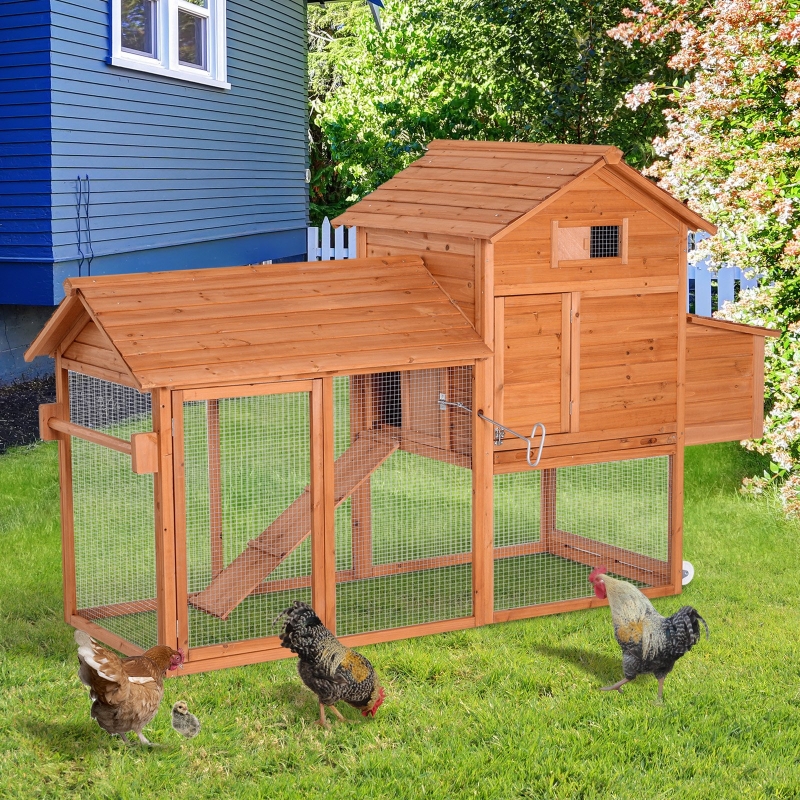
The backyard chicken movement has exploded in recent years, with more homeowners embracing sustainable living and fresh egg production. At the heart of successful poultry keeping lies one critical decision: choosing the right housing for your feathered friends. Portable chicken coops have revolutionized backyard farming by offering flexibility, improved flock health, and easier maintenance compared to traditional stationary structures. Whether you’re a first-time chicken keeper or looking to upgrade your current setup, understanding the nuances of mobile coop systems will dramatically impact your success and your birds’ wellbeing.
Unlike permanent structures that require significant investment and commitment to a single location, portable chicken coops provide the freedom to rotate your flock across different areas of your property. This rotation mimics natural foraging behaviors while preventing soil depletion and parasite buildup that commonly plague stationary coops. The market has responded to growing demand with an impressive array of options ranging from lightweight hoop houses to heavy-duty wheeled structures with integrated runs. Making an informed choice requires understanding your specific needs, local climate considerations, predator pressures, and long-term flock management goals.
Understanding Portable Chicken Coops: Features and Benefits
Portable chicken coops represent a fundamental shift in how backyard farmers approach poultry management. These mobile structures combine housing and often enclosed run space into a single unit that can be relocated with relative ease. The core principle behind their design centers on pasture rotation—a practice that professional farmers have employed for generations to maintain healthy soil and reduce disease pressure. By moving your chickens to fresh ground every few days or weeks, you’re essentially hitting the reset button on their environment, giving them access to new insects, fresh vegetation, and untouched ground while allowing previously occupied areas to recover and regenerate.
The construction of quality portable chicken coops typically incorporates lightweight yet durable materials such as treated lumber, hardware cloth, and weather-resistant roofing. Weight becomes a critical design consideration—heavy enough to resist wind and predator attacks, yet light enough for one or two people to move without mechanical assistance. Many modern designs feature integrated wheels, skids, or handles strategically positioned to facilitate movement. The enclosed run portion, usually covered with secure wire mesh, allows chickens supervised outdoor access while protecting them from aerial and ground predators. This combination of shelter and protected outdoor space addresses the dual needs of security and environmental enrichment that are essential for healthy, productive birds.
Key advantages of portable chicken coops include:
- Improved flock health through reduced exposure to accumulated waste and parasites
- Better pasture management by distributing manure naturally across your property
- Flexibility in positioning coops for optimal sun exposure and weather protection
- Easier cleaning as droppings spread across multiple locations rather than concentrating in one spot
- Fresh forage access providing supplemental nutrition and entertainment for your birds
- Reduced feed costs as chickens consume insects, grass, and other natural food sources
- Zoning compliance in areas where permanent structures face restrictions
- Experimental placement allowing you to test different locations before committing to permanent setup
The biological benefits of regular coop relocation cannot be overstated. Research has shown that parasite loads, particularly coccidia and intestinal worms, decrease significantly when chickens access fresh ground regularly. The concentrated nitrogen in chicken manure, while excellent fertilizer, can burn vegetation and create toxic buildup when left in one location too long. Moving your portable chicken coop prevents this accumulation while distributing valuable nutrients across your landscape. Many homesteaders strategically move their coops ahead of planting season, using their chickens as preparation tools that naturally fertilize, debug, and aerate soil through scratching and pecking behaviors.
Types of Portable Chicken Coops for Different Needs
Chicken Tractors: The Original Mobile Coop Design
Chicken tractors pioneered the portable coop concept and remain the most recognized style among backyard farmers. These bottomless structures feature an elongated rectangular design, typically 4-10 feet long and 2-4 feet wide, with an enclosed sleeping area at one end and an open wire-covered run extending from it. The name “tractor” reflects their soil cultivation function—as chickens scratch, peck, and fertilize, they essentially till and prepare the ground beneath them. Traditional chicken tractors sit directly on the grass with no floor in the run section, allowing birds direct ground contact while containing them within safe boundaries. Moving them daily or every few days creates a rotating pattern that maximizes both chicken wellbeing and pasture health.
The classic A-frame chicken tractor design offers exceptional stability and simplicity. Its triangular profile sheds rain and snow effectively while providing good headroom for larger breeds. Construction typically involves a wooden frame covered with hardware cloth on the sides and corrugated metal or shingles on the roof. These units work exceptionally well for small flocks of 2-4 chickens, with most measuring 4×8 feet—a size that one person can move with manageable effort. The enclosed nesting box and roosting area occupies approximately one-third of the total footprint, with the remaining two-thirds serving as covered run space. This configuration strikes an ideal balance between protection and outdoor access, particularly suitable for suburban settings where neighbors and local wildlife present concerns.
Wheeled Coops: Convenience Meets Functionality
Wheeled portable chicken coops have gained tremendous popularity due to their ease of movement and accessibility. These structures mount on sturdy wheels—usually two or four—transforming coop relocation from a lifting task into a simple pulling or pushing motion. Quality wheeled designs incorporate pneumatic tires rather than solid plastic wheels, providing better performance on uneven terrain and preventing frame stress that rigid wheels can cause. The wheel assemblies typically feature locking mechanisms to prevent unwanted movement during high winds or when cleaning inside the coop. This design particularly appeals to those with mobility concerns, larger properties, or heavier coop structures that would otherwise require multiple people to relocate.
Construction quality varies dramatically in wheeled portable chicken coops, with budget models often featuring undersized wheels that sink into soft ground and create frustrating movement difficulties. Premium designs address this through larger diameter wheels (10-12 inches), reinforced axle mounts, and appropriate weight distribution. The handle placement significantly impacts usability—ergonomically positioned handles at the correct height reduce strain and provide better leverage. Many wheeled coops incorporate a hybrid design where the wheels lift the entire structure several inches off the ground, essentially creating a mobile raised coop. This elevation provides several advantages including improved ventilation, protection from ground moisture, and easier predator-proofing since most ground predators struggle with elevated entries.
Hoop House Style Portable Coops
Hoop house or ark-style portable chicken coops feature distinctive curved roofs created by bending PVC pipe or metal conduit over a rectangular base. This design, borrowed from agricultural greenhouse construction, offers exceptional internal space efficiency since the curved walls eliminate the dead space that occurs in angular corners. The smooth arch deflects wind extremely effectively, making these structures particularly suitable for exposed, windy locations. Most hoop coops utilize a combination of materials: treated wood for the base frame, bent tubing for the hoops, tarps or greenhouse plastic for the covering, and hardware cloth for the enclosed areas where chickens need visibility and ventilation.
The lightweight nature of hoop house designs—often weighing 50-100 pounds less than comparable wooden structures—makes them incredibly easy to relocate. Two people can typically move an 8-foot hoop coop without significant effort, and some compact designs allow single-person relocation. The PVC or conduit construction provides surprising durability when properly engineered, with the flexibility of the materials actually increasing resilience against impact and stress.
However, these designs require special attention to anchoring, as their light weight and large surface area make them susceptible to wind uplift. Most experienced users add temporary ground stakes or weight the base with sandbags when extended winds are forecast. The translucent covering materials commonly used in hoop coops create a bright, naturally-lit interior that chickens find attractive while reducing or eliminating the need for supplemental lighting during daylight hours.
Walk-In Portable Chicken Coops
For larger flocks or keepers who prioritize easy access, walk-in portable chicken coops represent the premium category. These structures provide sufficient interior height (typically 5.5-6.5 feet) for humans to stand comfortably inside, dramatically improving the daily chicken keeping experience. Cleaning, egg collection, bird health checks, and general maintenance become simple tasks rather than awkward contortions required in low-profile designs. The additional height allows for proper roosting bar installation at appropriate elevations—chickens instinctively roost as high as possible for security, and walk-in coops accommodate this natural behavior better than compact designs.
The trade-off for this convenience comes in weight and complexity. Walk-in portable chicken coops typically weigh 300-500 pounds depending on materials and construction, requiring either heavy-duty wheel systems, multiple people for moves, or in some cases, small utility tractors for relocation. Many designs address this through modular construction where the main coop section and attached run can be separated for movement, then reconnected at the new location. Despite their weight, these structures offer unmatched versatility for mixed-age flocks, broody hen management, and integration of new birds—scenarios where having multiple internal spaces or easy access for intervention makes a substantial difference in management success.
Essential Features to Look for in Portable Chicken Coops
Size and Capacity Considerations
Determining appropriate coop size represents perhaps the most critical decision in your selection process. Industry recommendations typically suggest 4 square feet of interior coop space per chicken for the sleeping quarters, and an additional 8-10 square feet per chicken in the covered run if birds will spend extended time confined. However, these represent absolute minimums—providing more space invariably results in healthier, less stressed birds with fewer behavioral problems. Overcrowding triggers a cascade of negative consequences including feather pecking, egg eating, reduced egg production, increased disease transmission, and elevated stress hormone levels that compromise immune function.
For portable fuel tank with pump and other equipment storage, consider the total space requirements of your backyard setup. When calculating your needs, consider your flock’s daily routine honestly. Will your chickens have several hours of free-range time outside the portable chicken coop, or will they spend most daylight hours in the covered run? Chickens confined to their runs require the maximum recommended space, while birds that free-range extensively can tolerate closer quarters in their sleeping areas.
Breed size also matters significantly—bantam breeds require less space than standard breeds, while heavy breeds like Brahmas and Jersey Giants need more than the recommended minimum. Future flock expansion should factor into your decision as well, since upgrading to a larger portable chicken coop later often proves more expensive than buying appropriately sized initially.
Practical sizing guide for portable chicken coops:
| Flock Size | Minimum Coop Interior | Recommended Run Space | Ideal Total Footprint |
|---|---|---|---|
| 2-3 chickens | 8-12 sq ft | 16-30 sq ft | 24-42 sq ft |
| 4-6 chickens | 16-24 sq ft | 32-60 sq ft | 48-84 sq ft |
| 7-10 chickens | 28-40 sq ft | 56-100 sq ft | 84-140 sq ft |
| 11-15 chickens | 44-60 sq ft | 88-150 sq ft | 132-210 sq ft |
Predator Protection and Security Features
Predator pressure varies dramatically by region, but no location is completely free from threats to your flock. Raccoons, foxes, coyotes, weasels, rats, hawks, owls, and even domestic dogs pose significant dangers that responsible chicken keeping must address through proper coop design and features. The vulnerability of portable chicken coops compared to permanent structures means that security features cannot be afterthoughts—they must be integrated into the core design. The mobility advantage of portable coops actually provides a security benefit, as moving your flock regularly prevents predators from establishing patterns and planning attacks, but this advantage only materializes when the coop itself incorporates robust protection.
Hardware cloth rather than chicken wire represents the non-negotiable standard for predator protection. Chicken wire, despite its name, was designed to keep chickens contained, not to keep predators out—raccoons can tear through it, and weasels can squeeze through the large openings. Hardware cloth features much smaller openings (typically 1/2 inch or 1/4 inch) constructed from heavier gauge wire that resists tearing, cutting, and animal gnawing.
All ventilation openings, run areas, and any other access points must use hardware cloth exclusively. The installation quality matters as much as the material itself—edges should be secured with screws and washers rather than staples, as determined predators can pry staples loose. Any gaps wider than 1/4 inch provide entry points for weasels and rats, requiring careful attention to seam quality, door fit, and floor perimeters.
Door and access point design determines whether your portable chicken coop resists or enables predator entry. Multiple latching mechanisms on every door—including pop doors—provide essential security since raccoons can manipulate simple hooks or latches. Spring-loaded carabiners, slide bolts with loops that require two separate motions to open, or padlocks offer appropriate security levels.
Floor protection varies by design philosophy: some portable chicken coops feature no floor in the run section to maintain ground contact, while others incorporate buried wire skirts extending 12-18 inches outward and 2-3 inches down to prevent digging predators from accessing beneath the walls. Enclosed floors provide maximum security but eliminate the ground contact benefits that make portable coops attractive—a trade-off that each keeper must evaluate based on their specific predator pressure and management style.
Suggested read: Best Portable Electric Fence Solutions: Complete Buying Guide
Ventilation and Climate Control
Adequate airflow represents one of the most commonly overlooked aspects of chicken coop design, yet it dramatically impacts flock health and productivity. Chickens generate substantial respiratory moisture through breathing and releasing nitrogen-rich ammonia through their droppings—both compounds that accumulate in poorly ventilated spaces, creating respiratory irritation and providing ideal conditions for bacterial and fungal growth. Quality portable chicken coops incorporate cross-ventilation through strategically placed openings that allow stale air to escape while fresh air enters without creating harmful drafts that could chill roosting birds. The ventilation openings should total approximately 1 square foot per 10 square feet of floor space, positioned above bird head-height to prevent drafts.
Regional climate significantly influences optimal ventilation design. Cold climate portable chicken coops require careful balancing—sufficient ventilation to remove moisture without creating cold drafts that cause frostbite or hypothermia. Many cold-weather designs incorporate adjustable vents that can be opened wider during summer months and partially closed during winter while maintaining minimum necessary airflow. Roof vents or gable-end openings that utilize natural convection work excellently for expelling warm, humid air that naturally rises.
Hot climate coops need maximum ventilation, often featuring large covered openings on multiple sides that can be secured with removable hardware cloth panels. Some premium portable chicken coops include solar-powered ventilation fans that provide active air movement during the hottest parts of the day without requiring electrical infrastructure.
Insulation remains controversial in portable chicken coop design, with advocates on both sides presenting valid arguments. Properly designed coops in moderate climates rarely require insulation—chicken body heat (approximately 10 watts per bird) combined with adequate bedding and draft-free construction provides sufficient warmth. However, regions experiencing extended periods below 0°F (minus 18°C) or above 100°F (38°C) may benefit from insulated walls and roofing. The challenge lies in maintaining proper ventilation when insulation is present, as many builders incorrectly seal coops too tightly, creating dangerous moisture accumulation. If insulation is incorporated, it must be completely inaccessible to chickens, as they will peck and consume exposed foam or fiberglass, causing serious health problems.
Material Quality and Durability
Construction materials directly determine your portable chicken coop’s lifespan and maintenance requirements. Pressure-treated lumber rated for ground contact provides the industry standard for frames and structural components, offering excellent resistance to rot, insects, and weather exposure. However, the chemicals used in treatment processes raise concerns about long-term chicken exposure, leading some manufacturers to use naturally rot-resistant woods like cedar or redwood for interior surfaces and any areas birds might peck. The challenge with natural woods lies in their significantly higher cost and, paradoxically, their sometimes shorter lifespan in harsh weather compared to chemically treated options.
Exterior siding and roofing materials range from basic tarps to premium metal roofing and painted wood panels. Each offers distinct advantages and limitations that should align with your climate, aesthetic preferences, and budget. Metal roofing excels in durability and weather shedding but can create internal temperature extremes without proper ventilation—blazing hot in summer sun and radiating cold in winter. Asphalt shingles provide good weather protection with moderate thermal properties but add considerable weight to portable structures.
Polyethylene tarps or greenhouse plastic offer the lightest option with reasonable durability, though they typically require replacement every 2-4 years depending on UV exposure. Premium marine-grade fabrics treated for UV resistance significantly extend lifespan while maintaining the weight advantages that make portable chicken coops easy to relocate.
Fastener quality often separates amateur constructions from professional-grade portable chicken coops. Outdoor-rated screws with corrosion-resistant coatings (typically galvanized or exterior-rated) prevent rust staining and structural degradation that plague hardware-store-grade fasteners. Load-bearing connections should use appropriately sized bolts or lag screws rather than relying solely on lighter wood screws. The hardware cloth attachment method deserves special attention—using screws with fender washers creates compression that secures the mesh far more effectively than staples, which chickens can gradually loosen through pecking and scratching. Quality manufacturers typically provide hardware specifications and replacement information, recognizing that wear components like latches, hinges, and wheels will eventually require service.
Top Portable Chicken Coop Options and Reviews
Budget-Friendly Portable Chicken Coops Under $500
Entry-level portable chicken coops serve an important role in the market, providing accessible options for beginners, small urban flocks, or those testing whether chicken keeping suits their lifestyle before committing to substantial investment. The Pawhut Wooden Chicken Coop with Run consistently receives positive reviews in this price category, offering a compact design suitable for 2-3 chickens with basic features including a raised sleeping area, nesting box, and enclosed run section. The structure measures approximately 62 x 26 x 38 inches and incorporates fir wood construction with asphalt roof covering. While not designed for frequent relocation due to its assembly-required construction, it can be moved periodically by two people and provides adequate protection for backyard settings with moderate predator pressure.
The Omlet Eglu Go Portable Chicken Coop represents a different approach in the affordable category, utilizing molded plastic construction that offers unique advantages. The seamless plastic eliminates the crevices where mites and parasites hide in wooden coops, and cleaning requires only a hose or pressure washer—a significant time-saver compared to traditional designs. The integrated carrying handles and relatively light weight (approximately 28 pounds for the house itself) make relocation simple for one person.
The distinctive igloo-shaped design provides good weather protection and natural insulation through double-wall construction. The run section, sold separately or as part of complete packages, features powder-coated steel framing with heavy-duty wire mesh. This model houses 2-3 chickens comfortably and particularly appeals to urban keepers who prioritize cleanliness and modern aesthetics over rustic charm.
Budget considerations in portable chicken coops require accepting certain compromises. Lower-priced units typically utilize thinner lumber, lighter-duty hardware cloth, and simpler latching mechanisms than premium models. These limitations don’t necessarily prevent successful chicken keeping, but they do require users to invest time in upgrades and reinforcements. Common modifications include replacing chicken wire with hardware cloth, adding extra latches, reinforcing wheel mounts, and applying weatherproofing treatments that manufacturers omit to meet price points. Many experienced keepers actually prefer this approach, viewing budget portable chicken coops as starting platforms they can customize to their specific needs and improve their construction skills through hands-on modifications.
Mid-Range Portable Chicken Coops ($500-$1,500)
The middle market segment offers substantially improved construction quality, better materials, and thoughtful design features that enhance daily chicken keeping experiences. The Formex Snap Lock Chicken Coop stands out in this category with its innovative modular panel system that allows tool-free assembly and reconfiguration. The panels interlock using heavy-duty snaps that create rigid structural connections while maintaining the ability to disassemble for relocation or storage. This 6×6 foot model accommodates 8-12 chickens comfortably and features height-adjustable roosts, multiple access doors, and integrated ventilation. The composite plastic panels resist rot, require no painting, and clean easily—significant advantages over wooden structures that require annual maintenance.
Horizon Structures Quaker Style Chicken Coop brings shed-building expertise to portable chicken coop design, resulting in structures that could legitimately function as attractive backyard buildings beyond their utilitarian purpose. These coops feature quality construction with LP SmartSide siding, architectural shingles, and attention to details like corner trim and color coordination that create aesthetically pleasing results. The portable versions include pressure-treated skid runners that allow dragging by small tractor or ATV, or optional wheel kits for hand moving. Interior features include proper chicken-height roosts, adequate nesting boxes with external access, and large cleanout doors that simplify maintenance. Sizes range from small 4×6 models suitable for 6-8 chickens to substantial 8×12 structures that house 20-25 birds with room to spare.
Mid-range portable chicken coops typically incorporate features that budget models omit entirely: automatic door openers that use timers or light sensors to secure birds at night, solar-powered ventilation fans, predator-resistant wire buried beneath floor perimeters, and modular design that allows run expansion as flocks grow. The construction quality shows in details like properly flashed roofing, sealed floor seams that prevent drafts and predator entry, and hardware that functions smoothly rather than binding or corroding after seasonal exposure. The investment premium of approximately $500-1,000 over budget options translates into structures lasting 10-15 years with basic maintenance rather than requiring replacement or extensive repairs within 3-5 years as cheaper alternatives often do.
Premium Portable Chicken Coops Above $1,500
Premium portable chicken coops represent serious investments that deliver professional-grade construction, extensive features, and designs tested through years of commercial or farm use. The Carolina Coops Freedom Ranger exemplifies this category with robust construction using pressure-treated lumber, commercial-grade hardware cloth, and heavy-duty wheels with locking mechanisms. These structures accommodate 15-20 chickens in models measuring 8×10 feet, with options for larger custom builds.
The attention to detail includes items rarely seen in consumer-grade coops: marine-grade vent covers that allow airflow while blocking rain, pneumatic door closers that prevent slamming, and removable dropping boards that simplify weekly cleaning. The construction quality ensures these portable chicken coops handle decades of service, making the higher initial cost economically sound when amortized over expected lifespan.
Custom-built portable chicken coops from specialized manufacturers or local builders allow specification of every detail from overall dimensions to specific hardware selections, interior layouts, and aesthetic choices. Costs for custom work typically start around $2,000 for modest sizes and can exceed $5,000 for elaborate designs, but the result perfectly matches your needs, property conditions, and flock requirements. Working with experienced builders ensures incorporation of lessons learned from years of practical experience—knowledge about which design elements work reliably and which create ongoing problems. Custom options also allow integration with existing structures, matching architectural styles to complement your home, or creating truly unique designs that address specific challenges like extreme slopes, limited access areas, or unusual flock compositions.
The premium segment increasingly offers smart coop features including WiFi-connected cameras for remote flock monitoring, automated feeding and watering systems, environmental sensors that track temperature and humidity with smartphone alerts, and integrated predator deterrent systems. While these technological additions raise costs and complexity, they provide genuine value for keepers who travel frequently, manage larger flocks, or simply enjoy the peace of mind that comprehensive monitoring provides. The integration of technology with traditional chicken keeping might seem excessive to purists, but practical experience shows that early problem detection prevents small issues from escalating into serious health or security events that compromise entire flocks.
DIY Portable Chicken Coop Construction Tips
Building your own portable chicken coop offers significant cost savings, customization opportunities, and the satisfaction of creating functional infrastructure with your own hands. Successful DIY projects start with thorough planning and realistic assessment of your construction skills, available time, and budget. The internet provides countless free plans ranging from simple basic designs to elaborate multi-level structures, but not all plans reflect practical experience or incorporate lessons learned from actual use. Prioritize plans from sources with established credibility in the chicken keeping community, preferably those including builder comments and modification suggestions from people who have completed the project and used the resulting coop for multiple seasons.
Material selection significantly impacts both construction ease and long-term durability. Pressure-treated lumber provides the most cost-effective framing material with good weather resistance, though some builders prefer cedar or redwood despite higher costs due to natural rot resistance and aesthetic appeal. For portable applications, weight becomes a critical consideration—using 2×3 lumber instead of 2×4 reduces weight by approximately 25% while maintaining adequate strength for most designs under 8 feet in length. Exterior-grade plywood rated for moisture exposure provides good siding and flooring material, though OSB (oriented strand board) offers lower cost with acceptable performance when properly sealed. Avoid using interior-grade materials regardless of cost savings, as moisture exposure will cause rapid degradation regardless of applied sealants.
The construction process benefits from several professional techniques that amateurs often overlook. Pre-drilling all screw holes prevents wood splitting and ensures tight connections—a few extra minutes during assembly saves substantial frustration and creates stronger joints. Using construction adhesive in addition to mechanical fasteners dramatically increases structural rigidity and longevity, though it prevents later disassembly if modifications become necessary.
Installing the hardware cloth requires patience and attention to detail—stretching it taut before fastening prevents saggy areas where predators can push through, and folding edges under themselves or using bender board creates smooth perimeters that won’t snag hands or tear during moving. Many experienced builders recommend assembling the basic structure, testing it for a few weeks to identify design issues, then conducting a refinement session to add improvements before considering the project complete.
Mobility mechanisms deserve careful engineering to prevent frustration during moves. If using wheels, mount them on a reinforced beam rather than attaching directly to the coop frame—this distributes load properly and prevents frame distortion. The wheel diameter significantly affects rolling performance, with 10-inch or larger wheels handling rough terrain far better than smaller options.
Suggested read: Portable Electric Winch: The Best Buying Guide for Maximum Pulling Power in 2026
For skid-based designs, rounding the front edges of runners prevents digging into ground during pulls, and attaching a tow bar at the proper height (typically 24-30 inches) allows ergonomic pulling without stooping. Some builders incorporate multiple moving options—integrated handles for short moves across smooth ground, attachment points for vehicle towing for longer relocations, and removable wheels that can be installed when needed but removed to reduce overall height and improve stability during high winds.
Maintaining and Moving Your Portable Chicken Coop
Establishing effective maintenance routines determines whether your portable chicken coop provides decades of reliable service or requires constant repairs and premature replacement. Daily tasks should include checking water availability, collecting eggs, and conducting a quick visual inspection for damage, stuck doors, or signs of predator attempts. Weekly responsibilities typically involve replacing bedding or adding to deep litter systems, wiping down roosts and nesting boxes, and checking that all latches and closures function properly. Monthly or seasonal deep cleanings remove accumulated material, allow inspection of structural elements for wear or damage, and provide opportunities to apply weatherproofing treatments, tighten loose fasteners, or conduct minor repairs before they escalate into major problems.
Wood preservation extends the service life of portable chicken coops dramatically when approached systematically. Bare wood exposed to weather, chicken waste, and ground contact will rot relatively quickly even when using pressure-treated lumber—annual application of weather-resistant stains or sealants provides essential protection. Focus particularly on end grain, which absorbs moisture readily, and any areas showing early signs of deterioration. The underside of coops and areas hidden during normal viewing often develop problems that go unnoticed until substantial damage occurs—periodic thorough inspections catch these issues early.
Metal components require attention too, as chicken manure’s corrosive nature attacks galvanized coatings and accelerates rust on unprotected steel. Rinsing or wiping metal components during cleaning and applying light oil to hinges and latches prevents corrosion while maintaining smooth operation.
Relocating portable chicken coops safely requires more planning than simply dragging the structure to new location. Chickens should be secured in the sleeping quarters before moving to prevent escapes or injuries—conducting moves in early morning before birds become active or in evening after they’ve roosted simplifies this process. Inspect the intended path before moving, removing rocks, sticks, or other obstacles that could damage the coop or make movement difficult.
For wheeled designs, verify that tires hold proper air pressure and that locking mechanisms disengage fully before attempting to move. Skid-based coops benefit from slightly damp ground that reduces friction without creating muddy conditions that cause bogging. Having a second person available for the first few moves helps identify techniques that work best for your specific design and property conditions.
Strategic relocation schedules maximize the benefits that portable chicken coops provide. Moving frequency depends on multiple factors including flock size, run area, vegetation density, and weather conditions. A common approach involves moving every 3-7 days during the growing season, allowing enough time for chickens to clear vegetation and fertilize the soil without creating bare patches or excessive manure concentration. Winter moves can occur less frequently since vegetation isn’t actively growing and parasite pressure decreases in cold conditions. Some keepers establish rotation patterns that eventually return coops to starting locations after soil and vegetation have recovered fully—this creates sustainable, cyclical systems that improve land quality year after year rather than degrading it through overuse.
Choosing the Right Portable Chicken Coop for Your Situation
Matching portable chicken coop selection to your specific circumstances ensures satisfaction and success rather than buyer’s remorse and frustration. Urban and suburban chicken keepers face different priorities than rural homesteaders—zoning restrictions, neighbor considerations, and limited space often drive urban decisions while predator pressure, flock size, and land management goals predominate in rural contexts. Small urban lots with 2-4 chickens benefit from compact, attractive portable chicken coops that fit limited space while maintaining neighborhood aesthetics. These situations often prioritize easy cleaning, odor control, and quiet operation over features like extensive run space or heavy-duty construction designed to withstand decades of farm use.
Flock composition significantly influences optimal coop selection beyond simple space calculations. Mixed-age flocks benefit from designs incorporating separate areas where younger birds can escape aggressive older chickens, or where broody hens can nest undisturbed. Bantam breeds thrive in compact spaces that would feel cramped to standard breeds, while heavy breeds like Brahmas and Cochins require lower roosts and more substantial structure to support their weight.
Layer breeds selected for maximum egg production generally tolerate confinement better than heritage breeds with strong foraging instincts—the latter suffering noticeably when kept in minimal-space situations even when technically adequate by square footage standards. Dual-purpose breeds (raised for both eggs and meat) typically fall between these extremes, adapting reasonably well to portable chicken coop living when provided appropriate space and environmental enrichment.
Climate considerations dramatically affect which designs function optimally. Cold-climate chicken keepers should prioritize structures with solid walls, weather-resistant roofing, and good draft control while maintaining ventilation—a combination requiring careful design execution. Look for portable chicken coops with deeper eaves that prevent rain and snow from entering ventilation openings, and enclosed floor systems that prevent cold air infiltration from below.
Hot-climate success demands maximum ventilation, often requiring designs with extensive wire-covered openings that can be secured against predators while allowing air flow. Shade becomes critical in hot regions, either through coop positioning under existing tree cover or via integrated shade cloth additions that reduce solar heat gain without blocking breezes. Regions experiencing seasonal extremes need designs allowing configuration changes—ventilation panels that install for summer and remove for winter, or adjustable awnings that provide summer shade while maximizing winter solar warmth.
Property characteristics influence mobility requirements and optimal design selection. Flat, maintained lawn areas allow easy movement of any properly designed portable chicken coop, while rough terrain, slopes, or heavily landscaped properties present challenges requiring specific mobility solutions. Steep slopes often necessitate skid designs with secure anchoring rather than wheeled versions that might roll unexpectedly. Properties with limited gate or fence access need careful dimension consideration to ensure coops can navigate between areas without requiring disassembly. Small residential yards benefit from lightweight, compact designs, while multi-acre properties can accommodate larger structures that move less frequently but house bigger flocks supporting serious egg production or breeding programs.
Regulations, Safety, and Best Practices
Local regulations governing chicken keeping and portable chicken coops vary dramatically between jurisdictions, requiring research before purchase or construction. Municipal codes typically address several key areas: whether chickens are permitted at all, maximum flock sizes, roosters specifically (often prohibited due to noise), setback distances from property lines and structures, and whether coops constitute permanent structures requiring building permits. Some progressive municipalities explicitly accommodate portable chicken coops in regulations, recognizing their temporary nature and reduced impact compared to permanent construction. Others apply rigid interpretations that classify any chicken housing as permanent structures subject to building codes, permits, and restrictive setbacks that effectively prohibit chicken keeping on typical residential lots.
Homeowner association (HOA) rules often restrict or prohibit chickens regardless of municipal regulations, creating an additional layer of regulation requiring investigation. HOA documents typically reside with property management companies or in subdivision founding documents that might not have been reviewed during property purchase. Some associations maintain outright prohibitions that allow no exceptions, while others permit chickens with conditions like architectural approval, neighbor consent, or limits on numbers and housing placement. Working within HOA frameworks sometimes requires education and negotiation—preparing professional presentations showing that properly managed portable chicken coops create no nuisance, providing neighbor testimonials from other communities, or proposing trial periods demonstrating responsible management can sometimes overcome initial resistance from skeptical board members.
Biosecurity practices protect both your flock and surrounding poultry from disease transmission. Basic biosecurity involves restricting outside access to your chicken areas, using dedicated footwear and clothing that doesn’t contact other poultry operations, and carefully introducing new birds through quarantine protocols rather than direct integration. Portable chicken coops actually enhance biosecurity through regular relocation that reduces pathogen buildup compared to permanent structures where disease organisms accumulate over time. However, mobility creates its own biosecurity considerations—moving coops between properties requires careful sanitation to prevent disease spread, and purchasing used portable chicken coops demands thorough disinfection before introducing your birds to equipment that housed unknown flocks with potentially compromised health status.
Neighbor relations often determine whether urban or suburban chicken keeping succeeds long-term. Even in areas where chickens are fully legal, neighbor complaints about noise, odor, or visual impact can create ongoing friction that makes the hobby unpleasant. Proactive communication often prevents problems—informing neighbors before acquiring chickens, explaining your plans for noise and odor management, and offering fresh eggs creates goodwill that provides buffer against minor annoyances. Portable chicken coops positioned thoughtfully to minimize sight lines into neighbor yards and moved regularly to prevent odor concentration demonstrate consideration that neighbors appreciate.
Maintaining attractive, well-kept structures rather than ramshackle cobbled-together coops shows respect for neighborhood aesthetics and reduces complaints about property value impacts. Some chicken keepers find that inviting neighbors to visit the coop, meet the chickens, and see the cleanliness standards firsthand transforms skeptics into supporters who actively defend their chicken-keeping neighbors when others raise concerns.
Emergency preparedness ensures your flock survives unexpected events that could otherwise prove catastrophic. Severe weather events—hurricanes, tornadoes, blizzards, floods—require advance planning for how you’ll secure or relocate your portable chicken coop. Some designs allow quick movement into protected areas like garages or sheds during storms, while heavier structures need secure anchoring systems that prevent wind damage.
Maintaining emergency supplies including backup water, several days of feed, first aid materials, and flashlights specifically designated for chicken care ensures you can maintain your flock during power outages or when roads become impassable. Having relationships with fellow chicken keepers creates mutual aid networks where flock care assistance during illness, travel, or emergencies flows both directions, strengthening the broader chicken keeping community while providing practical safety nets.
Maximizing Benefits from Your Portable Chicken Coop System
Strategic grazing patterns transform portable chicken coops from simple housing into powerful land management tools that improve soil health, control pests, and enhance pasture quality. The key lies in understanding that chickens impact ground differently during various seasonal conditions and at different stages of vegetation growth. Moving your portable chicken coop onto vegetable garden beds after harvest allows chickens to consume crop residues, eliminate pest larvae overwintering in soil, and deposit valuable fertilizer that ages over winter into perfect spring growing conditions. This approach essentially provides free garden preparation that replaces or reduces tillage, fertilizer applications, and pest control measures while giving your flock valuable foraging opportunities.
Pasture renovation through managed chicken impact offers remarkable results in areas with degraded or weed-infested grass. Chickens preferentially consume broadleaf weeds and weed seeds while scratching ground in ways that help desirable grass species establish. Moving portable chicken coops across problem areas in early spring or fall—when grass grows actively but weeds remain vulnerable—creates optimal conditions for pasture improvement. The concentration of manure and soil disturbance that would damage pasture if left stationary becomes beneficial when spread through regular moves. Many experienced graziers follow portable chicken coops with overseeding of improved grass varieties, using the chicken-prepared seedbed and incorporated fertilizer to establish better pastures without expensive mechanical preparation.
Integrating portable chicken coops with other livestock creates synergistic relationships that benefit all species involved. The classic rotation involves moving cattle or sheep across pastures first, then following with chickens in portable coops several days later. The large livestock graze grass and leave manure piles that attract flies and other insects—when chickens follow, they scratch through the manure spreading it to prevent parasite concentration while consuming fly larvae and other pests. This breaks pest cycles for both species while more evenly distributing nutrients that would otherwise concentrate in dung piles.
The chickens also benefit from increased insect availability and protection that cattle presence provides against aerial predators. This multi-species approach, borrowed from traditional farming systems, demonstrates how portable chicken coops enable ecological management strategies that industrial agriculture abandoned but which sustainable farming is rediscovering.
Seasonal positioning strategies optimize chicken comfort and productivity throughout the year. Summer placement should prioritize shade and cooling breezes, ideally under deciduous trees that provide shade during hot months but allow solar warming during winter when leaves drop. Winter positioning might move portable chicken coops to south-facing protected locations near buildings or windbreaks that reduce heat loss while capturing available solar radiation. Spring and fall positions can focus more heavily on pasture management objectives since temperature extremes present fewer challenges. Some advanced keepers maintain maps documenting where portable chicken coops were positioned throughout previous years, tracking which locations produced best results and ensuring adequate recovery time before returning to previously used spots.
Suggested read: Portable Chicken Coop on Wheels: The Best Mobile Coops for Happy, Healthy Hens
Companion planting around portable chicken coop locations extends benefits beyond simple grazing. Comfrey, sunflowers, and other nutrient-accumulating plants positioned where coops recently resided absorb concentrated nutrients, growing vigorously and providing supplemental chicken feed when harvested and fed back to the flock. Some keepers establish small sacrifice areas where portable chicken coops remain for extended periods, deliberately concentrating nutrients in specific locations used for high-demand crops requiring heavy fertilization. These intensive zones balance the lighter-impact rotation patterns used across the broader property, creating diverse management zones that serve different purposes within the overall system.
Cost Analysis and Return on Investment
Understanding the complete financial picture of portable chicken coop ownership extends beyond initial purchase price to encompass feed costs, routine maintenance, occasional repairs, and bedding expenses balanced against egg production value, potential meat harvest, fertilizer replacement, and intangible quality-of-life benefits. A basic cost analysis for a typical small flock of 4-6 laying hens reveals interesting economics. Initial portable chicken coop investment ranges from $300-$1,500 depending on whether you build or buy and the quality level selected. Annual feed costs approximate $200-$300 for a small flock receiving supplemental feed while also foraging. Bedding materials add another $50-$100 annually. Minor maintenance and unexpected expenses might total $50-$100 per year for a well-constructed coop.
Against these costs, a flock of 5 hens typically produces 1,000-1,500 eggs annually depending on breed and age. Comparing this production to retail organic or pastured egg prices of $6-$8 per dozen reveals a product value of $500-$1,000 per year. Even using conventional egg prices of $3-$4 per dozen still produces $250-$500 annual value. This analysis shows that chicken keeping typically breaks even financially in 2-3 years, after which it generates positive returns.
However, this calculation doesn’t capture the full picture—the eggs from backyard chickens often taste noticeably better than store-bought options due to freshness and diet quality, representing value that pure cost comparison misses. The fertilizer value, pest control services, and garden preparation work chickens provide adds additional economic benefit difficult to quantify precisely but very real for homesteaders managing larger properties.
Long-term ownership costs vary dramatically based on initial quality choices. Budget portable chicken coops requiring replacement every 5-7 years create ongoing capital expenses that premium coops lasting 15-20 years avoid. Regular maintenance extends life substantially—investing 2-3 hours twice yearly on weatherproofing, repairs, and preventive maintenance saves money compared to neglecting maintenance until problems require expensive corrective actions.
The cost per chicken-year metric provides useful comparison: a $600 coop housing 5 chickens for 10 years costs $12 per chicken-year, while a $1,200 coop housing the same flock for 20 years costs only $12 per chicken-year despite doubling the initial investment. This math argues for buying the best portable chicken coop you can reasonably afford rather than choosing the cheapest option.
The non-financial returns from chicken keeping often matter more to participants than pure economics. Educational value for children learning about animal care, food production, and responsibility provides benefits that justify chicken keeping even in money-losing scenarios. The therapeutic effects of animal interaction, outdoor time, and purposeful daily routines support mental health and life satisfaction in ways that economic analysis cannot capture.
Many chicken keepers report that their daily coop visits provide peaceful breaks from digital overwhelm and work stress, creating mental health value worth far more than the eggs produced. The connection to food sources and seasonal rhythms that chicken keeping provides represents cultural knowledge being lost in industrialized societies—maintaining this connection benefits individuals and communities beyond what financial calculations reveal.
Common Mistakes and How to Avoid Them
First-time chicken keepers frequently underestimate space requirements, purchasing portable chicken coops sized for the initial flock without accounting for the near-universal tendency to add “just a few more chickens” within the first year. This chicken math phenomenon—where 3 chickens somehow become 8—creates overcrowding that stresses birds and diminishes the experience for keepers frustrated by inadequate infrastructure. The solution involves buying larger than current needs suggest or selecting modular designs that allow expansion. Most experienced keepers recommend planning for at least 50% more chickens than you initially intend to keep, as this overhead accommodates both natural growth and provides room for temporary situations like quarantine spaces or broody hen separation without improvising inadequate solutions.
Predator underestimation ranks among the most costly mistakes, often not recognized until after a devastating attack that could have been prevented through proper coop selection and security practices. Every location harbors predators even if keepers haven’t seen them—nocturnal hunters like raccoons, foxes, and owls operate invisibly while humans sleep. The “it won’t happen to me” mentality vanishes instantly when you discover that a weasel squeezed through a tiny gap and killed your entire flock overnight.
Investing in proper predator protection from the start costs far less than replacing lost birds, dealing with emotional trauma, and then upgrading security anyway. This means using hardware cloth everywhere, installing multiple secure latches, ensuring no gaps exist anywhere, and positioning portable chicken coops away from fence lines that give predators cover for approach.
Neglecting regular maintenance allows small issues to compound into serious problems. A small roof leak ignored because it doesn’t seem urgent becomes rotted roof decking requiring expensive repair. Loose hardware cloth that “I’ll fix next weekend” becomes a predator entry point. Sticking door latches that work with extra effort stop closing properly during rushed evenings. Establishing systematic maintenance schedules prevents this deterioration—quarterly inspections with checklists ensure nothing gets overlooked, and immediately addressing any identified issues when they’re still minor prevents cascade failures. Keeping basic repair supplies on hand (hardware cloth, wood screws, outdoor caulk, replacement latches) allows immediate fixes rather than delays waiting for supply runs.
Improper moving techniques damage portable chicken coops and create safety hazards. Dragging coops across rough ground without first clearing the path damages skids and causes structural stress. Moving wheeled coops with flat tires destroys wheel bearings and bends axles. Pulling from improper attachment points creates frame distortion. The first move with any new portable chicken coop should occur slowly and carefully, identifying how the structure responds to movement and where stress concentrations develop.
Making small modifications based on this initial experience—adding padding to areas that drag, reinforcing attachment points that flex excessively, or adjusting wheel positions for better balance—transforms difficult moves into manageable routine tasks. Accepting that moving portable chicken coops requires time and care rather than rushing through the process prevents both equipment damage and personal injury from straining against stuck structures or losing control on slopes.
Advanced Portable Chicken Coop Concepts
Multi-tier systems incorporating vertical space create dramatically increased capacity within limited footprints. These designs use elevated roosting areas, lofted nesting boxes, and vertical greens-growing systems that provide chickens varied elevation options they naturally seek while maximizing three-dimensional space utilization. Some advanced portable chicken coops include integrated fodder systems where sprouting grains grow in vertical trays, providing continuous fresh greens that chickens access directly. These systems particularly benefit urban chicken keepers on small lots where horizontal expansion isn’t possible but vertical development remains feasible. The complexity of multi-tier designs increases construction difficulty and cost, but the resulting functionality and capacity can justify the investment for serious chicken keepers managing limited space.
Solar integration transforms portable chicken coops into energy-independent systems supporting automatic doors, ventilation fans, lighting, and even heated waterers during winter without requiring electrical infrastructure. Modern solar panels and battery systems have become sufficiently affordable and reliable that DIY integration presents reasonable projects for keepers with basic electrical knowledge. A typical setup might include a 50-100 watt solar panel, a deep-cycle battery for storage, a charge controller, and low-voltage LED lighting plus automatic door opener.
The complete system costs $200-$400 and provides genuine convenience and security enhancements. Solar-powered lighting extending daylight hours during winter maintains egg production when natural light decreases below the 14-16 hours required for consistent laying—a benefit particularly valuable in northern climates with dramatic seasonal variations.
Intensive rotational grazing systems elevate portable chicken coop management into sophisticated pasture improvement programs. These approaches divide property into multiple paddocks—sometimes dozens of small sections rather than a few large areas—with portable chicken coops moving daily through the rotation. This management-intensive grazing requires significant planning and time investment but produces remarkable results in pasture quality, parasite control, and chicken health. The short occupation time prevents overgrazing while the regular rotation ensures adequate recovery periods.
Some operations use multiple portable chicken coops, staggering their rotation patterns to create overlapping benefits where different groups follow varied schedules across the same paddocks. This complexity demands record-keeping and systematic management but appeals to data-driven chicken keepers who enjoy optimization and measurable improvement over time.
Integration with aquaponics or greenhouse systems creates closed-loop ecosystems where waste from chickens provides nutrients for plant growth while plants help process ammonia and provide additional feed. Portable chicken coops positioned adjacent to or even partially inside greenhouses take advantage of several synergies: chicken body heat warms greenhouses extending growing seasons, carbon dioxide from respiration enhances plant growth, and easy access to greens provides supplemental chicken nutrition.
The greenhouse environment provides weather protection for portable chicken coops while creating pleasant spaces for winter chicken care. Some innovative designs use greenhouse-style construction for the portable chicken coop itself, creating bright, warm environments that chickens find attractive while providing growing space for cold-hardy greens that thrive in the moderate temperatures and humidity that chicken respiration creates.
Frequently Asked Questions About Portable Chicken Coops
What size portable chicken coop do I need for 6 chickens?
For six chickens, you should look for a portable chicken coop providing minimum 24 square feet of interior sleeping space and 48-60 square feet of covered run area if birds remain confined most of the time. If your chickens free-range extensively during daylight hours, you can reduce the run requirement but should maintain adequate sleeping quarters. Larger breeds require more space than bantams, and providing extra room always produces better results than minimum specifications. A coop measuring 4×6 feet for interior space plus an attached 6×8 or 8×8 run section represents ideal sizing for a six-bird flock with good health and productivity outcomes.
How often should I move a portable chicken coop?
Suggested read: 12 Volt Portable Air Conditioner: Your Complete Buying Guide for Mobile Cooling Solutions
Moving frequency depends on flock size, run dimensions, vegetation density, and your management goals. General recommendations suggest moving every 3-7 days during growing season for optimal pasture health and parasite control. Smaller coops with higher chicken density require more frequent moves, while larger runs with fewer birds can remain stationary longer. Visual assessment provides good guidance—when grass shows significant bare patches or begins looking stressed, it’s time to move. Winter moves can occur less frequently since vegetation isn’t actively growing. Some keepers establish daily moving routines while others move weekly, both approaches working successfully when adjusted to specific circumstances and consistently maintained.
Can portable chicken coops withstand winter weather?
Quality portable chicken coops handle winter weather successfully when properly designed and positioned. Chickens tolerate cold temperatures remarkably well due to their insulating feather coats and heat generation, but they require protection from wind, precipitation, and drafts. Look for portable chicken coops with solid roofing, enclosed sides with proper ventilation above bird level, and draft-free sleeping areas. Positioning coops in protected locations during winter months and adding extra bedding provides additional cold protection. The key consideration is preventing moisture accumulation, which causes far more problems than cold temperatures alone. Adequate ventilation removing humid air while avoiding direct drafts on roosting birds creates ideal winter conditions that chickens handle without supplemental heat in most climates.
Are portable chicken coops predator-proof?
No chicken coop is absolutely predator-proof, but well-designed portable chicken coops provide excellent protection when incorporating proper security features. The critical elements include hardware cloth rather than chicken wire, secure latching mechanisms that require two separate motions to open, no gaps larger than 1/4 inch anywhere in the structure, and either buried wire skirts or enclosed floors preventing digging access. The mobility of portable chicken coops actually enhances security by preventing predators from establishing patterns and planning attacks.
However, security requires vigilance—regularly inspecting all components, immediately repairing any damage, and ensuring doors close securely every evening. Areas with extreme predator pressure might require additional measures like electric netting, livestock guardian animals, or enclosed floors that sacrifice ground contact benefits for maximum protection.
What’s the best material for building portable chicken coops?
Pressure-treated lumber provides the most popular framing material due to good durability, reasonable cost, and weather resistance. For siding, options include exterior-grade plywood, T1-11 siding, or composite panels that resist rot better than wood. Metal roofing offers excellent longevity and weather shedding despite its weight. For very lightweight designs, PVC pipe framing with tarps or greenhouse plastic works well.
The “best” material depends on your priorities—wood offers traditional aesthetics and easy workability, plastic and composites provide low maintenance and rot resistance, and metal delivers ultimate durability at higher weight. Using hardware cloth exclusively for any wire mesh portions is non-negotiable regardless of which materials you choose for the structure itself. Quality outdoor-rated fasteners matter as much as primary materials since corrosion and loosening cause failures even in otherwise sound construction.
Do I need a permit for a portable chicken coop?
Permit requirements vary dramatically by jurisdiction, requiring research into your specific local regulations. Many municipalities classify truly portable chicken coops—those lacking permanent foundations and easily relocatable—as temporary structures exempt from building permits. However, some jurisdictions apply building codes to any structure regardless of mobility, requiring permits and inspections even for portable designs. Agricultural exemptions sometimes exclude chicken coops from regulations that would otherwise apply to similar-sized structures.
Start by checking municipal codes, then contact the local building department directly since written codes don’t always clearly address chicken coops and zoning enforcement varies widely. Some areas prohibit chickens entirely, making permit questions moot. Getting clear answers before purchasing or building prevents potentially expensive compliance issues or forced removal of non-compliant structures.
How do portable chicken coops compare to stationary coops?
Portable chicken coops excel in situations requiring regular pasture rotation, limited commitment to single locations, or regulatory environments restricting permanent structures. They provide superior parasite control through regular ground changes and naturally distribute manure across larger areas. The flexibility allows seasonal repositioning for optimal weather protection and testing different locations before permanent decisions.
However, portable designs trade some structural stability and size limitations since very large coops become impractical to move. Stationary coops offer more space for large flocks, better accommodation of permanent infrastructure like electricity and plumbing, and typically more weather-resistant construction since they don’t face movement stresses. Many experienced chicken keepers eventually use both—stationary coops for primary flocks and portable chicken coops for specialized purposes like raising chicks, quarantine spaces, or seasonal grazing programs.
Can I use portable chicken coops year-round?
Yes, portable chicken coops function successfully year-round in most climates when properly selected and managed. Quality designs with adequate weatherproofing, ventilation, and insulation options handle both summer heat and winter cold effectively. The key involves matching coop features to your specific climate—hot climates need maximum ventilation and shade options, while cold climates require draft protection and moisture removal without eliminating necessary air exchange.
Seasonal positioning adjustments optimize performance—moving to protected locations for winter and exposed breezy areas for summer. Some keepers modify their portable chicken coops seasonally, adding temporary windbreaks or insulation panels for winter and increasing ventilation openings for summer. With appropriate selection and management, portable chicken coops eliminate the need for seasonal housing changes while maintaining flock health and comfort throughout annual climate cycles.
Conclusion: Making Your Portable Chicken Coop Decision
Selecting and successfully implementing portable chicken coops represents a transformative decision that enhances both your chicken keeping experience and your property’s ecological health. The flexibility that mobility provides—rotating birds across fresh ground, adjusting to seasonal conditions, and experimenting with different management approaches—creates opportunities that permanent structures simply cannot match. However, this flexibility comes with requirements for regular effort, thoughtful planning, and commitment to systematic management routines. The chickens themselves remain largely indifferent to whether their housing moves or stays stationary, caring only that their basic needs for shelter, security, food, water, and social interaction are consistently met.
The financial investment in quality portable chicken coops pays dividends through extended service life, reduced maintenance requirements, and enhanced flock productivity that comes from healthier birds in better-managed environments. While budget constraints sometimes necessitate starting with less expensive options, recognizing these as temporary solutions rather than permanent infrastructure sets appropriate expectations and plans for eventual upgrades. The DIY approach offers genuine cost savings for skilled builders willing to invest time and effort, but purchasing professionally constructed portable chicken coops delivers reliable results for those who value convenience or lack construction experience. Neither approach is inherently superior—both serve different needs and preferences within the diverse chicken keeping community.
Ready to start your backyard chicken journey? Explore our complete selection of portable chicken coops designed for every flock size and management style. From compact urban designs to spacious walk-in models, find the perfect mobile solution that transforms your property into a productive, sustainable homestead. Don’t wait to experience the satisfaction of fresh eggs, improved pastures, and the daily joy that chickens bring—invest in a quality portable chicken coop today and join thousands of successful backyard poultry keepers across the country!
The journey from researching portable chicken coops to successfully managing a thriving flock involves continuous learning, adaptation, and problem-solving. Every property presents unique challenges and opportunities that require customized approaches rather than one-size-fits-all solutions. Connecting with local chicken keeping communities, whether through social media groups, agricultural extension offices, or informal networks of neighboring keepers, provides invaluable support and knowledge sharing that accelerates your learning curve. The mistakes you’ll inevitably make become learning opportunities rather than failures when approached with curiosity and willingness to adjust your methods based on results.
Ultimately, portable chicken coops represent tools that enable better chicken keeping rather than ends in themselves. The goal remains healthy, productive, content chickens that provide eggs, fertilizer, pest control, and companionship while fitting harmoniously into your lifestyle and property. The best portable chicken coop for your situation is the one you’ll actually use consistently, maintain properly, and adapt as your experience grows.
Start with clear understanding of your specific needs, realistic assessment of your capabilities and resources, and commitment to providing proper care regardless of which specific coop design you choose. This foundation ensures success regardless of whether you select the most expensive premium model or build a simple functional design from salvaged materials—the care and management matter far more than the coop itself in determining your ultimate satisfaction with backyard chicken keeping.