Portable Product Guides for Life AnywhereBuying Guides · Comparisons · How-To
Portable GuideOther Portable

Best Portable Electric Fence Solutions: Complete Buying Guide

Understanding Portable Electric Fence Technology A portable electric fence is a temporary fencing solution that delivers controlled electrical pulses to deter animals from crossing boundaries. […]
Portable Electric Fence

Understanding Portable Electric Fence Technology

A portable electric fence is a temporary fencing solution that delivers controlled electrical pulses to deter animals from crossing boundaries. Unlike permanent installations, these systems can be quickly assembled, disassembled, and relocated as needed. The technology works by completing an electrical circuit when an animal touches the fence, delivering a memorable but safe shock that trains them to avoid the barrier.

The versatility of a portable electric fence makes it invaluable for rotational grazing, temporary livestock containment, garden protection, and event security. Modern systems have evolved significantly from their agricultural origins, now incorporating solar power, wireless monitoring, and weatherproof components that function reliably in diverse conditions.

These fencing systems consist of several key components working together: an energizer (or charger) that generates the electrical pulse, conductive wire or tape that carries the charge, insulated posts that support the fence line, and a grounding system that completes the circuit. Understanding how these elements interact helps users select the right portable electric fence configuration for their specific needs.

Table of Contents


Types of Portable Electric Fences Available

Netting Systems

Electric netting represents the most user-friendly portable electric fence option for small livestock and poultry. These pre-fabricated panels arrive with conductive strands woven into durable mesh material, with built-in posts spaced at regular intervals. The all-in-one design allows a single person to set up 100+ feet of fencing in under 30 minutes without tools.

Netting systems excel at containing sheep, goats, chickens, and other small animals while providing excellent predator deterrence. The fine mesh prevents animals from sticking their heads through, and the integrated vertical support posts maintain consistent tension. Most portable electric fence netting products feature heights ranging from 35 to 48 inches, with premium options including double-spike posts for enhanced stability in various terrain types.

Popular applications include rotational grazing management, temporary paddock creation, and protecting gardens from wildlife intrusion. The main limitation involves entanglement risks if animals panic or if users don’t properly tension the netting during installation.

Wire and Polywire Systems

Traditional portable electric fence wire systems offer maximum flexibility and cost-effectiveness for large-area applications. These setups use lightweight posts with insulators and conductive wire strung between them at strategic heights. Users can customize the fence height, strand spacing, and overall configuration to match specific animal behaviors and containment requirements.

Polywire consists of thin metal conductors twisted with UV-resistant plastic fibers, creating a highly visible and lightweight fencing material. The increased visibility compared to plain metal wire helps animals recognize boundaries more quickly. Premium polywire products incorporate multiple conductive strands for better current distribution across long distances.

Wire systems work exceptionally well for cattle, horses, and large paddock divisions where visibility and maximum containment area matter more than quick setup time. The modular nature allows users to create custom configurations, add gates, and adjust fence lines without purchasing specialized components. However, these systems require more setup time and skill compared to pre-fabricated netting options.

Polytape and Strip Systems

Polytape represents a highly visible alternative in the portable electric fence category, featuring wider strips with woven conductive threads. The increased surface area makes these fences significantly more visible to animals, reducing accidental contact and speeding up boundary training. Widths typically range from 0.5 to 2 inches, with the broader options providing the best visibility.

The flat tape design catches wind less than round polywire, making it more stable in exposed locations. Premium polytape products include UV stabilizers, stainless steel conductors, and reinforced edges that resist fraying. Some manufacturers offer different colors, though white remains most popular for its exceptional visibility in various lighting conditions.

These systems shine in horse containment applications where visibility prevents injuries and in situations requiring quick visual assessment of fence integrity. The main drawbacks include higher cost per foot compared to polywire and potentially lower conductivity if the tape becomes twisted or damaged.


Essential Components and Accessories

Fence Energizers and Chargers

The energizer serves as the heart of any portable electric fence system, converting standard electrical power or battery charge into high-voltage, low-amperage pulses. These devices are classified by their power output measured in joules, which determines how many miles of fence they can effectively charge. A 0.15-joule unit might power 5 miles of single-strand wire in ideal conditions, while a 2.0-joule model could energize up to 25 miles.

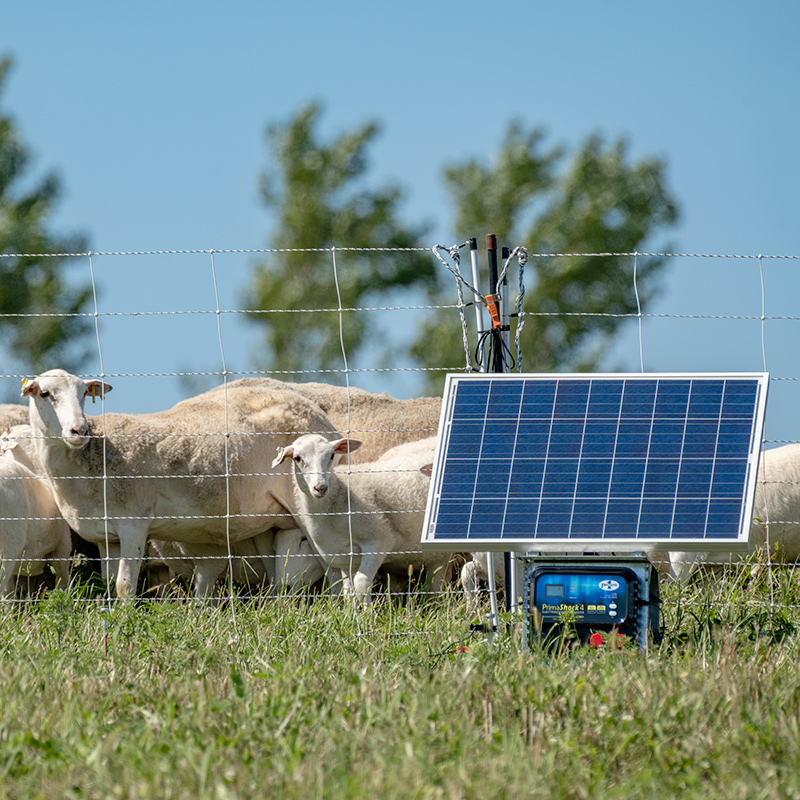
Battery-powered energizers provide true portability for locations without electrical access. Modern lithium-ion units operate 2-4 weeks on a single charge, while traditional 12-volt systems connected to deep-cycle batteries might run several months before requiring recharging. Solar-powered chargers combine batteries with integrated panels, creating maintenance-free power generation that works indefinitely in sunny locations.

AC-powered energizers deliver consistent, unlimited power for semi-permanent installations near buildings or where extension cords can reach. These units typically cost less than battery equivalents and eliminate ongoing power management concerns. When selecting an energizer for your portable electric fence, always choose a model rated 50-100% above your calculated fence length to account for vegetation touching wires, poor grounding conditions, and future expansion needs.

Posts and Support Systems

Effective portable electric fence installations require posts that balance lightweight portability with sufficient structural integrity. Fiberglass posts dominate the portable market due to their excellent strength-to-weight ratio, non-conductive properties, and resistance to warping or splintering. Quality fiberglass posts feature built-in insulation clips or tabs that securely hold conductive materials at precise heights.

Step-in posts revolutionized portable fencing by incorporating a foot plate that allows users to install posts by stepping them into the ground without tools or holes. The spiral or paddle design at the base provides surprising stability in most soil types. Premium step-in posts include double-spike designs that significantly increase holding power in loose or sandy soils where single-spike models might lean or pull out.

Corner and gate posts require additional support since they anchor the fence line and absorb tension from multiple directions. These specialized posts often feature wider diameters, reinforced construction, or guy-wire attachments. When planning your portable electric fence layout, position corner posts first, then space line posts every 10-15 feet for wire systems or according to netting panel specifications.

Grounding Systems and Earth Rods

Proper grounding makes the difference between an effective portable electric fence and one that delivers inconsistent or weak shocks. The grounding system completes the electrical circuit by providing a path for current to return to the energizer after traveling through an animal touching the fence. Inadequate grounding is the most common cause of poor fence performance, yet many users overlook this critical component.

A basic grounding system requires at least one 4-foot galvanized or copper-clad steel rod driven fully into the earth, connected to the energizer’s ground terminal with heavy-gauge wire. Dry conditions, sandy soils, or high-powered energizers may require multiple ground rods spaced 10 feet apart and connected in series. The ground rod location should feature moist soil year-round, positioned away from buried utilities or other grounding systems.

Testing ground adequacy involves using a voltmeter to measure voltage while shorting out the fence line. If the ground system shows more than 400 volts under this test condition, additional ground rods are needed. Professional installers often create extensive grounding arrays for permanent or semi-permanent portable electric fence installations serving large livestock operations or high-security applications.

Insulators and Connectors

Insulators prevent electrical current from escaping the fence line by creating a barrier between conductive materials and supporting posts. Modern portable insulators snap directly onto fiberglass posts or slip over existing post structures. Ring insulators work for wire and polywire, while specially designed wide clips accommodate polytape without crimping or damaging the material.

Suggested read: Portable Electric Winch: The Best Buying Guide for Maximum Pulling Power in 2026

Connection hardware maintains electrical continuity throughout the portable electric fence circuit. Inline connectors join wire or tape sections, corner connectors handle 90-degree turns without kinking, and tension springs absorb fence line expansion and contraction due to temperature changes. Premium connectors feature stainless steel components that resist corrosion and maintain low electrical resistance even after years of outdoor exposure.

Gate handles allow users to create access points without compromising fence effectiveness. These insulated handles clip onto conductive materials and include a hook or connector that safely attaches to a grounded gate post. Permanent installations might use underground cable to power both sides of a gate opening, while truly portable setups often position gates at corners where the fence line naturally terminates.


Choosing the Right Portable Electric Fence System

Assessing Your Specific Needs

Selecting an appropriate portable electric fence begins with clearly defining your containment objectives and operating constraints. The animal species being contained dramatically influences system requirements—chickens need completely different fence characteristics than cattle. Consider the animals’ size, behavior patterns, motivation to escape, and prior experience with electric fencing when making specifications.

Property characteristics shape practical decisions about portability, power sources, and fence configuration. Measure the total perimeter distance, identify terrain challenges like slopes or water features, and evaluate access to electrical power. A 5-acre rotational grazing operation requires vastly different equipment than a suburban garden protection project or temporary event security application.

Frequency of relocation determines whether you prioritize quick setup or maximum durability. Operations moving fences daily benefit most from integrated netting systems or reeled polywire products that minimize handling time. Semi-permanent installations lasting weeks or months can justify more complex wire configurations that optimize cost per foot and electrical performance.

Matching Power Output to Fence Length

Energizer sizing represents a critical decision point that affects both fence effectiveness and long-term costs. Manufacturers rate energizers in joules (stored energy output) and provide maximum fence length specifications based on ideal conditions with new, unobstructed conductor. Real-world performance typically reaches 60-70% of these published figures due to vegetation contact, wire splices, and varying conductor types.

A 1-joule energizer adequately powers most small portable electric fence applications up to 10 miles of multi-strand wire under good conditions. Large properties, heavy vegetation pressure, or difficult grounding conditions benefit from 2-5 joule units that maintain effective voltage despite less-than-perfect circumstances. Premium high-output energizers deliver consistent performance across extensive fence networks or in regions with mineral-poor soils.

Calculate your power requirements by totaling all conductive material in the circuit—each strand of wire or tape counts toward the total, and electric netting contains multiple horizontal conductors within the mesh. Add 50% extra capacity as a safety margin, then select the energizer that meets or exceeds this requirement while staying within your budget.

Climate and Environmental Considerations

Weather patterns and seasonal variations significantly impact portable electric fence performance and longevity. Regions experiencing frequent rain benefit from waterproof energizers and corrosion-resistant hardware, while dry climates require extra attention to grounding system adequacy. Temperature extremes affect battery performance in solar or rechargeable units, with cold weather dramatically reducing runtime between charges.

UV exposure degrades plastic components over time, making UV stabilization a critical feature for long-term installations. Premium polywire, polytape, and post materials include UV inhibitors that extend usable life from 2-3 years to 5-10 years of continuous outdoor exposure. The initial premium pays for itself through reduced replacement costs and fewer system failures during critical containment periods.

Vegetation management maintains fence effectiveness by preventing current leakage through grass, weeds, or brush touching the conductor. Highly portable systems moved frequently experience less vegetation problems than semi-permanent installations where plant growth gradually reduces voltage. Some operators use a secondary strand positioned below the primary fence line, intentionally contacting vegetation to maintain animal awareness of the barrier’s presence while accepting some efficiency loss.


Installation and Setup Guidelines

Site Preparation and Planning

Successful portable electric fence installation begins with thorough site evaluation and strategic planning. Walk the intended fence line before positioning any components, identifying obstacles like rocks, stumps, or low spots where posts might prove difficult to secure. Mark corner locations with temporary stakes, ensuring right angles where appropriate and smooth curves where the fence line must change direction.

Clearing vegetation along the fence line prevents current leakage and makes walking the fence for inspection much easier. A 2-foot-wide cleared strip on both sides of the fence provides adequate clearance for most applications. In heavily wooded areas or overgrown fields, this preparation step might consume more time than actual fence installation but pays dividends through improved performance and easier maintenance.

Layout geometry affects both installation efficiency and long-term performance. Rectangular configurations minimize corner posts and utilize standard panel lengths most efficiently. Irregular shaped paddocks require more custom fitting and potentially waste material through odd-length sections. Planning gate locations near corners simplifies fence line termination and reduces the need for special hardware.

Step-by-Step Installation Process

Begin your portable electric fence installation by positioning corner and gate posts first, as these anchor points determine the overall fence geometry. Drive or step corner posts firmly into the ground, checking vertical alignment with a level if precision matters for aesthetic reasons. Attach guy-wires or additional bracing if corner posts will sustain significant tension from long fence runs.

String conductive material from corner to corner, maintaining consistent height above ground level and adequate tension to prevent sagging. For wire or polywire systems, position line posts every 10-15 feet, adjusting spacing based on terrain and material type. Polytape requires closer post spacing—typically 8-12 feet—due to its increased wind resistance compared to round wire.

Connect the energizer to the fence line and grounding system according to manufacturer specifications. Most units feature clearly marked terminals for hot (fence) and ground connections. Route the hot lead to the fence beginning point and the ground lead to your earth rod array. Verify all connections show good metal-to-metal contact and protect terminals from weather exposure when possible.

Testing and Troubleshooting

Voltage testing confirms your portable electric fence delivers adequate shock across its entire length. Quality digital voltmeters designed for electric fencing provide accurate readings, with most experts recommending minimum voltages of 4,000 volts for effective animal containment. Walk the entire fence line, testing voltage every 100 feet and at the far end to identify excessive voltage drop indicating poor connections or undersized energizers.

Common problems include weak shock (inadequate grounding or energizer undersizing), intermittent operation (poor connections or dying battery), and dead zones (broken conductors or missing connection at line segments). Systematic troubleshooting works from the energizer outward—verify adequate output voltage at the unit, confirm solid ground system, then trace the fence line looking for breaks, shorts, or vegetation contact.

Load testing involves temporarily shorting the fence to ground using a grounding rod and wire while monitoring energizer output. A properly sized system should maintain voltage above 2,000 volts under this heavy load condition. Systems showing excessive voltage drop need either energizer upgrades or grounding system improvements before they’ll perform adequately under real-world conditions.


Applications and Use Cases

Livestock Management and Rotational Grazing

Rotational grazing represents the most widespread application for portable electric fence technology in agricultural settings. This management approach divides larger pastures into smaller paddocks, moving livestock systematically to allow previously grazed areas to recover. The resulting improvements in forage utilization, pasture health, and animal performance justify the investment in portable fencing infrastructure for operations from hobby farms to commercial ranches.

Intensive rotational systems might move cattle daily or even multiple times per day, requiring extremely quick setup and teardown capabilities. These operations favor battery-powered energizers, pre-fabricated netting for perimeter security, and polywire systems for internal divisions. A single farmer can manage complex rotations across 100+ acres using standardized fence components and established movement patterns.

Temporary livestock containment during pasture renovation, emergency situations, or event-based grazing (like clearing vegetation for fire mitigation) relies heavily on portable fencing. These short-duration applications prioritize quick deployment over long-term durability. Many contractors maintain portable fencing inventories specifically for rental to farmers needing temporary solutions during facility construction or pasture recovery periods.

Suggested read: 12 Volt Portable Air Conditioner: Your Complete Buying Guide for Mobile Cooling Solutions

Garden and Crop Protection

Wildlife exclusion protects valuable garden crops from deer, rabbits, groundhogs, and other persistent pests that cause thousands of dollars in damage annually. A properly installed portable electric fence trains animals to avoid the protected area through memorable but harmless encounters. The psychological barrier remains effective even if the fence loses power temporarily, as animals remember previous shock experiences.

Deer fencing typically requires heights of 4-6 feet, with baited wires positioned at deer nose height to ensure they encounter the shock before attempting to jump. The baiting strategy—using peanut butter on aluminum foil strips—encourages deer to investigate with their sensitive noses, creating a memorable training experience. After initial training, most deer avoid the area entirely, even during high-pressure periods.

Smaller pest species like rabbits and groundhogs need lower fence positions, often just 4-6 inches above ground, where these animals typically first encounter barriers. Electric netting works exceptionally well for these applications, providing both physical barrier and psychological deterrent. The seasonal nature of most garden protection allows using the same portable electric fence components for different purposes throughout the year.

Security and Perimeter Control

Event security applications have expanded rapidly as organizers recognize portable electric fence provides effective, economical crowd management and perimeter control. Music festivals, sporting events, and temporary construction sites use portable fencing to define boundaries, prevent unauthorized access, and guide pedestrian flow. The psychological deterrent effect prevents most boundary violations without requiring constant security personnel monitoring.

Property protection during vacant periods or construction projects benefits from portable electric fencing as both deterrent and alarm system. When integrated with monitoring equipment, fence violations trigger immediate alerts, allowing rapid response to intrusion attempts. The temporary nature of these installations makes portable electric fence ideal for projects lasting weeks to months where permanent fencing proves impractical or excessive.

Specialized applications include wildlife research enclosures, temporary dog training areas, and camping bear deterrence. These diverse uses demonstrate the versatility of portable electric fencing technology. Many outdoor enthusiasts carry compact fence kits when camping in bear country, creating safe sleeping areas with minimal weight and setup time.


Top Portable Electric Fence Products

Premier 1 Supplies Systems

Premier 1 Supplies dominates the agricultural portable electric fence market through decades of product refinement and comprehensive offerings. Their ElectroNet systems set industry standards for small livestock and poultry containment, featuring pre-fabricated panels with integrated vertical posts spaced at precise intervals. The company offers multiple height options from 35-inch PoultryNet to 48-inch PermaNet for long-term installations.

Their IntelliShock energizer line includes models for every application scale, from small garden protection units to commercial-grade chargers managing 50+ acres. These energizers feature weatherproof construction, clear performance indicators, and excellent customer support. The company’s fence testing equipment, specialized connectors, and replacement parts create a complete ecosystem supporting both new installations and system maintenance.

Customer testimonials consistently praise Premier 1’s product durability and technical support responsiveness. One commercial sheep producer reported running the same ElectroNet panels for 8 years with only minimal repairs. The premium pricing reflects quality construction, but users across sectors consider the investment worthwhile given performance and longevity compared to budget alternatives.

Gallagher Fencing Products

Gallagher brings New Zealand agricultural innovation to the global portable electric fence market with technologically advanced energizers and high-conductivity fence materials. Their MBS series energizers incorporate sophisticated electronics that adjust output based on fence load, maximizing battery life while maintaining effective voltage. Digital displays show real-time fence status, voltage levels, and diagnostic information.

The company’s TurboLine conductors feature multiple interwoven strands of stainless steel, providing exceptional current flow across long distances. This technology allows single-energizer systems to power extensive fence networks where competing products would require multiple chargers. The conductors maintain flexibility even in cold weather while resisting UV degradation and mechanical damage from animal contact.

Innovative accessories distinguish Gallagher’s ecosystem, including wireless fence monitors that alert smartphones when voltage drops below threshold levels. Their reel systems for polywire storage feature ergonomic designs that make rewinding hundreds of feet of conductor a one-person task. Professional contractors and large-scale operations particularly value these productivity-enhancing features despite premium pricing.

Zareba Systems Division

Zareba Systems offers budget-conscious portable electric fence solutions without sacrificing essential functionality. Their AC-powered energizers provide reliable performance for semi-permanent installations near buildings, while solar-charged models serve remote locations where AC power is unavailable. The straightforward designs emphasize ease of use and straightforward troubleshooting, making these products accessible to first-time electric fence users.

Polywire and polytape products from Zareba deliver good visibility and adequate conductivity at prices significantly below premium competitors. While these conductors may not match the longevity of highest-grade alternatives, they perform well in typical applications where annual replacement proves economical. The company’s complete starter kits include all necessary components for basic installations, simplifying the purchasing process for newcomers.

Distribution availability through major farm supply retailers and home improvement stores makes Zareba products easily accessible across North America. This widespread availability proves valuable when users need emergency replacement parts or want to examine products before purchasing. The company’s extensive product line includes options for virtually any portable electric fence application, from backyard chicken coops to multi-acre cattle operations.

Patriot PE Series

Patriot targets the middle market with portable electric fence products balancing quality and affordability. Their PE series solar energizers combine monocrystalline panels with lithium batteries for reliable power generation even in partially cloudy conditions. These units charge significantly faster than first-generation solar fence chargers while maintaining power output during extended overcast periods common in many regions.

The DuraGate system addresses one of portable fencing’s most frustrating challenges—creating reliable, easy-to-use gates. Their insulated handle and tension spring design allows quick gate opening and closing while maintaining circuit continuity. The stainless steel hooks resist corrosion and maintain good electrical contact even after thousands of operation cycles.

User reviews highlight Patriot’s excellent customer service and willingness to assist with technical questions during installation and operation. The company maintains detailed online resources including installation videos, troubleshooting guides, and application-specific setup recommendations. This support ecosystem proves particularly valuable for hobby farmers and homesteaders tackling their first electric fence projects.


Maintenance and Safety Best Practices

Routine Inspection and Maintenance

Weekly inspections keep your portable electric fence operating at peak effectiveness by identifying small problems before they cascade into complete system failures. Walk the entire fence line with a voltage tester, checking for consistent readings and watching for visible damage like broken wires, leaning posts, or excessive vegetation contact. Replace damaged components immediately rather than deferring repairs that compound into major issues.

Vegetation management prevents gradual performance degradation as growing plants increasingly contact fence conductors. Mowing or trimming a clear zone along both sides of the fence maintains adequate clearance. Some operators apply targeted herbicide along fence lines in permanent or semi-permanent installations, though this approach requires careful chemical selection to avoid environmental concerns or damage to desirable plants.

Component care extends system lifespan and reliability. Clean energizer terminals periodically to prevent corrosion buildup. Store batteries properly during off-season periods, maintaining partial charge states that maximize longevity. Coil polywire and polytape loosely on reels without excessive tension to prevent permanent deformation. UV protection sprays applied to plastic components can significantly extend their outdoor service life in high-sun environments.

Safety Guidelines and Regulations

Electric fence safety protects both humans and animals from injury while maintaining effective deterrent capabilities. Modern portable electric fence energizers deliver high voltage but very low amperage, creating uncomfortable but non-lethal shocks under normal circumstances. These units incorporate safety features like pulse delivery (current flows for milliseconds rather than continuously) and current limiting that prevents dangerous energy delivery even during direct contact.

Signage requirements vary by jurisdiction but generally mandate warning signs posted at regular intervals along fence lines visible to the public. These signs alert pedestrians, especially children, to the fence’s electric nature, preventing surprise contact. Professional installations typically place signs every 100-150 feet, with additional warnings at gates and property boundary crossings.

Suggested read: Best Portable Vocal Booth Options for Professional Home Recording in 2025

Children and pets require special consideration when operating portable electric fence systems near residential areas. While the shock proves memorable, it’s generally harmless to healthy individuals. However, users should position fences to prevent situations where someone could become entangled or fall while experiencing a shock. Never install electric fences across walkways, trails, or areas where people routinely travel without clear warning signage.

Troubleshooting Common Problems

Low voltage readings at the far end of long fence runs indicate excessive resistance or insufficient energizer capacity. Verify all connections show good metal-to-metal contact, checking especially at corners and junctions where multiple conductors meet. Replace corroded connectors and ensure wire splices feature proper tension and secure attachment. If connections prove sound, the energizer may be undersized for the total fence length—upgrading to higher output resolves this limitation.

Intermittent operation frustrates users trying to diagnose elusive problems that come and go. These issues often stem from loose connections that make contact based on position, temperature, or vibration. Systematically inspect every connection point, tightening terminals and replacing questionable hardware. Battery-powered energizers may show intermittent problems as batteries near complete discharge, delivering adequate voltage when tested but failing under load.

Ground system inadequacy represents the most overlooked cause of poor portable electric fence performance. Dry conditions dramatically reduce ground effectiveness, requiring additional ground rods or longer rod depths reaching moist soil layers. Testing ground adequacy involves forcing the energizer to route maximum current through the ground system, then measuring voltage between the earth rod and undisturbed soil 10 feet away. Readings above 400 volts indicate insufficient grounding requiring system expansion.


Cost Analysis and Value Comparison

Initial Investment Breakdown

Basic portable electric fence systems for small applications like garden protection start around $150-250, including a low-output energizer, 100-150 feet of polywire, basic posts, and essential connectors. These entry-level kits adequately protect 1/4 acre gardens or create small temporary paddocks for a few animals. The minimal investment makes electric fencing accessible to homeowners and hobby farmers exploring rotational grazing or wildlife exclusion.

Mid-range systems serving 1-5 acres with enhanced durability and features typically cost $400-800. This budget allows solar or battery energizers with adequate output for longer fence runs, premium polywire or polytape for better visibility and conductivity, and sufficient posts for proper line support. These systems serve small commercial operations, serious hobby farms, and residential properties requiring reliable performance with moderate relocation frequency.

Professional-grade installations managing large acreage or demanding commercial applications require $1,500-5,000+ investments. These comprehensive systems include high-output energizers (2+ joules), extensive conductor inventories allowing complex paddock subdivision, robust post systems, advanced ground arrays, and specialized components like remote monitoring equipment. The per-acre cost drops significantly at this scale, making portable electric fence economically attractive compared to permanent fencing for operations above 20-30 acres.

Operating Costs and ROI

Annual operating expenses for portable electric fence systems remain remarkably low compared to maintenance requirements for traditional fencing. Battery-powered energizers might consume $20-50 annually in electricity for recharging, while solar systems operate essentially free after initial purchase. Conductor replacement every 3-5 years adds $50-200 depending on total fence length and material grade selected. Post replacement follows similar intervals unless users consistently install and remove posts carefully.

Labor savings provide electric fencing’s most significant return on investment for operations moving fences regularly. A single person can relocate 500+ feet of electric fence in 30-45 minutes, while accomplishing the same containment change with traditional materials requires multiple workers and hours of effort. Over a grazing season, these time savings accumulate to hundreds of hours that users redirect toward productive activities or simply enjoy as free time.

Forage utilization improvements from intensive rotational grazing generate substantial economic returns beyond direct fencing costs. Research consistently shows properly managed rotational systems improve forage production 25-50% compared to continuous grazing, while animals gain weight more efficiently on high-quality regrowth. These production gains on a 50-acre cattle operation can generate $5,000-15,000 additional annual revenue, recovering the portable electric fence investment in a single season.

Comparing Permanent vs Portable Solutions

Permanent fencing costs $1.50-8.00 per linear foot installed depending on materials and specifications, making perimeter fencing for a 10-acre property a $10,000-50,000+ investment. While permanent fences provide decades of service with proper maintenance, they lack flexibility for rotational management and represent substantial sunk capital that doesn’t accommodate changing operational needs. Property owners contemplating future subdivision or land use changes particularly benefit from portable alternatives.

Hybrid approaches combine permanent perimeter security with interior portable electric fence divisions, optimizing both security and flexibility. A permanent high-tensile or woven wire perimeter prevents animal escape and unauthorized access, while portable interior divisions enable rotational management without permanent subdivision. This strategy proves especially popular on farms where predator pressure demands robust perimeter fencing but internal management benefits from frequent adjustment.

Rental and contractor options allow users to access portable electric fence benefits without purchasing equipment. Vegetation management contractors often provide fencing as part of grazing services, where animals clear brush and invasive plants. Short-term users needing fencing for construction projects, special events, or temporary containment can rent complete systems for $100-300 weekly, avoiding capital investment for occasional needs.


Advanced Features and Technology

Solar and Battery Technology

Modern solar energizers have revolutionized portable electric fence deployment in remote locations without electrical infrastructure. Current-generation monocrystalline panels generate sufficient power even during winter months at higher latitudes, while integrated charge controllers prevent battery overcharging and deep discharge that shortens battery life. Premium units incorporate power management algorithms that reduce pulse frequency during nighttime hours when most animals remain inactive, extending runtime during extended cloudy periods.

Lithium battery integration represents a major advancement over traditional lead-acid technology in portable energizers. Lithium cells offer 3-4x higher energy density, enabling more compact designs without sacrificing runtime. These batteries charge significantly faster, maintain voltage better under load, and tolerate partial discharge cycles without the memory effect that plagues older battery chemistries. The higher initial cost proves worthwhile for serious users, with lithium units often outlasting multiple generations of lead-acid equivalents.

Power consumption optimization in modern energizers delivers 30-50% longer runtime from equivalent battery capacity compared to units manufactured just 5-10 years ago. Efficient switching power supplies, improved high-voltage generation circuits, and standby modes during idle periods combine to minimize energy waste. Some premium portable electric fence energizers now operate an entire grazing season on a single initial charge when paired with adequately sized batteries.

Remote Monitoring Systems

Wireless fence monitoring transforms portable electric fence management by alerting operators immediately when voltage drops below effective levels. These systems use cellular or WiFi connectivity to transmit real-time fence status to smartphones, allowing users to address problems proactively rather than discovering failures during routine checks—often after animals have already escaped. The technology proves especially valuable for operations managing multiple properties or users who travel frequently.

Sensor networks in advanced monitoring systems track not just fence voltage but also energizer battery status, temperature, and even animal presence using passive infrared detectors. This data enables sophisticated management including automated alerts when specific paddocks require rotation, battery replacement scheduling before failures occur, and historical performance trending that identifies chronic problem areas. Commercial operations managing valuable livestock increasingly view monitoring systems as essential rather than optional components.

Integration with farm management software creates comprehensive tracking of grazing operations, linking fence monitoring data with animal performance metrics, forage growth rates, and weather patterns. These analytics reveal optimal rotation intervals, identify underperforming paddocks requiring improvement, and document practices for certification programs or record-keeping requirements. The portable electric fence transforms from simple containment tool into data-generating sensor network supporting evidence-based management decisions.

Smart Control and Automation

Programmable energizers allow scheduled operation adjustments optimizing power consumption and fence effectiveness. Users might program higher voltage output during dawn and dusk feeding periods when animals most actively test boundaries, reducing output overnight when most remain bedded. These variable power strategies extend battery life in portable systems while maintaining security during critical periods.

Automated gate systems represent the frontier of portable electric fence technology, enabling remote paddock access without manually handling gates. Motorized gate mechanisms controlled via smartphone apps or pre-programmed timers allow tactical fence manipulation from distance. While currently expensive and complex, these systems appeal to commercial operations where labor costs justify substantial technology investments.

Future developments promise increasingly intelligent portable electric fence systems that automatically adjust voltage based on fence load, predict component failures through trend analysis, and integrate with automated livestock handling equipment. Machine learning algorithms might eventually optimize rotation schedules based on forage growth rates measured by satellite imagery, automatically adjusting fence configurations to maximize production while minimizing labor requirements.


Environmental Impact and Sustainability

Ecological Benefits of Rotational Grazing

Soil health improvements from properly managed rotational grazing with portable electric fence systems deliver substantial environmental benefits beyond farm productivity. The alternating pattern of grazing disturbance followed by rest periods promotes deep root development in forage plants, increasing organic matter accumulation and water infiltration rates. Research shows well-managed grazing lands can sequester 0.5-1.5 tons of carbon per acre annually, positioning animal agriculture as potential climate solution rather than purely emission source.

Suggested read: Best Portable Lamps for Every Need: Your 2024 Buying Guide

Biodiversity enhancement occurs when diverse forage species compete under rotational management rather than selective continuous grazing that favors only the most persistent plants. The mosaic of successional stages created across paddocks supports varied wildlife habitat niches. Many farmers report increased bird populations, pollinator abundance, and small mammal diversity after implementing intensive portable electric fence systems enabling sophisticated rotational patterns.

Water quality protection improves when livestock concentrate in small areas for brief periods rather than continuously accessing waterways and sensitive areas. The controlled approach prevents streambank erosion, reduces nutrient loading in runoff, and maintains riparian vegetation buffers. Strategic fence placement excludes animals from wetlands and streams except at designated crossing points, protecting these critical ecosystem features while maintaining animal access to water resources.

Reducing Permanent Fencing Footprint

Material consumption for portable electric fence infrastructure represents a fraction of permanent fencing requirements. A portable system managing 50 acres might use 5,000 feet of conductive material and 500 lightweight posts, consuming perhaps 200 pounds of total materials. Equivalent permanent subdivision would require tens of thousands of feet of heavy wire, thousands of treated posts, and extensive hardware—potentially exceeding 10,000 pounds of material while permanently fragmenting the landscape.

Land use flexibility preserves future options by avoiding permanent property division. Agricultural operations can adjust to changing market conditions, operational scale, or even convert to non-agricultural uses without expensive fence removal projects. Conservation easements increasingly favor portable management approaches that protect land values while avoiding permanent improvements that might conflict with restoration objectives.

Wildlife movement maintains connectivity across landscapes where portable electric fence provides temporary containment rather than permanent barriers. Large mammals, pollinators, and other mobile species navigate around temporary obstacles where permanent fences create lasting habitat fragmentation. This distinction matters significantly in regions where wildlife populations require extensive territories or seasonal migration routes.

Energy Efficiency and Carbon Footprint

Solar-powered systems operate indefinitely without fossil fuel consumption, making properly specified portable electric fence installations effectively carbon-neutral after manufacturing. The embodied energy in system components—primarily from post and conductor production—proves minimal compared to energy required for manufacturing, transporting, and installing permanent fencing alternatives. Life-cycle analysis consistently shows electric fencing’s environmental advantage grows more substantial as operational timeframes extend beyond 5-10 years.

Reduced machinery use accompanies portable fence management compared to hay production and distribution required when animals lack access to fresh forage. Intensive rotational grazing operations distribute animal impact across all productive acres, maximizing forage utilization while minimizing the acreage requiring mechanical harvest, fuel-intensive processing, and storage infrastructure. These operational changes often reduce a farm’s direct fuel consumption 30-50% compared to conventional approaches.

End-of-life considerations prove straightforward with portable electric fence components manufactured from readily recyclable materials. Steel conductors, fiberglass posts, and plastic components enter standard recycling streams. Energizer electronics require proper disposal through e-waste programs, but their long service lives minimize disposal frequency. The complete system disassembles and removes from sites without leaving lasting environmental impacts.


Frequently Asked Questions About Portable Electric Fence

How does a portable electric fence work?

A portable electric fence operates by delivering controlled electrical pulses through conductive wire or tape stretched between insulated posts. When an animal touches the fence, it completes an electrical circuit between the charged conductor and the ground, receiving a memorable but safe shock. The pulse delivery—typically occurring once per second—and low amperage ensure safety while creating effective psychological deterrence. After a few encounters, animals learn to respect the boundary even if power occasionally fails.

What animals can be contained with a portable electric fence?

Portable electric fence systems effectively contain cattle, horses, sheep, goats, pigs, poultry, and even exotic species like llamas and alpacas when properly configured. The key factors include selecting appropriate fence height, conductor spacing, and energizer power output for the specific species. Larger, calmer animals like cattle require less sophisticated systems than small, agile animals like goats. Proper training during initial exposure dramatically improves long-term containment success across all species.

How much does a portable electric fence cost?

Basic portable electric fence kits start around $150-250 for small garden protection applications, while systems managing 1-5 acres typically cost $400-800. Professional-grade installations for large commercial operations may require $1,500-5,000+ investments including high-output energizers, extensive conductor, and advanced monitoring features. Operating costs remain minimal—typically under $100 annually for battery charging and occasional component replacement. The wide price range allows users at any scale to find appropriate solutions matching their needs and budgets.

Can I install a portable electric fence myself?

Most portable electric fence systems are designed for straightforward DIY installation requiring no specialized tools or electrical expertise. Basic installations take 1-3 hours depending on perimeter length and complexity. Manufacturers provide detailed instructions, and numerous online resources including videos demonstrate proper techniques. The main skills involve correctly positioning posts, maintaining adequate tension on conductors, and establishing proper grounding. Users should carefully follow safety guidelines and local regulations, but professional installation rarely proves necessary for typical applications.

How long does a portable electric fence last?

A well-maintained portable electric fence system provides reliable service for many years, though component lifespans vary. Energizers typically operate 10-15 years or longer with proper care. Polywire and polytape conductors last 3-7 years depending on UV exposure, mechanical stress from installation/removal cycles, and quality. Fiberglass posts can serve 10-20 years if handled carefully during installation and storage. The modular nature allows replacing worn components individually rather than replacing entire systems, extending effective operational life indefinitely.

Do portable electric fences work in winter?

Portable electric fence systems function effectively year-round when properly maintained, though winter conditions present specific challenges. Snow contact with conductors can drain voltage, requiring higher energizer output or elevated fence positions. Battery performance declines in extreme cold, making solar energizers less reliable in northern winter months—users often switch to AC-powered units or bring batteries indoors for periodic warming. Deep snow may require temporary fence removal or very tall post heights maintaining conductor elevation above snow depth.

How do I keep my portable electric fence working properly?

Regular portable electric fence maintenance includes weekly voltage testing to verify adequate shock strength, vegetation trimming preventing conductor contact, and visual inspections for damaged components. Keep energizer terminals clean and protected from weather. Store conductors loosely coiled when not in use to prevent permanent deformation. Maintain grounding system effectiveness by keeping ground rods fully inserted and connections tight. Address problems immediately rather than deferring repairs—small issues quickly cascade into complete system failures if ignored.

Are portable electric fences safe for children and pets?

Modern portable electric fence energizers deliver memorable but non-dangerous shocks to humans and animals under normal circumstances. The high-voltage, low-amperage pulses cause temporary discomfort without lasting harm. However, users should install appropriate warning signs, avoid creating entanglement risks, and educate children about respecting electric fences. People with pacemakers or certain medical conditions should exercise extra caution. Properly installed systems meeting current safety standards pose minimal risk while providing effective containment and security.


Conclusion and Call to Action

Portable electric fence technology has revolutionized livestock management, wildlife control, and temporary security applications through its unique combination of effectiveness, flexibility, and affordability. From small backyard gardens to extensive commercial grazing operations, these systems provide reliable containment while preserving operational flexibility and minimizing environmental impact. The wide range of available products ensures solutions exist for virtually any application, regardless of scale or specific requirements.

The investment in a quality portable electric fence system pays dividends through improved animal management, reduced labor requirements, enhanced pasture productivity, and preserved future land-use options. Modern technological advances like solar power, remote monitoring, and premium conductors have addressed historical limitations, making electric fencing more accessible and effective than ever before. Whether you’re protecting a garden from deer, implementing rotational grazing for improved soil health, or managing a commercial livestock operation, portable electric fencing deserves serious consideration.

Ready to experience the benefits of portable electric fence technology? Explore our comprehensive selection of portable electric fence systems, energizers, and accessories designed to meet every application need. From beginner-friendly starter kits to professional-grade commercial systems, we offer expert guidance helping you select the perfect solution for your specific requirements. Don’t let inadequate fencing limit your operation’s potential—invest in proven portable electric fence technology today.

Visit our complete portable product collection including portable lamps for enhanced property management. Our experienced team stands ready to answer questions, provide technical support, and ensure your portable electric fence installation delivers reliable, long-term performance. Browse our educational resources, watch installation videos, and join thousands of satisfied customers who’ve transformed their operations through strategic portable fencing implementation.

Take action now and discover how a properly designed portable electric fence system can revolutionize your approach to animal management, property protection, or rotational grazing. Request a free consultation with our fencing specialists who’ll help you navigate product options, calculate power requirements, and design a system optimized for your unique situation. The flexibility, effectiveness, and value of portable electric fencing await—start your journey toward better property management today with confidence in proven technology backed by comprehensive support.


Sources: