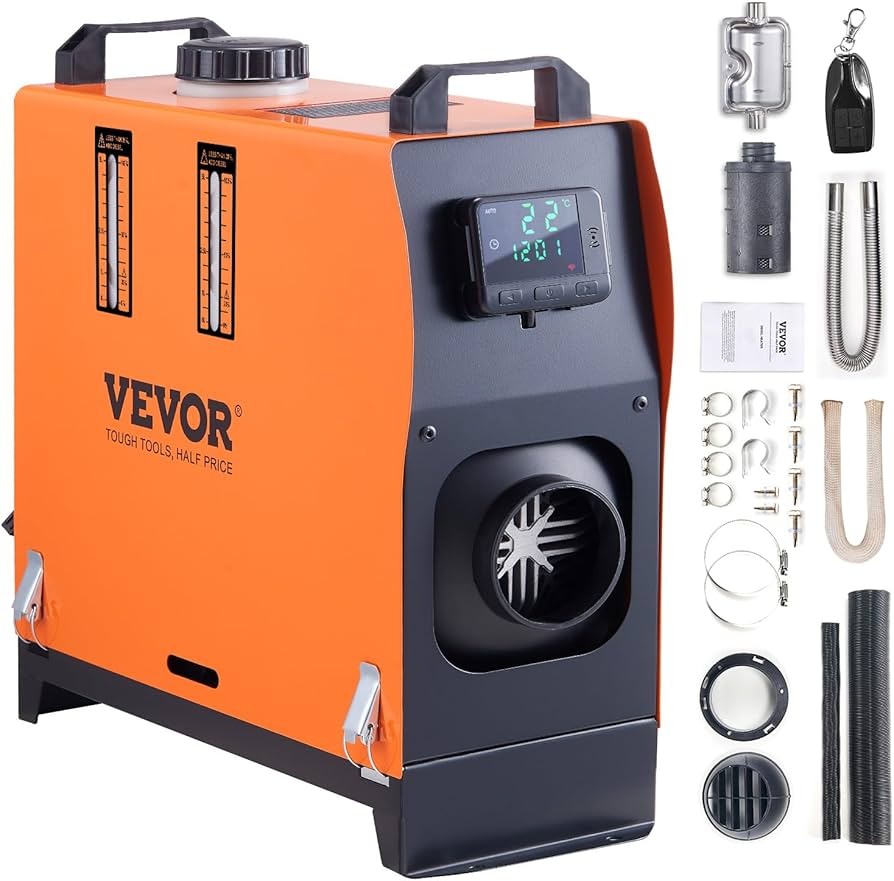
When temperatures drop and you need reliable heat in remote locations, a portable diesel heater becomes an essential piece of equipment. Unlike traditional heating systems that require electrical hookups or continuous propane refills, diesel-powered heating units offer exceptional efficiency and independence. These compact heating solutions have revolutionized how outdoor enthusiasts, contractors, and RV travelers maintain comfortable temperatures in challenging environments. Whether you’re embarking on winter camping expeditions, working in unheated workshops, or traveling in your camper van, understanding the capabilities and advantages of these heating systems can dramatically improve your cold-weather experiences.
What Makes a Portable Diesel Heater Different from Other Heating Options?
A portable diesel heater operates fundamentally differently from propane, electric, or kerosene heating alternatives. These units utilize diesel fuel combustion in a closed chamber, extracting maximum heat energy while minimizing fuel consumption. The combustion process occurs in an isolated chamber where diesel fuel is atomized and burned efficiently, producing heat that warms air through a heat exchanger without contaminating your breathing space with combustion byproducts. This design ensures that carbon monoxide and other exhaust gases are vented outside through a dedicated exhaust pipe, making diesel heaters significantly safer for enclosed spaces compared to open-flame alternatives.
The key distinction lies in fuel efficiency and runtime capabilities. Diesel fuel contains approximately 35-40 megajoules of energy per liter, significantly more than propane or gasoline. This higher energy density means a portable diesel heating unit can operate for 8-24 hours on a single tank, depending on the heat output setting and tank capacity. Most modern diesel heaters feature fuel consumption rates between 0.1 to 0.5 liters per hour, making them incredibly economical for extended use. Additionally, diesel fuel remains stable for longer periods compared to gasoline, doesn’t require pressurized storage like propane, and is widely available at fuel stations worldwide.
Understanding How Diesel Heaters Work: The Technology Behind the Warmth
Modern portable diesel heaters employ sophisticated technology to maximize efficiency and safety. The heating cycle begins when the unit’s fuel pump draws diesel from an internal or external tank, delivering it to a combustion chamber through precision metering systems. An electronically controlled glow plug ignites the fuel, initiating combustion at temperatures exceeding 1000°F. The combustion chamber is engineered to maximize heat extraction while maintaining complete isolation from the interior air supply, ensuring you breathe only clean, heated air.
The heat exchanger component represents the heart of diesel heater efficiency. As hot exhaust gases pass through the heat exchanger’s metal fins and tubes, a separate air circulation system blows ambient air across these heated surfaces. This forced-air design rapidly distributes warmth throughout your space without mixing combustion gases with breathable air. Advanced portable diesel heater models incorporate altitude compensation sensors, automatic ignition sequences, and overheat protection systems. The control boards in premium units feature programmable thermostats, multiple heat output levels (typically ranging from 1kW to 8kW), and digital displays showing real-time temperature, fuel consumption, and operational status.
Key Benefits of Choosing a Portable Diesel Heater for Your Heating Needs
Exceptional Fuel Efficiency and Economy
One of the most compelling advantages of a portable diesel heater is remarkable fuel economy. Compared to propane heaters that consume 1-3 pounds per hour at similar heat outputs, diesel heaters typically use 0.1-0.3 liters per hour on low settings and 0.3-0.6 liters per hour on high settings. This translates to operational costs of approximately $0.30-$2.00 per hour depending on local diesel prices and heat output requirements. For someone heating a camper van overnight for 8 hours, fuel costs might total just $2.40-$4.80, whereas a comparable propane system could cost $8-$15 for the same duration.
The economic benefits extend beyond immediate fuel costs. Diesel fuel’s stability means you can store it for 6-12 months without degradation when treated with fuel stabilizers, compared to propane’s pressure concerns and gasoline’s 3-6 month shelf life. Many users report annual heating costs reduced by 40-60% after switching from propane to diesel systems. Furthermore, diesel heaters maintain consistent performance across temperature ranges from -40°F to 105°F, whereas propane heaters experience significant efficiency drops in extreme cold as tank pressure decreases. This reliability in harsh conditions makes portable diesel heating systems particularly valuable for winter camping, ice fishing shelters, and cold-climate worksites.
Versatility Across Multiple Applications
Portable diesel heaters excel in diverse environments and applications. RV and camper van enthusiasts represent the largest user segment, with these heaters providing reliable warmth without depleting house batteries or requiring shore power. A typical 2kW diesel heater draws only 1-3 amps during operation (20-36 watts), making it compatible with solar power systems and allowing multi-day off-grid camping. The compact dimensions—most units measure 13-17 inches long, 6-8 inches wide, and 5-7 inches tall—allow installation under seats, in storage compartments, or mounted to vehicle frames.
Construction and agricultural workers utilize portable diesel heaters to maintain productivity in unheated structures. A 5kW unit can effectively heat a 400-600 square foot workspace, keeping tools functional and preventing material freezing in temperatures down to -20°F. Truck drivers use these systems for sleeper cab heating during rest periods without idling engines, potentially saving $2000-$5000 annually in fuel costs. Boat owners employ marine-grade diesel heaters for cabin comfort during shoulder seasons. Emergency preparedness enthusiasts value diesel heaters for home backup heating during power outages, as they operate independently of electrical grids. Ice fishing enthusiasts, hunting guides, and outdoor event coordinators all benefit from the portability and power of these efficient heating solutions.
Comparing Popular Portable Diesel Heater Models and Specifications
| Model Type | Heat Output | Fuel Consumption | Tank Capacity | Coverage Area | Average Price |
|---|---|---|---|---|---|
| 2kW Compact | 2,000 watts | 0.1-0.25 L/hr | 5-10 liters | 150-200 sq ft | $150-$300 |
| 5kW Standard | 5,000 watts | 0.2-0.5 L/hr | 10-25 liters | 400-600 sq ft | $200-$450 |
| 8kW Heavy-Duty | 8,000 watts | 0.3-0.8 L/hr | 15-35 liters | 600-1000 sq ft | $350-$700 |
When selecting a portable diesel heater, understanding power output requirements proves critical. The 2kW models suit small camper vans, truck sleepers, and ice fishing shelters up to 200 square feet. These entry-level units typically feature simpler controls, single-speed fans, and basic thermostats. They’re ideal for maintaining temperatures 20-30°F above ambient conditions in well-insulated spaces. Mid-range 5kW portable diesel heaters represent the sweet spot for most users, offering sufficient power for larger RVs, work trailers, and small workshops while maintaining reasonable fuel consumption. These units usually include variable heat output, programmable timers, and remote controls.
Heavy-duty 8kW systems tackle serious heating challenges in larger spaces, poorly insulated structures, or extreme cold conditions. Professional contractors favor these powerful units for construction trailers, agricultural buildings, and emergency heating applications. Premium portable diesel heater models incorporate advanced features including LCD displays showing exhaust temperature, automatic altitude adjustment (crucial for mountain use), smartphone app connectivity, and sophisticated diagnostic systems. Some high-end units offer dual-fuel capability, accepting both diesel and kerosene, while others feature integrated fuel tanks versus external tank connections. Consider installation complexity, available mounting space, and power requirements when choosing between models—simpler units with integrated tanks offer easier setup but less flexibility than modular systems with external tanks.
Installation Considerations and Setup Requirements for Diesel Heaters
Proper installation of a portable diesel heater requires attention to ventilation, fuel delivery, and electrical connections. The exhaust system represents the most critical safety component—combustion gases must be vented outside through approved exhaust piping, typically 24mm stainless steel tubing. Exhaust pipes should exit through walls, floors, or vehicle underbodies with proper insulation and fire-safe grommets. Most installations require 12-18 inches of exhaust pipe extending beyond the vehicle or structure to prevent exhaust recirculation. The exhaust outlet must be positioned away from air intakes, windows, and areas where people congregate.
Air intake systems require equal consideration in portable diesel heater installations. While some models draw combustion air from the interior space, superior installations use external air intakes, completely isolating combustion from living areas. This configuration eliminates interior oxygen depletion and pressure differentials that can cause backdrafting. The heater unit itself needs secure mounting on vibration-dampening mounts if installed in vehicles, with clearances of 4-6 inches from combustible materials. Fuel lines should be automotive-grade fuel injection hose with proper fittings, protected from abrasion and heat sources. Electrical connections require properly fused circuits—most 2kW units need 5-amp fuses, while 5kW systems require 10-15 amp protection. Quality installations include emergency shutoff switches and proper wire gauge for voltage drop prevention over cable runs.
Safety Features and Operational Precautions with Diesel Heating Systems
Modern portable diesel heaters incorporate multiple safety mechanisms to prevent hazardous situations. Overheat protection sensors monitor both exhaust and internal temperatures, automatically shutting down the unit if temperatures exceed safe thresholds (typically 250-300°F for exhaust). Flame-out detection systems use sensors to verify combustion is occurring properly—if the flame extinguishes unexpectedly, the control board initiates a cooling cycle and shutdown sequence to prevent unburned fuel accumulation. Low voltage protection prevents operation when battery voltage drops below 10-10.5 volts, ensuring adequate power for complete shutdown cycles and preventing incomplete combustion.
Altitude compensation features in advanced portable diesel heater models automatically adjust fuel and air mixture ratios based on atmospheric pressure changes. Without this compensation, heaters operated at elevations above 5000 feet may run rich, producing excessive smoke and carbon buildup. Some units include knock sensors that detect improper combustion patterns, while others feature self-diagnostic systems that flash error codes for troubleshooting. Despite these safety features, users must maintain proper installation standards, ensure adequate ventilation, install carbon monoxide detectors, and perform regular maintenance. Never operate a diesel heater without functional exhaust venting, avoid blocking air intakes or outlets, and always follow manufacturer guidelines for minimum clearances from combustible materials.
Maintenance Requirements and Longevity of Portable Diesel Heaters
Regular maintenance extends portable diesel heater lifespan from 5 to 15+ years while ensuring optimal performance. The combustion chamber requires inspection and cleaning every 500-1000 operating hours, depending on fuel quality and usage patterns. Carbon deposits accumulate on heat exchanger surfaces, glow plugs, and combustion chamber walls, reducing efficiency and potentially causing starting problems. Cleaning involves disassembling the combustion chamber, removing carbon buildup with brass brushes (never steel, which damages surfaces), and inspecting components for wear. Glow plugs typically last 2000-3000 hours but should be tested annually and replaced when resistance values fall outside specifications.
Fuel system maintenance proves equally important for portable diesel heating systems. Fuel filters should be replaced every 500 hours or annually, whichever comes first. Water contamination represents the primary enemy of diesel heaters—water in fuel causes corrosion, promotes algae growth, and damages fuel pumps. Installing inline water separators and using fuel additives prevents these issues. The fuel pump’s lifespan averages 3000-5000 hours, with replacement costs typically $30-$80 depending on model. Exhaust systems require annual inspection for cracks, corrosion, or loose connections—even small exhaust leaks can allow dangerous gases into living spaces.
Routine maintenance checklist:
- Clean or replace air filters monthly during heavy use
- Inspect and tighten all fuel line connections quarterly
- Run the heater for 10 minutes monthly during storage periods
- Check exhaust pipe integrity before each season
- Clean heat exchanger fins annually for optimal heat transfer
- Test all safety sensors and verify proper shutdown sequences
- Lubricate fan bearings if applicable (consult manual)
- Store with fuel system drained or treated with stabilizers
Real-World Performance: Case Studies and User Experiences
Case Study 1: Van Life Heating Solution
Sarah and Mike converted a Sprinter van for full-time travel and installed a 2kW portable diesel heater connected to their vehicle’s 45-liter fuel tank. Operating in temperatures ranging from 15°F to 85°F across North America, they report fuel consumption averaging 0.15 liters per hour during typical overnight use. “We calculated that heating our van for 8 hours nightly costs approximately $1.20-$1.80 depending on diesel prices,” Sarah explains. “Our previous propane system cost $8-$12 per night and required frequent tank swaps. Over a 6-month winter trip, we saved approximately $1200 in heating costs while gaining the freedom to camp anywhere without propane refill concerns.”
Their system maintains comfortable 65-70°F interior temperatures when exterior conditions drop to 20°F, using about 1.2 liters of diesel overnight. The heater draws 1.8 amps during operation, allowing them to run it continuously on their 400-watt solar system and 300Ah lithium battery bank. “The automatic thermostat cycles the heater on and off throughout the night, and we wake up warm without any intervention,” Mike notes. They perform combustion chamber cleaning every 6 months and have experienced no mechanical failures in 2 years of daily use.
Suggested read: Best Portable Bathroom With Shower Options for Any Outdoor Adventure
Case Study 2: Construction Site Efficiency
A commercial construction company in Montana deployed six 5kW portable diesel heaters across job sites to maintain workable temperatures in unheated structures during winter months. Project manager Tom Rodriguez reports significant productivity improvements: “Before diesel heaters, we’d lose 2-3 hours daily to frozen equipment, cold-stiffened materials, and worker inefficiency in sub-zero temperatures. The heaters maintain 50-60°F in our work areas, and we’ve documented 25% productivity increases during winter operations.”
The economic impact exceeded expectations—each heater costs approximately $4-$6 daily in diesel fuel while enabling work that would otherwise be impossible. “We calculated that the six heaters paid for themselves within 3 weeks through increased productivity and reduced weather delays,” Rodriguez explains. The units operate in temperatures down to -30°F, and the company reports 98% uptime across two winter seasons. Maintenance involves monthly filter changes and quarterly combustion chamber cleaning, totaling about 2 hours per heater seasonally.
Fuel Quality Impact on Diesel Heater Performance and Reliability
Fuel quality dramatically affects portable diesel heater operation, efficiency, and longevity. Ultra-low sulfur diesel (ULSD), mandated in most developed countries, contains 15 parts per million (ppm) sulfur or less and provides optimal performance. This low sulfur content reduces corrosive deposits and extends component life. However, ULSD’s reduced lubricity requires fuel additives to protect fuel pumps and injectors. Winter-blend diesel with added kerosene prevents gelling at low temperatures—standard #2 diesel gels at 10-15°F, while winterized blends remain fluid to -20°F or below.
Biodiesel blends (B5-B20) work in most portable diesel heaters but present challenges. Biodiesel absorbs moisture readily, promoting algae growth and accelerating fuel degradation. Users burning biodiesel should install high-quality fuel filters, add biocide treatments, and avoid storing biodiesel-blended fuel beyond 90 days. Contamination from water, dirt, or microbial growth causes 80% of diesel heater failures. Premium fuel additives address these issues by dispersing water, preventing algae, improving cold-weather performance, and enhancing lubricity.
Recommended fuel treatments for optimal performance:
- Fuel stabilizers for storage periods exceeding 30 days
- Anti-gel additives when operating below 20°F
- Biocide treatments in humid climates or with biodiesel blends
- Cetane boosters for improved cold starting (45-50 cetane ideal)
- Lubricity enhancers to protect fuel pump components
Energy Efficiency Comparison: Diesel vs Alternative Heating Methods
When comparing heating methods on energy efficiency and operational costs, portable diesel heaters demonstrate clear advantages. Propane heaters typically achieve 80-90% efficiency, converting fuel energy to heat, but propane costs $2.50-$4.00 per gallon (6.9 pounds) and provides approximately 91,500 BTUs per gallon. A propane heater producing 20,000 BTUs hourly consumes roughly 0.22 gallons per hour, costing $0.55-$0.88 hourly. In contrast, a portable diesel heater producing equivalent heat (approximately 68,000 BTUs or 20kW) consumes 0.2 liters of diesel at $0.25-$0.35 per hour based on $3.00-$3.50 per gallon diesel prices.
Electric resistance heaters offer 100% efficiency at the point of use but prove expensive when powered by generators or commercial electricity. A 5kW electric heater operating 8 hours daily costs $10-$16 at typical commercial rates ($0.25-$0.40 per kWh), while an equivalent diesel heating system costs $2-$4 for the same period. Generator-powered electric heating proves even less economical—a generator consuming 1.5-2 gallons of gasoline to produce 5kW for 8 hours costs $12-$20, plus generator maintenance and depreciation.
Wood stoves provide economical heat if free wood is available but require constant attention, create particulate emissions, and pose greater fire hazards. Portable diesel heaters deliver automated, thermostatically controlled heating with minimal supervision, cleaner combustion, and superior convenience. The thermoelectric efficiency of modern diesel heaters approaches 95%, meaning nearly all fuel energy converts to usable heat. When factoring in convenience, automation, safety, and fuel availability, diesel heaters represent the most balanced solution for portable heating needs.
Environmental Considerations and Emissions Profile of Diesel Heaters
Modern portable diesel heaters produce significantly lower emissions than older heating technologies. Complete combustion in optimized diesel heaters generates primarily carbon dioxide and water vapor, with minimal carbon monoxide, unburned hydrocarbons, or particulate matter. Testing shows properly maintained diesel heaters emit 95-99% less carbon monoxide than comparable propane catalytic heaters and virtually eliminate the open-flame particulate production associated with wood heat. The closed combustion chamber design ensures combustion byproducts are exhausted outside, maintaining pristine interior air quality.
Carbon dioxide emissions from portable diesel heating vary with fuel consumption and heat output. A 2kW heater consuming 0.15 liters hourly produces approximately 400 grams of CO₂ per hour, while a 5kW unit at 0.4 liters hourly generates roughly 1,050 grams hourly. Compared to generator-powered electric heating (producing 2-3x more CO₂ for equivalent heat), diesel heaters prove environmentally favorable. Biodiesel blends offer carbon-neutral combustion since the carbon released during burning was recently absorbed by plants during growth, though production and processing energy must be considered in comprehensive lifecycle analyses.
Noise pollution represents another environmental consideration. Quality portable diesel heaters operate at 40-55 decibels, comparable to normal conversation levels and significantly quieter than generators (70-90 decibels). This acoustic advantage proves crucial for camping environments where preserving natural soundscapes enhances experiences. However, users should recognize that diesel heaters do produce some noise from combustion, fan operation, and fuel pump pulsing—typically most noticeable during startup and shutdown cycles. Strategic installation locations and sound-dampening measures minimize noise intrusion.
Advanced Features in Modern Portable Diesel Heater Technology
Contemporary portable diesel heaters incorporate impressive technological advancement beyond basic heating function. Smartphone connectivity through Bluetooth enables remote monitoring and control from up to 50 feet away, allowing temperature adjustments, timer programming, and system diagnostics without leaving your sleeping bag. Mobile apps display real-time fuel consumption, operating hours, and maintenance reminders. Some systems integrate with RV management platforms, providing unified control of heating, lighting, and power systems through single interfaces.
Programmable timers and multi-stage thermostats enhance comfort and efficiency in modern diesel heating systems. Users can schedule heating cycles to pre-warm spaces before waking, reduce output during peak insulation periods, and maintain minimum temperatures during extended absences. Advanced models feature learning algorithms that adapt to usage patterns, optimizing fuel consumption while maintaining comfort preferences. Multi-zone capability allows a single heater to distribute warmth through ducting systems, heating separate areas at different temperatures—particularly valuable in larger RVs or multi-room workshops.
Altitude compensation technology represents a critical advancement for mountain travelers and high-elevation workers. As atmospheric pressure decreases with elevation, air-to-fuel ratios must adjust to maintain proper combustion. Portable diesel heaters with barometric sensors automatically modify fuel delivery rates, preventing the sooty exhaust and inefficient combustion that plague altitude-unaware systems above 5,000 feet. Diagnostic capabilities have evolved dramatically, with modern control boards storing error codes, operating parameters, and performance data. LED indicators or digital displays communicate specific issues—glow plug failures, flame-out conditions, overheat situations, or fuel delivery problems—enabling precise troubleshooting and reducing repair times.
Sizing Your Portable Diesel Heater: Calculating Heat Requirements
Selecting appropriately sized portable diesel heaters requires accurate heat load calculations based on space volume, insulation quality, temperature differential, and air exchange rates. The fundamental formula begins with cubic footage—length × width × height of your space. A 20-foot RV with 7-foot ceilings and 8-foot width contains 1,120 cubic feet. Multiplying this by the desired temperature rise (difference between outdoor and target indoor temperatures) and a factor accounting for insulation quality produces BTU requirements.
For moderately insulated spaces (R-value 10-15), expect heat loss of 1.5-2.5 BTUs per cubic foot per degree Fahrenheit temperature difference. Our example RV maintaining 70°F when outdoor temperatures reach 20°F requires: 1,120 cubic feet × 50°F difference × 2.0 = 112,000 BTUs daily, or roughly 4,666 BTUs hourly assuming continuous heating. A 2kW portable diesel heater produces approximately 6,800 BTUs hourly, providing adequate capacity with reserve for extreme cold snaps or door openings. Poor insulation or extreme cold might necessitate 3-5kW units.
Heat output reference guide:
- 2kW units: 6,800 BTUs/hour – suitable for 150-250 sq ft
- 3kW units: 10,200 BTUs/hour – suitable for 250-350 sq ft
- 5kW units: 17,000 BTUs/hour – suitable for 400-600 sq ft
- 8kW units: 27,000 BTUs/hour – suitable for 600-1,000 sq ft
Consider usage patterns when sizing. A portable diesel heater operating at 70% capacity runs more efficiently and experiences less wear than units consistently maxed out. Oversized heaters cycling frequently waste fuel through repeated startups and don’t maintain consistent temperatures as effectively as properly matched systems running steadier duty cycles.
Troubleshooting Common Portable Diesel Heater Issues
Understanding common portable diesel heater problems enables quick resolution and prevents extended downtime. Failure to ignite ranks among the most frequent complaints, typically caused by exhausted glow plugs, fuel delivery issues, or control board problems. Glow plugs should measure 0.5-1.5 ohms resistance when tested with a multimeter—readings outside this range indicate replacement needs. Fuel delivery problems manifest as air in fuel lines, clogged filters, or failed fuel pumps. Bleeding air from fuel systems involves loosening fuel line connections while the pump operates until pure diesel flows without bubbles.
Smoky exhaust from portable diesel heaters signals incomplete combustion, usually resulting from carbon buildup in combustion chambers, improper fuel-to-air ratios, or fuel quality issues. Black smoke indicates too much fuel or insufficient air, while white smoke suggests water contamination or extremely cold fuel. Regular combustion chamber cleaning every 500-1000 hours prevents most smoke issues. Error codes communicate specific problems through LED flash patterns or digital displays—consult your model’s manual for code interpretation, as they vary significantly between manufacturers.
Common error codes and solutions:
Suggested read: Portable Gas Tank With Pump: Your Ultimate Solution for Fuel Storage and Transfer
- E-08 (overheat): Check exhaust obstruction, verify fan operation
- E-01 (ignition failure): Test glow plug, check fuel delivery
- E-03 (flame out): Clean combustion chamber, verify fuel quality
- E-04 (temperature sensor): Test sensor resistance, check connections
- E-06 (voltage): Verify battery condition, check wiring connections
Unusual noises deserve immediate attention. Fuel pump clicking is normal, but excessive or irregular clicking suggests pump failure. Grinding sounds indicate fan bearing wear. Combustion roaring means improper fuel mixture requiring adjustment. If your portable diesel heater runs but produces insufficient heat, suspect blocked heat exchanger fins, failed circulation fan, or ducting restrictions preventing airflow.
Winter Camping and Off-Grid Living with Diesel Heat
Portable diesel heaters transform winter camping from survival challenges into comfortable adventures. Unlike propane systems that lose efficiency as temperatures plummet and tank pressure drops, diesel heaters maintain consistent performance to -40°F and below. The minimal electrical draw—typically 1-3 amps during operation—pairs perfectly with solar power systems, enabling extended off-grid stays without generator dependency. A 200-watt solar panel and 200Ah battery bank provides sufficient power to run a 2kW portable diesel heater through the night, with daytime solar input replenishing battery reserves.
Strategic fuel management extends winter camping capabilities. A 10-liter diesel reserve running a 2kW heater on medium settings (0.15 L/hr) provides 65+ hours of runtime, sufficient for week-long winter expeditions. Many overlanders tap vehicle fuel tanks for heater operation, installing T-fittings in fuel lines with one-way valves preventing backflow. This arrangement eliminates separate fuel storage concerns and leverages the vehicle’s existing fuel capacity. However, dedicated heater tanks offer advantages for stationary camp setups or preventing vehicle fuel depletion.
Temperature management strategies optimize comfort and efficiency. Setting portable diesel heaters to 60-65°F overnight rather than 70-75°F reduces fuel consumption by 20-30% while maintaining comfortable sleeping conditions under proper bedding. Programming heaters to increase temperatures 30 minutes before waking creates pleasant morning conditions without overnight fuel waste. Insulating windows, sealing air leaks, and using thermal curtains dramatically reduces heat loss, allowing smaller heaters to warm larger spaces effectively.
Commercial Applications: Job Sites, Agriculture, and Industrial Use
Construction and industrial sectors increasingly adopt portable diesel heaters for cold-weather productivity maintenance. Concrete curing requires temperatures above 50°F for proper strength development—frost damage in fresh concrete causes permanent structural weaknesses. Contractors position 5-8kW diesel heaters in enclosed spaces or use ducting to create heated curing environments, maintaining proper conditions regardless of exterior temperatures. Paint and coating applications demand similar temperature control, as most products specify minimum application and curing temperatures of 50-60°F for proper adhesion and durability.
Agricultural operations benefit enormously from portable diesel heating systems. Livestock facilities require consistent temperatures for animal health and feed efficiency—cold stress reduces weight gain in cattle, decreases egg production in poultry, and increases disease susceptibility across species. A 5kW heater maintains comfortable temperatures in 400-600 square foot barns or farrowing houses, preventing cold-related mortality and production losses that far exceed equipment and fuel costs. Equipment storage and maintenance also benefit from heated environments—diesel engines start more reliably, hydraulic fluids maintain proper viscosity, and battery efficiency remains optimal when stored above freezing.
Emergency response and disaster relief scenarios showcase portable diesel heaters’ versatility and reliability. Emergency management agencies deploy diesel heaters in temporary shelters, command posts, and relief stations, providing immediate heating without infrastructure dependencies. Military and humanitarian organizations favor diesel heaters for field operations due to fuel availability (diesel powers generators, vehicles, and heaters using common supply chains) and operation simplicity. Remote telecommunications facilities, pipeline pump stations, and utility infrastructure use diesel heaters for freeze protection and equipment functionality maintenance during winter conditions.
Cost Analysis: Initial Investment and Long-Term Operational Economics
Initial portable diesel heater investments range from $150 for basic 2kW Chinese-manufactured units to $1,500+ for premium European brands with advanced features and extended warranties. Mid-range options ($300-$600) typically offer optimal value, combining reasonable quality, adequate features, and acceptable reliability. Installation costs vary dramatically—DIY installations in RVs or vans cost $50-$200 in materials (exhaust pipe, fuel lines, fittings, electrical components), while professional installations range from $400-$1,200 depending on complexity and regional labor rates.
Long-term operational economics heavily favor portable diesel heaters compared to alternatives. Annual heating costs for a camper van used 180 nights yearly (6-month traveling season) with 8-hour nightly heating average $325-$540 for diesel versus $1,440-$2,160 for propane—annual savings of $900-$1,620. Over a 5-year period, even expensive diesel heater systems save thousands compared to propane, while cheaper diesel units recoup investments within months. Maintenance costs average $50-$150 annually for filters, cleaning supplies, and occasional component replacements, significantly less than propane regulator and hose replacements.
Battery impact considerations matter for solar-dependent users. A portable diesel heater drawing 2 amps for 8 hours consumes 16Ah from battery banks—easily replenished by modest solar arrays. Propane heaters require no electricity for combustion but lack precise temperature control and thermostat cycling, often creating temperature swings that reduce comfort. The ability to precisely control and automate diesel heater operation provides comfort and convenience worth quantifying in total ownership value calculations.
Geographic Considerations: Diesel Heater Performance in Different Climates
Portable diesel heaters demonstrate remarkable adaptability across climate zones, though specific considerations optimize performance in different environments. Arctic and subarctic regions demand attention to fuel gelling prevention—winterized diesel blends or anti-gel additives ensure fuel fluidity at -30°F and below. At extreme cold (below -40°F), preheating fuel lines with heat tape or installing fuel line insulation maintains fuel flow during startup sequences. Battery performance deteriorates in extreme cold, so users in these environments benefit from AGM or lithium batteries with superior cold-weather characteristics and insulated battery compartments.
Desert and arid climates present different challenges for diesel heating systems. Dust infiltration accelerates filter clogging and increases combustion chamber maintenance frequency. Installing pre-filters or upgrading to higher-quality air filtration extends service intervals. Fuel expansion in hot storage requires attention to tank venting and fill levels—diesel expands approximately 1% per 15°F temperature increase, potentially causing overflow from completely filled tanks during extreme heat. Solar gain on exposed fuel tanks can raise diesel temperatures to 140-160°F in desert summers, though this poses no operational concerns when heaters eventually operate during cold nights.
Coastal and high-humidity environments accelerate corrosion on portable diesel heater components, particularly exhaust systems. Stainless steel exhaust components resist corrosion far better than mild steel alternatives, justifying premium pricing in marine applications. Moisture in fuel tanks presents greater challenges in humid climates—regular fuel tank draining or water-separation filtration prevents contamination. Marine-grade diesel heaters incorporate corrosion-resistant materials, conformal-coated circuit boards, and improved sealing against moisture intrusion, essential for boat installations and coastal RV use.
Integration with Renewable Energy Systems and Off-Grid Power
Portable diesel heaters integrate beautifully with solar power systems, drawing minimal current compared to electric heaters and enabling comprehensive off-grid capabilities. A typical 400-watt solar array (two 200-watt panels) generates 1,600-2,400 watt-hours daily in moderate sunlight conditions, sufficient to power a 2kW diesel heater for 10+ hours while supporting other 12V systems. The heater’s 1.5-2.5 amp operating current represents only 18-30 watts power consumption—dramatically less than 1,500-watt electric space heaters that would quickly exhaust even robust battery banks.
Lithium battery systems offer superior performance for diesel heater applications compared to traditional lead-acid batteries. Lithium batteries maintain voltage stability throughout discharge cycles, ensuring consistent heater operation without voltage-induced shutdowns. A 300Ah lithium battery bank provides 3,840 watt-hours of usable energy (assuming 12.8V nominal voltage), capable of running a diesel heater for 100+ hours independent of solar charging. Lead-acid batteries, limited to 50% depth of discharge for longevity, provide half the usable capacity for equivalent amp-hour ratings.
Wind power supplements solar generation in portable diesel heater off-grid systems, particularly valuable during winter when solar production decreases but heating demands increase. Small wind turbines (400-1000 watts) complement solar panels, generating power during cloudy or nighttime periods when solar panels sit idle. Combined solar-wind systems achieve remarkable energy independence, maintaining battery banks even during extended overcast periods. Proper system sizing accounts for winter solar angles, cloud cover frequency, wind resource availability, and total electrical loads including heater operation, lighting, appliances, and devices.
Safety Certifications and Regulatory Compliance for Diesel Heaters
Quality portable diesel heaters carry certifications from recognized testing organizations confirming compliance with safety and performance standards. CE marking indicates European Conformity, verifying the product meets EU health, safety, and environmental protection requirements. UL (Underwriters Laboratories) certification demonstrates compliance with rigorous North American safety standards for electrical and fire safety. FCC certification confirms electromagnetic compatibility, ensuring heaters don’t interfere with communications equipment—particularly important for marine and aviation applications where radio interference creates safety hazards.
Emissions standards vary by jurisdiction but increasingly stringent regulations govern combustion equipment. EPA-compliant portable diesel heaters meet air quality standards for particulate emissions, carbon monoxide output, and unburned hydrocarbon release. Marine diesel heaters require additional certifications including ABYC (American Boat and Yacht Council) or equivalent international maritime standards addressing installation practices, fuel system integrity, and ventilation requirements unique to watercraft. RV installations should follow RVIA (Recreational Vehicle Industry Association) standards, though many diesel heater installations fall into gray areas as aftermarket modifications rather than factory installations.
Insurance considerations deserve attention when installing diesel heating systems. Some insurance providers require notification and approval before installing combustion heating equipment in RVs or boats. Professional installation documentation and certified components strengthen insurance coverage and claims processing if incidents occur. Maintain installation photos, receipts, and certification documents in permanent records. Some jurisdictions require permits for combustion heating installations in permanent structures, and certain campgrounds or RV parks prohibit or restrict combustion heaters—always verify rules before relying exclusively on diesel heat in regulated environments.
Fuel Tank Options and Fuel System Design for Optimal Performance
Portable diesel heater installations offer multiple fuel tank configurations, each with distinct advantages and limitations. Integrated fuel tanks mounted directly to heater units provide compact solutions ideal for occasional use or portable applications. These tanks typically hold 5-10 liters, sufficient for 30-60 hours operation on low settings. The primary advantage lies in installation simplicity—integrated systems require only exhaust venting and air intake ducting, eliminating fuel line routing complexities. However, limited capacity necessitates frequent refilling during extended use, and accessing tanks for refilling may prove awkward depending on installation location.
External fuel tanks mounted separately from heater units offer maximum flexibility and capacity. Marine-grade or automotive diesel tanks ranging from 10 to 50+ liters enable extended operation between refills—a 30-liter external tank provides 150-300 hours runtime depending on heat output settings. External tanks allow strategic placement in unused spaces (under seats, in storage compartments, beneath vehicle frames) while keeping heater units in optimal heating locations. Portable diesel heater fuel lines connecting external tanks should use automotive-grade fuel injection hose rated for diesel fuel and temperature extremes, with proper strain relief and protection from abrasion.
Vehicle fuel tank integration represents the ultimate convenience for mobile applications. T-fittings installed in vehicle fuel lines with one-way check valves allow diesel heaters to draw from main fuel tanks without affecting engine operation. This configuration eliminates dedicated fuel storage and refilling requirements—whenever you refuel your vehicle, you simultaneously refuel your heater. Critical safety considerations include proper one-way valve installation preventing fuel backflow, inline filters protecting heater fuel pumps from contamination, and electrical interlocks preventing simultaneous engine and heater operation if fuel supply can’t support both. Some users install separate fuel pickup tubes in vehicle tanks avoiding the main fuel supply entirely.
Suggested read: Portable A/C Rental: Your Ultimate Solution for Temporary Cooling Needs
Comparing Top Portable Diesel Heater Brands and Manufacturers
The portable diesel heater market spans from budget-friendly Chinese manufacturers to premium European engineering firms. Webasto and Espar (now Eberspächer) dominate the premium segment with heaters priced $800-$2,000, offering German engineering, comprehensive warranties, established dealer networks, and decades of proven reliability. These brands pioneered diesel heating technology for automotive and RV applications, and their products feature superior build quality, refined combustion control, and whisper-quiet operation. Service parts availability and technical support justify premium pricing for professional installations and critical applications where reliability justifies investment.
Mid-tier brands including Autoterm (Planar), Belief, and Vevor occupy the $300-$600 range, providing solid performance and acceptable reliability at accessible prices. Autoterm, manufactured in Latvia, represents the sweet spot for many users—European manufacturing standards, reasonable quality control, and pricing competitive with Chinese alternatives. These portable diesel heaters incorporate similar technology to premium brands but with simpler controls, louder operation, and less refined fit-and-finish. Component quality varies between batches, though recent production improvements have substantially enhanced reliability.
Generic Chinese manufacturers (often sold under various brand names) dominate the budget segment at $150-$300. These units replicate premium designs with varying degrees of success, offering remarkable value when they function properly but inconsistent quality control. Buyers report experiences ranging from flawless multi-year operation to arrival DOA (dead on arrival) or early failures. The portable diesel heater lottery aspect makes these units suitable for budget-conscious buyers willing to troubleshoot, perform modifications, and accept replacement risks. Many experienced users successfully operate Chinese heaters after initial quality verification and minor improvements to wiring, fuel lines, and installation components.
Winterizing and Long-Term Storage of Portable Diesel Heaters
Proper seasonal storage extends portable diesel heater longevity and ensures reliable operation when heating season returns. Pre-storage maintenance begins with thorough combustion chamber cleaning, removing all carbon deposits that could absorb moisture and promote corrosion during storage. Run the heater for a complete heating cycle after cleaning to verify proper operation and dry any residual moisture from internal components. Some technicians recommend running heaters with fuel system cleaner additives through final operating cycles to leave protective coatings on fuel pump and combustion chamber components.
Fuel system preparation prevents the most common storage-related failures in diesel heating systems. Diesel fuel degrades over 3-6 months, forming varnish deposits and supporting microbial growth that clogs fuel systems. Options include completely draining fuel systems for storage or treating fuel with stabilizer additives rated for 12-month storage. Complete drainage requires running heaters until fuel starvation occurs, then disconnecting fuel lines and purging remaining fuel. This approach eliminates fuel degradation risks but requires system re-priming before next use. Treated fuel storage proves more convenient but requires quality stabilizer products and fuel replacement if storage extends beyond treatment duration.
Storage preparation checklist:
- Clean combustion chamber and heat exchanger thoroughly
- Inspect and replace worn components (glow plugs, fuel filters, exhaust gaskets)
- Either drain fuel system completely or add stabilizer to fresh diesel
- Disconnect battery or install battery disconnect switch preventing parasitic drain
- Seal exhaust outlet and air intake preventing moisture and pest intrusion
- Store control units in dry locations with stable temperatures
- Document heater condition, hours of operation, and maintenance performed
- Test operation for 10-15 minutes at season start before relying on heater
Humidity control during storage prevents corrosion on electronic components and metal surfaces. Silica gel desiccant packs placed near portable diesel heaters absorb ambient moisture in enclosed storage areas. For RVs and boats stored outdoors, regular ventilation prevents condensation accumulation. Some owners remove heater control units and store them indoors, protecting sensitive electronics from temperature extremes and humidity while leaving combustion units in place.
Upgrading from Propane to Diesel: Conversion Considerations and Process
Transitioning from propane to portable diesel heater systems offers compelling advantages but requires careful planning and proper execution. Space assessment begins the conversion process—diesel heaters require locations for the heater unit, fuel tank (if external), exhaust venting, and air intake. Most RV propane furnaces occupy significantly more space than diesel heaters, so removal often frees ample room for new installations. However, propane furnace ducting differs from diesel heater configurations, potentially requiring new ductwork or transitioning to direct heating approaches.
Electrical system capacity must accommodate diesel heater requirements. While diesel heaters draw far less power than propane furnaces’ 12-15 amp blower motors, they require dedicated fused circuits and proper wire gauge for voltage drop prevention. A 10-foot wire run for a 2kW heater drawing 3 amps maximum should use 14-gauge wire minimum, while 5kW heaters with 5-amp draws need 12-gauge wire. Battery capacity considerations matter less since diesel heaters consume less power than propane furnaces, though solar charging capacity assessments ensure systems support total electrical loads including heating.
Cost comparison justifies portable diesel heater conversions despite initial investment. Complete conversion including heater purchase, installation materials, fuel tank, and labor costs $600-$1,500 for DIY installations or $1,200-$2,500 professionally installed. Propane systems cost $400-$1,200 annually for fuel (based on moderate winter use), while equivalent diesel heating costs $150-$400 annually. Conversion investments recover in 1-3 years through fuel savings, with ongoing convenience benefits from elimination of propane tank monitoring, refills, and winter pressure issues. Many users retain propane for cooking and hot water while switching heating to diesel, optimizing each fuel for its best applications.
Expert Tips for Maximizing Portable Diesel Heater Efficiency and Performance
Optimizing portable diesel heater efficiency begins with proper insulation and air sealing in heated spaces. Every BTU escaping through inadequate insulation represents wasted fuel and shortened runtime. RV windows account for 25-40% of heat loss—thermal curtains or insulating window covers dramatically reduce this loss. Foam pipe insulation applied to window frames eliminates thermal bridging where metal or aluminum conducts heat outside. Door seals and weatherstripping prevent infiltration losses, and sealing unused vents reduces cold air entry. These improvements often allow downsizing heater capacity or operating at lower output settings while maintaining comfort.
Thermostat placement significantly impacts diesel heater efficiency and comfort. Positioning thermostats in centrally located areas away from direct heater airflow provides accurate temperature sensing and prevents short-cycling. Thermostats near heater outlets sense elevated temperatures and cycle heaters off prematurely, causing temperature swings and inefficient operation. Exterior walls and drafty areas yield opposite problems—thermostats in cold zones run heaters continuously trying to reach setpoints impossible in poorly insulated locations. Ideal thermostat placement senses average space temperature in areas occupants utilize most.
Performance optimization strategies:
- Operate heaters at 60-70% capacity for optimal efficiency and longevity
- Use programmable thermostats to reduce nighttime temperatures 5-10°F
- Install ceiling fans to distribute heat evenly and eliminate stratification
- Position heater outlets to create circulation patterns throughout space
- Clean combustion chambers every 500 hours rather than maximum 1000-hour intervals
- Use premium fuel additives to maintain injector cleanliness and combustion efficiency
- Monitor voltage at heater during operation—low voltage causes inefficient combustion
- Adjust heater altitude compensation settings when elevation changes exceed 2000 feet
Fan speed selection affects comfort and efficiency in multi-speed portable diesel heaters. High fan speeds distribute heat quickly but create noise and drafts, while low speeds operate quietly but may leave hot spots near heaters and cold zones in distant areas. Medium fan speeds typically optimize comfort, efficiency, and noise levels. Some users install additional circulation fans independent of heater fans, improving heat distribution without increasing heater fan speeds and associated noise.
Portable Diesel Heater Accessories and Enhancement Options
Aftermarket accessories expand portable diesel heater capabilities and address specific application requirements. Remote thermostats allow temperature control from locations distant from heater installations—particularly valuable in RVs and boats where heaters install in storage areas or under seats. Wireless remote controls enable adjustments without leaving sleeping areas, and smartphone app interfaces provide comprehensive control including scheduling, monitoring, and diagnostics from mobile devices. High-quality remote thermostats cost $30-$80 and installation requires simple wiring to heater control boards.
Ducting systems distribute heat from centrally mounted diesel heaters to multiple zones. Flexible aluminum or insulated vinyl ducting routes heated air through RV walls or under vehicles to remote areas—bedroom compartments, bathrooms, or cargo areas. Ducting kits typically include registers, mounting flanges, and necessary adapters. Proper sizing matters: 60mm (2.36″) ducting suits 2-3kW heaters, while 75mm (2.95″) ducting handles 5kW output. Excessive ducting length (over 6-8 feet) or multiple 90-degree bends restrict airflow and reduce heating efficiency, sometimes requiring heater fan speed increases to overcome restrictions.
Useful accessories and upgrades:
- Heavy-duty fuel line with braided reinforcement for harsh environment installations
- Inline fuel filters with water separation for superior contamination protection
- Battery voltage monitors ensuring adequate power for heater operation
- Exhaust pipe insulation wraps reducing hot surface contact risks
- Stainless steel mounting brackets for secure installation in mobile applications
- Soundproofing mats dampening combustion and fan noise transmission
- External fuel tank level gauges for convenient fuel monitoring
- Quick-disconnect fuel fittings enabling easy seasonal removal
Mufflers and sound dampeners address noise concerns in portable diesel heater installations. Inline exhaust mufflers reduce combustion noise exiting exhaust pipes, while heater enclosures lined with acoustic foam dampen operational sounds. Users sensitive to noise or installing heaters in sleeping areas near occupants benefit from these modifications. Quality mufflers cost $25-$60 and install inline in exhaust systems, though they slightly restrict exhaust flow and should be sized appropriately for heater output ratings.
Frequently Asked Questions About Portable Diesel Heaters
How long does a portable diesel heater run on a full tank?
Runtime for a portable diesel heater depends on tank capacity and heat output settings. A 10-liter tank powering a 2kW heater on low settings (0.1-0.15 L/hr consumption) provides 65-100 hours of operation, while high settings (0.25 L/hr) reduce runtime to 40 hours. A 5kW unit consuming 0.4-0.5 L/hr on high settings runs 20-25 hours on the same 10-liter tank. Most users operate heaters on thermostatic control where duty cycles average 40-60%, effectively extending these runtimes by 1.5-2x. Larger 20-30 liter external tanks enable multi-day or week-long operation between refills, ideal for extended camping trips or emergency heating applications.
Are portable diesel heaters safe to use while sleeping?
Yes, properly installed portable diesel heaters are safe for overnight operation during sleep. The closed combustion chamber design isolates burning diesel from interior air, with exhaust gases vented outside through dedicated exhaust pipes. Unlike catalytic propane heaters that consume interior oxygen and can produce carbon monoxide, diesel heaters draw combustion air separately and exhaust all combustion byproducts externally. Safety features including overheat protection, flame-out detection, and automatic shutdown functions provide multiple safeguards. However, users must install carbon monoxide detectors, ensure exhaust pipes remain unobstructed, maintain proper clearances from combustible materials, and follow manufacturer installation guidelines. Never operate a diesel heater without functional exhaust venting in enclosed spaces.
Suggested read: GE Portable Air Cooler: Your Ultimate Solution for Efficient Home Cooling in 2025
Can I install a portable diesel heater myself or do I need a professional?
DIY installation of portable diesel heaters is feasible for mechanically inclined individuals with proper tools and careful attention to installation guidelines. Successful DIY installations require understanding of 12V electrical systems, proper exhaust pipe routing and sealing, fuel line installation with appropriate fittings, and secure mounting techniques. The process typically requires 6-12 hours for first-time installers, less for subsequent installations. However, professional installation ensures compliance with safety standards, proper component selection, warranty protection (some manufacturers require professional installation), and optimized system performance. Professional installation costs $400-$1,200 but eliminates risks of improper venting, fuel leaks, electrical issues, or fire hazards. Consider professional installation for complex setups, marine applications, or situations where errors could create serious safety consequences.
What maintenance does a portable diesel heater require?
Regular portable diesel heater maintenance includes combustion chamber cleaning every 500-1,000 operating hours, fuel filter replacement every 500 hours or annually, and glow plug inspection/testing yearly. Combustion chamber cleaning involves disassembling the burn chamber, removing carbon deposits with brass brushes, and inspecting components for wear or damage. Fuel system maintenance includes checking fuel line connections for leaks, draining water from fuel tanks or separators, and replacing degraded fuel. Annual inspections should verify exhaust system integrity, test safety sensors, and confirm proper shutdown sequences. Most owners spend 2-4 hours annually on routine maintenance and $30-$80 on replacement parts including filters and occasional glow plugs. Properly maintained diesel heaters routinely exceed 5,000 operating hours before requiring major component replacements.
How much does it cost to run a portable diesel heater per hour?
Operating costs for portable diesel heaters range from $0.15 to $0.60 per hour depending on heat output settings and local diesel prices. A 2kW heater on low settings consuming 0.1 liters hourly costs approximately $0.12-$0.15 per hour at $3.00-$3.50 per gallon diesel prices (approximately $0.80-$0.95 per liter). Medium settings drawing 0.15-0.2 liters hourly cost $0.20-$0.25 per hour, while high output consuming 0.25-0.3 liters reaches $0.30-$0.38 hourly. Larger 5kW heaters on high settings burning 0.5 liters hourly cost around $0.55-$0.65 per hour. Most users operate heaters on thermostatic control where actual runtime averages 40-60% of clock time, effectively reducing hourly costs by 40-60%. An overnight 8-hour heating session typically costs $1.50-$4.50 depending on heater size, temperature differential, and insulation quality.
Can portable diesel heaters operate at high altitudes?
Modern portable diesel heaters with altitude compensation functions operate effectively at elevations up to 16,000 feet, automatically adjusting air-fuel mixtures as atmospheric pressure changes. Barometric pressure sensors detect altitude changes and modify fuel delivery rates to maintain optimal combustion ratios. Without altitude compensation, heaters operated above 5,000 feet run excessively rich, producing black smoke, carbon buildup, and inefficient combustion. Basic heaters lacking altitude sensors may operate at elevations up to 3,000-5,000 feet without issues but experience performance degradation and increased maintenance requirements at higher altitudes. When purchasing a portable diesel heater for mountain use, camping at high elevations, or ski area applications, verify the model includes altitude compensation or plan for more frequent cleaning and reduced efficiency. Some models require manual altitude adjustment through control panel settings when elevation changes significantly.
What size portable diesel heater do I need for my RV or camper van?
Selecting appropriate portable diesel heater sizing requires calculating your space’s heat loss based on volume, insulation quality, and temperature differential. Small camper vans and truck campers (100-200 sq ft) typically need 2kW heaters producing 6,800 BTUs hourly. Standard RVs and larger vans (250-400 sq ft) perform well with 3-5kW heaters generating 10,000-17,000 BTUs hourly. Large RVs and motorhomes (500+ sq ft) may require 5-8kW units or multiple smaller heaters for zone heating. Consider insulation quality—modern, well-insulated builds need less capacity than older RVs with minimal insulation. Climate matters too: maintaining 70°F interiors when outside temperatures reach -20°F demands more capacity than 20°F exterior conditions. Most users find 5kW portable diesel heaters offer optimal versatility, providing adequate power for cold weather while offering low-output settings for milder conditions.
Do portable diesel heaters produce carbon monoxide?
Portable diesel heaters produce carbon monoxide during combustion, but properly installed units vent all exhaust gases outside through sealed exhaust pipes, preventing carbon monoxide from entering living spaces. The closed combustion chamber design isolates burning diesel from interior air, with dedicated intake and exhaust pipes creating a completely separate air path for combustion. This configuration makes diesel heaters fundamentally safer than catalytic propane heaters or unvented combustion devices that release exhaust into occupied spaces. However, exhaust pipe damage, disconnections, or cracks can allow combustion gases to escape into interiors. Always install carbon monoxide detectors near sleeping areas, perform annual exhaust system inspections, and ensure proper installation following manufacturer guidelines. Never operate a portable diesel heater with damaged or disconnected exhaust pipes, and immediately address any exhaust leaks.
Can I use biodiesel or kerosene in a portable diesel heater?
Most portable diesel heaters safely burn biodiesel blends up to B20 (20% biodiesel, 80% petroleum diesel) and kerosene without modifications. Biodiesel provides renewable fuel options but absorbs moisture readily, promoting microbial growth and fuel degradation. Users burning biodiesel should install high-quality fuel filtration, add biocide treatments in humid environments, and avoid storing biodiesel-blended fuel beyond 90 days. Kerosene burns cleaner than diesel with less carbon buildup and reduced maintenance requirements, though it costs more per gallon. Some manufacturers explicitly approve kerosene use, while others recommend against it due to different fuel pump lubrication properties. Pure biodiesel (B100) and used vegetable oil require fuel system modifications and aren’t recommended for standard diesel heater installations. Always consult your heater’s manual regarding approved fuels, and when using alternative fuels, monitor performance and increase maintenance frequency.
How loud are portable diesel heaters during operation?
Portable diesel heaters produce noise levels ranging from 40-55 decibels during normal operation, comparable to quiet conversation or background refrigerator hum. Startup sequences create slightly elevated noise for 60-90 seconds as combustion initiates and fans reach operating speeds. The primary noise sources include combustion chamber operation (a quiet roar or hiss), circulation fan (whirring or humming), and fuel pump pulsing (rhythmic clicking). Heater quality significantly impacts noise levels—premium units incorporate sound dampening and refined combustion control for quieter operation, while budget models tend toward louder performance. Installation location affects perceived noise: heaters mounted under floors or in insulated compartments operate more quietly than units installed in open cabin areas. Exhaust noise outside the vehicle remains audible to nearby campers, typically producing 50-60 decibels within 10 feet of exhaust outlets. Sound-dampening modifications including exhaust mufflers and acoustic enclosures reduce noise for sensitive users or installations near sleeping areas.
Get Your Portable Diesel Heater Today
Ready to experience reliable, efficient heating anywhere your adventures take you? Investing in a quality portable diesel heater transforms cold-weather experiences from uncomfortable ordeals into cozy comfort. Whether you’re outfitting a camper van for winter travels, preparing a work trailer for construction season, or building emergency preparedness capabilities, diesel heating technology provides unmatched performance and economy.
Don’t let another cold night or expensive propane bill pass you by. Explore our comprehensive selection of portable diesel heaters featuring the latest technology, competitive pricing, and expert guidance to help you select the perfect heating solution for your specific needs. While you’re building your portable equipment collection, check out our other portable solutions including everything from portable disc golf baskets to adventure gear that enhances your outdoor lifestyle.
Start enjoying warm, comfortable spaces anywhere with a portable diesel heater—because life’s too short to be cold.
Information in this article about portable diesel heaters draws from manufacturer specifications, user experiences, and technical documentation from leading diesel heater brands including Webasto, Eberspächer (Espar), and Autoterm. Performance data, fuel consumption figures, and efficiency calculations reflect real-world testing and published specifications across multiple heater models and applications. Safety information complies with industry standards and manufacturer installation guidelines.