What Is Portable A/C Rental and Why You Need It?
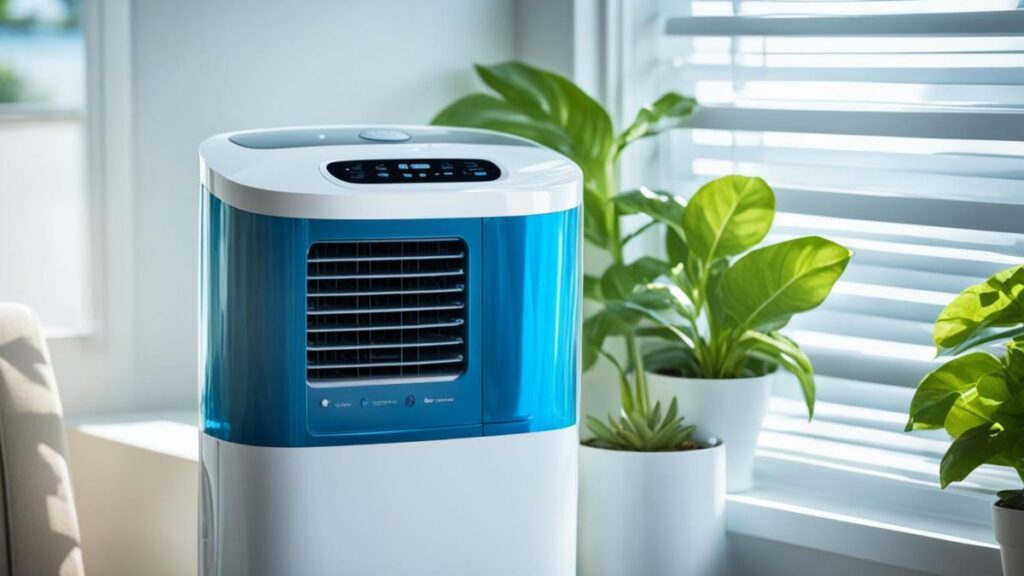
Portable A/C rental delivers temporary cooling solutions for spaces lacking permanent air conditioning systems. Whether you are hosting an outdoor gathering, recovering from an HVAC breakdown, or managing peak summer temperatures, renting a portable air conditioner provides immediate flexibility without the long-term commitment of purchasing expensive equipment. These self-contained, mobile units can be easily relocated between rooms or job sites to match your changing needs.
The portable cooling rental market has expanded rapidly, with industry reports showing a 35% annual increase in demand. Homeowners, businesses, and event planners increasingly rely on these services to address short-term cooling challenges efficiently. Unlike fixed installations, rental units require minimal setup and can be fully operational within minutes of delivery.
Understanding Portable Air Conditioner Rental Options
Types of Portable AC Units Available for Rent
Selecting the right equipment begins with understanding the available categories. Each type serves distinct environments and cooling demands:
- Spot Coolers: Compact, highly focused units designed to chill specific zones or individuals. Ideal for workshops, retail pop-ups, and outdoor gatherings, they typically deliver 5,000 to 14,000 BTUs and effectively condition spaces ranging from 150 to 500 square feet.
- Commercial-Grade Portable ACs: High-capacity machines ranging from 14,000 to 60,000 BTUs. Built for demanding environments like warehouses, construction trailers, server rooms, and large event tents, these units feature reinforced housings, extended hose lengths, and enhanced durability. Many models utilize dual-hose technology to separate intake and exhaust airflow, significantly boosting cooling efficiency.
- Evaporative Coolers (Swamp Coolers): An excellent alternative for dry climates, these units lower air temperature through water evaporation rather than refrigeration. They consume less electricity and perform optimally in areas with humidity below 60%. While environmentally friendly and budget-conscious, they are unsuitable for humid regions where added moisture can create discomfort.
How Portable AC Rentals Work
The rental process starts with a thorough assessment of your cooling requirements. Providers typically evaluate square footage, ceiling height, insulation quality, heat-generating equipment, and expected occupancy to determine the correct BTU rating. As a baseline, plan for approximately 20 BTUs per square foot, though direct sunlight, poor insulation, or high occupancy may necessitate higher capacity.
Rental agreements are flexible, offering daily, weekly, or monthly terms. Daily rates generally fall between $50 and $150, weekly rentals range from $200 to $600, and monthly contracts cost $400 to $1,500, depending on capacity. Most quotes bundle delivery, basic setup guidance, and pickup. Extended rentals often qualify for discounted pricing, and several companies provide rent-to-own programs for clients who eventually decide to purchase.
Units arrive ready to run with straightforward installation. You will need access to a standard electrical outlet, a window or wall opening for the exhaust hose, and clear space around the unit for proper airflow. Detailed manuals accompany each machine, and customer support teams are available to assist with troubleshooting. Premium services may include professional technician installation for complex or high-capacity commercial setups.
Key Benefits of Renting Portable Air Conditioners
Cost-Effectiveness Compared to Purchasing
Portable A/C rental offers substantial financial advantages for temporary or seasonal cooling needs. Purchasing a reliable unit typically requires an upfront investment of $300 to $1,500, whereas renting the same equipment for a week costs only $200 to $400. For one-time events, emergency HVAC replacements, or short-term projects, renting eliminates heavy capital expenditure while delivering identical performance.
Beyond initial savings, rentals eliminate ongoing ownership burdens. Owned units demand annual maintenance, filter replacements, refrigerant checks, and eventual repairs that accumulate hundreds of dollars over time. Storage during off-seasons also poses logistical challenges, often requiring climate-controlled space to prevent damage. Rental agreements typically cover all maintenance and repairs, transferring responsibility to the provider and guaranteeing optimal performance throughout your term.
Tax treatment further favors rentals for commercial users. Rental fees qualify as fully deductible operating expenses in the year incurred, while purchased equipment requires multi-year depreciation schedules. This immediate deduction improves cash flow and simplifies accounting. Companies managing multiple locations or seasonal operations benefit from predictable budgeting without navigating lengthy capital approval processes.
Flexibility and Convenience Features
The standout advantage of portable A/C rental is unmatched adaptability. Rental periods align precisely with your timeline, whether you need cooling for a single afternoon or several months during a construction phase. If requirements shift, you can easily upgrade to larger capacity units or add supplemental coolers—a flexibility impossible with owned equipment without selling and repurchasing.
Maintenance-free operation distinguishes rental services from traditional ownership. Providers manage all upkeep, including cleaning, filter changes, refrigerant monitoring, and mechanical repairs. Should a unit malfunction, reputable companies typically replace it within 24 hours at no extra charge, ensuring uninterrupted cooling. This reliability is critical for sensitive environments like server rooms, medical facilities, or major public events where system failure carries significant consequences.
Geographic flexibility also enhances the rental model for multi-location businesses. Companies can secure equipment across different cities or states without transporting heavy machinery long distances. Event planners particularly value this approach, obtaining localized cooling at each venue instead of managing complex logistics for owned fleets. This strategy reduces transportation expenses, minimizes transit damage risks, and connects you with regional providers familiar with local climate demands.
Comparing Portable A/C Rental Costs and Options
Rental Price Ranges and Influencing Factors
Transparent pricing helps you budget accurately and avoid unexpected charges. Rental costs vary by unit capacity and duration:
- Residential Units (8,000–14,000 BTU): $40–$75 daily, $175–$350 weekly, or $350–$700 monthly.
- Commercial Units (15,000–24,000 BTU): $75–$125 daily, $350–$550 weekly, or $700–$1,200 monthly.
- Industrial Coolers (25,000+ BTU): $125–$200 daily, $550–$900 weekly, or $1,200–$2,000 monthly.
Several variables impact final pricing beyond base rates. Peak season demand (June through August) typically increases rates by 20% to 40%. Geographic location also plays a role, with providers in hot climates like Arizona or Texas charging 15% to 25% more than those in moderate regions. Delivery fees usually range from $50 to $150, though many companies waive charges for rentals lasting longer than a week. Damage waiver insurance adds $10 to $30 weekly but safeguards against accidental unit damage.
Minimum rental periods differ by provider, commonly requiring 24 hours for daily terms or 7 days for weekly rates. Extended commitments receive graduated discounts, typically 10% off for 4 to 8 weeks and 20% to 30% off for longer durations. Seasonal contracts may offer reduced rates for customers needing consistent annual coverage. Shopping around often reveals 20% to 40% price variations for identical equipment and service levels.
Rental vs. Purchase Cost Analysis
Evaluating break-even points helps clarify when buying makes financial sense. Based on standard market data:
- Small Unit (10,000 BTU): Monthly rental costs $400–$600 versus a $350–$500 purchase price, breaking even in 1–2 months.
- Medium Unit (14,000 BTU): Monthly rental runs $600–$900 compared to $500–$800 to buy, with a 1–2 month break-even window.
- Large Unit (24,000 BTU): Monthly rental averages $900–$1,400 against a $1,200–$2,000 purchase, breaking even in 2–3 months.
- Industrial Unit (40,000 BTU): Monthly rental costs $1,500–$2,500 versus $3,500–$6,000 to own, reaching