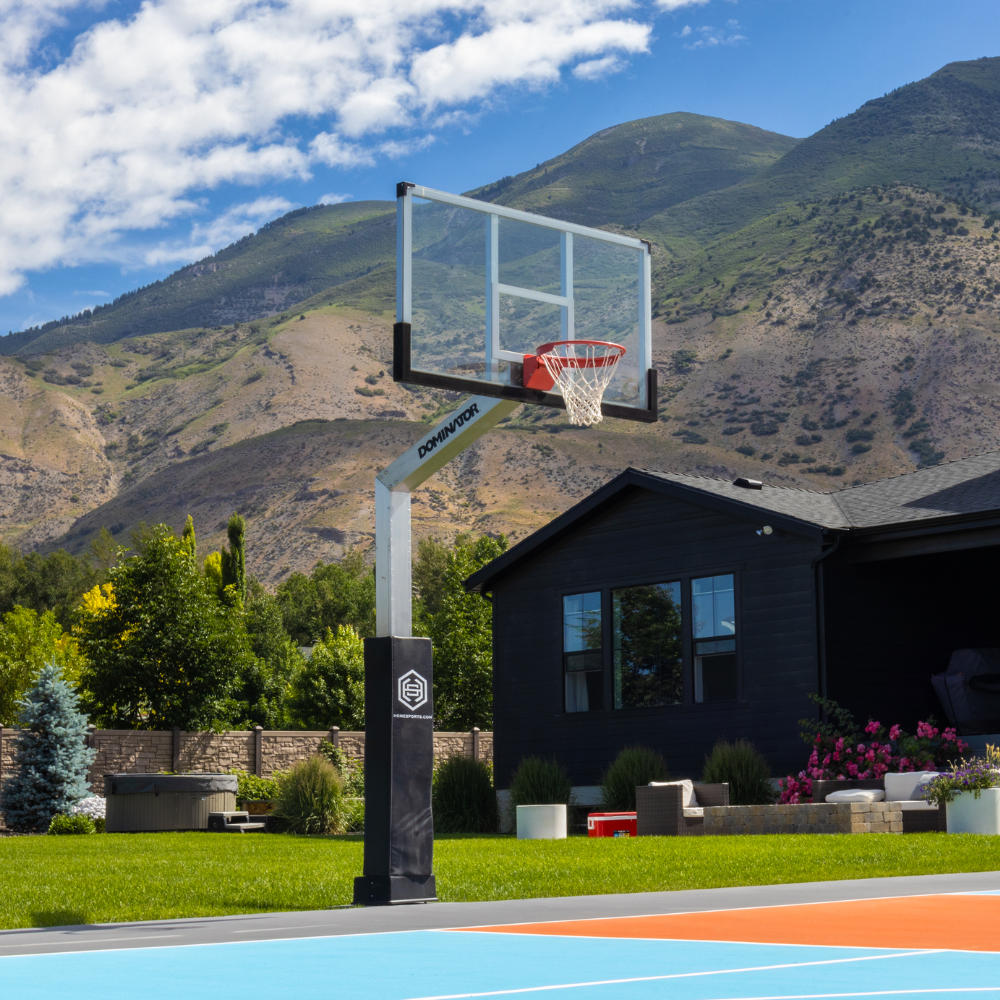
Finding the perfect portable basketball hoop can transform your driveway into a competitive arena or provide endless entertainment for your family. Whether you’re a serious athlete looking to perfect your shot or a parent wanting to encourage active play, investing in one of the best rated portable basketball goals is a decision that pays dividends in fitness, skill development, and family bonding. The portable basketball goal market has exploded in recent years, with manufacturers introducing innovative features like adjustable height mechanisms, shatterproof backboards, and superior stability systems that rival in-ground installations. This comprehensive guide will walk you through everything you need to know about selecting, installing, and maintaining a portable basketball system that meets your specific needs and budget.
What Makes a Portable Basketball Goal “Best Rated”?
When consumers and professional reviewers evaluate the best rated portable basketball goals, they consider multiple critical factors that separate exceptional products from mediocre ones. The rating system typically encompasses build quality, stability during aggressive play, ease of assembly, adjustment mechanisms, weather resistance, and overall value for money. Premium portable basketball goals feature heavy-duty steel poles (typically 3.5 to 4 inches in diameter), high-quality backboard materials like tempered glass or acrylic, and robust base designs that can hold 30 to 50 gallons of water or sand for optimal stability.
Reviews consistently highlight products that maintain their structural integrity after years of outdoor exposure to sun, rain, and temperature fluctuations. The adjustment system is another crucial element, with the best systems allowing height changes from 7.5 to 10 feet without requiring tools or excessive physical effort. User feedback particularly emphasizes the importance of smooth rim springs that provide authentic rebound action similar to regulation hoops found in gyms and competition venues.
Top Features to Look for in Portable Basketball Systems
The best rated portable basketball goals share several key characteristics that distinguish them from budget alternatives. First and foremost is the backboard size and material, with options ranging from 44 inches for compact spaces to 72 inches for a near-professional experience. Tempered glass backboards offer superior ball response and are the choice of serious players, while polycarbonate and acrylic provide excellent durability at more accessible price points. The pole system should feature either a single-piece design or a multi-section construction with minimal gaps to reduce wobble during shooting and dunking.
Look for products with anchor kits that can be bolted down for additional stability if you plan to keep the hoop in one location long-term. The base design matters tremendously, with wider bases providing better balance and reducing tipping risk during aggressive play. Premium models incorporate wheels and handles that make relocation effortless, allowing you to move your 250-pound system with minimal effort. Professional-grade breakaway rims are essential for safety and longevity, automatically flexing under pressure to prevent injuries and structural damage during dunking.
Stability and Safety Features
Stability represents the most critical safety consideration when evaluating portable basketball goals for your property. The base capacity directly correlates with stability, with most quality systems requiring at least 35 gallons of water or approximately 300 pounds of sand to achieve adequate steadiness during play. Some manufacturers have introduced hybrid base systems that combine both water and sand compartments, maximizing weight while maintaining portability options.
The pole-to-base connection point is particularly vulnerable to stress, so the best-rated systems feature reinforced joints with multiple bolts and support brackets. Wind resistance is another often-overlooked factor, as tall basketball systems can act like sails during storms, so look for aerodynamic backboard designs and consider storing or securing your system during severe weather.
Many top-rated portable goals now include ground stake kits or concrete anchor options that transform a portable system into a semi-permanent installation, providing the stability of in-ground systems while retaining relocation capability. Safety padding around the pole and base edges protects players from injury during aggressive drives to the basket, and quality systems include this protection as standard equipment rather than an aftermarket addition.
Best Rated Portable Basketball Goals by Category
Budget-Friendly Champions
For families seeking quality without premium pricing, several best rated portable basketball goals deliver exceptional value under $400. The Lifetime 90040 consistently earns high marks for its 44-inch impact backboard, telescoping height adjustment from 7.5 to 10 feet, and 27-gallon base capacity that provides adequate stability for recreational play. Users praise its straightforward assembly process, which typically takes 60 to 90 minutes with two people, and its durability through multiple seasons of outdoor exposure.
The Spalding NBA Hybrid Portable Basketball System offers a step up with a 54-inch acrylic backboard and screw jack lift system that allows precise height adjustments. This model has garnered thousands of positive reviews for its authentic arena-style rim and backboard padding that protects fingers during aggressive play.
Another standout in this category is the Silverback NXT, which features a 50-inch backboard, stability frame technology that reduces wobble by 50% compared to competitors, and a QuickPlay design that speeds up assembly time. These budget options prove that you don’t need to spend $1,000+ to enjoy a quality basketball experience at home, though they typically sacrifice some durability and performance compared to premium alternatives.
Mid-Range Performance Leaders
The $500 to $800 price range represents the sweet spot for most serious recreational players seeking best rated portable basketball goals with professional features. The Spalding The Beast dominates this category with its massive 60-inch tempered glass backboard, 40-gallon base capacity, and robust 4-inch steel pole that minimizes vibration during shooting. Installation requires more effort than budget models, typically 2 to 3 hours with multiple people, but users consistently report that the superior stability and ball response justify the additional investment.
The Silverback SB60 has earned its reputation through innovative engineering, featuring a one-piece pole design that eliminates joints where wobble typically originates and an Infinity Edge backboard that maximizes shooting surface area. Customer reviews highlight the exceptional durability of powder-coated finishes that resist rust and corrosion even in coastal environments with salt air exposure. The Lifetime Mammoth series offers another compelling option with adjustable height mechanisms that operate smoothly even after years of use, telescoping designs that accommodate players of all ages, and backboard sizes ranging from 54 to 60 inches. These mid-range systems typically last 5 to 10 years with proper maintenance, providing outstanding long-term value for families who use their basketball goals multiple times per week.
Suggested read: General Electric Air Conditioner Portable: Your Ultimate Buying Guide for 2025
Premium Professional-Grade Options
For athletes serious about skill development or families wanting the absolute best, premium best rated portable basketball goals priced above $800 deliver performance that rivals in-ground installations. The Goalrilla CV60 represents the pinnacle of portable basketball technology, featuring a 60-inch tempered glass backboard, professional-grade breakaway rim rated for dunking, and an anchor system that can be bolted to concrete for permanent installation. This system weighs over 350 pounds fully assembled and requires professional installation or at least 4 to 6 hours of work by experienced DIY enthusiasts.
The Spalding Arena View series takes a unique approach with its H-frame design that positions the pole behind the backboard, eliminating interference during close-range shots and layups just like regulation gym equipment. Users report that this design feature alone justifies the premium pricing for serious players who practice intensively.
The Silverback In-Ground SB72 technically qualifies as portable because the anchor system allows removal, though most buyers install it permanently due to the superior stability it provides. These premium systems incorporate features like stainless steel hardware that never rusts, UV-resistant backboard coatings that prevent yellowing, and rim springs calibrated to exact NBA specifications. With proper installation and maintenance, these investments can last 15 to 20 years, making them cost-effective for dedicated basketball families.
Installation and Setup Best Practices
Proper installation significantly impacts the performance and longevity of even the best rated portable basketball goals, so dedicating time to correct setup pays long-term dividends. Begin by selecting a flat, level surface with at least 25 feet of clear space in front of the basket and 10 feet behind it to accommodate full-court shooting and aggressive play. Most manufacturers recommend assembling the backboard and rim before attaching them to the pole system, which makes alignment easier and reduces the risk of damaging components during installation. The base filling process requires careful attention, as improper filling can lead to instability and reduced system lifespan.
For water-filled bases, add a capful of bleach or antifreeze to prevent algae growth and freezing during winter months, and check water levels monthly since evaporation gradually reduces stability over time. Sand provides superior stability compared to water but makes relocation significantly more difficult, so consider your long-term plans before choosing your ballast material. Many experienced users recommend a 50/50 sand and water mixture that balances stability with portability, providing the weight needed for aggressive play while still allowing system relocation with reasonable effort.
Height Adjustment and Maintenance
The adjustment mechanism represents one of the most frequently used features on portable basketball systems, so understanding proper operation and maintenance ensures long-term functionality. Most best rated portable basketball goals employ either screw jack systems, pneumatic lifts, or telescoping designs with pin locks for height changes. Screw jack systems offer infinite adjustability and precise control but require more physical effort and time to change heights compared to pneumatic options. Pneumatic lifts provide effortless one-handed adjustment but typically cost more and may require occasional replacement of air cylinders after heavy use. Telescoping systems with pin locks offer reliability and simplicity but limit you to predetermined height settings rather than infinite adjustability.
Regardless of your system type, apply silicone lubricant to adjustment mechanisms every 3 to 6 months to prevent rust and ensure smooth operation. Inspect all bolts and connections quarterly, tightening any that have loosened due to vibration during play, and replace any hardware showing rust or corrosion immediately. The backboard and rim should be cleaned periodically with mild soap and water to remove dirt, pollen, and debris that can accumulate and potentially scratch protective coatings. During winter months in cold climates, consider draining water-filled bases partially to prevent expansion damage from freezing, or adding antifreeze solution rated for the lowest expected temperatures in your region.
Comparing Backboard Materials and Performance
The backboard material dramatically influences ball response, durability, and price of best rated portable basketball goals, making this one of your most important selection criteria. Tempered glass represents the gold standard used in professional basketball venues, offering unmatched ball response with consistent, predictable rebounds regardless of where the ball strikes the surface. Glass backboards provide that distinctive sound serious players associate with authentic basketball and maintain their appearance for decades without yellowing or clouding. However, tempered glass adds significant weight to the system, requires careful handling during assembly to prevent breakage, and commands premium pricing typically starting around $600 for portable systems.
Acrylic backboards have emerged as the most popular option for serious recreational players, delivering 80 to 90% of the performance of tempered glass at roughly half the cost. High-quality acrylic maintains clarity for years, resists weathering from UV exposure, and weighs substantially less than glass, making these systems easier to assemble and relocate. Polycarbonate backboards occupy the budget-friendly category, offering excellent impact resistance and virtually unbreakable construction ideal for younger players still developing shooting control. The tradeoff comes in ball response, as polycarbonate provides a slightly deader bounce compared to acrylic or glass, though casual players rarely notice this difference during recreational games.
Backboard Size Considerations
Choosing the appropriate backboard size for your space and skill level ensures you invest in best rated portable basketball goals that meet your actual needs rather than overspending on unnecessary features. 44 to 48-inch backboards work perfectly for compact driveways, younger children learning fundamentals, and casual shooting practice where space constraints make larger systems impractical. These smaller systems typically cost less, weigh less, and require less storage space if you plan to move them seasonally.
50 to 54-inch backboards represent the most popular category, providing enough shooting surface for bank shots and competitive games while fitting comfortably in standard driveway spaces. This size range works well for teenagers and adults engaged in regular recreational play, offering a good balance between performance and practicality.
60 to 72-inch backboards deliver the most authentic basketball experience, with dimensions approaching or matching regulation equipment found in gyms and competition venues. These larger systems require more physical space, cost significantly more, and demand stronger support structures due to increased wind resistance and weight. Professional players and serious athletes often insist on 72-inch backboards for training purposes, as they provide the full shooting surface needed to practice difficult bank shots and develop game-ready skills that translate directly to competition environments.
Weather Resistance and Outdoor Durability
Since portable basketball goals remain exposed to elements year-round, weather resistance separates best rated portable basketball goals from systems that deteriorate rapidly. Quality manufacturers apply powder coating to metal components, creating a protective barrier that resists rust, chipping, and fading even in harsh climates with extreme temperature swings. Look for systems with all-weather nylon nets that resist UV degradation and maintain their structure through years of sun exposure without becoming brittle or discolored.
The backboard material choices impact weather durability significantly, with acrylic and polycarbonate outperforming wood-composite options that can warp, fade, or delaminate after prolonged outdoor exposure. Stainless steel hardware resists corrosion far better than standard steel bolts, particularly in coastal regions where salt air accelerates rust formation. Some premium systems incorporate protective padding around the pole and base that’s specifically formulated to withstand UV exposure without cracking or fading, maintaining both appearance and protective function for the system’s lifespan. During extreme weather events like hurricanes or severe windstorms, even the best portable systems should be laid down or secured with additional anchoring to prevent tipping and potential property damage.
Suggested read: The Ultimate Buyer's Guide to Choosing the Best Portable Gun Safe for Your Security Needs
Winter Storage and Protection
Proper seasonal maintenance extends the lifespan of best rated portable basketball goals dramatically, particularly in regions experiencing harsh winter conditions. If you plan to use your system year-round, partially drain water-filled bases to allow expansion room when water freezes, or switch to antifreeze solution rated for your climate’s coldest temperatures. Remove and store nets indoors during winter months to prevent ice accumulation that can stretch and damage the mesh structure. Apply a fresh coat of rust-preventive spray to bolts, joints, and adjustment mechanisms before winter arrives, paying special attention to areas where powder coating may have chipped during the season.
For those preferring to store their portable system during off-seasons, thoroughly clean all components before storage, allowing everything to dry completely to prevent rust and mildew formation. Store the backboard in a climate-controlled space if possible, particularly if you have a tempered glass model, as extreme temperature fluctuations can create stress that leads to cracking. Cover outdoor-stored systems with breathable tarps rather than plastic sheeting, as trapped condensation under plastic can accelerate corrosion and damage protective coatings. Consider applying furniture wax to the pole and metal components, creating an additional moisture barrier that protects finishes during storage periods.
Safety Guidelines for Home Basketball Courts
Creating a safe playing environment around your best rated portable basketball goals requires thoughtful planning and ongoing maintenance. Ensure the playing surface extends at least 2 to 3 feet beyond the base in all directions, providing adequate room for players to land after shots without tripping over the base structure. Regularly inspect the playing surface for cracks, holes, or debris that could cause injuries during fast-paced games, and repair any damage immediately to prevent accidents. The rim height should be adjusted appropriately for player age and skill level, with younger children starting at 7.5 to 8 feet rather than regulation 10-foot height to prevent frustration and develop proper shooting mechanics.
Establish clear rules about dunking and hanging on rims, particularly for systems not rated for aggressive dunking, as this behavior can damage equipment and cause injuries when systems tip or collapse. Install the system away from windows, garage doors, vehicles, and other property that could be damaged by errant shots or aggressive play. Consider adding padding to nearby walls, poles, or hard surfaces that players might collide with during competitive games. Teach children to never climb on or hang from backboard supports, as these structures aren’t designed to support body weight and can bend or break under such stress.
Age-Appropriate Usage
Matching system specifications to player ages ensures both safety and optimal skill development with best rated portable basketball goals. Ages 5 to 8 benefit most from systems with adjustable heights starting at 6 to 7.5 feet, smaller lightweight balls, and simplified rules that emphasize fun over competition. At this age, focus on basic skills like dribbling, passing, and shooting form rather than competitive games that might discourage continued participation.
Ages 9 to 12 can handle systems adjusted to 8 to 9 feet as strength and coordination improve, though official regulation height often remains too challenging for developing proper shooting mechanics. Encourage bank shots and proper shooting form rather than just attempting long-range shots that require improper technique due to insufficient strength.
Ages 13 and up should transition to regulation 10-foot height, full-size basketballs, and systems robust enough to handle increasingly aggressive play styles including dunking for those with adequate athletic ability. Adult players often prefer premium systems with professional-grade breakaway rims, larger backboards, and robust construction that withstands intense recreational games and competitive practice sessions. Families with children spanning multiple age groups benefit most from systems with quick, tool-free height adjustment, allowing the basket to be modified easily for different players throughout the day.
Best Rated Portable Basketball Goals: Price vs. Value Analysis
Understanding the relationship between price and long-term value helps you select from best rated portable basketball goals that fit your budget while meeting performance expectations. Budget systems ($200-$400) typically feature smaller backboards, lighter-duty construction, and simplified adjustment mechanisms that work adequately for casual play but may not withstand daily intensive use. These systems generally last 3 to 5 years with proper maintenance, making them cost-effective for families uncertain about long-term basketball interest or those with space limitations requiring compact designs. Calculate the per-year cost by dividing purchase price by expected lifespan, revealing that a $300 system lasting 4 years costs $75 annually.
Mid-range options ($400-$800) substantially increase durability, stability, and performance, typically lasting 5 to 10 years and justifying their higher upfront investment through extended service life. A $600 system lasting 8 years costs just $75 per year, the same annual rate as the budget option but delivering significantly better performance throughout its lifespan.
Premium systems ($800-$1,500+) target serious players and basketball enthusiasts who demand professional-grade performance, with expected lifespans of 15+ years when properly maintained. A $1,200 investment lasting 15 years costs $80 annually while providing the best possible performance, proving that premium options often deliver the best long-term value despite higher initial prices.
Hidden Costs and Budget Considerations
Smart shoppers consider total ownership costs beyond the initial purchase price when comparing best rated portable basketball goals. Assembly costs can add $100 to $300 if you hire professionals rather than assembling the system yourself, though the investment often proves worthwhile for complex premium systems with heavy glass backboards. Some manufacturers charge separately for shipping heavy basketball systems, with costs ranging from $50 to $200 depending on your location and the system’s weight.
Anchor kits, protective padding, and upgraded nets typically aren’t included with budget and mid-range systems, adding $50 to $150 to your total investment if you want these features. Concrete anchoring systems for semi-permanent installation cost $30 to $80 but dramatically improve stability, essentially transforming a portable system into an in-ground equivalent. Replacement nets cost $10 to $30 and typically need replacement every 1 to 2 years depending on usage intensity and weather exposure. Higher-quality nets last longer, making $25 all-weather nets more economical than $10 standard nets that need frequent replacement.
Consider ongoing maintenance costs like lubricants, rust preventive treatments, and eventual replacement of adjustment mechanisms, typically totaling $20 to $50 annually for systems receiving regular use. Check out additional sports and fitness equipment options at The Portable Shop to complete your home recreation setup.
Suggested read: Best Portable Deer Stands: Ultimate Buyer's Guide for Hunters in 2025
User Reviews and Real-World Performance
Analyzing thousands of customer reviews reveals patterns in how best rated portable basketball goals perform after months and years of actual use. The most consistently praised products share several characteristics: they exceed stability expectations, maintain adjustment mechanism functionality after hundreds of height changes, and show minimal cosmetic degradation after years of weather exposure. Negative reviews typically focus on difficult assembly processes, particularly systems with unclear instructions or poorly labeled parts that require multiple attempts to configure correctly.
Stability complaints dominate negative feedback for budget systems, with users reporting excessive wobbling during shooting and concerns about tipping during aggressive play or windy conditions. Many reviewers specifically mention that adding 25% more ballast than manufacturers recommend significantly improves stability without compromising portability excessively.
Height adjustment mechanisms generate polarized opinions, with pneumatic systems praised for convenience but criticized when air cylinders eventually fail, while screw jack systems earn appreciation for reliability despite requiring more physical effort. Rim quality dramatically impacts user satisfaction, as professional-grade breakaway rims continue functioning smoothly after years while budget rims often develop squeaks, lose tension, or fail completely. The most valuable reviews come from users reporting on long-term performance after 2+ years of ownership, providing insights into durability that new purchase reviews cannot assess.
Expert Recommendations and Testing Results
Professional testing organizations and basketball equipment reviewers evaluate best rated portable basketball goals using standardized protocols that measure objective performance metrics. Stability testing involves applying measured forces to simulate dunking and aggressive shooting, with top-rated systems maintaining their position even under forces exceeding typical gameplay. The best portable goals register less than 2 inches of movement at the rim during aggressive dunking, approaching the stability of in-ground systems.
Ball response testing measures rebound consistency across different areas of the backboard, with tempered glass showing 95%+ consistency compared to 85-90% for acrylic and 75-80% for polycarbonate. Height adjustment mechanisms are cycled hundreds of times to simulate years of use, revealing which designs maintain smooth operation versus those that become sticky or difficult after extended use. Weather resistance testing exposes systems to accelerated UV exposure, temperature cycling, and moisture equivalent to 5-10 years of outdoor use, identifying which powder coatings and protective finishes maintain their integrity.
Independent consumer testing organizations like Consumer Reports and specialized basketball equipment reviewers publish detailed testing results and rankings, though their evaluation criteria sometimes emphasize different priorities than typical residential users. Professional basketball trainers often recommend specific models for serious skill development, prioritizing factors like ball response accuracy and rim tension over features like portability or easy assembly.
Installation Location and Space Requirements
Selecting the optimal installation location maximizes enjoyment of your best rated portable basketball goals while minimizing conflicts with neighbors and property damage risks. Driveway installations represent the most common choice, offering convenient flat surfaces and natural boundaries for gameplay. Ensure you have at least 20 feet of clear shooting space extending from the basket, with an additional 5 to 10 feet of out-of-bounds area to prevent balls from rolling into streets or neighboring properties. Position the system to avoid shooting over or toward garages, vehicles, windows, or other vulnerable structures that could sustain damage from errant shots.
Consider sun position throughout the day, as shooting directly into bright sunlight significantly hampers visibility and shot accuracy. Many experienced players prefer positioning their basket with the sun at their back during primary playing hours, typically late afternoon for school-age children and early evening for working adults.
Backyard installations offer more space and privacy but may require ground preparation to create a flat, level playing surface. Compact portable systems work well on existing patios or concrete pads, while larger premium systems benefit from dedicated basketball court surfaces. Sound considerations matter more than many buyers anticipate, as basketball noise carries surprisingly far, particularly the distinctive sound of the ball bouncing on pavement during evening games when ambient noise levels decrease. Discuss your plans with adjacent neighbors before installation to address any concerns and establish reasonable playing hour guidelines that respect everyone’s needs.
Multi-Use Space Planning
Strategic placement allows best rated portable basketball goals to coexist harmoniously with other property uses without creating conflicts. Consider whether the playing area serves multiple purposes like parking, outdoor entertaining, or children’s playground space that might conflict with basketball activities. Portable systems with wheels and handles make relocation simple, allowing you to move your basketball goal aside for parties, parking, or other activities requiring the space. Mark the system’s optimal playing position with spray paint or permanent markers so relocation and repositioning takes seconds rather than requiring measurement each time.
For families with multiple athletes, schedule basketball time to avoid conflicts with other activities, perhaps designating certain hours for basketball while preserving time for skateboarding, hockey practice, or other sports. Create clear boundaries around the playing area using cones, painted lines, or landscaping features that define the basketball court space and protect surrounding gardens or property. Some families install their basketball goals near driveways but slightly off to one side, preserving vehicle access while providing adequate playing space.
Consider lighting needs for evening play, as standard porch lights rarely provide adequate illumination for serious basketball, with many families adding motion-activated LED flood lights specifically for basketball court illumination. Store balls, pumps, and other basketball accessories in nearby sheds or garages for convenient access, encouraging spontaneous play rather than requiring setup time that discourages casual shooting practice.
Frequently Asked Questions About Best Rated Portable Basketball Goals
What makes a portable basketball goal “best rated”?
The best rated portable basketball goals earn their reputation through exceptional stability, durable construction, smooth height adjustment mechanisms, and high-quality backboard materials that provide authentic ball response. Top ratings come from systems that maintain structural integrity after years of outdoor exposure, require minimal maintenance, and deliver performance approaching in-ground installations. Customer reviews, professional testing results, and longevity all contribute to ratings, with the highest-rated products typically featuring tempered glass or high-grade acrylic backboards, robust steel construction, and bases that accommodate 35+ gallons of ballast. Systems earning best-rated status typically cost $400 or more, though excellent budget options exist for families prioritizing value over professional-grade performance.
How much should I spend on a quality portable basketball hoop?
Budget $400 to $800 for best rated portable basketball goals that balance quality construction with reasonable pricing for most residential applications. Systems under $400 work adequately for young children and casual play but typically sacrifice durability and stability that serious players demand. Premium systems priced above $800 deliver professional-grade performance with features like tempered glass backboards, one-piece pole construction, and superior adjustment mechanisms that justify their cost for dedicated basketball families. Consider your usage intensity, player skill levels, and expected ownership duration when budgeting, as higher-quality systems often deliver better per-year value despite larger upfront investments.
Suggested read: Used Portable Toilets For Sale: Your 2025 Buying Guide
Can portable basketball goals be left outside year-round?
Yes, quality best rated portable basketball goals are designed for permanent outdoor installation and can remain outside year-round with proper maintenance. Look for systems with weather-resistant powder coating, rust-proof hardware, and all-weather nets that withstand continuous exposure to sun, rain, and temperature fluctuations. In regions with harsh winters, partially drain water-filled bases to allow expansion room when freezing occurs, or switch to antifreeze solutions. Remove nets during extreme weather to prevent ice damage, and apply lubricant to adjustment mechanisms before winter to maintain functionality. Cover systems during long periods of non-use to protect backboards and extend component lifespan.
How stable are portable basketball goals compared to in-ground systems?
High-quality best rated portable basketball goals approach the stability of in-ground systems when properly ballasted and optionally anchored to concrete surfaces. Premium portable systems with 40+ gallon bases filled with sand and secured with anchor kits can withstand aggressive play including dunking with minimal wobbling. However, in-ground installations inherently provide superior stability due to their permanent concrete foundations, making them preferable for serious athletes training daily or players who regularly dunk. For most recreational users, properly installed premium portable systems deliver entirely adequate stability while maintaining relocation flexibility that in-ground systems cannot offer.
What’s the difference between acrylic and polycarbonate backboards?
Acrylic backboards on best rated portable basketball goals provide superior ball response with more consistent rebounds and better transparency compared to polycarbonate options, making them the preferred choice for serious recreational players. Acrylic costs more but offers 80-90% of tempered glass performance at roughly half the price. Polycarbonate backboards excel in durability and impact resistance, making them virtually unbreakable and ideal for younger players still developing shooting control. The tradeoff comes in ball response, as polycarbonate provides slightly deader bounces and may develop a cloudy appearance faster than acrylic over years of UV exposure. For competitive play, acrylic delivers better value, while polycarbonate works well for casual recreational use where durability outweighs performance concerns.
How long does it take to assemble a portable basketball goal?
Most best rated portable basketball goals require 2 to 4 hours for complete assembly with two people following manufacturer instructions carefully. Budget systems with smaller backboards and simpler mechanisms sometimes assemble in 60 to 90 minutes, while premium systems with heavy glass backboards and complex pole assemblies may take 4 to 6 hours. Reading instructions completely before starting, organizing all parts and hardware, and having appropriate tools ready dramatically reduces assembly time and frustration. Some buyers opt for professional assembly services costing $100 to $300, which proves particularly valuable for premium systems with heavy components requiring careful handling during installation.
Do I need to anchor a portable basketball goal to the ground?
While not mandatory, anchoring best rated portable basketball goals to concrete dramatically improves stability and safety, particularly for systems used by aggressive players or those who dunk regularly. Anchor kits cost $30 to $80 and transform portable systems into semi-permanent installations that provide stability approaching in-ground systems while maintaining removal capability. Proper ballasting with 35+ gallons of sand or water provides adequate stability for most recreational use without anchoring. However, anchoring is strongly recommended if you experience frequent high winds, have players who dunk, or want maximum stability for serious training purposes. Anchored systems remain portable since anchor kits allow removal, though relocation requires more effort than simply rolling unanchored systems.
Can adults use portable basketball goals safely?
Absolutely, many best rated portable basketball goals are specifically designed to accommodate adult players and withstand aggressive play including dunking when properly installed. Look for systems with professional-grade breakaway rims rated for dunking, 4-inch diameter poles that minimize flexing, and bases rated for 40+ gallons of ballast to ensure adequate stability. Adults should avoid budget systems designed primarily for children, as these lighter-duty products lack the structural reinforcement needed for aggressive adult play. Premium systems priced above $800 routinely handle adult use including competitive games and dunking practice, though all portable systems benefit from proper anchoring when subjected to regular aggressive play.
How often should I maintain my portable basketball goal?
Perform basic maintenance on best rated portable basketball goals quarterly, including checking and tightening all bolts, inspecting for rust or damage, and lubricating adjustment mechanisms. Clean the backboard monthly with mild soap and water to remove dirt and maintain clarity. Check base ballast levels monthly if using water, as evaporation gradually reduces stability. Apply rust-preventive spray annually to hardware and adjustment mechanisms, particularly in humid or coastal climates where corrosion accelerates. Nets typically need replacement every 1 to 2 years depending on usage and weather exposure. Comprehensive seasonal maintenance before and after winter helps identify developing issues before they become serious problems requiring expensive repairs or premature system replacement.
What’s the best backboard size for a family with children of different ages?
For families with varying ages and skill levels, best rated portable basketball goals with 54 to 60-inch backboards provide the best compromise, offering enough shooting surface for bank shots and competitive games while accommodating younger children learning fundamentals. Systems with tool-free height adjustment mechanisms work best for multi-age families, allowing quick changes from 7.5 feet for young children to regulation 10 feet for teenagers and adults.
Larger 60-inch backboards provide room for skill growth and retain their utility as children develop into serious players, making them better long-term investments compared to compact 44-48-inch systems that children may outgrow within a few years. Consider your oldest child’s age and skill trajectory when selecting backboard size, erring toward larger options if budget permits.
Find Your Perfect Basketball System Today
Now that you understand what separates exceptional products from mediocre options, you’re equipped to make an informed decision about best rated portable basketball goals that match your needs and budget. Start by measuring your available space, determining your budget range, and honestly assessing your usage intensity and skill level. Research shows that families who invest in quality sports equipment use it more frequently and maintain interest longer compared to those who purchase budget alternatives, making the upfront investment in better systems worthwhile for long-term satisfaction.
Visit The Portable Shop’s Sports & Fitness section to explore current deals on best rated portable basketball goals and complementary equipment that enhances your home recreation experience. Compare specific models from top manufacturers like Spalding, Lifetime, Silverback, and Goalrilla, reading detailed specifications and customer reviews to identify which features matter most for your situation.
Consider visiting local sporting goods stores to see assembled systems in person, testing adjustment mechanisms and evaluating build quality firsthand before making your purchase. Many retailers offer seasonal sales during spring and early summer when basketball season concludes, potentially saving hundreds on premium systems. Don’t rush your decision based solely on price, as spending slightly more often delivers dramatically better performance and longevity that justifies the investment.
Whether you choose a budget-friendly option for casual recreation or invest in a premium system for serious skill development, quality best rated portable basketball goals provide years of enjoyment, physical fitness, and family bonding that extends far beyond the purchase price. Take action today to transform your driveway or backyard into a basketball destination that encourages active play, develops athletic skills, and creates lasting memories for everyone in your family!