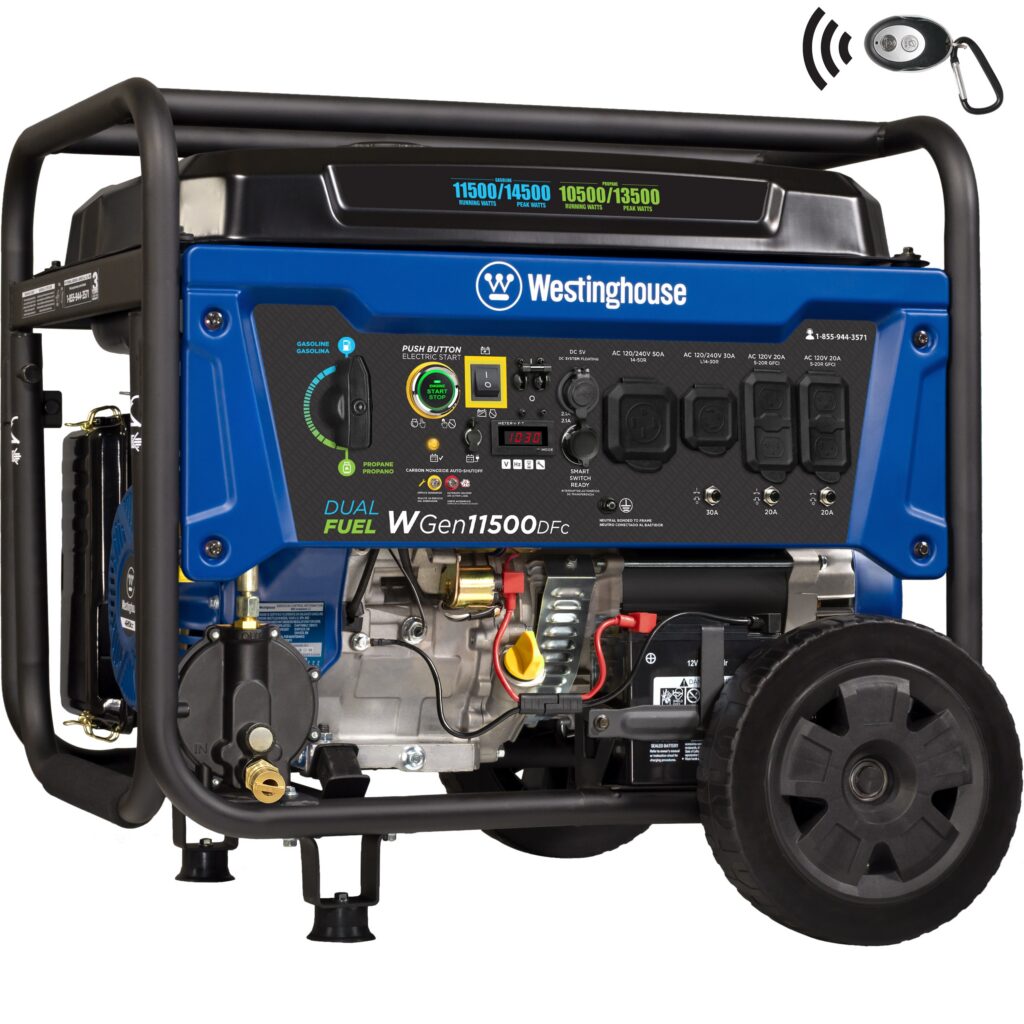
When power outages strike or remote job sites demand reliable electricity, a 20000 watt gas-powered portable generator becomes an absolute necessity rather than a luxury. These industrial-grade power stations represent the pinnacle of portable energy solutions, capable of running entire homes, construction sites, or outdoor events without breaking a sweat. With the current market offering exceptional deals on these powerhouse machines, understanding what makes a quality 20000-watt generator and how to find the best sale prices has never been more crucial for homeowners, contractors, and business owners alike.
The demand for high-capacity portable generators has surged dramatically in recent years, driven by increasingly unpredictable weather patterns, aging electrical infrastructure, and the growing number of people working from home who cannot afford power interruptions. A 20000 watt gas-powered portable generator sale represents a significant investment opportunity, as these units typically retail between $3,000 and $8,000 depending on brand, features, and build quality. Smart buyers who time their purchases during seasonal sales, holiday promotions, or clearance events can save anywhere from 15% to 40% off regular retail prices, making what seems like a substantial upfront cost much more manageable while securing long-term energy independence.
Why Choose a 20000 Watt Generator Over Smaller Models?
The power capacity distinction between a standard 5000-7000 watt generator and a robust 20000 watt gas-powered portable generator is not merely about having extra watts to spare—it fundamentally changes what you can accomplish during a power outage or at a remote location. Smaller generators force you to make difficult choices about which appliances or tools to run simultaneously, creating inconvenience and potentially dangerous situations when critical systems like medical equipment, security systems, or heating and cooling units compete for limited power. A 20000-watt unit eliminates these compromises entirely, providing enough capacity to power your entire home’s essential systems plus additional loads without constantly calculating amp draws or risking overload situations.
Professional contractors and construction site managers particularly benefit from this power tier because modern power tools, welders, compressors, and equipment often draw substantial starting watts—sometimes three to four times their running wattage. A 20000-watt generator handles these surge demands effortlessly, allowing multiple crews to operate high-draw equipment simultaneously without voltage drops or shutdowns that cost valuable work hours. The generator’s substantial fuel tank capacity, typically ranging from 10 to 20 gallons, means fewer refueling interruptions during critical work periods, and the heavy-duty engines are specifically designed for extended runtime under full load conditions that would quickly damage smaller residential units.
For homeowners, the peace of mind that comes with owning a 20000 watt portable generator during emergency situations cannot be overstated. Modern homes contain increasingly sophisticated and power-hungry systems including central air conditioning units that can draw 3500-5000 watts, electric water heaters consuming 4000-5500 watts, well pumps requiring 1000-2000 watts with high startup surges, and multiple refrigeration units that need continuous power to preserve food and medications. When you add essential lighting, security systems, communication devices, and entertainment systems that help maintain normalcy during stressful outage periods, the wattage requirements quickly exceed what smaller generators can provide, making the 20000-watt capacity not excessive but appropriately sized for comprehensive whole-home backup power.
Understanding Gas-Powered Generator Technology and Efficiency
Gas-powered generators remain the dominant choice for high-wattage portable applications despite the emergence of alternative fuel types, and for compelling practical reasons that directly affect your total cost of ownership and operational flexibility. Gasoline offers unmatched energy density compared to propane, providing more power output per gallon of fuel consumed, which translates to longer runtime between refueling stops—a critical consideration when you’re running a 20000 watt gas-powered portable generator under heavy loads that can consume 1.5 to 2.5 gallons per hour. Gasoline is also universally available at thousands of stations in every community, unlike propane which requires specialized refilling stations or tank exchanges, and in emergency situations when service stations lose power, gasoline can often be manually pumped or siphoned, making it the most reliable fuel choice for true emergency preparedness scenarios.
Modern gas-powered generator engines incorporate sophisticated technologies that previous generations lacked, including electronic fuel injection systems that automatically adjust fuel delivery based on load conditions, overhead valve designs that improve fuel efficiency by 10-15% compared to older side-valve engines, and advanced alternator designs with automatic voltage regulation that maintain clean, stable power output regardless of load fluctuations. These technological improvements mean that today’s 20000-watt gas generators can operate for 8-12 hours on a single tank under 50% load conditions, and even under full 20000-watt loads, quality units will run for 5-7 hours before requiring refueling, giving you substantial operational windows between maintenance stops.
The environmental and regulatory landscape surrounding gas-powered generators has also evolved significantly, with EPA and CARB certifications now mandatory for generators sold in the United States, ensuring that modern units produce significantly fewer emissions than older models. These certifications require manufacturers to implement catalytic converters, improved combustion chamber designs, and sealed fuel systems that prevent evaporative emissions, making current gas-powered generators surprisingly clean-burning compared to their reputation. While battery-powered generators eliminate emissions entirely, their limited capacity (rarely exceeding 3000-5000 watts) and extremely high costs for equivalent power output make them impractical for applications requiring the sustained high-wattage capability of a 20000 watt gas-powered portable generator sale unit.
Key Features to Evaluate When Shopping Generator Sales
When you encounter a 20000 watt gas-powered portable generator sale, the discounted price tag should never distract you from carefully evaluating the features and specifications that separate exceptional generators from mediocre ones that will disappoint you when you need them most. The engine brand and configuration represent your first critical decision point—commercial-grade engines from manufacturers like Honda, Kohler, Briggs & Stratton, or Yamaha typically cost more but deliver superior reliability, easier parts availability, and longer service intervals compared to no-name engines that might save money initially but create frustration and expensive repairs down the road. Look specifically for engines with cast-iron cylinder sleeves rather than aluminum bores, as cast iron withstands the thermal stress of extended high-load operation far better and typically doubles or triples engine lifespan before major rebuilds become necessary.
The alternator quality and configuration directly determines how clean and stable the electrical output will be, which matters tremendously when you’re powering sensitive electronics, computers, medical devices, or modern appliances with microprocessor controls that can be damaged by voltage fluctuations or total harmonic distortion. Premium generators feature brushless alternators with automatic voltage regulation that maintains output within ±2% of nominal voltage regardless of load changes, while budget models may use brush-type alternators with wider voltage swings that risk equipment damage. The best 20000-watt generators include separate circuits for standard 120V outlets and dedicated 240V receptacles configured for either twist-lock industrial plugs or direct transfer switch connections, giving you maximum flexibility for different applications without requiring adapters or special wiring configurations.
Advanced control panels and monitoring systems transform a basic generator into a sophisticated power management platform that protects both the generator itself and your connected equipment. Quality 20000 watt portable generators include digital displays showing voltage, frequency, runtime hours, and maintenance reminders rather than simple indicator lights that provide minimal information about operating conditions. Overload protection circuits automatically shut down individual outlets or the entire unit before damage occurs, low-oil shutdown sensors prevent catastrophic engine damage from running with insufficient lubrication, and some premium models now incorporate smartphone connectivity allowing remote monitoring and control of your generator from anywhere on your property. When comparing sale prices on different models, carefully assess whether a slightly higher price delivers substantially better monitoring and protection features that will prevent expensive repairs or equipment damage in the future.
Top Brands Offering 20000 Watt Generator Deals
The portable generator market for industrial-capacity units concentrates around several manufacturers who have earned reputations for reliability, customer support, and innovation through decades of proven performance in demanding applications. Generac stands as America’s largest generator manufacturer and offers multiple 20000-watt models specifically designed for different use cases, from their Mobile Link-equipped Guardian series featuring smartphone monitoring and control, to their industrial XG series built for construction site abuse with reinforced frames and contractor-grade components. Generac generators frequently appear in seasonal sales at major home improvement retailers, and their extensive service network means you can find authorized repair facilities in virtually every region of the country, eliminating the common problem of owning a generator that nobody local can properly service when problems arise.
Champion Power Equipment has disrupted the premium generator market by offering feature-rich units with commercial-grade components at prices significantly below established brands, making their 20000-watt models particularly attractive during sales when prices drop into the $3,000-$4,000 range compared to $5,000+ for equivalent competitors. Champion generators include their impressive 3-year warranty coverage that exceeds industry standards, electric start systems with included batteries, and their Dual Fuel technology on select models allowing operation on either gasoline or propane, providing fuel flexibility that proves invaluable during extended emergencies when one fuel type becomes scarce. Consumer reviews consistently praise Champion’s responsive customer service and readily available replacement parts, addressing concerns that sometimes plague lesser-known budget brands that disappear after a few years leaving owners with orphaned equipment.
Westinghouse Electric leverages over 130 years of electrical engineering expertise to produce generators that excel in power quality and durability, with their 20000-watt portable models featuring advanced alternator designs that deliver exceptionally clean power suitable for the most sensitive electronics. Their iGen series incorporates inverter technology typically found only in smaller generators, producing power with less than 3% total harmonic distortion compared to 5-8% for conventional generators, making Westinghouse units ideal for homeowners who need to power home theaters, computers, medical equipment, or other devices intolerant of power quality issues. Westinghouse generators appear regularly in 20000 watt gas-powered portable generator sale events at major retailers and online marketplaces, with their strong warranty support and established parts distribution network ensuring long-term ownership satisfaction even when purchasing during promotional periods.
Where to Find the Best Generator Sale Prices
Timing your generator purchase strategically around predictable sales cycles can literally save you thousands of dollars on a 20000 watt gas-powered portable generator without compromising on quality, features, or warranty coverage. Black Friday and Cyber Monday consistently deliver the year’s deepest discounts on generators as retailers compete aggressively for holiday shoppers, with historical data showing average savings of 20-35% off regular prices during this late November period. Major home improvement chains like Home Depot, Lowe’s, and Menards lead these promotions, often combining manufacturer rebates with their own store discounts to create compelling total savings packages that may include free delivery, extended warranties, or valuable accessories like generator covers, oil, and maintenance kits bundled into the purchase price.
End-of-summer clearance sales in late August and September represent another prime opportunity to secure exceptional deals as retailers clear seasonal inventory to make warehouse space for fall and winter merchandise. Generators purchased during this period are typically current-year models with full manufacturer warranties, not damaged or refurbished units, making them identical to units sold at full price earlier in the season. Online marketplaces including Amazon, eBay, and specialized equipment retailers like Northern Tool frequently run aggressive promotions during this clearance period, sometimes offering free shipping on these heavy items that normally incur $200-$400 delivery charges, effectively adding significant value even when base prices remain competitive rather than deeply discounted.
Suggested read: GE Portable Air Cooler: Your Ultimate Solution for Efficient Home Cooling in 2025
Contractor supply houses and industrial equipment dealers occasionally offer exceptional deals on 20000 watt portable generators that homeowners can access by simply asking about pricing or watching for their periodic sales events. These businesses cater primarily to professional contractors buying multiple units or spending tens of thousands of dollars annually on equipment, but they’re happy to sell single units to retail customers when opportunities arise. Establishing a relationship with a local dealer can provide access to floor models, demonstration units, or previous-year inventory at substantial discounts, and these businesses often have more flexibility in pricing negotiations compared to big-box retailers bound by corporate pricing policies. Additionally, dealer purchases frequently include setup services, delivery, and ongoing maintenance support that adds substantial value beyond the initial purchase price.
Installation and Setup Considerations for Maximum Safety
Properly installing and configuring your 20000 watt gas-powered portable generator separates safe, efficient operation from potentially dangerous situations that risk carbon monoxide poisoning, electrical fires, or equipment damage costing far more than any sale price savings. The generator’s physical location during operation demands careful consideration because these large units produce substantial exhaust volumes containing deadly carbon monoxide that can infiltrate homes through open windows, doors, or ventilation systems even when the generator sits 15-20 feet away from the structure. The Consumer Product Safety Commission recommends positioning portable generators at least 20 feet from any occupied structure with exhaust directed away from buildings, never operating generators in attached garages even with doors open, and installing battery-powered carbon monoxide detectors with digital readouts in your home to provide early warning of any exhaust infiltration that could prove fatal within minutes.
Transfer switch installation represents the professional-grade approach to connecting your generator to your home’s electrical system, eliminating the dangerous practice of backfeeding power through dryer or range outlets that creates serious risks of electrocuting utility workers and damaging your generator when grid power returns unexpectedly. Licensed electricians can install manual or automatic transfer switches that cost between $500-$2,500 depending on capacity and features, with manual switches requiring you to physically throw a lever to disconnect from utility power and connect your generator, while automatic transfer switches sense power loss and perform the switching process electronically within seconds. The transfer switch properly isolates your home from the utility grid, prevents the generator from attempting to power the entire neighborhood through the grid connection which would instantly overload and damage the unit, and provides convenient circuit selection allowing you to power essential loads while leaving non-critical circuits disconnected to extend fuel economy.
Fuel storage and handling procedures critically affect both safety and your generator’s readiness when emergencies strike, because gasoline degrades surprisingly quickly when stored improperly, losing combustibility and forming varnish deposits that clog carburetors and fuel injectors. Gasoline stabilizer additives like STA-BIL or PRI-G extend storage life from 3-6 months for untreated fuel to 12-24 months when properly treated, but even stabilized gasoline should be rotated through your generator and vehicles periodically to ensure freshness. Store fuel only in approved gasoline containers meeting current EPA regulations, never in unapproved containers like milk jugs or buckets that can deteriorate and leak, and keep fuel storage at least 50 feet from any ignition sources including pilot lights, water heaters, or electrical panels. For those purchasing a 20000 watt gas-powered portable generator sale unit for emergency preparedness, maintaining a minimum 20-30 gallon fuel reserve provides roughly 12-20 hours of runtime under typical emergency loads, giving you substantial operational capability before requiring potentially difficult fuel acquisition during widespread outages.
Maintenance Requirements and Long-Term Ownership Costs
The true cost of owning a 20000 watt portable generator extends far beyond the initial purchase price you secure during a sale event, encompassing regular maintenance, consumable supplies, and eventual component replacements that accumulate over the unit’s 10-15 year typical service life. Engine oil changes represent your most frequent maintenance requirement, with manufacturers typically recommending oil replacement every 50-100 hours of operation or annually, whichever comes first, using the specific oil grade and quantity specified in your owner’s manual. A 20000-watt generator’s large engine typically requires 2-3 quarts of quality synthetic or conventional oil per change at a cost of $20-$40 including oil filters, creating an annual maintenance expense of $40-$80 for users who exercise their generator monthly as recommended to ensure readiness when emergencies strike.
Air filter maintenance directly affects engine performance, fuel economy, and longevity because restricted airflow forces the engine to run rich, wasting fuel while creating carbon deposits that accelerate wear and reduce power output. Most 20000 watt gas-powered generators use dual-stage air filtration systems with a foam pre-cleaner surrounding a paper element filter, with the foam component requiring cleaning every 25 hours and the paper element needing replacement every 100-200 hours depending on operating environment dust levels. Replacement air filter assemblies cost $30-$60, making this a minor maintenance expense, but neglecting air filter service can reduce engine life by years and decrease fuel efficiency by 10-15%, creating false economy through deferred maintenance that ultimately costs far more than the filter replacements would have.
Spark plug replacement follows manufacturer recommendations typically calling for new plugs every 100-200 hours, with the specific interval depending on fuel quality and operating conditions, and these large engines usually require 2-4 spark plugs depending on cylinder configuration, at $8-$15 each. Using the exact spark plug specifications called for in the service manual ensures proper heat range and electrode gap for optimal ignition, with aftermarket substitutions sometimes creating hard starting, rough running, or reduced power output that seems minor initially but indicates incomplete combustion creating excessive carbon deposits that shorten engine life. Beyond these routine consumables, budget for eventual carburetor cleaning or rebuilding around the 500-hour mark if using conventional gasoline, though fuel injection systems on premium models largely eliminate this maintenance item, and plan for battery replacement every 3-4 years on electric-start models at a cost of $50-$100 for a quality replacement battery that ensures reliable starting when you need it most.
Real-World Applications and Power Management
Understanding how to effectively utilize your 20000 watt gas-powered portable generator’s substantial capacity ensures you maximize your investment while avoiding common mistakes that waste fuel or risk equipment damage. Whole-home backup power represents the primary application for most homeowners purchasing this capacity level, with proper load management allowing simultaneous operation of your home’s essential systems including a central air conditioning unit (3500-5000W), electric water heater (4000-5500W), refrigerator (700-1000W), freezer (500-800W), well pump (1000-2000W starting surge), lighting circuits (500-1000W), and multiple convenience outlets for computers, entertainment, and communication devices. This comprehensive coverage maintains household normalcy during extended outages lasting days or weeks, avoiding the discomfort and food spoilage that accompanies smaller generators forcing you to rotate equipment or choose between comfort and convenience.
Construction site power leverages the generator’s high capacity and extended runtime to support multiple crews operating simultaneously, with a 20000-watt unit easily handling simultaneous operation of multiple circular saws, reciprocating saws, drills, and other standard tools while maintaining reserve capacity for high-draw equipment like chop saws, compressors, or welding equipment that might be needed intermittently. Professional contractors appreciate that this capacity eliminates the productivity losses and crew frustration that comes from constantly monitoring power usage and coordinating equipment operation to prevent overloads, allowing crews to work naturally without artificial constraints that slow progress and increase labor costs. The generator’s substantial fuel capacity supports full-day operation on a single tank under typical construction loads, eliminating mid-day refueling interruptions during critical work periods when minutes matter and crews need to maintain momentum.
Outdoor events including weddings, festivals, concerts, and sporting events require reliable power for sound systems, lighting, catering equipment, and climate control, with a 20000 watt portable generator providing capacity for comprehensive event power without the compromises smaller units impose. Event planners particularly value these generators for their relatively quiet operation compared to industrial trailer-mounted units, their portability allowing positioning away from guest areas while still providing adequate power, and their fuel efficiency that allows multi-day events without constant refueling that might disturb attendees or interrupt critical event functions. The generator’s multiple outlet configurations accommodate various equipment types simultaneously without requiring extensive extension cord networks or power distribution panels, simplifying setup while reducing tripping hazards and voltage drop issues that plague installations relying on inadequate power sources feeding long cable runs.
Comparing Gas vs Dual-Fuel vs Inverter Generators
While conventional gas-powered portable generators dominate the 20000-watt capacity market, alternative technologies and fuel configurations deserve consideration based on your specific needs, usage patterns, and priorities regarding fuel flexibility, power quality, or operational efficiency. Dual-fuel generators modify standard gas engines to also run on propane, providing fuel flexibility that proves invaluable during extended emergencies when gasoline availability becomes uncertain due to distribution disruptions, gas station power outages, or panic buying that empties stations quickly. Propane offers indefinite storage life compared to gasoline’s 6-12 month window even with stabilizers, eliminates carburetor varnishing issues that plague infrequently used gas-only generators, and produces cleaner combustion that reduces maintenance requirements, though propane operation typically reduces power output by 10-15% compared to gasoline due to propane’s lower energy density requiring more fuel volume to achieve equivalent power levels.
Inverter generator technology has revolutionized smaller portable generators by producing exceptionally clean power through electronic conversion rather than direct alternator output, but inverter systems remain rare in the 20000-watt capacity range due to the substantial cost premiums and electronic component sizes required to handle these power levels. The few inverter-based 20000-watt generators available command prices of $8,000-$12,000 compared to $3,000-$6,000 for conventional models, making them difficult to justify unless your application specifically requires the inverter advantages of sub-3% total harmonic distortion for sensitive electronics, ultra-quiet operation through variable engine speeds that match power demand, and superior fuel efficiency at partial loads where the engine can throttle down rather than running at constant 3600 RPM regardless of load. Most homeowners and contractors find that conventional generators with quality voltage regulation provide adequately clean power for all residential and commercial applications while delivering far better value per watt of capacity.
The emerging category of commercial cool portable air conditioner and battery-powered generators creates confusion because marketing materials sometimes suggest these units can compete with gas-powered generators for whole-home or professional applications, but their fundamental limitations make them unsuitable replacements for true 20000-watt capacity needs. The largest currently available battery generators top out around 3000-5000 watts of continuous power with brief surge capacity to perhaps 6000-8000 watts, falling dramatically short of applications requiring sustained high-wattage operation, and their $5,000-$15,000 price tags for these limited capacities make them extraordinarily expensive per watt compared to gas-powered alternatives. Battery generators excel in specific niches including indoor operation where exhaust prohibits gas generators, ultra-quiet operation for noise-sensitive locations, and integration with solar panels for off-grid living, but they cannot currently replace gas-powered units for customers genuinely needing 20000 watts of sustained power output. For additional portable power solutions for specific applications, explore options at The Portable Shop.
Warranty Coverage and Customer Support Evaluation
The warranty protection accompanying your 20000 watt gas-powered portable generator sale purchase significantly affects your total ownership cost and peace of mind, because even quality generators occasionally experience component failures or manufacturing defects that require expensive repairs within the first few years of ownership. Standard warranty coverage for portable generators typically ranges from 2 to 5 years depending on manufacturer and model tier, with premium brands like Generac, Honda, and Kohler offering 3-5 year comprehensive warranties covering all components including engine, alternator, control panels, and frame assemblies, while budget brands often provide only 1-2 year limited warranties with numerous exclusions that can leave owners paying for repairs shortly after purchase. Carefully review warranty terms before purchasing because some manufacturers require professional installation or activation registration within 30 days of purchase to validate coverage, with failure to complete these requirements voiding protection and leaving you responsible for all repair costs.
Extended warranty options available through retailers or third-party warranty companies cost $300-$800 for additional coverage extending protection to 5-8 years total, with the value depending heavily on specific terms including deductibles, covered components, labor reimbursement rates, and claim processes that range from simple to impossibly bureaucratic. Generator engines and alternators represent the highest-value components where extended warranties provide meaningful protection, as engine rebuilds can cost $1,500-$3,000 and alternator replacements run $800-$1,500, making a $500 extended warranty potentially worthwhile if it prevents even one major repair. However, scrutinize exclusion lists because many extended warranties specifically exclude damage from improper maintenance, incorrect oil levels, bad fuel, or environmental factors like moisture or corrosion, potentially denying claims for the very failure types most likely to occur with portable generators that sit unused for months between operating periods.
Customer support quality varies dramatically between manufacturers, with established brands maintaining extensive parts distribution networks, trained service technicians in most markets, and responsive technical support lines that actually answer calls and provide helpful troubleshooting assistance compared to budget brands offering only email support through overseas call centers with limited English proficiency and no parts inventory. Before committing to any 20000 watt gas-powered portable generator purchase, research the manufacturer’s support reputation through user reviews, verify that authorized service centers exist within reasonable distance of your location, and test their technical support responsiveness by calling with a pre-purchase question to evaluate whether they actually answer phones and provide knowledgeable assistance. A slightly higher purchase price for a brand with excellent support infrastructure delivers far better value than rock-bottom pricing on a generator from a manufacturer who will ignore your support requests when problems inevitably arise.
Fuel Efficiency and Operating Cost Analysis
The operating costs of running a 20000 watt gas-powered portable generator at various load levels significantly impact your total ownership expenses, particularly during extended outages lasting days or weeks when fuel consumption accumulates to substantial amounts requiring careful budgeting and supply planning. Fuel consumption rates scale roughly proportionally to electrical load, with a quality 20000-watt generator consuming approximately 1.5-1.8 gallons per hour when operating at full 20000-watt capacity, dropping to 1.0-1.3 gallons per hour at 50% load (10000 watts), and sipping only 0.6-0.9 gallons per hour at 25% load (5000 watts), creating dramatic differences in daily fuel costs depending on your actual power requirements. At current gasoline prices averaging $3.50-$4.50 per gallon nationally, full-load operation costs $5.25-$8.10 per hour or $126-$194 per day for 24-hour continuous operation, while more typical 50% load operation during an emergency situation costs $3.50-$5.85 per hour or $84-$140 daily, illustrating why proper load management directly translates to fuel savings.
Suggested read: The Ultimate Buyer's Guide to Choosing the Best Portable Gun Safe for Your Security Needs
Load management strategies allow you to extract maximum value from each gallon of fuel by avoiding unnecessary full-load operation when your actual power requirements only partially utilize the generator’s capacity. Smart homeowners implement rotation schedules where high-draw appliances like air conditioning, water heaters, or well pumps operate during specific time windows rather than continuously, allowing the generator to idle at lower loads and consume less fuel during periods when these high-draw items aren’t needed. For example, running your air conditioner for one hour every three hours maintains reasonable home temperatures while reducing average generator load from 15000 watts to 7000 watts when the AC cycles off, cutting fuel consumption nearly in half while still maintaining comfortable conditions. Similarly, heating water once daily rather than maintaining constant temperature through the water heater’s thermostat reduces fuel consumption without significantly impacting household convenience during emergency periods when minor inconveniences become acceptable tradeoffs for extending available fuel supplies.
Fuel storage capacity planning for extended outage scenarios requires careful calculation of your expected daily fuel consumption multiplied by the anticipated outage duration, with prudent emergency preparedness suggesting at least 3-5 days of fuel reserves for areas prone to weather-related power disruptions. A family operating their 20000 watt portable generator at an average 10000-watt load throughout the day consumes approximately 24-30 gallons daily, meaning a 3-day fuel reserve requires storing 75-90 gallons of gasoline properly treated with stabilizer and rotated every 6-12 months to maintain freshness. This fuel volume requires appropriate storage containers meeting EPA regulations and local fire codes, with many municipalities restricting residential gasoline storage to specific quantities or requiring special storage cabinets, making advance planning essential before emergencies strike and compliance becomes impossible to achieve. Some generator owners invest in larger 100-150 gallon transfer fuel tanks designed for safe gasoline storage, providing week-long operational capability without emergency refueling, though these installations typically require professional setup and compliance with local regulations governing residential fuel storage.
Noise Levels and Community Considerations
The noise output from operating a 20000 watt gas-powered portable generator significantly affects both your household comfort and your relationships with neighbors who may be trying to sleep while your generator runs throughout the night during extended power outages. Generator noise levels measured in decibels (dB) at specified distances provide the standard metric for comparing models, with typical 20000-watt conventional generators producing 70-78 dB measured at 23 feet—roughly equivalent to a vacuum cleaner or busy street traffic, loud enough to prevent normal conversation at close distances but generally tolerable at the recommended 20+ foot operating distance from occupied structures. Premium generators incorporate enhanced muffler systems, sound-dampening enclosures, and vibration-isolation mounts that reduce noise output to 68-72 dB, creating meaningfully quieter operation that proves easier to tolerate during overnight running and generates fewer neighbor complaints in suburban settings where homes sit close together.
Community courtesy during power outages requires balancing your legitimate need for generator operation against your neighbors’ desire for reasonable quiet, particularly during overnight hours when generator noise prevents sleep and creates tensions that can permanently damage relationships. Many communities and homeowners associations have established noise ordinances restricting loud equipment operation during nighttime hours typically defined as 10 PM to 7 AM, though these ordinances are often suspended or not enforced during widespread power outages affecting entire neighborhoods. Proactive communication with nearby neighbors before running your 20000 watt gas-powered portable generator during emergencies helps maintain goodwill by letting them know your anticipated operating schedule, offering to share power for charging phones or running a fan if they’re suffering without electricity, and positioning the generator as far as practical from shared property lines to minimize noise impact on adjacent homes.
Sound barrier solutions can meaningfully reduce the community impact of your generator’s noise output without requiring expensive premium generator models, though these modifications require careful attention to ventilation requirements because generators produce substantial heat and exhaust that must be safely dissipated to prevent engine damage or fire hazards. Simple approaches include positioning the generator behind your home or garage structure where the building mass blocks direct sound transmission to neighbors, constructing three-sided sound barrier enclosures using plywood or sound-dampening foam panels while leaving the exhaust side completely open for ventilation, or using natural landscape features like earth berms, dense hedges, or existing fences to interrupt direct sound paths to neighboring properties. Never fully enclose your generator or restrict airflow around cooling vents because these large engines require massive air volumes for combustion and cooling, with inadequate ventilation causing overheating that can destroy the engine in minutes or create carbon monoxide accumulation that poses deadly risks to anyone nearby.
Emergency Preparedness and Planning
Owning a 20000 watt gas-powered portable generator represents just one component of comprehensive emergency preparedness that ensures your household can maintain reasonable comfort and safety during extended power outages caused by storms, equipment failures, or grid disruptions. Pre-outage testing and familiarization prevents the common scenario where families discover critical problems with their generator setup during actual emergencies when resources and time to fix issues are severely limited. Schedule quarterly exercise sessions where you start your generator, verify proper operation under typical household loads, practice your fuel handling procedures, and ensure all family members understand basic operating procedures including startup, shutdown, refueling safety, and emergency shutdown if problems arise. These practice sessions identify issues like corroded connections, dead starter batteries, stale fuel, or transfer switch problems that are easily corrected during normal times but become major crises during actual outages when hardware stores are closed and service technicians are overwhelmed with emergency calls.
Load prioritization planning before outages occur ensures efficient generator operation and fuel conservation by clearly identifying which circuits and appliances represent true necessities versus conveniences you can sacrifice during extended emergencies. Create a written list categorizing your home’s electrical loads into essential items that must run continuously (refrigeration, freezers, medical equipment, well pumps, security systems), important items that should run regularly but can be cycled (heating/cooling, water heater, cooking appliances, lighting), and optional items that can remain off during outages (entertainment systems, computers, garage door openers, landscape lighting). This planning allows you to right-size your generator operation, potentially running at 40-50% capacity most of the time rather than maintaining full-load operation, extending your fuel supply duration by 50-100% compared to operating all circuits indiscriminately, which proves critical during widespread disasters when fuel resupply becomes difficult or impossible for days.
Inventory management for generator operation includes not just fuel reserves but also critical consumables and spare parts that keep your unit operational during extended crises when normal supply chains become disrupted. Maintain stockpiles of the specific engine oil grade your generator requires (typically 10W-30 synthetic or conventional), spare air filters, spark plugs, and a spare generator battery for electric-start models, along with essential tools including the specific wrench sizes for oil changes, spark plug removal, and panel access. Store these items together in a clearly labeled container located near your generator storage area so they’re immediately accessible during high-stress emergency situations when searching for scattered supplies wastes precious time and creates frustration. Additionally, maintain backup starting methods including a spare battery jump pack or manual pull-start capability even on electric-start generators, because starter battery failures are among the most common issues preventing generator operation during emergencies, and having backup starting methods ensures you can still power your home even when primary starting systems fail.
Making Your Purchase Decision
After researching specifications, comparing brands, and understanding operating requirements, the final step involves actually executing your 20000 watt gas-powered portable generator sale purchase through channels and methods that maximize value while minimizing purchase risks. Price comparison tools and websites like CamelCamelCamel for Amazon listings, PriceGrabber, or Google Shopping allow you to track generator prices across multiple retailers simultaneously, identifying genuine sales versus artificial “regular price” inflation that creates the illusion of savings without delivering actual value. These tools reveal price history showing whether current “sale” prices actually represent meaningful discounts or simply match the unit’s normal selling price, protecting you from marketing tactics that prey on urgency and fear of missing out. Patient shoppers who track prices for 2-4 weeks before purchasing typically save an additional 5-10% compared to impulse buyers who jump on the first advertised sale without verifying whether better deals exist elsewhere or might be coming soon.
Purchasing channels each offer distinct advantages and disadvantages that affect not just your immediate price but also long-term satisfaction with the purchase transaction. Major retail chains like Home Depot, Lowe’s, and Tractor Supply provide the security of established return policies, floor model demonstrations allowing you to see and hear generators before purchasing, and often-included delivery services that eliminate the logistics challenges of transporting a 300-500 pound generator from the store to your home. Online marketplaces including Amazon, eBay, and manufacturer direct websites frequently offer lower base prices and broader selection but add complexity around shipping costs, delivery scheduling, and returns that require you to arrange pickup or pay return shipping on oversized freight items. Local dealers and equipment rental companies occasionally sell demonstration units, trade-ins, or prior-year inventory at substantial discounts, offering opportunities for face-to-face negotiation and establishing service relationships that provide value through ongoing maintenance support and parts availability.
Financing options can make an immediate 20000 watt gas-powered portable generator purchase feasible even when budgeting constraints might otherwise force you to delay acquisition until you’ve saved the full purchase amount, though financing terms require careful evaluation to avoid interest charges that negate sale price savings. Many major retailers offer promotional financing through store credit cards providing 0% interest for 12-24 months on large purchases, essentially allowing you to spread payments across multiple months without additional cost provided you pay the balance in full before the promotional period expires—failure to complete payment triggers retroactive interest charges on the entire original purchase amount at rates typically exceeding 25% annually, creating expensive mistakes that turn apparent bargains into financial burdens. Manufacturer financing programs through brands like Generac or Champion occasionally offer extended 0% terms of 36-48 months on specific models, making monthly payments remarkably affordable while preserving your emergency cash reserves for other preparedness investments or unexpected expenses that inevitably arise.
Bundle deals and package promotions appearing during major 20000 watt gas-powered portable generator sale events frequently include valuable accessories that would otherwise cost $200-$500 purchased separately, effectively adding significant value even when base generator prices remain competitive rather than deeply discounted. Common bundle additions include generator covers protecting your investment from weather damage during outdoor storage ($50-$100 value), wheel kits transforming stationary generators into truly portable units you can move around your property single-handedly ($80-$150 value), parallel connection kits allowing multiple generators to work together for even higher capacity ($150-$300 value), and maintenance kits containing oil, filters, spark plugs, and other consumables ($75-$125 value). Evaluate these bundles carefully because some include genuinely useful accessories you would purchase anyway while others pad perceived value with low-quality items you’ll never use, making it essential to consider whether the included accessories actually address your needs rather than simply adding impressive-sounding value to the marketing materials.
Safety Certifications and Compliance Standards
Understanding the safety certifications and regulatory compliance standards your 20000 watt gas-powered portable generator must meet protects you from substandard products that pose fire hazards, carbon monoxide risks, or electrical dangers that could injure family members or damage connected equipment. UL 2201 certification from Underwriters Laboratories represents the gold standard for portable generator safety in North America, indicating the unit has undergone rigorous testing for electrical safety, structural integrity, and protective feature functionality including ground fault protection, circuit breakers, and low-oil shutdown systems. Generators bearing the UL mark have been tested for overload conditions, voltage regulation, grounding adequacy, and resistance to mechanical damage, providing assurance that fundamental safety requirements are met, while generators lacking this certification may originate from manufacturers who cut corners on safety features to achieve lower prices that seem attractive until equipment failures create dangerous situations.
EPA and CARB emissions compliance ensures your generator meets current environmental standards while also indicating the unit incorporates modern engine technology that typically delivers better fuel efficiency and reliability compared to older engine designs that wouldn’t pass current emissions requirements. EPA certification applies nationwide and sets baseline emissions limits for carbon monoxide, hydrocarbons, and nitrogen oxides that modern generators must not exceed, driving manufacturers to implement cleaner combustion systems, catalytic converters, and sealed fuel systems that reduce evaporative emissions. CARB (California Air Resources Board) certification sets even stricter emissions standards required for generators sold in California and several other states that have adopted California’s regulations, with CARB-compliant generators generally representing the cleanest-burning options available, though they sometimes command slight price premiums reflecting the additional emission control systems required to meet these stringent standards.
OSHA compliance for workplace use becomes relevant for contractors or business owners purchasing a 20000 watt portable generator for commercial applications, as Occupational Safety and Health Administration regulations impose specific requirements for equipment grounding, extension cord specifications, and ground fault circuit interrupter (GFCI) protection when operating generators on job sites. Commercial-grade generators designed for contractor use typically include GFCI-protected outlets meeting OSHA requirements, properly sized grounding terminals accepting appropriate wire gauges, and construction-grade receptacles that withstand job site abuse better than residential-style outlets. While these features add cost compared to basic residential generators, they prove essential for contractors who face potential fines, liability exposure, or work stoppage orders if OSHA inspectors discover non-compliant equipment during job site inspections, making the premium investment worthwhile for professional applications even when residential use might technically function with less expensive alternatives.
Tax Deductions and Business Use Considerations
The tax implications of purchasing a 20000 watt gas-powered portable generator vary significantly depending on whether you’re acquiring the unit for personal residential use, business applications, or rental property protection, with business and investment property uses potentially qualifying for substantial tax benefits that effectively reduce your net after-tax cost by 20-40% compared to the purchase price. Business use deductions under IRS regulations allow contractors, farmers, and other business owners to deduct generator purchases as business equipment expenses either through immediate Section 179 expensing of the entire purchase amount (up to annual limits that typically exceed generator costs), or through depreciation schedules spreading the deduction across several years. These deductions reduce your taxable business income dollar-for-dollar by the generator cost, creating tax savings equal to your marginal tax rate multiplied by the purchase price—a contractor in the 24% federal tax bracket saves $720-$1,440 in federal taxes alone on a $3,000-$6,000 generator purchase, with additional state tax savings potentially adding another $200-$400 depending on state tax rates.
Rental property owners can similarly deduct generator purchases as property improvements or equipment expenses necessary for property maintenance and tenant comfort during power outages, though the specific tax treatment depends on whether you classify the generator as a repair expense (immediately deductible) or a capital improvement (depreciated over multiple years). The distinction typically depends on whether the generator adds value or extends the property’s useful life versus simply maintaining existing functionality, with tax professionals generally recommending depreciation treatment for substantial generator installations to avoid IRS scrutiny of large repair expense deductions that might be challenged during audits. Either approach eventually delivers full tax recovery of your generator investment, with immediate expensing providing faster tax benefits while depreciation spreads benefits across multiple years at the cost of delayed full tax recovery.
Suggested read: Portable Gas Tank With Pump: Your Ultimate Solution for Fuel Storage and Transfer
Home office deductions for self-employed individuals or remote workers operating qualifying home-based businesses create potential pathways for deducting portions of generator costs as business expenses, though IRS scrutiny of home office deductions requires careful documentation and conservative interpretation of rules to avoid audit risks. If your home office occupies 15% of your home’s square footage, you might reasonably allocate 15% of your generator purchase and operating costs as business expenses, recognizing that the generator protects your business equipment and enables continued business operations during power outages. However, this approach requires maintaining detailed records documenting the business necessity of the generator, separating business from personal use, and being prepared to defend the deduction if questioned, making it essential to consult with qualified tax professionals rather than aggressively pursuing questionable deductions that could trigger penalties or additional taxes if disallowed during IRS examination.
Environmental Impact and Sustainability Considerations
While gas-powered generators provide unmatched performance and value for high-capacity applications like 20000-watt power requirements, conscientious owners recognize these units create environmental impacts through emissions, noise pollution, and fuel consumption that warrant consideration alongside their practical benefits. Modern generator engines incorporating catalytic converters, fuel injection, and advanced combustion chamber designs reduce emissions by 40-60% compared to older carbureted engines lacking emission controls, with EPA-certified units producing approximately 50-80 grams of carbon monoxide per kilowatt-hour compared to 200+ grams for older non-certified generators. While these improvements represent meaningful progress, operating a 20000-watt generator at full capacity for 24 hours still produces roughly 200-250 pounds of CO2 emissions—equivalent to driving a typical passenger car 200-250 miles—making fuel-conservative operation practices not just economically beneficial but environmentally responsible choices that reduce your carbon footprint during emergency generator operation.
Fuel efficiency optimization through proper maintenance and smart load management reduces environmental impact while simultaneously cutting operating costs, creating win-win scenarios where economic and environmental interests align perfectly. Keeping your generator’s air filter clean, using fresh fuel treated with quality stabilizers, maintaining proper oil levels with synthetic lubricants that reduce friction losses, and ensuring spark plugs are correctly gapped and replaced on schedule can improve fuel efficiency by 10-15% compared to poorly maintained units, translating to 10-15% emissions reductions for identical work output. Similarly, operating your generator at 40-60% capacity rather than full load significantly improves fuel economy per kilowatt-hour delivered because engines operate most efficiently in mid-range power bands rather than at maximum output where mechanical losses and increased friction consume disproportionate fuel without proportional power increases.
Alternative energy integration allows environmentally conscious generator owners to reduce fossil fuel consumption by combining their 20000 watt gas-powered portable generator with solar panels, battery banks, or other renewable energy sources that handle baseline loads while reserving generator operation for high-demand periods or extended cloudy weather when solar production proves insufficient. Hybrid systems might use solar panels to maintain refrigeration, lighting, and communication devices during daylight hours while starting the generator only for evening cooking, water heating, or air conditioning loads, potentially reducing daily generator runtime from 20-24 hours to 4-8 hours and cutting fuel consumption by 70-80% during extended outages. While these hybrid approaches require additional upfront investment in solar equipment and batteries, they deliver both environmental benefits and enhanced energy security by diversifying your power sources beyond complete dependence on finite fuel supplies that may become unavailable during widespread disasters affecting fuel distribution networks.
Understanding Total Cost of Ownership
Calculating the true total cost of ownership for your 20000 watt gas-powered portable generator requires looking beyond the attractive sale price to encompass all expenses you’ll incur throughout the unit’s operational lifetime spanning 10-15 years or 1,500-3,000 hours of runtime. Initial acquisition costs include not just the generator purchase price but also necessary accessories like quality extension cords rated for outdoor use and appropriate amperage ($100-$300), a generator cover protecting your investment from weather damage ($50-$150), wheel kits for units not including them ($80-$150), and potentially transfer switch installation by licensed electricians ($500-$2,500) for professional whole-home integration. These ancillary expenses often add $700-$3,000 to your upfront investment beyond the generator’s sale price, making a $3,500 sale-priced generator actually cost $4,200-$6,500 to fully implement depending on your specific installation requirements and whether you perform some work yourself or hire all installation professionally.
Annual operating and maintenance costs accumulate steadily throughout ownership even during years when actual generator usage remains minimal, because proper maintenance requires regular exercise, oil changes, and component inspections regardless of whether emergency usage occurs. Budget approximately $100-$200 annually for routine maintenance including oil changes, air filters, spark plugs, fuel stabilizer, and battery maintenance charging to prevent sulfation damage during storage periods. Add fuel costs for monthly exercise sessions running the generator for 15-30 minutes under moderate loads, consuming perhaps 0.5-1.0 gallons monthly or $40-$70 annually at current gasoline prices. If you experience actual power outages requiring generator operation, fuel costs spike dramatically—a 3-day outage with 20 hours daily runtime at 50% average load consumes 60-78 gallons costing $210-$350, while week-long outages can easily consume $500-$800 in fuel depending on your load management practices and fuel prices during emergency periods when price gouging sometimes occurs.
Long-term replacement and repair costs eventually affect all generators regardless of quality or maintenance diligence, with certain components having finite service lives requiring eventual replacement to maintain reliable operation. Plan for battery replacements every 3-4 years at $50-$100 each, carburetor cleaning or rebuilding around 500 hours at $150-$400 if not using fuel injection, and potentially major engine service including valve adjustments, piston ring replacement, or complete engine rebuilds after 1,500-2,500 hours of cumulative operation at costs ranging from $800-$3,000 depending on damage extent and whether you use OEM parts through authorized service centers or aftermarket components through independent mechanics. Alternator failures, while less common with quality generators, can cost $800-$1,500 to repair, and control panel electronics occasionally fail requiring $200-$600 replacements. Over a 15-year ownership period, total maintenance and repair costs often equal or exceed the initial generator purchase price, making a $4,000 generator actually cost $8,000-$10,000 in total lifetime expenses—still excellent value for the energy security and convenience provided, but important to understand when budgeting for generator ownership.
20000 Watt Gas-Powered Portable Generator Sale: Your Next Steps
After absorbing this comprehensive information about 20000 watt gas-powered portable generators, you’re now equipped to make an informed purchasing decision that balances performance requirements, budget constraints, and long-term ownership considerations. The substantial power capacity these generators provide transforms how you experience power outages, job site work, or outdoor events by eliminating the compromises and limitations smaller generators impose, allowing you to maintain normal activities and comfort levels even during extended grid power losses. Whether you’re protecting your family’s comfort and safety during storm season, powering professional construction operations, or ensuring business continuity for home-based enterprises, the investment in a quality 20000-watt generator delivers returns that far exceed its cost through prevented food spoilage, maintained productivity, and peace of mind knowing you control your energy destiny regardless of utility company performance.
Current market conditions present exceptional opportunities for buyers willing to shop strategically and wait for optimal sale timing, with competitive pressures among manufacturers and retailers creating deeper discounts than historical norms as brands compete for market share in the growing residential backup power segment. The convergence of increasing consumer awareness about emergency preparedness, more frequent severe weather events driving power outages, and the work-from-home revolution making power reliability business-critical has expanded the generator market dramatically, with manufacturers responding through improved products, better warranties, and aggressive pricing to capture new customers entering the category. Smart shoppers leveraging seasonal sales cycles, comparing prices across multiple retailers, and negotiating on floor models or previous-year inventory can secure premium 20000-watt generators for prices that would have purchased only mid-grade 15000-watt units just a few years ago, making now an excellent time to invest in backup power infrastructure.
Don’t let indecision or procrastination prevent you from securing the energy independence and emergency preparedness that a 20000 watt gas-powered portable generator sale offers your household or business. Start by determining your actual power requirements using the load calculation methods described earlier, then research specific models from reputable manufacturers that fit your budget and feature priorities. Set up price tracking alerts through comparison websites, follow your preferred retailers’ social media channels for advance notice of upcoming sales, and prepare your purchase financing if needed so you can act quickly when exceptional deals appear. Remember that the best time to buy a generator is before you need one—waiting until storms threaten or outages begin means paying full retail prices for whatever limited inventory remains available, eliminating negotiating leverage and forcing compromises on features, brands, or capacity that you’ll regret throughout years of ownership.
Ready to Secure Your Power Independence?
Take action today and explore the latest 20000 watt gas-powered portable generator sale opportunities at major retailers offering competitive pricing, comprehensive warranties, and quality brands you can trust. Your family’s comfort, your business continuity, and your peace of mind during the next power outage depend on making this critical infrastructure investment now, before emergencies strike and force rushed decisions under pressure.
Don’t wait for the next storm warning or grid failure to take action—visit your preferred retailer today, compare models hands-on, and secure the generator capacity that matches your needs while sale prices deliver maximum value for your investment. The security and convenience of reliable backup power awaits, ready to transform how you experience power outages from stressful disruptions into minor inconveniences barely affecting your daily routine.
Frequently Asked Questions About 20000 Watt Gas-Powered Portable Generator Sale
Q: How long can a 20000 watt gas-powered portable generator run continuously on a full tank?
A: Runtime depends on load level and fuel tank capacity, but most 20000-watt generators with 10-20 gallon tanks run 5-7 hours at full load, 8-12 hours at 50% load, and 12-16 hours at 25% load. Higher quality units with larger fuel tanks and more efficient engines deliver longer runtimes at each load level. Always plan for shorter actual runtime than manufacturer specifications to account for real-world conditions.
Q: Can a 20000 watt generator power my entire house during an outage?
A: Yes, a 20000-watt generator provides sufficient capacity to power most residential homes including central air conditioning, electric water heaters, well pumps, refrigeration, lighting, and convenience outlets simultaneously. However, homes with multiple high-draw appliances may need load management to avoid exceeding capacity. Calculate your specific loads to confirm adequate capacity for your situation.
Q: What’s the difference between running watts and starting watts for generators?
Suggested read: Best Portable Deer Stands: Ultimate Buyer's Guide for Hunters in 2025
A: Running watts represent the continuous power output a generator can sustain indefinitely, while starting watts (or surge watts) indicate the temporary higher capacity available for 3-10 seconds when motor-driven appliances like air conditioners, refrigerators, or well pumps start. These devices require 2-4 times their running wattage during startup, making surge capacity critical for real-world applications.
Q: How often should I run my generator if I’m not using it regularly?
A: Exercise your generator monthly for 15-30 minutes under moderate load (30-50% capacity) to maintain lubrication, prevent fuel system varnishing, keep the battery charged, and ensure operational readiness when emergencies occur. This regular operation catches developing problems before they become critical failures during actual outages.
Q: Are 20000 watt gas-powered portable generator sale prices significantly lower than regular pricing?
A: Quality sales during peak promotional periods like Black Friday, end-of-summer clearances, or holiday weekends typically offer 15-35% discounts off regular retail prices, potentially saving $500-$2,000 on units normally priced $3,000-$6,000. However, verify actual price history rather than trusting advertised “regular prices” that may be artificially inflated to exaggerate savings.
Q: What safety distance should I maintain between my generator and my house?
A: Position generators at least 20 feet from any occupied structure with exhaust directed away from buildings, windows, doors, and ventilation intakes. Never operate generators in attached garages, basements, or enclosed spaces even with open doors or windows, as deadly carbon monoxide can accumulate to fatal concentrations within minutes.
Q: Do I need a professional electrician to install my generator?
A: While you can legally operate portable generators using extension cords without professional installation, properly installing a transfer switch for whole-home backup power requires licensed electrician services in most jurisdictions. This professional installation costs $500-$2,500 but provides safer, more convenient operation and prevents dangerous backfeeding that risks utility worker electrocution and generator damage.
Q: Can I use a 20000 watt generator for professional construction work?
A: Absolutely—20000-watt generators excel in construction applications, providing ample capacity for multiple crews operating power tools, compressors, and equipment simultaneously. Their substantial fuel capacity supports full-day operation without mid-shift refueling, and their robust construction withstands job site conditions that would quickly damage residential-grade smaller units.
Q: How does propane operation compare to gasoline in dual-fuel generators?
A: Propane reduces power output by approximately 10-15% compared to gasoline due to lower energy density, but offers indefinite storage life, cleaner combustion requiring less maintenance, and fuel availability during gasoline shortages. Dual-fuel generators provide flexibility to use whichever fuel is most readily available or economical during different situations.
Q: What warranty coverage should I expect with a quality 20000 watt generator?
A: Reputable manufacturers offer 3-5 year comprehensive warranties covering all major components including engines, alternators, and control systems. Budget brands typically provide only 1-2 year limited warranties with numerous exclusions. Extended warranty options adding 2-5 additional years cost $300-$800 and may prove worthwhile for expensive generators where major component repairs exceed $1,000.
Sources:
- Home Depot – Portable Generators
- Consumer Reports – Generator Buying Guide and Safety Information
- U.S. Consumer Product Safety Commission – Portable Generator Safety Guidelines
- EPA – Emissions Standards for Small Engines and Portable Generators