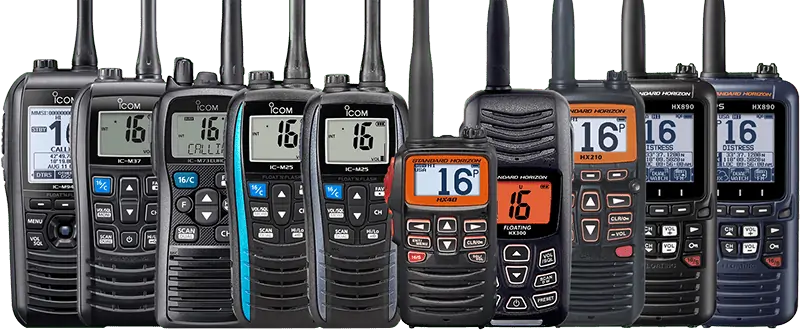
Marine communication can mean the difference between a routine voyage and a life-threatening emergency. A reliable marine vhf portable radio serves as your lifeline on the water, connecting you to coast guard services, nearby vessels, and harbor authorities. Whether you’re a weekend sailor, commercial fisherman, or passionate yachtsman, understanding how to select and use these critical safety devices ensures you’re never truly alone at sea. This comprehensive guide explores everything you need to know about portable marine VHF radios, from technical specifications to real-world applications.
What Is a Marine VHF Portable Radio?
A marine VHF portable radio is a handheld two-way communication device specifically designed for maritime use, operating on very high frequency (VHF) bands between 156 and 174 MHz. Unlike standard walkie-talkies or cell phones, these specialized radios are built to withstand harsh marine environments while providing reliable ship-to-ship and ship-to-shore communications. The waterproof construction, floating capabilities, and dedicated emergency channels make them indispensable safety equipment for anyone venturing onto open water.These radios must comply with international maritime regulations and typically include Channel 16 monitoring requirements whenever the radio is operating.
The technology has evolved significantly from early Morse code systems to modern Digital Selective Calling (DSC) capabilities that can automatically transmit distress signals with GPS coordinates. Modern portable marine radios incorporate advanced features like noise cancellation, extended battery life, and submersible waterproof ratings that exceed IPX7 standards.
Why Every Boater Needs a Portable Marine VHF Radio
Safety and emergency response capabilities form the primary reason for carrying a portable VHF marine radio. During critical situations—man overboard incidents, engine failures, medical emergencies, or severe weather encounters—your handheld radio becomes the primary communication link to rescue services. Unlike fixed-mount radios that remain attached to your vessel, portable units can be carried into life rafts, kayaks, or dinghies if you must abandon ship.
The communication range advantage over cellular phones becomes immediately apparent once you venture beyond coastal areas. While cell towers typically provide coverage only within a few miles of shore, marine VHF radios can reach up to 60 nautical miles under optimal conditions with tall antennas, though practical handheld range averages 5-8 nautical miles depending on antenna height and atmospheric conditions. This extended reach proves invaluable when requesting assistance from nearby vessels or coast guard stations.
Regulatory compliance and international recognition ensure your communications will be understood and respected worldwide. Modern units come equipped with DSC capabilities allowing automated distress signals with exact coordinates, dramatically improving response times during emergencies. The Maritime Mobile Service Identity (MMSI) registration enables authorities to immediately identify your vessel and access critical information when you transmit a distress call.
Essential Features of Quality Marine VHF Portable Radios
Waterproofing and Buoyancy Standards
Professional-grade handheld marine radios must meet stringent waterproofing requirements to function reliably in maritime environments. The IPX7 waterproofing rating indicates submersion protection up to one meter for thirty minutes, while IPX8 ratings provide the highest waterproofing standards with extended submersion capabilities. Premium models incorporate floating designs with integrated strobe lights that activate upon water contact, making retrieval significantly easier during man-overboard situations or accidental drops.
The buoyancy feature combined with high-visibility colors—typically bright yellow or international orange—ensures your radio remains visible even in choppy seas or low-light conditions. Some advanced models include additional safety features like SOS strobe lights visible up to one nautical mile away, providing dual functionality as both communication devices and emergency beacons.
Digital Selective Calling (DSC) Capability
DSC-capable radios can be programmed with MMSI numbers and automatically transmit distress signals containing vessel identification, position coordinates, and nature of emergency. This digital system operates on dedicated Channel 70, continuously monitoring for distress calls while allowing simultaneous voice communication on other channels. When integrated with GPS receivers, DSC radios provide Search and Rescue teams with real-time position tracking, dramatically reducing response times during critical emergencies.
The automatic hailing capability lets you contact specific vessels using their MMSI numbers rather than broadcasting general calls, reducing channel congestion and improving communication efficiency. Group calling functions enable fleet communications, while priority channels ensure distress signals override routine transmissions. These features transform your portable VHF from a simple voice transmitter into a sophisticated digital communication system.
Battery Performance and Power Management
Battery endurance determines operational reliability during extended voyages or emergency situations. Modern portable marine VHF radios offer battery life ranging from 10 to 29 hours on standby depending on features activated and power settings selected. Lithium-ion rechargeable batteries provide superior energy density compared to older nickel-metal hydride technology, while emergency alkaline battery trays offer backup power when recharging isn’t feasible.
Suggested read: The Ultimate Buyer's Guide to Choosing the Best Portable Gun Safe for Your Security Needs
Power management features include automatic power reduction on ship-to-ship channels, typically dropping from maximum six-watt output to one-watt for local communications. This intelligent power scaling conserves battery life while maintaining adequate signal strength for nearby vessel communications. USB charging capabilities provide convenient recharging options from portable power banks, vehicle outlets, or solar charging systems, essential for extended cruising or emergency preparedness.
GPS Integration and Position Tracking
Built-in GPS receivers eliminate the need for external position-finding devices while enabling critical safety features. Integrated GPS functionality allows waypoint navigation, position sharing with other vessels, and automatic inclusion of coordinates in distress transmissions. The man-overboard (MOB) function uses GPS data to mark exact positions where crew members fall overboard, providing rescue coordinates even in darkness or poor visibility conditions.
Position tracking capabilities support voyage planning and enable automatic logging of traveled routes. When combined with DSC technology, GPS-equipped radios create comprehensive safety systems that provide rescuers with precise location data, weather monitoring capabilities, and continuous position updates throughout emergency situations.
Top Marine VHF Portable Radio Models in 2025### Standard Horizon HX890: Premium All-Feature Radio
The Standard Horizon HX890 consistently earns recognition as one of the most comprehensive portable marine VHF radios available. This feature-rich model combines DSC capability, built-in GPS receiver, and IPX8 waterproofing with 27-hour battery life on standby. The floating design includes an automatically-activated strobe light when immersed, providing exceptional visibility during man-overboard situations or nighttime emergencies.
Advanced features include tri-watch monitoring capability allowing simultaneous surveillance of Channel 16 emergency broadcasts, vessel traffic channels, and crew communications. The large, high-resolution screen displays comprehensive navigation data including waypoints, position coordinates, and channel information. While the 310-gram weight makes it bulkier than basic models, the comprehensive feature set justifies the additional mass for serious mariners requiring professional-grade equipment.
ICOM M94D: AIS-Equipped Innovation Leader
The ICOM M94D distinguishes itself as the first handheld bundling AIS receiver, DSC, GPS and VHF capabilities in one package, revolutionizing situational awareness for boaters. The integrated Automatic Identification System receiver displays nearby vessel traffic, enabling direct hailing of specific ships using their AIS identifiers. This technology proves invaluable in busy shipping lanes or congested harbors where identifying and contacting particular vessels becomes critical.
Battery performance delivers approximately 16 hours on standby with three-hour rapid charging. The IPX7 waterproof rating combined with floating and flashing capabilities ensures recovery if dropped overboard. AquaQuake technology expels water from speakers after submersion, maintaining clear audio quality. The larger screen accommodates simultaneous display of AIS targets, navigation data, and communication channels, though the increased functionality results in a heavier 367-gram unit.
Cobra HH500: Bluetooth-Enhanced Communication
The Cobra HH500 introduces innovative Bluetooth connectivity enabling waterproof mobile phone calls through the marine radio. This unique feature keeps smartphones safely stowed below deck while maintaining cellular communication capabilities when within coverage areas. The rewind function automatically records the last 20 seconds of transmissions, allowing operators to replay missed information—particularly valuable during rapid-fire communications in emergency situations.
Battery life reaches 16 hours on standby monitoring busy channels, with charging accomplished through a drop-in cradle accepting both 12-volt and 240-volt power sources. The emergency alkaline battery tray accepts five AA batteries, providing backup power when recharging isn’t possible. DSC and GPS capabilities ensure full safety functionality despite the moderate $150-200 price point, making it an excellent value proposition for recreational boaters.
Standard Horizon HX210: Budget-Friendly Reliability
For boaters seeking essential functionality without premium pricing, the Standard Horizon HX210 delivers solid performance at approximately $167. The compact design offers 29-hour battery life with IPX7 waterproofing and floating capability. While lacking DSC and GPS features, the radio excels at core communication functions with clear audio output and intuitive menu navigation.
The floating faceup design with water-activated strobe light aids recovery if dropped overboard. An integrated FM radio tuner provides entertainment and emergency broadcast monitoring. The charging cradle system accepts both 12-volt and 240-volt power supplies, though USB charging isn’t available. This model suits budget-conscious boaters, kayakers, or those requiring backup communication devices without advanced digital features.
How to Choose the Right Marine VHF Portable Radio### Assess Your Boating Activities and Requirements
Your specific boating style determines which features matter most when selecting a marine vhf portable radio. Recreational day-trippers operating within three miles of shore can function effectively with basic voice-only models lacking DSC or GPS features. These budget-friendly options provide essential ship-to-ship and ship-to-shore communications while maintaining compact size and lightweight portability. Weekend sailors venturing 5-10 miles offshore should prioritize DSC-equipped models with integrated GPS receivers, ensuring automated distress capabilities if emergencies develop beyond visual range of land.
Suggested read: Portable Livewell: Essential Guide to Keeping Your Catch Fresh and Healthy
Offshore cruisers and bluewater sailors require premium models offering DSC, GPS receivers, and automatic distress messaging capabilities. Extended passages demand longer battery life, typically exceeding 20 hours, along with emergency alkaline battery trays providing backup power when solar or shore charging becomes unavailable. Commercial fishermen and charter operators benefit from models featuring AIS receivers, enabling identification and direct hailing of nearby commercial traffic in congested shipping lanes.
Evaluate Critical Safety Features
Waterproof ratings represent non-negotiable safety requirements for marine electronics. The IPX7 and IPX8 ratings indicate submersion protection, with IPX8 providing superior protection for extended underwater exposure. Floating capability combined with strobe lights ensures retrieval if dropped overboard, particularly valuable during nighttime operations or rough sea conditions. Budget approximately 15-30% more for floating models compared to non-floating alternatives with equivalent features.
DSC distress button placement affects emergency response effectiveness—look for protected buttons preventing accidental activation while ensuring immediate access during genuine emergencies. GPS integration quality varies significantly between manufacturers; verify position accuracy specifications and satellite acquisition times before purchasing. Models displaying coordinates directly on-screen simplify position reporting during radio checks and emergency communications.
Consider Battery and Charging Options
Battery technology choices impact operational flexibility and long-term ownership costs. Lithium-ion batteries provide superior energy density and longer cycle life compared to older nickel-metal hydride technology, though replacement costs run higher. Models offering both rechargeable lithium batteries and emergency alkaline battery trays deliver optimal versatility—you can rely on rechargeable power for normal operations while maintaining emergency backup capabilities using readily-available disposable batteries.
Charging system design affects usability in marine environments. Drop-in charging cradles with external contact points tolerate wet conditions better than direct USB connections requiring waterproof port covers. However, USB charging enables power bank compatibility for extended cruising without shore power. Rapid charging capabilities become valuable for vessels with limited charging windows between passages—look for models achieving full charge within three hours rather than overnight charging requirements.
Budget Considerations and Value Assessment
Entry-level marine VHF portable radios start around $70-100 for basic voice-only models with IPX7 waterproofing and floating capability. Mid-range options ($150-200) typically include DSC, GPS, longer battery life, and improved display technology. Premium models ($250-350) add AIS receivers, tri-watch monitoring, enhanced waterproofing, and extended battery capacity with rapid charging systems.
Calculate total ownership costs beyond initial purchase price. Consider battery replacement expenses, charging accessories, protective cases, and potential licensing fees depending on your jurisdiction. Higher-priced models often deliver better long-term value through superior durability, longer warranty coverage, and more comprehensive feature sets reducing needs for separate GPS or AIS devices. Remember that your radio represents critical safety equipment—prioritize reliability and functionality over minimal cost savings.
Proper Usage and Maintenance of Your Marine VHF Portable Radio### Basic Operating Procedures
Proper radio operation begins with adjusting squelch by turning the knob until static appears, then backing off until static stops. This optimal squelch setting filters background noise while maintaining receptivity to incoming transmissions. Always tune to Channel 16—the international distress and calling frequency—when not actively communicating on working channels. This monitoring requirement ensures you’ll receive emergency broadcasts and allows others to hail your vessel.
Conducting radio checks verifies operational status before departing on voyages. Never perform radio checks on Channel 16—instead, use designated open channels like 68, 69, 71, 72, or 78A. Set your radio to one-watt low power, key the microphone, and clearly state “radio check” three times followed by your vessel name and location. Wait for confirmation that another station received your transmission clearly before proceeding with your voyage.
Power management extends battery life and reduces channel congestion. Use low-power settings for local communications within five miles, reserving high-power transmission for longer-range contacts or emergency situations. Most modern radios automatically switch to maximum power on Channel 16, but manual power selection on working channels prevents unnecessary battery drain and reduces interference with distant communications on the same frequencies.
Emergency Communication Protocols
Mayday distress calls require speaking “MAYDAY” three times, stating “THIS IS” once, then vessel name three times. Include your position using latitude/longitude coordinates or bearing and distance from known landmarks, describe the nature of your emergency, specify assistance required, and report persons aboard. Repeat the Mayday and vessel name once more, then wait ten seconds for response. If no acknowledgment comes, repeat the entire transmission until establishing contact with rescue authorities.
DSC-equipped radios simplify emergency communications through dedicated distress buttons. Pressing this protected button transmits automated digital alerts containing vessel identification, GPS coordinates, and distress nature to all DSC receivers within range. This digital system operates on dedicated Channel 70, ensuring your distress signal reaches both Coast Guard stations and nearby vessels even if voice communications fail due to severe weather or equipment damage.
Suggested read: Best Portable Lamps for Every Need: Your 2024 Buying Guide
Non-emergency urgent communications use different protocols. “Pan-Pan” calls (spoken three times) indicate urgent situations requiring assistance but not immediate danger—medical emergencies, mechanical breakdowns, or navigation difficulties. “Securité” announcements (spoken three times) broadcast safety information affecting navigation such as weather warnings, floating hazards, or navigational aid outages. Both protocols begin on Channel 16 before moving to appropriate working channels for detailed communications.
Maintenance and Storage Best Practices
Monthly maintenance includes inspecting battery terminals for corrosion, checking antenna connections, and testing functionality. Clean battery contacts with appropriate electronic contact cleaner, removing any oxidation or salt deposits that impede electrical connections. Apply dielectric grease to terminals preventing future corrosion in the harsh marine environment. Examine rubber seals around charging ports and battery compartments, replacing any showing cracks or deterioration that could compromise waterproof integrity.
Antenna inspection prevents most communication failures. Check for physical damage including cracks, bends, or corrosion on antenna elements and connection points. Ensure antennas remain securely attached without excessive play that indicates worn mounting hardware. Test antenna connectors for tightness, as loose connections dramatically reduce transmission range and reception sensitivity. Replace antennas showing significant wear rather than risking communication failure during emergencies.
Storage procedures protect equipment during off-season periods or extended shore time. Remove batteries from handheld units stored for more than two weeks, preventing damage from battery leakage or excessive self-discharge. Store radios in climate-controlled environments away from extreme temperature fluctuations that stress electronic components and degrade rubber seals. Periodically charge stored radios every three months maintaining battery health and verifying continued operational readiness for your next voyage.
MMSI Registration and DSC Programming
Obtaining your Maritime Mobile Service Identity (MMSI) number enables full DSC functionality on your marine vhf portable radio. Free nine-digit MMSI numbers are available through organizations like BoatUS, Sea Tow, or the United States Power Squadrons for recreational vessels operating domestically. Commercial vessels or those traveling internationally require FCC-issued MMSI numbers obtained through the Universal Licensing System, which involves filing Form 605 and paying associated licensing fees.
Programming your MMSI number into the radio varies by manufacturer but typically involves accessing setup menus and entering the nine-digit identifier. Consult your specific radio’s user manual for detailed programming instructions, as incorrect entry could prevent DSC distress signals from transmitting proper vessel identification. After programming, conduct test transmissions to verify proper functionality—many manufacturers recommend testing with another DSC-equipped vessel rather than transmitting actual distress alerts that could trigger false emergency responses.
GPS integration with DSC creates automatic position reporting during distress situations. Handheld radios with built-in GPS receivers continuously update position data, ensuring distress transmissions contain current coordinates even if you’ve drifted from your original position. Units without integrated GPS require connection to external receivers through NMEA data interfaces. Verify GPS signal acquisition before departures, confirming your radio displays current position coordinates and updates them as you navigate different areas.
Marine VHF Portable Radio Comparison Table
| Model | Price Range | DSC/GPS | Waterproof Rating | Battery Life | Weight | Floating | Special Features |
|---|---|---|---|---|---|---|---|
| Standard Horizon HX890 | $250-300 | Yes/Yes | IPX8 | 27 hours | 310g | Yes | Tri-watch, strobe light, FM radio |
| ICOM M94D | $280-340 | Yes/Yes | IPX7 | 16 hours | 367g | Yes | AIS receiver, waypoint navigation |
| Cobra HH500 | $150-200 | Yes/Yes | IPX7 | 16 hours | 367g | Yes | Bluetooth, message rewind |
| Standard Horizon HX210 | $160-180 | No/No | IPX7 | 29 hours | 278g | Yes | FM radio, budget-friendly |
| ICOM M73 | $180-220 | No/No | IPX7 | 11 hours | 280g | Yes | Noise canceling, active noise canceling |
| Cobra MR HH350 | $70-100 | No/No | IPX7 | 12 hours | 272g | Yes | Entry-level, tri-watch |
This comparison highlights key specifications helping you select the appropriate portable marine VHF radio matching your budget and feature requirements. Premium models justify higher costs through comprehensive safety features, while budget options provide essential communications for recreational boating near shore.
Frequently Asked Questions About Marine VHF Portable Radios
What is the effective range of a marine VHF portable radio?
Handheld marine VHF radios typically achieve 3-5 nautical mile range under normal conditions, with maximum range extending to 8-10 miles under optimal circumstances with elevated antennas. Range depends primarily on antenna height above water and transmission power. Six-watt handhelds provide superior range compared to one-watt low-power modes. Fixed obstacles like landmasses or large vessels create radio shadows blocking signals. For extended offshore passages, fixed-mount 25-watt radios with masthead antennas provide significantly greater range than portable units.
Do I need a license to operate a marine VHF portable radio in the United States?
Recreational boaters operating VHF marine radios domestically do not require operator licenses or station licenses under current FCC regulations. International voyages, vessels over 65 feet length, or boats equipped with HF single-sideband radios require FCC ship station licenses and restricted radiotelephone operator permits. European countries typically mandate Short Range Certificates for VHF operation. Always verify licensing requirements for your specific jurisdiction and intended operating areas before purchasing equipment.
Suggested read: Portable Electric Winch: The Best Buying Guide for Maximum Pulling Power in 2026
How do I obtain an MMSI number for my DSC-equipped marine VHF portable radio?
Free MMSI numbers for recreational vessels operating in United States waters are available through BoatUS, Sea Tow, or United States Power Squadrons online registration systems. The process requires vessel information, owner contact details, and emergency contact numbers. Registration typically completes within minutes, providing your nine-digit MMSI immediately. Program this number into your DSC radio following manufacturer instructions to activate automatic distress calling capabilities. Commercial vessels or those traveling internationally must obtain FCC-issued MMSI numbers through formal licensing processes.
Can I use my marine VHF portable radio on freshwater lakes and rivers?
Marine VHF radios function on any waterway, though certain channels have usage restrictions on inland waters. The International Telecommunications Union regulates VHF marine frequencies worldwide, establishing consistent channel allocations. Some regions implement Automatic Transmitter Identification System (ATIS) requirements for inland waterway operations in continental Europe. Always verify local regulations governing VHF use on specific bodies of water. For strictly inland use, consider whether marine-specific features justify costs versus alternative communication methods.
How often should I replace the battery in my marine VHF portable radio?
Lithium-ion batteries typically maintain effective performance for 300-500 charge cycles before capacity degradation becomes noticeable. Most boaters should replace batteries every 2-3 years depending on usage frequency. Signs indicating replacement needs include shortened runtime between charges, extended charging times, or batteries becoming warm during normal use. Keep spare batteries readily available, rotating stock annually to ensure fresh reserves. Some manufacturers offer extended-capacity batteries providing longer runtime at slightly increased weight and cost.
What maintenance does a marine VHF portable radio require?
Monthly maintenance includes visual inspection of antenna connections, battery terminals, and waterproof seals. Clean salt deposits using fresh water rinse followed by electronics-safe contact cleaner for electrical connections. Test functionality through radio checks verifying clear transmission and reception. Annually, conduct thorough cleaning of charging contacts, inspect rubber seals for deterioration, and verify waterproof integrity by examining all port covers and gaskets. Professional service every 3-5 years ensures continued reliability, particularly for units exposed to harsh marine environments regularly.
Invest in Your Safety with Quality Marine VHF Portable Radios
Don’t compromise on communication safety during your maritime adventures. A reliable marine vhf portable radio represents one of the most critical investments you’ll make for boating safety, providing instant access to emergency services, weather information, and vessel-to-vessel communications. Whether you choose a premium model like the Standard Horizon HX890 with comprehensive DSC, GPS, and AIS capabilities, or an entry-level Cobra MR HH350 for basic coastal cruising, having functional marine communications aboard could save lives.
Explore our complete selection of portable marine VHF radios and marine safety equipment to find the perfect communication solution for your vessel. Modern technology has made these essential safety devices more affordable and feature-rich than ever before. Pair your new radio with proper training in VHF protocols and emergency procedures, ensuring you’re prepared for any situation on the water. For additional marine electronics and safety gear, including quality portable air con for motorhome solutions, visit our comprehensive product catalog serving all your portable equipment needs.
Remember that regulations require monitoring Channel 16 whenever your VHF radio operates—this simple practice could help save another boater’s life while ensuring someone can reach you during emergencies. Invest in quality communication equipment today and gain the peace of mind that comes from knowing you’re never truly alone on the water, no matter how far from shore your adventures take you.