What Is Portable A/C Rental and Why You Need It?
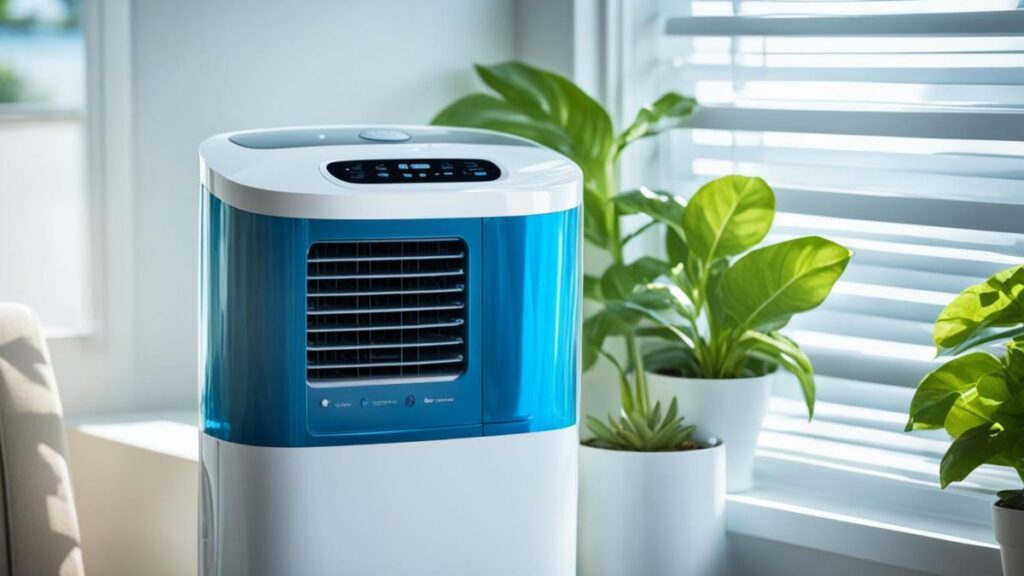
Portable A/C rental provides temporary cooling solutions for spaces without permanent air conditioning systems. Whether you’re hosting an outdoor event, dealing with a broken HVAC system, or need extra cooling during peak summer months, renting a portable air conditioner offers flexibility without the commitment of purchasing expensive equipment. These units are self-contained, mobile cooling systems that can be moved from room to room or location to location as needed.
The rental market for portable cooling equipment has grown significantly, with demand increasing by 35% annually according to recent industry reports. Businesses, homeowners, and event planners increasingly turn to portable a/c rental services to address short-term cooling challenges cost-effectively. Unlike permanent installations, rental units require no complex setup and can be operational within minutes of delivery.
Understanding Portable Air Conditioner Rental Options
Types of Portable AC Units Available for Rent
When considering portable a/c rental, understanding the different unit types helps you make informed decisions. Spot coolers are compact units designed to cool specific areas or individuals, making them ideal for workshops or outdoor events. These units typically provide 5,000 to 14,000 BTUs of cooling power and can effectively cool spaces between 150 to 500 square feet.
Commercial-grade portable air conditioners offer higher capacity cooling, ranging from 14,000 to 60,000 BTUs. These powerful units handle large spaces such as warehouses, tents, server rooms, and construction sites. They feature robust construction, longer hose lengths, and enhanced durability for demanding environments. Many rental companies also offer dual-hose systems that provide more efficient cooling by separating intake and exhaust air flows.
Evaporative coolers, also called swamp coolers, represent another rental option particularly effective in dry climates. These units cool air through water evaporation rather than refrigeration, consuming less electricity and working best in areas with humidity below 60%. They’re environmentally friendly and cost-effective but less suitable for humid regions where they can add unwanted moisture to the air.
How Portable AC Rentals Work
The portable a/c rental process begins with assessing your cooling requirements. Rental companies typically ask about square footage, ceiling height, insulation quality, heat-generating equipment, and expected occupancy. This information helps determine the appropriate BTU rating needed. As a general rule, you need approximately 20 BTUs per square foot for adequate cooling, though factors like sun exposure and poor insulation may require higher capacity.
Once you’ve selected a unit, rental agreements usually span daily, weekly, or monthly periods. Daily rates average $50-$150, weekly rates range from $200-$600, and monthly rentals cost $400-$1,500 depending on unit size and capacity. Most companies include delivery, setup assistance, and pickup in the rental fee. Extended rentals often receive discounted rates, with some providers offering rent-to-own programs if you decide to keep the unit permanently.
Rental units arrive ready to operate with minimal setup required. You’ll need access to a standard electrical outlet, window or wall opening for exhaust hose placement, and adequate space around the unit for proper airflow. Most portable air conditioners include detailed instructions, and rental companies provide customer support for troubleshooting. Some premium services offer technician installation for complex setups or high-capacity commercial units.
Key Benefits of Renting Portable Air Conditioners
Cost-Effectiveness Compared to Purchasing
Portable a/c rental delivers significant financial advantages over purchasing, especially for temporary needs. A quality portable air conditioner costs between $300-$1,500 to buy, while renting the same unit for a week costs just $200-$400. For one-time events, emergency cooling during HVAC repairs, or seasonal requirements, renting eliminates the substantial upfront investment while providing identical cooling performance.
Beyond initial costs, renting avoids ongoing ownership expenses. Purchased units require annual maintenance, filter replacements, refrigerant top-ups, and eventual repairs that add hundreds of dollars over the unit’s lifetime. Storage during off-seasons presents another challenge, requiring climate-controlled space to prevent damage. Rental agreements typically include maintenance and repairs, transferring these responsibilities to the provider and ensuring your unit performs optimally throughout the rental period.
Tax implications favor rentals for business applications. Rental fees qualify as 100% deductible operating expenses in the year incurred, while purchased equipment must be depreciated over several years. This immediate deduction improves cash flow and simplifies accounting. For companies managing multiple locations or seasonal operations, renting provides budget predictability without capital expenditure approval processes that delay equipment acquisition.
Flexibility and Convenience Features
The primary advantage of portable a/c rental lies in its unmatched flexibility. Rental periods adapt to your specific timeline, whether you need cooling for a single afternoon event or several months during construction. You can easily upgrade to larger capacity units or add additional coolers if your needs change, something impossible with purchased equipment without selling and repurchasing.
Maintenance-free operation distinguishes rental services from ownership. Rental companies handle all upkeep, including cleaning, filter changes, refrigerant checks, and repairs. If a unit malfunctions, providers typically replace it within 24 hours at no additional cost, ensuring uninterrupted cooling. This reliability proves invaluable for critical applications like server rooms, medical facilities, or major events where cooling failure could cause significant problems.
Geographic flexibility extends rental appeal for businesses operating across multiple locations. Companies can rent units in different cities or states without transporting heavy equipment long distances. Event planners particularly benefit, securing cooling equipment at each venue rather than managing logistics for owned units. This approach reduces transportation costs, eliminates equipment damage risks during transit, and ensures local support from rental providers familiar with regional requirements.
Comparing Portable A/C Rental Costs and Options
Rental Price Ranges and Factors
Understanding portable a/c rental pricing helps budget accurately and avoid surprises. Residential units (8,000-14,000 BTU) typically rent for $40-$75 daily, $175-$350 weekly, or $350-$700 monthly. Commercial units (15,000-24,000 BTU) range from $75-$125 daily, $350-$550 weekly, or $700-$1,200 monthly. Industrial-grade coolers (25,000+ BTU) command premium rates of $125-$200 daily, $550-$900 weekly, or $1,200-$2,000 monthly.
Suggested read: GE Portable Air Cooler: Your Ultimate Solution for Efficient Home Cooling in 2025
Several factors influence rental costs beyond base rates. Peak season pricing (June-August) increases rates by 20-40% due to higher demand. Geographic location matters, with rates in hot climates like Arizona or Texas typically 15-25% higher than moderate regions. Delivery fees add $50-$150 depending on distance, though many providers waive this for rentals exceeding one week. Damage waiver insurance costs an additional $10-$30 per week but protects against accidental damage to the unit.
Minimum rental periods vary by provider, with most requiring at least 24 hours for daily rentals or 7 days for weekly rates. Extended rentals receive graduated discounts, typically 10% off for 4-8 weeks and 20-30% off for longer terms. Some companies offer seasonal contracts at significantly reduced rates for customers needing predictable cooling capacity annually. Comparing quotes from multiple providers often reveals price variations of 20-40% for identical equipment and services.
Rental vs. Purchase Cost Analysis
| Scenario | Rental Cost (1 Month) | Purchase Cost | Break-Even Point |
|---|---|---|---|
| Small Unit (10,000 BTU) | $400-$600 | $350-$500 | 1-2 months |
| Medium Unit (14,000 BTU) | $600-$900 | $500-$800 | 1-2 months |
| Large Unit (24,000 BTU) | $900-$1,400 | $1,200-$2,000 | 2-3 months |
| Industrial (40,000 BTU) | $1,500-$2,500 | $3,500-$6,000 | 3-4 months |
This portable a/c rental comparison reveals that purchasing becomes cost-effective only after 1-4 months of continuous use, depending on unit size. However, the calculation changes when considering total ownership costs. Adding maintenance ($100-$200 annually), storage ($50-$100 annually), repairs ($150-$400 average), and depreciation (20-25% annually) extends the break-even point to 4-8 months for most users.
For businesses evaluating options, the decision depends heavily on usage patterns. Companies needing cooling equipment year-round across multiple facilities often purchase units to reduce long-term costs. Conversely, organizations with seasonal peaks, temporary projects, or emergency backup requirements find rental more economical. The flexibility to scale capacity up or down without equipment disposal costs provides additional value that pure cost analysis doesn’t capture.
Finding the Best Portable A/C Rental Services
Top Rental Companies and Providers
Selecting the right portable a/c rental provider ensures reliable performance and excellent service. National chains like Sunbelt Rentals, United Rentals, and Herc Rentals offer extensive inventories, standardized pricing, and locations nationwide. These companies typically maintain newer equipment fleets, provide 24/7 customer support, and offer flexible rental terms. Their size enables competitive pricing for long-term rentals and the ability to scale quickly for large projects requiring multiple units.
Local equipment rental companies often provide more personalized service and competitive rates for smaller needs. These providers typically offer faster delivery times within their service areas and greater flexibility in rental terms. Many specialize in specific industries like construction, events, or facilities management, bringing specialized knowledge to help select optimal cooling solutions. Building relationships with local vendors can yield preferential pricing, priority equipment allocation during peak seasons, and customized service packages.
Party and event rental companies represent another source for portable a/c rental, particularly for weddings, festivals, and outdoor gatherings. These specialists understand event-specific cooling challenges like tent conditioning, aesthetic considerations, and noise level requirements. They often provide white-glove service including setup, operation during events, and teardown. While rates may run 10-20% higher than equipment-focused rental companies, the comprehensive service justifies costs for high-stakes events where cooling failure isn’t acceptable.
Questions to Ask Rental Providers
Before committing to portable a/c rental, ask providers critical questions to ensure satisfaction. “What BTU capacity do I need for my space?” helps verify the company employs knowledgeable staff who can accurately assess requirements rather than simply upselling larger units. Request site evaluation services if you’re uncertain about requirements, as improper sizing wastes money and delivers poor performance.
“What’s included in the rental fee?” clarifies whether delivery, setup, pickup, maintenance, and repairs are covered or cost extra. Understanding the complete cost structure prevents budget overruns. Ask about fuel surcharges for diesel-powered industrial units, extension cord requirements and costs, and whether condensate pumps or drainage systems are included when needed. These accessories can add $50-$200 to total costs if not bundled.
“What’s your response time for equipment failure?” reveals the provider’s commitment to customer service. Premium rental companies guarantee 24-hour replacement for malfunctioning units, while budget providers may take several days. For critical applications, paying 15-20% more for guaranteed rapid response prevents costly cooling interruptions. Also inquire about after-hours support availability, especially for weekend or holiday rentals when standard business hours support isn’t accessible.
Installation and Operation of Rental Portable AC Units
Step-by-Step Setup Process
Proper installation maximizes portable a/c rental efficiency and prevents common problems. Start by positioning the unit on a stable, level surface at least 6-12 inches from walls and furniture to ensure adequate airflow. Avoid placing units on carpets or rugs that obstruct bottom vents; use a plywood board if necessary. Select locations near windows or exterior walls to minimize exhaust hose length, as each additional foot reduces efficiency by approximately 5-10%.
Attach the exhaust hose to the unit’s rear port, ensuring all connections are secure and airtight. Route the hose to your chosen venting location with minimal bends or kinks. For window installations, use the included adjustable window kit to seal the opening around the hose. Proper sealing is critical because hot exhaust air reentering the space reduces cooling efficiency by up to 30%. Foam weather stripping or cardboard can supplement window kits for tighter seals.
Connect the unit to an appropriate electrical outlet, ideally a dedicated circuit rated for the unit’s amperage. Most residential portable air conditioners draw 10-15 amps and require standard 120V outlets, while commercial units may need 240V or special outlet configurations. Avoid extension cords when possible, but if necessary use heavy-duty 14-gauge or 12-gauge cords under 25 feet. Check that the unit’s drainage system is properly configured, whether gravity drain, condensate pump, or internal evaporation system.
Optimizing Performance and Efficiency
Maximizing portable a/c rental effectiveness requires attention to several operational factors. Close all doors and windows in the cooled space to prevent conditioned air escape and unconditioned air infiltration. Use curtains or blinds on sun-facing windows to reduce heat gain by up to 45%. Position fans strategically to improve air circulation, helping distribute cool air more evenly throughout the space and creating comfortable conditions with less aggressive cooling settings.
Set thermostats appropriately for your application. For occupied spaces, 72-76°F provides comfort while minimizing energy consumption and equipment strain. Lowering thermostats below 70°F rarely improves comfort meaningfully but increases electrical costs by 10-15% per degree. For unoccupied areas requiring temperature maintenance like server rooms or storage, set temperatures 5-10 degrees higher than occupied space settings. Most modern rental units include programmable thermostats enabling automatic temperature adjustments based on time of day.
Suggested read: The Ultimate Buyer's Guide to Choosing the Best Portable Gun Safe for Your Security Needs
Regular maintenance during rental periods ensures optimal performance. Clean or replace air filters every 1-2 weeks depending on air quality and usage intensity. Dirty filters reduce airflow by up to 25%, forcing units to work harder and consume more energy while delivering less cooling. Check condensate drainage systems weekly to prevent water accumulation that can trigger automatic shutoffs. Inspect exhaust hose connections periodically to verify seals remain airtight, as vibration can loosen fittings over time.
Common Applications for Portable A/C Rentals
Emergency Cooling and HVAC Backup
Portable a/c rental serves as essential emergency cooling during HVAC system failures, preventing business interruptions and protecting temperature-sensitive assets. When central air conditioning breaks down, replacement or repairs often take days or weeks, creating unbearable conditions during hot weather. Renting portable units provides immediate relief while permanent solutions are implemented, maintaining productivity, employee comfort, and customer satisfaction.
Healthcare facilities particularly depend on reliable cooling for patient safety, medication storage, and sensitive medical equipment. Temperature fluctuations can spoil pharmaceuticals worth thousands of dollars and compromise patient care quality. Data centers and server rooms similarly require continuous cooling to prevent overheating that causes expensive equipment failures and data loss. For these critical applications, many facilities maintain rental agreements for emergency backup units that can be deployed within hours, essentially functioning as insurance against costly cooling interruptions.
Residential applications during HVAC failures help vulnerable populations manage extreme heat that poses serious health risks. Elderly residents, young children, and individuals with chronic health conditions face dangerous complications from excessive heat exposure. Renting portable air conditioners for bedrooms and living spaces provides safe refuge during heat waves while permanent cooling systems are restored. Many emergency management agencies maintain relationships with rental providers to quickly deploy cooling equipment during power outages or natural disasters affecting large populations.
Events and Temporary Venues
Outdoor events represent a major application for portable a/c rental, transforming hot, uncomfortable spaces into pleasant environments. Wedding tents, festival pavilions, and corporate event structures lack built-in cooling systems, making summer events challenging. Portable air conditioners deliver targeted cooling that keeps guests comfortable, prevents heat-related illnesses, and protects catering food safety. Event planners typically rent one 24,000 BTU unit per 1,000 square feet of tent space, adjusting based on occupancy density and weather conditions.
Construction sites and temporary facilities need portable cooling for offices, break rooms, and climate-controlled work areas. Construction trailers become unbearably hot during summer months, reducing worker productivity and morale. Providing air-conditioned spaces demonstrates worker care and may be required by safety regulations in extreme heat conditions. Some construction projects require climate-controlled environments for specific tasks like concrete curing, painting, or adhesive application where temperature and humidity control affects quality outcomes.
Seasonal businesses experience demand spikes requiring temporary cooling capacity beyond their permanent systems. Retail stores during holiday shopping seasons, restaurants with outdoor dining expansions, and seasonal recreational facilities often need supplemental cooling for weeks or months. Portable a/c rental provides exactly the capacity needed when needed, avoiding permanent equipment purchases that sit idle most of the year. This approach aligns cooling expenses directly with revenue-generating periods, improving financial efficiency.
Commercial and Industrial Uses
Warehouses and distribution centers use portable a/c rental to create comfortable working conditions in specific zones rather than cooling entire facilities. Spot cooling at picking stations, packing areas, and quality control zones improves worker comfort and accuracy without the expense of conditioning massive warehouse volumes. During peak seasons when temporary workers join permanent staff, additional portable units scale cooling capacity without infrastructure modifications.
Manufacturing environments require precise temperature control for various processes and materials. Plastics manufacturing, electronics assembly, food processing, and pharmaceutical production maintain strict temperature ranges affecting product quality. When permanent cooling systems can’t meet temporary demands or process changes, portable units provide supplemental capacity. Some manufacturing applications require localized cooling to protect specific equipment or work areas while maintaining different temperatures in surrounding spaces, which portable units uniquely enable.
Server rooms and IT equipment spaces in smaller offices often lack dedicated cooling systems, relying instead on building HVAC. These areas generate significant heat that overwhelms standard cooling capacity, risking expensive equipment damage and network failures. Renting portable air conditioners sized specifically for IT loads prevents overheating while avoiding costly permanent cooling system installations. Many IT professionals consider rental units essential redundancy even when adequate cooling exists, providing immediate backup if primary systems fail during critical operations.
Portable A/C Rental vs. Other Cooling Solutions
Comparing Rental Options
Understanding how portable a/c rental compares to alternatives helps select optimal solutions. Window air conditioners provide comparable cooling capacity at lower rental costs (typically 30-40% less) but require windows sized appropriately for installation and limit window use during rental periods. They’re less mobile, making them unsuitable for multi-room applications or temporary venues. However, for single-room cooling over extended periods, window units often provide better value with higher efficiency ratings than portable models.
Evaporative coolers cost significantly less to rent and operate, consuming 75% less electricity than refrigerant-based portable air conditioners. These units work exceptionally well in arid climates where humidity remains below 50%, delivering cooling effects comparable to air conditioners at a fraction of the cost. However, they’re ineffective in humid regions where they can actually increase discomfort by adding moisture to already humid air. They also require continuous water supply and drainage management that portable air conditioners avoid through self-contained operation.
Industrial fan rentals represent the most economical cooling option at $15-$40 daily but provide comfort only through air movement rather than temperature reduction. Large fans create wind chill effects that make people feel 5-10 degrees cooler without changing actual air temperature. For well-ventilated spaces with tolerable base temperatures or when combined with natural cooling during evenings, fans may suffice. They’re particularly effective for warehouses, workshops, and outdoor events where noise isn’t problematic and perfect temperature control isn’t required.
When to Choose Portable A/C Rental
Select portable a/c rental when true temperature reduction is necessary rather than just air movement. Applications where humidity control matters also favor portable air conditioners, as these units remove moisture while cooling. Medical facilities, museums, electronics storage, and food service operations all require the temperature and humidity control that only refrigerant-based cooling provides. Attempting to cool these environments with evaporative coolers or fans risks product damage, health code violations, or failed operations.
Mobility requirements strongly favor portable air conditioners over fixed installations. When cooling needs shift between different rooms, areas, or buildings, portable units follow those needs efficiently. Event applications almost always demand portable solutions since permanent installations aren’t feasible in temporary venues. Construction sites, disaster recovery operations, and pop-up retail locations similarly benefit from cooling equipment that relocates easily as operational needs evolve.
Noise sensitivity influences cooling choices significantly. While portable air conditioners produce 50-65 decibels of operating noise, this is substantially quieter than industrial fans (65-85 decibels) and comparable to window units. For office environments, residences, or events where conversation must occur comfortably, portable air conditioners provide acceptable noise levels. Some rental companies offer ultra-quiet models producing just 45-50 decibels for applications where noise disruption cannot be tolerated, though these premium units cost 20-30% more to rent.
Suggested read: Portable Gas Tank With Pump: Your Ultimate Solution for Fuel Storage and Transfer
Related Portable Cooling Equipment
Those considering portable a/c rental might also explore other portable cooling and climate control options. GE portable a/c units are available through various retailers and rental services, offering reliable cooling performance with the quality assurance of a trusted brand name. GE’s portable air conditioner lineup includes models ranging from compact 8,000 BTU units suitable for small rooms to powerful 14,000 BTU models for larger spaces.
Portable evaporative coolers provide alternative solutions for dry climates where humidity levels permit effective evaporative cooling. These units consume minimal electricity and cost significantly less to rent than refrigerant-based air conditioners. Portable dehumidifiers complement cooling equipment in humid environments, removing excess moisture that makes spaces feel warmer than actual temperature. Combining dehumidifiers with fans or minimal air conditioning often delivers comfortable conditions more economically than air conditioning alone.
Spot coolers represent specialized portable cooling equipment designed to direct cold air precisely where needed rather than conditioning entire spaces. Industrial facilities use spot coolers to protect specific equipment or provide relief for workers in hot areas without cooling the entire facility. These units typically offer higher cooling capacity per dollar than general-purpose portable air conditioners, making them cost-effective for focused cooling applications.
Maximizing Your Portable A/C Rental Experience
Preparation Before Rental
Successful portable a/c rental experiences begin with thorough preparation. Measure your space accurately, including square footage, ceiling height, and the number and size of windows. Identify heat sources like electronics, cooking equipment, or machinery that generate significant thermal load. Count expected occupants, as each person adds approximately 400 BTUs of heat. This information enables rental providers to recommend appropriately sized units that deliver comfortable cooling without wasting money on oversized equipment.
Evaluate electrical capacity before rental day to avoid discovering incompatible power supplies after delivery. Check circuit breaker ratings in the area where you’ll place the unit, and verify outlet types match equipment requirements. Large portable air conditioners drawing 15+ amps may trip breakers if other equipment shares the circuit. Identify dedicated circuits if available, or plan to disconnect other devices when operating the air conditioner. For events or construction sites, generator capacity must meet or exceed air conditioner power requirements with adequate margin.
Prepare the space physically by clearing the intended unit location and exhaust venting path. Remove obstacles that might block airflow around the unit or impede exhaust hose routing. Have necessary tools available for window kit installation or alternative venting solutions. If using units in spaces without windows, discuss venting options with rental providers beforehand, as some situations require specialty equipment like drop ceiling vents or temporary wall penetrations that need advance planning.
Troubleshooting Common Issues
Understanding portable a/c rental troubleshooting helps address problems quickly without service calls. If the unit runs but doesn’t cool effectively, check the exhaust hose for disconnections, kinks, or obstructions. Verify the window seal remains tight with no hot air leaking back inside. Examine air filters for dirt accumulation that restricts airflow. These three issues cause 80% of cooling performance complaints and can be resolved in minutes without technical expertise.
Units shutting off unexpectedly often indicate full condensate tanks requiring drainage. Most portable air conditioners include automatic shutoffs preventing water overflow when internal tanks fill. Drain the tank according to manufacturer instructions, then restart the unit. If shutoffs continue occurring frequently, the space likely has high humidity requiring more frequent drainage. Some rental providers offer units with continuous drainage hoses or condensate pumps for high-humidity applications, eliminating manual drainage inconvenience.
Unusual noises during operation warrant attention but rarely indicate serious problems. Rattling sounds typically result from loose panels or exhaust hose connections that simple tightening corrects. Gurgling noises indicate water movement in the condensate system and are normal. Grinding or screeching sounds suggest mechanical problems requiring professional service. Contact your rental provider immediately if unusual noises accompany reduced cooling performance or if sounds worsen over time. Most companies replace malfunctioning units rather than attempting field repairs.
Returning Rental Equipment
Proper portable a/c rental returns ensure full deposit refunds and maintain good relationships with rental providers. Clean the unit’s exterior with a damp cloth, removing dust, dirt, and debris accumulated during use. Empty condensate tanks completely and wipe dry to prevent mildew growth during storage. Remove and dispose of any disposable air filters, or clean reusable filters according to instructions. These simple steps demonstrate equipment care and often result in preferred customer status for future rentals.
Inspect units carefully before pickup or return delivery, documenting any damage that occurred during your rental period. Take photos of obvious damage and immediately inform the rental company to avoid disputes. Most providers understand that normal wear occurs and won’t charge for minor scuffs or superficial damage. However, significant damage like cracked housings, broken control panels, or damaged compressors may incur repair charges. Damage waiver insurance purchased at rental time typically covers these costs.
Return all accessories including exhaust hoses, window kits, remote controls, and power cords that came with the unit. Missing accessories generate replacement charges of $20-$75 per item. Coil exhaust hoses neatly and store window kit components together to ensure nothing gets lost. Verify pickup scheduling 24-48 hours before the rental period ends to ensure timely equipment retrieval. Late returns typically incur additional daily charges calculated at the daily rental rate, which can significantly increase final costs.
Energy Efficiency and Environmental Considerations
Operating Costs and Energy Consumption
Portable a/c rental operating costs significantly impact total expenses, often exceeding rental fees for extended usage periods. Typical portable air conditioners consume 0.9-1.5 kW per hour for residential units and 2-4 kW per hour for commercial models. At average US electricity rates of $0.14 per kWh, a residential unit costs approximately $2.50-$5.00 daily to operate for 24 hours, while commercial units cost $7-$13 daily. These operating expenses can double total rental costs over month-long periods.
Energy Efficiency Ratio (EER) ratings indicate a unit’s cooling efficiency, with higher numbers representing better performance. Most rental portable air conditioners have EER ratings between 8-11, compared to 12-14 for efficient window units and 16-20 for mini-split systems. This lower efficiency results from single-hose designs that create negative pressure, drawing warm air into spaces from cracks and gaps. Despite lower efficiency, portables remain cost-effective for temporary needs because they avoid permanent installation expenses and conditioning entire buildings.
Operational strategies reduce energy consumption without sacrificing comfort. Run units only when spaces are occupied unless temperature maintenance is critical. Raise thermostat settings by 2-3 degrees and use ceiling fans to maintain comfort through improved air circulation. Close vents in unused rooms to concentrate cooling in occupied areas. During cooler morning and evening hours, turn off units and open windows to flush heat with fresh air. These practices can reduce energy consumption by 30-50% while maintaining acceptable comfort levels.
Suggested read: GE Portable A/C: Your Complete 2025 Buying Guide for Cooling Any Space
Eco-Friendly Portable AC Options
Modern portable a/c rental units increasingly incorporate environmentally responsible features. R-410A refrigerant has replaced older R-22 in most rental fleet equipment, offering zero ozone depletion potential and lower global warming impact. Some rental companies now stock units using R-32 refrigerant, which provides 68% lower global warming potential than R-410A while delivering equivalent cooling performance. When selecting rental providers, inquire about refrigerant types if environmental impact concerns you.
Energy-efficient models with higher EER ratings and advanced features like variable-speed compressors are entering rental fleets, though availability varies by provider and location. These units cost slightly more to rent but deliver 20-30% lower operating costs and reduced environmental impact. Auto-shutoff features that stop cooling when target temperatures are reached prevent unnecessary energy consumption. Some premium units include smart thermostats with scheduling capabilities, optimizing operation automatically based on occupancy patterns you program.
Proper equipment maintenance by rental providers ensures units operate at peak efficiency throughout their service life. Well-maintained portable air conditioners consume less energy, produce fewer emissions, and have longer operational lifespans reducing manufacturing impact through extended use. Responsible rental companies refurbish and rebuild units rather than prematurely discarding them, following circular economy principles that minimize environmental footprint. Choosing established rental companies committed to fleet maintenance indirectly supports environmental sustainability.
Frequently Asked Questions About Portable A/C Rental
How much does it cost to rent a portable air conditioner?
Portable a/c rental costs vary by unit size and rental duration. Small residential units (8,000-10,000 BTU) typically rent for $40-$75 daily, $175-$350 weekly, or $350-$700 monthly. Medium commercial units (14,000-18,000 BTU) cost $60-$100 daily, $275-$475 weekly, or $550-$1,000 monthly. Large industrial units (24,000+ BTU) range from $100-$200 daily, $450-$900 weekly, or $900-$2,000 monthly. Additional costs include delivery ($50-$150), damage waiver insurance ($10-$30 weekly), and electricity consumption ($2-$15 daily depending on unit size and runtime).
How long can I rent a portable air conditioner?
Most portable a/c rental companies offer flexible terms from single-day rentals to multi-year agreements. Minimum rental periods typically start at 24 hours for daily rates or 7 days for weekly rates. Monthly rentals usually require a 30-day minimum commitment. Extended rentals often receive graduated discounts, with 10-20% reductions for commitments exceeding 8 weeks. Many rental providers offer month-to-month agreements after initial terms expire, allowing indefinite rental periods with 30-day cancellation notice. For permanent needs, some companies offer rent-to-own programs where rental payments apply toward eventual purchase.
Do I need special electrical outlets for rental portable AC units?
Most residential portable a/c rental units operate on standard 120V household outlets rated for 15-20 amps. Larger commercial units may require 240V outlets or 30-amp circuits found in kitchens or workshops. Industrial-grade units sometimes need three-phase power or 50-amp circuits. When reserving rentals, provide electrical specifications to ensure compatible equipment selection. Rental companies can inspect sites beforehand to verify electrical adequacy for intended equipment. Using undersized circuits risks tripping breakers repeatedly, while inadequate voltage causes poor cooling performance and potential equipment damage.
What size portable air conditioner do I need for my space?
Determining appropriate portable a/c rental size starts with calculating required BTUs based on square footage. As a general guideline, multiply square footage by 20 to estimate BTU requirements. A 300-square-foot room needs approximately 6,000 BTUs, while a 500-square-foot space requires 10,000 BTUs. Adjust calculations for additional factors: add 10% for sunny rooms, 10% for kitchens with heat-generating appliances, and 600 BTUs per person beyond the first two occupants. Poor insulation, high ceilings, or excessive heat-generating equipment may require 25-40% additional capacity. Rental providers typically offer sizing consultations to ensure optimal equipment selection.
Can I rent portable air conditioners for outdoor events?
Yes, portable a/c rental is extremely common for outdoor events in tented or covered venues. Event rental companies specialize in cooling temporary structures like wedding tents, festival pavilions, and corporate event spaces. For effective tent cooling, plan on one 24,000 BTU unit per 1,000 square feet of enclosed space, adjusting based on expected occupancy, time of day, and weather conditions. Tents require proper sealing to contain conditioned air, and rental providers often supply the necessary ducting and distribution systems. White-glove service including setup, operation, and teardown typically costs 20-30% above standard equipment rental fees but ensures reliable performance for high-stakes events.
Where can I find portable A/C rental services near me?
Local portable a/c rental providers are easily located through online searches, equipment rental directories, and business listings. National chains like Sunbelt Rentals, United Rentals, and Herc Rentals maintain locations in most major cities with comprehensive inventories. Local equipment rental companies, party rental services, and HVAC contractors also offer portable air conditioner rentals with competitive rates and personalized service. Online directories help identify providers in specific areas with customer reviews and pricing comparisons. For immediate needs, contact multiple providers to compare availability, rates, and service terms before committing.
What maintenance is required during rental periods?
Portable a/c rental maintenance responsibility varies by provider but typically requires minimal user effort. Most companies handle major maintenance, repairs, and parts replacement as part of rental agreements. Users should clean or replace air filters every 1-2 weeks depending on air quality and usage intensity. Empty condensate tanks when full unless continuous drainage systems are installed. Keep exhaust hoses connected securely and ensure window seals remain tight. Report any performance issues immediately to rental providers for troubleshooting or equipment replacement. Premium rental services include periodic maintenance visits for long-term rentals, handling all upkeep tasks so users simply enjoy reliable cooling.
Take Action on Your Cooling Needs Today
Don’t let inadequate cooling disrupt your plans, compromise comfort, or damage temperature-sensitive equipment. Portable a/c rental provides immediate, cost-effective solutions for virtually any temporary cooling challenge. Whether you’re planning an outdoor event, dealing with HVAC system failures, or need supplemental capacity during peak summer months, portable air conditioners deliver reliable cooling exactly when and where you need it.
Start by assessing your specific cooling requirements, including space size, duration needed, and any special considerations like noise restrictions or extreme heat conditions. Contact multiple portable a/c rental providers to compare equipment options, pricing structures, and service terms. Ask about delivery times, setup assistance, maintenance support, and replacement guarantees for malfunctioning units. Don’t wait until heat becomes unbearable—reserve equipment early, especially during peak summer months when availability tightens and rates increase.
Request free consultations from rental companies to ensure you select appropriately sized equipment that delivers optimal performance within your budget. Many providers offer site evaluations, technical support, and installation guidance that maximize rental value. Take advantage of these services to avoid common mistakes like undersized units, improper venting, or inadequate electrical capacity. With proper planning and the right portable a/c rental partner, you’ll enjoy comfortable, climate-controlled environments without the long-term commitment and expense of purchasing equipment.
Ready to experience the convenience and flexibility of portable a/c rental? Contact local rental providers today to discuss your requirements and receive customized equipment recommendations. Beat the heat with professional cooling solutions backed by expert support and reliable performance guarantees.
Sources and Citations:
- Sunbelt Rentals – Portable Air Conditioners
- American Rental Association Industry Statistics
- U.S. Department of Energy – Energy Efficiency Guidelines
- Equipment Rental Market Analysis Reports