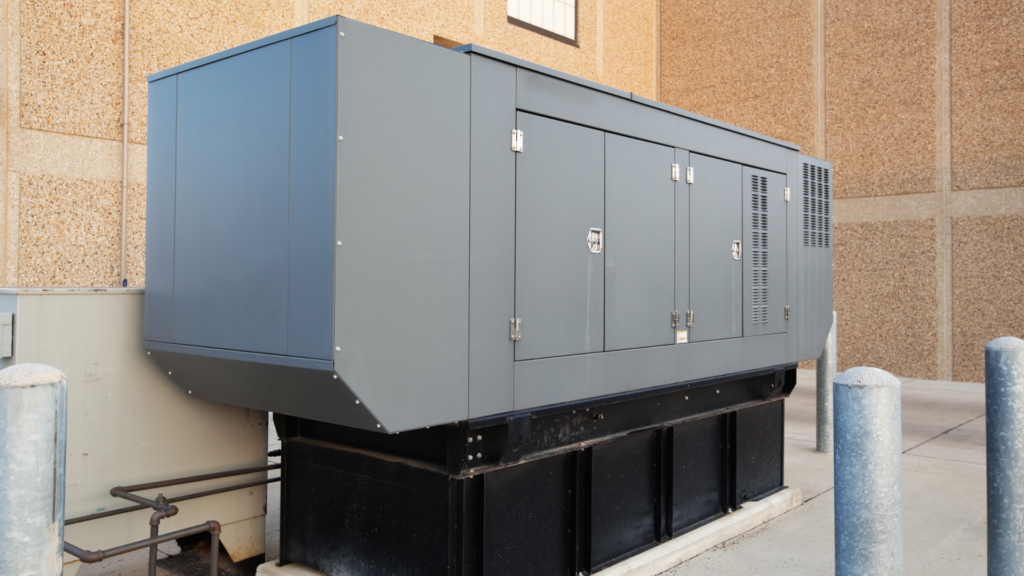
Introduction: Why Your Generator Needs a Metal Enclosure
When you invest in a portable generator, you’re making a smart decision for backup power and emergency preparedness. However, leaving your generator exposed to the elements, theft, and noise complaints can quickly turn your investment into a liability. A metal portable generator enclosure provides the ultimate protection solution, combining durability, security, and noise reduction in one robust package. Unlike flimsy plastic covers or wooden boxes that deteriorate over time, metal enclosures offer industrial-grade protection that can withstand harsh weather conditions, deter thieves, and significantly reduce operational noise levels. Whether you’re a homeowner preparing for power outages, a contractor needing reliable job site power, or an outdoor enthusiast requiring portable electricity for camping and RVing, understanding the benefits and features of a metal portable generator enclosure will help you make an informed purchasing decision that protects your equipment for years to come.
What Is a Metal Portable Generator Enclosure?
A metal portable generator enclosure is a protective housing unit specifically designed to shield portable generators from environmental damage, reduce noise pollution, and prevent unauthorized access. These enclosures are typically constructed from heavy-duty materials such as steel, aluminum, or galvanized metal, offering superior protection compared to alternative materials. The primary purpose of these enclosures extends beyond simple weather protection—they create a controlled environment that optimizes generator performance while addressing common concerns like excessive noise, security vulnerabilities, and exposure to rain, snow, dust, and extreme temperatures. Modern metal enclosures incorporate ventilation systems to prevent overheating, soundproofing materials to dampen engine noise, and lockable access points to deter theft, making them an essential accessory for anyone who relies on portable generator power.
Key Components of Quality Metal Enclosures
Understanding the essential components that make up an effective metal portable generator enclosure helps you evaluate different options in the marketplace. The outer shell typically consists of powder-coated steel or marine-grade aluminum that resists rust and corrosion even in coastal or humid environments. High-quality enclosures feature reinforced corners and welded seams rather than bolted connections, ensuring structural integrity under stress. The ventilation system represents another critical component, with strategically placed louvers, vents, or forced-air cooling systems that maintain optimal operating temperatures while preventing water intrusion. Sound-dampening features include acoustic foam panels, mass-loaded vinyl barriers, or specialized sound-absorbing materials that can reduce noise levels by 15-25 decibels. Security features range from simple padlock hasps to advanced locking mechanisms with tamper-resistant bolts, while weather sealing includes rubber gaskets, elevated floors, and drainage systems that protect against moisture damage.
Benefits of Investing in a Metal Portable Generator Enclosure
Superior Weather Protection and Durability
Metal enclosures provide unmatched protection against environmental factors that can damage or destroy your generator. Rain, snow, sleet, and humidity can infiltrate electrical components, causing short circuits, corrosion, and permanent damage that voids manufacturer warranties. A properly designed metal portable generator enclosure creates a weatherproof barrier while maintaining necessary airflow for combustion and cooling. The robust construction withstands high winds, falling branches, and impact from debris during storms—exactly when you need your generator most. Unlike wood that rots or plastic that becomes brittle and cracks under UV exposure, metal enclosures maintain their protective capabilities for decades with minimal maintenance. Studies have shown that generators housed in quality metal enclosures experience 60-70% fewer weather-related failures compared to uncovered units, translating to lower repair costs and extended equipment lifespan.
Noise Reduction for Residential and Commercial Use
Generator noise represents one of the most common complaints from neighbors and can even violate local noise ordinances in residential areas. Standard portable generators operate at 65-85 decibels, roughly equivalent to highway traffic or a vacuum cleaner running continuously. A soundproofed metal portable generator enclosure can reduce perceived noise levels by 50-75%, making operation significantly more tolerable for everyone nearby. The combination of dense metal construction, acoustic insulation materials, and strategic ventilation design disrupts sound wave transmission while maintaining adequate cooling. This noise reduction proves particularly valuable during extended power outages when generators may run for days or weeks, during nighttime operation when ambient noise levels are lower, or in densely populated areas where noise restrictions are strictly enforced. For businesses, quieter generator operation improves customer experience and helps maintain good relationships with neighboring properties.
Enhanced Security and Theft Prevention
Portable generators represent attractive targets for thieves, with high resale values and easy portability making them vulnerable to theft from job sites, homes, and commercial properties. The National Equipment Register reports that construction equipment theft, including generators, results in over $1 billion in losses annually. A lockable metal portable generator enclosure dramatically increases security by adding multiple barriers that deter opportunistic theft and slow down determined criminals. Heavy-duty metal construction cannot be easily broken or cut without power tools that create noise and attract attention. Integrated locking mechanisms, ground anchoring options, and weight (metal enclosures typically weigh 50-200 pounds) make quick grab-and-go theft nearly impossible. Some advanced models include GPS tracking integration or alarm system compatibility for additional security layers, while the visible presence of a substantial metal enclosure itself serves as a psychological deterrent to potential thieves.
Types of Metal Portable Generator Enclosures
Welded Steel Enclosures
Welded steel enclosures represent the heavy-duty option for maximum protection and longevity. These units are constructed from thick steel plates (typically 14-18 gauge) that are welded together at the seams, creating a virtually impenetrable barrier against weather, impacts, and unauthorized access. The welded construction eliminates weak points found in bolted assemblies, distributing stress evenly across the entire structure. Steel metal portable generator enclosures excel in industrial environments, construction sites, and locations where vandalism or extreme weather poses significant risks. The primary advantages include exceptional durability, superior sound dampening due to mass and density, and resistance to forced entry attempts. However, steel enclosures are the heaviest option, making them less suitable for frequent relocation, and they require proper rust-prevention treatment through powder coating, galvanization, or regular maintenance to prevent corrosion in humid or coastal environments.
Aluminum Constructed Enclosures
Aluminum enclosures offer an excellent balance between strength, weight, and corrosion resistance. Marine-grade aluminum alloys provide comparable strength to steel at approximately one-third the weight, making these metal portable generator enclosures ideal for applications requiring mobility or frequent repositioning. The natural oxide layer that forms on aluminum surfaces provides inherent corrosion protection without additional coatings, though anodized or powder-coated finishes enhance both durability and aesthetics. Aluminum enclosures work particularly well in coastal environments where salt spray would quickly corrode steel, in mobile applications like RVs and boats where weight considerations are critical, and for users who need to move their enclosure seasonally or between locations. While aluminum models typically cost 20-40% more than comparable steel units, the weight savings, corrosion resistance, and reduced maintenance requirements often justify the premium for specific use cases.
Galvanized Metal Options
Galvanized metal enclosures combine the strength of steel with enhanced rust and corrosion protection through a zinc coating process. Hot-dip galvanization creates a metallurgical bond between zinc and steel that protects even if the surface is scratched or damaged, offering superior longevity compared to painted steel. These metal portable generator enclosures suit outdoor applications where moisture exposure is constant but the extreme corrosion resistance of aluminum isn’t necessary or budget-appropriate. The galvanized finish provides a distinctive silvery appearance that some users prefer aesthetically, while the material costs typically fall between standard steel and aluminum options. Galvanized enclosures perform exceptionally well in agricultural settings, outdoor event venues, and backup power installations where the enclosure remains stationary for extended periods. The main consideration involves potential zinc coating degradation in highly acidic or alkaline environments, though this rarely affects typical residential or commercial applications.
Suggested read: Portable Generator Cover: Protect Your Investment in 2025
Essential Features to Look for in a Metal Portable Generator Enclosure
Ventilation and Cooling Systems
Proper ventilation represents the single most critical feature for safe and effective generator operation within any enclosure. Generators produce enormous amounts of heat during operation—a 5000-watt generator can generate enough heat to raise the temperature inside a poorly ventilated enclosure to dangerous levels within minutes. An effective metal portable generator enclosure incorporates multi-directional airflow with intake vents positioned low to draw cool air and exhaust vents placed high to expel hot air through natural convection. Advanced models include temperature-activated fans that engage when internal temperatures exceed safe thresholds, ensuring adequate cooling even in high-temperature environments or during extended high-load operation. The ventilation system must also prevent rain, snow, and debris intrusion through louver designs, rain guards, or baffle systems that allow air passage while blocking direct water entry. Proper ventilation not only prevents overheating and potential fire hazards but also ensures the generator receives sufficient oxygen for complete fuel combustion, optimizing performance and fuel efficiency.
Sound Dampening Technology
The effectiveness of noise reduction in a metal portable generator enclosure depends on multiple integrated technologies working together. Mass-loaded vinyl barriers add dense, flexible material that blocks sound transmission without adding excessive weight. Acoustic foam panels absorb sound energy within the enclosure, preventing it from reflecting and amplifying. Vibration isolation mounts decouple the generator from the enclosure structure, preventing mechanical vibrations from transmitting through the metal and radiating as airborne noise. High-quality enclosures incorporate all three approaches, achieving noise reductions of 20-30 decibels compared to open operation. The ventilation openings present the biggest challenge for soundproofing, as any opening allows sound to escape—premium models use acoustic labyrinths or sound traps that force air through multiple directional changes while absorbing sound energy. When evaluating sound dampening capabilities, look for independently tested decibel reduction ratings rather than manufacturer claims, and consider that a 10-decibel reduction represents approximately halving the perceived loudness.
Weather Sealing and Protection
Comprehensive weather protection in a metal portable generator enclosure requires attention to multiple ingress points where water, dust, or pests could enter. Roof designs should include adequate slope or crown to shed water rather than allowing pooling, with overhanging edges that direct runoff away from seams and openings. All access doors, ventilation openings, and panel joints need appropriate gaskets, seals, or overlapping designs that prevent direct water intrusion while allowing necessary airflow. The base of the enclosure should elevate the generator several inches above ground level to prevent flooding during heavy rain and allow drainage if water does enter. Quality units include drainage holes or channels with one-way valves that allow water to exit but prevent insects or rodents from entering. For locations with severe weather, consider enclosures rated for specific wind loads (typically 80-120 mph) or those meeting industrial ingress protection (IP) standards like IP54 or IP65, which indicate tested protection levels against dust and water.
Security and Locking Mechanisms
Security features in a metal portable generator enclosure should create multiple layers of protection that delay or deter theft attempts. The primary access door requires a robust locking mechanism—basic models include heavy-duty padlock hasps with hardened steel construction, while advanced options feature integrated locks with pick-resistant cylinders or even electronic locks with access logging. Hinge protection prevents door removal from the hinge side, either through concealed hinges, hinge guards, or continuous piano hinges that cannot be compromised without destroying the entire door. Ground anchoring capabilities allow you to permanently or semi-permanently secure the enclosure to a concrete pad using anchor bolts, making removal of the entire unit virtually impossible without excavation equipment. Some high-security models include tamper-evident seals, alarm system integration points, or reinforced panels in areas vulnerable to prying or cutting. Remember that security effectiveness depends on proper installation and use—even the best locking mechanism provides no protection if left unlocked.
Sizing Guide: Choosing the Right Metal Portable Generator Enclosure
Measuring Your Generator Dimensions
Accurate measurements form the foundation of selecting an appropriately sized metal portable generator enclosure. Start by measuring your generator’s length, width, and height including all protrusions like handles, control panels, exhaust outlets, and fuel tanks. Add a minimum of 6 inches of clearance on all sides for adequate ventilation, exhaust heat dissipation, and service access. Manufacturers specify their generator dimensions in product documentation, but physical measurement ensures accuracy since accessories, modifications, or different model years may vary from published specifications. Consider future needs—if you plan to upgrade to a larger generator within a few years, purchasing a larger enclosure now can save money and effort compared to replacing the enclosure later. Also account for any additional items you want to store within the enclosure like fuel cans, extension cords, or maintenance supplies, adding appropriate space for these accessories. A properly sized enclosure allows full door opening without contact, easy connection of power cords and fuel lines, and sufficient clearance for exhaust gases to dissipate safely.
Common Generator Sizes and Enclosure Recommendations
| Generator Wattage | Typical Dimensions | Recommended Enclosure Size | Interior Clearance |
|---|---|---|---|
| 2000-3000W | 20″L x 12″W x 18″H | 30″L x 20″W x 26″H | 5″ all sides |
| 3500-5000W | 24″L x 18″W x 22″H | 36″L x 26″W x 30″H | 6″ all sides |
| 5500-7500W | 28″L x 22″W x 24″H | 42″L x 30″W x 32″H | 7″ all sides |
| 8000-10000W | 32″L x 24″W x 26″H | 48″L x 32″W x 34″H | 8″ all sides |
| 12000W+ | 36″L x 28″W x 30″H | 54″L x 36″W x 38″H | 9″ all sides |
These recommendations for metal portable generator enclosures provide starting points for common generator sizes, though individual models vary significantly. Inverter generators typically feature more compact designs than traditional generators of equivalent wattage, while dual-fuel or tri-fuel models may have larger fuel system components. Industrial and commercial generators often include larger fuel tanks or extended-run fuel systems that increase overall dimensions. Always verify specific measurements rather than relying solely on wattage-based estimates, and remember that larger enclosures provide better ventilation and easier maintenance access at the cost of increased material expense, weight, and footprint.
Installation and Setup of Your Metal Portable Generator Enclosure
Site Selection and Preparation
Proper site selection for your metal portable generator enclosure installation significantly impacts safety, performance, and convenience. Local building codes and manufacturer requirements typically mandate minimum clearances from structures—generally at least 5 feet from buildings, 20 feet from doors and windows to prevent carbon monoxide intrusion, and sufficient distance from property lines to minimize noise impact on neighbors. The location should provide level, stable ground to prevent tipping or vibration issues, ideally on a concrete pad or paver base that prevents ground moisture from affecting the enclosure and generator. Consider accessibility for maintenance, refueling, and connecting electrical loads, ensuring adequate space to fully open doors and work comfortably. Drainage patterns matter significantly—avoid low spots where water accumulates and position the enclosure so prevailing winds carry exhaust and noise away from occupied areas. For permanent or semi-permanent installations, professional site preparation might include concrete pad installation, electrical conduit placement for transfer switch connections, and potentially acoustic fencing for additional noise control in sensitive locations.
Assembly and Anchoring Methods
Most metal portable generator enclosures arrive partially assembled or as complete units requiring only positioning and anchoring. If assembly is necessary, carefully follow manufacturer instructions, ensuring all bolts are properly torqued to prevent loosening from generator vibration. The anchoring method depends on the installation surface and local requirements—concrete installations typically use expansion anchors or concrete wedge anchors rated for the enclosure and generator combined weight with a safety factor. For temporary or seasonal installations, ground augers or earth anchors provide reasonable security while allowing future relocation. Some users install enclosures on skids or trailer frames for complete mobility, though this approach requires additional attention to ventilation and exhaust routing. When anchoring through the enclosure base, seal penetrations with appropriate caulking or grommets to maintain weather protection. In high-wind areas, consult with a structural engineer to ensure anchoring meets local wind load requirements, which may necessitate reinforced concrete pads or additional anchor points beyond standard installation recommendations.
Exhaust and Ventilation Considerations
Exhaust management represents a critical safety concern when operating a generator within any enclosure. Carbon monoxide poisoning causes hundreds of deaths annually, with enclosed or partially enclosed generator operation being the primary cause. Your metal portable generator enclosure must route exhaust away from the enclosure interior, occupied buildings, and areas where people or pets congregate. Many enclosures include dedicated exhaust ports with flexible exhaust extensions that direct gases upward and away from the unit. If your enclosure doesn’t include exhaust routing, you must position the generator so its exhaust outlet aligns with an enclosure opening, potentially adding extensions to ensure gases disperse safely. Never operate a generator in an enclosure without adequate ventilation, even if doors or panels are open—testing has shown dangerous carbon monoxide levels can accumulate in minutes. Install battery-operated carbon monoxide detectors near the enclosure and in nearby buildings, testing them monthly and replacing batteries twice annually. Some users install permanent exhaust stacks similar to residential chimneys, providing reliable exhaust routing regardless of wind conditions.
Suggested read: Portable Gantry Crane: Everything You Need Before You Buy
Maintenance and Care for Metal Portable Generator Enclosures
Regular Cleaning and Inspection
Maintaining your metal portable generator enclosure extends its service life and ensures continued protection for your generator investment. Monthly visual inspections should check for rust spots, loose fasteners, damaged weather sealing, and debris accumulation in ventilation openings. Clean the exterior using mild soap and water, avoiding harsh chemicals or abrasive materials that could damage protective coatings. Pay special attention to ventilation louvers and screens, removing leaves, dust, and insect nests that restrict airflow and reduce cooling efficiency. Interior cleaning involves removing fuel drips, oil residue, and dirt that accumulate during generator operation, using appropriate cleaners that won’t leave flammable residues. Inspect all gaskets and seals annually, replacing any that show cracking, compression set, or loss of flexibility. Check drainage holes to ensure they remain clear, allowing water to exit if it enters during severe weather. Document inspections and maintenance in a log, noting any issues requiring attention and creating a service history that helps identify recurring problems or deterioration patterns.
Rust Prevention and Touch-Up
Even high-quality metal portable generator enclosures require periodic attention to prevent rust and corrosion, especially in humid, coastal, or industrial environments. Address any paint chips, scratches, or bare metal spots immediately using touch-up paint matched to the original finish—exposed metal can begin rusting within hours in humid conditions. For powder-coated finishes, light scuffing with fine sandpaper followed by spray enamel provides adequate protection for small areas. Larger damage may require professional refinishing to maintain appearance and protection. Apply protective wax or metal protectant seasonally to exposed surfaces, creating a barrier against moisture and contaminants. In coastal areas, rinse the enclosure monthly with fresh water to remove salt accumulation, which accelerates corrosion even on powder-coated or galvanized surfaces. Monitor weld seams, fastener locations, and any areas where different metals contact each other, as these spots are particularly vulnerable to galvanic corrosion. If rust does develop, remove it promptly using wire brushes or chemical rust removers before it spreads, then apply rust converter and protective coating to prevent recurrence.
Seasonal Storage and Winterization
For users who store their generators during specific seasons, proper preparation of your metal portable generator enclosure ensures it’s ready when needed again. Before long-term storage, thoroughly clean and dry both the enclosure and generator, removing any fuel or fluid residues that could attract pests or cause corrosion. Apply a coat of protective wax or corrosion inhibitor to all metal surfaces, paying extra attention to hinges, latches, and fasteners. If storing in an area with freezing temperatures, ensure all drainage systems are clear and consider adding desiccant packets inside the enclosure to control humidity. Some users prefer removing the generator entirely during off-season, using the enclosure to store related equipment like extension cords, power inlet boxes, and maintenance supplies. If leaving the generator installed, follow manufacturer winterization procedures including fuel stabilizer addition or complete fuel system drainage. Secure all doors and access panels but consider slightly loosening gasket compression in extreme cold to prevent seal damage from thermal contraction. Before placing the unit back in service, conduct a complete inspection and test the generator outside the enclosure to verify proper operation before enclosed use.
Cost Analysis: Budgeting for a Metal Portable Generator Enclosure
Price Ranges and Value Considerations
Understanding the pricing structure for metal portable generator enclosures helps set realistic budgets and identify the best value for your specific needs. Entry-level steel enclosures for small generators (2000-3000W) start around $300-$500, typically offering basic weather protection and simple locking mechanisms with minimal soundproofing. Mid-range options ($600-$1200) suitable for 5000-7500W generators include better soundproofing materials, enhanced ventilation systems, and more robust security features. Premium enclosures for large generators ($1500-$3000+) provide comprehensive noise reduction, advanced cooling systems, heavy-duty construction, and professional-grade finishes. Custom-built or commercial-grade units can exceed $5000 depending on size and specifications. When evaluating value, consider the total cost of ownership including the generator’s value (protecting a $3000 generator with a $400 enclosure makes financial sense), expected service life (a quality enclosure lasting 15-20 years costs less annually than replacing a cheap one every 3-5 years), and avoided costs like noise complaints, theft replacement, or weather damage repairs. Some users find building their own enclosure saves money, though DIY projects require tools, skills, time, and often cost more than anticipated when done properly.
Long-Term Investment and ROI
A quality metal portable generator enclosure represents a long-term investment that provides returns through equipment protection, extended generator lifespan, and avoided replacement costs. Industry data suggests properly housed generators experience 40-50% fewer mechanical failures compared to exposed units, translating to lower repair costs and extended service intervals. The noise reduction capabilities can prevent local ordinance violations (typically $100-$500 per violation) and maintain good neighbor relations that are difficult to value but important for quality of life. Security features may reduce insurance premiums for some policies while preventing the total loss of an expensive generator to theft. Consider a scenario where a homeowner owns a $2000 generator and purchases an $800 enclosure—if the enclosure prevents one theft attempt ($2000 saved), reduces noise complaints avoiding two violations ($600 saved), and extends generator lifespan by 5 years through weather protection (approximately $1500-$2000 value), the total benefit ($4100-$4600) significantly exceeds the initial investment. While not every user will experience all these benefits, the protective value clearly justifies the cost for most generator owners, especially those in areas with frequent power outages, high theft rates, or strict noise regulations.
Top Use Cases for Metal Portable Generator Enclosures
Residential Backup Power Systems
Homeowners represent the largest market for metal portable generator enclosures, using them to create quiet, secure, weatherproof backup power systems. During power outages caused by storms, equipment failures, or grid overload, a properly housed generator provides essential power for refrigeration, heating or cooling, medical equipment, and other critical needs without disturbing neighbors or risking theft. The enclosure allows safe outdoor installation that meets carbon monoxide safety requirements while protecting expensive equipment from weather damage. Many homeowners integrate their enclosed generator with manual or automatic transfer switches, creating a complete standby power system at a fraction of the cost of built-in whole-house generators. The ability to operate the generator with significantly reduced noise makes extended outage periods more tolerable for both the homeowner and surrounding neighbors. Some municipalities offer incentives or expedited permitting for properly enclosed backup power systems, recognizing their value for community resilience during disasters.
Construction and Job Site Applications
Construction contractors and job site managers use metal portable generator enclosures to provide reliable power while addressing unique challenges of commercial environments. Job sites often lack secure storage, making generator theft a constant concern—the National Equipment Register reports construction sites account for over 40% of generator thefts. Robust metal enclosures with quality locks and ground anchoring significantly reduce this risk, often qualifying for insurance premium reductions. Noise regulations in urban construction environments may restrict generator operation times or require specific decibel limits that only enclosed generators can meet. The weather protection proves valuable for multi-month projects where generators remain on-site through all seasons, preventing weather-related downtime that delays projects and increases costs. Some contractors opt for trailer-mounted enclosures that provide both portability between jobs and security during transport. The professional appearance of a quality metal enclosure also enhances company image compared to exposed or poorly protected equipment, potentially influencing client perceptions and contract awards.
Outdoor Events and Remote Locations
Event organizers, outdoor venues, and remote property owners rely on metal portable generator enclosures to provide power while minimizing noise and visual impact. Outdoor weddings, concerts, festivals, and community events require significant electrical power for sound systems, lighting, catering equipment, and other needs, but generator noise can ruin the experience and create liability for event organizers. A properly soundproofed enclosure reduces noise to acceptable levels while providing weather protection for multi-day events. Remote cabins, hunting camps, and off-grid properties use enclosed generators for seasonal power needs, with the enclosure protecting equipment during long periods between visits. For applications like this, consider adding additional features like portable gas pump equipment for convenient fueling. Some venues invest in permanent enclosed generator installations, creating reliable power infrastructure for recurring events without the expense and permitting challenges of grid connections. The mobility of portable generator systems combined with the protection and noise control of metal enclosures makes these setups ideal for locations where traditional power infrastructure is impractical or impossible.
Building vs. Buying: Making the Right Choice
DIY Construction Considerations
Some mechanically inclined users consider building their own metal portable generator enclosure to save money or customize features. DIY construction offers complete control over dimensions, materials, features, and aesthetics, potentially saving 30-50% compared to commercial products if you already own necessary tools and have metalworking skills. However, several factors require careful consideration before choosing the DIY route. Metal fabrication requires specialized tools including welding equipment, metal cutting saws or shears, drill presses, and various hand tools that may cost $1000+ if purchasing new. The skills needed for quality welding, precise cutting, and proper finish application take years to develop—poor workmanship can result in unsafe or ineffective enclosures. Design challenges include calculating proper ventilation sizes, selecting appropriate soundproofing materials and thicknesses, and ensuring structural strength to withstand weather and usage demands. Most DIY builders underestimate project time, with typical builds requiring 40-80 hours of labor that could be spent on other activities. Material costs may surprise builders, as industrial-grade metal, acoustic insulation, weather sealing, and finishing materials often total 60-70% of commercial enclosure prices when purchased in small quantities.
Suggested read: Portable Bathroom Rent: Everything You Need to Know Before You Book
Commercial Product Advantages
Purchasing a factory-built metal portable generator enclosure provides several significant advantages over DIY construction. Professional manufacturers benefit from economies of scale, purchasing materials in bulk at prices unavailable to individuals and using efficient production processes that reduce per-unit costs. Engineering and design optimization happens over multiple product generations, incorporating customer feedback, field testing, and safety improvements that individual builders cannot match. Many commercial enclosures include features difficult or expensive for DIYers to replicate, such as professional powder coating, integrated sound dampening systems, precision-fit weather sealing, and UL or similar safety certifications. Product warranties provide peace of mind—quality manufacturers typically offer 1-5 year warranties covering defects and workmanship, while DIY builders assume all risk for failures or safety issues. Time savings are substantial, with most commercial enclosures ready to use within hours of delivery versus weeks or months for DIY projects. For users without metalworking experience or equipment, the total cost of a commercial enclosure often equals or beats DIY construction when factoring in tool purchases, material waste, mistakes requiring rework, and labor time valued at prevailing wages.
Safety Guidelines for Using Metal Portable Generator Enclosures
Carbon Monoxide Prevention
Carbon monoxide safety represents the absolute highest priority when operating any generator, even within a dedicated enclosure. This odorless, colorless gas can reach lethal concentrations in minutes, with symptoms appearing as mild headaches before rapidly progressing to unconsciousness and death. Your metal portable generator enclosure must never operate in a way that allows exhaust gases to accumulate inside or near buildings, garages, or enclosed spaces. Maintain minimum clearances of 20 feet from all doors, windows, and air intakes, positioning the exhaust outlet to direct gases away from these openings. Install battery-operated carbon monoxide detectors in any buildings near the enclosure, in the enclosure itself if it has electrical power, and in any occupied spaces nearby. Test these detectors monthly and replace batteries on a fixed schedule regardless of low-battery warnings. Never operate a generator with blocked or insufficient ventilation openings, even if it means getting rained on while refueling or connecting loads. Some users install permanent exhaust extensions or stacks that elevate discharge points above roof level, providing additional safety margins. If anyone experiences symptoms like headaches, dizziness, nausea, or confusion during generator operation, immediately shut down the generator, evacuate to fresh air, and seek medical attention without delay.
Fire Prevention and Electrical Safety
Fire hazards exist whenever operating equipment that produces heat, uses flammable fuels, and generates high electrical currents. A properly designed metal portable generator enclosure minimizes fire risk through adequate ventilation, appropriate clearances from combustible materials, and electrical grounding systems. Never refuel a hot generator inside the enclosure—fuel vapors can ignite on hot surfaces causing catastrophic fires. Always stop the generator, allow it to cool for at least 15 minutes, and refuel outdoors in well-ventilated areas away from ignition sources. Store fuel in approved containers outside the enclosure and away from heat sources, never exceeding recommended storage quantities (typically 25 gallons for gasoline in residential settings). Electrical safety requires properly rated extension cords and connections—undersized cords overheat and can start fires or damage connected equipment. Use generator-rated cords with appropriate ampacity for the loads being powered, inspecting cords regularly for damage or wear. Install ground fault circuit interrupter (GFCI) protection for wet-location or outdoor circuits, and ensure the generator is properly grounded according to manufacturer instructions. Keep a rated fire extinguisher (ABC type minimum) near the enclosure, mounted in a protected but easily accessible location.
Environmental Considerations and Compliance
Noise Ordinances and Regulations
Local noise regulations significantly impact where and when you can operate your generator, making the noise reduction capabilities of a metal portable generator enclosure essential for legal compliance. Most municipalities enforce noise ordinances limiting sound levels at property lines, typically 55-65 dB during daytime hours and 45-55 dB at night. Unenclosed generators commonly exceed these limits by 20-30 dB, resulting in violations, fines, or restrictions on operation times. Before purchasing an enclosure, research local regulations through city or county websites, focusing on residential noise limits, permitted operation hours, and any exemptions for emergency power during declared disasters. Some jurisdictions require permits for permanent generator installations, with permit approval contingent on noise control measures. Document baseline noise levels from your generator at various distances, then compare to the expected reduction from your chosen enclosure, ensuring compliance with local limits. If your enclosed generator still approaches regulatory limits, consider additional mitigation like acoustic fencing, strategic positioning to maximize distance from neighbors, or restricting operation to permitted hours unless true emergencies require continuous operation. Building good neighbor relationships by informing them of your backup power plans and demonstrating your noise control efforts can prevent complaints and maintain community harmony.
Emissions and Environmental Impact
Generator emissions include carbon dioxide, nitrogen oxides, carbon monoxide, and unburned hydrocarbons that impact air quality and contribute to environmental concerns. While a metal portable generator enclosure doesn’t directly reduce emissions, it facilitates proper operation that optimizes combustion efficiency and reduces environmental impact. Proper ventilation ensures adequate oxygen supply for complete fuel combustion, reducing carbon monoxide and hydrocarbon emissions compared to oxygen-starved operation. Regular maintenance enabled by easy enclosure access keeps engines tuned and emission control systems functioning properly. Some users invest in catalytic converters or exhaust scrubbers for enclosed generators used in sensitive environments, though these accessories require professional installation and periodic service. Consider your generator’s age and emission compliance—newer generators meeting EPA Tier 3 or 4 standards produce 60-80% fewer emissions than older models, with some jurisdictions prohibiting sale or operation of non-compliant generators. Fuel choice also impacts emissions, with propane and natural gas producing fewer emissions than gasoline or diesel. The protective value of an enclosure extends generator lifespan, reducing the environmental impact of manufacturing replacement units and disposing of damaged generators prematurely.
Frequently Asked Questions About Metal Portable Generator Enclosures
How much noise reduction can I expect from a metal portable generator enclosure?
Quality metal portable generator enclosures with proper soundproofing typically reduce noise levels by 15-25 decibels compared to unenclosed operation. This represents a significant perceived reduction—each 10 dB decrease cuts perceived loudness approximately in half. A generator operating at 75 dB unenclosed would measure around 50-60 dB enclosed, reducing the sound from “annoyingly loud” to “normal conversation level.” The actual reduction depends on multiple factors including enclosure construction quality, soundproofing materials used, ventilation design, and generator placement within the enclosure. Premium enclosures with mass-loaded vinyl, acoustic foam, and sound trap ventilation systems achieve the higher end of this range, while basic metal enclosures without dedicated soundproofing may only reduce noise by 5-10 dB. Remember that decibel measurements vary with distance—check specifications to understand at what distance measurements were taken, as ratings measured at 23 feet provide more realistic neighborhood noise levels than measurements taken directly adjacent to the enclosure.
Will a metal enclosure cause my generator to overheat?
A properly designed metal portable generator enclosure will not cause overheating if it includes adequate ventilation for the generator’s heat output and cooling requirements. Manufacturers design enclosures with specific ventilation openings, airflow paths, and in some cases, forced-air cooling systems that maintain safe operating temperatures even during extended high-load operation. Problems arise when users modify or block ventilation openings attempting to reduce noise, position the enclosure against walls or corners that restrict airflow, or use undersized enclosures that don’t allow adequate clearances. Always follow manufacturer specifications for minimum clearances, never block or reduce ventilation openings, and consider adding temperature monitoring for critical applications. Some advanced enclosures include automatic temperature-controlled fans that engage when internal temperatures exceed preset thresholds, providing additional cooling during peak demand periods. Monitor your generator during initial enclosed operation, checking for excessive heat buildup, and consult the manufacturer if temperatures approach maximum ratings.
Can I use a metal portable generator enclosure for different generator sizes?
Most metal portable generator enclosures can accommodate different generator sizes provided the dimensions fit within the enclosure’s interior clearances. The critical factors include physical dimensions, ventilation requirements, and heat output—a larger generator produces more heat requiring greater airflow even if physically fits in the enclosure. If upgrading to a larger generator that fits within your existing enclosure, verify that ventilation capacity is adequate for the increased heat output by checking manufacturer specifications. Using an oversized enclosure for a small generator works fine and may actually improve cooling efficiency due to greater air volume, though it costs more and takes up additional space. Some users purchase larger enclosures anticipating future generator upgrades, ensuring their investment remains useful when increasing power capacity. If downsizing to a smaller generator, the existing enclosure will work perfectly with potentially even better cooling due to lower heat output. The only concerns involve exhaust alignment with enclosure ports and ensuring the smaller generator sits stably within the enclosure, potentially requiring additional mounting blocks or positioning adjustments.
How do I maintain proper ventilation while keeping rain out?
Balancing ventilation and weather protection represents a key design challenge in any metal portable generator enclosure. Quality enclosures accomplish this through louvers that angle downward, rain hoods that cover openings while allowing airflow underneath, or labyrinth-style vents that force air through multiple directional changes while blocking direct rain entry. The principle involves positioning intake vents near the bottom of enclosure sides where rain is less likely to enter and exhaust vents near the top with overhangs or hoods that shed water while allowing hot air to escape. Most designs rely on natural convection where hot air rises and escapes through upper vents while cool air is drawn in through lower openings, creating continuous airflow without mechanical assistance. For areas with severe weather or extended outdoor exposure, consider adding removable rain guards or temporary covers during non-operation periods, removing them before starting the generator. Never seal ventilation openings even during rain—it’s better for rain to enter and drain out through designed drainage systems than risk overheating and catastrophic generator failure.
Suggested read: GE Portable AC Unit: Everything You Need to Know Before You Buy (2024)
Are metal portable generator enclosures waterproof?
Metal portable generator enclosures are weather-resistant rather than completely waterproof, designed to protect against rain, snow, and moisture while maintaining necessary ventilation for safe generator operation. Complete waterproofing is impossible and dangerous because generators require constant airflow for combustion and cooling. Quality enclosures keep rain out of internal components through sloped roofs, overlapping panels, weather sealing around doors and openings, and elevated floors that prevent ground water intrusion. Small amounts of water may enter through ventilation openings during severe wind-driven rain, which is why drainage systems are essential. Most enclosures include drainage holes or channels that allow any water that enters to exit quickly without accumulating around the generator. For maximum weather protection, position the enclosure so prevailing winds don’t drive rain directly into ventilation openings, consider additional rain guards for extreme-weather areas, and ensure the installation site provides good drainage so water doesn’t pool around the enclosure. If flooding is a concern, elevate the entire enclosure on a raised platform or pad extending above expected flood levels.
Expert Tips for Maximizing Your Metal Portable Generator Enclosure Investment
Optimizing Placement for Performance and Noise Control
Strategic positioning of your metal portable generator enclosure significantly impacts both operational effectiveness and neighbor satisfaction. Consider the soundscape of your property, placing the enclosure as far as practical from bedroom windows, outdoor living areas, and property lines closest to neighbors. Natural barriers like berms, hedges, or existing structures can provide additional noise buffering when positioned between the enclosure and sensitive areas. Orientation matters too—directing the enclosure opening and primary ventilation away from occupied areas reduces perceived noise and improves exhaust dispersal. Acoustic modeling software (available through some professional installers) can predict noise propagation patterns and identify optimal locations, though practical considerations like transfer switch proximity, refueling access, and level ground often limit placement options. Some users create dedicated generator pads in locations that balance electrical convenience with acoustic and safety requirements, accepting higher installation costs for better long-term performance. Remember that local codes may specify minimum setbacks from property lines, buildings, and utilities that override acoustic optimization preferences.
Integrating with Transfer Switches and Electrical Systems
Connecting your metal portable generator enclosure to home electrical systems through transfer switches requires careful planning for safety, convenience, and code compliance. The enclosure should locate near the transfer switch and main electrical panel to minimize conductor lengths and associated voltage drop, though local codes may require specific separation distances. Many users install exterior electrical inlets with weather-resistant covers mounted on the home near both the enclosure location and transfer switch, allowing easy connection without routing cables through windows or doors. Professional electricians typically recommend hardwired connections for permanent installations where the enclosure remains fixed, using direct burial cable or rigid conduit protected against damage. For portable setups where the enclosure moves seasonally, heavy-duty generator cords with twist-lock connectors provide reliable connections while allowing flexibility. Consider future expansion needs when sizing electrical systems—a 50-amp transfer switch and inlet allows upgrading from a 5000W to 10,000W generator without electrical system replacement. Always use licensed electricians for transfer switch installation and ensure all work complies with National Electrical Code requirements and local amendments, as improper connections risk electrocution, fires, or utility worker injuries during power restoration.
Seasonal Preparation and Performance Optimization
Adapting your metal portable generator enclosure usage to seasonal conditions ensures optimal performance year-round while addressing weather-specific challenges. Cold weather requires additional preparation including switching to winter-grade fuels or additives that prevent fuel line freezing, ensuring battery charge systems function properly to maintain starting capacity in low temperatures, and potentially installing engine block heaters for reliable cold-weather starting. Snow accumulation can block ventilation openings, requiring periodic clearing during winter operation and possibly adding sloped covers that shed snow more effectively. Hot weather brings opposite challenges—increased cooling requirements, higher fuel evaporation rates, and thermal expansion of enclosure components. Some users install additional ventilation fans activated by thermostats during summer months, ensuring adequate cooling during peak ambient temperatures. Spring and fall maintenance windows provide opportunities for comprehensive cleaning, inspection, and any repairs before seasonal usage peaks. Regions with distinct wet and dry seasons might adjust weather sealing emphasis, tightening gaskets and seals before rainy periods while focusing on dust exclusion during dry months. Keeping seasonal checklists ensures appropriate preparation for changing conditions without overlooking critical adaptations.
Conclusion: Protecting Your Investment with the Right Metal Portable Generator Enclosure
Investing in a metal portable generator enclosure represents one of the smartest decisions you can make to protect your generator, satisfy neighbors, comply with regulations, and ensure reliable backup power when you need it most. Throughout this comprehensive guide, we’ve explored the numerous benefits these enclosures provide—from superior weather protection and dramatic noise reduction to enhanced security and extended equipment lifespan. The initial investment in a quality enclosure pays dividends through avoided theft, prevented weather damage, eliminated noise violations, and the peace of mind that comes from knowing your critical backup power system is protected and ready for service. Whether you choose welded steel for maximum durability, aluminum for weight savings and corrosion resistance, or galvanized metal for balanced performance and value, selecting the right enclosure for your specific generator size, usage patterns, and environmental conditions ensures optimal protection and performance. Remember to prioritize essential features like adequate ventilation, effective soundproofing, comprehensive weather sealing, and robust security mechanisms while staying within your budget constraints. By following the installation guidelines, maintenance recommendations, and safety practices outlined in this guide, your metal portable generator enclosure will provide decades of reliable service, protecting your investment and ensuring your generator is ready whenever power outages, emergencies, or off-grid adventures call for dependable portable electricity.
Ready to Protect Your Generator? Take Action Today
Don’t leave your valuable generator exposed to theft, weather damage, and noise complaints any longer. Invest in a quality metal portable generator enclosure that provides the protection, security, and noise control your situation demands. Research reputable manufacturers specializing in generator enclosures, compare features and pricing across multiple models that fit your generator size, and read customer reviews to identify products with proven performance in real-world conditions. Consider consulting with local dealers or installers who can provide personalized recommendations based on your specific needs, local climate conditions, and regional regulations. Whether you’re protecting a small recreational generator for camping trips or securing a large backup power system for whole-home emergency use, the right enclosure makes all the difference in long-term satisfaction and equipment reliability. Take measurements of your current generator, identify your priority features from our comprehensive guide, and commit to purchasing an enclosure that will serve you well for years to come. Your generator—and your neighbors—will thank you for making this essential investment in protection, performance, and peace of mind.
Sources and Citations:
For more detailed information on portable generator protection and safety guidelines, visit the following authoritative resources:
- Consumer Product Safety Commission (CPSC) – Generator Safety: https://www.cpsc.gov/Safety-Education/Safety-Education-Centers/Generator-Safety
- Occupational Safety and Health Administration (OSHA) – Portable Generator Safety: https://www.osha.gov/portable-generators
- National Fire Protection Association (NFPA) – Portable Generator Installation and Use: https://www.nfpa.org/
- American National Standards Institute (ANSI) – Generator Enclosure Standards: https://www.ansi.org/
Note: This article provides general information about metal portable generator enclosures. Always consult manufacturer specifications, local building codes, and licensed professionals for specific installation and safety requirements in your area.