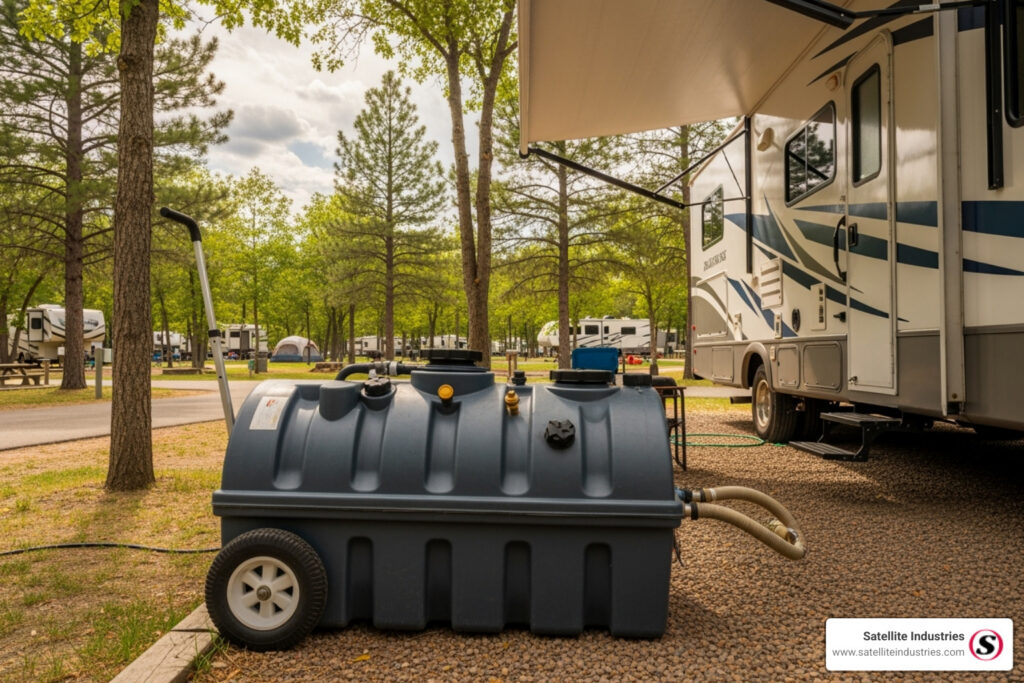
When you’re exploring the great outdoors in your recreational vehicle, proper waste management becomes one of the most critical aspects of comfortable camping. A portable septic tank for camper use provides the freedom to camp anywhere while maintaining sanitation and environmental responsibility. These essential RV accessories have evolved significantly, offering modern solutions that make off-grid camping more accessible and hygienic than ever before.
Understanding the importance of reliable waste storage systems can transform your camping experience from stressful to enjoyable. Whether you’re a weekend warrior or a full-time RVer, having the right portable waste solution ensures you’re never stuck searching for dump stations or compromising your adventure schedule. The market offers various options, from basic holding tanks to sophisticated systems with advanced features designed for extended camping trips.
What Is a Portable Septic Tank for Campers?
A portable septic tank for camper applications serves as a temporary waste storage solution specifically designed for recreational vehicles, trailers, and mobile camping setups. Unlike permanently installed RV black water tanks, these portable units offer flexibility and convenience for campers who need additional capacity or prefer independent waste management systems. These tanks collect and contain human waste, toilet paper, and other biodegradable materials until you can properly dispose of them at designated dump stations.
Modern portable camper septic tanks feature durable construction using high-density polyethylene or other robust materials resistant to chemicals and odors. Most units include sealed lids, carrying handles, wheels for easy transport, and level indicators to monitor fill capacity. The typical capacity ranges from 5 to 40 gallons, accommodating different camping durations and group sizes. Advanced models incorporate ventilation systems, odor-control mechanisms, and ergonomic designs that simplify the emptying process.
These portable systems work independently from your RV’s built-in plumbing or can serve as supplementary storage when your main tank reaches capacity. They’re particularly valuable for popup campers, conversion vans, or tent camping setups where permanent plumbing isn’t available. The self-contained nature of these tanks allows campers to maintain proper sanitation standards regardless of their location or available facilities.
Types of Portable RV Waste Tanks
Traditional Portable Holding Tanks
Traditional portable holding tanks represent the most common and straightforward portable septic tank for camper solution available today. These basic units feature simple construction with a waste container, secure lid, and carrying mechanism. They connect directly to your RV’s waste outlet valve using standard fittings and hoses, making setup quick and hassle-free for most campers.
The standard design includes a removable cap for emptying at dump stations, typically with a rotating pour spout for controlled discharge. Many models incorporate graduated measurement indicators on the exterior, allowing you to monitor waste levels without opening the tank. Prices for traditional holding tanks generally range from $50 to $200, depending on capacity and build quality. These tanks work perfectly for short camping trips or as backup storage for your primary RV system.
Wheeled Portable Waste Totes
Wheeled portable waste totes revolutionize the transportation aspect of waste management for larger RVs and extended camping adventures. These heavy-duty portable septic tank for camper options feature integrated wheel systems and tow handles, eliminating the physical strain of carrying full tanks to dump stations. The enhanced mobility proves invaluable when dealing with 20 to 40-gallon capacities that would be nearly impossible to manually transport.
Premium wheeled models include additional features such as:
- Four-wheel stability systems for smooth rolling over uneven terrain
- Telescoping tow handles that adjust to different user heights
- Built-in rinse systems with garden hose connections for thorough cleaning
- Dual-chamber designs separating gray water from black water
- Translucent level indicators with color-coded capacity warnings
These advanced totes typically cost between $150 and $400 but offer superior convenience and durability. The investment pays dividends for frequent campers who value ease of use and want to minimize physical effort during waste disposal tasks.
Cassette Toilet Systems
Cassette toilet systems integrate the toilet fixture with a removable portable septic tank for camper waste cartridge, creating an all-in-one solution popular in European RVs and compact campers. The cassette slides out from an exterior access door, allowing removal and emptying without entering the living space. This design maintains complete separation between the living area and waste handling, maximizing hygiene and convenience.
The typical cassette holds between 4 and 6 gallons, suitable for 2-3 days of use by two people under normal conditions. Modern cassettes feature rotating pour spouts, automatic pressure relief valves, and level indicators that signal when emptying becomes necessary. The compact size makes them ideal for van conversions, truck campers, and smaller trailers where space is at a premium. Installation requires minimal modifications, and the self-contained nature simplifies maintenance compared to traditional plumbing systems.
Key Features to Consider When Choosing Your Portable Tank
Capacity and Size Requirements
Selecting the appropriate capacity for your portable septic tank for camper needs requires careful consideration of your camping patterns and group size. A general rule suggests allocating approximately 3-5 gallons per person per day for typical use, including toilet waste and minimal gray water. Solo travelers or couples planning weekend trips might find 10-15 gallon tanks sufficient, while families or extended camping adventures demand 20-40 gallon capacities.
Size considerations extend beyond just volume measurements. Physical dimensions affect storage possibilities within your RV’s basement compartments or external cargo areas. Measure available storage spaces before purchasing, accounting for clearance needed to remove and maneuver the tank. Taller, narrower tanks might fit specific compartments better than wider, shorter alternatives with identical capacities. Balance your capacity needs with practical storage and handling constraints.
Durability and Material Construction
The construction quality of your portable waste tank directly impacts its longevity and reliability during years of camping adventures. High-density polyethylene (HDPE) represents the industry standard material, offering excellent resistance to chemicals, impacts, and temperature extremes. Premium tanks utilize virgin HDPE rather than recycled materials, ensuring consistent thickness and structural integrity throughout the tank walls.
Key durability indicators include:
- Minimum wall thickness of 3-5mm for adequate strength
- UV-resistant additives preventing degradation from sun exposure
- Reinforced stress points around handles, wheels, and connection fittings
- Seamless rotational molding eliminating weak points from welded joints
- Chemical-resistant seals and gaskets maintaining odor containment
Expect quality tanks to withstand hundreds of fill-and-empty cycles over 5-10 years of regular use. While budget options might save money initially, investing in robust construction prevents premature failures and potential messy situations during your camping trips.
Ease of Transport and Emptying
The transportation mechanism significantly affects your portable septic tank for camper user experience, especially when dealing with full tanks weighing 100+ pounds. Integrated wheel systems transform an awkward lifting task into a simple towing operation, reducing physical strain and injury risk. Look for pneumatic wheels at least 8 inches in diameter, providing smooth rolling over gravel, grass, and uneven dump station surfaces.
Handle design matters tremendously for comfortable operation. Telescoping handles adjust to different user heights, while cushioned grips reduce hand fatigue during longer tows. The handle should lock securely in both extended and stored positions, preventing unexpected collapses. For tanks without wheels, evaluate handle placement and quantity—dual-sided handles enable two-person carrying and offer better weight distribution than single-handle designs.
The emptying process should be straightforward and clean. Rotating pour spouts allow precise control during discharge, preventing splashing and spills. Removable caps with tethered attachments prevent accidental loss, while threaded connections provide secure sealing during transport. Some premium models include built-in rinse ports accepting standard garden hoses, enabling thorough tank cleaning without disassembly.
Top Portable Septic Tank Models for Campers
Thetford SmartTote2 Portable Waste Tank
The Thetford SmartTote2 stands as one of the most popular portable septic tank for camper solutions, combining durability with user-friendly features. This 35-gallon capacity tank features a 4-wheel design providing superior stability and maneuverability compared to 2-wheel alternatives. The translucent tank body includes level indicators, allowing quick capacity checks without opening the unit.
Notable specifications include:
| Feature | Specification |
|---|---|
| Capacity | 35 gallons (132 liters) |
| Empty Weight | 22 pounds |
| Dimensions | 28″ L x 16″ W x 17″ H |
| Wheel Type | Four 5-inch swivel casters |
| Warranty | 3-year limited warranty |
| Price Range | $200-$250 |
The SmartTote2 includes a rotating pour spout with cap tether, integrated carry handle, and universal sewer hose adapter. The detachable tow handle stores compactly when not in use, maximizing storage efficiency. Users consistently praise the tank’s durability and smooth-rolling wheels, making it ideal for frequent campers who prioritize convenience and reliability.
Camco Rhino Heavy Duty Portable Holding Tank
Camco’s Rhino series represents the heavy-duty segment of portable septic tank for camper offerings, engineered for demanding conditions and extended use. Available in 21, 28, and 35-gallon capacities, these tanks feature extra-thick polyethylene construction significantly more robust than standard models. The reinforced design withstands rough handling, extreme temperatures, and years of continuous service.
The Rhino’s distinctive features include large 10-inch wheels that easily traverse gravel roads and uneven terrain common at rustic campgrounds. A built-in rinse cup accepts garden hoses for interior cleaning, while the translucent tank allows visual capacity monitoring. The secure 4-bayonet twist-lock cap prevents accidental openings during transport, and the integrated tow handle telescopes for user comfort. Pricing ranges from $150 for the 21-gallon model to $230 for the 35-gallon version, representing excellent value for the enhanced durability.
Barker Tote-Along Portable Waste Tank
The Barker Tote-Along offers budget-conscious campers a reliable portable septic tank for camper solution without sacrificing essential functionality. Available in 12, 15, and 20-gallon capacities, these compact tanks suit weekend warriors and solo travelers who need basic waste storage. The streamlined design prioritizes simplicity and affordability while maintaining adequate quality for occasional use.
Despite the lower price point of $80-$130, the Tote-Along includes practical features like a see-through level indicator, secure screw-on cap, and carrying handles. The 12-gallon model weighs just 8 pounds empty, making it manageable for individuals with limited physical strength. While lacking wheels, the smaller capacities remain feasible for manual carrying over short distances. This tank excels as a supplementary system or for popup campers with minimal space requirements.
Proper Maintenance for Your Portable Camper Waste Tank
Regular Cleaning Procedures
Maintaining your portable septic tank for camper through consistent cleaning practices prevents odor buildup, extends tank lifespan, and ensures hygienic operation. After each emptying at a dump station, rinse the interior thoroughly using a garden hose or dedicated tank rinse wand. The rinsing process should continue until discharge water runs clear, removing residual waste and toilet chemicals that otherwise accumulate on tank walls.
For deeper cleaning performed monthly or at season’s end, use specialized RV holding tank cleaners or create a solution with:
Suggested read: Portable Sewage Containers for RV: Essential Waste Management Solutions for Your Mobile Adventures
- 1 cup of liquid dish soap for breaking down waste residue
- 1 cup of white vinegar for neutralizing odors and dissolving mineral deposits
- Warm water filling the tank one-quarter full
Allow the cleaning solution to sit for 30-60 minutes, agitating occasionally by rocking the tank. This soaking period loosens stubborn deposits and sanitizes surfaces. Drain completely and rinse multiple times until no soap residue remains. Some campers add ice cubes and a small amount of water, then drive to create scouring action that scrubs tank walls during travel.
Preventing Odors and Buildup
Effective odor control for your portable septic tank for camper relies on proper chemical treatment and ventilation strategies. Quality RV toilet treatments contain enzymes and bacterial cultures that break down solid waste, reducing odor-causing gases and preventing pyramid buildup at the tank bottom. Follow manufacturer dosing instructions carefully, as insufficient treatment leads to odors while excessive use wastes product and money.
Key odor prevention practices include:
- Adding treatment chemicals before each use, not after the tank fills
- Maintaining adequate liquid levels to keep waste submerged and facilitate breakdown
- Ensuring seals and gaskets remain intact to prevent odor leakage
- Storing the tank with ventilation when not in use to prevent anaerobic conditions
- Avoiding using excessive toilet paper, which contributes to solid buildup
Temperature affects bacterial activity in treatment chemicals, with warm conditions accelerating waste breakdown while freezing temperatures halt biological processes. During cold weather camping, consider chemical treatments specifically formulated for low-temperature effectiveness. Never use household cleaning products like bleach or antibacterial soaps in your holding tank, as these kill beneficial bacteria and reduce treatment effectiveness.
Seal and Gasket Inspection
The seals and gaskets on your portable septic tank for camper require periodic inspection and maintenance to prevent leaks and odor escape. Check the main cap gasket before each trip, looking for cracks, compression set, or material degradation indicating replacement necessity. A properly functioning gasket maintains complete odor containment even when the tank sits full for several days.
Apply a thin coating of petroleum jelly or silicone lubricant to rubber seals seasonally, preventing drying and cracking from exposure to waste chemicals and weather conditions. Replace gaskets immediately upon noticing leaks or persistent odors when the cap is secured. Most manufacturers offer replacement seal kits for $10-$20, representing inexpensive insurance against messy failures. Store your tank with the cap slightly loosened during off-season to prevent gasket compression and allow interior drying.
How to Use a Portable Septic Tank Effectively
Initial Setup and Connection
Connecting your portable septic tank for camper to your RV’s waste outlet requires attention to proper fittings and secure attachments. Begin by positioning the tank directly beneath your RV’s sewer outlet valve, minimizing hose length and potential sags where waste might accumulate. Most tanks accept standard 3-inch RV sewer hoses, though verify compatibility before purchasing connectors.
The connection process follows these steps:
- Attach the sewer hose to the tank’s inlet fitting, ensuring a tight seal with the provided clamp or bayonet connection
- Connect the opposite end to your RV’s waste valve, again securing with an appropriate clamp
- Elevate the hose slightly from tank to RV, creating gentle downward flow toward the tank
- Support the hose with blocks or dedicated supports preventing sags and kinks
- Open your RV’s waste valve only when ready to discharge, not continuously
For extended stays, some campers install permanent hose connections, though this increases odor risk and prevents tank removal for emptying. The better practice involves filling the portable tank, closing your RV valve, disconnecting, and emptying the portable unit while maintaining your RV’s stationary position.
Optimal Chemical Treatment Application
Treating your portable septic tank for camper with appropriate chemicals maximizes waste breakdown and minimizes odor problems throughout your camping trip. Add liquid treatments directly through the toilet into your RV’s holding tank before waste accumulation begins, allowing chemicals to coat surfaces and prepare for incoming waste. Follow specific product instructions regarding dosing ratios, as concentration varies significantly between brands.
Formaldehyde-based treatments provide powerful odor control but harm beneficial bacteria and may violate dump station regulations in some jurisdictions. Enzyme-based biological treatments offer environmentally friendly alternatives, using natural bacterial cultures to digest waste and toilet paper. These products work more slowly than chemical options but prove safer for septic systems and the environment. Water softener treatments help in areas with hard water, preventing mineral buildup that reduces tank capacity over time.
Temperature and usage patterns affect treatment effectiveness. Add extra treatment chemical during hot weather when bacterial activity accelerates, consuming the treatment faster. Similarly, heavy usage by multiple occupants requires proportionally more treatment to maintain adequate concentration. Most products recommend adding treatment after each tank emptying, though some long-lasting formulations provide multi-day coverage.
Safe Emptying at Dump Stations
Properly emptying your portable septic tank for camper at designated dump stations protects public health and prevents environmental contamination. Always wear disposable gloves during the emptying process, and consider keeping dedicated clothing or an apron for this task. Position the tank’s pour spout directly over the dump station opening before removing the cap, preventing spills on the ground or your person.
Follow this safe emptying sequence:
- Open the air pressure relief valve if equipped, preventing splash-back during discharge
- Remove the tank cap slowly, allowing any built-up gases to escape gradually
- Tilt the tank carefully, controlling flow speed with the rotating pour spout
- Maintain the pour position until all waste drains completely
- Add rinse water through the tank opening and repeat the emptying process
- Rinse the pour spout thoroughly before closing and storing
Never rush the emptying process, as hurried movements increase spill risk. Some dump stations provide rinse water taps nearby—use these to thoroughly clean your tank, pour spout, and any exterior surfaces contacted by waste. Sanitize your gloved hands before touching other surfaces, and wash thoroughly with soap and water immediately after completing the task.
Benefits of Using Portable Waste Solutions
Extended Boondocking Capabilities
Equipping your RV with a portable septic tank for camper adventures dramatically extends your boondocking duration without requiring facility access. Standard RV black water tanks typically fill within 3-5 days of normal use by two people, forcing campers to relocate to dump stations or sacrifice their ideal camping spots. Adding portable capacity doubles or triples this timeline, enabling true off-grid experiences lasting weeks rather than days.
The flexibility of removable tanks allows strategic waste management while maintaining your campsite. One person can transport the portable tank to a distant dump station while others remain at camp, eliminating the need to break down your entire setup. This capability proves invaluable at popular boondocking locations where moving your RV means losing your spot to waiting campers. The independence from campground hookups also saves substantial money over time, with nightly rates at full-service parks often exceeding $40-$60.
Cost-Effective Camping Solutions
Investing in a portable septic tank for camper use delivers significant long-term savings compared to consistent campground fees. A quality portable tank costing $200-$300 pays for itself after just 5-10 nights of avoided campground fees, assuming you’re camping in free dispersed areas instead. Over a typical camping season, the savings accumulate to hundreds or thousands of dollars for active RVers.
Consider this comparison of annual camping costs:
| Camping Style | Nights/Year | Cost/Night | Annual Cost |
|---|---|---|---|
| Full Hookup Campgrounds | 50 | $50 | $2,500 |
| Boondocking with Portable Tank | 50 | $0 | $0 |
| Mixed (25/25) | 50 | $25 average | $1,250 |
Beyond campground savings, portable tanks reduce fuel costs by eliminating frequent trips to dump stations during extended stays. The reduced wear on your RV from less frequent relocation also extends vehicle lifespan and decreases maintenance requirements. For budget-conscious campers or full-time RVers, these economic advantages make portable waste solutions practically essential equipment.
Environmental Responsibility
Proper waste management using a portable septic tank for camper applications demonstrates environmental stewardship and protects natural areas for future generations. Uncontrolled waste disposal contaminates groundwater, spreads disease, and damages ecosystems that support wildlife. By containing waste securely and disposing of it at approved facilities, you prevent environmental harm while enjoying public lands.
Designated dump stations feature proper treatment infrastructure designed to safely process RV waste. These facilities connect to municipal sewer systems or on-site treatment plants equipped to handle the concentrated nature of holding tank discharge. The controlled disposal protects water sources, prevents pathogen transmission, and maintains the pristine conditions that make wilderness camping appealing. Many public land agencies require proof of waste containment systems before issuing dispersed camping permits, making portable tanks necessary for legal access.
Common Problems and Troubleshooting Tips
Dealing with Tank Leaks
Discovering a leak in your portable septic tank for camper requires immediate attention to prevent contamination and odor issues. Most leaks originate from compromised seals, cracked fittings, or damaged tank walls from impacts or over-tightening connections. Begin troubleshooting by identifying the leak source while the tank is empty and dry, making detection easier than with a full tank.
For seal-related leaks, remove the gasket and inspect for compression damage, cracks, or deterioration. Clean the sealing surface thoroughly, removing any debris or residue preventing proper contact. Replace worn gaskets with manufacturer-specified parts, as generic alternatives may not provide adequate sealing. Apply a thin layer of silicone grease to the new gasket before installation, enhancing the seal without over-tightening the cap.
Crack repairs depend on severity and location. Small surface cracks away from stress points might accept plastic epoxy repairs as temporary solutions, though replacement represents the only permanent fix for structural damage. Never attempt to repair cracks near handles, wheels, or connection fittings where stress concentrations will cause repair failure. Tank replacement becomes necessary when structural integrity is compromised, as catastrophic failures during use create hazardous situations.
Addressing Wheel and Handle Issues
The mobility components of your portable septic tank for camper endure significant stress from full-tank weight and varied terrain. Wheel problems manifest as difficult rolling, wobbling, or complete detachment from mounting brackets. Inspect wheel axles regularly for wear, replacing them when excessive play develops. Pneumatic wheels require periodic inflation to maintain proper pressure, typically 20-30 PSI depending on wheel size.
Handle failures typically result from loose mounting bolts or stress cracks in the attachment points. Tighten all fasteners before each trip using appropriate tools, avoiding over-torquing that might strip threads or crack plastic. If handles feel loose despite tight bolts, the mounting boss may have cracked internally—a condition requiring professional repair or tank replacement. Telescoping handles should move smoothly and lock securely in extended and stored positions. Lubricate the sliding mechanism annually with dry lubricant to prevent binding.
For serious mobility issues, aftermarket wheel upgrade kits exist for some popular tank models. These kits often feature larger diameter wheels and reinforced mounting systems, improving performance over the factory configuration. While requiring additional investment of $50-$100, upgraded wheels dramatically enhance usability, especially on rough terrain typical of dispersed camping areas.
Preventing and Clearing Clogs
Clogs in your portable septic tank for camper system typically occur at the pour spout or inlet connection rather than within the tank itself. Excessive toilet paper use, feminine hygiene products, or non-biodegradable materials create blockages that prevent proper emptying. Prevention through appropriate usage practices eliminates most clog risks, but clearing methods exist for addressing existing problems.
Suggested read: Portable Waste Tank: Essential Solutions for Mobile Sanitation Needs
To prevent clogs:
- Use RV-specific toilet paper that dissolves rapidly in holding tank conditions
- Limit paper quantity per flush, using only what’s necessary
- Never flush non-biodegradables including wipes, feminine products, or paper towels
- Add adequate water with each flush to maintain suspension and flow
- Use bacterial treatments that break down paper and waste continuously
When clogs occur, try filling the tank partially with warm water and enzymatic treatment, allowing it to sit overnight. The extended contact time helps dissolve paper blockages naturally. For stubborn clogs at the pour spout, a flexible plumbing snake or high-pressure water flush from the opposite direction might clear the obstruction. Avoid using harsh chemical drain cleaners, as these damage seals and provide minimal effectiveness in holding tank applications.
Portable Septic Tank Accessories
Sewer Hose Management Systems
Effective sewer hose management enhances your portable septic tank for camper operation through organized storage and proper support during use. Quality sewer hoses feature heavy-duty construction with compression-resistant corrugations, clear adapters for monitoring flow, and secure bayonet fittings. Standard 3-inch diameter hoses come in 10 to 20-foot lengths, with extension capability through additional sections.
Support systems prevent hose sags that trap waste and create cleaning difficulties. Options include:
- Collapsible hose supports that adjust to various heights and break down for storage
- Sewer hose carriers mounting to RV bumpers, keeping hoses contained during travel
- Hose storage caps that seal both ends, preventing interior contamination between uses
- Swivel adapters reducing stress on connections and preventing twisting damage
Invest in dedicated accessories rather than improvising with household items. Purpose-built RV sewer components resist chemical damage, provide reliable sealing, and withstand temperature extremes encountered during camping. A complete hose management kit typically costs $50-$100 but protects your investment and simplifies the waste disposal process considerably.
Tank Treatment Chemical Options
Selecting appropriate treatments for your portable septic tank for camper involves understanding different chemical formulations and their specific advantages. The three main categories include formaldehyde-based, enzyme-based, and combination products, each offering distinct benefits for particular applications and user preferences.
Formaldehyde treatments provide powerful immediate odor control through chemical action rather than biological processes. These products work in all temperature ranges and don’t require specific bacterial conditions. However, environmental concerns and dump station regulations increasingly restrict formaldehyde use, and the chemicals kill beneficial bacteria essential for waste breakdown in septic systems. Prices range from $10-$25 per bottle treating 8-16 tank cycles.
Enzyme and bacterial treatments use natural biological processes to digest waste and paper, creating eco-friendly breakdown without harsh chemicals. These products require warm temperatures and some time to establish active bacterial colonies, making them less effective for quick weekend trips. The environmental benefits and septic-system safety make them preferred for environmentally conscious campers. Expect to pay $15-$30 for products treating 12-20 cycles.
Combination treatments blend immediate chemical odor control with long-term biological waste breakdown, offering advantages of both approaches. These versatile products suit varying camping conditions and temperature ranges while maintaining reasonable environmental profiles. Premium combination treatments cost $20-$40 but provide comprehensive waste management in a single product.
Cleaning and Sanitizing Supplies
Maintaining your portable septic tank for camper requires dedicated cleaning supplies separate from household items to prevent cross-contamination. Specialized RV holding tank cleaners contain surfactants and enzymes formulated to remove stubborn deposits, eliminate odor-causing bacteria, and sanitize surfaces without damaging tank materials or seals.
Essential cleaning supplies include:
- RV holding tank cleaner ($8-$15 per bottle) for regular deep cleaning
- Tank rinse wand ($15-$30) attaching to garden hoses for high-pressure interior rinsing
- Disposable gloves (heavy-duty nitrile recommended) for sanitary handling
- Tank deodorizer for between-trip storage and freshness maintenance
- Seal lubricant (petroleum jelly or silicone-based) for gasket preservation
Consider creating a dedicated cleaning kit stored with your portable tank, ensuring all necessary supplies are available when needed. Include sanitizing wipes for cleaning the exterior and your hands after handling waste systems. The complete kit costs $40-$60 initially but provides months of supplies for regular maintenance routines.
Comparing Portable Tanks to Built-In RV Systems
Advantages of Portable Solutions
Portable septic tank for camper systems offer several compelling advantages over relying exclusively on built-in RV holding tanks. The primary benefit lies in flexibility—portable tanks allow selective emptying while keeping your RV stationary at preferred campsites. This capability proves especially valuable during extended stays at prime locations where moving your RV means losing your spot or disrupting your setup.
Capacity expansion represents another significant advantage. Most RVs include 30-40 gallon black water tanks, limiting boondocking duration to less than a week for couples. Adding a 35-gallon portable tank effectively doubles capacity, extending self-sufficiency proportionally. This expansion costs less than $300 compared to thousands of dollars for professional installation of larger built-in tanks requiring extensive plumbing modifications.
Maintenance simplicity favors portable systems significantly. Built-in tanks require crawling under the RV for inspections, and repairs demand professional service in most cases. Portable tanks allow convenient inspection, cleaning, and replacement without tools or technical expertise. If problems develop, simply replace the portable unit rather than scheduling expensive RV service appointments and dealing with downtime.
When Built-In Systems Work Better
Despite their advantages, portable septic tank for camper solutions don’t completely replace built-in RV systems in all situations. Full-time RVers who frequently use campground hookups benefit more from the convenience of direct sewer connections to built-in tanks. The permanent plumbing allows continuous drainage without tank monitoring or periodic emptying during hookup camping.
Built-in tanks provide superior convenience during travel days when waste management becomes impractical. The sealed permanent systems prevent sloshing, eliminate leak risks during transit, and don’t consume cargo space needed for other equipment. Modern RVs with large built-in capacities (50+ gallons) may not require supplementary portable storage for typical usage patterns, making additional investment unnecessary.
Cold weather camping favors built-in tanks positioned within the RV’s heated envelope. These tanks resist freezing better than exposed portable units, though both require winterization in extreme conditions. The integrated nature of built-in systems also eliminates the physical labor of moving full portable tanks, which some campers find objectionable regardless of wheel systems or other convenience features.
Regulations and Dump Station Etiquette
Legal Disposal Requirements
Understanding legal requirements for portable septic tank for camper waste disposal protects you from fines and environmental citations. Federal, state, and local regulations prohibit discharging untreated waste anywhere except approved facilities designed for waste processing. Violations carry penalties ranging from $100 fines to thousands of dollars for serious environmental contamination, plus potential criminal charges for egregious cases.
Most public land agencies require RVs to have functioning waste containment systems for dispersed camping permits. Forest Service, Bureau of Land Management, and National Park regulations commonly mandate self-contained toilet facilities for overnight stays outside developed campgrounds. Enforcement varies by location and ranger patrol frequency, but demonstrating proper waste management equipment during inspections avoids complications and supports continued public land access.
State laws govern dump station operations, chemical treatment restrictions, and waste hauling requirements. Some states prohibit formaldehyde-based treatments, while others regulate portable waste hauling by unlicensed individuals. Research specific requirements for your camping destinations, particularly when crossing state lines or visiting regions with strict environmental protections. Conservation areas and wilderness zones often impose stricter standards than general public lands.
Proper Dump Station Behavior
Respectful dump station use maintains facility cleanliness and preserves access for all campers using portable septic tank for camper systems. Arrive prepared with necessary equipment including gloves, hoses, and cleaning supplies rather than blocking the station while retrieving forgotten items from your RV. Limit your time at the station to necessary tasks, allowing waiting campers prompt access during busy periods.
Essential dump station etiquette includes:
- Rinse only your tank and equipment, not muddy vehicles or dirty camping gear
- Leave the area cleaner than you found it, picking up litter and rinsing away spills
- Don’t discharge gray water on the ground around the dump station
- Avoid filling fresh water tanks at dump stations unless specifically permitted by signage
- Report maintenance issues to campground staff so facilities remain functional
Never attempt to use non-designated areas for waste disposal, even when dump stations have long lines or appear inconvenient. Improper disposal creates health hazards, damages ecosystems, and prompts authorities to restrict public land access. The few minutes saved aren’t worth the environmental harm or risk of substantial fines.
Winter Storage and Seasonal Preparation
Winterizing Your Portable Tank
Proper winterization protects your portable septic tank for camper from freeze damage during cold storage periods. Water expands when freezing, cracking tank walls and fittings if residual moisture remains after your final camping trip. Begin winterization by thoroughly emptying and rinsing the tank at a dump station, then allowing it to drain completely in a tilted position.
After draining, add RV antifreeze specifically formulated for holding tanks, not automotive antifreeze which contains toxic chemicals. Pour 1-2 gallons of antifreeze into the tank, then rotate and tilt the unit to coat all interior surfaces. The antifreeze prevents residual water from freezing while lubricating seals and gaskets during storage. This process costs $10-$15 annually but prevents hundreds of dollars in freeze damage repairs.
Store the tank in a climate-controlled environment if possible, though properly winterized tanks survive unheated storage successfully. Leave the cap slightly loose to prevent pressure buildup from temperature changes and allow any remaining moisture to escape. Cover the tank with a breathable tarp or storage bag protecting from dust and pests while permitting air circulation.
Spring Preparation and Inspection
Preparing your portable septic tank for camper for the new camping season involves thorough inspection and cleaning after winter storage. Begin by checking all seals, gaskets, and fittings for deterioration that may have occurred during storage. Replace any components showing cracks, compression set, or material degradation before the first trip.
Flush remaining antifreeze from the tank using multiple rinse cycles with fresh water. Add a dose of enzymatic tank treatment and fill the tank one-quarter full with warm water, allowing it to sit for several hours. This process removes antifreeze residue while establishing beneficial bacterial colonies that facilitate waste breakdown during the camping season. Drain the treatment water and rinse again until discharge runs clear.
Suggested read: RV Sewer Portable Holding Tank: Essential Solutions for Extended Freedom on the Road
Test all mechanical components including wheels, handles, and cap mechanisms. Lubricate moving parts with appropriate products, tighten loose fasteners, and verify that wheels roll smoothly. Address any issues discovered during inspection before your first camping trip, preventing frustrating failures when you’re miles from replacement parts or repair facilities.
Where to Buy Quality Portable Waste Tanks
Online Retailers and Marketplaces
Purchasing a portable septic tank for camper use through online retailers offers extensive selection and competitive pricing compared to local stores. Major RV specialty websites like Camping World, etrailer.com, and Amazon carry comprehensive inventories from leading manufacturers including Thetford, Camco, and Barker. Online shopping enables detailed specification comparison, customer review analysis, and price shopping across multiple vendors simultaneously.
Consider these online purchasing advantages
04.21
:
- Broader selection including specialty models unavailable locally
- Lower prices from competitive marketplace dynamics and reduced overhead
- Customer reviews providing real-world usage feedback before buying
- Detailed specifications with dimension drawings and compatibility information
- Convenient delivery directly to your home, avoiding transportation challenges
Watch for online-exclusive promotions during spring camping season and fall closeout periods when retailers offer 20-40% discounts. Subscribe to retailer email lists for notification of sales and coupon codes. However, factor shipping costs into price comparisons, as dimensional weight charges for large tanks can negate advertised price advantages. Some retailers offer free shipping on orders exceeding specific minimums, making combined purchases economical.
Local RV Dealerships and Stores
Local RV dealerships and camping supply stores provide hands-on inspection opportunities before purchasing your portable septic tank for camper. Physical examination reveals build quality details difficult to assess from online photos, including material thickness, wheel quality, and overall construction standards. Staff expertise at dedicated RV stores often exceeds general retailers, providing valuable guidance for first-time buyers.
Additional benefits of local purchasing include:
- Immediate availability without waiting for shipping
- Personal service from knowledgeable staff familiar with products
- Easy returns if the tank doesn’t meet your needs
- Local warranty service through established dealer relationships
- Inspection before purchase revealing manufacturing defects or damage
Pricing at local stores typically runs 10-20% higher than online alternatives, though the premium buys convenience and support services. Some dealers price-match online retailers or offer package deals combining tanks with related accessories at reduced rates. Building relationships with local RV service providers proves valuable long-term, as they become resources for advice, parts, and emergency assistance during camping seasons.
For those looking for related portable sewage containers rv options, exploring various suppliers helps identify the best solution for your specific needs and budget constraints.
Real-World User Experiences and Case Studies
Full-Time RVer Success Story
Mark and Jennifer Thompson transitioned to full-time RV living in 2023, quickly discovering that effective waste management with their portable septic tank for camper dramatically improved their lifestyle quality. Initially relying solely on their 40-gallon built-in black water tank, they found themselves restricted to campgrounds or constantly interrupting their stays to find dump stations. After adding a Thetford SmartTote2 35-gallon portable tank, their self-sufficiency doubled from 5 days to nearly 2 weeks.
“The portable tank completely changed our boondocking experience,” Jennifer explains. “We can stay at beautiful dispersed sites on BLM land for 10-12 days instead of the 4-5 days our built-in tank allowed. Mark can take the portable tank to a dump station 15 miles away while I stay at camp with our dogs. We’re saving over $1,200 annually on campground fees while enjoying better locations.”
The Thompsons report their SmartTote2 has performed flawlessly through 50+ emptying cycles over 18 months. They particularly appreciate the four-wheel design for navigating rough dump station approaches and the translucent tank for monitoring capacity. Their only regret involves not purchasing the portable tank before starting full-time RVing, which would have prevented costly campground stays during their learning period.
Weekend Warrior Perspective
David Chen camps 25-30 weekends annually with his popup camper, which lacks a built-in waste system entirely. His portable septic tank for camper solution involves a 15-gallon Barker Tote-Along that provides necessary waste capacity without overwhelming the compact trailer’s storage limitations. The smaller capacity suits his needs perfectly for 2-3 day trips with his wife and two children.
“I researched extensively before buying and initially considered larger tanks,” David notes. “The 15-gallon Barker proved ideal for our usage pattern. We empty it midway through 3-day weekends, which takes only 10 minutes at the campground dump station. The compact size stores easily in our popup’s storage compartment, and my wife can handle it when full, which wasn’t possible with 30+ gallon tanks.”
David emphasizes that new campers shouldn’t over-buy capacity they don’t need. His family’s water conservation habits—Navy showers and dishwashing in basins—minimize waste production, making elaborate large-capacity systems unnecessary. He recommends starting with moderate-sized portable tanks and upgrading only if usage patterns demonstrate actual need for additional capacity. The $95 investment in his Barker Tote-Along has supported five years of camping without issues, proving that expensive isn’t always better.
Environmental Impact and Sustainability
Reducing Your Camping Footprint
Using a portable septic tank for camper applications responsibly minimizes environmental impact while enjoying outdoor recreation. Proper waste containment prevents groundwater contamination that threatens aquatic ecosystems and wildlife health. Pathogens from untreated human waste survive for weeks in soil and water, spreading disease to animals and potentially reaching human water sources downstream.
Adopting sustainable practices enhances environmental protection:
- Use biodegradable toilet paper that decomposes rapidly in holding tanks and treatment facilities
- Choose eco-friendly treatments based on enzymes rather than harsh chemicals
- Minimize water usage reducing waste volume and extending tank capacity
- Dispose only at approved facilities ensuring proper treatment before environmental release
- Maintain equipment properly preventing leaks that contaminate soil and groundwater
Environmental stewardship extends beyond legal compliance to ethical responsibility for preserving natural areas. Future access to dispersed camping depends on current users demonstrating responsible behavior that doesn’t degrade resources or create public health hazards. Each properly disposed tank load represents a choice to protect rather than harm the environments we enjoy.
Supporting Sustainable Camping Practices
Investing in quality portable septic tank for camper equipment demonstrates commitment to sustainable outdoor recreation. Well-built tanks last 10+ years, avoiding the waste stream pollution from frequent replacement of cheaper alternatives. Durable construction also prevents catastrophic failures that release untreated waste into environments, creating contamination requiring expensive remediation efforts.
Supporting manufacturers prioritizing sustainable design and materials encourages industry-wide improvements in environmental performance. Some companies now offer tanks made from recycled HDPE, reducing petroleum consumption for virgin plastic production. Bio-based enzymes in treatment chemicals replace petroleum-derived ingredients, further reducing environmental footprints. Consumer demand for these innovations drives their development and mainstream availability.
Education represents another crucial sustainability element. Sharing proper waste management knowledge with new campers prevents common mistakes that harm environments and damage camping access. Demonstrating correct dump station procedures, explaining why certain practices matter, and modeling responsible behavior creates positive cultural norms within the camping community. These collective efforts ensure public lands remain accessible and pristine for future generations.
Smart Shopping: Getting the Best Value
Comparing Price vs. Features
Selecting a portable septic tank for camper requires balancing initial cost against long-term value derived from features and durability. Basic 15-20 gallon tanks without wheels start around $80-$100, suitable for occasional weekend camping with minimal requirements. These entry-level units provide essential functionality but lack convenience features that enhance user experience during frequent use.
Mid-range options costing $150-$250 include important upgrades like wheels, translucent level indicators, and rotating pour spouts. These features dramatically improve usability and justify higher prices for campers using tanks regularly. The convenience of wheeled transport prevents physical strain and injury risk, while level indicators eliminate guesswork about emptying schedules. For typical campers using tanks 20+ times annually, mid-range investments recover their premium through enhanced convenience and durability.
Premium tanks priced $250-$400 feature heavy-duty construction, large pneumatic wheels, built-in rinse systems, and extended warranties. These top-tier units suit full-time RVers or serious boondockers who depend on portable tanks constantly. The robust construction withstands hundreds of cycles over many years, ultimately delivering better per-use value than cheaper tanks requiring replacement after shorter service lives. Evaluate your usage intensity honestly when deciding whether premium features justify their costs.
Warranty Coverage and Support
Manufacturer warranty terms significantly impact long-term value when purchasing a portable septic tank for camper. Standard warranties cover 1-3 years against defects in materials and workmanship, though specific coverage varies between manufacturers. Premium brands like Thetford and Camco typically offer 3-year warranties, while budget options may provide only 90 days to 1 year of coverage.
Review warranty terms carefully before purchasing, noting:
- Coverage duration and whether it includes parts and labor
- Exclusion clauses for damage from improper use or maintenance
- Registration requirements for warranty activation
- Return shipping responsibility if warranty service becomes necessary
- Manufacturer reputation for honoring warranty claims promptly
Customer service accessibility matters when problems occur. Established manufacturers maintain dedicated support lines and extensive dealer networks providing local service. Budget brands often lack support infrastructure, leaving customers without recourse when issues develop. The value of reliable support becomes apparent when facing camping trip disruptions from equipment failures. Spending slightly more for better warranty coverage and support access proves worthwhile insurance against these frustrations.
Suggested read: Commercial Portable Air Conditioner: The Best Cooling Solutions for Your Business in 2026
Seasonal Sales and Discount Opportunities
Strategic timing of portable septic tank for camper purchases yields significant savings through seasonal sales cycles. Spring camping season (March-May) triggers competitive promotions as retailers position inventory for peak demand. Many vendors offer 15-25% discounts during this period, plus bundle deals combining tanks with hoses, chemicals, and accessories at reduced package prices.
End-of-season clearance sales (September-November) provide even steeper discounts as retailers liquidate inventory before winter. Discontinued models or color variations often sell at 30-50% off, delivering exceptional value if you’re flexible about aesthetics or specific features. Black Friday and Cyber Monday shopping events in late November consistently feature camping equipment deals including holding tanks and RV accessories.
Monitor prices on desired models using browser extensions or price tracking apps that alert you when costs drop. Sign up for retailer newsletters receiving exclusive coupon codes and early sale notifications. Consider purchasing during off-season even if you won’t camp immediately, as storage costs nothing compared to savings on future purchases at full retail prices.
Frequently Asked Questions About Portable Septic Tanks for Campers
How often should I empty my portable septic tank for camper?
The emptying frequency for your portable septic tank for camper depends on capacity, usage intensity, and the number of occupants. A general guideline suggests emptying when the tank reaches two-thirds to three-quarters full rather than waiting until completely filled. For a family of four using a 20-gallon tank, expect to empty every 2-3 days during regular camping. Solo campers or couples with a 35-gallon tank might extend this to 7-10 days.
Monitor your tank’s level indicator regularly rather than relying solely on time intervals. Heavy usage during rainy weather when people spend more time indoors, or dietary changes affecting bathroom frequency can alter typical fill rates. Emptying before reaching capacity prevents overflow risks and simplifies the disposal process, as partially full tanks are lighter and easier to handle than completely full units.
Can I use regular household toilet paper in my portable waste tank?
While regular household toilet paper technically works in a portable septic tank for camper, RV-specific toilet paper dissolves more rapidly and completely, reducing clog risks and facilitating easier emptying. Standard household varieties, particularly multi-ply premium brands, resist breakdown in holding tank environments, potentially causing pyramid buildup at tank bottoms and blockages at pour spouts.
RV toilet paper costs slightly more than household brands but prevents expensive clogs requiring professional cleaning services. If you prefer using household paper, choose single-ply varieties without quilting or textured patterns, as these dissolve more readily. Some campers perform the “jar test” by placing a few sheets in a jar of water, shaking vigorously, and observing dissolution speed. Paper that fully breaks down within 10-15 seconds of agitation proves suitable for RV holding tanks.
What’s the best way to eliminate odors from my portable tank?
Controlling odors in your portable septic tank for camper requires consistent chemical treatment, proper ventilation, and regular cleaning. Add enzymatic or biological tank treatments before each use cycle, allowing beneficial bacteria to establish and continuously break down odor-causing waste. Maintain adequate liquid levels in the tank, as dry conditions allow waste to concentrate and produce stronger smells.
Ensure all seals and gaskets function properly, preventing odor leakage from the tank itself. Clean your tank thoroughly after each emptying using dedicated RV holding tank cleaners or a solution of dish soap and vinegar. Some campers add a small amount of fabric softener or specialized deodorizer to fresh tanks for additional odor masking, though this shouldn’t replace proper chemical treatment.
Temperature significantly affects odor intensity, with hot weather accelerating bacterial activity and odor production. During summer camping, you may need to increase treatment chemical dosage or empty more frequently to maintain acceptable odor levels.
Are portable septic tanks legal for use in all camping areas?
Portable septic tank for camper systems are legal throughout most of the United States and Canada when used properly with waste disposed at approved dump stations. However, specific regulations vary by jurisdiction and land management agency. Most public lands including National Forests, Bureau of Land Management areas, and state parks require self-contained waste systems for dispersed camping, making portable tanks not just legal but often mandatory.
Some jurisdictions prohibit discharging gray water (sink and shower water) on the ground even when it seems harmless. Others restrict certain chemical treatments, particularly formaldehyde-based products, due to environmental concerns. Research specific regulations for your camping destinations before trips, particularly when crossing state or international borders where requirements change.
Wilderness areas and ecologically sensitive zones may impose stricter standards than general public lands. Some locations require pack-out systems for all waste, though this remains relatively rare. Contact local land management offices or check their websites for current regulations affecting your planned camping areas.
How do I choose the right capacity for my needs?
Selecting appropriate capacity for your portable septic tank for camper requires calculating expected waste production based on occupants and trip duration. A useful formula estimates 3-5 gallons per person per day for typical use. Multiply the number of campers by days between dump station access, then add 25% buffer for variations in usage.
For example:
- 2 people x 5 days x 4 gallons = 40 gallons minimum capacity
- Adding 25% buffer (10 gallons) = 50 gallons recommended capacity
- Solution: Combine 35-gallon portable tank with 15-gallon built-in capacity
Consider your camping style when finalizing capacity decisions. Boondockers prioritizing extended stays without facility access need larger capacities than weekend campers visiting developed campgrounds with daily dump station access. Storage space limitations in your RV may constrain maximum tank size regardless of ideal capacity calculations.
Starting with moderate capacity and adding supplementary tanks later if needed proves more economical than immediately purchasing maximum capacity you might not use. Monitor your actual usage patterns during initial camping trips to determine whether capacity adjustments would improve your experience.
Can portable tanks be used in freezing temperatures?
Using a portable septic tank for camper in freezing temperatures requires special precautions to prevent freeze damage and maintain functionality. Water expands when frozen, potentially cracking tank walls and fittings if waste freezes solid. Insulated tank covers or heated blankets designed for RV holding tanks help maintain above-freezing temperatures during cold weather camping.
Keeping waste from freezing also requires maintaining liquid levels and using antifreeze-based tank treatments rather than enzymatic products that become inactive in cold conditions. Some winter campers add RV antifreeze directly to their holding tanks, though this increases chemical waste at dump stations and costs more than alternative warming methods.
The better approach for serious winter camping involves heated enclosures or bringing tanks inside heated areas when temperatures drop below freezing. Empty tanks promptly rather than allowing waste to sit in cold storage, as partially full tanks freeze more easily than empty units. If freeze damage occurs, replace the tank before use, as invisible cracks can suddenly fail during handling or transport.
What maintenance does a portable waste tank require?
Regular maintenance extends your portable septic tank for camper lifespan and ensures reliable operation throughout camping seasons. After each emptying, rinse the tank interior thoroughly with clean water until discharge runs clear. Monthly deep cleaning using RV holding tank cleaners removes stubborn deposits and sanitizes surfaces. This process involves filling the tank one-quarter full with cleaning solution, letting it sit for 30-60 minutes, then draining and rinsing completely.
Inspect seals and gaskets before each camping trip, looking for compression damage or deterioration requiring replacement. Apply thin coats of petroleum jelly or silicone lubricant to rubber seals seasonally, preventing drying and cracking. Lubricate moving parts including wheels, handles, and rotating spouts annually using appropriate products that don’t attract dirt or degrade plastics.
Store tanks in climate-controlled environments when possible, though properly winterized tanks survive unheated storage successfully. Always store tanks empty and dry with caps slightly loose to prevent pressure buildup. Annual comprehensive inspections before camping season begins catch developing issues before they cause failures during trips.
Take Action: Find Your Perfect Portable Septic Tank for Camper Today
Making the right choice in waste management equipment transforms your camping experience from stressful facility-hunting to confident outdoor exploration. Whether you’re planning extended boondocking adventures or simple weekend getaways, a quality portable septic tank for camper use provides the freedom and flexibility modern RVers demand. Don’t let inadequate waste capacity limit your camping possibilities or force uncomfortable compromises on trip planning.
Research the models discussed in this comprehensive guide, considering your specific camping patterns, budget constraints, and physical requirements. Read manufacturer specifications carefully, compare warranty coverage, and review real user experiences before making your final decision. The investment in proper waste management equipment pays dividends through enhanced camping comfort, environmental protection, and cost savings over years of outdoor adventures.
Visit reputable RV supply retailers to examine tanks in person, or explore online marketplaces for competitive pricing and broader selection. Many vendors offer seasonal promotions and bundle deals combining portable septic tank for camper units with essential accessories at reduced package prices. Take advantage of these opportunities to equip your RV completely while maximizing value from your investment.
Start planning your next camping adventure with confidence, knowing you have the waste management capacity to stay anywhere beautiful campsites exist. The independence provided by adequate portable tank capacity opens new possibilities for exploring remote locations, enjoying pristine natural settings, and creating memorable outdoor experiences without facility constraints limiting your freedom.
Ready to upgrade your RV waste management system? Browse the latest selection of high-quality portable septic tank for camper options and start enjoying unrestricted camping freedom today!