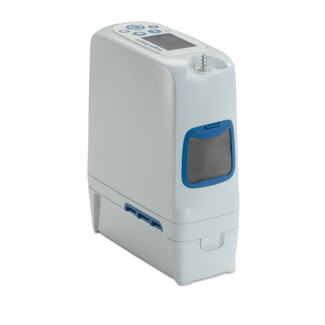
Understanding Portable Inogen Oxygen Concentrators
Portable Inogen oxygen concentrators have revolutionized the way people with respiratory conditions manage their oxygen therapy. Unlike traditional oxygen tanks that require constant refilling and are heavy to transport, these innovative devices extract oxygen directly from the ambient air and deliver it to users on demand. The technology behind portable Inogen oxygen systems uses a process called pressure swing adsorption, which separates nitrogen from oxygen molecules, providing medical-grade oxygen whenever you need it.
The portability aspect of these concentrators cannot be overstated. Weighing as little as 4.8 pounds for compact models, portable Inogen oxygen devices allow users to maintain active lifestyles without being tethered to bulky equipment. Whether you’re traveling across the country, attending social events, or simply running errands around town, these concentrators provide the freedom and independence that traditional oxygen delivery methods simply cannot match. The rechargeable battery systems mean you’re never without oxygen, even during power outages or when away from electrical outlets.
Medical professionals increasingly recommend portable Inogen oxygen concentrators because they improve patient compliance with oxygen therapy. Studies have shown that patients who use portable concentrators are more likely to use their oxygen as prescribed, leading to better health outcomes. The discrete design and quiet operation of these devices reduce the stigma often associated with oxygen therapy, encouraging users to maintain their social connections and physical activity levels.
Key Benefits of Portable Inogen Oxygen Systems
Enhanced Mobility and Independence
The primary advantage of portable Inogen oxygen technology is the unprecedented mobility it offers users. Traditional oxygen tanks are heavy, require frequent refills, and limit how far patients can venture from their oxygen supplier. In contrast, portable Inogen concentrators eliminate these restrictions entirely. Users can travel anywhere with access to electricity for recharging, and battery packs provide hours of operation between charges. This means you can attend family gatherings, go shopping, visit restaurants, or even take vacations without worrying about running out of oxygen.
Many users report dramatic improvements in their quality of life after switching to portable Inogen oxygen systems. The ability to participate in activities they previously avoided due to oxygen equipment limitations has profound psychological and physical benefits. Exercise becomes more feasible, social isolation decreases, and overall life satisfaction improves significantly. The confidence that comes from knowing you have a reliable oxygen source that won’t run out or hold you back is invaluable for maintaining mental health.
Cost-Effectiveness Over Time
While the initial investment in portable Inogen oxygen equipment may seem substantial, the long-term cost savings are significant. Traditional oxygen delivery systems require ongoing expenses for tank refills, delivery services, and eventually tank replacements. Portable concentrators eliminate these recurring costs entirely. After the initial purchase or rental fee, your primary expenses are electricity for recharging and occasional filter replacements, which are minimal compared to tank-based systems.
Insurance coverage for portable Inogen oxygen concentrators has improved considerably in recent years. Medicare and many private insurance companies now cover these devices under durable medical equipment benefits, though coverage varies by plan and medical necessity documentation. The reduced healthcare costs associated with better oxygen therapy compliance often offset the equipment costs. Patients who consistently use their oxygen as prescribed experience fewer hospitalizations, reduced emergency room visits, and better management of chronic respiratory conditions.
FAA Approval for Air Travel
One of the most significant advantages of portable Inogen oxygen concentrators is their approval by the Federal Aviation Administration for use during flights. This FAA approval opens up travel opportunities that would otherwise be impossible or extremely complicated for oxygen-dependent individuals. Before portable concentrators, flying required advance arrangements with airlines for oxygen supplies, which were expensive and logistically challenging. Now, you can simply bring your portable Inogen oxygen device on board as a carry-on item.
Airlines have specific requirements for portable oxygen concentrators, but Inogen models meet all FAA criteria. You’ll need to notify the airline in advance, provide documentation from your physician, and ensure you have enough battery power for 150% of the expected flight duration. The ability to travel by air without complex arrangements means family visits, vacations, and business travel become realistic possibilities again. International travel is also feasible, as these devices work with various voltage systems when you have the appropriate adapters.
Popular Portable Inogen Oxygen Models Compared
| Model | Weight | Battery Life | Flow Settings | Noise Level | Price Range |
|---|---|---|---|---|---|
| Inogen One G5 | 4.7 lbs | Up to 6.5 hours | 1-6 | 38 dBA | $2,295-$2,795 |
| Inogen One G4 | 2.8 lbs | Up to 5 hours | 1-3 | 40 dBA | $1,995-$2,495 |
| Inogen One G3 | 4.8 lbs | Up to 8 hours | 1-5 | 39 dBA | $1,795-$2,295 |
| Inogen Rove 6 | 4.8 lbs | Up to 6 hours | 1-6 | 38 dBA | $2,495-$2,995 |
Inogen One G5: The Versatile Performer
The Inogen One G5 stands out as the most versatile portable Inogen oxygen concentrator currently available. With six flow settings ranging from 210 to 1260 ml/minute, it accommodates a wide range of oxygen requirements from light to moderate needs. The intelligent delivery technology adjusts oxygen delivery based on your breathing rate, ensuring you receive the right amount of oxygen whether you’re resting or being active. This adaptability makes the G5 suitable for users whose oxygen needs vary throughout the day.
Battery flexibility is another strength of the G5 model. Users can choose between single or double battery configurations depending on their daily activities. The single battery provides approximately 3.5 hours of operation on setting 2, while the double battery extends this to 6.5 hours. For extended outings, carrying an extra battery ensures all-day independence. The external battery charger allows you to charge spare batteries separately, so you always have a fully charged backup ready.
The G5’s column configuration includes two sieve beds that work alternately to produce oxygen continuously. This design increases reliability and extends the lifespan of the device. Regular maintenance involves simple filter changes every few months, which users can easily perform themselves. The device includes visual and audible alerts for low battery, service requirements, and operational issues, providing peace of mind that you’ll always know the status of your portable Inogen oxygen supply.
Inogen One G4: Ultra-Lightweight Champion
For users prioritizing portability above all else, the Inogen One G4 is the lightest portable Inogen oxygen concentrator on the market at just 2.8 pounds. This featherweight design makes it ideal for active individuals who want minimal burden while walking, shopping, or traveling. Despite its small size, the G4 delivers three flow settings that meet the needs of many oxygen therapy patients. The compact dimensions allow it to fit easily in a purse, backpack, or carrying case without drawing attention.
The G4’s reduced weight comes with some trade-offs compared to larger models. It offers fewer flow settings and slightly shorter battery life than the G5 or G3. However, for patients whose prescriptions fall within its capabilities, these limitations are negligible compared to the freedom its lightweight design provides. The G4 excels in situations where discretion matters—social events, restaurants, theaters, and other public spaces where users prefer their oxygen therapy to be as unobtrusive as possible.
Battery management is straightforward with the G4. The standard battery provides approximately 2.7 hours on setting 2, while the extended battery doubles this duration. Most users find that carrying one extra battery covers their daily needs comfortably. The G4 charges quickly, reaching full capacity in under three hours, which means even short charging periods during the day can significantly extend your mobile time.
Inogen One G3: Reliable Workhorse
The Inogen One G3 has earned its reputation as a reliable workhorse in the portable Inogen oxygen lineup. While newer models have since been released, the G3 remains popular due to its proven track record and competitive pricing. With five flow settings, it provides sufficient oxygen delivery for most users, and its battery life of up to 8 hours with double batteries makes it excellent for long days away from power sources.
Durability is a hallmark of the G3 design. Many units remain in service after years of daily use, testament to the robust engineering. The G3 handles various environmental conditions well, operating effectively in temperatures from 41°F to 104°F and humidity levels up to 95%. This resilience makes it suitable for diverse climates and weather conditions. Whether you’re in a dry desert environment or humid coastal region, your portable Inogen oxygen supply remains consistent.
The G3’s control panel is intuitive, with clearly marked buttons and an easy-to-read LCD display showing flow setting, battery level, and operational status. This user-friendly interface reduces confusion and makes it accessible even for those who aren’t technologically inclined. The device also includes a column indicator that alerts users when the oxygen production columns need service, typically after several thousand hours of operation.
How Portable Inogen Oxygen Technology Works
Pressure Swing Adsorption Process
The science behind portable Inogen oxygen concentrators centers on pressure swing adsorption (PSA) technology. This process uses zeolite, a porous mineral material, to separate oxygen molecules from nitrogen in ambient air. When air is compressed and passed through zeolite beds under high pressure, nitrogen molecules are trapped while oxygen molecules pass through. The device then releases the trapped nitrogen back into the atmosphere and delivers the concentrated oxygen to the user through the delivery system.
This cycle repeats continuously while the concentrator operates, producing a steady supply of medical-grade oxygen. Most portable Inogen oxygen devices use two columns of zeolite that alternate between oxygen production and regeneration. While one column is producing oxygen, the other is releasing the trapped nitrogen and preparing for its production phase. This alternating system ensures uninterrupted oxygen flow and extends the lifespan of the zeolite material by allowing it to regenerate regularly.
The purity of oxygen produced by PSA technology typically ranges from 90% to 96%, which meets or exceeds medical oxygen standards. Room air contains approximately 21% oxygen, so portable concentrators increase this concentration by more than four times. The exact purity level may vary slightly based on flow setting, altitude, and device condition, but all portable Inogen oxygen concentrators maintain therapeutic oxygen levels across their operational range.
Suggested read: Smallest Portable Oxygen Concentrator: Your Complete Buying Resource for 2025
Intelligent Delivery Systems
Modern portable Inogen oxygen devices employ intelligent delivery systems that detect your breathing pattern and deliver oxygen precisely when you inhale. This pulse-dose delivery method is more efficient than continuous flow, which wastes oxygen during exhalation. Sensors in the nasal cannula detect the pressure drop that occurs when you begin inhaling and trigger an oxygen bolus immediately. This synchronized delivery ensures you receive oxygen at the optimal moment in your breathing cycle.
The intelligence of these systems extends to adjusting delivery based on breathing rate changes. When you’re active and breathing faster, the concentrator delivers more frequent pulses to maintain adequate oxygenation. During rest when breathing slows, the system reduces pulse frequency accordingly. This automatic adjustment means you don’t need to manually change settings when transitioning between rest and activity, providing seamless oxygen support throughout your day.
Backup safety features ensure you’re alerted if the device detects any issues. If no breath is detected for a certain period, the concentrator emits an audible alarm. If the oxygen purity drops below acceptable levels, the unit alerts you immediately. These safeguards provide confidence that your portable Inogen oxygen system is functioning properly and that you’ll be notified promptly of any problems requiring attention.
Choosing the Right Portable Inogen Oxygen Concentrator
Assessing Your Oxygen Requirements
Selecting the appropriate portable Inogen oxygen model begins with understanding your specific oxygen therapy needs. Your pulmonologist or respiratory therapist will prescribe a specific flow rate measured in liters per minute (LPM) or milliliters per minute (ml/min). This prescription may include different settings for rest, activity, and sleep. Some patients require higher flow rates during physical exertion and lower rates while sedentary. Accurately matching your prescription to the concentrator’s capabilities is essential for effective therapy.
Activity level plays a crucial role in choosing the right device. Highly active individuals who walk extensively, exercise regularly, or engage in outdoor activities benefit from lightweight models like the G4, even if it means carrying extra batteries. Conversely, users who primarily need oxygen support at home with occasional outings might prioritize longer battery life and higher flow settings over minimal weight. Consider your typical daily routine and how much time you spend away from power sources when evaluating models.
Altitude affects oxygen concentrator performance significantly. If you live at high elevation or plan to visit mountainous areas, verify that your chosen portable Inogen oxygen model can maintain adequate oxygen delivery at those altitudes. Concentrators work harder at higher elevations because the ambient air contains less oxygen to extract. Most Inogen devices function well up to 10,000 feet, but performance may decrease at extreme altitudes. Discuss altitude considerations with your equipment provider to ensure proper oxygen therapy wherever you go.
Lifestyle and Travel Considerations
Your lifestyle should heavily influence your portable Inogen oxygen selection. Frequent travelers need FAA-approved devices with reliable battery systems and durable construction that withstands airport handling and varied environments. Business travelers benefit from models with quick charging capabilities, allowing them to recharge during short breaks between meetings. The ability to use AC and DC power adapters means you can charge your concentrator in hotel rooms, cars, or even RVs during extended trips.
Social activities and public outings become more enjoyable with quieter, more discrete concentrators. The noise level differences between models, while measured in just a few decibels, can be noticeable in quiet environments like theaters, libraries, or restaurants. Smaller, lighter models like the G4 are less conspicuous and easier to position unobtrusively. Some users prefer carrying their portable Inogen oxygen device in specially designed bags or backpacks that further minimize visibility and make the equipment easier to transport.
Climate and weather conditions in your area matter for equipment selection. Extreme temperatures affect battery performance—cold weather reduces battery life while excessive heat can damage batteries over time. If you live in a particularly hot or cold climate, factor in the need for extra batteries and protective carrying cases. Humidity also affects some components, though Inogen devices are designed to handle typical environmental conditions. Consider where you’ll be using your concentrator most frequently and choose accordingly.
Budget and Insurance Coverage
The financial aspect of acquiring portable Inogen oxygen equipment requires careful consideration and planning. New concentrators range from approximately $1,800 to $3,000 depending on the model and included accessories. However, Medicare and most private insurance companies cover oxygen equipment when medically necessary, though coverage terms vary significantly. Medicare typically covers 80% of approved equipment costs, with beneficiaries responsible for the remaining 20% plus any deductible amounts not yet met.
Rental options provide an alternative to purchasing for those uncertain about long-term needs or facing financial constraints. Monthly rental fees typically range from $300 to $500, which may be partially covered by insurance. Rental agreements usually include maintenance and repairs, providing peace of mind about ongoing costs. However, purchasing becomes more economical than renting after approximately one year of use, making ownership preferable for long-term oxygen therapy patients.
Financing programs through medical equipment suppliers make portable Inogen oxygen concentrators more accessible to those who cannot pay the full cost upfront. Many providers offer payment plans with reasonable interest rates, spreading the cost over 12 to 36 months. Some suppliers also offer certified refurbished units at reduced prices, typically 20-40% less than new devices. Refurbished concentrators undergo thorough inspection and testing, often coming with warranties that provide similar protection to new equipment purchases.
Maintenance and Care for Your Portable Inogen Oxygen Device
Regular Cleaning and Filter Replacement
Proper maintenance ensures your portable Inogen oxygen concentrator operates efficiently and has a long service life. The particle filter requires the most frequent attention, typically needing cleaning or replacement every one to two weeks depending on your environment. In dusty areas or homes with pets, more frequent cleaning may be necessary. The filter prevents dust, pet hair, and other particles from entering the device’s internal components, protecting the delicate zeolite columns and compressor from damage.
Cleaning the filter is straightforward and takes just a few minutes. Remove the filter according to your model’s instructions, typically by unscrewing a panel or pulling it from its housing. Wash reusable filters with warm water and mild soap, rinse thoroughly, and allow them to air dry completely before reinstalling. Never operate your concentrator without the filter in place, as this exposes internal components to contamination. Some users keep spare filters on hand to swap while cleaning their primary filter, ensuring continuous protection.
The exterior housing and nasal cannula connections also require regular cleaning to maintain hygiene and prevent infection. Wipe down the device weekly with a damp cloth and mild disinfectant, paying special attention to areas you touch frequently. Replace nasal cannulas according to your respiratory therapist’s recommendations, typically every two weeks. Using clean cannulas reduces the risk of respiratory infections and ensures optimal oxygen delivery from your portable Inogen oxygen system.
Battery Care and Charging Best Practices
Battery maintenance significantly impacts the longevity and reliability of your portable Inogen oxygen equipment. Lithium-ion batteries used in these devices have specific care requirements that maximize their lifespan and performance. Avoid completely depleting batteries before recharging, as deep discharge cycles reduce overall battery life. Instead, recharge batteries when they reach approximately 20-30% capacity. Most concentrators display battery level clearly, making it easy to monitor charge status throughout the day.
Temperature affects battery performance and longevity substantially. Store batteries and your concentrator in environments between 50°F and 80°F when not in use. Extreme cold reduces battery capacity temporarily, while excessive heat causes permanent damage. Never leave your portable Inogen oxygen device in a hot car or direct sunlight for extended periods. If you must use your concentrator in cold weather, keep spare batteries warm against your body until needed, as this maintains their charge capacity.
Charging practices also influence battery health. Use only manufacturer-approved chargers designed specifically for your model, as third-party chargers may provide incorrect voltage or current that damages batteries. Avoid leaving batteries on the charger continuously once fully charged, though most modern chargers include overcharge protection. If you won’t use a battery for an extended period, store it at approximately 50% charge rather than full or empty. This storage charge level minimizes chemical degradation within the battery cells.
Troubleshooting Common Issues
Understanding basic troubleshooting helps you address minor issues with your portable Inogen oxygen concentrator quickly without unnecessary service calls. If your device displays a yellow or red indicator light or emits alarm sounds, consult your user manual for specific error codes. Common issues include dirty filters, which reduce airflow and trigger service alerts, or loose electrical connections that disrupt power supply. Many problems resolve simply by cleaning or replacing the filter, checking battery connections, or resetting the device.
Reduced oxygen output sometimes occurs without obvious error messages. This can result from cannula blockages, kinked tubing, or partially clogged filters. Inspect your entire oxygen delivery pathway from the concentrator through the cannula, looking for obstructions or damage. Replace the cannula if you notice any discoloration, brittleness, or visible damage. Ensure tubing isn’t twisted or compressed, as this restricts oxygen flow even when the portable Inogen oxygen unit functions perfectly.
If problems persist after basic troubleshooting, contact your equipment provider or manufacturer support. Attempting complex repairs yourself may void your warranty and could create safety hazards. Professional service technicians have diagnostic tools and training to identify issues that aren’t apparent to users. Regular professional servicing, typically annually or after every few thousand hours of operation, keeps your concentrator functioning optimally and often identifies potential problems before they cause device failure.
Suggested read: Your Smart Investment: Used Inogen Portable Oxygen Concentrator Buying Resource
Medicare and Insurance Coverage for Portable Inogen Oxygen
Understanding Medicare Benefits
Medicare coverage for portable Inogen oxygen concentrators falls under the Durable Medical Equipment (DME) benefit category in Part B. To qualify, you must have a documented medical need for oxygen therapy, confirmed through blood oxygen level testing ordered by your doctor. Acceptable tests include arterial blood gas measurements or pulse oximetry readings showing blood oxygen saturation below specified levels. Your physician must provide detailed documentation explaining why oxygen therapy is medically necessary and prescribe specific flow rates for various activities.
The coverage process typically begins with your doctor submitting a Certificate of Medical Necessity (CMN) to your DME supplier. This certificate includes your diagnosis, test results, prescribed oxygen settings, and estimated duration of need. Medicare reviews this documentation to determine eligibility. If approved, Medicare covers 80% of the allowed amount for oxygen equipment rental, with you responsible for the remaining 20% copayment after meeting your Part B deductible. This coverage continues for as long as medical necessity is documented through regular follow-up evaluations.
Medicare’s oxygen benefit includes not just the portable Inogen oxygen concentrator itself but also necessary supplies like nasal cannulas, tubing, filters, and batteries. Replacement supplies are covered on a schedule determined by Medicare guidelines, typically allowing new cannulas every two weeks and replacement batteries as needed based on expected lifespan. Understanding what’s included in your coverage helps you plan for expenses and ensures you have necessary supplies without unexpected costs.
Private Insurance Options
Private insurance coverage for portable Inogen oxygen equipment varies considerably among carriers and specific plans. Most comprehensive health insurance policies include DME benefits similar to Medicare, but coverage percentages, deductibles, and out-of-pocket maximums differ. Some plans cover 100% of DME costs after you meet your deductible, while others use coinsurance models requiring you to pay a percentage of approved amounts. Premium plans typically offer better DME coverage but come with higher monthly premiums.
Prior authorization requirements are common with private insurance for oxygen concentrators. Your equipment provider will submit authorization requests along with medical documentation from your physician. This process can take several days to a few weeks, so plan accordingly rather than expecting immediate equipment approval. Some insurers require trying specific models or rental options before approving more expensive devices. Understanding your plan’s specific requirements prevents delays in obtaining your portable Inogen oxygen concentrator.
Appealing insurance denials is often successful when denials result from incomplete documentation rather than lack of medical necessity. If your initial claim is denied, work with your physician and equipment supplier to provide additional information supporting your need for a portable concentrator. Document how a portable device specifically benefits your condition and lifestyle compared to stationary equipment. Many insurance companies cover portable oxygen after comprehensive appeals demonstrate clear medical justification and patient benefit.
Real User Experiences with Portable Inogen Oxygen
Case Study: Returning to Active Life
Margaret, a 68-year-old retiree with chronic obstructive pulmonary disease (COPD), spent two years using traditional oxygen tanks before switching to portable Inogen oxygen technology. She describes the traditional system as “like being chained to a ball and chain” because she could only venture as far as her tank would allow before needing refills. Social activities became increasingly rare, and her world gradually shrank to a small radius around her home and oxygen supplier. Depression and physical deconditioning accompanied her restricted lifestyle, creating a downward spiral of declining health.
After her respiratory therapist recommended a portable Inogen oxygen concentrator, Margaret’s life transformed dramatically. Within weeks of receiving her Inogen One G5, she attended her granddaughter’s soccer game—something she hadn’t been able to do in over a year. The lightweight device and long battery life meant she could spend entire afternoons outdoors without worry. She joined a pulmonary rehabilitation program, and the portable concentrator made exercise sessions feasible for the first time since her diagnosis.
Six months after switching to portable Inogen oxygen, Margaret reports significant improvements in both physical health and emotional well-being. Her six-minute walk test distance increased by 40%, indicating improved cardiovascular conditioning. More importantly, she describes feeling “like myself again” and has reconnected with friends she’d lost touch with during her oxygen tank period. While her COPD remains a chronic condition requiring ongoing management, the freedom provided by portable oxygen technology has restored much of her pre-diagnosis lifestyle and independence.
Travel Freedom Restored
James, a 72-year-old with idiopathic pulmonary fibrosis, believed his traveling days ended when he started oxygen therapy. He and his wife had planned retirement travels across the United States, but traditional oxygen tanks made these plans seem impossible. The logistics of arranging oxygen supplies in multiple destinations, combined with airline travel restrictions, appeared insurmountable. Their travel trailer sat unused in the driveway, a constant reminder of dreams that seemed unattainable.
Discovering FAA-approved portable Inogen oxygen concentrators changed everything for James. After consulting with his pulmonologist and obtaining proper documentation, he successfully flew from California to Florida to visit family—his first flight in three years. The airline staff were familiar with portable concentrators and accommodated his needs without complications. Having adequate battery power for the six-hour flight plus safety margin was straightforward with two fully charged batteries and an extra as backup.
The couple has since traveled to eight states in their RV, with James’s portable Inogen oxygen device providing consistent oxygen therapy throughout their journeys. The DC power adapter allows charging while driving, and they’ve stayed in campgrounds with electrical hookups for overnight charging. James carries two batteries when exploring attractions and keeps additional batteries charging at the campsite. The portable Inogen oxygen system has essentially removed equipment-related barriers to their travel plans, allowing them to enjoy the retirement adventures they’d feared were lost forever.
Safety Considerations and Best Practices
Fire Safety and Oxygen Precautions
While portable Inogen oxygen concentrators are generally safe when used properly, oxygen itself supports combustion and requires specific safety precautions. Never smoke or allow anyone to smoke near your oxygen equipment, even when the device is turned off. Keep your concentrator at least 10 feet away from open flames, including candles, gas stoves, fireplaces, and space heaters. The enriched oxygen environment immediately around your concentrator and nasal cannula creates heightened fire risk if exposed to ignition sources.
Household products containing petroleum or oil-based substances pose additional risks when combined with oxygen therapy. Avoid using petroleum-based lotions, lip balms, or ointments on your face while using oxygen, as these can ignite if exposed to spark or flame. Choose water-based personal care products instead. Similarly, avoid using aerosol products like hairspray, cleaning sprays, or air fresheners near your oxygen equipment. If you must use these products, do so in a different room with your portable Inogen oxygen device turned off and allow adequate ventilation before returning.
Electrical safety requires attention because portable concentrators are electronic devices. Never use your oxygen equipment near water or in high-humidity environments like bathrooms during showers. Ensure electrical cords are in good condition without fraying or damage, and avoid running cords under carpets or furniture where damage might occur. Use only manufacturer-approved power supplies and chargers, as incorrect electrical specifications could damage equipment or create fire hazards. Store batteries away from metal objects that could cause short circuits.
Emergency Preparedness
Having backup plans ensures uninterrupted oxygen therapy during emergencies or equipment malfunctions. Keep your portable Inogen oxygen device fully charged whenever possible, and maintain at least one fully charged spare battery at all times. During power outages, your concentrator can operate on battery power, but plan for extended outages by having multiple batteries available. Some users keep a backup oxygen tank or secondary concentrator for true emergencies, particularly if their oxygen dependence is severe.
Create a medical emergency plan that includes contact information for your oxygen equipment supplier, physician, respiratory therapist, and local emergency services. Inform emergency responders immediately about your oxygen dependence if you require emergency medical care. Wear medical alert jewelry indicating your oxygen therapy needs and keep copies of your oxygen prescription and equipment information with you. These preparations ensure appropriate care even if you’re unable to communicate your medical needs during an emergency.
Natural disasters and evacuation scenarios require advance planning when you depend on portable Inogen oxygen therapy. Register with your local power company’s medical equipment program if available, as some utilities prioritize service restoration to addresses with medical equipment needs. During hurricane, wildfire, or other disaster evacuation orders, evacuate early rather than waiting until the last moment. Bring your concentrator, all batteries, charging equipment, spare filters, and sufficient medication. Keep a current list of your prescriptions and medical needs in your emergency kit for situations requiring temporary relocation.
Airline Travel Guidelines
Successfully flying with your portable Inogen oxygen concentrator requires understanding and following airline regulations. Federal Aviation Administration rules permit approved portable oxygen concentrators on flights, but airlines maintain individual policies requiring advance notification. Contact your airline at least 48 hours before your flight to inform them you’ll be traveling with medical oxygen equipment. Provide documentation from your physician confirming your oxygen need and that you’re physically capable of air travel.
Battery requirements are specific and non-negotiable for safe air travel. Airlines require sufficient battery power for 150% of your flight’s expected duration, accounting for possible delays. Calculate this carefully: a five-hour flight requires at least 7.5 hours of battery power. Bring extra batteries beyond this minimum to cover unexpected extended delays. Batteries must meet FAA requirements for lithium-ion cells, and most airline staff are familiar with Inogen batteries’ specifications. Pack batteries in protective cases to prevent short circuits from metal objects in your carry-on luggage.
Airport security screening procedures are straightforward for portable Inogen oxygen devices. Your concentrator must go through the X-ray machine like other carry-on items, which won’t damage the equipment. Inform security officers you’re carrying medical equipment requiring oxygen therapy. You may be asked to turn on your device to demonstrate it functions properly. Allow extra time at security checkpoints for these procedures. Remember that your concentrator and related equipment don’t count toward carry-on baggage limits since they’re essential medical devices.
Comparing Portable Inogen Oxygen to Alternative Systems
Portable Concentrators vs. Oxygen Tanks
Traditional oxygen tanks and portable Inogen oxygen concentrators serve the same therapeutic purpose but differ fundamentally in convenience, cost, and lifestyle impact. Compressed oxygen tanks contain a finite oxygen supply requiring periodic refilling or replacement. E-cylinders, commonly used for portable oxygen, last approximately 5-8 hours on 2 LPM continuous flow, necessitating either carrying multiple tanks or arranging refills during extended outings. The weight of even small oxygen tanks, typically 8-15 pounds when full, makes transportation physically demanding for many patients.
Suggested read: Everstar Portable Air Conditioner: Your Complete Solution for Staying Cool Anywhere
Cost comparisons heavily favor portable concentrators for long-term use. Tank-based systems incur ongoing delivery fees, tank rental charges, and refill costs that accumulate substantially over time. A typical tank delivery service costs $150-$300 monthly, totaling $1,800-$3,600 annually. These recurring expenses continue indefinitely, whereas a portable Inogen oxygen concentrator has minimal operating costs after the initial investment. Electricity for charging costs only a few dollars monthly, and filter replacements are inexpensive. Over a five-year period, a portable concentrator typically costs less than half of tank-based oxygen delivery.
Lifestyle flexibility distinguishes portable concentrators from tank systems. Oxygen tanks require advance planning for travel, calculating exactly how much oxygen you’ll need and bringing adequate supplies. Running out of oxygen during an outing creates dangerous situations requiring immediate return home or emergency tank delivery. Portable Inogen oxygen devices eliminate these concerns because they produce oxygen continuously from ambient air. As long as you have battery power or electrical access, your oxygen supply is virtually unlimited, providing peace of mind impossible with finite tank supplies.
Continuous Flow vs. Pulse Dose Delivery
Understanding the difference between continuous flow and pulse dose oxygen delivery helps clarify why portable Inogen oxygen concentrators are suitable for most patients but not everyone. Continuous flow systems deliver oxygen constantly at a set rate regardless of your breathing pattern. Some oxygen is inevitably wasted during exhalation when you’re not inhaling it into your lungs. This delivery method is necessary for certain patients, particularly those requiring oxygen during sleep or with specific respiratory conditions that don’t allow effective pulse dose delivery.
Pulse dose delivery, used by portable Inogen oxygen concentrators, synchronizes oxygen delivery with your inhalation. Sophisticated sensors detect when you begin breathing in and deliver a precise oxygen bolus at that moment. This efficient delivery method maximizes oxygen utilization, allowing smaller, lighter devices to meet therapeutic needs. Studies demonstrate that pulse dose delivery provides equivalent oxygenation to continuous flow for most activities in most patients. Your physician determines which delivery method is appropriate based on your specific respiratory condition and oxygen needs.
Some patients require continuous flow oxygen specifically during sleep because their breathing patterns become irregular or their respiratory drive decreases. If your prescription specifies continuous flow for sleep, you’ll need either a stationary continuous flow concentrator for nighttime use or one of the few portable units offering continuous flow options. However, many patients successfully use pulse dose portable Inogen oxygen during daytime activities and switch to continuous flow equipment only for sleep. This combination approach balances mobility during waking hours with appropriate therapy during rest.
Home Concentrators vs. Portable Models
Stationary home oxygen concentrators and portable Inogen oxygen devices are both concentrators using similar oxygen production technology, but they’re optimized for different purposes. Home concentrators are larger, heavier units designed to operate continuously while plugged into electrical outlets. They typically provide both continuous flow and higher flow rates than portable models, making them suitable for patients with higher oxygen requirements. Their size allows for larger compressors and more extensive zeolite columns, producing greater oxygen volumes.
Combining a home concentrator with a portable Inogen oxygen system gives many patients optimal flexibility. The home unit provides reliable oxygen therapy overnight and during extended periods at home, operating efficiently from household electricity. The portable concentrator handles outings, travel, and activities away from home without requiring you to disconnect from your home unit and switch to tanks. This two-device approach costs more initially but provides comprehensive coverage for all situations while maximizing each device type’s strengths.
Power consumption differs significantly between stationary and portable units. Home concentrators typically draw 300-600 watts during operation, costing approximately $20-$50 monthly in electricity depending on usage and local rates. Portable Inogen oxygen concentrators draw only 50-150 watts when charging, resulting in monthly electricity costs under $5. If you spend most time at home, a stationary unit provides more economical continuous oxygen production. However, if mobility and independence are priorities, the portable unit’s convenience often outweighs the modest additional electricity cost.
Accessories and Add-Ons for Your Portable Inogen Oxygen System
Battery Options and Charging Solutions
Optimizing your portable Inogen oxygen battery setup ensures you have adequate power for all daily activities. Standard batteries included with most concentrators provide 2-4 hours of operation depending on your flow setting and model. Extended batteries double this duration, typically lasting 5-8 hours on lower settings. Most users find that one extended battery or two standard batteries suffice for typical daily outings. Power users who spend entire days away from charging sources benefit from owning three or more batteries, allowing them to rotate batteries without range anxiety.
External battery chargers offer significant convenience compared to charging batteries solely while installed in your concentrator. These chargers allow you to charge spare batteries while continuing to use your device, ensuring you always have a fully charged backup ready. Some external chargers simultaneously charge two batteries, cutting your overall charging time in half. This capability is particularly valuable for travelers who need to recharge multiple batteries overnight in hotel rooms to prepare for the next day’s activities.
DC power adapters transform any vehicle into a charging station for your portable Inogen oxygen device. These adapters plug into standard 12-volt automotive power outlets (cigarette lighters) and provide charging while you drive. Road trips become feasible because you
05.57
can operate your concentrator on battery power while driving and simultaneously charge spare batteries using the DC adapter. This functionality also applies to boats, RVs, and any other vehicles with 12-volt power systems. For those who enjoy the outdoors, portable battery packs and solar charging systems are available, though these specialized accessories work best for emergency backup rather than primary charging.
Carrying Cases and Transport Solutions
Protecting your portable Inogen oxygen concentrator during transport extends its lifespan and maintains reliable operation. Manufacturer-designed carrying cases provide custom-fit protection with padding that absorbs shocks and impacts. These cases typically include adjustable shoulder straps, additional pockets for accessories like spare batteries and charging cables, and openings that allow the device to operate while inside the case. Ventilation openings prevent heat buildup that could affect concentrator performance or battery life.
Backpack-style carriers distribute weight more evenly across your shoulders and back compared to single-strap shoulder bags. This weight distribution reduces fatigue during extended periods of carrying your oxygen equipment, making physical activities more comfortable. Backpacks also keep your hands free for other activities and appear less medical, which some users prefer for discretion. Many backpack designs accommodate multiple batteries and accessories, effectively creating a complete portable oxygen system that travels with you everywhere.
Wheeled carts provide transport solutions for users who find even lightweight portable Inogen oxygen concentrators challenging to carry. These carts, similar to rolling luggage, allow you to pull your oxygen equipment behind you rather than carrying any weight. Airport navigation becomes significantly easier with wheeled carts, as you can manage your concentrator along with other luggage without excessive physical strain. Some carts fold compactly for storage in car trunks or closets when not in use. While adding bulk to your overall system, carts dramatically reduce the physical demands of transporting oxygen equipment.
For those looking for other portable solutions for different needs, consider browsing options for devices like a 12 volt portable air conditioner to enhance comfort in various environments.
Oxygen Delivery Accessories
Nasal cannulas are the most common oxygen delivery interface, transferring oxygen from your portable Inogen oxygen concentrator to your respiratory system. Standard cannulas are suitable for most users and cost-effective for regular replacement. Comfort-style cannulas feature softer tubing and cushioned prongs that reduce nasal irritation during extended wear. Some users experience dryness or discomfort from constant oxygen flow, and upgrading to premium cannulas often alleviates these issues without requiring medication or additional interventions.
Extension tubing allows you to place your concentrator several feet away while maintaining oxygen delivery. This flexibility is useful when charging your device while sitting or lying down, as you can position the concentrator near an outlet without being physically adjacent to it. Extension lengths range from 7 to 25 feet, giving you room-scale mobility while connected. However, excessively long tubing can reduce oxygen delivery efficiency in pulse-dose systems because the sensors may have difficulty detecting breath initiation through extended tubing lengths.
Humidity bottles and nasal moisturizing systems address dryness that some patients experience with oxygen therapy. While most portable Inogen oxygen concentrators don’t support bubble humidifiers due to size and weight constraints, nasal moisturizing gels and saline nasal sprays provide relief from dryness. Apply these products regularly to prevent nasal passages from becoming irritated and uncomfortable. Some users find that simple interventions like increased water intake and using a bedroom humidifier at night complement their oxygen therapy and reduce dryness-related symptoms without requiring specialized equipment.
Suggested read: Your Complete Buyer's Guide to Used Portable Band Sawmills for Sale: Smart Investment Strategies for 2026
Where to Purchase Portable Inogen Oxygen Equipment
Authorized Medical Equipment Suppliers
Purchasing portable Inogen oxygen concentrators through authorized medical equipment providers ensures you receive genuine products with full manufacturer warranties and support. These suppliers specialize in respiratory equipment and employ knowledgeable staff who can explain different models, help you understand your prescription requirements, and guide you through the insurance coverage process. Established suppliers maintain relationships with insurance companies and understand documentation requirements for claims approval, significantly simplifying the acquisition process.
Many authorized suppliers offer comprehensive services beyond equipment sales. Initial setup and training sessions ensure you understand your concentrator’s operation, maintenance requirements, and troubleshooting procedures before you begin independent use. Ongoing technical support provides peace of mind that help is available when questions arise or problems occur. Regular maintenance services, often included in purchase or rental agreements, keep your portable Inogen oxygen device functioning optimally and extend its operational lifespan through professional care.
Local medical equipment suppliers provide the advantage of in-person service and immediate local support. If your concentrator malfunctions, local suppliers can often provide loaner equipment while yours undergoes repair, preventing interruption in your oxygen therapy. Face-to-face consultations help ensure you’re using your equipment correctly and getting maximum benefit from your therapy. The personal relationships developed with local suppliers’ staff create a support network that enhances your overall healthcare experience beyond just the equipment transaction.
Online Retailers and Direct Purchase Options
Online retailers specializing in oxygen equipment offer competitive pricing on portable Inogen oxygen concentrators, often selling below manufacturer suggested retail prices. The reduced overhead of online operations compared to physical stores translates into cost savings passed to customers. However, online purchases require more self-reliance because you won’t have local, in-person support. Thoroughly research online retailers before purchasing, checking customer reviews, business accreditation, and return policies to ensure you’re dealing with reputable companies.
Direct purchase from manufacturers, including Inogen’s own website, guarantees authentic products and direct access to manufacturer support. While prices may be higher than third-party retailers, direct purchase eliminates concerns about counterfeit or gray-market equipment. Manufacturer warranties are straightforward when purchasing directly, and you’ll receive all accessories and documentation included with new devices. Some manufacturers offer financing programs, promotional discounts, or package deals that make direct purchase competitively priced compared to third-party sources.
Comparing multiple purchasing options maximizes value for your portable Inogen oxygen investment. Request quotes from several authorized suppliers, compare online retailer pricing, and check manufacturer direct prices before making your decision. Consider the total value proposition, not just the initial purchase price—warranty coverage, technical support quality, included accessories, and service availability all contribute to long-term satisfaction. The lowest price isn’t always the best value if it comes with limited support or questionable warranty service.
Certified Pre-Owned and Refurbished Options
Certified refurbished portable Inogen oxygen concentrators provide significant cost savings while maintaining reliability through comprehensive reconditioning processes. Reputable suppliers thoroughly inspect returned devices, replace worn components, test all functions, and certify that performance meets original specifications. Refurbished units typically cost 30-50% less than new equipment, making them attractive options for budget-conscious patients or those wanting to try portable oxygen therapy without full new-device investment.
Warranties on refurbished concentrators vary by supplier but typically range from 90 days to one year. Some suppliers offer extended warranty purchases for refurbished units, providing long-term protection similar to new equipment warranties. Carefully review warranty terms before purchasing refurbished equipment—understand what’s covered, how repairs are handled, and what your responsibilities are if problems occur. Reputable suppliers stand behind their refurbished products with comprehensive support comparable to new equipment service.
Private-party sales through classified ads or online marketplaces offer the lowest prices for used portable Inogen oxygen equipment but carry significant risks. Without professional inspection and reconditioning, used concentrators may have hidden problems, reduced oxygen output, or shortened remaining lifespan. Manufacturers often won’t provide technical support or honor warranties for devices purchased from unauthorized sellers. If you’re considering a private-party purchase, ask for maintenance records, verify the device’s operational hours through its internal counter, and test oxygen output before completing the transaction. The potential savings may not justify the risks for equipment as critical as oxygen therapy devices.
Frequently Asked Questions About Portable Inogen Oxygen
What is the lifespan of a portable Inogen oxygen concentrator?
Portable Inogen oxygen concentrators typically last 5-7 years with proper maintenance and care, though some units remain operational well beyond this timeframe. The primary factors affecting lifespan include usage hours, environmental conditions, and maintenance quality. Devices used continuously will naturally wear faster than units used only during waking hours. Regular filter cleaning, proper battery care, and professional servicing at recommended intervals maximize operational life. The zeolite columns, which perform the actual oxygen separation, may require replacement after several thousand hours of operation, typically around the 5-year mark for average users.
Can I use my portable oxygen concentrator while sleeping?
Whether you can use your portable Inogen oxygen device during sleep depends on your specific prescription and the concentrator’s capabilities. Most portable concentrators use pulse-dose delivery, which requires detecting your breath to trigger oxygen delivery. During sleep, breathing patterns become shallower and less regular, potentially making pulse-dose detection less reliable. Some patients receive prescriptions for continuous flow oxygen specifically for sleep even though pulse-dose is adequate during waking hours. Consult your physician and respiratory therapist about whether your specific concentrator model is appropriate for sleep use based on your breathing patterns and oxygen requirements.
How often do I need to replace the filters?
Particle filters in portable Inogen oxygen concentrators require cleaning weekly in most environments, with replacement every 6-12 months depending on the manufacturer’s specifications and your usage conditions. Dusty environments, homes with pets, or areas with high pollution may necessitate more frequent cleaning and earlier replacement. The filter is your concentrator’s first line of defense against contaminants, so maintaining it properly is essential for device longevity and performance. Some models include washable filters that can be cleaned and reused many times before replacement becomes necessary. Gross filter replacements, if your model has them, typically occur every 18 months during professional servicing.
What happens if my portable oxygen concentrator malfunctions?
If your portable Inogen oxygen concentrator malfunctions, immediately contact your equipment supplier for technical support and backup oxygen arrangements. Many suppliers provide loaner equipment while yours undergoes repair, ensuring uninterrupted oxygen therapy. For emergencies when your supplier isn’t immediately available, contact your physician or emergency services if you’re experiencing respiratory distress. Keep your oxygen prescription information accessible so emergency responders can provide appropriate support. This is why many patients maintain backup oxygen supplies, either a spare concentrator or emergency oxygen tanks, particularly if their oxygen dependence is severe and even short interruptions could be dangerous.
Does Medicare cover the full cost of portable oxygen concentrators?
Medicare Part B typically covers 80% of approved costs for portable Inogen oxygen equipment after you meet your annual deductible, leaving you responsible for the remaining 20% copayment. The exact amount you pay depends on whether you purchase or rent the equipment and what Medicare has approved as the allowable amount for oxygen equipment in your area. Supplemental insurance (Medigap policies) may cover some or all of your 20% copayment, significantly reducing your out-of-pocket costs. Medicare also covers necessary supplies like replacement cannulas, tubing, filters, and batteries according to their coverage schedule. Working with a Medicare-approved supplier ensures proper billing and maximizes your coverage.
Can I travel internationally with my portable Inogen oxygen concentrator?
Yes, you can travel internationally with your portable Inogen oxygen device, though additional planning is required compared to domestic travel. Most international airlines permit FAA-approved portable concentrators following regulations similar to US carriers. Contact your airline well in advance—at least two weeks before international flights—to understand their specific requirements and documentation needs. Voltage differences internationally require understanding your concentrator’s power adapter capabilities; most Inogen devices work with 100-240V systems using appropriate plug adapters. Research oxygen equipment rental or purchase options at your destination as a backup plan in case of equipment problems during your trip. Some travel insurance policies cover medical equipment replacement during international travel, providing additional security.
How do I clean my portable oxygen concentrator?
Cleaning your portable Inogen oxygen concentrator involves several simple procedures performed on different schedules. Weekly cleaning includes wiping the exterior with a slightly damp cloth and mild disinfectant, avoiding harsh chemicals that might damage plastic components. The particle filter requires cleaning or replacement every 1-2 weeks depending on your environment—remove the filter, wash with warm water and mild soap, rinse thoroughly, and allow complete drying before reinstalling. Clean the air intake areas regularly with a soft brush to remove accumulated dust. Never submerge your concentrator in water or use abrasive cleaning materials. Monthly, inspect all connection points, tubing, and accessories for signs of wear or damage, replacing items as needed to maintain optimal oxygen delivery.
What flow settings do I need for my oxygen therapy?
Your physician prescribes specific flow settings for your portable Inogen oxygen therapy based on your condition, blood oxygen levels, and activity requirements. Common prescriptions specify different settings for rest, exertion, and sleep—for example, setting 2 at rest and setting 3 during activity. Never adjust your prescribed settings without consulting your physician, as inadequate oxygen can be dangerous while excessive oxygen may cause other complications. Your prescription considers factors including altitude, your lung function, and your activity level. Pulse oximetry monitoring during various activities helps your healthcare team optimize your settings. If you feel your current settings aren’t providing adequate oxygenation, contact your physician rather than self-adjusting your concentrator.
Are portable oxygen concentrators allowed in restaurants and public spaces?
Portable Inogen oxygen concentrators are medical devices, and the Americans with Disabilities Act (ADA) protects your right to use necessary medical equipment in public accommodations including restaurants, stores, theaters, and other public spaces. Businesses cannot prohibit you from bringing your oxygen equipment into their establishments. However, maintaining courtesy and discretion helps ensure positive interactions—keep your device positioned to avoid blocking aisles or tripping hazards, and manage tubing to prevent it from crossing walkways. Most people recognize medical equipment and are understanding, but briefly explaining that you have a medical oxygen device if questions arise usually satisfies any concerns.
How much does it cost to operate a portable oxygen concentrator?
Operating costs for portable Inogen oxygen equipment are minimal compared to traditional oxygen delivery systems. Electricity consumption averages about 150 watts during battery charging, costing approximately $3-$5 monthly depending on your usage and local electricity rates. This is dramatically less than tank delivery services costing $150-$300 monthly. Beyond electricity, your main expenses are replacement filters ($10-$30 every 6-12 months), replacement nasal cannulas ($5-$15 every two weeks), and eventual battery replacements ($200-$400 every 2-3 years depending on usage). Professional servicing, if not covered by warranty, typically costs $150-$300 annually but prevents more expensive repairs through preventive maintenance.
Take Control of Your Oxygen Therapy Today
Choosing portable Inogen oxygen technology represents a significant step toward reclaiming independence and improving your quality of life while managing respiratory conditions. The freedom to travel, socialize, exercise, and engage in daily activities without the constraints of traditional oxygen tanks transforms the oxygen therapy experience from limiting to liberating. Whether you’re considering your first oxygen concentrator or upgrading from an older system, the current generation of portable Inogen devices offers unprecedented reliability, portability, and performance.
Don’t let outdated oxygen delivery methods hold you back from living life fully. Explore portable Inogen oxygen options today and discover how modern oxygen therapy can work with your lifestyle rather than restricting it. Consult with your respiratory therapist or pulmonologist about whether a portable concentrator is appropriate for your oxygen therapy needs. With proper medical guidance, the right equipment selection, and adequate training, you can enjoy the mobility and independence that portable Inogen oxygen concentrators provide while maintaining the therapeutic oxygen levels your health requires.