Introduction: Why Invest in Used Portable Band Sawmills?
The lumber industry continues to evolve, and entrepreneurs are discovering incredible opportunities in used portable band sawmills for sale. These versatile machines transform logs into valuable lumber right at your worksite, eliminating transportation costs and maximizing your profit margins. Whether you’re a small-scale woodworker, a property owner managing timber resources, or a contractor seeking custom cutting capabilities, purchasing a pre-owned portable band sawmill represents a strategic investment that can pay for itself within the first year of operation.
The market for used portable band sawmills for sale has expanded significantly, offering buyers access to professional-grade equipment at 40-60% below retail prices. These machines maintain their cutting accuracy and reliability for decades when properly maintained, making them exceptional value propositions. Unlike other heavy equipment that depreciates rapidly, quality sawmills from reputable manufacturers hold their value remarkably well, providing both immediate utility and long-term asset protection for your business or personal milling operations.
Understanding Portable Band Sawmill Technology and Benefits
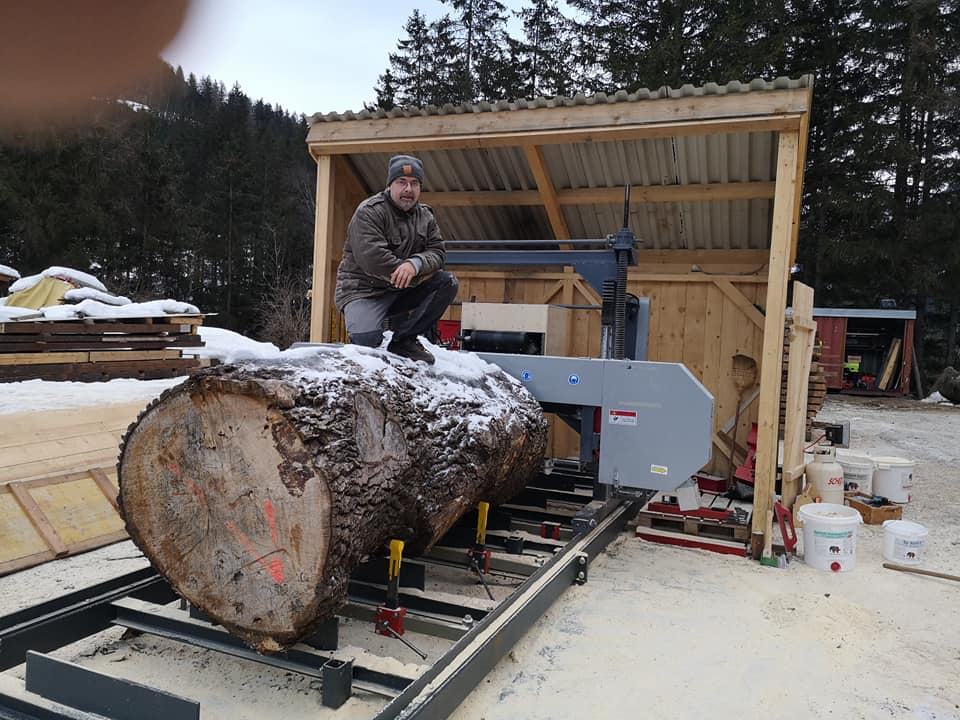
Portable band sawmills revolutionized lumber production by bringing industrial cutting capabilities to remote locations. These machines utilize a thin, flexible blade with teeth along one edge that loops around two or more wheels, creating a continuous cutting motion. The portability factor distinguishes these sawmills from stationary models, featuring trailer-mounted or easily transportable designs that allow operators to process timber directly at harvest sites, construction locations, or woodworking facilities without requiring permanent infrastructure or substantial building modifications.
The primary advantage of used portable band sawmills for sale centers on their operational flexibility and cost-effectiveness. Traditional sawmill operations require transporting raw logs to centralized facilities, incurring significant freight expenses that can consume 20-30% of lumber value. Portable sawmills eliminate these logistics costs entirely, enabling on-site processing that maximizes efficiency. Additionally, blade technology has advanced dramatically, with modern carbide-tipped and stellite-tipped blades delivering exceptional cut quality, minimal waste (kerf as thin as 0.045 inches), and extended operational life between sharpenings, making these machines increasingly economical for small to medium-scale operations.
Key Components of Portable Band Sawmills
Understanding the essential components helps buyers evaluate used portable band sawmills for sale effectively. The blade and blade guides form the cutting system’s foundation, with blade width, tooth configuration, and guide bearing quality directly impacting cut accuracy and blade longevity. The carriage system supports and moves the sawhead along the log, with linear rails or round track designs offering different advantages for precision and durability. The power system, whether gasoline, diesel, or electric, determines operational costs and portability options, with each configuration suited to different working environments and accessibility requirements.
The log handling system includes adjustable log clamps, cant hooks, and loading mechanisms that secure material during cutting operations. The cutting head adjustment allows operators to set precise lumber dimensions, with digital readouts on premium models providing accuracy to 1/16 inch or better. The bed or track system provides the foundational structure, with heavy-duty steel construction ensuring stability during cutting operations and longevity under regular use. When examining used portable band sawmills for sale, inspecting these components for wear, alignment, and functionality should constitute your primary evaluation criteria.
Top Brands and Models in the Used Market
The used portable band sawmills for sale market features several dominant manufacturers known for reliability and resale value. Wood-Mizer leads the industry with models ranging from entry-level LT15 units to professional-grade LT70 and industrial LT300 sawmills. These machines consistently command premium prices in the secondary market due to exceptional build quality, widespread parts availability, and comprehensive dealer support networks spanning North America and international markets. Wood-Mizer sawmills manufactured within the past 15 years typically retain 50-65% of their original value, making them safe investments for buyers prioritizing long-term reliability.
Norwood Sawmills offers another popular option, with their LumberMate and LumberPro series providing excellent value propositions for budget-conscious buyers. These Canadian-manufactured machines feature robust construction and user-friendly operation, with used portable band sawmills for sale from Norwood typically priced 15-25% below comparable Wood-Mizer units. The TimberKing brand appeals to operators seeking heavy-duty capabilities, with their 1600 and 2000 series designed for commercial production environments processing large-diameter logs. Baker Products, Hud-Son, and Logosol round out the quality manufacturer list, each offering distinct advantages in specific operational niches.
Price Ranges by Brand and Condition
| Brand | Entry Models | Mid-Range Models | Professional Models | Condition Factors |
|---|---|---|---|---|
| Wood-Mizer | $6,000-$12,000 | $15,000-$25,000 | $30,000-$50,000 | Age, hours, upgrades |
| Norwood | $4,500-$9,000 | $10,000-$18,000 | $20,000-$35,000 | Maintenance records |
| TimberKing | $8,000-$14,000 | $18,000-$28,000 | $35,000-$55,000 | Blade condition |
| Baker Products | $5,000-$10,000 | $12,000-$22,000 | $25,000-$40,000 | Component wear |
| Hud-Son | $7,000-$13,000 | $14,000-$24,000 | $28,000-$45,000 | Hour meter reading |
This pricing data reflects current market conditions for used portable band sawmills for sale as of early 2026, with regional variations affecting actual purchase prices by 10-15% depending on local market saturation and seasonal demand fluctuations.
Critical Inspection Points When Evaluating Used Sawmills
Conducting thorough inspections separates successful purchases from costly mistakes when shopping for used portable band sawmills for sale. Begin your evaluation by examining the main beam or bed structure for straightness, rust, and structural integrity. Any bowing, twisting, or significant corrosion indicates potential accuracy problems that may require expensive repairs. Use a precision level along the bed’s length and width, checking for deviations exceeding 1/32 inch per foot, which could compromise cutting precision and lumber quality outcomes.
The blade guide system deserves careful scrutiny, as worn guides cause blade wandering and inconsistent cut quality. Examine roller bearings for smooth rotation without play or roughness, inspect guide arms for alignment and adjustment range, and verify that quick-adjustment mechanisms function properly without excessive looseness. The power system requires operational testing under load conditions when possible, listening for unusual noises, checking for oil leaks, and verifying that the engine starts easily and maintains consistent RPMs during cutting simulation or actual demonstration cuts if the seller permits.
Essential Pre-Purchase Testing Procedures
Request to see the sawmill cut actual lumber during your inspection of used portable band sawmills for sale, as this reveals performance characteristics impossible to detect through static examination. Observe the blade tracking throughout the cutting process, ensuring the blade maintains proper position on the wheels without manual adjustment. Poor tracking indicates wheel alignment issues, worn tires, or tensioning problems that may require professional correction. Monitor cut accuracy by measuring lumber thickness at multiple points, with variations exceeding 1/16 inch suggesting alignment problems or excessive component wear requiring attention.
Evaluate the hydraulic system on models equipped with power log handling, checking for leaks around cylinders, hoses, and fittings, and verifying that all hydraulic functions operate smoothly without jerking or hesitation. Test the blade tensioning system, confirming that tension adjustment mechanisms function properly and that the sawmill maintains appropriate blade tension throughout operation. Document the hour meter reading if equipped, as this provides valuable insights into machine usage and remaining service life, though many older used portable band sawmills for sale lack this feature, requiring buyers to rely on overall condition assessment.
Financing Options and Budget Considerations
Acquiring used portable band sawmills for sale requires careful financial planning beyond the purchase price. Most buyers invest $8,000-$25,000 for quality used equipment suitable for small to medium-scale operations, with this range representing optimal value propositions balancing capability and affordability. However, total startup costs include essential accessories, initial blade inventory, basic maintenance tools, and optional upgrades that collectively add 15-30% to the base equipment investment, requiring comprehensive budget planning before committing to purchase.
Several financing pathways accommodate different buyer situations and credit profiles. Traditional equipment loans through banks or credit unions typically offer 5-7 year terms with interest rates ranging from 6-12% depending on creditworthiness and down payment amounts. Agricultural lenders provide specialized financing for timber-related equipment with favorable terms for qualifying buyers, often featuring lower rates and flexible seasonal payment structures accommodating harvest income patterns. Online equipment financing platforms like Balboa Capital and Crest Capital streamline approval processes, frequently approving applications within 24-48 hours for qualified applicants seeking equipment financing.
Suggested read: Premium Luxury Portable Restrooms for Sale: Your Complete Buyer's Investment Guide
Cost-Benefit Analysis and ROI Calculations
Calculating return on investment helps justify purchasing used portable band sawmills for sale for business applications. A mid-range portable sawmill processing 500 board feet daily generates $200-$400 in lumber value (calculated at $0.40-$0.80 per board foot market value minus $0.10-$0.15 per board foot operating costs), translating to annual revenue potential of $50,000-$100,000 with consistent operation throughout working months. Subtracting operating expenses including blades ($800-$1,200 annually), fuel or electricity ($1,500-$3,000), maintenance ($500-$1,000), and incidentals yields net annual income of $45,000-$95,000 before labor costs.
For a $15,000 sawmill investment, these projections suggest payback periods ranging from 3-8 months for full-time commercial operations, 12-18 months for part-time businesses, and 2-3 years for hobbyist users processing personal timber resources. The economic advantage becomes particularly compelling when compared to purchasing dimensional lumber at retail prices, where a single construction project requiring 5,000 board feet represents $8,000-$12,000 in lumber costs that self-milling reduces to $750-$1,500 in operating expenses, creating immediate savings exceeding $7,000 per project.
Where to Find Quality Used Portable Band Sawmills
Locating reliable used portable band sawmills for sale requires exploring multiple marketplaces and understanding each platform’s advantages. Manufacturer-certified pre-owned programs offer the highest reliability, with companies like Wood-Mizer operating extensive dealer networks that recondition used equipment to factory specifications, providing limited warranties and financing options similar to new equipment purchases. These certified machines command premium prices but deliver peace of mind through professional reconditioning and manufacturer backing unavailable through private sales channels.
Online equipment marketplaces including Machinery Pete, FastLine, and TractorHouse aggregate listings from dealers and private sellers nationwide, enabling comprehensive comparison shopping and price research. These platforms feature detailed specifications, multiple photographs, and seller contact information facilitating due diligence research. Auction websites like Purple Wave and IronPlanet occasionally feature used portable band sawmills for sale, though competitive bidding environments sometimes drive final prices above fair market values, and equipment condition assessment proves challenging without in-person inspection opportunities.
Regional and Local Sourcing Strategies
Classified advertising platforms including Craigslist, Facebook Marketplace, and regional timber industry publications connect buyers with local sellers, offering opportunities for hands-on inspection and potential negotiation advantages. Local sourcing eliminates shipping costs ranging from $500-$2,500 depending on distance and equipment size, while enabling multiple visits during decision-making processes. Building relationships within regional timber industry networks, forestry associations, and sawmilling communities provides access to off-market opportunities when established operators upgrade equipment or retire from active milling operations.
Attending forestry equipment auctions and industry trade shows creates networking opportunities with sellers, dealers, and other buyers who share market intelligence and referrals. The Timber Processing Magazine and Sawmill & Woodlot Magazine maintain classified sections featuring used portable band sawmills for sale from credible industry participants. Don’t overlook rental companies periodically liquidating older fleet equipment, as these machines often receive superior maintenance compared to privately-owned units, despite accumulating higher operating hours throughout their service lives.
Essential Accessories and Upgrades to Consider
Maximizing productivity from used portable band sawmills for sale requires investing in crucial accessories beyond the base sawmill unit. A comprehensive blade inventory represents your most important accessory investment, with recommendations suggesting maintaining 6-12 blades in rotation to ensure continuous operation while dull blades undergo resharpening. Quality blades cost $25-$40 each for standard carbon steel varieties, while premium carbide-tipped blades range from $100-$180 but deliver 8-10 times the cutting life, ultimately providing superior value for high-volume operations.
Log handling equipment dramatically improves operational efficiency and safety. Cant hooks or peaveys ($50-$100) facilitate log positioning and turning, while hydraulic log loaders ($1,500-$4,000) eliminate manual lifting requirements for larger diameter timber. A log deck or staging area constructed from treated lumber or steel provides organized material flow and protects logs from ground moisture and contamination. Outfeed roller systems ($200-$600) support freshly cut lumber, preventing binding and improving cut quality, while lumber stacking equipment accelerates material handling and maintains workplace organization.
Performance-Enhancing Modifications
Several upgrade options transform basic used portable band sawmills for sale into highly efficient production systems. Installing a digital board scale ($300-$700) enables precise thickness settings and eliminates measurement errors that waste material through over-cutting or produce undersized lumber rejected by buyers. Automatic blade lubrication systems ($150-$400) maintain optimal cutting conditions, extending blade life and improving cut quality while reducing operator intervention requirements during extended cutting sessions.
Hydraulic log handling systems retrofitted to manual sawmills ($2,000-$5,000 installed) eliminate the physical strain of log positioning and dramatically accelerate setup times between cuts. Remote control operation ($400-$800) allows single-person sawmill operation, with wireless control units enabling the operator to position lumber, adjust cutting parameters, and control sawhead movement from any location around the machine. Debarkers ($1,200-$3,500) remove bark before milling, extending blade life significantly and producing cleaner lumber with superior appearance and value, particularly important for hardwood species where bark inclusion damages blades and compromises cut quality. If you’re interested in other portable equipment solutions, explore options for everstar portable air conditioner systems as well.
Maintenance Requirements and Operating Costs
Proper maintenance preserves the value and performance of used portable band sawmills for sale throughout their service lives. Daily maintenance routines consume 15-20 minutes but prevent expensive repairs and downtime. These include cleaning sawdust accumulation from blade guides and wheels, checking blade tension and tracking, lubricating moving parts according to manufacturer specifications, and inspecting hydraulic fluid levels on equipped models. Establishing consistent daily maintenance habits extends component life substantially while identifying developing problems before they cause failures or safety hazards.
Weekly maintenance procedures address deeper cleaning and inspection requirements. Thoroughly clean the sawmill bed and carriage system, removing accumulated sawdust that absorbs moisture and promotes corrosion. Inspect and tighten all fasteners throughout the machine, as vibration loosens bolts and mounting hardware over time. Examine belts for wear, cracks, or glazing, and adjust tension according to manufacturer specifications. Check electrical connections and wiring for damage, paying particular attention to areas exposed to sawdust or weather conditions that accelerate deterioration.
Long-Term Service and Component Replacement
Seasonal maintenance performed during extended shutdown periods ensures reliable operation when work resumes. Change engine oil and filters following manufacturer intervals, typically every 50-100 operating hours for sawmill engines operating under dusty, demanding conditions. Lubricate all grease fittings throughout the machine, forcing fresh grease through bearings until old grease purges from seals. Inspect and service the blade guide system, replacing worn roller bearings that exhibit roughness or excessive play, and verifying guide arm alignment using precision measurement tools.
Operating costs for used portable band sawmills for sale vary based on wood species processed, operator skill, and maintenance diligence. Budget $0.08-$0.15 per board foot for blade costs and sharpening, $0.02-$0.05 per board foot for fuel or electricity, and $0.01-$0.03 per board foot for routine maintenance supplies and occasional component replacement. These costs total approximately $0.11-$0.23 per board foot for efficient operations, compared to retail lumber prices of $0.80-$2.50 per board foot depending on species and grade, highlighting the substantial economic advantages of self-milling capabilities.
Safety Considerations and Operator Training
Operating used portable band sawmills for sale safely requires comprehensive training and strict adherence to safety protocols. These machines present serious hazards including blade contact injuries, pinch points, log handling accidents, and noise exposure requiring mandatory hearing protection. Pre-operation safety inspections verify that all guards and safety devices function properly, emergency stop controls remain accessible, and the work area stays clear of obstacles or tripping hazards that could cause accidents during operation.
Personal protective equipment (PPE) represents your first defense against sawmill injuries. Always wear safety glasses or a full face shield protecting against flying sawdust and wood chips, hearing protection rated for industrial noise levels, steel-toed boots providing foot protection from falling logs or lumber, and close-fitting clothing without loose sleeves or drawstrings that might catch on moving machinery. Gloves prove controversial in sawmill operations—while they protect hands from splinters and rough lumber, they can potentially draw hands into pinch points, requiring operators to assess risks carefully and potentially using gloves only during log handling rather than active sawmill operation.
Suggested read: Used Portable Toilets For Sale: Your 2025 Buying Guide
Operational Safety Protocols
Establish standard operating procedures governing all aspects of sawmill operation. Never operate used portable band sawmills for sale alone in isolated locations where assistance would be unavailable during emergencies. Maintain organized workspaces free from clutter, with clearly defined paths for material movement and designated areas for processed lumber, logs awaiting milling, and waste materials. Keep fire extinguishers readily accessible, as sawdust accumulation presents significant fire hazards, particularly around hot engines, exhaust systems, and electrical components.
Log handling procedures prevent numerous serious injuries. Never position yourself beneath suspended logs or lumber, as equipment failures or unexpected shifts cause crushing injuries. Use mechanical assistance (cant hooks, peaveys, or hydraulic loaders) rather than manual lifting for logs exceeding comfortable carrying capacity. Secure logs properly in sawmill clamps before initiating cuts, verifying stability throughout the cutting process. Watch for tension or compression forces stored within logs, as cutting releases these stresses suddenly, causing violent movement potentially striking nearby operators.
Legal and Regulatory Considerations
Understanding regulatory requirements prevents legal complications when operating used portable band sawmills for sale for commercial purposes. Business licensing requirements vary by jurisdiction, with most localities requiring general business licenses for commercial sawmill operations. Some states mandate specific sawmill operator permits or certifications demonstrating safety knowledge and operational competence. Research your local regulations thoroughly through county clerk offices, state business development agencies, or forestry departments before commencing commercial operations to ensure full compliance with applicable requirements.
Zoning regulations frequently restrict commercial sawmill operations in residential areas due to noise, traffic, and sawdust concerns. Agricultural or industrial zoning typically accommodates sawmill businesses, though specific restrictions regarding operating hours, noise levels, and dust control may apply. Environmental regulations govern sawdust disposal, stormwater runoff management, and wetland protection if operations occur near sensitive areas. Contact your state environmental protection agency and local planning departments to understand applicable requirements before establishing permanent sawmill operations.
Tax Implications and Business Structures
Purchasing used portable band sawmills for sale for business purposes creates various tax considerations and deduction opportunities. The equipment qualifies for Section 179 deductions allowing businesses to deduct the full purchase price (up to $1,160,000 for 2026) in the year of acquisition rather than depreciating the asset over multiple years. This powerful tax incentive significantly reduces the effective cost of sawmill equipment for profitable businesses, though limitations apply based on total business income and equipment spending levels requiring consultation with tax professionals.
Business structure selection impacts liability protection and tax treatment. Operating as a sole proprietorship provides simplicity but offers no liability protection separating personal and business assets. Forming an LLC (Limited Liability Company) creates legal separation protecting personal assets from business liabilities while maintaining pass-through taxation advantages. S Corporations provide additional tax benefits for higher-income operations by allowing salary and distribution income splitting, potentially reducing self-employment tax obligations. Consult with attorneys and accountants familiar with small business structures and forestry industry operations before selecting your optimal organizational framework.
Negotiation Strategies and Purchase Documentation
Successful negotiations on used portable band sawmills for sale begin with comprehensive research establishing fair market values for specific models and conditions. Review recent sales data from online marketplaces, equipment auction results, and dealer listings to develop pricing expectations based on year, condition, hours, and included accessories. Armed with this knowledge, approach negotiations confidently, beginning offers 15-25% below asking prices when dealing with private sellers who typically price equipment above market value anticipating negotiation.
Inspection findings provide powerful negotiation leverage when you document specific issues requiring repair or maintenance. Calculate reasonable repair costs for identified problems, and present these figures supporting reduced price offers reflecting the buyer’s investment required restoring the sawmill to optimal operating condition. Sellers frequently overlook minor issues that collectively justify substantial discounts, particularly when buyers provide detailed written documentation outlining each concern and its associated cost impact.
Purchase Agreement Essential Elements
Written purchase agreements protect both parties and prevent misunderstandings regarding equipment condition, included accessories, and warranty representations. Essential agreement elements include complete equipment identification (make, model, serial number), purchase price and payment terms, included accessories and components, seller representations regarding operational condition and known defects, buyer inspection period provisions, and delivery or pickup arrangements including responsibility for shipping costs and logistics.
Request maintenance records and ownership documentation verifying clear title to the equipment. Maintenance records demonstrate proper care and identify recently replaced components, while clear title prevents ownership disputes or liens potentially attached to the sawmill. For used portable band sawmills for sale priced above $10,000, consider requesting limited warranties covering major components for 30-90 days post-purchase, providing recourse if undisclosed problems emerge during initial operation. Many private sellers resist warranties, but dealers often provide limited coverage, and this protection justifies paying modest premiums for dealer-sold equipment.
Shipping, Delivery, and Setup Logistics
Transporting used portable band sawmills for sale requires careful planning to prevent damage and control costs. Most portable sawmills weigh 600-2,000 pounds and measure 10-20 feet in length, fitting within standard equipment trailer capacities for self-hauling when buyers possess appropriate towing vehicles and trailers. This approach eliminates shipping costs but requires proper equipment tie-down knowledge and adequate insurance coverage protecting against transport damage or accidents potentially damaging both the sawmill and other vehicles sharing roadways.
Commercial freight services provide professional transportation with liability coverage protecting your investment during transit. LTL (less than truckload) freight carriers like Estes Express, Old Dominion, and XPO Logistics handle equipment shipments, with costs ranging from $400-$1,500 for distances under 1,000 miles depending on weight and dimensions. Request liftgate service if you lack loading dock facilities or forklift equipment at your destination, adding $75-$150 to freight charges but enabling safe ground-level delivery without requiring specialized unloading equipment.
Site Preparation and Installation Requirements
Preparing proper foundations ensures optimal performance from used portable band sawmills for sale throughout their service lives. Most portable sawmills operate effectively on level gravel pads providing stable, well-drained surfaces preventing mud accumulation and equipment settling during operation. Construct pads extending 2-3 feet beyond sawmill footprints on all sides, using compacted 3/4-inch crushed stone to 4-6 inch depths over landscape fabric preventing weed growth and maintaining clean working environments.
Concrete pads offer superior permanence for stationary installations, though they require greater initial investment ($3-$6 per square foot installed). Design concrete pads with slight slopes (1/4 inch per foot) promoting water drainage away from the sawmill, and install anchor points facilitating equipment securing during severe weather events in regions experiencing high winds. Establish adequate workspace surrounding the sawmill, including material staging areas for incoming logs, outfeed zones for processed lumber, and waste accumulation spaces for slabs, edgings, and sawdust requiring periodic removal or processing.
Building Your Sawmill Business: Marketing and Sales
Transforming used portable band sawmills for sale purchases into profitable ventures requires strategic marketing and customer development. Begin by identifying your target market segments: custom woodworkers requiring specific dimensions or species unavailable from retail lumber suppliers, construction contractors needing large quantities of framing lumber or timbers, furniture manufacturers sourcing premium hardwoods, and homeowners undertaking major renovation projects where custom lumber provides cost advantages and design flexibility unavailable through conventional suppliers.
Suggested read: The Ultimate Buyer's Guide to Choosing the Best Portable Gun Safe for Your Security Needs
Pricing strategies balance competitiveness with profitability. Research local retail lumber prices for comparable species and dimensions, then discount your milled lumber 25-40% below these rates while maintaining adequate profit margins covering operating costs, equipment depreciation, and reasonable returns on your time and investment. Volume discounts encourage larger orders increasing daily throughput and revenue, while custom milling services command premium pricing reflecting specialized skills and equipment capabilities producing unusual dimensions, angles, or surface finishes unavailable from standard production sawmills.
Digital Marketing and Local Outreach
Establish online presence through business websites, social media profiles, and local business directories. Photograph your used portable band sawmills for sale operations regularly, documenting the milling process, finished lumber quality, and diverse species capabilities building credibility with prospective customers. Share content demonstrating your expertise through blog posts explaining wood selection, lumber grading, drying techniques, and project ideas inspiring potential customers to envision possibilities for custom lumber in their own projects.
Local networking generates consistent business through referrals and repeat customers. Join builder associations, woodworking clubs, and sustainable forestry organizations connecting you with potential customers and industry professionals who refer business opportunities. Develop relationships with tree services and land clearing contractors who often discard valuable timber you can mill for profit or purchase at minimal cost. Visit construction sites and introduce yourself to contractors, leaving business cards and small lumber samples demonstrating your product quality and craftsmanship capabilities.
Environmental and Sustainability Considerations
Operating used portable band sawmills for sale supports sustainable forestry practices and environmental stewardship when implemented responsibly. Portable sawmills enable selective harvesting that preserves forest health by removing only mature, damaged, or overcrowded trees while maintaining overall forest structure and ecosystem functions. This approach contrasts sharply with industrial clear-cutting practices that devastate wildlife habitat and soil stability, requiring decades for ecological recovery following timber harvest operations.
Waste minimization represents another environmental advantage of portable sawmill ownership. Processing timber on-site eliminates fuel consumption and emissions associated with transporting logs to distant industrial facilities, while the thin kerf of band saw blades maximizes lumber recovery compared to circular saws common in conventional mills. Sawdust and bark removed during milling serve various beneficial purposes including livestock bedding, garden mulch, compost material, and biomass fuel for heating systems, creating closed-loop resource utilization reducing waste streams requiring disposal.
Carbon Footprint and Local Economy Benefits
Purchasing used portable band sawmills for sale rather than new equipment exemplifies sustainable consumption by extending product lifecycles and avoiding manufacturing impacts associated with new equipment production. Quality sawmills operate reliably for 20-30+ years with proper maintenance, making used equipment purchases environmentally responsible choices reducing industrial resource consumption. Supporting your local timber economy keeps money circulating within your community while reducing the environmental impacts of long-distance lumber transportation from distant industrial facilities or foreign suppliers.
Forest carbon sequestration receives increasing attention in climate change mitigation strategies. Using locally milled lumber in construction projects stores carbon captured by trees during growth for decades or centuries within building structures, effectively removing carbon from the atmospheric cycle. This contrasts with burning or decomposing timber that releases stored carbon quickly. By milling and using lumber locally, you participate in climate-positive practices benefiting environmental sustainability while operating a profitable business or meeting personal timber processing requirements.
Expert Tips from Professional Sawmill Operators
Experienced operators share valuable insights helping newcomers maximize success with used portable band sawmills for sale. “Start simple and learn your machine thoroughly before attempting complex projects,” advises Mark Thompson, a professional sawyer operating in Oregon’s timber country for fifteen years. “Many beginners immediately pursue challenging hardwoods or large-diameter logs, then become frustrated when results disappoint. Master basic operations on easy species first, developing skills and understanding your sawmill’s capabilities before tackling difficult material.”
Blade management separates profitable operations from frustrating experiences according to veteran sawyers. Keep multiple sharp blades readily available, changing blades frequently rather than continuing with dull blades that produce poor results and damage equipment. “A sharp blade makes the job enjoyable; a dull blade makes it miserable,” explains Jennifer Martinez, who processes black walnut and cherry in Pennsylvania. “I change blades after every 3-4 hours of cutting, which seems excessive until you calculate that blade sharpening costs $5-$6 and takes 30 seconds to swap, while struggling with a dull blade wastes time, produces inferior lumber, and increases fuel consumption dramatically.”
Common Mistakes to Avoid
“Don’t trust hour meters blindly when evaluating used portable band sawmills for sale,” warns Robert Chen, an equipment dealer specializing in forestry equipment. “Hour meters can be replaced, reset, or simply stop functioning, so judge equipment primarily on overall condition, maintenance evidence, and operational testing rather than relying solely on reported hours. I’ve seen meticulously maintained sawmills with 5,000 hours performing better than neglected machines showing 500 hours on their meters.”
Cutting speed presents another common error area for new operators. “Beginners often try cutting too quickly, forcing the blade through material and creating excessive heat that ruins blade temper and produces rough lumber,” notes Sarah Williams, who trains new sawmill operators in the Southeast. “Let the blade do the work at its natural cutting speed, which varies by species and blade condition. Forcing cuts rarely saves time overall because you sacrifice lumber quality, increase blade wear, and often break blades entirely, creating expensive delays while you install and set up replacement blades.”
Take Action: Finding Your Perfect Sawmill Today
Ready to start your journey with used portable band sawmills for sale? Begin by defining your specific requirements based on anticipated production volume, typical log diameters you’ll process, and whether portability or stationary operation better suits your situation. Research market prices for models meeting these criteria through online marketplaces, manufacturer websites, and local classifieds establishing realistic budget expectations including necessary accessories and initial operating supplies.
Schedule inspections of promising equipment, bringing this guide’s inspection checklist ensuring you evaluate all critical components before committing to purchase. Don’t rush this process—the right sawmill represents a significant investment deserving careful evaluation. Request operational demonstrations whenever possible, as seeing the machine cut lumber reveals more about its condition than any static inspection possibly can. Document your findings, calculate total costs including transportation and necessary repairs, then negotiate confidently armed with market knowledge and specific condition information.
Find quality used portable band sawmills for sale through Wood-Mizer’s certified pre-owned program, offering reconditioned equipment with warranty protection and financing options. Alternative marketplaces including MachineryTrader and FastLine aggregate listings nationwide, while local classifieds and forestry industry networks provide access to private sales potentially offering superior value. Start your search today, and soon you’ll be transforming logs into valuable lumber, operating a profitable milling business, or processing timber from your own property using professional equipment at a fraction of new equipment costs.
Frequently Asked Questions About Used Portable Band Sawmills for Sale
What should I look for when inspecting used portable band sawmills for sale?
Prioritize examining the main beam for straightness using a precision level, test the blade guide system for wear and smooth operation, inspect the power system by starting the engine and listening for unusual noises, and verify blade tracking remains consistent during actual cutting demonstrations. Request maintenance records documenting previous care, and calculate total ownership costs including necessary repairs, replacement blades, and essential accessories beyond the purchase price.
Suggested read: 12 Volt Portable Air Conditioner: Your Complete Buying Guide for Mobile Cooling Solutions
How much can I save by buying used portable band sawmills for sale instead of new equipment?
Quality used portable band sawmills typically cost 40-60% less than comparable new equipment, with mid-range models priced $15,000-$25,000 used compared to $30,000-$50,000 new. However, buyers should budget an additional 15-30% of purchase price for accessories, maintenance items, and potential repairs bringing used equipment to optimal operating condition, slightly reducing but not eliminating substantial savings compared to new equipment purchases.
What financing options exist for purchasing used portable band sawmills for sale?
Several financing pathways accommodate used equipment purchases, including traditional equipment loans through banks offering 5-7 year terms at 6-12% interest rates, agricultural lenders providing specialized forestry equipment financing with flexible seasonal payment structures, and online platforms like Balboa Capital or Crest Capital delivering rapid approval decisions within 24-48 hours for qualified applicants seeking equipment financing solutions.
Which brands of used portable band sawmills for sale hold their value best?
Wood-Mizer leads the industry in resale value retention, with machines typically maintaining 50-65% of original value due to exceptional build quality, comprehensive dealer networks, and widespread parts availability. TimberKing and Norwood sawmills also demonstrate strong value retention, while lesser-known brands may offer initial purchase savings but provide limited resale markets and potentially challenging parts sourcing situations.
Can I operate a sawmill business from my property using used portable band sawmills for sale?
Operating commercial sawmill businesses requires compliance with local zoning regulations, which frequently restrict commercial activities in residential zones. Agricultural or industrial zoning typically accommodates sawmill operations, though noise ordinances, operating hour restrictions, and dust control requirements may apply. Contact your local planning department and investigate business licensing requirements through county clerk offices before establishing commercial sawmill operations to ensure full regulatory compliance.
What are typical operating costs for used portable band sawmills for sale?
Operating costs range from $0.11-$0.23 per board foot of lumber produced, including blade costs and sharpening ($0.08-$0.15 per board foot), fuel or electricity ($0.02-$0.05 per board foot), and routine maintenance supplies ($0.01-$0.03 per board foot). These costs remain substantially lower than retail lumber prices of $0.80-$2.50 per board foot, creating compelling economic advantages for both commercial operators and personal use applications.
How long do used portable band sawmills for sale typically last with proper maintenance?
Quality portable band sawmills from reputable manufacturers operate reliably for 20-30+ years when properly maintained, with some machines remaining productive for 40+ years in carefully managed applications. The key factors determining longevity include consistent maintenance routines, proper blade management practices, protection from weather exposure when not in use, and timely component replacement addressing wear before failures occur.
Do I need special training to operate used portable band sawmills for sale safely?
While no mandatory licensing exists in most jurisdictions, comprehensive safety training proves essential for preventing serious injuries. Many manufacturers offer training programs teaching safe operation, maintenance procedures, and troubleshooting techniques. Additionally, safety courses through forestry associations, community colleges, or private training providers develop the knowledge and skills necessary for operating sawmill equipment safely and productively throughout your ownership experience.
Ready to transform logs into profitable lumber? Explore available used portable band sawmills for sale today and discover the perfect equipment for your milling operation. Whether you’re starting a business or processing personal timber, quality used sawmills deliver professional capabilities at affordable prices, empowering you to control your lumber production and maximize profitability.