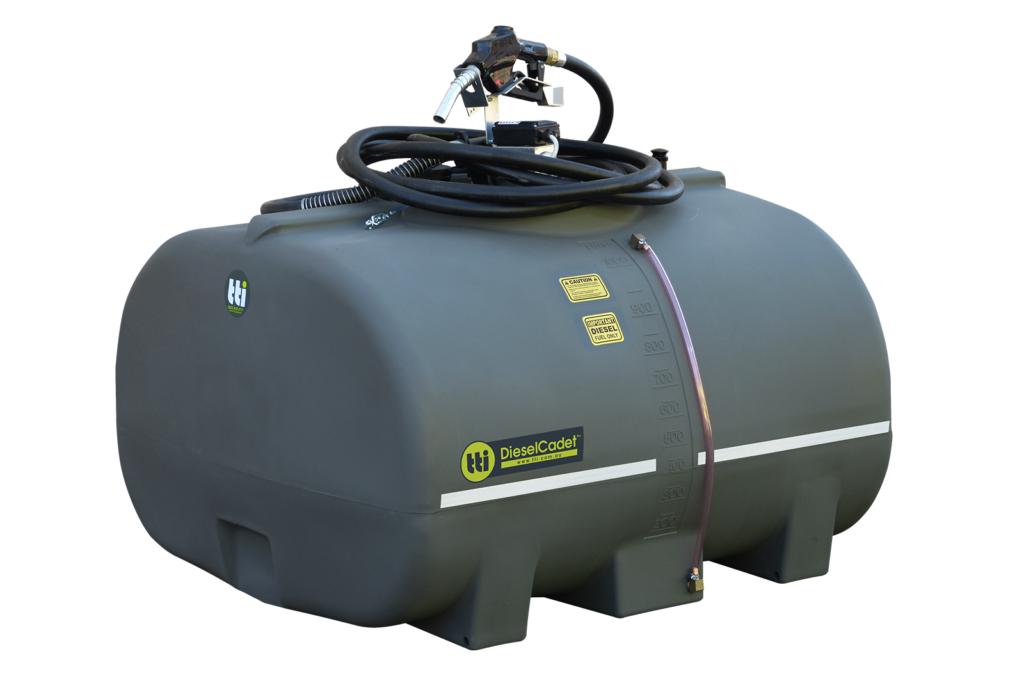
A portable diesel fuel tank has become an essential piece of equipment for construction sites, agricultural operations, fleet management, and emergency preparedness. Whether you’re powering heavy machinery in remote locations or ensuring backup fuel supply during emergencies, choosing the right diesel storage solution can significantly impact your operational efficiency and bottom line. This comprehensive guide explores everything you need to know about selecting, using, and maintaining portable fuel storage systems.
The market for portable diesel fuel tanks has grown substantially, with industry data showing a 15% annual increase in demand since 2020. This surge reflects the growing need for flexible fuel solutions across various sectors. From small 50-gallon units for personal use to massive 1,000-gallon commercial tanks, understanding your options ensures you make an informed investment that meets both regulatory requirements and operational needs.
What is a Portable Diesel Fuel Tank?
A portable diesel fuel tank is a mobile fuel storage container designed specifically for safely storing and dispensing diesel fuel. Unlike stationary fuel systems, these tanks offer the flexibility to transport fuel wherever it’s needed. They come equipped with specialized features including dispensing pumps, fuel gauges, venting systems, and safety mechanisms to prevent spills and contamination.
Modern portable fuel tanks are engineered from high-density polyethylene (HDPE) or heavy-gauge steel materials that resist corrosion and withstand harsh environmental conditions. According to EPA fuel storage regulations, these tanks must meet specific safety standards to prevent environmental contamination. They typically include secondary containment features, overflow protection, and secure mounting systems for safe transportation.
Key Components of Quality Diesel Fuel Tanks
Primary Tank Structure:
- Double-wall construction for leak prevention
- UV-resistant materials for outdoor storage
- Reinforced corners and stress points
- DOT-approved design standards
Dispensing Systems:
- 12V or manual fuel pumps
- Flow meters for accurate measurement
- Automatic shut-off nozzles
- Hose reels for organized storage
Safety Features:
- Emergency venting systems
- Grounding connections for static prevention
- Lockable fuel caps
- Spill containment basins
Why You Need a Portable Diesel Fuel Tank
The benefits of owning a portable diesel fuel tank extend far beyond simple convenience. Construction companies report saving up to 30% on fuel costs by eliminating frequent trips to commercial fuel stations. Agricultural operations benefit from on-site refueling capabilities during critical planting and harvesting seasons. Emergency response teams rely on these tanks to maintain fuel availability during natural disasters when traditional supply chains fail.
Fleet managers particularly value portable diesel storage for its operational advantages. According to a 2024 industry survey, 68% of fleet operators identified mobile fuel solutions as crucial for reducing vehicle downtime. When your equipment runs out of fuel in remote locations, having a portable tank nearby can save hours of productivity and thousands of dollars in lost revenue.
Time and Cost Savings
Portable fuel tanks deliver measurable financial benefits. A typical construction site using diesel generators and equipment can consume 200-300 gallons weekly. By purchasing bulk fuel at wholesale prices and storing it on-site, companies reduce per-gallon costs by $0.40-$0.75. Over a year, this translates to savings of $4,000-$11,000 for a medium-sized operation.
Transportation costs also decrease significantly. Commercial fuel delivery services charge $50-$150 per trip, depending on location and quantity. With a properly sized portable diesel fuel tank, you can reduce delivery frequency from weekly to monthly, cutting annual delivery expenses by 75% or more.
Types of Portable Diesel Fuel Tanks
Steel vs. Polyethylene Tanks
Steel Portable Diesel Fuel Tanks offer superior durability and fire resistance. These tanks are ideal for industrial applications where heavy-duty performance matters most. Steel construction withstands impacts better than plastic alternatives and provides excellent protection in high-traffic environments. However, they require more maintenance to prevent rust and corrosion, particularly in humid or coastal climates.
Polyethylene (Plastic) Fuel Tanks deliver excellent chemical resistance and never rust. They’re significantly lighter than steel options, making them easier to transport and install. Modern HDPE tanks feature UV stabilizers that prevent degradation from sun exposure. These tanks excel in agricultural settings and mobile service operations where weight reduction matters. The trade-off is lower impact resistance compared to steel.
Capacity Options and Applications
50-100 Gallon Tanks:
- Perfect for personal use and small farms
- Easy to transport in pickup trucks
- Ideal for occasional equipment refueling
- Price range: $400-$800
100-300 Gallon Tanks:
- Best for medium construction sites
- Suitable for small fleet operations
- Balances portability with capacity
- Price range: $800-$2,500
300-500 Gallon Tanks:
- Optimal for large construction projects
- Commercial agricultural operations
- Multiple equipment refueling needs
- Price range: $2,500-$5,000
500-1,000+ Gallon Tanks:
- Industrial-scale fuel storage
- Fleet refueling stations
- Emergency backup systems
- Price range: $5,000-$15,000+
Essential Features to Look For
When shopping for a portable diesel fuel tank, certain features separate quality products from inferior alternatives. Secondary containment ranks as the most critical safety feature, required by EPA regulations for tanks storing more than 660 gallons. This double-wall design captures leaks before they reach the environment, protecting your business from costly environmental violations and cleanup expenses.
Certified fuel pumps ensure accurate dispensing and long-term reliability. Look for pumps with flow rates matching your typical usage patterns. Small operations typically need 8-15 GPM (gallons per minute), while commercial applications may require 20-30 GPM. According to National Fire Protection Association standards, pumps must include automatic shut-off mechanisms and proper grounding.
Critical Safety Certifications
UL 142 Certification validates that steel tanks meet stringent safety standards for aboveground fuel storage. This certification covers construction materials, welding quality, pressure testing, and overall structural integrity. Tanks lacking this certification may fail prematurely or pose serious safety hazards.
DOT Specifications apply to tanks designed for highway transportation. If you plan to move your fuel tank between job sites frequently, DOT approval ensures compliance with federal transportation regulations. Non-compliant tanks can result in fines up to $10,000 per violation during highway inspections.
How to Choose the Right Portable Diesel Fuel Tank?
Selecting the appropriate portable diesel fuel tank requires careful assessment of your specific needs and operating conditions. Start by calculating your daily fuel consumption across all diesel-powered equipment. Add a 20-30% buffer for peak demand periods and emergency reserves. This calculation determines your minimum tank capacity requirements.
Suggested read: Best Portable Sewer Tank for RV Campers: Top Picks, Sizes & Buying Tips
Location considerations significantly impact tank selection. Outdoor storage demands UV-resistant materials and weatherproof components. Indoor facilities may allow lighter-weight options but require enhanced ventilation systems. Coastal regions need corrosion-resistant materials, while cold climates benefit from insulated tanks or heating elements to prevent fuel gelling.
Capacity Planning Formula
Step 1: List all diesel-powered equipment Step 2: Calculate daily fuel consumption for each item Step 3: Multiply by 7 for weekly usage Step 4: Add 25% safety margin Step 5: Consider refueling frequency constraints
For example, a construction site operating three excavators (30 gallons/day each) and two generators (10 gallons/day each) consumes 110 gallons daily. Weekly consumption reaches 770 gallons. Adding 25% buffer brings total needs to approximately 960 gallons, suggesting a 1,000-gallon tank for weekly refueling cycles.
Mobility Requirements Assessment
Stationary Applications:
- Skid-mounted tanks with forklift pockets
- Larger capacities acceptable
- Focus on durability over weight
- Foundation or pad installation
Frequently Moved Tanks:
- Wheeled chassis or trailer mounting
- Weight becomes critical factor
- DOT compliance essential
- Quick-connect fittings preferred
For operations needing maximum portability, consider tanks with integrated lifting lugs and forklift channels. These features enable safe movement using common equipment found at most job sites. Some portable designs include pneumatic wheels for manual repositioning without machinery.
Top Brands and Products
Premium Portable Diesel Fuel Tank Options
Transfer Flow Inc. dominates the premium segment with industry-leading warranty coverage and innovative designs. Their aluminum tanks combine lightweight construction with exceptional corrosion resistance. Most models feature lifetime warranty against manufacturer defects, reflecting confidence in product durability. Prices range from $1,200 for basic 100-gallon units to $8,500 for fully equipped 500-gallon systems.
JME Tanks specializes in commercial-grade portable fuel storage with heavy-duty steel construction. Their double-wall tanks meet all EPA regulations and include comprehensive pump packages. Fleet managers appreciate their fuel management systems that track dispensing and prevent unauthorized use. Expect to invest $3,000-$12,000 depending on capacity and features.
Western Global offers extensive product lines covering residential to industrial applications. Their FlexTank series provides modular storage solutions that expand as needs grow. These systems include advanced filtration, water separation, and fuel quality monitoring. Mid-range pricing at $2,000-$6,000 makes them accessible for medium-sized businesses.
Budget-Friendly Alternatives
Better Built delivers solid performance at competitive prices, focusing on essential features without luxury additions. Their polyethylene tanks suit agricultural and light commercial use. Most models include basic pump packages and standard safety features. Typical investment: $600-$2,500.
RDS Aluminum produces lightweight options perfect for pickup truck mounting. While capacities max out at 100 gallons, these tanks excel in portability and durability for personal use. Pricing starts at just $450, making them ideal entry-level choices.
Installation and Setup Guidelines
Proper installation ensures safety, regulatory compliance, and optimal tank performance. Begin by selecting a level, stable surface capable of supporting the tank’s full weight. A 500-gallon diesel tank weighs approximately 3,500 pounds when full, requiring substantial ground bearing capacity. Concrete pads or reinforced gravel bases provide ideal foundations for permanent installations.
Electrical requirements for pump systems typically include 12V DC connections to vehicle batteries or dedicated power supplies. Professional electricians should install permanent wiring following National Electrical Code standards. Proper grounding prevents static electricity buildup that could ignite fuel vapors. Ground connections must achieve less than 25 ohms resistance for effective static dissipation.
Step-by-Step Installation Process
Preparation Phase:
- Obtain necessary permits from local authorities
- Verify zoning compliance for fuel storage
- Prepare installation site with proper drainage
- Assemble required tools and equipment
Physical Installation:
- Position tank on prepared foundation
- Level tank using adjustable feet or shims
- Secure tank against movement or tipping
- Install pump and dispensing components
- Connect electrical systems with proper grounding
- Test all safety features and emergency shutoffs
Final Verification:
- Inspect for leaks using soap solution on connections
- Verify fuel gauge accuracy
- Test pump operation and flow rates
- Document installation date and initial readings
- Schedule first maintenance inspection
Ventilation and Environmental Compliance
Adequate ventilation prevents dangerous vapor accumulation around storage areas. Outdoor installations benefit from natural air circulation but still require proper venting systems on tanks themselves. Vent pipes should extend 12 inches above tank tops and include flame arresters to prevent fire hazards.
Indoor storage demands mechanical ventilation systems maintaining continuous air exchange. Many jurisdictions require exhaust fans capable of one complete air change every five minutes in fuel storage rooms. Vapor detection systems provide additional safety, triggering alarms when concentrations approach dangerous levels.
Safety Best Practices
Operating a portable diesel fuel tank safely protects both personnel and property while ensuring regulatory compliance. Fire prevention starts with maintaining 50-foot clearances from ignition sources, open flames, and electrical equipment not rated for hazardous locations. Smoking near fuel storage areas should be strictly prohibited, with clear signage reinforcing this policy.
Spill prevention kits must be readily accessible wherever diesel fuel tanks operate. These kits should include absorbent pads, containment booms, and neutralizing agents. According to OSHA requirements, spill response equipment must handle 10% of the largest container’s capacity or 500 gallons, whichever is greater.
Emergency Response Procedures
Small Spill Protocol (Less than 5 gallons):
- Stop fuel flow immediately
- Deploy absorbent materials around spill perimeter
- Soak up fuel using pads or granules
- Dispose of contaminated materials properly
- Document incident and response actions
Large Spill Protocol (5+ gallons):
- Activate emergency response plan
- Evacuate personnel from immediate area
- Contact local fire department and EPA
- Deploy containment booms to prevent spreading
- Professional cleanup crew assessment required
Personal Protective Equipment
Handling diesel fuel requires appropriate PPE to minimize health risks. Chemical-resistant gloves protect skin from prolonged fuel contact that causes irritation and dermatitis. Safety glasses with side shields prevent fuel splashes from reaching eyes during refueling operations.
Suggested read: Portable Diesel Tank: Best Options for Safe Fuel Storage & Transport
Respiratory protection becomes necessary when working in enclosed spaces or during bulk fuel transfers. Disposable respirators rated for organic vapors provide adequate protection for most portable diesel fuel tank operations. Extended exposure situations may require air-purifying respirators with appropriate cartridges.
Maintenance and Care Tips
Regular maintenance extends tank life and ensures safe operation throughout years of service. Monthly inspections should check for visible damage, corrosion, leaks, and loose fittings. Pay special attention to weld seams on steel tanks and connection points where stress concentrates. Document findings in a maintenance log to track developing issues before they become serious problems.
Fuel quality management prevents equipment damage from contaminated diesel. Water accumulation in tanks promotes bacterial growth and corrosion. Install water-detecting paste on fuel measuring sticks to identify water presence during inspections. Many portable diesel fuel tank owners drain 5-10 gallons from tank bottoms quarterly to remove accumulated water and sediment.
Annual Professional Servicing
Qualified technicians should perform comprehensive inspections annually, examining components beyond typical operator capabilities. Tank integrity testing may include ultrasonic thickness measurements on steel tanks to assess corrosion rates. Structural components receive stress testing to verify continued safety factors.
Pump system overhauls maintain reliable fuel delivery. Technicians replace worn seals, clean filters, calibrate flow meters, and test emergency shutoff mechanisms. Professional service costs typically run $300-$800 annually but prevent expensive emergency repairs and equipment downtime.
Cleaning and Contamination Prevention
Tank cleaning should occur every 3-5 years depending on fuel quality and usage patterns. Professional cleaning removes sludge, varnish deposits, and biological contamination that fuel additives cannot address. This service costs $500-$2,000 based on tank size but dramatically improves fuel quality and pump reliability.
Fuel additives help prevent problems between cleanings. Biocide treatments eliminate bacterial and fungal growth in water-contaminated fuel. Stabilizers prevent fuel degradation during extended storage periods. Anti-gel additives keep diesel flowing during cold weather. Annual additive costs range from $100-$400 for typical portable fuel tank applications.
Legal and Regulatory Requirements
Understanding fuel storage regulations prevents costly violations and ensures environmental protection. The Environmental Protection Agency (EPA) establishes federal standards for fuel storage systems, with specific requirements varying based on tank capacity and location. Most portable diesel fuel tanks under 1,100 gallons avoid the most stringent UST (Underground Storage Tank) regulations but must still meet aboveground storage standards.
State and local regulations often exceed federal minimums, particularly in environmentally sensitive areas. Coastal regions may require secondary containment for all fuel tanks regardless of size. Urban areas might restrict outdoor fuel storage entirely. Always verify requirements with your local fire marshal and environmental agency before installing any fuel storage system.
Permit Requirements
Construction Sites:
- Temporary fuel storage permits
- Daily capacity limits (often 660 gallons)
- Placement restrictions from property boundaries
- Spill prevention plan submission
Permanent Installations:
- Building permits for tank foundations
- Environmental impact assessments
- Fire department inspections and approval
- Annual operating permits in many jurisdictions
Agricultural Exemptions:
- Many states exempt farm fuel storage
- Capacity limits still apply (typically 1,100 gallons)
- Proper labeling requirements remain
- Notification to local fire officials recommended
Record Keeping Obligations
Federal and state regulations require maintaining detailed fuel storage records. Inventory logs tracking fuel additions, dispensing volumes, and current levels help identify leaks quickly. Many jurisdictions mandate monthly reconciliation comparing physical measurements to recorded transactions. Discrepancies exceeding 1% may trigger investigation requirements.
Inspection documentation proves regulatory compliance during audits. Photograph tank installations, save equipment specifications, retain service records, and file spill response reports. Digital record systems simplify compliance and provide immediate access during regulatory inspections. Missing documentation can result in fines even when no actual violations occurred.
Cost Analysis: Investment and ROI
Purchasing a portable diesel fuel tank represents a significant capital investment, but the return on investment typically materializes within 18-24 months for commercial operations. Initial costs include the tank itself ($500-$15,000), installation expenses ($200-$2,000), permits and inspections ($100-$500), and initial fuel purchase to fill the tank.
Operating costs remain relatively low after installation. Annual maintenance averages $400-$1,000 including inspections, minor repairs, and cleaning. Fuel additives add another $100-$400 yearly. Insurance premiums may increase $200-$600 annually to cover fuel storage liability. Many businesses find these expenses easily offset by fuel savings and operational efficiencies.
ROI Calculation Example
Medium Construction Company:
- 300-gallon portable diesel fuel tank: $3,500
- Installation and setup: $800
- Total initial investment: $4,300
Annual Savings:
- Fuel cost reduction (bulk purchasing): $6,200
- Eliminated delivery fees: $1,800
- Reduced equipment downtime: $3,500
- Total annual benefit: $11,500
Payback period: 4.5 months Five-year ROI: 1,237%
Long-term Financial Benefits
Beyond immediate savings, portable diesel fuel tanks provide strategic advantages that improve business competitiveness. Job sites become more self-sufficient, reducing dependency on fuel delivery schedules. Emergency fuel availability prevents costly project delays during supply disruptions.
Resale value for quality portable fuel tanks remains strong. Well-maintained tanks from reputable manufacturers retain 60-70% of original value after five years. This makes them relatively liquid assets if business needs change.
Common Problems and Solutions
Even quality portable diesel fuel tanks encounter occasional issues requiring troubleshooting and repair. Pump failures rank as the most frequent complaint, typically caused by contaminated fuel damaging internal components. Regular fuel filtration and water removal prevent most pump problems. When pumps do fail, replacement costs range from $200-$800 depending on pump specifications.
Suggested read: The Best Portable Sewing Table: Top Picks, Features & Buying Tips for Every Sewist
Fuel contamination manifests through water accumulation, biological growth, or sediment buildup. Symptoms include hard starting equipment, loss of power, and black smoke from engines. Prevention beats treatment for contamination issues. Installing water separating filters costs $50-$150 but eliminates most contamination problems before they affect equipment.
Leak Diagnosis and Repair
Finding leaks in portable diesel fuel tanks requires systematic inspection. Check common failure points first: fill cap gaskets, pump connections, drain plugs, and gauge fittings. Apply soap solution to suspected areas and watch for bubble formation indicating escaping vapors.
Professional repair becomes necessary for structural leaks in tank walls or seams. Steel tanks often require welding, which must occur only after complete fuel removal and purging. Polyethylene tanks may need plastic welding or replacement depending on damage severity. Repair costs vary widely: $150-$3,000 based on leak complexity and accessibility.
Cold Weather Operating Challenges
Diesel fuel gels at temperatures below 15°F, blocking filters and preventing flow. Preventive measures include winter fuel blends, anti-gel additives, and heated storage facilities. Emergency treatment with diesel thaw additives can restore flow after gelling occurs, though prevention proves more reliable.
Insulated tank wraps maintain fuel temperatures in extreme cold climates. These covers cost $200-$600 depending on tank size but eliminate gelling problems entirely. Some portable diesel fuel tank models include integrated heating elements powered by 120V AC or 12V DC sources for the ultimate cold-weather protection.
Environmental Impact and Sustainability
Responsible fuel storage minimizes environmental impact while maximizing resource efficiency. Spill prevention through secondary containment, proper venting, and regular maintenance protects soil and groundwater from contamination. According to EPA data, one gallon of diesel can contaminate one million gallons of groundwater, making prevention essential for environmental stewardship.
Fuel efficiency improvements from having on-site storage reduce overall carbon footprint. Equipment operators can refuel during off-hours rather than running engines while traveling to fuel stations. This eliminates unnecessary idling and reduces total fuel consumption by 3-5% annually for typical fleets.
Eco-Friendly Tank Options
Recyclable materials like aluminum and high-density polyethylene reduce environmental impact at end-of-life. Both materials retain value and can be processed into new products. Steel tanks also recycle readily, with scrap value partially offsetting disposal costs.
Solar-powered pump systems eliminate electrical consumption for fuel dispensing. While initial costs run $500-$1,200 higher than standard electric pumps, solar systems operate free after installation. They excel in remote locations lacking electrical infrastructure and demonstrate commitment to renewable energy.
Portable Diesel Fuel Tank Buying Checklist
Before purchasing your portable diesel fuel tank, use this comprehensive checklist ensuring you’ve considered all critical factors:
Capacity and Size:
- [ ] Calculated daily fuel consumption
- [ ] Determined refueling frequency
- [ ] Measured available installation space
- [ ] Verified transportation capabilities
- [ ] Planned for future growth needs
Material and Construction:
- [ ] Selected steel vs. polyethylene
- [ ] Verified wall thickness specifications
- [ ] Confirmed UV protection features
- [ ] Checked warranty coverage terms
- [ ] Reviewed manufacturer reputation
Safety and Compliance:
- [ ] Verified UL 142 or equivalent certification
- [ ] Confirmed DOT approval if needed
- [ ] Checked secondary containment features
- [ ] Reviewed local permit requirements
- [ ] Planned spill response equipment
Features and Accessories:
- [ ] Selected appropriate pump type
- [ ] Determined necessary flow rate
- [ ] Chose fuel gauge style
- [ ] Planned for security features
- [ ] Considered fuel management systems
Installation Requirements:
- [ ] Assessed foundation needs
- [ ] Planned electrical connections
- [ ] Verified ventilation requirements
- [ ] Scheduled professional installation
- [ ] Budgeted for permits and inspections
Alternative Storage Solutions
While portable diesel fuel tanks dominate mobile fuel storage markets, alternative solutions merit consideration for specific applications. Fuel bladders provide ultra-portable storage for temporary needs. These flexible containers fold for easy transport and expand to hold 50-5,000 gallons. They cost less than rigid tanks but lack durability for permanent installations. Pricing ranges from $500-$3,000 based on capacity.
Tote tanks (IBC containers) offer standardized 275-330 gallon capacities in stackable formats. These work well for warehouse storage and material handling operations. However, they’re not designed specifically for diesel fuel and may lack appropriate pumps and safety features. Proper modifications are essential for fuel storage use.
Stationary Tank Comparison
Underground storage tanks provide maximum security and aesthetic appeal but require $10,000-$50,000 investment including excavation, installation, and regulatory compliance. They make sense for permanent facilities with high fuel consumption but offer zero portability.
Aboveground stationary tanks cost less than UST systems while avoiding excavation expenses. Capacities up to 10,000+ gallons serve large operations. However, their permanent installation eliminates the flexibility that makes portable diesel fuel tanks valuable for many users.
Expert Tips for Maximum Value
Industry professionals share these insights for getting optimal performance and longevity from portable fuel storage investments. Fuel quality testing every six months identifies contamination before it damages equipment. Simple test kits costing $20-$40 detect water, particles, and biological growth. Early detection allows inexpensive treatment rather than costly tank cleaning.
Strategic placement reduces handling and transportation needs. Position tanks centrally to equipment they serve, minimizing fuel hose length requirements. Each additional 25 feet of hose costs $75-$150 and increases pump strain. Thoughtful placement saves money and improves efficiency.
Negotiating Best Prices
Bulk buying delivers significant savings on both tanks and fuel. Joining purchasing cooperatives or timing purchases during manufacturer promotions can reduce costs 15-25%. End-of-year clearances on previous model years offer excellent values without sacrificing quality.
Package deals combining tanks, pumps, and accessories provide better value than purchasing components separately. Manufacturers offer 10-20% discounts on complete systems versus individual parts. These packages ensure component compatibility and simplify installation.
Suggested read: Best Portable Potty for Kids: Top Picks, Tips & What to Buy in 2026
When to Upgrade
Capacity increases become necessary when refueling frequency exceeds practical limits. If you’re filling tanks weekly or more often, upgrading to larger capacity improves convenience and may unlock better bulk fuel pricing. The break-even point typically occurs when a 50% capacity increase reduces refueling frequency by 30% or more.
Technology improvements in newer portable diesel fuel tank models may justify replacement before end-of-life. Fuel management systems, automatic leak detection, and enhanced safety features provide operational benefits exceeding upgrade costs for high-volume users.
Case Studies: Real-World Applications
Agricultural Operation – Johnson Family Farms: This 2,000-acre Iowa farm installed a 500-gallon portable diesel fuel tank to service tractors, combines, and irrigation equipment. Previously, equipment operators drove 18 miles round-trip to the nearest fuel station, consuming 240 hours annually in transit time alone. The portable tank reduced refueling time to minutes, eliminated transportation waste, and cut fuel costs $8,400 yearly through bulk purchasing. The $4,200 investment paid for itself in just six months.
Construction Company – Midwest Builders LLC: Operating across three states, this contractor maintains 300-gallon portable diesel fuel tanks at each active job site. Before implementing mobile fuel storage, equipment downtime from refueling averaged 90 minutes daily across their fleet. Project managers reported 22% productivity improvement after deploying portable tanks, translating to faster project completion and $156,000 additional revenue in the first year.
Emergency Services – County Fire Department: Following hurricane disruptions that interrupted fuel supplies for three weeks, this coastal fire department installed 1,000-gallon portable diesel fuel tanks at four stations. These tanks maintain 30-day fuel reserves for fire trucks, rescue vehicles, and backup generators. While they’ve fortunately avoided another major disaster, smaller weather events have proven the system’s value multiple times. The fire chief calls it “the best $38,000 we’ve ever spent on preparedness.”
Frequently Asked Questions
What is the best size portable diesel fuel tank for personal use?
The best size portable diesel fuel tank for personal use typically ranges from 50-100 gallons. This capacity handles weekend equipment use, small farm operations, and emergency backup needs without excessive investment or space requirements. A 100-gallon tank provides 2-3 weeks of fuel for most personal applications while remaining transportable in standard pickup trucks.
How long does diesel fuel last in a portable tank?
Diesel fuel lasts 6-12 months in portable storage tanks when properly maintained. Adding fuel stabilizers extends life to 12-24 months by preventing oxidation and bacterial growth. Temperature control, water prevention, and contamination avoidance significantly impact storage duration. According to petroleum industry standards, diesel begins degrading after six months without stabilizers, forming sediments and losing combustibility.
Are portable diesel fuel tanks legal everywhere?
Portable diesel fuel tanks are legal in most locations but face varying regulations by jurisdiction. Federal EPA rules permit tanks under 1,100 gallons for most applications, while states and municipalities add specific requirements. Some urban areas restrict residential fuel storage, and certain permits may be required for commercial use. Always verify local regulations with your fire marshal and environmental agency before installation.
Can I mount a portable diesel fuel tank in my pickup truck?
Yes, many portable diesel fuel tanks are specifically designed for pickup truck bed mounting. These auxiliary fuel tanks typically range from 30-100 gallons and include secure mounting systems. Ensure your chosen tank meets DOT standards for highway transport, doesn’t exceed your vehicle’s payload capacity, and complies with local regulations. Professional installation ensures proper weight distribution and safety.
What maintenance does a portable diesel fuel tank require?
Portable diesel fuel tanks require monthly visual inspections, quarterly water checks, annual professional servicing, and cleaning every 3-5 years. Regular maintenance includes examining for leaks, testing safety features, draining accumulated water, replacing filters, and treating fuel with appropriate additives. Neglecting maintenance reduces tank lifespan and increases contamination risks. Budget $400-$1,000 annually for comprehensive upkeep.
How much does it cost to fill a portable diesel fuel tank?
Filling costs depend on tank capacity and current diesel prices. At average 2026 rates of $3.80 per gallon, a 100-gallon portable diesel fuel tank costs $380 to fill, a 300-gallon tank costs $1,140, and a 500-gallon tank costs $1,900. Bulk purchasing typically reduces per-gallon costs by $0.40-$0.75, making larger tanks more economical despite higher upfront investment.
Do I need insurance for a portable diesel fuel tank?
While not legally mandated in most jurisdictions, insurance for portable diesel fuel tanks is highly recommended. Standard business or homeowner policies may not cover fuel storage without specific endorsements. Fuel storage liability insurance costs $200-$600 annually and protects against spill cleanup expenses, third-party damage claims, and environmental remediation that can easily exceed $50,000 for serious incidents.
Can portable diesel fuel tanks be used for other fuels?
Portable diesel fuel tanks should only store diesel fuel unless specifically designed for multi-fuel use. Using tanks for gasoline, kerosene, or other petroleum products without proper labeling and component compatibility creates serious safety hazards. Different fuels require different materials, venting systems, and safety equipment. Always use dedicated tanks for specific fuel types to ensure safety and regulatory compliance.
Conclusion
Investing in a quality portable diesel fuel tank delivers measurable returns through reduced fuel costs, improved operational efficiency, and enhanced emergency preparedness. Whether you manage a construction site, operate a farm, or simply want backup fuel security, modern portable storage solutions offer reliability and flexibility impossible with traditional refueling methods.
The key to maximizing your investment lies in careful planning, proper installation, and consistent maintenance. Choose tanks from reputable manufacturers, verify regulatory compliance, and implement safety procedures from day one. Remember that the cheapest option rarely proves most economical when total lifetime costs are considered.
As fuel prices fluctuate and supply chains face ongoing challenges, having reliable on-site diesel storage becomes increasingly valuable. The portable diesel fuel tank you choose today will serve your operation for decades with proper care, turning what seems like a significant initial expense into one of your most profitable equipment investments.
Ready to secure your fuel independence? Explore premium portable diesel fuel tank options from trusted manufacturers and start saving today. Don’t let fuel logistics limit your productivity – take control with the right portable storage solution for your needs.
For additional portable equipment solutions that enhance your operational efficiency, check out our selection of portable drafting board options and other mobile workspace essentials.
Additional Resources
Authoritative Sources Cited:
- Environmental Protection Agency – Fuel Storage Regulations
- National Fire Protection Association – NFPA 30
- Occupational Safety and Health Administration – Fuel Storage Requirements
- National Electrical Code – Hazardous Locations
Industry Associations:
- Petroleum Equipment Institute (PEI)
- American Petroleum Institute (API)
- National Tank Truck Carriers Association
Further Reading:
- Diesel Fuel Storage Best Practices Guide
- Fuel Quality Management Manual
- Emergency Spill Response Planning
Disclaimer: This article provides general information about portable diesel fuel tanks. Always consult local regulations, qualified professionals, and manufacturer specifications before purchasing or installing fuel storage systems. Fuel handling carries inherent risks requiring proper training and safety equipment.