Whether you run a construction site, manage a farm, or operate a fleet of vehicles, a portable diesel tank is one of the most practical investments you can make. It eliminates constant fuel station trips, reduces downtime, and keeps your equipment running without interruption.
In this post, we cover everything you need to know — from how to choose the right tank to the top features that make a diesel fuel container worth every cent.
What Is a Portable Diesel Tank?
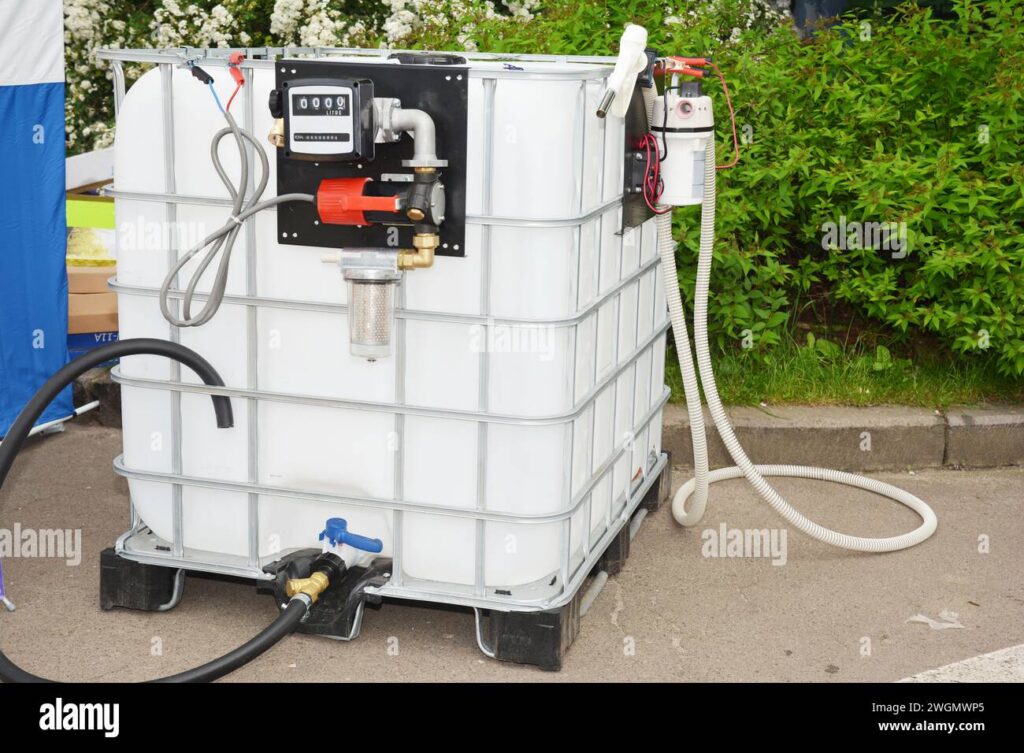
A portable diesel tank is a self-contained, transportable fuel storage unit designed specifically for diesel fuel. Unlike fixed fuel stations, portable diesel tanks can be mounted on trucks, trailers, or utes — and moved wherever fuel is needed most.
They are built with corrosion-resistant materials like polyethylene or powder-coated steel. Most come with integrated pumps, fuel meters, and nozzles. Their size ranges from as small as 60 liters to over 1,000 liters, depending on your application.
“Portable fuel solutions have revolutionized remote job site operations, cutting fuel logistics costs by up to 40%.” — Fleet Management Today, 2023
Why You Need a Portable Diesel Fuel Tank
Still deciding whether a portable diesel tank is right for you? Here are the top reasons why operators across industries rely on them daily:
- Reduces equipment downtime — Fuel is always on-site and ready
- Saves money — Bulk diesel is cheaper than retail pump prices
- Improves safety — Designed and certified for safe fuel containment
- Increases productivity — No delays waiting for fuel deliveries
- Versatile use — Suits farms, mining, construction, and emergency response
A 2022 industry report by the Australian Petroleum & Convenience Association found that businesses using portable diesel storage units reduced fuel-related operational delays by 32% on average.
Types of Portable Diesel Tanks You Can Buy
Not every portable diesel tank is built the same. Knowing the different types helps you make the right purchase decision.
1. Poly Portable Diesel Tanks
Polyethylene (poly) tanks are lightweight, rust-proof, and UV-resistant. They are the most popular choice for general use. These tanks are ideal for farms, workshops, and light commercial operations.
| Feature | Poly Tanks |
| Weight | Lightweight |
| Rust Resistance | Excellent |
| Cost | Budget-friendly |
| Best For | Farms, workshops |
2. Steel Portable Diesel Tanks
Steel tanks offer superior strength and impact resistance. They are preferred in mining, heavy construction, and marine environments where durability is non-negotiable.
| Feature | Steel Tanks |
| Weight | Heavy |
| Rust Resistance | Moderate (powder-coated) |
| Cost | Higher |
| Best For | Mining, heavy industry |
3. Ute Tray Mounted Diesel Tanks
These tanks are designed to fit flush on ute trays. They often feature low-profile designs with integrated toolboxes and pump systems. Perfect for tradespeople who need fuel and storage in one unit.
4. Trailer-Mounted Portable Diesel Tanks
For operations requiring massive fuel capacity, trailer-mounted tanks are the gold standard. They can carry 500 to 5,000 liters and are towed directly to remote sites.
Key Features to Look for in a Portable Diesel Tank
Buying the wrong tank is a costly mistake. Here are the must-have features every quality portable diesel tank should include:
Transfer Pump
Every portable diesel tank should come with a built-in 12V or 240V transfer pump. The pump dictates how quickly you can refuel. Look for flow rates of at least 40 liters per minute for efficient operation.
Digital Fuel Meter
A digital flow meter tracks exactly how much fuel is dispensed. This is critical for job costing, fleet management, and preventing theft. Accuracy within ±1% is the industry benchmark.
Lockable Fittings
Security is crucial. Lockable caps, valves, and pump covers prevent unauthorized access and fuel theft — a growing concern on remote work sites.
Bunded Design (Secondary Containment)
A bunded portable diesel tank features a secondary containment layer that holds 110% of the tank’s volume. This is a legal requirement in many regions for tanks over 200 liters.
Anti-Static Earthing System
Static electricity buildup during fuel transfer can cause sparks. A built-in earthing system eliminates this risk. Always prioritize safety-rated equipment.
Portable Diesel Tank Sizes: What Capacity Do You Need?
Choosing the right size portable diesel tank depends on your daily fuel consumption, storage space, and transport capacity.
| Tank Size | Best For | Avg. Refills Per Week |
| 60 – 100L | Personal use, small farms | 3–5 |
| 200 – 400L | Trades, small fleets | 1–2 |
| 500 – 1,000L | Construction sites | Weekly |
| 1,000L+ | Mining, large fleets | Fortnightly+ |
Pro tip: Always buy 20–30% more capacity than your estimated need. Fuel usage increases during peak seasons and project ramp-ups.
How to Use a Portable Diesel Tank Safely
Safety is non-negotiable when handling diesel fuel. Follow these steps every time you use your portable diesel tank:
- Inspect the tank before each use — check for leaks, cracks, or loose fittings
- Ground the tank using the earthing cable before dispensing fuel
- Keep the area well-ventilated — never refuel in enclosed spaces
- Never overfill — leave 10% headspace for thermal expansion
- Use a proper nozzle — automatic shut-off nozzles prevent spills
- Store away from ignition sources — heat, flames, and sparks are dangerous
- Check local regulations — storage limits vary by state and territory
According to Safe Work Australia, improper fuel storage is responsible for a significant portion of preventable workplace fires annually. Compliance with AS 1940 standards is mandatory for portable fuel containers in industrial settings.
Portable Diesel Tank Regulations You Must Know
Regulations around portable diesel fuel storage differ by country, state, and application.
Australia
- Tanks under 250 liters are generally exempt from planning permits
- Tanks over 250 liters must comply with AS 1940:2017 (Storage and Handling of Flammable and Combustible Liquids)
- Bunding is mandatory for tanks exceeding 200 liters in most states
- Transport regulations under ADG Code apply when moving tanks on public roads
United States
- EPA regulations govern above-ground storage tanks
- SPCC (Spill Prevention, Control, and Countermeasure) plans required for facilities over 1,320 gallons
- DOT regulations apply during transport
Always consult your local authority before purchasing a high-capacity portable diesel tank.
Top Portable Diesel Tank Brands Compared
Here is a quick comparison of the leading brands available in 2024–2025:
| Brand | Tank Type | Capacity Range | Pump Included | Price Range |
| Diesel Tanks Australia | Poly & Steel | 60L – 2,000L | Yes | Mid–High |
| TechTank | Poly | 100L – 1,000L | Optional | Low–Mid |
| Rapid Spray | Steel Bunded | 200L – 5,000L | Yes | High |
| Fuelchief | Poly | 60L – 660L | Yes | Low–Mid |
| OzFuelPower | Steel/Poly | 200L – 2,000L | Yes | High |
Case Study: How a Construction Company Cut Fuel Costs by 28%
Company: MidWest Civil Contractors (hypothetical example based on industry data)
Challenge: Daily fuel trips to the nearest station were costing 3+ hours of productivity per crew per day.
Solution: Invested in two 1,000L bunded portable diesel tanks mounted on trailers.
Results after 6 months:
- Fuel cost reduced by 28% (bulk buying advantage)
- Equipment downtime reduced by 35%
- Crew productivity increased by 22%
- Full compliance with state safety regulations achieved
This case demonstrates why the upfront investment in a quality portable diesel tank pays for itself quickly in real-world operations.
Portable Electric Winch: The Perfect Companion for Heavy-Duty Worksites
If you are moving heavy equipment, a portable electric winch (https://theportableshop.com/category/other-portable/) is the ideal companion to your portable diesel tank setup. Whether you need to load tanks onto trailers or recover heavy machinery, a portable electric winch makes the job safer and faster. Pairing portable power and portable winching capability is a smart investment for any serious operator.
How to Maintain Your Portable Diesel Tank
Proper maintenance extends the lifespan of your portable diesel tank and prevents contamination.
Monthly Checks
- Inspect all fittings, hoses, and connections for wear or leaks
- Check pump operation and flow rate
- Test the shut-off valve
Quarterly Checks
- Drain and inspect the tank interior for water or sediment buildup
- Test the fuel meter calibration
- Lubricate all moving parts
Annual Checks
- Full professional inspection of structural integrity
- Pressure test all seals
- Review compliance with current regulations
Diesel bug (microbial contamination) is a serious issue in stored diesel. Use a biocide treatment every 6 months if the tank is not used frequently.
Portable Diesel Tank vs. Jerry Can: Which Is Better?
Many operators start with jerry cans before upgrading to a proper portable diesel tank. Here is why the upgrade almost always makes sense:
| Comparison | Jerry Can | Portable Diesel Tank |
| Capacity | 5–20L | 60L – 5,000L |
| Transfer Speed | Slow (manual pour) | Fast (powered pump) |
| Safety Features | Minimal | Full compliance fittings |
| Fuel Metering | None | Digital meter |
| Cost Efficiency | Poor (small quantities) | Excellent (bulk buying) |
| Long-Term Value | Low | High |
For anything beyond occasional personal use, a portable diesel tank is the clear winner in every metric that matters.
Where to Buy a Portable Diesel Tank
You can purchase a quality portable diesel tank from:
- Specialist fuel equipment suppliers — best range and expert advice
- Agricultural supply stores — ideal for farm-spec tanks
- Online marketplaces — competitive pricing but limited post-sale support
- Direct from manufacturers — best for custom or large-capacity orders
Always verify that the supplier provides full compliance documentation, including relevant Australian Standards or equivalent certifications for your region.
Source: Portable Diesel Tank — Diesel Tanks Australia
Frequently Asked Questions About Portable Diesel Tanks
What is a portable diesel tank used for?
A portable diesel tank is used to store and transport diesel fuel for machinery, vehicles, and generators. It is commonly used on farms, construction sites, mining operations, and remote work sites where access to fuel stations is limited or impractical.
How big should my portable diesel tank be?
Your ideal portable diesel tank size depends on your daily fuel consumption. As a rule, calculate your average daily usage and multiply by 7 (for a weekly supply). Add 20–30% buffer for peak usage. Most small operations do well with 200–400L tanks.
Is it legal to transport a portable diesel tank on a public road?
Yes, but it depends on the size and your local regulations. In Australia, tanks must comply with the ADG Code for transport of dangerous goods. In the US, DOT regulations apply. Always check local laws before transporting a portable diesel tank on public roads.
What is a bunded portable diesel tank?
A bunded portable diesel tank features an inner tank surrounded by an outer containment shell. The outer bund holds at least 110% of the inner tank’s volume. This design prevents spills from reaching the ground and is legally required in many jurisdictions for tanks over a certain capacity.
How long can diesel be stored in a portable tank?
Diesel can typically be stored safely in a portable diesel tank for 6 to 12 months under ideal conditions. Using a fuel stabilizer or biocide additive can extend storage life to 24 months. Always store diesel away from heat, moisture, and sunlight.
Can I store a portable diesel tank indoors?
This depends on capacity and local fire codes. Small tanks under 100L may be permissible in well-ventilated areas, but most regulations prohibit large portable diesel tanks inside enclosed buildings. Always consult local fire safety authorities before indoor storage.
What pump flow rate do I need for a portable diesel tank?
For personal use, 20–30 liters per minute is sufficient. For fleet or site operations, look for pumps rated at 40–80 liters per minute. Higher flow rates reduce refueling time significantly when managing multiple pieces of equipment.
Final Thoughts: Invest in the Right Portable Diesel Tank Today
A quality portable diesel tank is not just a convenience — it is a business asset. It reduces costs, eliminates downtime, improves site safety, and gives you complete control over your fuel supply chain.
Whether you are a farmer, fleet manager, contractor, or mining operator, the right portable diesel tank will pay for itself faster than you expect. Choose the correct size, prioritize safety features, and always buy from a reputable supplier with full compliance documentation.
Ready to find your ideal portable diesel tank? Browse our full range of portable fuel storage solutions and get expert advice today. Visit: https://www.dieseltanksaustralia.com.au/
Sources & Citations
- Safe Work Australia — Flammable and Combustible Liquids Guidelines (safeworkaustralia.gov.au)
- Standards Australia — AS 1940:2017: Storage and Handling of Flammable and Combustible Liquids
- Australian Petroleum & Convenience Association — 2022 Fleet Fuel Management Report
- Fleet Management Today — Portable Fuel Solutions: Cost & Efficiency Analysis, 2023
- S. Environmental Protection Agency — SPCC Rule Overview (epa.gov)
- Portable Diesel Tank — Diesel Tanks Australia: https://www.dieseltanksaustralia.com.au/
Last Updated: April 2025 | Category: Fuel Storage & Equipment