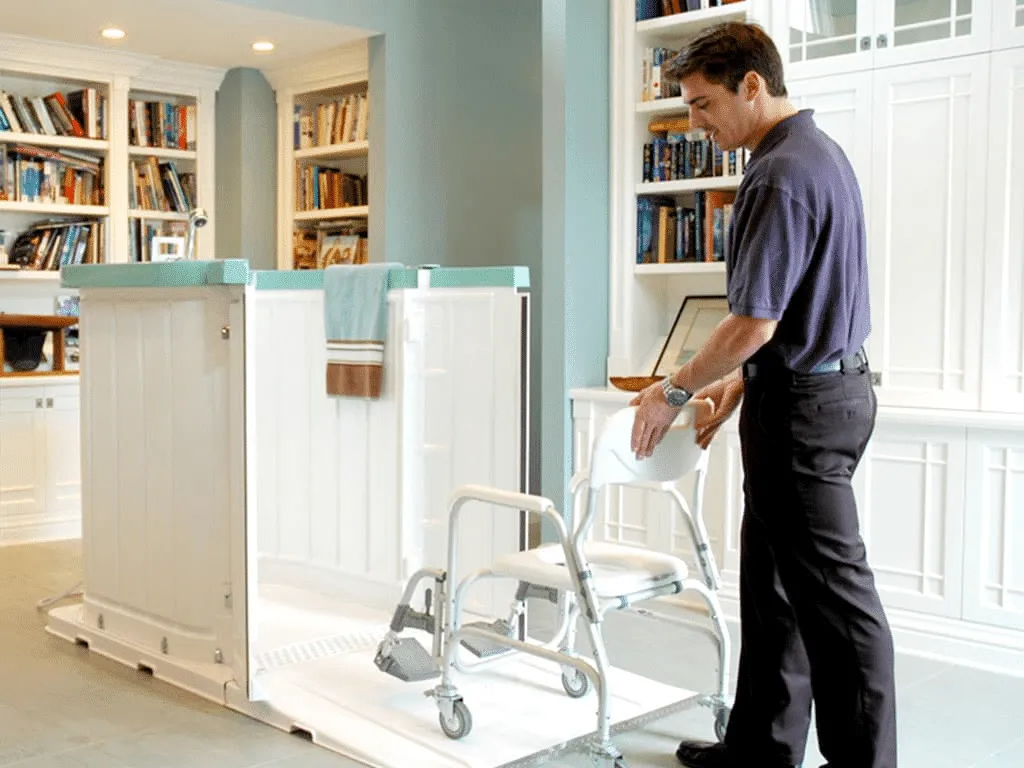
Understanding the Need for a Portable Shower for Elderly Individuals
As our loved ones age, maintaining personal hygiene becomes increasingly challenging yet critically important for their health and dignity. A portable shower for elderly individuals represents a practical solution that addresses mobility limitations while preserving independence in daily bathing routines. These innovative bathing systems have transformed how seniors approach personal care, offering safety, convenience, and comfort in various living situations.
The demand for portable bathing solutions has grown significantly as more families choose to care for aging relatives at home. According to recent healthcare statistics, approximately 90% of seniors prefer to age in place rather than move to assisted living facilities. This preference creates a substantial need for home modifications that support safe bathing practices. Traditional bathrooms often present numerous hazards for elderly individuals, including slippery surfaces, high bathtub walls, and inadequate support structures.
A portable shower system for the elderly eliminates many of these concerns by providing a dedicated, accessible bathing space that can be set up in bedrooms, living areas, or any location with adequate drainage capabilities. These systems typically feature low or zero-threshold entry points, non-slip flooring, and integrated safety features that significantly reduce fall risks. The portability aspect means caregivers can adjust the bathing environment based on the senior’s changing mobility needs without undertaking expensive bathroom renovations.
Key Safety Features in Portable Showers for Senior Citizens
When evaluating a portable shower for elderly use, safety features should be your primary consideration. The best portable shower systems incorporate multiple layers of protection to prevent accidents and injuries during bathing. Understanding these essential safety elements helps families make informed decisions that prioritize their loved one’s wellbeing while maintaining bathing independence.
Built-in Grab Bars and Support Handles serve as the first line of defense against falls. Quality portable showers include strategically placed grab bars made from rust-resistant materials like stainless steel or powder-coated aluminum. These handles should support at least 250 pounds and be positioned at multiple heights to accommodate different user needs. The grab bars allow seniors to maintain balance while entering, exiting, and moving within the shower space.
Anti-Slip Flooring Technology represents another critical safety component. Premium portable shower systems feature textured floor surfaces with drainage channels that prevent water accumulation. The flooring material should provide excellent traction even when wet, reducing slip hazards that commonly cause bathroom injuries. Many models incorporate raised patterns or rubberized coatings specifically designed to maintain grip under soapy water conditions.
Temperature Control Systems protect elderly users from scalding injuries, which pose a serious risk for individuals with reduced sensitivity to heat. Advanced portable showers include thermostatic mixing valves that maintain consistent water temperatures and prevent sudden fluctuations. Some models feature digital displays showing real-time temperature readings, allowing caregivers to preset safe bathing temperatures before the senior enters the shower.
Low-Threshold or Zero-Entry Design eliminates the need to step over high barriers, which presents a significant fall risk for seniors with limited mobility. The best portable shower for elderly individuals features entry thresholds of three inches or less, with some models offering completely flush entry points. This design consideration proves especially valuable for wheelchair users or those relying on walkers for mobility support.
Types of Portable Shower Systems Available for Elderly Care
The market offers several distinct types of portable shower for elderly solutions, each designed to address specific mobility challenges and living situations. Understanding the differences between these systems helps families select the option that best matches their loved one’s needs, budget constraints, and available space. Let’s explore the primary categories of portable shower systems and their unique advantages.
Inflatable Portable Showers
Inflatable shower systems represent the most affordable and space-efficient option for elderly care. These units consist of durable PVC or vinyl materials that inflate to create a water-resistant bathing chamber. When not in use, they deflate and fold into compact storage bags, making them ideal for temporary use or travel situations. Despite their lightweight construction, quality inflatable showers provide adequate stability for seniors with moderate mobility limitations.
The setup process typically takes 10-15 minutes and requires a standard electrical outlet for the inflation pump. Most inflatable models include a basin for catching water, which connects to standard drain systems or can be emptied manually. The enclosed design provides privacy and contains water spray, preventing floor damage in bedrooms or living spaces. However, inflatable options work best for seniors who retain some balance and don’t require extensive support equipment during bathing.
Rigid Pop-Up Shower Enclosures
Rigid portable showers feature collapsible frames made from aluminum, fiberglass, or high-grade plastic materials. These systems offer more structural stability than inflatable alternatives while maintaining portability and ease of setup. The frame components connect through simple locking mechanisms, allowing caregivers to assemble or disassemble the unit in under 30 minutes without specialized tools.
Most rigid enclosures include waterproof curtains or panels that create a fully enclosed bathing space. The floor basin integrates drainage connections compatible with standard plumbing or gravity-fed systems. These units typically support seniors weighing up to 300 pounds and can accommodate shower chairs or benches within the enclosure. The rigid construction allows for the installation of grab bars, handheld showerheads, and other assistive devices that enhance safety and comfort.
Roll-In Shower Bases with Curtain Systems
For seniors using wheelchairs or requiring extensive mobility assistance, roll-in shower bases provide the most accessible bathing solution. These systems feature completely flat entry points with reinforced floors designed to support wheelchair weight and movement. The bases connect to existing plumbing systems and include built-in drainage channels that efficiently remove water during and after bathing.
Accompanying curtain systems attach to ceiling-mounted or freestanding tracks, creating a water-resistant enclosure around the shower base. The curtains allow caregivers to enter and exit the bathing area easily while assisting seniors during the showering process. Many roll-in systems also include adjustable showerheads, fold-down seats, and temperature controls positioned for easy reach from a seated position.
Bedside Shower Systems
Bedside portable showers serve bedridden seniors or those with severe mobility restrictions who cannot safely transfer to traditional bathing facilities. These compact systems include a water reservoir, pump, handheld showerhead, and collection basin designed for in-bed bathing. While offering limited functionality compared to full shower enclosures, bedside systems maintain dignity and hygiene for individuals unable to leave their beds.
The water reservoir typically holds 2-3 gallons of pre-warmed water, eliminating the need for plumbing connections. The handheld showerhead allows targeted washing while the collection basin prevents bed and floor damage. Many caregivers find these systems invaluable for daily hygiene maintenance, though they work best when combined with occasional transfers to more comprehensive bathing facilities.
Top Benefits of Using a Portable Shower for Elderly Loved Ones
Implementing a portable shower for elderly care delivers numerous advantages that extend beyond basic hygiene maintenance. These benefits impact physical health, mental wellbeing, and family dynamics in ways that justify the investment for most caregiving situations. Understanding these advantages helps families recognize the value these systems provide in supporting aging in place.
Enhanced Safety and Fall Prevention stands as the primary benefit of portable shower systems. Falls during bathing represent one of the leading causes of serious injuries among seniors, with the CDC reporting that 80% of fall-related hospitalizations occur in bathrooms. Portable showers address this risk through multiple safety features including non-slip surfaces, grab bars, low entry thresholds, and adequate space for assistive devices. The controlled bathing environment reduces fall risk by approximately 60% compared to traditional bathroom setups.
Preserved Independence and Dignity significantly impacts elderly individuals’ quality of life. Many seniors resist bathing assistance due to embarrassment or desire to maintain personal autonomy. Portable showers feature designs that accommodate independent bathing for individuals with moderate mobility limitations, reducing the need for constant caregiver presence. This independence preserves self-esteem and mental health while allowing seniors to maintain familiar bathing routines that contribute to their sense of normalcy.
Cost-Effective Alternative to Bathroom Renovation makes portable showers accessible for families with limited budgets. Traditional bathroom modifications for elderly safety often cost $5,000-$15,000 and require weeks of construction work. Quality portable shower systems range from $200-$2,500 depending on features and capacity, representing an 80-90% cost savings. The installation process takes hours rather than weeks, minimizing disruption to daily routines while delivering comparable safety benefits.
Flexibility for Changing Needs proves invaluable as seniors’ mobility conditions evolve. Portable systems allow caregivers to relocate bathing facilities closer to the senior’s primary living space as mobility declines. If a senior transitions from ambulatory to wheelchair use, families can upgrade to roll-in systems without starting over. This adaptability extends the useful life of the bathing solution and prevents the need for multiple renovations.
Improved Hygiene and Health Outcomes results from easier, more frequent bathing opportunities. When bathing becomes less physically demanding and scary, seniors typically maintain better hygiene schedules. Regular bathing prevents skin conditions, infections, and other health complications common among elderly individuals. Healthcare providers consistently note improved overall health in seniors who transition to accessible bathing systems.
Essential Factors to Consider When Choosing a Portable Shower for Elderly Users
Selecting the right portable shower for elderly individuals requires careful evaluation of multiple factors that affect functionality, safety, and long-term satisfaction. Making an informed decision involves assessing the senior’s current and anticipated needs while considering practical limitations of available space and budget. This comprehensive evaluation process ensures families invest in solutions that genuinely improve their loved one’s quality of life.
User Mobility Level and Physical Capabilities
The senior’s mobility status represents the most critical factor in shower selection. Individuals who walk independently with minor balance issues need different features than wheelchair users or those requiring full assistance during bathing. Assess whether the senior can stand throughout showering, requires seating, uses mobility aids, or needs caregiver support. This evaluation determines whether inflatable, rigid, roll-in, or bedside systems best match their capabilities.
Consider future mobility changes when making selections. Progressive conditions like Parkinson’s disease, arthritis, or general age-related decline mean today’s independent bather may need extensive support within months. Choosing systems with adjustability or upgrade paths prevents the need for complete replacement as conditions change. Many families find that investing in slightly more supportive systems than currently needed provides better long-term value.
Available Space and Installation Requirements
Measure the proposed installation area carefully before purchasing any portable shower system. Account for the shower enclosure dimensions, clearance space for entry and exit, and room for assistive equipment like shower chairs or caregiver movement. Most portable showers require minimum floor space of 36×36 inches, though roll-in systems may need 60×36 inches for wheelchair access. Ceiling height also matters, particularly for rigid enclosures that extend 6-7 feet upward.
Evaluate drainage capabilities in the installation area. Some portable showers connect directly to existing plumbing systems, while others use gravity drainage or pump systems that discharge water into nearby sinks or toilets. The drainage solution affects both installation complexity and ongoing convenience. Properties without floor drains in bedroom areas may require pump systems that add $100-$300 to total costs.
Weight Capacity and Structural Support
Verify that the portable shower system supports the user’s weight plus any assistive equipment used during bathing. Standard models accommodate 250-300 pounds, while heavy-duty systems support up to 500 pounds. Remember to include the weight of shower chairs, benches, or standing aids in capacity calculations. Insufficient weight rating creates serious safety risks and may void manufacturer warranties.
Check floor load capacity in the installation area, especially in older homes or upper-floor locations. A filled portable shower with user can weigh 400-600 pounds concentrated in a small area. While most residential floors handle this weight without problems, consultation with a structural engineer provides peace of mind in questionable situations.
Suggested read: Best Portable Vocal Booth Options for Professional Home Recording in 2025
Water Supply and Temperature Control Options
Determine how the portable shower connects to water sources. Some systems attach to existing bathroom fixtures through hoses, while others include self-contained water heaters or require nearby hot and cold water connections. Battery-powered or electric pump systems offer flexibility for installation locations far from plumbing but add complexity to setup and operation.
Temperature control features vary significantly between models. Basic systems rely on pre-mixed water temperatures, requiring constant monitoring to prevent scalding or cooling. Mid-range options include manual mixing valves, while premium systems feature thermostatic controls that automatically maintain preset temperatures. Given seniors’ vulnerability to temperature-related injuries, prioritize models with reliable temperature regulation.
Maintenance Requirements and Durability
Consider the ongoing maintenance demands of different portable shower systems. Inflatable models require regular inspection for punctures and proper drying to prevent mold growth. Rigid systems need periodic tightening of connection points and waterproofing seal replacement. All portable showers benefit from regular cleaning with mildew-resistant products to maintain hygiene and extend lifespan.
Evaluate build quality through customer reviews, warranty coverage, and manufacturer reputation. Quality portable showers should last 3-5 years with proper maintenance, while budget models may deteriorate within 12-18 months. Warranty periods ranging from 90 days to 3 years indicate manufacturer confidence in product durability. Longer warranties typically justify higher initial costs through reduced replacement frequency.
Installation and Setup Guide for Portable Elderly Shower Systems
Proper installation of a portable shower for elderly users ensures maximum safety, functionality, and longevity of the bathing system. While portable showers offer easier setup than permanent bathroom renovations, following systematic installation procedures prevents common problems and optimizes user experience. This detailed guide covers the installation process for various portable shower types.
Pre-Installation Preparation Steps
Before beginning installation, gather all necessary tools and materials specified in the manufacturer’s instructions. Common requirements include adjustable wrenches, screwdrivers, level tools, measuring tape, and sealing materials. Clear the installation area of furniture, rugs, and obstacles that could interfere with setup or create tripping hazards around the shower perimeter.
Protect flooring in the installation area with waterproof barriers, especially when using portable showers on carpet, hardwood, or other moisture-sensitive surfaces. Heavy-duty vinyl floor protectors or moisture barriers prevent water damage from splashing or drainage issues. Some families choose to install the portable shower over existing tile or linoleum for easier cleanup and water management.
Verify that drainage solutions function properly before completing the installation. Test gravity drains, pump systems, or hose connections to ensure they efficiently remove water without backing up or causing floor flooding. Position collection basins, buckets, or drainage hoses to carry water away from the shower area toward appropriate disposal points like bathtubs, sinks, or floor drains.
Assembling Rigid Frame Portable Showers
Begin rigid frame assembly by laying out all components according to the manufacturer’s diagram. Identify base pieces, vertical supports, crossbars, and connection hardware. Many systems use color-coding or numbering to simplify the assembly process. Start with the base frame, ensuring all corners form right angles and the structure sits level on the floor.
Connect vertical support poles to the base frame using provided locking mechanisms or fasteners. Tighten all connections securely but avoid over-tightening, which can damage threading or crack plastic components. Use a level to verify that vertical supports stand plumb, making adjustments before proceeding to upper frame assembly.
Install the top frame pieces that complete the structural skeleton, then attach waterproof panels or curtain systems according to manufacturer specifications. Ensure curtain tracks allow smooth operation and overlap sufficiently to prevent water escape. Test the structural stability by applying moderate pressure to different frame sections, checking for excessive movement or loose connections.
Setting Up Inflatable Shower Systems
Lay the deflated inflatable shower on a clean, cleared floor area large enough to accommodate its full inflated dimensions. Inspect the material for existing damage like punctures, tears, or weak seams before inflation. Locate the inflation valve and attach the provided pump according to instructions.
Inflate the shower gradually, monitoring the material for uniform expansion and proper shape formation. Stop inflation before reaching maximum capacity to reduce stress on seams and extend the product’s lifespan. Most manufacturers recommend inflating to 80-90% of maximum volume for optimal balance between stability and durability.
Position the inflated shower in its final location, then connect drainage systems and water supply hoses. Secure the base to prevent shifting during use, employing non-slip mats or light adhesive strips if necessary. Test the shower’s stability by applying gentle pressure from multiple angles, ensuring it doesn’t tip or slide on smooth flooring surfaces.
Connecting Water Supply and Drainage
Water supply connections vary based on portable shower design and available plumbing. For models using existing bathroom fixtures, attach the adapter to the faucet or showerhead, then connect the water supply hose. Ensure all connections include rubber washers to prevent leaks, and tighten connections hand-tight plus one-quarter turn with a wrench.
Systems with built-in water heaters or tanks require filling before first use. Follow manufacturer guidelines for water capacity and heating times. Some electric water heaters need 30-45 minutes to reach optimal bathing temperatures, requiring advance planning before shower times.
Drainage setup depends on the system type and installation location. Gravity drainage works when the shower sits higher than the disposal point, allowing water to flow naturally through drainage hoses. Pump-assisted systems require electrical connections and proper hose routing to prevent backflow or drainage failures. Test drainage during initial setup by running water through the system at expected usage volumes.
Adding Safety Accessories and Customization
After completing basic installation, enhance safety by adding grab bars, shower seats, and non-slip mats where manufacturer design allows. Ensure grab bars attach to structural components rather than thin panels, using appropriate mounting hardware rated for the expected load. Position grab bars at heights suitable for the specific user, typically 33-36 inches from the floor for most seniors.
Install handheld showerheads with adjustable mounting brackets that accommodate both standing and seated bathing positions. The showerhead should reach all areas within the enclosure while remaining easily grasped by users with limited mobility. Consider models with pause buttons or flow controls that give seniors greater independence during bathing.
Add storage solutions for bathing supplies, soaps, and personal care items within easy reach but outside the direct water spray zone. Hanging caddies, corner shelves, or mounted baskets prevent the need for seniors to bend or overreach during bathing. Keep commonly used items at consistent locations to support individuals with memory challenges.
Top-Rated Portable Shower Models for Elderly Care in 2024
The portable shower for elderly market offers numerous options at various price points and feature levels. This curated selection represents the best-performing models based on safety features, user reviews, durability, and value. Each recommendation addresses specific user needs and installation scenarios common in elderly care situations.
Premium Choice: Drive Medical Portable Shower Stall
The Drive Medical Portable Shower Stall leads the premium category with comprehensive safety features and institutional-grade construction. This rigid-frame system includes a reinforced acrylic base with built-in drainage, aluminum frame supporting 350 pounds, and a three-panel curtain system. The 34x34x76-inch dimensions accommodate shower chairs while maintaining a compact footprint suitable for bedroom installations.
Notable features include integrated grab bars on three sides, non-slip flooring with raised traction patterns, and a low 2-inch threshold for easy entry. The shower connects to standard plumbing or includes optional pump systems for locations without drainage. Assembly takes approximately 45 minutes without tools, using the innovative snap-lock frame design. Customer reviews consistently praise the stability and professional appearance, though the $1,899 price point targets families seeking maximum safety and durability.
Mid-Range Winner: Carex Portable Shower Stall
The Carex Portable Shower Stall delivers excellent value for families with moderate budgets, priced around $899. This collapsible system features a waterproof fabric enclosure supported by a lightweight aluminum frame. The 32x32x72-inch interior provides adequate space for assisted bathing while folding to a 6-inch-thick package for storage or transport.
The floor basin includes drainage compatible with gravity or pump systems, and the waterproof fabric uses antimicrobial treatments to resist mold growth. Setup requires no tools and takes under 30 minutes following the color-coded assembly instructions. While less structurally rigid than premium models, the Carex system supports 275 pounds and works well for seniors maintaining moderate mobility. Users appreciate the portability and ease of setup, making it ideal for temporary installations or multi-location use.
Budget-Friendly Option: Rinseroo Portable Shower System
For families with tight budgets or temporary bathing needs, the Rinseroo Portable Shower System offers basic functionality at $249. This simple design includes a handheld showerhead, water pump, and collection basin without a full enclosure. The system works well in existing bathrooms or when combined with waterproof curtains in other locations.
The self-contained 5-gallon water reservoir eliminates plumbing requirements, while the submersible pump delivers consistent water pressure through the handheld showerhead. Battery operation (8 D batteries) provides portability for use anywhere, though families may prefer the optional AC adapter for daily use. The Rinseroo works best for sponge baths or seated showers rather than full stand-up bathing, serving seniors with limited mobility who need assisted washing.
Wheelchair Accessible: Bestcare Roll-In Shower Base
Wheelchair users benefit most from the Bestcare Roll-In Shower Base, designed specifically for accessible bathing. This 60×36-inch base features completely flush entry on one side, allowing wheelchairs to roll directly onto the waterproof surface. The reinforced fiberglass construction supports 500 pounds, accommodating both user and wheelchair weight.
Built-in drainage channels connect to standard plumbing systems, while textured flooring prevents wheelchair slippage during transfers and bathing. The system requires a compatible curtain system purchased separately, with ceiling track or freestanding options available. Installation complexity exceeds other portable options, often requiring professional plumbing connections, though families can still relocate the system if needs change. The $2,499 base price reflects the specialized engineering required for true wheelchair accessibility.
Inflatable Alternative: EZ-ACCESS Portable Bathing System
The EZ-ACCESS Portable Bathing System represents the leading inflatable option, combining portability with adequate safety features. The heavy-duty PVC construction inflates to 36x36x72 inches, creating a fully enclosed bathing space. The integrated floor catches water while side panels provide privacy and splash protection.
Inflation takes 5 minutes using the included electric pump, while deflation and folding require 10 minutes, making this ideal for intermittent use or travel. The system includes a drainage hose connecting to nearby sinks or bathtubs, eliminating the need for permanent plumbing modifications. At $399, this option serves budget-conscious families caring for seniors with moderate mobility who don’t require permanent installations. Customer reviews note excellent portability but recommend using with shower chairs for added stability.
Suggested read: Portable Diesel Tank: Best Options for Safe Fuel Storage & Transport
Maintenance and Cleaning Best Practices for Portable Showers
Proper maintenance of a portable shower for elderly users extends the product’s lifespan while ensuring hygienic bathing conditions. Regular cleaning and preventive care prevent mold growth, material degradation, and mechanical failures that compromise safety. Following these maintenance protocols keeps portable showers functioning optimally throughout their expected service life.
Daily Cleaning and Water Removal
After each shower use, remove standing water from the base and floor surfaces using a squeegee or absorbent towel. Moisture remaining on surfaces promotes mold and mildew growth, particularly in enclosed portable showers with limited air circulation. Wipe down walls, curtains, and panels with a dry cloth to remove water droplets and soap residue.
Open curtains or panels after bathing to promote air circulation and accelerate drying. If possible, position a fan nearby to increase airflow through the shower enclosure. Adequate ventilation prevents the musty odors and bacterial growth that develop in constantly damp environments. This simple step takes less than five minutes but significantly impacts cleanliness and odor control.
Check drainage systems for clogs or blockages that could cause water backup during the next use. Remove hair, soap pieces, or debris from drain covers and collection basins. Flush drainage hoses with clean water to clear any accumulating residue. Pump-operated systems benefit from running clean water through the pump mechanism after each use to prevent soap buildup inside the impeller housing.
Weekly Deep Cleaning Procedures
Conduct thorough cleaning of all portable shower surfaces weekly using mild, non-abrasive cleaners. Mix a solution of warm water with gentle dish soap or specialized shower cleaner, avoiding harsh chemicals that damage waterproof coatings or inflatable materials. Apply the cleaning solution with a soft cloth or sponge, scrubbing gently to remove soap scum and mineral deposits.
Pay special attention to areas prone to mold growth, including corners, seams, curtain hems, and drainage areas. Mildew-resistant cleaners containing small amounts of bleach effectively eliminate existing mold while preventing future growth. However, always check manufacturer recommendations before using bleach-based products, as some materials react negatively to chlorine compounds.
Rinse all surfaces thoroughly with clean water to remove cleaning solution residue. Soap or cleaner left on surfaces becomes sticky, attracting dirt and promoting rapid re-soiling. After rinsing, dry all surfaces completely using clean towels or allow to air dry with maximum ventilation. Never store portable showers while still damp, as trapped moisture accelerates material degradation.
Monthly Maintenance Inspections
Perform detailed inspections monthly to identify wear, damage, or developing problems before they cause failures. For inflatable showers, check for small punctures, weak seams, or material thinning. Inspect valve mechanisms to ensure they seal properly and don’t leak air during inflation. Test the overall air retention by inflating the shower and monitoring for gradual deflation over several hours.
Rigid frame systems require inspection of all connection points, fasteners, and structural joints. Tighten loose screws or bolts using appropriate tools, being careful not to over-tighten and strip threads. Examine frame components for cracks, rust, or other deterioration. Apply rust-preventive spray to metal components showing early oxidation signs, particularly in humid environments.
Check waterproof seals, gaskets, and curtain attachments for wear or separation. Replace damaged seals promptly to maintain water containment and prevent floor damage. Test grab bars and safety accessories by applying firm pressure to verify they remain securely mounted. Loose safety equipment presents serious injury risks and requires immediate attention.
Seasonal and Storage Care
If storing portable showers between uses or during seasonal transitions, follow proper storage procedures to prevent damage. Clean and dry the shower completely before storage, as any remaining moisture causes mold growth and material degradation during extended storage periods. Inflatable showers should be deflated, folded loosely without sharp creases, and stored in their original bags or moisture-resistant containers.
Store rigid frame components in dry locations protected from temperature extremes, UV exposure, and physical damage. Disassemble frames according to manufacturer instructions, organizing hardware in labeled bags to simplify reassembly. Inspect stored components periodically for pest damage, moisture accumulation, or other deterioration.
Before returning stored showers to service, conduct complete inspections and test all functions. Inflate inflatable models fully and check for leaks. Assemble rigid systems and verify structural integrity. Test water connections, drainage systems, and electrical components where applicable. This pre-use inspection identifies problems correctable before the shower returns to regular use supporting an elderly individual.
Cost Analysis and Budgeting for Portable Shower Solutions
Understanding the complete financial investment in a portable shower for elderly care helps families plan effectively and identify the best value options for their situations. While portable showers cost significantly less than permanent bathroom renovations, various factors influence total expenses beyond the initial purchase price. This comprehensive cost analysis covers all financial considerations involved in portable shower implementation.
Initial Purchase Costs by System Type
Basic inflatable portable showers range from $149-$499, representing the most affordable entry point for families on tight budgets. These systems include the basic shower enclosure, inflation pump, and drainage components needed for immediate use. However, buyers often need additional accessories like shower chairs ($49-$199) and handheld showerheads ($29-$89) purchased separately.
Mid-range rigid frame portable showers typically cost $599-$1,299, offering superior stability and durability compared to inflatable alternatives. These systems often include more safety features like integrated grab bars, non-slip flooring, and better water containment. The price variation reflects differences in size, weight capacity, and included accessories. Higher-priced models in this category usually justify the cost through better warranties and more durable construction materials.
Premium and wheelchair-accessible portable showers range from $1,499-$2,999, targeting families requiring maximum safety, accessibility, or long-term durability. These professional-grade systems include comprehensive safety features, heavy-duty construction, and often come with installation support. While expensive upfront, premium systems typically last longer and require fewer repairs than budget alternatives, potentially offering better long-term value.
Installation and Setup Expenses
Most portable shower systems accommodate DIY installation, eliminating professional labor costs for budget-conscious families. However, installation supplies like waterproof floor protectors ($29-$99), plumbing adapters ($15-$45), and drainage hoses ($19-$59) add to total expenses. Families should budget $100-$200 for these supplementary materials when calculating total costs.
Complex installations requiring plumbing connections or electrical work may necessitate professional assistance. Plumbers typically charge $75-$150 per hour, with portable shower installations taking 2-4 hours depending on complexity. Electrical work for pump systems or water heaters adds $100-$300 to professional installation costs. However, professional installation often includes warranty coverage and ensures proper function from the start.
Some portable shower suppliers offer white-glove installation services bundled with purchase prices. These packages typically add $199-$499 to product costs but include delivery, assembly, and testing. For families uncomfortable with DIY installation or lacking necessary tools, these services provide peace of mind and save time.
Ongoing Operating and Maintenance Costs
Water consumption varies based on shower duration and system efficiency, typically adding $5-$15 monthly to utility bills. Heated water increases costs further, with electric water heating adding approximately $10-$25 monthly. Pump-operated systems consume minimal electricity, contributing less than $3 monthly to energy expenses.
Cleaning supplies and maintenance products cost $10-$20 monthly, including mildew-resistant cleaners, waterproof sealants, and replacement parts like shower curtains or seals. Budget an additional $50-$100 annually for periodic component replacement like hoses, gaskets, or mechanical parts subject to wear.
Some portable shower systems require replacement of consumable components like water filters ($15-$30 quarterly) or antimicrobial treatments ($25-$40 every 3 months). Review manufacturer recommendations to identify ongoing costs specific to chosen models. These consumables prevent water quality issues and extend the shower’s useful life, justifying their cost through improved performance.
Insurance and Warranty Considerations
Standard homeowner’s insurance policies typically cover portable shower equipment as personal property, though coverage limits may apply. Verify your policy’s limits and consider adding scheduled personal property coverage for expensive systems exceeding $1,500. This additional coverage costs approximately $50-$100 annually but protects against theft, damage, or loss.
Extended warranty programs offered by manufacturers provide repair or replacement coverage beyond standard warranties. These programs cost 10-15% of the product’s purchase price annually, covering mechanical failures, material defects, and sometimes accidental damage. For expensive portable showers, extended warranties provide financial protection against costly failures.
Some health insurance plans or Medicare Part B cover portions of durable medical equipment expenses when prescribed by physicians for medical necessity. While coverage varies significantly between plans, families should explore reimbursement possibilities before purchasing. Documentation requirements typically include physician prescriptions, itemized receipts, and medical necessity statements.
Comparing Costs to Alternative Solutions
Permanent walk-in bathtub installations cost $3,000-$10,000 including product and labor, representing 3-8 times the expense of premium portable showers. While walk-in tubs offer superior features and permanence, portable showers provide adequate safety at significantly lower costs. The price difference allows families to allocate savings toward other caregiving needs or home modifications.
Professional home health aide services for bathing assistance cost $25-$35 per hour in most markets. A senior requiring daily bathing assistance incurs monthly costs of $750-$1,050 for aide services alone. Portable showers enabling independent or family-assisted bathing eliminate these ongoing expenses, typically paying for themselves within 2-4 months through avoided aide costs.
Assisted living facilities charge $3,500-$6,500 monthly, with bathing assistance included in base rates. Families choosing to age in place with portable shower solutions save thousands monthly compared to facility placement. Even accounting for portable shower costs, other home modifications, and family caregiver time, the financial advantage of aging in place remains substantial.
Legal and Safety Regulations for Elderly Bathing Equipment
When implementing a portable shower for elderly individuals, understanding applicable regulations and safety standards protects both users and caregivers from liability while ensuring equipment quality. Multiple government agencies and industry organizations establish requirements affecting portable shower design, installation, and use. Compliance with these standards provides legal protection and confirms product safety.
ADA Accessibility Guidelines
The Americans with Disabilities Act (ADA) establishes accessibility standards for public facilities but also provides guidelines applicable to private residences housing individuals with disabilities. While private homes aren’t legally required to meet ADA standards, following these guidelines ensures maximum accessibility and safety for elderly users with mobility limitations.
Suggested read: Best Portable Bathroom With Shower Options for Any Outdoor Adventure
ADA guidelines recommend shower stalls of at least 36×36 inches with seats, or 60×30 inches for roll-in wheelchair access. Transfer-type showers should include grab bars on three walls positioned 33-36 inches above the floor. Controls and dispensers must be located within reach from seated positions, typically 38-48 inches from the floor. While portable showers may not meet all ADA dimensional requirements, selecting models aligned with these principles enhances accessibility.
Consumer Product Safety Commission Standards
The Consumer Product Safety Commission (CPSC) regulates bathroom safety equipment to prevent injuries from falls, scalds, and entrapment hazards. Portable showers sold in the United States must comply with CPSC regulations regarding slip resistance, temperature controls, and structural stability. Look for products displaying CPSC compliance certifications or meeting ASTM International safety standards.
Slip resistance testing ensures flooring materials provide adequate traction under wet conditions. The CPSC recommends static coefficient of friction (SCOF) values of at least 0.6 for bathroom surfaces, with many safety advocates suggesting 0.8 or higher for elderly users. Quality portable showers specify SCOF ratings in product documentation, helping buyers identify appropriately slip-resistant options.
Medicare and Insurance Requirements
Medicare Part B covers durable medical equipment (DME) when deemed medically necessary by treating physicians. Portable showers may qualify as DME when prescribed for specific medical conditions affecting bathing safety or hygiene. However, Medicare coverage for bathing equipment remains limited, typically requiring documented medical necessity and prior authorization.
Private insurance policies vary in their coverage of assistive bathing equipment. Some plans categorize portable showers as home modifications rather than medical equipment, affecting coverage eligibility. Families should request pre-authorization letters from physicians documenting medical necessity, then submit these to insurance providers with equipment quotes before purchasing.
Liability and Caregiver Protection
Family caregivers providing bathing assistance to elderly relatives face potential liability if injuries occur during bathing activities. While using code-compliant, well-maintained portable showers significantly reduces liability risks, caregivers should still consider additional protections. Caregiver agreements specifying responsibilities, safety protocols, and liability limitations protect all parties involved in elderly care.
Document equipment maintenance, safety inspections, and any modifications made to portable showers. This documentation demonstrates due diligence in maintaining safe bathing conditions should questions arise following incidents. Photograph the installation setup and retain all product manuals, warranties, and safety certifications. Regular training in proper transfer techniques and emergency procedures further reduces injury risks and associated liability.
Building Code Considerations
Municipal building codes govern water drainage, electrical installations, and structural modifications in residential properties. While portable showers typically don’t require building permits, installations involving permanent plumbing connections or electrical work may need inspections. Contact local building departments to determine permit requirements before beginning complex installations.
Some jurisdictions restrict gray water discharge from portable showers, particularly in multi-unit buildings or properties with septic systems. Verify that proposed drainage solutions comply with local regulations to avoid code violations or environmental fines. In rented properties, obtain landlord approval before installing portable showers, even those considered temporary or non-permanent modifications.
Expert Tips for Caregivers Supporting Elderly Bathing
Caregivers assisting elderly individuals with bathing using a portable shower for elderly users benefit from specialized techniques that enhance safety, dignity, and efficiency. These expert-recommended approaches address common challenges while preserving seniors’ independence and comfort during bathing activities. Implementing these strategies improves outcomes for both caregivers and the seniors they serve.
Preparation and Communication Strategies
Schedule bathing activities during times when the senior feels most energetic and cooperative. Many elderly individuals function best during mid-morning hours after breakfast and medications take effect. Avoid bathing immediately after meals when digestion redirects blood flow, potentially causing dizziness or weakness. Consistent scheduling helps seniors mentally prepare and reduces resistance to bathing activities.
Communicate clearly about each step of the bathing process before and during the shower. Explain what you’re about to do, giving the senior time to process information and prepare mentally. Avoid rushing through explanations, as cognitive processing often slows with age. Gentle, respectful communication maintains dignity while ensuring seniors understand assistance requirements and safety procedures.
Respect privacy preferences by allowing seniors to maintain as much independence as possible during bathing. Provide assistance only where truly necessary, encouraging self-washing of areas they can safely reach. Position yourself outside the shower enclosure during independent bathing segments, remaining close enough to respond quickly if help becomes needed. This balanced approach preserves autonomy while maintaining safety.
Safe Transfer and Positioning Techniques
Assist seniors into the portable shower using proper body mechanics that protect both caregiver and user from injury. Stand close to the senior with feet shoulder-width apart, knees slightly bent. Support the senior under their arms or around the waist, using your leg muscles rather than back muscles for lifting or stabilization. Never pull seniors by their arms, which can cause shoulder injuries.
For wheelchair users, position the chair as close to the shower entrance as possible. Lock wheelchair brakes before initiating transfers. Use transfer boards when appropriate, placing one end on the wheelchair seat and the other on a shower bench. Guide the senior to scoot across the board rather than lifting their full weight. This technique reduces physical strain on caregivers while giving seniors more control over the transfer process.
Position shower seats or benches at appropriate heights before beginning bathing activities. Seats should allow seniors’ feet to rest flat on the shower floor with knees bent at approximately 90 degrees. Too-high seats prevent stable foot placement, while too-low seats make rising difficult. Adjustable-height shower chairs accommodate users of different statures and changing mobility levels.
Temperature and Duration Management
Test water temperature before seniors enter the shower, adjusting to comfortable warmth rather than heat. Elderly individuals’ reduced temperature sensitivity increases scalding risks. Use a bath thermometer to verify water temperatures between 95-100°F, avoiding temperatures exceeding 105°F. Let water run briefly to stabilize temperature before exposing seniors to the spray.
Monitor seniors for signs of fatigue, dizziness, or discomfort throughout bathing sessions. Showers lasting 10-15 minutes usually provide adequate cleaning time without excessive energy expenditure. Elderly individuals tire more quickly than younger people, and prolonged heat exposure can cause blood pressure changes or dizziness. Observe for flushed faces, heavy breathing, or statements of feeling tired as indicators to conclude bathing.
Keep the portable shower environment warm but not overheated. Room temperatures of 75-78°F prevent chilling when seniors exit the shower while avoiding excessive heat. Have warm towels and robes ready before shower completion, allowing quick drying and coverage. Chilling after bathing commonly triggers colds or discomfort, particularly in frail elderly individuals.
Emergency Preparedness
Keep emergency call devices within reach throughout bathing activities. Waterproof pendant alarms or call buttons should be positioned where seniors can easily activate them if caregivers step away. Test these devices regularly to ensure functionality when needed. Establish clear response protocols so seniors know help will arrive quickly upon activation.
Maintain non-slip floor surfaces throughout the bathroom or shower area. Use bath mats with suction cup backing inside and outside the portable shower enclosure. Never rush seniors during entry, bathing, or exit, as hasty movements dramatically increase fall risks. Allow adequate time for each transition, encouraging seniors to move deliberately and pause when needed for balance.
Familiarize yourself with proper fall response procedures before emergencies occur. If a senior falls during bathing, avoid immediately attempting to lift them, which risks injury to both parties. Call emergency services if the senior shows signs of injury, severe pain, or cannot move. Keep the senior warm and calm while awaiting professional help. Document all bathing incidents for physician review and safety improvement planning.
Enhancing Comfort and Accessibility Features
Beyond basic safety, optimizing a portable shower for elderly users with comfort enhancements improves the bathing experience and encourages regular hygiene maintenance. These additional features and modifications address specific challenges elderly individuals face during bathing while supporting their preferences and dignity. Strategic accessibility upgrades transform functional portable showers into genuinely pleasant bathing environments.
Sensory Considerations
Install adjustable LED lighting that provides adequate illumination without harsh glare. Many elderly individuals develop vision changes requiring 2-3 times more light than younger people for equivalent visibility. However, bright overhead lights create glare and shadows that obscure depth perception. Diffused LED panels or strips provide even lighting that enhances safety without visual discomfort. Color temperatures between 3000-4000K closely match natural daylight while remaining easy on aging eyes.
Consider aromatherapy additions that create pleasant bathing environments without overwhelming fragrances. Mild, natural scents like lavender or eucalyptus provide subtle sensory enhancement without triggering scent sensitivities common among elderly individuals. Waterproof essential oil diffusers designed for shower use or gentle scented shower products create spa-like experiences that make bathing more enjoyable.
Minimize startling water pressure or spray patterns that frighten or discomfort seniors. High-pressure showerheads often feel painful against aging skin, which becomes thinner and more sensitive over time. Adjustable showerheads allowing gentle rain or mist patterns work better than concentrated spray streams. The ability to pause water flow gives seniors control over bathing progression, reducing anxiety about overwhelming water exposure.
Seating and Support Options
Upgrade basic shower seats with padded or cushioned models that reduce pressure points during extended bathing sessions. Hard plastic or wooden seats become uncomfortable within minutes for elderly individuals, particularly those with reduced body fat or circulation issues. Padded seats with antimicrobial, quick-dry covers provide comfort without creating moisture retention problems.
Install fold-down seats in portable showers to maximize space efficiency. These hinged seats attach to shower walls, folding up when not needed and providing stable seating during use. Fold-down designs work particularly well in smaller portable showers where permanent seats restrict movement. Ensure fold-down seats lock securely in both positions to prevent unexpected collapse during use.
Add back support to shower seating through chairs with integrated backrests or portable back cushions. Seniors with limited core strength or balance challenges sit more safely and comfortably in fully supported positions. Backrests allow longer bathing sessions without fatigue while reducing fall risks from backward leaning. Look for shower chairs with 10-15 degree backward angles that provide support without requiring users to recline uncomfortably far.
Accessibility Technology Integration
Install voice-activated controls for water temperature, flow rate, and lighting where budget allows. These smart shower systems eliminate the need for seniors to manipulate small controls with arthritic hands or reduced fine motor skills. Voice commands like “increase temperature” or “lights brighter” give elderly users greater independence during bathing. Ensure voice systems recognize various speech patterns, as some seniors speak softly or have speech impediments affecting recognition accuracy.
Consider waterproof tablets or display screens showing water temperature, duration, and step-by-step bathing instructions. Visual prompts help seniors with memory challenges follow proper bathing sequences without caregiver reminders. Large, high-contrast displays remain readable in steamy shower conditions while providing useful information that enhances safety and independence.
Suggested read: Commercial Portable Air Conditioner: The Best Cooling Solutions for Your Business in 2026
Add emergency call buttons at multiple locations within the shower enclosure, positioned for reach from various positions including seated on the floor. Wireless, waterproof call buttons connect to receivers worn by caregivers or linked to home emergency systems. The psychological security of knowing help is always one button press away reduces bathing anxiety and encourages more regular shower use.
Frequently Asked Questions About Portable Showers for Elderly Care
What is the best portable shower for elderly individuals with limited mobility?
The best portable shower for elderly individuals with limited mobility depends on the specific mobility challenges they face. For seniors who can stand with support, rigid-frame portable showers with integrated grab bars and low thresholds provide optimal safety and stability. These systems typically feature 2-3 inch entry thresholds, multiple grab bars, and non-slip flooring that accommodates walkers or canes within the enclosure. Prices range from $800-$1,900 for quality models supporting 300-350 pounds.
Wheelchair users require roll-in shower bases with completely flush entry points and adequate interior space for chair maneuvering. These specialized systems measure at least 60×36 inches and feature reinforced flooring supporting combined user and wheelchair weight up to 500 pounds. While more expensive ($2,000-$3,000), roll-in systems provide the only truly accessible solution for individuals unable to transfer from wheelchairs during bathing.
Bedridden seniors or those with severe mobility restrictions benefit most from bedside portable shower systems. These compact units include handheld showerheads, water reservoirs, and collection basins designed for in-bed bathing. While offering limited functionality compared to full enclosures, bedside systems maintain hygiene and dignity for individuals unable to safely transfer to traditional bathing facilities. Prices start around $200-$300 for basic models.
How much does a portable shower for elderly care typically cost?
Portable shower for elderly individuals range from $149-$2,999 depending on the type, features, and quality level. Basic inflatable models start at $149-$499 and work well for temporary use or seniors with moderate mobility. These budget-friendly options include the shower enclosure and basic accessories but often require separate purchases of shower chairs, handheld showerheads, or specialized drainage equipment.
Mid-range rigid-frame portable showers cost $599-$1,299 and provide superior durability, stability, and safety features compared to inflatable alternatives. This price category represents the sweet spot for most families, offering good value through included grab bars, non-slip flooring, and robust construction that lasts 3-5 years with proper maintenance. Mid-range systems typically accommodate standard-sized adults and include most accessories needed for immediate use.
Premium and wheelchair-accessible portable showers range from $1,499-$2,999, targeting families requiring maximum safety, heavy-duty construction, or specialized accessibility features. These professional-grade systems justify higher costs through superior warranties (often 3-5 years), weight capacities exceeding 400 pounds, and comprehensive safety features meeting or exceeding ADA accessibility guidelines. While expensive upfront, premium systems often prove more economical long-term through reduced maintenance costs and longer useful life compared to budget alternatives.
Can portable showers be used in bedrooms without damaging floors?
Yes, portable shower for elderly systems can safely operate in bedrooms when proper precautions protect flooring from water damage. The key to preventing floor damage involves using adequate waterproof barriers beneath and around the shower enclosure. Heavy-duty vinyl floor protectors or specialized shower bases create impermeable barriers preventing water penetration into carpet, hardwood, or other moisture-sensitive flooring materials.
Most portable showers include integrated floor basins or collection systems that contain water within the shower perimeter. However, splashing during vigorous washing or caregiver-assisted bathing can spread water beyond the enclosure. Extend waterproof protection 12-24 inches beyond the shower footprint to catch incidental splashes. Additional bath mats or towels placed around the shower perimeter absorb minor water escape while providing non-slip surfaces for safe entry and exit.
Proper drainage management prevents water accumulation that could seep through floor protectors. Gravity-based drainage systems require positioning the shower higher than the drain destination, allowing water to flow naturally through hoses toward bathtubs, sinks, or floor drains. Pump-assisted drainage systems work in any configuration, actively removing water from the shower basin to prevent overflow or flooding. Regardless of drainage method, monitor water removal during initial uses to verify systems function as expected before leaving elderly individuals unattended.
Do Medicare or insurance companies cover portable shower equipment for seniors?
Medicare Part B sometimes covers portable shower for elderly individuals when prescribed by physicians as medically necessary durable medical equipment (DME). However, coverage remains limited and requires documentation demonstrating that bathing safety issues or medical conditions necessitate specialized equipment. Qualifying conditions often include severe mobility limitations, fall history, balance disorders, or skin conditions requiring frequent bathing.
To pursue Medicare coverage, seniors need written prescriptions from treating physicians specifying the medical necessity for portable shower equipment. The prescription should detail the senior’s condition, why standard bathing facilities pose safety risks, and how a portable shower addresses those medical needs. Submit the prescription along with itemized equipment quotes to Medicare for prior authorization review. Approval rates vary, and many claims face denial requiring appeals with additional documentation.
Private health insurance policies have widely varying coverage for assistive bathing equipment. Some plans categorize portable showers as home modifications rather than medical equipment, affecting coverage eligibility. Others provide partial reimbursement as preventive equipment reducing fall risks and subsequent hospitalization costs. Contact insurance providers before purchasing to understand coverage possibilities, pre-authorization requirements, and documentation needs. Even without full coverage, some insurers reimburse portions of equipment costs reducing out-of-pocket expenses.
How difficult is it to install and set up a portable shower?
Installing a portable shower for elderly users typically ranges from moderately simple to moderately complex depending on the system type and available infrastructure. Basic inflatable portable showers represent the easiest installation category, requiring only inflation (5-10 minutes), positioning, and drainage hose connection. Most users complete inflatable shower setup within 30 minutes without tools or special skills. The lightweight construction allows one person to handle assembly, though having assistance simplifies positioning and testing.
Rigid-frame portable showers require more assembly time but remain manageable for individuals comfortable with basic home projects. Setup involves connecting frame components (similar to pop-up canopies), installing waterproof panels or curtains, and establishing water supply and drainage connections. Manufacturers design these systems for tool-free assembly using snap-locks, thumb screws, or simple fasteners. Complete installation typically takes 45-90 minutes for first-time users, decreasing to 30-45 minutes once familiar with the process.
Roll-in shower bases and permanent portable installations often require professional assistance, particularly for plumbing connections and drainage integration. While the shower base itself may not need complex installation, connecting to existing plumbing systems, establishing proper drainage slopes, and ensuring waterproof seals typically benefit from professional expertise. Budget $200-$500 for professional installation services if attempting these installations independently seems overwhelming or local codes require licensed plumber involvement.
Are portable showers safe enough for elderly individuals with dementia?
Portable shower for elderly individuals with dementia can provide safe bathing when proper precautions and supervision protocols are implemented. The controlled environment and familiar setup of portable showers actually benefit some dementia patients by reducing the confusion and anxiety associated with traditional bathroom layouts. Consistent shower location and routine help establish bathing patterns that dementia patients remember and accept more readily than variable arrangements.
However, dementia patients should never use portable showers unsupervised, regardless of the safety features included. Cognitive impairments affecting judgment, spatial awareness, and safety perception create risks that supervision mitigates. Caregivers should remain within arm’s reach throughout the bathing process, prepared to intervene if the patient becomes confused, attempts to exit suddenly, or demonstrates unsafe behaviors like manipulating temperature controls inappropriately.
Enhance safety for dementia patients through environmental simplifications within the portable shower. Remove unnecessary items, controls, or features that might confuse or distract the patient. Use single-temperature water supplies preset to safe levels rather than mixing valves requiring operation. Install bright, even lighting without shadows or patterns that might be misinterpreted as obstacles. These modifications create calmer, more predictable bathing environments that reduce anxiety and behavioral challenges during shower time.
How long do portable shower systems typically last?
The lifespan of a portable shower for elderly individuals varies significantly based on quality level, usage frequency, maintenance practices, and storage conditions. Budget inflatable models typically last 12-24 months with regular use before material degradation, seam failures, or valve problems necessitate replacement. However, high-quality inflatable showers from reputable manufacturers can last 3-4 years when properly maintained, cleaned after each use, and stored correctly between uses.
Mid-range rigid-frame portable showers generally provide 3-5 years of reliable service with appropriate maintenance. The aluminum or fiberglass frames resist corrosion and maintain structural integrity for extended periods, while waterproof panels or curtains may require replacement every 18-24 months due to wear, mildew, or UV degradation. Frame components often outlast other system elements, sometimes serving 7-10 years if stored properly and not subjected to extreme temperatures or physical abuse.
Premium and commercial-grade portable showers built to institutional standards can last 5-10 years or longer with proper care. These systems use superior materials including marine-grade aluminum, reinforced acrylic, and antimicrobial-treated fabrics that resist degradation from constant moisture exposure. The higher initial investment proves worthwhile for families expecting to use portable showers long-term or requiring maximum reliability for daily bathing assistance. Regular maintenance, prompt repairs, and following manufacturer care guidelines maximize lifespan across all portable shower categories.
Can portable showers accommodate larger or heavier seniors?
Yes, many portable shower for elderly models specifically accommodate larger or heavier individuals, though careful attention to weight ratings and interior dimensions proves essential. Standard portable showers typically support 250-300 pounds and measure 32-36 inches square internally. These dimensions work for average-sized adults but may feel cramped or inadequate for plus-sized seniors or those using substantial mobility equipment.
Heavy-duty portable showers designed for larger users feature reinforced construction supporting 400-500 pounds while providing interior dimensions of 40-48 inches square or larger. These specialized systems use thicker frame components, reinforced flooring, and enhanced anchoring systems preventing tipping or structural failure under higher loads. While more expensive ($1,500-$3,000), heavy-duty models provide the safety margins necessary for larger seniors or those requiring extensive caregiver assistance during bathing.
When selecting portable showers for larger individuals, consider not just weight capacity but also turning radius, shower chair compatibility, and caregiver access requirements. Larger showers accommodate bariatric shower chairs, allow easier maneuvering during washing, and provide space for caregivers to assist without crowding. The extra space investment pays dividends through safer, more comfortable bathing experiences that encourage regular hygiene maintenance and preserve dignity for plus-sized elderly individuals.
Transform Senior Bathing Safety with the Right Portable Shower System
Choosing the right portable shower for elderly loved ones represents an investment in their safety, dignity, and quality of life during their golden years. The comprehensive information provided throughout this guide equips families with the knowledge needed to select, install, and maintain portable shower systems that genuinely meet their specific caregiving situations. From understanding different system types and essential safety features to navigating costs and maintenance requirements, you now possess the tools for making informed decisions.
The portable shower market continues evolving with new technologies and designs that enhance accessibility and user experience. Whether you choose a basic inflatable model for occasional use, a mid-range rigid system for daily bathing, or a premium wheelchair-accessible installation, the right portable shower transforms challenging bathing routines into manageable, safe activities. These systems enable seniors to maintain independence, preserve dignity, and enjoy proper hygiene without the risks associated with traditional bathroom facilities.
Take action today to improve your elderly loved one’s bathing safety and comfort. Research the portable shower for elderly options highlighted in this guide, considering your specific needs regarding mobility levels, available space, and budget constraints. Consult with healthcare providers about potential insurance coverage or medical equipment reimbursement options. Most importantly, involve your elderly loved one in the selection process, respecting their preferences and concerns while prioritizing their safety and wellbeing.
For additional resources on portable equipment for various needs, explore our collection of portable solutions including used portable band sawmills for sale and other specialized portable equipment. Start your journey toward safer, more accessible senior bathing today—your loved one’s comfort and safety deserve this important investment.
Additional Resources and Citations
Industry Sources and Research
- Centers for Disease Control and Prevention (CDC): Falls Prevention Data for Older Adults
- National Institute on Aging: Safe Bathing Guidelines for Seniors
- American Occupational Therapy Association: Home Modification Resources
- U.S. Consumer Product Safety Commission: Bathroom Safety Standards
Product Testing and Reviews
- Consumer Reports: Medical Equipment Testing Protocols
- National Aging in Place Council: Certified Aging-in-Place Specialists Directory
- AARP: Home and Community Preferences Survey Data
Medical and Safety Organizations
- American Geriatrics Society: Fall Prevention Guidelines
- Alzheimer’s Association: Dementia Care and Safety Resources
- National Council on Aging: Aging Mastery Program Resources
This article provides general information about portable shower solutions for elderly care. Individual needs vary, and readers should consult healthcare providers, occupational therapists, or certified aging-in-place specialists for personalized recommendations based on specific medical conditions and mobility limitations.