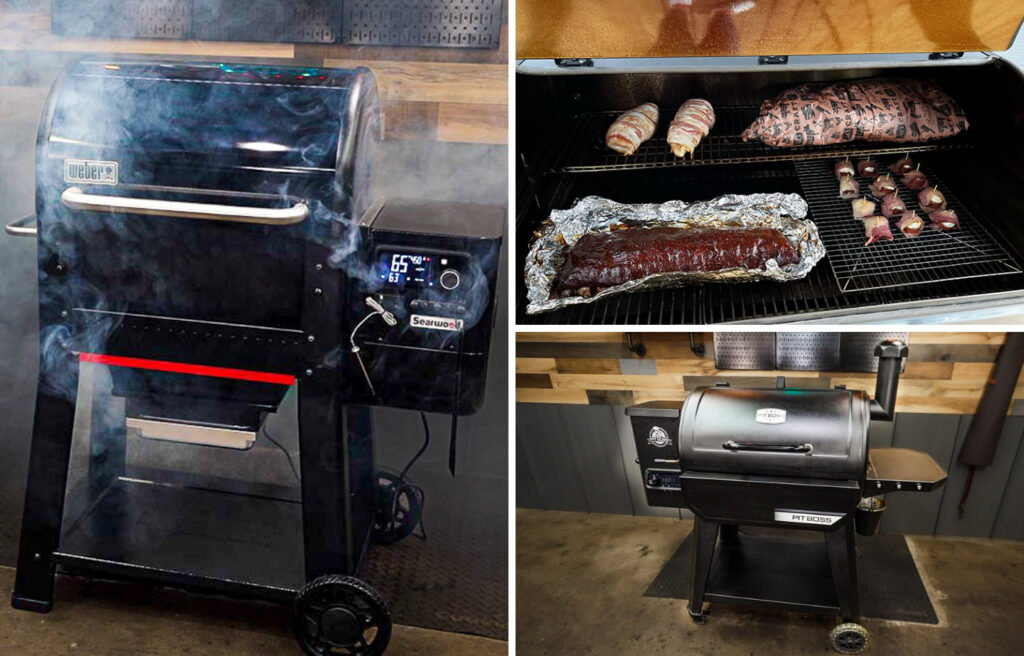
If you love the rich, smoky flavor of barbecue but hate being tied to your backyard, a portable smoker grill is your ticket to outdoor cooking freedom. Whether you’re heading to the beach, camping in the mountains, or tailgating at the big game, these compact cooking machines deliver authentic smoky flavors wherever you roam. The beauty of a portable smoking grill lies in its ability to combine convenience with performance, giving you restaurant-quality results without the bulk of traditional smokers.
The market for portable grilling and smoking equipment has exploded in recent years, with manufacturers developing innovative designs that don’t sacrifice quality for portability. According to industry research, the outdoor cooking equipment market reached $6.8 billion in 2024, with portable options accounting for nearly 35% of all sales. This surge reflects a growing desire among outdoor enthusiasts to enjoy gourmet meals beyond their home patios, making the portable smoker grill an essential piece of gear for modern adventurers.
What Makes a Portable Smoker Grill Different?
A portable smoker grill combines the functionality of traditional smoking equipment with compact, travel-friendly design features. Unlike stationary smokers that can weigh hundreds of pounds and occupy significant patio space, portable versions typically weigh between 15 to 50 pounds and feature collapsible legs, removable components, and carrying handles. These design innovations make transportation simple while maintaining the core smoking capabilities that produce tender, flavorful meats.
The key distinction lies in the engineering approach. Manufacturers use lightweight materials like aluminum and stainless steel to reduce weight without compromising heat retention. Many portable smoker grills incorporate dual-wall insulation technology that maintains consistent temperatures even in challenging outdoor conditions. This means you can smoke brisket at the campsite with the same precision you’d achieve at home, despite the compact footprint.
Temperature control represents another critical difference. Premium portable smoking grills feature advanced damper systems and precision vents that allow for accurate heat management. Some models include built-in thermometers with color-coded zones, making it easy to maintain the low-and-slow temperatures (225-275°F) essential for proper smoking. The best units can hold steady temperatures for 6-8 hours on a single fuel load, whether using charcoal, wood pellets, or propane.
Types of Portable Smoker Grills Available
Charcoal Portable Smokers
Charcoal-based portable smoker grills offer the most authentic smoking experience and unmatched flavor profile. These units use lump charcoal or briquettes combined with wood chunks to generate both heat and smoke. The combustion process creates complex flavor compounds that penetrate deep into the meat, producing that coveted smoke ring and rich taste that barbecue enthusiasts crave.
The main advantages include superior flavor development, high heat capability for searing, and fuel availability virtually anywhere. Charcoal portable smokers typically feature offset fireboxes or vertical chamber designs. Popular models like the Weber Smokey Mountain Portable and the Char-Griller Akorn Jr. demonstrate how manufacturers pack full-size smoking capabilities into travel-ready packages weighing under 40 pounds.
Temperature management requires more attention with charcoal units, as you’ll need to adjust vents and occasionally add fuel during longer smoking sessions. However, experienced pitmasters appreciate this hands-on approach, viewing it as part of the authentic smoking tradition. The learning curve proves worthwhile when you taste the difference in your finished products.
Electric Portable Smoking Grills
Electric portable smoker grills revolutionize outdoor cooking by bringing set-it-and-forget-it convenience to smoking applications. These units use electrical heating elements to ignite wood chips or pellets, producing steady smoke without requiring constant monitoring. Digital controls allow precise temperature settings, with some models offering Bluetooth connectivity for smartphone-based monitoring and adjustments.
The Masterbuilt Portable Electric Smoker exemplifies this category, featuring a compact 20-inch design with digital controls and a 400-watt heating element. Users simply load the wood chip tray, set the desired temperature, and let the unit work its magic. This hands-off operation makes electric models ideal for beginners or anyone who wants consistent results without babysitting their smoker.
Electric units do require access to power outlets, which can limit their use in remote camping situations. However, for RV camping, tailgating near vehicles, or backyard use, they offer unbeatable convenience. Many models include insulated double walls that improve fuel efficiency and maintain stable temperatures even in cold weather conditions.
Propane-Powered Portable Smokers
Propane portable smoker grills strike an excellent balance between convenience and versatility. These units use standard propane tanks (usually 1-pound or 20-pound cylinders) to fuel burners that heat a smoke box containing wood chips. The gas provides consistent heat while wood chips generate authentic smoke flavor, giving you precise control without the mess of charcoal ash.
Key benefits of propane models include:
- Quick startup times (ready to smoke in 10-15 minutes)
- Precise temperature control via adjustable burners
- No electrical outlet required for remote locations
- Easy cleanup with minimal ash production
- Extended smoking times on single fuel tanks
The Camp Chef Smoke Vault and Cuisinart Vertical Propane Smoker represent top-tier options in this category. Both feature multiple cooking racks that provide 500+ square inches of smoking surface, enough to handle whole turkeys, multiple pork shoulders, or dozens of chicken wings simultaneously. The built-in temperature gauges and water pan systems help maintain the humid environment crucial for tender, juicy results.
Pellet-Fed Portable Units
Pellet portable smoker grills represent the newest innovation in outdoor cooking technology. These units combine the convenience of gas grills with the authentic wood-fired flavor of traditional smokers. An electric auger automatically feeds compressed wood pellets into a fire pot, where they ignite and produce both heat and smoke. Digital controllers maintain precise temperatures by adjusting the pellet feed rate.
Premium options like the Traeger Ranger and Green Mountain Davy Crockett offer WiFi connectivity, allowing you to monitor and adjust temperatures from your smartphone. The pellet variety available (hickory, mesquite, apple, cherry, oak) lets you customize flavor profiles for different meats. These versatile units can smoke low-and-slow or crank up to 500°F for grilling applications.
The main consideration involves access to electricity for the auger and controller, though many models operate on 12-volt systems compatible with car batteries or portable power stations. Pellet consumption averages 1-2 pounds per hour depending on temperature settings, making them reasonably economical for extended smoking sessions.
Essential Features to Consider When Buying
Cooking Surface and Capacity
Evaluate your typical cooking needs before selecting a portable smoker grill. Compact models offer 150-200 square inches of cooking space, suitable for 2-4 people and smaller items like fish, chicken pieces, or a couple of racks of ribs. Mid-size units provide 300-400 square inches, accommodating whole chickens, small briskets, or multiple pork butts. Larger portable options max out around 500-600 square inches while still maintaining transportability.
Consider vertical space as well as horizontal surface area. Multi-rack designs maximize capacity within a compact footprint, though you’ll need to rotate food occasionally for even cooking. Adjustable racks offer flexibility to accommodate different food sizes, from whole turkeys to delicate fish fillets. Some innovative designs include removable racks that convert the smoker into a single-chamber grill for high-heat cooking.
The shape of the cooking chamber affects both capacity and heat distribution. Barrel-style horizontal smokers provide excellent airflow and even cooking temperatures across the surface. Vertical models maximize space efficiency, stacking multiple racks in a compact tower design. Offset designs separate the firebox from the cooking chamber, reducing direct heat exposure for true low-and-slow smoking.
Build Quality and Materials
Premium portable smoking grills utilize heavy-gauge steel or cast aluminum construction that withstands the rigors of travel and outdoor use. Powder-coated finishes resist rust and corrosion from moisture exposure, essential for longevity in camping environments. Stainless steel models offer superior durability but typically cost more and add weight to the overall package.
Examine welded seams and connection points carefully. Poor-quality welds create gaps that leak heat and smoke, reducing efficiency and making temperature control difficult. High-quality units feature continuous welds or overlapping joints sealed with high-temperature gaskets. The cooking grates themselves should use porcelain-coated steel or stainless steel rather than thin chrome-plated wire that warps under heat.
Insulation technology significantly impacts performance. Double-wall construction creates an air gap that retains heat, improving fuel efficiency and temperature stability. Some manufacturers use ceramic fiber insulation between walls, offering superior thermal retention even in windy or cold conditions. This becomes especially important for winter smoking or high-altitude camping where ambient temperatures challenge heat maintenance.
Temperature Control Mechanisms
Precise temperature management separates exceptional portable smoker grills from mediocre options. Look for units with adjustable intake and exhaust dampers that allow fine-tuning of airflow and consequently temperature. The best systems include numbered markings or precise adjustment mechanisms rather than simple slide vents that require guesswork.
Built-in thermometers should be accurate and easy to read. Dial thermometers embedded in the lid provide at-a-glance monitoring, though serious smokers often supplement these with probe thermometers placed at grate level where food actually cooks. Digital displays offer more precision than analog gauges, with some advanced models showing both chamber temperature and meat internal temperature simultaneously.
Suggested read: Best Pellet Smoker Portable Options for Outdoor Cooking EnthusiastsOptions for Outdoor Cooking Enthusiasts
Critical temperature control features:
- Adjustable intake dampers for oxygen control
- Exhaust vents with multiple position settings
- Accurate built-in thermometer (verify against known accurate thermometer)
- Sealed construction preventing unintended air leaks
- Heat diffuser plates distributing temperature evenly
- Water pan systems adding humidity and temperature stability
Consider how quickly the unit responds to damper adjustments. Quality smokers show temperature changes within 5-10 minutes of vent modifications, allowing you to maintain the target range consistently. Units with thick walls and good insulation respond more slowly but also resist temperature fluctuations from external conditions.
Portability and Weight Considerations
True portability extends beyond just weight specifications. A portable smoker grill weighing 35 pounds might prove easier to transport than a 25-pound model without proper handles or a awkward shape. Evaluate the overall package including handles, folding legs, removable components, and how everything packs together for transport.
The best portable units feature collapsible or removable legs that reduce the packed size significantly. Latching lid systems secure the chamber during transport, preventing accidental openings that could damage components. Some models include dedicated carrying bags or cases that protect the finish and contain smaller parts like thermometers, dampers, and grill grates.
Weight distribution affects handling ease considerably. Top-heavy designs feel unwieldy and unstable, while units with low centers of gravity remain steady even on uneven ground. Test the carrying handles for comfortable grip and adequate clearance from hot surfaces. Dual handles on opposite sides facilitate two-person carrying for larger models.
Top Portable Smoker Grill Models Reviewed
Weber Smokey Joe Premium
The iconic Weber Smokey Joe has earned its reputation through decades of reliable performance in a ultra-compact package. Weighing just 9.5 pounds, this portable charcoal grill measures 14.5 inches in diameter, making it perfect for car camping, beach outings, or small patio spaces. The porcelain-enameled bowl and lid resist rust and retain heat efficiently, while the plated steel cooking grate provides 147 square inches of cooking surface.
The Premium version includes several upgrades over the basic model, notably an aluminum damper with precise adjustment capability and a glass-reinforced nylon handle that stays cool during cooking. The ash catcher simplifies cleanup, sliding out to dump spent charcoal without removing the entire grill from its position. Three rust-resistant aluminum vents in the lid provide excellent smoke and temperature control for such a compact unit.
While primarily designed as a grill, the Smokey Joe handles smoking duties admirably when configured properly. Place a small water pan on the charcoal grate, arrange coals to one side, and position your meat on the opposite side for indirect heat smoking. Add wood chunks to the coals for authentic smoke flavor. This setup successfully smokes chicken, fish, and smaller cuts, though larger items like briskets exceed the capacity.
Pros: Incredibly portable, proven durability, affordable price point ($60-80), sufficient capacity for 2-3 people, excellent heat retention
Cons: Limited cooking surface for larger groups, requires manual temperature monitoring, no built-in thermometer, basic features compared to specialized smokers
Masterbuilt MB20071117 Digital Electric Smoker
Masterbuilt dominates the electric smoker category with models combining ease of use with solid performance. The MB20071117 Portable model offers 415 square inches of cooking space across three chrome-coated racks, enough capacity for multiple whole chickens or several racks of ribs. The compact 21-inch footprint and side carrying handles make transportation manageable despite the 45-pound weight.
Digital controls eliminate guesswork with precise temperature settings from 100°F to 275°F, ideal for both cold smoking cheese and hot smoking meats. The 800-watt heating element provides reliable heat generation, while the side wood chip loading system allows adding smoke without opening the main chamber and losing heat. A built-in meat probe thermometer monitors internal temperatures, alerting you when food reaches target doneness.
The double-wall construction with insulated doors maintains consistent temperatures even in moderate wind or cool weather. A removable drip pan simplifies cleanup, catching grease and preventing flare-ups. The viewing window in the door lets you check food progress without opening the chamber, though condensation sometimes obscures visibility during long smoking sessions.
Pros: Set-and-forget digital controls, excellent temperature stability, large capacity for portable unit, wood chip loader prevents heat loss, built-in meat thermometer
Cons: Requires electrical outlet access, viewing window can fog up, heating element takes 15-20 minutes to reach temperature, not suitable for off-grid camping
Camp Chef SmokePro DLX Pellet Grill
The Camp Chef SmokePro DLX represents premium portable pellet technology with features rivaling full-size models. The unit provides 570 square inches of primary cooking surface plus an additional 330 square inches on the upper warming rack, totaling 900 square inches when both levels are used. This capacity handles party-sized quantities while the 31-inch width and fold-down front shelf still allow one-person transport.
The digital PID controller maintains temperatures within ±5°F of your target setting, crucial for consistent smoking results. The automated pellet feed system draws from a 18-pound hopper, providing 10+ hours of smoking on a single fill at 225°F. The ash cleanout system uses a simple pull-and-dump cup, eliminating the messy job of scooping ash from traditional charcoal smokers.
Versatility extends beyond smoking capabilities. Crank the temperature to 500°F for grilling steaks or burgers, use 350-400°F for roasting or baking, or maintain 180°F for slow-smoking delicate fish. The slide-and-grill technology allows direct flame access for searing, though this feature sees less use when focusing on smoking applications. WiFi connectivity through the Camp Chef app enables remote monitoring and temperature adjustments from up to 50 feet away.
Pros: Exceptional temperature precision, large cooking capacity, versatile temperature range (160-500°F), WiFi monitoring capability, efficient pellet consumption, easy ash removal
Cons: Higher price point ($600-800), requires electricity (110V or 12V), heavier than basic portable smokers at 78 pounds, pellet availability in remote areas
Char-Griller E06614 AKORN Jr.
The AKORN Jr. brings kamado-style smoking performance to a truly portable package. The ceramic-coated steel construction mimics traditional ceramic kamados, providing excellent heat retention and fuel efficiency without the fragility and weight of clay construction. At 47 pounds, it qualifies as portable while still offering serious smoking capabilities with 153 square inches of cooking space.
The thick insulated walls maintain rock-steady temperatures for hours on minimal charcoal consumption. The dual damper system (one on the bottom intake, one on the top exhaust) provides precise airflow control. Once dialed in, this unit holds temperature within a 10-degree range for 4-6 hours without adjustment. The locking lid and removable ash pan simplify transport and cleanup respectively.
Heat management proves impressively versatile. The AKORN Jr. excels at low-temperature smoking around 225-250°F, but can also reach 700°F+ for pizza or searing applications. The cast iron cooking grate retains heat excellently, creating beautiful sear marks when grilling. A warming rack adds a second level for smaller items or to create temperature zones.
Pros: Superior heat retention and fuel efficiency, versatile temperature range (low smoking to high grilling), durable construction, relatively affordable ($200-250), excellent temperature stability
Cons: Limited cooking surface for larger gatherings, kamado-style learning curve for temperature management, heavier than some portable options, requires quality charcoal for best results
Cuisinart COS-244 Vertical Propane Smoker
Cuisinart’s vertical portable smoker grill combines substantial capacity with user-friendly propane operation. The tower design stacks four chrome-plated racks providing 548 square inches of total cooking space, sufficient for entertaining while maintaining a compact 18-inch footprint. The 15,000 BTU stainless steel burner delivers ample heat, while the integrated wood chip box (with front-loading access) generates consistent smoke.
Suggested read: Best Portable Propane Griddle of 2026: Top Picks for Outdoor Cooking
The dual-door design proves extremely practical. The upper door provides access to food without losing heat from the entire chamber, while the lower door allows adding wood chips or checking the water pan. This thoughtful design maintains more stable temperatures during smoking sessions. The built-in temperature gauge monitors chamber heat, though adding a probe thermometer at grate level improves accuracy.
Propane operation eliminates electrical dependencies while providing easier temperature control than charcoal. A standard 20-pound propane cylinder provides 10-15 hours of smoking time, making this unit suitable for overnight brisket smoking or other extended cooking sessions. The removable porcelain water bowl adds humidity, preventing meat from drying out during long smokes.
Pros: Large capacity in compact footprint, propane convenience without electrical requirements, dual-door design minimizes heat loss, four cooking racks allow quantity cooking, easy cleanup
Cons: Propane tanks add transport weight/bulk, temperature gauge accuracy varies, thin walls less effective in extreme weather, some users report difficulty maintaining low temperatures (under 200°F)
How to Use a Portable Smoker Grill Effectively?
Preparation and Setup
Proper preparation ensures successful smoking sessions regardless of your portable smoker grill type. Begin by selecting a level surface away from flammable materials, with adequate ventilation especially when using charcoal or propane models. Position the unit to minimize wind impact on temperature control while ensuring smoke doesn’t blow directly toward seating areas or into camping tents.
Season new smokers before first use by running them at 250-275°F for 2-3 hours with wood but no food. This process burns off manufacturing residues and creates a protective coating inside the chamber. Apply cooking spray or vegetable oil to cooking grates to prevent sticking, especially important for delicate items like fish or chicken with skin.
Gather all necessary supplies before starting. Beyond fuel and wood, you’ll need a reliable thermometer (chamber and probe styles), heat-resistant gloves, spray bottle for moisture, drip pans, and chimney starter if using charcoal. Prepare your meat with rubs or marinades several hours in advance, allowing flavors to penetrate while the meat comes to room temperature. Cold meat straight from the cooler requires significantly longer cooking times.
Temperature Management Techniques
Maintaining consistent smoking temperatures (typically 225-250°F for most applications) represents the most critical skill for producing excellent results. Start by learning your specific unit’s airflow characteristics. Each portable smoking grill behaves slightly differently based on design, so invest time in practice runs without food to understand how damper adjustments affect temperature.
The “two-zone” or indirect heat setup applies to most portable smoker configurations. For charcoal units, place coals on one side and food on the opposite side, with a water pan between them. This arrangement provides gentle indirect heat while the water pan adds humidity and helps stabilize temperature. Electric and propane models typically feature built-in indirect heating systems.
Temperature management best practices:
- Allow adequate warm-up time (30-45 minutes) before adding food
- Make small damper adjustments and wait 10-15 minutes to see effects
- Open lid minimally to prevent heat loss (every peek costs 15-20 minutes recovery)
- Monitor fuel levels and add more before running low
- Use water pans to stabilize temperature and add moisture
- Account for weather conditions (wind, cold, rain) in fuel planning
Wind presents particular challenges for portable units with thinner walls. Position the smoker to use natural windbreaks like vehicles, buildings, or terrain features. Some owners construct temporary wind shields using aluminum foil wrapped around portable frames. Temperature can fluctuate 25-50 degrees in heavy wind without protection.
Wood Selection for Optimal Flavor
Wood choice dramatically impacts the final flavor profile of smoked foods. Different woods produce distinct flavors ranging from subtle fruitiness to bold smokiness. Match wood varieties to your protein for complementary results rather than overwhelming the natural flavors. The quality of wood matters significantly; avoid treated lumber, painted wood, or softwoods like pine that produce acrid, unpleasant smoke.
Popular wood options and their characteristics:
- Hickory: Strong, bacon-like flavor ideal for pork and beef, most traditional smoking wood
- Mesquite: Intense, earthy taste best for beef, can overwhelm poultry if overused
- Apple: Mild, slightly sweet, excellent for poultry, pork, and fish
- Cherry: Fruity, moderate smoke perfect for all meats, adds mahogany color
- Oak: Medium intensity, versatile across all proteins, burns long and steady
- Maple: Subtle sweetness works well with poultry and vegetables
- Pecan: Similar to hickory but milder, good all-purpose choice
Avoid over-smoking by using moderate wood quantities. Thin blue smoke produces the best flavor; thick white smoke indicates incomplete combustion and creates bitter, acrid tastes. For most portable smoker grills, 2-4 wood chunks or 1-2 handfuls of chips provide sufficient smoke for 2-3 hour cooking sessions. Add more wood conservatively based on your taste preferences.
Soak wood chips in water for 30 minutes before use in gas or electric smokers to slow combustion and extend smoke production. Charcoal smokers benefit from dry chunks placed directly on hot coals. Some pitmasters wrap wood chips in aluminum foil pouches with holes punched in them, creating smoke packets that burn slowly and consistently.
Maintenance and Care Tips
Cleaning Your Portable Smoking Grill
Regular cleaning extends the life of your portable smoker grill and maintains food quality. After each use, once the unit cools completely, remove ash and debris from the firebox or burn pot. Charcoal ash absorbs moisture and becomes caustic, promoting rust if left sitting. Empty ash catchers into metal containers, never plastic, as coals can retain heat for 24+ hours.
Scrape cooking grates while still warm using a quality grill brush, removing stuck-on residue before it carbonizes. For stubborn buildup, heat grates until residue chars, then brush clean more easily. Avoid using wire brushes with loose bristles that can transfer to food; consider nylon brushes or crumpled aluminum foil as safer alternatives. Wash grates with warm soapy water periodically for deep cleaning.
The interior of the smoking chamber develops a dark coating called seasoning or patina over time. This layer protects the metal and contributes to flavor, so avoid scrubbing it away. Simply remove large chunks of debris and let the protective coating remain. The exterior requires more attention; wipe down powder-coated or painted surfaces with mild soap and water to remove grease splatter before it becomes sticky residue.
Storage and Protection
Proper storage prevents rust and extends your portable smoker grill’s functional life significantly. Store units in dry locations like garages, sheds, or covered patios when not in use. If outdoor storage is necessary, invest in quality covers designed for your specific model. Generic covers often fit poorly, allowing moisture accumulation underneath that accelerates corrosion.
Before long-term storage, clean thoroughly and apply a light coating of cooking oil to exposed metal surfaces. This protective layer prevents oxidation during storage periods. Remove batteries from electric or pellet units to prevent corrosion from battery leakage. Drain propane lines if storing propane models for extended periods, though small amounts remaining pose no safety issues.
Inspect gaskets and seals periodically, replacing them when they show cracking or compression set. These components ensure proper sealing for heat retention and fuel efficiency. High-temperature silicone gaskets cost minimal amounts but dramatically improve performance. Store removable components like grates, water pans, and ash catchers separately to prevent moisture from becoming trapped between stacked parts.
Troubleshooting Common Issues
Temperature fluctuations plague many new smoker owners, typically resulting from air leaks or poor fuel management. Check door seals and damper fittings for gaps that allow uncontrolled air entry. High-temperature rope gaskets or gasket replacement kits address this issue inexpensively. Ensure dampers operate smoothly without binding, as stuck vents prevent proper adjustments.
Insufficient smoke production often stems from wet wood, insufficient oxygen, or temperatures too low to ignite wood properly. Ensure adequate airflow through intake dampers, and verify wood chips or chunks are dry enough to combust readily. Some electric models with small chip boxes may require more frequent wood additions than expected for constant smoke throughout long sessions.
Common problems and solutions:
| Issue | Likely Cause | Solution |
|---|---|---|
| Won’t maintain temperature | Air leaks, insufficient fuel | Check seals, add fuel, reduce wind exposure |
| Bitter smoke taste | White smoke, too much wood | Use less wood, ensure thin blue smoke |
| Dry meat | Insufficient moisture, too hot | Add water pan, reduce temperature, wrap meat |
| Uneven cooking | Poor heat distribution | Rotate food positions, use heat deflectors |
| Won’t reach temperature | Insufficient fuel, blocked vents | Add more coals/pellets, clean vents |
| Grease fires | Excess fat dripping on flame | Use drip pans, trim excess fat, reduce temperature |
If your portable smoker grill develops rust spots, address them promptly before they spread. Sand affected areas with fine-grit sandpaper, treat with rust converter if necessary, and apply high-temperature paint designed for grills and smokers. This preventive maintenance protects your investment and prevents rust from contaminating food.
Suggested read: Best Portable Bathroom With Shower Options for Any Outdoor Adventure
Recipe Ideas for Portable Smoker Grills
Smoked Chicken Wings
Chicken wings represent an ideal entry point for portable smoking given their relatively quick cooking time and forgiving nature. Season wings with your preferred dry rub (simple salt, pepper, and garlic powder works beautifully) and refrigerate for 2-4 hours. The portable smoker grill should preheat to 250°F with apple or cherry wood for mild, complementary smoke.
Arrange wings on the grate with space between each piece for smoke circulation. Smoke for 1.5 hours, then increase temperature to 350-400°F for the final 15-20 minutes to crisp the skin. This two-stage approach yields tender, smoky meat with satisfying texture. Total cooking time runs about 2 hours, making this recipe feasible even for afternoon gatherings.
For crispier results without increasing temperature, toss wings in a light coating of baking powder before applying the rub. The baking powder raises the skin’s pH, promoting browning and crispness during the smoking process. Serve with classic buffalo sauce, barbecue sauce, or dry with additional rub for pure smoky flavor. A batch of 20-30 wings easily fits on most portable units.
Competition-Style Pork Ribs
Competition pork ribs showcase the capabilities of quality portable smoker grills when properly executed. Start with St. Louis-style spare ribs or baby back ribs, removing the membrane from the bone side. Apply a generous coating of your favorite rib rub, working it into the meat thoroughly. Allow ribs to rest at room temperature for 30-60 minutes before smoking.
The “3-2-1 method” produces consistent results for spare ribs (adjust to 2-2-1 for baby backs). Smoke unwrapped at 225°F for 3 hours, developing bark and smoke penetration. Wrap tightly in aluminum foil with brown sugar, butter, and honey for 2 hours of steam-braising that tenderizes connective tissue. Finally, unwrap and smoke for 1 additional hour while applying barbecue sauce in layers.
This 6-hour process yields ribs that pass the “bend test” – when picked up from one end, the rack bends significantly but doesn’t break apart. The meat pulls cleanly from the bone with light resistance rather than falling off completely, which indicates overcooking. Fruit woods like apple or cherry complement pork beautifully without overpowering the meat’s natural sweetness.
Smoked Brisket (Flat Cut)
While full packer briskets often exceed portable smoker capacity, flat cuts (5-7 pounds) fit comfortably and produce outstanding results. Trim excess fat to a 1/4-inch layer, and season generously with coarse salt and black pepper, the traditional Texas-style approach. Some pitmasters add garlic powder or other spices, but keeping it simple lets the beef and smoke flavors shine.
Preheat your portable smoking grill to 250°F using oak or hickory wood. Place the brisket fat-side up on the grate and maintain steady temperature for 5-6 hours until the internal temperature reaches 165°F. At this point, wrap the brisket tightly in butcher paper or aluminum foil (butcher paper produces better bark) and continue cooking until the internal temperature reaches 203°F.
The “probe test” indicates doneness better than temperature alone. A probe thermometer should slide into the thickest part of the brisket with minimal resistance, similar to inserting a toothpick into butter. Let the finished brisket rest wrapped in towels inside a cooler for 1-2 hours before slicing against the grain. This resting period allows juices to redistribute, ensuring moist, tender slices.
Smoked Salmon Fillet
Salmon showcases the gentle smoking capabilities of portable units, requiring careful temperature control to prevent drying. Brine the salmon for 4-8 hours in a solution of water, salt, brown sugar, and seasonings. This curing process firms the flesh and helps retain moisture during smoking. Rinse and air-dry the fillet for 1 hour until a tacky pellicle forms on the surface.
Smoke at low temperatures (180-200°F) using alder, apple, or cherry wood for delicate smoke flavor. Depending on fillet thickness, smoking time ranges from 1-3 hours until the internal temperature reaches 145°F. The flesh should flake easily but remain moist and slightly translucent in the center. Over-smoking produces dry, overly strong fish.
Experiment with different brine recipes to customize flavors. Asian-inspired versions might include soy sauce, ginger, and sesame oil. Mediterranean approaches incorporate olive oil, lemon, and dill. The portable smoker grill allows you to smoke fresh catches at lakeside campsites or beach locations, enjoying salmon within hours of catching it.
Where to Buy Your Portable Smoker Grill?
Purchasing a portable smoker grill requires balancing price, features, and reliability. Major retailers like Amazon, Walmart, and Home Depot offer extensive selections with competitive pricing and generous return policies. Online shopping provides access to customer reviews that reveal real-world performance issues manufacturers’ marketing materials might gloss over. Read multiple reviews focusing on long-term durability reports rather than just initial impressions.
Specialty outdoor retailers like REI, Cabela’s, and Bass Pro Shops stock curated selections focusing on quality and performance. Staff at these stores typically have personal experience with the products they sell, offering valuable insights for first-time buyers. Brick-and-mortar shopping lets you examine build quality, test hinges and latches, and assess actual size and weight before purchasing.
Manufacturer direct purchases often provide the best warranty support and access to replacement parts. Companies like Weber, Masterbuilt, and Traeger sell through their websites with detailed product information and customer support. Watch for seasonal sales, particularly Memorial Day, July 4th, and Labor Day when outdoor cooking equipment sees significant discounts. Factory refurbished units offer substantial savings if you’re comfortable with previously used equipment that’s been restored to like-new condition.
For those seeking comprehensive outdoor cooking solutions, visit our portable cooking category featuring curated selections of grills, smokers, and accessories designed for adventure-ready outdoor enthusiasts.
Cost Analysis and Value Considerations
Entry-level portable smoker grills start around $50-100 for basic charcoal models like the Weber Smokey Joe. These budget-friendly options work well for beginners exploring smoking techniques or those needing extremely lightweight units for backpacking. While limited in features and capacity, they deliver authentic smoke flavor and teach fundamental smoking principles.
Mid-range units ($200-500) offer significantly improved build quality, temperature control, and convenience features. This category includes quality electric smokers, propane models, and premium charcoal options with better insulation and precise dampers. For most outdoor cooking enthusiasts, this price range provides the best balance of performance and value. Expect 5-10 years of service with reasonable care.
Premium portable smoker grills ($500-1000+) incorporate advanced technology like WiFi connectivity, precision PID controllers, and commercial-grade construction. Pellet smokers dominate this category, offering set-and-forget convenience with restaurant-quality results. The higher investment makes sense for serious barbecue enthusiasts who smoke regularly or those wanting the most versatile outdoor cooking platform available.
Cost of ownership extends beyond initial purchase:
- Fuel costs (charcoal $20-30/month, propane $15-25/month, pellets $30-50/month for regular use)
- Wood chips or chunks ($10-20/month)
- Replacement parts (grates, gaskets, thermometers) $50-100 annually
- Covers and accessories $50-150 one-time
- Maintenance supplies (brushes, cleaners) $20-30 annually
Factor these ongoing costs into your decision. Fuel-efficient models pay for themselves over time through reduced consumption. Quality construction minimizes replacement part needs. The most economical choice depends on your usage frequency and cooking style preferences.
Safety Considerations for Portable Smoking
Operating any portable smoker grill involves open flames or high heat sources requiring appropriate safety precautions. Position units on stable, level, non-combustible surfaces away from flammable materials including overhanging branches, tent fabric, or wooden deck railings. Maintain a 10-foot clearance from structures when possible, and never use smokers inside tents, vehicles, or enclosed spaces where carbon monoxide can accumulate.
Propane models require special attention to gas line connections and leak detection. Before each use, perform a soapy water test on all connections – bubbles indicate escaping gas requiring immediate attention. Store propane cylinders upright in well-ventilated areas away from heat sources. Transport them secured in upright positions, never inside vehicle passenger compartments.
Essential safety practices include:
- Keep fire extinguisher rated for grease fires nearby
- Never leave operating smokers unattended for extended periods
- Use long-handled tools to minimize burn risk
- Wear heat-resistant gloves when handling hot components
- Allow complete cooling before covering or storing
- Keep children and pets at safe distances
- Ensure adequate ventilation to prevent carbon monoxide buildup
- Dispose of hot ash only in metal containers
Charcoal and wood produce carbon monoxide, an odorless deadly gas. Symptoms of CO poisoning include headache, dizziness, and nausea. If experiencing these symptoms while operating your smoker, immediately move to fresh air and seek medical attention. Never use charcoal smokers in enclosed spaces even with windows open – adequate ventilation is insufficient to prevent dangerous buildup.
Environmental Impact and Sustainability
The environmental footprint of your portable smoker grill depends largely on fuel choice and usage patterns. Charcoal production involves substantial carbon emissions, with lump charcoal offering slightly better sustainability than briquettes. Look for charcoal certified by the Forest Stewardship Council (FSC), indicating responsible forestry practices. Avoid products containing chemical additives or lighter fluid residues.
Suggested read: Best Portable Music Stand Options for Musicians in 2026
Propane burns relatively cleanly compared to charcoal, producing primarily carbon dioxide and water vapor with minimal particulates. However, propane is a fossil fuel with associated extraction and transportation impacts. Electric smokers prove most environmentally friendly when powered by renewable energy sources, though electricity generated from coal or natural gas still carries environmental costs.
Wood pellets made from compressed sawdust and wood waste represent an eco-friendly fuel option, utilizing byproducts from lumber production. Quality pellets contain no binders or additives, burning cleanly with minimal ash production. Source pellets from manufacturers committed to sustainable forestry practices and efficient production methods.
Reduce environmental impact by maintaining your equipment properly for maximum lifespan, avoiding disposable aluminum pans when reusable options work, and sourcing wood locally to minimize transportation emissions. High-efficiency models reduce fuel consumption per cooking session, decreasing overall environmental footprint while saving money on fuel costs.
Advanced Techniques for Portable Smoker Grills
Cold Smoking Applications
Cold smoking preserves foods while infusing smoke flavor without cooking the product. This technique requires maintaining temperatures below 90°F, challenging with traditional hot smoking equipment. Portable smoker grills can be adapted for cold smoking using smoke generators or A-MAZE-N pellet tubes that produce smoke without significant heat.
Position the smoke generator at the opposite end of the chamber from food, allowing smoke to cool slightly before contacting the product. Cheese, butter, salt, nuts, and cured meats benefit beautifully from cold smoking. Salmon undergoes curing before cold smoking, creating lox-style fish with silky texture and intense smoke flavor. The process requires 6-12 hours depending on desired intensity.
Food safety requires extra caution with cold smoking since the process doesn’t eliminate bacteria through heat. Only cold smoke properly cured or preserved products, and maintain strict temperature control to prevent bacterial growth. Use the food quickly or freeze immediately after smoking. Monitor chamber temperature continuously throughout the process to ensure it remains in the safe zone.
Reverse Sear Steaks
The reverse sear method leverages your portable smoking grill’s low-temperature capabilities before finishing steaks over high heat. Smoke thick-cut steaks (1.5-2 inches) at 225°F until internal temperature reaches 110-115°F for rare or 120-125°F for medium-rare. This gradual cooking process ensures even temperature throughout the meat while infusing subtle smoke flavor.
After smoking, remove steaks and crank the heat to maximum (400-500°F+). Sear each side for 60-90 seconds, creating a mahogany crust with caramelized flavors. The combination produces steakhouse-quality results with a smoke kiss that sets them apart from traditional grilled steaks. Rest the finished steaks for 5-10 minutes before serving.
This technique works beautifully on portable units capable of reaching high temperatures like kamado-style cookers or pellet grills. For smokers limited to low temperatures, transfer steaks to a separate hot grill or cast iron skillet for the searing phase. The extra step proves worthwhile when you taste the results.
Smoking Vegetables and Plant-Based Foods
Vegetables benefit tremendously from smoke exposure, developing complex flavors that transform simple produce into gourmet side dishes. Whole bell peppers, onions, tomatoes, and eggplant take on incredible depth when smoked. Slice vegetables thick or leave whole to prevent burning, and coat lightly with oil for moisture retention.
Smoke vegetables at 250-275°F for 1-2 hours depending on density and desired tenderness. Portobello mushrooms develop meaty texture and savory depth that satisfies even carnivores. Smoked corn on the cob becomes a summer favorite, with kernels absorbing subtle smoke while remaining crisp-tender. Finish smoked vegetables with finishing salts or herb butter for elevated presentations.
Plant-based proteins like tofu, tempeh, and seitan benefit from smoking as well. The porous nature of these products absorbs smoke readily, though you’ll want to press tofu thoroughly before smoking to remove excess moisture. Marinate in bold flavors since plant proteins need more seasoning than meat to develop complex taste profiles.
Portable Smoker Grill Accessories Worth Having
Essential accessories enhance your smoking experience and expand what’s possible with your portable smoker grill. Digital probe thermometers with dual probes let you monitor both chamber temperature and meat internal temperature simultaneously. Bluetooth models transmit data to your smartphone, eliminating constant trips to check temperatures during long smoking sessions.
Quality grilling gloves protect hands from burns when handling hot grates, moving meat, or adding fuel. Silicone gloves withstand higher temperatures than traditional fabric options and wash easily. Invest in multiple pairs so you always have clean gloves available. Long-handled tongs, spatulas, and forks keep your hands safely distant from heat sources.
Recommended accessories for serious smoking:
- Instant-read thermometer for checking meat doneness
- Aluminum foil pans for water and drip collection
- Rib racks maximizing vertical space utilization
- Jerky racks for drying applications
- Grill brush with durable bristles
- Chimney starter for charcoal lighting (no lighter fluid needed)
- Heat-resistant BBQ mitts and gloves
- Basting mop or spray bottle for moisture
Storage containers keep rubs and seasonings fresh and organized. Label containers clearly since many rubs look similar. Consider a dedicated smoking kit box containing all accessories, thermometers, and supplies for grab-and-go convenience. This organization ensures you never forget critical items when heading to camping sites or tailgate parties.
FAQs About Portable Smoker Grills
What is the best fuel type for a portable smoker grill?
The best fuel depends on your priorities and usage scenarios. Charcoal provides authentic smoke flavor and high heat capability, ideal for traditionalists who enjoy the hands-on smoking process. Propane offers convenience and precise temperature control without electrical requirements, perfect for camping or tailgating. Electric models deliver set-and-forget ease but require power outlet access. Pellet smokers combine wood-fired flavor with automated convenience, though they need electricity and cost more initially. Consider where you’ll use the smoker most frequently when choosing fuel types.
How long does it take to smoke meat on a portable smoker grill?
Smoking duration varies by meat type, thickness, and target internal temperature. Chicken pieces require 2-3 hours at 250°F, while whole chickens need 3-4 hours. Pork ribs smoke for 5-6 hours using the 3-2-1 method. Pork shoulder (pulled pork) demands 10-14 hours for proper tenderness. Brisket flats take 8-10 hours, while fish fillets finish in 1-3 hours. The general rule estimates 1-2 hours per pound for most meats at 225-250°F, though always verify doneness using internal temperature rather than time alone.
Can I use a portable smoker grill for regular grilling?
Many portable smoker grills function effectively as standard grills when configured properly. Charcoal models work excellently for direct-heat grilling by arranging coals directly beneath food. Propane and pellet units that reach 400-500°F handle grilling applications admirably, searing steaks and burgers with attractive grill marks. Electric smokers typically max out around 275°F, limiting their grilling effectiveness. Kamado-style portable cookers excel at both smoking and high-heat grilling, offering exceptional versatility in a single compact unit.
How much does a quality portable smoker grill cost?
Quality portable smoker grills range from $200-600 for most buyers’ needs. Budget-conscious shoppers find adequate options around $100-200, though these entry-level models may lack durability and advanced features. The $300-500 range offers excellent build quality, reliable temperature control, and user-friendly features that make smoking more enjoyable. Premium options exceeding $600 incorporate WiFi connectivity, commercial-grade construction, and maximum versatility. Consider your smoking frequency and budget when selecting – occasional users need less investment than weekly pitmasters.
What meats work best for smoking on portable units?
Pork shoulders, ribs, chicken, and brisket flats represent ideal choices for portable smoker grills. These cuts benefit from low-and-slow cooking that transforms tough connective tissue into tender, juicy meat. Sausages and bratwurst develop excellent flavor with 1-2 hours of smoking. Fish like salmon, trout, and whitefish smoke beautifully at lower temperatures. Turkey breasts and whole chickens fit comfortably in most portable smokers. Beef ribs, tri-tip, and chuck roast also produce outstanding results. Avoid extremely large cuts like whole packer briskets that may exceed your unit’s capacity.
How do I maintain consistent temperature in windy conditions?
Wind challenges temperature stability significantly in portable smoker grills with thinner walls. Position your smoker to use natural windbreaks like vehicles, buildings, or terrain features blocking prevailing winds. Construct temporary wind shields using aluminum foil panels attached to stakes or frames. Add extra fuel to compensate for increased consumption from wind-driven heat loss. Monitor temperatures more frequently and make damper adjustments proactively rather than reactively. Some owners wrap their smokers in insulated blankets designed specifically for outdoor cooking equipment, dramatically improving temperature retention in challenging conditions.
Can I smoke food in cold weather or winter?
Absolutely, though cold weather smoking requires adjustments and extra fuel. Insulated smokers perform better in winter conditions, maintaining heat more efficiently than single-wall units. Add 25-50% more fuel to compensate for heat loss to cold ambient air. Position smokers in sheltered locations blocking wind, which compounds cold weather challenges. Insulated blankets designed for smokers improve efficiency significantly. Allow extra time for preheating and cooking since cold metal absorbs considerable heat initially. Some enthusiasts prefer winter smoking for the extended outdoor cooking season and unique flavor development in crisp air.
Where can I buy a portable smoker grill online?
Reputable online retailers offering extensive selections include Amazon, which provides customer reviews and competitive pricing with convenient delivery. Home Depot and Lowe’s stock quality brands with local pickup options if available in your area. Specialty outdoor retailers like REI and Cabela’s curate selections focused on performance and durability. Manufacturer websites like Weber, Masterbuilt, and Traeger offer full product lines with detailed specifications and warranty support. Browse portable cooking equipment at ThePortableShop.com for curated options specifically chosen for portability and performance.
Ready to elevate your outdoor cooking game? Invest in a quality portable smoker grill today and experience the freedom of creating delicious smoked foods wherever adventure takes you. Whether you’re camping in the wilderness, tailgating at the stadium, or enjoying a beach sunset, nothing beats the satisfaction of perfectly smoked meat cooked on your own portable rig.