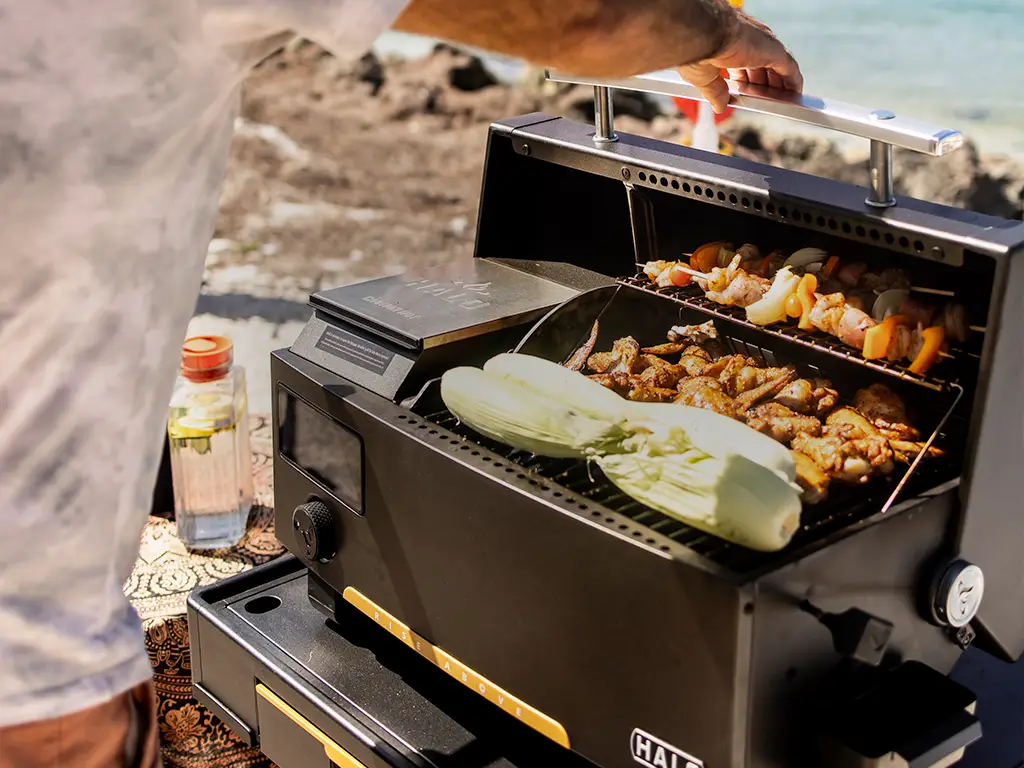
The world of outdoor cooking has been revolutionized by the introduction of portable pellet smokers, devices that combine the convenience of modern technology with the authentic flavor of traditional wood-fired cooking. Unlike their stationary counterparts, these compact units allow barbecue enthusiasts to bring their passion for smoked meats, vegetables, and other foods anywhere their adventures take them. Whether you’re tailgating at a sporting event, camping in the wilderness, or simply moving between your backyard and a friend’s gathering, a portable wood pellet smoker offers unmatched flexibility without sacrificing the quality and flavor that serious pitmasters demand. These innovative cooking devices have transformed the landscape of outdoor cooking by making professional-quality smoking accessible to anyone, regardless of their location or living situation.
What Makes a Portable Pellet Smoker Different from Traditional Smokers?
A portable pellet smoker operates on fundamentally different principles compared to traditional charcoal or propane smokers, offering distinct advantages that have made them increasingly popular among outdoor cooking enthusiasts. The core distinction lies in the automated feeding system that delivers compressed wood pellets into a burn pot, where they’re ignited to produce both heat and smoke. This automated system is controlled by a digital controller that maintains consistent temperatures, eliminating the constant monitoring and adjustment required by traditional smokers. The pellets themselves are made from compressed hardwood sawdust, available in varieties like hickory, mesquite, apple, cherry, and oak, each imparting unique flavor profiles to your food.
Traditional charcoal smokers require constant attention to maintain temperature stability, often demanding adjustments every 30-45 minutes throughout long smoking sessions. In contrast, pellet smokers utilize a sophisticated auger system that automatically feeds pellets at precisely the right rate to maintain your desired temperature. This means you can set your portable pellet grill to 225°F and trust it will maintain that temperature for hours without intervention. The convenience factor becomes even more apparent during overnight smoking sessions, where traditional methods would require someone to wake up multiple times to tend the fire, while a pellet smoker operates independently with minimal supervision.
The portability aspect specifically refers to models designed with mobility in mind, featuring compact dimensions, lighter weight construction, foldable legs, and often integrated wheels or carrying handles. These portable pellet grill models typically weigh between 40-80 pounds compared to stationary units that can exceed 150 pounds. The cooking surface area ranges from 180 to 450 square inches, providing enough space for family meals while remaining manageable for transport. Many manufacturers have engineered these units with clever space-saving designs, including collapsible side shelves, removable components, and protective covers that make storage and transportation significantly easier than bulky traditional smokers.
Key Features to Look for in a Portable Pellet Smoker
Temperature control represents the most critical feature when evaluating any portable pellet smoker, as consistent heat management directly impacts cooking results and food safety. Premium models offer precise temperature control within 5-10 degrees Fahrenheit of your target, utilizing PID (Proportional-Integral-Derivative) controllers that make micro-adjustments to the pellet feed rate. Look for units with temperature ranges spanning from 180°F for cold smoking up to 500°F or higher for searing capabilities. Digital displays with WiFi or Bluetooth connectivity have become increasingly standard, allowing you to monitor and adjust temperatures remotely through smartphone applications, receiving alerts when your food reaches target internal temperatures or if the hopper runs low on pellets.
Build quality and durability cannot be overlooked, especially for equipment that will be transported regularly and exposed to various weather conditions. Heavy-gauge steel construction, preferably 14-gauge or thicker, provides structural integrity and better heat retention compared to thinner materials. Stainless steel components, particularly for the cooking grates, grease management system, and external hardware, resist corrosion and withstand high temperatures better than painted or powder-coated alternatives. The insulation quality affects both temperature stability and pellet efficiency, with double-wall construction and sealed designs performing significantly better than single-wall units, especially in cold or windy conditions where heat loss becomes a major concern.
The hopper capacity directly determines how long your portable wood pellet smoker can operate before requiring a refill, making it a crucial consideration for extended cooking sessions. Hopper sizes in portable models typically range from 8 to 20 pounds, with larger capacities supporting longer cooking times but adding to the overall weight and footprint. An 8-pound hopper consuming pellets at approximately 1-2 pounds per hour at 225°F provides 4-8 hours of operation, while a 20-pound hopper can run 10-20 hours. Consider models with hopper cleanout features that allow you to easily switch between pellet flavors without mixing wood types, and look for weather-resistant hopper designs with sealed lids to prevent pellet degradation from moisture exposure.
| Feature | Entry-Level Models | Mid-Range Models | Premium Models |
|---|---|---|---|
| Temperature Range | 180°F – 450°F | 180°F – 500°F | 160°F – 600°F |
| Temperature Control | ±15°F variance | ±10°F variance | ±5°F variance |
| Hopper Capacity | 8-12 lbs | 12-18 lbs | 18-25 lbs |
| Cooking Surface | 180-250 sq in | 250-350 sq in | 350-450 sq in |
| Weight | 40-55 lbs | 55-70 lbs | 70-90 lbs |
| Smart Features | Basic digital control | Bluetooth connectivity | WiFi + app control |
| Price Range | $300-$500 | $500-$800 | $800-$1,500+ |
Understanding Pellet Consumption and Operating Costs
Operating a portable pellet smoker involves ongoing costs for wood pellets, and understanding consumption rates helps budget for regular use and compare overall value against other smoking methods. Pellet consumption varies based on several factors including outside temperature, wind conditions, target cooking temperature, and the smoker’s insulation quality. At low-and-slow temperatures around 225°F, most portable pellet grills consume approximately 0.5 to 1 pound of pellets per hour, while high-temperature cooking at 400°F or above can increase consumption to 2-3 pounds per hour. A typical 20-pound bag of quality hardwood pellets costs between $15-$25, meaning your hourly operating cost ranges from roughly $0.40 to $2.00 depending on cooking temperature and pellet brand.
Environmental conditions significantly impact pellet efficiency and consumption rates, with cold weather and wind forcing the smoker to burn more pellets to maintain target temperatures. When smoking in winter conditions below 40°F, pellet consumption can increase by 30-50% compared to mild weather operation. Wind exposure creates similar challenges, with unprotected smokers consuming substantially more fuel than units positioned in sheltered locations or equipped with insulated blankets designed specifically for cold-weather cooking. Some manufacturers offer thermal blankets or jackets that wrap around the smoker, reducing heat loss and improving fuel efficiency by 20-30% in challenging conditions.
Pellet quality directly affects both cooking results and operational efficiency, making it worthwhile to invest in premium pellets rather than bargain brands that may contain fillers, excess moisture, or inconsistent sizing. High-quality pellets produced from 100% hardwood with moisture content below 8% burn cleaner, produce more consistent smoke flavor, generate less ash, and actually prove more economical despite higher upfront costs because of improved burn efficiency. Cheap pellets with high ash content require more frequent cleaning of the burn pot and can cause feeding issues when ash buildup interferes with the auger mechanism. The pellet size consistency also matters, as uniformly sized pellets feed more reliably through the auger system, preventing jams and maintaining steady fuel delivery.
Best Cooking Techniques for Your Portable Pellet Smoker
Mastering your portable pellet smoker requires understanding that these devices excel at low-and-slow cooking, where consistent temperature and steady smoke production create the tender, flavorful results that define great barbecue. The ideal temperature range for smoking most meats falls between 225°F and 250°F, allowing connective tissues to break down gradually while fat renders slowly, basting the meat from within. This temperature range also promotes optimal smoke ring formation, the pink layer just beneath the meat’s surface that barbecue enthusiasts prize as a sign of properly smoked meat. Different proteins require different smoking times, with chicken requiring 3-4 hours, pork ribs needing 5-6 hours, brisket demanding 12-16 hours, and pork shoulder often taking 14-18 hours to reach perfect tenderness.
The choice of wood pellets dramatically influences flavor profiles, and understanding these characteristics allows you to match wood types to specific proteins for optimal results. Hickory provides a strong, bacon-like flavor that pairs excellently with pork and beef, though it can overpower lighter meats like chicken or fish if used exclusively. Mesquite delivers an intense, earthy flavor perfect for beef, particularly in Texas-style preparations, but burns hot and can create bitter notes if used for extremely long cooks. Apple and cherry offer mild, slightly sweet profiles ideal for poultry and pork, while oak provides a medium flavor that works well as a versatile all-purpose option. Many experienced users blend different pellet varieties to create custom flavor profiles, such as mixing 70% oak with 30% cherry for pork, achieving balanced smoke flavor without overwhelming the meat’s natural taste.
Temperature management strategies for a portable pellet grill differ from traditional smoking methods because you’re working with precise digital controls rather than manually adjusting vents and fuel. Start your smoker and allow it to preheat for 10-15 minutes with the lid closed, ensuring the burn pot establishes consistent combustion before adding food. Avoid opening the lid unnecessarily during cooking, as each opening can drop internal temperatures by 20-30°F and require 10-15 minutes to recover, extending total cooking time and potentially drying out your food. Use remote temperature probes to monitor internal meat temperatures without opening the smoker, and plan your cooking timeline to account for the “stall” phenomenon where meat temperature plateaus for hours as moisture evaporates, particularly common with brisket and pork shoulder between 150°F-170°F internal temperature.
Maintenance and Care for Long-Term Performance
Regular maintenance of your portable pellet smoker ensures consistent performance, prevents mechanical failures, and extends the equipment’s lifespan significantly beyond what neglected units achieve. After each cooking session, once the unit has cooled completely, remove and dispose of ash accumulation from the burn pot and fire pot areas, as excessive ash buildup restricts airflow and interferes with pellet ignition. Most manufacturers recommend a thorough cleaning every 3-5 cooking sessions for regular users, involving vacuuming the interior surfaces, removing grease from drip trays and buckets, and inspecting the auger tube for any pellet dust or debris that could cause feeding problems. The frequency of deep cleaning should increase if you notice uneven temperatures, difficulty maintaining target heat, or excessive smoke production when starting the unit.
The grease management system requires particular attention because accumulated grease presents fire hazards and can cause flare-ups that damage food and equipment. Empty grease buckets or trays after each use, and thoroughly clean the grease drain channel every few sessions to prevent blockages that cause grease to pool inside the cooking chamber. Some users line their grease trays with aluminum foil for easier cleanup, though you must ensure the foil doesn’t block drainage holes. Inspect the heat baffle or deflector plate that sits above the burn pot, as grease buildup in this area can ignite during high-temperature cooking, creating dangerous flare-ups. A solution of warm water and degreasing dish soap effectively removes most grease accumulation, while tougher buildup may require specialized grill cleaners or a mixture of baking soda and water formed into a paste.
Pellet storage significantly impacts your portable wood pellet smoker’s performance, as pellets are hygroscopic materials that readily absorb moisture from the air, causing them to swell, crumble, and fail to feed properly through the auger system. Store pellets in airtight containers or sealed buckets in a dry location, never leaving bags open or storing them directly on concrete floors where moisture wicks upward. Pellets that have absorbed moisture produce less heat, generate more ash, create inconsistent smoke, and can cause auger jams that require disassembly to clear. If you live in humid climates, consider using food-grade storage buckets with gamma seal lids that create airtight seals, and inspect pellets before use by checking for signs of expansion, crumbling, or softness that indicates moisture contamination.
Comparing Portable Models: What Sets Them Apart
The portable pellet smoker market offers diverse options across various price points, each designed for specific user needs and preferences. Entry-level models typically range from $300-$500 and prioritize basic functionality with manual or simple digital temperature controls, smaller cooking surfaces around 180-250 square inches, and lighter construction that may sacrifice some insulation quality. These units work well for beginners exploring pellet smoking or casual users who smoke occasionally, offering the fundamental pellet smoking experience without advanced features or premium build quality. The trade-offs include less precise temperature control with variance of ±15-20°F, smaller hopper capacities requiring more frequent refills during long cooks, and simpler construction that may have shorter lifespans with heavy use.
Mid-range models occupying the $500-$800 price bracket deliver significantly improved performance and features that serious outdoor cooking enthusiasts appreciate. These units typically include PID temperature controllers providing ±10°F accuracy, WiFi or Bluetooth connectivity for remote monitoring, larger cooking surfaces of 250-350 square inches, and improved construction with better insulation and more durable components. The enhanced temperature control makes these models more fuel-efficient and produces more consistent cooking results, while smart connectivity features add convenience for users who want to monitor their cooks without remaining next to the smoker. The build quality improvements translate to better performance in adverse weather and longer equipment lifespans that justify the higher initial investment for regular users.
Premium portable pellet grill options exceeding $800 represent the pinnacle of portable smoking technology, incorporating features and build quality approaching commercial-grade equipment. These units boast precision temperature control within ±5°F using advanced PID algorithms, expanded temperature ranges reaching 600°F or higher for true grilling and searing capabilities, superior insulation enabling operation in extreme weather, and robust stainless steel construction throughout. Additional premium features often include dual-wall insulation, double-side wall meat probes with dedicated ports, hopper viewing windows, pellet purge systems for easy flavor changes, and sophisticated smartphone applications with guided cooking programs. While the higher cost may seem excessive for casual users, serious barbecue enthusiasts who smoke frequently find these investments worthwhile for the superior results, convenience features, and decade-plus lifespans these premium units deliver.
Portability Features That Actually Matter
True portability in a portable pellet smoker extends beyond simply being smaller than full-size models, encompassing design elements that facilitate easy transportation, setup, and storage. Weight distribution and carrying mechanisms dramatically affect how manageable a unit feels during transport, with well-designed handles positioned at the unit’s center of gravity making 60-pound smokers feel considerably lighter than poorly balanced 50-pound models with awkward handle placement. Some manufacturers integrate folding side tables or collapsible legs that reduce the overall footprint for storage and transport, while maintaining full functionality when deployed. Wheel systems vary significantly in quality, with larger diameter wheels (6 inches or greater) handling uneven terrain better than small casters that struggle on grass or gravel surfaces.
Storage considerations matter significantly for users with limited space or those who need to protect their equipment between uses. Compact designs with minimal protruding elements fit more easily in vehicle trunks, storage sheds, or garages, while units with removable components allow for even more space-efficient storage by disassembling elements like chimneys, side shelves, or leg assemblies. Weather-resistant covers specifically designed for your model protect against moisture, UV damage, and temperature extremes during storage, though truly portable-focused users should look for integrated protective features like sealed electrical components, rust-resistant hardware, and powder-coated finishes that withstand exposure without requiring constant covering and uncovering.
Transportation accessories enhance the practical portability of your portable wood pellet smoker substantially. Dedicated carrying bags or hard-shell cases protect the unit during transport and make handling easier, particularly when moving the smoker over longer distances or rougher terrain. Some manufacturers offer optional heavy-duty carts or stands with large wheels designed for specific models, transforming adequate portability into excellent mobility. Consider purchasing a portable power station or extended power cord if you plan to use your smoker in locations without convenient electrical outlets, as pellet smokers require electricity to operate the auger motor, igniter, and digital controller, typically drawing 300-500 watts during startup and 30-50 watts during normal operation.
Real-World Applications and Use Cases
Tailgating represents one of the most popular applications for a portable pellet smoker, allowing sports fans to serve restaurant-quality smoked foods in parking lots and pre-game gatherings. The setup typically involves arriving 4-6 hours before kickoff to preheat the smoker and start proteins like chicken wings, pulled pork, or beef brisket that will be ready when the celebration peaks. The consistent temperature control of pellet technology proves particularly valuable in these environments, where you want to socialize rather than constantly tend a fire. Many tailgaters prepare sides at home and focus their portable smoker exclusively on the main protein, maximizing the cooking surface efficiency while minimizing the complexity of on-site food preparation.
Camping and RV adventures gain new culinary dimensions when you bring a portable pellet grill along, elevating campfire cooking to sophisticated outdoor dining experiences. The compact footprint and relatively low weight of portable models make them practical for RV storage, while their simple electrical requirements (standard 120V outlet) mean they work anywhere you have access to shore power or a generator. Campers particularly appreciate the set-and-forget operation that allows them to start a cook, then hike, fish, or explore knowing they’ll return to perfectly smoked food. The wood smoke flavor transforms even simple campground staples like hot dogs, burgers, or vegetables into memorable meals that capture the essence of outdoor cooking without the intensive labor traditional campfire cooking demands.
Apartment and condominium dwellers who lack permanent outdoor cooking spaces find portable pellet smokers offer solutions that many housing associations and property managers permit where charcoal or propane units are prohibited. The controlled combustion and lack of open flames make pellet smokers safer and more acceptable in high-density housing situations, while the portability allows for easy storage when not in use. Urban users often transport their smokers to parks, friend’s homes, or community spaces for cooking events, then store them in apartments or vehicle storage. The reduced smoke production compared to traditional smokers also minimizes complaints from neighbors, though users should always verify their specific property’s regulations regarding any outdoor cooking equipment before purchasing.
Suggested read: Best Pellet Smoker Portable Options for Outdoor Cooking EnthusiastsOptions for Outdoor Cooking Enthusiasts
Troubleshooting Common Issues
Temperature fluctuations represent the most common complaint from portable pellet smoker users, typically resulting from several interconnected factors that affect the unit’s ability to maintain consistent heat. When your smoker can’t hold steady temperatures, first inspect the pellet quality, as moisture-damaged or poor-quality pellets burn inconsistently and fail to produce reliable heat. Next, check for ash buildup in the burn pot and fire pot areas, since excessive ash restricts airflow and prevents proper combustion, causing the temperature to cycle high and low as the controller tries to compensate. Weather conditions also play significant roles, with wind exposure and cold ambient temperatures overwhelming inadequately insulated units, requiring thermal blankets or repositioning to sheltered locations to achieve stability.
Auger jams and feeding problems prevent pellets from reaching the burn pot, causing temperature drops or complete shutdown of your portable wood pellet smoker. These issues typically stem from pellet quality problems, including oversized pellets that can’t pass through the auger tube, pellet dust and sawdust that accumulates and blocks the auger mechanism, or moisture-swollen pellets that expand and create blockages. Clear jams by first disconnecting power and manually rotating the auger by hand (if your model allows) to dislodge obstructions, or by disassembling the hopper and auger tube to remove the blockage. Prevent future jams by using only high-quality pellets, vacuuming pellet dust from the hopper regularly, storing pellets properly to avoid moisture exposure, and never mixing old pellets with fresh ones as degraded pellets crumble and create dust that causes feeding issues.
Ignition failures where the smoker won’t start or maintain fire frustrate users but usually involve straightforward fixes. The hot rod igniter element that lights pellets can accumulate ash and creosote, preventing it from heating sufficiently to ignite fuel, requiring cleaning with steel wool or sandpaper to restore proper function. Igniters also have finite lifespans, typically lasting 2-3 years with regular use, and must be replaced when they fail to glow red-hot during startup. Insufficient pellet feed to the burn pot during startup, often caused by an empty auger tube after pellet hopper ran dry, requires priming by manually advancing pellets into the burn pot before attempting ignition. Some portable pellet grills include a prime button or setting that runs the auger without ignition to fill the tube, while others require manual priming by removing the heat baffle and directly adding a handful of pellets to the burn pot.
Safety Considerations and Best Practices
Fire safety with any portable pellet smoker begins with proper placement, requiring at least 12 inches of clearance from combustible materials on all sides and above the unit. Never operate pellet smokers under covered structures, low overhangs, or enclosed spaces where carbon monoxide can accumulate, as these devices produce combustion gases that must dissipate into open air. The exterior surfaces become extremely hot during operation, easily exceeding 300°F on some models, presenting burn hazards to children and pets who should be supervised around operating smokers. Position the unit on stable, level, non-combustible surfaces like concrete patios or gravel pads rather than wooden decks, though heat-resistant deck protector mats designed for grills can provide adequate protection when used according to manufacturer specifications.
Grease fire prevention deserves serious attention because accumulated grease inside your portable wood pellet smoker can ignite during high-temperature cooking, creating dangerous flare-ups and potentially damaging the unit. Regular cleaning of grease management systems prevents this hazard, while avoiding extremely fatty cuts or trimming excess fat before smoking reduces grease production. If a grease fire does occur, never use water to extinguish it, as water spreads burning grease and intensifies the fire. Instead, turn off the smoker and keep the lid closed to starve the fire of oxygen, allowing it to burn itself out. Keep a fire extinguisher rated for grease fires (Class B or ABC) near your cooking area, and ensure you know how to operate it before emergencies occur.
Electrical safety requires attention because portable pellet grills need continuous power to operate, using standard 120-volt outlets but requiring dedicated circuits in some cases. Never use extension cords that aren’t rated for outdoor use and the appropriate amperage, as undersized cords overheat and present fire hazards. Protect electrical connections from moisture using ground fault circuit interrupter (GFCI) outlets or portable GFCI adapters, which immediately cut power if they detect current leakage that could cause electrocution.
Inspect power cords regularly for damage, including cracking, fraying, or exposed wires, replacing damaged cords immediately rather than attempting repairs that might fail during use. Ensure all electrical components remain dry during operation, and never operate the smoker in heavy rain or snow unless using a protective cover designed to allow proper airflow while shielding controls and connections.
Maximizing Flavor: Advanced Smoking Strategies
Smoke management in your portable pellet smoker involves understanding that while smoke imparts flavor, excessive smoke creates bitter, acrid tastes that overpower rather than complement your food. The “thin blue smoke” that experienced pitmasters seek appears almost invisible, producing a clean combustion that adds subtle wood flavor without harsh notes. Thick white smoke indicates incomplete combustion, often resulting from temperature instability, moisture in pellets, or insufficient airflow, and should prompt troubleshooting rather than being accepted as normal operation.
Most pellet smokers produce the most smoke during the first 2-3 hours of cooking, after which smoke production decreases substantially, making this initial period crucial for developing smoke flavor and prompting strategies like adding cold meat directly from the refrigerator to extend the time food remains in the temperature range where it absorbs smoke most effectively.
Pellet blending allows you to create custom flavor profiles by mixing different wood varieties in your hopper, though this requires understanding how flavors interact and in what proportions they create balanced results. A popular approach involves using 80% oak as a base for consistent heat and mild flavor, then adding 20% of a stronger wood like hickory, cherry, or mesquite to create distinctive character.
Some enthusiasts prepare pre-mixed blends in separate containers, labeling them for specific applications like “pork blend” (60% apple, 40% hickory) or “beef blend” (70% oak, 30% mesquite), ensuring consistent results across multiple cooks. When changing pellet flavors completely, most quality portable pellet smokers benefit from using hopper purge features or manually removing old pellets before adding new varieties, preventing flavor contamination that occurs when residual pellets from previous cooks mix with your current selection.
Moisture management dramatically affects final results when smoking on a portable wood pellet smoker, as low-and-slow cooking over many hours can dry out proteins despite the smoke and indirect heat that characterizes the method. Strategic use of water pans placed near or below the food introduces humidity that helps maintain moisture in meats, particularly beneficial for lean cuts like chicken breast or turkey that lack internal fat for self-basting.
Spritzing or mopping meat surfaces every hour with liquid mixtures (apple juice, apple cider vinegar, or specialty mop sauces) also helps maintain moisture while adding complementary flavors and promoting bark development. The “Texas crutch” technique of wrapping meat in foil or butcher paper partway through cooking accelerates cooking while preventing excessive moisture loss, particularly valuable when smoking large cuts like brisket or pork shoulder where total cooking times can extend beyond 12 hours.
Cooking Capacity and Meal Planning
Understanding the actual cooking capacity of your portable pellet smoker helps set realistic expectations and plan meals that maximize the available space without overcrowding. While manufacturers list cooking surface area in square inches, translating these measurements to real food quantities requires considering that different foods have varying space requirements and you need gaps between items for proper smoke circulation. As a general guideline, a 250 square inch cooking surface accommodates approximately 3-4 whole chickens, 4-6 racks of ribs (cut into thirds), one small brisket (8-10 pounds), or 8-12 burger patties.
Overcrowding restricts smoke penetration and extends cooking times because of reduced air circulation, while strategic arrangement with items of similar size and thickness promotes even cooking without constant monitoring and rearranging.
Multi-level cooking using the various rack positions available in most portable pellet grills allows you to prepare complete meals simultaneously, with different proteins and vegetables occupying different shelves. The temperature gradient inside pellet smokers typically places the hottest zone closest to the burn pot (usually bottom center), with temperatures decreasing slightly toward the top and sides. This gradient enables you to position items requiring higher heat or faster cooking lower, while placing items needing gentler heat or longer cooking times higher. Rotating food positions halfway through cooking ensures even results when using multiple shelves, though this requires opening the lid and accepting the associated temperature drop and recovery time.
Batch cooking represents one of the most efficient uses for a portable pellet smoker, as the set-and-forget operation and consistent temperatures make it easy to prepare large quantities that you can freeze for future meals. The economics become particularly favorable when you consider that smoking a single rack of ribs uses nearly the same pellets as smoking four racks, making larger batches more cost-effective per serving.
Popular batch cooking approaches include preparing multiple pork shoulders that you can pull and portion into freezer-safe containers, smoking whole chickens that you can portion and freeze for quick weeknight meals, or making large batches of smoked sausages that freeze well and provide convenient protein for various dishes. This strategy proves especially valuable for users who live alone or in small households, as it justifies operating the smoker despite cooking more food than one meal requires.
Seasonal Considerations and Weather Adaptation
Cold weather operation of your portable pellet smoker presents unique challenges that affect both performance and pellet consumption, requiring adaptations to achieve results comparable to warm-weather cooking. When ambient temperatures drop below 40°F, heat loss through the smoker walls increases dramatically, forcing the unit to burn more pellets to maintain target temperatures and potentially struggling to reach higher temperature ranges. The auger motor and digital controller also face stress in extreme cold, with some models experiencing startup difficulties or erratic performance when electronics freeze. Insulated blankets designed specifically for pellet smokers address these issues by reducing heat loss by 20-30%, dramatically improving fuel efficiency and temperature stability while protecting the exterior surfaces from snow and ice accumulation.
Hot weather and direct sunlight affect portable wood pellet smokers differently, potentially causing temperature control issues when the unit’s exterior heats from sun exposure beyond what the internal sensors account for. Position smokers in shaded areas during summer cooking to prevent this solar heating effect, which can cause the controller to under-feed pellets because it senses adequate heat, resulting in temperature drops once the sun moves.
Extremely high ambient temperatures above 95°F can also stress the controller and fan motor, while making it difficult to achieve low smoking temperatures around 180°F because the incoming air is already hot. Some users employ shade structures, umbrellas, or even portable canopies to protect their smokers during hot weather operation, while others schedule smoking sessions for early morning or evening when temperatures moderate.
Wind exposure causes significant problems for any portable pellet grill, with breezy conditions dramatically increasing pellet consumption while making temperature control difficult as gusts push cold air into the smoker. Even gentle 10-15 mph breezes can increase fuel consumption by 25-40%, while stronger winds make it nearly impossible to maintain stable temperatures without protection. Position smokers perpendicular to prevailing winds rather than facing directly into the breeze, or better yet, place them behind windbreaks like fences, walls, or vehicles. Some manufacturers offer wind deflectors or shields designed for their specific models, while creative users fabricate temporary windbreaks from plywood or tarps positioned several feet away from the smoker to avoid creating fire hazards while blocking wind effectively.
Food Safety and Temperature Guidelines
Internal temperature monitoring provides the most reliable method for ensuring food safety when using your portable pellet smoker, as smoking’s low temperatures and long cooking times create extended periods in the “danger zone” between 40°F and 140°F where bacteria multiply rapidly. Invest in reliable instant-read or leave-in probe thermometers to accurately measure internal temperatures, as visual cues like color or texture prove unreliable for determining doneness in smoked foods.
The USDA recommends minimum safe internal temperatures of 165°F for poultry, 145°F for whole cuts of pork, beef, and lamb (with a 3-minute rest), and 160°F for ground meats. However, barbecue enthusiasts often cook tougher cuts like brisket or pork shoulder to significantly higher temperatures (195°F-205°F) because the additional heat breaks down connective tissue into tender, pullable meat.
The 40-140 rule states that food should pass through the danger zone from 40°F to 140°F within 4 hours to minimize bacterial growth, requiring some strategic planning when smoking on a portable wood pellet smoker. Start with refrigerator-cold meat rather than allowing it to come to room temperature, as this practice was once common but is now discouraged by food safety experts who recognize that starting cold doesn’t significantly extend cooking time while reducing bacteria multiplication.
Suggested read: Best Portable Smoker Grill Options for Outdoor Cooking in 2026
Avoid smoking at temperatures below 225°F for large cuts of meat, as the extended time needed to reach safe internal temperatures increases food safety risks. For items like chicken or turkey, consider finishing in a conventional oven if your smoker struggles to reach 165°F within the 4-hour window, a situation that sometimes occurs with very cold weather smoking when even insulated units battle to maintain adequate heat.
Cross-contamination prevention deserves attention throughout the smoking process, from initial preparation through final serving. Use separate cutting boards, utensils, and platters for raw and cooked meats, never placing cooked food back on surfaces that held raw proteins without thorough washing. When mopping or spritzing meat during cooking, maintain separate liquid containers for application, discarding any leftover mop that contacted raw meat rather than saving for future use. Monitor your portable pellet grill’s grease management system for overflow, as pooled grease provides breeding grounds for bacteria and presents contamination risks if it contacts food, requiring prompt emptying and cleaning between cooking sessions.
Comparing Fuel Types: Why Choose Pellets?
Wood pellets offer distinct advantages over other smoking fuel sources, particularly regarding convenience, consistency, and control that appeal to both beginners and experienced outdoor cooks. Unlike charcoal that requires lighting, monitoring, and constant adjustment to maintain temperature, pellet smokers automate fuel management through their auger feeding systems and digital temperature controls. This automation means you can set your desired temperature, load your food, and trust the system to maintain consistent heat for hours without intervention, a dramatic improvement over charcoal’s demands for attention every 30-60 minutes.
The compressed pellet form factor also creates cleaner storage and handling compared to charcoal bags that shed dust and leave residue, while the variety of available wood species (hickory, mesquite, apple, cherry, oak, pecan) provides flavor flexibility that charcoal users achieve only by adding separate wood chunks.
Gas smoking with propane offers excellent temperature control and convenience but produces no authentic smoke flavor without adding separate wood chips or chunks that require constant replenishment. While gas smokers light instantly and maintain temperatures easily, the flavor profile lacks the complexity and depth that wood smoke provides, making them less suitable for traditional barbecue applications where smoke flavor defines the food.
Portable pellet smokers combine the convenience and control of gas with the authentic wood-fired flavor that defines quality barbecue, creating what many enthusiasts consider the ideal compromise. The cost comparison favors pellets over propane for flavor delivery, as propane users must purchase both fuel and wood chips/chunks, while pellet users get both heat and smoke from a single fuel source.
Electric smokers provide similar convenience to pellet units but typically generate smoke by heating wood chips on electric elements rather than burning wood fuel directly, producing less intense and authentic smoke flavor. The smoke production in electric units often proves inconsistent, requiring frequent wood chip replacement and failing to deliver the continuous, steady smoke that characterizes quality pellet smokers.
Portable wood pellet smokers burn pellets as primary fuel, generating both heat and smoke from the same source in a natural combustion process that produces richer, more authentic flavor. The fuel cost comparison often surprises people, as quality pellets costing $0.75-$1.25 per pound provide both heat and flavor, while propane costs approximately $0.50-$0.75 per hour for heat alone, requiring additional wood chip purchases for flavor, ultimately making pellets competitive or even more economical depending on usage patterns.
Investment Value and Cost Analysis
The initial purchase price of a portable pellet smoker represents only part of the total ownership cost, with ongoing expenses, maintenance requirements, and equipment lifespan all contributing to long-term value. Entry-level units priced around $300-$500 typically last 3-5 years with regular use, translating to an annual ownership cost of $60-$165 before considering pellet expenses. Mid-range models costing $500-$800 often provide 5-8 year lifespans with proper maintenance, bringing annual ownership costs down to $62-$160, while premium models exceeding $800 frequently last 10+ years, achieving annual ownership costs of just $80+ despite higher upfront investment.
These calculations shift dramatically when comparing occasional users (who might smoke monthly) versus frequent users (smoking weekly or more), with frequent users justifying premium models through increased durability and superior performance that reduces frustration and wasted food from inconsistent results.
Pellet consumption costs vary based on usage frequency and cooking temperatures, but typical users can expect to spend $15-$40 monthly on fuel assuming regular weekend cooking sessions. A household smoking twice monthly at 225°F for average 6-hour sessions consumes approximately 12-15 pounds of pellets, costing $15-$25 monthly for quality hardwood pellets.
Heavy users smoking weekly or operating at higher temperatures for searing might consume 40-60 pounds monthly, increasing fuel costs to $50-$75 but still remaining economical compared to restaurant-quality smoked meats that would cost hundreds of dollars. The convenience factor has monetary value as well, with time savings from automated operation potentially worth $20-$50 per cook session when valued at typical hourly rates, though these soft costs depend on how you value your leisure time.
Replacement parts and maintenance expenses remain relatively modest for quality portable pellet grills, with most users spending $50-$100 annually on consumables like igniters ($15-$30), gaskets ($10-$20), and cleaning supplies ($10-$20). Some models require more frequent part replacement than others, making pre-purchase research into parts availability and costs worthwhile for long-term value assessment. Warranties typically range from 1-5 years depending on model and manufacturer, with premium brands often providing longer coverage and better customer service when issues arise. Extended warranties rarely prove worthwhile for budget models but can deliver value for premium units where replacement costs would be substantial.
Recipes and Cook Times Reference
Understanding appropriate cook times and temperatures for different proteins ensures successful results with your portable pellet smoker, though these should serve as guidelines rather than absolute rules since variables like meat thickness, starting temperature, and outdoor conditions affect actual cooking duration. Chicken smokes best at 250°F-275°F, with whole birds requiring 3-4 hours and individual pieces needing 1.5-2.5 hours depending on size, always cooking to internal temperature of 165°F for food safety. Pork ribs benefit from 225°F-250°F temperatures for 5-6 hours using the 3-2-1 method (3 hours unwrapped, 2 hours wrapped, 1 hour unwrapped with sauce), though St. Louis-style ribs may need 6-7 hours while baby back ribs often finish in 4-5 hours.
Brisket represents the ultimate test of smoker performance and pit master skill, requiring 225°F-250°F temperatures for 12-16 hours depending on size, with 1-1.5 hours per pound serving as rough estimates. The flat and point muscles of brisket have different fat contents and cook at different rates, demanding patience as the meat stalls around 150°F-170°F internal temperature for what feels like hours.
Many successful brisket cooks on portable wood pellet smokers involve wrapping in butcher paper or foil once the bark sets around 160°F internal temperature, then continuing to cook until the thickest part of the flat reaches 195°F-205°F. Pork shoulder for pulled pork follows similar patterns, smoking at 225°F-250°F for 1.5-2 hours per pound until internal temperature reaches 195°F-205°F, at which point the collagen has broken down sufficiently for easy pulling.
| Protein | Temperature | Cook Time | Target Internal Temp | Wood Recommendation |
|---|---|---|---|---|
| Whole Chicken | 250°F-275°F | 3-4 hours | 165°F | Apple, Cherry, Hickory |
| Chicken Breasts | 250°F | 1.5-2 hours | 165°F | Apple, Pecan |
| Baby Back Ribs | 225°F-250°F | 4-5 hours | 190°F-203°F | Apple, Cherry, Oak |
| Spare Ribs | 225°F-250°F | 5-6 hours | 190°F-203°F | Hickory, Oak |
| Pork Shoulder | 225°F-250°F | 12-16 hours | 195°F-205°F | Hickory, Apple, Oak |
| Brisket | 225°F-250°F | 12-18 hours | 195°F-205°F | Oak, Hickory, Mesquite |
| Salmon | 180°F-225°F | 2-3 hours | 145°F | Cedar, Alder, Apple |
| Turkey | 275°F-300°F | 4-6 hours | 165°F | Cherry, Pecan, Hickory |
| Burgers | 350°F-400°F | 15-20 min | 160°F | Oak, Hickory |
| Vegetables | 225°F-250°F | 1-2 hours | Tender | Any mild wood |
Accessories Worth Considering
Essential accessories enhance your portable pellet smoker experience by solving common challenges and expanding cooking capabilities beyond basic smoking functions. Wireless meat thermometers with multiple probes allow simultaneous monitoring of several different proteins or different areas of large cuts like brisket, with smartphone connectivity enabling temperature tracking without approaching the smoker. Quality models from manufacturers like ThermoWorks, Meater, or Weber provide accurate readings within ±1°F and feature alerts when food reaches target temperatures or if smoker temperature drifts outside acceptable ranges. Budget alternatives exist, but temperature accuracy becomes crucial for food safety and quality, making premium thermometers worthwhile investments that will outlast multiple smokers.
Thermal blankets or insulated covers specifically designed for your smoker model dramatically improve cold-weather performance, reducing pellet consumption by 20-30% while maintaining temperature stability in conditions that would otherwise overwhelm the unit. These accessories typically cost $50-$100 but pay for themselves within a single winter season for users in cold climates through pellet savings and improved cooking results. Generic welding blankets or insulated tarps provide budget alternatives if exact-fit accessories aren’t available for your model, though proper venting must be maintained to prevent carbon monoxide accumulation and ensure the temperature sensor isn’t covered, which would cause inaccurate controller readings.
Additional grill grates, racks, and cooking surfaces expand the versatility of your portable pellet grill by enabling different cooking configurations for various food types. Cast iron grates retain heat excellently for searing but require seasoning and careful maintenance to prevent rust, while stainless steel grates resist corrosion and clean easily but don’t develop non-stick patina.
Elevated rib racks hold multiple rib slabs vertically, dramatically increasing capacity while ensuring even smoke exposure. Vegetable baskets or grill woks prevent small items from falling through standard grates while allowing smoke flavor to penetrate. Drip pans and grease management accessories like aluminum liners or replacement buckets simplify cleanup, making post-cook maintenance faster and preventing the temptation to skip cleaning that eventually leads to grease fires or mechanical problems.
Environmental Considerations and Sustainability
Wood pellets used in a portable pellet smoker represent a relatively sustainable fuel source when manufactured from sawmill byproducts and logging waste that would otherwise decompose or be burned without energy capture. Quality pellet manufacturers source material from sustainable forestry operations, using the sawdust, wood chips, and shavings generated during lumber production rather than harvesting trees specifically for pellet fuel. This waste-product utilization prevents material from entering landfills while creating value from previously discarded resources, though the compression process and transportation do consume energy that factors into the overall carbon footprint. Certified pellets from organizations like the Pellet Fuels Institute ensure consistent quality and environmental standards, providing assurance that your fuel choice supports responsible forestry practices.
The emissions profile of pellet combustion in your portable wood pellet smoker produces carbon dioxide, water vapor, and small amounts of other combustion byproducts, with properly functioning units burning relatively cleanly when using quality dry pellets. The carbon released during pellet burning was recently captured from the atmosphere by the trees that produced the wood, creating a near-term carbon cycle rather than releasing ancient carbon like fossil fuels.
However, the incomplete combustion that occurs during smoking produces more particulate matter than efficient home heating pellet stoves, creating local air quality concerns in dense neighborhoods where multiple smokers might operate simultaneously. Responsible users minimize impacts by avoiding smoking during poor air quality days, positioning smokers where prevailing winds carry smoke away from neighbors, and maintaining equipment properly to ensure the cleanest possible combustion.
Comparing environmental impact across different outdoor cooking methods reveals nuanced trade-offs between fuel sources, equipment manufacturing, and usage patterns. Charcoal production involves heating wood in low-oxygen environments, a process requiring substantial energy and producing significant emissions, while the charcoal itself releases carbon during burning without the renewable cycle benefit of pellets.
Propane burns cleanly but represents fossil fuel consumption with associated extraction and transportation impacts. Electric smoking uses grid electricity that may come from renewable sources or fossil fuels depending on local power generation, making the environmental equation highly location-dependent. Portable pellet grills generally fall mid-range in environmental impact, better than charcoal and comparable to natural gas while potentially cleaner than coal-powered electric units, though individual circumstances and usage patterns dramatically affect these comparisons.
Community Resources and Learning Opportunities
Online communities dedicated to pellet smoking provide invaluable resources for portable pellet smoker owners, offering troubleshooting advice, recipe sharing, and technique discussions that accelerate learning beyond what manuals and basic guides provide. Forums like r/pelletgrills on Reddit, specialized Facebook groups for specific brands, and dedicated pellet smoking websites host thousands of experienced users willing to answer questions, critique cook photos, and share hard-won knowledge. These communities often develop brand-specific expertise, with groups focused on particular manufacturers understanding the quirks, optimal settings, and modification opportunities for specific models. Participating actively in these communities, sharing your own experiences and asking questions, creates connections with fellow enthusiasts while building knowledge that transforms you from novice to confident pit master.
Suggested read: Best Portable Propane Griddle of 2026: Top Picks for Outdoor Cooking
YouTube channels specializing in pellet smoking demonstrate techniques visually, showing exactly how experienced cooks trim briskets, wrap ribs, or manage temperature swings in ways that written descriptions struggle to convey. Channels like Mad Scientist BBQ, Smoking Dad BBQ, and All Things Barbecue offer comprehensive tutorials spanning basic operation through advanced competition-level techniques, with most content free to access. The visual format proves particularly valuable for understanding physical techniques like membrane removal from ribs, proper brisket trimming, or reading smoke color and quality, skills that develop faster through observation than written instruction. Many successful YouTube cooks share their specific portable wood pellet smoker settings, pellet preferences, and timing strategies, providing replicable recipes that newcomers can follow while developing personal techniques.
Local competitions and barbecue associations provide opportunities to taste professional-quality smoked foods, learn from champion pit masters, and potentially compete with your portable pellet smoker against other outdoor cooking enthusiasts. Organizations like the Kansas City Barbecue Society (KCBS) sanction competitions nationwide, with categories for different proteins and skill levels from backyard to professional. While serious competitors often use larger stationary equipment, the fundamental techniques apply equally to portable models, and competition exposure teaches valuable lessons about flavor development, presentation, and consistency. Many competitions include separate categories or fun divisions where portable equipment competes directly, reducing the equipment advantage and focusing on skill and technique.
Specialty Applications Beyond Traditional Smoking
Cold smoking represents an advanced technique achievable with some portable pellet smoker modifications, producing intense smoke flavor without cooking the food, ideal for cheese, butter, vegetables, or fish preparation. Standard pellet smokers generate too much heat for true cold smoking (below 90°F), requiring additional equipment like pellet tube smokers or smoke generators that produce smoke separately, or waiting for winter weather when ambient temperatures keep the smoker chamber naturally cool.
The pellet tube method involves filling a perforated steel tube with pellets, lighting one end, and placing it inside your smoker with the controller off, relying on the smoldering pellets to generate smoke without heat. This technique works excellently for cold-smoking cheese in 1-2 hour sessions, creating gourmet smoked gouda, cheddar, or mozzarella that develops flavor over several weeks of aging after smoking.
Dehydrating and jerky making utilize your portable pellet grill’s low-temperature capabilities and smoke generation to create preserved meats with extended shelf life and intense flavor. Set your smoker to the lowest temperature setting (typically 160°F-180°F) and arrange thinly sliced, marinated meat on racks with space between pieces for air circulation. The smoking/dehydrating process typically takes 4-6 hours depending on meat thickness and desired dryness, producing jerky with authentic smoke flavor that commercial products struggle to replicate. The same technique works for dehydrating fruits, vegetables, or even making fruit leather, though strong meat flavors from previous cooking sessions can transfer to delicate foods, requiring thorough cleaning before switching to sweet applications.
Baking bread, pizza, and desserts on portable pellet smokers expands culinary possibilities beyond traditional barbecue applications, utilizing the consistent temperature control and wood-fired flavor to create unique baked goods. Pizza stones placed in preheated smokers at 500°F+ create Neapolitan-style pizzas with subtle smoke character and beautifully charred crusts, while lower temperatures (350°F-375°F) work perfectly for smoking breads that develop golden crusts and unique flavor profiles. Desserts like fruit cobblers, bread puddings, or even smoked chocolate chip cookies gain unexpected depth from gentle wood smoke, creating conversation-starting dishes that showcase your smoker’s versatility.
The wide temperature range of quality pellet smokers makes them surprisingly capable baking appliances, with some enthusiasts using them as primary outdoor ovens for everything from Thanksgiving turkey to weekly pizza nights.
Regional Styles and Flavor Profiles
Understanding regional barbecue traditions helps inform your portable pellet smoker cooking approach, as different areas have developed distinct techniques, rubs, sauces, and wood preferences over generations. Texas-style barbecue emphasizes beef, particularly brisket, smoked with oak or mesquite at 225°F-250°F for 12-18 hours until the meat develops a dark bark and tender interior that pulls apart effortlessly. Texas pitmasters use simple seasonings (coarse salt and black pepper) that allow the beef and smoke flavors to dominate, with sauce served on the side rather than applied during cooking.
The massive stationary pits traditional to Texas barbecue may seem incompatible with portable equipment, but the fundamental techniques translate perfectly to properly-equipped portable pellet smokers that maintain consistent temperatures and deliver authentic smoke flavor.
Kansas City style incorporates diverse proteins including pork, beef, chicken, and sausage, unified by thick, sweet, tomato-based sauces applied during the final cooking stages. KC pitmasters traditionally use hickory wood for its strong, assertive smoke flavor that complements the bold sauces, cooking at similar 225°F-250°F temperatures for extended periods until meats achieve fall-apart tenderness. The burnt ends tradition, using the fatty point of brisket or pork belly cubed and caramelized with sauce, exemplifies KC style’s emphasis on rich, indulgent flavors. Your portable wood pellet smoker handles KC-style preparations excellently, with the consistent temperature control ensuring sauces caramelize perfectly without burning while the meat underneath remains tender and juicy.
Carolina barbecue splits into distinct Eastern and Western traditions, both focusing on pork but differing significantly in sauce and technique. Eastern Carolina uses whole hog smoking with vinegar-based sauces containing no tomato, creating tangy, peppery pulled pork served on soft buns with coleslaw. Western Carolina (Lexington-style) smokes pork shoulders rather than whole hogs and adds tomato to vinegar sauces, creating slightly sweeter flavor profiles while maintaining the signature tang. Both styles traditionally use oak or hickory wood at 225°F-250°F for 12-16 hours, with the long cooking times breaking down tough shoulder meat into tender strands.
The simpler equipment requirements and focus on single large cuts make Carolina styles particularly well-suited to portable pellet smokers, where set-and-forget operation handles the long cooking times effortlessly while you attend to other activities.
Smart Technology Integration
Modern portable pellet smokers increasingly incorporate WiFi and Bluetooth connectivity that transforms the cooking experience by providing remote monitoring and control capabilities through smartphone applications. These features allow you to check smoker and meat temperatures from anywhere with internet access, receiving push notifications when proteins reach target internal temperatures or if smoker temperature deviates from acceptable ranges. The practical value becomes obvious during long smoking sessions where you want to run errands, attend to household tasks, or simply relax without constantly checking the smoker, with your phone alerting you to any issues requiring attention.
Premium applications include guided cooking programs that walk you through entire recipes step-by-step, automatically adjusting temperatures at appropriate times and suggesting when to wrap, mop, or rest your meat based on proven techniques from championship pit masters.
Advanced temperature control algorithms in high-end portable pellet grills use PID (Proportional-Integral-Derivative) controllers that predict temperature trends and make micro-adjustments to pellet feed rates, maintaining astonishingly stable temperatures within ±5°F even in challenging conditions. These sophisticated controllers learn your smoker’s characteristics over time, adapting to factors like pellet type, weather conditions, and food load to optimize performance continuously.
The difference between basic on-off controllers and advanced PID systems becomes apparent during challenging cooks like cold-weather brisket, where temperature stability directly impacts final quality and rookie mistakes like temperature swings can ruin 16 hours of careful cooking. While the technology adds cost, serious enthusiasts find the investment worthwhile for the consistent results and reduced frustration compared to fighting temperature fluctuations with manual adjustments.
Data logging features in premium portable wood pellet smoker applications create detailed records of every cooking session, tracking temperature curves, pellet consumption, and cooking durations that help you refine techniques and troubleshoot problems. Reviewing historical data reveals patterns like consistent temperature drops at specific times indicating wind exposure issues, or unusually high pellet consumption suggesting insulation problems or cheap pellet quality.
Some applications allow you to share cook data with community members, comparing your temperature profiles against successful cooks to identify technique improvements. The accumulated data becomes increasingly valuable over time, creating a personal cooking reference library that captures exactly what settings and techniques produced your best results for specific recipes, allowing reliable replication rather than relying on imperfect memory.
Business Opportunities and Catering Applications
The portability and consistent quality of a portable pellet smoker creates opportunities for small-scale catering or side businesses serving locally smoked meats at farmers markets, events, or through direct sales. The relatively low equipment investment compared to commercial smokers or food trucks makes entry accessible, while the automated operation allows one person to manage multiple cooking sessions without the constant attention traditional smokers demand. Success requires understanding local health department regulations, obtaining necessary permits and licenses, and developing food safety protocols that prevent contamination and ensure consistent product quality. Many successful small barbecue businesses started with passionate home cooks using quality portable equipment before eventually scaling to larger commercial units as demand grew beyond hobby capacity.
Event catering using portable pellet grills offers flexibility that stationary equipment cannot match, allowing you to cook on-site at weddings, corporate events, or parties where fresh-smoked food creates memorable experiences. The visual appeal and aromatic smoke attract attention and create conversation opportunities, while the quality rivals or exceeds what traditional caterers deliver using warming trays and reheated food. Portable equipment proves particularly valuable for outdoor venues lacking commercial kitchens, with your smoker providing complete cooking capability requiring only electrical access. The key challenges involve coordinating cook times so everything finishes simultaneously, maintaining food at safe temperatures during service, and managing the logistics of transporting equipment, ingredients, and serving supplies to remote locations.
Popup vendors at farmers markets, sporting events, or food truck gatherings find portable pellet smokers enable quality food preparation in limited spaces, with some vendors operating multiple compact units to increase output while maintaining manageable equipment footprints. The consistent results and reduced labor intensity compared to traditional smoking methods allow competitive pricing while maintaining profitable margins, particularly when purchasing meat in bulk and utilizing efficient cooking schedules. Building a customer base requires consistent attendance, reliable quality, and often specializing in specific items that become signature offerings distinguishing you from competitors. Many successful vendors eventually invest in dedicated food trucks or brick-and-mortar locations, using their portable pellet smoker experience as proof of concept before committing to larger investments.
Making Your Purchase Decision
Identifying the right portable pellet smoker for your specific needs requires honest assessment of how you’ll actually use the equipment rather than aspirational thinking about idealized future use. Consider your typical cooking scenarios – are you primarily cooking for your immediate family (2-4 people), hosting occasional gatherings (8-12 people), or regularly feeding larger groups? Your answer determines the minimum cooking surface area you should consider, with smaller families managing well with 250 square inches while regular entertainers should consider 350+ square inches to avoid constantly running multiple cooking sessions.
Frequency matters too, with occasional users (monthly or less) finding entry-level models adequate while weekly or more frequent users benefit substantially from mid-range or premium units with better build quality, more precise controls, and longer lifespans justifying higher initial costs.
Storage and transportation logistics heavily influence which portable wood pellet smoker models work practically in your situation. Measure your available storage space including height, width, and depth clearances for any locations where the smoker will live between uses, remembering to account for protrusions like handles, wheels, or chimneys that increase actual dimensions beyond the basic cooking chamber. If you plan to transport the smoker in a vehicle regularly, verify it fits in your trunk or truck bed, including checking weight capacity for smaller vehicles that might struggle with heavier models.
The mobility features that matter most depend on your specific use patterns – if you’re moving the smoker only between garage storage and your patio, simple wheels suffice, but if you’re loading it frequently for tailgating or camping, integrated handles and lighter construction become more important than absolute durability.
Suggested read: Portable Grit Blaster: The Ultimate Tool for Surface Preparation and Rust Removal
Budget considerations extend beyond purchase price to include operating costs, maintenance expenses, and the opportunity cost of choosing cheaper equipment that produces frustrating results or fails prematurely. Setting a realistic total budget that includes the smoker, essential accessories (meat thermometer, extra pellets, cleaning supplies), and expected first-year pellet consumption provides more accurate understanding of true costs.
Many buyers successfully purchase refurbished or previous-year models at significant discounts, obtaining essentially new equipment with full warranties for 20-30% less than current models. However, avoid the temptation to buy the absolute cheapest option available, as poor-quality smokers frustrate users with inconsistent temperatures, mechanical failures, and disappointing results that sour the entire smoking experience, potentially abandoning the hobby entirely rather than recognizing that better equipment would have succeeded where the budget model failed.
Call to Action: Start Your Smoking Journey
The time has never been better to invest in a portable pellet smoker and join the growing community of outdoor cooking enthusiasts who have discovered the unmatched combination of convenience, quality, and flavor these innovative devices provide. The barriers that once made smoking an expert-only pursuit have been eliminated by automated temperature control, foolproof operation, and competitive pricing that makes quality equipment accessible to anyone serious about elevating their outdoor cooking. Whether you’re a complete beginner intimidated by traditional smoking’s complexity or an experienced cook looking to upgrade from outdated equipment, modern portable pellet technology offers solutions that exceed expectations while fitting realistically into contemporary lifestyles where time constraints limit lengthy food preparation projects.
Taking the first step toward exceptional home-smoked foods means researching available models, reading reviews from actual users rather than relying solely on manufacturer claims, and ideally testing equipment before purchasing by attending demonstrations at retailers or borrowing from friends to experience firsthand how these remarkable devices operate. Many outdoor cooking stores offer classes or demonstrations specifically for portable pellet grills, providing hands-on experience under expert guidance that accelerates your learning curve while helping you understand which features matter most for your specific needs.
Don’t let analysis paralysis prevent you from starting – while researching thoroughly makes sense, remember that even entry-level modern pellet smokers produce excellent results vastly superior to what beginners achieved just decades ago with traditional equipment, meaning your worst case scenario still involves eating delicious smoked food while learning techniques that improve with each cook.
Your journey into serious outdoor cooking using a portable pellet smoker promises rewards extending beyond simple meal preparation, creating opportunities for social connection, skill development, and creative expression that enriches life in unexpected ways. The process of transforming raw ingredients into extraordinary food through patient application of heat and smoke connects you to ancestral cooking traditions while leveraging cutting-edge technology, bridging past and future in every perfectly smoked brisket or rack of ribs.
The community you’ll discover welcomes newcomers enthusiastically, sharing knowledge generously and celebrating successes collectively, creating relationships built around shared passion for exceptional food prepared with care and pride. Start your research today, connect with the smoking community, and prepare to discover why millions of outdoor cooking enthusiasts consider their pellet smoker among their most valued possessions and smoking days among their most enjoyed activities. For other portable equipment and accessories to enhance your outdoor lifestyle, explore our selection of derksen portable buildings and related products.
Frequently Asked Questions About Portable Pellet Smokers
What is a portable pellet smoker and how does it work?
A portable pellet smoker is a compact, mobile cooking device that uses compressed wood pellets as fuel to generate heat and smoke for cooking food. An automated auger system feeds pellets from a hopper into a burn pot where they ignite, with a digital controller maintaining precise temperatures by adjusting the pellet feed rate. These units combine the authentic wood-fired flavor of traditional smoking with modern convenience and consistent temperature control.
How much does it cost to operate a portable pellet smoker?
Operating costs typically range from $0.40 to $2.00 per hour depending on cooking temperature and pellet quality. At standard smoking temperatures around 225°F, most units consume 0.5-1 pound of pellets hourly. With quality pellets costing $15-$25 per 20-pound bag, regular users can expect monthly fuel expenses of $15-$40 for typical weekend cooking sessions.
Can I use a portable pellet smoker in cold weather?
Yes, portable pellet smokers operate in cold weather, though temperatures below 40°F increase pellet consumption by 30-50% and may affect temperature stability. Using insulated blankets designed for your model dramatically improves cold-weather performance, reducing fuel consumption while maintaining consistent temperatures even in freezing conditions.
What maintenance does a portable pellet smoker require?
Regular maintenance includes emptying ash from the burn pot after each use, cleaning grease management systems every 3-5 sessions, vacuuming interior surfaces, and inspecting the auger for debris. Annual maintenance typically involves replacing igniters ($15-$30), checking gaskets, and deep cleaning all components. Proper maintenance extends equipment lifespan significantly while ensuring consistent performance.
Are portable pellet smokers safe to use?
When operated according to manufacturer guidelines, portable pellet smokers are safe cooking appliances. They require 12+ inches clearance from combustibles, should never operate in enclosed spaces, and need regular grease system cleaning to prevent fire hazards. The automated operation and sealed combustion chamber make them generally safer than open-flame charcoal or gas grills when properly maintained.
How long do portable pellet smokers last?
Equipment lifespan varies by quality and maintenance, with entry-level models typically lasting 3-5 years, mid-range units providing 5-8 years, and premium models often exceeding 10 years with proper care. Regular cleaning, timely part replacement, and weather protection during storage significantly extend operational life regardless of model tier.
Can you get a good smoke ring with a portable pellet smoker?
Yes, portable pellet smokers produce excellent smoke rings when operated at appropriate temperatures (225°F-250°F) using quality dry pellets. The smoke ring forms during the first few hours of cooking when meat surface temperatures remain below 140°F, so starting with cold meat from the refrigerator maximizes smoke ring development.
What size portable pellet smoker do I need?
Cooking surface requirements depend on typical meal sizes – 180-250 square inches suits 2-4 people, 250-350 square inches serves 4-8 people, and 350+ square inches accommodates larger gatherings of 8-12+ people. Consider slightly larger capacity than minimum needs to avoid overcrowding, which restricts smoke circulation and extends cooking times.
Do portable pellet smokers need electricity?
Yes, all pellet smokers require electrical power to operate the auger motor, igniter, and digital controller. They typically draw 300-500 watts during startup and 30-50 watts during normal operation, running on standard 120-volt outlets. For locations without power access, portable generators or power stations provide adequate electricity for operation.