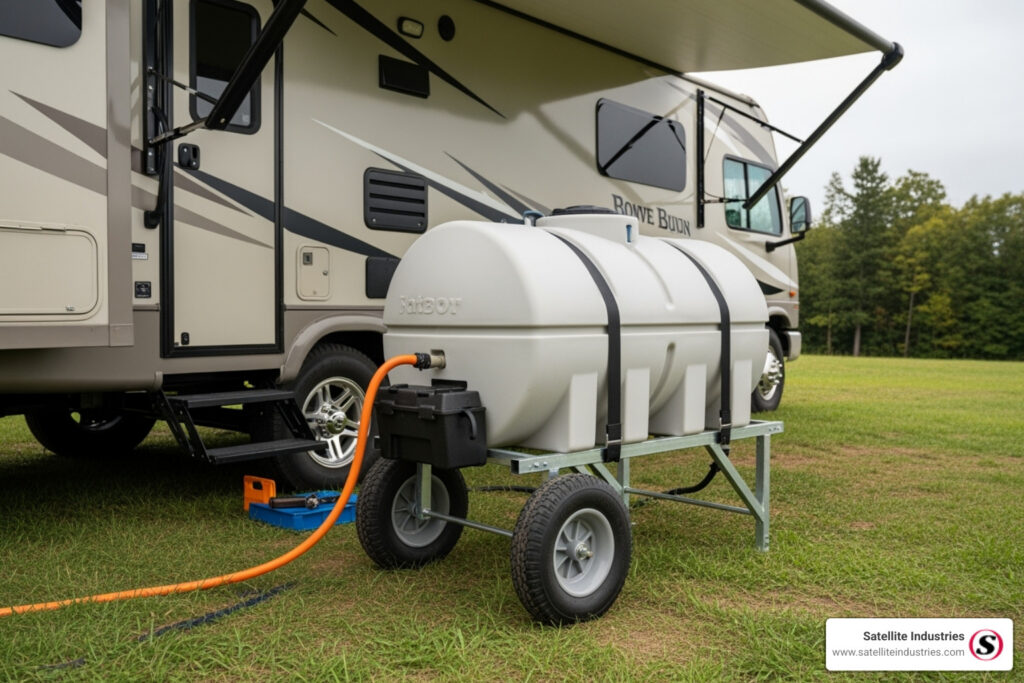
When you’re enjoying the freedom of RV travel, dealing with waste disposal is an unavoidable reality. A portable RV waste tank becomes an essential piece of equipment that can dramatically improve your camping experience, especially when you’re boondocking or staying at sites with limited hookups. These ingenious tanks allow you to extend your stay at remote locations without worrying about filling up your built-in black or gray water tanks, giving you the independence that makes RV life so appealing.
The portable RV waste tank market has evolved significantly over the past decade, with manufacturers introducing innovative designs that make waste management less cumbersome and more efficient. Unlike the permanently installed tanks in your RV, portable waste tanks offer flexibility and convenience that can be game-changing for extended trips. They serve as auxiliary storage when your main tanks reach capacity, eliminating the need to break camp and drive to a dump station in the middle of your vacation. For many RVers, investing in a quality portable waste tank ranks among their most valuable purchases, right alongside leveling blocks and surge protectors.
Understanding which portable RV waste tank suits your specific needs requires careful consideration of several factors including capacity, portability features, durability, and ease of use. The wrong choice can lead to frustrating experiences with leaks, difficult maneuvering, or inadequate capacity that defeats the purpose of having a backup tank. This comprehensive guide will walk you through everything you need to know about selecting, using, and maintaining a portable RV waste tank that will serve you reliably for years to come.
Understanding Portable RV Waste Tanks and Their Purpose
A portable RV waste tank is a mobile waste storage container designed to extend your RV’s waste capacity or provide a convenient way to transport waste from your RV to a dump station. These tanks differ fundamentally from your RV’s built-in black water tank (which holds toilet waste) and gray water tank (which collects water from sinks and showers). While your permanent tanks are plumbed directly into your RV’s systems, portable tanks operate independently, giving you flexibility in how and when you manage waste disposal.
The primary purpose of these tanks centers around extending your camping autonomy. When you’re staying at a beautiful boondocking site without sewer hookups, your built-in tanks will eventually fill up. Rather than packing up your entire camp and driving your RV to a dump station, you can simply drain your RV’s tanks into the portable unit, transport just the portable tank to the dump station, empty it, and return to your campsite. This process takes a fraction of the time and effort compared to moving your entire rig, allowing you to maximize your time enjoying your destination rather than managing logistics.
Portable RV waste tanks serve multiple scenarios beyond just boondocking. They’re invaluable when you’re parked at a site where the sewer connection is inconveniently located or when you’re dealing with a malfunctioning sewer hookup. Some RVers use them exclusively for gray water, allowing them to extend stays without worrying about shower and dish water accumulation. Others keep them as emergency backup for unexpected situations like a broken sewer valve or a full campground dump station. The versatility of these tanks makes them one of the most practical investments for serious RVers who value independence and flexibility in their travels.
Key Features to Look for in a Portable RV Waste Tank
Tank Capacity and Size Considerations
Capacity represents the most critical specification when selecting a portable RV waste tank. These tanks typically range from 15 gallons to 42 gallons, with some specialized models offering even larger capacities. Your ideal capacity depends on several factors including the size of your RV, the number of people traveling with you, and how long you typically stay between dump station visits. A couple traveling in a small camper van might find a 15-20 gallon tank perfectly adequate, while a family of four in a large motorhome would benefit from a 35-42 gallon capacity tank.
The relationship between capacity and portability requires careful balancing. A 42-gallon tank filled with waste water weighs approximately 350 pounds, which presents significant handling challenges even with wheels. Larger tanks offer fewer trips to the dump station but require more physical effort to maneuver, especially over uneven terrain or up ramps. Many experienced RVers recommend choosing a tank that holds roughly half your RV’s built-in tank capacity, allowing you to drain your primary tanks once fully and still have a manageable weight to transport. This approach optimizes convenience without sacrificing too much portability.
Tank Capacity Comparison Table:
| Tank Size | Weight When Full | Best For | Typical Use Case |
|---|---|---|---|
| 15 gallons | ~125 lbs | Solo travelers, van campers | Weekend trips, gray water only |
| 20-25 gallons | ~165-210 lbs | Couples, small trailers | Extended weekend camping |
| 28-32 gallons | ~235-270 lbs | Small families, mid-size RVs | Week-long boondocking |
| 35-42 gallons | ~290-350 lbs | Large families, big motorhomes | Extended off-grid stays |
Wheel and Towing Mechanism Quality
The wheel system on your portable RV waste tank determines how easily you can transport it when full. Premium tanks feature large diameter wheels, typically 8 inches or larger, which roll smoothly over gravel, grass, and uneven campground terrain. Smaller wheels tend to get stuck in soft ground or struggle with obstacles like rocks and tree roots. The wheel material matters significantly as well, with solid rubber or pneumatic tires offering better shock absorption and durability compared to cheap plastic wheels that can crack under heavy loads.
The towing mechanism should allow comfortable pulling at a natural walking height. Many quality portable RV waste tanks feature telescoping handles that extend and retract for storage and transport. Look for handles with comfortable grips that won’t dig into your hands when pulling a heavy load. Some premium models incorporate a rotational towing handle that allows you to pull the tank at different angles, making it easier to navigate tight spaces or maneuver around obstacles. The connection between the handle and tank body should be reinforced with metal brackets rather than relying solely on plastic joints that can fail under stress.
Durability and Construction Materials
Construction quality separates tanks that last for decades from those that crack and leak after a single season. High-density polyethylene (HDPE) represents the gold standard for portable waste tank construction due to its exceptional durability, chemical resistance, and ability to withstand temperature extremes. Quality HDPE tanks won’t become brittle in cold weather or warp in hot summer sun. The tank walls should be thick enough to resist punctures and impacts, typically at least 3-4mm in well-made units.
Seam construction deserves special attention because this is where most leaks originate. Rotomolded tanks, manufactured through rotational molding, are seamless and therefore eliminate the most common failure point. Tanks constructed from multiple pieces welded together can work well if the welds are properly reinforced, but they present a higher risk of eventual leakage. Check for reinforcement ribs or structural supports molded into the tank body, which help the tank maintain its shape even when full and prevent bulging or stress cracking over time.
Suggested read: Best Portable Deer Stands: Ultimate Buyer's Guide for Hunters in 2025
Top Types of Portable RV Waste Tanks
Standard Tote-Style Tanks
Standard tote-style portable RV waste tanks represent the most common and affordable option for RVers. These rectangular or slightly rounded tanks sit low to the ground on a wheeled platform, with a large top opening for filling and cleaning. The low profile makes them stable during transport and allows for easier filling from your RV’s dump valves. Most tote tanks feature a 3-inch inlet opening that connects to your RV’s sewer hose and a smaller outlet for draining at the dump station.
The simplicity of tote-style tanks contributes to their reliability and ease of maintenance. With fewer moving parts and straightforward designs, there’s less that can go wrong. Cleaning is relatively simple because the large top opening allows you to see inside and reach all areas with a cleaning wand. The downside is that tote tanks generally offer less capacity than other styles due to their lower height, and their basic appearance may not appeal to RVers who prefer more streamlined equipment. However, for budget-conscious campers or those new to using portable waste tanks, tote-style units provide an excellent entry point without sacrificing essential functionality.
Portable Blue Boy Style Tanks
The Blue Boy style tank, named after the original iconic blue tank that became synonymous with RV waste management, features a tall cylindrical design that maximizes capacity while maintaining a relatively small footprint. These vertical tanks can hold 30-42 gallons while occupying minimal floor space, making them ideal for RVers with limited storage areas. The vertical orientation also creates better natural flow when emptying, as gravity works more effectively on the taller column of waste.
Modern Blue Boy style portable RV waste tanks have evolved significantly from the original designs, incorporating improved wheel systems, more durable materials, and better seal mechanisms. The tall design does create a higher center of gravity compared to tote tanks, which can make them slightly less stable on very uneven terrain, but quality models counteract this with wider wheel bases. The narrower profile makes these tanks easier to maneuver through tight spaces between vehicles or around campsite obstacles, which can be a significant advantage in crowded campgrounds.
Heavy-Duty Professional Grade Tanks
Professional grade portable waste tanks cater to RVers who demand the absolute best in durability and performance. These premium units typically feature extra-thick walls, commercial-grade wheels, reinforced stress points, and heavy-duty fittings that can withstand years of frequent use. Many professional tanks include built-in features like level indicators, integrated hose storage, and advanced valve systems that make operation more convenient. The price point for these tanks runs significantly higher than standard models, but for full-time RVers or those who regularly boondock for extended periods, the investment pays dividends in reliability and longevity.
The construction of heavy-duty tanks often incorporates features borrowed from industrial waste management equipment. Reinforced wheel axles support the weight without bending or breaking, sealed bearing systems keep wheels rolling smoothly even after years of use, and professional-grade valves resist corrosion and maintain tight seals. Some premium portable RV waste tanks include built-in macerator pumps that allow you to pump waste uphill or over longer distances, eliminating the need to position the tank near or below the dump station outlet. While these advanced features add cost and complexity, they solve specific challenges that standard tanks cannot address.
How to Properly Use Your Portable RV Waste Tank
Setting Up and Connecting the Tank
Proper setup of your portable RV waste tank begins with positioning it correctly relative to your RV’s sewer outlet. The tank should sit level on stable ground, ideally on a slight downward slope from your RV to promote gravity flow. Before connecting any hoses, ensure the tank’s inlet valve is closed to prevent any premature drainage. Most tanks feature a 3-inch inlet that accommodates standard RV sewer hoses, though you should verify compatibility with your specific hose fittings before your first use.
The connection process requires attaching your RV’s sewer hose securely to both the RV’s dump valve and the portable tank’s inlet. Use a proper sewer hose support system to maintain a consistent downward angle, preventing low spots where waste can accumulate and potentially cause clogs. Many experienced RVers recommend using clear sewer hose adapters or sections at key points, allowing you to visually confirm waste flow and know when the tank is approaching full capacity. Secure all connections with hose clamps or twist-lock fittings to prevent leaks during the transfer process, as dealing with spills creates both sanitation issues and unpleasant cleanup work.
Transferring Waste Safely and Efficiently
When you’re ready to drain your RV’s tanks into the portable unit, open your gray water tank valve first. Gray water contains fewer solids and helps flush the hose, preparing it for black water transfer. Monitor the fill level of your portable RV waste tank carefully, either through a transparent section of hose or using the tank’s built-in level indicator if available. Never fill the tank completely to capacity because waste expansion and sloshing during transport can cause overflows. Stopping at 80-90% full provides a safety margin that prevents messy accidents.
After gray water transfer, close that valve and open your black water tank valve. Black water contains solid waste and requires more attention during transfer. If you’ve been using tank treatments or have maintained proper water levels in your black tank, the waste should flow relatively freely. However, if you notice slow drainage or suspect a clog, you may need to add more water to your RV’s black tank to create sufficient flow. Some RVers keep their black tank valve open continuously while connected to a portable tank, but this practice can lead to pyramid plugs forming in the RV’s tank, so most experts recommend keeping valves closed until you’re ready to actively drain.
Transporting the Tank to the Dump Station
Transporting a full portable waste tank requires careful attention to stability and safety. Before moving the tank, ensure all valves are completely closed and verify that the cap or cover on the inlet opening is secure. Some tanks feature a separate air vent that should be closed during transport to prevent sloshing and spillage. Test the wheel system by gently pulling the tank a short distance before committing to the full journey to the dump station, allowing you to identify any issues while still close to your campsite.
The route to the dump station should be planned to avoid steep grades, stairs, or extremely rough terrain whenever possible. Pull the portable RV waste tank slowly and steadily, avoiding sudden starts or stops that can cause waste to slosh violently inside the tank. If you must navigate uphill sections, consider enlisting help or making multiple trips with less weight rather than struggling with an overfilled tank. Many campgrounds feature dump stations with curbs or raised platforms that require lifting or ramping the tank, so factor this into your capacity decisions. A slightly smaller tank that one person can manage safely beats a larger tank that requires two people for every dump station visit.
Maintenance and Cleaning Best Practices
Regular Cleaning Procedures
Maintaining a clean portable RV waste tank isn’t just about eliminating odors; it’s essential for preventing buildup that can lead to clogs, damage seals, and reduce the tank’s effective capacity over time. After each dump station visit, rinse the tank thoroughly before returning to your campsite. Most dump stations provide water spigots specifically for this purpose. Add several gallons of clean water to the empty tank, close the valve, and shake or roll the tank to swish the water around inside, then drain this rinse water completely.
Suggested read: Best Portable Black Water Tank for RVs in 2024: Complete Buyer's Guide
For deeper cleaning, which should be performed at least monthly during active use or before long-term storage, use products specifically designed for RV waste tanks. Fill the tank about one-quarter full with water, add the recommended amount of tank cleaner, and let it sit for the duration specified on the product instructions, typically several hours or overnight. The chemical action breaks down residue and eliminates bacteria that cause odors. After the soaking period, agitate the tank by rolling it around, then drain completely and rinse multiple times with fresh water until the drainage runs clear.
Cleaning Schedule Checklist:
- After Every Use: Basic water rinse and complete drainage
- Weekly (Heavy Use): Rinse with mild soap and water solution
- Monthly: Deep clean with specialized RV tank cleaner
- Quarterly: Inspect all seals, valves, and wheels for wear
- Annually: Comprehensive inspection and replacement of worn components
- Before Storage: Thorough cleaning and complete drying
Preventing Odors and Buildup
Odor control in a portable RV waste tank relies on understanding the chemistry of waste decomposition. Anaerobic bacteria, which thrive in oxygen-depleted environments, produce the foul-smelling gases associated with waste tanks. Using enzyme-based or bacterial tank treatments adds beneficial aerobic bacteria that break down waste more completely and produce far fewer odors in the process. These treatments work best when added to your RV’s tanks before waste accumulates, allowing the bacteria to work continuously rather than trying to remediate an already problematic situation.
Temperature significantly impacts odor development, with hot weather accelerating bacterial activity and increasing smell intensity. During summer camping, consider more frequent emptying of your portable tank and storing it in shaded areas when possible. Some RVers add a small amount of ice to their tanks in extreme heat, which slows bacterial activity temporarily. Avoid using excessive amounts of household chemicals or bleach, as these kill both harmful and beneficial bacteria, potentially making odor problems worse in the long run and damaging tank materials.
Winter Storage and Freeze Protection
Preparing your portable waste tank for winter storage prevents damage from freezing temperatures and ensures it’s ready for use when camping season returns. Begin by emptying and cleaning the tank completely, then allow it to dry thoroughly before storage. Any residual water left in the tank, valves, or fittings can freeze and expand, causing cracks that may not become apparent until you use the tank again. Remove any detachable accessories like hoses or spray nozzles and store them separately after ensuring they’re completely dry.
If you need to use your portable RV waste tank during winter camping, freeze protection becomes essential. RV antifreeze (propylene glycol, not automotive antifreeze) can be added to the tank to lower the freezing point of the contents. However, this approach only works when waste water is actively flowing into the tank. If the tank will sit stationary in freezing temperatures, consider tank heating pads or insulated covers designed specifically for waste tanks. These accessories maintain temperatures above freezing without requiring electrical hookups, though they do need monitoring to ensure effectiveness.
Comparing Top Portable RV Waste Tank Brands
Tote-N-Stor Tanks
Tote-N-Stor has established itself as one of the most recognized names in portable RV waste management, offering a range of tank sizes from 15 to 35 gallons. Their tanks feature rotomolded construction that eliminates seams and reduces leak potential significantly. The company’s attention to wheel design shows in their larger diameter wheels with quality bearings that roll smoothly even when fully loaded. Tote-N-Stor tanks typically include built-in hose storage, a convenient tow handle, and a translucent strip that allows you to monitor fill levels without opening the tank.
The price point for Tote-N-Stor portable RV waste tanks positions them in the mid-range market, offering good value for the quality provided. Users consistently praise their durability, with many reporting years of trouble-free service. The main criticisms focus on the handle design, which some users find less comfortable than competitors during long pulls to distant dump stations. The company backs their products with solid customer service and readily available replacement parts, which adds value beyond the initial purchase price.
Barker Tanks
Barker Manufacturing has produced RV waste management products for decades, and their portable tanks reflect this extensive experience. The Barker Tote Tank line offers some of the largest capacity options available, including 42-gallon models that satisfy the needs of even the largest RVs. Their patented wheel design incorporates a wider stance that improves stability, particularly important when towing heavy loads across uneven campground terrain. Barker tanks feature a large 4-inch inlet opening that provides faster filling and easier cleaning compared to standard 3-inch openings.
Quality control with Barker products earns high marks from the RV community, with reports of tanks lasting 10+ years with proper maintenance being common. The tanks utilize thick-walled construction that resists impacts and UV damage better than many competitors. Pricing runs slightly higher than some alternatives, but the longevity and reliability justify the premium for serious RVers. One consideration is that some Barker models use a straight tow handle rather than a telescoping one, which some users find less convenient for storage but appreciate for its rugged simplicity.
SmartTote and Camco Options
SmartTote tanks bring innovation to the portable RV waste tank market with their unique dual-handle design that offers multiple towing positions. This feature proves particularly useful when maneuvering in tight spaces or navigating around obstacles. SmartTote models typically range from 15 to 35 gallons and incorporate a steel frame that supports the tank body, reducing flex and bulging when full. The company also offers a 4-wheel model that provides exceptional stability and easier pulling compared to traditional 2-wheel designs.
Camco, known for a broad range of RV accessories, produces portable waste tanks that prioritize affordability without sacrificing essential functionality. Their tanks feature straightforward designs that eliminate unnecessary complexity, making them reliable choices for occasional users or those new to RV camping. While Camco tanks may lack some premium features found in higher-priced models, they perform the core function admirably. The company’s wide distribution network means Camco tanks and replacement parts are readily available at most RV supply stores and major retailers, which provides convenience that specialized brands cannot match.
Explore More Portable Solutions
Beyond waste management, portable solutions enhance every aspect of RV life. From general electric portable ac units that keep your RV comfortable in extreme temperatures to portable power stations that enable true off-grid camping, the right portable equipment transforms your RVing experience. Just as a quality portable waste tank extends your boondocking capabilities, other portable accessories expand what’s possible during your adventures.
Suggested read: Your Complete Buyer's Guide to Used Portable Band Sawmills for Sale: Smart Investment Strategies for 2026
Cost Analysis and Budget Considerations
Entry-Level vs Premium Pricing
The portable RV waste tank market spans a wide price range, with entry-level models starting around $80-120 and premium options exceeding $250-350. Entry-level tanks generally feature basic construction, smaller capacities (15-20 gallons), simple wheel systems, and minimal additional features. These budget-friendly options work perfectly well for occasional users, weekend warriors, or those testing whether a portable tank fits their camping style before committing to a premium purchase. The lower price point comes with some compromises in durability and convenience features, but responsible use and maintenance can still provide years of service.
Premium portable RV waste tanks justify their higher costs through superior materials, advanced features, and construction quality that extends their usable life significantly. A $300 tank with rotomolded construction, heavy-duty wheels, and reinforced connection points might last 15+ years, while a $100 tank might need replacement after 3-5 years of regular use. When you calculate the cost per year of service, premium tanks often prove more economical long-term. Additionally, premium tanks’ better wheel systems and handling features reduce physical strain, which has value that’s difficult to quantify but significant for users dealing with back problems or other physical limitations.
Long-Term Value and Return on Investment
Calculating the true value of a portable waste tank requires looking beyond the purchase price to consider how it changes your camping behavior and expenses. RVers who enjoy boondocking can save substantial money by camping on free public lands rather than paying $30-60 per night at full-hookup campgrounds. If a quality portable RV waste tank enables you to comfortably boondock for just five additional nights per year, it could save $150-300 annually in campground fees. Over a tank’s typical 10-year lifespan, this represents $1,500-3,000 in savings, far exceeding even premium tank costs.
The convenience factor also contributes to a tank’s value proposition. How much is it worth to avoid breaking down your entire camp setup to drive to a dump station? For many RVers, the ability to maintain their chosen campsite location without interruption significantly enhances their vacation enjoyment. Time savings add up as well, with portable tank use typically requiring 15-30 minutes compared to 1-2 hours for moving your entire RV to and from a dump station. For full-time RVers, this efficiency translates into dozens of hours saved annually.
Cost-Benefit Analysis Example:
| Factor | Without Portable Tank | With Portable Tank | Annual Savings |
|---|---|---|---|
| Extra campground fees | $600 (20 nights) | $0 (boondocking) | $600 |
| Fuel for dump runs | $120 | $30 | $90 |
| Time cost (valued at $25/hr) | $250 (10 hours) | $125 (5 hours) | $125 |
| Total Annual Benefit | $815 |
Troubleshooting Common Issues
Dealing with Leaks and Seal Problems
Leaks represent the most frustrating issue portable RV waste tank owners encounter, but most are preventable or easily repairable when caught early. The most common leak points include the inlet valve, the drain valve, and in tanks with welded seams, along the seam lines. Regular inspection of these areas before each use helps identify problems before they become serious. Look for moisture, staining, or residue around seals and valves, which indicate developing leaks even if active dripping hasn’t started.
Valve seal failures typically result from degraded gaskets or o-rings that have become hard and brittle from chemical exposure or age. Replacement gasket kits are available for most popular tank models at reasonable costs, usually under $15-25. Replacing these seals annually as preventive maintenance costs far less than dealing with a leak during a camping trip. When installing new seals, clean all surfaces thoroughly and apply a small amount of silicone grease to the gasket before assembly, which helps create better seals and extends gasket life.
Handling Clogs and Flow Issues
Clogs in your portable waste tank, while less common than in RV holding tanks, do occur and require prompt attention. Most clogs happen at the tank’s outlet valve or in the first section of drainage hose where solid waste concentrates. Prevention is far easier than remediation, so using tank treatments and ensuring adequate water flow when transferring waste significantly reduces clog risk. Many experienced RVers recommend using at least a 1:1 ratio of water to solid waste in their black tanks, which translates into better flow when transferring to portable tanks.
When a clog does occur, start with the least invasive solution and progress to more aggressive methods only if needed. Adding hot water and tank treatment chemicals and allowing them to sit for several hours often dissolves clogs without physical intervention. If this fails, a flexible tank wand or snake can be inserted through the drain valve to break up blockages. For stubborn clogs, removing the drain valve completely (if the tank design allows) provides better access for clearing. Prevention through proper use of tank chemicals and adequate water remains the best strategy for avoiding clogs in your portable RV waste tank entirely.
Wheel and Handle Repairs
Wheels and handles endure significant stress, especially when tanks are fully loaded, making them common failure points on older tanks. Wheel problems manifest as difficulty rolling, wobbling, or in severe cases, complete wheel separation from the axle. Many of these issues stem from worn bearings or loose axle connections rather than damaged wheels themselves. Tightening axle bolts and replacing worn bearings often restores smooth operation without requiring complete wheel replacement.
Handle issues range from loose connections to complete breaks at stress points. Telescoping handles can develop problems with the locking mechanism that prevents them from staying extended during use. Often, cleaning and lubricating the locking mechanism resolves these issues without part replacement. For broken handles, aftermarket replacement parts are available for popular tank models, though ensuring compatibility before purchase is essential. Some handy RVers fabricate custom handle solutions using marine-grade materials, creating more comfortable or durable alternatives to original equipment.
Environmental and Legal Considerations
Proper Waste Disposal Regulations
Understanding and following proper waste disposal regulations protects both the environment and your ability to continue enjoying RV camping privileges. Dumping RV waste anywhere except designated dump stations or properly connected sewer systems is illegal throughout North America and carries substantial fines, typically ranging from $500 to several thousand dollars depending on jurisdiction. These laws exist because untreated waste water contains harmful bacteria, viruses, and chemicals that contaminate groundwater, soil, and surface water, creating public health risks.
Your portable RV waste tank must only be emptied at approved locations including RV park dump stations, public dump stations, and properly permitted commercial facilities. Many highway rest areas, truck stops, and camping stores operate dump stations for a small fee, typically $5-15 per use. Some municipalities offer free dump stations for residents or visitors. Never dump waste into storm drains, which flow directly into natural water bodies without treatment, or into vault toilets at parks, which aren’t designed to handle liquid waste and can overflow.
Suggested read: The Ultimate Buyer's Guide to Choosing the Best Portable Gun Safe for Your Security Needs
Environmental Impact and Eco-Friendly Practices
Minimizing the environmental impact of your RV waste management practices extends beyond legal disposal to include the products you use and how you maintain your systems. Choosing biodegradable, enzyme-based tank treatments over harsh chemical products reduces the environmental footprint while actually improving tank performance. These biological treatments break down waste naturally without leaving harmful residues that persist in soil and water. Many modern formulations work more effectively than older chemical alternatives while being much gentler on the environment.
Water conservation practices also play a crucial role in responsible portable RV waste tank use. Using low-flow faucets and showerheads reduces the rate at which your gray water tank fills, extending time between dumps. Taking shorter showers and turning off water while soaping or shampooing makes a significant difference. Some RVers implement a “navy shower” approach, running water only for initial wetting and final rinsing. These conservation practices not only reduce environmental impact but also extend your boondocking capabilities and reduce the frequency of dump station visits, saving time and fuel.
Frequently Asked Questions About Portable RV Waste Tanks
What size portable RV waste tank do I need?
Selecting the right size portable RV waste tank depends on your RV’s holding tank capacity and your typical camping patterns. A good rule of thumb is choosing a portable tank that holds approximately half of your RV’s largest built-in tank capacity. For example, if your RV has a 60-gallon black water tank, a 30-gallon portable tank provides a practical balance between sufficient capacity and manageable weight when full. This sizing allows you to drain your RV’s tank completely while keeping the portable tank light enough to maneuver comfortably. Solo travelers or couples in small RVs often find 15-20 gallon tanks adequate, while families or those with larger RVs typically benefit from 30-42 gallon capacities.
How much does a portable RV waste tank weigh when full?
The weight of a full portable RV waste tank equals the empty tank weight plus the weight of the waste water it contains. Water weighs approximately 8.34 pounds per gallon, so a 30-gallon tank holds about 250 pounds of waste water, plus the tank itself typically weighs 15-25 pounds, totaling around 265-275 pounds. This substantial weight explains why quality wheel systems and durable construction are so important. Before purchasing, honestly assess whether you can comfortably pull this weight across typical campground terrain. Many experienced RVers recommend testing with a similarly weighted item before committing to a larger tank size.
Can I use a portable RV waste tank for gray water only?
Yes, using a portable RV waste tank exclusively for gray water is common and actually offers several advantages. Gray water from sinks and showers fills up faster than black water for most campers, and by dedicating your portable tank to gray water collection, you extend stays without dealing with toilet waste transport. Gray water tanks also require less intensive cleaning and produce fewer odors compared to black water tanks. Many RVers use this strategy, allowing their built-in black water tank to handle toilet waste while the portable tank manages the higher volume gray water, maximizing their boondocking duration without the added complexity of handling black water in the portable unit.
How do you clean a portable RV waste tank?
Cleaning a portable RV waste tank thoroughly involves several steps to ensure complete sanitation. After emptying at a dump station, rinse the tank with clean water multiple times until the drainage runs clear. For deep cleaning, add 3-4 gallons of water along with a specialized RV tank cleaning solution, close all valves, and shake or roll the tank vigorously to wash all internal surfaces.
Let the cleaning solution sit for the recommended time (usually 30 minutes to several hours), then drain completely and rinse several more times. For stubborn residue or odors, a solution of water and white vinegar (1 cup vinegar per gallon of water) can be effective. Always dry the tank completely before storage to prevent mold and mildew growth.
Where can I empty my portable RV waste tank?
Portable RV waste tanks should only be emptied at designated dump stations found at RV parks, campgrounds, highway rest areas, truck stops, and some municipal facilities. Many private campgrounds allow non-guests to use their dump stations for a fee, typically $10-20. Public dump stations operated by cities, counties, or states are often free or charge minimal fees. Smartphone apps like “RV Dump Stations” or “Sanidumps” help locate nearby facilities. Never empty your tank into storm drains, on the ground, or into any water body, as these actions are illegal and environmentally harmful. Some areas have specific regulations about when and where dumping is permitted, so research local rules before traveling.
How long do portable RV waste tanks last?
The lifespan of a portable RV waste tank varies significantly based on construction quality, frequency of use, and maintenance practices. Entry-level tanks with basic construction typically last 3-5 years with regular use, while premium rotomolded tanks with heavy-duty materials often provide 10-15 years or more of reliable service. Proper maintenance dramatically extends tank life regardless of initial quality. Regular cleaning prevents corrosive buildup, protecting seals and valves. Storing tanks out of direct sunlight when not in use prevents UV damage to plastic materials. Avoiding overfilling and rough handling reduces stress on seams and connections. Many long-term RVers report using the same quality tank for over a decade by following proper care protocols.
Are portable RV waste tanks worth the investment?
For RVers who enjoy boondocking or frequently stay at sites without full hookups, a portable RV waste tank represents one of the best investments you can make. The ability to extend your stay at preferred locations without moving your entire RV to dump stations provides both convenience and significant cost savings through reduced campground fees. Even for those who primarily use full-hookup sites, a portable tank serves as valuable backup for situations like malfunctioning sewer connections or inconveniently located hookups.
The initial investment of $100-300 is relatively modest compared to other RV accessories, while the long-term value in terms of increased camping flexibility and enjoyment is substantial. Most experienced RVers who own portable tanks consider them indispensable equipment they wouldn’t travel without.
Ready to enhance your RV independence? Shop premium portable RV waste tanks today and discover the freedom of extended boondocking without compromising comfort. Your next adventure awaits, and with the right portable waste management solution, you can stay wherever the road takes you for as long as you desire.