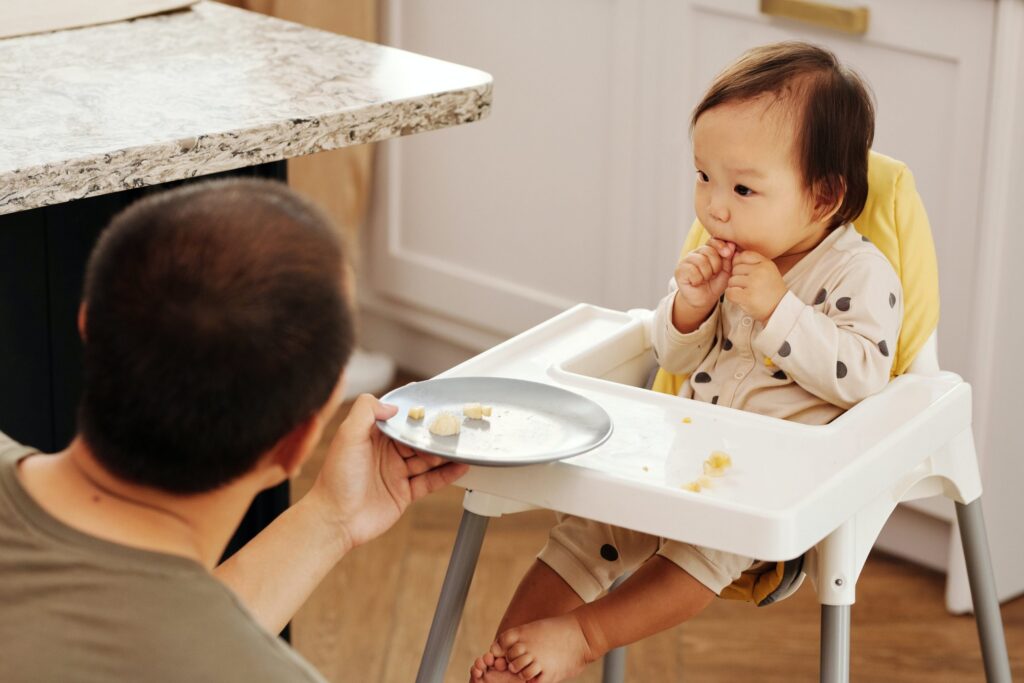
As a parent, finding the right feeding solution for your child can feel overwhelming, especially when you’re constantly on the move. Whether you’re traveling, visiting grandparents, or simply dining out, a portable highchair has become an essential piece of equipment for modern families. These innovative feeding solutions combine convenience, safety, and practicality in ways that traditional highchairs simply cannot match.
The market for portable highchairs has exploded in recent years, with parents increasingly prioritizing flexibility and space-saving designs. According to recent industry data, the global baby care products market is projected to reach $109.8 billion by 2025, with portable feeding solutions representing one of the fastest-growing segments. This growth reflects a fundamental shift in how families approach mealtime, with mobility and adaptability taking center stage. Unlike bulky traditional highchairs that dominate kitchen spaces, portable options offer freedom without sacrificing safety or functionality. These versatile feeding seats can transform any standard chair into a secure dining space for your little one, making them indispensable for families who value both convenience and quality.
What Makes a Portable Highchair Different from Traditional Models?
A portable highchair fundamentally differs from conventional models in design philosophy and practical application. Traditional highchairs are standalone units with their own legs, trays, and substantial footprints that permanently occupy kitchen or dining room space. In contrast, portable versions are specifically engineered for mobility, featuring lightweight construction, compact folding mechanisms, and attachment systems that secure to existing furniture. These differences extend beyond mere size considerations and touch on every aspect of functionality and user experience.
The construction materials used in portable highchairs prioritize weight reduction without compromising structural integrity. Manufacturers typically employ high-grade aluminum frames, reinforced plastics, and durable fabrics that withstand repeated use while remaining light enough for easy transport. Traditional highchairs, built from solid wood or heavy-duty plastic, can weigh 20-30 pounds, while their portable counterparts typically range from 3-12 pounds. This dramatic weight difference makes portable models ideal for families who frequently travel, visit relatives, or need to move the chair between rooms. Additionally, portable designs incorporate quick-release mechanisms, adjustable straps, and tool-free assembly systems that allow parents to set up or pack away the chair in under 60 seconds.
The versatility of portable highchairs extends to their attachment capabilities and usage scenarios. Most models feature universal mounting systems that secure to dining chairs, restaurant seats, picnic benches, and even outdoor furniture. Some advanced designs include table-mounted clamps that eliminate the need for a chair altogether, while others offer freestanding modes for ultimate flexibility. This adaptability means a single portable highchair can replace multiple feeding solutions across different environments. For families managing limited living spaces or those who prefer minimalist lifestyles, this multi-functionality represents significant value. The convenience factor also extends to maintenance, as portable models typically feature removable, machine-washable fabric components that simplify cleanup after messy meals.
Types of Portable Highchairs: Finding Your Perfect Match
Hook-On Highchairs: Maximum Portability
Hook-on highchairs represent the most compact and lightweight category of portable highchair options available today. These ingenious devices feature a steel or aluminum frame with a fabric seat that clamps directly onto table edges, essentially creating a suspended seat for your child. The clamping mechanism typically uses strong grip pads and locking screws to secure the chair to tables between 0.8 to 3.5 inches thick. Hook-on models weigh between 3-6 pounds and fold flat to approximately the size of a laptop, making them exceptionally travel-friendly and easy to store in diaper bags or car trunks.
The primary advantages of hook-on highchairs include their ultra-portable nature and ability to bring children directly to table level, promoting family bonding during meals. Parents appreciate that these chairs eliminate the barrier between child and family, encouraging social interaction and modeling proper dining behaviors. However, hook-on models do have limitations worth considering. They cannot be used with glass tables, tables with pedestal bases, or surfaces with decorative edges or lips. Weight capacity typically maxes out at 35-37 pounds, and the suspended design may feel less secure to some parents, although safety testing confirms these chairs meet rigorous standards when properly installed.
Booster Seats with Straps: Versatile Everyday Solutions
Strap-on booster seats constitute the most popular category of portable highchair products, offering an ideal balance between portability and stability. These seats feature a molded plastic or padded base that elevates children to table height while securing to standard dining chairs with adjustable straps. Most models include multiple height positions, allowing them to grow with your child from 6 months through 5 years. The seat design typically incorporates a removable tray with dishwasher-safe components, built-in cup holders, and easy-clean surfaces that withstand daily use. Weight ranges from 5-8 pounds, making these boosters portable enough for regular travel while substantial enough for daily home use.
The versatility of booster seat designs makes them particularly appealing for families transitioning between multiple feeding stages. Many models convert from full booster mode with tray to simple seat elevation without the tray, allowing toddlers to eat directly from the table as they develop independence. The three-point or five-point harness systems provide adjustable security that accommodates growing children, while the non-slip base prevents sliding on chair seats.
Installation typically takes less than a minute, with color-coded straps and intuitive buckle systems that eliminate confusion. These boosters work exceptionally well in homes with varied chair styles, as the adjustable strap lengths accommodate everything from narrow dining chairs to wide kitchen seats. However, they do require a chair with a back for secure attachment, limiting use in certain restaurant or outdoor settings.
Travel Highchairs: Lightweight Frame Designs
Freestanding travel highchairs offer the functionality of traditional highchairs in remarkably compact packages designed specifically for families on the move. These portable highchair models feature collapsible metal or composite frames that fold down to narrow, carry-ready sizes while maintaining structural stability when deployed. Most travel highchairs weigh between 10-15 pounds and include carrying bags with shoulder straps for easy transport. The design typically incorporates a fabric seat with multiple recline positions, adjustable footrests, and removable trays that nest within the frame during storage. Some premium models even include features like toy attachments, storage pockets, and UV-protective canopies for outdoor use.
The independent nature of travel highchairs makes them ideal for situations where chair attachment isn’t feasible or preferred. Camping trips, beach outings, backyard gatherings, and hotel stays all benefit from having a dedicated, stable feeding station that doesn’t depend on existing furniture. The frame construction distributes weight broadly, creating a stable base even on uneven surfaces like grass or sand.
Many parents appreciate that travel highchairs eliminate concerns about table compatibility or chair availability, providing consistent feeding environments regardless of location. Setup time averages 2-3 minutes, longer than hook-on or booster models but still remarkably quick given the additional structure. Storage dimensions typically measure 6-8 inches wide when folded, allowing these chairs to fit in car trunks alongside luggage and other travel gear.
Key Safety Features Every Portable Highchair Must Have
Safety represents the paramount consideration when selecting any portable highchair, as these devices support your child during vulnerable feeding times. The American Academy of Pediatrics emphasizes that highchair-related injuries send approximately 9,400 children to emergency rooms annually, underscoring the importance of choosing products with comprehensive safety features. Modern portable highchairs incorporate multiple layers of protection, from restraint systems to stability mechanisms, all designed to prevent falls, entrapment, and tipping incidents.
Five-point harness systems stand as the gold standard for portable highchair restraints, securing children at the shoulders, waist, and between the legs. This configuration prevents children from standing up or sliding down within the seat, addressing the two most common causes of highchair falls. Quality harnesses feature adjustable strap lengths that accommodate growing children while maintaining snug, secure fits.
The buckle mechanisms should require deliberate adult action to release, typically involving simultaneous button presses or complex sliding motions that young children cannot replicate. Some advanced models include magnetic buckles that adults can operate one-handed while remaining childproof. The harness attachment points must anchor securely to the chair frame at reinforced stress points, not simply sewn to fabric surfaces that could tear under pressure.
Stability and weight distribution features vary by portable highchair type but remain critical across all categories. Hook-on models require robust clamping mechanisms with minimum grip strengths of 50 pounds and rubberized pads that prevent slipping. The clamp design should distribute pressure evenly across table surfaces to prevent damage while maintaining secure attachment. Booster seats need non-slip bases with rubberized or textured surfaces that grip chair seats firmly, plus strap systems that cinch tightly without excessive looseness. Freestanding travel highchairs must feature wide-stance leg configurations and center-of-gravity designs that resist tipping even when children lean or rock. Anti-tip mechanisms, including weighted bases or outrigger legs, provide additional security.
Material safety and construction quality directly impact both immediate safety and long-term durability. All portable highchair components must be free from BPA, phthalates, PVC, and other potentially harmful chemicals commonly found in plastics. Certifications from organizations like JPMA (Juvenile Products Manufacturers Association), ASTM International, or equivalent regional safety bodies verify compliance with rigorous testing protocols. The frame construction should use high-grade materials without sharp edges, pinch points, or small parts that pose choking hazards. Stitching on fabric components requires reinforced seams with double or triple stitching at stress points. Regular inspection of portable highchairs for wear, loose screws, or fabric deterioration helps maintain safety over time.
Age and Weight Guidelines: When Can Your Child Use a Portable Highchair?
Understanding the appropriate age and developmental milestones for portable highchair use ensures both safety and functionality. Most manufacturers design their products for children who can sit upright independently, typically around 6 months of age, though some models accommodate younger infants with additional support features. The ability to sit without assistance indicates sufficient trunk strength and head control necessary for safe highchair use. Starting too early risks slouching or slumping that could compromise airways, while waiting too long means missing the window for establishing positive mealtime routines during critical developmental periods.
The lower age limit correlates directly with physical development rather than specific months. Pediatricians generally recommend that babies demonstrate three key capabilities before transitioning to any highchair: maintaining an upright sitting position for extended periods, showing interest in solid foods, and exhibiting head control that prevents flopping forward or backward. Some portable highchair models include infant inserts or recline features that provide additional support for younger babies between 4-6 months, but these should only be used under close supervision and according to manufacturer guidelines. Parents should never force developmental milestones or rush the transition to portable highchairs simply for convenience, as proper physical readiness directly impacts safety during feeding.
Weight capacity considerations vary significantly across portable highchair categories and directly influence product longevity. Hook-on highchairs typically support children up to 35-37 pounds due to their cantilevered design and table-mounting system. Exceeding this limit risks table damage or clamp failure, creating serious safety hazards. Booster seats generally accommodate larger weight ranges, from 30-50 pounds depending on the model, with some premium designs supporting children up to 60 pounds. These higher capacities allow extended use as children grow, often serving from infancy through kindergarten age. Freestanding travel highchairs usually fall in the middle range, supporting 30-40 pounds while maintaining portable form factors.
The upper age limit for portable highchair use depends on multiple factors beyond just weight capacity. Most children transition away from highchairs between ages 3-5 as they develop the coordination and table manners necessary for standard dining chairs. However, children with developmental delays or special needs may benefit from extended portable highchair use, with some specialized models supporting up to 75 pounds. The decision to discontinue use should consider the child’s ability to remain seated during meals, climb into standard chairs safely, and eat without constant supervision. Many families find that portable highchairs serve double duty during this transition period, providing optional support when children become tired or during lengthy meals while encouraging independent seating at other times.
Top Materials and Construction Quality Indicators
The materials used in portable highchair construction directly impact durability, safety, cleanability, and overall user experience. High-quality portable highchairs employ multi-material designs that leverage the strengths of different substances for optimal performance. Understanding these materials helps parents make informed purchasing decisions that balance immediate needs with long-term value.
Frame materials form the structural foundation of any portable highchair and significantly influence both weight and strength characteristics. Premium models utilize aircraft-grade aluminum alloys that provide exceptional strength-to-weight ratios, allowing robust construction without excessive bulk. These aluminum frames resist corrosion, maintain stability under stress, and typically last through multiple children without degradation. Steel frames offer even greater strength and durability but add considerable weight that reduces portability. Some manufacturers employ reinforced high-density plastics or composite materials that split the difference, providing adequate strength at moderate weights. The frame joints represent critical stress points requiring special attention—look for welded or mechanically fastened connections rather than simple plastic clips or snaps that may fail over time.
Seat and fabric components must balance comfort, cleanability, and durability while remaining lightweight for portability. High-performance fabrics like polyester blends with PU coatings or vinyl-backed materials resist staining and wipe clean easily after meals. These materials should feel soft against baby’s skin while avoiding absorption of liquids and food particles that create odors or bacterial growth. Removable seat covers with machine-washable construction simplify maintenance significantly, allowing thorough cleaning that extends product lifespan. The fabric attachment methods—typically hook-and-loop fasteners, snaps, or elastic edges—should secure firmly without gaps where food could hide. Premium portable highchair models often include multiple fabric covers, allowing parents to wash one while using the other, ensuring continuous availability.
Tray construction and attachment systems receive intensive daily use and require materials that withstand repeated cleaning without warping, cracking, or retaining odors. BPA-free polypropylene represents the industry standard for highchair trays, offering excellent durability and dishwasher safety at reasonable costs. Higher-end models may incorporate silicone or bamboo elements that provide naturally antibacterial properties and aesthetic appeal.
The tray attachment mechanism significantly impacts usability—single-handed release systems using squeeze buttons or slide mechanisms allow parents to remove trays while holding babies, dramatically improving convenience. The tray surface should feature raised edges or lips that contain spills while remaining low enough that children can reach their food comfortably. Adjustable tray positions that accommodate children as they grow add versatility and extend the useful life of the portable highchair.
Cleaning and Maintenance: Keeping Your Portable Highchair Pristine
Maintaining a portable highchair in clean, hygienic condition represents an ongoing challenge for parents, as these devices endure daily exposure to spilled milk, pureed foods, crumbs, and various other messes. Establishing effective cleaning routines from the first use prevents buildup that becomes increasingly difficult to address over time. The specific maintenance requirements vary based on the portable highchair type and materials, but several universal principles apply across all categories.
Suggested read: The Ultimate Resource for Portable RV Waste Holding Tanks: Everything You Need to Know
Daily quick-clean routines should become automatic after each meal, preventing food from hardening or staining. Immediately after removing your child, wipe down all surfaces with a damp cloth or baby-safe cleaning wipe, paying special attention to crevices where food accumulates. The tray requires particularly thorough attention, including the underside where small fingers often stick half-chewed food. For fabric seats, shake or vacuum loose crumbs before they work their way deep into fibers. Many parents keep a dedicated cleaning caddy near the highchair containing cloths, spray bottles with gentle cleaners, and a small brush for reaching tight spaces. This immediate attention typically takes less than two minutes but prevents the 30-minute deep-cleaning sessions that become necessary when maintenance lapses.
Weekly deep-cleaning protocols address areas that daily wiping misses and maintain the portable highchair in optimal condition. Remove all detachable components including the tray, seat cover, harness straps, and any padding. Machine-washable fabric elements should be laundered according to manufacturer instructions, typically on gentle cycles with mild detergent. While these pieces dry, thoroughly clean the frame and remaining attached components using appropriate cleaners—avoid harsh chemicals that could damage materials or leave residues harmful to babies.
A toothbrush or small detailing brush effectively removes stuck-on food from joints, buckles, and adjustment mechanisms. After cleaning, inspect all components for wear, loose screws, or damage requiring repair or replacement. Relubricate moving parts like folding hinges or clamp mechanisms with food-safe lubricants to maintain smooth operation.
Storage practices significantly impact portable highchair longevity and readiness for use. When storing for extended periods, ensure the chair is completely clean and thoroughly dry to prevent mold or mildew growth. Store in climate-controlled environments rather than garages or outdoor sheds where temperature extremes and humidity could damage materials. Keep the chair in its folded configuration to minimize space use, but avoid placing heavy items on top that might bend frames or compress fabrics.
For families using portable highchairs primarily for travel, maintain a storage bag that keeps the chair clean and protected between trips. Some parents keep cleaning supplies in the same storage area, ensuring they’re immediately available when retrieving the highchair. Regular maintenance schedules—setting calendar reminders for monthly inspections or seasonal deep cleans—help establish consistent habits that extend equipment life.
Price Ranges and Value Considerations for Portable Highchairs
The portable highchair market spans a wide price spectrum, from budget-friendly options around $20 to premium models exceeding $150. Understanding the value proposition at each price point helps parents make informed decisions aligned with their specific needs, usage patterns, and budgets. While higher prices often correlate with better materials and additional features, the most expensive option isn’t always the best choice for every family.
Budget-friendly portable highchairs ($20-$45) provide basic functionality with minimal frills, making them ideal for occasional use, backup seating, or grandparent households. These models typically feature simple booster seat designs with fabric or foam padding, basic three-point harnesses, and straightforward attachment systems. The materials prioritize affordability over premium performance, meaning they may show wear more quickly with heavy use. However, many budget options meet all safety standards and perform adequately for families who primarily need occasional portability.
The tradeoffs typically include less padding comfort, simpler cleaning processes, fewer adjustment options, and shorter usable lifespans. For families planning to use the portable highchair exclusively at a second home or for infrequent restaurant visits, these economical choices deliver sufficient value without overinvesting in features they won’t use.
Mid-range portable highchairs ($45-$90) represent the sweet spot for most families, offering significantly improved quality, features, and durability compared to budget options without entering premium pricing territory. These models generally incorporate better materials like reinforced fabrics, more substantial frame construction, and improved hardware that withstands daily use. Common features include machine-washable covers, dishwasher-safe trays, multi-position height adjustments, and five-point harness systems. The construction quality typically ensures these portable highchair models last through multiple children, making the higher upfront investment economically sensible for growing families. Many parents find that mid-range options eliminate the frustrations common with cheaper alternatives—trays that crack, fabrics that stain permanently, or straps that loosen over time—while avoiding premium features they don’t actually need.
Premium portable highchairs ($90-$150+) cater to families prioritizing maximum convenience, aesthetic design, and longest possible lifespans. These top-tier models distinguish themselves through superior materials, innovative features, and thoughtful design details. Expect to find features like memory foam padding, quick-dry mesh fabrics, magnetic tray attachments, fold-flat capabilities that reduce packed size by 50% compared to competitors, and modern aesthetics that complement home decor.
Some premium options include modular designs that convert between multiple configurations—hook-on chair to freestanding booster to simple seat cushion—providing versatility that justifies higher prices. The construction quality often includes lifetime warranty coverage or generous replacement policies that protect the investment. For families who travel frequently, use their portable highchair as their primary feeding solution, or simply value premium products, these options deliver experiences that more affordable alternatives cannot match.
When evaluating portable highchair value, consider total cost of ownership rather than just purchase price. A $30 chair that lasts 12 months before requiring replacement costs more over a 3-year period than a $70 chair that remains functional throughout. Factor in cleaning ease—models with machine-washable components save time and maintain appearance better than difficult-to-clean alternatives. Resale value also varies significantly, with popular premium brands retaining 40-60% of original value when sold used, while budget options have virtually no secondary market. The ideal choice balances immediate budget constraints with projected usage patterns and quality expectations specific to your family’s situation.
Traveling with Your Portable Highchair: Pro Tips and Strategies
Successfully traveling with a portable highchair requires strategic planning and practical know-how that transform potentially stressful situations into seamless experiences. Whether embarking on cross-country flights, weekend road trips, or international adventures, the right preparation ensures your child has safe, comfortable feeding arrangements regardless of destination.
Air travel considerations present unique challenges and opportunities for portable highchair use. Most hook-on models and compact boosters easily fit within carry-on baggage, allowing you to maintain possession throughout the journey and have immediate access upon arrival. Placing the portable highchair in your personal item or diaper bag backpack typically works well, as these items don’t count toward standard carry-on limits.
For larger travel highchairs that exceed carry-on dimensions, gate-checking represents the optimal strategy—the chair accompanies you to the boarding gate and is stowed in the aircraft hold, then returned immediately upon landing. This approach protects the highchair from the rougher handling associated with regular checked baggage while ensuring availability throughout your travels. Some airlines allow strollers and highchairs to be checked without counting toward baggage allowances, potentially saving fees.
Hotel and vacation rental preparation begins before departure by confirming whether accommodations provide highchairs or allowing you to plan accordingly. Many families assume hotels offer feeding equipment only to discover upon arrival that supplies are limited, damaged, or don’t meet safety standards. Calling ahead to verify availability and quality saves disappointment and scrambling for last-minute solutions.
When bringing your own portable highchair, consider the furniture configurations you’ll encounter—vacation rentals often feature varied dining setups from breakfast bars to patio tables that may not accommodate all portable highchair types. Hook-on models offer maximum versatility in these situations, adapting to most table configurations. Packing a roll of paper towels or disposable placemats provides quick cleanup solutions that preserve security deposits and maintain relationships with rental hosts.
Restaurant dining strategies with portable highchairs require both practical skills and social awareness. While most restaurants welcome families bringing their own seating, calling ahead for busy establishments or fine dining venues shows courtesy and prevents awkward situations. When arriving, assess table stability and thickness before attempting to attach hook-on models—some restaurant tables feature decorative edges, glass tops, or pedestal bases incompatible with clamps. Booster seats work universally with restaurant chairs but require permission before strapping to furniture, as some establishments worry about seat damage.
Position your child’s portable highchair at table corners or ends rather than middle positions to minimize disruption to other diners and wait staff. Always bring your own cleaning supplies to wipe down the chair after meals rather than expecting restaurant staff to handle this task. This considerate approach preserves goodwill and ensures families with portable highchairs remain welcome customers.
Comparing Portable Highchairs to Other Feeding Solutions
Understanding how portable highchair options compare to alternative feeding solutions helps parents make informed decisions about which products best serve their specific situations. Each feeding solution offers distinct advantages and limitations that become more or less relevant depending on lifestyle factors, living space, budget considerations, and child development stages.
Traditional full-size highchairs represent the conventional feeding solution that dominated the market for decades before portable alternatives gained popularity. These substantial pieces of furniture feature independent legs, larger trays, more padding, and typically more adjustable positions than portable counterparts. The stability and size of traditional highchairs create secure feeding environments that some parents find more confidence-inspiring, particularly with very young infants just beginning solid foods.
However, these benefits come with significant tradeoffs. Full-size highchairs consume 4-9 square feet of floor space, creating challenges in small homes or apartments. The weight—typically 20-30 pounds—makes moving between rooms difficult and renders travel essentially impossible. Cleaning often proves more complicated, as the additional structure creates more crevices and surfaces where food accumulates. For families with ample space who rarely travel and prefer substantial furniture, traditional highchairs remain sensible choices, but the growing preference for portable highchair alternatives reflects changing priorities toward flexibility and efficient space utilization.
Floor seats and activity centers sometimes confuse parents as feeding alternatives, but these products serve fundamentally different purposes despite superficial similarities. Floor seats provide supported sitting positions for infants not yet ready for highchairs, typically from 3-6 months, but lack the elevation and tray configurations necessary for proper feeding positions. Activity centers incorporate trays primarily for toy engagement rather than meals, and their height positions don’t align with family dining experiences.
Using these products for feeding creates poor habits and uncomfortable positions that potentially impact developing posture and coordination. The key distinction lies in elevation—proper feeding requires bringing children to table level, fostering family interaction and modeling appropriate mealtime behaviors. Portable highchair options achieve this goal while maintaining space efficiency and travel capability that floor seats cannot match.
Restaurant-provided highchairs present perhaps the most direct comparison to portable alternatives, as this scenario specifically drives many families to purchase their own equipment. The quality, cleanliness, and availability of restaurant highchairs vary dramatically, creating unpredictable experiences that many parents prefer to avoid. Health inspections rarely examine highchair cleanliness, and visible food residue or mysterious sticky surfaces are common enough that many parents reflexively clean restaurant highchairs before use. Safety concerns also arise, as older restaurant highchairs may have worn straps, loose screws, or designs that predate current safety standards.
The availability issue becomes particularly acute during busy dining periods when all highchairs are in use or at smaller establishments with limited equipment. Families carrying their own portable highchair eliminate all these uncertainties, ensuring consistent, clean, safe seating while providing independence from restaurant logistics. The small inconvenience of carrying a 5-8 pound portable highchair pales compared to the stress of navigating inadequate restaurant provisions.
For families managing multiple feeding scenarios across different environments, many find that combining solutions delivers optimal results. A portable highchair serves travel, restaurants, and daily use while a portable septic tank handles outdoor adventures, and grandparents maintain their own full-size highchair for regular visits. This mixed approach leverages the strengths of each solution type while avoiding the compromises inherent in trying to make any single product serve all situations perfectly.
Environmental Impact and Sustainability Considerations
Modern parents increasingly consider the environmental implications of their purchasing decisions, and portable highchair choices offer opportunities to minimize ecological footprints while meeting practical childcare needs. The sustainability profile of these products depends on factors ranging from manufacturing materials and processes to product longevity and end-of-life disposal options.
Material sustainability varies significantly across portable highchair categories and price points. Products manufactured primarily from plastics derived from petroleum sources carry substantial environmental costs despite their practical advantages. The production of virgin plastics generates significant greenhouse gas emissions and relies on finite fossil fuel resources. However, an increasing number of manufacturers now incorporate recycled plastics into their portable highchair designs, reducing dependence on virgin materials while creating markets for post-consumer plastic waste. Some premium portable highchair models feature components made from bio-based plastics derived from renewable resources like cornstarch or sugarcane, though these alternatives currently command price premiums and represent small market shares.
Suggested read: GE Portable AC Unit: Everything You Need to Know Before You Buy (2024)
Fabric components similarly range from conventional polyester to more sustainable options like organic cotton blends or materials produced from recycled bottles. Parents prioritizing environmental considerations should research specific manufacturer sustainability commitments and look for products with recycled content certifications or eco-friendly material documentation.
Product longevity represents perhaps the most significant sustainability factor for portable highchairs, as equipment lasting through multiple children dramatically reduces per-use environmental impact compared to products requiring frequent replacement. A well-constructed portable highchair purchased for $80 that serves three children over 10 years generates far less waste and resource consumption than three $30 chairs that each last barely beyond warranty periods.
The construction quality indicators discussed earlier—reinforced stitching, durable frames, quality hardware—directly correlate with environmental performance by ensuring products withstand years of regular use. Companies offering repair services, replacement parts availability, and comprehensive warranties signal commitment to longevity over planned obsolescence. The ability to thoroughly clean and maintain portable highchairs also extends functional life, as products that resist staining and retain appearance encourage continued use rather than premature replacement driven by aesthetic deterioration.
End-of-life considerations complete the sustainability picture by addressing what happens when portable highchairs finally exceed their usable life. The best environmental outcome involves passing functioning equipment to other families through resale, donation, or lending, extending total product life and preventing unnecessary new purchases. Online marketplaces, consignment shops, and community parent groups facilitate this secondary market, with popular brand-name portable highchairs often commanding 30-50% of original retail prices when in good condition. For products truly beyond continued service, recycling options depend on local facilities and material compositions.
Some municipalities accept plastic components in curbside recycling programs, while metal frames can be separated and recycled as scrap metal. Unfortunately, multi-material construction complicates recycling, as fabrics bonded to plastic or metal components require manual separation that many facilities won’t undertake. Progressive manufacturers now design products with disassembly in mind, using mechanical fasteners rather than permanent adhesives and clearly marking material types to facilitate eventual recycling. Parents can support these sustainable practices by choosing portable highchair models from companies demonstrating environmental responsibility throughout the product lifecycle.
Special Needs and Adaptive Portable Highchairs
Children with special needs, developmental delays, or physical challenges require modified feeding solutions that balance portability with specialized support features. The portable highchair market increasingly recognizes this important segment, with manufacturers developing products that accommodate diverse abilities while maintaining the convenience benefits that make portable options attractive to all families.
Positioning and support modifications address the reality that many children with special needs require additional trunk support, head control assistance, or positioning adjustments beyond what standard portable highchairs provide. Adaptive models typically feature higher backrests that extend to shoulder level or beyond, providing lateral supports that prevent leaning or slouching. Some designs incorporate adjustable side bolsters that can be tightened or loosened to provide just the right amount of lateral containment for children with varying trunk control abilities. Headrests with depth adjustment help position heads properly for safe swallowing, crucial for children with motor planning difficulties or low muscle tone.
The seat depth and width on adaptive portable highchair products often adjust to accommodate a wider range of body sizes and proportions than standard models, recognizing that children with certain conditions may be larger or smaller than typical developmental trajectories would suggest. These positioning features transform feeding from a stressful challenge into a manageable routine by ensuring children can maintain proper posture throughout meals.
Extended weight capacities and age ranges characterize adaptive portable highchairs, as many children with special needs benefit from highchair use well beyond the typical 3-5 year range. Standard portable highchair weight limits of 35-50 pounds prove inadequate for larger children or those requiring feeding assistance into elementary school years. Specialized adaptive models support weights up to 75-100 pounds while maintaining portable form factors through reinforced construction and engineering designs that distribute weight more effectively.
The frame materials in these products often employ high-strength aluminum alloys or steel components that provide necessary support without excessive bulk. The extended usability allows families to make single equipment purchases that serve for many years rather than repeatedly replacing outgrown products, providing both economic and practical benefits. Some adaptive portable highchairs even transition to standard chair boosters for older children who need continued positioning support during meals but have outgrown infant-style configurations.
Sensory considerations influence adaptive portable highchair designs in ways that standard products rarely address. Children with sensory processing differences may react strongly to certain textures, materials, or colors in ways that impact feeding success. Some adaptive models offer fabric choices specifically selected for sensory friendliness—soft but not fuzzy, smooth but not slippery, in neutral colors that don’t overstimulate. The harness systems on adaptive chairs often feature wider straps with additional padding that distribute pressure more comfortably for children sensitive to restraint feelings. Removable or adjustable footrests provide grounding input that helps some children feel more secure and regulated during meals.
Several adaptive portable highchair manufacturers collaborate with occupational therapists to incorporate calming features like slight seat reclines that promote relaxation or tray surfaces with subtle textures that provide sensory input without distraction. These thoughtful design elements recognize that successful feeding depends on far more than just physical positioning, extending to the entire sensory experience surrounding mealtimes.
Real Parent Reviews and Experience-Based Insights
Understanding how portable highchair products perform in actual family life provides invaluable perspective beyond manufacturer specifications and marketing claims. Analyzing patterns across thousands of parent reviews and testimonials reveals consistent insights about what works, what disappoints, and which features matter most in daily use.
Most valued features according to parent feedback center on practical usability rather than flashy additions or marketing buzzwords. The single most consistently praised characteristic across all portable highchair categories is ease of cleaning, with parents repeatedly expressing that washable fabrics and simple wipe-clean surfaces dramatically reduce daily stress. Reviews frequently mention that even premium features become irrelevant if cleaning requires excessive time or effort after every meal. The second most valued trait is intuitive setup and adjustment—portable highchairs that require instruction manual consultation or multiple attempts to install properly generate frustrated reviews regardless of how well they ultimately function.
Parents with multiple children especially appreciate portable highchair designs that can be operated single-handedly, as juggling a baby while wrestling with complicated strap systems or stubborn clamps proves impractical in real-world situations. Quick-release trays that detach with one hand receive consistent praise, as do height adjustment systems that don’t require tools or complex procedures.
Common complaints and disappointments appearing across portable highchair reviews provide warnings about potential issues worth investigating before purchase. Strap systems that loosen over time rank among the most frequent frustrations, as parents find themselves constantly retightening attachments before each use. This problem typically traces to cheap buckle mechanisms or elastic components that lose tension, both indicators of lower construction quality. Many reviews mention portable highchair fabrics that stain permanently despite following care instructions, with certain food types—particularly tomato-based sauces and blueberries—causing persistent discoloration that makes otherwise functional chairs look dingy and worn.
The aesthetic degradation often drives premature replacement even when structural integrity remains sound. Another recurring complaint involves design oversights where food becomes trapped in crevices or joints impossible to access during cleaning, eventually creating odors and hygiene concerns. Parents particularly dislike discovering these problem areas only after purchase, when meals have already created the anticipated mess.
Specific use case experiences highlight how portable highchair performance varies across different scenarios and family situations. Travel-focused reviews emphasize that theoretical portability doesn’t always translate to practical convenience—chairs that fold compactly but require complicated reassembly or lack protective carrying bags generate complaints from families who initially chose them specifically for travel use. Restaurant experiences reveal that hook-on models sometimes struggle with modern table designs featuring thick glass tops, decorative edges, or pedestal bases, leaving families scrambling for alternatives. Several reviews mention the social awkwardness of arriving at restaurants with portable highchairs only to discover incompatible furniture, creating uncomfortable situations with staff and other diners.
Grandparent households purchasing portable highchairs for occasional visits consistently report that mid-range booster seats deliver the best value, as they’re simple enough for less frequent users to operate confidently while providing adequate features for the limited usage they receive. Parents of multiple children often share that their second or third child experiences significantly different portable highchair use than firstborns, as families become more relaxed about feeding logistics and prioritize convenience over perfectionism.
Setting Up Your Portable Highchair: Step-by-Step Installation Guide
Proper setup of your portable highchair ensures maximum safety and functionality while preventing common mistakes that compromise performance. While specific procedures vary by model type, understanding fundamental installation principles helps parents achieve secure, stable results regardless of which portable highchair they choose.
Hook-on highchair installation requires careful attention to table compatibility and clamping technique. Begin by identifying suitable tables with smooth, flat edges between 0.8-3.5 inches thick without glass tops, decorative lips, or pedestal bases. Position the chair clamp centered on a stable table edge away from corners where stress concentrates. Open the clamp mechanism completely and slide it onto the table edge, ensuring the upper and lower grip pads contact the table surfaces fully without gaps. Tighten the locking screws gradually, alternating between screws to apply even pressure across the clamp. The final tightness should feel very secure without requiring excessive force that might damage table surfaces.
Before placing your child in the seat, test the installation by applying downward pressure on the seat bottom equivalent to your child’s weight—the chair should remain completely stable without any movement, creaking, or shifting. Check that the table itself doesn’t lift or tilt when weighted, as lightweight tables may not provide adequate stability for hook-on chairs regardless of proper installation. Some parents place non-slip pads under table legs for additional security, particularly on slippery floor surfaces.
Booster seat attachment to dining chairs follows a systematic approach that ensures both stability and safety. Select a dining chair with a solid back that extends at least to the height where the booster straps will attach. Avoid chairs with rounded backs, wide slats that prevent strap positioning, or wheels that allow movement. Place the booster seat on the chair, centering it front-to-back and side-to-side. Thread the attachment straps around the chair back according to your specific portable highchair model’s design—some wrap vertically while others employ horizontal configurations. Pull the straps tight enough to prevent the booster from sliding on the chair seat, testing this by attempting to shift the booster laterally and forward-backward.
The booster should feel solidly attached without any play or movement. Adjust the booster height if your model offers multiple positions, ensuring the tray aligns appropriately with your child’s chest level. The seat bottom should sit flat against the chair without tilting forward or backward, which could affect your child’s posture and stability. Before the first use, place a weighted object approximating your child’s weight in the seat and attempt to tip or shift the arrangement—it should remain completely stable.
Travel highchair assembly typically involves unfolding frame components and securing fabric elements into their proper positions. Remove the chair from its carrying bag and extend all frame sections fully, listening for click sounds that indicate locking mechanisms have engaged. Many travel highchairs feature color-coded frame sections that match corresponding connection points, simplifying the assembly process. After extending the frame, attach the fabric seat by snapping or buttoning it to the frame attachment points, working systematically around the chair to ensure even, secure connection. Pull the fabric taut as you attach each point to prevent sagging or loose areas that compromise support and appearance.
If your portable highchair includes a tray, connect it according to the specific attachment mechanism, testing that it locks firmly and doesn’t wobble or slide. Position the assembled chair on level ground and apply pressure to test stability before placing your child inside. Most travel highchairs require 2-3 uses before parents develop efficient assembly routines that reduce setup time to under two minutes.
Shopping Checklist: Questions to Ask Before Buying
Selecting the right portable highchair requires evaluating numerous factors specific to your family’s unique circumstances, lifestyle, and priorities. This comprehensive checklist helps organize the decision-making process and ensures you consider all relevant aspects before committing to a purchase.
Usage pattern considerations should drive your initial decision framework. How frequently will you use the portable highchair—daily as your primary feeding solution, several times weekly for regular outings, or occasionally for travel and special occasions? Daily users benefit most from mid-to-premium models with enhanced comfort features and durable construction that withstands repeated use, while occasional users may find budget-friendly options perfectly adequate. Where will you primarily use the chair? Home use with consistent furniture allows optimization for your specific table and chairs, while restaurant dining requires universal compatibility with varied seating arrangements. Travel-focused families should prioritize compact folding, lightweight construction, and protective carrying bags.
Will multiple caregivers use the portable highchair? Grandparents, babysitters, and daycare providers may struggle with complicated designs, making intuitive operation more valuable than advanced features. How many children will eventually use the equipment? Families planning multiple children should invest in higher-quality options that withstand extended use across several years and multiple users, making higher upfront costs economically sensible.
Suggested read: The Ultimate Buyer's Guide to Choosing the Best Portable Gun Safe for Your Security Needs
Physical compatibility factors determine whether specific portable highchair types will work in your actual living and dining environments. Measure your dining table thickness, edge style, and material to confirm compatibility with hook-on models you’re considering. Glass tables, pedestal bases, and decorative edges eliminate hook-on options, narrowing your choices to booster seats or travel chairs. Examine your dining chairs—do they have solid backs suitable for strap attachment? What are the seat widths and depths? Some dining chairs with unusually wide or narrow seats may not accommodate standard booster seat dimensions. Consider your typical restaurant dining venues and their furniture styles.
Families who frequently eat at modern restaurants with booth seating, bar-height tables, or contemporary furniture designs may find portable highchairs challenging to use consistently. Storage space available in your home influences size constraints—apartments with limited storage may prioritize the most compact folding options even if slightly less convenient to use.
Safety and certification verification deserves careful attention during the shopping process. Confirm that any portable highchair you consider carries JPMA certification or equivalent regional safety approval, indicating compliance with rigorous testing protocols. Read the weight and age specifications carefully, ensuring the chair accommodates your child’s current size with room for growth. Examine the harness system type—five-point harnesses provide superior security compared to three-point designs, particularly for active children who attempt to escape restraints. Check recent safety recalls by searching the manufacturer and model name along with “recall” to ensure you’re not considering equipment with known safety issues.
Read recent reviews specifically mentioning safety experiences, as parent observations sometimes reveal concerns not captured in official testing. Question whether the materials are BPA-free, phthalate-free, and made from non-toxic components that won’t harm your child through contact or incidental mouthing. Some parents prefer organic fabrics or sustainably sourced materials, factors that vary significantly across brands and price points.
Popular Brands and What They Offer
The portable highchair market includes numerous manufacturers, each bringing distinct philosophies, features, and value propositions to their product lines. Understanding the major players helps parents navigate options and identify brands aligned with their priorities and preferences.
Fisher-Price dominates the budget-to-mid-range portable highchair segment with products emphasizing practical functionality at accessible price points. Their offerings typically feature straightforward designs that prioritize ease of use over premium materials or innovative features. Fisher-Price portable highchairs commonly include machine-washable seat pads, simple three-point harnesses, and basic tray designs that cover essential needs without unnecessary complexity. The brand’s extensive retail presence means their products are readily available at major chains, making purchase and potential returns convenient. Parents frequently choose Fisher-Price for second homes, grandparent houses, or backup seating where occasional use doesn’t justify premium investments.
The reliability and safety track record spanning decades provides confidence despite the budget-friendly positioning. However, reviews consistently note that Fisher-Price portable highchair models show wear more quickly than premium competitors, with fabric staining and strap loosening as common long-term complaints.
Inglesina represents the premium end of the portable highchair market, particularly renowned for their hook-on Fast Table Chair that has achieved near-iconic status among traveling families. Inglesina products feature Italian design sensibility combining aesthetics with functionality, using high-quality materials like aluminum frames and durable fabrics that maintain appearance through years of use. The brand’s hook-on chairs include thoughtful details like carrying bags integrated into the design, arm cushions that protect table edges, and compact folding that achieves remarkable portability without compromising stability. Price points typically range from $70-$120, positioning these products as investment pieces for families prioritizing quality and longevity.
Parent reviews consistently praise Inglesina’s durability, with many families reporting that their portable highchair remains functional and attractive through multiple children. The aesthetic appeal matters to design-conscious parents who view baby equipment as part of their home environment rather than purely functional items.
Summer Infant occupies the mid-market space with diverse product lines spanning multiple portable highchair categories and price points. Their Pop and Sit Portable Booster represents one of the market’s most popular designs, offering solid construction, multiple height positions, and reasonable pricing around $30-$40. Summer Infant distinguishes itself through practical feature combinations that address real parent pain points—wide tray surfaces with cup holders, easy-clean materials, and straightforward assembly that doesn’t require instruction manuals. The brand’s extensive product testing and focus on parent feedback results in designs that work reliably in daily life situations.
Most Summer Infant portable highchair models include detailed safety certifications and clear age/weight guidelines that help parents make confident choices. Reviews frequently describe Summer Infant products as “reliable workhorses” that may lack premium aesthetics but deliver consistent performance at fair prices. The brand’s responsive customer service and reasonable warranty policies add value beyond the products themselves.
Chicco brings European design heritage and engineering quality to the portable highchair market at mid-to-premium price points. Their products often feature innovative mechanisms like quick-release tray systems, memory foam padding, and multi-stage adjustability that accommodates children from infancy through toddlerhood. Chicco particularly excels at creating hybrid designs that serve multiple purposes—booster seats that convert to simple chair cushions, or travel highchairs that function as floor seats. The construction quality consistently earns praise in parent reviews, with sturdy frames, reinforced stitching, and hardware that maintains proper function through extended use.
Chicco’s attention to cleanability shows in thoughtful details like removable, machine-washable covers that pull off easily and recessed crevices designed to prevent food accumulation. Price points typically range from $50-$100 depending on the specific model and feature set. Parents seeking portable highchair options that balance quality with reasonable pricing frequently choose Chicco, finding the brand delivers premium-feeling products without reaching ultra-luxury price territory.
Making Restaurant Dining Easier with Your Portable Highchair
Restaurant meals with young children present unique challenges that a well-chosen portable highchair significantly simplifies. Beyond merely providing seating, strategic approaches to restaurant dining with portable equipment transform potentially stressful outings into enjoyable family experiences.
Pre-visit preparation begins at home and sets the stage for smooth restaurant experiences. Pack your portable highchair along with a compact restaurant kit including baby wipes, a small bib, a spoon, and a disposal bag for waste. Store this kit in your diaper bag or car so it’s always available for spontaneous dining opportunities. If visiting an unfamiliar restaurant, consider calling ahead to ask about their furniture setup—this information helps you determine whether your portable highchair type will work with their seating arrangements.
Some families keep a backup feeding solution in the car in case their primary portable highchair proves incompatible with the restaurant furniture they encounter. Timing visits during off-peak hours makes installation easier and reduces stress about disrupting other diners or staff during busy service periods. Early dinners around 5:00-5:30 PM typically offer quieter environments with more patient staff who have time to accommodate your setup needs.
Installation best practices at restaurants ensure both effective use and positive relationships with establishments you’ll likely visit repeatedly. Upon arrival, explain to the host or server that you’ve brought your own highchair and ask for an appropriate table placement—corner or end positions work best for most portable highchair types, minimizing disruption to foot traffic and neighboring tables. Before attaching hook-on models, inspect the table carefully to ensure it’s stable, has appropriate edge thickness, and can safely support your child’s weight.
Some restaurant tables that appear substantial actually have hollow construction or loose connections that make them unsuitable for hook-on chairs. When using booster seats, ask permission before strapping to restaurant chairs, showing respect for their property while explaining that your equipment won’t damage their furniture. Position the portable highchair to allow easy access for serving staff and ensure your child isn’t blocking aisles or exits. These courteous approaches help maintain the welcome mat for families using portable equipment.
During-meal management involves strategies that maximize everyone’s enjoyment while maintaining reasonable consideration for others. Order your child’s food immediately upon arrival to minimize waiting time that tests patience and increases challenging behaviors. Many restaurants willingly accommodate requests to prepare children’s meals first, especially during slower periods. Use your portable highchair tray to contain mess rather than allowing food directly on restaurant tables—this practice simplifies cleanup and reduces burden on staff. Bring supplemental entertainment like small toys or books that occupy children during inevitable waiting periods, but avoid noisy items that disturb other diners.
If your child becomes excessively disruptive, don’t hesitate to take brief breaks outside or in quieter areas rather than forcing everyone to endure escalating meltdowns. Restaurant outings should teach children appropriate public behavior, and sometimes that means ending meals earlier than adults might prefer. Clean your portable highchair thoroughly before leaving, wiping all surfaces and removing obvious food debris so you’re not leaving messes for staff to handle. This consideration ensures restaurants continue welcoming families with small children.
Common Mistakes Parents Make with Portable Highchairs
Understanding frequent errors in portable highchair selection, installation, and use helps parents avoid problems that compromise safety, convenience, or satisfaction. Learning from others’ mistakes proves far less costly and frustrating than discovering issues through personal experience.
Purchasing decisions driven by price alone represent perhaps the most common portable highchair mistake. While budget considerations matter, choosing the absolute cheapest option often results in equipment that performs poorly, wears quickly, or creates more frustration than value. A $25 portable highchair that breaks after four months and requires replacement costs more than a $60 model that serves reliably for three years. Additionally, extremely cheap models sometimes cut corners on safety features, using lightweight materials that lack adequate strength or simple harnesses that fail to restrain active children securely.
The better approach involves identifying your specific needs first, then finding the most affordable portable highchair that genuinely meets those requirements rather than simply buying the lowest-priced option available. Reading detailed reviews from parents with similar usage patterns provides insight into whether budget models truly deliver adequate performance or whether investing moderately more yields significantly better experiences.
Improper installation and setup errors create safety hazards that undermine even the best portable highchairs. Hook-on models suffer most frequently from insufficient tightening of clamp mechanisms, leaving chairs inadequately secured to tables. Parents sometimes assume that hand-tight installation provides sufficient strength, not realizing that manufacturers design these clamps to be tightened firmly using the built-in handles or knobs. The result is chairs that feel stable initially but shift or detach under the dynamic loads created by active children. Booster seat installations commonly suffer from loose strap attachment, with parents failing to cinch straps tight enough to prevent the seat sliding on chairs.
The seat should not move at all when you attempt to shift it—any movement indicates inadequate tightening. Another frequent error involves placing portable highchairs on unsuitable furniture like bar stools, benches without backs, or unstable folding chairs that cannot safely support the equipment. These mistakes often stem from convenience-driven decisions rather than proper safety assessment.
Maintenance and cleaning neglect gradually degrades portable highchair performance and hygiene while shortening equipment life. Many parents clean visible surfaces after meals but ignore accumulation in crevices, joints, and fabric folds where food particles harbor bacteria and create odors. This oversight becomes apparent when portable highchairs develop persistent smells that surface cleaning cannot eliminate, requiring extensive disassembly and deep cleaning that should have been routine maintenance. Fabric components that aren’t washed regularly absorb spills and stains that become permanent, making otherwise functional chairs look dingy and worn.
Another common mistake involves storing portable highchairs while still damp from cleaning, creating ideal conditions for mold and mildew growth that ruins materials and poses health risks. The correct approach involves establishing consistent cleaning routines that include weekly fabric washing, regular inspection of all components, and proper drying before storage. These simple habits extend equipment life dramatically while maintaining hygiene and appearance.
Age and weight limit violations occur when parents continue using portable highchairs beyond recommended specifications, creating safety risks. Some families find their child remains relatively comfortable in a portable highchair past the stated weight limit and continue use without considering that engineering safety margins exist for specific reasons. Exceeding weight limits stresses frames, clamps, and attachment systems beyond their design parameters, potentially causing failures during use. Similarly, using portable highchair models with children who haven’t yet achieved independent sitting creates inappropriate positioning that could affect development or create choking hazards during feeding. The appropriate response to outgrowing equipment involves transitioning to next-stage seating rather than pushing current equipment beyond its intended use.
Creative Uses Beyond Basic Feeding
While feeding represents the primary purpose of any portable highchair, creative parents discover numerous additional applications that extend value and utility. These alternative uses leverage the core strengths of portable highchairs—secure seating with containment—in contexts beyond traditional meals.
Suggested read: The Ultimate Portable Stripper Pole Buyer's Guide for 2026
Activity and craft time containment transforms portable highchairs into valuable tools for supervised play and creative projects. Young toddlers exploring finger painting, playdough, or similar messy activities benefit from the defined space and easy-clean surfaces that portable highchairs provide. The tray creates a natural work surface that contains materials and limits the spread of mess, while the harness keeps children positioned appropriately for fine motor activities. Many parents report that their child focuses better on activities when seated in the familiar portable highchair environment compared to floor-based play where distractions abound and the temptation to wander proves irresistible.
The easy-clean materials that make portable highchair products suitable for food similarly handle paint, glue, and craft materials, with simple wipe-down sufficient to restore cleanliness. This versatility means the equipment earns its space and cost through multiple daily uses rather than sitting idle between meals.
Temporary safe spaces during busy household tasks represent another valuable portable highchair application. Parents managing cooking, cleaning, or other tasks requiring focus sometimes need to contain children briefly in safe, supervised locations. A portable highchair positioned in the kitchen allows toddlers to observe and interact with parents while remaining safely secured away from hot stoves, sharp knives, or other hazards. This arrangement beats unsafe alternatives like leaving children unattended or constantly interrupting work to redirect curious explorers.
Some parents provide small toys, board books, or snacks to occupy children during these containment periods, treating the portable highchair as a temporary play station rather than strictly feeding equipment. The key involves keeping these containment sessions relatively brief—15-20 minutes maximum—to prevent children from developing negative associations with the highchair that could create mealtime resistance.
Haircut and grooming assistance emerges as a surprisingly popular alternative use among parents dealing with squirmy toddlers requiring regular maintenance. Children who resist sitting still for nail trimming, hair cutting, or similar grooming tasks often tolerate these activities better when secured in their familiar portable highchair. The harness prevents escape while the tray provides distance that makes reaching face or head easier. Some parents place favorite shows on tablets propped on the tray to provide distraction during quick grooming sessions.
Home haircuts become manageable tasks rather than two-person wrestling matches, while nail trimming transforms from dreaded battles into routine maintenance. The positioning also proves more ergonomic for parents performing grooming tasks, eliminating the back strain associated with crouching on floors or chasing moving targets. While not the intended purpose, these practical applications demonstrate the versatility of well-designed portable highchair products.
Frequently Asked Questions About Portable Highchairs
What age can my baby start using a portable highchair?
Most babies can safely transition to a portable highchair around 6 months of age when they demonstrate consistent independent sitting ability without support. The key developmental milestone is trunk control that allows babies to maintain upright positions for 15-20 minutes without slouching or tipping sideways. Some portable highchairs include infant inserts or recline features that accommodate younger babies around 4-5 months, but these should only be used with constant supervision and according to specific manufacturer guidelines. Never rush this transition before your baby is developmentally ready, as proper positioning is crucial for safe feeding and swallowing. Consult your pediatrician if you’re uncertain whether your baby has achieved the necessary physical milestones for highchair use.
Can portable highchairs damage my furniture or dining table?
Quality portable highchair models designed for table or chair attachment should not damage furniture when properly installed and used according to instructions. Hook-on models feature rubberized grip pads that protect table surfaces while providing secure attachment, distributing pressure across wide contact areas rather than concentrating force that could dent or scratch. Booster seats similarly include non-slip bases that grip without marking chair seats.
However, prolonged use on softer wood species or delicate finishes may eventually show light impressions, though this rarely constitutes actual damage. To minimize any potential marking, periodically check attachment points for accumulated debris that could scratch surfaces, and avoid over-tightening clamps beyond what’s necessary for secure installation. Some parents use thin protective barriers like silicone mats under clamps for additional peace of mind, though this is generally unnecessary with modern equipment.
How do I clean a portable highchair effectively?
Effective portable highchair cleaning combines daily maintenance with periodic deep cleaning. After each meal, immediately wipe all surfaces including the tray, seat, and straps using damp cloths or baby-safe wipes, paying special attention to crevices where food accumulates. Remove and rinse the tray if your model features dishwasher-safe components. Weekly deep cleaning should include removing all fabric elements and machine washing according to manufacturer instructions, typically on gentle cycles with mild detergent.
While fabrics wash, thoroughly clean the frame and remaining components using appropriate cleaners for the materials—avoid harsh chemicals that could damage plastics or leave harmful residues. Use small brushes or toothbrushes to reach joints, buckles, and adjustment mechanisms where food hides. Always ensure all components are completely dry before reassembling or storing to prevent mold or mildew growth.
Are portable highchairs safe for restaurant use?
Yes, portable highchair models are safe for restaurant use when properly selected and installed on appropriate furniture. Hook-on chairs require stable tables with suitable edge thickness and construction—avoid glass tables, pedestal bases, or flimsy furniture that may not support the equipment safely. Always test stability before placing your child in any hook-on chair by applying downward pressure equivalent to your child’s weight. Booster seats work safely on restaurant chairs with solid backs when straps are tightened properly and the chair itself is stable.
Many parents actually prefer using their own portable highchairs in restaurants rather than relying on establishment-provided equipment, as they can ensure consistent cleaning and proper safety features. However, always show courtesy by asking staff about table placement and confirming they’re comfortable with your equipment before installation.
What’s the weight limit for most portable highchairs?
Weight limits for portable highchair products vary significantly by type and model. Hook-on highchairs typically support children up to 35-37 pounds due to their cantilevered design and table-mounting system. Booster seats generally accommodate higher weights ranging from 40-50 pounds, with some premium models supporting up to 60 pounds. Freestanding travel highchairs usually fall in the middle range at 30-40 pounds. Always check the specific weight limit for your particular model and discontinue use when your child approaches this threshold. Exceeding stated weight limits compromises safety by stressing components beyond their design parameters, potentially causing failures. Remember that weight limits often decrease when children behave actively or lean aggressively, so maintain margin below maximum ratings for real-world safety.
Can portable highchairs be used outdoors?
Most portable highchair models can be used outdoors for picnics, camping, or backyard meals, though some types are better suited than others for outdoor environments. Freestanding travel highchairs work exceptionally well outdoors as they don’t depend on existing furniture and typically feature wide-stance designs that remain stable on grass, sand, or uneven ground. Hook-on models require suitable tables and work well for picnic table dining or outdoor patio setups with appropriate furniture. Booster seats can attach to outdoor chairs when stable seating is available.
However, consider that prolonged sun exposure may fade fabrics and degrade plastics faster than indoor use, and moisture from dew or rain can cause mildew in fabric components if not properly dried. Clean and thoroughly dry your portable highchair after outdoor use to maintain condition and longevity.
Find Your Perfect Portable Highchair Today
Choosing the right portable highchair represents an important decision that impacts daily life, travel convenience, and mealtime experiences for years to come. The information presented throughout this comprehensive guide provides the foundation for making confident, informed choices that align with your specific family needs, lifestyle priorities, and budget considerations.
Whether you’re expecting your first child and assembling essential equipment, upgrading from an aging portable highchair that no longer meets your needs, or searching for the perfect solution that finally balances safety, convenience, and practicality, the time to act is now. The modern portable highchair market offers unprecedented variety and quality across all price points, ensuring that every family can find products that deliver genuine value and reliable performance. From ultra-compact hook-on models that disappear into diaper bags to feature-rich booster seats that serve from infancy through kindergarten, today’s options represent dramatic improvements over products available even five years ago.
Begin your search by revisiting the key priorities you’ve identified while reading this guide. Consider your typical dining locations, travel frequency, available storage space, and budget parameters. Use the checklist provided earlier to evaluate specific models against your requirements, and don’t hesitate to read detailed reviews from parents with similar circumstances. Many retailers offer generous return policies that allow testing portable highchairs at home before committing fully, reducing risk and ensuring you end up with equipment that truly works for your family. Remember that the best portable highchair isn’t necessarily the most expensive or highest-rated model overall—it’s the one that best matches your unique situation and delivers the features that matter most to your daily life.
For families seeking additional portable solutions beyond feeding equipment, explore complementary products like portable septic tanks that enhance outdoor adventures and extended travel experiences. Building a collection of thoughtfully selected portable equipment transforms how you approach family life, replacing limitations with flexibility and anxiety with confidence.
The investment you make in a quality portable highchair pays dividends through thousands of meals, countless restaurant outings, and memorable travel experiences where your child enjoys safe, comfortable seating regardless of location. Don’t delay this important decision—start your search today and discover how the right portable feeding solution elevates daily life while creating the flexibility modern families need to thrive.
Ready to find your perfect portable highchair? Start by identifying which type best suits your lifestyle—hook-on for maximum portability, booster seat for everyday versatility, or travel highchair for independent stability. Research specific models within your chosen category, compare features against your prioritized needs, and read recent parent reviews to confirm real-world performance. Your ideal feeding solution awaits, ready to transform mealtimes from stressful challenges into enjoyable family moments that create lasting memories.