Portable Product Guides for Life AnywhereBuying Guides · Comparisons · How-To
Portable GuideOther Portable

The Ultimate Resource for Portable RV Waste Holding Tanks: Everything You Need to Know

What Is a Portable RV Waste Holding Tank? A portable RV waste holding tank serves as a mobile storage solution for RV wastewater when permanent […]
Portable RV Waste Holding Tanks

What Is a Portable RV Waste Holding Tank?

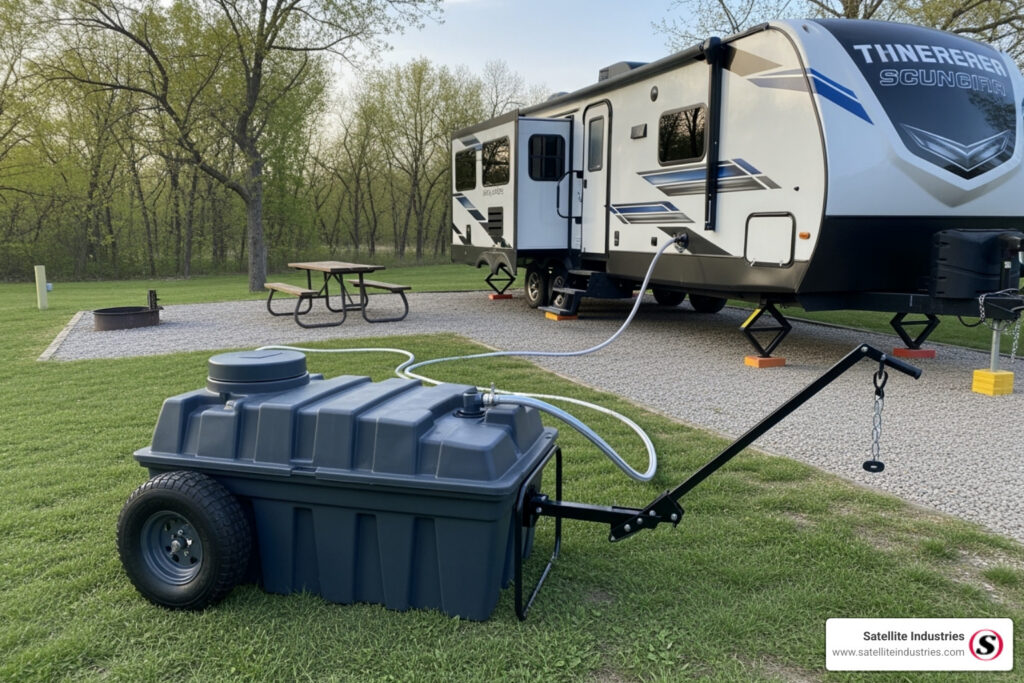
A portable RV waste holding tank serves as a mobile storage solution for RV wastewater when permanent hookups aren’t available. These tanks collect gray water from sinks and showers, plus black water from toilets, allowing RVers to maintain sanitation standards while camping off-grid. Unlike fixed tanks built into recreational vehicles, portable units offer flexibility and convenience for extended boondocking trips.

The primary function of a portable RV waste holding tank involves temporary waste storage during camping excursions. RV owners can empty these tanks at designated dump stations without moving their entire vehicle. This convenience proves especially valuable at campsites lacking full hookups or when parked in locations where sewage connections remain inaccessible. The tanks typically feature wheels and towing handles for easy transportation.

Modern portable rv waste holding tanks range from compact 5-gallon models to large 42-gallon systems. Materials include durable polyethylene plastic resistant to corrosion and odors. Most designs incorporate sealed lids, pressure relief valves, and clear sight tubes for monitoring fill levels. These engineering features prevent spills during transport while maintaining hygienic conditions inside your recreational vehicle.

Table of Contents

Types of Portable RV Waste Holding Tanks

Black Water Tanks

Black water portable tanks specifically handle sewage from RV toilets. These portable rv waste holding tanks feature reinforced construction and tight-sealing mechanisms to contain solid waste safely. Capacities typically range from 15 to 35 gallons, with most popular models offering 20-28 gallon storage. The tanks include specialized valves designed for complete drainage and easy cleaning after dumping sessions.

Premium black water models incorporate rotating drain spouts that enable precise positioning during emptying. Four-wheel designs provide superior stability compared to two-wheel alternatives. Many units feature translucent strips or gauge systems showing exact fill levels, preventing embarrassing overflow situations. Quality black water tanks also include built-in flushing systems that rinse interior surfaces, reducing odor buildup between uses.

Gray Water Tanks

Gray water portable rv waste holding tanks collect wastewater from sinks, showers, and washing machines. These tanks experience higher volume demands than black water systems since cooking, cleaning, and bathing generate substantial liquid waste. Popular capacities range from 25 to 42 gallons, providing adequate storage for weekend camping trips or extended stays without hookups.

The construction of gray water tanks emphasizes chemical resistance since soaps, detergents, and food particles create corrosive environments. Wide-mouth openings facilitate thorough cleaning and prevent residue accumulation. Some advanced models feature dual-chamber designs separating soap-heavy water from relatively clean rinse water, optimizing disposal options and environmental compliance.

Combination Waste Tanks

Combination units serve as versatile portable rv waste holding tanks accepting both black and gray water through separate inlet connections. These multi-purpose systems appeal to RVers seeking simplified waste management with fewer components. Typical combination tanks offer 20-30 gallon total capacity with dividers preventing cross-contamination between waste types.

Cost-effectiveness represents the primary advantage of combination tanks, eliminating the need for multiple specialized units. However, capacity limitations require more frequent dumping compared to dedicated systems. Smart RVers often pair smaller combination tanks with larger single-purpose units, creating flexible waste management configurations adaptable to various camping scenarios.

Key Features to Consider When Choosing a Portable RV Waste Holding Tank

Tank Capacity and Size

Portable rv waste holding tank capacity directly impacts convenience and dumping frequency during camping trips. A family of four typically generates 15-20 gallons of gray water and 5-10 gallons of black water daily. Weekend campers might manage with 15-gallon tanks, while full-timers require 35-42 gallon capacities for extended autonomy between dump station visits.

Physical dimensions matter when storing tanks inside RV compartments or towing behind vehicles. Measure available storage spaces before purchasing. Compact 5-10 gallon tanks fit easily in basement storage, while larger 40-gallon models demand exterior mounting or dedicated trailer space. Weight when full also factors into handling ease—water weighs approximately 8.34 pounds per gallon.

Tank Capacity Ideal For Approximate Weight (Full) Dumping Frequency
5-10 gallons Solo travelers, short trips 42-84 lbs Daily
15-20 gallons Couples, weekend camping 125-167 lbs Every 2-3 days
25-35 gallons Small families, week-long trips 209-292 lbs Every 4-5 days
40-42 gallons Large families, extended stays 334-351 lbs Weekly

Wheel Configuration and Portability

Mobility features transform portable rv waste holding tanks from burdensome chores into manageable tasks. Two-wheel designs resemble luggage carts, suitable for flat terrain and paved dump stations. Four-wheel models offer superior stability on uneven ground and reduce tipping risks when navigating gravel roads or sloped surfaces. Pneumatic tires handle rough terrain better than solid plastic wheels.

Tow handle length and ergonomics affect user comfort during transport. Telescoping handles accommodate different heights and store compactly. Some premium tanks feature curved handles reducing wrist strain during extended towing. Ball-bearing wheel assemblies roll smoothly with minimal effort compared to basic axle designs. Consider your physical capabilities and typical campground terrain when evaluating wheel systems.

Valve Types and Drainage Systems

Valve quality determines leak prevention and drainage efficiency in portable rv waste holding tanks. Gate valves provide positive shut-off but require regular maintenance to prevent corrosion. Ball valves offer smoother operation and longer service life. Bayonet-style connectors simplify hose attachment while preventing accidental disconnections during dumping operations.

Rotating spouts enable precise positioning over dump station drains without repositioning the entire tank. Clear elbow fittings allow visual confirmation of complete drainage. Some advanced systems incorporate quick-connect fittings compatible with standard RV sewer hoses. Backflow prevention features protect your fresh water system from contamination during connection mistakes.

Material Quality and Durability

High-density polyethylene (HDPE) construction provides optimal durability for portable rv waste holding tanks. This material resists UV degradation, chemical corrosion, and impact damage from rough handling. Food-grade HDPE ensures no harmful chemicals leach into waste, important for environmental disposal compliance. Wall thickness ranging from 0.25 to 0.5 inches balances weight and strength.

Seamless rotational molding eliminates weak points where leaks develop. Reinforced handles and wheel mounts prevent structural failure under heavy loads. UV-resistant additives extend tank lifespan in harsh sunlight conditions. Quality manufacturers offer 3-5 year warranties covering defects and premature wear. Inspect seam quality, valve mounting, and handle attachment before purchasing.

How to Properly Maintain Your Portable RV Waste Holding Tank

Regular Cleaning Procedures

Proper maintenance extends portable rv waste holding tank lifespan while preventing odor issues. After each dumping session, rinse the tank thoroughly with fresh water. Fill the tank one-quarter full, add tank cleaning solution, and slosh vigorously to coat all interior surfaces. Empty completely and repeat the rinse cycle until discharge runs clear.

Deep cleaning should occur monthly or after storing tanks for extended periods. Remove all valves and fittings for separate cleaning. Use a long-handled brush to scrub interior walls, paying special attention to corners and drain areas where residue accumulates. Specialized tank wands with rotating spray heads reach difficult areas. Avoid harsh chemicals that damage seals or degrade plastic components.

Disinfecting portable rv waste holding tanks prevents bacterial growth and eliminates persistent odors. Mix one cup of household bleach per 15 gallons of water, fill the tank completely, and let stand for 4-6 hours. Drain thoroughly and rinse multiple times until no bleach smell remains. Never mix bleach with other cleaning products, creating dangerous fumes.

Odor Control Solutions

Effective odor management keeps portable rv waste holding tanks pleasant during use. Enzyme-based treatments break down organic waste naturally without harsh chemicals. Add recommended amounts after each dumping to maintain bacterial colonies that digest solids. Avoid antibacterial soaps or bleach in gray water, which kill beneficial bacteria.

Chemical additives using formaldehyde or bronopol provide powerful odor control but raise environmental concerns at some dump stations. Eco-friendly alternatives include citrus-based products or probiotic formulations. Drop-in pods simplify dosing while liquids distribute more evenly. Match treatment strength to tank capacity and usage frequency for optimal results.

Ventilation prevents pressure buildup and reduces odor concentration inside tanks. Ensure vent caps remain unobstructed and functional. Some RVers install solar-powered vent fans on larger portable rv waste holding tanks for active air circulation. Store tanks in well-ventilated areas between uses, allowing moisture evaporation that inhibits bacterial growth.

Winterization and Storage

Protecting portable rv waste holding tanks from freeze damage requires proper winterization in cold climates. Drain tanks completely and flush with RV antifreeze solution rated for your local temperatures. Leave drain valves partially open during storage, preventing pressure buildup from temperature fluctuations. Remove and store valves, caps, and hoses separately in heated spaces.

Clean tanks thoroughly before long-term storage to prevent residue hardening and permanent odors. Spray interior surfaces with lubricant specifically designed for RV waste systems. Store tanks indoors when possible or cover with insulated blankets if outdoor storage is unavoidable. Elevate tanks off concrete floors using pallets, reducing moisture absorption and extending material life.

Inspect seals, gaskets, and O-rings annually, replacing worn components before leaks develop. Keep replacement parts inventory including extra valves, vent caps, and hose connections. Lubricate moving parts with silicone-based products avoiding petroleum-based options that degrade plastic. Document maintenance dates and component replacements for warranty claims and troubleshooting.

Where to Use Portable RV Waste Holding Tanks

Boondocking and Dry Camping

Portable rv waste holding tanks prove essential for boondocking enthusiasts camping without hookups. National forests, Bureau of Land Management areas, and dispersed camping sites rarely offer sewage connections. These tanks enable extended stays by increasing total waste capacity beyond built-in RV systems. Experienced boondockers often carry multiple tanks, rotating usage for maximum autonomy.

Strategic water conservation extends time between dumps when boondocking. Navy showers, using paper plates, and recycling gray water for toilet flushing all reduce waste generation. Positioning portable rv waste holding tanks near RV exits simplifies connections and minimizes hose requirements. Some boondockers install permanent mounting systems with quick-disconnect fittings for rapid tank exchanges.

Suggested read: Portable Sink with Water Tank: Everything You Need to Know for Mobile Handwashing Solutions

Campgrounds Without Full Hookups

Many budget-friendly campgrounds offer electric hookups but lack sewer connections. Portable rv waste holding tanks allow campers to enjoy these economical sites while maintaining sanitation standards. Instead of breaking camp to empty built-in tanks, campers simply disconnect portable units and drive to nearby dump stations. This convenience preserves campsite setup and saves time during multi-day stays.

Campground etiquette requires responsible waste management even with portable systems. Never discharge tanks onto the ground, into storm drains, or anywhere except designated dump facilities. Some campgrounds provide honeywagon services, collecting waste from portable tanks for a fee. Always verify campground policies regarding portable rv waste holding tanks before arrival.

Seasonal Sites and Extended Stays

RVers occupying seasonal sites without permanent sewer hookups benefit tremendously from portable rv waste holding tanks. These long-term camping situations demand reliable waste management without daily vehicle movements. Large-capacity tanks minimize dumping frequency while multiple tank systems enable continuous service—one in use while others await dumping or cleaning.

Dedicated dump stations at seasonal campgrounds often feature improved facilities including water hookups for tank rinsing. Establishing dumping routines prevents overflow emergencies and maintains community sanitation standards. Consider investing in premium portable rv waste holding tanks with enhanced durability for intensive seasonal use. Heavy-duty models withstand frequent towing and extended exposure to elements.

Top Brands and Models of Portable RV Waste Holding Tanks

Thetford SmartTote2

The Thetford SmartTote2 represents industry-leading portable rv waste holding tank design with its distinctive LX model offering 27-gallon capacity. This tank features a four-wheel platform providing exceptional stability during transport across varied terrain. The rotating pour spout enables precise dumping control while the translucent side panel displays accurate fill levels without guesswork.

Thetford incorporates premium components including heavy-duty wheels, reinforced tow handle, and corrosion-resistant valves. The wide-mouth opening simplifies adding chemicals and facilitates thorough cleaning. SmartTote2 tanks meet NSF certification standards for potable water contact, though intended for waste use. Retail pricing ranges from $180-$230 depending on capacity, reflecting superior build quality and brand reputation.

User reviews consistently praise SmartTote2 durability and ease of use. The four-wheel design particularly appeals to seniors or those with mobility limitations. Some users note the higher price point but consider it worthwhile for long-term reliability. The 15-gallon compact model suits solo travelers while the 27-gallon version accommodates families.

Camco Rhino

Camco’s Rhino series delivers robust portable rv waste holding tank solutions at competitive prices. Available in 15, 21, 28, and 39-gallon capacities, these tanks feature heavy-duty polyethylene construction with UV protection. The translucent strip shows contents level while the steerable tow handle improves maneuverability around tight campground spaces.

Unique Rhino features include a side-mounted storage compartment for hoses, gloves, and chemicals. The rotating four-way pour spout accommodates different dump station configurations. Pneumatic tires handle rough terrain better than solid wheels common on budget models. Prices range from $130-$200 based on size, offering excellent value for quality-conscious RVers.

Customer feedback highlights Rhino reliability and thoughtful design elements. The built-in storage compartment receives particular appreciation for keeping dumping supplies organized. Some users report valve leakage after heavy use, remedied by replacement valves available from Camco. The largest 39-gallon model serves full-time RVers needing maximum capacity.

Barker Tote-Along

Barker Manufacturing produces economical portable rv waste holding tanks ideal for budget-conscious campers. The Tote-Along series offers 20 and 32-gallon models featuring traditional two-wheel designs. While lacking premium features found in competitors, these tanks deliver reliable basic functionality at attractive price points starting around $90.

Construction uses durable polyethylene with reinforced bottom sections resisting impact damage. The telescoping handle adjusts to different user heights while collapsing for compact storage. Standard gate valves provide adequate sealing though require more maintenance than ball valve alternatives. The clear sight tube indicates fill level, though some users report calibration inaccuracies.

Barker tanks suit occasional RVers or those needing backup systems without significant investment. Reviews indicate satisfactory performance for light-duty applications though heavy users may prefer premium brands. The company’s long history in RV waste management inspires confidence in product support and replacement part availability.

Installation and Connection Guide for Portable RV Waste Holding Tanks

Connecting to Your RV’s Waste System

Proper connection ensures portable rv waste holding tanks function safely and efficiently. Begin by locating your RV’s waste outlet valves—typically mounted underneath near the rear. Gray water and black water outlets feature different sizes preventing accidental cross-connections. Standard RV sewer hoses with bayonet fittings attach to these outlets and connect to portable tank inlets.

Position the portable rv waste holding tank on level ground near your RV’s waste outlets, minimizing hose length required. Excessive hose creates low spots where waste accumulates, reducing drainage efficiency and promoting clogs. Use sewer hose supports maintaining downward slope from RV to tank. Connect hoses securely to both RV outlets and tank inlets, ensuring bayonet locks engage completely.

Test connections before use by running small amounts of water through the system. Check for leaks at all connection points, tightening fittings as needed. Some RVers apply pipe thread sealant to threaded connections preventing seepage. Always keep RV waste valves closed except when actively draining tanks. This prevents accidental spills if portable tanks fill unexpectedly.

Hose Selection and Management

Quality sewer hoses improve portable rv waste holding tank performance and longevity. Heavy-duty reinforced hoses resist kinking and crushing better than economy models. Transparent sections allow visual flow monitoring during dumping. Standard 3-inch diameter hoses fit most RV waste systems though some older models require 2-inch adapters.

Hose length between 10-20 feet accommodates most camping scenarios without excess slack causing drainage problems. Collapsible or expanding hoses store compactly but sacrifice durability compared to traditional designs. Always dedicate separate hoses for black water and gray water usage, preventing cross-contamination. Color-coded hoses or labels eliminate confusion during setup.

Store sewer hoses in sealed containers preventing odor release and protecting them from UV damage. Rinse hoses thoroughly after each use and allow complete drying before storage. Replace hoses showing cracks, permanent odors, or weak spots. Keep spare hose fittings, adapters, and caps in your RV maintenance kit for emergency repairs.

Safety Precautions and Best Practices

Handling portable rv waste holding tanks requires attention to hygiene and safety protocols. Always wear disposable gloves when connecting, disconnecting, or dumping waste systems. Protective eyewear prevents splash contamination during valve operations. Keep dedicated dumping clothes separate from regular camping attire, washing them immediately after use.

Never overfill tanks beyond 80% capacity, allowing expansion room and preventing overflow during transport. Monitor sight gauges or weight regularly as tanks approach capacity. Slow down significantly when towing full tanks, avoiding sudden stops or sharp turns that stress wheel assemblies. Secure tank lids completely before moving to prevent spills from sloshing waste.

Sanitize hands thoroughly after handling waste systems, even when wearing gloves. Carry hand sanitizer and disinfectant wipes near waste management equipment. Never use portable rv waste holding tanks for any purpose besides designated waste storage. Keep children and pets away from tanks during connection, use, and dumping procedures.

Environmental Considerations and Regulations

Proper Disposal Locations

Legal disposal of portable rv waste holding tanks protects water sources and public health. Use only designated RV dump stations, rest area facilities, or campground sewage systems. Many states impose heavy fines for illegal dumping ranging from $500-$5,000 plus cleanup costs. Portable tank users share equal responsibility with traditional RV waste systems for proper disposal.

Commercial dump stations typically charge $5-$15 per use and offer convenient locations along major highways. Many fuel stations catering to RVers provide dump services, sometimes free with fuel purchases. Truck stops, RV parks, and public campgrounds maintain dump facilities accessible to non-guests for reasonable fees. Apps like Sanidumps and RV Parky help locate nearby facilities.

Never dump waste into storm drains, rivers, lakes, or onto the ground regardless of remote location. These actions contaminate water supplies and violate federal Clean Water Act provisions. Even biodegradable waste contains harmful bacteria requiring proper sewage treatment. Report illegal dumping to local authorities protecting everyone’s camping privileges.

Eco-Friendly Treatment Products

Environmentally conscious portable rv waste holding tank owners choose treatment products minimizing ecological impact. Enzyme and bacteria-based formulations break down waste naturally without toxic chemicals. These products often carry “septic safe” or “biodegradable” certifications indicating compatibility with wastewater treatment systems. Brands like Happy Campers, Unique Tank Cleaner, and Walex Porta-Pak use probiotic cultures digesting waste.

Avoid formaldehyde-based treatments banned at many dump stations due to harmful effects on sewage processing systems. Bronopol and quaternary ammonium compounds, while effective, raise environmental concerns in sensitive ecosystems. Some campgrounds specifically prohibit certain chemical additives, requiring enzyme alternatives. Check facility regulations before using treatment products.

Concentrated products reduce plastic waste and shipping impacts compared to pre-diluted formulas. Drop-in pods eliminate measuring and prevent overdosing. Many eco-friendly treatments perform equally well as chemical alternatives while supporting sustainable camping practices. Cost per use often equals or undercuts traditional products when comparing concentration ratios.

Suggested read: Portable Shower Rental: Everything You Need to Know for Events, Construction Sites, and Emergency Situations

Water Conservation Strategies

Reducing wastewater generation extends portable rv waste holding tank capacity and dump intervals. Low-flow faucet aerators and showerheads cut water consumption by 30-50% without sacrificing functionality. Navy showers—wetting down, soaping, then rinsing—use minimal water while maintaining hygiene. Turning off taps while brushing teeth or washing dishes prevents unnecessary waste.

Reusing gray water for toilet flushing stretches tank capacity and fresh water supplies simultaneously. Collect relatively clean rinse water from dish washing or showering in separate containers. This practice particularly benefits boondockers managing limited resources. Some RVers install gray water diverter systems routing sink water to toilet flush mechanisms.

Paper products designed specifically for portable rv waste holding tanks dissolve quickly, reducing solid buildup and simplifying pumping. Single-ply RV toilet paper breaks down faster than household varieties. Limiting items entering waste systems—disposing of food scraps in trash rather than drains—prevents clogs and reduces dumping frequency.

Cost Analysis: Investing in a Portable RV Waste Holding Tank

Initial Purchase Considerations

Portable rv waste holding tank prices vary significantly based on capacity, features, and brand reputation. Entry-level 15-gallon models from budget manufacturers start around $80-$100, suitable for occasional weekend camping. Mid-range options offering 20-30 gallon capacity with quality construction cost $150-$220. Premium systems exceeding 35 gallons with advanced features command $250-$400.

Consider total cost of ownership beyond initial purchase price. Cheaper tanks may require frequent valve replacements, hose upgrades, or complete replacement within 2-3 years. Quality units from established brands often last 8-10 years with proper maintenance, justifying higher upfront investment. Factor in warranty coverage—premium manufacturers typically offer 3-5 year guarantees versus 1 year on budget models.

Purchasing multiple smaller portable rv waste holding tanks provides flexibility compared to single large units. Two 20-gallon tanks offer similar capacity to one 40-gallon system but enable alternating usage and easier handling. However, dual-tank setups require additional hoses, valves, and storage space. Evaluate your specific camping style when determining optimal tank configuration.

Operating Costs and Accessories

Ongoing expenses for portable rv waste holding tanks include treatment chemicals, replacement parts, and dump station fees. Enzyme treatments cost $0.50-$2.00 per dose depending on brand and concentration. Monthly chemical expenses range from $15-$50 based on tank size and usage frequency. Eco-friendly products sometimes cost slightly more but offer environmental benefits.

Replacement valves, seals, and fittings represent periodic maintenance costs. Budget $20-$60 annually for wear items on frequently used tanks. Heavy-duty sewer hoses range from $25-$80 with premium models providing better durability. Hose supports, storage containers, and dump station adapters add another $40-$100 to initial setup costs.

Dump station fees vary widely from free at some campgrounds to $15 at commercial facilities. Weekly dumping during active camping seasons generates $10-$60 monthly disposal costs. Annual dumping expenses for frequent RVers total $200-$500 depending on location and facility choices. Many membership programs include free dump station access, potentially offsetting membership fees.

Long-Term Value Assessment

Quality portable rv waste holding tanks provide excellent long-term value for RVers seeking campsite flexibility. The ability to access less expensive camping without full hookups saves $10-$30 nightly versus premium sites with sewer connections. During a typical 50-night camping season, these savings total $500-$1,500, quickly recovering tank investment costs.

Extended boondocking enabled by portable tanks eliminates camping fees entirely at public lands. Free camping opportunities on BLM land, national forests, and other dispersed sites offer beautiful locations without hookup requirements. The freedom to explore remote destinations adds immeasurable value beyond simple cost calculations.

Durability differences between budget and premium portable rv waste holding tanks significantly impact lifetime value. A $100 tank requiring replacement every 3 years costs more over a decade than a $250 tank lasting 10 years. Factor in your anticipated RV usage duration when making purchase decisions. Serious full-timers should invest in premium systems while occasional campers may find budget options adequate.

Troubleshooting Common Portable RV Waste Holding Tank Problems

Leaking Valves and Seals

Leaking portable rv waste holding tanks create unsanitary conditions and waste precious capacity. Gate valve leaks typically result from worn rubber seals or debris preventing complete closure. Disassemble valves and inspect O-rings and gaskets for cracks, deformation, or hardening. Replacement seal kits cost $5-$15 and restore proper function. Clean valve seats thoroughly before installing new seals.

Threaded connections develop leaks from loose fittings or damaged threads. Tighten connections using appropriate wrenches, avoiding over-torquing that cracks plastic components. Apply Teflon tape or RV-specific thread sealant to male threads before assembly. Some persistent leaks require replacing entire valve assemblies—available from manufacturers or RV supply stores for $20-$50.

Crack leaks in portable rv waste holding tank bodies demand immediate attention. Small cracks may respond to specialized plastic welding or epoxy repair kits. Larger structural damage typically requires tank replacement. Always inspect tanks after transporting over rough terrain or during freezing conditions when damage commonly occurs. Preventive maintenance prevents expensive emergency replacements.

Odor Issues and Bacteria Buildup

Persistent odors from portable rv waste holding tanks indicate inadequate treatment or insufficient cleaning. Bacteria colonies producing foul smells thrive when enzyme levels drop below effective concentrations. Increase treatment chemical dosage or frequency to restore balance. Hot weather accelerates bacterial growth, requiring more aggressive odor control strategies than cool-season camping.

Thoroughly clean tanks eliminating residue harboring odor-causing bacteria. Use tank cleaning wands with rotating spray heads reaching all interior surfaces. Specialized deodorizing products containing enzyme boosters attack existing odor sources while preventing new growth. Leaving small amounts of treatment solution in tanks between uses maintains bacterial balance.

Vent blockages trap odors inside portable rv waste holding tanks while creating dangerous pressure buildup. Inspect vent caps monthly, clearing any debris or insect nests. Some RVers replace standard vent caps with charcoal filter models reducing odor release during storage. Adequate ventilation remains crucial for safe tank operation and odor management.

Clogging and Drainage Problems

Clogs in portable rv waste holding tanks prevent complete emptying and cause overflow risks. Solid waste accumulation from inadequate water usage creates blockages. Always flush toilets with sufficient water—at least one quart per use. Enzyme treatments help liquefy solids, improving drainage and reducing clog formation. Avoid disposing of inappropriate items like feminine hygiene products or paper towels.

Drain valve clogs require mechanical intervention when chemicals fail. Specialized tank cleaning wands featuring high-pressure jets blast debris from valve openings. Some RVers carefully insert plumbing snakes through drain ports clearing stubborn blockages. Prevent future clogs by using RV-specific toilet paper that dissolves quickly in holding tanks.

Frozen valves during winter camping prevent portable rv waste holding tank drainage. Gradual thawing using warm water or heat lamps safely restores function. Never force frozen valves open, causing permanent damage. Proper winterization prevents freeze-related clogs. Heat tape wrapped around valves and hoses protects against cold weather damage in sub-freezing conditions.

Portable RV Waste Holding Tank vs. Built-In Tank Systems

Advantages of Portable Systems

Portable rv waste holding tanks offer remarkable flexibility unavailable with fixed RV systems. Campers can empty portable units without moving their entire rig from campsites. This convenience particularly benefits large motorhomes or travel trailers difficult to maneuver around dump stations. Quick-disconnect systems enable rapid tank swaps, maintaining sanitation services while one tank awaits emptying.

Capacity expansion represents another significant portable tank advantage. RVers can add supplemental portable units to existing built-in systems, effectively doubling or tripling total waste storage. This capability proves essential for extended boondocking or when camping with larger groups generating excess wastewater. Multiple tanks enable strategic waste separation, dedicating units to specific sources.

Cost-effectiveness makes portable rv waste holding tanks accessible to budget-conscious RVers. Quality portable systems cost $150-$300 compared to $2,000-$5,000 for professional built-in tank installation. New RV owners can enhance smaller factory tanks without expensive modifications. Used portable tanks available through online marketplaces offer even greater savings for frugal campers.

Limitations Compared to Built-In Tanks

Built-in systems eliminate handling and transporting waste, reducing physical demands and contamination risks. Portable rv waste holding tanks require regular movement, cleaning, and maintenance demanding time and effort. Elderly campers or those with mobility limitations may struggle with 200+ pound loaded tanks. Automatic tank monitoring in built-in systems provides convenient capacity tracking.

Capacity limitations affect portable tank utility during extended stays. Even large 42-gallon portable units empty faster than typical 30-50 gallon built-in black water and 60-80 gallon gray water tanks. Serious boondockers seeking week-long autonomy require multiple portable units or combination approaches. Balancing portable convenience against capacity needs challenges many RV owners.

Storage space for portable rv waste holding tanks when not in use presents challenges, particularly for smaller RVs. Large tanks occupy significant basement storage or require exterior mounting systems. Built-in tanks integrate seamlessly into RV design without impacting living or storage areas. Consider available space when evaluating portable tank feasibility for your specific RV configuration.

Hybrid Approaches

Smart RVers combine built-in and portable rv waste holding tank systems maximizing advantages of each. Built-in tanks handle primary waste storage during short trips with full hookups. Portable units supplement capacity during boondocking adventures or extended stays at partial-hookup campgrounds. This hybrid strategy provides ultimate flexibility adapting to various camping scenarios.

Some RVers install permanent mounting brackets and quick-connect plumbing enabling rapid portable tank deployment. These systems maintain portability benefits while reducing setup complexity. External mounting near RV waste outlets minimizes hose lengths and simplifies connections. Professional installers can create integrated hybrid systems for $500-$1,500 including materials and labor.

Suggested read: Portable Bathroom Rent: Everything You Need to Know Before You Book

Strategic waste management using hybrid systems optimizes dumping efficiency. Direct gray water to portable tanks while reserving built-in capacity for black water. This approach extends overall autonomy since gray water generates higher volumes. Rotate between built-in and portable systems balancing wear and maximizing equipment lifespan across both technologies.

Smart Tank Technology

Emerging portable rv waste holding tank designs incorporate smartphone connectivity enabling remote capacity monitoring. Bluetooth sensors transmit real-time fill levels to mobile apps, eliminating guesswork and preventing overflow emergencies. These systems alert users when tanks reach 75% capacity, providing adequate time for dump station visits. Advanced models track usage patterns predicting future dump requirements.

Digital valve controls operated through smartphone apps offer unprecedented convenience. Users can close or open valves remotely, useful for RVs with difficult access to tank locations. Some systems include automated dumping sequences optimizing drainage efficiency. While currently limited to premium models costing $500+, these features may become standard as technology advances.

Solar-powered ventilation fans integrated into portable rv waste holding tanks reduce odors through continuous air circulation. Photovoltaic panels mounted on tank lids power small fans consuming minimal energy. These systems work particularly well for larger tanks or hot-climate camping where odor control challenges intensify. Retrofit solar fan kits available for $50-$100 upgrade existing tanks.

Eco-Friendly Material Advances

Manufacturers explore sustainable materials for portable rv waste holding tank construction. Recycled plastics reduce environmental impact while maintaining durability standards. Bio-based polyethylene derived from renewable resources offers similar performance to petroleum-based alternatives. These materials typically cost 10-15% more but appeal to environmentally conscious consumers.

Advanced coatings prevent waste adhesion to tank interiors, simplifying cleaning and reducing chemical requirements. Hydrophobic nano-coatings create self-cleaning surfaces requiring minimal maintenance. While still emerging, these technologies promise significant long-term benefits. Early adopters pay premium prices for cutting-edge features that may eventually become industry standards.

Antimicrobial additives mixed into tank materials inhibit bacterial growth naturally. Silver ion technology embedded in plastics provides continuous sanitation reducing odor and disease transmission risks. These portable rv waste holding tanks require fewer chemical treatments while maintaining superior hygiene. Expect gradual adoption as manufacturing costs decrease over coming years.

Improved Waste Treatment Methods

Innovative waste decomposition technologies transform portable rv waste holding tank management. Aerobic digestion systems using oxygen-rich environments break down waste faster than traditional anaerobic methods. Compact aeration pumps introduce air into tanks, accelerating bacterial activity and reducing solid accumulation. These systems generate minimal odors while producing more complete waste breakdown.

Enzyme formulations specifically engineered for portable tanks offer superior performance compared to general-purpose products. Manufacturers develop custom bacterial cultures optimized for plastic tank environments and various climate conditions. Temperature-activated enzymes maintain effectiveness across seasonal temperature ranges. Advanced treatments cost slightly more but deliver measurably better results.

Composting toilet integration with portable rv waste holding tanks provides ultimate sustainability for serious boondockers. These systems separate solid and liquid waste, dramatically reducing tank usage and extending autonomy. While requiring significant lifestyle adjustments, composting systems eliminate black water management entirely. Hybrid approaches using composting toilets with portable gray water tanks appeal to environmentally committed RVers.

Real-World User Experiences and Case Studies

Full-Time RVer Success Story

Jennifer and Mark Thompson embraced full-time RV living using portable rv waste holding tanks as their primary waste management solution. Their 32-foot fifth wheel features modest 25-gallon built-in tanks insufficient for their boondocking lifestyle. Adding two 28-gallon portable tanks extended their autonomy to 10-12 days between dump station visits.

The Thompsons invested $450 in quality Thetford SmartTote2 units, considering this their most valuable RV accessory purchase. Strategic placement near their RV’s waste outlets enabled quick connections using short hoses. They developed efficient routines alternating tanks—one in service while cleaning the other. This system supported their dream of extended stays at remote Bureau of Land Management camping areas across the western United States.

After three years of continuous use, their **portable rv waste holding tanks** show minimal wear despite challenging conditions. Consistent maintenance including thorough cleaning and quality enzyme treatments preserved tank condition. The Thompsons calculated savings exceeding $6,000 from free boondocking versus campground fees, crediting portable tanks as essential enablers of their adventurous lifestyle.

Weekend Warrior Perspective

Robert Chen camps weekends throughout the year at state parks rarely offering full hookups. His 24-foot travel trailer’s 15-gallon built-in tanks limited him to two-day stays before requiring dumps. Adding a single 20-gallon portable rv waste holding tank transformed his camping experience, enabling comfortable three-day weekends without mid-trip dump station visits.

Chen selected a mid-range Camco Rhino model costing $175, appreciating the balance between affordability and quality. Setup requires 10 minutes Friday evenings connecting the portable tank to his gray water outlet. Built-in tanks handle black water while the portable unit manages shower and dish washing waste. Sunday afternoon dumping the portable tank at park facilities takes less time than breaking down his entire campsite.

Over 40 camping trips spanning two seasons, Chen’s portable rv waste holding tank delivered flawless performance. Minor valve maintenance required $12 in replacement seals, his only additional expense beyond initial purchase. Chen estimates his portable tank investment paid for itself within one year through improved camping flexibility and enjoyment. He recommends portable tanks enthusiastically to fellow weekend camping families.

Family Camping Adventures

The Martinez family—two adults and three children—generates substantial wastewater during camping trips. Their 28-foot motorhome’s factory waste system proved inadequate for week-long summer vacations. Frequent dump station visits interrupted activities and frustrated everyone. Investing in a large 35-gallon portable rv waste holding tank solved their capacity challenges.

They chose a Barker 32-gallon model for budget considerations, spending $160 versus premium alternatives. The family established water conservation habits maximizing tank capacity—shorter showers, minimal dishwashing waste, and strategic toilet use. Combined with their motorhome’s built-in tanks, the portable system supports six-day stays at partial hookup campgrounds.

Children learned responsibility helping manage the portable rv waste holding tank under parental supervision. Teaching moments about environmental stewardship and resource conservation emerged naturally. After four summer camping seasons, the Martinez family considers their portable tank essential equipment. They’ve explored destinations previously inaccessible due to waste management limitations, creating lasting memories enabled by simple technology.

Comparing Portable RV Waste Holding Tanks: Feature Matrix

Feature Budget Models Mid-Range Options Premium Systems
Price Range $80-$120 $150-$220 $250-$400
Common Capacities 15-20 gallons 20-28 gallons 28-42 gallons
Wheel Configuration 2-wheel 2 or 4-wheel 4-wheel premium
Valve Type Gate valve Ball valve Ball valve + extras
Material Quality Standard polyethylene Reinforced HDPE UV-resistant HDPE
Warranty Coverage 1 year 2-3 years 3-5 years
Weight Capacity Standard duty Medium duty Heavy duty
Special Features Basic sight tube Rotating spout, storage Smart sensors, auto-features
Durability Rating 2-4 years 5-7 years 8-10+ years
Best For Occasional campers Regular weekend users Full-timers, heavy use

This comparison helps identify appropriate portable rv waste holding tank options matching specific budgets and camping frequencies. Budget models serve occasional users adequately while premium systems justify costs for serious RVers. Mid-range options offer excellent value balancing features and longevity.

Maximizing Portable RV Waste Holding Tank Efficiency

Water Usage Optimization

Strategic water conservation extends portable rv waste holding tank capacity significantly. Install low-flow showerheads reducing water consumption from 2.5 to 1.5 gallons per minute. A five-minute shower uses 7.5 gallons instead of 12.5 gallons, saving 40% capacity. Faucet aerators similarly reduce sink water usage without compromising functionality.

Develop conscious washing habits minimizing unnecessary water usage. Wet dishes, turn off water while scrubbing, then rinse efficiently. This practice cuts dishwashing water by 50% compared to continuous running. Use basin washing for vegetables rather than prolonged rinsing under running taps. Small behavioral changes accumulate into substantial capacity savings.

Navy showers represent the ultimate portable rv waste holding tank conservation technique. Wet yourself down for 30 seconds, turn off water while soaping, then rinse for 60 seconds. Total water usage drops to 2-3 gallons versus 15-20 for conventional showers. While requiring adjustment, this method enables significantly extended boondocking autonomy.

Strategic Tank Placement and Setup

Positioning portable rv waste holding tanks correctly improves drainage efficiency and convenience. Place tanks on level ground preventing air pockets that trap waste during dumping. Ensure downward slope from RV outlets to tank inlets using minimal hose length. Every foot of horizontal hose reduces drainage effectiveness and promotes clogging.

Create designated parking spaces for portable tanks at your campsite optimizing accessibility. Mark ideal positions considering RV orientation and dump station routes. Dedicated spots prevent repositioning tanks during each setup, saving time and effort. Some RVers install permanent ground anchors preventing tank movement during waste filling.

Protect portable rv waste holding tanks from direct sunlight reducing plastic degradation and odor intensification. Position tanks in shade or use reflective covers during hot weather. Elevated platforms improve drainage while preventing ground moisture absorption. Simple wooden pallets or commercial tank stands serve this purpose effectively.

Maintenance Schedule Optimization

Implement systematic maintenance routines extending portable rv waste holding tank lifespan. Create monthly inspection checklists covering wheels, valves, seals, and structural integrity. Address minor issues immediately before they escalate into major failures. Schedule deep cleaning quarterly or after 20 dump cycles, whichever occurs first.

Track tank usage and treatment chemical application in maintenance logs. Monitor effectiveness of different enzyme formulations determining optimal products for your conditions. Note any odor issues, drainage problems, or component failures with dates. These records inform warranty claims and help identify patterns requiring preventive action.

Suggested read: GE Portable AC Unit: Everything You Need to Know Before You Buy (2024)

Rotate multiple portable rv waste holding tanks if using several units. Distribute wear evenly across tanks rather than overusing favorites. This practice maximizes fleet lifespan while maintaining backup capacity. Label tanks indicating purchase dates and service history enabling informed replacement decisions.

FAQ: Portable RV Waste Holding Tank

What size portable RV waste holding tank do I need?

Tank size depends on your camping group size and trip duration. Solo travelers or couples manage adequately with 15-20 gallon portable rv waste holding tanks for weekend trips. Families with children should consider 25-35 gallon capacities accommodating higher waste generation. Extended boondocking requires 35-42 gallon tanks or multiple smaller units providing sufficient autonomy between dump station visits.

Calculate daily waste production to determine appropriate capacity. Average adults generate 15-20 gallons of gray water and 3-5 gallons of black water daily. Multiply by the number of occupants and desired days between dumps. Add 20% buffer capacity preventing overflow emergencies. Conservative sizing provides flexibility while aggressive water conservation allows using smaller tanks.

How often should I empty my portable RV waste holding tank?

Empty portable rv waste holding tanks before reaching 80% capacity preventing overflow risks during transport. Monitoring frequency depends on camping intensity and tank size. Weekend campers using 20-gallon tanks typically dump every 2-3 days. Full-time RVers with 35-gallon systems might empty weekly with aggressive water conservation.

Visual indicators like translucent strips or gauge systems show fill levels accurately. Weigh tanks periodically learning to estimate capacity by heft—water adds 8.34 pounds per gallon. Develop dumping routines based on usage patterns rather than fixed schedules. Always empty before long-distance travel preventing sloshing damage and spill risks.

Can I use regular toilet paper in my portable RV waste holding tank?

RV-specific toilet paper designed for portable rv waste holding tanks breaks down faster than household varieties preventing clogs and drainage problems. While some standard toilet papers claim septic-safe compatibility, their slower dissolution rates risk blockages. Scott Rapid-Dissolving and similar brands specifically formulated for RVs ensure optimal performance.

Test toilet paper dissolving by placing sheets in water jars and shaking vigorously. RV toilet paper disintegrates within minutes while standard types remain intact. This simple experiment demonstrates why specialized products justify slightly higher costs. Avoid ultra-soft or quilted household papers that never dissolve adequately in waste systems.

How do I eliminate odors from my portable RV waste holding tank?

Proper treatment chemical usage prevents most portable rv waste holding tank odors. Add enzyme-based products after each dump creating bacterial colonies that digest waste naturally. Maintain recommended dosage levels—underdosing allows odor-causing bacteria to dominate. Hot weather requires increased treatment addressing accelerated bacterial growth.

Thorough cleaning eliminates existing odor sources that chemicals cannot neutralize. Deep clean monthly using tank cleaning wands and specialized deodorizing solutions. Disinfect periodically with diluted bleach solutions killing odor-producing bacteria. Ensure adequate ventilation allowing gases to escape rather than concentrating inside tanks.

Portable rv waste holding tanks are legal nationwide when used properly and emptied at designated facilities. Regulations prohibit dumping anywhere except authorized sewage disposal sites. Most jurisdictions impose substantial fines for illegal discharge—$500 to $5,000 plus cleanup costs. Always verify local campground and dump station rules before use.

Some areas restrict certain chemical treatments due to environmental concerns. Research applicable regulations before traveling to new regions. National parks, state parks, and private campgrounds may have specific requirements. Responsible portable tank usage maintains access for all RVers while protecting natural resources and public health.

What’s the difference between black water and gray water portable tanks?

Black water portable rv waste holding tanks exclusively handle toilet waste requiring heavy-duty construction and complete sealing. These tanks typically feature smaller capacities (15-28 gallons) with reinforced materials resisting contamination. Gray water tanks collect sink and shower wastewater, generally offering larger capacities (25-42 gallons) since gray water generates higher volumes.

Some RVers use dedicated tanks preventing cross-contamination and optimizing treatment chemicals. Black water requires aggressive enzyme or chemical treatments addressing solid waste and pathogens. Gray water responds well to milder treatments managing soap and food particles. Combination tanks offer convenience for casual campers though serious boondockers prefer specialized systems.

How long do portable RV waste holding tanks last?

Quality portable rv waste holding tanks from reputable manufacturers last 8-10 years with proper maintenance. Budget models typically survive 2-4 years before requiring replacement due to valve failures or material degradation. Usage intensity significantly impacts lifespan—full-time RVers experience faster wear than occasional weekend campers.

Regular cleaning, proper chemical treatment, and gentle handling extend tank longevity. UV exposure degrades plastic over time; store tanks under cover when not in use. Replace worn components proactively preventing catastrophic failures. Premium tanks justify higher initial costs through superior durability and longer service life.

Can I repair cracks in my portable RV waste holding tank?

Small cracks in portable rv waste holding tanks may respond to specialized plastic welding or marine-grade epoxy repairs. Clean the damaged area thoroughly and roughen surfaces for optimal adhesion. Apply repair materials according to manufacturer instructions allowing complete curing before testing. These fixes provide temporary solutions but rarely match original strength.

Significant cracks or structural damage typically require tank replacement. Repair costs often approach new tank prices considering time and materials. Evaluate repair worthiness based on tank age and overall condition. Investing in quality replacement tanks provides reliability compared to uncertain repair longevity.

What accessories improve portable RV waste holding tank performance?

Essential portable rv waste holding tank accessories include quality sewer hoses, hose supports, and storage containers. Transparent hose sections enable visual flow monitoring during dumping. Hose supports maintain proper drainage slope preventing waste accumulation. Sealed storage containers protect hoses from contamination and UV damage between uses.

Additional useful accessories include disposable gloves, tank cleaning wands, and treatment chemical organizers. Tank rinse attachments simplify cleaning procedures. Wheel chocks prevent tank rolling during filling or dumping. Quick-connect adapters expedite hose attachment. Budget $100-$200 for comprehensive accessory packages enhancing tank usability and maintenance.

Do I need multiple portable RV waste holding tanks?

Multiple portable rv waste holding tanks provide operational flexibility and increased capacity. Serious boondockers benefit from having 2-3 tanks enabling rotation—one in service, one awaiting dump, one for backup. This system maintains continuous sanitation coverage while distributing wear across multiple units.

Single tanks suffice for weekend camping with regular dump station access. Consider additional tanks if frequently camping beyond 3-4 days or with larger groups. Dedicated black and gray water tanks optimize treatment while preventing cross-contamination. Evaluate your specific camping patterns determining whether multiple tanks justify the investment and storage requirements.


Call to Action: Find Your Perfect Portable RV Waste Holding Tank

Ready to enhance your RV camping freedom with a reliable portable rv waste holding tank? Explore our comprehensive selection of quality tanks from top manufacturers like Thetford, Camco, and Barker. Our expert team helps match you with ideal capacity and features for your specific camping needs.

Don’t let waste management limit your camping adventures. Browse our complete range of portable rv waste holding tanks today and discover affordable solutions enabling extended boondocking, budget-friendly camping, and true RV independence. Take advantage of current promotions offering free shipping on orders over $150.

Visit our showroom to see tanks in person and receive personalized recommendations from experienced RV enthusiasts. We stock all necessary accessories including hoses, treatment chemicals, and maintenance supplies. Contact our customer service team at 1-800-RV-TANKS for expert guidance selecting your perfect portable rv waste holding tank system.

Experience the freedom quality waste management provides. Order your portable rv waste holding tank now and start planning your next off-grid adventure with confidence. Join thousands of satisfied RVers who trust our products for reliable, convenient waste management solutions.


Additional Resources and Citations

For comprehensive information about portable rv waste holding tank selection, maintenance, and regulations, consider these authoritative sources:

  • Recreation Vehicle Industry Association (RVIA): https://www.rvia.org/ – Industry standards and best practices
  • Good Sam Club: https://www.goodsam.com/ – RV camping resources and dump station locations
  • Thetford Corporation: https://www.thetford.com/ – Manufacturing specifications and product manuals
  • Environmental Protection Agency (EPA): https://www.epa.gov/ – Waste disposal regulations and environmental guidelines

Need assistance finding quality equipment beyond waste management? Explore our selection of other essential RV accessories including portable satellite dish systems for entertainment during extended camping trips.


Source: Information about portable rv waste holding tank specifications, capacities, and features compiled from manufacturer documentation, industry publications, and user experience reports. Technical data verified through RVIA standards and EPA waste management guidelines.