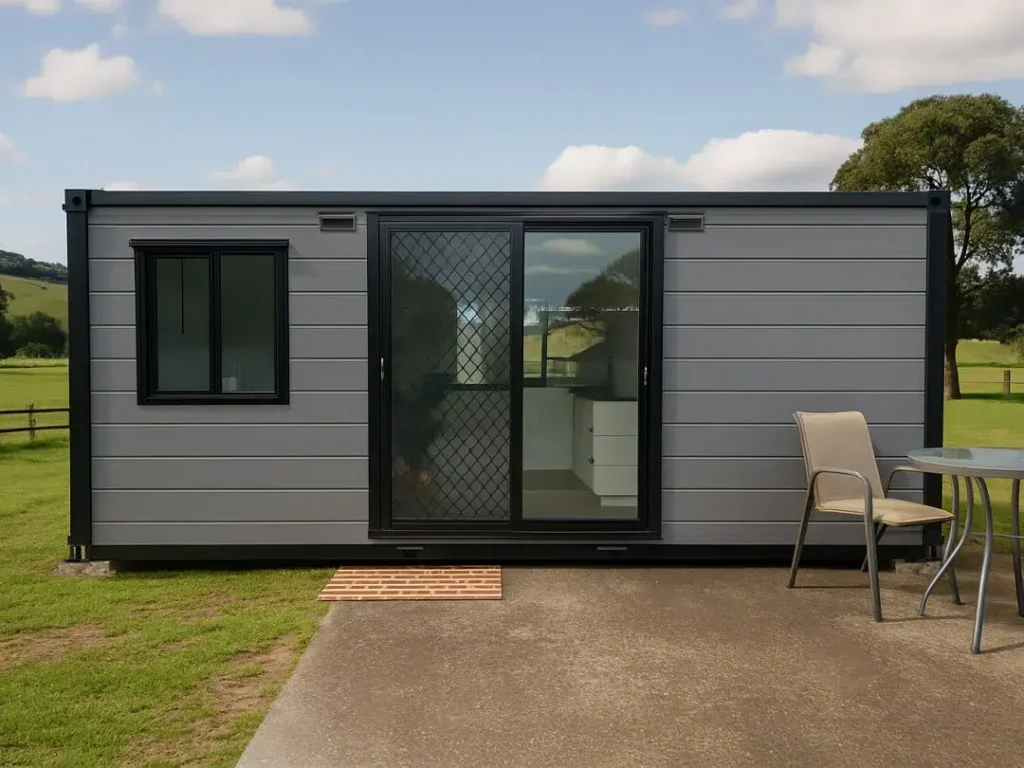
Understanding Portable Cabins: What They Are and Why They Matter
A portable cabin is a prefabricated, movable structure designed to provide temporary or permanent living space, office accommodation, or storage solutions. These versatile buildings have revolutionized how we think about construction, offering flexibility that traditional building methods simply cannot match. Unlike conventional structures that require extensive on-site construction, portable cabins are manufactured in controlled factory environments and then transported to their final location.
This manufacturing process ensures consistent quality, reduced construction time, and significant cost savings. The modern portable cabin industry has evolved dramatically over the past two decades, with today’s units featuring advanced insulation, climate control systems, and aesthetic designs that rival traditional buildings. Whether you need a temporary site office, a backyard studio, emergency housing, or a permanent dwelling, portable cabins offer solutions that adapt to your specific requirements while maintaining affordability and functionality.
Types of Portable Cabins Available in Today’s Market
The portable cabin market offers diverse options tailored to different needs and budgets. Office cabins are specifically designed for business use, featuring professional interiors, electrical systems, data cabling, and climate control suitable for year-round use. These units typically include partition walls, windows for natural light, and flooring that can support office furniture and equipment.
Residential portable cabins serve as temporary or permanent living spaces, complete with kitchen facilities, bathroom provisions, sleeping areas, and living spaces that meet residential building codes. Security cabins provide compact shelter for security personnel at construction sites, parking lots, or gated communities, usually measuring 6×8 feet to 10×12 feet with basic amenities.
Portable storage cabins offer weatherproof storage for equipment, tools, inventory, or personal belongings, featuring robust construction and security features like reinforced doors and locks. Luxury portable cabins represent the premium segment, incorporating high-end finishes, designer interiors, full appliances, and architectural features that make them indistinguishable from traditional homes. Specialty variants include medical portable cabins for temporary clinics, classroom cabins for educational institutions, and retail kiosks for commercial purposes, each engineered with industry-specific requirements in mind.
Key Benefits of Choosing a Portable Cabin Over Traditional Construction
Investing in a portable cabin delivers multiple advantages that make them increasingly popular across residential and commercial sectors. Cost-effectiveness stands as the primary benefit, with portable cabins typically costing 30-50% less than comparable traditional construction due to streamlined manufacturing processes, bulk material purchasing, and reduced labor costs.
Speed of installation is remarkable—while traditional buildings may take 6-12 months to complete, portable cabins can be manufactured and installed within 2-6 weeks, allowing you to occupy your space much faster. Flexibility and relocatability mean your investment isn’t permanently fixed to one location; you can move the cabin if you change properties or need to reconfigure your site layout. Minimal site disruption occurs during installation since most construction happens off-site, reducing noise, debris, and inconvenience.
Quality control improves because factory construction allows for consistent standards, protection from weather during building, and thorough inspections before delivery. Sustainability is enhanced through efficient material use, reduced construction waste, and the ability to reuse or relocate the structure rather than demolishing it. Customization options are extensive, with manufacturers offering various layouts, finishes, and features to match your specifications. The predictable timeline and budget associated with portable cabins eliminate many uncertainties that plague traditional construction projects, giving you greater control over your investment.
Essential Features to Look for When Buying a Portable Cabin
Selecting the right portable cabin requires careful evaluation of several critical features that affect long-term satisfaction and functionality. Structural integrity should be your first consideration—examine the frame construction, typically steel or timber, ensuring it meets local building codes and can withstand environmental conditions in your area. Insulation quality directly impacts energy efficiency and comfort; look for cabins with adequate wall, floor, and ceiling insulation rated appropriately for your climate zone, with R-values of R-13 to R-21 for walls being standard.
Weather resistance features including waterproof roofing, properly sealed windows and doors, and durable exterior cladding protect your investment from the elements. Foundation requirements vary by cabin type—understand whether your unit needs a concrete slab, pier foundation, or can sit on gravel pads, as this affects total installation costs. Electrical and plumbing systems should be professionally installed and code-compliant, with adequate capacity for your intended use and proper safety features like circuit breakers and GFCI outlets.
Window and door quality affects security, energy efficiency, and aesthetics—double-glazed windows and insulated doors are worth the investment. Interior finishing options range from basic to premium; consider whether walls are finished with drywall or paneling, flooring type, ceiling height, and built-in fixtures. Ventilation systems are essential for air quality and moisture control, preventing mold and creating comfortable living or working conditions. Warranty coverage from reputable manufacturers typically spans 1-10 years depending on components, providing peace of mind for your investment.
Portable Cabin Sizes and Layout Configurations
Portable cabin dimensions vary widely to accommodate different applications and site constraints. Small cabins measuring 8×10 to 10×12 feet provide approximately 80-120 square feet, ideal for security posts, ticket booths, or compact storage needs with basic functionality. Medium cabins ranging from 12×20 to 14×28 feet offer 240-392 square feet, sufficient for site offices, small studios, or one-room living spaces with separate areas for different functions.
Large cabins spanning 16×32 to 20×40 feet provide 512-800 square feet, accommodating multiple rooms, full kitchens, bathrooms, and comfortable living or extensive office space. Multi-unit configurations connect multiple portable cabins to create expansive facilities exceeding 1,000 square feet, perfect for schools, medical facilities, or large commercial operations requiring compartmentalized spaces.
Custom dimensions are available from many manufacturers, allowing you to specify exact measurements that fit your site and needs. Layout options include open floor plans for maximum flexibility, partitioned designs with separate rooms, modular configurations that can expand over time, and multi-story options that maximize space on smaller lots. Ceiling heights typically range from 8 to 10 feet, with some premium models offering vaulted or cathedral ceilings. When selecting size, consider not just current needs but future requirements, local zoning restrictions on accessory structures, transportation limitations for delivery, and how the cabin will integrate with existing structures on your property.
Materials and Construction Methods for Portable Cabins
The construction quality of your portable cabin depends heavily on materials and manufacturing techniques employed by the builder. Frame materials typically use either steel frames offering superior strength, fire resistance, and longevity with minimal maintenance, or timber frames providing natural insulation properties, easier modification, and lower initial costs.
Exterior cladding options include vinyl siding that’s affordable and low-maintenance, metal panels offering durability and modern aesthetics, wood siding delivering classic appeal and good insulation, and composite materials combining benefits of multiple materials. Roofing materials range from metal roofing with 30-50 year lifespans and excellent weather resistance, asphalt shingles offering traditional appearance at moderate cost, to flat rubber roofing suitable for modern designs and green roof installations. Insulation types include fiberglass batts as economical standards, spray foam providing superior R-values and air sealing, and rigid foam boards offering space-efficient insulation for walls and roofs.
Interior wall finishes vary from drywall giving traditional home-like appearance, wood paneling creating warm rustic aesthetics, to vinyl panels providing easy cleaning and durability for commercial applications. Flooring substrates use plywood or OSB covered with vinyl, laminate, carpet, or tile depending on intended use and budget. Window and door frames manufactured from vinyl, aluminum, or fiberglass each offer different benefits in terms of insulation, durability, and maintenance requirements. Quality manufacturers use factory-applied finishes that ensure consistent quality and protection before the cabin ever reaches your site.
Cost Breakdown: What You’ll Really Pay for a Portable Cabin
Understanding the complete financial picture of portable cabin ownership helps you budget accurately and avoid surprises. Base cabin prices vary significantly by size and quality: small basic units (8×10 feet) start around $3,000-$8,000, medium cabins (12×24 feet) range from $12,000-$30,000, large cabins (16×40 feet) cost $30,000-$70,000, and luxury custom units can exceed $100,000 depending on specifications. Delivery costs add $500-$3,000 depending on distance from manufacturer, accessibility of your site, and special equipment needed like cranes for difficult placements.
Foundation preparation requires $1,000-$8,000 for gravel pads, concrete runners, or full slabs depending on soil conditions and local code requirements. Utility connections including electrical hookup ($500-$2,500), plumbing connections ($1,000-$4,000), and HVAC installation ($2,000-$6,000) are often separate line items. Permits and inspections vary by jurisdiction but typically cost $200-$1,500 for temporary structures and $500-$3,000 for permanent installations. Site preparation like clearing, leveling, and drainage improvements might add $1,000-$5,000 to your total investment.
Customization upgrades such as premium finishes, additional windows, upgraded appliances, or specialized equipment increase costs proportionally. Financing options include manufacturer financing with terms of 3-10 years at 5-12% APR, personal loans, home equity lines, or paying cash for the best value. When comparing quotes, ensure you’re evaluating similar specifications and that all costs are included to make accurate comparisons between suppliers.
Suggested read: 12 Volt Portable Air Conditioner: Your Complete Buying Guide for Mobile Cooling Solutions
Zoning Laws, Permits, and Legal Requirements for Portable Cabins
Successfully installing a portable cabin requires navigating various regulatory requirements that protect property values and public safety. Zoning regulations govern whether you can place a portable cabin on your property and for what purposes—residential zones may allow accessory dwelling units or home offices but prohibit commercial use, while agricultural zones often have more permissive rules.
Setback requirements specify minimum distances from property lines, typically 5-20 feet depending on structure size and local codes, affecting where you can position your cabin. Size limitations in many jurisdictions restrict accessory structures to 120-800 square feet without special permits, with some areas imposing height restrictions of 12-15 feet.
Temporary versus permanent classification significantly impacts requirements—temporary cabins (under 180 days) often need minimal permitting, while permanent installations require full building permits, inspections, and compliance with residential codes. Foundation requirements vary by classification, with permanent cabins typically needing frost-protected foundations and temporary units sometimes allowed on blocks or skids. Utility connections must meet electrical, plumbing, and mechanical codes, requiring licensed contractors and inspections in most jurisdictions.
Building permits cost $200-$2,000 depending on cabin value and jurisdiction, involving plan submission, review, and multiple inspections during and after installation. Homeowners association rules may impose additional restrictions on aesthetics, placement, or usage even when local zoning allows the structure. Insurance considerations require updating your property insurance to cover the cabin, with costs varying based on cabin value, use, and whether it’s occupied. Consult with your portable buildings and storage specialists and local planning department early in your planning process to understand all requirements and avoid costly mistakes or delays.
Site Preparation and Installation Process for Your Portable Cabin
Proper installation ensures your portable cabin performs optimally and lasts for decades. Site assessment should occur first, evaluating soil conditions, drainage patterns, accessibility for delivery vehicles, proximity to utilities, and compliance with setback requirements before committing to a location. Ground preparation involves clearing vegetation, removing topsoil if necessary, addressing drainage issues, and creating a level surface within 1-2 inches across the entire footprint.
Foundation options include gravel pads (4-6 inches of compacted gravel) suitable for temporary installations and good drainage, concrete runners (strips of concrete where cabin walls rest) offering durability at moderate cost, pier foundations (concrete blocks or poured piers) ideal for sloped sites or areas with poor drainage, and concrete slabs (4-6 inches thick with proper reinforcement) required for permanent installations in many jurisdictions. Utility preparation involves having electrical service brought to the site with appropriate capacity, running water and sewer lines if needed, and planning HVAC connections before cabin delivery.
Delivery day requires clear access for large trucks and possibly cranes, with pathways at least 12 feet wide and overhead clearance of 14+ feet for transport vehicles. Crane placement for difficult sites needs solid ground and proper clearances, potentially requiring outrigger pads or additional site work. Installation process typically takes 1-3 days, involving precise placement on foundation, leveling and securing to foundation, connecting utilities, installing steps or porches, and final inspections.
Post-installation tasks include final utility hookups by licensed contractors, interior finishing if not factory-completed, landscaping to manage water drainage away from the cabin, and scheduling required inspections. Professional installation teams understand these complexities and ensure your cabin is properly situated for decades of service.
Insulation and Climate Control Options for Portable Cabins
Effective temperature management makes your portable cabin comfortable year-round while controlling energy costs. Wall insulation in quality cabins includes R-13 to R-21 fiberglass or spray foam between studs, with R-11 minimum recommended for seasonal use and R-19+ for year-round occupancy in cold climates. Roof insulation should exceed wall values, typically R-30 to R-49, since heat rises and roof surfaces experience extreme temperature variations from direct sun exposure.
Floor insulation with R-11 to R-19 prevents heat loss to the ground and eliminates cold floor syndrome, particularly important for cabins on pier foundations with exposed underfloor areas. Window glazing dramatically affects energy efficiency—single-pane windows offer minimal insulation, double-pane windows reduce heat transfer by 50%, and Low-E coatings reflect heat back into the cabin during winter while blocking heat gain in summer. Air sealing around windows, doors, electrical penetrations, and wall-to-floor joints eliminates drafts that waste energy regardless of insulation levels, with quality cabins featuring vapor barriers and properly sealed construction.
HVAC options include window air conditioners ($200-$600) suitable for small cabins and occasional use, mini-split systems ($1,500-$4,000) offering efficient heating and cooling for year-round comfort, portable heaters ($50-$300) adequate for supplemental or occasional heating, and through-wall units ($500-$1,500) integrating heating and cooling in space-efficient packages. Ventilation systems including ceiling fans, exhaust fans, and fresh air intake prevent moisture buildup and maintain air quality, essential in well-insulated cabins where air exchange is limited.
Programmable thermostats optimize energy use by adjusting temperatures based on occupancy patterns, potentially reducing energy costs by 10-30%. Proper insulation and climate control transform a basic portable cabin into a comfortable space suitable for any weather conditions.
Interior Design and Customization Ideas for Portable Cabins
Maximizing functionality and aesthetic appeal makes your portable cabin a space you’ll love using daily. Space-saving furniture including murphy beds that fold into walls, convertible sofa beds, nested tables, and wall-mounted desks help small cabins serve multiple functions without feeling cramped. Built-in storage utilizing every square foot includes floor-to-ceiling shelving, under-bed drawers, overhead cabinets, and window seat storage that eliminates the need for bulky furniture.
Multi-functional areas use room dividers like bookcases or curtains to create distinct zones for sleeping, working, and living without permanent walls that reduce flexibility. Color schemes should incorporate light colors on walls and ceilings to make spaces feel larger, mirrors strategically placed to reflect light and create depth, and accent colors in accessories and textiles rather than permanent fixtures.
Lighting design layers ambient lighting from ceiling fixtures, task lighting at work areas and reading spots, and accent lighting highlighting architectural features or artwork. Vertical space utilization installs loft areas for sleeping or storage in cabins with adequate ceiling height, hanging organizers for kitchen utensils and supplies, and wall-mounted bike racks or sports equipment holders.
Kitchen efficiency in compact spaces includes apartment-size appliances, single-basin sinks with cutting board covers, magnetic knife strips and hanging pot racks, and slim pantry organizers that maximize storage in narrow spaces. Bathroom optimization features corner sinks and toilets, shower stalls instead of tubs, wall-mounted fixtures, and mirrored medicine cabinets providing both function and visual expansion.
Outdoor connection through large windows, French doors, and covered porches extends living space and makes cabins feel less confined. Technology integration adds modern convenience with smart home devices, USB outlets, built-in speakers, and cable management systems that keep spaces organized. Quality interior design transforms even compact portable cabins into highly functional and inviting spaces.
Maintenance Requirements and Long-Term Care for Portable Cabins
Proper maintenance extends your portable cabin lifespan and protects your investment value over decades of use. Exterior maintenance includes annual roof inspections checking for damage, loose fasteners, or deteriorating sealants, siding cleaning twice yearly with gentle detergents to remove dirt, mold, and mildew, caulking inspection around windows and doors with re-application every 2-3 years, and paint or stain touch-ups every 3-5 years depending on climate exposure.
Foundation monitoring involves checking for settling that creates unlevel floors or door alignment issues, moisture intrusion from poor drainage around the cabin perimeter, and pest access through gaps between foundation and cabin structure. Interior maintenance addresses HVAC filter replacement every 1-3 months depending on use, plumbing leak checks under sinks and around water heater connections, electrical system testing of GFCI outlets and circuit breakers annually, and ventilation system cleaning to prevent mold growth from humidity.
Seasonal preparations include winterization draining water systems if cabin won’t be heated, adding extra insulation to pipes, and checking heating system operation before cold weather, plus summer readiness testing air conditioning, inspecting for insect intrusion, and ensuring adequate ventilation. Pest control requires sealing entry points where utilities penetrate walls, treating perimeter with appropriate pesticides, and inspecting regularly for signs of rodents, insects, or termites.
Suggested read: Best Portable Electric Fence Solutions: Complete Buying Guide
Moisture management through gutters and downspouts directing water away from foundation, vapor barriers remaining intact in walls and floors, and dehumidifiers operating in humid climates prevents the most common source of portable cabin deterioration. Structural inspections every 3-5 years by qualified professionals identify potential issues before they become expensive problems, checking foundation integrity, structural framing, and all building systems.
Documentation of all maintenance work creates valuable records for warranty claims, resale value, and troubleshooting recurring issues. Manufacturers typically provide specific maintenance schedules—following these recommendations and addressing small issues promptly prevents major repairs and ensures your portable cabin remains functional and attractive for 20-30+ years.
Comparing Portable Cabins to Other Alternative Housing Options
Understanding how portable cabin solutions stack up against alternatives helps you make informed decisions about your space needs. Portable cabins versus RVs shows cabins offering more space per dollar ($50-150 per square foot versus $150-300 for RVs), better insulation and durability, but less mobility since moving requires professional transport.
Portable cabins versus manufactured homes reveals manufactured homes providing more luxury finishes and typically larger sizes (1,000-2,000 square feet), but cabins offer easier permitting, lower cost, and simpler relocation. Portable cabins versus stick-built additions demonstrates cabins delivering 30-50% cost savings, 75% faster completion, and flexibility to relocate, while stick-built additions integrate seamlessly with existing homes and may offer better resale value.
Portable cabins versus shipping container conversions shows containers offering modern industrial aesthetics and extreme durability, but cabins provide better insulation, easier permitting, and more conventional layouts without requiring extensive modification. Portable cabins versus tiny homes reveals similar price points but cabins typically offering simpler permitting, less expensive foundations, and easier financing since they’re classified as temporary structures rather than dwellings in many jurisdictions.
Portable cabins versus traditional sheds shows sheds costing less ($2,000-$10,000) but offering minimal insulation, no climate control, and layouts unsuitable for occupancy, while cabins provide genuine living or working spaces. Each option serves different needs—portable cabins excel when you need functional space quickly, at reasonable cost, with flexibility for future changes, making them ideal for temporary offices, vacation properties, home studios, or rental units where traditional construction is impractical or too expensive.
Best Uses and Applications for Portable Cabins
The versatility of portable cabin designs enables countless applications across residential, commercial, and institutional sectors. Construction site offices provide comfortable on-site management spaces with electricity, heating, cooling, and storage for plans and equipment, eliminating the need for managers to work from vehicles or distant offices.
Home offices and studios create dedicated workspace separate from home distractions, allowing professionals, artists, and craftspeople to establish productive environments without expensive home additions. Guest houses offer privacy for visitors while maintaining your own space, potentially generating rental income through platforms like Airbnb when not hosting personal guests.
Retail kiosks and pop-up shops enable entrepreneurs to establish physical presence without expensive leases, ideal for farmers markets, seasonal businesses, or testing new market locations. Classrooms and educational facilities help schools manage growing enrollment without costly permanent construction, providing genuine teaching spaces rather than crowded multi-purpose rooms.
Medical and dental clinics expand healthcare access in underserved areas, serve as temporary facilities during renovations, or provide specialized services like mobile screening or vaccination centers. Security guard stations protect property entrances, construction sites, parking facilities, and gated communities while giving security personnel shelter from weather. Storage and workshop spaces organize tools, equipment, hobbies, or business inventory in weatherproof, secure buildings separate from living areas.
Emergency and disaster relief housing rapidly deploys after natural disasters, providing temporary shelter while permanent housing is rebuilt, superior to tents in comfort and weather protection. Remote work camps house workers at mining, forestry, or construction sites in harsh environments where traditional housing is unavailable. Vacation cabins and hunting lodges offer affordable recreational properties without permanent commitment to remote locations. Pool houses and changing rooms add convenience to residential pools with bathrooms, storage, and entertainment space.
The portable cabin concept adapts to virtually any need for protected, climate-controlled space, making it one of the most versatile building solutions available.
Financing Options and Insurance Considerations for Portable Cabins
Securing funding and protection for your portable cabin investment requires understanding available financial products and coverage options. Manufacturer financing offered by cabin suppliers typically features 3-10 year terms at 5-12% APR with 10-20% down payments, providing convenient one-stop shopping but potentially higher rates than alternative sources.
Personal loans from banks or credit unions deliver $5,000-$50,000 for 3-7 years at 6-15% APR depending on creditworthiness, offering flexibility but requiring good credit scores typically above 650. Home equity loans or HELOCs leverage existing home equity for 5-15 year terms at 4-8% APR, providing the lowest rates and tax-deductible interest in some cases but putting your home at risk if payments aren’t made.
Credit cards should only finance small cabin purchases or components due to 15-25% APR making them expensive for larger amounts, though 0% introductory periods can work if you’ll pay the balance before rates increase. Rent-to-own programs allow immediate cabin use with weekly or monthly payments over 12-48 months, requiring no credit approval but ultimately costing 20-40% more than outright purchase.
Property insurance coverage depends on cabin classification—permanent installations typically add to homeowner’s policy as “other structures” for $100-$400 annually depending on cabin value, while temporary structures might require separate policies or riders costing $200-$600 annually. Commercial insurance is necessary if your portable cabin generates income through rentals or business operations, with costs varying by revenue, liability exposure, and coverage limits.
Coverage requirements should include replacement cost rather than actual cash value so you can fully replace damaged cabins, liability protection if anyone might enter your cabin, and contents coverage for valuable equipment or furnishings inside. Flood and wind insurance may be separate requirements in coastal or flood-prone areas, significantly increasing costs but being mandatory for financed structures.
Documentation requirements for insurance include bills of sale, photos, appraisals, and installation permits proving the cabin exists and its value. Exploring multiple financing sources and understanding all insurance requirements before purchasing ensures you can afford both acquisition and ongoing costs of your portable cabin investment.
Energy Efficiency and Sustainability Features in Modern Portable Cabins
Contemporary portable cabin designs increasingly incorporate environmentally responsible features that reduce operating costs and environmental impact. Solar power systems ranging from small roof-mounted panels generating 500-1,500 watts for basic needs to complete off-grid systems with battery storage providing full electrical independence, typically costing $3,000-$15,000 but potentially eliminating utility bills entirely in sunny climates. Rainwater collection systems with roof gutters, storage tanks (50-500 gallons), and filtration systems provide free water for irrigation or, with proper treatment, potable water reducing municipal water usage by 40-60%.
LED lighting throughout consumes 75% less electricity than incandescent bulbs, lasts 25 times longer, and produces less heat that would require additional cooling. Energy Star appliances including refrigerators, air conditioners, and water heaters use 10-50% less energy than standard models, significantly reducing utility costs over their lifetime. High-performance insulation using spray foam or rigid foam boards achieves higher R-values in less space than traditional fiberglass, reducing heating and cooling costs by 30-50% annually.
Suggested read: GE Portable A/C: Your Complete 2025 Buying Guide for Cooling Any Space
Passive solar design positions windows to maximize winter sun exposure while providing summer shade through roof overhangs, deciduous trees, or exterior shading devices, naturally moderating indoor temperatures. Composting toilets eliminate water use for flushing and sewage treatment costs while producing valuable compost, ideal for off-grid cabins or locations where septic systems are problematic. Recycled and sustainable materials including reclaimed wood, recycled steel framing, and low-VOC finishes reduce environmental impact during manufacturing while improving indoor air quality.
Efficient HVAC systems with programmable thermostats, zoned heating/cooling, and heat pumps that provide both heating and cooling at high efficiency reduce energy consumption by 25-40% compared to standard systems. Green roofs with vegetation provide excellent insulation, manage stormwater, extend roof lifespan, and create wildlife habitat, though requiring specialized design and maintenance.
Greywater systems recycle water from sinks and showers for landscape irrigation, reducing total water consumption by 30-40%. When properly implemented, these sustainable features can reduce a portable cabin’s environmental footprint by 50-75% while creating long-term cost savings that offset higher initial investments within 5-10 years.
Top Manufacturers and Where to Buy Quality Portable Cabins
Selecting reputable portable cabin suppliers ensures quality construction, fair pricing, and reliable service throughout your ownership. National manufacturers like Tuff Shed, Premier Portable Buildings, and Portable Buildings Inc. operate across multiple states with standardized products, established quality control, and extensive dealer networks providing local service and display models for inspection.
Regional builders often offer more customization flexibility, personal service, and designs suited to local climate conditions, building codes, and aesthetic preferences, though they may have limited display inventory. Direct manufacturers selling without dealer middlemen potentially save 10-20% on purchase price but require you to handle more of the coordination for delivery, installation, and service.
Dealer networks provide local support with knowledgeable staff who understand regional requirements, display multiple cabin models, and coordinate delivery and setup, worth the slight premium for many buyers. Quality indicators to evaluate include warranties of 1-10 years on structure and components, professional website with detailed specifications and transparent pricing, physical location where you can inspect buildings, references from recent customers, and proper licensing and insurance documentation.
Buying process typically involves visiting display lots or reviewing online catalogs, discussing customization options and getting detailed quotes, reviewing and signing purchase agreements clearly specifying all included features, arranging financing if needed, scheduling delivery coordinated with site preparation, and conducting final inspection before making final payment.
Online marketplaces like Craigslist, Facebook Marketplace, and eBay offer used portable cabins at 40-60% discounts versus new units, though requiring careful inspection for structural damage, code compliance, and hidden problems. Auction sites occasionally feature surplus government or commercial cabins at substantial discounts, though “as-is” sales require expertise to avoid problematic units.
Custom builders create one-of-a-kind cabins to your exact specifications with premium materials and craftsmanship, charging 20-50% more than standardized models but delivering exactly what you envision. Research multiple sources, get several quotes, inspect actual cabin construction quality, verify reputation through reviews and references, and ensure you understand exactly what’s included before committing to any portable cabin purchase.
Real-World Examples: Successful Portable Cabin Installations
Examining actual portable cabin applications illustrates their versatility and value across different scenarios.
Case Study 1: Remote Work Studio – Jennifer, a graphic designer in Portland, Oregon, installed a 12×20 foot portable cabin in her backyard for $22,000 including delivery and foundation. The insulated office features electricity, heating, internet, and large windows overlooking her garden. She estimates the cabin added $18,000 to her property value while eliminating her $500 monthly co-working space rental, achieving payback in 44 months while enjoying greater productivity in her private space.
Case Study 2: Construction Site Office – Mountain View Construction in Colorado uses three 10×40 foot portable cabins as on-site offices for large projects. At $35,000 each, they’ve served for 8 years across 15 projects, providing professional meeting space for clients, weather-protected areas for supervisors, and secure document storage. The investment has enhanced their professional image, improved project coordination, and reduced office rental costs by $85,000 over their ownership period.
Case Study 3: Vacation Rental Business – Mark and Susan in North Carolina purchased five 14×28 foot portable cabins for $25,000 each on their 10-acre property, investing $175,000 total including utilities and furnishing. Operating as vacation rentals through Airbnb, they generate $65,000 annually after expenses, achieving full return on investment in under 3 years while providing passive income with minimal maintenance.
Case Study 4: Emergency Classroom Space – Lincoln Elementary School faced overcrowding when enrollment exceeded capacity. Rather than expensive permanent construction requiring voter approval, they installed two 24×40 foot classroom cabins for $80,000 total. The temporary solution has served for 5 years while the district works on long-term plans, providing genuine classroom environments rather than splitting classes or using cafeterias for instruction. These examples demonstrate how portable cabins solve real problems affordably and effectively across diverse applications.
Common Mistakes to Avoid When Purchasing a Portable Cabin
Understanding frequent portable cabin buyer errors helps you sidestep costly problems and disappointments. Inadequate site preparation tops the list—failing to properly level ground, address drainage, or prepare adequate foundations causes structural problems, door and window misalignment, and premature deterioration requiring expensive corrections.
Ignoring permit requirements leads to stop-work orders, fines, or demolition orders when neighbors complain or jurisdictions discover unpermitted structures, always verify requirements before purchasing. Choosing the wrong size occurs when buyers underestimate space needs to save money, then find their cabin too cramped for its intended purpose, or overestimate needs and spend unnecessarily on unused space.
Skimping on insulation makes cabins uncomfortable and expensive to heat or cool, turning them into seasonal-only structures when year-round use was intended, always invest in adequate insulation for your climate. Poor utility planning positions cabins far from electrical and plumbing connections, dramatically increasing installation costs, or fails to account for utility capacity requiring expensive service upgrades.
Overlooking access requirements chooses locations that delivery trucks or cranes cannot reach, necessitating expensive special equipment or impossible delivery requiring cabin relocation. Neglecting future needs designs cabins for current requirements without considering growth, resulting in costly additions or need for replacement within a few years.
Buying based solely on price selects low-quality construction that requires extensive repairs or replacement much sooner than better-built alternatives, proving penny-wise and pound-foolish. Failing to compare total costs focuses on cabin price alone without considering delivery, foundation, utilities, permits, and setup costs that can add 50-100% to the cabin cost.
Inadequate vendor research purchases from unreliable suppliers with poor reputations, resulting in construction problems, missing features, or companies disappearing when warranty issues arise. Taking time to plan thoroughly, research properly, and invest appropriately ensures your portable cabin meets expectations and serves reliably for decades.
Suggested read: Your Complete Buyer's Guide to Used Portable Band Sawmills for Sale: Smart Investment Strategies for 2026
Future Trends in Portable Cabin Design and Technology
The portable cabin industry continues evolving with innovations that expand capabilities and applications. Smart home integration increasingly incorporates voice-activated controls, automated climate systems, security cameras, and remote monitoring allowing owners to control their cabins via smartphone apps from anywhere. Modular expansion systems use standardized connection points allowing cabins to grow by adding compatible modules, converting a single-room office into multi-room facility as needs change without replacing the original structure.
Advanced materials including structural insulated panels (SIPs) providing superior insulation and strength, cross-laminated timber offering sustainability and beauty, and composite materials resisting weather and pests better than traditional options improve performance and longevity. Off-grid capabilities become more common and sophisticated with improved solar panels, battery storage systems, water recycling technology, and waste management systems enabling truly independent operation.
Eco-friendly manufacturing reduces environmental impact through zero-waste production, renewable energy in factories, and sustainable forestry certifications appealing to environmentally conscious buyers. 3D-printed components may revolutionize construction with custom parts produced on-demand, reduced waste, and complex geometries impossible with traditional manufacturing. Improved delivery methods using collapsible designs that transport flat and expand on-site or drone delivery of small components reduce transportation costs and enable cabin placement in previously inaccessible locations.
Health-focused designs incorporate air purification systems, antimicrobial surfaces, circadian lighting, and biophilic elements connecting occupants with nature, reflecting growing awareness of how buildings affect wellbeing. Autonomous systems manage energy use, predict maintenance needs, and automatically adjust conditions for optimal comfort and efficiency using artificial intelligence. These emerging technologies will make future portable cabins more capable, sustainable, and integrated with our increasingly connected lives while maintaining the affordability and flexibility that make them valuable today.
Frequently Asked Questions About Portable Cabins
What is a portable cabin and how does it differ from a regular shed?
A portable cabin is a prefabricated structure designed for human occupancy with insulation, climate control, proper electrical systems, and finished interiors meeting building codes for living or working spaces. Regular sheds are simple storage structures with minimal insulation, no climate control, and basic construction unsuitable for extended human occupancy, typically costing 50-70% less but offering significantly less functionality.
How long do portable cabins last?
Quality portable cabins with proper maintenance typically last 20-30 years or longer, with some well-maintained units remaining functional for 40+ years. Lifespan depends on construction quality, climate exposure, maintenance frequency, and whether the cabin is moved, with stationary cabins generally lasting longer than frequently relocated units.
Can you live in a portable cabin full-time?
Yes, you can live in a portable cabin full-time if it meets local residential building codes, has proper permits, includes adequate insulation and utilities, and complies with zoning regulations for your area. Many jurisdictions classify properly equipped cabins as accessory dwelling units or tiny homes, making them legal residences when appropriately permitted.
Do portable cabins require a foundation?
Portable cabins require some foundation, but type varies by intended use and local codes. Temporary installations may use gravel pads or concrete blocks, while permanent structures typically need concrete runners or full slabs. Foundation requirements depend on soil conditions, frost depth, and whether the cabin will be moved.
How much does it cost to install electricity in a portable cabin?
Electrical installation in a portable cabin typically costs $500-$2,500 depending on distance from your electrical panel, required amperage, whether underground or overhead lines are used, and local electrician rates. Simple 100-amp service for basic needs costs less than 200-amp service for extensive appliances and climate control.
Can portable cabins withstand extreme weather?
Modern portable cabins with proper construction can withstand extreme weather when properly installed and maintained. Units designed for your climate zone with adequate insulation, proper roofing, reinforced construction, and secure foundation systems handle severe cold, heat, wind, and snow loads comparable to traditional buildings.
Are portable cabins energy efficient?
Portable cabins can be highly energy efficient when constructed with adequate insulation (R-13+ walls, R-30+ roof), energy-efficient windows, proper air sealing, and efficient HVAC systems. Modern units often outperform older traditional buildings in energy efficiency, though this varies significantly between basic and premium construction quality.
Can you add plumbing to a portable cabin?
Yes, you can add plumbing to a portable cabin including water supply, drainage, and fixtures like sinks, toilets, and showers. Cost varies from $1,000-$4,000 depending on complexity, distance from water and sewer connections, and whether you install full bathrooms or basic sinks. Licensed plumbers should handle installation to ensure code compliance.
How are portable cabins transported and delivered?
Portable cabins are transported on flatbed trailers by tow trucks or semi-trucks depending on size. Small units (under 12×20 feet) often arrive fully assembled, while larger cabins may come in sections assembled on-site. Delivery requires clear access routes at least 12 feet wide with 14+ feet overhead clearance, and level ground for placement.
Do portable cabins increase property value?
Quality portable cabins can increase property value by $10,000-$40,000 depending on size, quality, and local market conditions. Permanent installations with utilities typically add more value than temporary structures. Impact varies by location, with some markets valuing additional functional space highly while others see minimal benefit from portable structures.
Find Your Perfect Portable Cabin Today
Ready to transform your property with a versatile portable cabin? Start by assessing your specific needs—whether you require a home office, guest house, storage solution, or commercial space. Visit local dealers to inspect construction quality, explore design options, and discuss customization possibilities. Request detailed quotes from multiple suppliers, ensuring you understand all costs including delivery, foundation, utilities, and permits. Verify local zoning requirements and obtain necessary approvals before purchasing.
Browse our complete collection of portable buildings and storage solutions to find the perfect cabin for your needs. Our expertly curated selection features quality manufacturers, competitive pricing, and comprehensive support to help you make the right choice. Don’t settle for cramped spaces or expensive traditional construction—discover how a portable cabin can provide the functional space you need at a fraction of the cost and time. Contact us today to start your portable cabin journey and create the perfect space for work, life, or play.
Sources and Citations:
According to industry research, portable cabins represent a growing market segment offering flexible space solutions at competitive prices compared to traditional construction methods. Modern portable cabin manufacturing employs quality control measures ensuring consistent construction standards that meet or exceed building codes. Studies show that properly installed portable cabins can last 20-30 years with appropriate maintenance, making them sound long-term investments for various applications.
Note: This comprehensive guide provides educational information about portable cabins. Always consult with local building officials, licensed contractors, and legal professionals regarding specific requirements and regulations in your jurisdiction before purchasing or installing any structure.