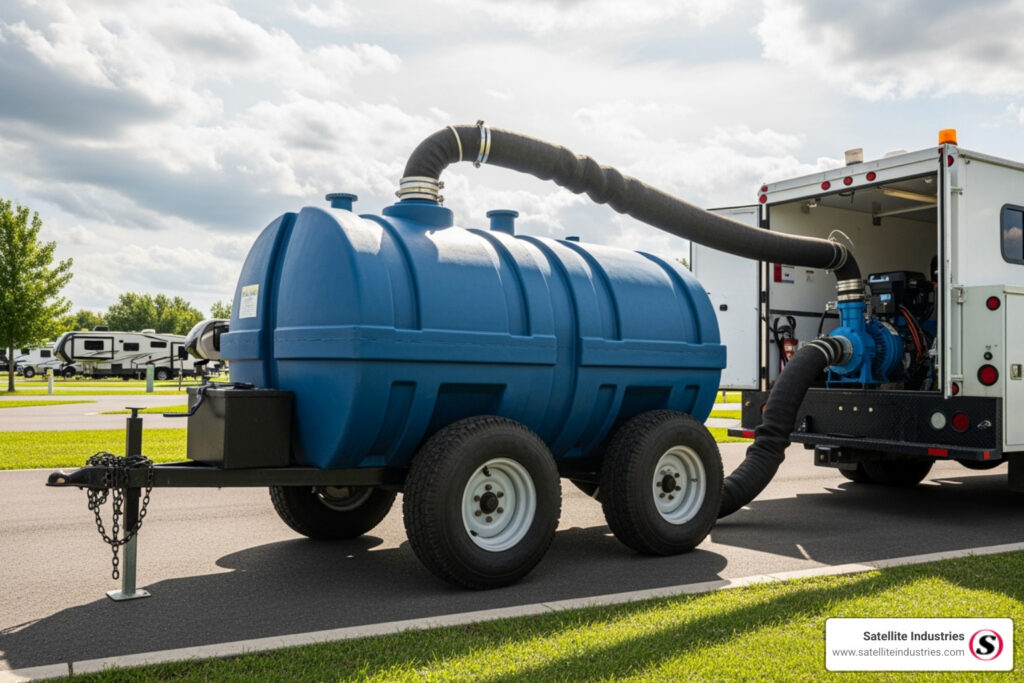
Understanding Portable Waste Tanks
A portable waste tank has become an indispensable tool for anyone who needs flexible sanitation solutions on the go. Whether you’re traveling in an RV, managing a construction site, or hosting an outdoor event, these mobile waste management systems provide convenience and hygiene when traditional plumbing isn’t available. The growing demand for portable sanitation has transformed how we approach waste disposal in temporary and mobile situations.
The portable waste tank market has experienced significant growth over the past decade, driven by the increasing popularity of recreational vehicle travel and the construction industry’s need for efficient site management. These tanks offer a practical alternative to permanent plumbing infrastructure, allowing users to maintain sanitary conditions wherever they go. Understanding the different types, features, and applications of portable waste tanks helps consumers make informed decisions about their sanitation needs.
Modern portable waste tanks incorporate advanced materials and design features that make waste management more efficient and less unpleasant. From compact units designed for weekend camping trips to large-capacity tanks for commercial applications, the variety available ensures there’s a solution for every situation. This comprehensive guide explores everything you need to know about selecting, using, and maintaining a portable waste tank for your specific requirements.
What Is a Portable Waste Tank?
A portable waste tank is a self-contained vessel designed to collect and store liquid and solid waste temporarily when permanent plumbing facilities are unavailable or impractical. These tanks typically feature durable construction, secure closures, wheels for mobility, and discharge systems that allow for safe waste disposal at approved dumping stations. The fundamental design addresses the critical need for sanitary waste management in mobile or temporary settings.
Key components of a portable waste tank include the main holding chamber, which stores the waste; a secure cap or lid that prevents spills and contains odors; a discharge valve or hose connection for emptying; and often wheels and a handle for transportation. Many modern units incorporate level indicators, ventilation systems, and chemical treatment compartments to enhance functionality and user experience.
The capacity of portable waste tanks varies significantly based on intended use. Smaller recreational units typically hold between 15 to 35 gallons, suitable for short camping trips or as supplementary storage for RV black water tanks. Commercial-grade portable waste tanks can exceed 100 gallons, designed for construction sites, large events, or extended off-grid living situations where waste accumulation is substantial.
Types of Portable Waste Tanks Available
RV and Camping Portable Waste Tanks
RV enthusiasts and campers commonly use portable waste tanks as “tote tanks” or “blue boys” to extend their stay at campsites without full hookups. These units typically range from 15 to 42 gallons and feature a low-profile design that fits under most recreational vehicles. The mobility provided by built-in wheels allows users to transport waste from their RV to the dump station without moving the entire vehicle.
The construction of RV portable waste tanks prioritizes durability and chemical resistance, as they regularly hold waste treated with holding tank chemicals. High-density polyethylene (HDPE) is the most common material, offering excellent resistance to corrosion, impacts, and UV degradation. Many models include a clear sight tube for monitoring fill levels and a secure tethered cap to prevent loss during use.
Construction Site Waste Tanks
Construction and industrial applications require heavy-duty portable waste tanks capable of withstanding harsh conditions and frequent use. These commercial-grade units often feature reinforced construction, larger capacities exceeding 100 gallons, and robust wheel systems designed for rough terrain. Some models incorporate forklift pockets or lifting eyes for easier positioning on active job sites.
Industrial portable waste tanks frequently include specialized features such as chemical-resistant coatings for handling specific waste types, lockable caps for security, and high-volume discharge systems for faster emptying. The investment in quality commercial tanks pays dividends through extended service life and reduced maintenance requirements compared to lighter residential models.
Marine Portable Waste Tanks
Boaters face unique challenges with waste management, as marine regulations strictly govern overboard discharge in many waterways. Marine portable waste tanks provide a compliant solution, featuring corrosion-resistant construction suitable for saltwater environments and compact designs that fit in limited cabin spaces. These specialized tanks often incorporate anti-slosh baffles to prevent waste movement during navigation.
The marine environment demands exceptional seal integrity to prevent leaks and odors in confined living spaces. Quality marine portable waste tanks feature multiple sealing systems, including O-ring closures and threaded caps with gaskets. Some advanced models include built-in macerator pumps for easier discharge through smaller diameter hoses, particularly useful on boats with limited deck space for standard gravity drainage.
Essential Features to Consider
Tank Capacity and Size
Selecting the appropriate portable waste tank capacity depends on several factors: the number of users, duration between dumps, and available storage space. A general guideline suggests 10 gallons per person per day for full-time use, though this varies with individual habits and water conservation practices. Weekend campers might manage with smaller 20-gallon units, while extended boondocking requires 40-gallon or larger tanks.
Physical dimensions matter as much as capacity. A portable waste tank must fit in designated storage areas while remaining manageable when full. Consider that waste weighs approximately 8 pounds per gallon, meaning a full 40-gallon tank weighs over 320 pounds. This weight factor makes wheel quality and handle design critical for safe maneuvering.
Material Construction and Durability
The longevity and reliability of a portable waste tank directly correlate with construction quality. High-density polyethylene (HDPE) dominates the market due to its excellent chemical resistance, impact tolerance, and affordability. Premium models may incorporate UV stabilizers that prevent material degradation from sun exposure, extending the tank’s outdoor service life significantly.
Construction quality indicators include uniform wall thickness, reinforced stress points around wheels and handles, and seamless rotational molding that eliminates potential leak points. Cheaper tanks with thin walls or visible seams often crack or leak within the first season, while quality units provide years of reliable service. The initial investment in a well-constructed portable waste tank prevents costly replacements and unpleasant failure scenarios.
Wheel System and Portability
Mobility defines the core advantage of portable waste tanks, making the wheel system a critical component. Quality units feature large-diameter wheels (typically 8 inches or larger) that roll smoothly over uneven terrain, gravel, and grass common at campgrounds and construction sites. Pneumatic or semi-pneumatic tires provide better shock absorption than solid plastic wheels, reducing stress on the tank body during transport.
The handle design significantly impacts user experience when maneuvering a full portable waste tank. Ergonomic handles positioned at optimal height reduce back strain, while telescoping handles accommodate users of different heights. Some premium models incorporate dual-handle systems that allow two-person carrying for heavy loads or difficult terrain. Ball-bearing wheel assemblies ensure smooth rolling with minimal effort, even when tanks approach maximum capacity.
Suggested read: Portable Sewage Containers for RV: Essential Waste Management Solutions for Your Mobile Adventures
Discharge Systems and Valves
The discharge valve represents a potential failure point and daily-use component requiring careful evaluation. Quality portable waste tanks feature large-diameter valves (3 inches or larger) that enable faster emptying and reduce clogging risks. Gate valves generally provide more reliable sealing than ball valves, though both designs perform adequately when properly maintained.
Discharge hose compatibility varies between models, with some tanks including proprietary fittings while others accept standard sewer hose connections. Universal compatibility provides flexibility for replacement parts and emergency situations. Some advanced systems incorporate clear discharge elbows that allow visual confirmation of complete tank emptying, ensuring no residual waste remains before storage. The valve handle should operate smoothly with one hand, maintaining secure closure under pressure while opening fully for unrestricted flow during dumping.
Benefits of Using a Portable Waste Tank
Extended Stay Capabilities
One of the primary advantages of owning a portable waste tank is the freedom to extend camping stays at sites without full hookups. RV black water tanks typically fill before fresh water supplies deplete, limiting dry camping duration. A supplementary portable waste tank effectively doubles or triples available waste capacity, enabling week-long stays at beautiful boondocking locations or state parks with limited facilities.
The flexibility provided by portable waste tanks transforms travel possibilities. Campers can access remote locations offering superior views, privacy, and lower costs compared to crowded full-hookup campgrounds. This independence appeals to adventure seekers and budget-conscious travelers alike, as primitive sites often cost 50-75% less than developed campgrounds while providing a more authentic outdoor experience.
Environmental Responsibility
Proper waste management protects natural environments from contamination that damages ecosystems and water supplies. Portable waste tanks enable responsible camping by containing sewage until it reaches appropriate treatment facilities. This controlled approach prevents illegal dumping that pollutes wilderness areas and creates health hazards for wildlife and subsequent visitors.
Many regions have implemented strict regulations against gray water discharge on public lands. A portable waste tank allows campers to comply with these environmental protections while still enjoying remote locations. The contained system approach aligns with Leave No Trace principles, ensuring outdoor spaces remain pristine for future generations. Responsible waste management through portable tanks demonstrates respect for nature and supports sustainable recreation practices.
Cost Savings and Convenience
Investing in a portable waste tank generates substantial savings over time by eliminating the need to relocate to dump stations frequently. The average campground dump station fee ranges from $5 to $20 per use, while extended-stay campgrounds with full hookups cost $20-50 more per night than sites without sewage connections. For frequent campers, a quality portable waste tank pays for itself within one season through reduced campground fees.
The convenience factor extends beyond cost savings. Moving an entire RV to a dump station interrupts the camping experience, requiring breaking camp, unhooking utilities, and often driving several miles. A wheeled portable waste tank allows quick trips to the dump station without disturbing the main setup. This convenience proves especially valuable when camped in prime locations where moving the RV means losing the coveted spot.
Versatility Across Applications
The utility of portable waste tanks extends far beyond recreational camping. Construction sites without permanent facilities rely on portable sanitation solutions for worker needs, with tanks providing a more economical option than renting portable toilets for small crews. Event organizers use portable waste tanks as backup systems or supplementary capacity during festivals and outdoor gatherings when temporary facilities face heavy use.
Homeowners undertaking renovations that disrupt plumbing systems benefit from portable waste tanks as temporary solutions during repairs. The tanks provide essential sanitation continuity while maintaining household functionality during construction periods. This versatility makes portable waste tanks valuable investments that serve multiple purposes throughout ownership, justifying the initial purchase cost through diverse applications. For other portable solutions like climate control, consider options such as portable a/c rental for temporary cooling needs.
How to Choose the Right Portable Waste Tank
Assess Your Specific Needs
Begin the selection process by honestly evaluating your waste management requirements. Calculate the number of users, typical trip duration, and frequency of access to dump stations. A family of four planning week-long camping trips requires substantially more capacity than a solo traveler taking weekend excursions. Consider your worst-case scenario—the longest potential stay between dumps—to ensure adequate capacity margins.
Usage patterns significantly influence appropriate portable waste tank selection. Weekend warriors might prioritize compact size and easy storage, accepting smaller capacities in exchange for convenience. Full-time RVers or extended boondockers need maximum capacity and premium durability to withstand daily use. Construction professionals require heavy-duty commercial-grade tanks capable of surviving job site conditions while providing adequate capacity for crew sizes.
Compare Quality and Price Points
The portable waste tank market offers options ranging from budget models under $100 to premium commercial units exceeding $500. While price doesn’t always indicate quality, extremely cheap tanks often feature thin walls, inferior wheels, and unreliable valves that fail prematurely. Mid-range options ($150-300) typically provide the best value for recreational users, balancing quality construction with reasonable cost.
Research and reviews provide valuable insights into long-term performance and common issues with specific models. Pay attention to feedback regarding wheel durability, valve reliability, and material quality. Professional reviews often conduct capacity testing and construction analysis that reveals differences invisible during casual inspection. Manufacturer warranties indicate confidence in product quality, with reputable brands offering 3-5 year coverage on structural components.
Consider Storage and Transportation
A portable waste tank must fit available storage spaces when not in use and during travel. Measure RV basement compartments, truck beds, or storage areas before purchasing to ensure proper fit. Some tanks feature stackable designs or removable wheels that reduce vertical height for improved storage efficiency. Compact models sacrifice some capacity but may prove more practical for space-constrained situations.
Transportation security during travel prevents damage and potential accidents. Ensure the selected portable waste tank can be properly secured using available tie-down points. Empty tanks should be thoroughly rinsed and dried before storage to prevent odor development and material degradation. Some users install permanent mounting systems in truck beds or trailers for dedicated transport, while others prefer fully portable units that move between vehicles as needed.
Step-by-Step Guide to Using a Portable Waste Tank
Initial Setup and Preparation
Before first use, thoroughly clean your new portable waste tank with a mild soap solution and rinse completely with fresh water. This removes manufacturing residues and allows inspection for defects or damage from shipping. Fill the tank partially with water and roll it around to check for leaks at seams, valves, and cap threads. Address any issues immediately while products remain under warranty.
Chemical treatment preparation enhances the portable waste tank performance and user experience. Add appropriate holding tank chemicals or enzyme treatments according to manufacturer recommendations. These products control odors, break down solid waste, and protect tank materials from corrosive waste components. Some users prefer eco-friendly enzyme treatments over harsh chemicals, particularly when dumping at sensitive locations or using septic systems.
Suggested read: Portable Septic Tank for Camper: Essential Waste Management Solutions for Your RV Adventures
Connecting to Your RV or Facility
Position the portable waste tank directly beneath your RV’s black water tank outlet, ensuring the receiving opening aligns properly. Most RV waste outlets use standard 3-inch terminations that connect to portable tanks via sewer hoses. Extend the sewer hose from the RV outlet to the portable tank, ensuring a secure connection that won’t separate under pressure when dumping.
Proper positioning prevents spills and makes the transfer process efficient. Place the portable waste tank on level ground when possible, though slight slopes toward the tank help waste flow via gravity. Ensure adequate clearance around the discharge valve for easy access when full. Some campers place absorbent pads beneath connections as a precautionary measure against minor drips during the transfer process.
Transferring Waste Safely
Open your RV’s black water tank valve slowly, allowing waste to flow into the portable waste tank at a controlled rate. Rapid valve opening can cause splashing or overflow, particularly with liquid-heavy waste. Monitor the portable tank’s fill level using the sight tube or level indicator, closing the RV valve before the portable tank reaches capacity. Most users fill to approximately 80% capacity to prevent sloshing during transport.
Safety protocols during waste transfer protect health and prevent contamination. Always wear disposable gloves when handling waste system components and connections. Keep the area well-ventilated, working upwind of open tanks when possible. Have cleaning supplies readily available, including antibacterial wipes, hand sanitizer, and freshwater for rinsing equipment. Children and pets should remain at safe distances during all waste handling operations.
Transporting to Dump Stations
Before moving a full portable waste tank, ensure the cap is tightly secured and the discharge valve remains fully closed. Test the security by gently tipping the tank—any leaks or loose components will reveal themselves with minimal mess at this stage. Plan your route to the dump station, avoiding steep slopes or rough terrain that might stress the wheels or cause tipping.
Transport techniques vary based on tank size and fill level. Smaller tanks under 30 gallons can often be pulled by one person using the built-in handle. Larger or full tanks benefit from two-person handling, with one person pulling and another stabilizing from behind on uneven terrain. Walk slowly and steadily, watching for obstacles like roots, rocks, or curbs that might catch wheels. The combined weight of a full large-capacity portable waste tank can exceed 300 pounds, demanding careful attention to prevent injuries or tipping.
Proper Dumping Procedures
At the dump station, position your portable waste tank with the discharge valve accessible and the outlet positioned over the dump station opening. Remove the cap from the discharge fitting and attach the dump station hose if required, or position the tank to drain directly into the receptacle. Open the discharge valve fully and allow gravity to empty the contents completely.
Complete emptying prevents residual waste buildup that causes odors and reduces effective capacity. Tilt or elevate the rear of the portable waste tank slightly to encourage complete drainage. Some users add fresh water through the top opening while draining, creating a rinsing action that cleans interior surfaces. This rinsing step becomes particularly important before extended storage periods. Always follow specific dump station regulations regarding rinsing procedures and water usage.
Cleaning and Maintenance
After dumping, rinse the portable waste tank thoroughly with fresh water. Many dump stations provide rinse facilities specifically for this purpose. Fill the tank partially with clean water, add a small amount of holding tank cleaner if desired, secure the cap, and shake or roll the tank to agitate the cleaning solution. Dump this rinse water and repeat until the discharge runs clear.
Regular maintenance extends portable waste tank service life and prevents problems. Inspect seals and gaskets monthly, replacing any that show wear or compression set. Lubricate wheel bearings annually and check tire pressure if using pneumatic wheels. Clean the discharge valve mechanism periodically to prevent buildup that might compromise sealing. Store tanks in shaded areas when possible to minimize UV exposure that degrades plastic materials over time.
Common Problems and Solutions
Odor Management Issues
Unpleasant odors represent the most frequent complaint with portable waste tanks. Inadequate chemical treatment allows bacteria to produce hydrogen sulfide and other foul-smelling gases. The solution involves using sufficient quantities of quality holding tank chemicals or enzyme treatments appropriate for the waste volume. Hot weather accelerates bacterial activity, requiring increased chemical dosages compared to cool conditions.
Ventilation problems contribute to odor buildup within tanks. Ensure the tank vent remains clear and unobstructed, allowing gases to escape while preventing vacuum formation during dumping. Some users install aftermarket vent filters containing activated carbon that absorbs odors before they escape the system. Proper seal maintenance prevents odor leakage around caps and valves, with replacement gaskets typically solving most sealing issues in older portable waste tanks.
Valve Leaks and Failures
Discharge valve problems range from minor seepage to complete seal failure allowing continuous leakage. Most valve issues stem from debris or toilet paper caught in the sealing surfaces. Cleaning the valve mechanism thoroughly often resolves minor leaks. For persistent problems, replacement valve assemblies are available for most popular portable waste tank models, though installation requires some mechanical aptitude.
Preventive maintenance minimizes valve failures. After each use, flush the valve area with clear water to remove residue before it hardens. Apply silicone-based lubricant to moving parts seasonally, avoiding petroleum products that damage seals. When storing tanks long-term, leave valves partially open to prevent seal deformation from constant compression. These simple practices extend valve life significantly beyond typical service periods.
Wheel and Handle Damage
Heavy loads and rough terrain stress wheel assemblies and handles on portable waste tanks. Wheel breakage typically occurs at the axle mounting points where repeated stress concentrates. Reinforced models with metal wheel brackets resist these failures better than all-plastic assemblies. Replacement wheel kits are available for most brands, though some older models require creative adaptation or custom fabrication.
Handle failures usually manifest as cracks at mounting points or breaks in the handle itself. Reduce stress by never dragging full tanks or jerking handles abruptly. When pulling heavy loads, use steady pressure rather than quick yanks that shock the system. Some users reinforce suspect areas preventively using epoxy or fiberglass patches, extending handle life. For frequent heavy-duty use, consider commercial-grade portable waste tanks designed for professional applications with reinforced handle systems.
Tank Cracking and Leak Development
Material fatigue or impact damage causes cracks in portable waste tank bodies, particularly in older units or those subject to harsh conditions. Small cracks sometimes repair successfully using plastic welding techniques or specialized repair kits designed for polyethylene. However, repairs only provide temporary solutions, with replacement being the prudent long-term approach for tanks showing structural damage.
Prevention strategies include avoiding overfilling, which stresses seams and corners. Never drag tanks across rough surfaces, as abrasion weakens material over time. Use protective covers when storing tanks outdoors to minimize UV exposure. Winter storage in climate-controlled areas prevents freeze-thaw cycling that damages tanks containing residual water. Quality portable waste tanks from reputable manufacturers typically include warranties covering defects but not damage from misuse or accidents.
Suggested read: Lightweight Portable Security: Essential Solutions for Mobile Protection in 2025
Top Portable Waste Tank Brands and Models
Barker Manufacturing
Barker produces some of the most popular portable waste tanks in the RV industry, with their Tote-Along series being particularly well-regarded. The Barker 4-Wheeler model features 42-gallon capacity, pneumatic tires, and a sturdy steel wheel frame that withstands rough handling. Users appreciate the universal sewer fitting compatibility and clear sight tube for accurate level monitoring.
Professional reviews consistently praise Barker portable waste tanks for durability and value. The seamless rotational molding eliminates potential leak points, while the reinforced construction tolerates years of regular use. Replacement parts remain widely available through RV dealers and online retailers, supporting long-term ownership. Pricing typically ranges from $150-250 depending on capacity, positioning Barker as a mid-range option that delivers premium performance.
Camco RV
Camco manufactures diverse portable sanitation products including several portable waste tank models. Their Rhino series features heavy-duty construction with large 10-inch wheels excellent for uneven terrain. The translucent polyethylene allows visual fill level monitoring without separate sight tubes. Camco tanks incorporate tow handles that stow flush against the tank body, reducing snag hazards during storage.
Consumer feedback highlights Camco’s reliable valve systems and comfortable ergonomic handles. The 4-in-1 waste valve adapter accommodates various dump station configurations, eliminating compatibility concerns. Camco portable waste tanks occupy the budget-friendly to mid-range price segment ($100-200), making them accessible for occasional users while maintaining adequate quality for regular camping. The brand’s extensive distribution network ensures easy replacement part availability.
Thetford Corporation
Thetford specializes in mobile sanitation solutions with professional-grade portable waste tanks serving both recreational and commercial markets. Their SmartTote2 model incorporates rotomolded construction, a 4-wheel design with steerable front wheels, and a 35-gallon capacity suitable for extended trips. The integrated handle design provides superior control during transport compared to basic tow handles.
Advanced features distinguish Thetford products from basic portable waste tanks. Some models include built-in battery-powered macerator pumps that enable uphill pumping or discharge through smaller hoses. The premium construction justifies higher pricing ($250-400), targeting serious RVers and commercial users demanding maximum reliability. Thetford’s reputation for quality ensures strong resale values, making their tanks smart long-term investments.
Valterra Products
Valterra offers innovative portable waste tank designs under their Dominator brand. The distinctive feature is their telescoping handle system that adjusts for users of different heights and stows compactly for storage. Dominator tanks utilize durable polyethylene construction with generous wall thickness for impact resistance. Models range from 18-gallon compact units to 42-gallon capacity for extended use.
Unique design elements include protective wheel fenders that prevent road debris damage during storage and transport. The clear discharge elbow provides visual confirmation of complete emptying, a thoughtful detail appreciated by experienced users. Valterra portable waste tanks price competitively ($120-220), offering good value through smart engineering rather than luxury features. The brand’s focus on practical improvements based on user feedback results in refined products that address real-world challenges.
Portable Waste Tank Regulations and Best Practices
Legal Requirements for Waste Disposal
Federal and state regulations govern waste disposal from portable waste tanks, with violations carrying substantial fines and potential criminal charges. The Clean Water Act prohibits discharge of human waste within certain distances of water bodies, with specific restrictions varying by location. Most public lands require all waste disposal occur at designated dump stations, with illegal dumping resulting in penalties ranging from $500-5,000 for first offenses.
State-specific regulations add complexity to compliance requirements. California, for example, enforces strict gray water regulations prohibiting any ground discharge in many areas. Florida requires waste tank certifications for commercial vessels, while Arizona restricts dumping timeframes at certain rest areas. Research applicable regulations before traveling, as ignorance provides no legal defense. Most ranger stations and visitor centers provide current dumping regulation information for their jurisdictions.
Dump Station Etiquette
Proper portable waste tank dump station behavior ensures facilities remain functional and pleasant for all users. Wait your turn patiently if stations are busy, avoiding crowding others who are actively dumping. Limit your time at the station to necessary dumping and rinsing operations, moving aside for final cleaning if others are waiting. Never dump trash, cigarette butts, or non-waste items in dump stations.
Cleanliness standards demand leaving dump stations in better condition than found. Rinse any spills from surrounding concrete immediately using provided hoses. Coil hoses properly after use and close covers over dump receptacles to contain odors. Report damaged or malfunctioning dump stations to campground management rather than attempting repairs yourself. These courteous practices maintain facilities for community benefit and prevent closures due to neglect or misuse.
Environmental Protection Standards
Responsible portable waste tank use protects ecosystems from contamination that persists for years. Even biodegradable toilet papers and eco-friendly chemicals require proper treatment facility processing. Gray water containing soap, food particles, and bacteria damages soil chemistry and groundwater quality when discharged improperly. The convenience of portable sanitation carries an ethical responsibility for environmental stewardship.
Chemical selection impacts environmental outcomes significantly. Traditional formaldehyde-based holding tank chemicals effectively control odors but create toxic disposal challenges. Modern enzyme-based treatments break down waste naturally while remaining septic-safe and environmentally friendly. Research product certifications and ingredient disclosures when selecting treatments for your portable waste tank. Many campgrounds and RV parks now require eco-friendly chemicals, making green products increasingly standard rather than optional alternatives.
Cost Analysis and Value Considerations
Initial Investment Requirements
Quality portable waste tanks require initial investments ranging from $100 for basic small-capacity models to $500+ for commercial-grade large units. Mid-range recreational tanks ($150-250) provide optimal value for most users, balancing durability with reasonable cost. Factor additional expenses including chemicals ($20-40 annually), replacement parts, and potential storage solutions when calculating total ownership costs.
Price comparison shopping reveals significant value variations between superficially similar products. Two 35-gallon tanks might differ by $100 based on construction quality, wheel systems, and valve reliability. The cheapest option rarely proves economical long-term when premature failure requires replacement within 1-2 seasons. Calculate cost-per-year based on reasonable lifespan expectations rather than focusing solely on purchase price. A $250 portable waste tank lasting 10 years costs $25 annually, while a $100 unit replaced every 2 years costs $50 annually.
Long-Term Savings Calculation
The financial benefits of portable waste tank ownership accumulate substantially over time through reduced campground fees. Assuming 30 nights camping annually, choosing primitive sites ($25/night) over full-hookup sites ($45/night) saves $600 yearly. A quality portable waste tank pays for itself within the first season while providing benefits for 5-10 years, generating thousands in cumulative savings.
Opportunity value extends beyond direct cost savings. The freedom to camp in remote locations without full hookups expands travel possibilities to scenic boondocking sites often unavailable or prohibitively expensive at commercial campgrounds. This access to premium natural locations provides intangible value that enhances outdoor experiences. Additionally, avoiding frequent dump station fees ($10-20 per trip) saves $150-300 annually for active campers, further justifying the portable waste tank investment.
Suggested read: Portable Sink with Water Tank: Everything You Need to Know for Mobile Handwashing Solutions
Maintenance Cost Projections
Ongoing portable waste tank maintenance expenses remain modest with proper care. Budget $30-50 annually for chemicals, replacement gaskets, and cleaning supplies. Wheel replacements average $40-60 every 3-5 years depending on usage intensity. Valve rebuilds or replacements cost $25-75 but occur infrequently with preventive maintenance. Total annual operating costs typically remain under $100, making portable waste tanks economical compared to alternatives.
Professional maintenance services are rarely necessary for portable waste tanks, as most repairs remain within typical user capabilities. However, commercial operations might justify professional servicing contracts for fleet maintenance. DIY maintenance requires minimal tools—basic wrenches, screwdrivers, and replacement parts available from manufacturers or RV supply stores. Online tutorials and manufacturer support resources provide guidance for common repairs, empowering owners to maintain tanks independently and minimize lifetime costs.
Frequently Asked Questions About Portable Waste Tanks
How often should I empty my portable waste tank?
Empty your portable waste tank when it reaches 2/3 to 3/4 full capacity to prevent overfilling and maintain maneuverability during transport. Most recreational users empty tanks every 3-7 days depending on the number of occupants and conservation practices. Commercial applications may require daily emptying during active use periods. Never wait until tanks are completely full, as this increases spill risks and makes transport more difficult.
Can I use regular household bleach in my portable waste tank?
Avoid using household bleach in your portable waste tank as it kills beneficial bacteria in septic systems and damages tank seals over time. Bleach creates toxic fumes when mixed with waste and offers minimal odor control benefits. Instead, use products specifically formulated for holding tanks, including enzyme treatments or approved chemical treatments designed for portable sanitation systems. These specialized products control odors effectively while remaining safe for seals and disposal systems.
What size portable waste tank do I need for my RV?
Calculate your portable waste tank size needs by estimating 10 gallons per person per day for full-time use, though actual consumption varies with water conservation habits. A family of four on a week-long trip would theoretically need 280 gallons, though RV black tanks typically hold 30-40 gallons. A supplementary portable tank adding 35-40 gallons of capacity effectively doubles your RV’s waste storage, enabling 6-8 day extended stays for most families.
Are portable waste tanks difficult to clean?
Cleaning a portable waste tank requires minimal effort when done regularly. After dumping at a dump station, rinse thoroughly with fresh water, adding a small amount of holding tank cleaner if desired. Fill partially, shake or roll to agitate, and dump the rinse water. Most cleaning sessions take 5-10 minutes. Annual deep cleaning may involve stronger solutions and more thorough rinsing, but routine maintenance prevents buildup that makes cleaning difficult.
Can I fly with a portable waste tank?
You cannot bring a portable waste tank on commercial flights as carry-on or checked luggage due to contamination concerns and size restrictions. However, portable waste tanks are commonly transported in RVs, trailers, truck beds, or dedicated storage compartments. Ensure tanks are completely empty, thoroughly cleaned, and securely fastened during all ground transportation. For air travel to camping destinations, consider renting or purchasing a portable waste tank at your destination rather than attempting to transport one.
How do I prevent my portable waste tank from freezing?
Prevent portable waste tank freezing by storing tanks indoors or in heated compartments during cold weather. If outdoor storage is unavoidable, ensure tanks are completely empty and dry, as even small amounts of residual water can freeze and crack tanks. Some users wrap tanks with insulated covers or heat tape for protection during winter camping, though this requires electrical power sources. Most manufacturers recommend storing portable waste tanks in climate-controlled environments when temperatures drop below freezing.
What chemicals are safe for portable waste tanks?
Safe portable waste tank chemicals include enzyme-based treatments, biodegradable holding tank formulas, and products specifically labeled as septic-safe. Brands like Happy Campers, Unique Camping Marine, and Aqua-Kem offer effective options. Avoid formaldehyde-based chemicals, household bleach, and products containing harmful disinfectants. Eco-friendly enzyme treatments provide excellent odor control while remaining safe for disposal in septic systems and wastewater treatment facilities, making them increasingly popular among environmentally conscious users.
Can I dump my portable waste tank anywhere?
Never dump a portable waste tank anywhere except designated dump stations or approved disposal facilities. Illegal dumping violates environmental regulations and creates health hazards, with violations resulting in substantial fines. Use campground dump stations, rest area facilities, or commercial dump stations charging nominal fees. Many travel apps and websites provide dump station locations and availability information. Planning your route to include legal disposal facilities ensures compliance while protecting the environment.
How long do portable waste tanks typically last?
Quality portable waste tanks last 7-15 years with proper care and regular maintenance. Service life depends on usage frequency, storage conditions, and construction quality. Premium brands with rotomolded construction and UV-resistant materials consistently outlast budget alternatives. Factors reducing lifespan include excessive UV exposure, repeated overfilling, harsh chemical use, and impact damage from improper handling. Regular inspection and preventive maintenance maximize your tank’s operational life and return on investment.
Do I need special tools to maintain a portable waste tank?
Basic portable waste tank maintenance requires no special tools beyond standard household items. Keep disposable gloves, antibacterial wipes, a hose for rinsing, and holding tank chemicals on hand. Occasionally you might need screwdrivers or wrenches for tightening fittings or replacing wheels, but these are common tools most owners already possess. Manufacturer-specific repairs might require specialized parts, though most are simple DIY installations. The minimal tool requirements make portable waste tank ownership accessible for users of all mechanical skill levels.
Conclusion: Making the Right Portable Waste Tank Choice
Selecting the appropriate portable waste tank transforms mobile sanitation from a challenge into a manageable convenience. By carefully evaluating capacity needs, construction quality, mobility features, and intended applications, users find solutions that enhance their camping, boating, or work site experiences. The initial investment in a quality portable waste tank generates returns through extended travel freedom, cost savings, and environmental responsibility.
Research and planning ensure your portable waste tank purchase meets specific requirements while avoiding common pitfalls that lead to buyer’s remorse. Consider not just immediate needs but potential future applications—a slightly larger or more durable tank often proves worthwhile as usage patterns evolve. Read professional reviews, consult user feedback, and compare features across multiple brands before committing to a purchase.
The portable sanitation market continues evolving with improved materials, innovative features, and eco-friendly options addressing modern concerns. Whether you’re a weekend warrior seeking occasional camping flexibility or a full-time RVer requiring reliable daily-use equipment, the right portable waste tank exists for your situation. Take action today by assessing your needs, setting a realistic budget, and exploring available options from reputable manufacturers and retailers.
Ready to enhance your mobile sanitation capabilities? Explore quality portable waste tank options from leading manufacturers and start enjoying the freedom of extended stays at your favorite destinations. Your next adventure awaits—properly equipped with reliable waste management solutions that protect both comfort and the environment.
Citations and Sources:
- Camping World – Portable Waste Tank Solutions: https://www.campingworld.com/shop/sewer-supplies/portable-waste-tanks
- RV Industry Association – Waste Management Best Practices
- EPA Clean Water Act Regulations
- Consumer Reports – RV Accessories Testing and Reviews