What is a Portable Sink with Water Tank?
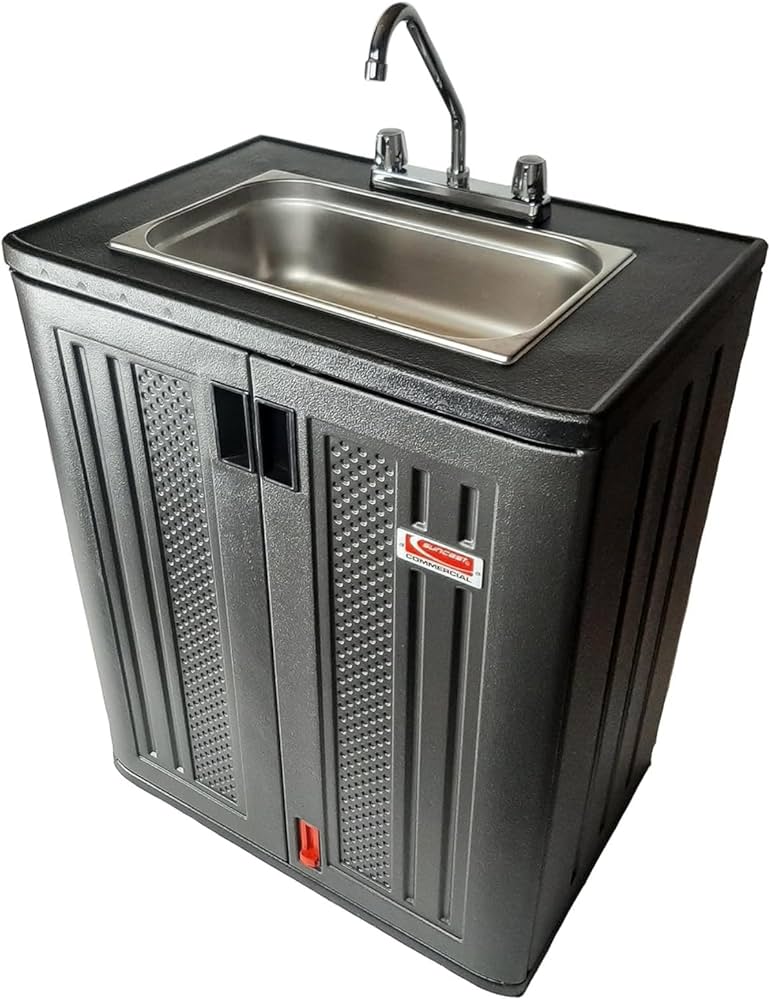
A portable sink with water tank is a self-contained handwashing station that doesn’t require plumbing connections. These mobile units feature built-in fresh water and wastewater tanks, making them ideal for locations without access to traditional water lines. The system typically includes a basin, faucet, soap dispenser, and paper towel holder, all powered by either manual pumps or battery-operated mechanisms.
According to industry data from the Centers for Disease Control and Prevention (CDC), proper handwashing facilities reduce foodborne illness transmission by up to 47%. This statistic highlights why portable sinks have become essential equipment across multiple industries. Whether you’re running a food truck, organizing outdoor events, or managing construction sites, these units provide convenient hygiene solutions anywhere you need them.
The beauty of a portable sink with water tank lies in its versatility. Unlike traditional sinks that demand complex installation, these units can be moved effortlessly between locations. They’re particularly valuable in temporary settings where building permanent infrastructure would be impractical or cost-prohibitive.

Key Features of Quality Portable Sinks with Water Tanks
Water Tank Capacity and Configuration
The tank system represents the heart of any portable sink with water tank. Most models feature dual-tank designs with separate compartments for clean and wastewater. Fresh water capacities typically range from 3 to 7 gallons, while waste tanks often match or exceed these volumes to prevent overflow issues.
Premium units incorporate translucent tank windows or level indicators, allowing users to monitor water levels without disassembly. This feature prevents the embarrassment of running dry during critical moments. Some advanced models include larger 15-20 gallon tanks for high-traffic environments like festivals or busy food service operations.
The tank material matters significantly for durability and hygiene. Food-grade polyethylene tanks resist bacterial growth and withstand temperature fluctuations better than cheaper alternatives. Look for BPA-free certification when selecting units for food preparation areas.
Pump Mechanisms and Water Delivery Systems
Water delivery systems in portable sinks vary from simple foot pumps to sophisticated electronic sensors. Manual foot pumps offer reliability without battery dependence, making them perfect for remote locations. However, they require physical effort that some users find tiresome during extended use.
Battery-powered electric pumps provide effortless operation with motion sensors or push-button activation. These systems typically run on standard D-cell batteries or rechargeable power packs. According to testing by Consumer Reports, quality electric pumps deliver consistent water pressure for 2-3 months on a single battery set under normal usage conditions.
Some high-end portable sinks with water tanks feature adjustable flow controls, letting users conserve water or increase pressure as needed. This flexibility extends the time between tank refills and reduces wastewater generation.
Basin Size and Material Construction
Basin dimensions directly impact functionality and user comfort. Standard basins measure 12-16 inches wide, providing adequate space for handwashing without excessive water splash. Deeper basins (6-8 inches) accommodate larger items for food prep applications.
Stainless steel basins dominate the commercial market due to their durability, ease of cleaning, and professional appearance. They resist corrosion, handle hot water without warping, and maintain sanitation standards required by health departments. Plastic basins cost less but may stain or retain odors over time.
The basin design should include a proper slope toward the drain to prevent standing water. Standing water creates hygiene concerns and potential bacterial growth, especially in food service environments where cleanliness is paramount.
Types of Portable Sinks with Water Tanks
Portable Hand Washing Stations
These compact units focus exclusively on hand hygiene and represent the most common portable sink with water tank configuration. They typically feature 3-5 gallon tanks, simple basin designs, and minimal accessories. Prices range from $150 to $400 depending on construction quality and pump type.
Hand washing stations excel in settings like outdoor markets, construction sites, childcare facilities, and medical screening areas. Their lightweight design (usually 15-25 pounds when empty) makes them easy to transport in vehicle trunks. Many models fold or nest for storage efficiency.
Leading manufacturers like Monsam and PolyJohn produce commercial-grade handwashing stations that meet NSF International sanitation standards. These certifications ensure the units can legally operate in regulated food service environments.
Commercial Portable Sinks for Food Service
Food service models elevate the portable sink with water tank concept with additional features for professional cooking environments. They incorporate larger basins, hot water capabilities, commercial-grade faucets, and often include side shelves for supplies.
Water heating options include electric elements or propane burners that maintain temperatures between 100-120°F. Hot water capability is frequently mandatory for catering permits and food truck operations. The National Restaurant Association recommends hot water availability for proper grease and food residue removal.
These professional units typically cost $600-$2,000 but deliver the durability and compliance features required by health inspectors. Brands like Monsam Enterprises and Crown Verity dominate this market segment with time-tested designs.
Multi-Compartment Portable Sink Systems
Multi-basin configurations provide separate stations for washing, rinsing, and sanitizing—the three-compartment sink requirement common in commercial food preparation. While more expensive ($1,500-$3,500), these systems replace the need for multiple single-basin units.
The three-compartment portable sink with water tank setup allows food vendors to meet health code requirements without permanent plumbing. Each basin connects to shared water tanks, though waste tank capacity must increase proportionally to handle the additional drainage.
Transportation becomes more challenging with multi-compartment models due to weight (often 80-150 pounds empty) and size. However, their all-in-one design eliminates the need to coordinate multiple separate units at your location.
Benefits of Using a Portable Sink with Water Tank
No Plumbing Required
The primary advantage of any portable sink with water tank is complete independence from water lines and drainage systems. This freedom enables handwashing facilities in locations that would otherwise lack basic hygiene infrastructure. Remote construction sites, agricultural operations, outdoor festivals, and emergency response situations all benefit from this self-contained design.
Installation takes minutes rather than days or weeks required for traditional plumbing. Simply position the unit, fill the fresh water tank, and begin using it immediately. This simplicity saves thousands of dollars in contractor fees and permanent infrastructure investments.
The absence of plumbing connections also provides flexibility to relocate sinks as operational needs change. Food vendors can reposition units between service windows and prep areas. Event organizers can adjust sink placement based on crowd flow patterns.
Mobility and Portability
Modern portable sinks with water tanks incorporate design elements that enhance transportability. Integrated wheels, fold-flat legs, and carrying handles transform these units into easily movable equipment. Some models weigh as little as 12 pounds when drained, light enough for single-person transport.
According to a survey by the National Association of Concessionaires, 73% of mobile food vendors cite portability as their top priority when selecting handwashing equipment. The ability to load sinks into vehicles without special equipment or multiple people dramatically reduces setup complexity.
Compact storage footprints matter for vendors with limited space. Many portable sink with water tank models nest or fold to occupy 50-70% less space than their operational dimensions, maximizing valuable storage area in food trucks and vendor trailers.
Cost-Effectiveness
Budget considerations strongly favor portable sinks over permanent installations for temporary or mobile applications. A quality portable sink with water tank costs $200-$800, while installing a single permanent sink with plumbing typically exceeds $2,000-$5,000 when accounting for labor, materials, and permits.
Operational costs remain minimal since the units require no utility connections. Water costs involve only the volume consumed, typically a few dollars per refill. Maintenance expenses focus on occasional pump repairs or tank replacements rather than complex plumbing repairs.
The investment pays dividends through extended usability across multiple events or seasons. Food vendors report 5-7 years of reliable service from commercial-grade units, creating a per-use cost far below rental alternatives.
Health and Safety Compliance
Portable sinks with water tanks help businesses meet health department regulations for handwashing facilities. Most jurisdictions require accessible handwashing stations within specific distances of food preparation areas—typically 20 feet or less. Portable units satisfy these requirements without permanent construction.
The CDC emphasizes that proper hand hygiene prevents approximately 50% of foodborne illnesses. Providing convenient washing facilities encourages compliance among food handlers, ultimately protecting customers and business reputations. Health inspectors look favorably on vendors who exceed minimum standards by placing multiple handwashing stations throughout their operations.
Some portable sink with water tank models carry NSF/ANSI Standard 2 certification, specifically addressing sanitation equipment used in food handling environments. This certification demonstrates the unit meets strict material and design requirements for food safety applications.
How to Choose the Right Portable Sink with Water Tank
Assessing Your Water Capacity Needs
Calculate your water requirements based on expected usage frequency and duration between refills. A single handwashing event consumes approximately 0.25-0.5 gallons when users follow proper 20-second washing protocols. Multiply this by your anticipated daily hand washing count to determine minimum fresh water capacity.
Suggested read: Portable Stairs with Handrail: Everything You Need to Know Before Buying
For food service applications, add water needed for food preparation, utensil rinsing, and equipment cleaning. A busy food truck might require 15-20 gallons of fresh water daily, suggesting either a large-capacity portable sink with water tank or multiple smaller units to distribute throughout the workspace.
Consider wastewater tank capacity equally important. Waste tanks should match or exceed fresh water capacity to prevent overflow. Some models feature larger waste tanks (125% of fresh water volume) to account for additional liquids from food prep or accidental spills.
Evaluating Pump Options
Foot pump mechanisms offer exceptional reliability and zero power requirements, making them ideal for remote locations without electricity access. They function in extreme temperatures and require minimal maintenance. However, they demand physical effort that may frustrate users during busy periods or when hands are occupied.
Battery-operated electric pumps provide superior user experience with touchless sensors or simple button activation. Modern LED motion sensors detect hand presence and automatically dispense water, promoting proper hand hygiene through convenience. Battery life typically ranges from 500-2,000 activations per set, translating to several weeks or months depending on usage intensity.
Some premium portable sinks with water tanks offer hybrid systems with both manual backup and electric primary pumps. This redundancy ensures continuous operation even if batteries fail during critical service periods.
Material Quality and Durability
Construction materials determine longevity and total cost of ownership. High-density polyethylene (HDPE) represents the gold standard for tank construction, offering impact resistance, UV stability, and food-safe properties. Tanks made from recycled or lower-grade plastics may develop cracks or contamination issues within 1-2 years.
Stainless steel basins (Grade 304 or higher) provide commercial durability and meet health code requirements for food contact surfaces. They withstand frequent cleaning with harsh sanitizers without degrading. Plastic basins work adequately for light-duty applications but may stain or scratch, creating areas where bacteria can harbor.
Frame and leg materials range from plastic to powder-coated steel to stainless steel. Steel frames support heavier loads and resist bending, essential for units that will be frequently transported or used in high-traffic environments.
Portability Features
Evaluate transportation requirements based on how frequently you’ll move the portable sink with water tank. Fixed-leg models cost less but require complete disassembly for transport. Folding leg designs collapse in seconds, reducing pack-up time by 70-80% according to user reviews.
Integrated wheels transform sink mobility, especially for larger units exceeding 50 pounds when filled. Look for locking casters that prevent unwanted movement during use. Some models feature removable wheel kits, allowing stable floor contact when stationary.
Weight when empty matters for vendors who must carry units up stairs or across uneven terrain. Compact models weighing 12-20 pounds empty remain manageable for single-person setup. Larger commercial units may require two people or hand trucks for safe transport.
Additional Features to Consider
Accessory integration enhances functionality without requiring separate purchases. Built-in soap dispensers, paper towel holders, and hand sanitizer stations create complete hygiene stations from a single unit. These integrated features also prevent accessories from being misplaced during transport.
Drainage systems vary from simple bucket connections to quick-connect fittings for external waste tanks. Units serving high-volume applications benefit from external waste tank compatibility, extending time between servicing. Some models include drain hoses with shut-off valves for controlled emptying.
Temperature control adds significant value for food service applications. Built-in water heaters or insulated tanks that maintain temperature transform basic handwashing stations into versatile food prep sinks meeting commercial kitchen standards.
Top Applications for Portable Sinks with Water Tanks
Food Trucks and Mobile Catering
Mobile food vendors represent the largest user group for portable sinks with water tanks. Health departments universally require handwashing facilities within 20 feet of food preparation areas, and permanent plumbing isn’t feasible in mobile operations. Food trucks typically install 2-3 portable sinks: one for hand hygiene near the service window and others for food prep and utensil washing.
The National Food Truck Association reports that 89% of permitted food trucks use portable handwashing stations to meet local regulations. Many jurisdictions specify minimum tank capacities (often 5 gallons fresh water) and require hot water capability for certain sink types.
Successful food truck operators recommend portable sinks with water tanks featuring stainless steel construction and electric pumps with battery backup. The professional appearance reassures health inspectors while the reliable operation prevents service interruptions during peak business hours.
Outdoor Events and Festivals
Event organizers deploy portable sinks to provide hygiene facilities for vendors, staff, and attendees. Large festivals may utilize dozens of handwashing stations positioned near food courts, restroom facilities, and children’s activity areas. The self-contained design eliminates the need to run temporary water lines across event grounds.
According to the Event Safety Alliance, proper handwashing access reduces illness transmission at multi-day festivals by 34%. This statistic has prompted many event organizers to mandate portable sink with water tank availability for all food vendors as a permit condition.
Rental companies specializing in event equipment stock commercial-grade portable sinks specifically for the festival market. Rental rates typically range from $75-$200 per event, though purchasing units becomes more economical for organizations hosting multiple annual events.
Construction Sites
OSHA regulations require employers to provide adequate toilet and handwashing facilities for construction workers. Sites without building access must provide portable solutions, making portable sinks with water tanks essential equipment. The units withstand harsh jobsite conditions while ensuring worker hygiene compliance.
Construction companies often select heavy-duty models with oversized tanks (7+ gallons) to accommodate large crews throughout full workdays. Foot-pump models dominate this sector due to reliability in dusty, dirty environments where electrical components might fail.
Safety managers report that readily available handwashing facilities improve compliance with hygiene protocols, particularly important when workers transition from construction tasks to eating lunch. This simple intervention reduces illness-related absenteeism and maintains productivity.
Childcare and Educational Settings
Schools, daycare centers, and outdoor education programs use portable sinks with water tanks to promote hand hygiene where permanent facilities are impractical. Portable units placed in classrooms, playgrounds, or camp areas encourage frequent handwashing without requiring children to leave supervised areas.
The American Academy of Pediatrics identifies hand hygiene as the single most effective method for reducing infectious disease transmission in childcare settings. Portable sinks positioned at child-accessible heights (many models feature adjustable legs) facilitate proper washing techniques.
Educational purchasing departments favor models with large-capacity tanks to minimize refilling frequency and touchless sensors that reduce surface contamination. Units designed for educational environments often incorporate bright colors and visual handwashing instruction graphics.
Healthcare and Medical Screening
Temporary medical facilities, mobile vaccination clinics, and health screening events require robust handwashing infrastructure. Portable sinks with water tanks provide compliant hygiene stations without the expense and complexity of temporary plumbing installations.
Healthcare applications demand the highest sanitation standards, driving preference for stainless steel construction and foot-pedal operation that eliminates hand contact with potentially contaminated surfaces. Many medical organizations specify NSF-certified units to ensure material safety and cleanability.
Emergency response teams maintain portable handwashing stations as part of disaster preparedness equipment. These units deploy rapidly in crisis situations where infrastructure damage has eliminated normal water access, supporting both responders and affected populations.
Maintenance and Care for Your Portable Sink with Water Tank
Daily Cleaning and Sanitization
Proper daily maintenance extends the lifespan of your portable sink with water tank while ensuring hygiene standards. Begin each day by wiping down all surfaces with food-safe sanitizer, paying special attention to the basin, faucet, and soap dispenser areas where bacteria accumulate.
The basin requires thorough cleaning after each use day using hot water and commercial sanitizing solution. A mixture of 1 tablespoon bleach per gallon of water creates an effective sanitizing rinse meeting health department standards. Allow the solution to contact surfaces for at least 60 seconds before rinsing with clean water.
Inspect and clean the wastewater tank daily to prevent odor development and bacterial growth. Even with proper use, food particles and soap residue create conditions for bacterial proliferation. Empty waste tanks when they reach 75% capacity to prevent overflow accidents.
Weekly Maintenance Tasks
Comprehensive weekly cleaning addresses areas not covered in daily routines. Remove and disassemble the pump mechanism to clean internal components where mineral deposits and debris accumulate. Foot pumps require particular attention at the pedal connection points where dirt infiltration can cause operational issues.
Flush the entire water system with a diluted vinegar solution (1 cup white vinegar per gallon of water) to remove mineral buildup from hard water. This treatment prevents restricted water flow and extends pump life significantly. Run the vinegar solution through all water pathways, then flush thoroughly with fresh water.
Check all connection points, seals, and gaskets for wear or damage. The O-rings sealing tank caps represent common failure points that lead to leaks. Replace deteriorated seals immediately to prevent water damage and operational failures.
Suggested read: Portable Stairs with Handrail: Everything You Need to Know Before Buying
Tank Maintenance and Sanitization
Monthly deep sanitization prevents biofilm formation inside water tanks. Empty both fresh and wastewater tanks completely, then fill the fresh water tank with a strong bleach solution (2 tablespoons per gallon). Pump this solution through the entire system, letting it sit for 2-3 hours before draining and flushing thoroughly.
Inspect tank interiors using a flashlight to identify any discoloration, sediment buildup, or damage. The tank walls should appear clean and uniform. Scrub accessible areas with a bottle brush to remove any visible deposits. Some portable sinks with water tanks feature removable tanks that simplify this inspection and cleaning process.
Between events or during storage periods, add a commercial tank sanitizer to the fresh water tank to prevent bacterial growth. These products, commonly used in RV water systems, keep tanks fresh for weeks without requiring drainage.
Troubleshooting Common Issues
Weak water flow typically indicates pump problems, clogged faucet aerators, or low tank levels. Check water level first, then remove and clean the aerator. If flow remains weak, inspect the pump mechanism for debris or worn components requiring replacement.
Leaking tanks usually result from failed O-rings or cracked tank material. Identify the leak source by filling tanks individually and inspecting for water escape points. O-ring replacement costs $5-$15 and restores seal integrity. Cracked tanks require complete tank replacement, costing $50-$150 depending on model.
Pump failure manifests as complete loss of water flow despite adequate tank levels. Electric pumps may suffer battery failure, motor burnout, or sensor malfunction. Replace batteries first, then test pump motor directly. Manual foot pumps typically fail due to diaphragm tears or valve deterioration, both requiring pump replacement.
Cost Analysis: Investment and Operating Expenses
Initial Purchase Prices
Entry-level portable sinks with water tanks designed for occasional home use or small events start around $150-$250. These basic models typically feature plastic construction, manual foot pumps, and 3-5 gallon capacity. While suitable for light duty applications, they lack the durability for commercial use.
Mid-range commercial units cost $400-$800 and deliver the quality most food vendors and event organizers require. These models incorporate stainless steel basins, reliable electric or foot pumps, larger tank capacities, and commercial-grade construction. Brands like Monsam and Crown Verity dominate this price category.
Premium portable sinks with water tanks designed for intensive commercial use range from $1,000-$2,500. These units feature all stainless steel construction, hot water capability, large capacity tanks (10+ gallons), and advanced features like demand water heaters or multi-compartment configurations.
| Price Range | Features | Best For | Expected Lifespan |
|---|---|---|---|
| $150-$250 | Plastic construction, foot pump, 3-5 gallon tanks | Home use, occasional events | 1-3 years |
| $400-$800 | Stainless basin, electric/foot pump, 5-7 gallon tanks | Food trucks, regular events | 5-7 years |
| $1,000-$2,500 | All stainless, hot water, 10+ gallon tanks | Commercial kitchens, high-volume | 10+ years |
Operating Costs
Water costs remain minimal for portable sink with water tank operations. Municipal water rates average $0.004-$0.008 per gallon in most US cities, meaning a 5-gallon tank refill costs approximately $0.03-$0.04. Even high-volume operations spending $50 annually on water represent negligible expense.
Battery costs for electric pump models vary based on usage intensity. Heavy daily use might require monthly battery replacement at $8-$15 per set, totaling $96-$180 annually. Rechargeable battery systems reduce this expense to $30-$50 for initial investment with minimal replacement costs.
Cleaning supplies and sanitizing agents add $50-$100 annually for commercial operations maintaining proper hygiene standards. This includes food-safe sanitizers, descaling solutions, and replacement cleaning tools. These costs increase proportionally for multi-sink operations.
Return on Investment
Food vendors typically recoup their portable sink with water tank investment within the first season of operation. Health permits requiring handwashing facilities cannot be obtained without these units, making them essential rather than optional equipment. The alternative—renting sinks at $75-$200 per event—quickly exceeds purchase prices.
Construction companies realize ROI through improved worker productivity and reduced illness-related absenteeism. OSHA compliance violations for inadequate washing facilities start at $7,000 per incident, making the $400-$800 sink investment trivial compared to potential penalties.
Event organizers purchasing portable sinks instead of renting save 60-80% over five years of operation. Organizations hosting 10+ annual events break even on sink purchases within the first year, with subsequent years representing pure savings.
Portable Sink Regulations and Compliance
Health Department Requirements
Local health departments establish specific standards for portable sinks with water tanks used in food service operations. While requirements vary by jurisdiction, common mandates include minimum fresh water capacity (typically 5 gallons), hot water availability for certain applications, and proper wastewater containment.
Most jurisdictions require handwashing sinks separate from food preparation sinks. A single portable sink cannot serve dual purposes even if it meets capacity requirements. Food trucks typically need at least two units: one dedicated handwashing station and another for food prep and utensil washing.
The FDA Food Code, adopted by many state and local health departments, specifies that handwashing sinks must provide water at 100°F minimum temperature. This requirement necessitates hot water capability in your portable sink selection for food service compliance.
NSF Certification Standards
NSF/ANSI Standard 2 covers food equipment materials and design, including portable handwashing stations. Certified units meet strict requirements for material safety, cleanability, and construction that prevents contamination. Many health departments require or strongly prefer NSF-certified equipment for permitted food operations.
The certification process involves rigorous testing of all materials contacting water or food surfaces. Tanks must be made from food-grade materials free from toxic substances that could leach into water. Basin surfaces must resist corrosion and allow effective sanitization.
NSF certification adds $100-$300 to equipment costs but provides assurance that your portable sink with water tank meets professional standards. It also streamlines health inspection processes since inspectors recognize certified equipment as compliant.
OSHA Workplace Standards
Construction and industrial worksites must comply with OSHA regulations requiring adequate toilet and handwashing facilities. Section 1926.51 specifically addresses sanitation standards for construction sites, mandating that employers provide potable water and handwashing facilities at work locations.
OSHA standards don’t specify particular equipment types, allowing portable sinks with water tanks to satisfy requirements. However, the facilities must be maintained in sanitary condition and positioned within reasonable access distance of work areas.
Employers must ensure washing facilities contain soap and clean towels or air dryers. Simply providing a portable sink without these accessories creates compliance violations. Integrated soap dispensers and towel holders on portable units help ensure complete compliance.
Event Permit Requirements
Special event permits issued by cities and counties typically mandate handwashing facilities for food vendors. Permit applications often require detailed equipment descriptions, including tank capacities and construction materials for portable sinks with water tanks.
Some jurisdictions conduct pre-event inspections where officials verify that submitted equipment meets stated specifications. Vendors arriving with inadequate handwashing facilities may face permit revocation and immediate removal from the event, resulting in significant financial losses.
Progressive event organizers provide detailed equipment requirements to vendors during registration, eliminating confusion about acceptable portable sink with water tank specifications. These requirements often exceed minimum legal standards to ensure consistent high-quality vendor operations.
DIY vs. Commercial Portable Sinks with Water Tanks
Building Your Own Portable Sink
Handy individuals can construct basic portable sinks with water tanks using commonly available materials. A simple design requires two 5-gallon buckets (one for fresh water, one for waste), a spigot or faucet, mounting board, and basic plumbing fittings. Total material costs typically run $50-$100.
The upper bucket serves as the fresh water reservoir, positioned above a basin or lower waste bucket. A spigot installed in the lower portion of the upper bucket provides water flow controlled by hand or foot operation. Gravity feeds water through the spigot when opened.
DIY approaches work adequately for personal camping use or home gardening applications. However, they rarely meet health department standards for commercial food service due to material limitations, inadequate capacity, and sanitation concerns. The time invested in construction often exceeds the value saved versus purchasing entry-level commercial units.
Limitations of Homemade Solutions
Health department approval represents the primary barrier for DIY portable sinks in commercial applications. Most jurisdictions require food-grade materials, specific minimum capacities, and construction features difficult to achieve with bucket-based designs. Inspectors may reject homemade equipment regardless of functionality.
Durability issues plague DIY portable sinks with water tanks used frequently. Plastic buckets crack under repeated transport stress. Home-installed spigots leak due to improper seal installation. These failures during service create unsanitary conditions and operational interruptions.
Professional appearance matters when customers observe your equipment. Homemade portable sinks communicate amateur operation, potentially undermining customer confidence in food safety practices. The $150-$250 invested in entry-level commercial units often pays dividends through improved professional image.
When Commercial Units Make Sense
Any commercial food service operation should invest in certified commercial portable sinks with water tanks rather than attempting DIY solutions. The regulatory compliance, reliability, and professional appearance justify the investment. Health permit denial or customer complaints about sanitation far exceed equipment costs.
Suggested read: The Ultimate Resource for Portable RV Waste Holding Tanks: Everything You Need to Know
Organizations hosting regular events achieve better ROI with commercial units designed for repeated setup and breakdown. The time saved during event preparation—commercial units deploy in minutes versus extended DIY setup—adds value beyond the equipment cost itself.
High-traffic applications generating significant revenue absolutely require commercial-grade equipment. A portable sink with water tank failure during peak service hours costs far more in lost sales and reputation damage than the incremental cost difference between DIY and commercial solutions.
Where to Buy Portable Sinks with Water Tanks
Online Retailers
Amazon offers the widest selection of portable sinks with water tanks, featuring dozens of models from budget-friendly options to commercial-grade equipment. Prime shipping provides rapid delivery, critical when equipment failures require immediate replacement. Customer reviews offer valuable insights into real-world performance and reliability.
Specialized online retailers like WebstaurantStore focus exclusively on commercial food service equipment. Their portable sink with water tank selection emphasizes NSF-certified models meeting health code requirements. Detailed specifications and compliance information help buyers select appropriate equipment for permitted operations.
Direct manufacturer websites often provide the best prices for commercial equipment when purchasing multiple units. Companies like Monsam Enterprises and PortaSink offer bulk discounts to event organizers and construction companies equipping multiple locations or teams.
Local Restaurant Supply Stores
Brick-and-mortar restaurant supply stores let buyers physically examine portable sinks with water tanks before purchase. Seeing construction quality, testing pump mechanisms, and assessing size firsthand prevents surprises when equipment arrives. Store staff often provide expert guidance based on local health department requirements.
Local purchases eliminate shipping costs that significantly inflate online prices for larger portable sinks. A $600 unit might incur $100-$150 in freight charges when shipped, while local pickup provides immediate possession without additional expense.
Established local dealers offer ongoing support, parts availability, and repair services valuable for commercial operators. Building relationships with local suppliers simplifies future equipment needs and creates resources for troubleshooting operational issues.
Rental Options
Event equipment rental companies stock portable sinks for customers needing temporary solutions. Rental rates typically range from $75-$200 per event depending on unit quality and rental duration. This option suits occasional users who can’t justify purchase costs.
Rental makes financial sense for organizations hosting 1-3 annual events but becomes costly for frequent users. Event producers hosting 10+ annual events should calculate total annual rental costs versus purchase prices—ownership usually proves more economical.
Some rental companies offer rent-to-own programs where rental payments apply toward eventual purchase. This arrangement helps cash-constrained businesses acquire equipment while meeting immediate operational needs. However, total costs typically exceed direct purchase prices by 20-40%.
Innovations in Portable Sink Technology
Touchless Operation Systems
Modern portable sinks with water tanks increasingly incorporate touchless activation using infrared sensors. These systems detect hand presence and automatically dispense water for preset durations, promoting proper hand hygiene while conserving water. Studies show touchless sinks improve washing compliance rates by 30% compared to manual faucets.
Motion sensor technology eliminates cross-contamination concerns from manual faucet operation. Users never touch potentially contaminated surfaces, particularly valuable in healthcare and food service applications where pathogen transmission prevention is critical.
Advanced touchless systems include adjustable sensor sensitivity and water flow duration programming. Operators can customize settings based on specific usage patterns, balancing water conservation with user satisfaction. Battery life improvements now deliver 3,000+ activations per battery set.
Solar-Powered Options
Solar panels integrated into portable sink with water tank designs eliminate battery replacement requirements for electric pumps. Photovoltaic cells charge internal battery banks that power pumps and sensors, creating truly self-sufficient operation perfect for remote locations.
Environmental consciousness drives solar portable sink adoption among eco-focused event organizers and sustainability-minded businesses. These units reduce battery waste while demonstrating environmental commitment to customers and stakeholders.
Current solar technology requires direct sunlight for optimal charging, limiting effectiveness in shaded locations or during extended cloudy periods. Hybrid systems incorporating both solar charging and standard battery backup provide the most reliable operation across varying conditions.
Smart Tank Monitoring
IoT-enabled portable sinks feature smartphone connectivity that monitors tank levels remotely. Mobile apps alert operators when fresh water runs low or waste tanks approach capacity, preventing mid-service depletion. This technology particularly benefits multi-unit operations where visual inspection of each sink proves impractical.
Advanced monitoring systems track water usage patterns, helping operators optimize tank sizing and refill schedules. Historical data reveals peak usage times, enabling strategic positioning of multiple portable sinks with water tanks to balance load across units.
The technology adds $200-$400 to equipment costs but delivers value for operations managing numerous portable sinks across large event venues or multiple construction sites. The efficiency gains from optimized servicing often justify the additional investment.
Environmental Considerations
Water Conservation Features
Responsible portable sink with water tank operations emphasize water conservation without compromising hygiene standards. Low-flow faucet aerators reduce water consumption by 30-50% while maintaining adequate pressure for effective handwashing. These simple additions cost $5-$15 but significantly extend time between refills.
Timed automatic shut-off mechanisms prevent water waste from users leaving faucets running. Programmable flow durations of 15-20 seconds provide adequate washing time while preventing extended unnecessary flow. This feature proves especially valuable in high-traffic public access situations.
Foot-pedal operated systems inherently promote water conservation since flow only occurs during active pedal depression. Users naturally release pedals during hand scrubbing, unlike manual faucets sometimes left running throughout the entire washing process.
Wastewater Disposal
Proper wastewater disposal from portable sinks with water tanks prevents environmental contamination. Regulations typically prohibit dumping graywater onto ground surfaces where it can contaminate soil and groundwater. Most jurisdictions require disposal into sanitary sewer systems or approved septic facilities.
Some progressive venues provide designated wastewater dump stations where portable sink operators empty waste tanks into sanitary sewer connections. This infrastructure eliminates the need for vendors to transport waste off-site and ensures compliant disposal.
Food service wastewater containing grease and food particles requires special handling beyond simple graywater. Many jurisdictions mandate grease trap usage before wastewater enters sewer systems. Portable grease trap attachments for portable sinks with water tanks address this requirement.
Sustainable Materials
Environmentally conscious buyers seek portable sinks with water tanks manufactured from recycled materials or designed for end-of-life recyclability. Some manufacturers now produce tanks from post-consumer recycled HDPE, reducing virgin plastic consumption while maintaining food-safe standards.
Stainless steel construction offers inherent sustainability through exceptional longevity and complete recyclability. While initial costs exceed plastic alternatives, the decades-long service life and recyclable material create superior lifecycle environmental profiles.
Companies are increasingly offering take-back programs for obsolete portable sinks, ensuring responsible recycling of components rather than landfill disposal. This circular economy approach aligns with corporate sustainability goals while preventing environmental waste.
Comparison Shopping Guide
Leading Brands and Models
Monsam Enterprises has established industry dominance in portable handwashing stations, offering models specifically designed for food service compliance. Their PSE-2000 series features NSF-certified construction, 6.5-gallon capacity tanks, and foot-pump operation priced around $425-$475. These units have earned reputation for reliability across thousands of food service operations.
**OZARK Trail
5:46 AM
** produces budget-friendly portable sinks perfect for camping and recreational use. Their basic models with 5-gallon capacity and manual pumps retail for $150-$200. While lacking NSF certification for commercial use, they serve personal applications admirably.
PolyJohn manufactures heavy-duty portable sinks favored by construction and industrial users. Their units feature reinforced frames, oversized tanks up to 20 gallons, and ruggedized construction withstanding harsh jobsite conditions. Prices range from $500-$1,200 depending on configuration.
Suggested read: Portable Shower Rental: Everything You Need to Know for Events, Construction Sites, and Emergency Situations
Feature Comparison
| Feature | Entry-Level Models | Mid-Range Commercial | Premium Professional |
|---|---|---|---|
| Tank Capacity | 3-5 gallons | 5-7 gallons | 10-20 gallons |
| Basin Material | Plastic | Stainless steel | Stainless steel |
| Pump Type | Manual foot | Electric or foot | Electric with backup |
| Hot Water | No | Optional | Standard |
| NSF Certified | Rarely | Often | Usually |
| Warranty | 90 days – 1 year | 1-3 years | 3-5 years |
| Price Range | $150-$300 | $400-$800 | $1,000-$2,500 |
Reading Customer Reviews
Customer reviews provide invaluable insights into long-term portable sink with water tank performance. Pay particular attention to comments regarding pump reliability, tank durability, and ease of cleaning—areas where quality differences manifest over time rather than during initial use.
Reviews mentioning health department inspections offer especially valuable perspectives for commercial buyers. Positive inspector feedback validates that the model meets regulatory standards, while negative inspector experiences signal potential compliance issues.
Be cautious of reviews from users with different applications than your intended use. A camper’s glowing review of a lightweight plastic sink doesn’t predict success for high-volume food truck operations. Focus on reviews from users with similar operational requirements.
Case Studies: Real-World Applications
Mobile Coffee Cart Success Story
Sarah Chen operates a specialty coffee cart at farmers markets throughout Portland, Oregon. Initially, she rented portable sinks with water tanks at $85 per market day, spending over $2,000 annually. After researching options, she purchased a Monsam PSE-2000 for $450.
The investment paid for itself within six markets, and the unit has reliably served her operation for three years without major repairs. “Having my own sink simplified setup tremendously,” Sarah reports. “I just fill it at home, wheel it to my cart location, and I’m ready for the day. No more coordinating rental pickups or worrying about availability during busy market weekends.”
Sarah’s 6.5-gallon fresh water capacity handles her entire market day, which typically includes 15-20 handwashing events and occasional equipment rinsing. She empties and sanitizes the unit after each market, maintaining the excellent condition that impressed health inspectors during her recent permit renewal.
Construction Company Fleet Deployment
BuildRight Construction manages 12 active construction sites across the Dallas-Fort Worth metroplex. OSHA compliance required handwashing facilities at each location, prompting the company to invest $5,400 in portable sinks with water tanks rather than continue renting at $150 per site monthly.
The company selected PolyJohn heavy-duty models with 15-gallon capacities and foot-pump operation for reliability in dusty, demanding environments. After 18 months of operation, maintenance costs have totaled only $320 for replacement pump diaphragms and minor repairs.
“The ROI was immediate,” explains site safety coordinator Marcus Thompson. “We eliminated monthly rental invoices totaling $1,800, and our crews appreciate having consistent, reliable handwashing stations. OSHA compliance improved dramatically because supervisors no longer worry about rental companies failing to deliver units on schedule.”
Festival Organizer’s Multi-Unit System
The River City Music Festival hosts 35,000 attendees annually across a three-day weekend event. Organizers deploy 28 portable sinks with water tanks throughout the venue at food vendor areas, restroom facilities, and children’s zones.
Initially, the festival rented all handwashing equipment at costs exceeding $4,000 per event. Five years ago, organizers invested $11,000 purchasing 28 mid-grade commercial units, recouping the investment within three annual festivals. The owned equipment has now served five festivals with minimal maintenance expenses.
“Ownership gave us complete control over equipment quality and placement,” notes festival director Amanda Rodriguez. “We select optimal locations based on attendee flow rather than accepting whatever rental companies deliver. Vendor feedback improved dramatically because our consistent, quality handwashing stations enhanced the professional atmosphere.”
Frequently Asked Questions About Portable Sinks with Water Tanks
How much does a portable sink with water tank cost?
Portable sinks with water tanks range from $150 for basic personal-use models to $2,500 for premium commercial units with hot water and large capacity. Most food service operators find suitable options in the $400-$800 range that balance quality, features, and budget constraints.
The investment typically pays for itself within one season for commercial users compared to rental alternatives. Entry-level units suit occasional recreational use, while businesses requiring health department approval should invest in NSF-certified commercial models despite higher initial costs.
What size water tank do I need for a portable sink?
Tank size requirements depend on your anticipated usage frequency and duration between refills. Personal recreational use typically requires only 3-5 gallon capacity, while food service operations should select 5-7 gallon minimum to handle employee handwashing throughout service periods.
High-traffic applications like busy food trucks or multi-day festivals benefit from 10-20 gallon capacity to minimize refill frequency. Calculate expected handwashing events (approximately 0.25-0.5 gallons each) and multiply by your operating hours to determine appropriate capacity.
Can portable sinks be used for food preparation?
Yes, many portable sinks with water tanks are specifically designed for food preparation applications. However, health departments typically require separate dedicated handwashing sinks beyond food prep sinks. A single portable sink cannot legally serve both purposes in permitted food operations.
Food prep sinks should feature larger basins, hot water capability, and stainless steel construction for proper sanitation. Look for NSF-certified models meeting food equipment standards. Some commercial operations use multi-compartment portable sink systems providing washing, rinsing, and sanitizing stations.
How often should I empty the wastewater tank?
Wastewater tanks should be emptied when they reach 75% capacity to prevent overflow. For typical food service use, this might occur daily or after each service period. Monitor waste levels visually if your portable sink includes transparent tank sections or level indicators.
Never allow waste tanks to fill completely, as this creates overflow risk during continued use. Wastewater containing food particles and soap residue should be disposed of properly into sanitary sewer systems or approved facilities, never dumped onto ground surfaces.
Do portable sinks require electricity?
Foot-pump operated portable sinks require no electricity and function completely independently, making them ideal for remote locations without power access. Battery-operated electric pump models use standard D-cell batteries or rechargeable power packs rather than electrical outlets.
Solar-powered models incorporate photovoltaic panels that charge internal batteries, eliminating external power requirements entirely. Only portable sinks featuring electric water heaters or advanced features require 110V electrical connections.
How do I clean and sanitize a portable sink with water tank?
Daily cleaning involves wiping all surfaces with food-safe sanitizer and emptying waste tanks when they reach 75% capacity. Weekly maintenance includes flushing the water system with diluted vinegar solution to remove mineral deposits and disassembling pumps for thorough cleaning.
Monthly deep sanitization requires filling fresh water tanks with bleach solution (2 tablespoons per gallon), pumping it through the entire system, and allowing 2-3 hour contact time before thorough flushing. Always follow manufacturer-specific cleaning recommendations for your particular portable sink with water tank model.
Are portable sinks with water tanks NSF certified?
Many commercial-grade portable sinks with water tanks carry NSF/ANSI Standard 2 certification for food equipment, though not all models are certified. NSF certification indicates the unit meets strict requirements for material safety, cleanability, and sanitation standards.
Health departments often require or strongly prefer NSF-certified equipment for permitted food service operations. When selecting portable sinks for commercial use, specifically look for NSF certification documentation from manufacturers. This certification typically adds $100-$300 to equipment costs but ensures regulatory compliance.
Can I build my own portable sink with water tank?
DIY portable sink with water tank construction is possible using buckets, spigots, and basic plumbing materials for approximately $50-$100 in supplies. However, homemade units rarely meet health department standards for commercial food service due to material limitations and sanitation concerns.
Personal recreational use represents the only appropriate application for DIY portable sinks. Commercial operations should invest in certified commercial units to ensure regulatory compliance, reliability, and professional appearance. The time invested in DIY construction often exceeds value saved versus purchasing entry-level commercial models.
What’s the difference between portable hand washing stations and portable sinks?
Portable hand washing stations are compact units focused exclusively on hand hygiene, typically featuring smaller 3-5 gallon tanks and minimal accessories. Full portable sinks with water tanks often include larger basins, greater capacity, and additional features suitable for food preparation beyond just handwashing.
Health departments typically require dedicated handwashing stations separate from food prep sinks. Many food service operations use compact hand washing stations for employee hygiene compliance while deploying larger portable sinks for actual food preparation and utensil washing tasks.
Where can I rent a portable sink with water tank?
Event equipment rental companies and party supply vendors commonly stock portable sinks with water tanks for temporary use. Rental rates typically range from $75-$200 per event depending on unit quality and rental duration.
Restaurant supply stores sometimes offer rental programs for commercial food service equipment. Online searches for “portable sink rental [your city]” locate local providers. However, organizations hosting frequent events should calculate whether purchasing equipment proves more economical than ongoing rental expenses.
Ready to find the perfect portable sink with water tank for your needs? Explore commercial-grade options designed for food service, construction, events, and more at The Portable Shop where you’ll also find other essential portable equipment like portable Inogen oxygen concentrators for medical applications.
Whether you’re launching a food truck, managing construction sites, or organizing outdoor events, investing in a quality portable sink with water tank ensures hygiene compliance while providing convenient handwashing solutions anywhere you need them. Choose NSF-certified models for commercial applications, consider tank capacity based on your usage patterns, and select pump mechanisms that match your operational environment for years of reliable service.