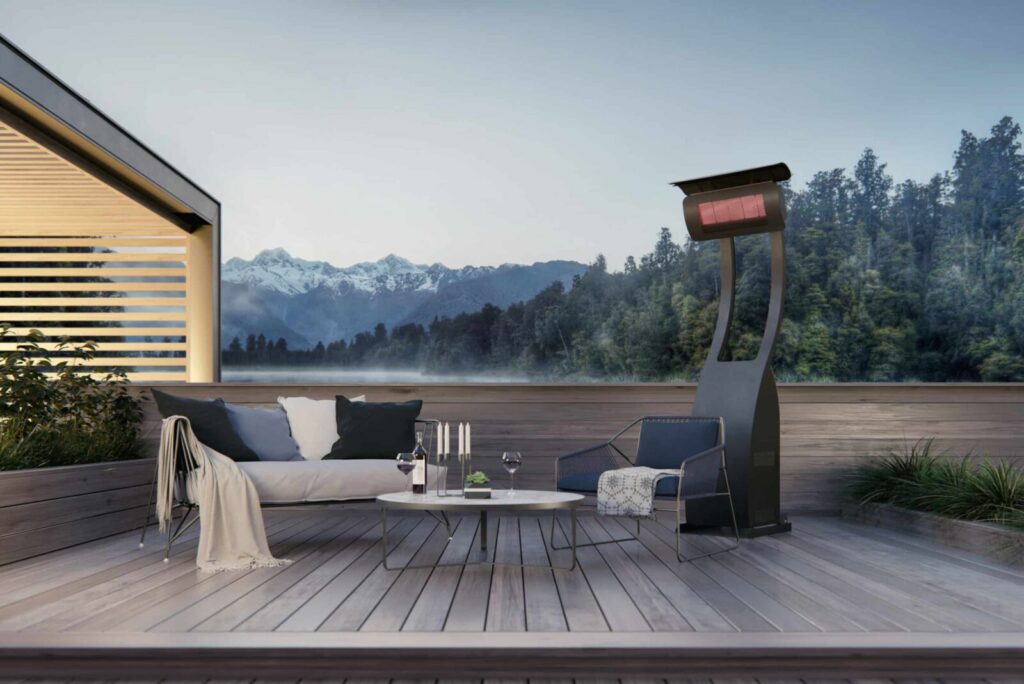
Understanding the Power of Portable Patio Heaters
A portable patio heater has revolutionized how homeowners and businesses utilize outdoor spaces throughout the year. These versatile heating solutions provide instant warmth, allowing you to enjoy your deck, patio, or outdoor dining area even when temperatures drop. Unlike permanent heating installations, portable models offer flexibility and convenience that traditional heating systems simply cannot match.
The outdoor heating market has experienced tremendous growth, with industry reports indicating a compound annual growth rate of 7.2% between 2023 and 2030. This surge reflects a fundamental shift in how people view outdoor living spaces. No longer seasonal afterthoughts, patios and decks have become year-round extensions of our homes, thanks largely to advances in portable heating technology.
Modern portable patio heaters combine efficiency with aesthetic appeal, seamlessly integrating into any outdoor décor while delivering powerful heat output. Whether you’re hosting dinner parties, enjoying quiet evenings outdoors, or running a restaurant with outdoor seating, these heating solutions have become indispensable tools for maximizing space utilization and comfort.
Types of Portable Patio Heaters: Finding Your Perfect Match
Propane Patio Heaters: The Popular Choice
Propane-powered portable patio heaters dominate the market for good reason. These units deliver powerful heat output ranging from 40,000 to 48,000 BTUs, capable of warming spaces up to 20 feet in diameter. Their portability stems from built-in wheels and independent fuel sources, allowing you to position them wherever heat is needed most.
The convenience factor cannot be overstated. A standard 20-pound propane tank provides approximately 10 hours of continuous heat on high settings, making these heaters ideal for extended gatherings. Many homeowners appreciate that propane heaters require no electrical connections, offering true mobility across any outdoor space without worrying about cord placement or outlet availability.
Premium propane models feature safety mechanisms including automatic shut-off valves, tip-over protection, and flame failure devices. These safety features have dramatically improved the reliability of portable outdoor heating, with modern units meeting stringent UL and CSA certification standards that ensure safe operation in residential and commercial settings.
Electric Portable Patio Heaters: Clean and Convenient
Electric variants represent the eco-conscious choice for portable patio heater enthusiasts. These units eliminate fuel storage concerns while providing consistent, controllable heat through infrared or ceramic heating elements. With heat outputs typically ranging from 1,500 to 5,000 watts, electric heaters suit covered patios and smaller outdoor spaces particularly well.
The operational simplicity of electric heaters appeals to users seeking hassle-free heating solutions. Plug-in operation means no tank refills or fuel monitoring, just instant heat at the flip of a switch. Many models incorporate remote controls, programmable timers, and multiple heat settings, offering customization that propane alternatives cannot easily replicate.
Energy efficiency stands as another compelling advantage. Modern electric heaters convert nearly 100% of electrical energy into heat, whereas combustion-based systems lose efficiency through exhaust gases. For environmentally conscious consumers, this efficiency translates into reduced carbon footprints and lower operational costs, especially when powered by renewable energy sources.
Natural Gas Patio Heaters: Permanent Portability
Natural gas-powered units bridge the gap between permanent installations and truly portable patio heater designs. While requiring connection to existing gas lines, many models feature wheels and quick-disconnect couplings that enable repositioning within the range of gas line extensions. These heaters deliver consistent heat without the inconvenience of tank replacements.
The cost-effectiveness of natural gas becomes apparent with regular use. Operating costs typically run 30-50% lower than propane equivalents, with the added convenience of never running out of fuel mid-event. For restaurants, hotels, and homeowners with extensive outdoor entertaining schedules, this combination of economy and reliability proves particularly attractive.
Installation does require professional gas line work, adding upfront costs that propane or electric alternatives avoid. However, the long-term savings and convenience often justify this initial investment, especially for commercial applications where heating needs are consistent and predictable throughout cooler months.
Key Features That Define Quality Portable Patio Heaters
Heat Output and Coverage Area
Understanding BTU ratings forms the foundation of selecting an appropriate portable patio heater. British Thermal Units measure heat output, with residential models typically ranging from 30,000 to 48,000 BTUs. Higher ratings translate to larger effective heating radius and faster temperature increases in outdoor environments where heat dissipates quickly.
Coverage area calculations depend on multiple factors beyond BTU ratings alone. Wind exposure, ambient temperature, and ceiling height (for covered areas) all influence effective heating range. As a general guideline, 40,000 BTU heaters effectively warm circular areas with 15-18 foot diameters, while 48,000 BTU models extend coverage to approximately 20-25 feet under ideal conditions.
Infrared heating technology has transformed efficiency in portable outdoor heating. Unlike traditional convection heaters that warm air, infrared systems heat objects and people directly, reducing heat loss to wind and air movement. This targeted heating approach can reduce energy consumption by up to 30% while maintaining comparable comfort levels.
Safety Features You Cannot Ignore
Anti-tip switches represent the most critical safety feature in any portable patio heater design. These mechanisms automatically shut off gas flow or electrical power when units tilt beyond safe angles, preventing dangerous situations from accidental bumps or unstable surfaces. Quality heaters incorporate multiple switches positioned at different angles for comprehensive protection.
Suggested read: Portable Sewage Containers for RV: Essential Waste Management Solutions for Your Mobile Adventures
Flame failure devices add another essential layer of safety for gas-powered models. These sensors detect when flames extinguish unexpectedly due to wind or other factors, immediately closing fuel valves to prevent dangerous gas accumulation. This technology has virtually eliminated one of the primary hazards associated with outdoor gas heating equipment.
Heat shields and protective grilles prevent accidental contact with hot surfaces, particularly important in environments where children or pets may be present. Premium units feature double-wall construction and cool-touch exteriors that remain safe even during extended operation at maximum heat settings, addressing concerns about burn injuries in crowded spaces.
Construction Quality and Weather Resistance
Durable materials determine longevity in outdoor heating equipment exposed to harsh environmental conditions. Stainless steel and powder-coated aluminum construction resists rust, corrosion, and UV degradation far better than standard steel alternatives. High-quality finishes maintain appearance and structural integrity through multiple seasons of outdoor exposure.
Weatherproof electrical components prove essential for electric models operating in damp conditions. IP ratings indicate protection levels against moisture and debris intrusion, with IP44 or higher ratings recommended for uncovered patio applications. Sealed connections and waterproof switches ensure safe operation during light rain or in humid coastal environments.
Weight distribution and base stability affect both safety and practicality. Quality portable heaters balance substantial bases that resist tipping with mobility features like smooth-rolling wheels. The best designs incorporate weighted bases that can be filled with sand or water, providing adjustable stability that accommodates different usage scenarios and surface types.
Choosing the Right Portable Patio Heater for Your Needs
Assessing Your Space and Heating Requirements
Space dimensions fundamentally influence portable patio heater selection. Measure your outdoor area carefully, considering not just square footage but also ceiling height for covered spaces and proximity to walls or structures. Open patios require higher BTU outputs than enclosed or semi-covered areas where heat retention naturally improves.
Climate conditions in your region affect heating capacity needs significantly. Coastal areas with persistent wind require more powerful heaters than sheltered inland locations. Similarly, maintaining comfort in 40-degree weather demands different heating capacity than extending outdoor season into subfreezing temperatures.
Usage patterns should guide your choice between fuel types and heat outputs. Occasional evening gatherings suit lower-capacity, budget-friendly models, while frequent entertainment or commercial applications justify investment in high-output, premium units with superior durability and extended warranties.
Budget Considerations and Long-Term Value
Initial purchase prices range dramatically across portable patio heater categories. Basic propane models start around $100-200, mid-range electric units fall between $150-400, and premium commercial-grade heaters command prices exceeding $500-1000. However, upfront costs represent only part of total ownership expenses.
Operational costs vary substantially by fuel type and local energy prices. Propane typically costs $3-4 per hour of operation at high settings, electric heaters run $0.15-0.50 per hour depending on wattage and electricity rates, while natural gas offers the most economical operation at roughly $1-2 per hour.
| Heater Type | Initial Cost | Hourly Operating Cost | Maintenance Annual |
|---|---|---|---|
| Propane | $100-600 | $3-4 | $50-100 |
| Electric | $150-800 | $0.15-0.50 | $25-50 |
| Natural Gas | $300-1200 | $1-2 | $75-150 |
Maintenance expenses add to total cost of ownership. Gas heaters require annual professional inspections costing $75-150, replacement parts like thermocouples and igniters run $20-50, and tank refills or exchanges add recurring expenses. Electric models demand minimal maintenance beyond occasional cleaning and bulb replacements for halogen units.
Aesthetic Integration with Outdoor Design
Modern portable patio heater designs transcend purely functional considerations, incorporating aesthetic elements that complement outdoor décor. Sleek stainless steel mushroom-style heaters suit contemporary settings, while bronze or copper finishes harmonize with traditional patio furniture and landscaping. Tabletop models blend seamlessly into intimate dining arrangements without dominating visual space.
Color options have expanded beyond basic black and silver, with manufacturers offering bronze, copper, mocha, and custom powder-coat finishes. This variety enables coordination with existing outdoor color schemes, ensuring heating equipment enhances rather than detracts from carefully curated patio aesthetics.
Size proportions matter for visual balance. Towering 7-foot standing heaters suit spacious patios and commercial settings but overwhelm compact urban balconies where compact tabletop or wall-mounted electric models prove more appropriate. Consider scale relationships between heaters and surrounding furniture, architectural elements, and overall space dimensions.
Installation and Placement Strategies for Maximum Efficiency
Optimal Positioning for Heat Distribution
Strategic placement multiplies the effectiveness of your portable patio heater investment. Position freestanding units centrally within seating areas to maximize radiant heat coverage, ensuring all guests benefit equally from warmth. Maintain minimum clearance distances—typically 3 feet from walls and 7 feet overhead—specified in manufacturer guidelines for safe operation.
Wind patterns dramatically impact heating efficiency in open outdoor spaces. Place heaters upwind of seating areas when possible, allowing natural airflow to carry warmth toward people rather than away. Utilize natural windbreaks like walls, hedges, or temporary screens to create sheltered zones that retain heat more effectively.
Suggested read: Portable Septic Tank for Camper: Essential Waste Management Solutions for Your RV Adventures
Multiple heater configurations work better than single high-output units for large or irregularly shaped patios. Two 40,000 BTU heaters positioned strategically provide more even heat distribution than one 80,000 BTU model, eliminating cold spots and reducing the temperature gradient between zones. This approach also offers flexibility for smaller gatherings where full patio heating proves unnecessary.
Safety Clearances and Ventilation Requirements
Combustible material clearances represent non-negotiable safety requirements for gas-powered portable patio heaters. Maintain minimum distances of 30 inches from combustible surfaces including wood siding, fabric awnings, and overhanging tree branches. These clearances prevent ignition risks and ensure proper airflow around heating elements for efficient combustion.
Ventilation becomes critical even in outdoor applications, particularly for covered patios and enclosed three-season rooms. Adequate air circulation prevents carbon monoxide accumulation while supplying necessary oxygen for complete fuel combustion. Partially enclosed spaces require at least two permanent openings on opposite walls, each providing minimum ventilation area calculated at 1 square inch per 1,000 BTUs.
Electrical safety for plug-in models demands ground fault circuit interrupter (GFCI) protected outlets, especially in damp outdoor environments. Extension cords should be avoided when possible, but if necessary, use only heavy-duty outdoor-rated cords rated for heater wattage with 14-gauge wire minimum. Never daisy-chain multiple extension cords or use indoor-rated electrical connections outdoors.
Maintenance Best Practices for Longevity
Seasonal Care and Storage Procedures
Proper off-season storage extends portable patio heater lifespan significantly. Clean all surfaces thoroughly before storage, removing dust, spider webs, and debris that accumulate during use. For gas models, disconnect and store propane tanks separately in well-ventilated outdoor locations, never in enclosed garages or basements where gas leaks could accumulate.
Protective covers designed specifically for outdoor heaters shield equipment from moisture, UV exposure, and temperature extremes during storage periods. Choose covers with ventilation features that prevent moisture condensation while blocking rain and snow. Even covered patios expose heaters to humidity and temperature cycling that gradually degrades components without adequate protection.
Battery maintenance for electronic ignition systems prevents frustrating startup failures after storage periods. Remove batteries before long-term storage to prevent corrosion from battery leakage. Clean battery compartments with appropriate solvents and replace batteries with fresh units at season start for reliable ignition performance.
Troubleshooting Common Issues
Ignition problems represent the most frequent complaint with gas portable patio heaters. When push-button or electronic igniters fail, check battery charge first, then inspect electrode position—it should sit 1/8 inch from the pilot tube opening. Clean electrodes with fine sandpaper to remove oxidation that prevents spark generation.
Uneven flames or yellow-tinted combustion indicate burner maintenance needs. Remove and clean burner screens with mild soap and water, ensuring all ports remain clear of debris. Spiders and insects frequently nest in burner assemblies during off-season storage, blocking gas ports and creating irregular flame patterns that reduce heating efficiency and increase carbon monoxide production.
Thermocouple failures cause pilot lights to extinguish repeatedly despite successful ignition. These safety sensors detect pilot flame heat and signal gas valves to remain open. Replace thermocouples showing visible corrosion or damage, typically a $15-30 part requiring only basic tools and minimal technical skill for DIY installation.
Real-World Applications and Success Stories
Residential Entertainment Transformations
The Johnson family from Seattle extended their outdoor season by four months after installing two 46,000 BTU portable patio heaters on their covered deck. “We used to abandon our patio after September,” Sarah Johnson explains, “but now we host dinner parties through December. The heaters paid for themselves in one season by eliminating restaurant expenses for gatherings.”
Strategic heater placement enabled the Johnsons to create distinct comfort zones across their 600-square-foot deck. Primary seating around their dining table enjoys coverage from one heater, while a secondary unit warms a conversation area near their outdoor fireplace. This dual-heater approach provides flexibility to heat only occupied zones, reducing fuel consumption during smaller gatherings.
Return on investment calculations reveal impressive savings for frequent entertainers. The Johnsons calculated that 20 restaurant dinners for their typical guest count of 8 people cost approximately $3,200 annually. Their heater investment totaled $800 with operational costs around $400 per season, delivering net savings of $2,000 in year one alone.
Commercial Applications Driving Revenue
Riverfront Bistro in Portland, Oregon increased winter revenue by 35% after installing six portable patio heaters across their outdoor dining area. Manager Tom Martinez reports, “Our patio seats 48 guests, and before heaters we’d close that section from November through February. Now it operates year-round, adding $45,000 to annual revenue.”
The restaurant’s heater investment totaled $2,400 for commercial-grade propane units, with monthly operating costs averaging $300 during peak winter months. This investment delivered payback in under two months, with subsequent winters generating pure profit from previously unusable space. Customer satisfaction scores improved as well, with diners appreciating the comfort of al fresco dining regardless of weather.
Beyond direct revenue impact, outdoor heating capabilities enhanced the Bistro’s competitive positioning. “We’re the only restaurant in our area offering comfortable outdoor dining through winter,” Martinez notes. “This differentiation attracts customers specifically seeking heated patio experiences, building loyal followings who return throughout the year.”
Event Planning Innovations
Elegant Events, a premier wedding planning company in Colorado, considers portable patio heaters essential equipment for outdoor ceremonies and receptions. “We maintain 15 heaters in our inventory,” explains owner Jennifer Matthews. “They’ve transformed our business model, enabling outdoor events from March through November instead of just summer months.”
Suggested read: The Ultimate Portable Hammock Chair: Transform Any Space Into Your Personal Oasis
The heating equipment investment enabled the company to increase bookings by 40% annually by expanding the viable event season. Couples increasingly request shoulder-season dates for better venue availability and cost savings, with adequate heating making spring and fall celebrations comfortably feasible. Each heater generates estimated incremental revenue of $8,000 annually through expanded booking opportunities.
Client satisfaction improved measurably with reliable outdoor heating. “Guest comfort makes or breaks event success,” Matthews emphasizes. “Nothing ruins a wedding faster than shivering guests. Our heating equipment ensures ceremonies and cocktail hours proceed comfortably regardless of temperature fluctuations, earning rave reviews that drive referral business.”
Environmental Considerations and Efficiency
Carbon Footprint Analysis
Environmental impact varies significantly across portable patio heater fuel types. Propane combustion produces approximately 12 pounds of CO2 per gallon burned, translating to roughly 6 pounds of emissions per hour of operation at typical consumption rates. Natural gas burns slightly cleaner at about 11 pounds of CO2 per therm, while electric models’ emissions depend entirely on electricity generation sources.
Grid electricity powered by renewable sources offers the cleanest heating option, producing zero direct emissions. However, in regions dependent on coal or natural gas power generation, electric heaters may generate higher total emissions than direct-burn propane when accounting for generation and transmission losses. Understanding your local energy mix provides perspective on true environmental impact.
Efficiency improvements have reduced emissions dramatically compared to older heating technologies. Modern propane heaters achieve combustion efficiency exceeding 85%, while infrared electric models convert virtually 100% of input energy to usable heat. These efficiency gains mean contemporary portable patio heaters deliver equivalent warmth using substantially less energy than units manufactured just a decade ago.
Sustainable Heating Practices
Operating heaters only when actively occupying outdoor spaces minimizes unnecessary energy consumption and emissions. Install programmable timers or smart switches that automate heater operation based on actual usage patterns. This technology prevents common waste scenarios like forgetting to turn off heaters after events or leaving them running in unoccupied spaces.
Combining portable heaters with passive heating strategies maximizes efficiency. Position seating in naturally sunny areas during daytime, allowing solar heat gain before supplementing with portable heaters as temperatures drop. Add outdoor rugs and textiles that retain warmth rather than absorbing heat into concrete or stone surfaces.
Alternative fuel options continue emerging in the portable patio heater market. Bioethanol heaters burning renewable plant-based fuels appeal to environmentally conscious consumers, though availability and BTU outputs currently lag traditional options. Similarly, solar-powered electric heaters remain niche products limited by solar panel size constraints and battery capacity requirements for meaningful heat output.
Advanced Features in Modern Patio Heaters
Smart Technology Integration
Contemporary portable patio heaters increasingly incorporate smart home compatibility and connected features. WiFi-enabled models allow smartphone control of power, heat settings, and programming from anywhere, enabling pre-heating patios before arriving home or monitoring propane levels remotely. These convenience features particularly benefit users with multiple heater installations or large outdoor spaces.
Voice control integration with Amazon Alexa, Google Assistant, and Apple HomeKit platforms brings hands-free operation to outdoor heating. Simple voice commands adjust heat levels, set timers, or trigger automation routines that coordinate heater operation with outdoor lighting and music systems for seamless entertainment experiences.
Energy monitoring capabilities built into smart heaters provide real-time consumption data and cost tracking through companion smartphone apps. This transparency helps users optimize operational efficiency, identifying wasteful usage patterns and quantifying actual expenses versus estimates. Historical data tracking enables seasonal cost comparisons and informed decisions about usage habits.
Zone Heating and Customization
Variable heat output controls transform single portable patio heaters into versatile comfort solutions adaptable to changing conditions and occupancy levels. Multi-stage burners or variable wattage settings enable precise temperature control, avoiding the waste of operating at full capacity when lower outputs suffice. This flexibility reduces fuel consumption while maintaining comfort across varying weather conditions.
Directional heat focusing through adjustable reflectors and rotating heads directs warmth exactly where needed. Oscillating electric heaters sweep heat across broader areas, ensuring even distribution without requiring multiple units. These targeting capabilities prove especially valuable in asymmetrical spaces or situations where furniture arrangements create uneven heating demands.
Dual-fuel capability in select models provides operational flexibility using either propane or natural gas with simple conversion kits. This versatility accommodates changing circumstances like relocating heaters between properties with different gas infrastructure or switching fuel sources based on price fluctuations and availability.
Comparing Portable Options with Permanent Installations
Portability Advantages
True portability remains the defining advantage of mobile portable patio heaters over permanent installations. Reposition units effortlessly as furniture arrangements change, events require different configurations, or seasonal sun angles alter optimal heating zones. This flexibility proves invaluable for dynamic outdoor spaces serving multiple purposes throughout the year.
Storage during off-seasons prevents weather exposure that degrades permanent installations, extending equipment lifespan significantly. Move heaters into garages, sheds, or storage rooms during extended non-use periods, protecting investment and maintaining like-new appearance seasons longer than weatherproof but constantly exposed permanent units.
Suggested read: GE Portable A/C: Your Complete 2025 Buying Guide for Cooling Any Space
Rental property owners and frequent movers benefit from portable heating investments that relocate with them. Unlike built-in systems that remain with properties, quality portable heaters represent mobile assets transferable across residences, preserving their value through multiple moves. If you need other portable solutions for your outdoor space, consider options like portable shower rental for your next outdoor event.
When Permanent Systems Make Sense
High-frequency commercial applications often justify permanent patio heater installations despite sacrificing mobility. Restaurants, hotels, and event venues operating heated outdoor spaces daily benefit from natural gas connections that eliminate tank management and deliver lower operational costs. Permanent mounting also prevents theft or damage risks inherent with portable equipment in public spaces.
Aesthetic integration favors permanent installations in luxury residential applications where heating infrastructure can be architecturally incorporated from initial design stages. Ceiling-mounted radiant heaters, in-floor heating systems, and built-in wall units achieve seamless integration that portable alternatives cannot match, preserving clean design lines and maximizing functional space.
Hybrid approaches combining permanent infrastructure with portable supplemental heating offer optimal flexibility for many applications. Install permanent natural gas lines with quick-disconnect fittings that accept portable heaters as needed, providing fuel convenience without sacrificing repositioning flexibility. This compromise delivers benefits of both approaches while minimizing individual limitations.
Frequently Asked Questions About Portable Patio Heaters
How long does a 20lb propane tank last in a portable patio heater?
A standard 20-pound propane tank typically provides 8-10 hours of continuous operation on high settings for most portable patio heaters rated at 40,000-48,000 BTUs. Operating on lower heat settings extends tank life proportionally, with medium settings delivering approximately 12-15 hours. Actual duration varies based on specific heater efficiency, ambient temperature, and wind conditions affecting heat output demands.
Can you use portable patio heaters under covered patios?
Yes, portable patio heaters can operate safely under covered patios provided adequate clearances are maintained and proper ventilation exists. Manufacturers specify minimum overhead clearances typically ranging from 7-10 feet, while partially enclosed spaces require permanent ventilation openings for combustion air supply and exhaust ventilation. Always verify your specific model’s clearance requirements and local building codes before installation in covered areas.
Are electric or propane portable patio heaters better?
The optimal choice between electric and propane portable patio heaters depends on your specific circumstances. Propane models deliver higher heat output (40,000+ BTUs), require no electrical outlets, and work anywhere, making them ideal for open patios and large spaces. Electric heaters offer cleaner operation, zero emissions at point of use, lower operating costs in many regions, and eliminate fuel storage concerns, suiting covered areas and locations with convenient electrical access.
How much clearance does a portable patio heater need?
Safety clearances for portable patio heaters typically require 30 inches minimum from combustible materials on all sides, with overhead clearances of 7-10 feet depending on heat output. Propane models need 3 feet minimum from walls and structures, while electric infrared heaters may permit closer placement due to lower surface temperatures. Always consult specific manufacturer requirements as clearances vary by model design and heat output ratings.
Do portable patio heaters work in windy conditions?
Portable patio heaters can operate in windy conditions but effectiveness decreases as wind speed increases. Propane heaters with protective screens and wind-resistant burner designs function reasonably well in breezes up to 15 mph, though heat output direction requires adjustment. Electric infrared heaters prove more wind-resistant since they heat objects rather than air. For consistently windy locations, position heaters behind windbreaks or invest in models specifically designed for high-wind environments.
What safety certifications should I look for?
Quality portable patio heaters should display UL (Underwriters Laboratories) or CSA (Canadian Standards Association) certification labels verifying compliance with safety standards. Look for ETL (Intertek) listings as an alternative third-party certification. These markings confirm heaters passed rigorous testing for fire safety, structural integrity, and operational safety features. Avoid uncertified models lacking independent safety verification regardless of price advantages.
Can portable patio heaters be left outside year-round?
While many portable patio heaters feature weather-resistant construction, leaving them exposed year-round accelerates deterioration and reduces lifespan. Protective covers provide some protection but off-season storage indoors prevents moisture accumulation, UV degradation, and temperature cycling damage to sensitive components. For permanently positioned units, invest in high-quality, ventilated covers and perform thorough cleaning and maintenance before each heating season.
How do I prevent my portable patio heater from tipping over?
Modern portable patio heaters incorporate anti-tip safety switches that automatically shut off fuel or power when tilting occurs. Maximize stability by positioning heaters on level, hard surfaces rather than soft ground or uneven decking. Many models feature bases designed to accept additional weight through sand or water filling. Avoid placement in high-traffic areas where accidental contact is likely, and ensure children and pets maintain safe distances during operation.
Take Action: Find Your Perfect Portable Patio Heater Today
Ready to transform your outdoor living experience? Investing in the right portable patio heater extends your usable outdoor season, enhances entertainment capabilities, and adds tremendous value to your property. Start by assessing your space dimensions, typical weather conditions, and usage patterns to identify the ideal heater type and heat output for your needs.
Research models from reputable manufacturers with proven track records of quality and reliability. Compare features, read verified customer reviews, and verify safety certifications before making your purchase. Don’t compromise on safety features like anti-tip switches and proper clearance specifications—these elements protect your investment and everyone enjoying your outdoor space.
For comprehensive product comparisons, installation guides, and maintenance tips for portable patio heaters, visit trusted sources like Consumer Reports, This Old House, and manufacturer websites offering detailed specifications and warranty information. Begin your search today and discover how portable outdoor heating transforms ordinary patios into year-round retreats.
Sources: Consumer Reports Outdoor Heating Guide 2024, Hearth, Patio & Barbecue Association Industry Reports, Energy Efficiency Standards Database