Portable Product Guides for Life AnywhereBuying Guides · Comparisons · How-To
Portable GuideOther Portable

The Ultimate Portable Hammock Chair: Transform Any Space Into Your Personal Oasis

When it comes to creating a comfortable relaxation spot anywhere you go, nothing beats the versatility and comfort of a portable hammock chair. These innovative […]
Portable Hammock Chair

When it comes to creating a comfortable relaxation spot anywhere you go, nothing beats the versatility and comfort of a portable hammock chair. These innovative seating solutions combine the gentle sway of a traditional hammock with the supportive structure of a chair, giving you the best of both worlds. Whether you’re camping in the wilderness, relaxing on your patio, or reading a book in your backyard, a portable hammock chair delivers unmatched comfort and convenience. The growing popularity of these chairs reflects our collective desire for portable comfort solutions that don’t compromise on quality or relaxation potential.

What Is a Portable Hammock Chair?

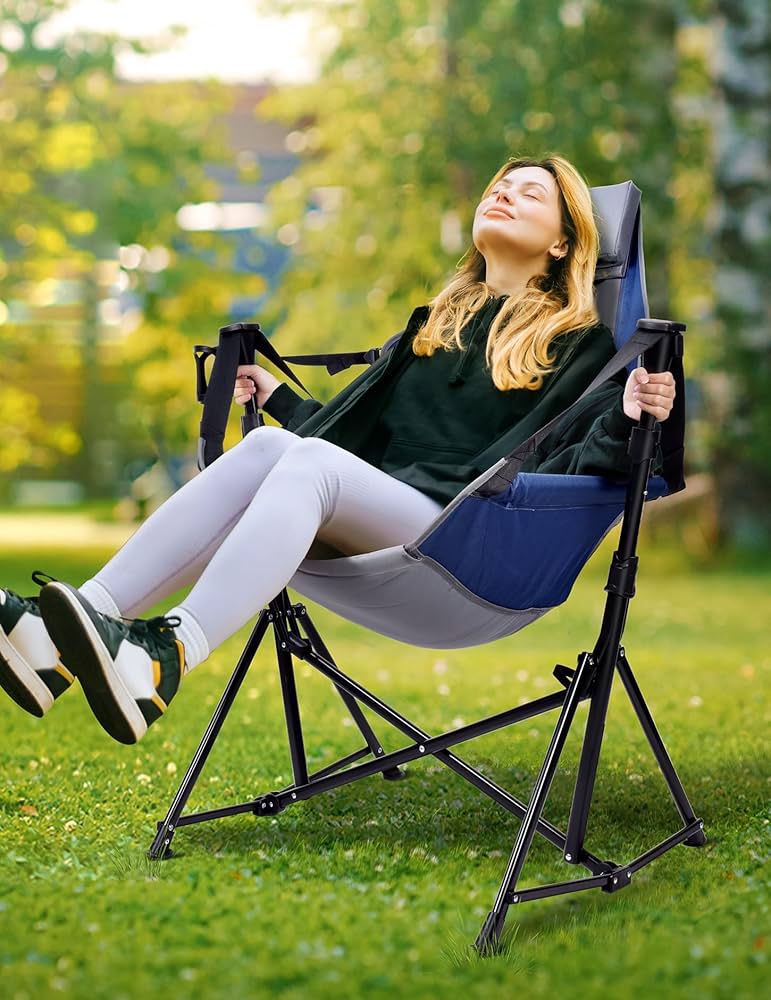
A portable hammock chair represents a revolutionary approach to outdoor and indoor seating. Unlike traditional hammocks that require you to lie flat, these chairs allow you to sit upright while still enjoying the gentle rocking motion that makes hammocks so beloved. The design typically features a suspended seat made from durable fabric, supported by a sturdy frame or hung from anchor points using robust suspension systems. Most models fold down to compact sizes, making them incredibly easy to transport in backpacks, car trunks, or even carry-on luggage.

The construction of a portable hammock chair usually involves weather-resistant materials like parachute nylon, canvas, or polyester blends that can withstand various environmental conditions. Premium models incorporate ergonomic designs with lumbar support, armrests, and even cup holders. The versatility of these chairs has made them popular among campers, festival-goers, beach enthusiasts, and anyone seeking a comfortable portable seating option. With weight capacities typically ranging from 250 to 500 pounds, these chairs accommodate users of different sizes while maintaining structural integrity.

Table of Contents

Benefits of Owning a Portable Hammock Chair

Unmatched Portability and Convenience

The primary advantage of a portable hammock chair lies in its exceptional portability. Most models weigh between 2 to 5 pounds and compress into packages no larger than a small backpack. This lightweight design means you can take your comfortable seating anywhere without feeling burdened. The quick setup process, often taking less than five minutes, eliminates the hassle associated with traditional camping chairs or complex hammock systems. You can transition from carrying to sitting in moments, making these chairs perfect for spontaneous outdoor adventures.

Health and Wellness Benefits

Sitting in a hanging hammock chair provides numerous health benefits that conventional seating cannot match. The gentle swaying motion promotes relaxation by triggering the vestibular system, which can reduce stress levels and improve mood. The elevated, slightly reclined position takes pressure off your lower back and promotes better spinal alignment compared to rigid camping chairs. Many users report improved circulation due to the distributed weight support, and the rocking motion can even help alleviate symptoms of anxiety and insomnia when used regularly.

Versatility Across Multiple Settings

A quality portable hammock chair adapts seamlessly to various environments and purposes. Use it at campsites for evening relaxation, at beaches for wave-watching comfort, in backyards for reading sessions, at music festivals for extended sitting periods, or even indoors as a unique alternative to traditional furniture. The adjustable hanging height allows customization for different users and locations. Some models include conversion kits that transform them from hanging chairs to ground-level rocking chairs, exponentially increasing their versatility.

Cost-Effective Investment

Compared to purchasing multiple specialized chairs for different activities, investing in one high-quality portable hammock chair proves economically smart. These chairs typically cost between $40 to $200 depending on features and brand, offering years of reliable service when properly maintained. The durability of modern materials means your chair withstands repeated use across seasons without degradation. Unlike cheap folding chairs that break after minimal use, a well-constructed hammock chair represents a long-term solution to your portable seating needs.

Types of Portable Hammock Chairs

Hanging Rope Hammock Chairs

Traditional rope hammock chairs feature hand-woven cotton or polyester rope in classic macramé patterns. These chairs offer excellent breathability and a bohemian aesthetic that many find appealing. The rope construction distributes weight evenly and conforms to your body shape for personalized comfort. However, the open weave design means these chairs work best in warmer weather, as they don’t provide warmth retention. Rope hammock chairs typically require two anchor points or a dedicated stand, making them less portable than other options.

Fabric Pod Hammock Chairs

Pod-style hammock chairs enclose you in a cocoon-like fabric enclosure, creating a private retreat wherever you hang them. These chairs use solid fabric panels instead of rope, offering protection from insects and more privacy. The enclosed design makes them particularly popular with children and anyone seeking a sensory-soothing environment. Pod chairs typically feature a single hanging point, making installation simpler than multi-point systems. The trade-off comes in reduced ventilation compared to rope designs, though many models include mesh windows for airflow.

Portable Hammock Chairs with Stands

For ultimate portability without requiring trees or anchor points, hammock chairs with integrated stands provide complete independence. These systems include collapsible metal frames that support the chair anywhere you can find flat ground. The stands typically fold down for transport, though they add weight and bulk compared to hanging-only models. This type excels in locations lacking suitable hanging points, such as beaches, open fields, or concrete patios. Modern designs incorporate lightweight aluminum alloys that keep total weight manageable while maintaining robust support.

Ultralight Backpacking Hammock Chairs

Designed specifically for minimalist adventurers, ultralight hammock chairs sacrifice some comfort features for extreme portability. These models often weigh under 1.5 pounds and pack smaller than a water bottle. They use ultra-thin but incredibly strong fabrics like ripstop nylon and minimal suspension systems. While they may not include armrests or padding, ultralight chairs excel for long-distance backpackers where every ounce matters. The simplistic design actually enhances reliability, as fewer components mean fewer potential failure points during extended expeditions.

Key Features to Consider When Buying

Weight Capacity and Size Specifications

Before purchasing any portable hammock chair, carefully examine the weight capacity specifications. Quality chairs support between 250 to 500 pounds, with higher capacities indicating stronger construction. Consider not just your body weight but also the weight of items you might carry in pockets or bags while seated. Check the seat dimensions as well, ensuring adequate width and depth for your body type. Taller individuals should verify the chair’s height accommodates their legs without uncomfortable bunching, while wider users need sufficient seat width to avoid feeling squeezed.

Suggested read: Indoor Portable Shower: Transform Any Space Into a Private Bathing Area

Material Quality and Durability

The fabric composition directly impacts your portable hammock chair’s longevity and performance. Parachute nylon offers excellent strength-to-weight ratios and weather resistance, making it ideal for outdoor use. Canvas provides superior durability and a classic aesthetic but weighs more and takes longer to dry. Polyester blends balance durability with affordability and quick-drying properties. Examine the stitching quality, looking for double or triple-stitched seams that won’t fail under stress. Check hardware components like carabiners and buckles, ensuring they’re made from rust-resistant materials like stainless steel or anodized aluminum.

Suspension System Quality

A reliable suspension system determines both safety and ease of setup. Look for chairs using daisy chain straps or tree-friendly straps that distribute pressure and prevent bark damage. Avoid systems relying solely on rope, as these can slip and damage trees. Quality carabiners should have locking mechanisms and weight ratings exceeding the chair’s capacity by at least 100 pounds. Some premium models include adjustable suspension that lets you fine-tune the hanging angle and height. The suspension should allow for quick adjustments without requiring specialized knowledge or tools.

Portability and Packed Size

The packed dimensions of your portable hammock chair determine its true portability. Measure the stuff sack dimensions and compare them to your available storage space in backpacks or vehicles. Chairs that compress to volleyball size or smaller work well for backpacking, while slightly larger packages remain suitable for car camping. Consider the total weight including all components like straps, carabiners, and stuff sacks. Some manufacturers list the chair weight without accessories, creating misleading expectations. A truly portable system keeps total weight under 3 pounds for backpacking or under 5 pounds for general use.

Top Uses for Your Portable Hammock Chair

Camping and Outdoor Adventures

Camping represents the primary use case for most portable hammock chair owners. These chairs transform any campsite into a comfortable living space without requiring bulky furniture. Set up your chair between trees for evening relaxation around the campfire, reading under the stars, or simply enjoying nature’s tranquility. The elevated seating position keeps you off damp or uneven ground while providing better views of your surroundings. Many campers position their hammock chairs facing scenic vistas, creating the perfect spot for morning coffee or sunset watching.

Beach and Lakeside Relaxation

At beaches and lakes, a portable hammock chair offers superior comfort compared to traditional beach chairs. The suspended design keeps you above hot sand and provides cooling airflow underneath. Many models resist salt water and chlorine, making them suitable for use near swimming areas. The compact packed size means you can easily carry your chair along with other beach gear. Set up between palm trees or use a portable stand on open sand. The quick-drying fabrics used in quality chairs mean you can use them shortly after swimming without worrying about mildew.

Backyard and Patio Enhancement

Transform your backyard into a personal retreat with strategically placed hammock chairs. Hang them from sturdy tree branches, pergolas, or dedicated stands to create inviting relaxation zones. These chairs work beautifully in gardens, providing comfortable seating for reading, meditation, or casual conversation. The aesthetic appeal of a well-chosen hammock chair enhances your outdoor décor while offering functional seating. During parties or gatherings, they serve as unique conversation pieces that guests appreciate. The portability means you can reposition them seasonally to follow shade patterns or accommodate different yard activities.

Travel and Music Festivals

For travelers and festival-goers, a portable hammock chair provides a home-away-from-home comfort. At music festivals, having your own elevated seating means you can relax between performances without sitting in mud or on crowded ground. The chair creates a personal space in busy environments, offering respite from crowds. When traveling, pack your hammock chair for use at campgrounds, parks, or even hotel balconies. The familiar comfort helps reduce travel stress and provides consistency across changing environments. Some travelers hang their chairs in hostel common areas, creating comfortable social spaces.

How to Set Up Your Portable Hammock Chair

Selecting the Perfect Location

Choosing the right location ensures both safety and comfort when using your portable hammock chair. Look for two sturdy anchor points approximately 8 to 15 feet apart, depending on your specific chair model. Trees should have trunks at least 6 inches in diameter to safely support your weight without damage. Check for dead branches overhead that could fall and cause injury. Ensure the ground beneath your intended hanging spot is level and clear of rocks, roots, or other hazards in case of equipment failure. Consider sun exposure, wind direction, and proximity to other activities when selecting your spot.

Proper Hanging Technique

Begin by wrapping your tree straps around each anchor point at heights between 4 to 6 feet, adjusting based on your chair’s specifications. The straps should sit perpendicular to the ground, not angled upward or downward significantly. Thread the strap through itself to create a secure girth hitch that won’t slip under load. Attach your chair’s suspension lines to the daisy chain loops, starting at conservative heights. Many users prefer the seat to hang at knee height when unoccupied, which rises to a comfortable sitting position when weighted. Test the setup with gradually increasing weight before fully committing your body weight.

Height and Angle Adjustments

Fine-tuning your portable hammock chair’s position maximizes comfort for extended sitting sessions. The ideal angle places your knees slightly higher than your hips when seated, creating a gentle recline without excessive pressure on your lower back. Adjust the suspension length on each side to level the chair if it tilts. Some experimentation helps you find your preferred position, which may vary based on intended use. For reading, a more upright position works better, while relaxation benefits from increased recline. Make small adjustments rather than large changes, testing comfort after each modification.

Safety Checks Before Use

Never skip safety verification before settling into your hammock chair. Tug firmly on both suspension points to ensure they’re securely attached and won’t slip. Inspect all carabiners to confirm they’re properly locked and oriented correctly with the gate opposite the load direction. Check for any visible damage to fabric, stitching, or hardware that could indicate wear. Verify tree straps haven’t twisted and are sitting flat against the bark. Test the chair by lowering yourself slowly while maintaining hand contact with the suspension points. If anything feels unstable or uncertain, make adjustments before full use.

Maintenance and Care Tips

Cleaning Your Hammock Chair

Regular cleaning extends your portable hammock chair’s lifespan and maintains hygiene. After each outdoor use, shake out debris like leaves, dirt, and sand before packing. For routine cleaning, hand wash with mild soap and lukewarm water, avoiding harsh detergents that degrade fabric fibers. Scrub stubborn stains gently with a soft brush, paying attention to areas where skin contact occurs most. Rinse thoroughly to remove all soap residue, which can attract dirt if left behind. Some fabric types tolerate machine washing on gentle cycles, but always verify manufacturer recommendations before machine cleaning.

Proper Drying and Storage

Never store your portable hammock chair while damp, as moisture promotes mold and mildew growth. Hang the chair in a well-ventilated area away from direct sunlight, which can fade colors and weaken fibers over time. Allow at least 24 hours of drying time in humid conditions before packing. For long-term storage between seasons, keep your chair in a cool, dry location away from extreme temperatures. Store suspension straps and hardware separately to prevent tangling and fabric abrasion. Consider using breathable storage bags rather than plastic containers that trap moisture and create ideal conditions for deterioration.

Suggested read: The Ultimate Portable Sand Blaster: Transform Your DIY and Professional Projects in 2025

Inspecting for Wear and Damage

Conduct thorough inspections before each use, especially after periods of storage. Examine stitching along stress points like attachment loops and seat edges for fraying or loose threads. Check fabric for small holes, tears, or thin spots that indicate wear. Test carabiners and hardware for smooth operation and any signs of corrosion. Look for UV damage, which appears as faded colors or brittle-feeling fabric. Replace components showing significant wear rather than risking failure during use. Many manufacturers sell replacement parts like straps and carabiners, allowing you to refresh your chair without complete replacement.

Extending Product Lifespan

Maximize your portable hammock chair’s longevity through thoughtful use and care. Avoid exceeding stated weight capacities, which stresses materials beyond design specifications. Use tree-protection straps even when not required, as they distribute force and reduce fabric wear. Keep your chair away from sharp objects, campfire sparks, and harsh chemicals that could damage materials. When not in use, store the chair away from direct sunlight and extreme temperatures. Rotate between multiple hanging locations if possible, preventing excessive wear on specific fabric areas. Consider applying fabric protectant sprays designed for outdoor gear to enhance water and stain resistance.

Comparison: Portable Hammock Chair vs. Traditional Seating

Feature Portable Hammock Chair Traditional Camping Chair Regular Hammock
Weight 2-5 lbs 5-15 lbs 1-3 lbs
Pack Size Small to Medium Medium to Large Extra Small
Setup Time 3-5 minutes 30 seconds – 2 minutes 5-10 minutes
Comfort Level High (with sway) Medium Very High
Ground Required No (with stand option) Yes No
Back Support Excellent Variable Minimal
Weather Protection Minimal Minimal to Good Minimal
Price Range $40-200 $20-150 $20-100
Versatility Very High Medium High
Durability High Medium to High Medium to High

Best Practices for Different Environments

Winter and Cold Weather Use

Using a portable hammock chair in cold conditions requires special considerations. The suspended design allows cold air circulation underneath, potentially creating uncomfortable cooling. Combat this by adding insulation layers beneath you, such as camping pads or insulated blankets. Dress in warm layers and consider using an underquilt designed specifically for hammocks. Position your chair in sunny spots when available to benefit from radiant heating. Some users create wind barriers using tarps or position chairs near natural windbreaks. Be aware that metal components conduct cold, so insulated gloves help when adjusting hardware in freezing temperatures.

Rainy and Wet Conditions

Rain doesn’t necessarily mean abandoning your hammock chair if you prepare appropriately. Set up a tarp or rain fly above your chair, ensuring adequate coverage extends beyond the chair’s footprint. Angle the tarp to shed water away from your seating area. Choose quick-drying fabric chairs for wet environments, as they recover faster after exposure. Keep a dry storage bag accessible for protecting your chair between uses. If caught in unexpected rain, the suspended design actually offers advantages, as you stay elevated above ground puddles. After rain exposure, always dry your chair completely before storage to prevent mildew.

Desert and Arid Climate Considerations

In desert environments, UV exposure and extreme heat present unique challenges. Select chairs with UV-resistant fabrics that won’t degrade under intense sunlight. Position your chair in shade whenever possible, using natural features or portable shade structures. The elevated design provides cooling airflow in hot conditions, making hammock chairs more comfortable than ground chairs. Be aware that metal hardware can become extremely hot in direct sun, potentially causing burns. Consider wrapping metal components with fabric covers. Keep your chair hydrated by occasionally spraying with water, which provides evaporative cooling and prevents fabric from becoming brittle.

Beach and Saltwater Environments

Saltwater and sand demand extra care when using portable hammock chairs. Choose models with stainless steel or anodized aluminum hardware that resists corrosion. After beach use, rinse your chair thoroughly with fresh water to remove salt deposits that degrade fabric and hardware. Shake out sand completely before packing, as trapped grains cause abrasion during transport. The suspended design keeps you elevated above hot sand while allowing cooling breezes underneath. Consider chairs with closed-weave fabrics rather than rope designs, as sand particles don’t embed as deeply in solid materials. Apply fabric protectant periodically to enhance water and stain resistance.

Expert Tips for Maximizing Comfort

Adding Cushions and Accessories

Enhance your portable hammock chair comfort with strategic accessory additions. Lumbar pillows provide targeted lower back support for extended sitting sessions. Seat cushions add softness and warmth, particularly beneficial in cooler weather. Some users attach cup holders or small pouches for keeping essentials within reach. Consider adding a footrest by hanging a smaller hammock or using a portable ottoman positioned beneath your chair. Bug nets create insect-free zones in areas with heavy mosquito or fly activity. String lights or lantern hooks transform your chair area into an ambient evening retreat. Choose accessories that complement your chair without adding excessive weight or complexity.

Optimal Hanging Angles for Different Activities

Your ideal hanging configuration varies based on intended use. For reading or working, maintain a more upright position with minimal recline, keeping the seat relatively level. Napping benefits from increased recline, positioning your legs slightly elevated to reduce pressure on your lower back. Socializing works best with moderate recline that allows comfortable conversation while maintaining relaxation. Meditation practitioners often prefer completely level positions that support symmetrical body alignment. Experiment with different configurations, making small adjustments until you find positions that support your specific activities. Record your preferred settings for quick setup in future uses.

Creating the Perfect Relaxation Setup

Build a comprehensive relaxation station around your portable hammock chair. Position a small side table within arm’s reach for holding beverages, books, or devices. Arrange lighting sources strategically, using overhead string lights or standing lanterns that illuminate without glaring. Add ambient sound through portable speakers playing nature sounds or music. Create visual interest by positioning your chair facing scenic views, water features, or garden areas. Include practical elements like sunscreen, insect repellent, and sunglasses within easy reach. Some enthusiasts create entire outdoor rooms by combining multiple hammock chairs with communal tables and shade structures.

Safety Considerations and Best Practices

Weight Limits and Load Distribution

Always respect manufacturer weight limits on your portable hammock chair. These ratings include safety margins, but exceeding them risks catastrophic failure. Distribute weight evenly by centering yourself in the seat rather than sitting off to one side. Avoid sudden movements or bouncing that creates dynamic loads exceeding static weight ratings. When multiple people want to use the same chair, verify each person’s weight falls within specifications. Consider gear weight when calculating total load, especially if sitting while wearing heavy backpacks. If you’re near the upper weight limit, inspect your chair more frequently for signs of stress or wear.

Anchor Point Selection and Testing

Choose anchor points with extreme care to ensure safety. Living trees with healthy bark and substantial diameter provide ideal support. Avoid dead trees, which may appear sturdy but have compromised internal structures. Metal posts, beams, and other man-made structures can work if properly rated and secured. Test anchor points by applying gradual weight while watching for movement, cracking sounds, or visible stress. When using trees, position straps at least 5 feet above ground to reduce leverage forces. Ensure anchor points align reasonably straight, as extreme angles create additional lateral forces that could cause failure.

Child Safety Guidelines

When allowing children to use portable hammock chairs, implement additional safety measures. Supervise young children constantly while they’re in the chair, as they may not understand fall risks. Hang children’s chairs lower to the ground, minimizing fall distance if suspension fails. Teach kids to enter and exit the chair carefully rather than jumping or swinging excessively. Verify the chair’s weight capacity accommodates the specific child, as some models designed for adults may not suit smaller users safely. Consider ground padding beneath the chair as extra protection. Never allow multiple children in a single-person chair, even if their combined weight falls within limits.

Suggested read: The Ultimate Portable Mirror Buying Guide: Transform Your Beauty Routine Anywhere

Cost Analysis and Value Assessment

Budget-Friendly Options ($40-$75)

Entry-level portable hammock chairs provide solid value for casual users and those testing whether they’ll enjoy the experience. These chairs typically feature basic designs without extensive padding or advanced suspension systems. Materials lean toward polyester blends rather than premium fabrics, though quality varies significantly between brands. Budget options work well for occasional backyard use, infrequent camping trips, or as backup chairs. Expect adequate comfort for sessions under two hours and weight capacities around 250-300 pounds. Many budget chairs lack integrated stands, requiring suitable hanging points. Despite lower prices, some economy models deliver surprising longevity when properly maintained.

Mid-Range Selections ($75-$150)

The mid-range category represents the sweet spot for most users, balancing quality with affordability. These chairs incorporate better materials like ripstop nylon or canvas, enhanced stitching, and more reliable hardware. Expect features like padded armrests, adjustable suspension systems, and included storage bags. Weight capacities typically reach 350-400 pounds with improved comfort for extended use. Mid-range chairs often include better warranties, reflecting manufacturer confidence in longevity. This price tier suits regular users who want dependable performance without premium pricing. The improved materials and construction significantly enhance durability compared to budget alternatives.

Premium Models ($150-$300+)

High-end portable hammock chairs justify their costs through exceptional materials, innovative designs, and outstanding comfort. Premium models use cutting-edge fabrics with superior strength-to-weight ratios, advanced UV resistance, and enhanced weather protection. Expect features like integrated lumbar support, ergonomic contouring, and modular accessories. Many premium chairs include proprietary suspension systems that simplify setup while maximizing stability. Weight capacities often exceed 400 pounds with construction quality ensuring years of intensive use. The investment makes sense for frequent users, professional outdoor guides, or those seeking maximum comfort. Premium brands typically offer lifetime warranties and excellent customer support.

Environmental Impact and Sustainability

Eco-Friendly Material Choices

Environmentally conscious consumers should consider sustainable materials when selecting portable hammock chairs. Some manufacturers use recycled polyester derived from plastic bottles, reducing waste while delivering excellent performance. Organic cotton options minimize pesticide use and environmental pollution during production. Look for products certified by environmental organizations like Bluesign or Oeko-Tex, which verify responsible manufacturing practices. Bamboo fabric blends offer renewable material alternatives with natural antimicrobial properties. Companies committed to sustainability often provide transparency about their supply chains and manufacturing processes. Supporting these brands encourages industry-wide movement toward environmentally responsible production.

Leave No Trace Principles

Using your portable hammock chair responsibly protects natural environments for future enjoyment. Always use tree-protection straps at least 1 inch wide to distribute pressure and prevent bark damage. Avoid hanging chairs from small saplings or stressed trees that could suffer harm. Pack out all trash and belongings, leaving your hanging spot exactly as you found it. Position chairs away from sensitive vegetation and avoid creating new paths to your hanging location. Rotate hanging spots when possible to prevent soil compaction and vegetation loss. Educate others about proper usage when they inquire about your setup. Following Leave No Trace principles ensures outdoor spaces remain pristine.

Product Longevity and Repairability

Choose portable hammock chairs designed for longevity rather than disposable convenience. Quality construction using durable materials and replaceable components reduces environmental impact by extending product life. Some manufacturers offer repair services or sell replacement parts like fabric panels, straps, and hardware. Learning basic repairs like patching small holes or replacing worn carabiners keeps chairs functional for years. When a chair finally reaches end-of-life, investigate recycling programs offered by some outdoor gear companies. Proper maintenance and timely repairs can double or triple a chair’s useful lifespan, reducing the need for replacement and minimizing waste.

Common Problems and Solutions

Fabric Sagging Issues

Over time, fabric stretching may cause your portable hammock chair to sag more than when new. This natural process occurs as fibers relax under repeated loading. Combat minor sagging by adjusting suspension points higher, effectively tightening the fabric. For significant stretching, some chairs allow you to gather excess fabric and secure it with clips or ties, reducing the seated area size. Consider adding a support pad or pillow to compensate for reduced fabric tension. If sagging becomes excessive, it may indicate the chair has reached its useful lifespan and requires replacement for safety.

Uncomfortable Pressure Points

Some users experience discomfort from pressure concentration on specific body areas. Address this by adding cushions or pads to distribute pressure more evenly. Adjust your sitting position, experimenting with different leg positions and recline angles. Ensure the chair hangs symmetrically without tilting to one side, which concentrates weight unevenly. Consider chairs with wider seat designs if you consistently experience pressure issues. The problem sometimes relates to suspension height rather than the chair itself, so experiment with hanging configurations. Some people find alternating between sitting positions every 30 minutes prevents pressure point development.

Suspension System Slipping

Slipping straps create dangerous situations and frustration. Verify you’re using proper girth hitches or the connection method specified by your chair’s manufacturer. Some tree types with smooth bark require additional friction, achievable by wrapping straps multiple times or using textured tree protectors. Ensure carabiners are properly oriented with gates facing away from load directions. If slipping persists, the issue may relate to worn straps that have lost their grip texture. Replace compromised suspension components immediately rather than attempting temporary fixes. Consider upgrading to locking carabiner systems that prevent accidental opening.

Storage and Transport Challenges

Efficiently packing your portable hammock chair requires technique. Fold or roll the fabric systematically, removing air pockets that waste space. Store straps and hardware in separate pouches to prevent tangling and fabric snags. Some users employ compression stuff sacks that significantly reduce packed volume. Create a consistent packing routine so you can reassemble quickly in the field. If your chair seems bulkier than expected, verify you’re using the correct folding method recommended by the manufacturer. Label storage bags clearly if you own multiple hammock chairs or similar gear to avoid confusion.

Case Studies: Real User Experiences

Digital Nomad’s Mobile Office

Sarah, a freelance graphic designer, transformed her portable hammock chair into a mobile workspace. She hangs her chair on her apartment balcony during good weather, using a laptop stand positioned across the armrests. The gentle swaying helps her focus during intensive projects while reducing back pain from traditional desk work. Sarah reports 30% productivity increases compared to her indoor desk setup. She’s expanded her “office” to include parks and beaches, taking video calls from scenic locations. The chair packs easily into her travel bag, allowing her to maintain her preferred work environment across three countries.

Family Camping Revolution

The Martinez family replaced their collection of camping chairs with four portable hammock chairs, transforming their camping experience. The children particularly enjoy the “floating” sensation and compete for the best hanging spots at each campsite. Parents appreciate how quickly the chairs set up and break down compared to traditional camping furniture. The family uses the chairs for campfire gatherings, stargazing, and reading time. After two seasons of intensive use, the chairs show minimal wear despite supporting combined family weight over 600 pounds across multiple chairs. The investment saved cargo space and reduced setup time by approximately 20 minutes per camping trip.

Recovery from Back Surgery

Michael purchased a portable hammock chair while recovering from spinal fusion surgery. Traditional seating aggravated his post-surgical pain, but the hammock chair’s distributed support provided comfort during his six-month recovery. His physical therapist approved the chair’s use, noting the gentle rocking motion helped with rehabilitation exercises. Michael positioned the chair at varying heights to practice standing and sitting movements recommended for his recovery. Six months post-surgery, he continues using the chair daily, crediting it with making his recovery period more bearable. He’s since purchased chairs for his elderly parents experiencing similar back issues.

Suggested read: Best Deck Portable Options to Buy in 2026: Transform Any Space Instantly

Frequently Asked Questions About Portable Hammock Chairs

How much weight can a portable hammock chair hold?

Most quality portable hammock chairs support between 250 to 500 pounds depending on the model and construction. Entry-level chairs typically rate around 250-300 pounds, while premium models often exceed 400 pounds. Always check manufacturer specifications before purchasing and never exceed stated limits. The weight capacity includes not just your body weight but also any gear you’re carrying. Factors affecting capacity include fabric strength, stitching quality, suspension system robustness, and anchor point reliability. Higher weight ratings generally indicate better construction quality even if you don’t require the full capacity.

Can you sleep in a portable hammock chair overnight?

While possible, sleeping overnight in a hammock chair presents challenges compared to traditional hammocks. The seated position doesn’t support fully horizontal sleeping, potentially causing discomfort during extended periods. Some users successfully nap for 2-3 hours in their chairs but struggle with full nights. Pod-style chairs that fully enclose you work better for sleeping than open designs. If you plan overnight use, choose chairs with ample width allowing you to shift positions. Add blankets and pillows for warmth and support. Most outdoor enthusiasts prefer traditional hammocks for overnight sleeping while using hammock chairs for daytime relaxation.

What’s the best way to hang a portable hammock chair without trees?

Portable stands provide the best solution for hanging hammock chairs without trees or other natural anchor points. These dedicated frames collapse for transport and set up in minutes on any flat surface. Alternatively, use sturdy overhead structures like pergolas, strong porch beams, or certified anchor points. Some users install permanent wall or ceiling mounts in garages, patios, or indoor spaces. Ensure any mounting system is rated for at least twice your chair’s weight capacity. Avoid improvised solutions like door frames or weak overhead structures that could fail catastrophically. When in doubt, consult structural engineers or use manufacturer-approved stands.

How do I clean my portable hammock chair?

Cleaning your hammock chair involves hand washing with mild soap and lukewarm water for best results. Remove any detachable hardware and straps before washing. Gently scrub stained areas with a soft brush, avoiding harsh chemicals that damage fabric fibers. Rinse thoroughly until water runs clear and all soap residue disappears. Hang the chair in a shaded, well-ventilated area to air dry completely before storage. Some chairs tolerate machine washing on gentle cycles, but verify manufacturer guidelines first. Deep clean your chair at least twice per season if used regularly, or immediately after exposure to salt water, chlorine, or heavy soiling.

Are portable hammock chairs safe for children?

Children can safely use portable hammock chairs with proper supervision and precautions. Select chairs with appropriate weight capacities for your child’s size. Hang children’s chairs lower to the ground, reducing fall distances. Teach kids proper entry and exit techniques, avoiding jumping or excessive swinging. Supervise young children constantly while they use the chair. Ensure suspension systems are properly secured before allowing use. Consider placing soft padding beneath the chair as additional protection. Many families successfully use hammock chairs with children aged 5 and up, though individual maturity levels vary. Never allow multiple children in a single-person chair regardless of combined weight.

What’s the difference between a hammock chair and a hanging pod chair?

Hammock chairs typically feature open designs with rope or fabric seats that allow airflow and easy entry, while pod chairs create enclosed cocoon-like spaces. Hammock chairs work better in warm weather due to superior ventilation, whereas pods provide protection from wind and insects. Pod chairs usually hang from a single point, simplifying installation compared to some hammock chairs requiring two anchor points. Comfort preferences vary by individual, with some people finding pods too confining while others appreciate the enclosed security. Price points are similar across both styles, though premium pod chairs with integrated features may cost more.

How long do portable hammock chairs typically last?

With proper care and maintenance, quality portable hammock chairs last 5 to 10 years or longer. Factors affecting lifespan include usage frequency, weather exposure, weight loads, and maintenance practices. Budget models might provide 2-3 years of regular use, while premium chairs often exceed 10 years. UV exposure degrades fabrics over time, so storing chairs when not in use extends life. Regular inspections and timely component replacement prevent small issues from becoming major failures. Users who rotate between multiple chairs and follow manufacturer care guidelines report the longest product lifespans. Consider replacement when you notice significant fabric wear, persistent slipping, or structural concerns.

Can portable hammock chairs be used indoors?

Absolutely! Indoor use of portable hammock chairs creates unique relaxation spaces and conversation pieces. Install ceiling-mounted anchor points designed for hammock use, ensuring they’re secured to structural beams rather than drywall alone. Portable stands work excellently indoors, requiring no permanent installation. Common indoor locations include living rooms, bedrooms, sunrooms, and covered patios. Ensure adequate clearance around the chair for safe swinging motion. Indoor use protects chairs from weather exposure, significantly extending their lifespan. Many people dedicate indoor hammock chairs to reading nooks, meditation spaces, or alternative office seating. Verify your ceiling or anchor points can support dynamic loads before installation.

What accessories enhance portable hammock chair comfort?

Essential accessories include cushions and lumbar pillows for added support during extended use. Tree protection straps prevent bark damage and ensure secure hanging even when not strictly required. Carabiner sets with locking mechanisms enhance safety and allow quick adjustments. Gear storage pouches that attach to the chair keep essentials within reach. Bug nets create insect-free zones in areas with heavy mosquito activity. Tarps or rain flies provide weather protection for outdoor use. Foot hammocks or ottomans positioned beneath your chair improve leg support. Drink holders and book lights transform your chair into a complete relaxation station. Choose accessories that enhance your specific use cases without adding excessive weight or complexity.

Where can I buy quality portable hammock chairs?

Quality portable hammock chairs are available through multiple channels. Outdoor recreation retailers like REI, Bass Pro Shops, and Cabela’s stock various models you can test before purchasing. Online marketplaces including Amazon, Backcountry, and Moosejaw offer extensive selections with customer reviews. Specialized hammock retailers like Eagles Nest Outfitters (ENO) and Hammock Bliss provide expert-designed options. Visit The Portable Shop for curated selections of portable hammock chairs suited to different needs and budgets. Direct manufacturer websites often offer the best warranty terms and customer support. Consider purchasing from retailers with generous return policies, allowing you to test chairs at home before committing.


Take Action on Your Comfort Today

Ready to experience the unmatched relaxation of a portable hammock chair? Don’t settle for uncomfortable seating during your outdoor adventures or backyard relaxation sessions. Browse our comprehensive selection of portable hammock chairs to find the perfect model for your needs and budget. Whether you’re an avid camper, beach enthusiast, or someone simply seeking a comfortable retreat in your own backyard, there’s a hammock chair designed specifically for you.

Consider exploring our selection of other portable solutions including the portable rv waste holding tank and additional gear that enhances your mobile lifestyle. Invest in quality comfort today and transform every outdoor space into your personal oasis. Your back will thank you, and you’ll wonder how you ever relaxed without one.