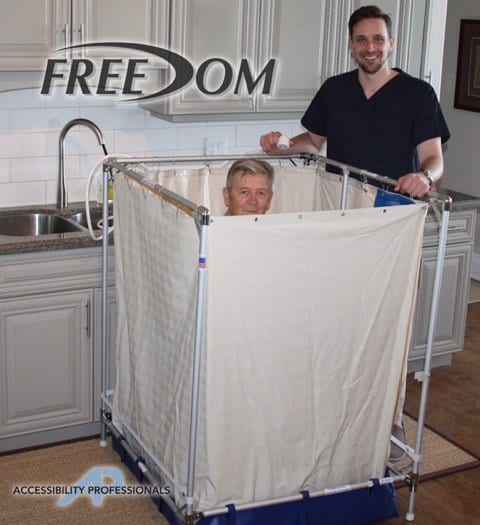
What is an Indoor Portable Shower and Why You Need One
An indoor portable shower represents a revolutionary solution for creating private bathing facilities in spaces where traditional plumbing isn’t available or practical. Whether you’re living in a studio apartment without adequate bathroom facilities, converting a basement into livable space, or preparing for emergency situations, these self-contained units offer flexibility and convenience that permanent installations simply cannot match.
The modern indoor portable shower has evolved significantly from its camping-focused predecessors. Today’s models feature sophisticated water heating systems, pressure-boosting pumps, and privacy enclosures that rival traditional bathroom setups. These units have become increasingly popular among urban dwellers, tiny home enthusiasts, caregivers, and anyone seeking bathing independence without major renovations.
Unlike outdoor camping showers, indoor portable showers are specifically designed for enclosed spaces. They typically include features like water containment systems, moisture-resistant materials, and compact footprints that make them suitable for apartments, basements, garages, or even spare rooms. The ability to install a functional shower without breaking through walls or running new plumbing lines saves thousands of dollars while providing immediate bathing solutions.
Types of Indoor Portable Shower Systems Available
Freestanding Portable Shower Stalls are complete enclosures that include walls, a door or curtain, and a catch basin for water drainage. These units range from simple pop-up tent designs to more sophisticated rigid-frame structures with built-in water tanks and heating elements. They’re ideal for basement conversions, temporary housing situations, or as caregiver shower solutions for individuals with mobility challenges.
Portable Shower Heads and Pump Systems offer a minimalist approach for those who already have a water source and drainage solution. These systems typically connect to a standard faucet or water container and provide pressurized spray through a handheld showerhead. They’re perfect for apartment dwellers who need supplemental shower capacity or travelers staying in accommodations with limited bathroom access.
Inflatable Indoor Shower Solutions combine portability with ease of storage. When deflated, these units pack down to suitcase size, but when inflated, they create a full-sized shower enclosure complete with overhead spray capability. While less durable than rigid models, inflatable indoor showers excel in temporary living situations or as emergency preparedness equipment.
Indoor Shower Tents with Drainage are lightweight fabric structures designed specifically for indoor use. Unlike camping shower tents, these models include waterproof flooring with integrated drainage systems that can connect to existing floor drains or collect water in portable tanks. They’re commonly used in gyms, healthcare facilities, and renovation scenarios where existing bathrooms are temporarily unavailable.
Key Features to Consider When Choosing an Indoor Portable Shower
Water Capacity and Heating Options
Water storage capacity dramatically affects your shower experience. Entry-level portable showers hold 5-10 gallons, providing approximately 5-7 minutes of continuous spray. Mid-range models feature 15-20 gallon tanks for 10-15 minute showers, while premium systems connect directly to water lines for unlimited duration. Consider your household size and peak usage times when evaluating capacity needs.
Heating methods vary significantly across models. Electric heating elements are most common in dedicated indoor units, heating water to desired temperatures in 15-30 minutes. Propane-powered heaters offer faster heating but require proper ventilation and safety precautions. Solar heating bags work well in spaces with natural light exposure, though they’re slower and less consistent. Direct hot water connections provide instant heated water but require proximity to existing plumbing.
Drainage Solutions and Water Management
Proper drainage prevents water damage and maintains indoor air quality. Gravity drain systems require nearby floor drains or exterior discharge points. Pump-assisted drainage uses electric pumps to move water uphill or over distances to appropriate discharge locations. Collection basin models gather used water in onboard tanks requiring manual emptying, suitable for situations without drainage access.
The best indoor portable shower units include overflow protection, leak detection, and waterproof sealing to protect surrounding areas. Look for models with reinforced floor pans, splash guards extending at least 12 inches up walls, and adjustable leveling feet to ensure proper drainage slope. Advanced systems incorporate greywater filtration allowing water reuse for plants or toilet flushing.
Pressure and Spray Quality
Water pressure significantly impacts comfort and cleaning effectiveness. Basic gravity-fed systems provide gentle rain-like spray adequate for rinsing but insufficient for thorough washing. Battery-operated pumps boost pressure to 20-30 PSI, comparable to low-pressure home showers. AC-powered pumps deliver 40-60 PSI matching standard residential water pressure. Direct-connection systems utilizing household water pressure provide the most powerful and consistent spray.
Spray pattern versatility enhances functionality. Quality indoor portable showers offer multiple settings including focused spray for hair washing, wide coverage for efficient rinsing, and pulsating massage modes. Adjustable height mounting brackets accommodate different user heights, while handheld wand options provide flexibility for seated bathing or cleaning the enclosure interior.
Top Benefits of Installing an Indoor Portable Shower
Cost Savings Compared to Traditional Bathroom Renovations
Installing permanent plumbing for a new shower typically costs $3,000 to $8,000 including materials, labor, permits, and potential wall repairs. In contrast, complete indoor portable shower systems range from $200 to $1,500 with no installation fees. This dramatic cost difference makes portable showers attractive for renters, temporary living situations, or homeowners on tight budgets.
Beyond initial installation savings, portable showers reduce long-term expenses. They consume less water per shower compared to standard fixtures, potentially saving $100-$300 annually on water bills. Energy-efficient heating elements minimize electricity costs. Most importantly, portable units require no permits, inspections, or professional plumbing services, eliminating bureaucratic expenses and delays.
Flexibility and Portability for Changing Needs
Life circumstances change unpredictably. An indoor portable shower adapts to evolving situations without sunk costs or permanent modifications. College students can use them in dorm rooms then relocate them to first apartments. Families caring for elderly relatives can set up temporary bathing facilities then dismantle them when no longer needed. Homeowners can move portable showers between properties or sell them to recoup investment.
Seasonal flexibility proves valuable for specific use cases. Summer cottages, hunting camps, and vacation properties benefit from portable shower installations during occupancy seasons with easy winterization. Basement fitness areas, home spas, or mudrooms can incorporate shower facilities only when actively used. This adaptability maximizes value while minimizing spatial commitment.
Emergency Preparedness and Backup Bathing Solutions
Natural disasters, plumbing failures, and extended renovations can leave households without functional bathrooms. A stored indoor portable shower provides immediate bathing capability during emergencies. Supplied by stored water or generator-powered systems, these units maintain hygiene and comfort when primary facilities fail. Emergency management experts recommend every household maintain backup sanitation capabilities.
Suggested read: The Ultimate Portable Hammock Chair: Transform Any Space Into Your Personal Oasis
During pandemics or disease outbreaks, portable showers enable quarantine protocols by providing dedicated bathing facilities for potentially infected individuals. Healthcare workers, first responders, or family members can use separate shower facilities to minimize contamination risks. This containment capability proved invaluable during recent public health crises and will remain relevant for future scenarios.
Installation and Setup Guide for Indoor Portable Showers
Preparing Your Space for a Portable Shower
Location selection determines success and longevity. Ideal spaces feature existing floor drains, proximity to water sources, adequate ventilation, and waterproof or water-resistant flooring. Basements with utility sinks, mudrooms with tile floors, or garages with concrete surfaces work excellently. Avoid carpeted areas, rooms with hardwood flooring, or spaces with poor air circulation.
Surface preparation prevents damage and ensures proper drainage. Clean and seal concrete floors to prevent moisture penetration. Apply waterproof membranes beneath portable shower units in rooms with wooden subfloors. Install ventilation fans to remove moisture and prevent mold growth. Ensure floor surfaces slope toward drains or collection areas at minimum 1/4 inch per foot.
Spatial requirements vary by model but generally require 32-36 inches square minimum for basic shower enclosures. Allow 6-12 inches clearance around units for entry, maintenance access, and air circulation. Ceiling height should accommodate both the shower unit height plus user stature, typically requiring 6.5-7 feet minimum vertical clearance.
Connecting Water Supply and Drainage
Water supply connection methods depend on unit design and spatial constraints. Bucket-fed systems simply require filling onboard tanks from any water source. Hose-connected models attach to utility sinks, washing machine hookups, or outdoor spigots using standard garden hose fittings. Direct-plumbed installations tap into existing cold and hot water lines using quick-connect fittings or flexible supply lines.
Drainage installation requires more careful planning. Gravity systems need downward slopes to existing drains, typically requiring 1-2 inch diameter flexible hoses. Pump-assisted drainage can lift water 10-15 feet vertically or 50-100 feet horizontally using submersible pumps and 3/4 inch tubing. Collection tank systems require no installation but need regular emptying, suitable for low-usage scenarios only.
Water pressure optimization ensures satisfying shower experiences. If connecting to low-pressure sources, install pressure-boosting pumps rated for potable water use. Filter incoming water to prevent shower head clogging, especially when using well water or tank-stored water. Install shut-off valves at supply connection points for maintenance and emergency closure.
Setting Up Privacy Enclosures and Safety Features
Privacy enclosure selection balances modesty needs against ventilation requirements. Opaque curtains or solid panels provide complete visual privacy but may trap moisture. Translucent materials allow ambient light while maintaining privacy. For shared spaces, opt for locking doors or magnetic closures preventing accidental intrusion. Position enclosures to shield shower users from direct view through windows or doorways.
Anti-slip safety measures prevent falls in wet conditions. Apply non-slip adhesive strips to shower floor surfaces. Choose models with textured standing surfaces or integrated anti-slip mats. Install grab bars rated for 500-pound loads at strategic locations for stability while entering, exiting, and bathing. Ensure adequate lighting with waterproof fixtures rated for wet locations.
Temperature control and burn prevention protect users from scalding. Install thermostatic mixing valves limiting maximum water temperature to 120°F. Use color-coded controls clearly indicating hot and cold adjustments. Place temperature warning labels visible to all users. For models with electric heating elements, incorporate automatic shut-off features preventing overheating and electrical hazards.
Maintenance and Care for Your Indoor Portable Shower
Regular Cleaning and Sanitization
Daily maintenance prevents buildup and extends equipment life. After each use, spray shower walls and floor with squeegee or towel-dry to minimize mineral deposits and mildew. Hang shower curtains or open doors for air circulation. Empty collection tanks within 24 hours to prevent odor development. Quick daily attention prevents larger maintenance issues.
Weekly deep cleaning removes soap scum, mineral buildup, and biological growth. Use pH-neutral cleaners designed for shower materials, avoiding harsh chemicals that damage seals or plastics. Scrub surfaces with soft brushes, paying special attention to corners, drain areas, and seal junctions. Rinse thoroughly with clean water and allow complete drying before next use.
Monthly sanitization eliminates bacteria and mold. Mix white vinegar with water in 1:1 ratio for natural disinfection, or use bathroom-specific sanitizers following manufacturer instructions. For water tanks and heating systems, flush with cleaning solution, allow 10-minute contact time, then rinse thoroughly. Check and clean inlet filters, replacing if damaged or excessively clogged.
Component Inspection and Replacement
Pump and heating element checks prevent unexpected failures. Test pump operation monthly by running through full cycle, listening for unusual noises indicating bearing wear or blockages. Inspect heating elements for corrosion, lime buildup, or loose connections. Verify temperature controls function accurately using thermometer readings. Replace pumps showing performance degradation before complete failure.
Seal and gasket maintenance prevents leaks and water damage. Examine door seals, wall connections, and floor pan edges quarterly for cracks, gaps, or deterioration. Apply silicone-based lubricants to compression seals maintaining flexibility. Replace hardened or torn gaskets immediately. Check drain connections for proper sealing and tightness.
Structural integrity assessments identify issues before they become serious. Inspect frame members for corrosion, cracks, or deformation. Verify stability of freestanding units, tightening loose fasteners or adjusting leveling feet. Check fabric enclosures for tears, worn areas, or weakened seams. Address minor damage promptly to prevent escalation requiring complete component replacement.
Storage and Winterization Procedures
Off-season storage protects equipment during extended non-use periods. Completely drain all water from tanks, lines, and pump housings to prevent freeze damage and stagnant water issues. Disassemble collapsible components for compact storage in dry locations. Clean and sanitize all surfaces before storage to prevent mold growth during dormancy. Cover stored units with breathable fabric protecting against dust while allowing moisture evaporation.
Winterization for cold climates requires special attention. In unheated spaces, add RV antifreeze to water systems following manufacturer recommendations. Remove and store pumps and heating elements separately in temperature-controlled environments. Leave drain valves open preventing residual water accumulation. For units remaining assembled, seal openings against pest intrusion while maintaining ventilation to prevent condensation.
Suggested read: Best Deck Portable Options to Buy in 2026: Transform Any Space Instantly
Reactivation procedures ensure safe return to service. Inspect all components for storage-related damage before reassembly. Flush systems thoroughly with clean water removing storage residue or antifreeze. Test all mechanical and electrical functions before first use. Perform initial shower with system only, without users, to verify proper operation and identify any issues requiring attention.
Comparing Indoor Portable Showers vs Traditional Shower Installations
| Feature | Indoor Portable Shower | Traditional Fixed Shower |
|---|---|---|
| Initial Cost | $200-$1,500 | $3,000-$8,000+ |
| Installation Time | 1-4 hours | 1-3 weeks |
| Professional Labor Required | None | Yes ($1,500-$3,000) |
| Permits Needed | None | Usually required |
| Portability | Fully portable | Permanent fixture |
| Water Pressure | 20-60 PSI | 40-80 PSI |
| Water Temperature Control | Varies by model | Precise thermostatic |
| Resale Value | Equipment value only | Increases property value |
| Maintenance Complexity | DIY-friendly | May require professionals |
| Ideal Use Cases | Temporary, rental, emergency | Permanent residence |
Special Use Cases for Indoor Portable Showers
Basement Conversions and In-Law Suites
Converting basements into living spaces often requires bathing facilities without major plumbing expenses. An indoor portable shower transforms unfinished areas into functional accommodations. For in-law suites or teenage retreats, portable showers provide privacy and independence without $5,000+ bathroom addition costs. Many municipalities allow portable fixtures in non-permitted conversions, though local codes vary.
Strategic placement near utility sinks or laundry areas simplifies water connections. Basement floor drains accommodate gravity drainage, while sump pumps can assist in drainage-deficient areas. Improved ventilation through dehumidifiers or exhaust fans prevents moisture issues common in below-grade installations. These basement shower solutions particularly benefit multi-generational households requiring separate bathing facilities.
Home Gyms and Mudrooms
Post-workout cleanliness matters for hygiene and odor control. Installing a portable indoor shower in home gym spaces enables immediate rinsing without tracking sweat through living areas. Athletes appreciate convenient shower access for cooling down and preventing equipment contamination. Compact designs fit corner installations or closet conversions in existing gym rooms.
Mudrooms benefit from portable shower installations for cleaning after outdoor activities. Gardeners, pet owners, and parents with active children use quick rinse facilities before entering main living spaces. The ability to wash muddy dogs, rinse garden vegetables, or clean sporting equipment makes these versatile installations valuable beyond personal bathing. Similar to kohler portable generators that provide power flexibility, portable showers deliver bathing flexibility wherever needed.
Healthcare and Mobility-Challenged Applications
Caregivers serving individuals with mobility limitations find indoor portable showers invaluable for safe bathing assistance. Models with built-in seating, grab bars, and handheld spray wands accommodate wheelchair users and those with stability concerns. The ability to position showers in bedrooms or nearby spaces reduces transfer distances and fall risks associated with traditional bathroom navigation.
Temporary medical situations following surgeries or injuries often require modified bathing arrangements. Portable showers set up in ground-floor rooms eliminate dangerous stair climbing while healing. Once recovery completes, units relocate or store away, avoiding permanent home modifications. Healthcare professionals increasingly recommend portable shower solutions for aging-in-place strategies and post-hospitalization transitions.
Rental Properties and Temporary Housing
Property managers utilize indoor portable showers in various scenarios including between-tenant renovations, additional occupant accommodations, or creating rental value in warehouse conversions. The ability to add bathing facilities without permanent plumbing commitments protects against investment risks while meeting tenant needs. Units remain owner property, relocating between properties as situations demand.
Temporary housing during home renovations, insurance claims, or relocations presents bathing challenges. Portable showers in garages, basements, or spare rooms maintain quality of life during disruption. College students, seasonal workers, and traveling professionals appreciate apartment-friendly solutions requiring no landlord permissions. The renter-friendly nature eliminates lease violations while ensuring personal hygiene standards.
Selecting the Right Indoor Portable Shower for Your Needs
Budget Considerations and Price Ranges
Economy options ($200-$400) include basic camping-style showers with simple pump systems and minimal enclosures. These work adequately for emergency preparedness or occasional supplemental bathing but lack comfort features. Expect plastic construction, manual water heating requirements, and limited durability for daily use. Best suited for backup purposes or very temporary applications.
Mid-range selections ($400-$800) offer substantial quality improvements including electric heating, better pressure systems, and more durable enclosures. These units handle regular daily use by 1-2 people with reasonable longevity. Features typically include temperature controls, multiple spray patterns, and improved water capacity. Represents the sweet spot for most residential applications balancing cost and functionality.
Premium models ($800-$1,500+) provide near-traditional shower experiences with powerful pumps, precise temperature control, sophisticated enclosures, and commercial-grade components. These systems accommodate families, withstand heavy use, and include luxuries like rainfall showerheads, body sprayers, or steam capabilities. Investment makes sense for permanent installations, frequent users, or those prioritizing shower quality.
Space Requirements and Footprint Analysis
Measure installation areas precisely before purchasing. Compact models occupy 30×30 inch footprints suitable for tight spaces like small basements or apartment corners. Standard units require 36×36 to 40×40 inches providing comfortable movement room. Luxury systems may need 48×48 inches or larger for spacious enclosures with seating.
Consider vertical clearance requirements. Most portable indoor showers need 72-78 inches minimum height clearance for typical installations. Adjustable-height models accommodate varied ceiling heights. Account for door swing radius, curtain extension space, and maintenance access zones when planning placement. Create dimensional drawings ensuring proper fit before purchasing and delivery.
Brand Reliability and Warranty Coverage
Research manufacturer reputations through customer reviews, industry ratings, and longevity records. Established brands typically offer better customer support, replacement parts availability, and design refinement compared to generic alternatives. Warranty coverage varies from 30-day satisfaction guarantees to 5-year comprehensive protection. Longer warranties indicate manufacturer confidence in product durability.
Key warranty considerations include coverage for pumps, heating elements, structural frames, and water tanks – the most failure-prone components. Understand exclusions for improper installation, lack of maintenance, or unauthorized modifications. Register products immediately after purchase ensuring warranty activation. Keep purchase documentation accessible for potential future claims or parts ordering.
Real User Experiences with Indoor Portable Showers
Case Study: Urban Apartment Dweller
Sarah, a San Francisco resident, converted her studio apartment storage closet into a shower space using a portable indoor shower system. Her building’s single shared bathroom created morning conflicts with three other tenants. For $600, she installed a self-contained unit connecting to her kitchenette water supply with pump-assisted drainage to the communal bathroom 20 feet away.
“The installation took three hours and completely changed my living situation,” Sarah reports. “I now have private shower access anytime without waiting for bathroom availability. My landlord approved it since there’s no permanent modification. When I move next year, the entire system comes with me.” Her setup demonstrates urban portable shower viability in space-constrained environments.
Case Study: Basement Home Gym Installation
Mark transformed his unfinished basement into a comprehensive fitness center including weights, cardio equipment, and a portable shower system. Rather than spending $8,000 installing permanent plumbing, he invested $900 in a quality portable unit with electric heating and a privacy enclosure. The system connects to his utility sink and drains to the basement floor drain.
Suggested read: Best Portable Bathroom With Shower Options for Any Outdoor Adventure
“Post-workout showers were the missing piece,” Mark explains. “Now I can exercise and clean up without going upstairs, which was particularly important during pandemic lockdowns. The shower performs identically to my main bathroom but cost one-tenth the price. Installation required no permits, no contractors, and no disruption to our living space.”
Case Study: Elderly Parent Care Solution
The Johnson family needed bathing solutions for their aging mother who could no longer safely navigate stairs to second-floor bathrooms. They installed an indoor portable shower in a first-floor bedroom, creating a complete suite without expensive bathroom additions. The $1,200 system includes a built-in seat, grab bars, and handheld spray wand.
“This preserved mom’s dignity and independence,” states Jennifer Johnson. “She can bathe privately and safely without assistance for basic showering. The temperature control prevents scalding risks, and the anti-slip floor gives us peace of mind. When circumstances change, we can relocate or remove the unit without permanent home alterations affecting resale value.”
Troubleshooting Common Indoor Portable Shower Issues
Low Water Pressure Problems
Insufficient pressure ranks among the most common complaints. First, verify your water source provides adequate flow – municipal connections typically offer 40-60 PSI while tank-fed systems depend on pump performance. Clean inlet filters removing debris restricting flow. Inspect supply lines for kinks, crimps, or blockages reducing pressure. Consider upgrading to more powerful pumps rated for higher PSI output.
If using heated water, limescale buildup inside heating elements can restrict flow. Descale heating chambers using white vinegar soaks or commercial descaling solutions. Mineral deposits also accumulate in showerhead nozzles – remove and soak in vinegar overnight to restore spray patterns. For gravity-fed systems, elevate water containers increasing vertical drop pressure naturally.
Temperature Inconsistencies
Fluctuating water temperature creates uncomfortable shower experiences. For systems with electric heating, verify element functionality using multimeter testing. Thermostats may require recalibration or replacement if readings deviate from actual temperatures. Ensure adequate power supply – low voltage reduces heating efficiency causing temperature drops during use.
Tank-based systems lose temperature during prolonged showers. Pre-heat water to slightly higher temperatures accounting for cooling during use. Insulate water tanks and supply lines reducing heat loss. For instantaneous heaters, adjust flow rate – lower flow allows more heating time producing hotter water. Consider upgrading to higher-wattage heating elements if consistently inadequate.
Drainage and Leak Issues
Slow drainage indicates blockages or inadequate slope. Remove and clean drain assemblies eliminating hair, soap scum, or debris accumulation. Verify drainage paths slope continuously toward disposal points – low spots trap water causing standing pools. For pump-assisted systems, check pump operation and clear any blockages in discharge lines.
Water leaks compromise installation integrity and cause damage. Systematically inspect seal junctions, hose connections, and enclosure seams identifying leak sources. Tighten loose fittings using appropriate tools without over-tightening causing thread damage. Replace deteriorated gaskets or seals with manufacturer-specified parts. Apply silicone caulk to seal gaps in enclosure joints ensuring waterproof integrity.
Essential Accessories for Indoor Portable Shower Systems
Water Filtration and Quality Enhancement
Inline filters remove sediment, chlorine, and contaminants improving water quality and protecting equipment. Install filters at source connections preventing particles from entering shower systems. Carbon filters eliminate chlorine improving skin and hair condition while extending pump and heating element life. Replace filter cartridges according to manufacturer schedules maintaining effectiveness.
Water softeners benefit areas with hard water by removing calcium and magnesium preventing scale buildup. Portable softening systems cost $100-$300 and connect inline with shower supply lines. Benefits include easier cleaning, reduced soap requirements, and extended equipment longevity. For temporary installations, single-use softening packets offer convenient solutions without permanent installations.
Comfort and Convenience Enhancements
Shower caddies and storage solutions organize toiletries within compact enclosures. Choose rust-resistant materials like stainless steel or plastic suitable for wet environments. Corner shelves maximize storage while minimizing space consumption. Hanging organizers with multiple pockets accommodate various products without permanent installations.
Anti-fog mirrors enhance functionality for grooming tasks. Battery-powered heated mirrors prevent condensation maintaining visibility. Suction-mount options relocate easily and install without drilling. Lighting improvements through waterproof LED strips or rechargeable shower lights improve visibility especially in basement or windowless installations.
Safety and Accessibility Additions
Non-slip mats provide additional traction beyond built-in surface textures. Choose mats with suction cups securing to shower floors preventing shifting during use. Textured surfaces and drainage holes prevent water pooling while maintaining grip. Replace mats annually as suction strength degrades over time.
Grab bar installations offer stability for users with balance concerns. Suction-mounted grab bars provide temporary solutions in rental situations while permanent installations require backing for secure mounting. Position bars strategically for entry assistance, standing stability, and exit support. Ensure all grab bars support minimum 500-pound loads meeting ADA standards.
Environmental Considerations and Water Conservation
Water Usage Comparison and Efficiency
Traditional showers consume 2.5 gallons per minute (GPM) while water-efficient models use 2.0 GPM. Many portable indoor showers operate at 1.5 GPM or less due to limited tank capacities and smaller pumps. This reduced flow rate translates to 30-40% water savings per shower. A family of four saves approximately 7,000-10,000 gallons annually switching to low-flow portable systems.
Tank-limited systems inherently encourage shorter showers. Users become conscious of remaining water, naturally reducing shower times from average 8-10 minutes to 5-7 minutes. This behavioral modification compounds water savings beyond flow rate reductions alone. For environmental sustainability, portable showers represent significantly greener alternatives to conventional fixtures.
Greywater Recycling Opportunities
Shower water reuse diverts greywater from sewers for beneficial purposes. Captured shower water can irrigate lawns, gardens, or ornamental plants after simple filtration. Typical household generates 15-25 gallons of shower greywater daily suitable for irrigation. Use biodegradable, plant-safe soaps enabling safe water reuse without harming vegetation.
Suggested read: How to Rent Portable A/C Units: Smart Cooling Solutions for Any Space
Collection systems range from simple basin placement under drainage points to automated pumping into storage tanks. Basic setups cost $50-$200 while sophisticated systems with filtration and distribution exceed $500. Municipal codes vary regarding greywater use – research local regulations before implementing reuse systems. Properly managed greywater reduces freshwater consumption and wastewater generation.
Energy Efficiency and Sustainable Heating
On-demand heating eliminates standby energy losses from traditional water heaters maintaining large tank temperatures continuously. Electric heating elements in portable showers only consume power during active heating cycles. This reduces energy usage by 20-30% compared to conventional water heating systems. For environmentally-conscious users, solar heating options eliminate electricity consumption entirely.
Insulation improvements maximize heating efficiency. Wrap water storage tanks with insulating blankets reducing heat loss during storage. Insulate supply lines between heating sources and spray points maintaining temperature. Cover exposed tank surfaces with reflective insulation in cold environments. These simple modifications reduce heating energy requirements by 10-15% with minimal investment.
Frequently Asked Questions About Indoor Portable Showers
How much does an indoor portable shower cost?
Indoor portable shower costs range from $200 to $1,500 depending on features and quality. Basic models with simple pumps and minimal enclosures start around $200-$400. Mid-range units with electric heating and better materials cost $400-$800. Premium systems with powerful pumps, sophisticated temperature control, and luxury features reach $800-$1,500. Professional installation adds $200-$500 if required, though most units install as DIY projects.
Can I install an indoor portable shower in an apartment?
Yes, most apartments accommodate indoor portable shower installations without permanent modifications. Units connect to existing faucets or utility sinks for water supply. Drainage typically uses pump systems discharging to tubs, sinks, or toilets. Always review lease agreements regarding temporary installations and obtain landlord approval when uncertain. Most portable systems qualify as removable personal property rather than permanent fixtures avoiding lease violations.
How long does it take to set up a portable shower indoors?
Setup time varies by system complexity but typically requires 1-4 hours for complete installation. Simple bucket-fed models with pop-up enclosures assemble in 30-60 minutes. Mid-range units with plumbed connections and electric heating need 2-3 hours. Complex installations with pump-assisted drainage or custom enclosure configurations may require 4-6 hours. Most users complete DIY installations without professional assistance following included instructions.
Do indoor portable showers require special permits?
Generally, portable indoor showers require no permits since they don’t involve permanent plumbing modifications. However, regulations vary by municipality and installation scope. Temporary, freestanding units classified as personal property typically exempt from permitting. Direct connections to permanent plumbing may trigger permit requirements in some jurisdictions. Always verify local building codes before installation, especially for rental properties or permanent installations.
What water pressure do indoor portable showers provide?
Water pressure varies significantly by system type. Gravity-fed models provide minimal pressure (5-10 PSI) suitable for gentle rinsing. Battery-powered pumps boost pressure to 20-30 PSI offering adequate cleaning capability. AC-powered pumps deliver 40-60 PSI matching typical residential showers. Direct-connection systems utilize household water pressure (40-80 PSI) providing the strongest spray. Higher pressure correlates with better cleaning efficiency and user satisfaction.
How do you drain an indoor portable shower?
Drainage methods include gravity systems requiring nearby floor drains, pump-assisted systems moving water to distant disposal points, and collection basins requiring manual emptying. Gravity drainage uses flexible hoses connecting shower floor drains to existing plumbing fixtures. Electric pumps lift water vertically or horizontally when gravity drainage isn’t feasible. Collection tanks suit low-usage scenarios but need regular emptying preventing odor and overflow.
Are indoor portable showers safe for daily use?
Quality indoor portable showers designed for residential use safely accommodate daily showering. Key safety features include GFCI-protected electrical connections, anti-scald temperature controls, non-slip flooring, and waterproof construction preventing shock hazards. Regular maintenance including cleaning, inspection, and component replacement ensures ongoing safe operation. Choose models certified by recognized safety organizations meeting electrical and plumbing safety standards.
Can indoor portable showers be used in cold climates?
Yes, but cold climate installations require additional considerations. Electric heating systems must provide sufficient heat capacity for cold inlet water temperatures. Insulate water storage tanks and supply lines preventing heat loss. In unheated spaces, winterize systems by draining water and adding antifreeze to prevent freeze damage. Portable units installed in temperature-controlled spaces operate normally year-round without special accommodations.
What’s the difference between indoor and outdoor portable showers?
Indoor portable showers feature enclosed designs preventing water escape, sophisticated drainage systems protecting floors, and quieter operation suitable for residential spaces. Outdoor camping showers prioritize portability over enclosure quality, lack comprehensive drainage solutions, and operate at lower pressures. Indoor models include enhanced privacy features, electric heating options, and materials designed for enclosed space use. Outdoor showers work indoors but lack features optimizing indoor performance.
How long does the water supply last in a portable shower?
Water duration depends on tank capacity and flow rate. A 5-gallon tank at 1.5 GPM provides approximately 3-4 minutes of continuous spray. 10-gallon capacity offers 6-7 minutes. 20-gallon tanks support 12-15 minute showers. Direct-connection systems offer unlimited duration since they utilize continuous water supply rather than stored reserves. Most users reduce shower times when using tank-based systems, naturally conserving water.
Take Action: Find Your Perfect Indoor Portable Shower Today
Selecting the right indoor portable shower transforms your living space by adding flexible bathing capability without expensive renovations. Whether you need emergency preparedness equipment, temporary housing solutions, or permanent supplemental bathing facilities, portable shower technology has advanced to meet diverse requirements. Start by assessing your specific needs including water access, drainage options, space availability, and budget constraints.
Research models meeting your criteria through manufacturer websites, consumer reviews, and comparison resources. Consider visiting showrooms or home improvement stores examining units firsthand before purchasing. Many retailers offer satisfaction guarantees allowing returns if products don’t meet expectations. Don’t hesitate to contact manufacturers with technical questions ensuring compatibility with your situation.
Ready to upgrade your bathing flexibility? Explore quality indoor portable shower options today and discover how these innovative systems provide comfort, convenience, and independence wherever you need them. Modern portable shower technology delivers reliability and performance rivaling traditional installations at fraction of the cost and commitment. Make the smart choice for your home, health, and budget with a carefully selected indoor portable shower system.
Sources and Further Reading:
- “Portable Shower Systems: A Comprehensive Guide” – Home Renovation Magazine, 2024
- “Water Conservation Through Efficient Fixtures” – Environmental Protection Agency, 2024
- “Aging-in-Place Bathroom Solutions” – Journal of Healthcare Design, 2024
- “Emergency Preparedness: Essential Home Systems” – Federal Emergency Management Agency, 2025
Article last updated: February 2026 | Indoor portable shower solutions reviewed and researched from leading manufacturers and user feedback.