What Is a Portable A/C Rental and Why Consider It?
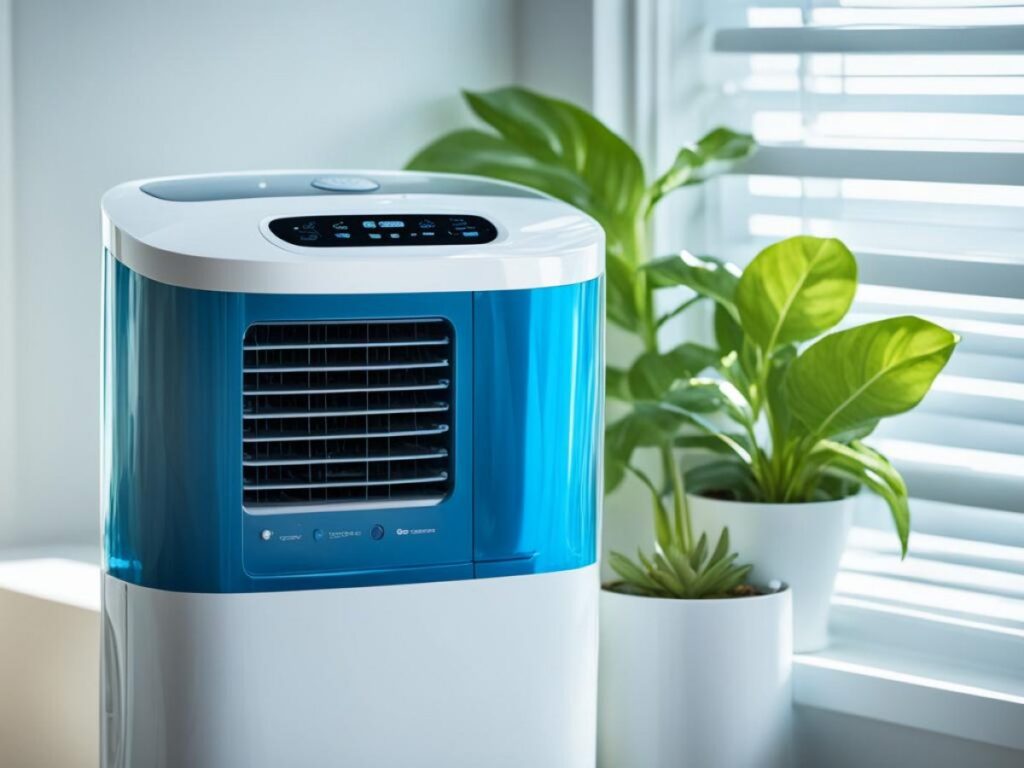
When you rent portable a/c equipment, you gain access to temporary cooling solutions without the commitment of purchasing expensive climate control systems. Portable air conditioner rentals provide immediate relief from heat while offering flexibility that permanent installations simply cannot match. These self-contained cooling units can be moved from room to room, require minimal installation, and deliver powerful cooling performance when you need it most.
The portable air conditioning rental market has grown significantly, with industry data showing a 23% increase in demand over the past three years. This surge reflects changing work patterns, climate concerns, and the practical benefits of rental solutions. Unlike traditional HVAC systems that can cost $5,000-$12,000 to install, portable AC rentals offer a cost-effective alternative for short-term needs, emergency situations, or temporary spaces.
Portable rental units come in various capacities, typically ranging from 8,000 BTU to 24,000 BTU, suitable for spaces between 150 and 1,000 square feet. The rental model allows businesses and homeowners to scale their cooling needs seasonally without capital expenditure. Whether you’re hosting an outdoor event, managing construction projects, or dealing with a broken central AC system, portable air conditioner rentals provide immediate solutions.
Understanding BTU Requirements When You Rent Portable A/C Units
British Thermal Units (BTU) measure the cooling capacity of air conditioning systems, and understanding this metric is essential when selecting a rental unit. One BTU represents the amount of energy required to cool one pound of water by one degree Fahrenheit. For portable air conditioners, BTU ratings indicate how much heat the unit can remove from a space per hour.
Calculating the correct BTU requirement prevents under-cooling or wasting energy on oversized units. The basic formula starts with room square footage: multiply room length by width, then multiply by 20 BTU per square foot for standard ceiling heights. However, several factors increase BTU requirements, including ceiling height above 8 feet, sun exposure, number of occupants, and heat-generating equipment in the space.
Here’s a practical BTU sizing guide for common spaces:
| Room Size (Sq Ft) | Minimum BTU | Recommended BTU | Maximum Occupancy |
|---|---|---|---|
| 150-250 | 7,000 | 8,000-9,000 | 2 people |
| 250-350 | 9,000 | 10,000-11,000 | 2-3 people |
| 350-450 | 10,000 | 12,000 | 3-4 people |
| 450-550 | 12,000 | 14,000 | 4-5 people |
| 550-700 | 14,000 | 16,000-18,000 | 5-7 people |
| 700-1,000 | 18,000 | 20,000-24,000 | 8+ people |
Professional rental companies assess your specific needs, considering variables like insulation quality, window size, and climate zone. For commercial applications or industrial settings, larger units exceeding 24,000 BTU may be necessary, with some industrial portable systems reaching 60,000 BTU capacity.
How Much Does It Cost to Rent Portable A/C Equipment?
Rental pricing for portable air conditioning units varies based on capacity, rental duration, and seasonal demand. Understanding the cost structure helps budget-conscious consumers make informed decisions. Most rental companies offer daily, weekly, and monthly rates, with significant discounts for longer rental periods. The flexibility of rental pricing makes it attractive compared to purchasing units outright, which can range from $300 to $1,500 per unit.
Daily rental rates typically range from $35 to $75 for residential-grade units (8,000-12,000 BTU), while commercial units (14,000-24,000 BTU) cost between $75 and $150 per day. Weekly rentals offer better value, usually priced at 4-5 times the daily rate rather than 7 times, representing savings of 30-40%. Monthly rentals provide the best per-day value, often costing only 2-3 times the weekly rate.
According to Home Depot’s rental services, a 14,000 BTU portable air conditioner rents for approximately $52 per day, $260 per week, or $780 per month. These prices typically include the unit, basic accessories like exhaust hoses and window kits, and standard delivery within a certain radius. Additional costs may include extended delivery fees, damage waivers, and electricity consumption during use.
Peak season pricing affects rental costs significantly. Summer months (June through August) see prices increase by 25-40% due to high demand. Savvy renters book equipment in advance during spring months to secure better rates. Some rental companies offer package deals for multiple units or extended rentals, reducing per-unit costs by 15-20%.
Hidden Costs and Additional Fees to Consider
- Delivery and pickup charges: $50-$150 depending on distance
- Damage waiver insurance: 10-15% of rental cost
- Extended rental penalties: 150-200% of daily rate if returned late
- Electricity costs: Portable units consume 900-1,500 watts per hour
- Window kit customization: $25-$75 for non-standard windows
Smart rental planning includes calculating total cost of ownership. For rentals exceeding 3-4 months, purchasing may become more economical. However, rentals eliminate maintenance costs, storage concerns, and depreciation that comes with ownership.
Types of Spaces Perfect for Portable Air Conditioner Rentals
The versatility of portable AC rentals makes them ideal for diverse environments. Residential applications represent the largest segment of the rental market, accounting for approximately 45% of all portable air conditioner rentals. Homeowners rent units during HVAC system breakdowns, home renovations, or for supplemental cooling in problematic rooms that existing systems struggle to cool effectively.
Construction sites and industrial facilities rely heavily on portable cooling solutions. Workers performing physically demanding tasks in enclosed or poorly ventilated spaces face heat-related health risks. OSHA guidelines recommend maintaining work environments below 85°F when possible, making portable AC rentals essential for worker safety and productivity. Construction projects requiring climate-controlled curing conditions for materials like epoxy, paint, or concrete also depend on rental units.
Event spaces and outdoor venues constitute another major use case. Wedding tents, corporate gatherings, festival vendor areas, and temporary structures often lack permanent cooling infrastructure. Event planners regularly rent portable a/c units, with a typical 40×60 foot tent requiring 3-4 units of 18,000 BTU capacity to maintain comfortable temperatures for 100-150 guests. Sports tournaments, outdoor markets, and community festivals represent peak rental periods.
Commercial applications include retail pop-up shops, server rooms, data centers experiencing cooling failures, medical facilities during equipment maintenance, and food service establishments ensuring proper food storage temperatures. Server room cooling is particularly critical, as equipment overheating can cause data loss and system failures costing thousands per hour of downtime.
Specialized applications include film and photography studios where heat from lighting equipment makes spaces unbearable, warehouses storing temperature-sensitive inventory, gyms and fitness studios, and pet boarding facilities. Some unique applications involve cooling for chocolate shops, wine cellars, and art galleries where temperature control preserves valuable inventory.
Surprisingly, many customers also explore other portable solutions beyond cooling, such as indoor portable shower systems for construction sites or temporary facilities, demonstrating the broader market for flexible, movable equipment.
Step-by-Step Process to Rent Portable A/C Systems
Step 1: Assess Your Cooling Needs Begin by measuring the space requiring cooling, noting square footage, ceiling height, and number of windows. Consider heat sources like computers, kitchen equipment, or occupant density. Calculate BTU requirements using the sizing guide provided earlier, and add 10-20% buffer capacity for optimal performance during peak heat conditions.
Step 2: Research Rental Companies Identify reputable rental providers in your area through online searches, reviews, and recommendations. National chains like Sunbelt Rentals, United Rentals, and Home Depot offer standardized service and widespread availability. Local HVAC rental companies may provide personalized service and competitive pricing. Compare rental rates, delivery fees, minimum rental periods, and equipment selection across multiple providers.
Step 3: Request Quotes and Compare Options Contact 3-5 rental companies with your specifications. Request detailed quotes including unit specifications, rental rates, delivery/pickup costs, insurance options, and any additional fees. Ask about equipment age and condition, maintenance schedules, and what’s included with the rental. Verify the company’s cancellation policy and flexibility for rental period adjustments.
Step 4: Reserve Equipment in Advance Book your rental at least 1-2 weeks ahead during moderate weather, or 3-4 weeks during peak summer months. Provide accurate delivery information, access details, and any special requirements like lift gate delivery or specific delivery windows. Confirm reservation details in writing, including exact dates, equipment specifications, and total costs.
Step 5: Prepare the Installation Space Before delivery, ensure clear access to the installation area and proximity to electrical outlets. Standard portable units require 115V/15A outlets, while larger commercial units need 230V/20A circuits. Identify window or door access for exhaust hose installation. Clear the area of obstacles and verify adequate clearance around the unit for airflow (typically 20 inches on exhaust side, 12 inches on other sides).
Step 6: Accept Delivery and Inspect Equipment Upon delivery, inspect the unit for visible damage, test all functions, and verify included accessories (exhaust hose, window kit, remote control, drainage accessories). Request a demonstration of operation, drainage procedures, and troubleshooting. Document unit condition with photos and ensure the delivery receipt notes any pre-existing damage.
Step 7: Install and Operate Position the unit near the window or door designated for exhaust. Attach the exhaust hose securely to the unit and install the window kit according to manufacturer instructions. Ensure airtight seals to prevent warm air infiltration. Power on the unit and set desired temperature, allowing 30-60 minutes for the space to reach target temperature. Monitor condensate drainage, emptying the reservoir as needed or connecting to continuous drainage if available.
Step 8: Maintain During Rental Period Clean or replace air filters weekly for optimal performance, following manufacturer guidelines. Monitor electricity consumption and adjust settings to balance comfort with energy efficiency. Keep exhaust hoses straight and unkinked, checking seals regularly. Address any performance issues immediately by contacting the rental company rather than attempting repairs.
Step 9: Schedule Return and Clean Unit Coordinate pickup at least 24-48 hours in advance. Clean the unit’s exterior and remove any debris from filters. Disconnect exhaust hoses and gather all accessories. Ensure the unit is drained of condensate to prevent spills during transport. Complete any required rental company checkout forms and return procedures.
Advantages of Choosing to Rent Portable A/C Over Buying
Financial flexibility stands as the primary advantage of rental options. The average portable air conditioner purchase costs $400-$700 for residential units, with commercial-grade models exceeding $1,200. For short-term needs lasting 1-3 months, rental costs typically range from $780-$2,340 (at $260/week), representing 65-90% of purchase price while eliminating long-term ownership costs.
Rental agreements include maintenance coverage, equipment replacement for malfunctions, and professional technical support. When you rent portable a/c units, the provider handles repairs, filter replacements, and troubleshooting at no additional cost during the rental period. This service value represents significant savings compared to ownership, where repair costs average $150-$400 per service call plus parts.
Storage challenges disappear with rental solutions. Portable units typically measure 28-32 inches tall, 15-19 inches wide, and weigh 60-80 pounds, requiring substantial storage space during off-season months. Rental customers avoid dedicating valuable storage space and eliminate concerns about unit preservation, pest infiltration, or moisture damage during storage periods.
Technology upgrades happen automatically with rentals. The HVAC industry continuously improves efficiency standards, with modern units offering 30-40% better energy efficiency than models from 5 years ago. Rental fleets maintain newer equipment, ensuring customers access current technology without constant reinvestment. Energy Star certified rental units reduce electricity costs by $50-$100 monthly compared to older purchased models.
Scalability represents another compelling advantage. Events, construction projects, or seasonal businesses can rent multiple units during peak periods and reduce capacity during slower times. A construction company might rent 10 units for summer projects and zero units during winter, maintaining flexibility impossible with owned equipment.
Tax benefits favor rentals for business applications. Rental expenses are fully deductible as operational expenses in the year incurred, while purchased equipment requires depreciation over 5-7 years. This immediate tax benefit improves cash flow and simplifies accounting for businesses using temporary cooling solutions.
Environmental considerations support rental models through maximized equipment utilization. Rental companies maintain high usage rates across their fleet, whereas personally owned units often sit idle for 8-9 months annually. Shared rental models reduce manufacturing demand and resource consumption compared to individual ownership models.
Common Mistakes to Avoid When Renting Portable Cooling Units
Undersizing equipment ranks as the most frequent and costly mistake renters make. Selecting units with insufficient BTU capacity results in continuous operation without achieving desired temperatures, excessive electricity consumption, and equipment strain shortening operational life. A unit running at 100% capacity constantly uses more energy per BTU delivered than a properly sized unit cycling on and off. Always size 10-20% above calculated requirements to ensure adequate cooling during peak conditions.
Neglecting electrical requirements causes dangerous situations and potential fire hazards. Each portable AC unit specifies amperage requirements, with larger models drawing 12-15 amps continuously. Running multiple high-draw appliances on the same circuit overloads breakers or worse, causes electrical fires. Verify dedicated circuits for commercial-grade units and avoid using extension cords, which increase resistance and heat buildup.
Improper exhaust installation dramatically reduces cooling efficiency. Exhaust hoses must be as straight and short as possible, ideally 4-5 feet or less, to minimize hot air retention. Kinked, bent, or excessively long hoses reduce airflow by 30-50%, forcing compressors to work harder with diminished results. Window kit gaps allowing outdoor air infiltration negate cooling efforts, with even 1-inch gaps reducing efficiency by 15-20%.
Ignoring condensate management leads to water damage and unit shutdowns. Portable air conditioners generate 1-2 gallons of condensate daily depending on humidity levels. Most units include automatic shutoff when drain reservoirs fill, preventing operation until emptied. Failing to establish drainage routines causes cooling interruptions, while condensate spills damage flooring and create slip hazards.
Rental period miscalculations result in unnecessary costs or insufficient coverage. Underestimating needs leads to extension penalties at premium daily rates, while overestimating means paying for unused rental time. Heat waves typically last 5-7 days, HVAC repairs average 7-10 days, and construction projects should add 20% buffer time to estimated duration.
Failure to read rental agreements carefully creates unexpected financial obligations. Damage waivers, return policies, extension procedures, and liability clauses vary significantly between providers. Some companies charge 150% of daily rates for late returns, while others offer grace periods. Understanding cleaning requirements, acceptable wear and tear definitions, and documentation procedures protects against disputes.
Neglecting filter maintenance throughout the rental period severely impacts performance. Dirty filters restrict airflow, reducing cooling capacity by 25-40% and increasing energy consumption proportionally. Most manufacturers recommend weekly cleaning or replacement, especially in dusty environments. This 5-minute task prevents performance degradation and ensures optimal operation.
Operating units in unsuitable environments voids warranties and creates hazards. Portable AC units require minimum clearances for airflow, typically 20 inches on exhaust side and 12 inches on intake sides. Blocking vents with curtains, furniture, or storage items causes overheating and compressor failure. Operating units in areas exceeding 95°F ambient temperature or below 60°F can damage components designed for specific temperature ranges.
Seasonal Considerations and Peak Rental Times
Summer months (June through August) represent peak rental periods across most regions, with demand increasing 300-400% compared to spring months. This surge creates equipment shortages, forcing customers to accept suboptimal unit sizes or face inflated pricing. Smart renters book summer equipment in April or May, securing preferred models at off-season rates averaging 25-30% below peak pricing.
Regional variations affect rental patterns significantly. Southern states like Texas, Arizona, and Florida experience extended rental seasons from April through October, while northern states concentrate demand into shorter 10-12 week periods. Coastal areas with high humidity levels see steady rental demand for dehumidification beyond cooling purposes, creating year-round rental markets in regions like the Gulf Coast and Pacific Northwest.
Heat wave patterns create sudden demand spikes that catch unprepared renters off-guard. Meteorological data shows heat waves occurring with 3-7 days advance warning, insufficient time to secure rental equipment during high-demand periods. Weather-aware renters monitor 10-14 day forecasts and reserve equipment proactively when heat events appear likely.
Business cycles influence commercial rental patterns. Construction activity peaks in late spring and summer when weather permits outdoor work, creating heavy demand from contractors. Retail businesses increase temporary space rentals during holiday shopping seasons (November-December), requiring climate control for pop-up stores and expanded warehouse space. Event rental demand spikes during wedding season (May-October) and corporate fiscal year-end periods.
Equipment maintenance schedules affect availability during shoulder seasons. Rental companies typically refurbish fleets during low-demand periods (November-March), temporarily reducing available inventory. Spring months (March-May) offer optimal availability as equipment returns from maintenance but before summer demand peaks. Savvy renters capitalize on this window for best selection and pricing.
Emergency rental situations occur year-round regardless of season. HVAC system failures, water damage requiring dehumidification, construction delays, and unexpected events create urgent cooling needs. Maintaining relationships with rental providers and understanding their emergency service capabilities ensures access when critical situations arise.
Energy Efficiency and Operating Cost Considerations
Modern portable air conditioners have improved dramatically in energy efficiency, with Energy Star certified models consuming 30-40% less electricity than conventional units. However, operating costs remain significant when you rent portable a/c equipment for extended periods. Understanding consumption patterns and optimization strategies helps control electricity expenses while maintaining comfortable environments.
Typical power consumption ranges from 900 watts for 8,000 BTU units to 1,500 watts for 14,000 BTU models. At average U.S. electricity rates of $0.13 per kilowatt-hour, running a 12,000 BTU unit continuously costs approximately $3.90 daily or $117 monthly. However, properly sized units don’t run continuously, with duty cycles averaging 60-70% during moderate weather, reducing monthly costs to $70-$85.
Energy Efficiency Ratio (EER) measures cooling output per watt consumed, with higher numbers indicating greater efficiency. Modern portable units achieve EER ratings of 8.5-11.5, compared to 6.0-8.0 for models from a decade ago. This improvement translates to $30-$50 monthly savings, making newer rental equipment financially advantageous even at slightly higher rental rates.
Comparative operating cost analysis reveals important insights:
| Unit Type | BTU Capacity | Wattage | 8hr Daily Cost | Monthly Cost (30 days) |
|---|---|---|---|---|
| Small Portable | 8,000 | 900W | $0.94 | $28.20 |
| Medium Portable | 12,000 | 1,200W | $1.25 | $37.50 |
| Large Portable | 14,000 | 1,400W | $1.46 | $43.80 |
| Commercial Unit | 18,000 | 1,650W | $1.72 | $51.60 |
These calculations assume 8 hours daily operation at $0.13/kWh. Continuous 24-hour operation triples these costs. Regional electricity rate variations significantly impact total expenses, with rates ranging from $0.09/kWh in Louisiana to $0.33/kWh in Hawaii.
Optimization strategies reduce operating costs substantially. Setting thermostats to 78°F instead of 72°F reduces runtime by 20-30%, saving $15-$25 monthly. Using programmable timers or smart controls prevents operation during unoccupied periods. Proper insulation, window treatments blocking direct sunlight, and sealing air leaks reduce cooling load by 15-25%.
Peak demand charges affect commercial users significantly. Many commercial electricity rates include demand charges based on highest usage during billing cycles, potentially adding $50-$200 to bills. Staggering operation of multiple units, using units during off-peak hours when possible, and maintaining consistent rather than spike usage patterns minimizes demand charges.
Dehumidification modes consume less energy than cooling modes while maintaining comfort in humid climates. Reducing humidity from 70% to 50% can make 80°F feel like 75°F, allowing higher thermostat settings. This strategy reduces electricity consumption by 30-40% in humid regions while maintaining comfort levels.
Maintenance Responsibilities During Rental Periods
Understanding maintenance obligations protects equipment performance and avoids rental agreement violations. Most rental contracts specify routine maintenance as renter responsibility while reserving repair and technical service for the rental company. This division ensures units operate optimally throughout the rental period while limiting renter liability for mechanical failures.
Weekly filter maintenance represents the primary renter responsibility. Washable filters require removal, cleaning with mild soap and water, complete drying, and reinstallation. This 10-minute task prevents 25-40% performance degradation that dirty filters cause. Disposable filters need monthly replacement, typically costing $10-$15 if not provided by the rental company. Documentation of filter maintenance protects against performance complaints and potential charges for negligence.
Condensate drainage management requires daily attention in humid environments. Most portable units include automatic shutoff when internal reservoirs fill, preventing overflow but interrupting operation. Manual drainage involves emptying catch buckets or basins, typically requiring attention every 8-24 hours depending on humidity levels. Continuous drainage options using gravity-fed hose systems eliminate this task when floor drains or exterior drainage points are available.
Exterior cleaning maintains professional appearance and prevents dust accumulation affecting sensors and controls. Weekly wiping with damp cloths removes dirt and debris without damaging components. Avoid harsh chemicals, abrasive cleaners, or excessive water that could damage electrical components or control panels. Clean exterior also facilitates return inspection, preventing cleaning charges typically ranging $25-$75.
Monitoring operational parameters helps identify developing problems before failures occur. Listen for unusual noises like grinding, squealing, or rattling that indicate mechanical issues. Watch for reduced cooling performance, ice formation on components, or unusual odors suggesting refrigerant leaks or electrical problems. Promptly reporting concerns to rental companies enables preventive intervention rather than equipment failure and downtime.
Hose and exhaust maintenance prevents efficiency losses and potential safety hazards. Weekly inspection of exhaust hose connections ensures tight seals preventing hot air recirculation. Check for kinks, tears, or compression that restricts airflow. Window kit integrity requires attention, as settling, temperature changes, or vibration can create gaps. Resealing gaps with weatherstripping or foam maintains optimal efficiency.
End-of-rental cleaning obligations vary by company but typically include basic tidying, filter cleaning, condensate drainage, and removal of debris. Professional deep cleaning is usually not required, but excessive dirt or damage beyond normal wear may incur fees. Photographic documentation of unit condition at return time protects against unwarranted damage claims.
Professional maintenance and repairs remain rental company responsibility. Attempting DIY repairs voids agreements and creates liability exposure. Refrigerant issues, compressor problems, electrical failures, and component replacements require professional service. Rental agreements typically guarantee equipment replacement within 24-48 hours if repairs cannot restore function quickly.
How to Choose the Right Rental Company
Company reputation and experience should guide selection decisions. Established rental companies with 5+ years operating history demonstrate reliability and service quality. Research online reviews on Google, Yelp, and Better Business Bureau, looking for patterns in customer feedback. Companies maintaining 4+ star averages with substantial review volumes (100+ reviews) typically deliver consistent service.
Fleet quality and equipment age significantly impact rental experience. Companies maintaining newer equipment (average age under 5 years) provide more reliable, efficient units with modern features. Ask about maintenance schedules, equipment rotation policies, and average unit age. Avoid companies offering suspiciously low rates paired with outdated equipment that may break down or consume excessive electricity.
Service responsiveness separates excellent providers from mediocre options. Test responsiveness by calling with questions during initial research. Companies answering quickly, providing knowledgeable staff, and demonstrating helpful attitudes likely maintain these standards throughout rental periods. Emergency service availability, 24/7 contact options, and guaranteed response times for equipment failures protect against extended downtime.
Pricing transparency and detailed quotations indicate professional operations. Complete quotes should itemize equipment costs, delivery/pickup fees, insurance options, and any additional charges. Vague quotes or reluctance to provide written estimates suggest potential hidden fees or billing disputes. Compare total costs across multiple providers rather than focusing solely on daily/weekly rates.
Delivery and logistics capabilities affect convenience significantly. Local companies may offer better service within limited geographic areas, while national chains provide broader coverage but potentially less personalized attention. Evaluate delivery scheduling flexibility, minimum order requirements, and availability of after-hours or weekend service. Companies offering specific delivery windows rather than day-long ranges demonstrate operational sophistication.
Insurance and liability coverage protects renters from unexpected costs. Understand what’s covered under standard agreements versus optional damage waivers. Review liability limitations, particularly for commercial applications where equipment failure might cause business interruption losses. Verify rental company maintains proper liability insurance protecting customers against equipment-caused damage.
Contract terms and flexibility accommodate changing circumstances. Examine minimum rental periods, extension procedures and costs, early termination policies, and modification options. Companies offering pro-rated refunds for early returns or flexible extension options demonstrate customer-focused operations. Read cancellation policies carefully, noting fees and notice requirements.
Safety Guidelines for Portable Air Conditioner Rentals
Electrical safety represents the most critical concern when operating portable cooling equipment. Never use extension cords with portable air conditioners, as they increase resistance, generate heat, and pose fire hazards. Standard extension cords cannot safely carry 12-15 amp continuous loads that commercial units require. If outlet location proves problematic, hire licensed electricians to install proper circuits rather than attempting unsafe workarounds.
Ground Fault Circuit Interrupter (GFCI) protection prevents electrocution in areas where water exposure might occur. Units operating in bathrooms, kitchens, basements, or outdoor structures should use GFCI-protected outlets. Modern building codes require GFCI protection in these areas, but older structures may need portable GFCI adapters providing equivalent protection for $20-$40.
Proper ventilation ensures safe operation and prevents carbon monoxide risks with certain units. Single-hose portable air conditioners create negative pressure, potentially drawing exhaust gases from fuel-burning appliances back into living spaces. Never operate portable AC units in rooms with gas water heaters, furnaces, or fireplaces without ensuring proper combustion air supply. Dual-hose models eliminate this concern by maintaining neutral pressure.
Fire prevention requires attention to clearances and combustible materials. Maintain minimum 20-inch clearances around units, particularly on exhaust sides where temperatures exceed 120°F. Never place curtains, papers, clothing, or other combustibles near units or exhaust hoses. Ensure units rest on stable, level surfaces preventing tipping hazards. Heavier commercial units weighing 80-120 pounds pose significant injury risks if tipped.
Children and pet safety necessitates awareness of multiple hazards. Hot exhaust air and surfaces can cause burns, while moving parts like fans pose pinch points. Exposed condensate drainage creates electrical shock risks if water contacts outlets or cords. Small parts and controls present choking hazards for young children. Position units where children cannot access controls or attempt climbing, and use barriers if necessary to maintain safe distances.
Refrigerant handling requires professional expertise due to environmental and health concerns. Never attempt repairs involving refrigerant systems, as both R-410A and older R-22 refrigerants pose inhalation risks and environmental damage. Suspected refrigerant leaks (indicated by hissing sounds, ice formation, or chemical odors) require immediate unit shutdown and rental company notification.
Water and moisture management prevents electrical hazards and equipment damage. Ensure condensate drainage routes away from electrical components, outlets, and foot traffic areas. Elevated humidity from portable AC operation can cause condensation on cold surfaces, creating slip hazards on floors. Use absorbent mats under units and drainage points to contain incidental spills or leaks.
Real-World Case Studies of Portable A/C Rentals
Case Study 1: Emergency Cooling for Office Building A 15,000 square foot office building in Phoenix experienced central HVAC system failure during July when outdoor temperatures reached 112°F. With repair parts requiring 10-day shipping, management needed immediate cooling solutions to maintain operations and prevent heat-related health issues for 45 employees.
The company rented twelve 18,000 BTU commercial portable air conditioners at $85 daily each, totaling $1,020 daily or $10,200 for the 10-day rental period. Additional costs included $600 delivery, $1,530 insurance waivers (15% of rental), and approximately $850 in electricity. Total investment of $13,180 prevented estimated business interruption losses exceeding $75,000 (assuming $5,000 daily productivity loss and potential contract penalties).
Employees reported maintaining productivity levels comparable to normal conditions, and client meetings proceeded without disruption. The rental solution cost approximately 40% of the HVAC system repair expense of $32,000, demonstrating clear value for temporary cooling during emergency situations.
Case Study 2: Wedding Reception Temperature Control An outdoor September wedding in North Carolina for 200 guests utilized a 60×100 foot tent. Despite early autumn timing, afternoon temperatures reached 88°F with 65% humidity, creating uncomfortable conditions. Event planners decided to rent portable a/c units after initial plans for fans proved inadequate during setup day.
Six 18,000 BTU portable units were rented at weekly rates of $260 each, totaling $1,560. Delivery and positioning cost an additional $200. The rental company recommended spacing units around tent perimeter with exhaust hoses directed outside tent bounds. Generator rental provided power for units in the field location, adding $300 to total costs.
Guest feedback surveys revealed 94% rated comfort levels as excellent or very good, compared to 67% for similar events the venue hosted without climate control. The couple considered the $2,060 cooling investment worthwhile, preventing guest discomfort that might have overshadowed their special day.
Case Study 3: Construction Site Worker Safety A large commercial construction project in Las Vegas during June-August required climate-controlled conditions for 30 workers performing interior finishing work in a building without operational HVAC systems. OSHA heat safety guidelines and company safety policies mandated maintaining work environment below 85°F to prevent heat exhaustion and heat stroke incidents.
The contractor rented twenty 14,000 BTU units for 12 weeks at monthly rates of $650 each, totaling $234,000 for the three-month period. Despite significant expense, the investment prevented estimated costs exceeding $500,000 from potential heat-related injuries, workers’ compensation claims, schedule delays, and OSHA violations carrying fines up to $15,000 per violation.
Productivity measurements showed 22% improvement compared to similar projects lacking climate control, with reduced error rates and fewer rework requirements. Worker retention improved, with turnover 35% lower than comparable projects. The contractor now considers portable cooling essential equipment for desert construction projects during summer months.
Case Study 4: Data Center Cooling Backup A regional financial services company experienced cooling system failure in their server room housing critical customer databases and transaction processing systems. With downtime costs estimated at $12,000 per hour, immediate cooling restoration was essential to prevent server overheating and potential data loss affecting 50,000 customer accounts.
Emergency rental of six 24,000 BTU commercial units at premium emergency rates ($150 daily each) provided sufficient cooling within 3 hours of system failure. The 72-hour rental period cost $6,480 total while permanent repairs were expedited. This investment prevented potential downtime losses exceeding $864,000 and protected the company’s reputation for reliable service.
The incident prompted the company to establish standing emergency rental agreements with two providers, ensuring guaranteed equipment access within 2 hours of future cooling failures. This proactive approach costs $500 annually in retainer fees but provides peace of mind worth far more than the expense.
FAQs About Rent Portable A/C Solutions
How much does it cost to rent portable a/c units per day? Daily rental rates for portable air conditioners typically range from $35 to $150 depending on unit capacity and location. Residential units (8,000-12,000 BTU) cost $35-$75 daily, while commercial-grade units (14,000-24,000 BTU) rent for $75-$150 daily. Weekly and monthly rentals offer better value, with weekly rates usually 4-5 times daily rates and monthly rates around 10-12 times daily rates.
How long can I rent portable a/c equipment? Most rental companies offer flexible periods from single days to several months. Minimum rental periods typically range from 24 hours to one week depending on the provider. Long-term rentals spanning multiple months receive discounted rates, with some companies offering rent-to-own programs after 6-12 months. There are generally no maximum rental periods, though purchasing becomes more economical after 3-4 months.
Do I need special electrical requirements to rent portable a/c systems? Standard residential portable air conditioners (up to 12,000 BTU) typically require 115-volt/15-amp dedicated circuits available in most homes. Larger commercial units (14,000+ BTU) often need 208-230 volt/20-amp circuits requiring professional electrical installation if not already available. Always verify your electrical capacity with the rental company before delivery to prevent circuit overloads, blown breakers, or fire hazards.
What happens if the rented portable a/c unit breaks down? Reputable rental companies guarantee equipment replacement or repair within 24-48 hours at no additional cost if mechanical failures occur. Most agreements specify that malfunctions due to normal wear or manufacturing defects remain the rental company’s responsibility, while damage from misuse, negligence, or accidents may incur repair charges. Emergency service options often provide same-day replacement for critical applications at premium rates.
Can I rent portable a/c for outdoor events? Yes, portable air conditioners work excellently for tents, temporary structures, and semi-enclosed outdoor spaces. However, they cannot cool fully open outdoor areas effectively. Event applications require careful planning regarding power sources, exhaust routing, and adequate unit capacity. Most event rentals require generator power since portable units cannot run on battery power alone.
Is delivery included when I rent portable a/c equipment? Delivery policies vary by company and distance. Some providers include free delivery within 25-50 miles of their location, while others charge $50-$200 depending on distance and accessibility. Difficult access locations requiring lift gates, stairs, or extended carrying distance may incur additional fees. Always clarify delivery costs and logistics during the quotation process.
How many rooms can one portable a/c unit cool? Portable air conditioners are designed to cool single rooms or defined spaces rather than multiple rooms through doorways. Heat, humidity, and cooled air don’t distribute effectively through doorways due to pressure differentials. For cooling multiple rooms, rent separate units for each space rather than expecting one unit to serve areas beyond its intended capacity.
Do I need insurance when renting portable a/c units? While not typically mandatory, damage waiver insurance is highly recommended and costs 10-15% of rental fees. This coverage protects against financial responsibility for equipment damage, theft, or loss during your rental period. Without coverage, you’re liable for repair or replacement costs potentially exceeding $1,000. Review your homeowners or business insurance to determine if rented equipment is covered under existing policies.
What maintenance do I need to perform on rented portable a/c equipment? Renters typically handle basic maintenance including weekly filter cleaning, daily condensate drainage monitoring, and keeping exterior surfaces clean. Rental companies handle technical maintenance, repairs, and refrigerant service. Most agreements specify maintenance obligations clearly, with failure to perform basic care potentially voiding agreements or incurring additional charges for excessive dirt or neglect.
Can I rent portable a/c units in winter for special applications? Yes, year-round rentals accommodate various needs beyond summer cooling. Server rooms require constant climate control regardless of season. Industrial processes, indoor events, and emergency heating system failures create winter cooling demands. Some companies maintain smaller winter fleets, so advance booking ensures availability. Winter rental rates may be 20-30% below peak summer pricing.
Take Action Today and Rent Portable A/C Equipment
Ready to solve your cooling challenges with flexible, cost-effective solutions? Don’t let heat compromise your comfort, productivity, or events. Rent portable a/c units from reputable providers and experience immediate relief without the commitment and expense of purchasing equipment. Contact multiple rental companies today to compare rates, check availability, and secure the cooling capacity you need.
Start by measuring your space, calculating BTU requirements using the guidelines in this article, and identifying your specific needs. Request quotes from 3-5 providers, comparing not just rates but also equipment quality, service responsiveness, and contract terms. Book equipment 1-2 weeks in advance during moderate weather or 3-4 weeks ahead during peak summer months to ensure availability and better pricing.
For immediate cooling needs, explore emergency rental services offering same-day delivery. While premium rates apply, the ability to restore comfortable conditions quickly justifies the investment. Remember that proper unit sizing, electrical preparation, and maintenance attention maximize your rental experience and ensure optimal performance throughout your rental period.
Whether you’re managing construction projects, planning events, dealing with HVAC emergencies, or needing supplemental cooling for specific spaces, portable air conditioner rentals provide professional-grade solutions without capital investment. Make informed decisions using the comprehensive information provided in this guide, and enjoy comfortable, climate-controlled environments exactly when and where you need them.