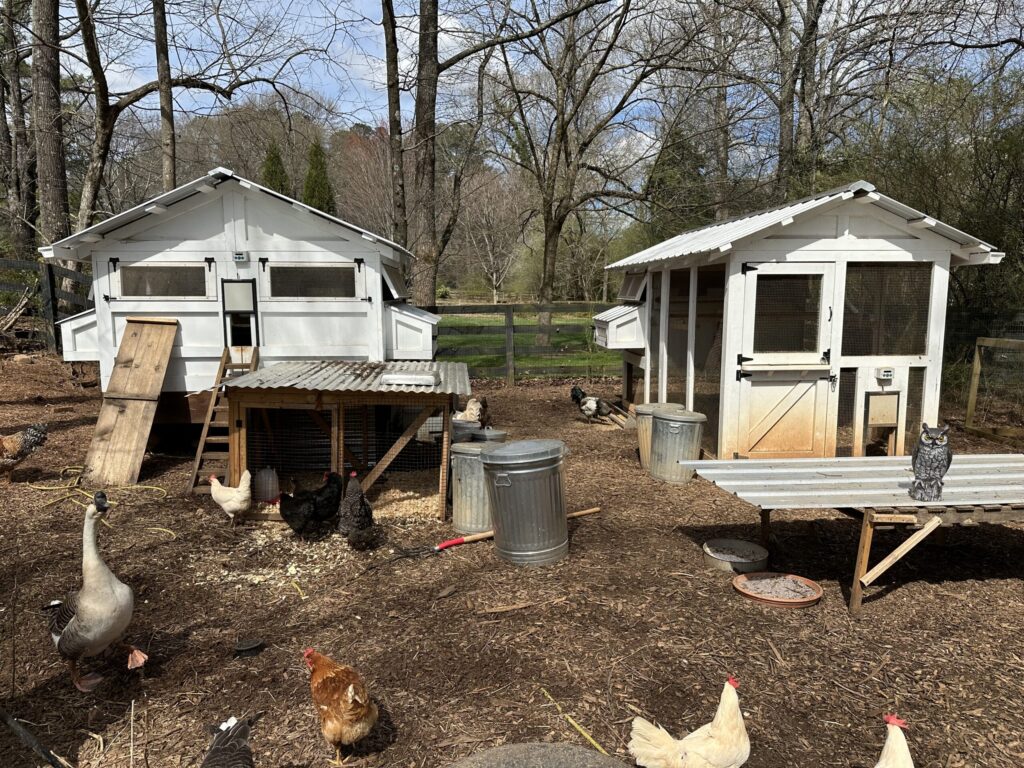
What Is a Portable Chicken Coop and Why Do You Need One?
A portable chicken coop — also called a chicken tractor or moveable coop — is a lightweight, mobile housing unit designed for backyard flocks. Unlike permanent structures, these coops can be moved from spot to spot in your yard, giving your chickens fresh ground regularly. This keeps your lawn healthier, reduces pest buildup, and ensures your birds always have access to new forage.
According to the American Poultry Association, backyard poultry keeping has grown by over 400% in the last two decades, with millions of households now raising small flocks. The demand for portable solutions has surged alongside this trend.
Benefits of a Portable Chicken Coop vs. a Stationary Coop
Choosing a chicken coop portable design over a fixed structure comes with a long list of advantages for both beginner and experienced chicken keepers.
Key Benefits at a Glance
| Feature | Portable Coop | Stationary Coop |
|---|---|---|
| Lawn health | ✅ Rotates to fresh grass | ❌ Ground gets bare quickly |
| Pest control | ✅ Moves away from buildup | ❌ Parasites accumulate |
| Cost | ✅ Generally lower | ❌ Higher build costs |
| Flexibility | ✅ Easily relocated | ❌ Permanent placement |
| Cleaning | ✅ Fresh ground often | ❌ More manual cleaning |
| Predator access | ✅ Can be repositioned | ✅ Can be reinforced |
The rotation method used with portable coops is backed by pasture management science. Moving your coop every 3–7 days prevents overgrazing, reduces nitrogen concentration in one spot, and naturally fertilizes your lawn.
Types of Portable Chicken Coops You Should Know
Not all portable chicken coops are built the same. Understanding the different types helps you pick the right unit for your flock size, budget, and yard layout.
1. Chicken Tractors
A chicken tractor is the most popular style of portable coop. It typically features a combined coop and run in an A-frame or hoop design, with no floor — allowing chickens direct access to the ground.
- Best for: Small flocks of 2–6 birds
- Average weight: 50–120 lbs
- Price range: $150–$600
- Typical materials: Wood frame, wire mesh
2. Wheeled Portable Coops
These coops come equipped with built-in wheels or handles, making them very easy to drag or roll across a yard. Ideal for those who want frequent moves without heavy lifting.
- Best for: Backyard hobbyists and elderly keepers
- Average weight: 80–180 lbs
- Price range: $300–$1,200
- Typical materials: Cedar, pine, or metal frames
3. Hoop Coops (Tunnel Coops)
Made from bent PVC pipe or cattle panels covered in wire mesh or tarps, hoop coops are inexpensive, lightweight, and easy to build or buy. They offer excellent ventilation and large run space.
- Best for: Warmer climates, medium flocks
- Average weight: 30–90 lbs
- Price range: $100–$400
- Typical materials: PVC or metal hoops, wire, tarps
4. Modular Portable Coops
Modular designs are the most flexible option. They can be expanded or downsized by adding or removing sections. Great for people who plan to grow their flock over time.
- Best for: Growing flocks, longer-term use
- Average weight: 100–250 lbs
- Price range: $500–$2,000
- Typical materials: Treated wood, galvanized metal
How to Choose the Best Portable Chicken Coop for Your Flock
Selecting the right portable movable chicken coop requires thinking through several important factors. Rushing into a purchase without this checklist can lead to buyer’s remorse — or worse, an unhappy flock.
Flock Size
The most important factor is always flock size. A general rule of thumb:
Suggested read: Portable Stairs with Handrail: Everything You Need to Know Before Buying
- Inside coop space: Minimum 4 sq ft per bird
- Outside run space: Minimum 10 sq ft per bird
- Roosting bar space: At least 8–10 inches per bird
“Overcrowding is the #1 cause of stress, pecking disorders, and disease in backyard flocks.” — The Backyard Chicken Keeper’s Bible, 2021
So if you have 4 chickens, you need at least 16 sq ft of coop space and 40 sq ft of run space at minimum.
Weight and Mobility
A portable chicken coop is only useful if you can actually move it. Consider:
- Can one person move it solo?
- Does it have handles, wheels, or skids?
- Is it lightweight enough for the terrain in your yard?
Aim for a coop under 100 lbs if you plan to move it frequently alone. Models with pneumatic wheels are especially easy on uneven terrain.
Build Quality and Weather Resistance
Look for:
- Exterior-grade plywood (not MDF or particleboard)
- Galvanized or powder-coated hardware cloth (not chicken wire, which predators can tear)
- Asphalt shingles or metal roofing for rain protection
- Ventilation panels that can be opened in summer and closed in winter
Predator Protection
Even portable coops need strong predator resistance. Key features to look for:
- Hardware cloth with ½-inch openings or smaller
- Latched doors with predator-proof locks (raccoons can open simple slide latches)
- Apron skirts around the perimeter to stop diggers
- Secure nesting box latches
Top Features to Look for in a Portable Movable Chicken Coop
Beyond basic structure, the best portable moveable chicken coops come loaded with thoughtful features that make chicken keeping easier day-to-day.
Must-Have Features
- Easy-clean removable trays — Slide-out dropping boards save enormous time during cleaning.
- Multiple access doors — Side panels, roof hatches, and front doors make egg collection and cleaning far more convenient.
- Nesting boxes with external access — Collect eggs without entering the run.
- Built-in roosting bars — Chickens must be able to roost off the ground at night.
- Ventilation windows with closures — Cross-ventilation is critical in summer but needs to be blocked in cold weather.
Nice-to-Have Features
- Automatic pop door openers — Solar-powered doors that open at dawn and close at dusk are a huge convenience upgrade.
- Integrated feeders and waterers — Keeps the run cleaner and reduces daily chores.
- UV-resistant paint or staining — Extends the life of wood in direct sunlight.
- Drip-proof roofing overhang — Keeps interior dry during rain.
Portable Chicken Coop Size Guide by Flock
| Flock Size | Min. Coop Space | Min. Run Space | Recommended Coop Type |
|---|---|---|---|
| 2–3 birds | 8–12 sq ft | 20–30 sq ft | Small chicken tractor |
| 4–6 birds | 16–24 sq ft | 40–60 sq ft | Mid-size wheeled coop |
| 7–10 birds | 28–40 sq ft | 70–100 sq ft | Large hoop or modular |
| 11–15 birds | 44–60 sq ft | 110–150 sq ft | Modular portable system |
How Often Should You Move a Portable Chicken Coop?
This is one of the most common questions from new chicken keepers. The answer depends on flock size, grass density, and weather conditions.
General Guidelines
- Small flock (2–4 birds): Move every 5–7 days
- Medium flock (5–8 birds): Move every 3–5 days
- Large flock (9–15 birds): Move every 1–3 days
In wet conditions, move more frequently, as chickens will tear up soft ground faster. In dry or drought conditions, the grass recovers more slowly, so you may need to move the coop daily.
Pro Tip: Mark out a grid of your yard and rotate through sections systematically. This ensures even grass recovery and prevents overuse of any one area.
DIY vs. Pre-Built Portable Chicken Coops: Which Is Better?
Many backyard chicken keepers face the build vs. buy decision. Both paths have genuine pros and cons worth weighing carefully.
Suggested read: Portable Stairs with Handrail: Everything You Need to Know Before Buying
DIY Portable Coop
Pros:
- Fully customizable to your space and flock needs
- Can be significantly cheaper if you have carpentry skills
- Use materials suited to your local climate
- Deep personal satisfaction
Cons:
- Time-intensive (most DIY builds take 20–40 hours)
- Material costs can exceed pre-built prices if not planned carefully
- Mistakes can compromise structural integrity or predator protection
- No warranty or support
Pre-Built Portable Coop
Pros:
- Ready quickly (most ship in flat-pack form and assemble in a few hours)
- Consistent quality and tested designs
- Often include warranty coverage
- Designed by poultry housing specialists
Cons:
- Higher upfront cost for equivalent quality
- May not perfectly fit your specific layout
- Flat-pack assembly can still be confusing
- Some budget models use inferior materials
Bottom line: If you have carpentry skills and time, DIY can save money. If you want reliability and speed, invest in a quality pre-built portable moveable chicken coop.
Case Study: Small Urban Backyard with a Portable Chicken Tractor
Background: Sarah, a homeowner in suburban Portland, OR, started with 4 hens in 2022. She had a 1,500 sq ft backyard and wanted to avoid killing her lawn.
Solution: She purchased a wheeled A-frame chicken tractor (approx. 8 ft × 4 ft) with a combined coop and run. The unit weighed about 75 lbs and came with solid rubber wheels.
Results after 6 months:
- Lawn remained green and healthy throughout the season
- No significant parasite buildup detected during a vet checkup
- Egg production was consistent at 3–4 eggs/day
- She moved the coop every 4–5 days without difficulty
Her verdict: “The portable coop was the best decision I made. The girls are happy, the yard looks great, and cleaning takes me less than 10 minutes a week.”
Common Mistakes to Avoid With a Portable Chicken Coop
Even experienced keepers make these errors. Avoid them to protect your flock and get the most from your investment.
- Buying too small — Always size up. Chickens need more space than you think.
- Using chicken wire instead of hardware cloth — Chicken wire keeps chickens in, but it does NOT keep predators out.
- Skipping ventilation — Poor airflow causes respiratory illness. Ensure ventilation even in winter.
- Not moving frequently enough — Leaving the coop in one spot too long leads to muddy, parasite-laden ground.
- Ignoring the ground underneath — After each move, inspect the old spot for signs of mites, worms, or excessive droppings.
- Choosing the cheapest option — Budget coops often use thin plywood that warps and fails within a year or two.
Portable Chicken Coop Maintenance Tips
Keeping your portable coop in top shape extends its life and protects your flock’s health.
Suggested read: Portable Chicken Houses: Everything You Need to Know Before You Buy
Weekly Tasks
- Remove droppings from inside coop and roosting bars
- Check and refill feed and water
- Inspect hardware cloth for damage or gaps
- Move coop to fresh ground
Monthly Tasks
- Apply wood treatment or sealant to exterior (especially joints)
- Check and tighten any loose screws or bolts
- Inspect roof for leaks or weather damage
- Deep-clean nesting boxes with a poultry-safe disinfectant
Seasonal Tasks
- Spring: Full deep clean, repaint or re-stain wood as needed
- Fall: Seal any drafts, ensure winter ventilation strategy is in place
- Winter: Check that wheels and runners still move freely
Best Wood Types for a Portable Chicken Coop
If you’re building a DIY portable coop or want to know what to look for in a pre-built model, wood type matters enormously for longevity.
| Wood Type | Durability | Weight | Cost | Notes |
|---|---|---|---|---|
| Cedar | ★★★★★ | Light | $$$ | Naturally rot-resistant, ideal |
| Pine (treated) | ★★★★☆ | Medium | $$ | Common, ensure food-safe treatment |
| Douglas Fir | ★★★★☆ | Medium | $$ | Strong, widely available |
| Redwood | ★★★★★ | Light | $$$$ | Excellent but expensive |
| OSB/Plywood | ★★☆☆☆ | Heavy | $ | Warps quickly outdoors — avoid |
Always avoid: MDF, particleboard, or untreated OSB in any chicken coop. These materials absorb moisture rapidly and will fail within one to two seasons.
Portable Chicken Coop Cost Breakdown
How much should you expect to spend? Here’s a realistic breakdown across budget tiers.
Budget Tier ($100–$300)
- Typically plastic or thin wood construction
- Limited run space
- Basic latches (often NOT predator-proof)
- Best for: Temporary use, vacation coops, or chick brooders
Mid-Range Tier ($300–$700)
- Solid wood or mixed metal/wood build
- Adequate run space for small flocks
- Better predator protection features
- Best for: Permanent backyard use with 3–6 birds
Premium Tier ($700–$2,000+)
- High-quality cedar or treated timber
- Modular or large hoop designs
- Auto door openers often included
- Excellent predator-proofing, heavy-duty hardware cloth
- Best for: Serious keepers, larger flocks, long-term investment
How a Portable Chicken Coop Improves Your Lawn
One of the most underrated benefits of a portable moveable chicken coop is what it does for your yard. Chickens are natural foragers that eat grass, weeds, seeds, and insects as they roam.
When managed correctly with rotation:
- Chicken manure acts as a natural fertilizer, adding nitrogen, phosphorus, and potassium to the soil
- Chickens scratch and aerate the top soil layer, improving drainage
- Foraging eliminates grubs, beetles, and other lawn pests naturally
- Overgrown or weedy patches get naturally cropped down
A 2019 study by Penn State Extension found that backyard flocks managed with a rotational grazing system reduced synthetic fertilizer use by up to 35% compared to households with stationary coops or no chickens.
Portable Chicken Coop Accessories Worth Buying
Once you have your portable chicken tractor or coop set up, a few key accessories can transform your experience.
- Automatic coop door opener — Solar-powered, opens at dawn, closes at dusk. Reduces daily tasks significantly. ($50–$150)
- Coop-safe red heat lamp — For cold climates during winter. ($20–$50)
- Roll-out nesting boxes — Eggs roll to a protected tray to stay clean. ($40–$120)
- Poultry nipple waterers — Cleaner than open bowls, reduces algae buildup. ($15–$50)
- Predator deterrent lights — Solar-powered blinking lights deter nocturnal predators. ($20–$60)
- Shade tarps or covers — Attach to the run for shade in summer months. ($15–$40)
Where to Buy a Portable Chicken Coop
There are several reliable channels to shop for a quality portable chicken coop.
Online Retailers
- Amazon — Huge selection, competitive pricing, fast shipping on many models
- Tractor Supply Co. — Farm-focused selection with in-store pickup
- Chewy — Growing selection of coops with good customer reviews
- OverEZ Chicken Coop — Specialty brand known for quality builds
- Omlet — UK-based brand with innovative eglu designs popular worldwide
Local Sources
- Feed and farm stores — Often carry seasonal stock
- Local carpentry or small businesses — Custom builds available
- Facebook Marketplace / Craigslist — Used coops at significant discounts
- Local 4-H clubs or homesteading groups — Often have recommendations or builds for sale
Environmental Impact of Portable Chicken Coops
Choosing a portable moveable chicken coop is not just good for your lawn — it’s also a more sustainable choice compared to commercially farmed eggs.
- Backyard chickens produce significantly less methane per bird than commercial operations
- No synthetic fertilizers needed when rotating your coop properly
- Chickens consume kitchen scraps (fruit peels, vegetable ends, cooked grains), reducing household food waste
- Pasture-raised eggs from backyard hens have been shown to contain twice the omega-3 fatty acids compared to commercial eggs (Mother Earth News, 2007 egg study)
Also Explore Other Portable Solutions
If you love the flexibility of portable products, you might also enjoy browsing portable tools for other hobbies. For example, check out the best fish finder portable options for anglers who want the same on-the-go convenience in their outdoor pursuits.
Frequently Asked Questions About Portable Chicken Coops
What is the best portable chicken coop for a small backyard?
For small backyards, the best portable chicken coop is typically a wheeled A-frame chicken tractor sized for 4–6 birds. Look for a unit with solid rubber wheels, hardware cloth (not chicken wire), and at least one external egg-access door. A footprint of roughly 4 ft × 8 ft fits most suburban yards.
Suggested read: Portable Bleachers: Everything You Need to Know Before Buying
How often should I move a portable chicken coop?
Most chicken keepers should move their portable moveable chicken coop every 3–7 days, depending on flock size and grass density. Larger flocks need more frequent moves to prevent overgrazing and manure buildup.
Are portable chicken coops safe from predators?
A quality portable chicken coop can be very predator-resistant if it uses ½-inch hardware cloth, predator-proof latches, and a ground skirt or apron. Avoid models that rely on simple chicken wire, as foxes, raccoons, and dogs can tear through it.
Can a portable chicken coop withstand winter weather?
Yes, with the right features. Look for coops with tight-fitting panels, solid roofing, and ventilation that can be partially closed in winter. Adding a heat lamp or heated water base helps in regions with hard freezes.
How many chickens can I keep in a portable coop?
This depends on the coop’s size. Follow the rule of 4 sq ft of interior space per bird and 10 sq ft of run space per bird. Most portable coops are designed for between 2 and 10 birds.
What is a chicken tractor and how is it different from a portable coop?
A chicken tractor is a specific style of portable coop with no permanent floor, allowing chickens direct access to the ground underneath. The term “portable chicken coop” is broader and includes any moveable coop design, with or without a floor.
How long does a portable chicken coop last?
A well-built portable chicken coop made from cedar or pressure-treated wood with regular maintenance can last 10–20 years. Budget models made from thin plywood or inferior materials typically last only 2–5 years before significant deterioration.
Is it cheaper to build or buy a portable chicken coop?
DIY builds can be cheaper if you have tools and skills, with material costs running $100–$400 for a basic design. Pre-built coops start around $150 for basic models and go up to $2,000+ for premium options. Factor in your time when comparing costs.
Ready to Find Your Perfect Portable Chicken Coop?
Don’t let your flock settle for less. A quality portable chicken coop gives your birds fresh grass every week, keeps your lawn healthy, and makes chicken keeping a genuinely enjoyable hobby. Whether you choose a budget A-frame chicken tractor or a premium modular system, the benefits of mobility are undeniable.
👉 Shop portable chicken coops and find the perfect fit for your flock today.
Citation: For more information on backyard poultry housing standards and portable coop designs, refer to the chicken coop portable resource library at The Portable Shop, which provides updated guides on coop selection, sizing, and maintenance best practices.