Whether you’re organizing a school sports day, a community festival, or a professional outdoor event, seating is one of the most critical logistical decisions you’ll face. Portable bleachers offer a flexible, cost-effective solution that permanent structures simply can’t match. They can be set up quickly, moved between venues, and stored when not in use — making them an ideal investment for organizations of all sizes.
In this article, we’ll cover everything you need to know about portable bleachers, from types and materials to costs, safety standards, and buying tips.
What Are Portable Bleachers?
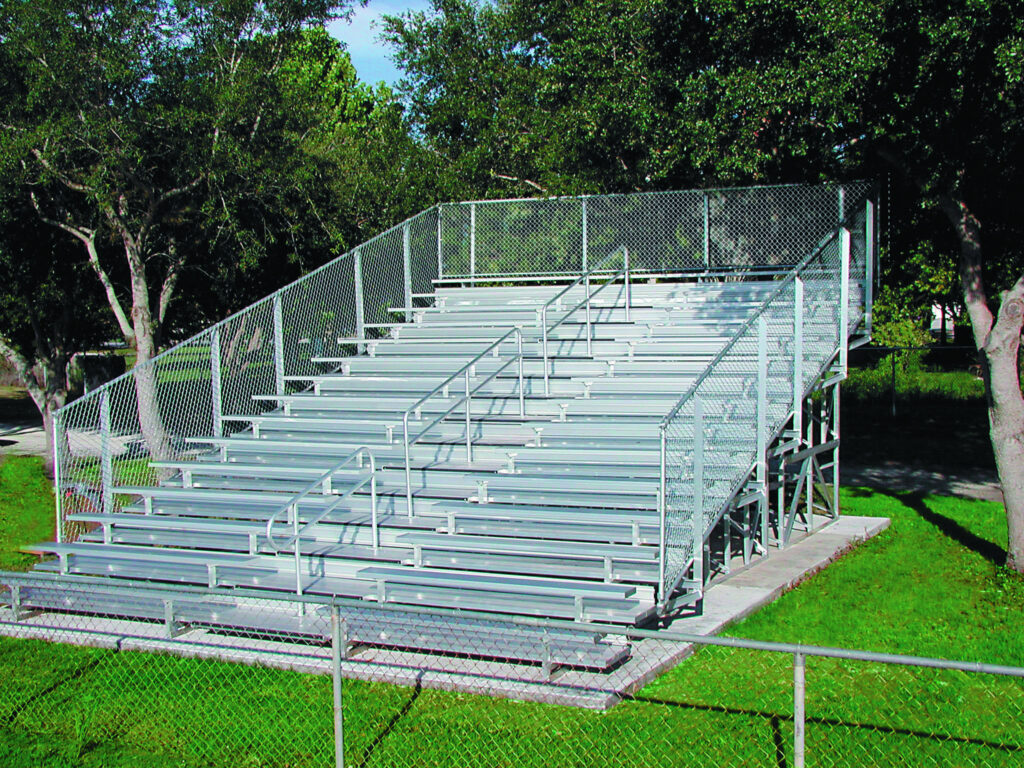
Portable bleachers are freestanding, temporary seating structures designed for easy transport and assembly. Unlike permanent bleacher systems bolted into concrete, portable versions can be folded, wheeled, or broken down into sections for transport in a standard trailer or truck.
They are commonly used at:
- Youth sports leagues (soccer, baseball, football, track & field)
- School athletic events and graduation ceremonies
- County fairs and rodeos
- Concerts and outdoor performances
- Military and government events
- Equestrian shows and motorsports
“The demand for flexible event infrastructure has grown by over 30% in the last decade, with portable seating being among the fastest-growing segments.” — Event Industry News, 2023
Types of Portable Bleachers
Understanding the different types of portable bleachers helps you match the right product to your specific needs. Below is a breakdown of the most common categories.
1. Folding Portable Bleachers
These are the most popular type. Rows fold flat against each other, making storage and transport straightforward. They are ideal for indoor gyms, multi-use facilities, and schools. Capacities typically range from 50 to 500 people depending on row count and width.
2. Towable Portable Bleachers
Towable units come with wheels and a hitch mount so they can be pulled behind a truck or SUV. They are perfect for organizations that host events at multiple locations throughout the season. Setup usually takes fewer than 30 minutes by two people.
3. Tip-and-Roll Bleachers
These are smaller, lightweight units often used indoors. They roll on casters and tip upright for compact storage against a wall. Gyms, community centers, and churches frequently use this style. Capacity usually ranges from 3 to 10 rows.
4. Telescoping Bleachers
Telescoping bleachers extend and retract horizontally. Rows slide out from a compact unit, making them extremely space-efficient. They’re popular for permanent-flex facilities that need both storage capability and larger event capacity.
5. Modular Portable Bleacher Systems
Modular systems consist of individual sections that bolt or clip together. This allows organizers to scale seating up or down based on attendance. These are frequently used at major outdoor events and motorsport venues.
Key Materials Used in Portable Bleachers
The material of your portable bleachers directly affects durability, weight, maintenance needs, and overall cost. Here’s a comparison:
| Material | Durability | Weight | Maintenance | Best For |
|---|---|---|---|---|
| Aluminum | High | Light | Low | Outdoor/Indoor multi-use |
| Steel | Very High | Heavy | Medium | Permanent-flex outdoor |
| Galvanized Steel | Very High | Heavy | Low | Coastal/wet environments |
| Plastic/Polypropylene | Medium | Very Light | Very Low | Temporary indoor events |
| Wood | Medium | Medium | High | Traditional aesthetics |
Aluminum portable bleachers are by far the most popular choice. They resist rust, are lightweight enough for frequent transport, and require minimal upkeep over their lifespan — which can exceed 20 years with proper care.
How Many Rows Do You Need?
Choosing the right number of rows is critical for both comfort and safety compliance. Here’s a quick reference guide based on event type:
| Event Type | Recommended Rows | Approximate Capacity |
|---|---|---|
| Youth sports game | 3–5 rows | 50–150 people |
| High school athletics | 5–10 rows | 150–500 people |
| Community festival | 10–15 rows | 500–1,000 people |
| Semi-professional sports | 15–20 rows | 1,000–2,500 people |
| Outdoor concert/fair | 20+ rows | 2,500+ people |
Always add 10–15% buffer capacity to your estimate. Crowds grow unexpectedly, and being unprepared creates safety risks and turns attendees away.
Portable Bleacher Safety Standards You Must Know
Safety is non-negotiable when it comes to portable bleachers. In the United States, the primary safety standards are governed by:
- ASTM F2676 — Standard specification for non-integrated bleacher safety.
- ICC/IBC Building Codes — International Building Code requirements for temporary structures.
- OSHA Regulations — Occupational safety guidelines for event setup crews.
- ADA Compliance — Americans with Disabilities Act requirements for accessible seating.
Critical Safety Features to Look For
Guardrails and handrails are mandatory for bleachers taller than 30 inches. Rows above the 4th tier require full railing systems. Aisle spacing must meet minimum width requirements (typically 12 inches per ASTM standards). Foot boards and back boards prevent items from falling through and reduce trip hazards.
⚠️ Always request a Certificate of Compliance from your supplier confirming that the portable bleachers meet ASTM F2676 standards before purchase or rental.
How Much Do Portable Bleachers Cost?
Pricing for portable bleachers varies widely based on size, material, and features. Below is a general cost breakdown:
| Type | Size | Estimated Cost |
|---|---|---|
| Tip-and-roll (small) | 3 rows, 15 ft | $800 – $2,500 |
| Folding bleachers | 5 rows, 21 ft | $2,500 – $6,000 |
| Towable bleachers | 10 rows, 30 ft | $8,000 – $18,000 |
| Modular system | 15 rows, 50 ft | $20,000 – $45,000 |
| Large venue system | 20+ rows, 100 ft | $50,000 – $150,000+ |
Rental vs. Purchase: Which Makes More Sense?
Renting portable bleachers typically costs $500 – $5,000 per event, depending on size and duration. If your organization hosts fewer than 5 events per year, renting is often the smarter financial choice. Purchasing makes sense when events are frequent, because the break-even point against rental costs is usually reached within 2–3 years of regular use.
Top Brands of Portable Bleachers
When shopping for portable bleachers, choosing a reputable brand ensures quality, warranty support, and parts availability. Here are some of the most respected names in the industry:
National Recreation Systems (NRS)
NRS is one of North America’s leading manufacturers of aluminum bleachers. Their products are known for superior weld quality and compliance with all major safety standards. They offer custom configurations and provide lifetime structural warranties on select models.
GT Grandstands
GT Grandstands specializes in towable and modular bleacher systems. Their towable units are engineered for highway transport and come with LED lighting options, making them ideal for evening events and professional sports leagues.
Sportsfield Specialties
A trusted name in sports facility equipment, Sportsfield offers both indoor and outdoor portable bleachers. They are well-regarded for custom color options and ADA-compliant configurations, including wheelchair integration spaces.
Hussey Seating Company
Hussey is a premium manufacturer with over 185 years of experience. Their telescoping bleacher systems are found in high schools, colleges, and professional facilities worldwide. Known for precision engineering and long-term durability.
Case Study: How a School District Saved $80,000 with Portable Bleachers
Background: A mid-sized school district in Ohio needed additional seating for three athletic facilities across different campuses.
Challenge: Permanent bleacher installation quotes came in at over $240,000 for all three sites.
Solution: The district invested in two towable portable bleacher units at $18,000 each and one modular system for $22,000 — a total of $58,000.
Result: The district covered all three campuses by sharing the towable units, saved over $180,000, and had the flexibility to reconfigure seating for different sports seasons. Within two years, the investment was fully justified.
Key Takeaway: Portable bleachers offer institutional buyers a way to serve multiple venues at a fraction of the cost of permanent installations.
How to Set Up Portable Bleachers Safely
Setting up portable bleachers correctly is as important as choosing the right product. Here is a step-by-step setup process:
- Survey the ground — Ensure the surface is flat, stable, and free from debris or soft soil.
- Check weather conditions — High winds (above 25 mph) can compromise stability. Have a plan to delay setup.
- Read the manufacturer manual — Each model has specific assembly instructions that must be followed exactly.
- Use the correct crew size — Most units require 2–4 people for safe assembly. Never attempt solo setup.
- Install all guardrails and handrails — Do not skip this step regardless of time pressure.
- Conduct a load test — Before opening to the public, test structural integrity with weighted loads.
- Assign a safety monitor — Designate someone to observe crowd behavior and bleacher condition during the event.
Maintenance Tips for Long-Lasting Portable Bleachers
Proper maintenance extends the life of your portable bleachers and protects your investment. Here’s what to do:
- Clean after each use with mild soap and water to remove dirt, food residue, and corrosive materials.
- Inspect welds and joints before and after every event. Look for cracks, bending, or signs of metal fatigue.
- Lubricate moving parts (hinges, locks, wheel axles) every 3–6 months with a rust-inhibiting lubricant.
- Check fasteners and bolts for tightness before assembly. Replace any stripped or corroded hardware immediately.
- Store in a dry, covered area when not in use to prevent oxidation and UV damage.
- Repaint or re-coat galvanized or painted surfaces every 3–5 years depending on environmental exposure.
ADA Compliance for Portable Bleachers
The Americans with Disabilities Act (ADA) requires that all public event seating — including portable bleachers — include accessible options. Here’s what compliance typically requires:
| ADA Requirement | Specification |
|---|---|
| Wheelchair spaces | 1 per every 25 fixed seats |
| Companion seating | Must be adjacent to each wheelchair space |
| Lines of sight | Wheelchair users must have comparable views |
| Accessible routes | Path to seating must be paved or solid surface |
| Dispersal | Wheelchair spots must be dispersed throughout seating area |
Failing to meet ADA requirements can result in fines, lawsuits, and event shutdowns. When purchasing portable bleachers, always confirm ADA package availability with the manufacturer.
Portable Bleachers for Specific Sports: What Works Best?
Different sports create different seating needs. Here’s a sport-by-sport breakdown:
Baseball & Softball
Bleachers positioned along the first and third base lines are most effective. Towable units work well for youth leagues. Opt for units with sun shading attachment options since games often run in daylight hours.
Football
Football requires higher seating capacity and elevated tiers for better sightlines. Modular systems with 15–20 rows work best. Consider press box attachments for high school varsity programs.
Soccer
Soccer fields require bleachers positioned along both sidelines. Folding or tip-and-roll bleachers work well for indoor futsal, while towable units suit outdoor grass pitches.
Track & Field
Curved field layouts mean bleachers need to be positioned straight along the home stretch. Modular units with custom angled configurations are ideal here.
Equestrian & Rodeo
These events require robust, wide-span structures that can handle uneven terrain. Towable heavy-duty bleachers with leveling feet are the go-to choice.
Internal Resource: Portable Cooling Solutions for Outdoor Events
If you’re hosting outdoor events with portable bleachers, keeping attendees cool is just as important as keeping them seated. Check out our range of portable cooling solutions to pair with your bleacher setup for maximum comfort — especially during summer tournaments and outdoor festivals.
Environmental Considerations
More organizations are now seeking eco-friendly portable bleacher options. Here’s what to look for:
- Recycled aluminum frames — Aluminum is 100% recyclable without quality loss.
- FSC-certified wood components — If using wood elements, ensure sustainable sourcing.
- Low-VOC coatings and paints — Reduces chemical off-gassing into the environment.
- Longevity over disposability — A well-built bleacher lasting 20+ years has a significantly lower carbon footprint than frequent replacements.
Choosing durable, recyclable portable bleachers is both a smart investment and an environmentally responsible decision.
Where to Buy Portable Bleachers
Portable bleachers can be purchased through several channels:
- Direct from manufacturers (best for custom orders and bulk pricing)
- Sports facility equipment dealers (good for mid-range needs with local support)
- Online marketplaces like Amazon, Alibaba, or eBay (best for smaller units; verify seller credentials carefully)
- Government surplus auctions (can yield significant savings on used units in good condition)
- Rental companies that also sell (great way to try before you buy)
Always request a written warranty, a load capacity certificate, and ASTM compliance documentation before finalizing any purchase.
Call to Action
Ready to find the perfect seating solution for your next event? Explore our full selection of portable bleachers and get the flexibility, durability, and safety your organization deserves. Whether you need compact tip-and-roll units or large-scale modular systems, there’s a portable bleacher solution built for your needs. Request a free quote today and take the first step toward smarter, more flexible event seating.
Frequently Asked Questions About Portable Bleachers
What are portable bleachers used for?
Portable bleachers are used to provide temporary, flexible seating at sports events, school functions, outdoor concerts, fairs, rodeos, military events, and any gathering requiring organized crowd seating without permanent infrastructure.
How long do portable bleachers last?
With proper maintenance, high-quality aluminum portable bleachers can last 20 to 30 years. Steel units may last even longer but require more corrosion management. Cheaper plastic units typically have a lifespan of 5–10 years.
Are portable bleachers safe for outdoor use?
Yes, when manufactured to ASTM F2676 standards and properly assembled, portable bleachers are safe for outdoor use. Always confirm compliance certifications, install all guardrails, and conduct a pre-event inspection.
How much do portable bleachers weigh?
Weight varies significantly by type. Small 3-row aluminum folding units weigh as little as 200–400 lbs, while large towable 20-row systems can weigh 5,000–15,000 lbs. Always verify towing capacity requirements before purchasing towable units.
Can portable bleachers be used indoors?
Yes. Tip-and-roll and folding portable bleachers are specifically designed for indoor environments like gyms, auditoriums, and community centers. Ensure ceiling height is adequate and that floor-loading limits are not exceeded.
Do portable bleachers need to meet ADA requirements?
Yes. Any portable bleachers used at a public event in the United States must comply with ADA accessibility standards, including designated wheelchair spaces and companion seating.
How do I transport portable bleachers?
Most portable bleachers are either transported via trailer with a hitch system (towable units) or broken down into sections and loaded onto flatbed trucks. Smaller tip-and-roll units can be moved with standard pallet jacks or dollies.
Where can I rent portable bleachers?
Portable bleachers can be rented from event equipment rental companies, sports facility suppliers, and some manufacturers who offer rental programs. Search locally for “portable bleacher rental” along with your city or region for the best options.
Conclusion
Portable bleachers are one of the smartest investments any sports organization, school, or event company can make. They offer unparalleled flexibility, can serve multiple venues, meet rigorous safety standards, and provide a comfortable experience for spectators. From compact tip-and-roll gym units to large-scale towable grandstands, there’s a portable bleacher solution for every need and budget.
By understanding the types, materials, safety requirements, and cost structures covered in this guide, you’re well-equipped to make a confident, informed purchasing decision. Always prioritize safety compliance, ADA accessibility, and long-term durability when evaluating your options.
Citations & Sources
- ASTM International. (2023). ASTM F2676 – Standard Specification for Non-Integrated Bleacher Safety. https://www.astm.org
- Americans with Disabilities Act. ADA Standards for Accessible Design – Assembly Areas. https://www.ada.gov
- International Building Code. ICC Building Codes for Temporary Structures. https://www.iccsafe.org
- Event Industry News. (2023). Flexible Infrastructure Demand in Live Events Report. https://www.eventindustrynews.com
- Wikipedia. Bleacher. https://en.wikipedia.org/wiki/Bleacher
- Hussey Seating Company. Telescoping Bleacher Systems. https://www.husseyseating.com
- National Recreation Systems. Aluminum Bleachers. https://www.nrec.com
This article is intended for informational purposes. Always consult a licensed structural engineer and local code enforcement officials before installing any bleacher system at a public venue.