Raising backyard chickens is one of the most rewarding things a homesteader or hobby farmer can do. Fresh eggs, natural pest control, and the joy of watching your flock roam freely — it’s hard to beat. But one question comes up again and again among new and experienced chicken keepers alike: Should I invest in a portable chicken house?
The short answer is yes — and the reasons are compelling. Portable chicken houses, also known as chicken tractors or movable coops, are changing the way people raise poultry. Whether you have a small suburban backyard or several acres of pasture, a portable coop gives you flexibility, protects your chickens, and improves the health of your land at the same time.
This article dives deep into everything you need to know about portable chicken houses — from what they are and why they matter, to how to choose the right one, set it up, and get the most out of it year-round.
What Are Portable Chicken Houses?
A portable chicken house is a movable shelter designed to house a small flock of chickens. Unlike permanent coops that are fixed to a specific location, portable chicken houses can be relocated around your yard or pasture — sometimes daily, sometimes weekly — giving your flock access to fresh ground, new forage, and clean grass.
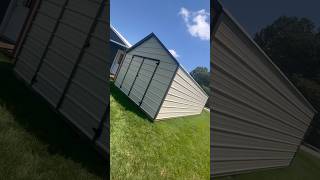
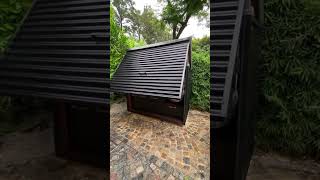
They come in a wide variety of styles, sizes, and materials. Some are lightweight A-frame structures with built-in runs. Others are more substantial, enclosed houses on wheels or skids that can be towed by a small vehicle or hand-pulled across a field.
The term “chicken tractor” is often used interchangeably with portable chicken house. The name comes from the idea that the chickens act like a tractor, tilling, fertilizing, and foraging the ground as they move across it.
“The chicken tractor is one of the most elegant solutions in sustainable agriculture — the chickens do the work, and the land benefits immediately.” — Joel Salatin, author of Pastured Poultry Profits
Why Portable Chicken Houses Are Worth It
If you’re on the fence about switching from a fixed coop to a movable one, the benefits are hard to ignore. Here’s why thousands of chicken keepers across the country are making the switch.
1. Fresh Pasture for a Healthier Flock
When chickens are confined to a permanent run, they quickly deplete the vegetation, compact the soil, and build up harmful bacteria and parasites in the ground. Moving the coop regularly solves all of these problems at once.
Fresh grass, weeds, bugs, and worms provide natural nutrition that supplements their feed. Chickens on pasture are generally healthier, produce richer-yolked eggs, and show fewer signs of stress-related behaviors like feather pecking.
Key health benefits of moving portable chicken houses:
- Access to fresh insects and greens boosts omega-3 fatty acid content in eggs
- Reduced parasite load (no buildup of coccidia or worm eggs in soil)
- Better mental stimulation and reduced boredom
- Stronger immune systems from natural foraging
- Lower ammonia levels due to spreading manure across a larger area
2. Natural Fertilization of Your Land
Chicken manure is one of the best natural fertilizers available. It’s high in nitrogen, phosphorus, and potassium — the three key nutrients plants need to thrive. When you move a portable chicken house across your yard or garden, the manure is distributed evenly across the soil rather than concentrated in one spot.
This approach is used widely in regenerative agriculture and permaculture systems to build soil health naturally, without the need for synthetic fertilizers.
| Nutrient | Chicken Manure Content | Benefit to Soil |
|---|---|---|
| Nitrogen (N) | 1.1% | Promotes leafy growth |
| Phosphorus (P) | 0.8% | Supports root development |
| Potassium (K) | 0.5% | Improves disease resistance |
| Organic Matter | High | Improves soil structure |
3. Predator Protection on the Move
A well-built portable chicken house provides secure shelter no matter where it’s placed. Most quality models include:
- Hardware cloth (not chicken wire, which is easily breached) on all sides
- Locking latches on doors and nest box access points
- Enclosed sleeping quarters that are elevated off the ground
- Skirts or aprons that prevent digging predators from getting underneath
This means your flock gets the same level of protection whether it’s in the front yard, the back pasture, or anywhere in between.
4. Flexibility for Any Property Size
One of the most underrated benefits of portable chicken houses is how well they adapt to different property types. You don’t need acres of land to benefit from a moveable coop.
- Urban backyards: Move the coop weekly across a small lawn to prevent mud and odor buildup
- Suburban homesteads: Rotate across garden beds before and after planting season to clear pests and fertilize
- Rural farms: Use a larger chicken tractor to move chickens across pastures in a controlled rotation
Types of Portable Chicken Houses
Not all portable chicken houses are built the same. Understanding the different types helps you make the right choice for your flock size and lifestyle.
A-Frame Chicken Tractors
These are the most common and affordable style. They feature a triangular cross-section, with the upper portion serving as an enclosed sleeping area and the lower, open-sided section functioning as the run.
Best for: Small flocks of 2–6 chickens, small suburban yards, beginner chicken keepers
Pros:
- Lightweight and easy to move alone
- Simple construction if DIY-ing
- Affordable price point
Cons:
- Limited headroom inside
- Less space for larger flocks
- Not always weatherproof in harsh climates
Box-Style Portable Chicken Coops
These look more like traditional coops but are mounted on skids, wheels, or a trailer frame for easy movement. They tend to be sturdier and offer more interior space.
Best for: Flocks of 6–20 chickens, serious homesteaders, year-round use in varied climates
Pros:
- More headroom and interior space
- Better insulation options
- Can include nest boxes, roost bars, and feeder hooks
Cons:
- Heavier and often require two people or a vehicle to move
- More expensive than A-frame models
Hoop Coops
Hoop coops use a bent conduit or PVC pipe frame covered in chicken wire or hardware cloth, with a tarp over the top for weather protection. They’re incredibly lightweight and inexpensive to build.
Best for: Temporary housing, meat bird tractors, budget-conscious keepers
Pros:
- Very cheap to build
- Ultra-lightweight
- Highly customizable
Cons:
- Less durable long-term
- Tarps may wear out and need replacing
- Less aesthetic appeal
Wheeled Portable Chicken Houses
These are full-sized chicken coops built on wheel frames, allowing a single person to tow or wheel them across a property.
Best for: Larger backyard flocks, people with mobility challenges, those who move their coop frequently
Pros:
- Easy to relocate without heavy lifting
- Can be large enough for 20+ birds
- Often include attached runs on wheels too
Cons:
- More expensive
- May require a flat or gently sloped surface to move easily
How to Choose the Right Portable Chicken House
Choosing the right movable coop comes down to five key factors. Take each one seriously before you buy.
1. Flock Size
The golden rule of chicken housing is 4 square feet of interior space per chicken in the sleeping area, and 10 square feet per chicken in the attached run. Never overcrowd your birds — it leads to stress, pecking, disease, and reduced egg production.
| Flock Size | Minimum Coop Interior | Minimum Run Space |
|---|---|---|
| 2–4 birds | 8–16 sq ft | 20–40 sq ft |
| 5–8 birds | 20–32 sq ft | 50–80 sq ft |
| 10–15 birds | 40–60 sq ft | 100–150 sq ft |
| 16–25 birds | 64–100 sq ft | 160–250 sq ft |
2. Durability and Weather Resistance
Your portable chicken house will be exposed to rain, wind, sun, and cold. Look for:
- Exterior-grade wood (cedar, redwood, or pressure-treated pine)
- Metal roofing for better water and weather resistance
- Galvanized hardware cloth (not plastic-coated chicken wire) for security
- Quality stainless steel latches that won’t rust or corrode
3. Ease of Moving
If you won’t actually move it because it’s too heavy, it defeats the purpose. Consider:
- Does it have handles, wheels, or a hitch?
- How much does it weigh empty?
- Can one person move it, or do you need two?
- Is the terrain on your property flat, sloped, or uneven?
4. Ease of Cleaning
Good ventilation and easy access to the interior are essential for maintaining a clean, odor-free coop. Look for:
- Large cleanout doors on the sides or back
- Removable dropping trays underneath roost bars
- Smooth interior surfaces that don’t trap waste
- Ventilation panels that can be opened or closed depending on the season
5. Security Features
Predators are persistent and clever. Make sure your portable chicken house includes:
- Hardware cloth with ½-inch or smaller openings (raccoons can reach through larger gaps)
- Predator-proof latches (not simple slide bolts, which raccoons can open)
- A solid floor or a wire apron to prevent digging
- Fully enclosed sleeping quarters with no exposed gaps
Setting Up and Moving Your Portable Chicken House
Once you’ve chosen your coop, the setup process is straightforward. Here’s a step-by-step approach.
Step 1: Choose Your Starting Location
Pick a spot with partial shade and relatively flat ground. Avoid low-lying areas that collect water. If you’re using the coop in a garden rotation, start at one end of your growing beds so you can work your way down the row over time.
Step 2: Secure the Coop
Even though it’s portable, it needs to be stable when stationary. Some keepers use ground stakes, while others rely on the weight of the coop itself. Make sure all doors and panels are latched before letting the chickens out.
Step 3: Introduce Your Flock
Allow your chickens a day or two to settle into any new location. Provide feed and fresh water inside the coop initially, then gradually allow them to explore the attached run and surrounding area.
Step 4: Move on a Schedule
Most keepers move their portable chicken houses every 3–7 days, depending on flock size, ground condition, and time of year. In summer, the grass may be consumed faster. In winter, you may not need to move as frequently.
Signs it’s time to move:
- Bare, muddy ground in the run area
- Visible buildup of manure
- Chickens showing signs of restlessness or boredom
- Grass around the coop is flattened and dying
Step 5: Use Portable Outdoor Lighting for Evening Security
Evening and nighttime can be risky for free-ranging flocks. Pairing your portable coop setup with portable outdoor lights can help deter predators and make it easier for you to do evening headcounts or check on your birds after dark. Solar-powered, motion-activated lights are an especially smart addition to any portable chicken-keeping setup.
Portable Chicken Houses for Meat Birds vs. Laying Hens
The needs of meat birds and laying hens differ significantly, and this affects what type of portable chicken house works best.
For Laying Hens
Laying hens need:
- Nest boxes (one for every 3–4 hens)
- Roost bars positioned higher than nest boxes to prevent sleeping in nests
- Longer-term, sturdier housing since they’re kept for months or years
- More vertical space for natural behaviors
For Meat Birds (Broilers)
Meat chickens, like Cornish Cross, are typically raised in open-bottom tractors because:
- They grow quickly and are processed within 8–10 weeks
- They benefit most from direct contact with fresh ground
- They don’t roost or lay eggs, so roost bars and nest boxes aren’t needed
- Simple, lightweight structures keep costs low
Case Study: Pastured Poultry in Practice
Polyface Farm – Swoope, Virginia
Joel Salatin’s Polyface Farm is one of the most cited examples of portable chicken housing done right. The farm uses large wheeled “eggmobiles” — portable chicken houses that follow herds of cattle across pastures. The chickens scratch through the manure left by the cattle, consuming fly larvae and breaking up dung pats, which naturally reduces the pest population and fertilizes the pasture simultaneously.
Results from Polyface Farm’s model include:
- Zero synthetic fertilizer used on pastures
- Significant reduction in fly and parasite pressure
- Higher egg production from hens on pasture vs. confinement
- Improved soil organic matter over time through rotational grazing
This model has been replicated by thousands of small farms across the U.S. and is considered a benchmark in sustainable poultry production.
DIY Portable Chicken House vs. Buying Pre-Made
Should you build your own or buy a ready-made portable chicken house? There are pros and cons to both.
| Factor | DIY Build | Pre-Made Purchase |
|---|---|---|
| Upfront Cost | Lower (materials only) | Higher (labor included) |
| Customization | Fully customizable | Limited to available models |
| Time Investment | High (20–60+ hours) | Low (delivered ready to use) |
| Quality Control | Depends on skill | Consistent (if reputable brand) |
| Repairs | Easy if you built it | May need manufacturer support |
| Best For | Skilled builders, larger coops | Beginners, time-limited buyers |
If you choose to DIY, there are excellent free plans available online for A-frame tractors, hoop coops, and wheeled portable chicken houses. Aim to use ½-inch hardware cloth throughout, and always over-build rather than under-build when it comes to predator protection.
Top Features to Look for in Portable Chicken Houses
To summarize everything above, here’s a quick-reference checklist of must-have features in any quality portable chicken house:
- ✅ Adequate square footage per bird (4 sq ft interior, 10 sq ft run)
- ✅ Hardware cloth (not chicken wire) on all open panels
- ✅ Predator-proof locking latches
- ✅ Solid or wire-skirted floor to prevent digging
- ✅ Ventilation panels that open and close
- ✅ Handles, wheels, or skids for easy movement
- ✅ Nest boxes (for laying hens)
- ✅ Roost bars elevated above nest box level
- ✅ Weather-resistant exterior materials
- ✅ Easy-access cleanout doors
Common Mistakes to Avoid With Portable Chicken Houses
Even experienced keepers make these errors. Learn from them before you start.
1. Not moving the coop often enough. Ground buildup is the number one health hazard in a stationary coop run. If you see mud and bare dirt, it’s past time to move.
2. Using chicken wire instead of hardware cloth. Chicken wire keeps chickens in but doesn’t keep predators out. A raccoon, fox, or dog can tear through it easily.
3. Overcrowding. Too many birds in a small space leads to stress, disease, and aggression. Always calculate space requirements before purchasing.
4. Skimping on ventilation. Ammonia buildup from droppings is one of the leading causes of respiratory illness in chickens. Make sure your portable coop has adequate airflow.
5. Placing the coop on saturated ground. Wet, boggy ground increases disease risk and makes the coop harder to move. Always choose well-drained spots.
Ready to Find Your Portable Chicken House?
If you’re ready to give your flock the freedom, health, and natural lifestyle they deserve, there’s no better investment than a quality portable chicken house. Whether you have a small suburban backyard or rolling pasture, a movable coop transforms the way you raise chickens — and the health of your land along with it.
👉 Browse our selection of portable chicken houses today and find the perfect fit for your flock, your property, and your lifestyle.
Frequently Asked Questions About Portable Chicken Houses
What is a portable chicken house?
A portable chicken house is a movable coop designed to shelter chickens that can be relocated across a yard or pasture to give birds access to fresh ground. They are also commonly called chicken tractors or movable coops.
How often should I move my portable chicken house?
Most keepers move their portable chicken houses every 3 to 7 days, depending on flock size and how quickly the chickens consume the available vegetation and forage in the run area.
How many chickens can fit in a portable chicken house?
This depends on the size of the coop. The general rule is 4 square feet of interior sleeping space and 10 square feet of run space per chicken. A common backyard portable coop (around 32 sq ft interior) comfortably houses 6–8 hens.
Are portable chicken houses predator-proof?
A well-built portable chicken house with hardware cloth, predator-proof latches, and a solid floor or wire apron can be highly predator-resistant. Avoid coops that use only standard chicken wire, as it offers minimal protection.
Can I use a portable chicken house in winter?
Yes, but you’ll need to make sure the coop has adequate insulation and that ventilation can be partially closed to retain heat. Many keepers add a tarp or windbreak around the run in colder months.
What’s the difference between a chicken tractor and a portable chicken house?
The terms are often used interchangeably. “Chicken tractor” typically refers to open-bottom designs that allow chickens direct access to the ground, while “portable chicken house” is a broader term that includes all movable coop styles, including those with floors.
Do portable chicken houses need a foundation?
No. That’s one of their key advantages. Portable chicken houses are designed to sit directly on the ground or grass. However, the base should be level and the ground should be well-drained to prevent moisture buildup.
Where can I buy a good portable chicken house?
You can find quality portable chicken houses at farm supply stores, online retailers, and specialty poultry supply shops. For a curated selection, visit portable chicken houses to browse options suited to different flock sizes and budgets.
Citations
- Salatin, J. (1993). Pastured Poultry Profits. Polyface Inc.
- University of Kentucky Cooperative Extension Service. Backyard Poultry: Poultry Housing. University of Kentucky College of Agriculture.
- Karsten, H.D., et al. (2010). “Vitamins A, E and fatty acid composition of the eggs of caged hens and pastured hens.” Renewable Agriculture and Food Systems, 25(1), 45–54.
- USDA Agricultural Research Service. (2012). Nutrient Content of Chicken Manure. USDA National Nutrient Database.
- Portable Chicken Houses – The Portable Shop
Last updated: March 2026