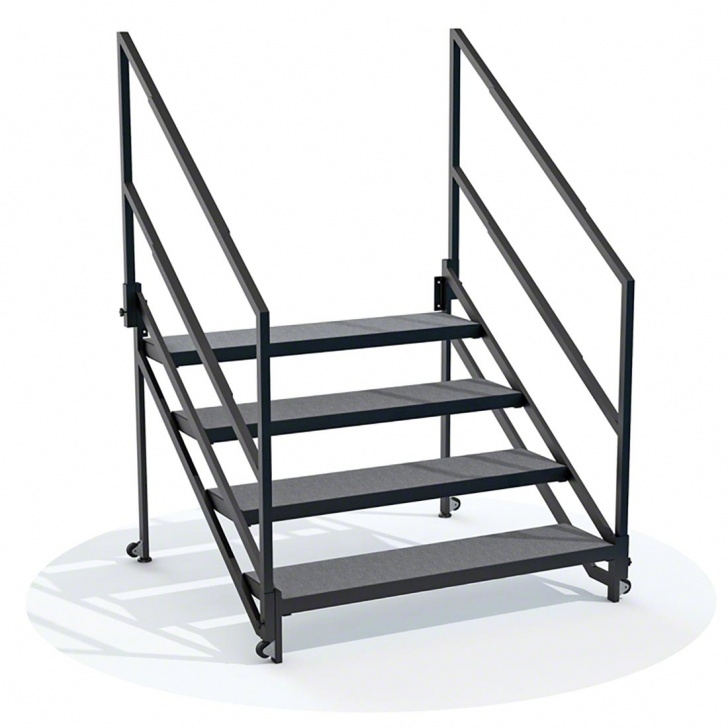
Whether you need safe access to an RV, a raised deck, a trailer, or even a bunk bed, portable stairs with handrail offer a practical and flexible solution. Unlike fixed staircases, these units can be moved, stored, and adjusted to fit different heights and locations. With millions of people relying on them for mobility, job-site safety, and everyday convenience, understanding what makes a great portable stair unit is more important than ever.
What Are Portable Stairs with Handrail?
Portable stairs with handrail are freestanding step units designed for temporary or semi-permanent use. They typically feature a lightweight frame — often made from aluminum, steel, or heavy-duty plastic — combined with a sturdy handrail for grip and balance. These stairs are engineered to be moved from one location to another without requiring permanent installation or mounting.
They serve a wide variety of purposes, from helping elderly individuals enter and exit vehicles safely, to providing job-site workers with safe step access on uneven ground. The handrail is a critical safety component, reducing the risk of falls and improving user confidence on each step.
Why a Handrail Makes All the Difference
Not all portable step units include a handrail — and that’s a significant safety gap. According to the Centers for Disease Control and Prevention (CDC), falls are the leading cause of injury-related deaths among adults aged 65 and older, accounting for over 36,000 deaths annually in the United States alone.
A handrail on portable stairs provides:
- Balance support during ascent and descent
- Confidence for elderly or mobility-challenged users
- OSHA compliance for job-site step units
- Reduced liability for commercial and industrial applications
- Extra stability on uneven surfaces
“Falls are largely preventable. Environmental modifications, including handrails on all step structures, are among the most effective interventions.” — CDC Fall Prevention Report
The presence of a handrail can mean the difference between safe passage and a dangerous fall, especially for high-traffic or outdoor environments.
Types of Portable Stairs with Handrail
Adjustable Height Portable Stairs with Handrail
Adjustable models are the most versatile. They allow users to modify the step height to match different platforms, vehicles, or entry points. Most adjustable units accommodate platforms ranging from 14 inches to 60 inches in height. They are commonly used for RVs, trailers, horse trailers, and mobile homes.
Key features include telescoping side rails, locking pins for height setting, and non-slip step surfaces. The Werner AC10-20-02 Adjustable Step Stool and similar units are popular examples in this category.
Folding Portable Stairs with Handrail
Folding stairs are ideal when space-saving storage is a priority. They collapse flat or fold in half, making them easy to transport in a truck bed or store in a utility closet. Many folding models still include an integrated handrail that also folds for convenience.
Suggested read: Portable Stairs with Handrail: Everything You Need to Know Before Buying
These are widely used in:
- Home garages for loft or attic access
- Retail and warehouse settings
- Construction sites for scaffolding access
- Event staging for presenters and performers
Heavy-Duty Steel Portable Stairs with Handrail
For industrial and commercial environments, heavy-duty steel portable stairs are the go-to option. These units support weight capacities from 350 lbs to 1,000 lbs or more and are built with welded steel frames for maximum durability. The handrails on these models are typically tubular steel or pipe-rail construction, meeting or exceeding OSHA standards.
They are common on loading docks, manufacturing floors, and outdoor job sites where repeated, heavy use is expected.
Lightweight Aluminum Portable Stairs with Handrail
Aluminum models offer a compelling balance of strength and portability. Aluminum is naturally corrosion-resistant, making these stairs suitable for both indoor and outdoor use. Most aluminum stair units weigh between 10 and 25 lbs, far lighter than their steel counterparts, without sacrificing significant load capacity.
They are a top choice for RV owners, boat dock users, and homeowners who need to frequently move and reposition their step unit.
Non-Slip Rubber Grip Portable Stairs
Some portable stair models focus specifically on slip resistance. These feature rubberized or grated step surfaces combined with rubber feet at the base to prevent sliding. They are excellent for wet or slippery outdoor environments, pools, and industrial kitchens.
Key Features to Look for in Portable Stairs with Handrail
Choosing the right portable stairs with handrail requires evaluating several important specifications. Below is a comparison table of the most critical features to consider:
| Feature | Why It Matters | What to Look For |
|---|---|---|
| Weight Capacity | Determines user safety under load | Minimum 300 lbs; 500+ for commercial |
| Step Width | Affects comfort and ease of use | At least 16–24 inches wide |
| Handrail Height | Ergonomic grip for safe balance | 34–38 inches (OSHA standard) |
| Material | Affects durability and weight | Aluminum (light), Steel (heavy-duty) |
| Non-Slip Surface | Reduces fall risk on each step | Rubberized, grated, or textured steps |
| Adjustability | Fits different platform heights | Telescoping or multi-height locking |
| Portability | Easy to move and store | Folding design, light total weight |
| Base Stability | Prevents tipping or sliding | Wide base, rubber non-slip feet |
Who Uses Portable Stairs with Handrail?
The user base for portable stairs with handrail is extremely diverse. Understanding who uses them helps identify which type best fits your specific need.
RV and Camper Owners
RV steps are often factory-installed but can be inadequate, narrow, or lack handrails. Aftermarket portable stair units with handrails provide a much safer entry and exit experience, especially for older travelers or those with knee or hip concerns.
Elderly Individuals and Caregivers
For seniors aging in place, portable stairs with handrail serve as accessibility aids. They can be placed at the entrance of a raised home, beside a bed, or next to a bathtub platform. Occupational therapists often recommend these units as part of a fall-prevention home assessment.
Construction and Warehouse Workers
OSHA regulations require that any portable stairway used in construction that rises more than 30 inches must include handrails on at least one side. Portable industrial stairs with handrails meet these requirements while offering the flexibility to reposition as work zones shift.
Suggested read: Portable Chicken Coop: Everything You Need to Know Before Buying One
Homeowners with Raised Decks or Entries
Many homes have side or back entries with raised platforms that lack permanent steps. Portable stairs with handrail fill this gap economically and without the need for building permits or permanent construction.
Pet Owners
Large dogs and senior pets also benefit from pet-specific portable step units with handrails. These are commonly used to help pets access vehicles, beds, or furniture safely without jumping and risking joint injuries.
OSHA Standards for Portable Stairs with Handrail
If you are using portable stairs with handrail in a workplace or job-site environment, understanding OSHA requirements is essential. Non-compliance can result in fines, liability, and most importantly — worker injury.
Key OSHA standards from 29 CFR 1926.1052 (Construction) and 29 CFR 1910.23 (General Industry) include:
- Stairways with four or more risers must have a handrail on at least one open side
- Handrail height must be between 30 and 37 inches above the leading edge of the stair tread
- Handrails must be able to withstand a force of at least 200 lbs applied in any downward or outward direction
- Step surfaces must be slip-resistant
- Portable stairways used during construction must be secured to prevent displacement
Always verify the most current OSHA guidelines at osha.gov before deploying portable stairs in a regulated environment.
Best Materials for Portable Stairs with Handrail
The material used in a portable stair unit directly affects its weight, durability, maintenance needs, and cost. Here is a breakdown of the most common materials:
Aluminum
- Weight: Light (10–25 lbs for small units)
- Rust resistance: Excellent
- Load capacity: Moderate (up to 500 lbs in heavy-duty models)
- Best for: Outdoor use, RVs, frequent transport
Steel (Powder-Coated or Galvanized)
- Weight: Heavy (30–80+ lbs)
- Rust resistance: Good when coated; poor if coating chips
- Load capacity: High (500–1,500 lbs)
- Best for: Industrial, loading docks, warehouse environments
High-Density Polyethylene (HDPE) Plastic
- Weight: Very light
- Rust resistance: Excellent (no rust at all)
- Load capacity: Moderate (200–400 lbs)
- Best for: Home use, pool areas, low-load applications
Fiberglass
- Weight: Moderate
- Rust resistance: Excellent
- Load capacity: Moderate to high
- Best for: Electrically hazardous environments, outdoor settings
Top-Rated Portable Stairs with Handrail — Product Roundup
Here are some of the most highly reviewed portable stairs with handrail on the market today:
| Product | Steps | Material | Weight Capacity | Best For |
|---|---|---|---|---|
| Louisville Ladder AS3002X | 2-Step | Aluminum | 375 lbs | Home and light commercial |
| Ballymore Rolling Ladder | 3-Step | Steel | 500 lbs | Warehouse and industrial |
| Confer Plastics Step Above | 2-Step | Resin | 300 lbs | Pool and deck use |
| Werner AC10-20-02 | Adjustable | Aluminum | 300 lbs | RV and multi-height platforms |
| CPS2 Commercial Steel Step | 2-Step | Steel | 450 lbs | Heavy-duty commercial |
Note: Always confirm weight capacity, step dimensions, and handrail height specifications before purchasing. Ratings and availability may change over time.
How to Safely Use Portable Stairs with Handrail
Even the best-built portable stairs with handrail can be unsafe if used incorrectly. Follow these best practices every time:
- Place on a flat, stable surface — Uneven ground increases tip-over risk significantly.
- Check weight capacity before use — Never exceed the manufacturer’s rated load limit.
- Inspect before each use — Look for cracked welds, loose bolts, or damaged handrails.
- Always grip the handrail — Even on just two steps, a handrail catch can prevent a serious fall.
- Face the steps when ascending and descending — Never descend facing away from the stairway.
- Keep steps clean and dry — Remove debris, snow, or wet leaves from step surfaces.
- Secure the base — On slippery floors, use rubber mats or anchor points beneath the feet.
- One person at a time — Most portable stair units are rated for single-user loads.
Portable Stairs with Handrail for RVs — A Closer Look
RV owners represent one of the largest markets for portable stairs with handrail. Many RVs have factory steps that are narrow, slippery, or lack any form of handrail grip — a serious problem for older travelers.
What RV Owners Should Look For
- Adjustable height: RV step heights vary widely. Look for units that adjust from at least 14 to 48 inches.
- Non-slip step treads: Outdoor environments mean exposure to rain and morning dew.
- Compact fold for storage: Space in an RV storage bay is limited. Folding models are preferred.
- Rubber base feet: Prevents the unit from sliding on campsite pavement or grass.
- Corrosion resistance: Aluminum is the top choice for RV use given its weather resistance.
A popular community tip among RV forums is to pair a portable stair unit with a handrail alongside a quality ge portable ac unit for a fully equipped and comfortable campsite setup.
Suggested read: Portable Bleachers: Everything You Need to Know Before Buying
Portable Stairs with Handrail for the Elderly
For older adults, portable stairs with handrail can be life-changing safety tools. According to the National Council on Aging (NCOA), approximately one in four Americans aged 65+ falls each year, and falls are the number one cause of fatal and non-fatal injuries in that age group.
Features That Matter Most for Elderly Users
- Dual handrails (both sides): Provides bilateral support, especially for those with hemiplegia or one-sided weakness.
- Low riser height: Steps no taller than 7 inches are easier for arthritic knees.
- Wide step surface: A minimum of 20 inches wide allows for confident foot placement.
- High-contrast step edges: Bright or contrasting edge tape improves visibility for those with low vision.
- Medical-grade rubber grip on handrail: Soft, ergonomic grips reduce strain on arthritic hands.
Many physical therapists and home care specialists now include portable stair assessments as part of their standard home safety evaluations.
How to Install and Maintain Portable Stairs with Handrail
While portable stairs with handrail require no permanent installation, proper setup and maintenance are essential for long-term safety and durability.
Setup Tips
- Always read the manufacturer’s assembly guide fully before setup.
- Tighten all bolts and fasteners to the specified torque values.
- Test the unit with body weight before placing into active service.
Maintenance Schedule
| Frequency | Maintenance Task |
|---|---|
| Before each use | Inspect for loose hardware, cracks, or damage |
| Monthly | Tighten all bolts; check handrail integrity |
| Every 3 months | Clean step surfaces; inspect non-slip pads |
| Annually | Sand and re-coat any rust on steel models |
| As needed | Replace damaged rubber feet or grip tape |
Aluminum units are particularly low-maintenance — they require only periodic cleaning with mild soap and water to maintain their non-corrosive surface.
Cost of Portable Stairs with Handrail — What to Expect
Pricing for portable stairs with handrail varies significantly based on material, number of steps, load capacity, and features.
| Budget Range | What You Get |
|---|---|
| Under $50 | Plastic 2-step units, limited handrail, light-duty use |
| $50–$150 | Aluminum 2–3 step units, decent handrail, 300 lb capacity |
| $150–$400 | Adjustable aluminum or steel units, full handrail, 400–500 lb |
| $400–$1,000 | Heavy-duty industrial steel stairs, OSHA-compliant, 600–1,000 lb |
| $1,000+ | Custom industrial stair towers, dual handrails, 1,000+ lb capacity |
For most home users and RV owners, a $100–$250 investment provides an excellent combination of safety, durability, and portability. For job-site or industrial use, budgeting $300 or more is advisable.
Case Study — How Portable Stairs with Handrail Improved Workplace Safety
Company: Mid-size regional distribution warehouse in Ohio Problem: Workers were climbing on dock edges and makeshift step boxes to reach elevated storage racks, resulting in 3 recordable injuries in 12 months. Solution: The safety manager invested in 8 heavy-duty portable stairs with handrail rated at 600 lbs each, with rubberized non-slip treads and OSHA-compliant dual handrails.
Results after 18 months:
- Zero recordable injuries related to elevated access
- OSHA compliance score improved from 72% to 98%
- Worker confidence increased — survey data showed 89% of workers felt safer using designated step units
- Insurance premiums reduced by an estimated 12% due to improved safety record
This case illustrates how investing in proper portable stairs with handrail pays dividends far beyond the initial purchase cost.
Where to Buy Portable Stairs with Handrail
Portable stairs with handrail are widely available across multiple retail channels:
- Home improvement stores: Home Depot, Lowe’s (in-store and online)
- Industrial suppliers: Grainger, Uline, Global Industrial
- Online marketplaces: Amazon, Walmart.com, Wayfair
- RV and outdoor retailers: Camping World, Bass Pro Shops
- Specialty safety retailers: SafetyEquipment.com, Ladder Depot
- Manufacturer direct: Werner Ladder, Louisville Ladder, Ballymore
When buying online, always check: customer reviews on weight capacity, reported stability, and long-term durability. Be cautious of units with no stated weight rating or unclear handrail height specifications.
Suggested read: Sharp Portable AC Unit: Everything You Need to Know Before Buying in 2026
🔗 Ready to shop? Browse a curated selection of portable stairs with handrail to find the perfect unit for your home, RV, or job site.
Frequently Asked Questions About Portable Stairs with Handrail
What is the weight limit for portable stairs with handrail?
Weight limits vary widely by product. Consumer-grade portable stairs with handrail typically support between 250 and 500 lbs, while industrial models can support 600 to 1,500 lbs. Always check the manufacturer’s rated load capacity before use and never exceed it.
Are portable stairs with handrail OSHA-compliant?
Not all portable stairs with handrail meet OSHA standards automatically. For job-site use, verify that the unit meets 29 CFR 1926.1052 or 29 CFR 1910.23 requirements, including handrail height (30–37 inches), slip-resistant steps, and a minimum 200-lb handrail force rating.
Can portable stairs with handrail be used outdoors?
Yes, many models are designed specifically for outdoor use. Look for aluminum or galvanized steel construction, non-slip rubberized step surfaces, and rubber base feet to prevent sliding on outdoor surfaces like concrete, grass, or asphalt.
How do I keep portable stairs with handrail from sliding?
To prevent movement during use, look for units with wide rubber base pads. You can also place a non-slip rubber mat under the feet, use adhesive hook-and-loop pads on smooth indoor floors, or anchor the unit with wall-mount brackets if it will be used in a fixed location.
What height of portable stairs with handrail do I need for my RV?
Most RVs have entry door sills ranging from 18 to 36 inches off the ground. An adjustable portable stair unit with handrail that accommodates this range is ideal. Measure your RV’s entry height before purchasing and confirm the model’s adjustment range covers your specific measurement.
How many steps do portable stairs with handrail typically have?
Most consumer portable stair units have 2 to 4 steps. Industrial tower models may have 4 to 10 or more steps. The number of steps needed depends on the height of the platform you need to access — one step covers approximately 7 to 10 inches of rise.
Are there portable stairs with handrail designed specifically for the elderly?
Yes. Several manufacturers make senior-specific portable stair units featuring lower riser heights (5–6 inches), dual handrails on both sides, wide non-slip steps, and soft ergonomic grip handrails. Look for units with a medical or accessibility designation in the product description.
Can I use portable stairs with handrail with a wheelchair or walker?
Standard portable stairs with handrail are not compatible with wheelchairs — for wheelchair access, a portable ramp is required. However, users with walkers or canes can often navigate portable stairs safely, particularly models with dual bilateral handrails and extra-wide step platforms.
Citation: For further safety standards and product specifications related to portable stairs with handrail, refer to the U.S. Occupational Safety and Health Administration (OSHA) official guidelines and your product manufacturer’s documentation.