Stay Cool Anywhere with a Sharp Portable AC Unit
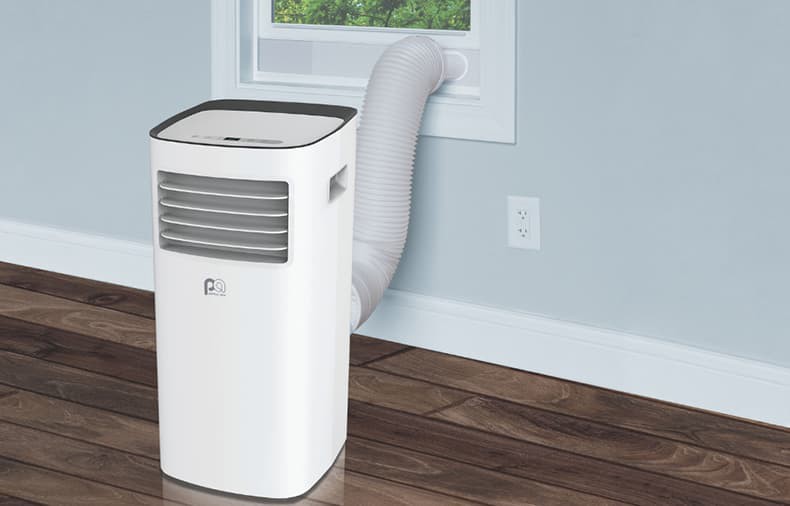
When summer temperatures climb and you need reliable cooling without permanent installation, a Sharp portable AC unit is an ideal solution. Unlike traditional air conditioning systems that require professional setup and home modifications, Sharp portable air conditioners offer flexibility, efficiency, and powerful cooling that can be moved room to room as needed. Whether you’re renting an apartment, working from a home office, or need supplementary cooling in specific areas, understanding how these units work and what makes Sharp stand out will help you make a confident purchase that keeps you comfortable all summer long.
The portable air conditioning market has evolved significantly over the past decade, and Sharp has been at the forefront of combining advanced technology with user-friendly design. These units have become increasingly popular among homeowners, renters, and business owners who value convenience. In this guide, we’ll cover everything you need to know about Sharp portable AC units — from key features and benefits to installation, maintenance, and how to select the right model for your space.
What Makes Sharp Portable AC Units Different?
Sharp has earned a reputation for reliability and innovation in the cooling industry. With decades of experience in electronics and home appliances, Sharp applies its engineering expertise to create portable air conditioners that deliver exceptional performance and energy efficiency. Many models feature Plasmacluster Ion Technology, which not only cools the air but also reduces airborne bacteria, viruses, and odors — creating a healthier indoor environment.
Sharp also prioritizes quality construction and durability. Their portable air conditioners are built with high-grade materials and undergo rigorous testing to handle continuous operation during the hottest months. Sharp’s design philosophy balances functionality and aesthetics, producing sleek, modern units with powerful cooling capacity. Buyers also benefit from comprehensive warranty coverage and responsive customer support.
Key Features of Sharp Portable Air Conditioners
- Multiple operating modes: Most models offer cooling, dehumidification, and fan modes for customized comfort.
- Programmable timers: Automatically turn the unit on or off so your space is cool when you arrive home and energy isn’t wasted while you’re away.
- Remote control: Adjust settings from across the room — perfect for bedrooms and living areas.
- Auto-restart: After a power outage, the unit resumes with your previous settings automatically.
- Sleep mode: Gradually adjusts temperature overnight for comfort while reducing energy use and noise.
- Digital display: Easy-to-read LED panels show temperature, mode, and timer information at a glance.
Understanding BTU Ratings and Choosing the Right Size
The most important specification to understand is the BTU (British Thermal Unit) rating, which measures cooling capacity. BTUs indicate how much heat a unit can remove per hour. Choosing the correct rating for your room size is essential for optimal performance and efficiency.
Too few BTUs means the unit will struggle to cool the space, running continuously and wasting energy. Too many BTUs will cause frequent cycling, poor dehumidification, and an uncomfortable, clammy environment — while putting extra wear on the compressor.
As a general rule, you need about 20 BTUs per square foot. However, factors like ceiling height, insulation, sun exposure, and heat-generating appliances or occupants can change that. For example, a 150-square-foot bedroom requires roughly 3,000 BTUs, while a 400-square-foot living room needs about 8,000 BTUs. Rooms with large south- or west-facing windows, poor insulation, or high ceilings may need 10–25% more capacity.
| Room Size (Square Feet) | Recommended BTU Rating | Typical Room Types |
|---|---|---|
| 100–150 | 5,000 BTU | Small bedroom, home office |
| 150–250 | 6,000 BTU | Medium bedroom, den |
| 250–300 | 7,000 BTU | Master bedroom, small living room |
| 300–350 | 8,000 BTU | Large bedroom, medium living room |
| 350–400 | 9,000 BTU | Large living room, studio apartment |
| 400–450 | 10,000 BTU | Extra-large living room, open floor plan |
| 450–550 | 12,000 BTU | Very large space, great room |
| 550–700 | 14,000 BTU | Multiple rooms, large open area |
Installation and Setup
Installing a Sharp portable AC unit is far simpler than installing a window unit or central air system. That makes these appliances ideal for renters and homeowners who want to avoid permanent modifications. Most units come with an exhaust hose, window kit, and step-by-step instructions. Setup typically takes 15–30 minutes, with no special tools required.
The key is properly venting hot air outside. The flexible exhaust hose connects to the back of the unit and extends through a window, sliding door, or through-wall vent. The included window kit has adjustable panels that fit most standard windows, creating a seal that keeps warm air out and sends hot exhaust outside.
Step-by-Step Installation
- Choose a location: Place the unit near a window or door with a power outlet, leaving at least 20 inches of clearance around the unit.
- Attach the exhaust hose: Connect it to the outlet port on the back and ensure a tight fit.
- Install the window kit: Extend the adjustable panel to fit your window and secure it.
- Connect the hose to the window kit: Attach the hose’s free end to the adapter for a complete ventilation path.
- Seal gaps: Use foam strips or weather stripping to close gaps — this improves efficiency and keeps insects out.
- Plug in and power on: Use a dedicated outlet (avoid extension cords), then select your settings.
- Test the system: Let it run for 10–15 minutes, checking for proper cooling, unusual sounds, and secure connections.
Energy Efficiency and Operating Costs
Sharp designs its portable air conditioners with energy efficiency in mind. Features like programmable timers, sleep modes, and efficient compressors reduce electricity usage without sacrificing cooling performance. Many Sharp models carry Energy Star certification, using about 15% less energy than non-certified units.
Your actual operating cost depends on the unit’s BTU rating, your local electricity rates, daily run time, and the Energy Efficiency Ratio (EER). Most portable models draw between 800 and 1,500 watts. For example, running a 1,000-watt Sharp unit for 8 hours a day at $0.13 per kWh costs roughly $1.04 per day, or about $31 per month.
Maximize Energy Efficiency
- Use timers: Start cooling 30–60 minutes before you arrive home instead of running all day.
- Set