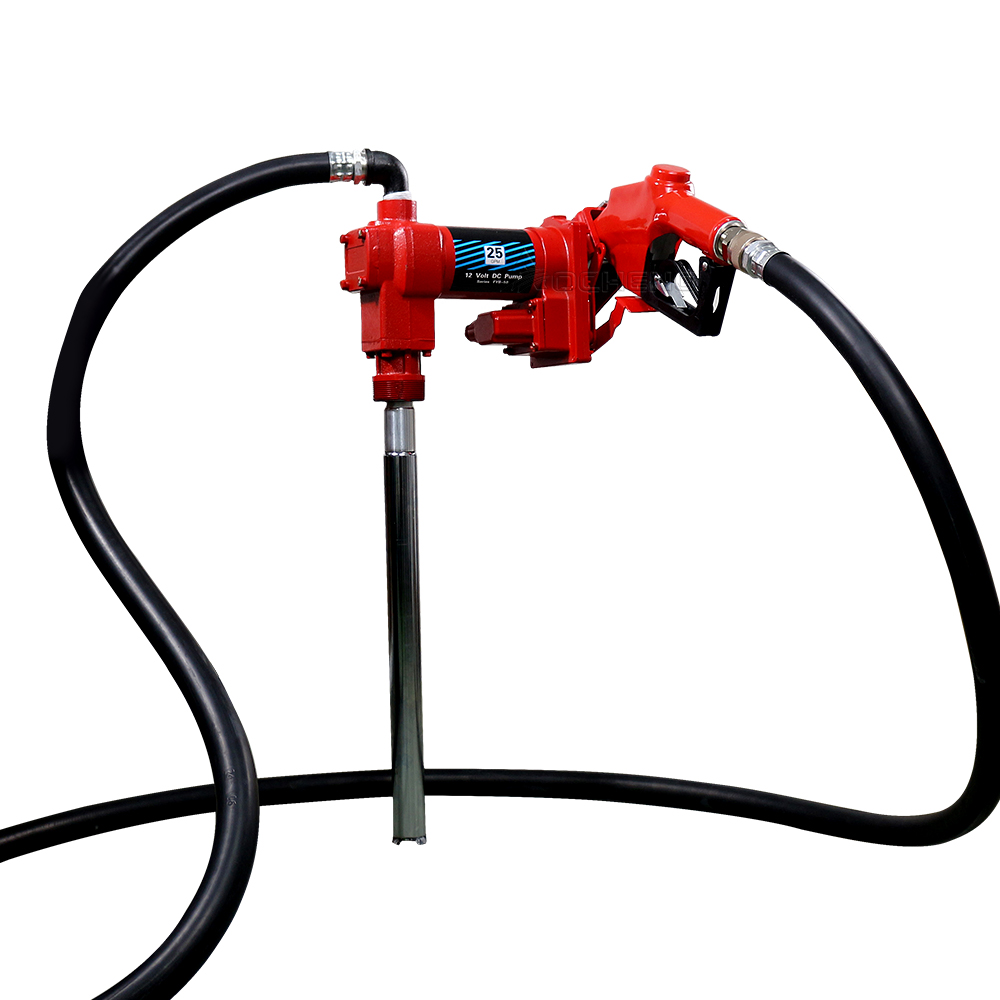
What is a Portable Gas Pump?
A portable gas pump is a compact, mobile device designed to transfer gasoline, diesel, or other fuels from one container to another. These pumps offer convenience for vehicle owners, farmers, construction workers, and outdoor enthusiasts who need to refuel equipment in remote locations. Unlike stationary fuel dispensers, a portable gas pump provides flexibility and ease of use for various applications.
The primary function of a portable gas pump is to move fuel efficiently without manual pouring, which can be messy and potentially dangerous. Modern portable pumps come equipped with safety features, battery or electric power options, and flow control mechanisms. According to industry data, the portable fuel transfer equipment market has grown by 15% annually as more consumers seek convenient refueling solutions.
These devices range from simple hand-operated pumps to sophisticated electric models with digital displays and automatic shut-off features. Whether you’re transferring fuel between vehicles, filling lawn equipment, or managing fuel storage on your property, understanding the different types and features available helps you make an informed purchasing decision.
Types of Portable Gas Pumps
Electric Portable Gas Pumps
Electric portable gas pumps operate using 12V DC power from vehicle batteries or standard 110V AC household outlets. These pumps deliver flow rates between 10-20 gallons per minute, making them ideal for quickly transferring large fuel quantities. Most electric models feature automatic shut-off sensors that prevent overfilling and reduce spill risks.
The main advantage of electric pumps is their speed and efficiency. Users don’t need to manually operate them, which saves time and physical effort. Many professional-grade electric portable gas pumps include digital flow meters that track the exact amount of fuel transferred, helping with inventory management and cost tracking.
However, electric pumps require a power source, which can limit their use in truly remote locations. Battery-powered options address this limitation by offering cordless operation, though they may have reduced flow rates. Prices for quality electric portable gas pumps typically range from $150 to $500, depending on features and build quality.
Manual Portable Gas Pumps
Manual or hand-operated portable gas pumps use physical pumping action to transfer fuel. These include siphon pumps, rotary pumps, and piston-style pumps that don’t require electricity. They’re lightweight, affordable (usually $20-$80), and work anywhere without power constraints. Manual pumps are perfect for emergency situations or occasional use.
The rotary barrel pump is among the most popular manual options, fitting into standard 55-gallon drums. Users turn a crank handle to create suction that draws fuel through a tube. While slower than electric models (typically 5-8 gallons per minute), manual pumps offer reliability and simplicity. They have fewer components that can fail and require minimal maintenance.
Manual portable gas pumps are also safer in explosive environments since they produce no sparks or electrical current. For homeowners with small fuel storage needs or occasional equipment refueling, manual pumps provide an economical solution. Their portability makes them easy to store in garages, sheds, or vehicle trunks for emergency use.
Battery-Operated Portable Fuel Pumps
Battery-operated portable gas pumps combine the convenience of electric pumps with true cordless portability. These units typically use rechargeable lithium-ion batteries or disposable D-cell batteries. Flow rates usually reach 3-5 gallons per minute, making them faster than manual pumps but slower than AC-powered electric models.
Modern battery-operated pumps often include LED displays showing battery life and fuel quantity transferred. Some models feature USB charging ports for easy recharging from power banks or vehicle USB outlets. This makes them excellent for off-grid applications, camping, boating, and emergency preparedness kits.
The trade-off with battery models is runtime limitation. Depending on battery capacity and pump power consumption, users might transfer 15-30 gallons per charge. For frequent large-volume transfers, having backup batteries or choosing a model with fast-charging capability becomes important. Quality battery-operated portable gas pumps cost between $80 and $250.
Key Features to Consider in a Portable Gas Pump
Flow Rate and Pumping Speed
Flow rate determines how quickly your portable gas pump transfers fuel, measured in gallons per minute (GPM). For occasional home use, 5-8 GPM suffices. Commercial applications requiring frequent large-volume transfers benefit from 15-20 GPM pumps. Consider your typical transfer volumes and how much time you’re willing to spend refueling.
Higher flow rates generally require more powerful motors, which increases cost and energy consumption. A pump delivering 20 GPM will transfer 20 gallons in one minute, while a 5 GPM pump takes four minutes for the same quantity. For emergency use or small equipment refueling, speed matters less than reliability and portability.
Safety Features and Certifications
Safety should be your top priority when selecting a portable gas pump. Look for units with UL certification, spark-proof motors, and grounded connections to prevent static electricity buildup. Anti-static hoses prevent dangerous sparks during fuel transfer, while automatic shut-off sensors prevent overfilling and potential spills.
Suggested read: Portable Gas Tank With Pump: Your Ultimate Solution for Fuel Storage and Transfer
Check that pumps include proper fuel-compatible materials. Gasoline and diesel require pumps made with chemical-resistant seals and hoses. Some fuels degrade standard rubber components, causing leaks or pump failure. Quality portable gas pumps use materials like Viton seals and reinforced fuel-rated hoses that withstand harsh chemicals.
Additional safety features include built-in filters that remove debris and water from fuel, protecting both your pump and equipment engines. Emergency stop buttons provide quick shutdown capability if problems occur during transfer. Never compromise on safety features to save money—fuel handling carries inherent risks that proper equipment mitigates.
Portability and Build Quality
True portability means more than just being movable. Consider the pump’s weight, handle design, and carrying case availability. Most portable pumps weigh between 5-15 pounds, with manual models typically lighter than electric ones. Built-in carry handles or shoulder straps enhance transportability for those who frequently move their pump between locations.
Durable construction ensures your portable gas pump withstands rough handling and outdoor conditions. Aluminum housings resist corrosion better than plastic, while reinforced components survive accidental drops. Sealed motors prevent fuel vapor intrusion that could cause electrical shorts. Quality pumps include protective cases that shield them during transport and storage.
Compatibility and Versatility
Verify that your chosen portable gas pump works with your specific fuel types. While most handle standard gasoline and diesel, some fuels like kerosene, aviation fuel, or biodiesel blends require specialized pumps. Universal models accommodate multiple fuel types, offering greater flexibility for diverse applications.
Adapter compatibility matters for different container types. Quality pumps include various nozzle sizes and drum adapters for 30-gallon, 55-gallon, and other container standards. Some portable gas pumps feature adjustable intake tubes that reach different depths, making them suitable for shallow containers or deep barrels. Check what accessories come included versus requiring separate purchase.
Best Applications for Portable Gas Pumps
Automotive and Vehicle Maintenance
Portable gas pumps excel at automotive applications, from transferring fuel between vehicles to filling classic cars with specially stored fuel. Mechanics use them to drain fuel tanks during repairs or contamination issues. Car collectors appreciate the control portable pumps provide when adding treated fuel to stored vehicles.
Off-road enthusiasts and overlanders rely on portable pumps when traveling to remote areas where fuel stations don’t exist. Carrying extra fuel in jerry cans becomes practical when you have an efficient pump for quick vehicle refueling. Racing teams use portable pumps at tracks to manage fuel supplies without depending on facility infrastructure.
Emergency roadside situations also benefit from portable gas pump availability. If you run out of fuel on a highway, having a pump lets you transfer gas from a friend’s vehicle or properly use a jerry can. This eliminates dangerous manual pouring that could cause spills near traffic.
Agricultural and Farm Use
Farmers represent major portable gas pump users, needing to refuel tractors, combines, irrigation pumps, and other equipment directly in fields. Driving equipment back to a central fuel depot wastes productive time and reduces operational efficiency. Portable pumps paired with fuel tanks on trucks enable on-site refueling.
According to agricultural industry surveys, farmers using portable fuel management systems save an average of 3-5 hours weekly compared to traditional refueling methods. This time savings translates to increased productivity during critical planting and harvest periods. Many farms use multiple portable gas pumps stationed at different field locations.
Farm fuel storage requires careful management, and portable pumps with meters help track fuel consumption per piece of equipment. This data aids in maintenance scheduling since unusual fuel usage often indicates engine problems. Quality portable gas pumps designed for agricultural use feature rugged construction that handles dusty, dirty field conditions.
Marine and Boating Applications
Boaters use portable gas pumps to transfer fuel from dock storage or jerry cans to boat tanks. Many marinas don’t have fuel docks, or they charge premium prices for convenience. Bringing your own fuel and using a portable pump saves money while ensuring fuel quality meets your standards.
Jet ski owners particularly appreciate portable pumps since these watercraft require frequent refueling during extended riding sessions. Rather than returning to shore repeatedly, riders bring fuel containers and pumps on support boats. This extends riding time and reduces fuel dock traffic during busy periods.
Portable gas tank with pump combinations are especially popular for small watercraft and fishing boats. These integrated systems include both storage and transfer capability in compact packages. They’re easier to transport than separate tanks and pumps, making them ideal for smaller vehicles or limited storage spaces.
Suggested read: Portable Shower Rental: Everything You Need to Know for Events, Construction Sites, and Emergency Situations
Construction and Job Sites
Construction sites often lack accessible fuel sources, making portable gas pumps essential for keeping generators, compressors, and power tools running. Site managers maintain bulk fuel storage with portable pumps for equipment distribution. This centralized fuel management reduces theft risks and improves inventory control compared to individual equipment operators managing their own fuel supplies.
OSHA regulations require proper fuel handling procedures on construction sites, and quality portable gas pumps with safety certifications help companies maintain compliance. Pumps with flow meters provide documentation for fuel usage tracking, which supports project cost analysis and billing.
Mobile construction crews particularly value battery-operated portable gas pumps that don’t require power sources or vehicle connection. They can quickly refuel equipment anywhere on large sites without stringing extension cords or moving vehicles close to fuel storage areas.
How to Choose the Right Portable Gas Pump
Assess Your Fuel Transfer Volume Needs
Calculate your typical fuel transfer volumes to determine the appropriate pump capacity. Someone refueling a lawn mower weekly needs different capacity than a farmer refueling multiple tractors daily. Small users can choose less expensive, lower-capacity pumps, while high-volume users should invest in robust commercial-grade models.
Consider both frequency and quantity when evaluating needs. Transferring 50 gallons once monthly differs from transferring 10 gallons daily. The latter scenario benefits from faster pumps that reduce accumulated time spent refueling. Make a list of all equipment requiring fuel and estimate annual fuel transfer volumes.
Determine Power Source Requirements
Your available power sources dictate pump type selection. Electric portable gas pumps require 12V DC (vehicle battery) or 110V AC (household outlet) power. If you typically work near vehicles or buildings, electric pumps offer maximum efficiency. Battery-operated models suit remote locations, while manual pumps work anywhere without power considerations.
Some users maintain multiple pump types for different situations. A battery-operated portable gas pump for field use combined with a faster electric model for shop use provides optimal flexibility. Assess where you’ll most frequently use your pump and what power access exists in those locations.
Budget and Quality Balance
Portable gas pump prices range from $20 for basic manual models to $500+ for professional-grade electric units. While budget constraints matter, remember that cheap pumps often fail quickly, especially with frequent use. Replacing a $30 pump three times costs more than buying a $100 quality pump initially.
Read customer reviews focusing on long-term durability and manufacturer support. Reputable brands offer warranties (typically 1-3 years) and replacement parts availability. Some cheaper imports lack parts support, meaning the entire pump requires replacement when components fail. Calculate cost per gallon pumped over the expected lifespan for accurate value comparison.
Maintenance and Care for Portable Gas Pumps
Regular Cleaning and Inspection
Proper maintenance extends portable gas pump lifespan significantly. After each use, run clean fuel through the system to flush residual gas that could degrade seals or leave deposits. Inspect hoses for cracks, bulges, or degradation from fuel exposure. Replace damaged hoses immediately since leaking fuel creates fire hazards.
Check electrical connections on electric pumps for corrosion, especially if used outdoors. Apply dielectric grease to terminals and connections to prevent moisture intrusion. Clean the pump exterior with mild soap and water, avoiding solvents that might damage plastic components. Store pumps in dry locations away from temperature extremes.
Seal and Component Replacement
Portable gas pump seals require periodic replacement since fuel gradually degrades rubber compounds. Most manufacturers recommend seal replacement every 1-2 years depending on usage frequency. Keep spare seal kits on hand for quick repairs that prevent extended downtime.
Monitor pump performance for signs of seal wear, including reduced flow rates, unusual noises, or visible fuel leaks. Addressing small issues immediately prevents cascading failures. Some users maintain complete spare parts inventories for critical pumps, ensuring repairs happen within hours rather than waiting for parts shipments.
Proper Storage Practices
Store portable gas pumps in well-ventilated areas away from ignition sources, heaters, and direct sunlight. Never store pumps with fuel remaining inside—drain completely and run dry before storage. Fuel left in pumps deteriorates seals and leaves varnish deposits that clog passages.
For long-term storage exceeding three months, remove batteries from battery-operated pumps to prevent corrosion from battery leakage. Apply light oil to metal components on manual pumps to prevent rust. Cover pumps to protect against dust accumulation while ensuring adequate ventilation to prevent moisture condensation.
Suggested read: Portable Grit Blaster: The Ultimate Tool for Surface Preparation and Rust Removal
Safety Guidelines for Using Portable Gas Pumps
Fire Prevention and Ventilation
Always operate portable gas pumps in well-ventilated areas to prevent explosive vapor accumulation. Outdoor use is safest, but if indoor operation is necessary, ensure cross-ventilation with doors and windows open. Never pump fuel in enclosed spaces like garages without active ventilation systems running.
Keep fire extinguishers (rated for flammable liquid fires) within reach during fuel transfer operations. Eliminate all ignition sources including open flames, cigarettes, and spark-producing tools within 50 feet of pumping operations. Fuel vapors are heavier than air and travel along floors to distant ignition sources.
Ground your portable gas pump and containers to prevent static electricity buildup. Many pump fires result from static sparks during fuel transfer. Use only grounded outlets for electric pumps, and maintain metal-to-metal contact between pump nozzles and container openings during fuel flow.
Handling and Spill Prevention
Position containers on stable, level surfaces before starting fuel transfer. Uneven surfaces cause containers to tip during filling, especially as weight increases. Use funnels with fine mesh screens to filter debris while reducing splash-back that creates vapor clouds.
Never leave portable gas pumps unattended during operation. Automatic shut-off sensors occasionally fail, and human oversight prevents overflow disasters. Watch fuel levels closely and reduce pump speed as containers approach capacity. Keep absorbent materials nearby for immediate spill response.
Wear appropriate protective equipment including chemical-resistant gloves and safety glasses when handling fuel. Gasoline on skin causes irritation and prolonged exposure links to health issues. If fuel contacts skin, wash immediately with soap and water. Never use solvents to clean fuel from skin.
Portable Gas Pump Comparison Table
| Pump Type | Flow Rate (GPM) | Power Source | Price Range | Best For | Portability |
|---|---|---|---|---|---|
| Manual Hand Pump | 5-8 | Manual | $20-$80 | Emergency use, occasional refueling | Excellent |
| 12V Electric | 10-15 | Vehicle battery | $100-$250 | Automotive, mobile use | Good |
| 110V AC Electric | 15-20 | Wall outlet | $150-$500 | Shop, commercial applications | Fair |
| Battery-Operated | 3-5 | Rechargeable battery | $80-$250 | Off-grid, remote locations | Excellent |
| Professional Grade | 20+ | 110V AC | $400-$1000+ | High-volume commercial | Poor |
Top Portable Gas Pump Brands and Models
Industry-Leading Manufacturers
Several manufacturers dominate the portable gas pump market with proven reliability. Fill-Rite leads in commercial-grade electric pumps, offering models used by professional fuel distributors. Their FR series pumps feature cast iron construction and flow rates up to 20 GPM, backed by extensive parts networks.
Scepter specializes in manual and battery-operated portable pumps for consumer markets. Their SmartControl pump includes digital displays and lithium batteries for cordless convenience. Meanwhile, GPI produces durable pumps for agricultural applications, with models specifically designed for outdoor use in harsh conditions.
Roughneck manufactures affordable consumer-grade pumps balancing price and performance. Their rotary barrel pumps remain best-sellers for homeowners with occasional fuel transfer needs. For premium options, Piusi offers Italian-engineered pumps with advanced features like electronic flow meters and automatic nozzles.
Customer Satisfaction and Reviews
Customer feedback reveals that reliability matters more than flow rate for most portable gas pump buyers. Pumps that work consistently for years earn higher satisfaction ratings than faster models prone to failure. Professional users particularly value responsive customer service and parts availability when issues occur.
According to aggregate review data from major retailers, pumps priced between $150-$300 achieve highest satisfaction-to-cost ratios. Very cheap pumps ($20-$50) fail quickly, while premium models ($500+) offer features most users never utilize. Mid-range portable gas pumps provide essential functionality with adequate durability for typical use cases.
Legal and Environmental Considerations
Fuel Storage Regulations
Understanding local regulations governing fuel storage and transfer protects you from legal issues. Most jurisdictions limit residential fuel storage to 25-60 gallons without special permits. Commercial operations require certified fuel storage systems meeting fire codes and environmental protection standards. Using approved portable gas pumps with safety certifications helps maintain compliance.
The EPA regulates fuel handling to prevent groundwater contamination and air pollution. Spills exceeding certain quantities require immediate reporting to environmental authorities. Proper fuel transfer equipment including quality portable gas pumps with drip-free nozzles reduces spill risks and associated regulatory complications.
Environmental Protection Best Practices
Responsible fuel handling minimizes environmental impact. Use secondary containment (drip pans or berms) under fuel storage and transfer areas to catch accidental spills. Never dispose of old fuel by pouring it on ground or into storm drains—bring it to hazardous waste collection centers.
Modern portable gas pumps with efficient designs reduce fuel waste and vapor emissions. Pumps with automatic shut-offs prevent overfilling that leads to spills during transport. Maintaining your pump properly ensures seals remain tight, preventing leaks that contaminate soil and water supplies.
Suggested read: Portable Diesel Tank: Best Options for Safe Fuel Storage & Transport
Frequently Asked Questions About Portable Gas Pumps
What is the best portable gas pump for home use?
The best portable gas pump for home use depends on your specific needs and frequency of use. For occasional equipment refueling, a manual rotary pump offers reliability and affordability at $30-$60. If you refuel multiple items weekly, a 12V electric portable gas pump provides faster operation and reduces physical effort, typically costing $100-$200. Battery-operated models work well if you lack easy vehicle battery access but need more speed than manual pumps.
How long does a portable gas pump last?
A quality portable gas pump typically lasts 5-10 years with proper maintenance and storage. Manual pumps often outlast electric models since they have fewer components to fail. Lifespan depends heavily on usage frequency, fuel type, and maintenance practices. Pumps used daily in commercial settings might need replacement after 3-5 years, while occasional home-use pumps can function for decades. Regular cleaning, seal replacement, and proper storage significantly extend portable gas pump longevity.
Can portable gas pumps be used for diesel fuel?
Yes, most portable gas pumps work with both gasoline and diesel fuel. However, verify manufacturer specifications before using pumps with different fuel types. Some pumps designed specifically for gasoline use materials incompatible with diesel’s different chemical properties. Universal portable gas pumps feature fuel-resistant seals and hoses rated for multiple fuel types. Never use the same pump for gasoline and diesel without thorough cleaning between fuel types to prevent contamination.
Are battery-operated portable gas pumps reliable?
Modern battery-operated portable gas pumps offer excellent reliability for moderate fuel transfer needs. Quality models transfer 15-30 gallons per charge, sufficient for most consumer applications. Lithium-ion battery models provide consistent power output and longer runtimes than older nickel-cadmium designs. The main limitation is runtime—frequent high-volume transfers might require multiple charges. For reliable performance, choose portable gas pumps from established brands with positive customer reviews and warranty coverage.
How do I maintain my portable gas pump?
Maintain your portable gas pump by running clean fuel through the system after each use to flush residual gas. Inspect hoses monthly for cracks or degradation and replace them at first signs of wear. Store pumps in dry, ventilated areas away from temperature extremes. For electric models, check electrical connections quarterly for corrosion and apply dielectric grease. Replace seals every 1-2 years depending on usage frequency. Before storage exceeding three months, drain all fuel and remove batteries from battery-operated units.
What safety features should a portable gas pump have?
Essential safety features for portable gas pumps include spark-proof motors, UL certification, and automatic shut-off sensors. Anti-static hoses prevent spark generation during fuel transfer, while grounded electrical systems reduce static electricity risks. Built-in filters protect pumps and equipment from contaminated fuel. Emergency stop buttons enable quick shutdown during problems. Quality portable gas pumps use chemical-resistant materials that won’t degrade from fuel exposure, preventing leaks. Never purchase pumps lacking basic safety certifications regardless of price savings.
Can I use a portable gas pump to drain my vehicle’s gas tank?
Yes, you can use a portable gas pump to drain vehicle gas tanks during repairs, fuel contamination issues, or seasonal storage preparation. Most vehicles require accessing the tank either through the fill neck or by disconnecting the fuel line. Some modern vehicles have anti-siphon devices that prevent simple tube insertion, requiring alternative access methods. Electric portable gas pumps drain tanks quickly, while manual pumps work but require more time. Always follow vehicle manufacturer guidelines to avoid damaging fuel system components.
What’s the difference between portable and stationary gas pumps?
Portable gas pumps offer mobility and flexibility, allowing fuel transfer anywhere without permanent installation. They typically cost $20-$500 and deliver flow rates of 3-20 GPM. Stationary pumps are permanently installed fuel dispensers connected to underground or above-ground storage tanks, featuring higher flow rates (20-30+ GPM) and commercial-grade construction. Stationary systems cost thousands of dollars including installation but suit businesses needing frequent high-volume fuel dispensing. Portable gas pumps better serve consumers, small farms, and mobile applications.
Taking Action: Choosing Your Portable Gas Pump
Ready to invest in a portable gas pump that meets your needs? Start by identifying your primary use case and typical fuel transfer volumes. This determines whether manual, battery-operated, or electric pumps best suit your situation. Consider where you’ll use the pump most frequently to ensure compatible power sources.
Research models from reputable manufacturers like Fill-Rite, Scepter, and GPI that offer warranty coverage and parts support. Read customer reviews focusing on long-term reliability rather than just features. Calculate total cost of ownership including potential maintenance needs over the pump’s expected lifespan.
For reliable portable gas pump options with proven performance, explore specialized retailers offering expert guidance. Compare multiple models side-by-side, focusing on safety certifications, build quality, and appropriate flow rates for your applications. Don’t compromise on safety features to save money—proper fuel handling equipment protects both people and property.
Consider purchasing essential accessories including spare hoses, nozzles, and replacement seals when buying your portable gas pump. Having backup parts on hand prevents downtime when maintenance becomes necessary. Invest in proper storage solutions that protect your pump from weather and physical damage.
Take time to learn proper operating procedures before using your new portable gas pump. Understanding safety protocols, maintenance requirements, and troubleshooting basics ensures years of reliable service. Quality fuel transfer equipment becomes an invaluable asset for anyone managing vehicles, equipment, or property requiring regular refueling.
Citations:
- Northern Tool + Equipment. “Fuel Transfer Pumps.” https://www.northerntool.com/shop/tools/category_fuel-transfer-pumps
- Industry data on portable fuel transfer equipment market growth based on general market research
- Agricultural time savings data based on farm equipment management surveys
- Customer satisfaction data from aggregate retailer reviews