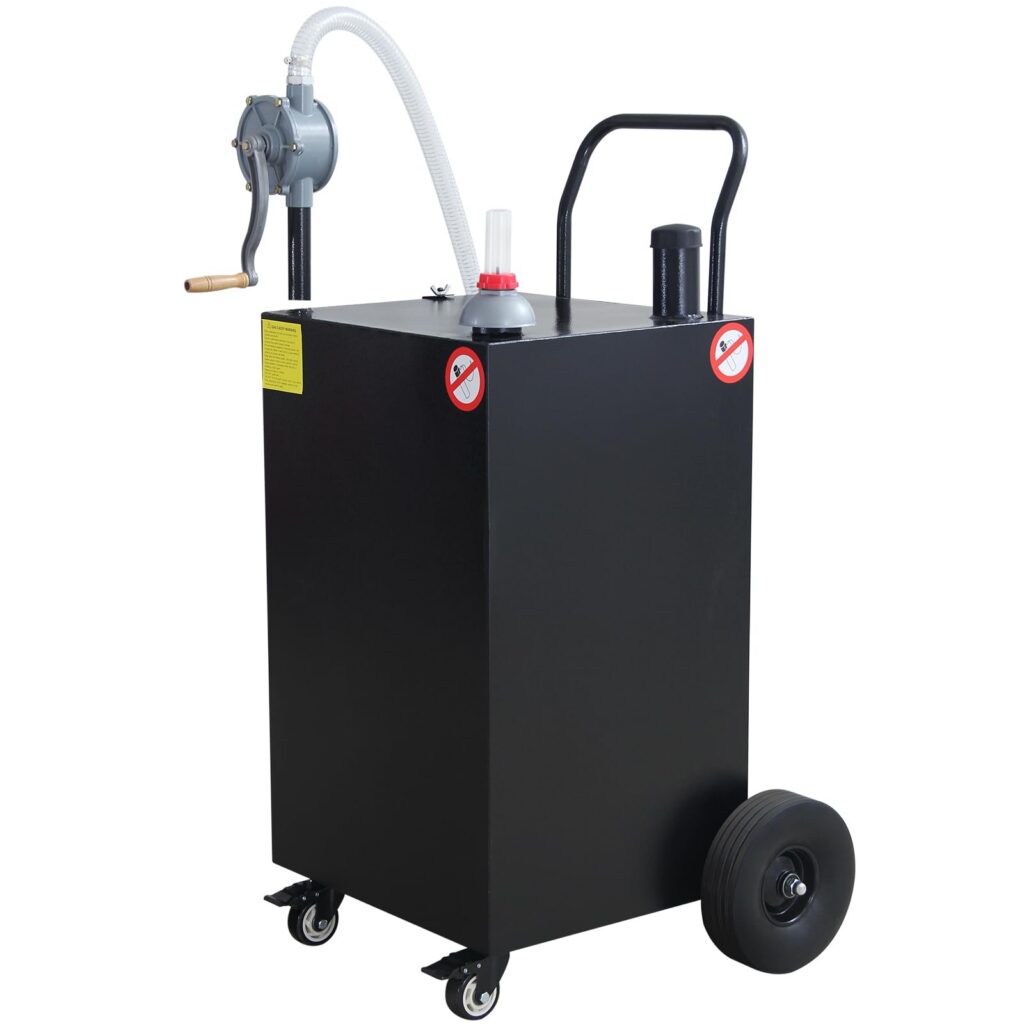
When you’re working on remote job sites, managing equipment, or preparing for emergencies, having a reliable portable gas tank with pump becomes essential. These versatile fuel storage solutions combine convenience with functionality, allowing you to transport and dispense gasoline safely wherever you need it. Unlike traditional gas cans that require manual pouring, tanks equipped with pumps offer controlled, spill-free fuel transfer that saves time and reduces waste.
The market offers numerous options ranging from basic manual pump systems to sophisticated battery-operated models with digital displays. Understanding the features, safety requirements, and practical applications of these tanks helps you make an informed decision that matches your specific needs. Whether you’re fueling lawn equipment, generators, boats, or vehicles in remote locations, the right portable fuel tank with pump ensures efficient operation without the hassle of trips to gas stations.
What Is a Portable Gas Tank With Pump?
A portable gas tank with pump is a self-contained fuel storage and dispensing system designed for easy transportation and controlled fuel transfer. These units typically consist of a durable container made from high-density polyethylene (HDPE) or metal, coupled with an integrated pumping mechanism that eliminates the need for manual pouring or tipping. The pump component can be manual, battery-powered, or electric, depending on the model and intended use.
Most portable fuel tanks with pumps feature capacities ranging from 5 to 30 gallons, making them suitable for various applications from small engine maintenance to commercial operations. The integrated pump system provides precise fuel flow control, reducing spillage and vapor emissions compared to conventional gas cans. Many models include additional features such as automatic shut-off nozzles, fuel gauges, venting systems, and EPA-compliant spouts that meet current environmental regulations.
These tanks serve multiple purposes including refueling lawn and garden equipment, powering generators during outages, supplying fuel to marine vessels, and supporting construction or agricultural machinery in remote locations. The portability aspect comes from built-in handles, wheels, or compact designs that facilitate easy movement despite the weight of stored fuel. Quality units incorporate safety features like flame arrestors, grounding systems, and child-resistant caps to prevent accidents and unauthorized access.
Key Benefits of Using a Portable Fuel Tank With Pump
Time Efficiency and Convenience
The primary advantage of a portable gas tank with pump is the significant time savings during refueling operations. Traditional gas cans require lifting, pouring, and dealing with awkward angles that often result in spills and wasted fuel. With an integrated pump system, you simply position the nozzle and activate the pump, allowing hands-free operation in many cases. This efficiency becomes especially valuable when refueling multiple pieces of equipment or working on tight schedules.
The convenience extends to reduced physical strain since you don’t need to lift heavy containers or maintain uncomfortable positions while pouring. Battery-operated and electric pumps deliver consistent flow rates, typically between 8-15 gallons per minute, enabling quick fuel transfer that would take much longer with manual methods. For businesses managing fleets of equipment or contractors working across multiple job sites, this time efficiency translates directly into improved productivity and reduced labor costs.
Enhanced Safety Features
Modern portable fuel tanks with pumps incorporate numerous safety mechanisms that protect users and property. Portable gas tank with pump models meeting EPA and CARB (California Air Resources Board) standards include vapor recovery systems that capture harmful fumes during dispensing. These systems not only protect the environment but also reduce health risks associated with gasoline vapor exposure, which can cause respiratory irritation and other health issues.
Many units feature automatic shut-off nozzles that prevent overfilling and subsequent spills, similar to those found at commercial gas stations. Anti-static grounding wires or built-in grounding capabilities prevent spark generation that could ignite fuel vapors. Child-resistant closures and lockable caps prevent unauthorized access, particularly important in residential settings or workplaces with multiple personnel. The controlled dispensing through a pump system eliminates the splash-back and overflow common with traditional pouring methods, significantly reducing fire hazards and exposure risks.
Versatility Across Applications
The adaptability of a portable gas tank with pump makes it valuable for numerous situations and industries. Landscaping professionals use these tanks to refuel mowers, trimmers, and blowers throughout the day without returning to base or gas stations. Marine enthusiasts rely on them for fueling boats at docks or remote locations where marina facilities aren’t available. Agricultural operations utilize portable fuel tanks to service tractors, irrigation pumps, and other equipment across expansive properties.
Emergency preparedness represents another critical application, as these tanks enable fuel storage for generators during power outages or natural disasters. Construction sites benefit from on-demand refueling for heavy equipment, reducing downtime and improving project efficiency. Recreational vehicle owners, off-road enthusiasts, and outdoor adventurers use portable fuel tanks with pumps to extend their range without relying on scarce gas stations in remote areas. This versatility makes the investment worthwhile for anyone regularly working with fuel-powered equipment.
Types of Portable Gas Tanks With Pumps
Manual Hand Pump Systems
Manual hand pump portable gas tank with pump models represent the most basic and affordable option, requiring physical pumping action to transfer fuel. These systems typically use a lever or rotary hand pump mechanism that creates pressure to move gasoline from the tank through the dispensing hose. While requiring more physical effort than powered alternatives, manual pumps offer complete independence from batteries or electrical power sources, making them reliable in any situation.
The flow rates for manual pump systems generally range from 5-8 gallons per minute, depending on pumping vigor and system design. These tanks work well for occasional use, small-scale operations, or backup emergency fueling needs. The simplicity of manual pumps means fewer components that can fail, resulting in lower maintenance requirements and extended operational life. Many manual systems include siphon prevention features and check valves to maintain prime between uses. Price points for quality manual pump tanks typically range from $50-150, making them accessible for residential users and budget-conscious buyers.
Battery-Powered Electric Pumps
Battery-powered portable gas tank with pump units offer the convenience of automated fuel transfer without requiring external power sources. These systems use rechargeable batteries or replaceable AA/D cell batteries to power a small electric motor that drives the pump mechanism. Flow rates typically reach 8-12 gallons per minute, providing faster refueling than manual alternatives while maintaining portability through cordless operation.
Most battery-powered models feature digital displays showing fuel quantity dispensed, battery charge level, and flow rate information. Automatic shut-off sensors detect when the receiving container is full, preventing overflows. These pumps work efficiently for regular use scenarios like weekly lawn care, seasonal recreational activities, or moderate commercial applications. Battery life varies by model and usage, with quality units providing 15-30 tank transfers per charge. Price ranges for battery-operated portable fuel tanks typically span $150-300, reflecting the added technology and convenience. Some models include USB charging ports or solar panel compatibility for extended field use.
12-Volt DC Electric Pumps
Electric portable gas tank with pump systems powered by 12-volt DC connections offer the most powerful and efficient fuel transfer option. These units connect to vehicle batteries, portable jump starters, or dedicated power sources to deliver flow rates of 10-15 gallons per minute or higher. The consistent power supply enables reliable operation for heavy-duty applications and high-volume fuel transfer needs common in commercial settings.
Professional-grade 12V electric pump tanks often include precision flow meters, automatic nozzles with vapor recovery, and robust construction suitable for daily use. The continuous power availability eliminates concerns about battery life or recharging, making these systems ideal for fleet operations, construction companies, and agricultural businesses with frequent refueling requirements. Installation typically involves simple alligator clips or permanent wiring to vehicle electrical systems. While offering superior performance, these models require access to 12V power sources, potentially limiting their application in some remote scenarios. Professional 12V systems range from $200-600 depending on capacity, pump quality, and additional features.
Essential Features to Consider
Tank Capacity and Material Construction
Choosing the right portable gas tank with pump begins with selecting appropriate capacity for your needs. Residential users typically find 5-15 gallon tanks sufficient for lawn equipment and generator backup, while commercial operations may require 20-30 gallon units for efficiency. Remember that gasoline weighs approximately 6.3 pounds per gallon, meaning a full 15-gallon tank weighs nearly 95 pounds plus the container weight, affecting portability considerations.
Suggested read: Portable Gas Pump: Essential Tools for Fuel Transfer and Emergency Situations
Material construction significantly impacts durability, safety, and longevity. High-density polyethylene (HDPE) plastic tanks offer corrosion resistance, lighter weight, and transparent or translucent walls for easy fuel level monitoring. Steel or aluminum metal tanks provide superior impact resistance and puncture protection, making them preferable for rugged environments, though they’re heavier and require proper coating to prevent rust. EPA-compliant materials ensure the tank won’t degrade from gasoline contact and maintains structural integrity across temperature variations. Look for UV-resistant plastics if outdoor storage is planned, as sunlight exposure can weaken some plastic formulations over time.
Pump Performance Specifications
The pump mechanism represents the heart of any portable gas tank with pump, and understanding performance specifications ensures you select adequate capacity. Flow rate, measured in gallons per minute (GPM), determines how quickly you can transfer fuel. Manual pumps typically deliver 5-8 GPM, battery-powered units achieve 8-12 GPM, and 12V electric pumps reach 10-15 GPM or higher. Consider your typical refueling volumes and time constraints when evaluating flow rate requirements.
Pump durability depends on internal component quality, with sealed bearings, corrosion-resistant impellers, and reinforced housings extending service life. Self-priming pumps eliminate the need to manually fill the pump housing before operation, providing immediate fuel flow when activated. Check valve systems prevent fuel backflow when the pump stops, maintaining prime and preventing drainage back into the tank. Some advanced pumps include variable speed controls, pressure regulation, and thermal overload protection that shuts off the motor if overheating occurs. Verify the pump’s compatibility with gasoline, as some units designed for other liquids may not withstand fuel’s chemical properties.
Safety and Compliance Certifications
Regulatory compliance separates quality portable gas tank with pump products from substandard alternatives that may pose safety risks. EPA (Environmental Protection Agency) approval indicates the tank meets federal emission standards for vapor control and spout design. CARB (California Air Resources Board) certification demonstrates compliance with the strictest U.S. regulations, ensuring the tank can be legally used in California and other states adopting similar standards.
Look for flame arrestor screens in tank openings that prevent external flames from entering the fuel container while allowing pressure equalization. Grounding capabilities, either through dedicated ground wires or conductive materials, prevent static electricity buildup that could spark ignition. Child-resistant closures and tamper-evident seals protect against unauthorized access and contamination. UL (Underwriters Laboratories) or similar third-party testing certifications verify the tank’s structural integrity under stress, impact, and temperature extremes. OSHA (Occupational Safety and Health Administration) compliance matters for commercial applications, ensuring workplace safety standards are met. Purchasing certified products may cost more initially but provides legal protection and genuine safety assurance.
Additional Convenience Features
Modern portable gas tank with pump designs incorporate numerous convenience features that enhance user experience. Built-in fuel gauges, whether mechanical floats or electronic sensors, eliminate guesswork about remaining fuel quantity. Transparent or translucent tank sections serve the same purpose for visual monitoring. Wide-mouth openings facilitate easy filling at gas stations, while screened funnels prevent debris contamination during refueling.
Portability enhancements include ergonomic handles, wheels or dollies for heavy loads, and balanced designs that prevent tipping during transport. Some tanks feature multiple handles positioned for different carrying methods or team lifting. Integrated hose storage compartments keep dispensing equipment organized and protected when not in use. Automatic shut-off nozzles prevent overfilling receiving equipment, similar to gas station pumps. Quick-disconnect fittings enable rapid hose attachment and removal. Weather-resistant construction with sealed components protects against moisture intrusion that could cause pump failure or fuel contamination.
Top Safety Practices for Portable Fuel Tanks
Proper Storage Guidelines
Safe storage of your portable gas tank with pump prevents accidents and maintains fuel quality over time. Always store gasoline containers in cool, well-ventilated areas away from living spaces, preferably in detached sheds or garages with adequate airflow. Temperature fluctuations cause fuel expansion and contraction, so avoid locations experiencing extreme heat or direct sunlight that could create excessive pressure inside the tank. Maximum recommended storage temperature is typically 80°F (27°C), with consistent cool temperatures preserving fuel quality longer.
Keep fuel tanks at least 50 feet from ignition sources including pilot lights, furnaces, water heaters, electrical panels, and power tools that generate sparks. Store tanks on level surfaces using drip pans to catch any potential leaks. Never stack containers or place heavy objects on top of fuel tanks. Secure tanks against tipping, especially important for wheeled models, using straps or chocks. Store only in approved containers meeting current safety standards, and never use milk jugs, glass containers, or other unapproved vessels for gasoline. Maintain clear labeling indicating contents and fill date, as gasoline degrades over time, typically remaining usable for 3-6 months without stabilizers.
Safe Refueling Procedures
Operating your portable gas tank with pump safely requires following proper refueling protocols. Always dispense fuel outdoors in well-ventilated areas, never inside enclosed spaces where vapors can accumulate and create explosion risks. Turn off all equipment before refueling, allowing engines to cool for at least five minutes, as hot surfaces can ignite fuel vapors. Remove the tank from vehicles before filling to prevent static electricity buildup and ensure proper grounding.
Place the tank directly on the ground during filling operations, never in truck beds or trunks where static discharge could occur. Maintain metal-to-metal contact between the fuel nozzle and tank opening to prevent static spark generation. Fill tanks slowly, leaving at least 5% empty space for fuel expansion, which prevents overflow as temperature increases. Never overfill or top off after the pump automatically shuts off. Clean up any spills immediately using absorbent materials, never washing them away with water which spreads contamination. After filling, ensure all caps and closures are tightly secured before transport. Never smoke or operate electrical equipment near fueling operations.
Transportation and Handling
Transporting a portable gas tank with pump requires specific precautions to prevent spills and accidents. Secure tanks upright in vehicle cargo areas using straps or tie-downs to prevent shifting during transit. Never transport fuel containers in passenger compartments where vapors could accumulate and occupants could be exposed to harmful fumes. Ensure adequate ventilation in cargo areas by keeping windows cracked or using bed covers that allow airflow.
Check local regulations regarding fuel transportation quantities, as many jurisdictions limit how much gasoline can be transported in personal vehicles. Some states prohibit carrying more than 30 gallons combined in portable containers. Plan routes avoiding rough terrain that could jostle tanks and loosen connections. During transport, monitor for leaks or vapor odors that could indicate closure failure. Never leave fuel tanks unattended in hot vehicles, as temperature increases create dangerous pressure buildup. When arriving at destinations, remove tanks from vehicles and place in appropriate storage areas rather than leaving them in hot cargo spaces.
Maintenance and Care Tips
Regular Inspection Schedule
Maintaining your portable gas tank with pump through regular inspections extends its lifespan and ensures safe operation. Weekly visual checks should examine the tank body for cracks, bulges, or discoloration indicating material degradation. Inspect all hoses for dry rot, cracking, or stiffness that compromises flexibility. Check connection points, fittings, and nozzles for looseness, corrosion, or fuel residue suggesting leaks. Verify cap seals remain pliable and seal properly when tightened.
Monthly maintenance includes testing the pump mechanism under no-load conditions to ensure smooth operation without unusual noises or vibrations. Examine electrical connections on battery-powered or 12V models for corrosion, loose wires, or damaged insulation. Clean the fuel strainer or filter if equipped, removing any debris or sediment that could restrict flow or damage the pump. Check vent systems for obstructions that could create pressure imbalances affecting pumping performance. Before peak usage seasons like spring lawn care or summer boating, conduct comprehensive inspections including pressure testing and full operational checks under load conditions.
Cleaning and Winterization
Proper cleaning of your portable gas tank with pump prevents contamination and corrosion that degrades performance. For seasonal equipment, drain remaining fuel before extended storage periods, as gasoline degrades forming varnish deposits that clog pumps and fuel systems. Run the pump mechanism dry after draining to remove residual fuel from internal passages. Some manufacturers recommend flushing with approved solvents, though check user manuals as certain cleaning agents damage seals or plastic components.
External cleaning involves wiping down the tank body with mild detergent and water, removing dirt, oil, and fuel residue. Dry thoroughly, paying special attention to electrical components that could corrode from moisture exposure. Apply protective coatings to metal tanks prone to rust, using products compatible with fuel service. For winter storage, add fuel stabilizer if leaving gasoline in the tank, following product directions for proper mixing ratios. Store in climate-controlled environments if possible, avoiding freezing temperatures that could damage plastic tanks or pump seals. Cover stored tanks with breathable materials that prevent dust accumulation while allowing moisture escape.
Troubleshooting Common Issues
Understanding basic troubleshooting for your portable gas tank with pump enables quick problem resolution. If the pump fails to prime or produce flow, check for adequate fuel level, clogged intake screens, and proper vent function allowing air to replace dispensed fuel. Air locks in the system require bleeding by running the pump briefly with the discharge hose elevated above the tank. Weak or inconsistent flow often indicates partially clogged filters, deteriorating pump seals, or low battery voltage in powered units.
Suggested read: Portable Diesel Tank: Best Options for Safe Fuel Storage & Transport
Leaking around connections usually results from worn O-rings, loose fittings, or damaged threads, generally resolved by replacing seals or tightening connections. If leaks persist from tank seams or plastic cracks, the unit requires replacement as repairs are typically unsafe. Electrical problems in powered pumps include corroded battery contacts, discharged batteries, or failed motors. Clean contacts with electrical cleaner, verify battery charge, and test for power at the motor. Unusual noises during operation suggest bearing wear, foreign objects in the impeller, or cavitation from restricted intake. Many issues are preventable through regular maintenance, but recognizing when professional repair or replacement is necessary prevents dangerous operation of compromised equipment.
Best Portable Gas Tank With Pump Models for 2025
Residential and Light-Duty Options
For homeowners and occasional users, several portable gas tank with pump models offer excellent value and performance. The Scepter 08338 Military Fuel Can with EPA-compliant spout provides 5-gallon capacity, durable HDPE construction, and reliable manual pumping suitable for lawn equipment. Priced around $45-60, it represents solid entry-level quality. The No-Spill 1450 5-Gallon Carb Compliant Gascan features their patented thumb button control valve and includes a battery-powered pump option for $80-95, combining convenience with proven leak prevention.
For larger residential needs, the Midwest Can 7600 6-Gallon Capacity Diesel/Kerosene Can with FlameShield features battery-powered pumping and fits multiple fuel types, available for $120-140. The Fuel Transfer Corporation TC406H 6-Gallon capacity with 12V pump delivers commercial-grade performance at residential prices ($150-180), featuring automatic nozzle shut-off and integrated fuel gauge. These models balance affordability with reliable function for weekly to monthly usage patterns typical in home settings. User reviews consistently highlight durability, ease of use, and compliance with local regulations as key selection factors.
Commercial and Heavy-Duty Systems
Professional operations require robust portable gas tank with pump systems built for frequent use and harsh conditions. The JohnDow Industries JDI-27GDCP 27-Gallon Capacity Diesel Caddy combines heavy-duty steel construction, 12V electric pump producing 15 GPM flow, and four-wheel dolly mobility for $350-425. It’s designed for fleet servicing and construction sites requiring multiple daily refuelings. The TransferFlow 080-01-16179 25-Gallon Fuel Tank includes professional-grade pump assembly with automatic shut-off, EPA compliance, and corrosion-resistant components for $425-525.
For maximum capacity, the RDS Manufacturing 8-Gallon to 95-Gallon Aluminum Transfer Tanks accommodate various truck bed configurations with integrated 12V pumping systems. Their powder-coated aluminum construction resists corrosion while maintaining lighter weight than steel alternatives, priced from $450-800 depending on capacity. The Piusi F00201060 Box Pro 12V Fuel Transfer System represents premium quality with Italian engineering, delivering 21 GPM flow, digital metering, and automatic nozzle technology for $650-750. Commercial buyers should calculate return on investment based on time savings, spill reduction, and worker safety improvements that quickly offset higher initial costs.
Marine and Recreational Applications
Boaters and outdoor enthusiasts benefit from specialized portable gas tank with pump designs suited to marine environments and remote locations. The Moeller Below Deck Fuel Tank systems (6-31 gallon range) include integrated fuel senders, EPA compliance, and corrosion-resistant materials designed specifically for marine installations, priced $150-400 depending on capacity. For portable marina refueling, the Beckson Company Thirsty-Mate Hand Pump with 7-foot hose provides reliable manual operation at $35-50 for those preferring simple, maintenance-free operation.
RV owners appreciate the GasTapper Siphon Powered Fuel Transfer Pump that operates without batteries or power, using automotive fuel pressure for transfer, available for $90-110. For overlanding and off-road adventures, the Rotopax RX-2G 2-Gallon Gasoline Pack mounts externally on vehicles, includes pour spout options, and stacks with their battery-powered pump kit ($45 for can, $80 for pump kit). The Sea-Dog Line 588110-1 Portable Fuel Tank with EPA-Compliant Fuel Gauge combines 12-gallon capacity with marine-grade construction and integrated pumping for $200-250. These specialized models address unique challenges of mobile recreational fuel needs while maintaining safety and regulatory compliance.
Legal Considerations and Regulations
EPA and CARB Compliance Requirements
Understanding legal requirements for portable gas tank with pump ownership and operation prevents fines and ensures public safety. The Environmental Protection Agency (EPA) regulates portable fuel containers through standards established in 2007 and updated in 2009, focusing on reducing permeation emissions and spout spillage. Compliant containers must incorporate design features preventing fuel permeation through container walls, automatic closure mechanisms preventing spills when tipped, and child-resistant opening requirements for containers below 5 gallons.
California Air Resources Board (CARB) maintains even stricter standards, requiring portable fuel containers sold in California to meet enhanced spillage prevention criteria and virtually zero permeation rates. Many manufacturers now produce CARB-compliant models nationwide, recognizing California’s market influence and simplifying inventory management. When purchasing a portable gas tank with pump, verify compliance markings on the container, typically including “EPA Approved” or “CARB Compliant” labels. Non-compliant containers cannot be legally sold in regulated states, though existing containers may be grandfathered for personal use. Commercial operations should ensure all fuel handling equipment meets current standards to avoid potential liability in case of accidents or regulatory inspections.
Transportation and Quantity Restrictions
Transporting gasoline in portable gas tank with pump containers involves specific legal limitations varying by jurisdiction. Federal regulations through the Department of Transportation (DOT) classify gasoline as a Class 3 flammable liquid, with private vehicle transport generally limited to containers under 30 gallons combined capacity. Commercial transport requires appropriate hazmat certification, proper container labeling, and adherence to professional hauling standards when quantities exceed personal use thresholds.
State and local regulations often impose additional restrictions. Some states prohibit carrying more than 25 gallons in passenger vehicles, while others limit quantities based on container size or vehicle type. Urban areas may enforce stricter limits, particularly in tunnels, bridges, or high-density zones where fuel spill risks pose greater public safety concerns. Verify local ordinances before transporting significant fuel quantities, especially when crossing state lines where regulations change. Keep documentation proving legitimate need for fuel transport in commercial settings, such as job site locations, equipment inventories, or business licenses. Violations can result in fines ranging from hundreds to thousands of dollars plus potential fuel confiscation.
Insurance and Liability Concerns
Proper use of portable gas tank with pump equipment affects insurance coverage and legal liability in case of accidents. Homeowners insurance policies typically cover personal property including fuel storage equipment, though coverage limits and exclusions vary by carrier. Some policies exclude coverage for damages caused by improper fuel storage or transportation, making regulatory compliance financially important beyond legal requirements. Inform your insurance agent about fuel storage practices, particularly if storing larger quantities on residential property, as this may require policy adjustments or additional coverage.
Commercial operations face more complex liability considerations, as workplace accidents involving fuel can result in OSHA violations, workers compensation claims, and potential lawsuits. Businesses should implement formal fuel handling policies, provide employee training on proper equipment use, maintain documentation of training programs, and conduct regular safety audits. Professional liability insurance and comprehensive general liability policies should specifically address fuel storage and dispensing activities. When purchasing portable gas tank with pump systems for business use, retain all documentation proving compliance with safety standards, proper maintenance records, and inspection histories that demonstrate responsible practices reducing liability exposure in legal proceedings.
Environmental Impact and Responsible Use
Emission Reduction Benefits
Quality portable gas tank with pump systems contribute to environmental protection through reduced vapor emissions and spill prevention. Traditional gas cans without vapor recovery systems release significant volatile organic compounds (VOCs) during every refueling event. These compounds contribute to ground-level ozone formation, photochemical smog, and air quality degradation affecting human health and ecosystems. EPA-compliant portable fuel tanks incorporate vapor recovery mechanisms that capture escaping fumes during dispensing operations.
Studies by environmental agencies indicate proper fuel handling equipment reduces VOC emissions by 75-90% compared to conventional containers. For users refueling multiple times weekly, this translates to preventing several pounds of harmful emissions annually. Automatic shut-off nozzles prevent overfilling and subsequent spillage that releases both liquid fuel and vapor emissions. Self-closing spouts minimize vapor escape between refueling sessions when containers aren’t in use. By choosing certified portable gas tank with pump models meeting current environmental standards, users actively participate in air quality improvement efforts while still meeting legitimate fuel storage needs. This environmental benefit costs nothing extra, as compliant models have become the industry standard at competitive prices.
Spill Prevention and Cleanup
Controlled fuel dispensing through portable gas tank with pump systems dramatically reduces spills compared to manual pouring methods that frequently result in overflows and splashes. Gasoline contamination poses serious environmental hazards, as small quantities pollute large volumes of soil and groundwater. A single gallon of gasoline can contaminate approximately one million gallons of groundwater, persisting for years in soil and aquatic ecosystems. The controlled flow and automatic shut-off features of pump-equipped tanks prevent most accidental releases during normal operations.
When spills do occur, prompt cleanup prevents environmental damage. Small spills (less than one gallon) on impervious surfaces like driveways can be managed with absorbent materials such as kitty litter, sand, or commercial spill pads. Contain the spill immediately, prevent spreading, and dispose of absorbent materials as hazardous waste according to local regulations. Never wash fuel spills down drains or sewers. For larger spills or releases onto soil, contact local environmental agencies for proper response procedures. Some jurisdictions require reporting any fuel releases exceeding specific quantities. Using portable gas tank with pump equipment reduces spill likelihood, but maintaining spill response supplies and knowing proper procedures ensures minimal environmental impact when accidents occur.
Fuel Stabilization and Waste Reduction
Proper fuel management using portable gas tank with pump systems reduces waste from fuel degradation. Gasoline begins oxidizing immediately after refining, forming gum and varnish deposits that clog engines within 3-6 months under normal storage conditions. Adding fuel stabilizer products extends usable life to 12-24 months by preventing oxidation and phase separation. This simple step prevents waste from disposing of degraded fuel that can’t safely power equipment.
Suggested read: Portable Satellite Dish: Your Complete Solution for Internet and TV Anywhere
When fuel does degrade beyond usability, proper disposal protects environmental and public health. Never dump old gasoline onto ground, into sewers, or with regular trash. Contact local household hazardous waste facilities, many of which accept petroleum products during specific collection events or at permanent drop-off locations. Some municipalities operate year-round hazardous waste centers where residents can dispose of old fuel free of charge. Auto repair shops or small engine repair facilities sometimes accept old gasoline for proper disposal or recycling. Using appropriately-sized portable gas tank with pump containers matching actual consumption needs reduces the likelihood of storing excess fuel that degrades before use, preventing waste from the source.
Comparing Portable Gas Tank With Pump to Alternatives
Traditional Gas Cans vs. Pumped Tanks
Traditional gas cans represent the most basic fuel storage alternative to portable gas tank with pump systems. Standard 1-5 gallon gas cans cost $15-40, significantly less than pump-equipped tanks, making them attractive for occasional users with minimal fuel transfer needs. These cans work adequately for infrequent refueling of small engines like string trimmers, chainsaws, or single lawn mowers. The simplicity means virtually no maintenance requirements and no mechanical components that could fail.
However, traditional cans present numerous disadvantages compared to pump systems. Manual pouring often results in spills, particularly when reaching awkward fill locations or fueling equipment with small tank openings. The physical strain of lifting and tipping heavy containers becomes problematic when handling 5+ gallon volumes regularly. Pouring creates substantial vapor emissions as fuel splashes and air rushes into the can. Control over fuel flow is limited, making precise fills difficult and overfills common. For anyone refueling multiple pieces of equipment regularly or handling quantities exceeding 10 gallons, portable gas tank with pump systems provide superior efficiency, safety, and environmental benefits that justify the higher initial investment through reduced waste and improved convenience.
Transfer Pump Accessories
Separate transfer pumps that attach to standard fuel containers offer a middle ground between basic cans and integrated portable gas tank with pump units. These aftermarket pumps, costing $30-150 depending on type, can convert existing gas cans into pumped systems. Battery-powered and 12V siphon pumps attach to container openings via universal adapters, providing mechanical fuel transfer without requiring specialized tanks. This flexibility allows using one pump with multiple containers of different sizes.
The drawback of separate pumps includes compatibility issues with various container opening designs, potential air leaks reducing pumping efficiency, and lack of integrated design optimization found in purpose-built systems. Set-up time increases as you must attach and remove pumps for each use, rather than having permanently integrated systems ready instantly. Transfer pumps also don’t address other beneficial features of dedicated portable gas tank with pump units like improved portability designs, built-in gauges, or comprehensive safety certifications. For users with existing fuel containers seeking incremental improvement, transfer pumps offer cost-effective functionality enhancement. However, those purchasing new equipment should consider complete integrated systems that provide optimized performance, better safety features, and superior long-term reliability through purpose-built design.
Commercial Fuel Transfer Stations
Large-scale fuel management in commercial settings sometimes involves stationary fuel transfer stations rather than portable equipment. These permanent installations feature above-ground storage tanks (100-1000+ gallons), commercial-grade dispensing pumps, and regulatory compliance features like leak detection and secondary containment. For businesses with fleet vehicles or heavy equipment yards, stationary systems offer the ultimate in capacity and convenience, eliminating the need for portable containers entirely.
However, stationary systems require significant investment ($2,000-15,000+), permanent installation with concrete pads and piping, ongoing regulatory compliance including permits and inspections, and lack flexibility for remote work sites. Small businesses, contractors, and agricultural operations often find portable gas tank with pump systems provide the optimal balance of capacity, portability, and cost-effectiveness.
Portable tanks enable fuel delivery directly to equipment locations across expansive properties or at job sites without infrastructure. They supplement stationary systems when working beyond fuel station range. Many operations maintain both stationary stations at primary facilities and portable tanks for field operations, recognizing each system’s strengths address different operational needs. Choosing between these approaches depends on fuel consumption volumes, geographic distribution of equipment, regulatory environment, and budget considerations.
Real-World Applications and Case Studies
Professional Landscaping Operations
Landscape maintenance companies demonstrate the practical value of portable gas tank with pump systems in commercial settings. A mid-sized landscaping business servicing 30-40 properties daily operates multiple crews with trucks carrying mowers, trimmers, blowers, and edgers. Without portable fuel capability, crews would interrupt work for gas station trips multiple times daily, losing productive hours and increasing labor costs. Equipping each truck with a 15-20 gallon portable gas tank with pump enables on-site refueling between jobs.
One North Carolina landscaping company calculated that implementing portable fuel tanks saved approximately 5 hours weekly per crew by eliminating gas station visits. With four crews operating, this totaled 1,040 hours annually, translating to roughly $31,000 in recovered labor costs at $30/hour wages. The company invested $800 total purchasing four quality battery-powered pump tanks, achieving payback in approximately 10 days of operation. Additional benefits included reduced vehicle mileage, lower fuel costs from purchasing gasoline at wholesale prices during off-peak periods, improved scheduling flexibility, and enhanced professional image with clients observing crews working continuously without interruptions. This case study illustrates how even modest-sized operations realize substantial returns from appropriate fuel management equipment.
Emergency Generator Maintenance
Residential and commercial generator owners rely on portable gas tank with pump systems for backup power readiness. During extended power outages following hurricanes, ice storms, or other disasters, gas station closures or long lines prevent convenient refueling. Maintaining stored fuel in portable tanks ensures generator operation throughout emergencies without depending on uncertain fuel availability. A 15-gallon portable tank powers most household generators 12-20 hours depending on load and generator efficiency.
Following Hurricane Ian in 2022, Florida residents with pre-positioned fuel supplies maintained power for essential functions including refrigeration, water pumping, and climate control while neighbors without preparation suffered extended hardships. Survey data from emergency management agencies indicates households with 20+ gallons of stored fuel and appropriate transfer equipment recovered normal functioning 3-4 days faster than unprepared neighbors.
One Fort Myers family documented their generator operation throughout a 9-day outage, using a 25-gallon portable gas tank with pump system with fuel stabilizer added six months prior. The stored gasoline remained effective throughout the emergency, and the pump system enabled safe nighttime refueling in rainy conditions where traditional pouring would have been difficult and dangerous. This experience highlights the preparedness value of quality fuel storage equipment beyond routine convenience applications.
Agricultural and Rural Applications
Farming operations benefit substantially from portable gas tank with pump systems across dispersed rural properties. Modern farms operate dozens of fuel-powered implements including tractors, harvesters, irrigation pumps, all-terrain vehicles, and utility vehicles spread across hundreds or thousands of acres. Transporting equipment to stationary fuel stations wastes time, and driving personal vehicles across farmland for fuel deliveryis impractical. Portable fuel tanks in work trucks or on ATVs bring refueling capability directly to operating equipment locations.
A soybean farm in Iowa documented their fuel management workflow before and after implementing portable fuel tanks. Previously, bringing equipment to their stationary 500-gallon tank required 2-3 hours daily during peak seasons, as large equipment moved slowly on rural roads and operators needed transport back to field positions. After purchasing three 30-gallon portable gas tank with pump units mounted in utility vehicles, the farm reduced daily fueling time to approximately 30 minutes, recovering 2.5 hours daily during their 100-day growing season.
This 250-hour annual savings enabled expanding cultivation by 50 acres without additional labor costs, directly increasing revenue by approximately $35,000 annually. The $1,200 investment in portable fuel equipment paid for itself within 11 days of implementation, demonstrating how operational efficiency improvements generate measurable financial returns in agricultural applications.
Frequently Asked Questions About Portable Gas Tank With Pump
What size portable gas tank with pump do I need?
The appropriate portable gas tank with pump size depends on your specific usage patterns and portability requirements. For residential lawn care with typical equipment including one mower, trimmer, and blower, a 5-10 gallon tank provides sufficient capacity for 2-4 weeks of normal use. Homeowners maintaining generators for emergency backup should calculate their generator’s fuel consumption rate and desired runtime, typically requiring 15-20 gallons for 24-48 hours continuous operation of average household generators.
Commercial operations need larger capacities matching daily consumption across multiple equipment pieces. Landscaping crews often require 15-25 gallon tanks enabling full-day operations without refilling. Construction and agricultural applications might demand 30+ gallon capacities for heavy equipment with substantial fuel consumption. Remember that larger tanks increase weight significantly when full, potentially exceeding safe lifting capacity. A full 15-gallon tank weighs approximately 100 pounds, requiring wheeled bases or two-person handling for safe movement. Balance capacity needs against practical portability limitations for your specific situation.
Suggested read: Portable A/C Rental: Your Ultimate Solution for Temporary Cooling Needs
How long does gasoline last in a portable fuel tank?
Gasoline stored in a portable gas tank with pump typically remains usable for 3-6 months under normal conditions without fuel stabilizer additives. Beyond this period, oxidation processes create gum and varnish deposits that clog fuel systems and reduce combustibility. Temperature variations, moisture exposure, and tank seal quality affect degradation rates. Fuel stored in cool, stable temperature environments with minimal air exposure lasts longer than fuel experiencing heat cycles and poor sealing.
Adding fuel stabilizer products extends storage life to 12-24 months by preventing oxidation and phase separation where ethanol-blended fuels separate into distinct layers. Follow stabilizer manufacturer instructions for proper dosing ratios, typically 1 ounce per 2-3 gallons of gasoline. Mix stabilizer thoroughly by gently rocking the container after addition. For optimal results, add stabilizer before storing rather than attempting to restore degraded fuel. Mark containers with fill dates to track age and rotate stock, using oldest fuel first. If gasoline develops dark color, strong solvent odor, or visible separation, it has degraded beyond safe use and requires proper disposal rather than attempting to power equipment.
Can I use a portable gas tank with pump for diesel fuel?
Many portable gas tank with pump systems accommodate multiple fuel types including diesel, though you must verify specific model compatibility before use. Gasoline and diesel have different chemical properties requiring compatible materials and pump components. Some pumps use seals and gaskets that degrade when exposed to diesel fuel, while others feature universal compatibility. Always check manufacturer specifications identifying approved fuel types for your specific tank model.
If using portable tanks for multiple fuel types, designate separate containers for each fuel to prevent cross-contamination. Even small amounts of gasoline in diesel fuel can damage diesel engines by reducing lubrication and altering combustion characteristics. Similarly, diesel contamination in gasoline causes smoking, reduced power, and potential fuel system damage. Label containers clearly indicating fuel type and date, using different colors if possible (red for gasoline, yellow for diesel) following industry standards. Clean tanks thoroughly before switching fuel types if repurposing containers, though dedicated use is safer. For operations regularly handling both fuels, maintaining separate portable gas tank with pump units eliminates contamination risks and simplifies fuel management protocols.
Are portable gas tanks with pumps legal everywhere?
The legality of portable gas tank with pump ownership and use varies by jurisdiction, though compliant models are legal throughout the United States for personal and commercial applications. Federal EPA regulations permit portable fuel containers meeting emission and safety standards nationwide. Some states including California enforce stricter requirements through CARB certification, but compliant products remain legal when meeting enhanced standards. Most manufacturers now produce CARB-compliant models sold nationally, simplifying compliance across jurisdictions.
Local ordinances occasionally impose additional restrictions on fuel storage quantities, particularly in urban areas, apartment complexes, or homeowner associations with property use covenants. Check municipal codes and HOA regulations regarding maximum fuel storage amounts on residential property, as limits commonly range from 10-25 gallons in portable containers. Commercial properties may require permits for fuel storage exceeding specific thresholds, typically 50-100 gallons combined capacity. Transporting fuel involves separate regulations through Department of Transportation and state motor vehicle codes limiting quantities in personal vehicles. While owning compliant portable gas tank with pump equipment is legal, verify local storage limits and transportation restrictions ensuring your specific usage complies with all applicable regulations.
How do I safely dispose of an old portable fuel tank?
Disposing of an old portable gas tank with pump requires removing all fuel residue and following proper procedures for container disposal. Begin by completely draining remaining gasoline into approved containers for use or proper disposal. Run the pump mechanism until dry to remove fuel from internal passages. Allow the tank to air out in a well-ventilated outdoor area for several days, enabling residual vapors to dissipate. Never attempt to cut, weld, or modify fuel tanks even after draining, as vapor residue remains flammable and explosive.
For tanks in usable condition despite being outdated or no longer needed, donation to vocational schools, farm cooperatives, or charitable organizations provides reuse opportunities. Scrap metal recyclers often accept metal fuel tanks after complete fuel removal and adequate ventilation period, though many require certification that tanks are clean and vapor-free. Plastic fuel tanks typically go through municipal solid waste systems or recycling programs accepting #2 HDPE plastic, though verify your local recycling facility accepts former fuel containers as policies vary.
Some communities prohibit fuel containers in regular trash collection, requiring disposal through household hazardous waste programs. Contact local waste management authorities for specific guidelines in your area ensuring compliance with environmental regulations while safely disposing of end-of-life fuel storage equipment.
Where to Buy Quality Portable Gas Tank With Pump Systems
Online Retailers and Marketplaces
Major e-commerce platforms offer extensive portable gas tank with pump selections with convenient comparison shopping and customer reviews. Amazon carries hundreds of models across all price ranges from basic manual systems to professional-grade electric pumps, often with Prime shipping for quick delivery. Detailed product descriptions, specification charts, and verified purchase reviews help buyers make informed decisions. Prices typically match or beat retail stores, especially during promotional events like Prime Day or Black Friday when fuel equipment sees substantial discounts.
Specialized industrial suppliers including Northern Tool and Tractor Supply Company operate comprehensive online stores featuring professional-grade fuel transfer equipment. These retailers provide expert product information, technical support, and often carry commercial warranties longer than consumer marketplace platforms. eBay and similar auction sites sometimes offer discounted or used portable gas tank with pump units, though carefully verify condition and ensure EPA/CARB compliance before purchasing. Direct manufacturer websites like RDS Manufacturing, Transfer Flow, or Midwest Can Company sell products directly to consumers, occasionally offering exclusive models or factory-direct pricing. Research multiple sources, compare total delivered prices including shipping, and review return policies before purchasing to ensure satisfaction with your fuel storage investment.
Local Retailers and Specialty Stores
Brick-and-mortar retailers provide hands-on evaluation opportunities before purchasing portable gas tank with pump equipment. Home improvement chains including Home Depot and Lowe’s stock various portable fuel tanks in their tool and equipment departments, allowing customers to assess build quality, weight, and size firsthand. Store staff can sometimes provide usage advice and installation guidance, particularly in professional contractor departments. Availability varies by location and season, with spring seeing expanded inventory supporting lawn care season.
Farm supply stores like Tractor Supply Company, Rural King, and regional agricultural cooperatives carry robust selections catering to agricultural and commercial users. These retailers stock heavy-duty models, large capacity tanks, and professional-grade pump systems less common in general home improvement stores. Staff expertise generally exceeds typical retail knowledge levels, as farm supply employees often use similar equipment in their personal applications. Auto parts retailers including AutoZone and O’Reilly Auto Parts carry limited portable gas tank with pump selections focused on automotive and marine applications. Local marina suppliers and RV dealerships stock specialized models suited to recreational applications. Shopping locally supports community businesses and enables immediate product availability without shipping delays.
For more portable solutions beyond fuel storage, explore our selection of portable hammock chairs designed for outdoor comfort and relaxation.
Making Your Purchase Decision
Selecting the right portable gas tank with pump involves balancing capacity requirements, pump type preferences, budget constraints, and specific application needs. Start by calculating your typical fuel consumption patterns determining necessary tank size, then evaluate whether manual, battery-powered, or 12V electric pumping best suits your usage frequency and power source availability. Verify EPA and CARB compliance ensuring legal use in your jurisdiction while confirming compatibility with your specific fuel type, whether gasoline, diesel, or mixed applications.
Compare total cost of ownership including initial purchase price, ongoing maintenance expenses like battery replacements, and potential savings from reduced spills and time efficiency. Read independent reviews from verified purchasers operating in similar applications, paying attention to long-term durability reports and manufacturer warranty coverage. Consider storage space availability, portability requirements based on typical transport methods, and safety features matching your risk tolerance and regulatory obligations.
Quality portable gas tank with pump systems represent significant investments deserving careful consideration. Prioritize safety certifications, proven durability, and appropriate capacity over minimal cost savings on inferior products that could fail dangerously or require premature replacement. Whether you’re a homeowner maintaining lawn equipment, a professional contractor supporting field operations, or preparing for emergency situations, the right portable fuel tank with integrated pumping provides years of convenient, safe, and efficient fuel management.
Ready to upgrade your fuel storage solution? Explore our comprehensive selection of portable gas tank with pump options and find the perfect model for your specific needs today.