What is a Portable Satellite Dish?
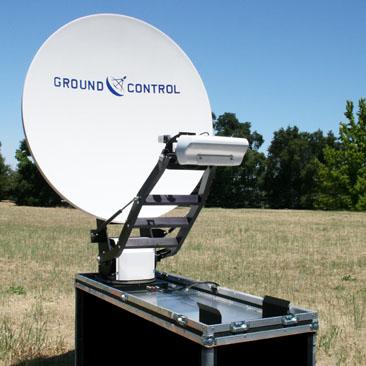
A portable satellite dish is a compact, mobile antenna system designed to receive satellite signals for television programming and internet connectivity while traveling or in remote locations. Unlike traditional fixed satellite installations, these innovative devices can be quickly deployed and repositioned, making them ideal for RVers, campers, boaters, and emergency responders. The technology behind portable satellite systems has evolved dramatically over the past decade, transforming from bulky, complex equipment into streamlined solutions that even beginners can set up within minutes.
Modern portable satellite dishes typically weigh between 10 to 35 pounds and fold into compact carrying cases for easy transport. They connect wirelessly or via cable to your devices, providing access to hundreds of channels and high-speed internet in areas where terrestrial connections simply don’t exist. According to industry research from Satellite Markets and Research, the portable satellite communications market is expected to grow by 8.2% annually through 2028, reflecting increasing demand for mobile connectivity solutions.

Types of Portable Satellite Dishes Available Today
Automatic Portable Satellite Dishes
Automatic portable satellite dish systems feature motorized tracking that finds and locks onto satellite signals without manual adjustment. These premium units use built-in GPS and electronic compass technology to automatically point toward the correct satellite position based on your geographic location. Popular models like the KING Tailgater and Winegard Pathway X2 can acquire satellite signals in under two minutes, making them perfect for users who prioritize convenience over budget considerations.
The primary advantage of automatic systems is their user-friendly operation—simply place the dish outside with a clear view of the southern sky (in the Northern Hemisphere), power it on, and wait for signal acquisition. These units typically cost between $350 to $800, with premium models offering dual-satellite capability for accessing multiple programming sources simultaneously. The technology eliminates the frustration of manual alignment while ensuring optimal signal strength through continuous automatic adjustments.
Manual Portable Satellite Dishes
Manual portable satellite dish options require users to physically point and adjust the antenna to find satellite signals. While this demands more technical knowledge and patience during setup, manual systems offer significant cost savings, typically ranging from $150 to $400. These dishes work excellently for stationary camping scenarios where you’ll remain in one location for extended periods and don’t need to repeatedly reposition your equipment.
Modern manual systems include signal strength meters and smartphone apps that guide you through the alignment process step-by-step. The Winegard Carryout GM-1518 represents an excellent entry-level option, combining portability with straightforward setup procedures. Many experienced users actually prefer manual systems because they provide better understanding of satellite technology and offer more control over fine-tuning signal quality for optimal performance during adverse weather conditions.
In-Motion Portable Satellite Dishes
In-motion satellite dishes represent the cutting edge of portable satellite technology, maintaining signal lock while your vehicle travels down the highway. These sophisticated systems use advanced gyroscopic stabilization and tracking algorithms to compensate for vehicle movement, turns, and terrain changes. The technology primarily targets luxury RV owners, commercial vehicles, and maritime applications where uninterrupted connectivity is essential.
In-motion units like the KING Dome or Winegard Trav’ler mount on vehicle roofs and cost between $1,500 to $4,000 depending on capabilities. While expensive, they enable passengers to watch live television or maintain internet connections during long road trips without interruption. The systems automatically stow themselves when detecting low clearance situations and can withstand highway speeds up to 70 mph while maintaining stable signal reception.
Key Features to Consider When Buying a Portable Satellite Dish
Compatibility with Service Providers
Before purchasing any portable satellite dish, verify its compatibility with your intended satellite service provider. In North America, the major providers include DISH Network, DirecTV, and HughesNet, each using different satellite constellations and signal frequencies. Some portable dishes work exclusively with one provider, while others offer multi-provider compatibility through interchangeable LNB (Low Noise Block) components.
DISH Network compatibility is most common among portable satellite solutions, with numerous models specifically designed for their Wally or Hopper receiver systems. DirecTV users have fewer portable options but can find compatible models from manufacturers like Winegard and KING. For internet connectivity, portable dishes from Viasat and HughesNet provide broadband access in remote areas, though newer Starlink portable options are rapidly gaining market share with superior speeds and lower latency.
Size and Weight Specifications
The physical dimensions and weight of your portable satellite dish directly impact portability and setup convenience. Compact models measuring 14 to 18 inches in diameter work perfectly for occasional use and car camping, easily fitting in storage compartments or vehicle trunks. Mid-size dishes ranging from 20 to 24 inches offer better signal reception, particularly in challenging weather or heavily wooded areas where signal obstruction might occur.
Weight considerations become critical if you’ll frequently move your equipment or have physical limitations. Ultra-lightweight models weighing 10-15 pounds maximize portability but may sacrifice signal strength or durability. Heavier units (25-35 pounds) typically feature more robust construction and larger reflectors for superior reception quality. Consider investing in a dedicated carrying case with wheels if you choose a heavier model, as this dramatically reduces the physical strain of transportation.
Signal Strength and Reception Quality
Signal reception capabilities separate premium portable satellite dishes from budget alternatives. The dish diameter directly correlates with signal-gathering ability—larger reflectors capture more satellite signal, resulting in clearer picture quality and more reliable connections during rain, snow, or cloud coverage. A 24-inch dish will consistently outperform an 18-inch model in marginal signal conditions.
LNB quality also significantly impacts reception performance. Dual-output LNBs allow connection of two receivers simultaneously, perfect for RVs where multiple people want to watch different channels. Triple-LNB configurations enable reception from multiple satellites, expanding your available channel lineup considerably. Look for models with signal strength indicators or smartphone apps that provide real-time feedback during alignment, as these features dramatically simplify the optimization process for maximum reception quality.
Power Requirements and Options
Understanding power consumption helps ensure your portable satellite dish operates effectively with your available power sources. Most portable systems consume between 20 to 40 watts during operation, drawing minimal power from your RV battery bank, portable generator, or vehicle’s 12V system. Automatic dishes typically require more power than manual models due to their motorized tracking mechanisms and electronic components.
Consider whether your dish accepts both AC (110V) and DC (12V) power inputs, as this versatility allows operation from various power sources depending on your camping setup. Some advanced models include integrated battery packs for truly wireless operation, though these typically provide only 3-6 hours of continuous use. Solar panel compatibility represents another valuable feature for extended off-grid adventures, allowing sustainable power generation without generator noise or fuel consumption.
How to Set Up Your Portable Satellite Dish Correctly
Location Selection and Obstruction Assessment
Proper site selection is absolutely critical for successful satellite reception with your portable satellite dish. Satellites orbit Earth in geostationary positions roughly 22,300 miles above the equator, requiring a clear line-of-sight from your dish to the southern sky (in the Northern Hemisphere). Start by identifying potential mounting locations that offer unobstructed views toward the south, free from trees, buildings, power lines, or other physical barriers.
Use your smartphone’s compass app to determine the precise azimuth (horizontal direction) and elevation (vertical angle) required for your specific satellite and location. Free apps like “Satellite Director” or “DishPointer” provide augmented reality views showing exactly where satellites appear in your sky, making obstruction assessment incredibly straightforward. Remember that satellite signals cannot penetrate solid objects—even a single tree branch in the signal path can cause complete reception failure or severe pixelation.
Leveling and Stabilization Techniques
Many portable satellite dish models require reasonably level positioning for optimal performance, particularly automatic systems that rely on internal sensors for satellite acquisition. Use a bubble level or smartphone level app to ensure your dish sits on level ground or mounting surface. If camping on sloped terrain, consider using leveling blocks, adjustable feet, or a purpose-built satellite tripod with independent leg adjustment.
Stabilization becomes especially important in windy conditions where dish movement can disrupt signal lock. Stake down tripod legs using guy wires and tent stakes, or place heavy objects around the base to prevent tipping. Some users create custom stabilization platforms using plywood or weighted buckets filled with sand. For in-motion systems, proper roof mounting with reinforced brackets and sealant application prevents water intrusion and ensures the dish withstands highway vibrations and wind loads.
Signal Acquisition and Optimization Process
After positioning your portable satellite dish with clear southern sky visibility, begin the signal acquisition process according to your specific model’s instructions. Automatic dishes typically require only powering on and waiting 2-5 minutes while internal motors perform their search routine. Watch your receiver’s signal strength meter as the dish scans, celebrating when it locks onto the satellite and displays live programming.
Manual dishes demand more active participation during alignment. Start with approximate azimuth and elevation settings based on online calculators or smartphone apps for your location. Make small adjustments horizontally while monitoring signal strength, then fine-tune elevation once you detect initial signal presence. The process resembles focusing binoculars—start with broad adjustments, then progressively make smaller tweaks until signal quality peaks. Peak signal usually occurs in a very narrow window, sometimes requiring adjustments as small as one degree for optimal reception quality.
Popular Portable Satellite Dish Brands and Models
KING Portable Satellite Systems
KING Controls manufactures some of the most respected portable satellite dish products in the RV and mobile entertainment industry. Their Tailgater series offers automatic DISH Network compatibility in compact, carry-friendly designs weighing just 10 pounds. The KING Tailgater Pro features dual-tuner capability, allowing simultaneous recording and viewing of different channels—a feature typically found only in larger, more expensive systems.
The KING Quest series targets users needing automatic satellite acquisition with rapid deployment capabilities. These premium models include built-in Wi-Fi for receiver connectivity and smartphone control apps that provide system diagnostics and troubleshooting assistance. KING’s Dome series serves the in-motion market with roof-mounted solutions offering continuous reception during travel. Prices range from $399 for basic Tailgater models to over $3,000 for advanced in-motion domes with DVR integration.
Suggested read: Everstar Portable Air Conditioner: Your Complete Solution for Staying Cool Anywhere
Winegard Mobile Satellite Solutions
Winegard Company has manufactured satellite antennas since 1954, bringing decades of RF engineering expertise to their portable satellite dish lineup. The Pathway X2 represents their flagship portable model, featuring automatic satellite switching between two DISH satellites for maximum channel availability. This dual-satellite capability expands programming options significantly compared to single-satellite models, though it requires a compatible DISH receiver.
The Carryout series from Winegard includes both automatic and manual models at various price points, accommodating different budget levels and user experience preferences. Their Trav’ler series dominates the in-motion market with roof-mounted solutions offering fully automatic stow-and-deploy functionality. Winegard’s reputation for customer support and extensive dealer network makes them a safe choice for first-time satellite users who value accessible technical assistance and warranty support.
Satellite Oasis Portable Solutions
Satellite Oasis specializes in DIY portable satellite dish kits that appeal to budget-conscious users and technical hobbyists. Their tripod-mounted systems utilize standard satellite components configured for portable use, offering flexibility and value that proprietary systems cannot match. These kits typically include the dish, LNB, mounting hardware, and coaxial cable, requiring users to supply their own receiver and subscription.
The primary advantage of Satellite Oasis products is customization potential—users can select specific LNB types, dish sizes, and mounting solutions based on their unique requirements. Prices start around $150 for basic manual systems, making them significantly more affordable than branded automatic alternatives. However, these systems demand greater technical knowledge during setup and troubleshooting, making them better suited for experienced users comfortable with DIY satellite installation projects.
Portable Satellite Dish vs Traditional Fixed Installations
Mobility and Flexibility Advantages
The defining advantage of any portable satellite dish is its inherent mobility—you can literally take your television and internet connectivity anywhere your adventures lead. Traditional fixed installations remain permanently mounted to your home, providing zero flexibility for relocation or travel use. Portable systems enable weekend camping trips, tailgating parties, emergency communications, and temporary job sites without sacrificing access to entertainment and information.
This mobility extends beyond recreational use into practical emergency preparedness applications. When hurricanes, wildfires, or other disasters damage terrestrial communication infrastructure, portable satellite dishes provide vital connectivity for coordinating rescue efforts, contacting family members, and accessing emergency information broadcasts. Many emergency management agencies and disaster response teams maintain portable satellite equipment specifically for these scenarios, recognizing that satellite communications often remain operational when all other networks fail.
Cost Comparison and Value Analysis
Initial equipment costs for portable satellite dish systems typically range from $200 to $800 for consumer models, compared to $0-$100 for standard fixed installations that satellite providers usually install free or heavily subsidized with service commitment. However, portable systems avoid monthly equipment rental fees that many providers charge for fixed installations, potentially saving $10-$15 monthly over the equipment’s lifespan.
Monthly service costs remain roughly equivalent between portable and fixed systems, though portable users often opt for pay-as-you-go or seasonal plans that better match intermittent usage patterns. A full-time RVer might pay $100-$150 monthly for comprehensive satellite television and internet, while occasional users can activate service only during camping trips for $50-$75 monthly. When calculating total cost of ownership over five years, portable systems often prove more economical for users who don’t require year-round connectivity.
Installation Complexity and Time Requirements
Traditional fixed satellite installations require professional technicians who mount dishes to roofs, drill through exterior walls, and run cables through attics and crawl spaces—a process typically consuming 2-4 hours. Portable satellite dish setup takes 5-30 minutes depending on system type and user experience, with no permanent modifications to vehicles or structures. This dramatically lower installation complexity makes portable systems accessible to anyone capable of following basic instructions.
The trade-off for easier installation is potentially weaker signal strength and weather resistance compared to properly installed fixed dishes. Professional installers optimize fixed dish positioning for maximum signal quality and use weatherproof connectors that withstand years of exposure. Portable connections may experience more frequent weather-related outages and require periodic re-alignment after transport. However, modern automatic portable systems have largely eliminated these concerns through advanced tracking algorithms and robust construction that rivals fixed installations.
Using Your Portable Satellite Dish for Internet Connectivity
Satellite Internet Service Providers
Portable satellite dish systems for internet connectivity operate differently from television dishes, requiring compatible modems and service plans from satellite internet providers. Traditional providers like HughesNet and Viasat offer portable plans with data allowances ranging from 10GB to 100GB monthly, with speeds typically reaching 25-50 Mbps download in optimal conditions. These geostationary satellite services work reliably nationwide but suffer from high latency (500-600ms) that makes real-time gaming and video conferencing challenging.
Starlink’s portable satellite internet solution has revolutionized mobile connectivity since its introduction, offering dramatically faster speeds (50-200 Mbps) and lower latency (20-40ms) through a constellation of low-Earth orbit satellites. The Starlink Roam service allows you to use your dish anywhere within your continent with pause-and-resume billing perfect for seasonal travelers. While the hardware costs $599 and service runs $150 monthly, many users find the superior performance justifies the premium pricing for work-from-anywhere lifestyles.
Data Plans and Usage Considerations
Understanding data caps and throttling policies is essential when using portable satellite internet. Traditional satellite providers implement strict data allowances, with overage speeds reduced to 1-3 Mbps once you exceed your monthly limit. A typical Netflix HD stream consumes approximately 3GB per hour, meaning a 50GB monthly plan allows only 16 hours of streaming—barely 30 minutes daily for the entire month.
Starlink Roam offers unlimited data on most plans, though network management may prioritize stationary residential users during peak congestion periods. This makes Starlink significantly more practical for remote work, online education, and entertainment compared to traditional capped satellite internet. Consider your typical monthly data consumption before selecting a service—casual email and web browsing requires minimal data, while cloud backup, software updates, and video streaming demand substantially higher allowances.
Speed and Latency Expectations
Satellite internet speed varies dramatically based on service provider, network congestion, weather conditions, and satellite technology. Geostationary satellite services (HughesNet, Viasat) deliver advertised speeds of 25-100 Mbps download but suffer from high latency due to the 44,600-mile round-trip signal must travel to satellites orbiting at 22,300 miles altitude. This 500-600ms latency makes these services unsuitable for video conferencing, VoIP calls, and online gaming.
Low-Earth orbit satellite internet like Starlink overcomes latency issues by positioning satellites just 340 miles above Earth’s surface, reducing latency to 20-40ms—comparable to terrestrial broadband connections. This enables smooth Zoom meetings, online gaming, and VoIP calls that traditional satellite internet cannot support. Upload speeds typically range from 5-20 Mbps across all satellite providers, adequate for email and document sharing but potentially limiting for large file uploads or cloud backup operations.
Portable Satellite Dish Applications and Use Cases
RV and Motorhome Entertainment
RV owners represent the largest user demographic for portable satellite dish technology, with an estimated 35% of RVers utilizing satellite television or internet services according to RV Industry Association surveys. These mobile homeowners demand reliable entertainment during extended camping trips, often parking in remote national forests or BLM lands where cellular coverage doesn’t exist. A portable satellite dish transforms any campsite into a comfortable home theater, enabling evening news, sports broadcasts, and movie streaming after day’s adventures.
Full-time RVers often upgrade to roof-mounted automatic or in-motion systems that eliminate daily setup and teardown requirements. Weekend warriors typically prefer lightweight portable models that stow in basement storage compartments and deploy quickly at each campsite. The investment in satellite connectivity pays dividends for families with children, couples who work remotely, and retirees who spend months traveling while maintaining connections to favorite shows and sports teams.
Marine and Boating Connectivity
Sailors and boaters face unique connectivity challenges that portable satellite dish systems effectively address. Traditional marine satellite domes cost $5,000-$15,000 and require professional installation with sophisticated gyroscopic stabilization for operation in rough seas. Portable satellite solutions offer budget-friendly alternatives for recreational boaters who primarily need connectivity while anchored or docked in remote harbors and coves.
Satellite internet via portable dishes enables modern liveaboard cruisers to maintain remote work arrangements while exploring coastal waters and island chains. Weather routing applications, marine forecasts, and emergency communications all benefit from reliable satellite connectivity independent of coastal cell towers. Some adventurous sailors use portable Starlink dishes for transoceanic passages, though service remains limited to coastal and inland waters in most regions pending planned oceanic coverage expansion.
Emergency and Disaster Response
Emergency management agencies, disaster relief organizations, and first responders increasingly deploy portable satellite dish technology for maintaining communications when hurricanes, earthquakes, floods, or wildfires destroy terrestrial infrastructure. These ruggedized portable systems provide voice, data, and video connectivity for coordinating rescue operations, establishing command posts, and communicating with victims in disaster zones where cell towers have failed.
The Federal Emergency Management Agency (FEMA) maintains inventories of portable satellite terminals for rapid deployment during major disasters. Organizations like the American Red Cross train volunteers in portable satellite system operation for establishing emergency shelters and distribution centers. Consumer-grade portable satellite dishes serve similar purposes for individual emergency preparedness, enabling families to contact loved ones and access critical information during regional emergencies when conventional communications fail.
Temporary Job Sites and Construction
Construction companies and temporary work sites utilize portable satellite dish systems for internet connectivity, project management, and security camera systems in rural locations lacking cable or DSL infrastructure. Site supervisors can access building plans, submit permit applications, and conduct video conferences with clients without depending on unreliable cellular hotspots. This connectivity enables modern construction management software and real-time collaboration that improve project efficiency and reduce costly delays.
Mining operations, oil and gas facilities, and agricultural enterprises in remote areas similarly benefit from portable satellite connectivity. Equipment telemetry, inventory management, and employee communications all require reliable data connections that only satellite technology can provide in areas beyond terrestrial network coverage. The ability to relocate equipment as projects progress makes portable satellite dishes more economical than establishing permanent infrastructure for temporary work sites.
Troubleshooting Common Portable Satellite Dish Problems
Signal Loss and Interference Issues
Signal loss represents the most common complaint among portable satellite dish users, typically caused by obstructions, misalignment, or weather interference. When experiencing complete signal loss, first verify that no trees, buildings, or vehicles have moved into your signal path since initial setup. Even subtle position changes after setup can disrupt reception—a branch growing into the signal path or an RV neighbor parking between your dish and satellite causes immediate blackout.
Suggested read: Portable Gas Tank With Pump: Your Ultimate Solution for Fuel Storage and Transfer
Weather-related signal degradation occurs during heavy rain, snow, or cloud coverage that absorbs and scatters satellite signals before they reach your dish. This phenomenon called “rain fade” affects all satellite systems but impacts smaller dishes more severely than larger ones. During severe weather, expect temporary outages lasting 5-30 minutes until storms pass. Upgrading to a larger dish diameter (from 18″ to 24″) significantly reduces rain fade susceptibility if you frequently camp in areas with afternoon thunderstorms.
Alignment and Positioning Challenges
Alignment difficulties frustrate new portable satellite dish users who underestimate the precision required for satellite acquisition. Satellites occupy very specific positions in the sky—being off by just 2-3 degrees horizontally or vertically means complete signal failure. If your automatic dish searches indefinitely without acquiring signal, verify you’ve selected the correct satellite in receiver settings and confirmed your GPS location is accurate within the system.
Manual dish alignment requires methodical approach combining online calculators, smartphone apps, and patient adjustment. Start by verifying your receiver displays the correct ZIP code and satellite selection—inputting wrong information makes successful alignment impossible. Make incremental horizontal adjustments while constantly monitoring signal strength, marking successful positions with tape before attempting elevation changes. Many users find that alignment becomes second nature after 3-4 successful setups once they develop feel for their equipment.
Power and Connection Problems
Power-related issues manifest as dishes that won’t turn on, automatic systems that fail to complete their search routine, or receivers that can’t communicate with antennas. Begin troubleshooting by verifying all power connections are secure and measuring voltage at the dish power supply—low voltage from depleted batteries or undersized power inverters causes erratic operation. Many portable satellite dishes require stable 12V power with 3-5 amp capacity that some RV electrical systems struggle to provide consistently.
Cable connection problems occur when coaxial cables develop damage during transport or experience moisture intrusion at connectors. Inspect all cable connections for corrosion, ensure weather boots are properly installed over exterior connections, and verify cables haven’t been crushed in storage compartments. Using high-quality RG6 coaxial cable with compression connectors dramatically reduces connection failures compared to cheap cables with crimp or twist-on connectors that loosen over time.
Maintenance and Care for Your Portable Satellite Dish
Cleaning and Storage Best Practices
Proper maintenance extends your portable satellite dish lifespan while ensuring reliable performance over years of use. Clean your dish reflector periodically using mild soap and water with a soft cloth, removing dirt, pollen, and bird droppings that can degrade signal quality. Avoid abrasive cleaners or scrubbing pads that scratch the reflective coating, potentially reducing signal gathering efficiency by creating diffusion points on the surface.
Storage practices significantly impact equipment longevity, particularly for dishes experiencing extreme temperature fluctuations in RV basement compartments or vehicle trunks. Always allow electronic components to reach ambient temperature before operation—condensation forms inside cold equipment brought into warm environments, potentially causing short circuits. Store dishes in padded cases protecting against impact damage during transport, and remove batteries from remote controls to prevent corrosion during extended storage periods.
Weatherproofing and Protection Measures
While portable satellite dishes withstand normal outdoor exposure during use, taking weatherproofing precautions prevents premature failure and maintains optimal performance. Apply dielectric grease to all coaxial connectors before assembly, creating moisture barriers that prevent corrosion in humid or rainy climates. Install weather boots or electrical tape over exposed connections, ensuring water cannot wick into cable shielding where it causes gradual signal degradation.
Wind protection becomes critical when camping in exposed locations where sustained winds exceed 25-30 mph. Most portable dishes include tie-down points or stakes for anchoring against wind, but these may prove inadequate during severe weather. Consider stowing your equipment during storm warnings rather than risking damage from flying debris or complete dish displacement. Some users fabricate custom wind screens or position dishes behind vehicles for wind protection while maintaining clear southern sky visibility.
Component Replacement and Upgrades
Understanding which components require periodic replacement helps budget for long-term ownership costs. LNB units typically last 5-7 years before electronics degrade, causing gradual signal quality decline. Replacement LNBs cost $25-$75 depending on specifications and can restore original performance to aging systems. Coaxial cables should be replaced every 3-5 years or whenever you notice connection problems, as the copper conductors and shielding gradually corrode despite external appearance remaining acceptable.
Motor assemblies in automatic dishes represent the most common mechanical failure point, particularly in systems experiencing frequent transport vibrations. Symptoms include incomplete searches, grinding noises, or failure to return to stowed position. Motor replacement typically requires professional service or return to manufacturer, with costs ranging $150-$300 depending on model complexity. Upgrading receiver technology allows access to newer channel guides, streaming apps, and improved user interfaces without replacing your entire satellite dish system.
Legal Considerations and Service Agreements
Subscription Requirements and Contracts
Operating any portable satellite dish for television programming requires active subscription with a satellite service provider like DISH Network or DirecTV. These companies offer specialized mobile/RV service plans designed specifically for portable use, featuring pause-and-resume capabilities allowing seasonal activation when you’re actively traveling. Standard residential plans typically prohibit portable use or charge additional fees for mobile authorization, making dedicated mobile plans more cost-effective despite similar monthly rates.
Contract terms vary significantly between providers, with some requiring 12-24 month commitments while others offer month-to-month flexibility at slightly higher rates. Read contract terms carefully regarding early termination fees, equipment rental charges, and service activation procedures. Many users maintain year-round subscriptions at minimum package levels to preserve their account status, upgrading to premium channels only during active travel months when they’ll actually watch television regularly.
Regulatory Compliance and Restrictions
Satellite dish usage in the United States is protected under Federal Communications Commission rules that prevent HOAs, landlords, and local governments from completely prohibiting satellite antennas. However, portable use introduces complexities regarding service address requirements and geographic restrictions. Providers typically require you to register a primary service address and notify them when traveling to different markets, as local channel allocations and regional sports networks vary based on your geographic location.
International use of US-purchased portable satellite dishes generally violates service agreements and may not function due to satellite footprint limitations outside North America. Travelers planning trips to Canada or Mexico should verify cross-border service availability and additional fees before departure. Some satellite internet providers like Starlink offer specific international roaming plans, while television satellite services typically remain restricted to continental United States coverage areas.
Privacy and Security Concerns
Satellite television transmissions are encrypted, preventing unauthorized viewing and protecting provider content from piracy. Your receiver contains a smart card or embedded security system that decrypts authorized programming based on your subscription level. Never share account credentials or smart cards with others, as providers monitor for account sharing and may terminate service for violations. Losing or damaging your smart card requires replacement through your provider, typically costing $20-$50 plus service interruption during shipping.
Satellite internet connections require the same cybersecurity precautions as terrestrial broadband. Use strong router passwords, enable WPA3 encryption on your Wi-Fi network, and maintain updated firewall settings to prevent unauthorized access. Satellite internet connections are not inherently more or less secure than cable or DSL, but the equipment cost may make you a more attractive target for theft—especially Starlink dishes that maintain high resale value.
Cost Analysis and Budget Planning
Initial Equipment Investment
Entry-level portable satellite dish systems begin around $200 for basic manual models requiring user alignment and offering standard-definition reception quality. Mid-range automatic systems typically cost $400-$700, providing push-button operation and high-definition capabilities suitable for most recreational users. Premium in-motion and dual-satellite systems range from $1,500-$4,000, targeting full-time RVers and users demanding maximum convenience and channel selection.
Beyond the dish itself, budget for receivers ($100-$300), cables and accessories ($30-$75), and potentially mounting hardware if your application requires permanent installation or specialized positioning. Some manufacturers bundle receivers with dish purchases at discounted package prices, while others sell dishes separately expecting users to supply compatible receivers. Used equipment markets offer substantial savings with 2-3 year old automatic dishes often selling for 40-50% of original retail prices through RV forums and online marketplaces.
Monthly Service and Operating Costs
Monthly satellite television costs through DISH Network or DirecTV mobile plans range from $50-$150 depending on channel packages and premium add-ons. Basic plans include 100-150 channels with standard definition, while premium packages offer 200+ channels, HD resolution, and DVR functionality. Pay-as-you-go options allow activation and cancellation without penalties, perfect for seasonal travelers who only need service during specific months.
Satellite internet monthly costs vary dramatically from $50 for limited data plans to $150+ for unlimited high-speed Starlink service. Budget an additional $10-20 monthly for electricity costs running satellite equipment if boondocking with generator or solar power. Insurance for expensive portable satellite equipment adds $5-$15 monthly through RV insurance riders or specialized electronics coverage, protecting against theft, damage, and loss during travel.
Long-term Ownership Expenses
Calculating five-year total cost of ownership provides realistic budget expectations for portable satellite commitments. A mid-range automatic dish ($600) plus receiver ($200) and accessories ($75) totals $875 initial investment. Monthly service averaging $100 over five years adds $6,000, while maintenance and replacement parts might consume $200-$400 over the ownership period. This $7,500-$8,000 five-year cost seems substantial until comparing against cellular data plans and lost entertainment value during camping trips.
Cost-benefit analysis changes dramatically based on usage frequency. Weekend campers making 10 trips annually spend approximately $75 per trip for satellite services, potentially excessive compared to simply streaming via cellular hotspot at campgrounds with coverage. Full-time RVers camping 300+ nights yearly pay just $2-3 daily for satellite connectivity—a bargain for reliable entertainment and internet access enabling remote work or staying connected with family across long-distance travels.
Future Trends in Portable Satellite Technology
Low Earth Orbit Satellite Networks
The satellite communications industry is experiencing revolutionary transformation through massive LEO (Low Earth Orbit) satellite constellations like Starlink, OneWeb, and Amazon’s Project Kuiper. These networks deploy thousands of small satellites orbiting just 300-600 miles above Earth, dramatically reducing latency and enabling truly broadband speeds previously impossible with traditional geostationary satellites. This technology represents the future of portable satellite connectivity, with portable satellite dish equipment becoming smaller, faster, and more affordable.
Current LEO satellite terminals like Starlink’s standard dish measure 23 inches in diameter and weigh 16 pounds, but next-generation equipment promises even more compact designs with integrated Wi-Fi and battery power. SpaceX has announced development of smartphone-compatible satellite connectivity that eliminates external dishes entirely for basic text and email services. As LEO constellations mature and competition increases, expect monthly service costs to decrease while performance and coverage areas expand globally.
Suggested read: Your Complete Buyer's Guide to Used Portable Band Sawmills for Sale: Smart Investment Strategies for 2026
Integration with 5G and Hybrid Networks
Future portable satellite systems will likely integrate seamlessly with terrestrial 5G networks, automatically switching between satellite and cellular connections based on availability and cost optimization. These hybrid systems will use satellite connectivity as backup when traveling through remote areas, then transition to faster, lower-cost cellular data in urban areas with strong 5G coverage. This intelligent network selection maximizes performance while minimizing data costs and bandwidth consumption.
Manufacturers are developing multi-band antennas combining satellite, cellular, and Wi-Fi capabilities in single compact enclosures. These convergent communication systems appeal to RVers and remote workers who currently juggle multiple devices and subscriptions for maintaining connectivity across various locations. Expect to see portable satellite dishes offering cellular bonding, allowing simultaneous connections to multiple networks for increased bandwidth and redundancy during critical communications.
Miniaturization and Enhanced Portability
Phased array antenna technology is enabling dramatically smaller portable satellite dish designs without sacrificing performance. Unlike traditional parabolic dishes requiring precise mechanical pointing, phased arrays electronically steer beams toward satellites through coordinated timing of signal transmission across hundreds of tiny antenna elements. This eliminates motors, gears, and mechanical alignment entirely, creating sleeker equipment better suited for portable applications and aesthetic integration.
Future portable satellite terminals may resemble laptop computers in size and weight, folding flat for transport and deploying with simple stand-up operation. Integrated battery power will enable truly wireless operation for emergency communications and temporary installations without nearby power sources. Solar panel integration will extend operating times during off-grid adventures, while smartphone apps will provide complete control and monitoring without dedicated receiver hardware beyond streaming devices you already own.
Comparing Portable Satellite Dishes to Alternative Connectivity Solutions
Cellular Hotspots and Mobile Data Plans
Portable satellite dish systems compete directly with cellular hotspots and smartphone data plans for providing internet connectivity during travel. Cellular solutions offer superior convenience, faster speeds (in coverage areas), and lower latency perfect for video conferencing and online gaming. Unlimited cellular data plans from carriers like T-Mobile and Verizon cost $50-$90 monthly, significantly undercutting satellite internet pricing for comparable service quality.
However, cellular coverage remains spotty or nonexistent across vast rural areas, national forests, and remote public lands where adventurous travelers frequently camp. A cellular hotspot is worthless 50 miles from the nearest highway, while satellite connectivity functions anywhere with clear sky visibility. Many travelers maintain both cellular and satellite solutions, using unlimited cellular data as their primary connection and reserving satellite service for truly remote locations where terrestrial networks don’t reach.
Public Wi-Fi and Campground Internet
Many modern campgrounds, RV parks, and marinas provide complimentary Wi-Fi internet access as a standard amenity, theoretically eliminating the need for personal satellite or cellular connectivity. However, campground Wi-Fi quality varies enormously from high-speed fiber connections supporting multiple users to barely functional systems that struggle with email during peak evening hours. Sharing bandwidth among 50-200 camping units rarely delivers satisfactory performance for streaming, video calls, or large downloads.
Security concerns also plague public campground Wi-Fi networks, which typically lack proper encryption or network isolation between users. Sensitive activities like online banking, shopping, or confidential work communications require VPN protection over public networks, adding complexity and potentially reducing already limited bandwidth. A personal portable satellite dish provides dedicated bandwidth immune to campground congestion while offering privacy and security that public networks fundamentally cannot guarantee regardless of their infrastructure quality.
Fixed Point-to-Point Wireless
Some rural areas without cable or fiber infrastructure offer fixed wireless internet through WISPs (Wireless Internet Service Providers) using point-to-point radio links from transmission towers to customer antennas. These services deliver impressive performance (25-100 Mbps) at reasonable prices ($50-$100 monthly) when you remain stationary within the service area. However, they offer zero portability—your antenna must remain pointed at a specific tower, making this solution incompatible with mobile lifestyles.
For travelers splitting time between a fixed home base and mobile adventures, combining fixed wireless at home with portable satellite while traveling might provide optimal cost-benefit balance. Use affordable fixed wireless for daily internet needs at your permanent residence, then activate portable satellite service only during travel months. This hybrid approach maximizes performance while minimizing unnecessary costs for services you don’t actively use year-round.
Enhancing Your Portable Satellite Experience
Signal Boosters and Amplifiers
Signal amplifiers can improve reception in marginal conditions where your portable satellite dish struggles to maintain solid lock on distant satellites. These devices connect between your dish and receiver, amplifying weak signals to usable levels that produce stable, clear picture quality. However, amplifiers cannot create signal where none exists—they only boost existing weak signals, making them beneficial in edge coverage areas but useless when obstructions completely block your signal path.
Quality satellite amplifiers cost $50-$150 and specify gain ratings measured in decibels (dB), with typical gains ranging from 15-30 dB. Higher gain doesn’t always equal better performance, as excessive amplification can introduce noise and distortion that degrades rather than improves reception quality. Consult with your dish manufacturer before adding amplifiers, as some portable satellite systems already include optimal amplification and cannot benefit from external boosters.
Multi-room Distribution Systems
Extending satellite television from your portable dish to multiple TVs requires distribution equipment that splits and routes signals to various locations throughout your RV, boat, or temporary residence. Basic coaxial splitters enable two-way signal division but reduce strength to each output, potentially causing reception problems with weaker signals. Active distribution amplifiers maintain signal strength across multiple outputs, supporting 3-4 televisions from a single satellite dish without quality degradation.
For RVs with entertainment systems in living areas, bedrooms, and outdoor kitchens, investing in proper distribution infrastructure improves family harmony by allowing independent channel selection on different televisions. Some satellite receivers include multiple tuner outputs specifically designed for multi-room viewing, while others require additional equipment or receiver purchases for simultaneous different-channel viewing. Plan your distribution needs before purchasing equipment to ensure compatibility with your desired setup configuration.
Portable Power Solutions
Operating your portable satellite dish during extended off-grid camping requires carefully planned portable power systems matching equipment consumption to available generation and storage capacity. A typical portable automatic dish draws 30-40 watts during operation, translating to 2.5-3.3 amps from a 12V battery system. Add another 15-20 watts for your receiver, and you’re consuming approximately 50-60 watts total for complete satellite TV operation.
Battery capacity calculations reveal that a 100Ah deep-cycle battery can theoretically power satellite equipment for 20 hours before full depletion, though you should never discharge lead-acid batteries below 50% capacity to maintain longevity. This means realistic runtimes of 8-10 hours per 100Ah of battery capacity. Solar panels rated 100-200 watts can replenish daily satellite consumption in sunny climates, creating sustainable off-grid entertainment without generator operation or battery degradation.
Advanced Features in Modern Portable Satellite Dishes
GPS and Automatic Location Detection
Modern automatic portable satellite dishes incorporate GPS receivers that determine your precise geographic location, automatically calculating correct satellite pointing coordinates without user input. This technology eliminates the traditional need for manual longitude/latitude entry or ZIP code selection, dramatically simplifying setup procedures for users who may not understand satellite geometry or azimuth calculations. The dish simply “knows” where it sits and which direction to point for optimal signal acquisition.
GPS accuracy typically ranges within 10-30 feet horizontally, more than sufficient for satellite pointing calculations where precision requirements operate on degree scales rather than foot scales. Some systems supplement GPS data with electronic compasses providing heading information, allowing dishes to immediately begin searching in the correct general direction rather than scanning the entire sky. This reduces acquisition time from 3-5 minutes to under 60 seconds in optimal conditions.
Dual and Triple Satellite Capability
Advanced portable satellite dish models feature dual or triple LNB assemblies enabling simultaneous reception from multiple satellites occupying different orbital positions. This capability dramatically expands channel availability, as satellite providers distribute programming across multiple satellites to maximize bandwidth utilization. A dual-satellite dish can receive channels from two satellites simultaneously, essentially doubling your programming options compared to single-satellite systems.
The DISH Network Western Arc utilizes satellites at 110°W, 119°W, and 129°W orbital positions, with a triple-LNB dish accessing all three for complete channel lineup. DirecTV similarly distributes channels across multiple orbital slots requiring multi-LNB dishes for full programming access. While convenient, multi-satellite dishes typically weigh more, cost more, and require more precise alignment than single-satellite alternatives. Evaluate your actual channel viewing habits before paying premiums for capabilities you might not utilize.
Smartphone App Integration
Contemporary portable satellite systems increasingly offer smartphone apps providing remote control, signal monitoring, and troubleshooting diagnostics from your mobile device. These apps connect via Bluetooth or Wi-Fi to your dish’s control system, displaying real-time signal strength, satellite position, and system status on intuitive graphical interfaces. Some apps include augmented reality features overlaying satellite positions on your smartphone camera view, allowing visual verification of clear signal paths.
Setup assistance through smartphone apps guides users through alignment procedures with step-by-step instructions, signal strength meters, and confirmation when optimal positioning is achieved. Advanced apps store favorite campsite locations with previously successful alignment settings, allowing one-touch automatic configuration when returning to familiar locations. Remote troubleshooting features connect to manufacturer support centers for diagnostic assistance, often resolving problems without service calls or equipment returns.
Essential Accessories for Your Portable Satellite Dish
Tripods and Mounting Hardware
Proper mounting equipment ensures your portable satellite dish remains stable and correctly positioned regardless of terrain conditions or weather challenges. Telescoping tripods with adjustable legs accommodate uneven ground while providing stable platforms resisting wind and vibration. Quality tripods feature bubble levels integrated into mounting heads, simplifying precise dish leveling during setup. Look for models with leg diameter exceeding one inch for adequate strength supporting 15-25 pound dish assemblies.
Permanent roof mounting kits serve RVers and boaters seeking installed solutions avoiding daily deployment and stowing. These kits include reinforced base plates distributing weight across roof structures, weatherproof sealant preventing water intrusion, and lockable mounting hardware deterring theft. Some systems incorporate quick-release mechanisms allowing dish removal for storage during extreme weather or when passing under low-clearance obstacles. Expect to invest $75-$200 for quality mounting solutions depending on complexity and weight capacity requirements.
Cable Management and Connectivity
Coaxial cables connecting your dish to receivers significantly impact signal quality and system reliability. Invest in RG6 quad-shield cable rated for satellite frequencies (up to 3GHz) rather than standard cable TV coax potentially limiting performance. Compression connectors create more reliable connections than crimp or screw-on alternatives, resisting corrosion and signal loss over time. Purchase cables 10-15% longer than minimum requirements, providing slack for convenient routing and preventing tension damage during transport.
Suggested read: Premium Luxury Portable Restrooms for Sale: Your Complete Buyer's Investment Guide
Cable management becomes critical in mobile applications where cables experience repeated connection, disconnection, and transport cycles. Coil cables loosely without sharp bends exceeding the minimum bend radius specified by manufacturers, typically 1-2 inches for RG6 coax. Velcro cable ties maintain organized coils preventing tangles, while cable entry grommets protect cables passing through RV walls from chafing and weather exposure. Replace worn cables immediately, as even minor shield damage causes significant signal degradation.
Weather Protection and Covers
While designed for outdoor operation, portable satellite dishes benefit from protective covers during storage and extreme weather exposure. Custom-fitted covers manufactured from water-resistant fabric shield equipment from UV degradation, dust accumulation, and moisture intrusion during transport. Some covers include ventilation allowing air circulation preventing condensation buildup in electronic components, while others provide insulated protection against extreme temperature exposure.
For those needing portable shelter, similar to how you might protect camping equipment like a portable septic tank for camper, weatherproof equipment storage becomes essential. During severe storms, stow your portable satellite dish completely rather than relying on covers for protection against high winds potentially causing displacement or damage. Even automatic dishes benefit from manual stowing during hurricane-force winds or tornado warnings, as mechanical stowing systems may fail under extreme load conditions exceeding design specifications.
Frequently Asked Questions About Portable Satellite Dishes
What is the best portable satellite dish for RV use?
The best portable satellite dish for RV use depends on your specific needs and budget. For occasional weekend travelers, the KING Tailgater or Winegard Pathway X2 offers excellent automatic operation with DISH Network compatibility at $400-$600 price points. Full-time RVers should consider roof-mounted in-motion systems like the Winegard Trav’ler despite higher costs, as they eliminate daily setup requirements. Those prioritizing internet connectivity should evaluate Starlink Roam for superior speeds and latency compared to traditional satellite internet providers.
How do I align my portable satellite dish manually?
Manual portable satellite dish alignment requires determining correct azimuth (compass direction) and elevation (vertical angle) for your location and target satellite. Use online calculators like Dishpointer.com or smartphone apps entering your ZIP code and satellite selection to obtain precise pointing coordinates. Position your dish facing the calculated azimuth direction using a compass, set elevation according to specifications, then make small horizontal adjustments while monitoring signal strength on your receiver. Fine-tune both azimuth and elevation until signal quality peaks, typically requiring adjustments within one-degree precision.
Can I use my portable satellite dish while driving?
Standard portable satellite dishes cannot maintain signal lock while your vehicle is in motion and require stationary positioning with clear sky visibility for operation. Only specialized in-motion satellite dish systems featuring gyroscopic stabilization and active tracking can function during vehicle movement. These roof-mounted systems cost significantly more ($1,500-$4,000) but allow passengers to watch television during highway travel. Most portable satellite users simply setup their dish once reaching their campsite destination rather than investing in expensive in-motion capabilities.
What internet speeds can I expect from satellite internet?
Traditional geostationary satellite internet from providers like HughesNet and Viasat delivers download speeds of 25-100 Mbps with upload speeds of 3-10 Mbps and latency of 500-600ms. Low Earth orbit satellite internet like Starlink provides dramatically better performance with download speeds of 50-200 Mbps, uploads of 10-20 Mbps, and latency of 20-40ms comparable to cable internet. Actual speeds vary based on network congestion, weather conditions, and satellite visibility, with speed tests often showing 50-75% of advertised maximum speeds during typical usage conditions.
Do portable satellite dishes work in bad weather?
Portable satellite dishes experience signal degradation during heavy rain, snow, or dense cloud coverage due to atmospheric absorption of satellite signals—a phenomenon called “rain fade.” Larger dish diameters (24 inches vs 18 inches) gather more signal and resist weather interference better than smaller portable models. Expect temporary signal loss during severe thunderstorms lasting 10-30 minutes until weather clears. Snow accumulation on dish reflectors completely blocks signals requiring manual cleaning. Overall, satellite connectivity works reliably in light to moderate weather conditions but struggles during extreme precipitation events.
How much does satellite TV service cost per month?
Monthly satellite television costs for portable/RV service plans range from $50-$150 depending on your channel package selection. Basic plans offering 100-150 channels typically cost $60-$75 monthly, while premium packages with 200+ channels, HD programming, and DVR functionality run $100-$150 monthly. Many providers offer pause-and-resume plans perfect for seasonal travelers, allowing service suspension during months you’re not actively traveling. Pay-as-you-go options avoid long-term contracts but typically cost $10-$20 more monthly than equivalent contracted plans.
Can I take my portable satellite dish to other countries?
Most US satellite television providers restrict service to continental United States coverage areas, with limited extension into Canada and Mexico for specific plans. Taking American portable satellite dishes to Europe, Asia, or other continents will not work due to satellite footprint limitations and international licensing restrictions. Starlink offers international roaming capabilities in many countries through their Roam service plan, though availability and pricing vary by region. Always verify international service availability with your provider before planning trips outside North America.
What size portable satellite dish do I need?
Dish size selection balances portability against signal reception performance. Compact 18-inch dishes work adequately in areas with strong signal and minimal weather interference, while 24-inch dishes provide noticeably better performance in marginal conditions or areas with frequent afternoon thunderstorms. For internet connectivity, dish sizes are predetermined by service providers—Starlink uses a 23-inch dish while HughesNet requires 26-30 inch dishes depending on service plan. Larger dishes always perform better but weigh more and require more storage space.
How long does it take to set up a portable satellite dish?
Setup time varies dramatically based on dish type and user experience. Automatic portable satellite dishes require 2-5 minutes for signal acquisition after positioning with clear sky visibility and powering on the system. Manual dishes take 10-30 minutes for first-time users working through alignment procedures, dropping to 5-10 minutes once you develop familiarity with your equipment. In-motion systems require no setup time as they automatically deploy and acquire signals while you drive, though initial roof mounting requires professional installation consuming 2-4 hours.
Where can I buy a portable satellite dish?
Portable satellite dish systems are available through multiple retail channels including camping and RV equipment retailers, electronics stores, Amazon, manufacturer direct websites like Winegard.com and KINGconnect.com, and used equipment markets through RV forums and Facebook Marketplace. Purchasing from authorized dealers ensures warranty coverage and access to customer support, while used equipment offers substantial savings with careful inspection verifying working condition. Online retailers frequently offer competitive pricing with free shipping, though seeing equipment in person helps evaluate build quality and size considerations.
Ready to Stay Connected Anywhere? Explore our selection of portable satellite dishes and find the perfect solution for your mobile connectivity needs. Whether you’re an RV enthusiast, remote worker, or adventure seeker, the right portable satellite dish keeps you connected to what matters most.