Portable Product Guides for Life AnywhereBuying Guides · Comparisons · How-To
Portable GuideOther Portable

Stay Cool Anywhere: Your Expert Review of the GE Portable Room Air Conditioner

When summer heat becomes unbearable, finding the right cooling solution can transform your living space from uncomfortable to perfectly climate-controlled. The GE portable room air […]
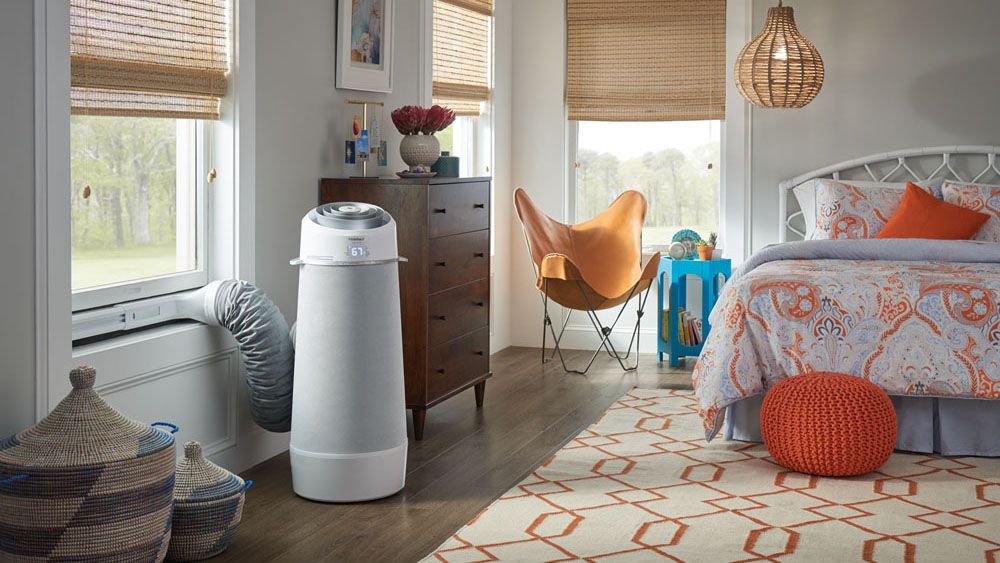
ge portable room air conditioner

When summer heat becomes unbearable, finding the right cooling solution can transform your living space from uncomfortable to perfectly climate-controlled. The GE portable room air conditioner has emerged as one of the most trusted cooling options for homeowners, renters, and office workers who need flexible, efficient temperature control without permanent installation requirements. This comprehensive review explores everything you need to know about GE’s portable cooling technology, helping you make an informed purchasing decision that matches your specific cooling needs.

Understanding GE Portable Air Conditioner Technology

General Electric has manufactured cooling appliances for over a century, bringing decades of engineering expertise to their portable air conditioning units. The GE portable room air conditioner lineup represents the company’s commitment to combining traditional HVAC excellence with modern convenience features. These units operate on the same fundamental refrigeration principles as traditional window units but package everything into a mobile, self-contained system that can move from room to room as needed.

The core technology involves drawing warm air from your room, passing it over refrigerant-filled coils that extract heat and moisture, then expelling cool, dehumidified air back into your space. Simultaneously, the unit exhausts hot air through a flexible hose that typically vents through a window kit. This closed-loop system allows the portable GE air conditioner to cool spaces ranging from 150 to 550 square feet depending on the model’s BTU rating. What sets GE apart from competitors is their focus on quiet operation, energy efficiency ratings that often exceed industry standards, and user-friendly digital controls that make temperature management effortless even for those unfamiliar with HVAC systems.

Table of Contents

Top GE Portable Room Air Conditioner Models Compared

GE offers multiple portable air conditioner models designed for different room sizes and cooling requirements. Understanding the distinctions between these models helps you select the perfect unit for your specific situation.

GE 8,000 BTU Portable Air Conditioner

The entry-level GE portable room air conditioner with 8,000 BTU capacity serves as an ideal solution for small bedrooms, home offices, or dorm rooms up to 250 square feet. This model typically weighs around 53 pounds and includes caster wheels for easy mobility between rooms. The 8,000 BTU unit operates at approximately 53 decibels on its highest setting, comparable to normal conversation levels, making it suitable for nighttime use in sleeping areas. Energy efficiency ratings for this model usually fall around 9.0 EER (Energy Efficiency Ratio), which translates to reasonable operating costs during extended cooling seasons.

Key features include three cooling speeds, three fan speeds, a 24-hour programmable timer, and a digital display with remote control functionality. The dehumidification capacity reaches approximately 2.2 pints per hour, addressing the moisture issues that often accompany hot weather. Installation requires only a standard double-hung or sliding window, with the included window kit accommodating openings between 20 and 47 inches wide.

GE 10,000 BTU Portable Air Conditioner

The mid-range 10,000 BTU model expands cooling capacity to approximately 300-350 square feet, making it appropriate for larger bedrooms, living rooms, or open-concept studio apartments. This GE portable room air conditioner maintains similar noise levels to the 8,000 BTU version while delivering significantly more cooling power. The unit typically weighs around 61 pounds and includes the same mobility features that define GE’s portable lineup.

This model often features enhanced dehumidification capabilities reaching 2.5 pints per hour, which proves particularly valuable in humid climates where moisture control equals comfort improvement. The 10,000 BTU unit frequently includes auto-restart functionality, meaning the air conditioner automatically returns to its previous settings after power outages, eliminating the need to reprogram your preferences. The energy efficiency ratio typically ranges from 8.5 to 9.5 EER depending on the specific model year, representing solid performance in the portable air conditioner category.

GE 12,000-14,000 BTU Portable Air Conditioner

For maximum cooling power, GE’s 12,000 to 14,000 BTU models handle spaces up to 550 square feet, including large living rooms, master bedrooms, or open-plan areas that combine multiple functions. These premium GE portable room air conditioner units incorporate advanced features like WiFi connectivity, smartphone app control, and voice assistant compatibility with Amazon Alexa and Google Assistant. The connected technology allows you to adjust temperature settings, create cooling schedules, and monitor energy usage from anywhere using your mobile device.

Physical dimensions increase proportionally with cooling capacity, with these units typically weighing between 75 and 85 pounds. Despite the larger size, GE maintains their commitment to mobility through reinforced caster wheels and ergonomic side handles. Dehumidification capacity reaches 3.0 to 3.5 pints per hour, effectively managing moisture in larger spaces or particularly humid environments. The higher BTU models often include dual-hose configurations that improve efficiency by separating intake and exhaust air streams, preventing the negative pressure issues that can affect single-hose portable air conditioners.

Installation and Setup Process

One of the most compelling advantages of choosing a GE portable room air conditioner involves the straightforward installation process that requires no professional HVAC technician, no permanent modifications to your home, and no specialized tools beyond what most households already possess. The entire setup typically takes 15 to 30 minutes from opening the box to enjoying cool air.

The process begins with identifying an appropriate location near a window with an available electrical outlet. GE portable units require standard 115V outlets for models up to 10,000 BTU, while larger 12,000-14,000 BTU units may require 115V or 230V depending on specifications. Position the unit at least 20 inches away from walls and furniture to ensure proper airflow around the intake and exhaust vents. The caster wheels allow you to easily adjust placement until you find the optimal position that balances cooling effectiveness with aesthetic preferences.

Next, assemble the window kit components, which include adjustable panels that adapt to your window opening size, a window bracket, and the exhaust hose connection. The window kit slides into the open window frame, expanding or contracting to fill the space securely. Attach the exhaust hose to both the window kit and the rear panel of the air conditioner, ensuring all connections seat firmly to prevent cool air from escaping. Modern GE models feature quick-connect hose attachments that snap into place without tools or complicated threading. Some users enhance the seal with weather stripping around the window kit edges, though this optional step isn’t necessary for basic functionality.

Finally, plug in the unit and complete the initial setup through the digital control panel. This includes setting your preferred temperature, selecting fan speed, and programming any timer functions you wish to use. For WiFi-enabled models, download the GE Appliances SmartHQ app and follow the pairing instructions to connect your GE portable room air conditioner to your home wireless network. The entire process remains remarkably simple, and GE includes comprehensive instruction manuals with detailed diagrams that guide users through each step.

Energy Efficiency and Operating Costs

Understanding the energy consumption and operating costs associated with your GE portable room air conditioner helps you budget appropriately and make environmentally conscious cooling choices. Portable air conditioners generally consume more energy than central air conditioning systems when cooling equivalent square footage, but they offer targeted cooling that often results in lower overall energy bills by avoiding the waste of cooling unused spaces.

GE portable air conditioners typically operate between 900 and 1,400 watts depending on BTU rating and current cooling demand. An 8,000 BTU unit running continuously at maximum capacity consumes approximately 0.9 kilowatts per hour, while a 14,000 BTU model may use up to 1.4 kilowatts per hour. To calculate your estimated operating costs, multiply the wattage by your local electricity rate (the national average hovers around $0.14 per kilowatt-hour) and by the number of hours you plan to run the unit daily. For example, running a 10,000 BTU GE portable room air conditioner for eight hours daily at maximum capacity costs approximately $1.20 per day or $36 per month based on average electricity rates.

However, several factors significantly reduce actual operating costs below these maximum estimates. The built-in thermostat cycles the compressor on and off to maintain your target temperature rather than running continuously, typically reducing runtime by 40-60% once the room reaches your desired coolness. The programmable timer allows you to cool rooms only when occupied, preventing energy waste during work hours or overnight when you’re sleeping in a different room. Energy-saving modes available on many GE models further optimize efficiency by adjusting fan speed and cycling patterns based on ambient temperature readings.

GE has earned Energy Star certification for several portable air conditioner models, indicating they meet or exceed federal energy efficiency guidelines. Energy Star qualified units use approximately 10% less energy than standard models while delivering equivalent cooling performance. The certification also ensures the unit includes features like programmable timers and sleep modes that facilitate energy-conscious operation. When comparing models, examine the EER (Energy Efficiency Ratio) rating, which measures cooling output relative to energy input. Higher EER numbers indicate more efficient operation, with ratings above 9.0 representing good efficiency for portable air conditioners.

Key Features and Smart Technology

Modern GE portable room air conditioner models incorporate numerous features designed to enhance user experience, improve convenience, and maximize cooling effectiveness. Understanding these features helps you identify which capabilities matter most for your specific cooling needs.

Digital Controls and Remote Operation

Every GE portable air conditioner includes an LED display panel with touch controls that allow precise temperature adjustment in one-degree increments. The digital interface displays current room temperature, target temperature, fan speed, and active modes at a glance. The included remote control duplicates all panel functions, enabling temperature adjustments from across the room without leaving your comfortable spot on the couch or bed. The remote typically operates via infrared signal with a range of approximately 20 feet and requires AAA batteries that GE often includes with the unit.

WiFi Connectivity and Smart Home Integration

Premium GE portable room air conditioner models feature built-in WiFi that connects to your home network, enabling control through the SmartHQ smartphone app available for iOS and Android devices. The app provides several advantages over traditional remote controls, including the ability to adjust settings from anywhere with internet access, schedule cooling times that align with your daily routine, and monitor energy consumption patterns to identify opportunities for efficiency improvements. Voice control compatibility with Amazon Alexa and Google Assistant adds another convenience layer, allowing you to adjust temperature through simple voice commands without touching your phone or the remote control.

Auto-Evaporative Technology

One frequently asked question about portable air conditioners concerns water drainage, as the cooling process naturally extracts moisture from air. Many GE portable room air conditioner models feature auto-evaporative technology that eliminates or significantly reduces manual drainage requirements. This system uses the heat from the condenser to evaporate accumulated condensate water, which then exits through the exhaust hose along with hot air. In normal humidity conditions, this technology handles all moisture removal automatically. Only in extremely humid environments might the internal reservoir occasionally reach capacity, triggering an indicator light that prompts simple drainage through the bottom spout.

Sleep Mode and Quiet Operation

Sleep mode represents a particularly valuable feature for bedroom use, gradually adjusting the target temperature throughout the night to match your body’s changing comfort needs as you sleep. The GE portable room air conditioner typically increases the set temperature by one degree per hour for the first two hours after activating sleep mode, then maintains that temperature until morning. This gradual adjustment prevents the excessive cooling that often disrupts sleep while reducing energy consumption by 20-30% compared to maintaining a constant temperature all night. Simultaneously, the unit reduces fan speed to minimize operational noise, with many GE models operating at just 48-50 decibels on sleep mode settings.

Performance in Different Room Types

The effectiveness of your GE portable room air conditioner varies based on several room characteristics beyond just square footage. Understanding how different spaces impact cooling performance helps set realistic expectations and optimize unit placement.

Bedrooms

Bedrooms represent ideal environments for portable air conditioners because they’re typically used during predictable hours, allowing you to program cooling schedules that maximize comfort while minimizing energy waste. A properly sized GE portable room air conditioner can cool a master bedroom within 20-30 minutes on a hot summer day, creating a comfortable sleeping environment well before bedtime. The programmable timer allows you to start cooling an hour before you typically retire, ensuring the room reaches your preferred temperature exactly when you need it. Positioning the unit several feet from the bed prevents direct airflow that some people find uncomfortable while sleeping, and the low noise levels on sleep mode settings rarely disturb even light sleepers.

Home Offices

Home offices present unique cooling challenges because they often contain heat-generating electronics like computers, monitors, printers, and networking equipment that elevate ambient temperature beyond what outdoor weather alone would create. The GE portable room air conditioner handles these situations effectively by compensating for both external heat and internal heat sources. The mobility advantage proves particularly valuable in home office settings, as you can easily relocate the unit if you rearrange furniture or move your workspace to a different room. The dehumidification function also protects sensitive electronics from moisture damage while improving overall comfort during long work sessions.

Living Rooms and Open Spaces

Cooling larger living rooms or open-concept spaces pushes portable air conditioners toward their performance limits, requiring careful model selection based on accurate square footage calculations. A GE portable room air conditioner with insufficient BTU capacity for the space will run continuously without achieving your target temperature, wasting energy and potentially shortening the unit’s lifespan. Conversely, selecting a model with appropriate cooling power for your living room creates a comfortable entertainment space for family gatherings or movie nights. Consider that high ceilings, large windows with sun exposure, or openings to adjacent rooms effectively increase the cooling requirement beyond basic square footage measurements, necessitating a higher BTU unit than the room dimensions alone might suggest.

Suggested read: Everstar Portable Air Conditioner: Your Complete Solution for Staying Cool Anywhere

Apartments and Rentals

Renters find particular value in the GE portable room air conditioner because installation requires no permanent modifications that might violate lease agreements or forfeit security deposits. The window kit removes completely when you move, leaving no evidence of use beyond the window you would have opened anyway during summer months. The mobility between rooms allows you to maximize value from a single unit by cooling your bedroom at night and moving it to the living room during evening relaxation hours. Many landlords explicitly prohibit window air conditioners that protrude outside the building, but portable units with interior-mounted exhaust systems typically comply with rental regulations while providing equivalent cooling performance.

Maintenance and Longevity

Proper maintenance significantly extends the operational life of your GE portable room air conditioner while ensuring optimal cooling performance and energy efficiency throughout the unit’s lifespan. GE designs their portable units for minimal maintenance requirements, but several simple tasks keep your air conditioner running smoothly for years.

Filter Cleaning

The washable air filter represents the most critical maintenance item, requiring cleaning every two weeks during heavy use periods. The filter captures dust, pet hair, pollen, and other airborne particles before they reach internal components, protecting the cooling system while improving indoor air quality. Accessing the filter requires simply pulling it from its slot on the front or side panel of the unit, a tool-free process that takes seconds.

Rinse the filter under running water, allow it to dry completely, and reinsert it before operating the air conditioner again. Some users maintain two filters in rotation, allowing one to dry thoroughly while the other serves in the unit. Neglecting filter maintenance forces the GE portable room air conditioner to work harder to draw air through the clogged filter, reducing efficiency and potentially damaging the motor over time.

Exterior Cleaning

Wipe down the exterior cabinet monthly with a soft, damp cloth to remove dust accumulation that can insulate heat inside the unit. Avoid harsh chemical cleaners that might damage the plastic housing or LED display screen. The air intake and exhaust vents benefit from gentle vacuuming using a brush attachment to remove dust and debris that could restrict airflow. Keep the area around the unit clean and free from obstacles that might impede air circulation.

Seasonal Storage

When cooling season ends, proper storage protects your GE portable room air conditioner during months of non-use. Run the fan-only mode for several hours to dry internal components completely, preventing mold or mildew growth during storage. Drain any remaining water from the internal reservoir through the drainage port, then clean and dry the filter before storing it separately or leaving it installed. Cover the unit with a breathable fabric cover or the original packaging to protect against dust accumulation while allowing any residual moisture to evaporate. Store in a climate-controlled location if possible, as extreme temperature fluctuations in unheated garages or sheds can damage electronic components and refrigerant systems over time.

Expected Lifespan

With proper maintenance, a GE portable room air conditioner typically provides 8 to 12 years of reliable service, though actual lifespan varies based on usage intensity, maintenance consistency, and environmental factors. Units used continuously throughout long summers in extremely hot climates may experience shorter lifespans than those used intermittently in milder regions. The sealed refrigeration system rarely requires service, as GE uses robust components designed for the vibration and movement inherent to portable applications. The most common repair issues involve electronic control boards or fan motors, both of which remain accessible to qualified technicians should problems develop outside the warranty period.

Comparing GE to Competitor Brands

Understanding how the GE portable room air conditioner stacks up against competing brands helps you make informed purchase decisions based on objective performance metrics rather than marketing claims alone.

GE vs. Frigidaire Portable Air Conditioners

Frigidaire, like GE, represents a long-established appliance brand with extensive HVAC experience. Both companies offer similar BTU ranges and feature sets at comparable price points, making direct comparison relevant for budget-conscious shoppers. The GE portable room air conditioner generally operates 2-3 decibels quieter than equivalent Frigidaire models, a meaningful difference for bedroom use though barely perceptible in living rooms or offices. GE’s WiFi-enabled models typically offer more intuitive smartphone apps with better reliability and more detailed energy monitoring than Frigidaire’s connected air conditioners. However, Frigidaire often provides slightly higher dehumidification capacity at similar BTU ratings, benefiting users in particularly humid climates.

Build quality proves comparable between the brands, with both using similar plastic housing materials and internal components sourced from overlapping supplier networks. Warranty coverage matches at one year for parts and labor, with some retailers offering extended warranty options for both brands. Customer service reputation slightly favors GE based on independent satisfaction surveys, though both companies maintain reasonably responsive support channels.

GE vs. LG Portable Air Conditioners

LG brings strong technological innovation to the portable air conditioner market, often introducing advanced features before competitors. Their dual-inverter compressor technology delivers superior energy efficiency compared to standard GE portable room air conditioner models, potentially reducing operating costs by 15-20% during intensive use. LG units also feature more sophisticated airflow patterns that distribute cool air more evenly throughout rooms, reducing hot spots that sometimes occur with single-direction airflow designs.

However, this advanced technology comes at a premium price, with equivalent LG models typically costing $50-$150 more than comparable GE portable air conditioners. The complexity of LG’s inverter technology also increases repair costs should problems develop outside warranty coverage. GE’s simpler, proven compressor designs trade some efficiency for enhanced reliability and lower maintenance costs over the unit’s lifetime. For budget-focused consumers or those prioritizing straightforward operation over cutting-edge features, the GE portable room air conditioner represents better value despite LG’s efficiency advantages.

GE vs. Honeywell Portable Air Conditioners

Honeywell portable air conditioners occupy the budget segment of the market, offering basic cooling functionality at prices typically 20-30% below equivalent GE models. This price advantage comes with compromises in build quality, with Honeywell units featuring lighter-weight plastic construction, less sophisticated control interfaces, and higher operational noise levels. The GE portable room air conditioner justifies its premium through superior fit and finish, more reliable performance, better customer service, and features like auto-evaporative technology that Honeywell’s budget models lack.

For consumers who need basic cooling in a rarely-used guest room or seasonal office, Honeywell’s lower investment might make sense. However, for primary bedroom cooling or daily use in living spaces, the GE portable room air conditioner delivers better long-term value through enhanced durability, quieter operation, and lower lifetime operating costs resulting from superior energy efficiency.

Real-World Customer Experiences

Examining actual user experiences with the GE portable room air conditioner provides valuable insights beyond manufacturer specifications and marketing materials. Thousands of customer reviews across retail platforms reveal consistent patterns in user satisfaction and common concerns.

Positive Feedback Patterns

The overwhelming majority of GE portable air conditioner owners express satisfaction with cooling performance, noting that properly sized units achieve target temperatures quickly even during extreme heat waves. Many reviews specifically mention the quieter operation compared to previous portable air conditioners from other brands, with users reporting the ability to maintain conversations or watch television at normal volumes while the unit operates. The ease of installation receives frequent praise, with non-technical users successfully setting up their GE portable room air conditioner without assistance in under 30 minutes.

WiFi connectivity and smartphone app control generate enthusiastic responses from tech-savvy users who appreciate the convenience of starting cooling before arriving home or adjusting temperatures without leaving bed. The auto-evaporative technology eliminates the drainage hassles that plagued older portable air conditioner designs, contributing to the set-it-and-forget-it convenience that modern consumers expect from appliances. Energy efficiency meets or exceeds user expectations, with many reviewers noting lower electricity bills than anticipated based on their experience with less efficient cooling solutions.

Common Concerns

The most frequent complaint involves the exhaust hose, which some users find awkward to position or aesthetically displeasing despite functional performance. The corrugated plastic hose can develop permanent creases if bent sharply during storage, potentially restricting airflow and reducing efficiency. Some users invest in aftermarket hose insulation to reduce the heat transfer that occurs when hot exhaust air passes through the hose, though GE’s included hose performs adequately for most situations.

Window kit aesthetics generate occasional criticism from users who prefer a more polished appearance than the adjustable plastic panels provide. Third-party window kits made from Plexiglas or custom-measured materials offer enhanced visual appeal, though these optional upgrades add cost beyond the GE portable room air conditioner purchase price. Functionality remains unaffected by window kit appearance, making this concern purely aesthetic rather than performance-related.

A small percentage of users in extremely hot climates (consistent temperatures above 100°F) report that even maximum BTU models struggle to reduce indoor temperatures to their most aggressive cooling targets. This limitation affects all portable air conditioners regardless of brand, as the single-hose design and inherent efficiency constraints of portable systems cannot match the cooling power of central air conditioning or mini-split systems in extreme conditions. Setting realistic temperature expectations based on outdoor conditions prevents disappointment in these scenarios.

Price Analysis and Value Proposition

Understanding the pricing structure for GE portable room air conditioner models helps you budget appropriately and identify the best value for your specific cooling needs and financial constraints.

Entry-Level Pricing (8,000-10,000 BTU)

GE’s 8,000 BTU portable air conditioners typically retail between $299 and $399, positioning them in the mid-range of the portable air conditioner market. The 10,000 BTU models increase to approximately $349-$449 depending on feature sets and seasonal promotions. These entry-level units deliver excellent value for single-room cooling applications, providing reliable performance at accessible price points that compete favorably against budget brands while maintaining GE’s quality standards. Seasonal sales during spring and early summer often reduce prices by $50-$100, making patient shopping potentially worthwhile if you can secure cooling alternatives while waiting for promotional periods.

Mid-Range Pricing (12,000-14,000 BTU)

The higher capacity GE portable room air conditioner models with 12,000 to 14,000 BTU cooling power range from $449 to $649 depending on technology packages and retailer margins. WiFi-enabled models with smartphone app control typically command premiums of $50-$100 over equivalent non-connected units, reflecting the additional hardware and software development costs associated with smart home integration. These prices align with competitors’ offerings at similar BTU ratings, suggesting the market has reached equilibrium pricing for this product category.

Total Cost of Ownership

Beyond the initial purchase price, calculating total cost of ownership provides better insight into long-term value. Operating costs over a typical 10-year lifespan range from $1,500 to $3,000 depending on usage intensity, local electricity rates, and model efficiency ratings. Adding the purchase price to projected energy costs yields total ownership costs between $2,000 and $3,600 for most GE portable room air conditioner applications. This compares very favorably to central air conditioning installations that require $5,000-$15,000 in upfront costs plus similar ongoing energy expenses, though portable units obviously cool smaller areas.

Maintenance costs remain minimal, typically limited to occasional filter replacements if the washable filter becomes damaged and potential repair costs outside warranty coverage. GE’s reputation for reliability suggests lower repair probability than budget brands, partially justifying the higher initial investment through reduced lifetime maintenance expenses.

Financing Options

Many retailers offer financing programs that spread GE portable room air conditioner payments across 6, 12, or 24 months, making higher-capacity models accessible to buyers who cannot afford full payment upfront. Interest-free promotional periods often apply to major appliance purchases, allowing you to avoid finance charges if you complete payment within the promotional timeframe. Credit cards with purchase protection and extended warranty benefits provide additional value by supplementing the manufacturer’s one-year warranty with coverage extensions of one to two additional years at no extra cost beyond normal card membership fees.

Installation Tips and Optimization Strategies

Maximizing the performance of your GE portable room air conditioner requires more than simply following the basic installation instructions. Strategic placement, proper window sealing, and optimization techniques significantly enhance cooling effectiveness and energy efficiency.

Suggested read: Commercial Portable Air Conditioner: The Best Cooling Solutions for Your Business in 2026

Optimal Unit Placement

Position your GE portable room air conditioner as close to the window as the exhaust hose length allows, minimizing hose distance and reducing the heat transfer that occurs along the hose path. Avoid placing the unit directly against walls or furniture, maintaining at least 20 inches of clearance around air intake and exhaust vents to ensure unrestricted airflow. The caster wheels facilitate easy position adjustments, allowing you to experiment with placement until you identify the location that delivers best results for your specific room layout.

Avoid positioning the unit where direct sunlight shines on the cabinet, as this adds unnecessary heat load that forces the compressor to work harder. Similarly, keep the air conditioner away from heat-generating appliances like televisions, computers, or lamps that create thermal interference with the temperature sensor. The sensor measures ambient air temperature to regulate compressor cycling, and heat sources placed nearby cause inaccurate readings that result in overcooling and wasted energy.

Window Sealing Enhancements

The included window kit provides adequate sealing for basic functionality, but additional weatherstripping around panel edges eliminates air gaps that allow hot air infiltration and cool air loss. Foam weatherstripping tape costs only a few dollars at hardware stores and applies quickly to window kit perimeters, potentially improving efficiency by 10-15% through better thermal isolation. For users concerned about security, the window kit prevents full window closure, potentially creating an entry point. Adding a wooden dowel or security bar in the window track behind the kit prevents opening beyond the locked position while maintaining proper GE portable room air conditioner ventilation.

Some users enhance aesthetics and insulation by creating custom window panels from Plexiglas or insulated foam board, cutting precise openings for the exhaust hose while completely filling remaining window space. These custom solutions require moderate DIY skills and basic tools but deliver significantly improved appearance and thermal performance compared to the accordion-style plastic panels that GE includes. Templates and detailed instructions for custom window kits appear frequently in online DIY communities, providing guidance for users comfortable with minor home improvement projects.

Hose Optimization

The exhaust hose represents the primary thermal weak point in portable air conditioner design, as hot exhaust air passing through the hose transfers heat to the hose material, which then radiates into your room, reducing overall efficiency. Insulating the exhaust hose with foam pipe insulation available at hardware stores for under $10 prevents much of this heat transfer, improving cooling efficiency by up to 15% in some applications. Cut the insulation to hose length, wrap it around the exhaust hose, and secure with duct tape or zip ties at intervals along the length.

Minimizing hose length also improves efficiency by reducing the distance hot air must travel, decreasing the opportunity for heat transfer and reducing resistance that forces the exhaust fan to work harder. Avoid unnecessary bends or kinks that restrict airflow, keeping the hose as straight as possible between the unit and window kit. Replace hoses that develop cracks, holes, or permanent creases that impede proper exhaust ventilation, as compromised hoses significantly degrade GE portable room air conditioner performance.

Room Preparation

Maximize cooling effectiveness by implementing simple room preparation strategies before relying on mechanical cooling. Close curtains or blinds on windows receiving direct sunlight to reduce solar heat gain, which can exceed the cooling capacity of portable air conditioners during peak afternoon hours. Turn off unnecessary lights, as incandescent and halogen bulbs generate significant heat that adds to cooling load. Ceiling fans operating in conjunction with your GE portable room air conditioner improve air circulation without increasing cooling load, distributing conditioned air more evenly throughout the room and creating airflow that enhances perceived comfort even at slightly higher temperatures.

Seal gaps around doors leading to unconditioned spaces using door sweeps or draft stoppers, preventing cool air loss to adjacent rooms or hallways. These simple, low-cost measures complement your portable air conditioner’s cooling capacity, allowing smaller, more efficient units to handle spaces that might otherwise require higher BTU models.

Troubleshooting Common Issues

Understanding how to diagnose and resolve common GE portable room air conditioner problems saves time, prevents unnecessary service calls, and ensures consistent cooling performance throughout the season.

Unit Powers On But Doesn’t Cool

When your portable air conditioner runs but fails to produce cold air, several potential causes require investigation. First, verify that the mode selector shows “Cool” rather than “Fan” or “Dehumidify,” as these alternative modes operate the fan without engaging the compressor. Check that the temperature setting is below current room temperature, as the thermostat prevents compressor operation when the room has already reached or exceeded the target temperature. Examine the exhaust hose for kinks, disconnections, or blockages that prevent proper heat rejection, as exhaust restriction quickly causes compressor shutdown to prevent damage.

Dirty air filters dramatically reduce airflow and cooling efficiency, so remove and clean the filter according to maintenance instructions. If the GE portable room air conditioner recently arrived or moved from storage, refrigerant may need 24 hours to settle into proper distribution throughout the cooling system after being jostled during transport. In rare cases, refrigerant leaks cause gradual cooling capacity loss, requiring professional service to locate leaks, repair them, and recharge the system.

Excessive Water Leakage

While GE’s auto-evaporative technology handles most condensate removal automatically, extremely humid conditions occasionally produce more water than the system can evaporate, causing the internal reservoir to fill and trigger the overflow protection. When this occurs, the unit displays a warning code and stops cooling to prevent water damage. Drain the reservoir through the bottom drain port by positioning a shallow pan beneath the drain, removing the cap, and allowing accumulated water to empty completely. Increase the frequency of manual drainage when operating in consistently humid conditions above 70% relative humidity.

Water leaking from areas other than the designated drain port suggests improper unit positioning. GE portable room air conditioner units must sit on level surfaces to ensure proper water drainage to the internal reservoir. Use a bubble level to verify correct positioning and adjust leveling feet if available, or place shims beneath the unit to achieve level orientation. Verify that the exhaust hose slopes slightly downward from unit to window to prevent condensation from running back into the cabinet.

Unusual Noises

New GE portable room air conditioner units may produce unfamiliar sounds during initial operation as components settle and refrigerant circulates through the system for the first time. Gurgling or bubbling sounds indicate normal refrigerant flow and should diminish after several hours of operation. Clicking sounds at startup and shutdown represent normal thermostat and relay operation as the unit cycles on and off to maintain target temperature.

However, rattling, buzzing, or grinding noises suggest problems requiring attention. Check for loose panels or screws that vibrate during operation, tightening any fasteners that have worked loose. Remove any objects that may have fallen into intake or exhaust vents, blocking fan blades. If unusual noises persist after these basic checks, contact GE customer service, as internal component issues may require professional repair to prevent further damage.

Insufficient Cooling in Hot Weather

When outdoor temperatures exceed 100°F, even properly sized portable air conditioners struggle to achieve aggressive cooling targets due to the reduced efficiency of heat exchange between extreme temperature differences. During peak heat, adjust expectations and set the GE portable room air conditioner to more moderate targets 10-15 degrees below outdoor temperature rather than attempting to reach 68-70°F. Supplementing with additional cooling strategies like fans, window shading, and minimizing heat sources improves overall comfort when mechanical cooling reaches its practical limits.

Verify that the unit’s BTU capacity appropriately matches your room size, as undersized units cannot effectively cool spaces beyond their design capacity regardless of outdoor temperature. Seal air leaks around windows, doors, and the exhaust hose installation to prevent hot air infiltration that adds to cooling load. Consider that factors beyond simple square footage affect cooling requirements, including ceiling height, sun exposure, insulation quality, and heat-generating appliances.

Health and Air Quality Benefits

Beyond temperature control, the GE portable room air conditioner contributes to indoor air quality improvements and health benefits that extend beyond simple cooling comfort.

Dehumidification and Respiratory Health

The dehumidification function inherent to air conditioning operation removes 2-3 pints of moisture per hour from indoor air, significantly improving comfort and health in humid climates. Excess humidity above 60% relative humidity promotes mold and mildew growth, dust mite proliferation, and bacterial development, all of which trigger respiratory issues, allergies, and asthma symptoms. By maintaining humidity between 30-50%, the GE portable room air conditioner creates an environment less hospitable to these allergens and irritants, potentially reducing allergy symptoms and improving breathing comfort for sensitive individuals.

The moisture removal also protects home furnishings, preventing the warping, discoloration, and deterioration that occurs when wood furniture, books, and fabrics absorb excessive atmospheric moisture. Electronics benefit from lower humidity levels as well, as moisture creates conditions conducive to corrosion and electrical shorts that shorten device lifespan.

Air Filtration

The washable air filter captures airborne particles including dust, pollen, pet dander, and other allergens before they circulate through your living space. While not as comprehensive as dedicated air purifiers with HEPA filtration, the GE portable room air conditioner filter provides meaningful air quality improvement for allergy sufferers. Regular filter cleaning, as recommended every two weeks during heavy use, maintains filtration efficiency and prevents the trapped particles from re-entering room air. Users with severe allergies might consider upgrading to aftermarket filters designed specifically for enhanced particle capture, though these typically require more frequent replacement than GE’s standard washable filters.

Sleep Quality Improvements

Temperature significantly affects sleep quality, with research indicating that bedroom temperatures between 60-67°F promote optimal sleep by facilitating the natural drop in core body temperature that occurs during sleep cycles. The GE portable room air conditioner enables precise temperature control that creates ideal sleeping conditions even during hot summer nights when natural ventilation proves inadequate. The programmable sleep mode gradually adjusts temperature throughout the night to match your body’s changing thermal needs, preventing the sleep disruptions that occur when rooms become too cold or too warm during extended cooling periods.

Reduced humidity also improves sleep comfort by minimizing the clammy, sticky sensation that prevents restful sleep in humid environments. The quiet operation of GE models, particularly on sleep mode settings, ensures the cooling solution doesn’t create the noise pollution that interferes with sleep onset and maintenance. Many users report significant sleep quality improvements after installing bedroom cooling, noting they wake more refreshed and experience fewer nighttime disruptions.

Extreme heat poses serious health risks, particularly for elderly individuals, young children, and those with chronic health conditions. Heat exhaustion and heat stroke develop when the body cannot adequately regulate internal temperature, potentially causing severe complications or death in extreme cases. The GE portable room air conditioner provides a safe refuge from dangerous heat, allowing vulnerable individuals to maintain safe body temperatures even during extended heat waves when outdoor conditions become life-threatening.

Even for healthy adults, excessive heat exposure causes decreased cognitive function, reduced productivity, increased irritability, and general discomfort that diminishes quality of life. Creating climate-controlled indoor environments through portable air conditioning restores normal functioning and comfort, allowing you to maintain daily activities regardless of outdoor conditions.

Environmental Considerations

Understanding the environmental impact of your GE portable room air conditioner helps you make responsible cooling choices that balance personal comfort with ecological stewardship.

Refrigerant Technology

Modern GE portable air conditioners use R-410A refrigerant, which replaced the older R-22 (Freon) that contributed to ozone layer depletion. R-410A contains no chlorine and therefore poses no threat to atmospheric ozone, representing a significant environmental improvement over previous refrigerant technologies. However, R-410A remains a potent greenhouse gas with global warming potential approximately 2,000 times greater than carbon dioxide per unit mass. This reality underscores the importance of proper disposal at end-of-life, as releasing refrigerant into the atmosphere during improper disposal contributes to climate change.

GE designs their GE portable room air conditioner units with sealed refrigeration systems that prevent refrigerant leaks during normal operation. Proper handling during transport and storage prevents damage that might compromise system integrity. When your unit eventually reaches end-of-life, contact local waste management authorities about proper appliance recycling programs that capture refrigerant before recycling or disposing of components.

Suggested read: 12 Volt Portable Air Conditioner: Your Complete Buying Guide for Mobile Cooling Solutions

Energy Consumption and Carbon Footprint

The electricity consumption of your GE portable room air conditioner translates directly to carbon emissions based on your local electrical grid’s generation sources. Regions powered primarily by fossil fuels like coal or natural gas generate higher emissions per kilowatt-hour than areas with substantial renewable energy or nuclear power generation. A 10,000 BTU unit operating 8 hours daily throughout a 120-day cooling season consumes approximately 960 kilowatt-hours annually. In regions where electricity generation produces 0.92 pounds of CO2 per kilowatt-hour (the U.S. national average), this translates to roughly 880 pounds of carbon dioxide emissions annually attributable to air conditioner operation.

Minimizing environmental impact requires conscientious energy management through programmable timers, appropriate temperature settings, and supplementary cooling strategies that reduce mechanical cooling reliance. Setting the thermostat just 2-3 degrees warmer than your initial preference reduces energy consumption by 10-15% while maintaining acceptable comfort through adaptation. Using your GE portable room air conditioner only in occupied rooms rather than cooling your entire home simultaneously provides the targeted cooling advantage that makes portable units potentially more environmentally friendly than central air conditioning for single-person households or those requiring cooling in limited spaces.

Comparison to Alternative Cooling Methods

Evaluating the environmental impact of portable air conditioning requires comparison to alternative cooling approaches. Window air conditioners with similar BTU ratings typically consume 10-20% less energy than portable units due to more efficient heat exchange, as both the evaporator and condenser have direct exposure to their respective air streams without the efficiency losses inherent to single-hose portable designs. However, the installation flexibility and mobility advantages of the GE portable room air conditioner may enable more strategic cooling that offsets this efficiency disadvantage through reduced total cooling time.

Central air conditioning systems achieve superior efficiency when cooling entire homes but waste enormous energy when cooling unused spaces. For individuals or couples living in larger homes who primarily occupy 1-2 rooms at a time, targeted cooling with a portable unit delivers equivalent comfort with dramatically reduced energy consumption and environmental impact. Mini-split systems offer the best efficiency of any air conditioning technology but require professional installation, permanent mounting, and significantly higher upfront investment that exceeds portable air conditioner costs by 500-1000%.

Natural ventilation through open windows and fans produces zero direct carbon emissions but provides inadequate cooling when outdoor temperatures exceed indoor comfort preferences or when outdoor air quality is poor due to pollen, pollution, or wildfire smoke. The GE portable room air conditioner serves as an important tool for maintaining habitability during periods when natural cooling proves insufficient, representing a reasonable balance between environmental responsibility and human health needs.

Warranty Coverage and Customer Support

Understanding the warranty terms and support options for your GE portable room air conditioner provides peace of mind and clarity about coverage if problems develop during the warranty period.

Standard Warranty Terms

GE backs their portable air conditioners with a limited one-year warranty covering parts and labor for defects in materials or workmanship. The warranty period begins on the original purchase date, requiring proof of purchase for warranty claims. Coverage includes the sealed refrigeration system, electronic controls, fans, and all other components necessary for proper operation. GE will repair or replace defective units at their discretion, with replacement units potentially being new or factory-refurbished units that meet original specifications.

The warranty explicitly excludes damage resulting from improper installation, unauthorized repair attempts, accidents, misuse, or failure to perform recommended maintenance like filter cleaning. Normal wear and tear, cosmetic damage that doesn’t affect functionality, and damage caused by external factors like power surges or improper voltage all fall outside warranty coverage. Using the GE portable room air conditioner in commercial applications or any setting other than residential use voids the warranty, as these units receive design certification specifically for home use.

Extended Warranty Options

Retailers frequently offer extended warranty programs that supplement the manufacturer’s coverage, extending protection for 2-5 additional years beyond GE’s standard warranty. These programs typically cost $40-$100 depending on the air conditioner’s purchase price and the coverage duration selected. Extended warranties provide value by covering repairs after the manufacturer’s warranty expires, when component failures become statistically more likely. However, considering that quality portable air conditioners rarely experience major failures within their first 5-7 years with proper maintenance, the cost-benefit analysis of extended warranties requires careful consideration based on your risk tolerance and financial situation.

Credit card purchase protection automatically extends manufacturer warranties by one year for products purchased with many premium credit cards, providing free extended coverage without separate warranty purchases. Review your credit card benefits to determine if this coverage applies to your GE portable room air conditioner purchase, potentially saving the cost of retailer-offered extended warranties while providing equivalent protection.

Customer Support Channels

GE maintains multiple customer support channels for technical assistance, warranty claims, and product questions. The primary support phone number (1-800-GE-CARES) connects you with appliance specialists who can troubleshoot issues, explain operational features, and initiate warranty claims when necessary. Support availability typically extends from 8 AM to 8 PM Eastern Time on weekdays, with reduced weekend hours. Phone support wait times vary based on seasonal demand, with summer months experiencing longer hold times as cooling equipment inquiries peak.

The GE Appliances website provides extensive self-service resources including product manuals, troubleshooting guides, video tutorials, and frequently asked questions that resolve common issues without phone calls. The support section allows you to register your GE portable room air conditioner for easier warranty administration and to receive product updates or safety notices if issued. Online warranty claim submission streamlines the service request process, allowing you to upload proof of purchase and describe issues in detail before speaking with representatives.

Social media channels including Twitter and Facebook offer additional support options, with GE’s social media team responding to public inquiries and direct messages typically within 24 hours. While not suitable for urgent technical issues, social media support provides convenient assistance for general questions and product information requests.

Where to Buy Your GE Portable Room Air Conditioner

Strategic purchasing decisions maximize value and ensure you receive genuine products backed by full manufacturer warranties.

Major Retailers

Home Depot and Lowe’s maintain extensive portable air conditioner selections including multiple GE portable room air conditioner models across the BTU range. These home improvement retailers offer advantages including the ability to physically inspect units before purchase, knowledgeable staff who can answer technical questions, and straightforward return policies if the unit doesn’t meet your needs. Seasonal sales during spring and early summer often deliver savings of $50-$100 on portable air conditioners as retailers compete for market share during peak buying season.

Best Buy stocks GE portable air conditioners alongside electronics and smart home products, offering particular value for WiFi-enabled models where their technical staff possess expertise in network connectivity and smart home integration. The Geek Squad installation service, available for additional fees, provides professional setup assistance if you prefer expert installation over DIY approaches, though the straightforward installation process rarely necessitates professional assistance for GE portable room air conditioner units.

Target and Walmart feature budget-conscious options with competitive pricing that often undercuts specialty retailers, though selection may be limited to popular models rather than the complete GE lineup. These mass merchants excel at value pricing and convenient pickup options that allow same-day acquisition during urgent cooling needs.

Online Marketplaces

Amazon offers comprehensive GE portable room air conditioner selection with user reviews, competitive pricing, and rapid shipping through Prime membership. The extensive customer review database helps inform purchase decisions by revealing real-world performance feedback from thousands of verified purchasers. Amazon’s return policy provides 30-day return windows for most products, protecting your investment if the unit doesn’t meet expectations. However, verify that listings specify “Ships from and sold by Amazon” or authorized third-party sellers to ensure genuine products and full warranty support, as unauthorized resellers occasionally offer units without manufacturer warranty backing.

GE Appliances Direct sells directly to consumers through their official website, guaranteeing authentic products with full warranty coverage. Direct purchase eliminates the potential for counterfeit or gray-market units while supporting the manufacturer directly. However, pricing rarely beats competitive retailers, as GE typically maintains manufacturer suggested retail prices while authorized dealers frequently discount to attract customers.

Local Appliance Dealers

Independent appliance retailers in your community offer personalized service, local expertise, and often include delivery and installation services in purchase prices. Building relationships with local dealers provides advantages when service needs arise, as they prioritize customers who purchased from their stores. However, selection may be limited compared to major retailers, and pricing generally reflects the higher operating costs of smaller businesses. For consumers who value supporting local businesses and appreciate personalized service over minimal price savings, local dealers represent excellent GE portable room air conditioner sources.

Seasonal Timing Strategies

Portable air conditioner prices fluctuate seasonally based on demand patterns. Purchasing during fall or winter when cooling needs subside delivers maximum savings, with retailers discounting 20-40% to clear inventory before heating season. However, this strategy requires storage capacity and willingness to anticipate next summer’s needs months in advance. Spring purchases during promotional periods around Memorial Day or Fourth of July offer reasonable discounts of 10-20% while ensuring units are available before peak summer heat arrives. Waiting until mid-summer when you desperately need cooling typically results in paying full retail price or facing stock shortages of popular models.

Shop GE Portable Room Air Conditioners Now to compare models and find the perfect cooling solution for your space.

Smart Home Integration and Advanced Features

The evolution of GE portable room air conditioner technology increasingly emphasizes connectivity and integration with broader smart home ecosystems, providing convenience and automation possibilities that extend beyond basic temperature control.

SmartHQ App Functionality

The GE Appliances SmartHQ application serves as the central control hub for connected GE portable room air conditioner models, offering comprehensive management capabilities through an intuitive mobile interface. After initial WiFi setup, the app displays current room temperature, target temperature, operational mode, and fan speed at a glance. Remote control functionality allows temperature adjustments from any location with internet connectivity, enabling you to start cooling before arriving home or adjust settings from bed without reaching for the remote control.

The scheduling feature represents one of the most valuable smart capabilities, allowing you to program detailed cooling schedules that align with your daily routine. Create weekday schedules that cool your bedroom from 10 PM to 7 AM, then automatically switch off to conserve energy during work hours when the room sits unoccupied. Weekend schedules can differ to accommodate altered sleeping and activity patterns. The GE portable room air conditioner follows these schedules automatically without manual intervention, optimizing comfort while minimizing energy waste.

Energy monitoring within the SmartHQ app tracks usage patterns, displaying daily, weekly, and monthly energy consumption estimates. This data helps identify opportunities to reduce operating costs through adjusted schedules or more moderate temperature settings. Some users discover they can comfortably raise the thermostat 2-3 degrees after reviewing energy data, achieving 15-20% cost savings without meaningfully compromising comfort.

Voice Assistant Integration

Amazon Alexa and Google Assistant compatibility transforms your GE portable room air conditioner into a voice-controlled appliance that responds to natural language commands. After linking your GE Appliances account to your chosen voice assistant, simple commands like “Alexa, set the bedroom air conditioner to 72 degrees” or “Hey Google, turn on the portable air conditioner” execute immediately without touching controls or your smartphone. Voice control proves particularly valuable during nighttime when you want to adjust temperature without the screen brightness of phones or remote controls disturbing sleep.

Suggested read: The Ultimate Portable Mirror Buying Guide: Transform Your Beauty Routine Anywhere

More sophisticated voice commands leverage the assistants’ understanding of context and preferences. Commands like “Alexa, make it cooler” decrease temperature by preset increments without specifying exact degrees. Routine integration allows voice-triggered sequences where a single command like “Good night” simultaneously dims lights, locks doors, and sets your GE portable room air conditioner to sleep mode at your preferred overnight temperature.

IFTTT and Smart Home Automation

Advanced users can integrate their GE portable room air conditioner with automation platforms like IFTTT (If This Then That) to create sophisticated cooling scenarios based on external triggers. Weather-based automation can monitor local forecast data and automatically adjust cooling schedules when temperatures exceed defined thresholds, ensuring comfort without manual intervention during unexpected heat waves. Location-based triggers use smartphone GPS to detect when you’re approaching home, starting the air conditioner 30 minutes before arrival so rooms reach comfortable temperatures exactly when you walk through the door.

Integration with smart thermostats, occupancy sensors, and other connected home devices creates comprehensive climate management systems where your GE portable room air conditioner participates in whole-home comfort optimization. While these advanced integrations require technical knowledge and willingness to experiment with automation platforms, they unlock possibilities that maximize efficiency while ensuring consistent comfort across varying conditions and occupancy patterns.

Portable Air Conditioners for Special Situations

Certain living situations and use cases present unique cooling challenges where the GE portable room air conditioner offers particular advantages over alternative cooling methods.

RV and Mobile Living Applications

Recreational vehicles and mobile living situations benefit enormously from portable air conditioning that supplements or replaces built-in RV cooling systems. Many RV air conditioners mount on rooftops and require generator or shore power operation, limiting utility during boondocking or dry camping. A GE portable room air conditioner operates from standard electrical outlets, providing efficient cooling when connected to campground power pedestals or substantial solar-battery systems. The mobility advantage allows repositioning the unit between the sleeping area and living space based on time of day and occupancy patterns.

However, RV use requires careful consideration of several factors. Verify that your electrical system provides adequate power for the chosen BTU rating, as 30-amp RV service may struggle with larger air conditioners operating simultaneously with other appliances. The exhaust hose installation in RVs typically routes through an existing window rather than the entry door, maintaining security while providing necessary ventilation. Consider securing the unit during travel to prevent damage from road vibration and movement, using ratchet straps or custom mounting brackets that allow quick installation and removal.

Garage Workshops and Hobby Spaces

Home workshops, garage gyms, and hobby spaces often lack climate control despite regular use during hot months. Installing permanent air conditioning in these spaces requires substantial investment and may prove impractical in rentals or temporary living situations. The GE portable room air conditioner converts unbearably hot garages into comfortable working environments, extending usable hours into summer afternoons when uncontrolled temperatures would force activity suspension. Woodworkers, mechanics, artists, and fitness enthusiasts particularly benefit from climate-controlled spaces that prevent heat exhaustion while pursuing activities that generate additional body heat.

Garage applications require attention to insulation and air sealing, as garage doors and walls typically lack the insulation of living spaces. Supplementing mechanical cooling with reflective barriers on garage doors, weatherstripping around door edges, and temporary insulation panels on sun-exposed walls dramatically improves cooling effectiveness. Consider that dust and debris generated by workshop activities accelerate filter contamination, necessitating more frequent cleaning than typical residential use.

Server Rooms and Home Offices with High Heat Loads

Home offices housing multiple computers, networking equipment, and monitors generate substantial heat that elevates room temperatures well beyond outdoor conditions. The GE portable room air conditioner addresses these high heat load situations by providing dedicated cooling for equipment-intensive spaces. Maintaining appropriate temperatures protects expensive electronics from heat damage while ensuring comfortable working conditions during long sessions. The dehumidification function simultaneously protects sensitive equipment from moisture-related corrosion and short circuits.

Calculate heat load by estimating the wattage of all electronic devices operating simultaneously, adding approximately 3.41 BTUs of cooling requirement per watt of equipment power draw. A home office with two computers (500 watts total), three monitors (210 watts), networking equipment (100 watts), and lighting (200 watts) generates approximately 3,445 BTUs of heat requiring removal beyond the cooling needed to offset outdoor temperature. This substantial internal heat load necessitates sizing your GE portable room air conditioner conservatively, potentially selecting a model rated for larger square footage than the room’s dimensions alone would suggest.

If you’re looking for portable solutions for other aspects of your home or lifestyle, consider exploring options like portable chicken coops that offer similar flexibility and convenience for outdoor living.

Frequently Asked Questions About GE Portable Room Air Conditioners

How many BTUs do I need for my room size?

The appropriate BTU rating for your GE portable room air conditioner depends primarily on square footage, though several modifying factors influence the calculation. As a baseline, multiply room square footage by 20 to estimate BTU requirements. A 300-square-foot bedroom requires approximately 6,000 BTUs, suggesting an 8,000 BTU model provides adequate cooling capacity with reserve for hot days. Rooms with high ceilings above 8 feet, significant sun exposure, poor insulation, or heat-generating equipment require 20-30% additional capacity beyond the baseline calculation. Kitchens need approximately 4,000 additional BTUs to offset appliance heat generation. Using these guidelines ensures your selected model provides comfortable cooling without undersizing or significant oversizing that causes inefficient short-cycling.

Can I use a portable air conditioner in a room without windows?

The GE portable room air conditioner requires exhaust ventilation to expel hot air removed from your space, making windowless rooms challenging but not impossible to cool. Alternative exhaust routes include drop ceiling spaces with exterior duct access, through-wall vents similar to dryer exhausts, or temporarily routing the hose through a doorway using a purpose-built door panel seal. However, doorway exhaust proves less effective than window venting because opening and closing the door disrupts the seal, allowing cool air loss and hot air return. For truly windowless spaces like interior bathrooms or basement rooms without exterior wall access, consider whether ductless mini-split systems or window air conditioners installed in adjacent rooms might provide better solutions despite higher installation complexity.

How often should I clean the filter in my GE portable air conditioner?

Clean the washable filter in your GE portable room air conditioner every two weeks during periods of regular use to maintain optimal airflow and cooling efficiency. Environments with high dust levels, pet hair, or occupancy by multiple people may benefit from weekly cleaning, while occasional use in clean environments might extend cleaning intervals to monthly. The unit’s performance provides indication of cleaning necessity—if cooling effectiveness diminishes or airflow from vents seems reduced, check the filter regardless of time since last cleaning. Remember that the filter requires complete drying before reinsertion, typically taking 2-3 hours after rinsing. Maintaining a spare filter allows continuous operation while the primary filter dries, preventing cooling interruption during filter maintenance.

Does the GE portable air conditioner need to be drained manually?

Most modern GE portable room air conditioner models feature auto-evaporative technology that eliminates regular manual drainage in typical humidity conditions. The system uses condenser heat to evaporate accumulated condensate water, which then exits through the exhaust hose. However, operating in extremely humid environments above 70% relative humidity may produce more condensate than the evaporative system can handle, requiring occasional manual drainage. The unit displays a warning indicator when the internal reservoir nears capacity, prompting you to drain through the bottom port. Drainage intervals vary dramatically based on humidity—some users in arid climates never manually drain their units, while those in Gulf Coast or Southeast regions might drain weekly during peak humidity periods.

Can I run my GE portable air conditioner continuously?

The GE portable room air conditioner is engineered for continuous operation during hot weather, with components designed for the thermal and mechanical stresses of extended runtime. The built-in thermostat cycles the compressor on and off to maintain target temperature rather than running perpetually, providing necessary cooling system rest periods even during 24/7 operation.

However, continuous use at maximum capacity accelerates component wear compared to moderate use patterns, potentially reducing overall lifespan by 15-25%. Using programmable timers to limit operation to occupied hours, setting moderate rather than aggressive temperature targets, and performing regular filter maintenance maximizes longevity while providing necessary cooling comfort. Most users find that continuous operation proves unnecessary, as cooling rooms before occupancy then maintaining temperature requires less energy than constant operation.

What is the difference between single-hose and dual-hose portable air conditioners?

The GE portable room air conditioner lineup includes primarily single-hose models, though understanding the distinction helps inform purchase decisions. Single-hose units draw room air to cool internal components, then exhaust heated air through the hose to outdoors. This process creates negative pressure in the room, drawing warm outdoor air through cracks and gaps to replace exhausted air, reducing overall efficiency by 20-30% compared to dual-hose designs. Dual-hose portable air conditioners use separate hoses for intake and exhaust, drawing outdoor air for cooling without creating negative pressure in the conditioned space.

This design delivers superior efficiency but increases cost, complexity, and installation difficulty with two hoses requiring window accommodation. For most residential applications, single-hose GE models provide adequate performance at better value, while dual-hose models suit commercial applications or situations where maximum efficiency justifies added expense.

Is it normal for my portable air conditioner to produce water?

Water production represents completely normal operation for your GE portable room air conditioner, as the cooling process naturally extracts moisture from humid air. The dehumidification capacity ranges from 2-3 pints per hour depending on model and ambient humidity levels. GE’s auto-evaporative system typically handles this condensate internally, evaporating collected water and expelling it through the exhaust hose. Seeing occasional water discharge from the exhaust hose indicates normal operation rather than malfunction. Only when the internal reservoir fills beyond the evaporative system’s capacity does the unit alert you to manual drainage necessity. Some users notice more water during initial operation when cooling a hot, humid room, with water production decreasing once the space reaches target temperature and humidity levels stabilize.

Can I use an extension cord with my GE portable air conditioner?

GE explicitly recommends against extension cord use with their portable air conditioners due to the high amperage draw that portable air conditioners require. Standard household extension cords cannot safely handle the 10-15 amp continuous load that these units draw, creating fire hazards from overheating. The GE portable room air conditioner should plug directly into a properly grounded wall outlet dedicated to the air conditioner without sharing the circuit with other high-draw appliances.

If your desired installation location lacks nearby outlets, consult a licensed electrician about installing an appropriate outlet rather than risking extension cord use. In emergency situations requiring temporary extension cord use, select only heavy-duty cords rated for air conditioner application, minimum 14-gauge wire for runs under 50 feet or 12-gauge for longer distances, though direct outlet connection always represents the safest approach.

How loud is the GE portable room air conditioner during operation?

Noise levels for the GE portable room air conditioner vary by model and operational mode, typically ranging from 48 to 56 decibels depending on fan speed settings. For context, 50 decibels approximates normal conversation volume, while 60 decibels compares to background restaurant noise. The lowest fan speed and sleep mode operation produce the quietest performance around 48 decibels, making them suitable for bedroom use without significantly disturbing sleep. Maximum cooling mode generates the highest noise levels near 56 decibels, potentially noticeable but rarely objectionable in living rooms or offices.

Individual sensitivity to white noise varies significantly—some users find the consistent fan sound soothing and conducive to sleep, while others prefer absolute silence. Positioning the unit several feet from sleeping or relaxation areas minimizes noise perception, and the sound-dampening effects of soft furnishings, carpeting, and curtains further reduce apparent volume.

What temperature should I set my portable air conditioner to?

The optimal temperature setting for your GE portable room air conditioner balances personal comfort preferences with energy efficiency and equipment longevity. The Department of Energy recommends 78°F as an energy-efficient cooling target for occupied rooms, though individual comfort varies based on humidity levels, activity level, and personal preferences. Setting the thermostat to 72-75°F represents a reasonable compromise between comfort and efficiency for most users, providing noticeably cool conditions without the excessive energy consumption of more aggressive settings. Each degree lower than 78°F increases energy consumption by approximately 3-5%, making dramatic temperature reductions expensive over extended periods.

The unit operates most efficiently when maintaining temperatures 10-15 degrees below outdoor conditions rather than attempting aggressive cooling during extreme heat. Experiment within the 72-78°F range to identify your personal comfort threshold, recognizing that adaptation occurs over several days as your body acclimates to warmer indoor temperatures.


Take action today and bring home a GE portable room air conditioner to experience powerful, flexible cooling that adapts to your lifestyle.