Why Apartment Renters Are Choosing Portable Power Stations
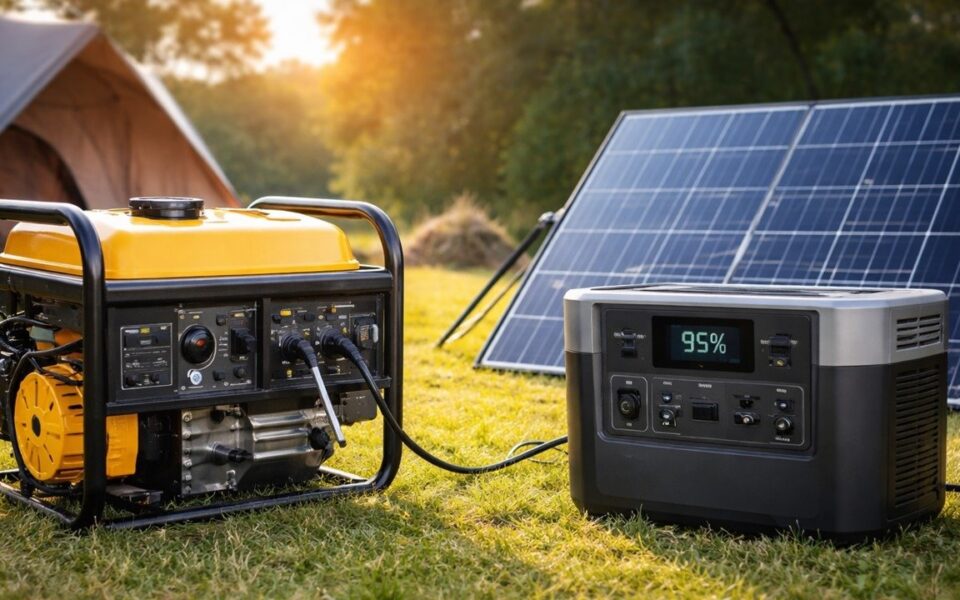
Power disruptions continue to impact residential tenants across the United States, and multiunit housing presents unique challenges during grid failures. The average U.S. electricity customer lost power for approximately 11 hours in 2024, nearly double the annual average recorded over the previous decade. Major weather events, including Hurricanes Beryl, Helene, and Milton, accounted for roughly 80% of those outage hours. Traditional gasoline or propane generators require outdoor placement, fuel storage, and exhaust venting, making them impractical or prohibited in apartments and condos. [3]
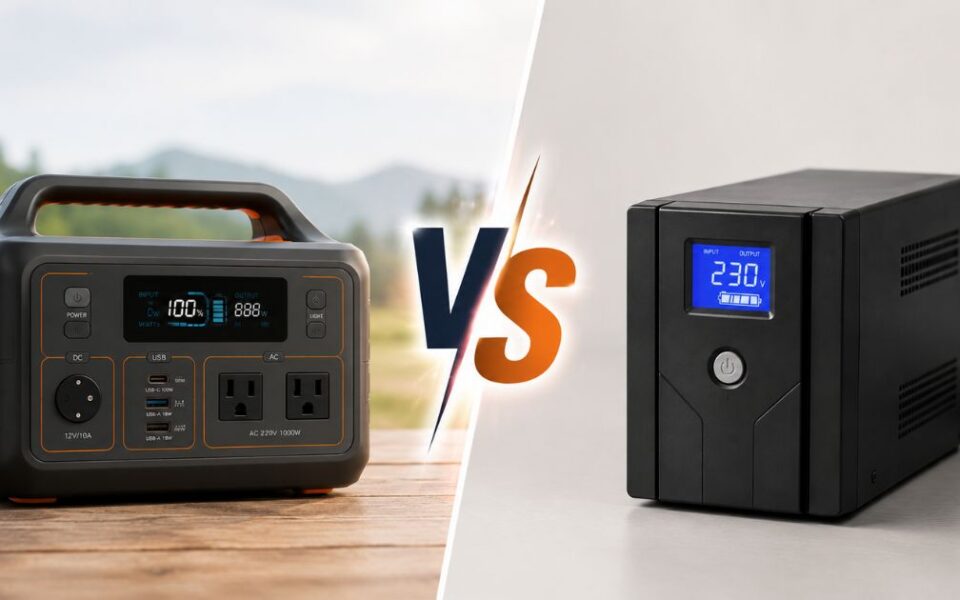
Portable power stations address these constraints by delivering silent, emission-free backup that requires no installation, permits, or neighbor coordination. The shift toward remote work in densely populated states such as New York, Massachusetts, and Pennsylvania has increased tenant reliance on uninterrupted connectivity and climate control, further driving demand for reliable indoor backup solutions. Sustainability priorities in regions like the Northeast also encourage adoption of solar-compatible charging ecosystems. Industry analysis indicates that battery storage consistently outperforms diesel generators during extended outages, a distinction that directly benefits renters without access to patios, yards, or garage ventilation. [4][6]
Key Specifications That Matter for Condo and Apartment Living
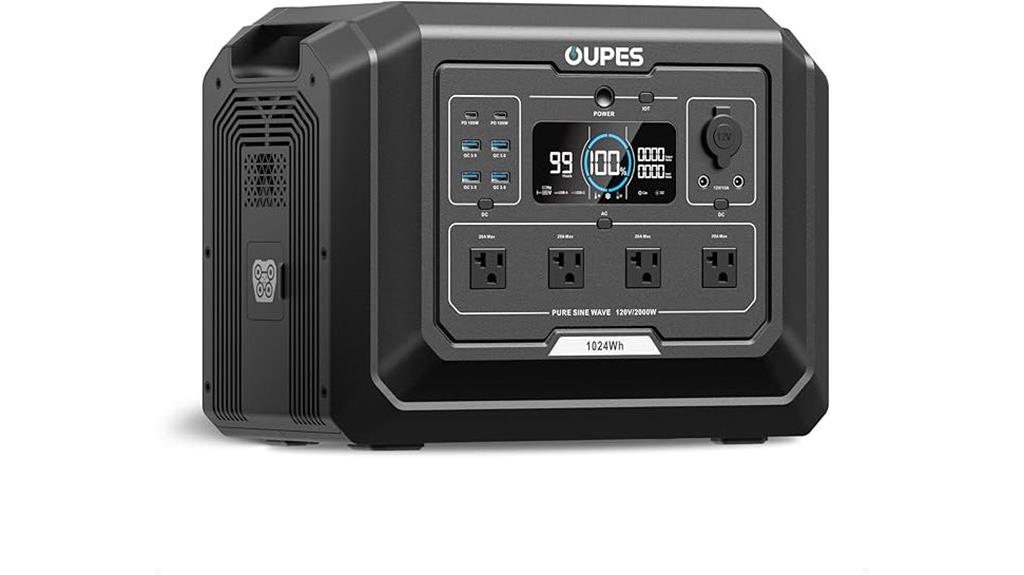
Selecting a unit for multiunit living requires focusing on indoor safety, physical footprint, and verified battery chemistry. LiFePO4 (LFP) portable power stations rated between 768 Wh and 2,048 Wh provide safe backup for apartment environments because LFP chemistry eliminates combustion byproducts and reduces thermal runaway risk. This makes LFP the only widely recognized indoor-safe battery type for multifamily backup applications. [3]
When evaluating candidates, compare battery capacity against continuous wattage, startup surge requirements, charging input options, and warranty coverage. Weight remains a practical consideration for renters who relocate frequently; units around 22 lbs offer manageable portability while retaining meaningful capacity. Modern systems increasingly integrate intelligent battery management systems (BMS) featuring AI-based monitoring for real-time tracking of temperature, voltage, and cell health. These systems optimize charge thresholds, prevent overcharging and deep discharge, and extend operational lifespan, particularly in multi-cell configurations. Prioritize models that explicitly list indoor safety certifications, compact storage dimensions, and LFP construction before comparing retail listings. [2][4]
How to Calculate Your Backup Power Needs
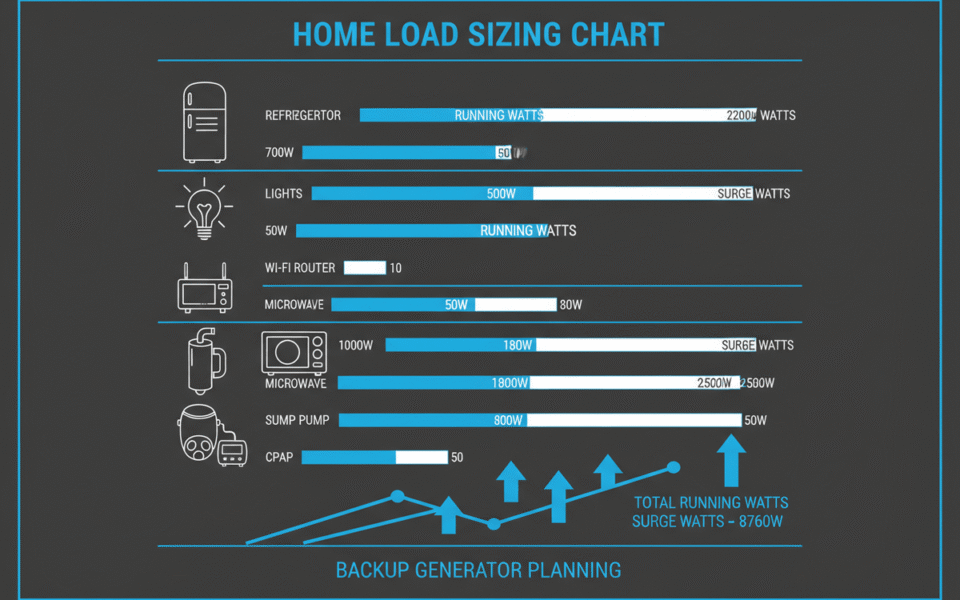
Accurate sizing begins with documenting your essential loads rather than convenience devices. Start by listing the appliances you must run, recording their continuous wattage, verifying startup demand spikes, and estimating the runtime required during an outage. Compare these figures against available battery capacity, weight, and charging input methods. [2]
Essential apartment loads typically include refrigerators, Wi-Fi modems, routers, LED lighting, and laptops. High-draw appliances such as window air conditioners, microwave ovens, or electric kettles significantly increase power consumption and may exceed smaller unit capabilities. For large apartments and condos, systems in the 1,024 Wh to 2,048 Wh range can sustain a mini fridge for 12 or more hours. Small apartments under 1,000 square feet generally only require essentials-only loads, allowing focus on lighter, more compact options. [4][3]
Calculate total watt-hours by multiplying continuous wattage by desired hours of operation, then select a unit whose usable capacity meets or exceeds that number. Account for inverter efficiency losses and avoid running devices near their maximum continuous output rating, as sustained high draws accelerate battery depletion.
Top Portable Power Stations for Indoor Apartment Use
The following models appear frequently in apartment-focused evaluations due to their verified specifications, indoor-safe chemistry, and renter-friendly form factors. All listed capacities, outputs, weights, and pricing reflect published information at the time of compilation. Retail pricing, promotional bundles, stock levels, and feature updates change regularly. Verify every detail on the current manufacturer or authorized retailer page before purchase.
Jackery Explorer 1000 v2
Frequently positioned as the best option for small to mid-size apartments, the Explorer 1000 v2 delivers approximately 1,002 Wh of capacity, 1,000W continuous output (2,000W surge), and weighs 22 lbs. Steady operation of essential loads such as a refrigerator, lights, modem, and laptop can yield 24+ hours of backup runtime. The model carries a proven service record with minimal known failure patterns and maintains strong resale value, though newer iterations with updated charging speeds exist. Current pricing and included accessories vary by seller; confirm the active listing before ordering. [4]
Bluetti AC70
Listed as an affordable apartment backup solution, the AC70 emphasizes compact storage and straightforward operation. Its smaller footprint suits limited closet or under-desk storage common in condos. Exact capacity, output ratings, and warranty terms differ by production batch; verify specifications directly through the manufacturer. [3][4]
EcoFlow RIVER 2 Pro
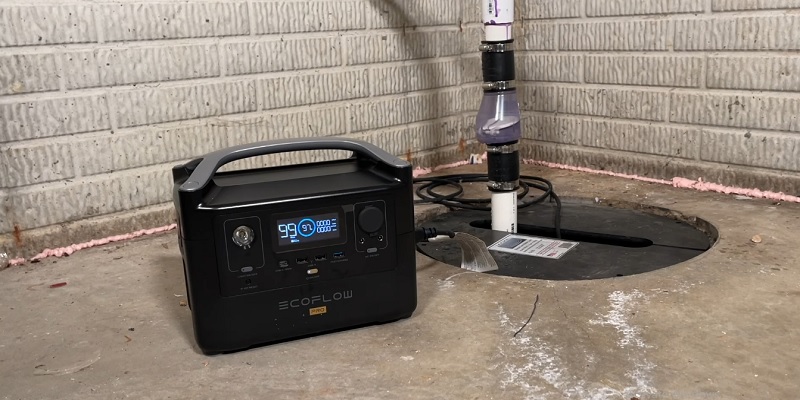
Positioned as a high-value alternative for renters prioritizing fast AC charging and lightweight design, the RIVER 2 Pro targets studio and one-bedroom layouts. Retail pricing, bundle contents, and software features update periodically; validate current details on the official storefront. [3]
UDPOWER Lineup (C600, S1200, S2400)
UDPOWER offers tiered models ranging from light electronics support to higher-load household and RV backup scenarios. The C600, S1200, and S2400 differ significantly in capacity, output, and charging architecture. Review official product pages to match your exact watt-hour and wattage requirements before selecting a configuration. [2]
Legal, Safety, and Building Compliance Considerations
Consumer portable power stations typically fall between 300 Wh and 2,000 Wh and carry safety listings such as UL 2743 or UL 2054, with cells meeting IEC 62133 and UN 38.3 transport standards. These units are often permitted as consumer equipment when operated strictly according to manufacturer instructions. [5]
Building codes and local authority having jurisdiction (AHJ) regulations evolve, and some municipalities or property managers impose additional placement restrictions. Stationary energy storage systems rated above 2,000 Wh frequently face stricter indoor limits and may require dedicated rooms, balcony installations, or formal engineering approvals. Portable consumer units do not require the full system listings mandated for stationary ESS, which typically demand UL 9540 certification and thermal propagation testing per UL 9540A. [5]
To ensure compliance, contact your local fire marshal and property management office before deployment. Follow ventilation guidelines, keep units off flammable surfaces, and store them away from direct sunlight and moisture. Operating within certified parameters and adhering to building policies maintains indoor safety for all residents. [5]
Practical Limitations and Real-World Runtime Expectations
Battery storage provides reliable, quiet backup but cannot replace grid-scale infrastructure for high-demand appliances. Central HVAC, electric ranges, whole-house sump pumps, and electric dryers exceed typical portable station capabilities and require dedicated circuits or utility-grade systems. [3][4]
Startup surges from compressor-driven devices can temporarily exceed continuous output ratings. Verify each appliance’s peak wattage against the power station’s surge capacity before connecting. Runtime decreases when ambient temperatures fall outside optimal operating ranges, and lithium-based cells experience natural capacity decline after hundreds of charge cycles. Advanced BMS technology helps manage degradation by balancing cell voltages and preventing extreme charge states, but it does not stop long-term fade. [2][4]
Maintain realistic expectations during prolonged outages. Rotate high-priority loads, disconnect non-essential devices when not in use, and recharge via AC wall outlets or compatible solar panels once grid service resumes. Store units partially charged rather than fully depleted or fully packed during extended idle periods to preserve cell health.
Making Your Final Selection
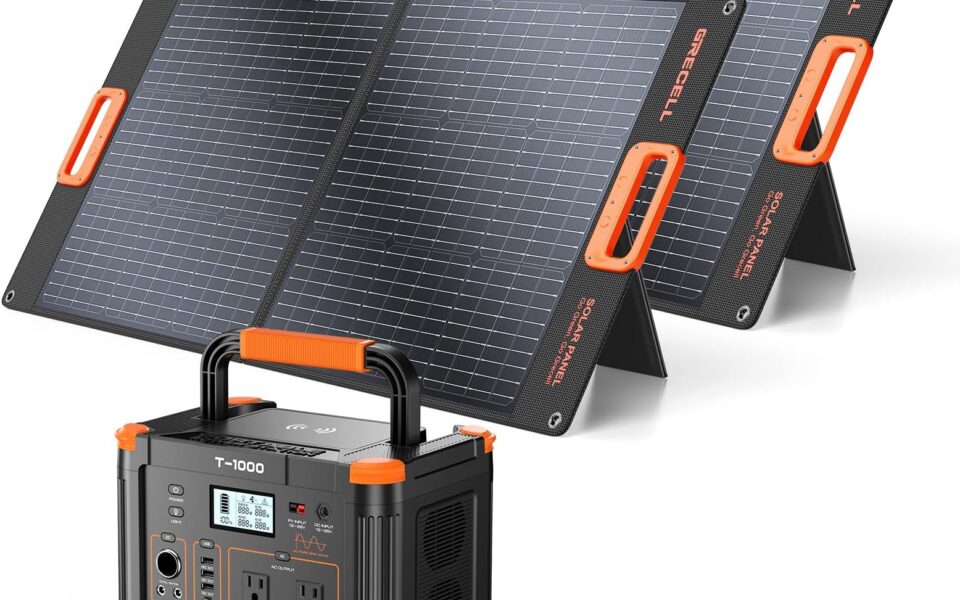
Match documented essential loads to verified capacity, prioritize LFP chemistry for indoor safety, and confirm physical dimensions fit your available storage space. Cross-reference safety certifications with local building policies and landlord guidelines before finalizing a purchase. Evaluate charging flexibility, including AC input speed, solar panel compatibility, and vehicle DC input, to align with your recovery strategy during extended blackouts. Review warranty duration, customer support responsiveness, and replacement part availability as indicators of long-term reliability. [3][4]
Because retail pricing, promotional discounts, shipping timelines, and model revisions update constantly, treat all listed figures as baseline reference points and validate them against the active manufacturer or authorized dealer listing. Selecting a system that balances verified capacity, indoor-safe chemistry, and compliant operation ensures dependable backup without compromising apartment safety standards. [6]
Sources
[1] https://www.marketresearchfuture.com/reports/portable-power-station-market-10079 [2] https://udpwr.com/blogs/portable-power-station-knowledge/american-made-portable-power-station [3] https://poweroutage.us/home-battery-backup/best-portable-power-stations-apartments [4] https://backuppowerhub.com/best-power-stations-for-apartments [5] https://www.anernstore.com/blogs/portable-solar-power/fire-marshal-qa-portable-ess-apartments [6] https://uk.finance.yahoo.com/news/u-portable-power-station-market-083000250.html